

The Progressing Tenor Saxophone Soloist: Solo & Small Ensemble
Grade: 2-3
Item: 00-PS-0016179
$6.99
Pickup currently not available
Description
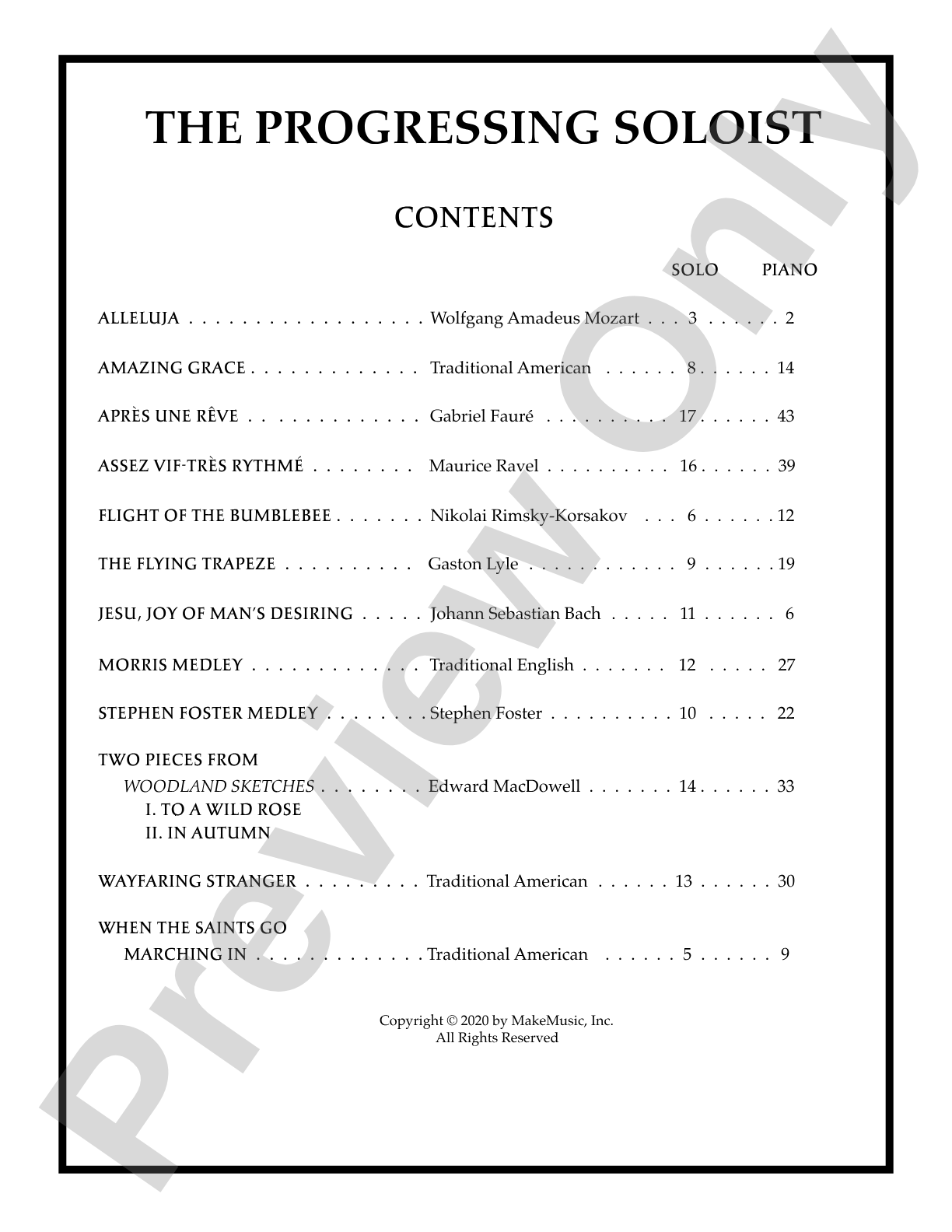
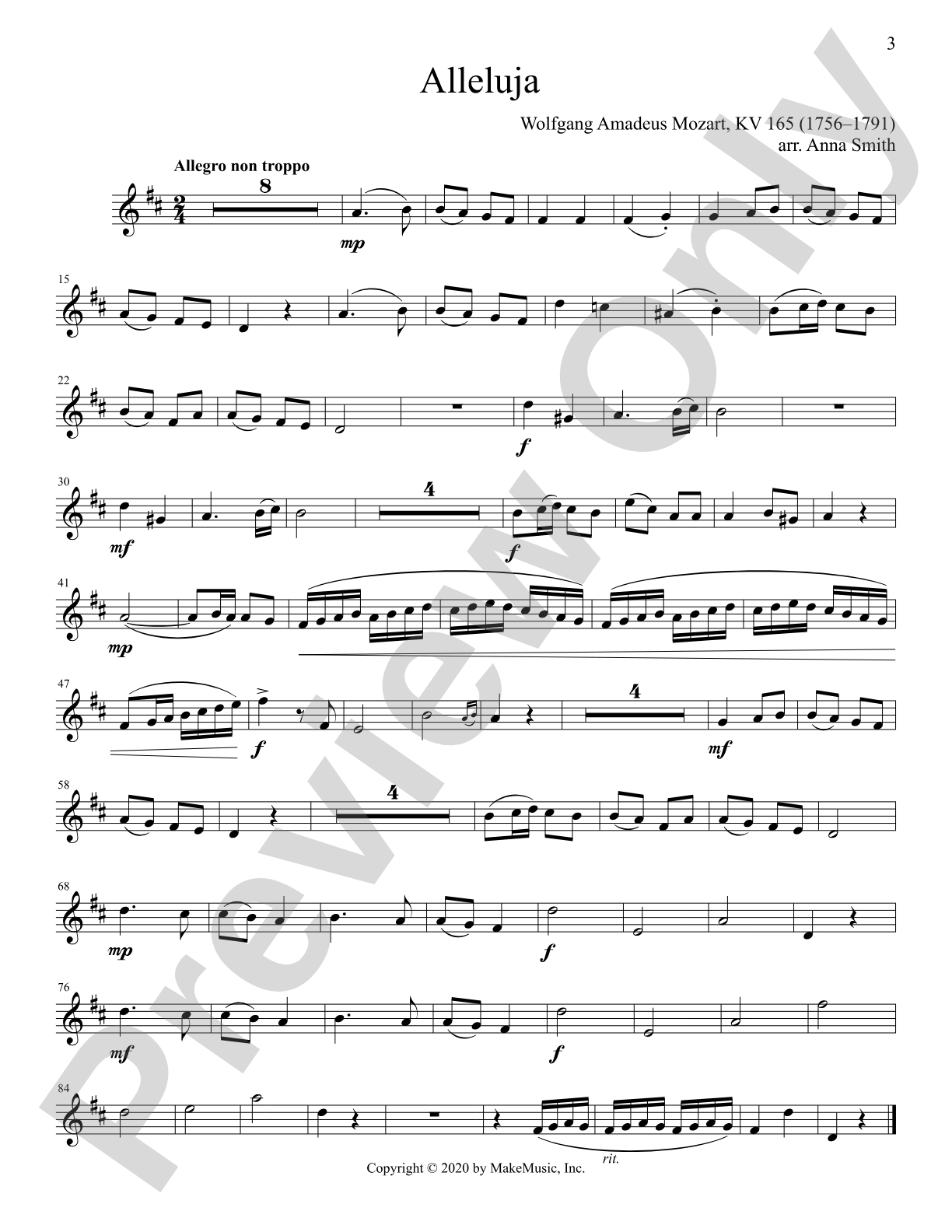
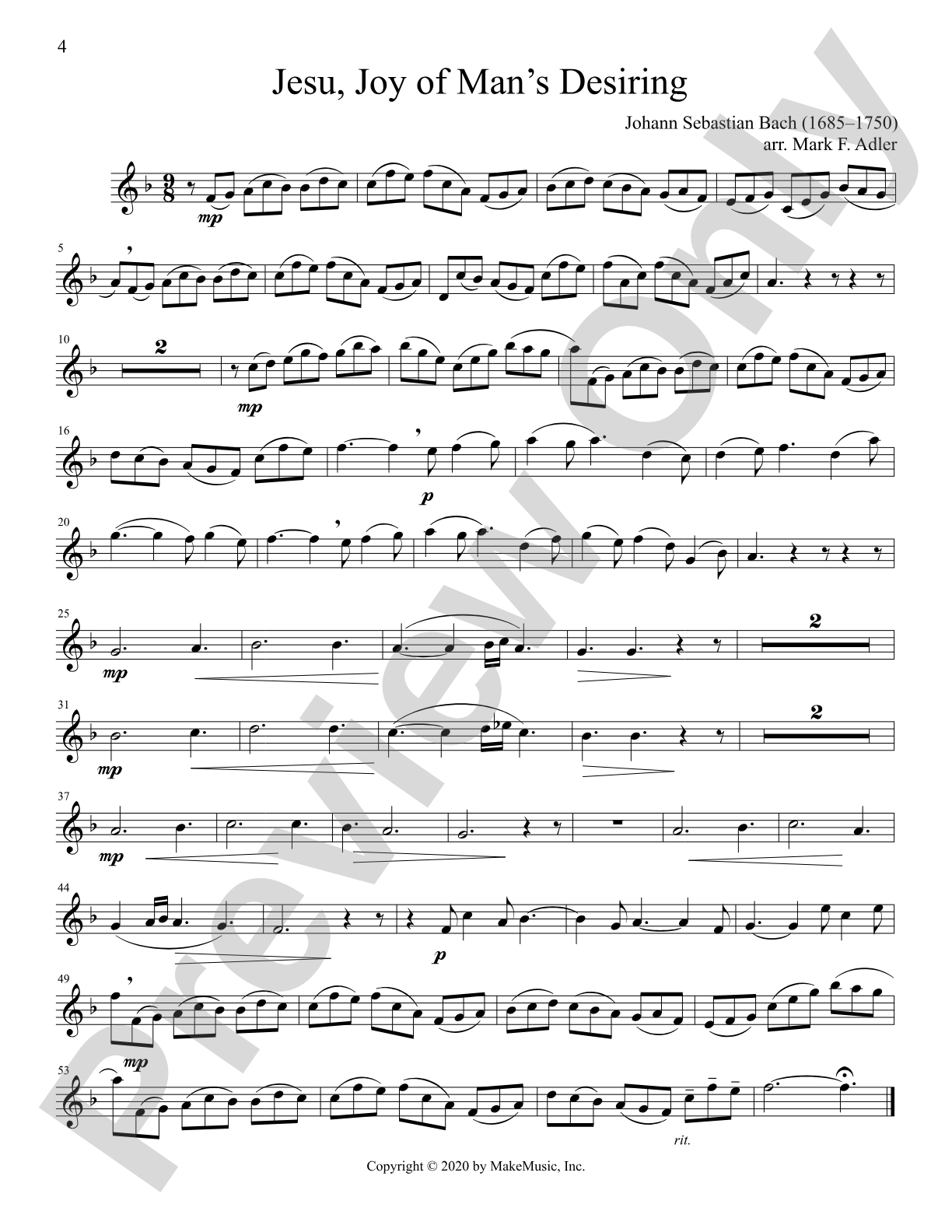
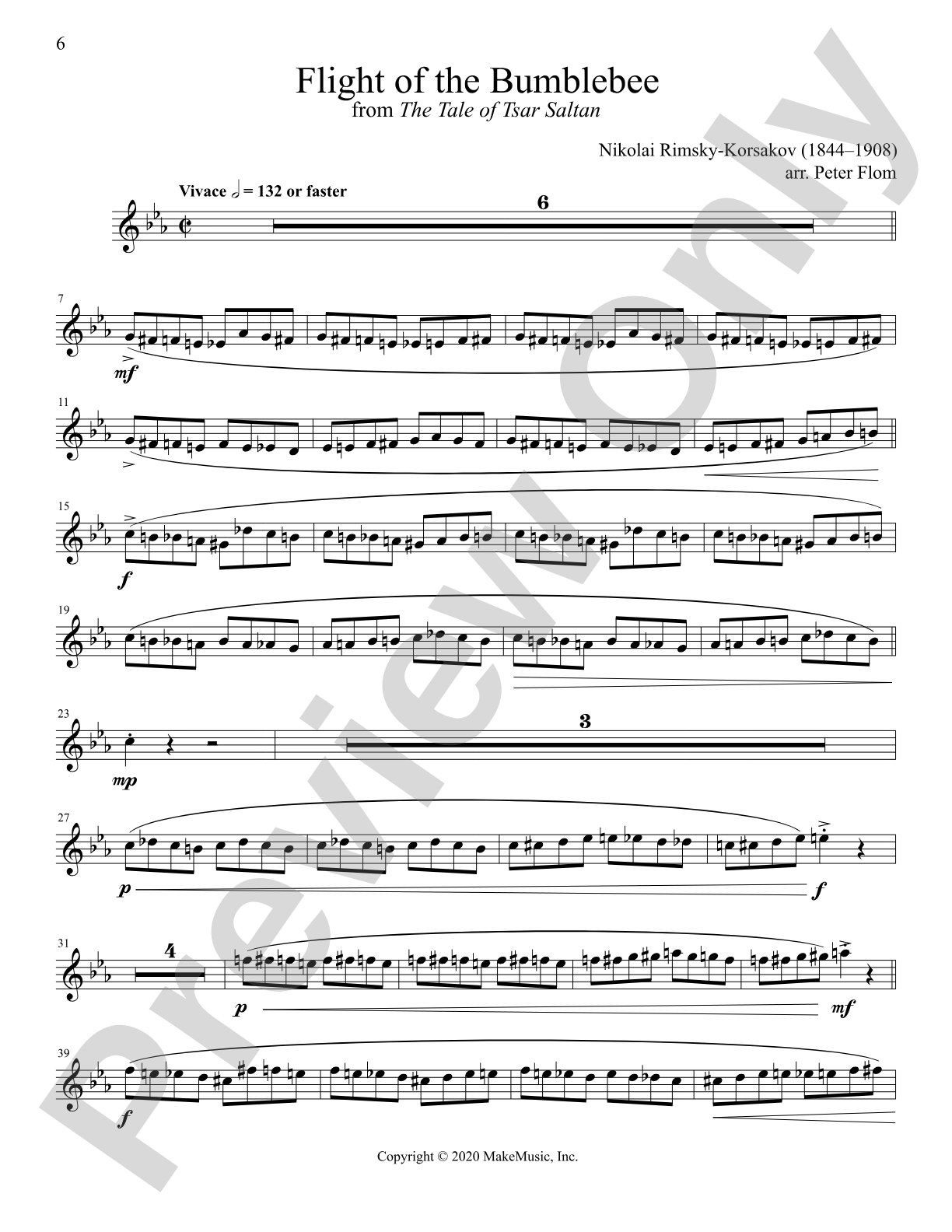
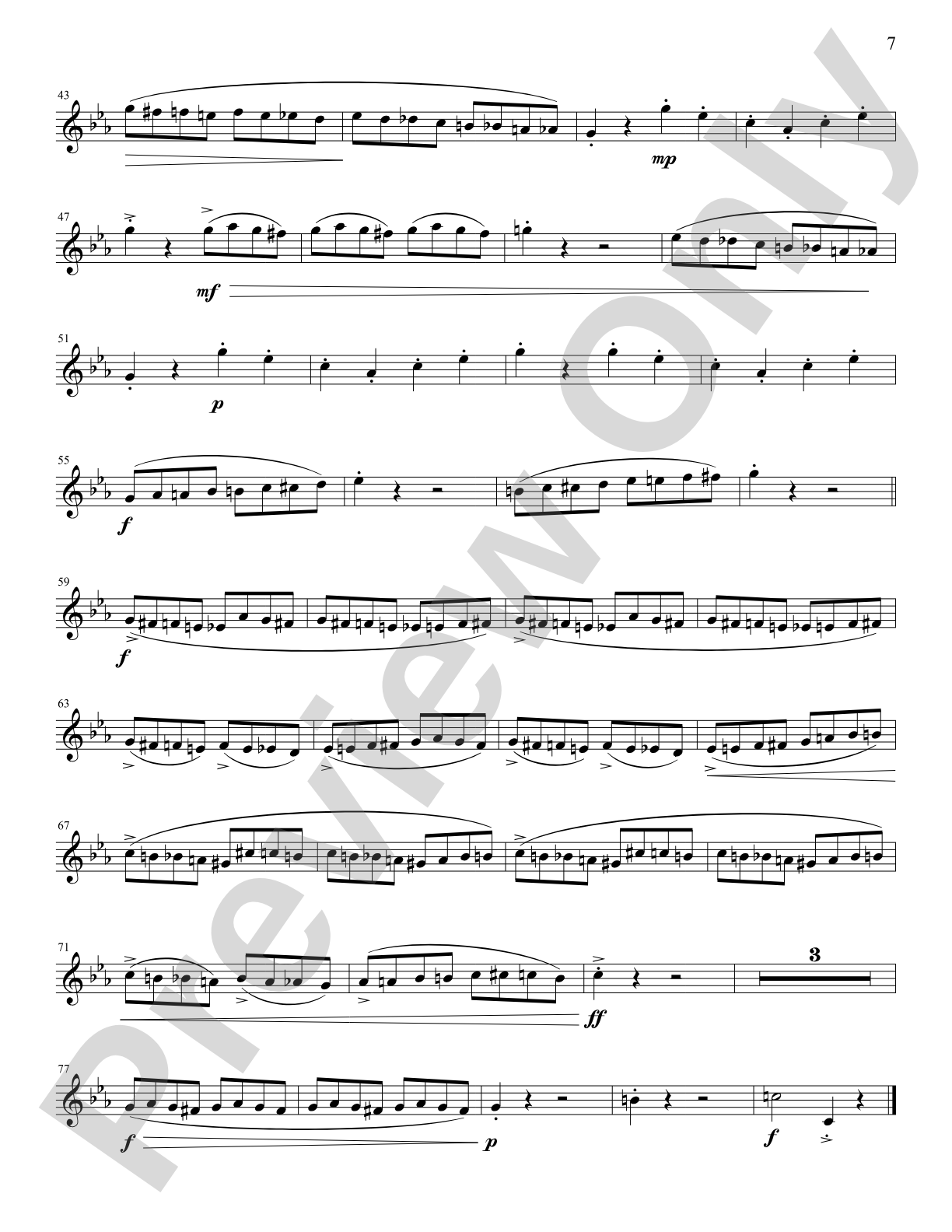
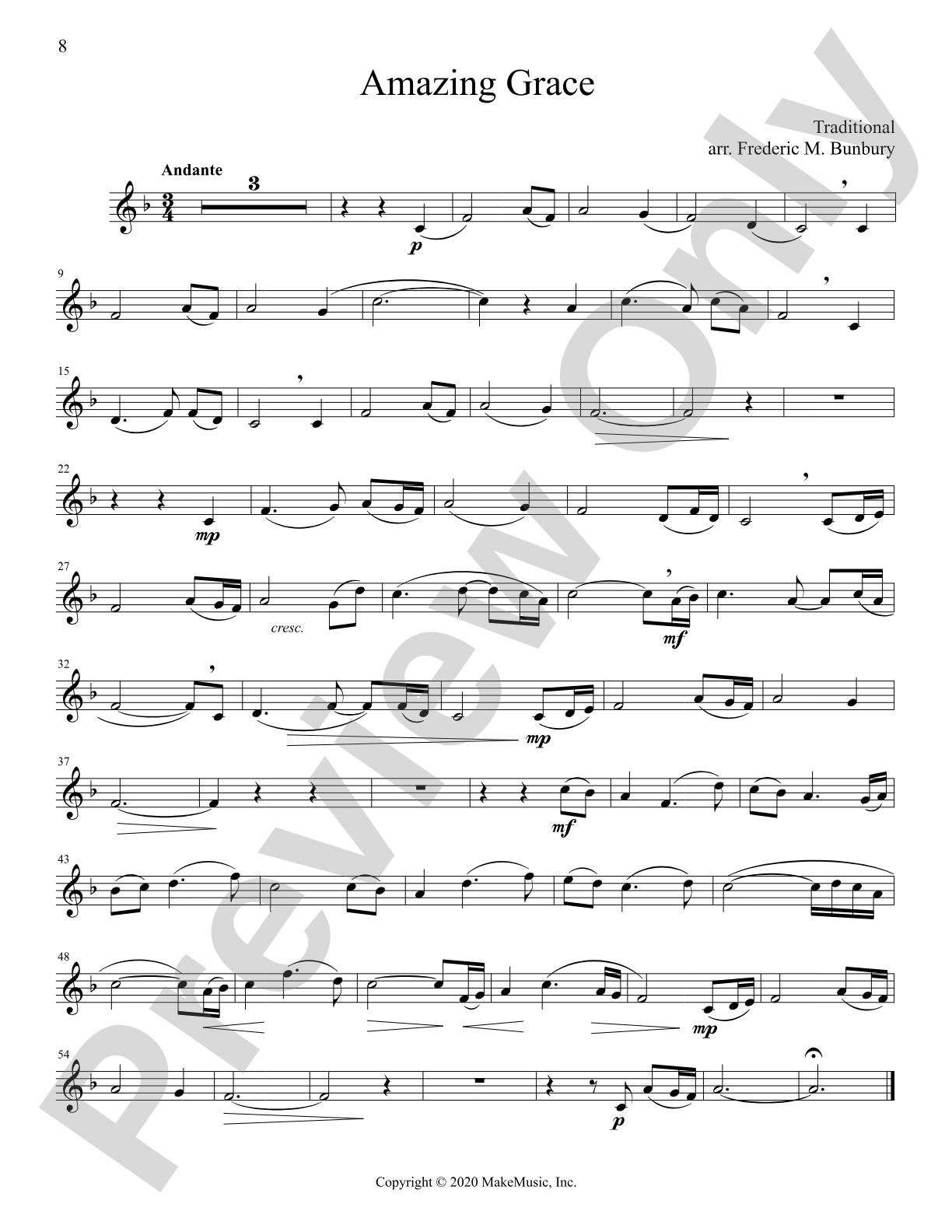
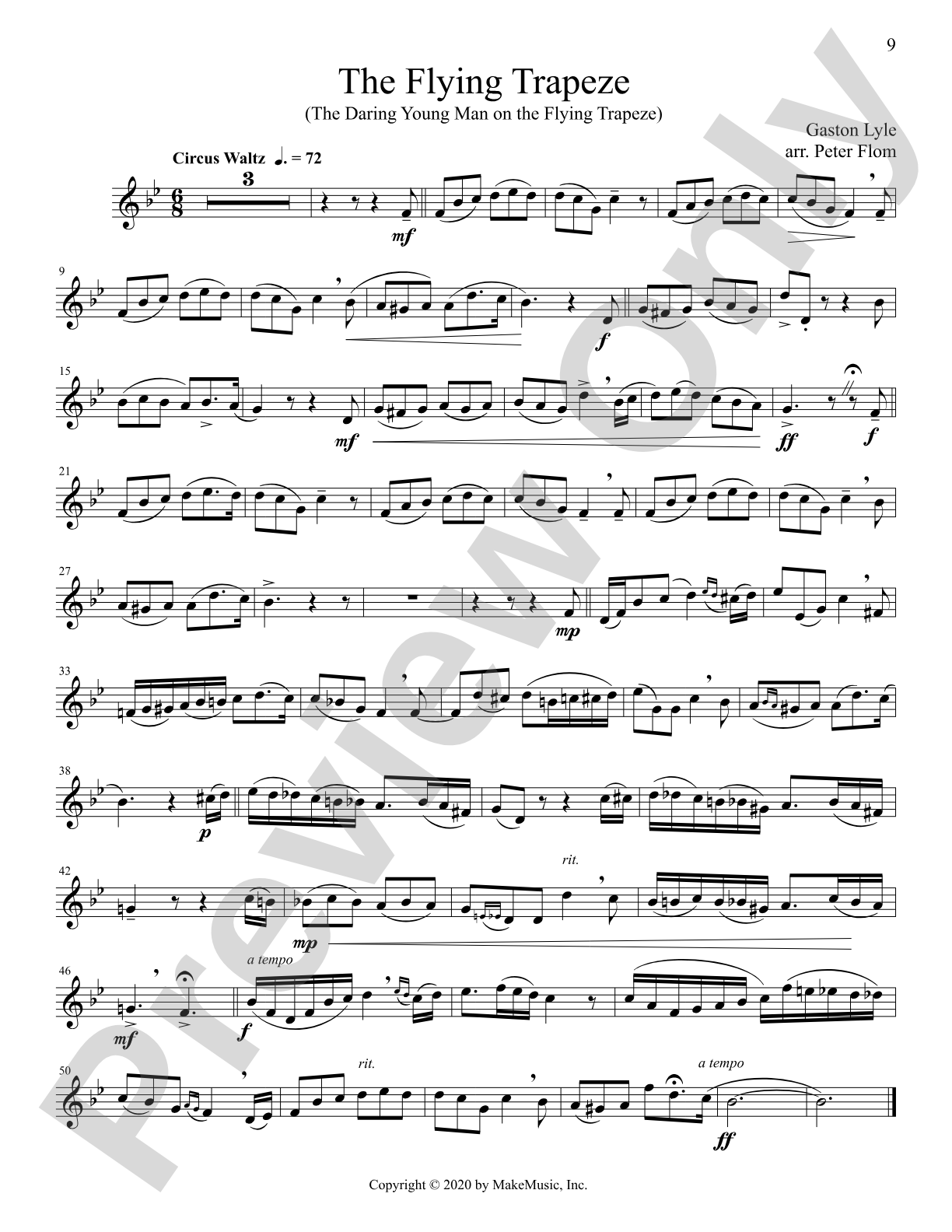
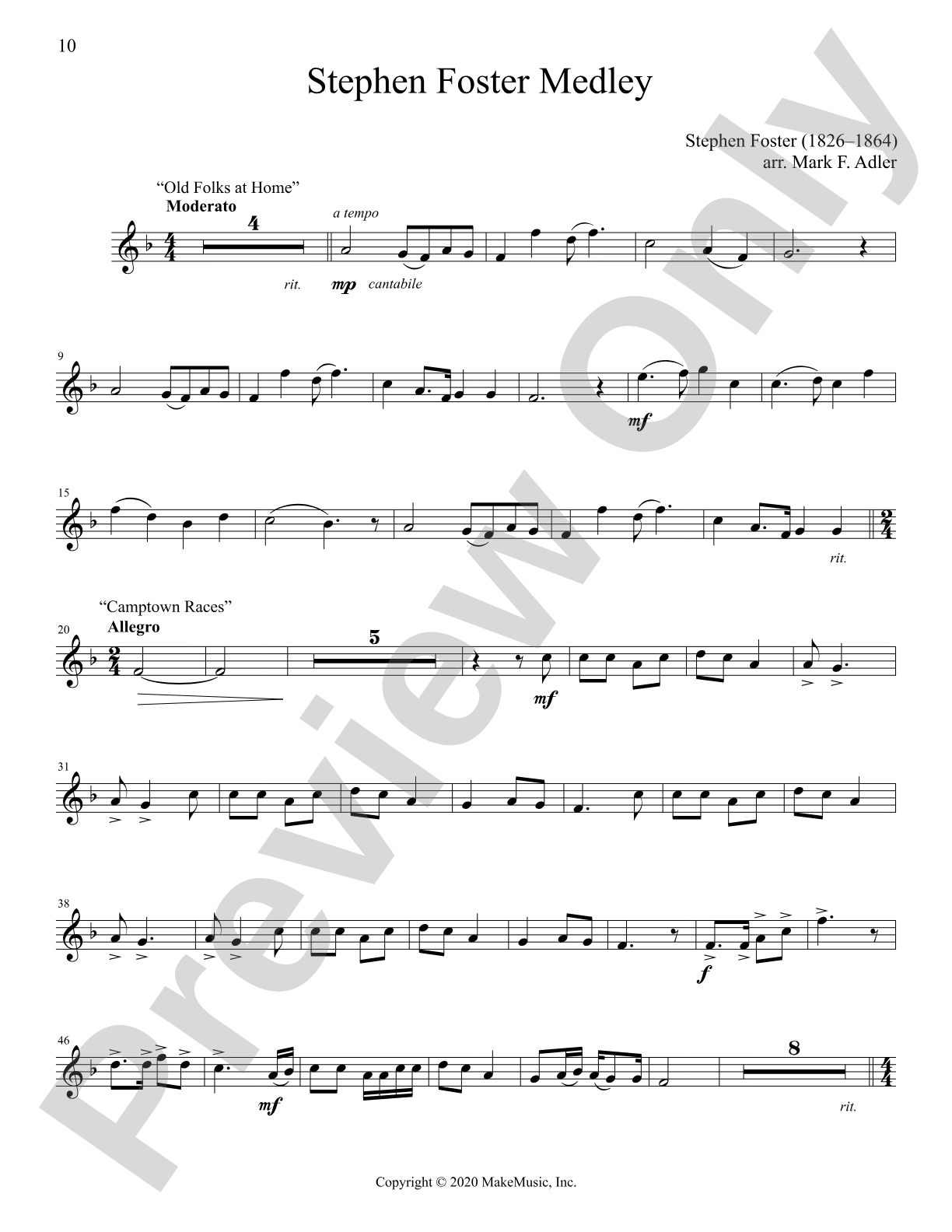
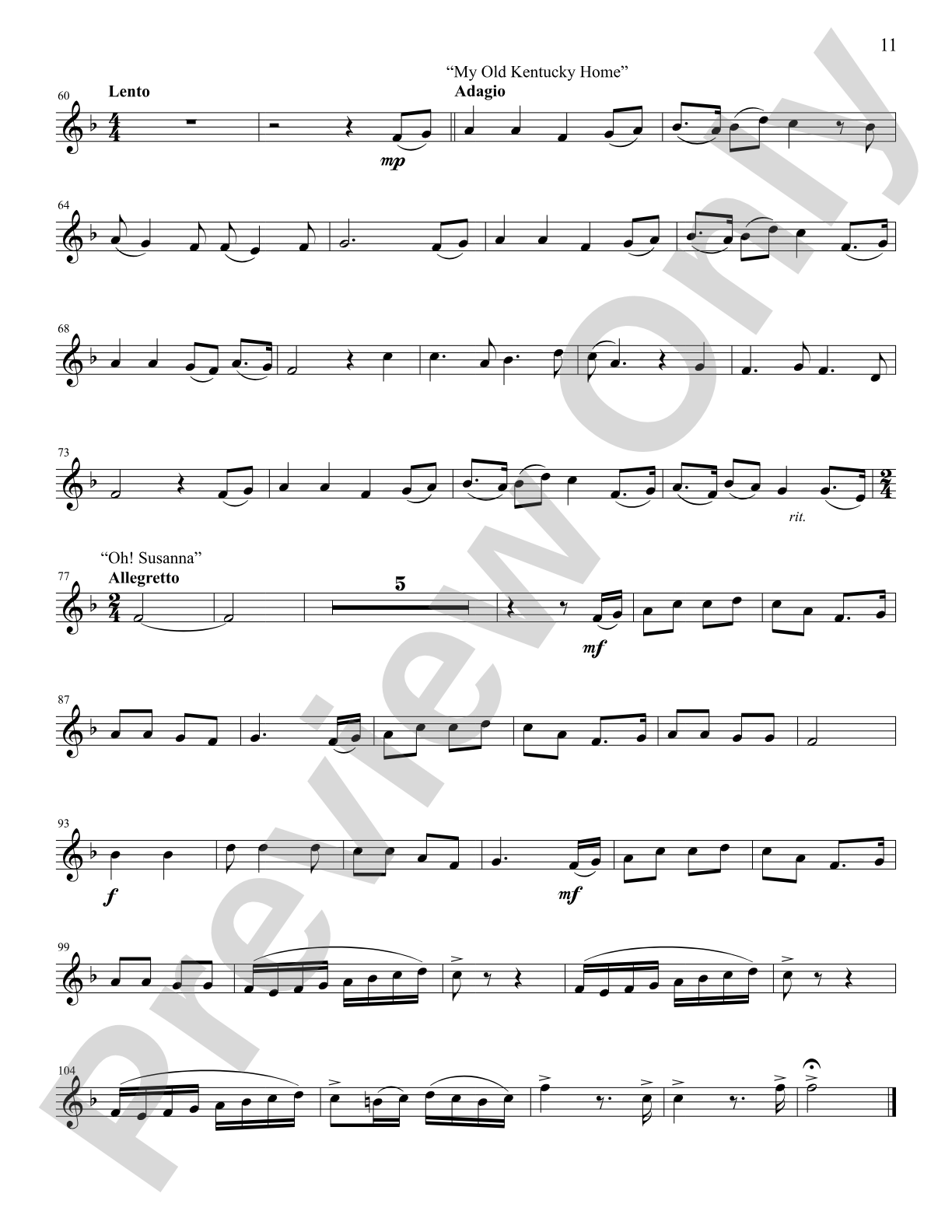
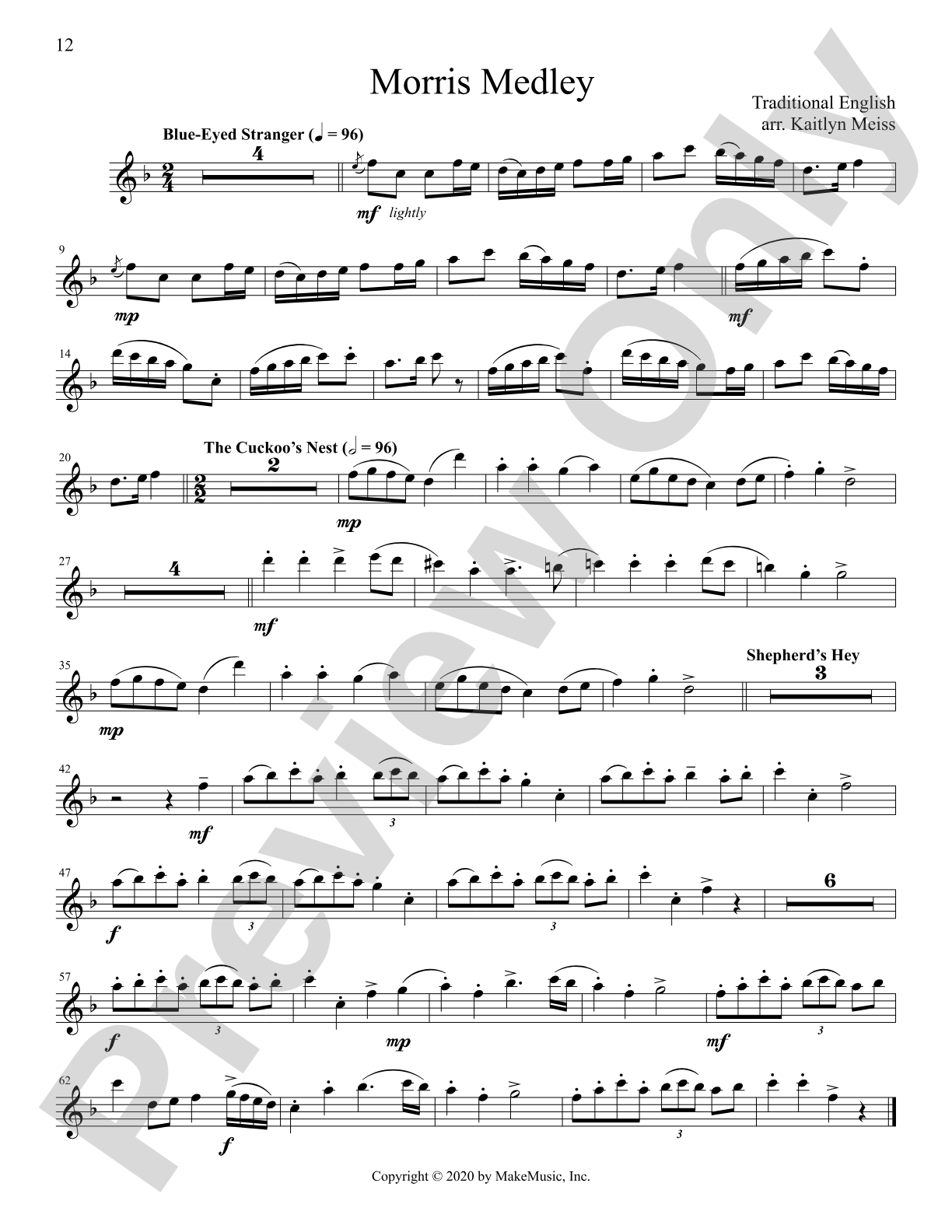
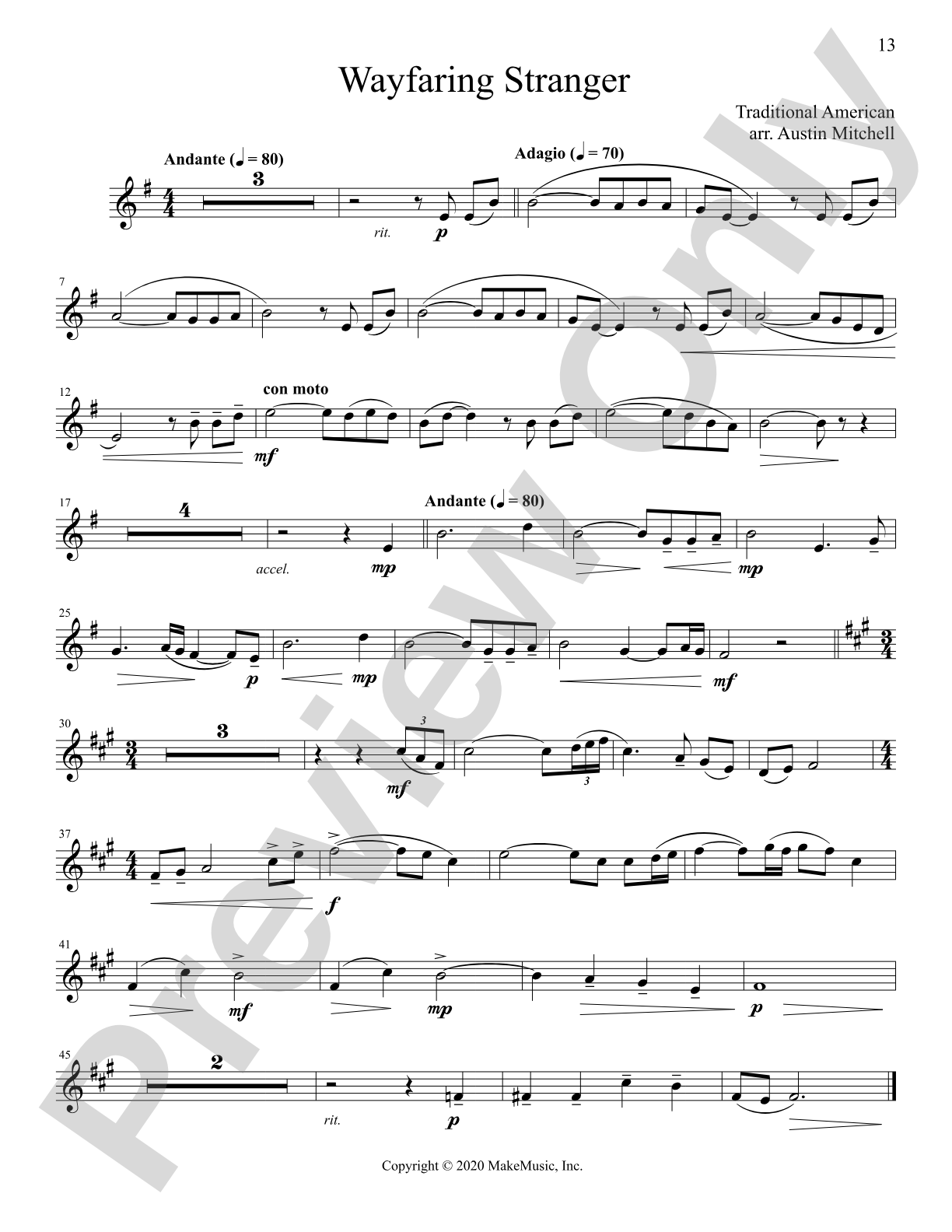
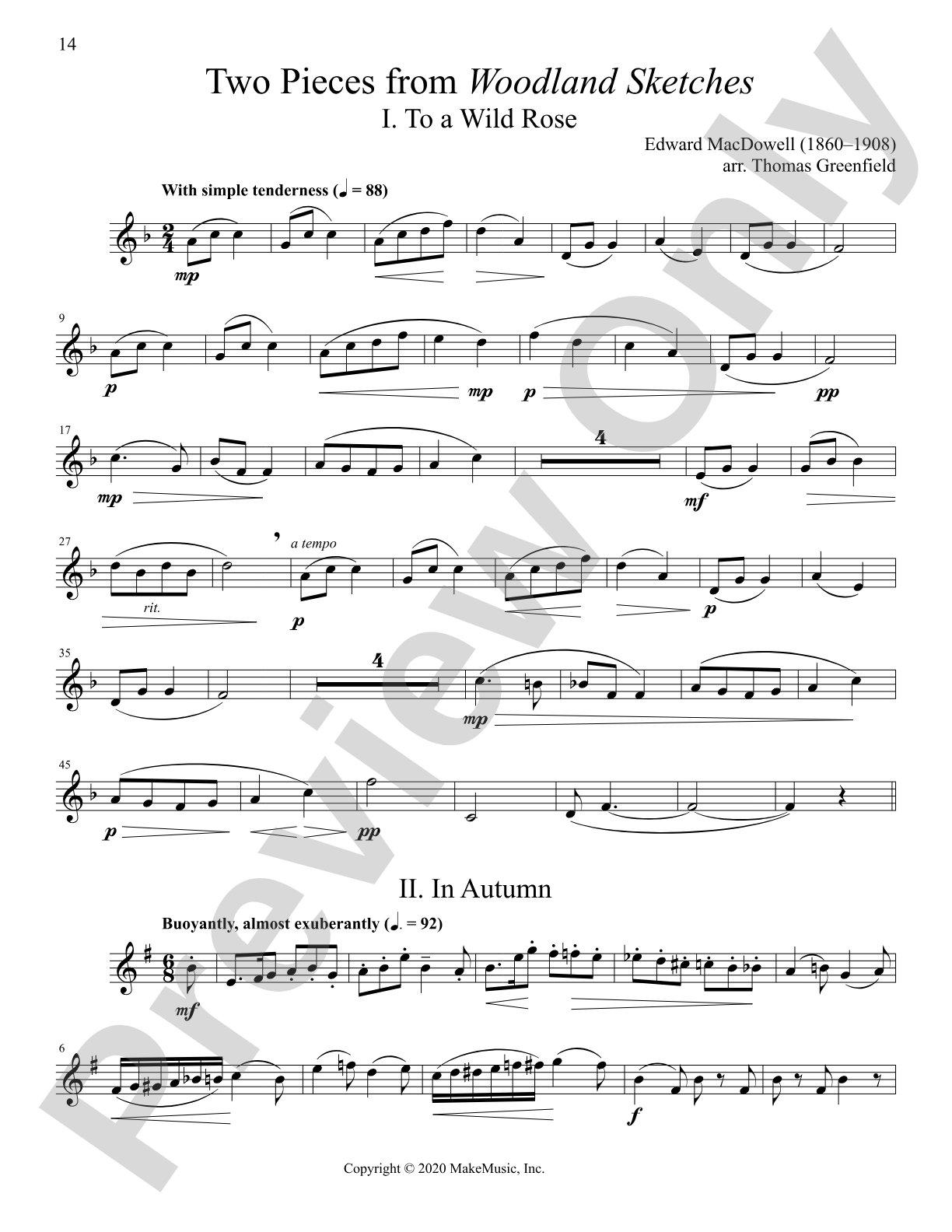
The Progressing Soloist series contains 12 fresh arrangements on many familiar themes, including "Flight of the Bumblebee," "Jesu, Joy of Man's Desiring," and Mozart's "Alleluia." This collection introduces your students to wonderful, lesser-known classics like Gabriel Fauré's "Après une rêve" and the second movement of Ravel's string quartet. These level 2--3 instrumental solos are ideal for recitals, concerts, and contests. This title is available in MakeMusic Cloud.


The Progressing Tenor Saxophone Soloist: Solo & Small Ensemble isn't in MakeMusic Cloud just yet...but it could be. Let us know you'd like to see it, and you'll help shape what comes next. In the meantime, start a free trial and dive into thousands of interactive titles your students can play along with today.
Request This Title
Tell us you want it.
Start Your Free Trial
Explore everything that's ready to play right now.
Sample Audio
No sample audio found.
Sample Video
No sample videos found.
Additional Details
Series:
Progressing Soloist
SKU:
00-PS-0016179
More about this title
Why we love this
This collection pairs recognizable titles with genuine discoveries, giving students the satisfaction of playing music they know while expanding their repertoire into less-traveled territory. The arrangements sit comfortably in grades 2-3 without sacrificing musical substance; these aren't simplified versions but purposeful adaptations that let the melodies breathe and the soloists shine.
What to expect
These arrangements strike a balance between the comfort of recognizable material and the discovery of unexpected musical depth. A lyrical passage from Fauré feels intimate and introspective; "Flight of the Bumblebee" becomes a technical showcase that still manages lightness and humor within the tenor's range.
Who it's for
Tenor saxophone students at the intermediate level who are ready for recital work and festival competition but benefit from guided repertoire selection. Directors seeking quality material that appeals to young performers because the melodies are already familiar and rewarding to execute.
How to get the most out of it
- Prepare the accompaniment parts alongside your own line. Asking a pianist or fellow band member to run through the accompaniments in rehearsal clarifies how your phrases interact with harmonic support and tightens ensemble balance.
- Mark breath points and phrase boundaries during the first read-through. Familiar melodies can tempt rushing; deliberate breathing prevents that and strengthens musical shape.
- Listen to multiple recordings of the original compositions before finalizing your interpretation. Hearing Ravel's string quartet movement or Fauré's "Après une rêve" in their original context informs your tone and tempo choices in the arrangement.
- Check the dynamic envelope against the key for each section. Tenor saxophone sits naturally in the staff, but balancing projection with lyricism across different registers requires conscious air support adjustment.
How to use it
Use individual solos from this collection to round out a student recital, spacing them between original works and larger ensemble pieces. For festival season, these arrangements offer contest-ready material that judges respect for its melodic integrity and smart saxophone writing.
Skills your students will build
- Phrasing and breath control in lyrical melodic lines
- Dynamic contrast and tone color across the tenor's range
- Sight-reading small ensemble parts and responding to accompaniment
- Tempo stability and rhythmic precision in passages with varied rhythmic profiles
- Stylistic understanding of classical and romantic-era melodies adapted for modern solo performance