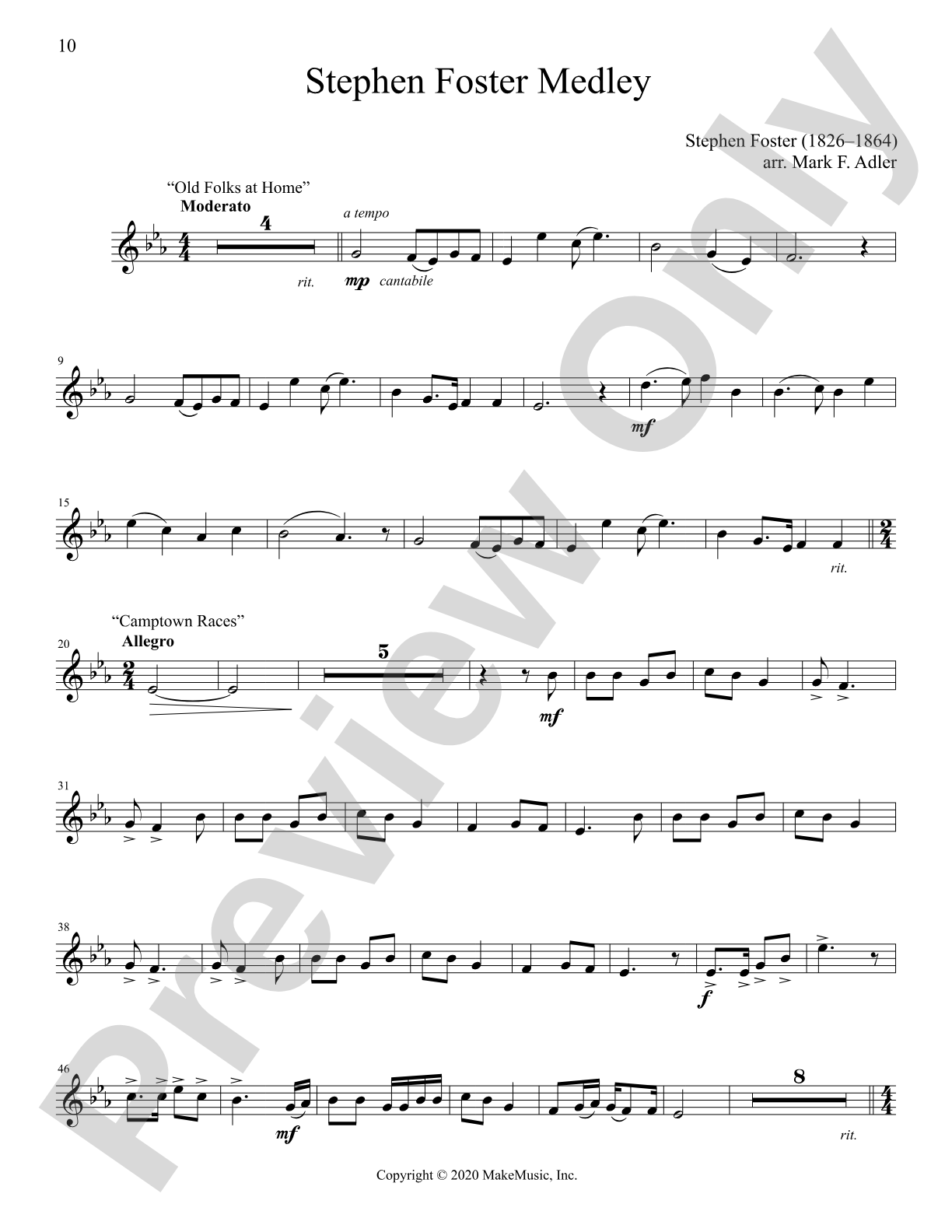
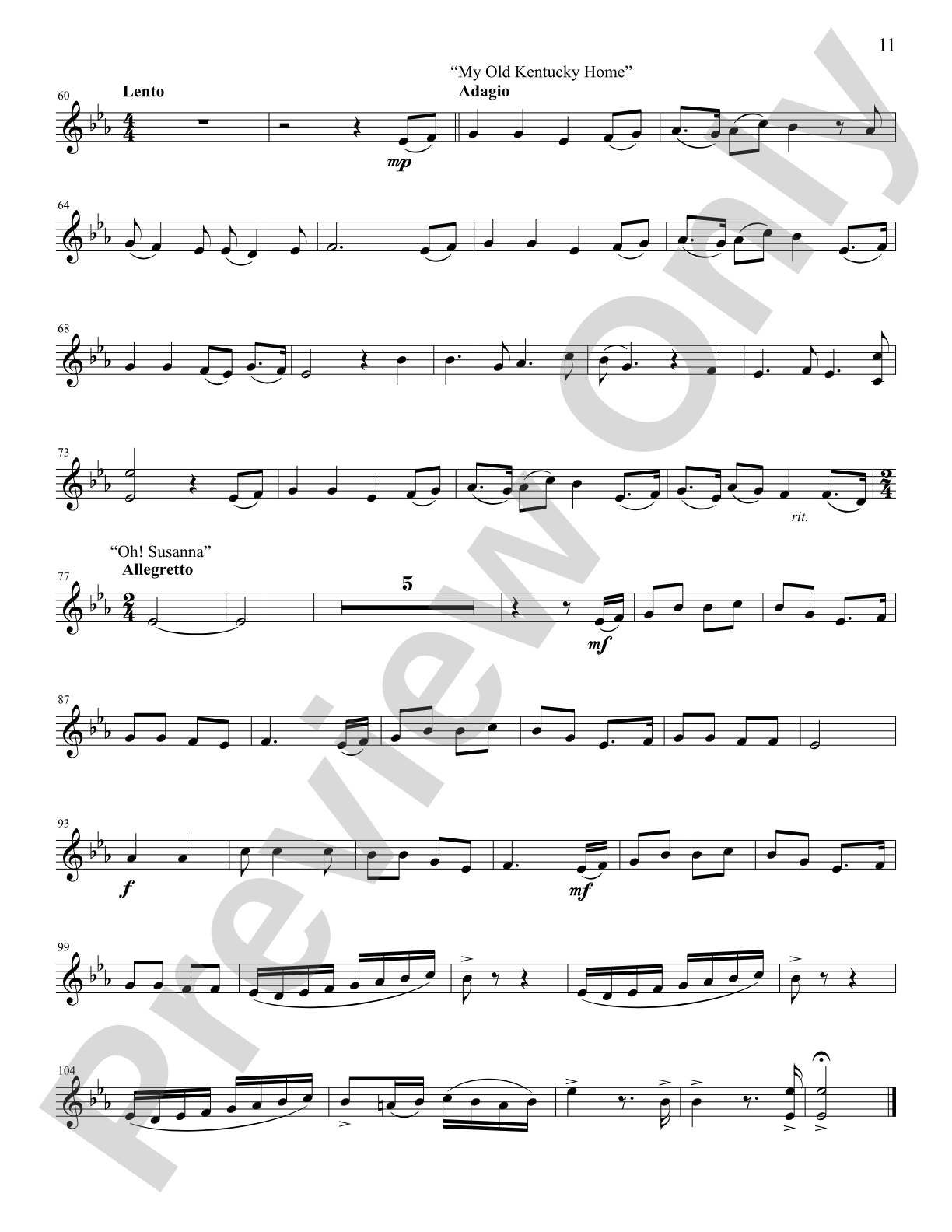
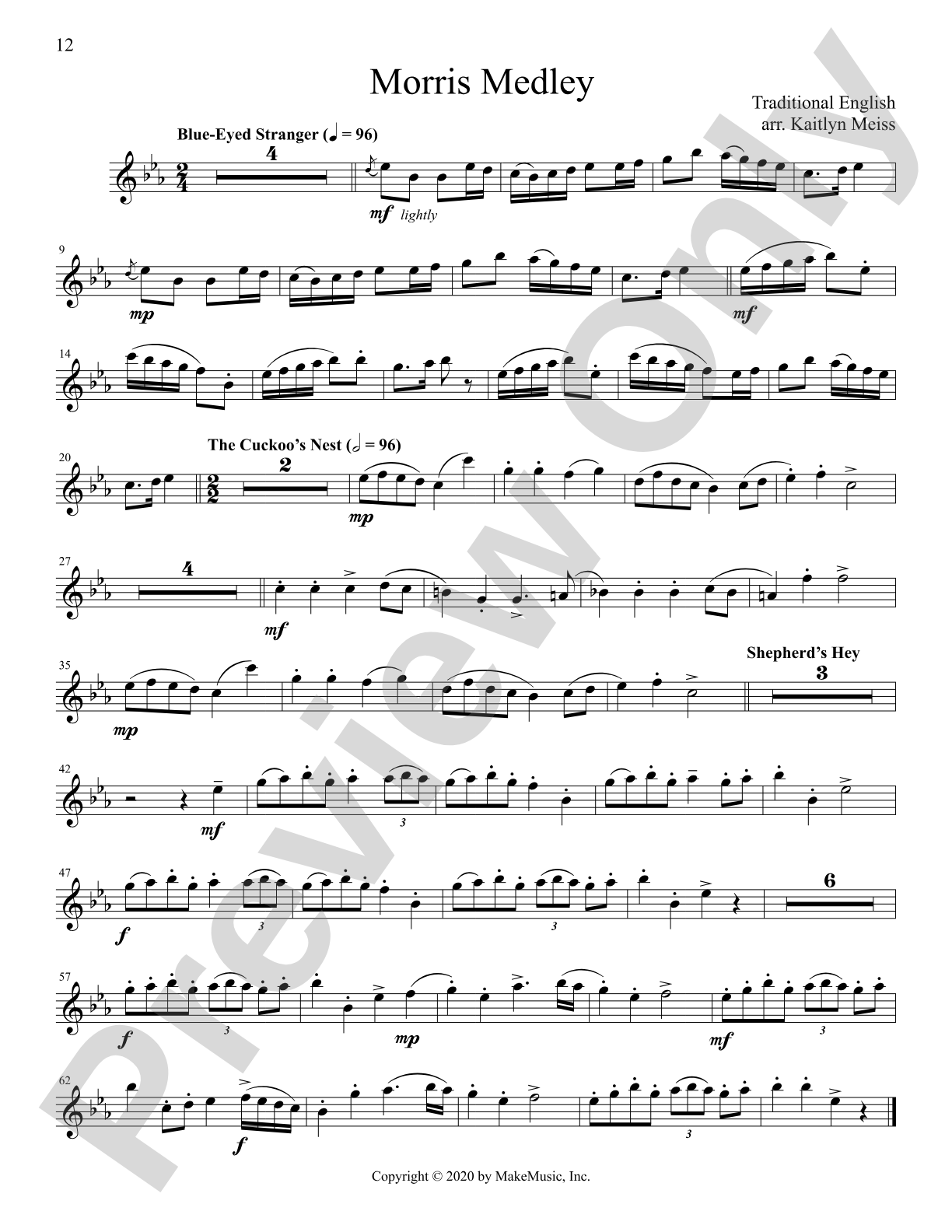
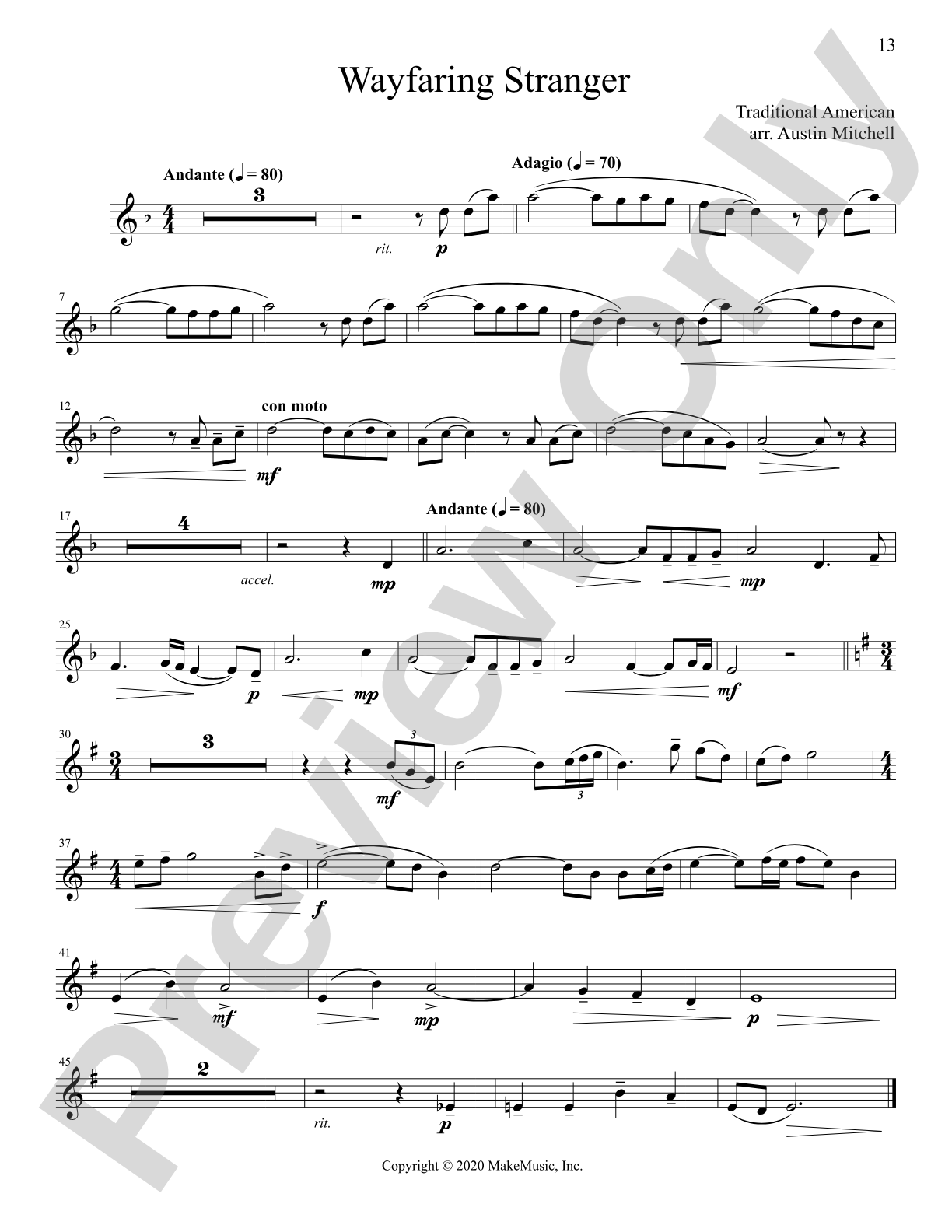
The Progressing Oboe Soloist: Solo & Small Ensemble
Grade: 2-3
Item: 00-PS-0016176
Digital Download
$6.99
Pickup currently not available
Description
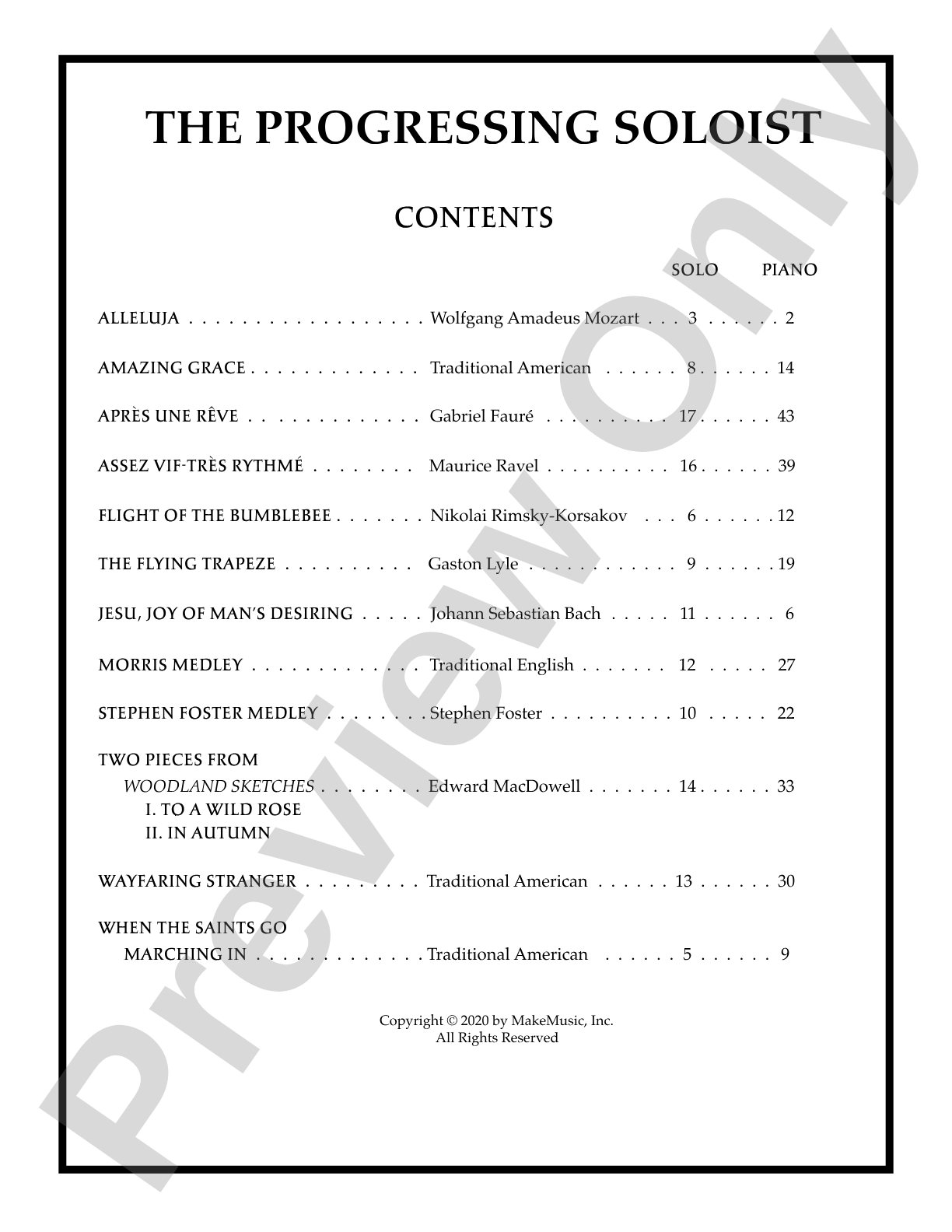
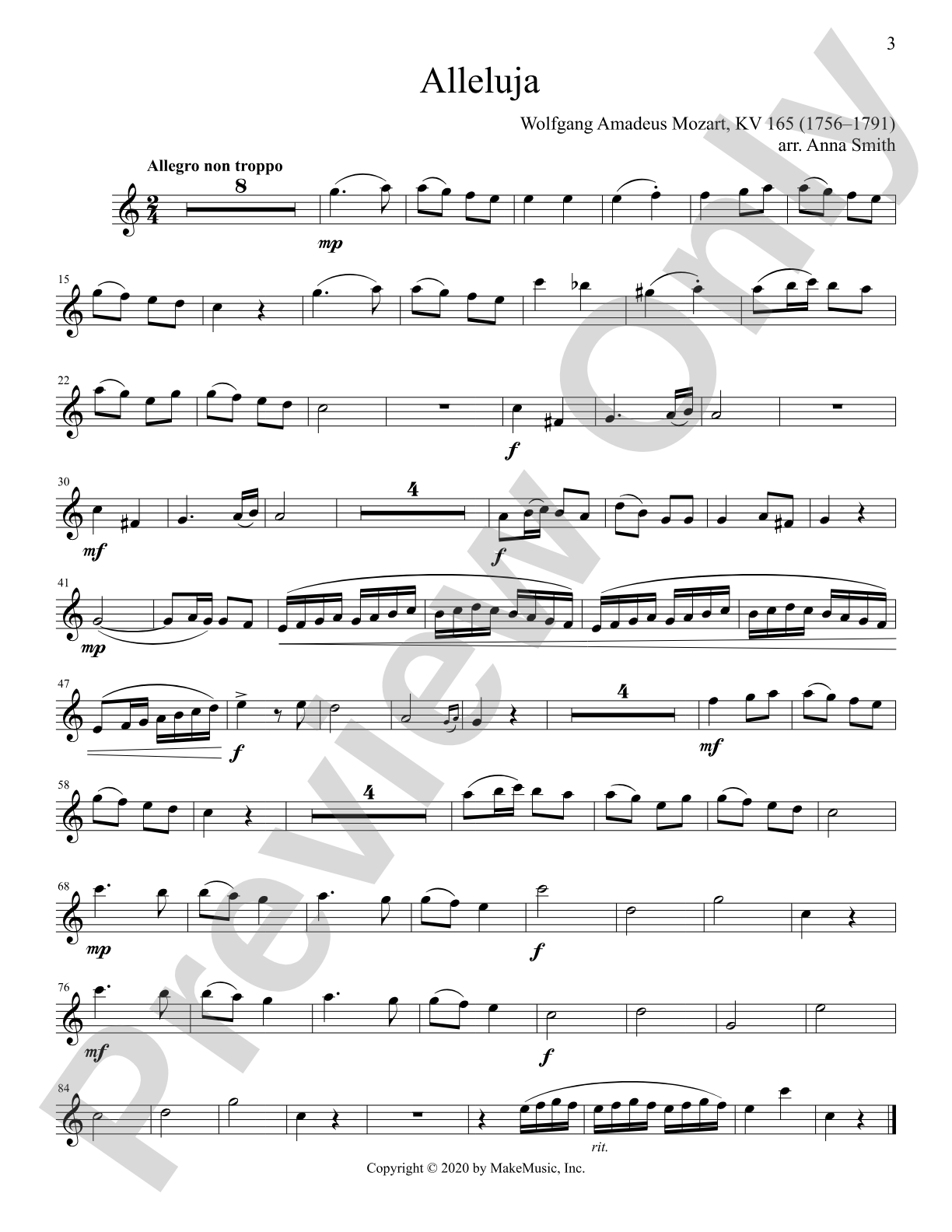
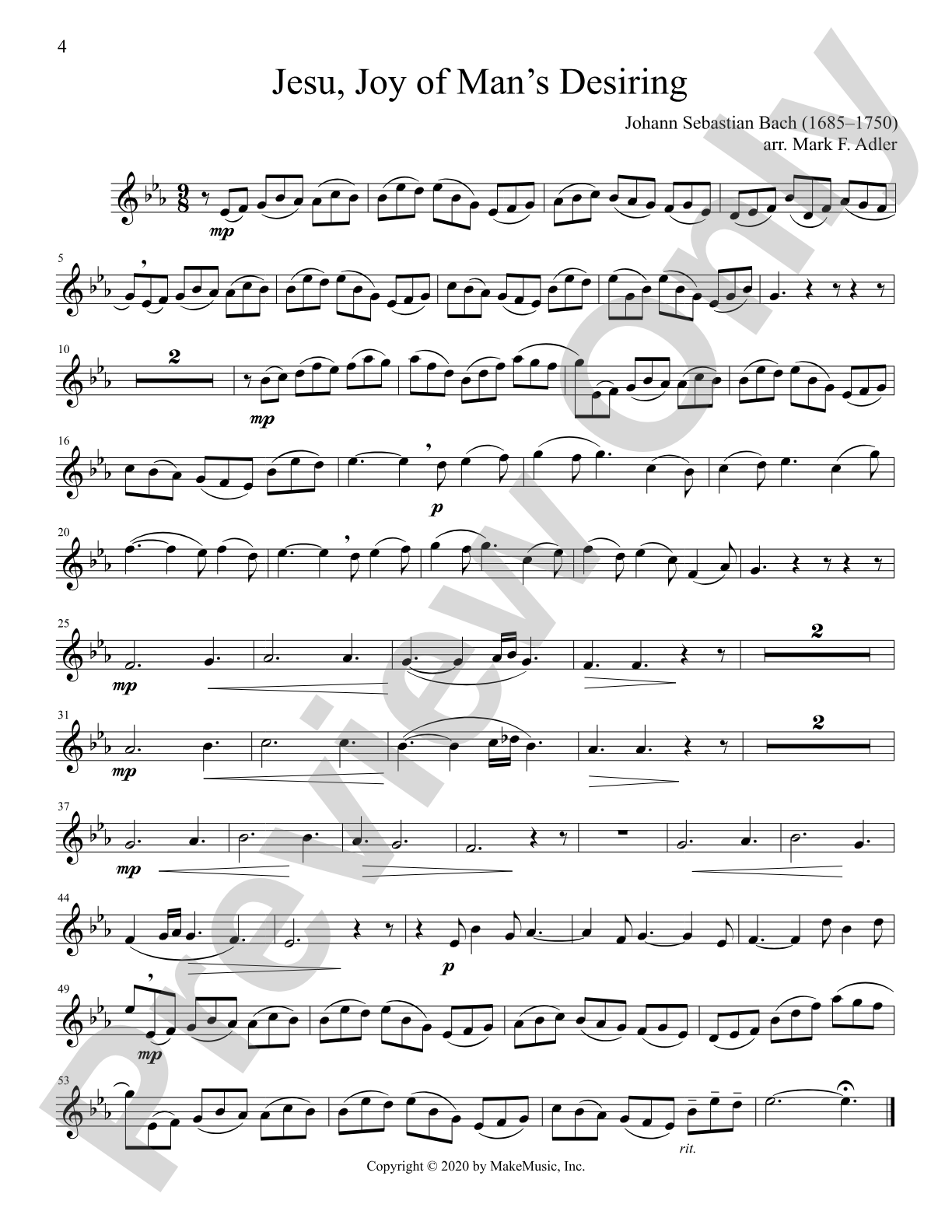
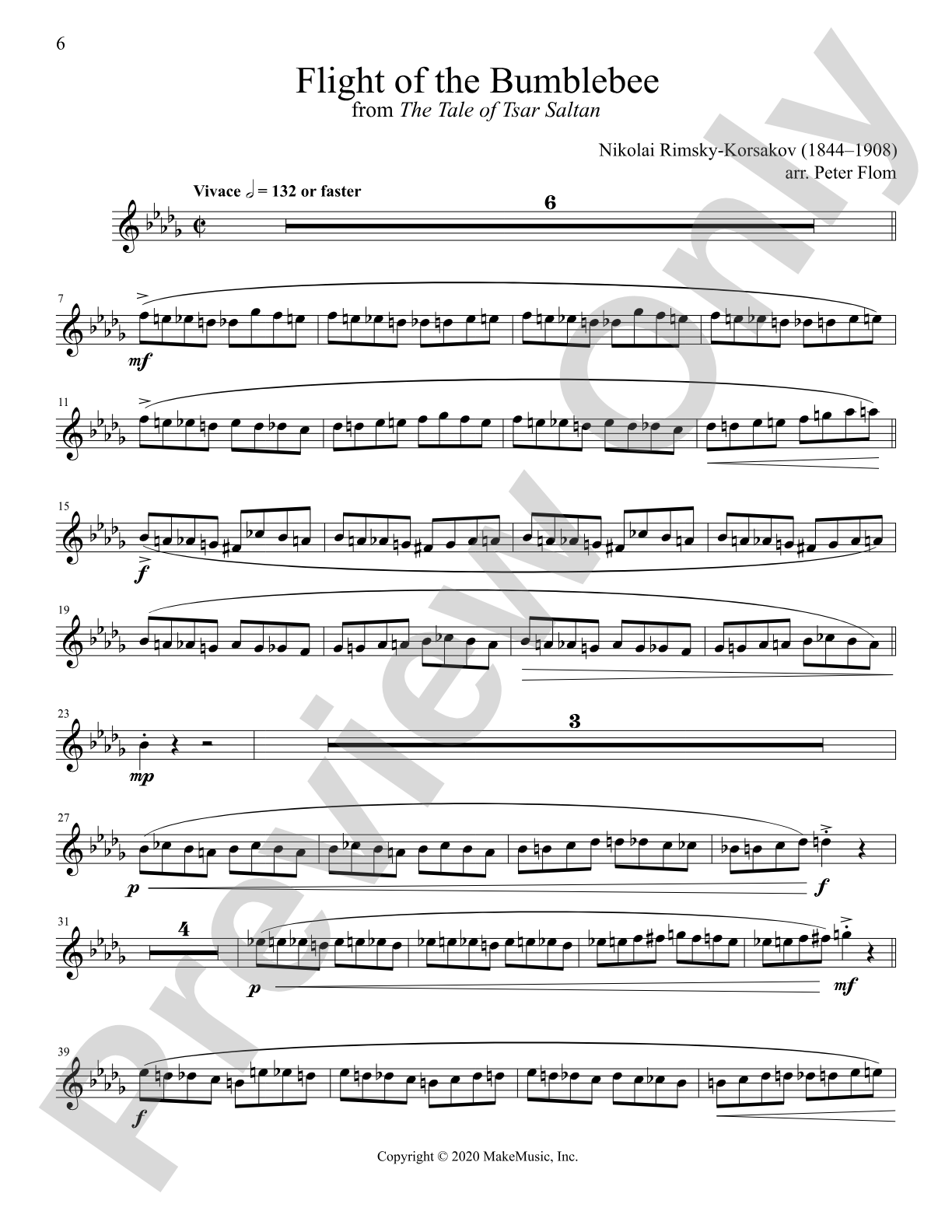
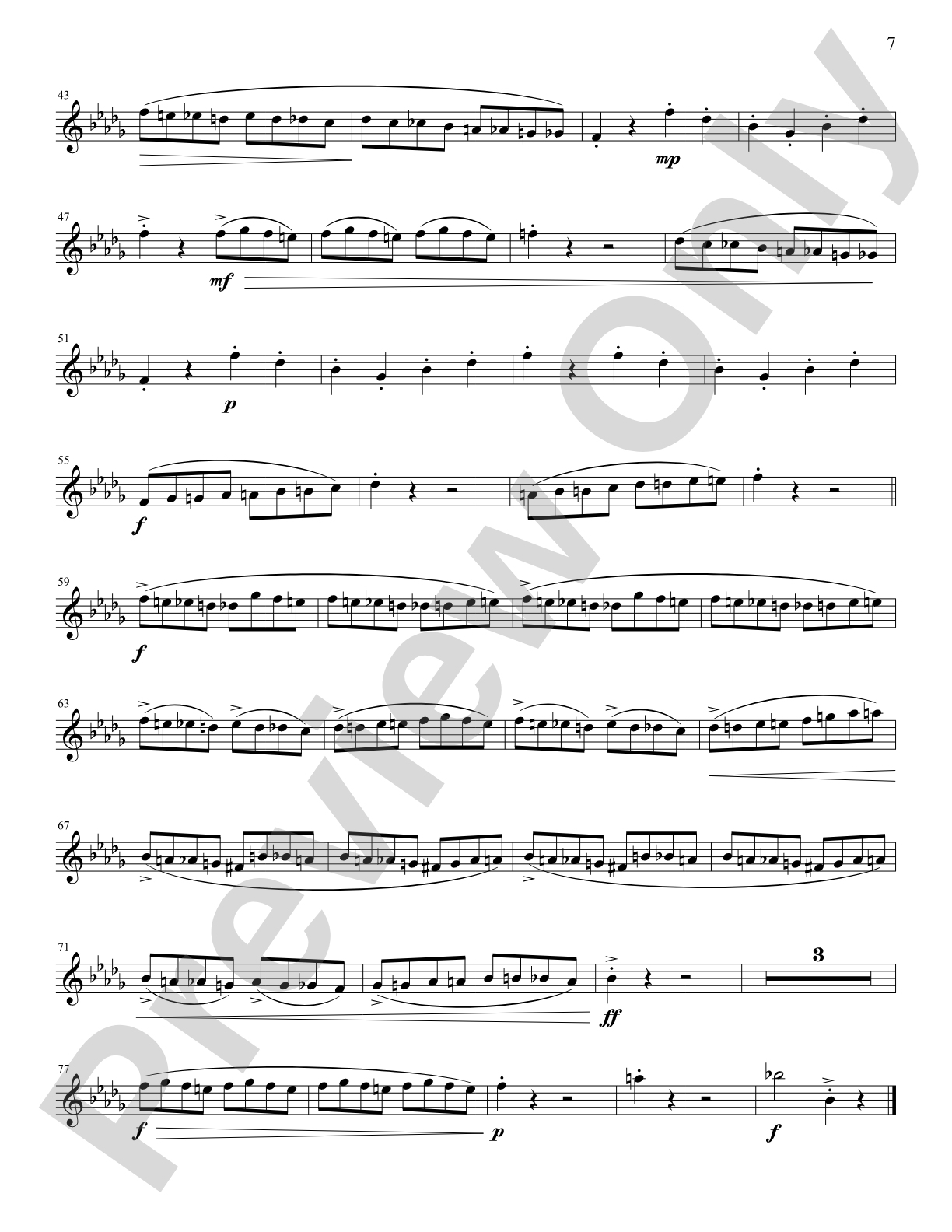
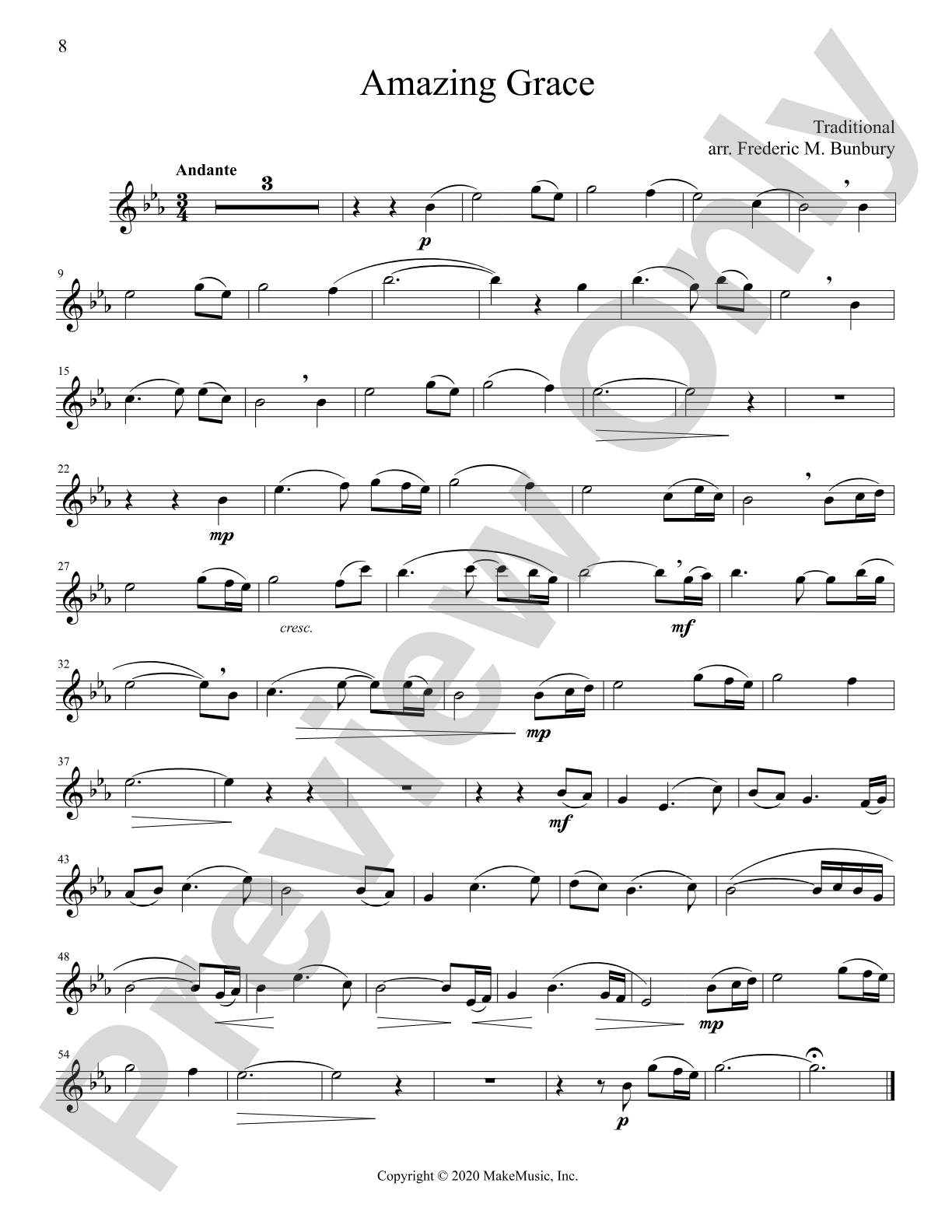
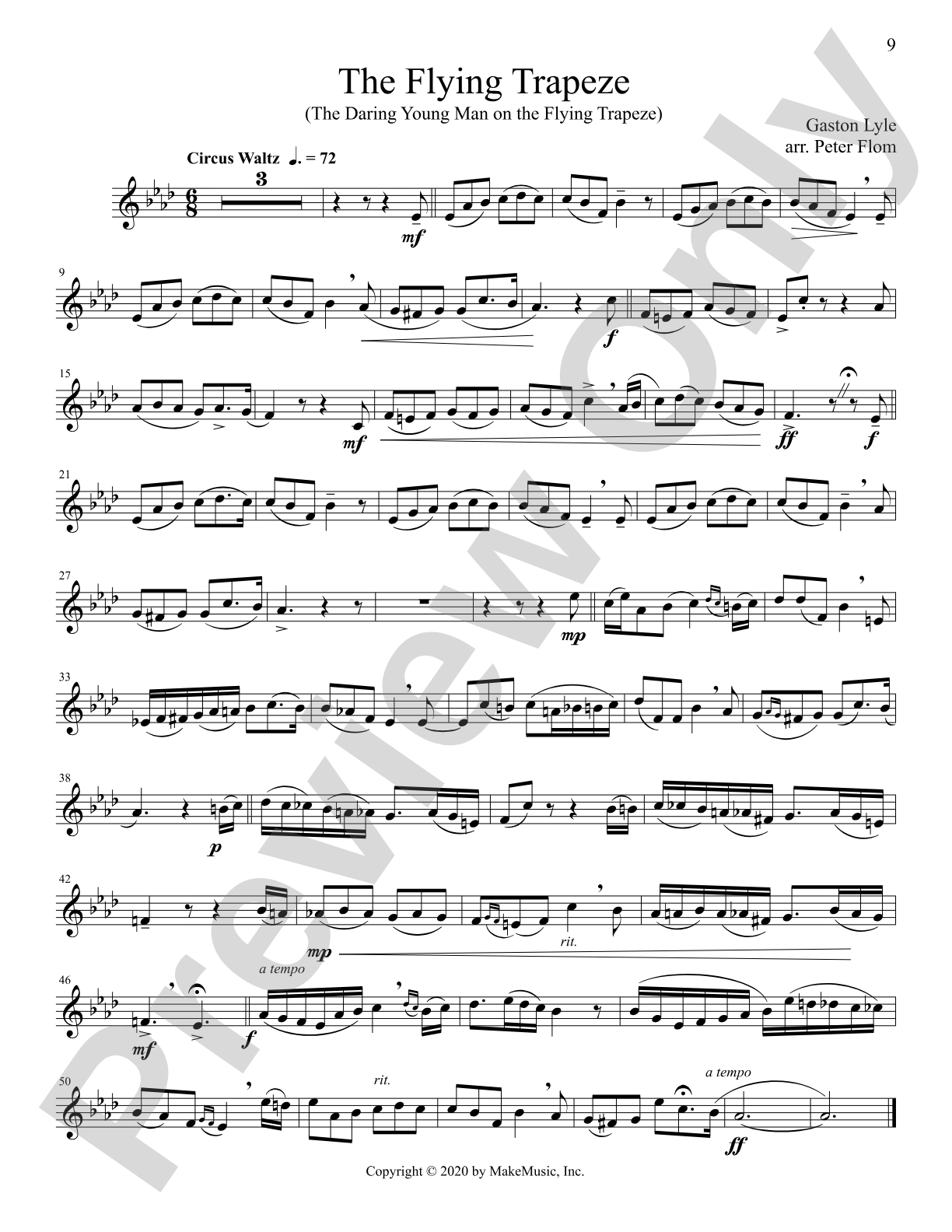
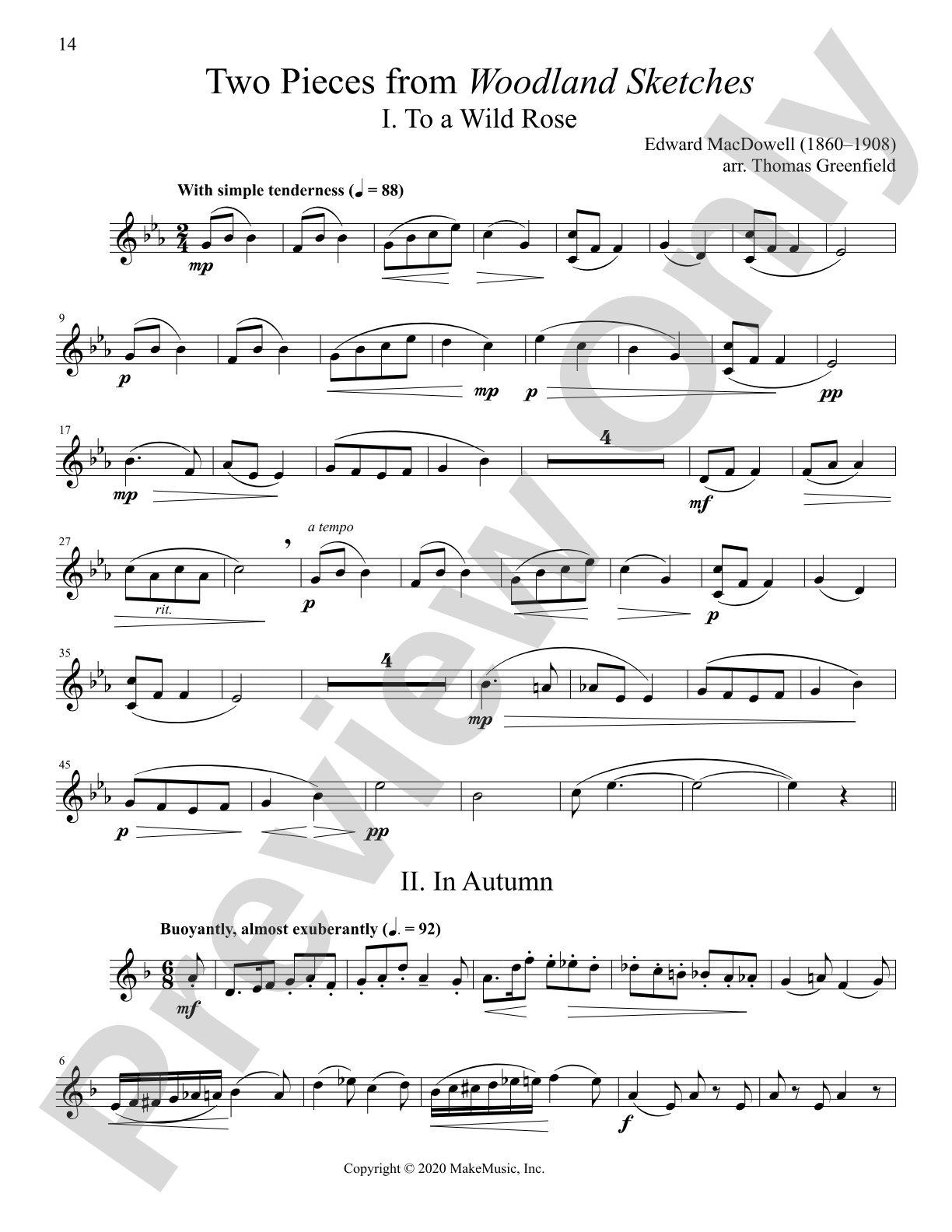
The Progressing Soloist series contains 12 fresh arrangements on many familiar themes, including "Flight of the Bumblebee," "Jesu, Joy of Man's Desiring," and Mozart's "Alleluia." This collection introduces your students to wonderful, lesser-known classics like Gabriel Fauré's "Après une rêve" and the second movement of Ravel's string quartet. These level 2--3 instrumental solos are ideal for recitals, concerts, and contests. This title is available in MakeMusic Cloud.
Discover MakeMusic Cloud: thousands of interactive titles your students can play along with today.
This collection strikes the right balance between accessibility and musical substance. Your students get to perform genuine masterworks—not simplified versions of them—alongside carefully chosen arrangements that introduce them to composers they may not yet know. The mix of beloved standards and less familiar pieces keeps oboe recitals feeling fresh.
What to expect
A graceful journey through beloved melodies and hidden treasures. Some pieces sparkle with familiar joy while others invite deeper reflection, creating a collection that feels both welcoming and musically substantive.
Who it's for
Intermediate oboe students preparing for recitals, contests, or festival performances. These solos work equally well for players building confidence in public performance and for those looking to expand their repertoire beyond standard oboe literature.
How to get the most out of it
Balance your tone across the range demands of each piece. The familiar themes sit at various registers, so use them as opportunities to address your instrument's natural resonance in different zones.
Mark your breath points before the first rehearsal. These arrangements vary in phrase length and style, so planning your breathing strategy prevents rushed passages and uneven phrasing.
Listen to recordings of the original compositions if available. Understanding the orchestral or chamber context helps you capture the intended character, even when playing solo.
Work through the ensemble versions with a pianist or accompanying musician before performing the solo arrangement. This deepens your understanding of harmonic support and balance.
How to use it
Use individual pieces as recital selections at various points in a concert. The range of styles and moods allows you to program contrasting pieces back-to-back, and the contest-ready preparation means these solos are performance-ready when you need them. The small ensemble arrangements also offer flexibility for collaborative performance opportunities.
Skills your students will build
Musical phrasing across contrasting styles (lyrical, rhythmic, ornamental)
Tone control and resonance in extended range passages
Interpretation of familiar melodies with artistic intention
Contest and recital readiness
You May Also Like
Scan to Complete Your Purchase
Use your phone's camera to scan the code below
You'll log in on your phone and the order will be added to your account