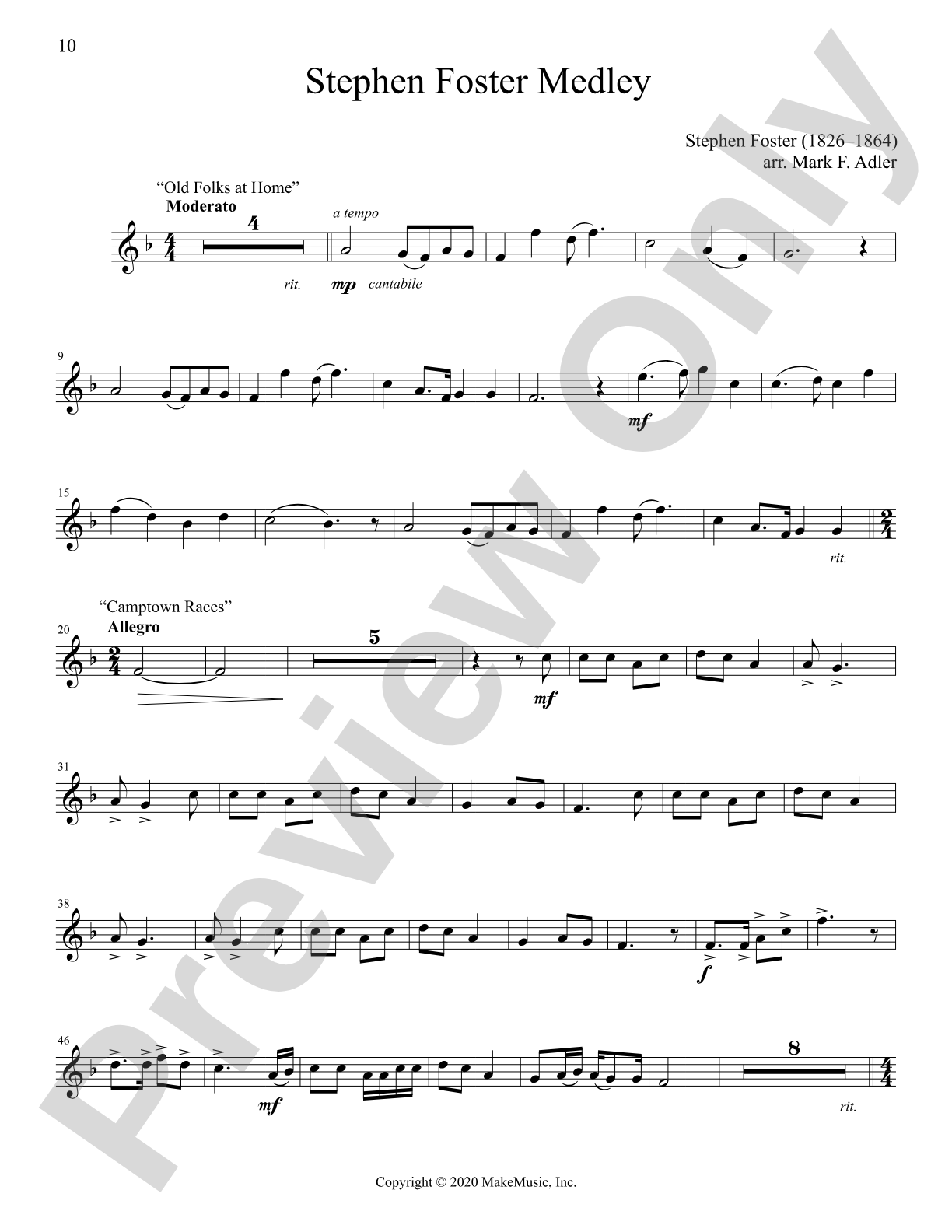
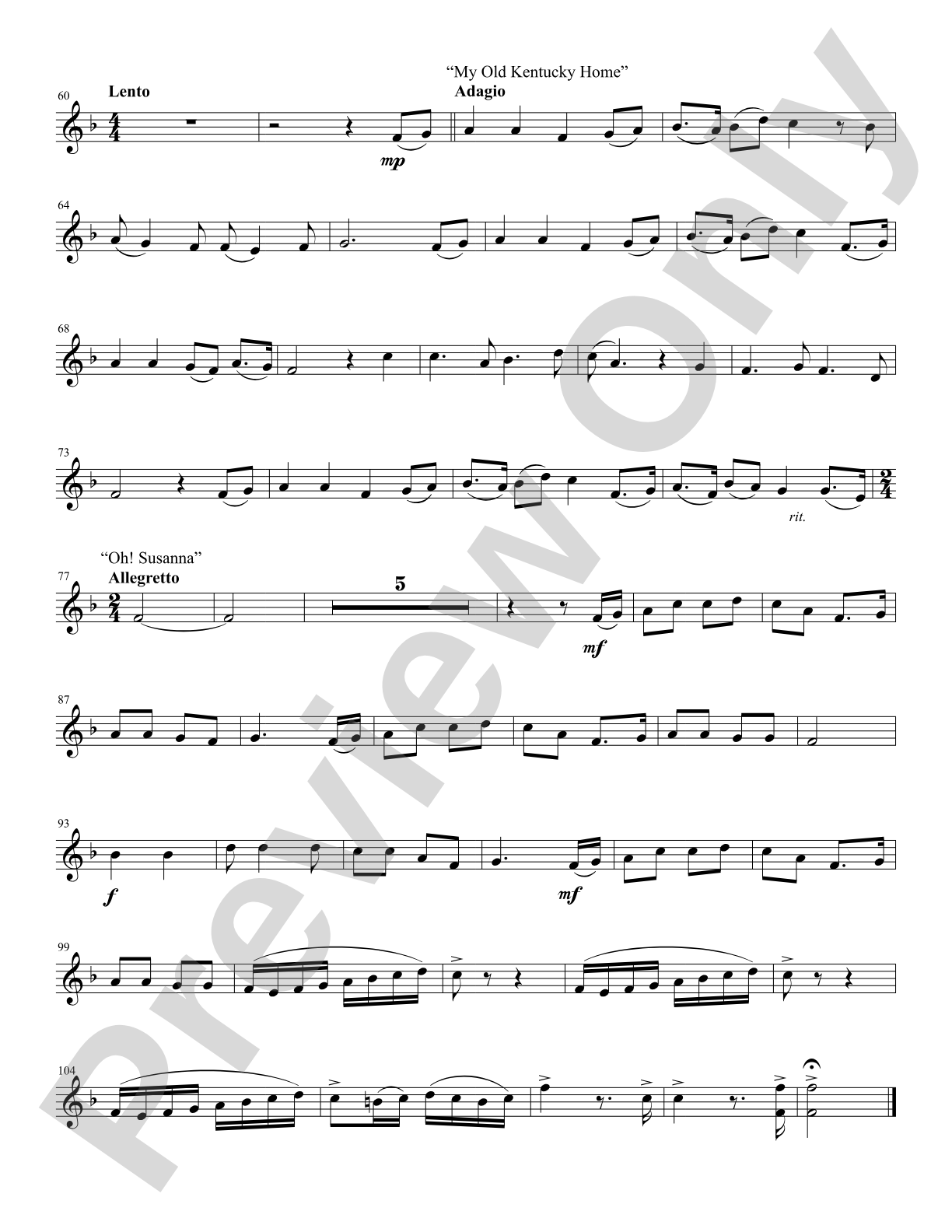
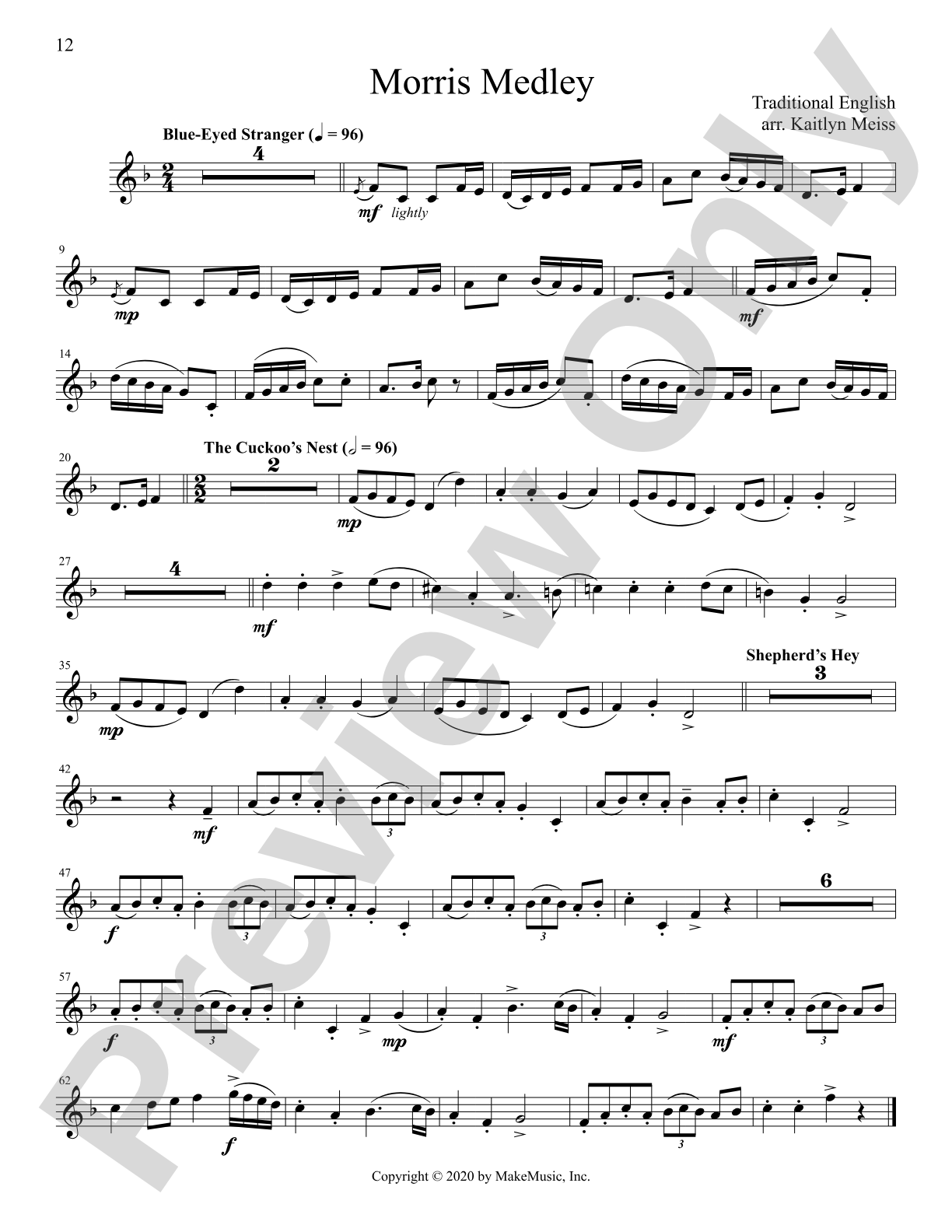
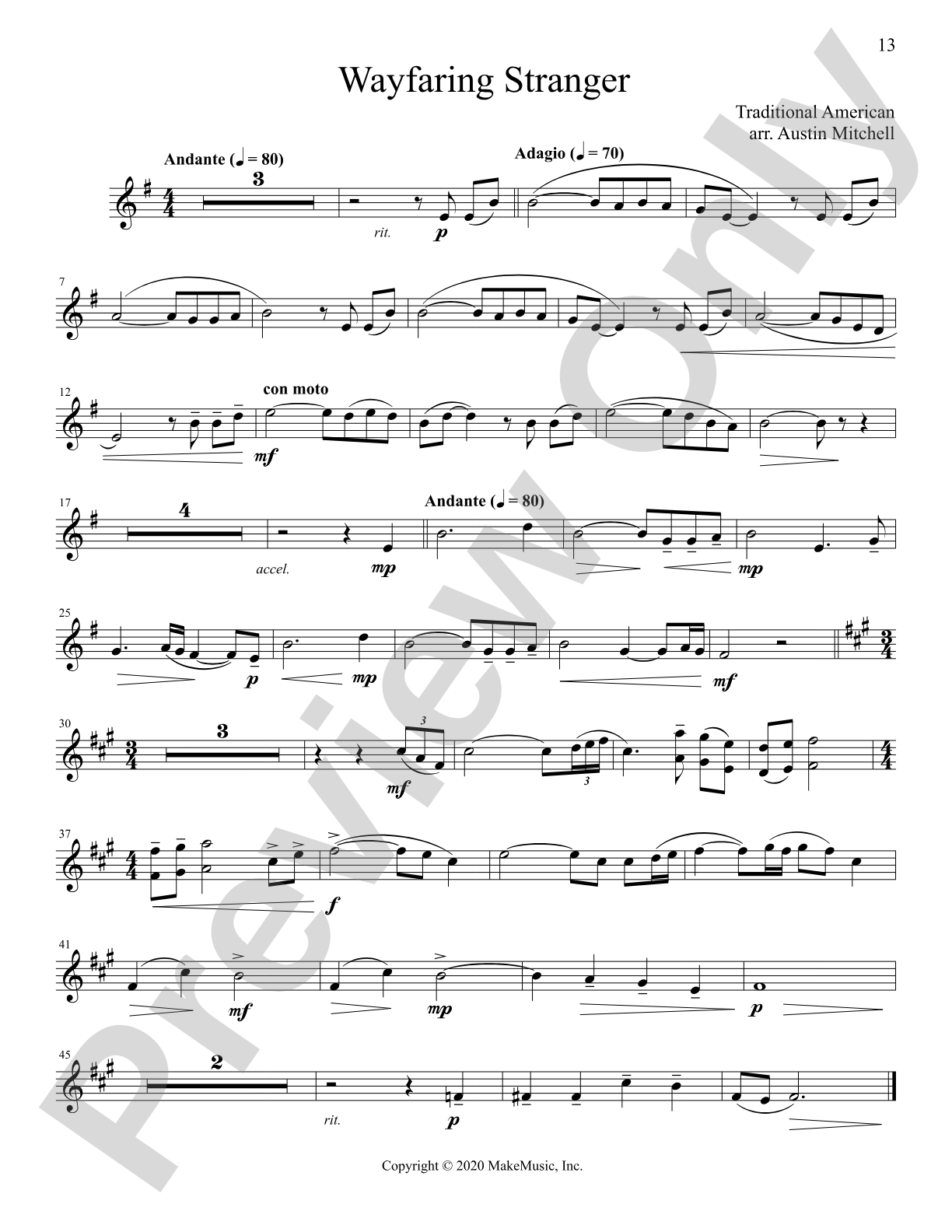
The Progressing Clarinet Soloist: Solo & Small Ensemble
Grade: 2-3
Item: 00-PS-0016169
Digital Download
$6.99
Pickup currently not available
Description
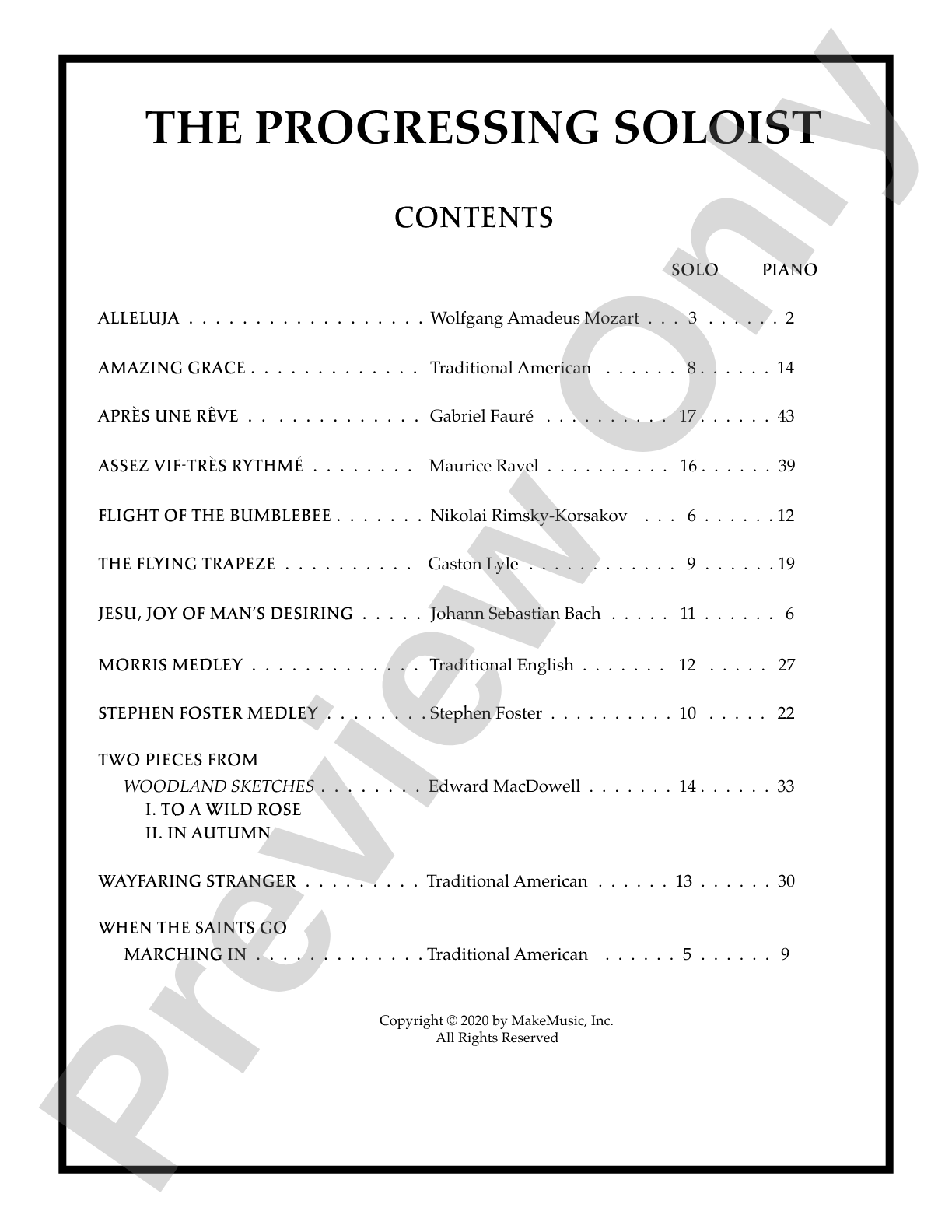
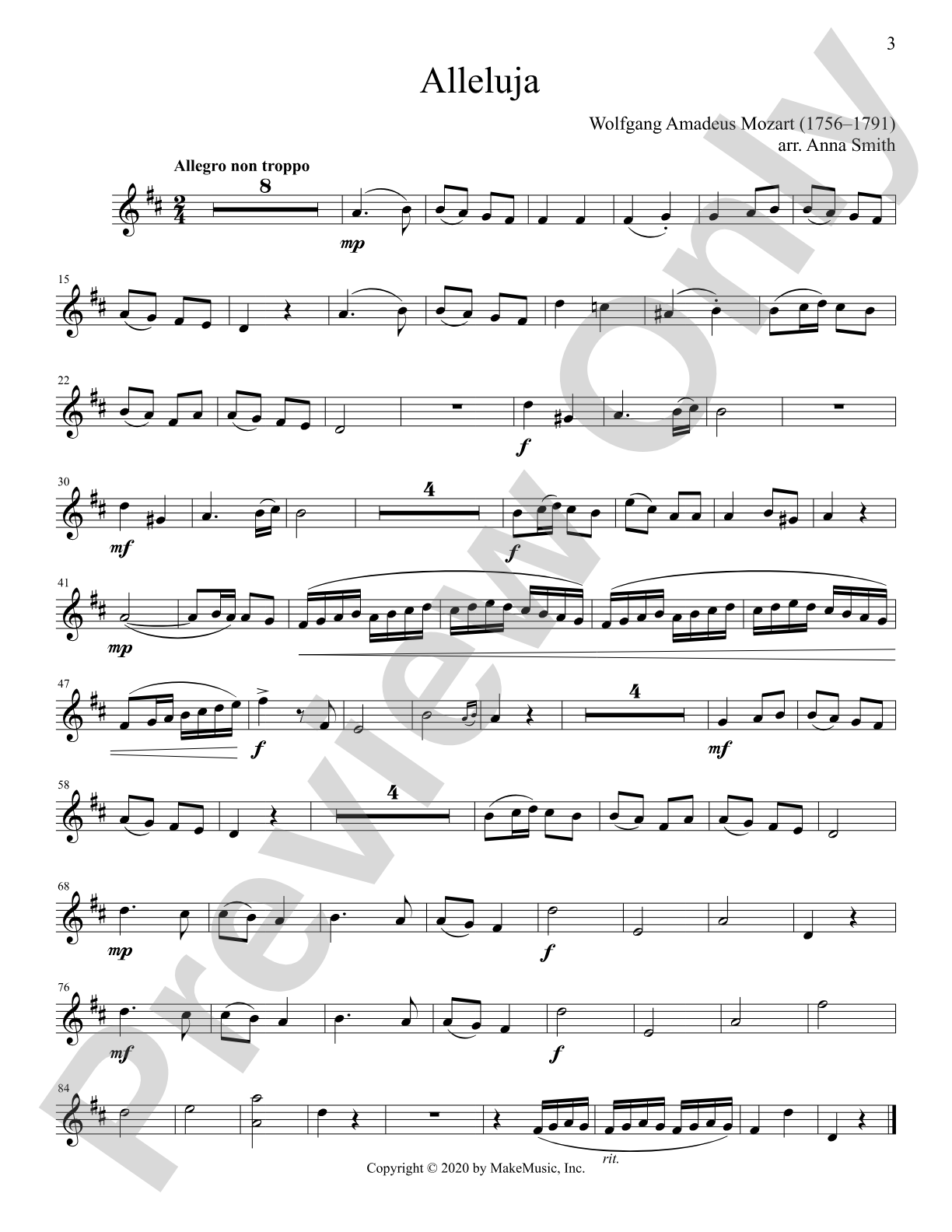
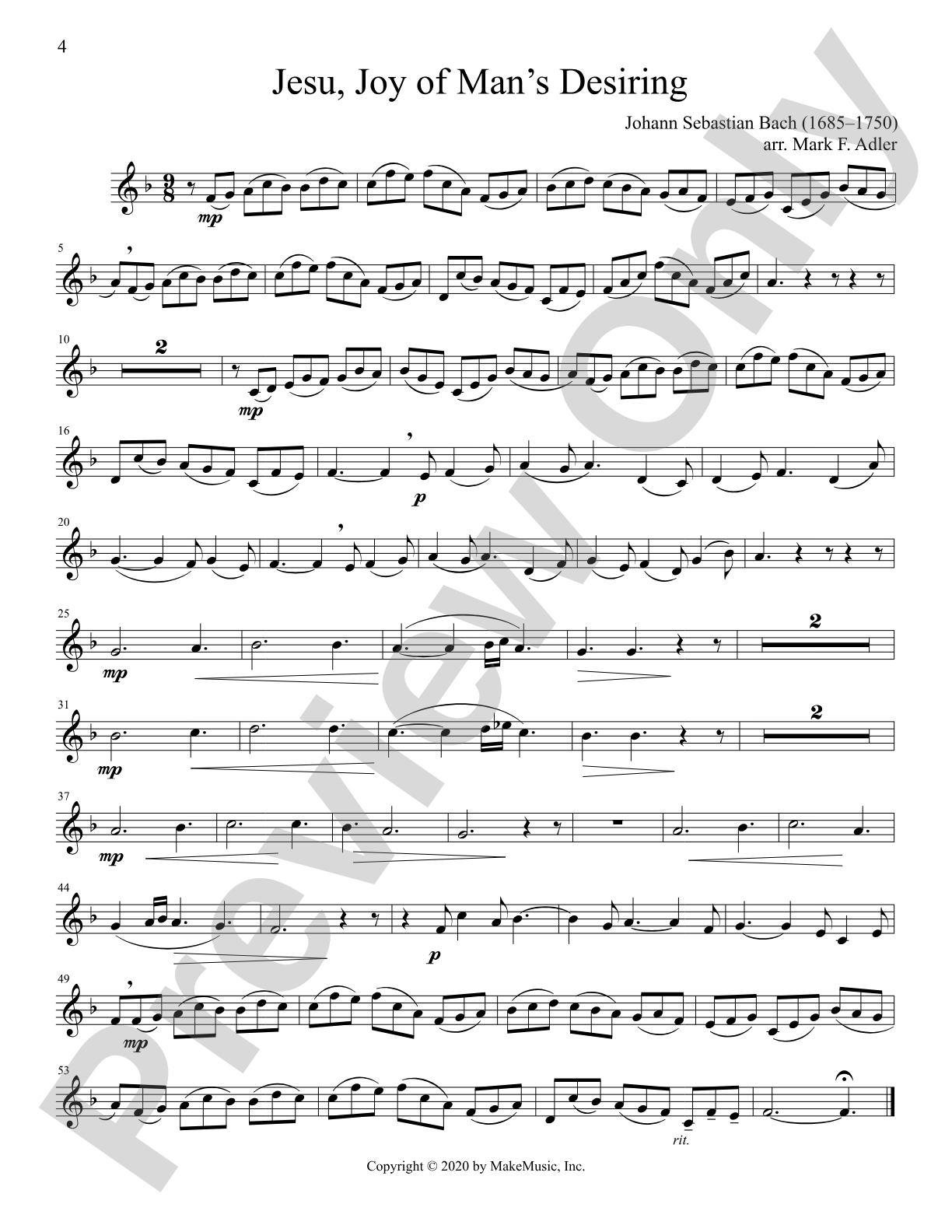
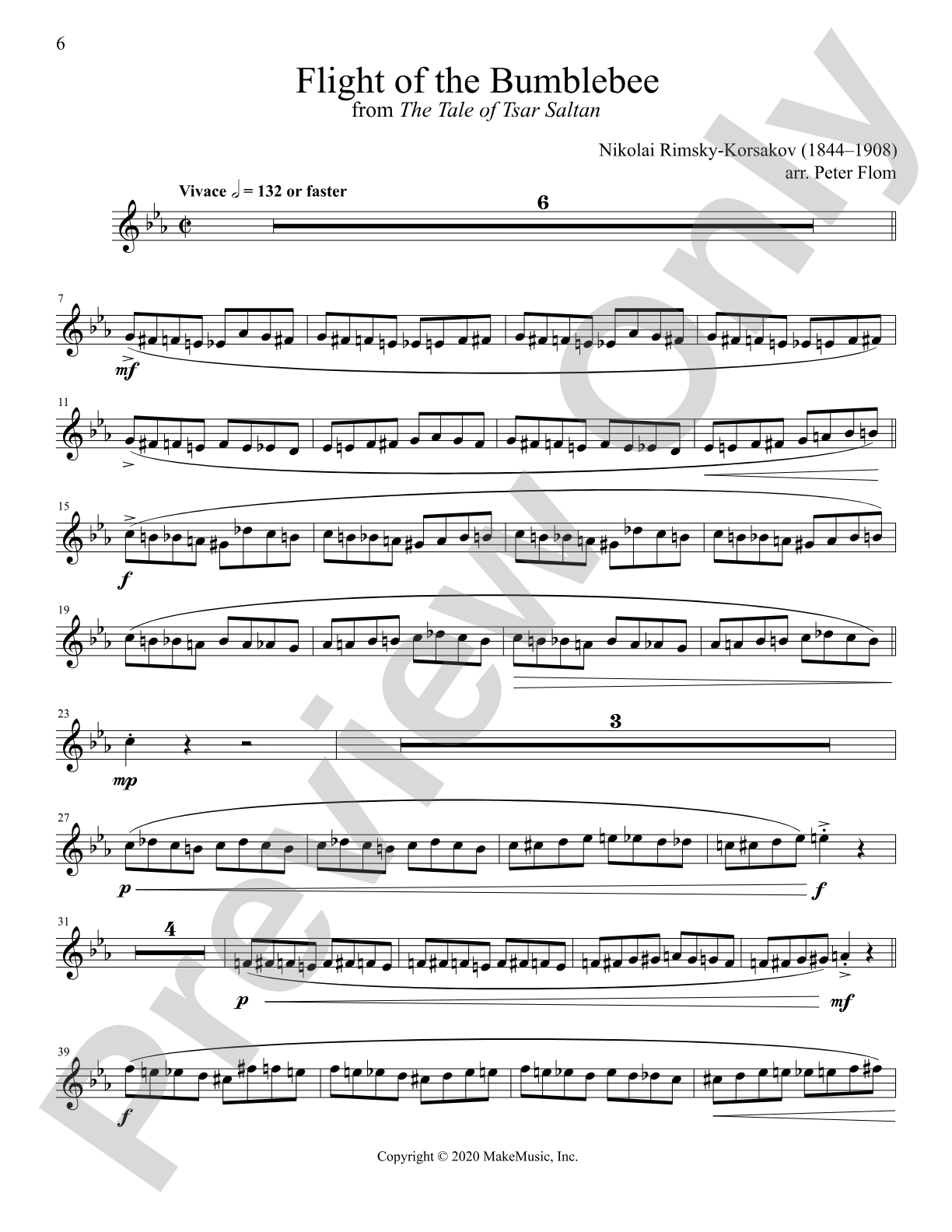
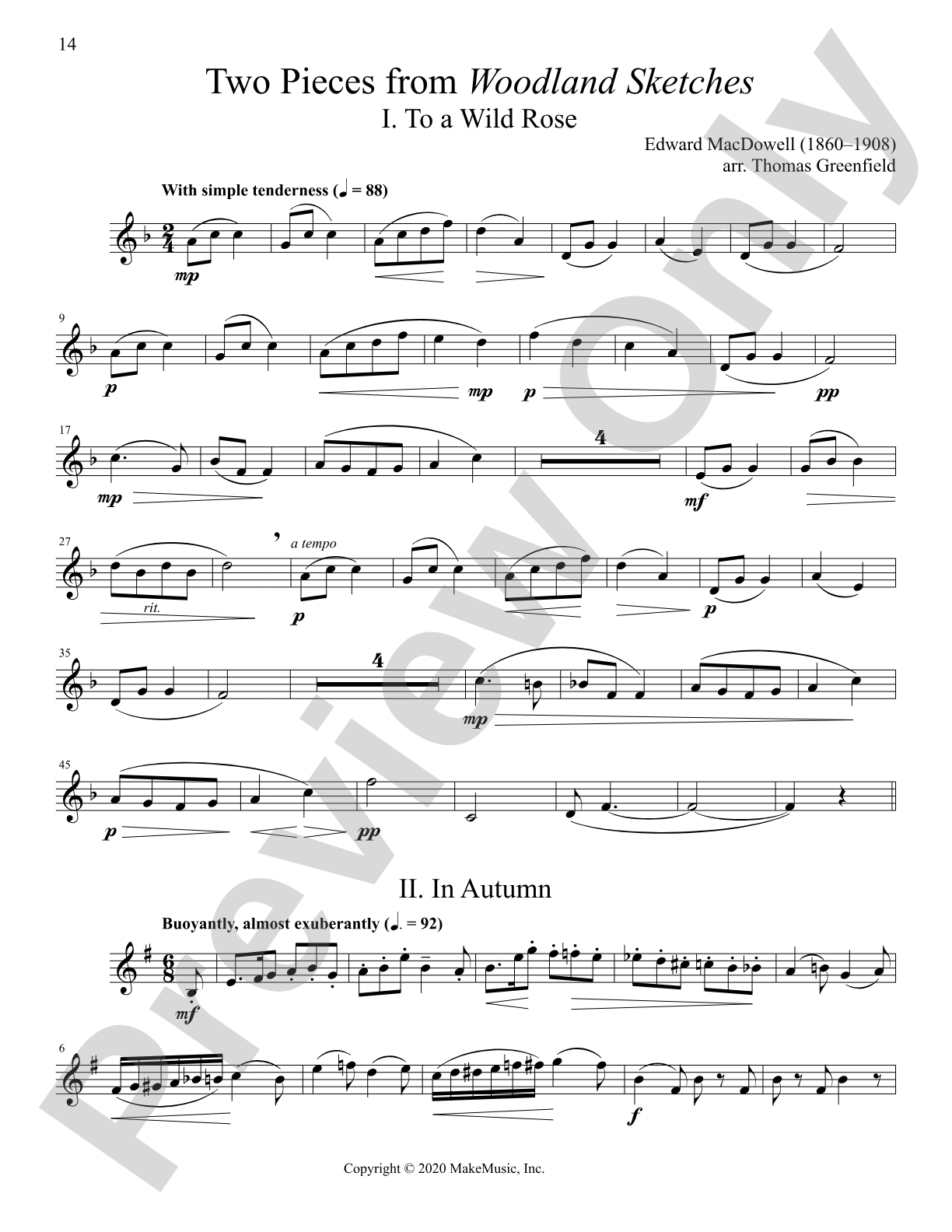
The Progressing Soloist series contains 12 fresh arrangements on many familiar themes, including "Flight of the Bumblebee," "Jesu, Joy of Man's Desiring," and Mozart's "Alleluia." This collection introduces your students to wonderful, lesser-known classics like Gabriel Fauré's "Après une rêve" and the second movement of Ravel's string quartet. These level 2--3 instrumental solos are ideal for recitals, concerts, and contests. This title is available in MakeMusic Cloud.
Discover MakeMusic Cloud: thousands of interactive titles your students can play along with today.
This collection delivers genuine musical substance without sacrificing accessibility. The mix of familiar themes and genuine discoveries (Fauré, Ravel) means students encounter serious compositional craft at a level they can actually master, making each piece feel like a real accomplishment rather than a stepping stone.
What to expect
Moving through these pieces feels like discovering a musical library. You encounter the sparkle and precision of "Flight of the Bumblebee," the spiritual depth of Bach's "Jesu, Joy of Man's Desiring," and the impressionistic shimmer of Ravel's writing, all scaled to your current capabilities but never condescending in their musical content.
Who it's for
Clarinet students in grades 2 through 3 who are ready to perform beyond beginner repertoire but need arrangements that respect their developing range and technical facility. Solo performers preparing recital or contest programs will find flexible options that work equally well in formal concert settings or chamber contexts.
How to get the most out of it
Study the original orchestral or chamber versions of these pieces when possible. Hearing how Ravel or Fauré voiced the material in its full context will inform your phrasing and tone color choices.
Mark your cadences and phrase endings clearly in your part. Many of these arrangements compress larger forms, so identifying structural landmarks helps you shape the line with confidence.
Work with your accompanist early and often. Small ensemble writing at this level depends on precise rhythm section coordination, especially in the Mozart and Bach-influenced arrangements.
How to use it
Feature these solos throughout the season as recital repertoire or as contest selections that stand up to adjudication without requiring virtuosic pyrotechnics. The range of styles works well for diverse programming needs, whether you're building a student recital or filling contest slots across multiple categories.
Skills your students will build
Phrasing and breath management across longer melodic lines
Expressive control in Romantic and impressionistic contexts
Coordination with accompanists in structured ensemble formats
Stylistic awareness across multiple musical periods (Baroque, Classical, Romantic, 20th century)
Contest performance skills under pressure
You May Also Like
Scan to Complete Your Purchase
Use your phone's camera to scan the code below
You'll log in on your phone and the order will be added to your account