
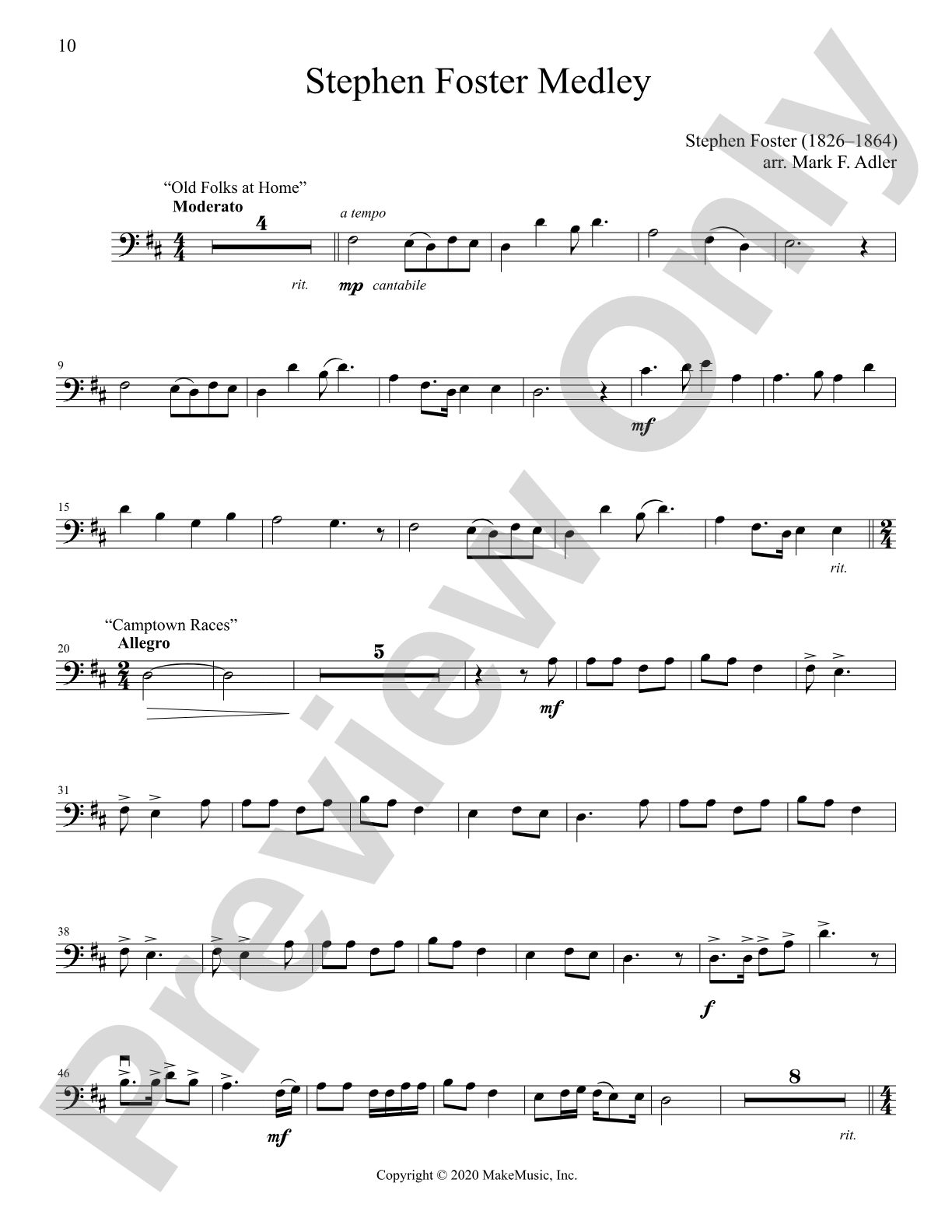
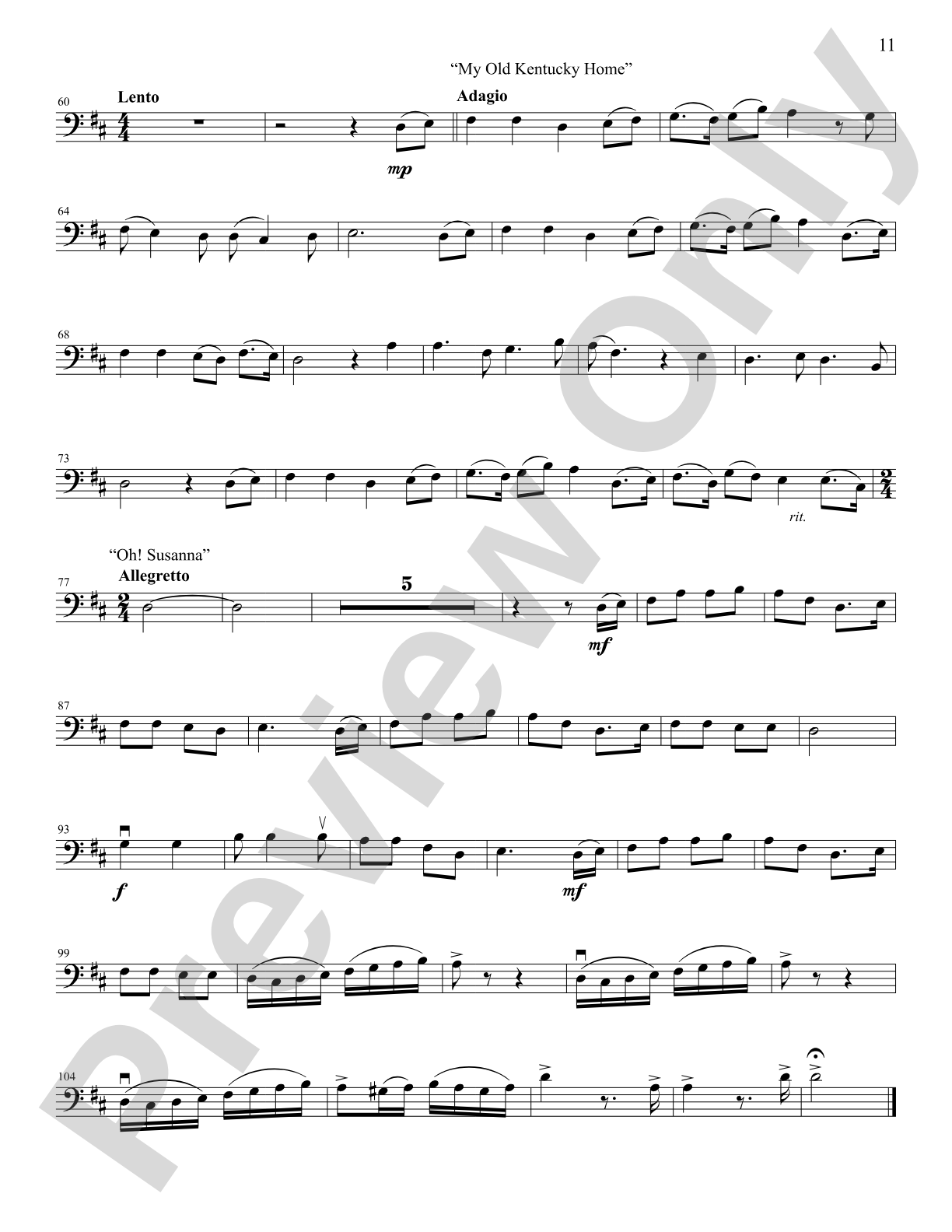
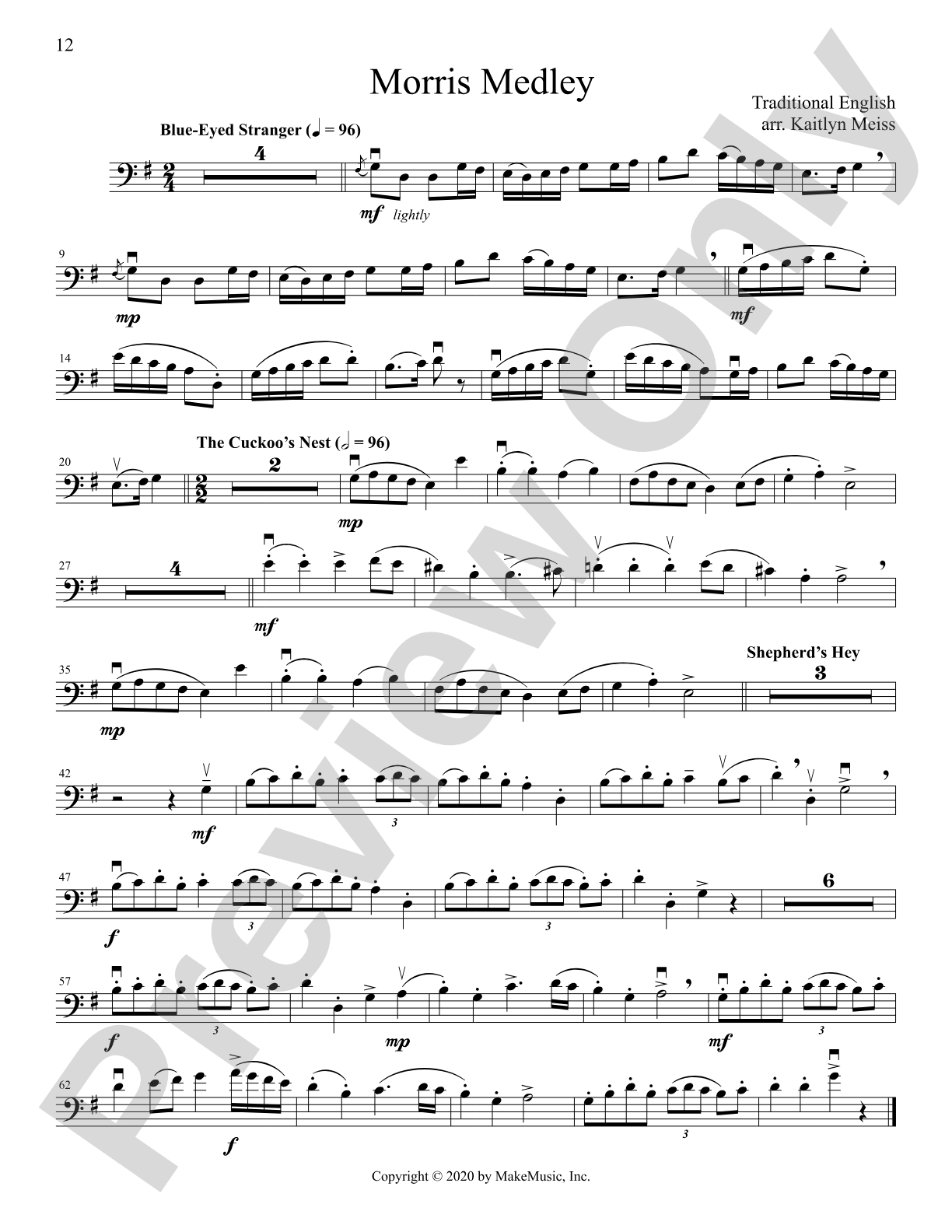
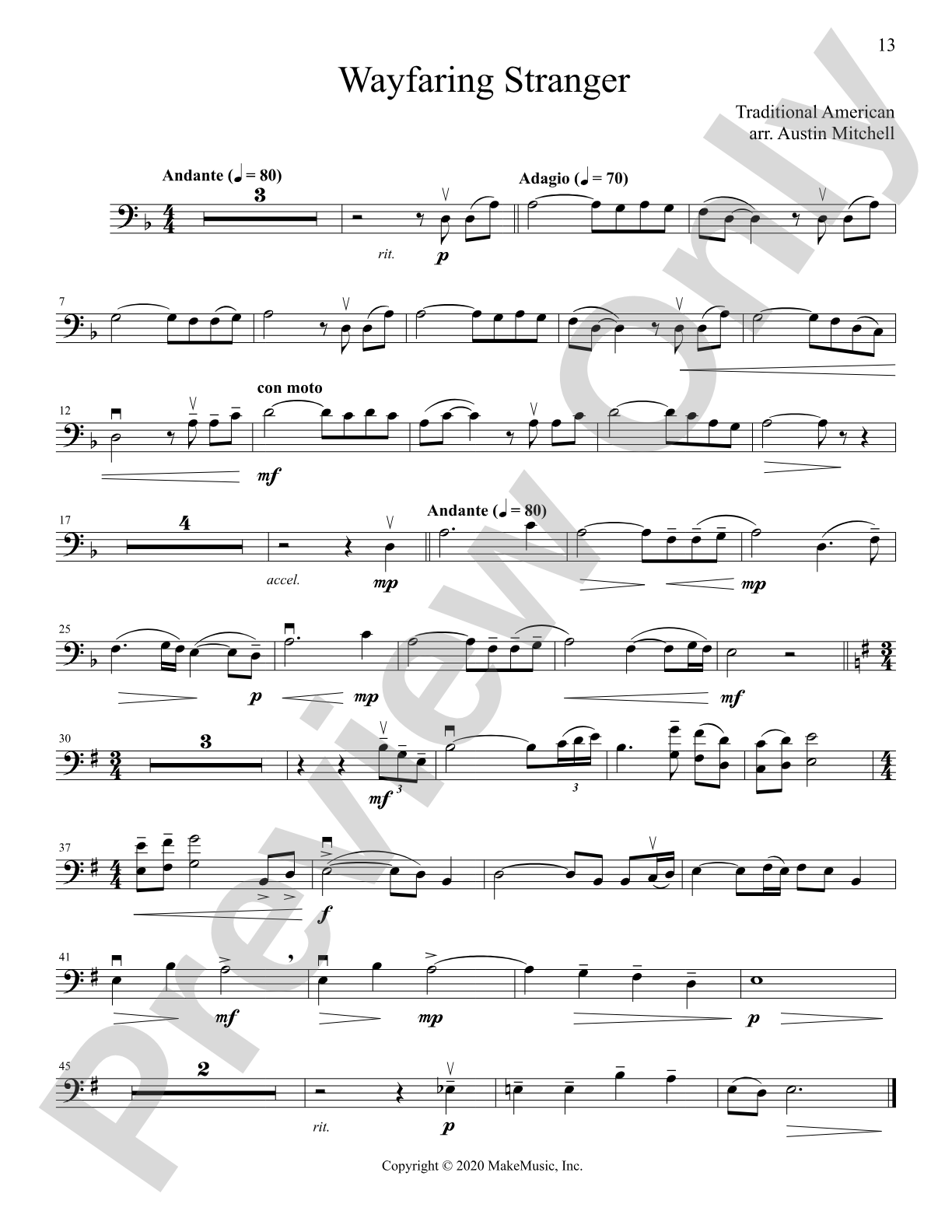

The Progressing Cello Soloist: Solo & Small Ensemble
Grade: 2-3
Item: 00-PS-0016172
$6.99
Pickup currently not available
Description
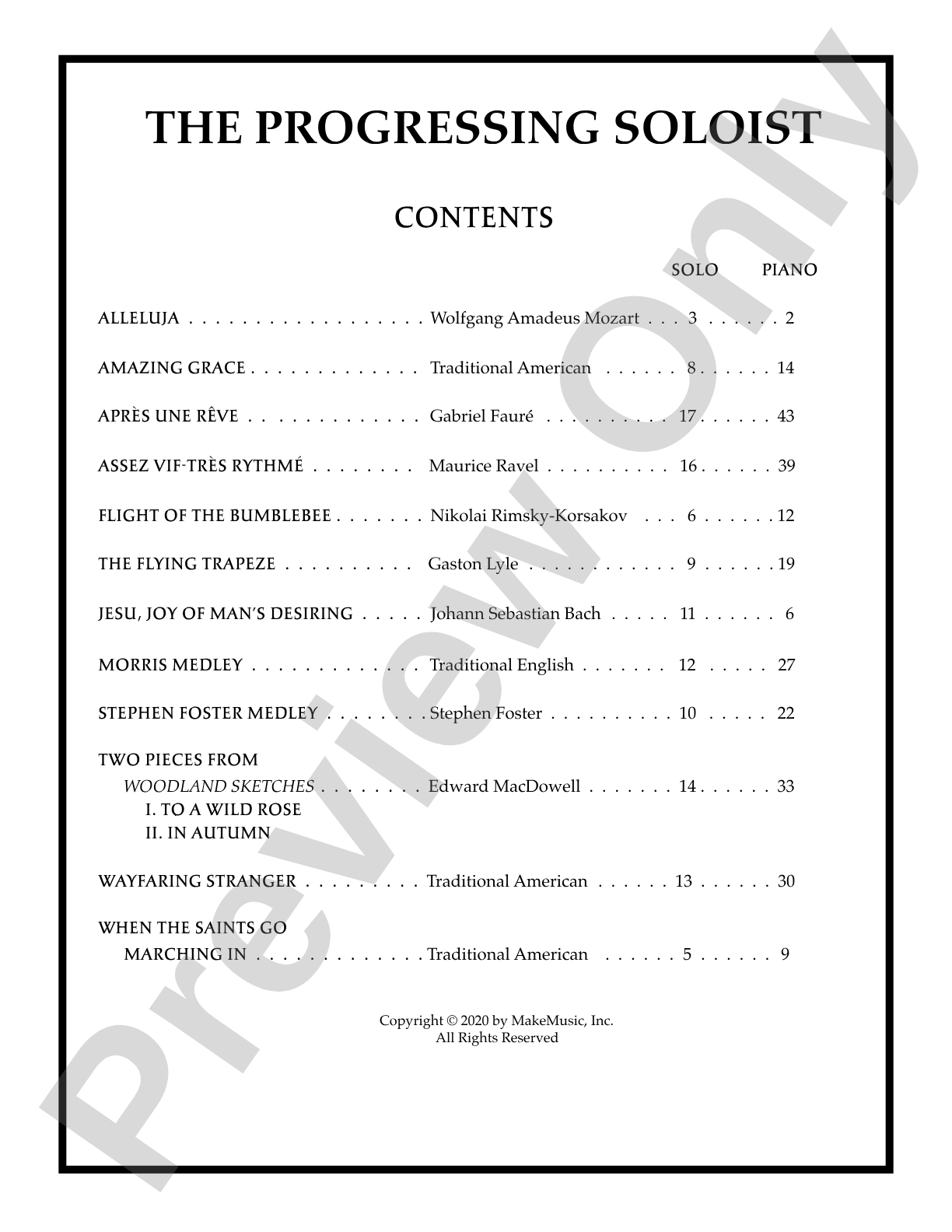
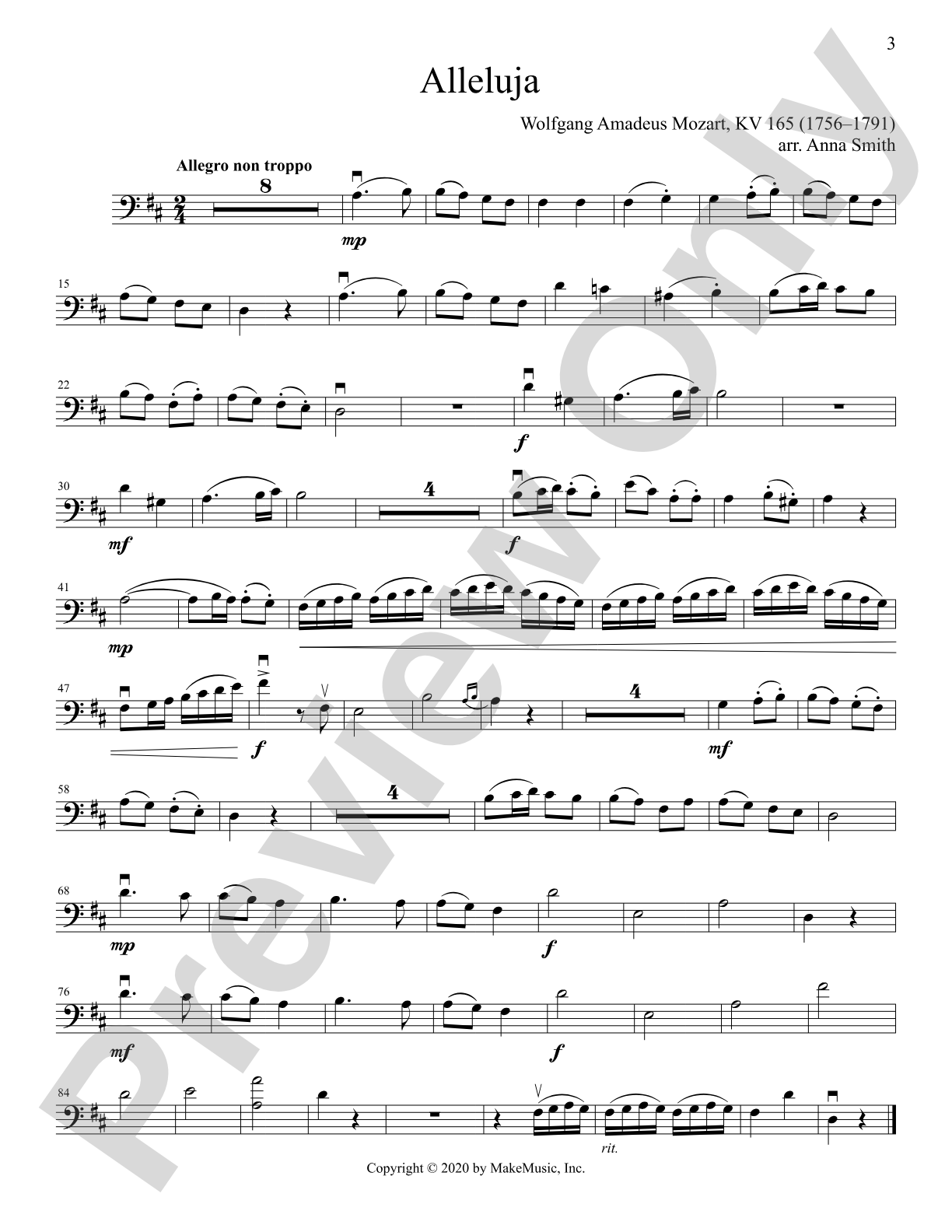
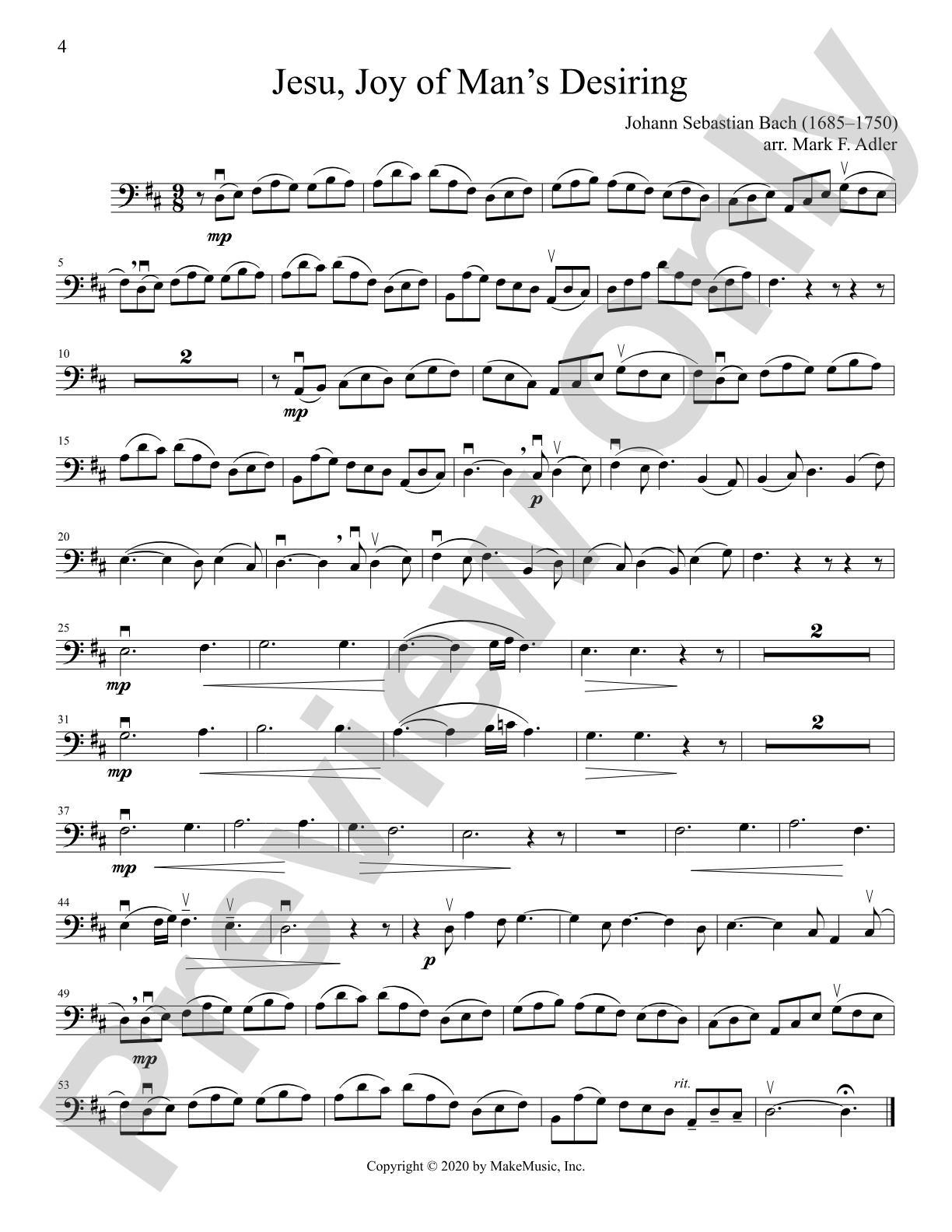
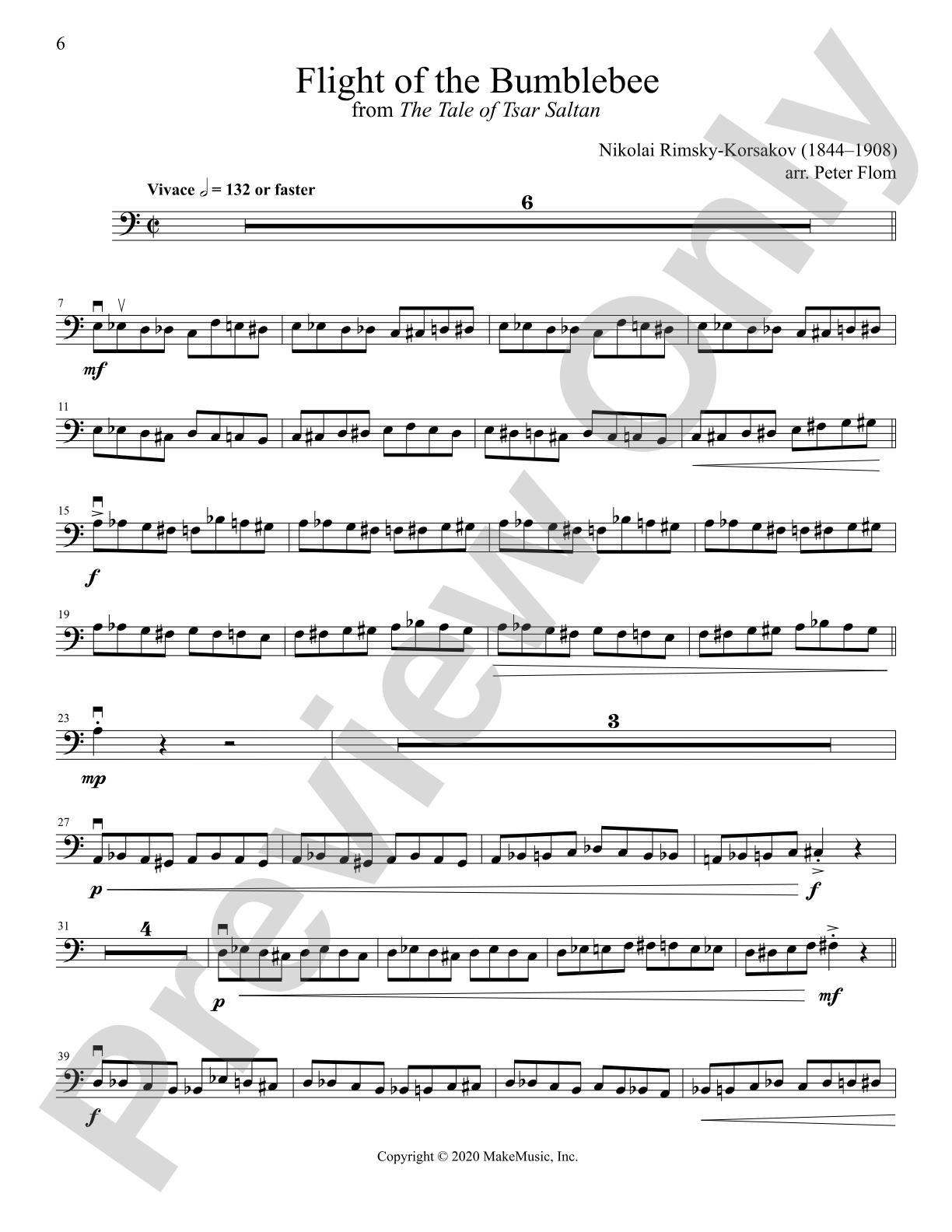
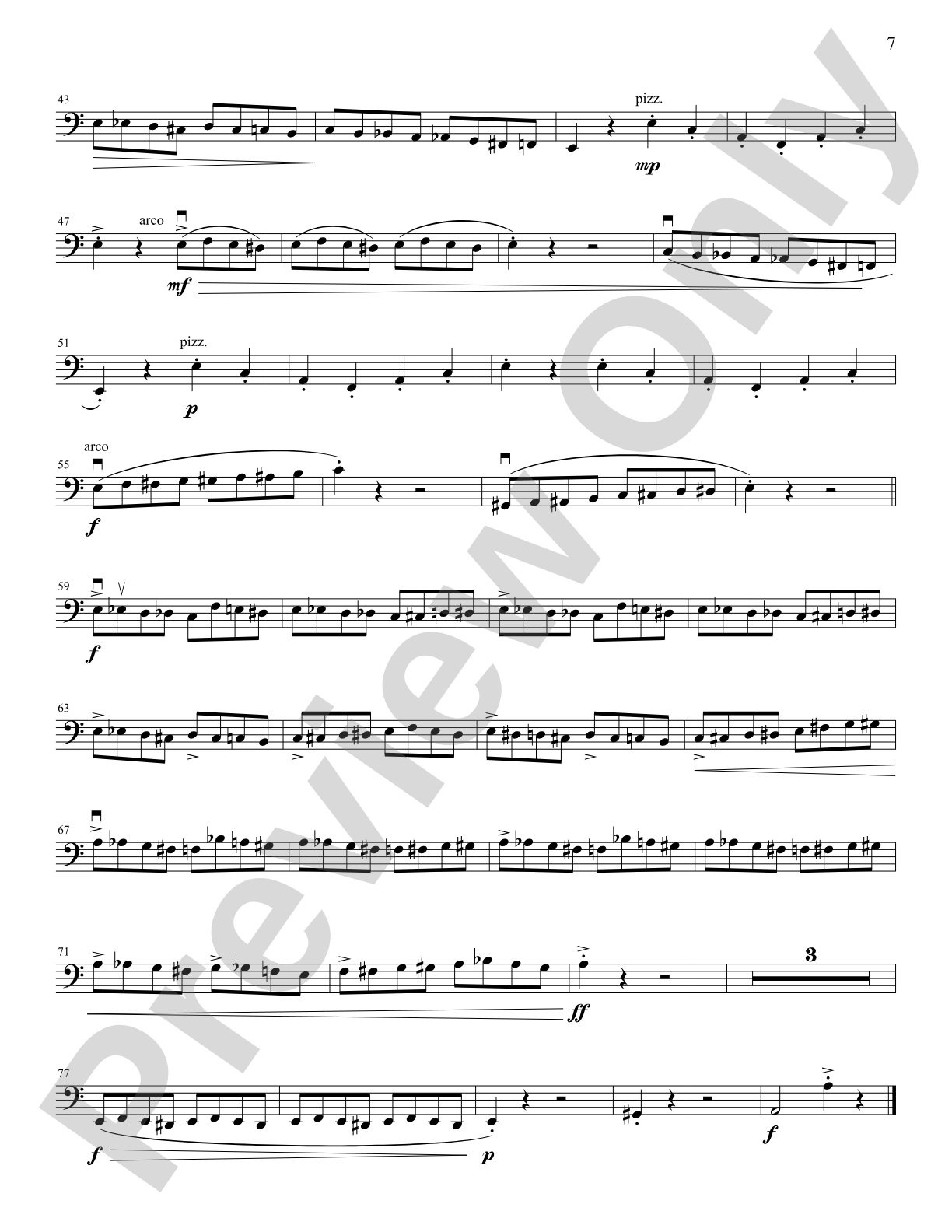
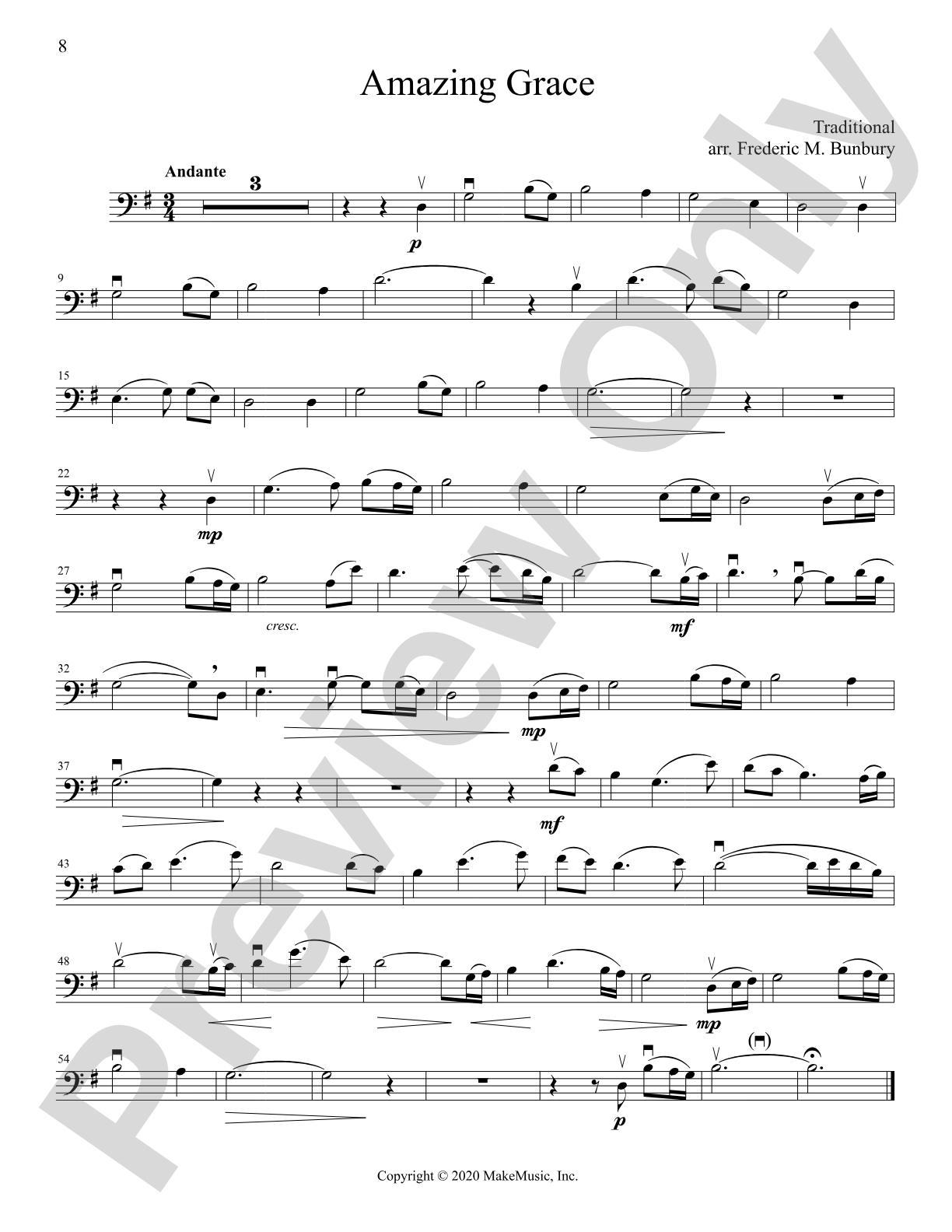
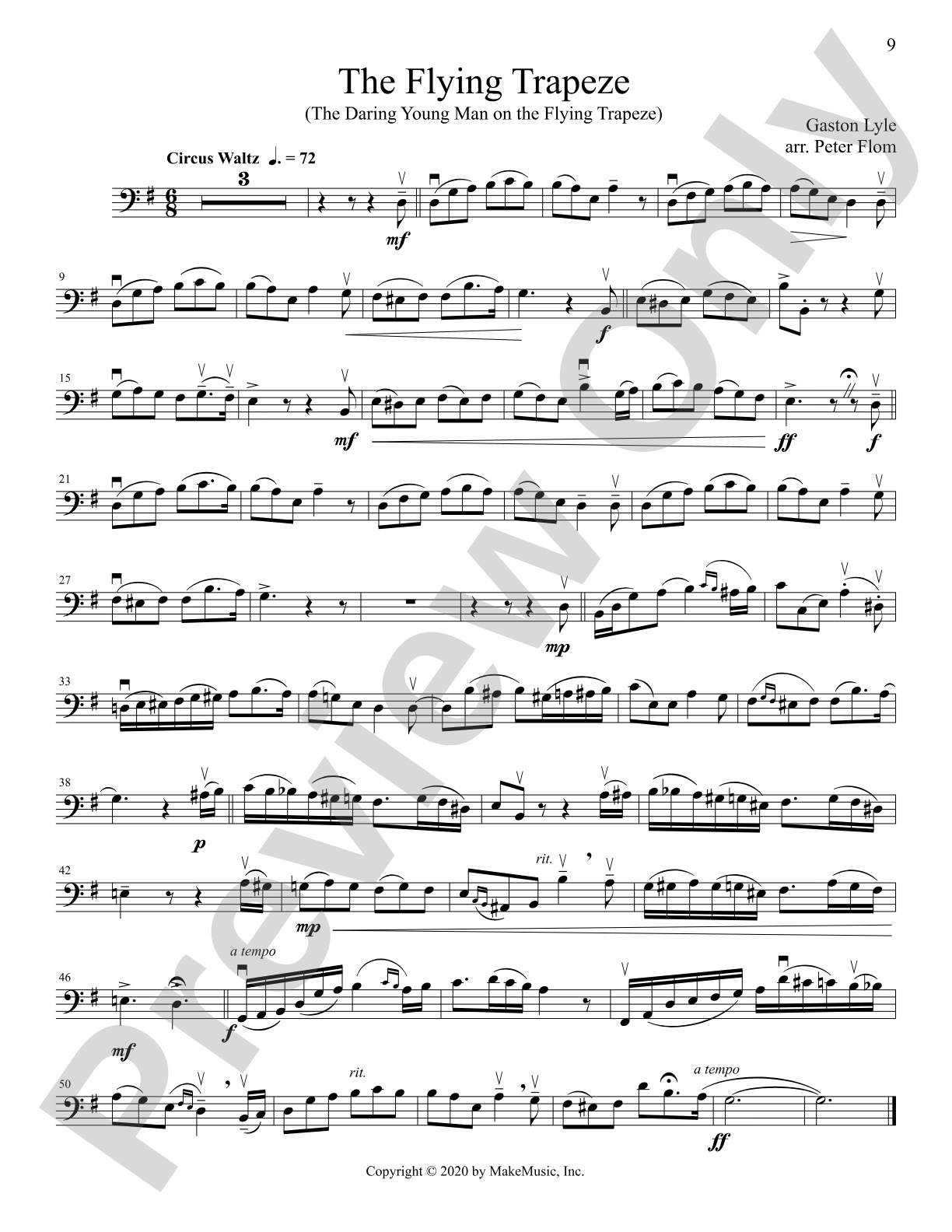
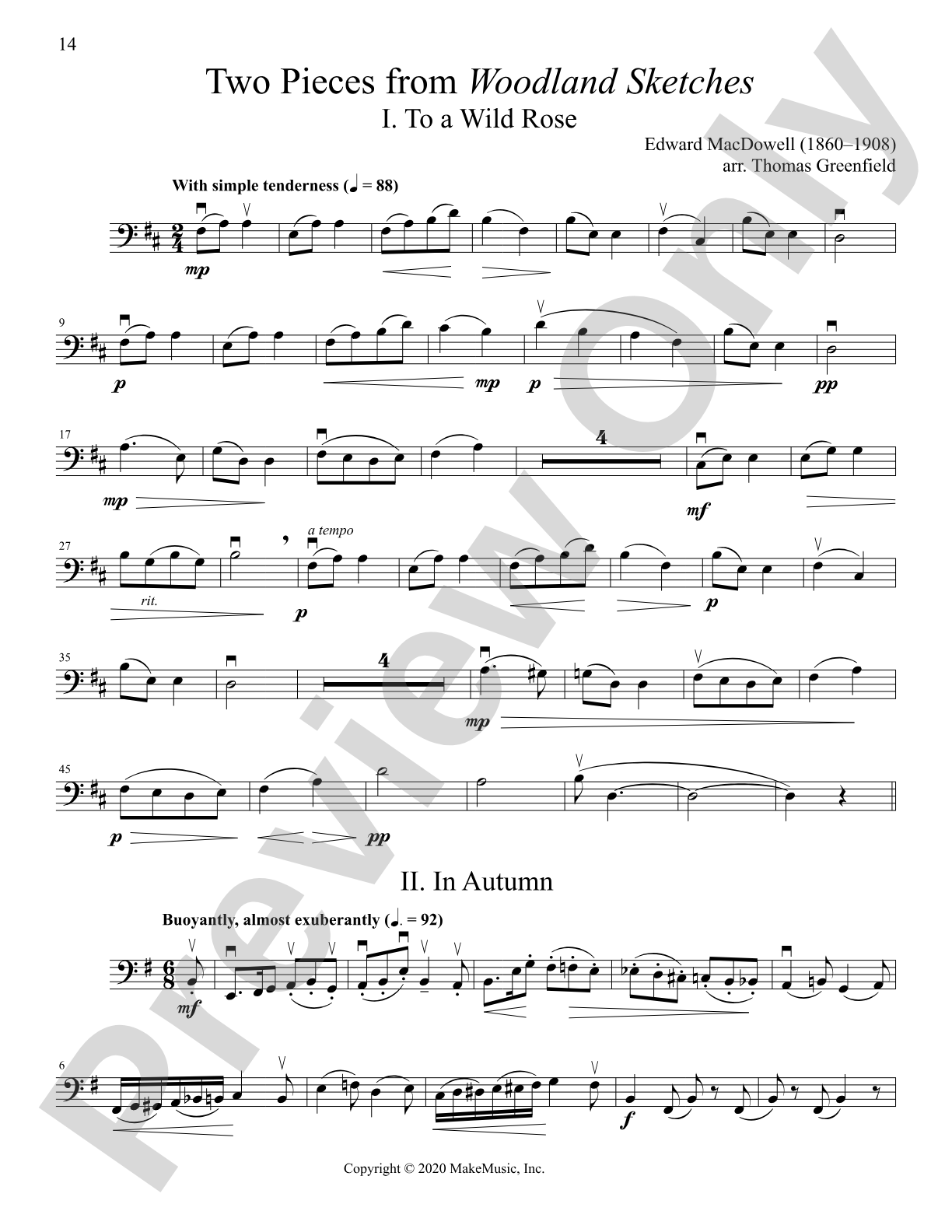
The Progressing Soloist series contains 12 fresh arrangements on many familiar themes, including "Flight of the Bumblebee," "Jesu, Joy of Man's Desiring," and Mozart's "Alleluia." This collection introduces your students to wonderful, lesser-known classics like Gabriel Fauré's "Après une rêve" and the second movement of Ravel's string quartet. These level 2--3 instrumental solos are ideal for recitals, concerts, and contests. This title is available in MakeMusic Cloud.


The Progressing Cello Soloist: Solo & Small Ensemble isn't in MakeMusic Cloud just yet...but it could be. Let us know you'd like to see it, and you'll help shape what comes next. In the meantime, start a free trial and dive into thousands of interactive titles your students can play along with today.
Request This Title
Tell us you want it.
Start Your Free Trial
Explore everything that's ready to play right now.
Sample Audio
No sample audio found.
Sample Video
No sample videos found.
Additional Details
Series:
Progressing Soloist
SKU:
00-PS-0016172
More about this title
Why we love this
This collection balances recognizable repertoire with genuine discoveries, giving cellists at grades 2-3 the confidence boost of familiar melodies alongside the thrill of introducing themselves to Fauré and Ravel. The arrangements respect the character of each original work while sitting comfortably under the fingers of developing players, making every piece feel achievable without sounding simplified.
What to expect
This collection flows between moments of infectious energy and serene introspection. The familiar pieces land with instant satisfaction, while Fauré's dreamlike reverie and Ravel's harmonic sophistication invite cellists to slow down and listen more carefully to color and phrasing.
Who it's for
Intermediate cellists preparing recital material, earning contest repertoire, or building confidence through a mix of beloved standards and refined classical works. Students at grades 2-3 gain both immediate reward from recognizable melodies and deeper musical literacy through exposure to less frequently performed composers.
How to get the most out of it
- Shape each phrase with attention to the dynamic arc of the original composition; even at this level, a student can begin thinking like the composer by listening to the full orchestral or chamber version before learning the solo arrangement.
- Develop your vibrato vocabulary across these pieces. Fast, ornamental passages like 'Flight of the Bumblebee' demand quick, narrow vibrato, while lyrical movements like 'Jesu, Joy of Man's Desiring' reward a broader, more generous one.
- Use the small ensemble versions strategically in rehearsals to hear how your voice sits within texture; this trains your ear for balance and helps you adjust tone production depending on whether you're the featured soloist or part of a larger group.
- Practice the transitions between solo and ensemble versions with intentionality, ensuring your tone doesn't shift in weight or color when moving between featured and accompanying roles.
How to use it
Open a recital with a showstopper like 'Flight of the Bumblebee' to grab attention, then pivot to the reflective beauty of 'Après une rêve' or Mozart's 'Alleluia' to demonstrate range and musicianship. The small ensemble arrangements work equally well as feature pieces within a larger chamber concert, allowing you to highlight a soloist while involving other students in performance.
Skills your students will build
- Vibrato control across contrasting musical styles and tempos
- Phrase shaping in both familiar and unfamiliar repertoire
- Ensemble balance and listening when performing as soloist within a small group
- Interpretation of classical and Romantic-era compositional style
- Bow control and tone production across lyrical, dance-like, and technical passages