
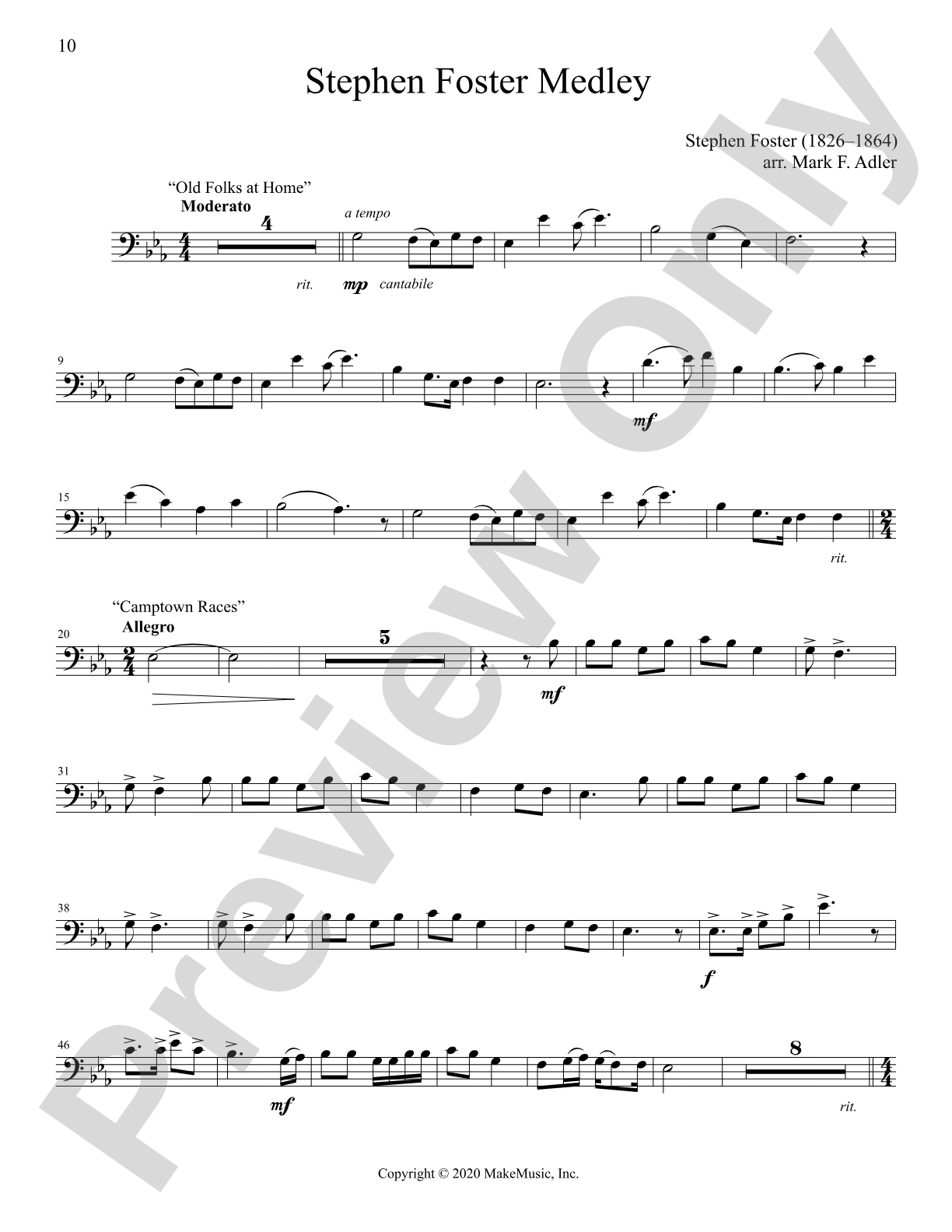
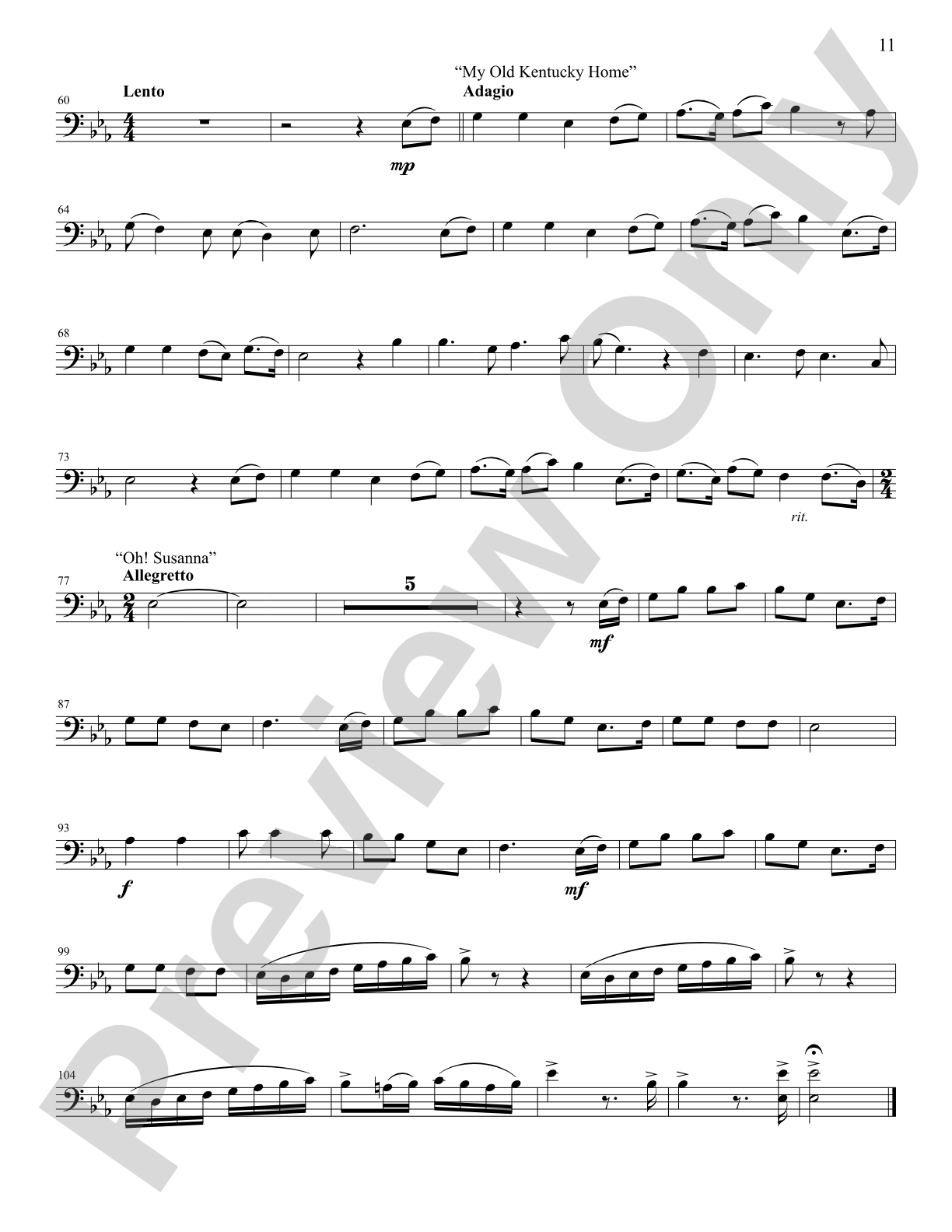
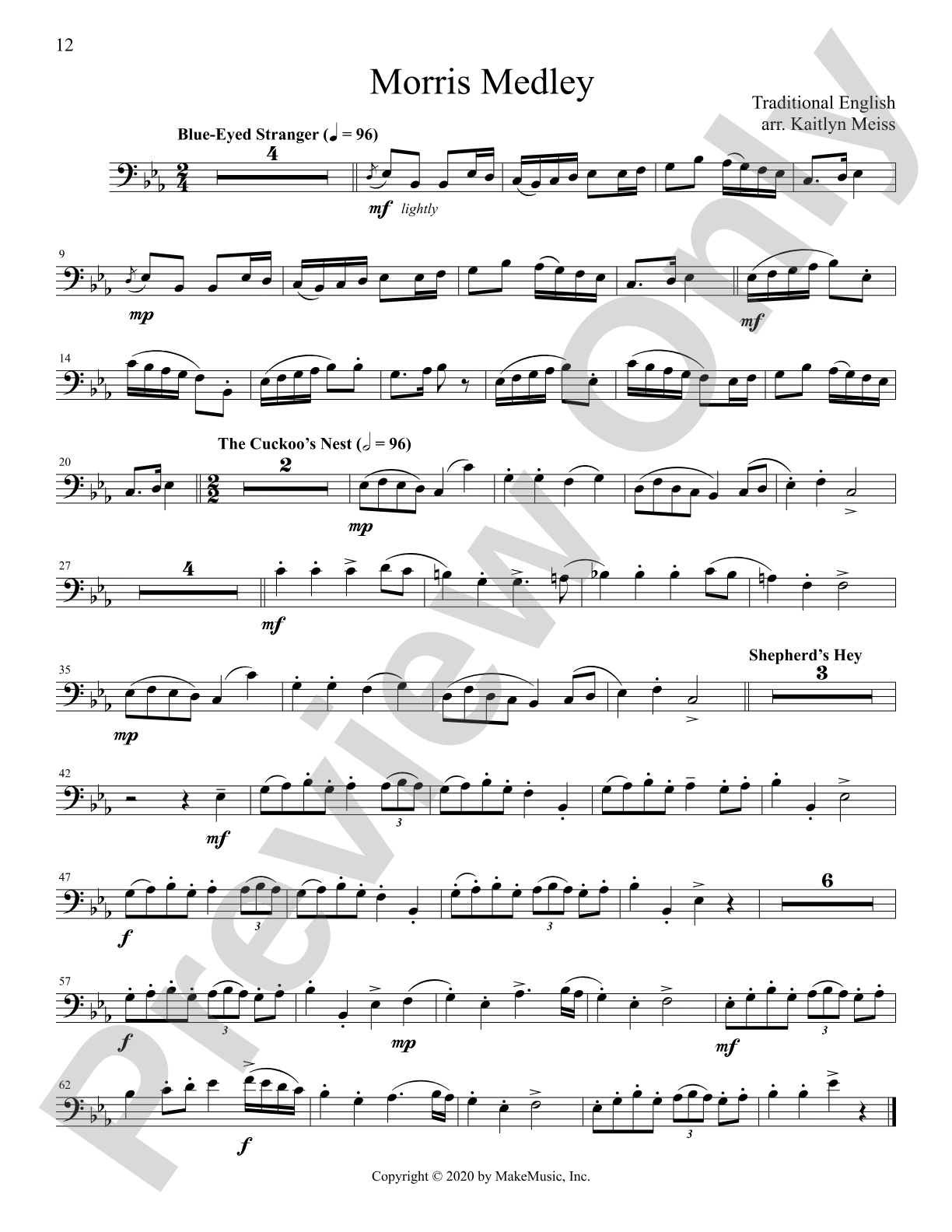
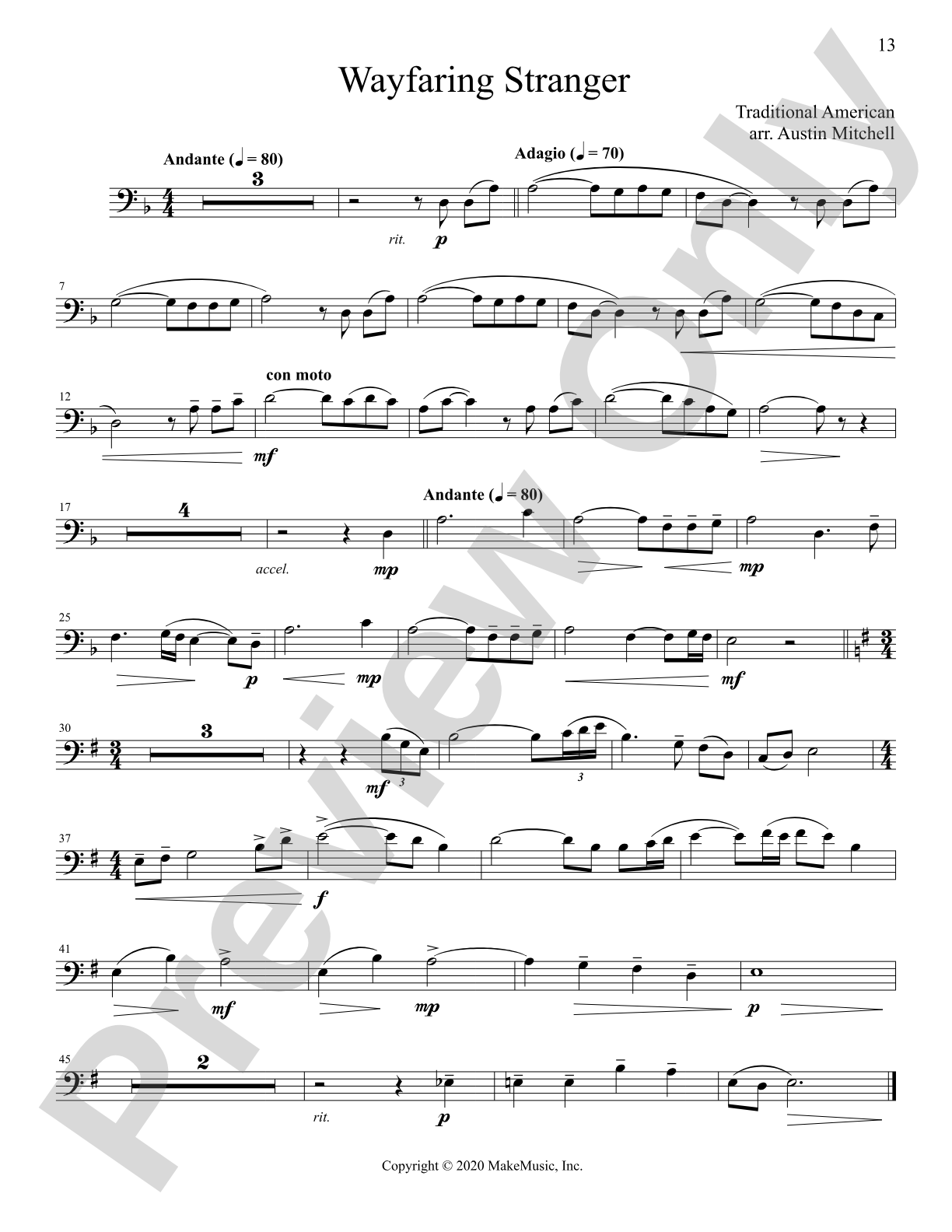

The Progressing Bassoon Soloist: Solo & Small Ensemble
Grade: 2-3
Item: 00-PS-0016168
$6.99
Pickup currently not available
Description
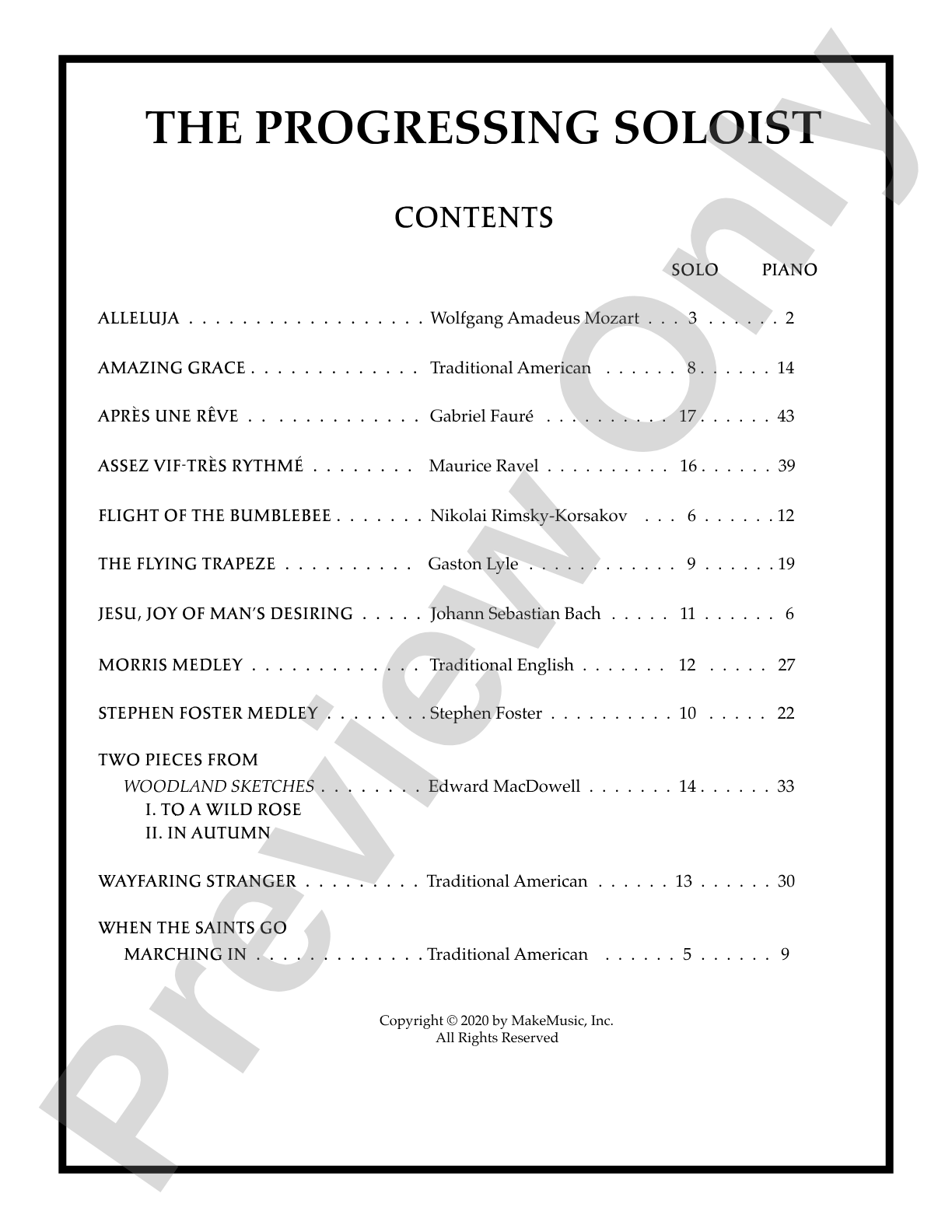
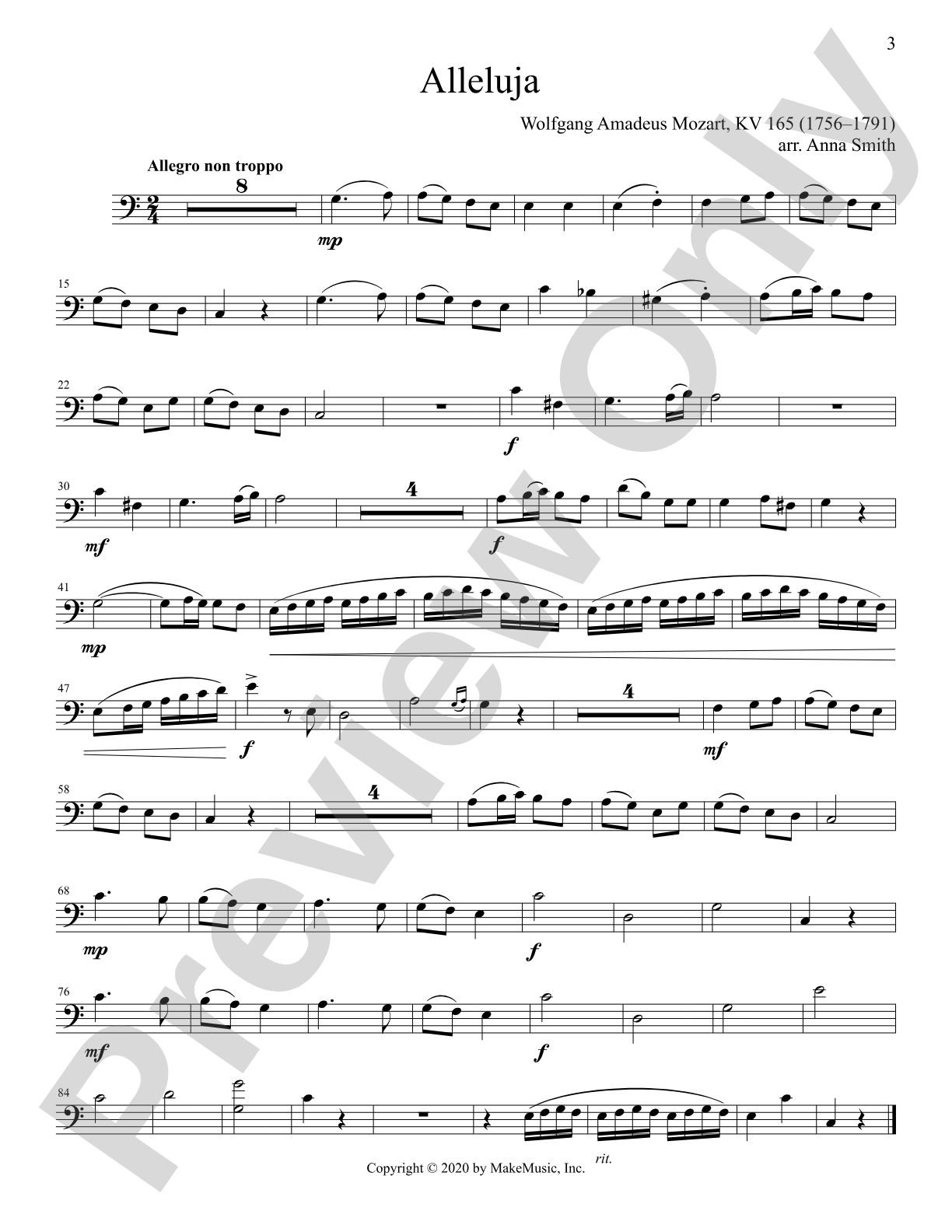
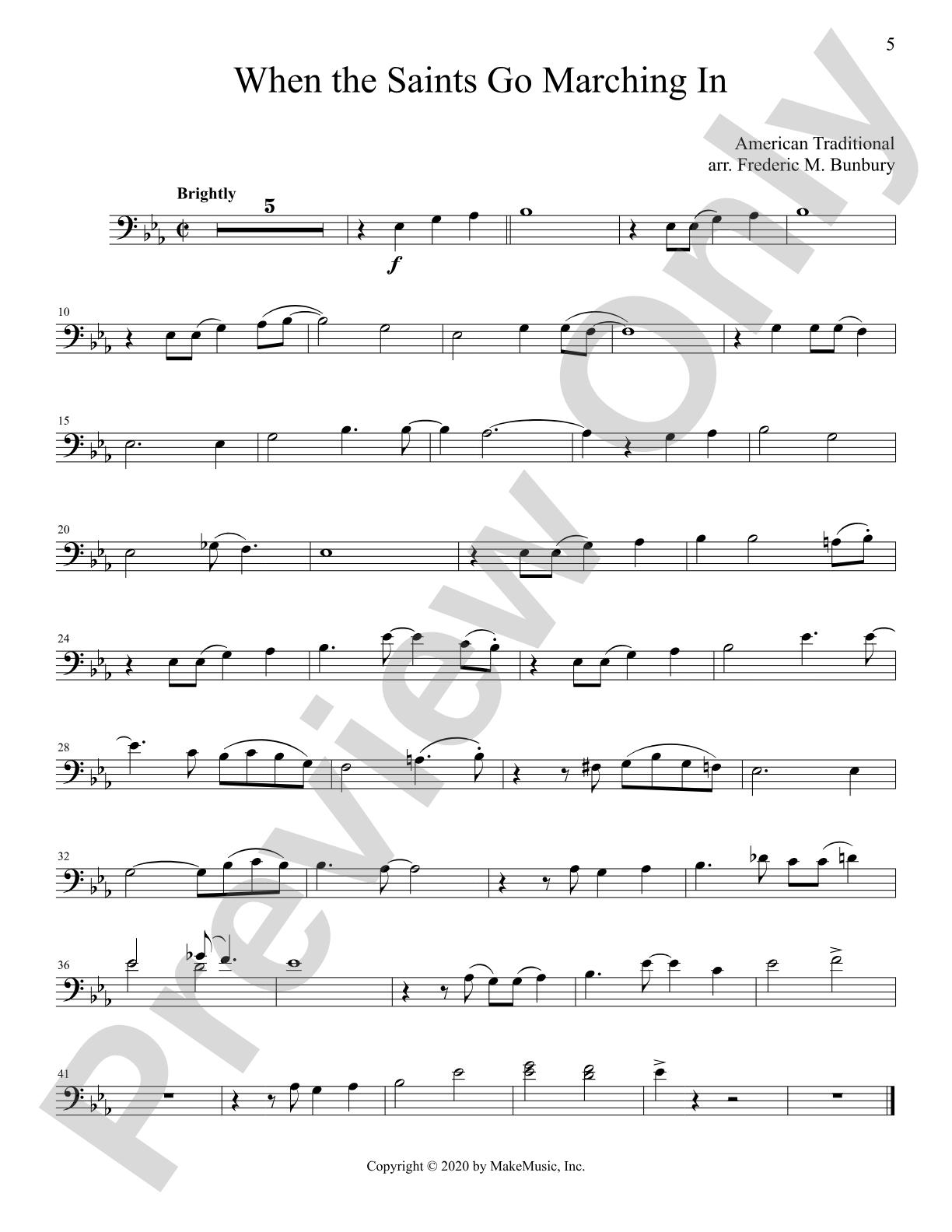
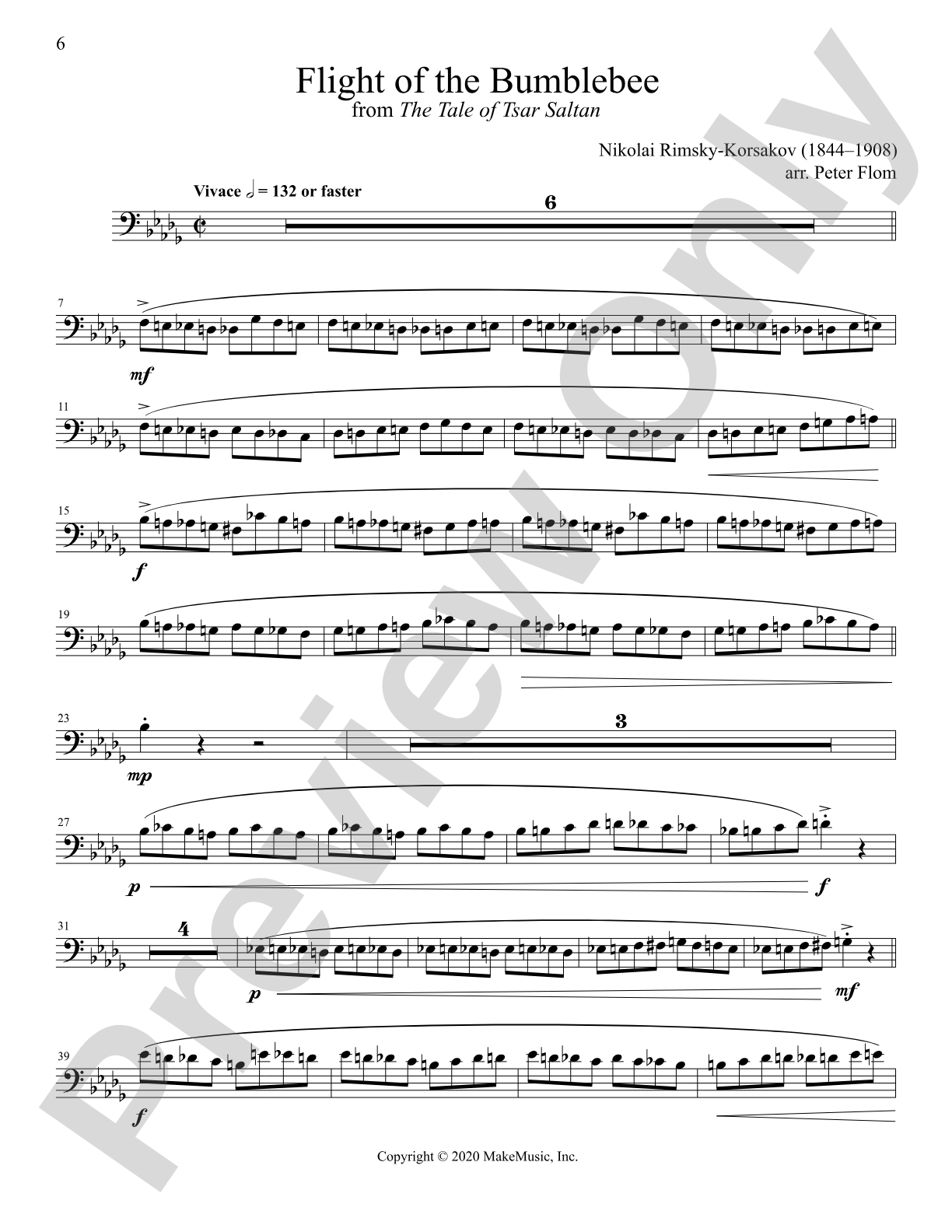
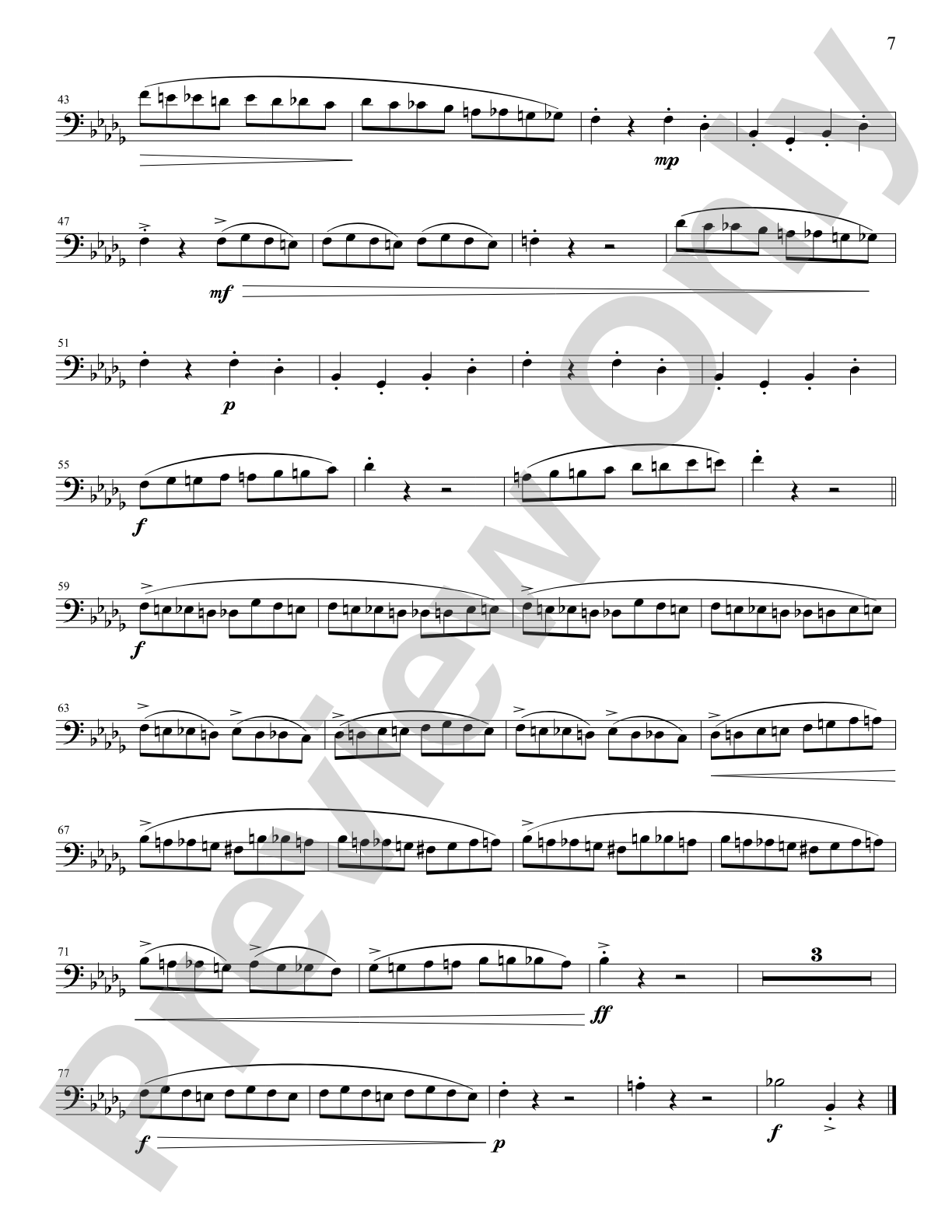
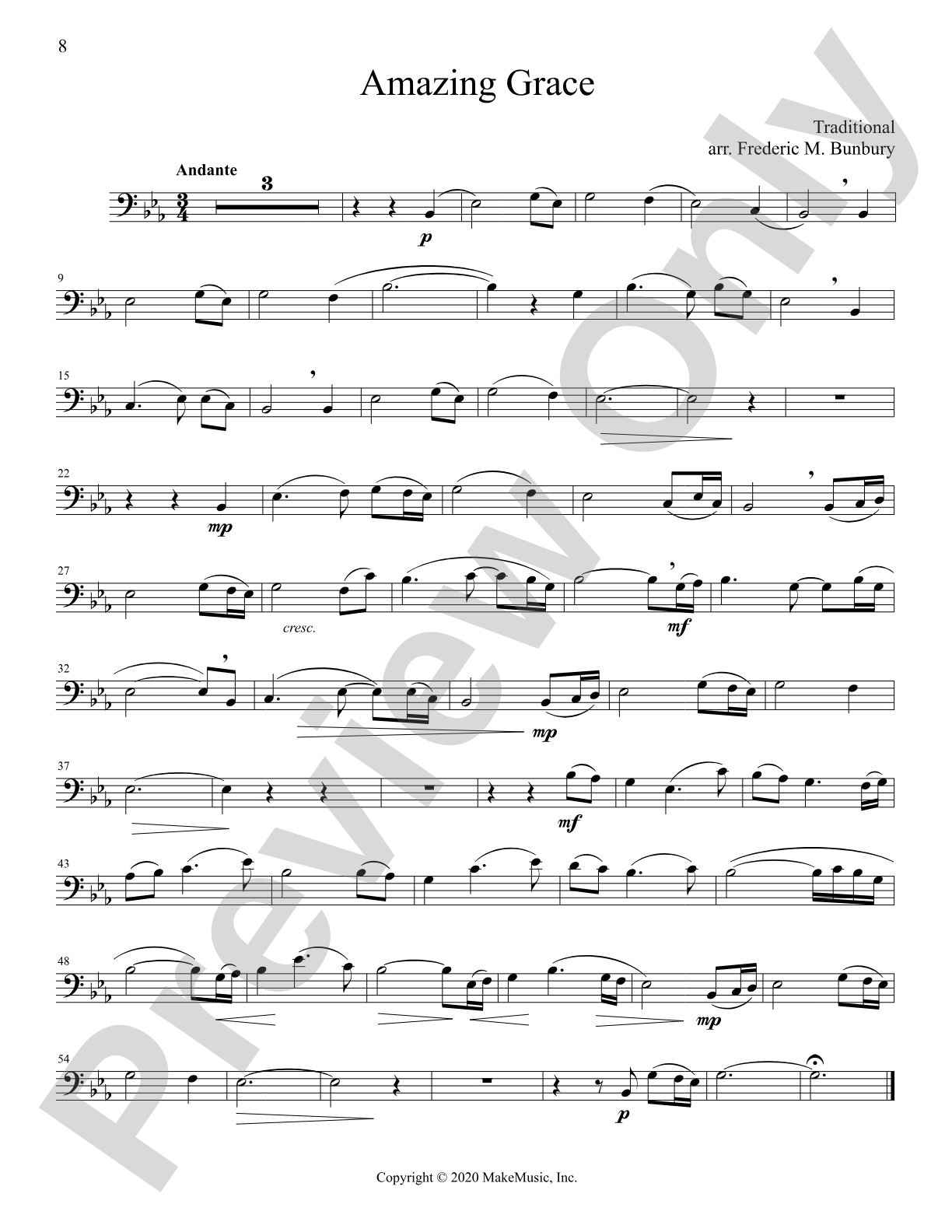
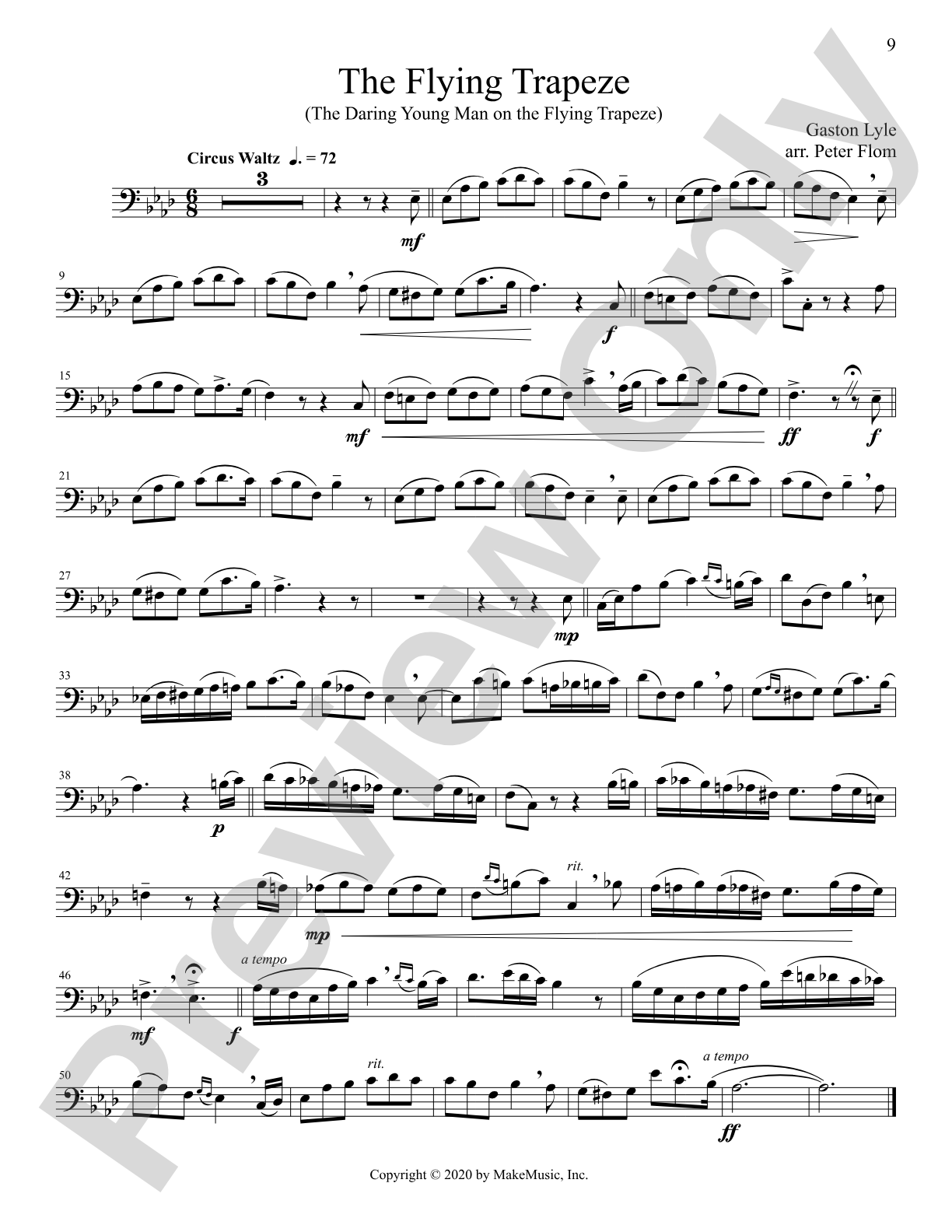
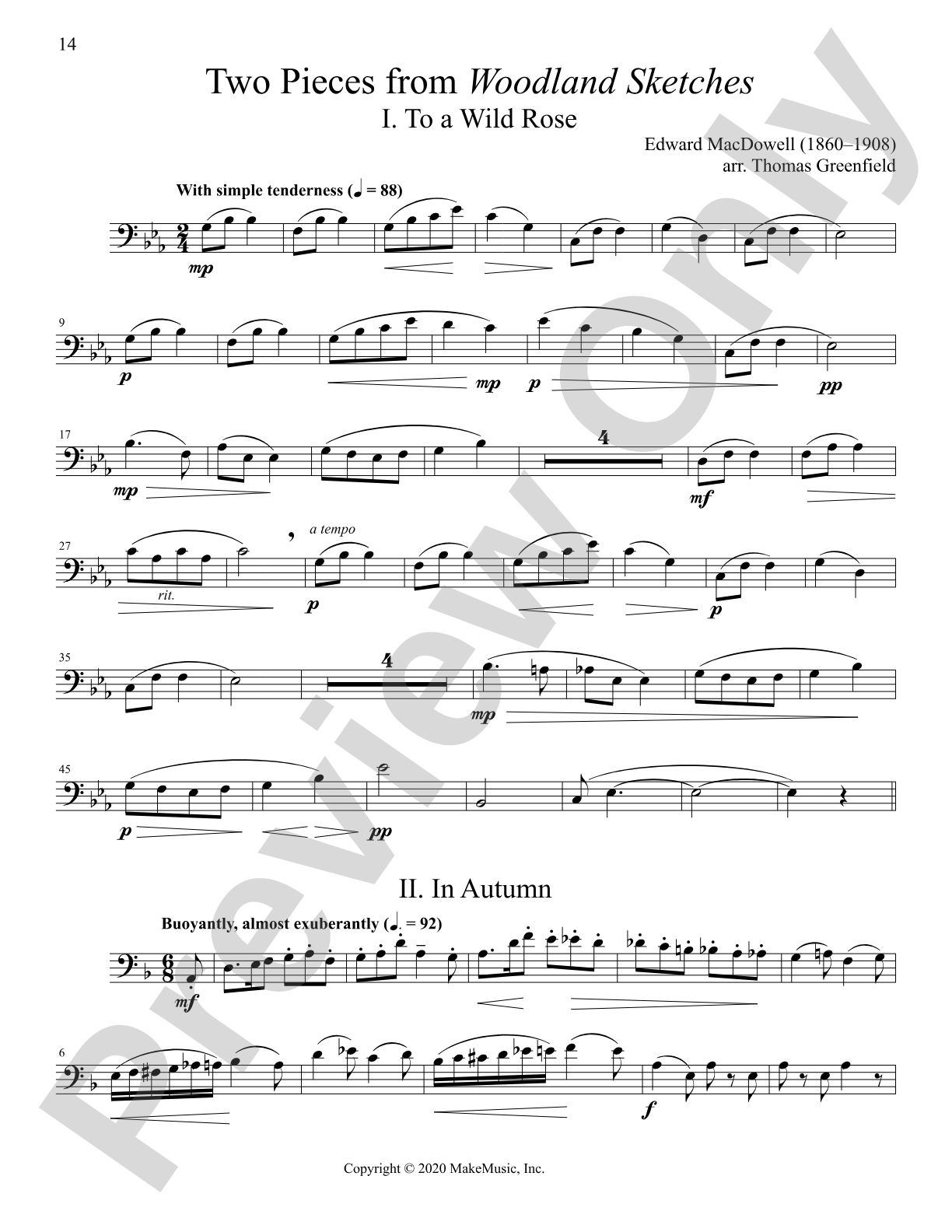
The Progressing Soloist series contains 12 fresh arrangements on many familiar themes, including "Flight of the Bumblebee," "Jesu, Joy of Man's Desiring," and Mozart's "Alleluia." This collection introduces your students to wonderful, lesser-known classics like Gabriel Fauré's "Après une rêve" and the second movement of Ravel's string quartet. These level 2--3 instrumental solos are ideal for recitals, concerts, and contests. This title is available in MakeMusic Cloud.


The Progressing Bassoon Soloist: Solo & Small Ensemble isn't in MakeMusic Cloud just yet...but it could be. Let us know you'd like to see it, and you'll help shape what comes next. In the meantime, start a free trial and dive into thousands of interactive titles your students can play along with today.
Request This Title
Tell us you want it.
Start Your Free Trial
Explore everything that's ready to play right now.
Sample Audio
No sample audio found.
Sample Video
No sample videos found.
Additional Details
Series:
Progressing Soloist
SKU:
00-PS-0016168
More about this title
Why we love this
The collection strikes a smart balance between recognizable melodies and genuine musical depth. You get familiar touchstones like 'Flight of the Bumblebee' alongside lesser-known treasures such as Fauré's 'Après une rêve' and Ravel, which means students perform pieces they'll enjoy without sacrificing artistry or challenge.
What to expect
These arrangements celebrate what makes the bassoon both warm and capable. You encounter the sprightly, virtuosic energy of 'Flight of the Bumblebee,' the intimate lyricism of 'Après une rêve,' and the clarity of Mozart's 'Alleluia,' all scored with sensitivity to the instrument's range and voice.
Who it's for
Intermediate bassoonists preparing for recitals, festivals, or informal performances will find solid, idiomatic solos that sit well on the instrument. Whether your student is building confidence with accessible arrangements or exploring lighter classical repertoire alongside more demanding solo work, this collection offers 12 performance-ready options.
How to get the most out of it
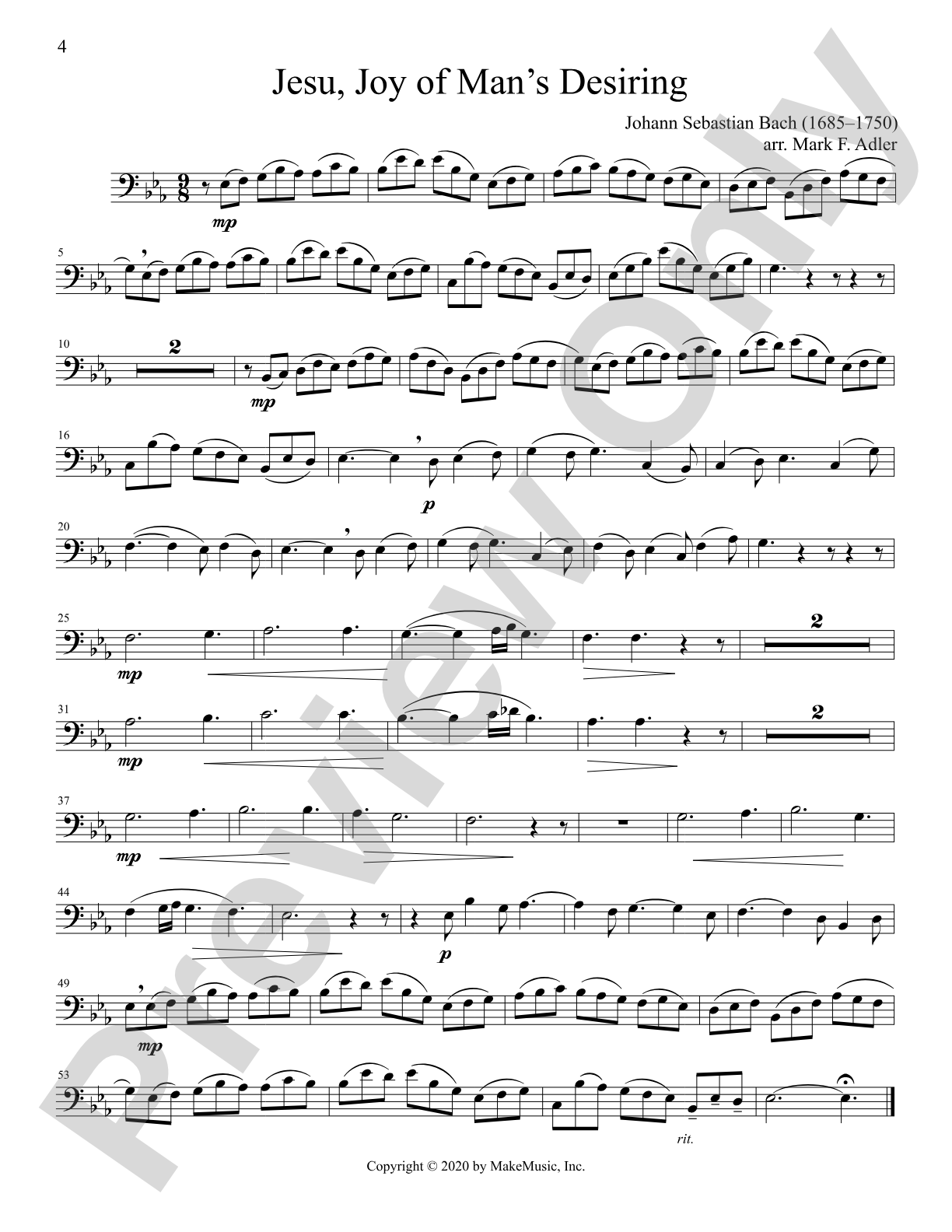
- Study the accompaniment part carefully before rehearsing with a pianist. The arrangement's character often depends on how the bassoon and accompaniment breathe together, especially in the lyrical pieces like 'Jesu, Joy of Man's Desiring.'
- Let the familiar melodies breathe in their new contexts. These arrangements have specific voicings and harmonic choices that reward patient phrasing rather than rushing through a tune you already know.
- Mark your articulation and dynamics in pencil during first read-throughs. Grade 2-3 writing can hide interpretive details in accompaniment cues that inform your own line.
- Work the technical passages in 'Flight of the Bumblebee' at a manageable tempo first. The arrangement's effectiveness depends on clarity and control, not speed.
How to use it
Slot these solos into studio recitals throughout the year, knowing each piece works as a standalone five-minute performance or as a bridge between more demanding repertoire. Several titles work equally well in contest settings where musical maturity and clean execution matter more than virtuosity alone.
Skills your students will build
- Phrasing in unfamiliar contexts (recognizing familiar melodies reharmonized)
- Coordination with accompaniment (learning when to lead, when to follow, and when to breathe together)
- Lyrical tone production (sustaining phrases with direction in 'Jesu, Joy of Man's Desiring' and 'Après une rêve')
- Technical articulation across varying styles (from the rapid figuration of 'Flight of the Bumblebee' to the legato of Mozart)
- Interpreting dynamics and tempo markings in context (understanding how arrangement decisions reflect the original composition)