

The Progressing Bass Clarinet Soloist: Solo & Small Ensemble
Grade: 2-3
Item: 00-PS-0016167
$6.99
Pickup currently not available
Description
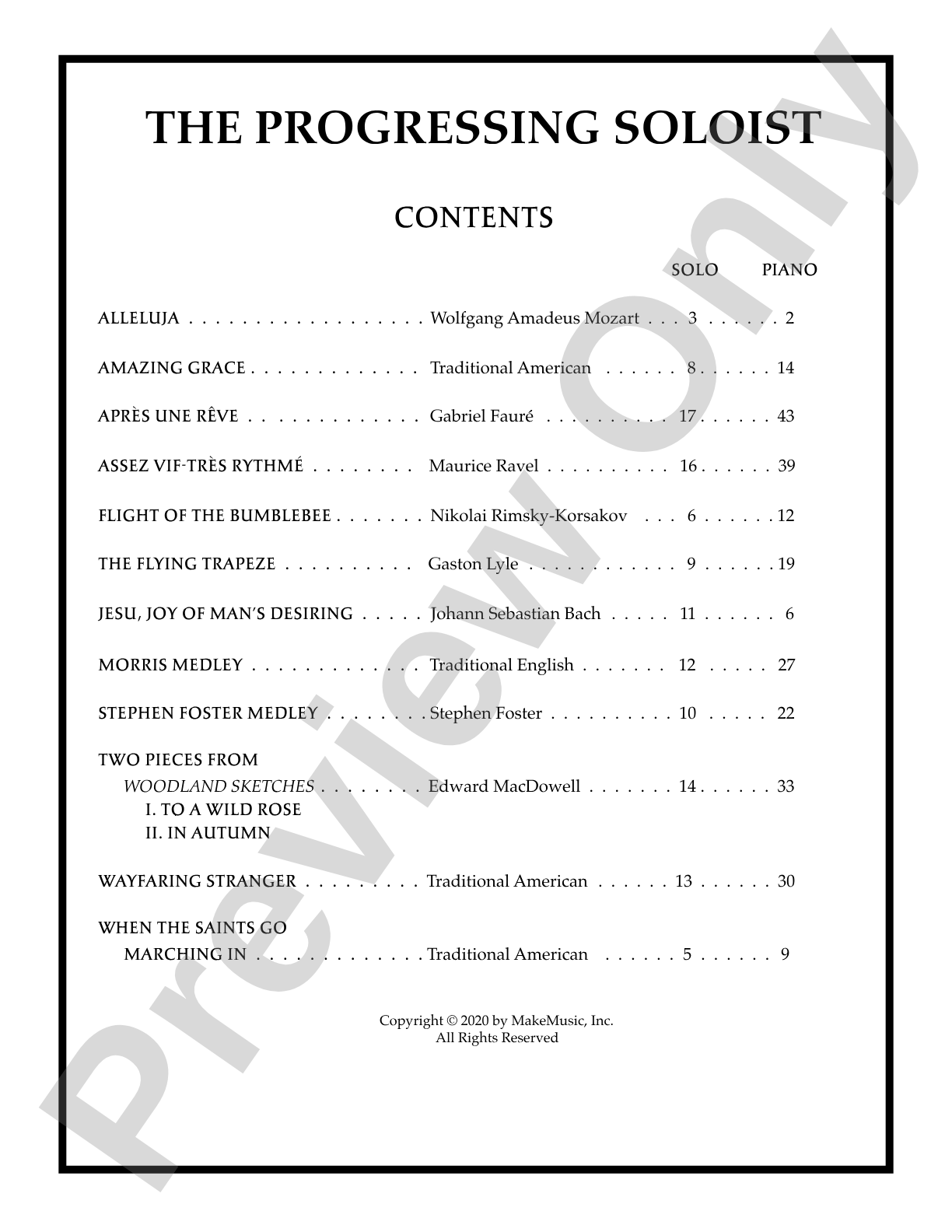
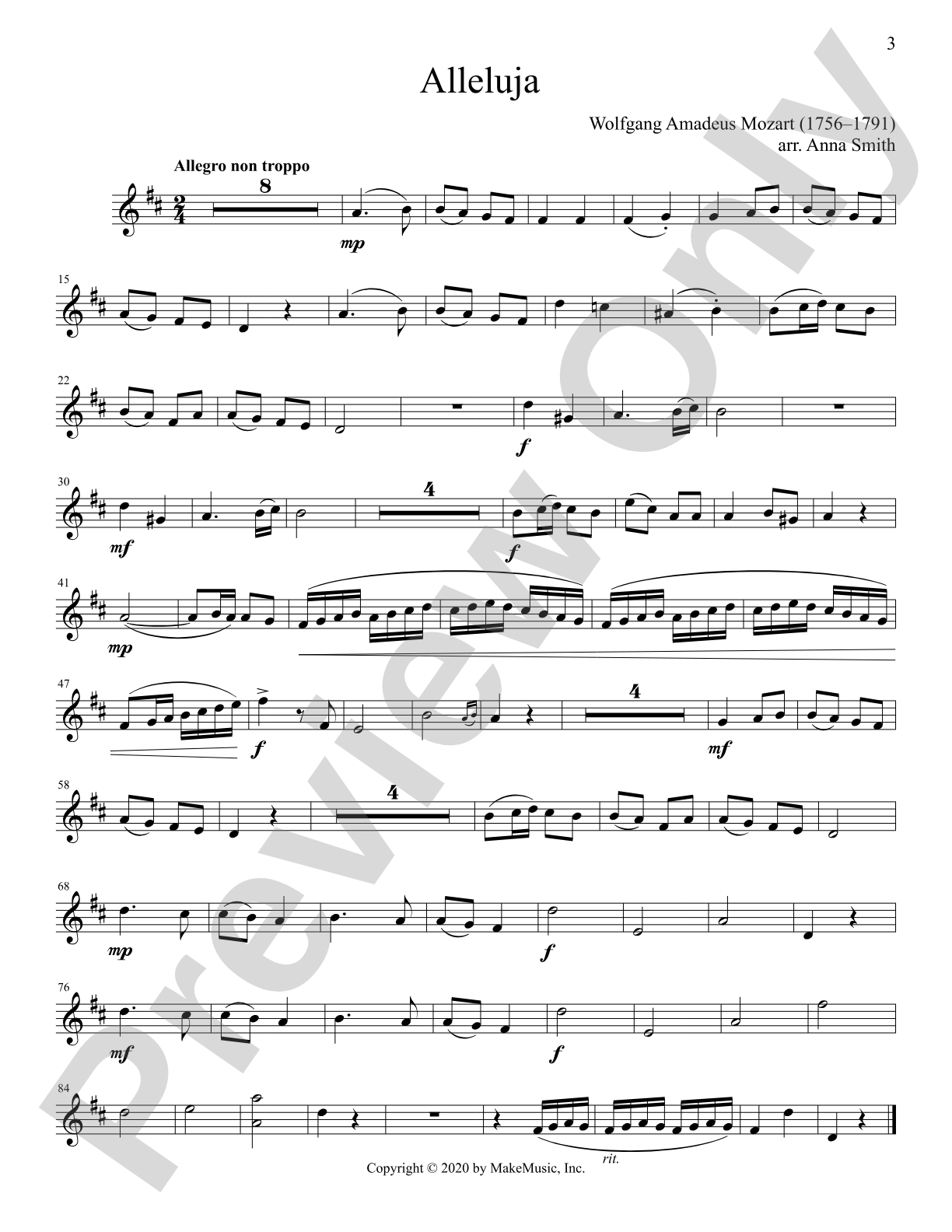
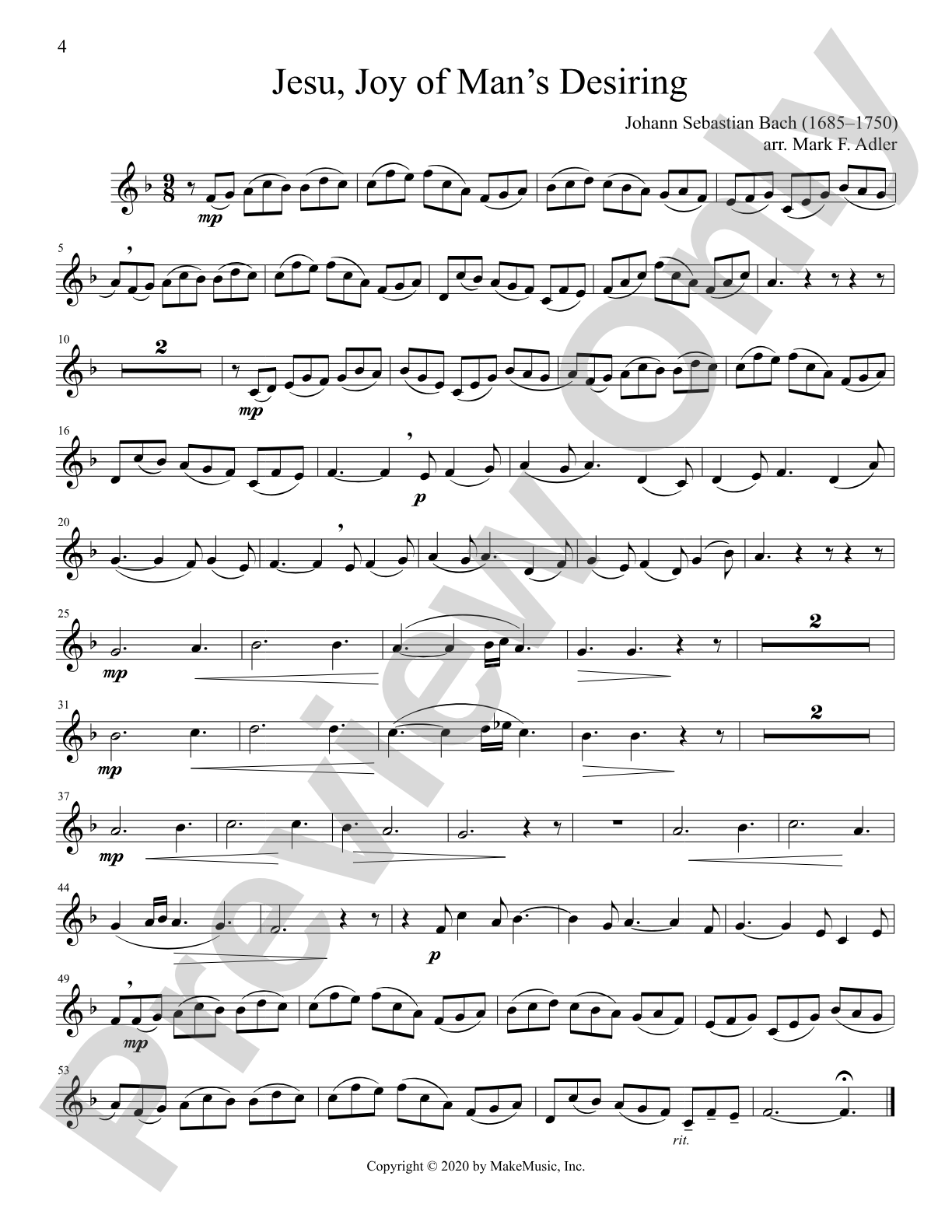
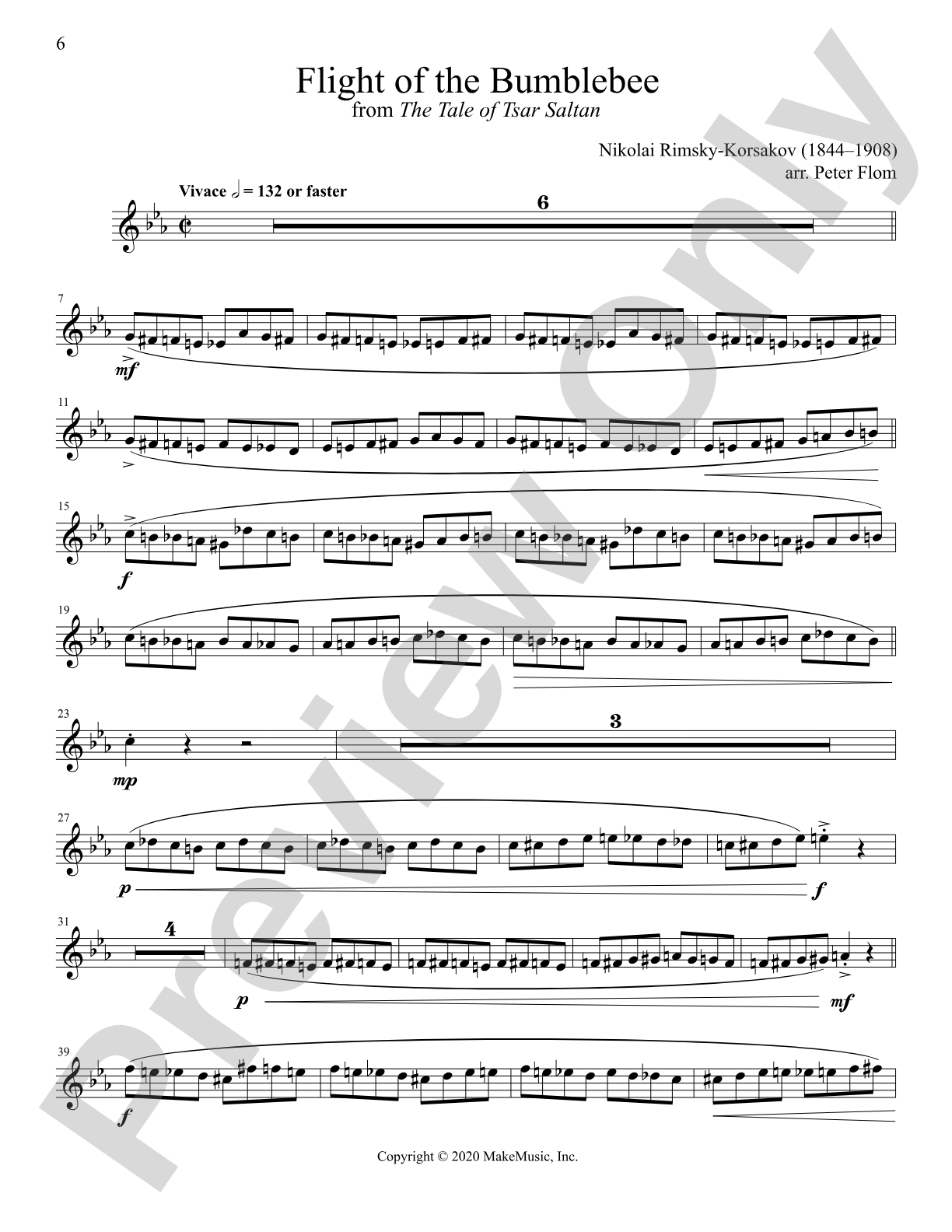
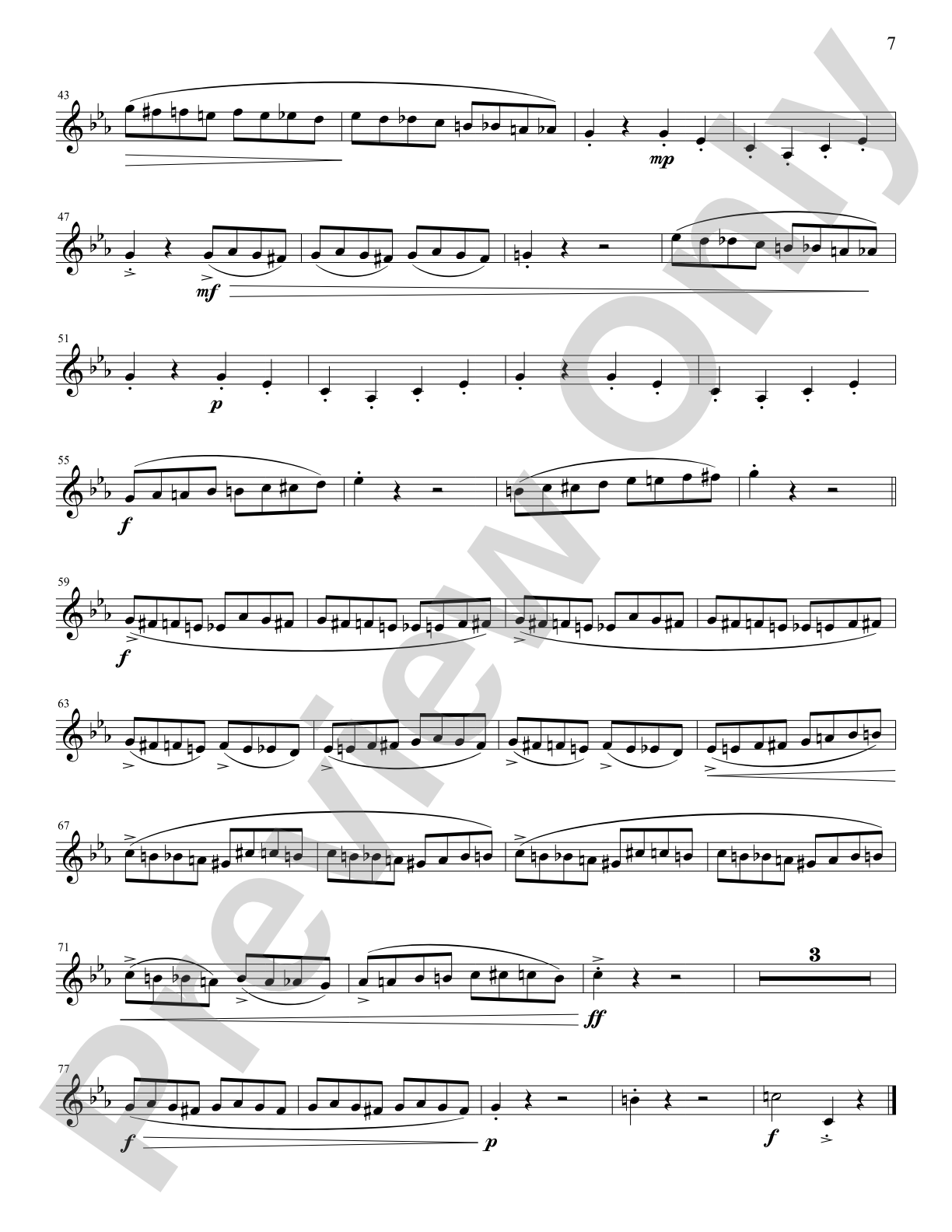
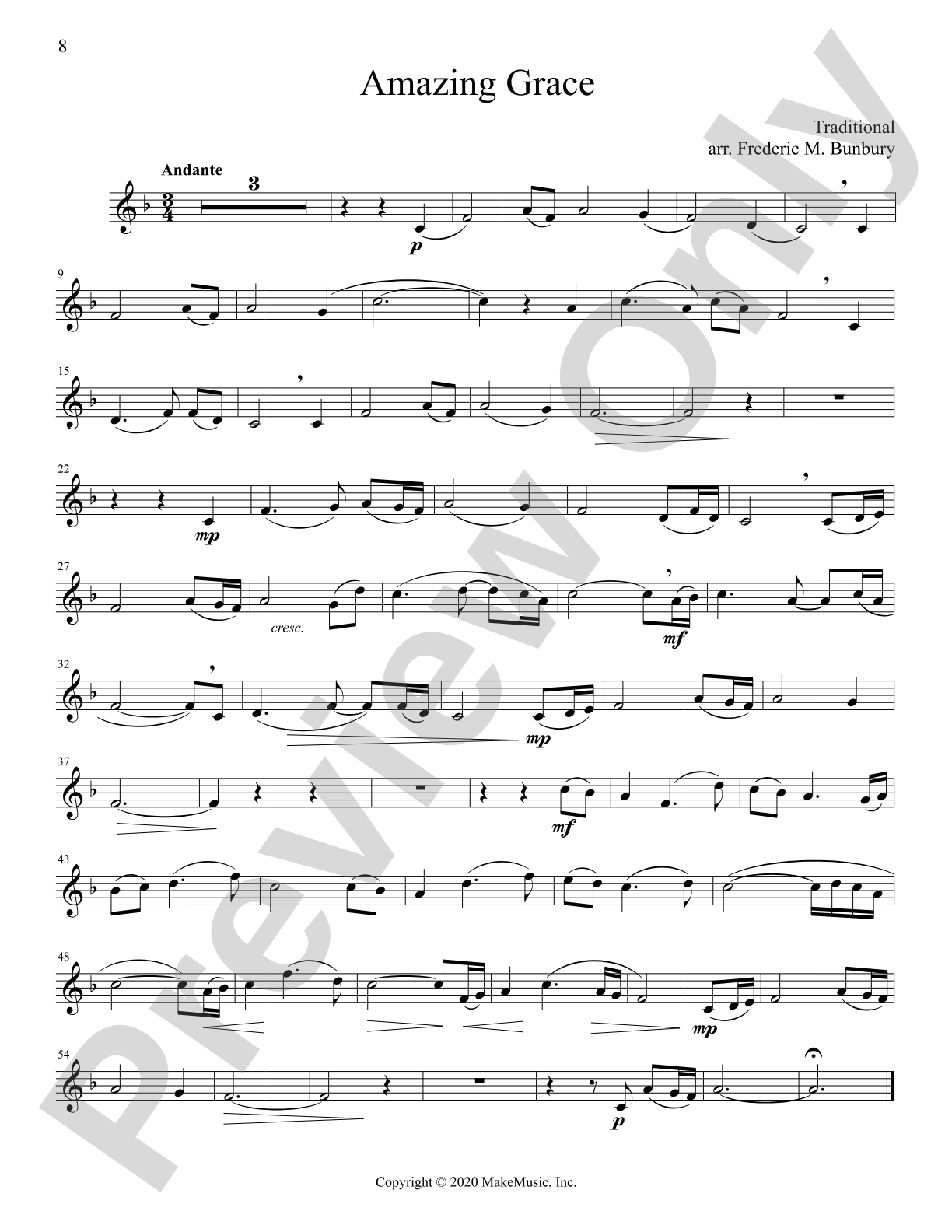
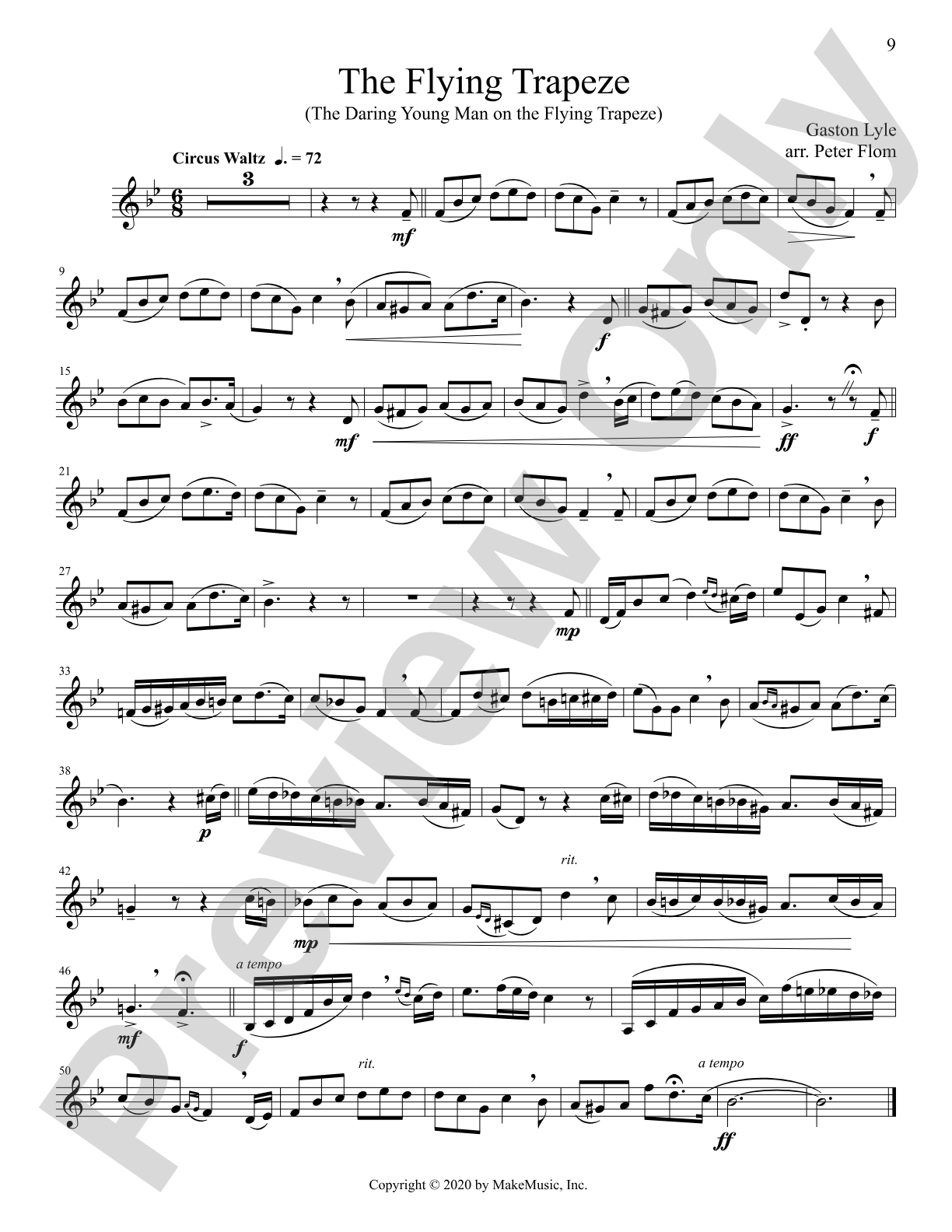
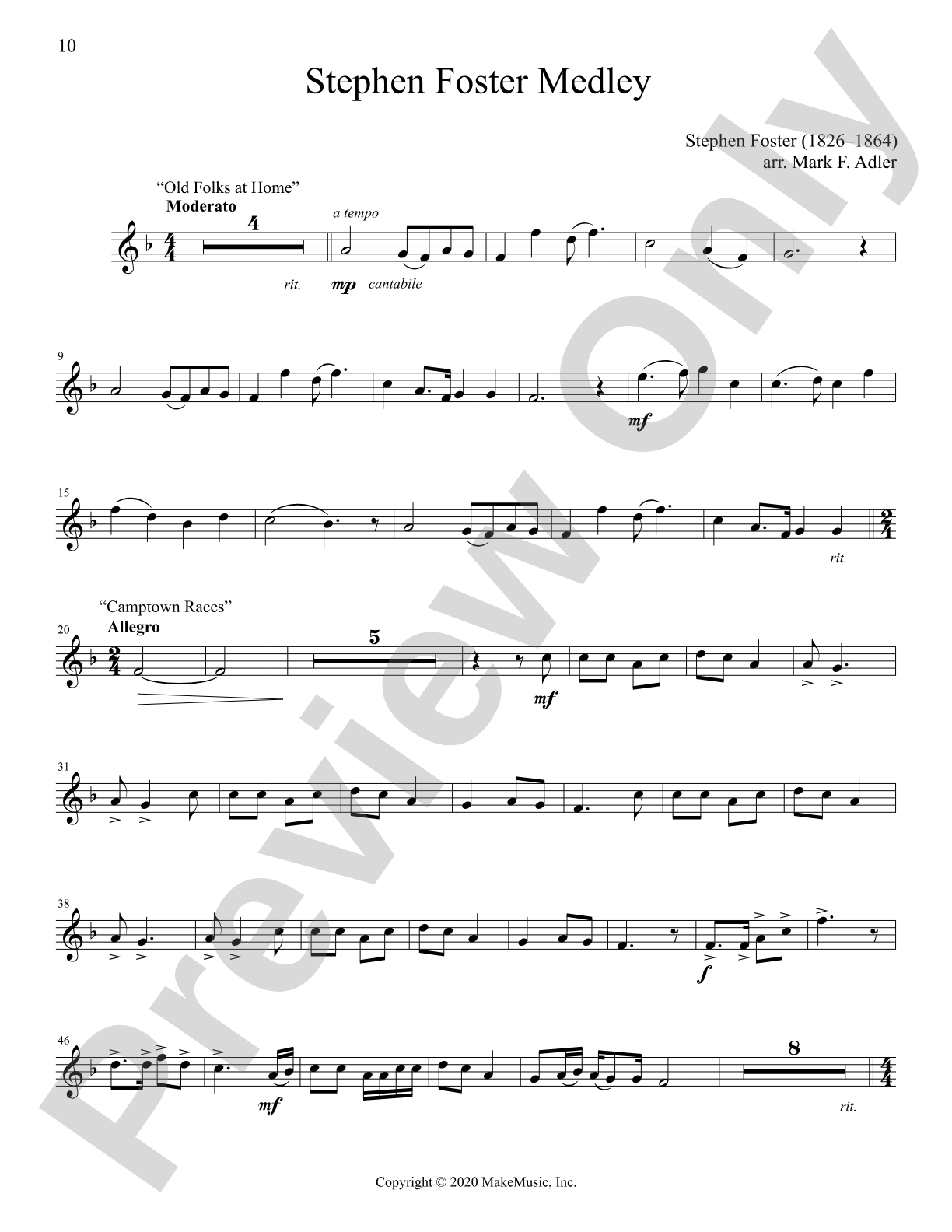
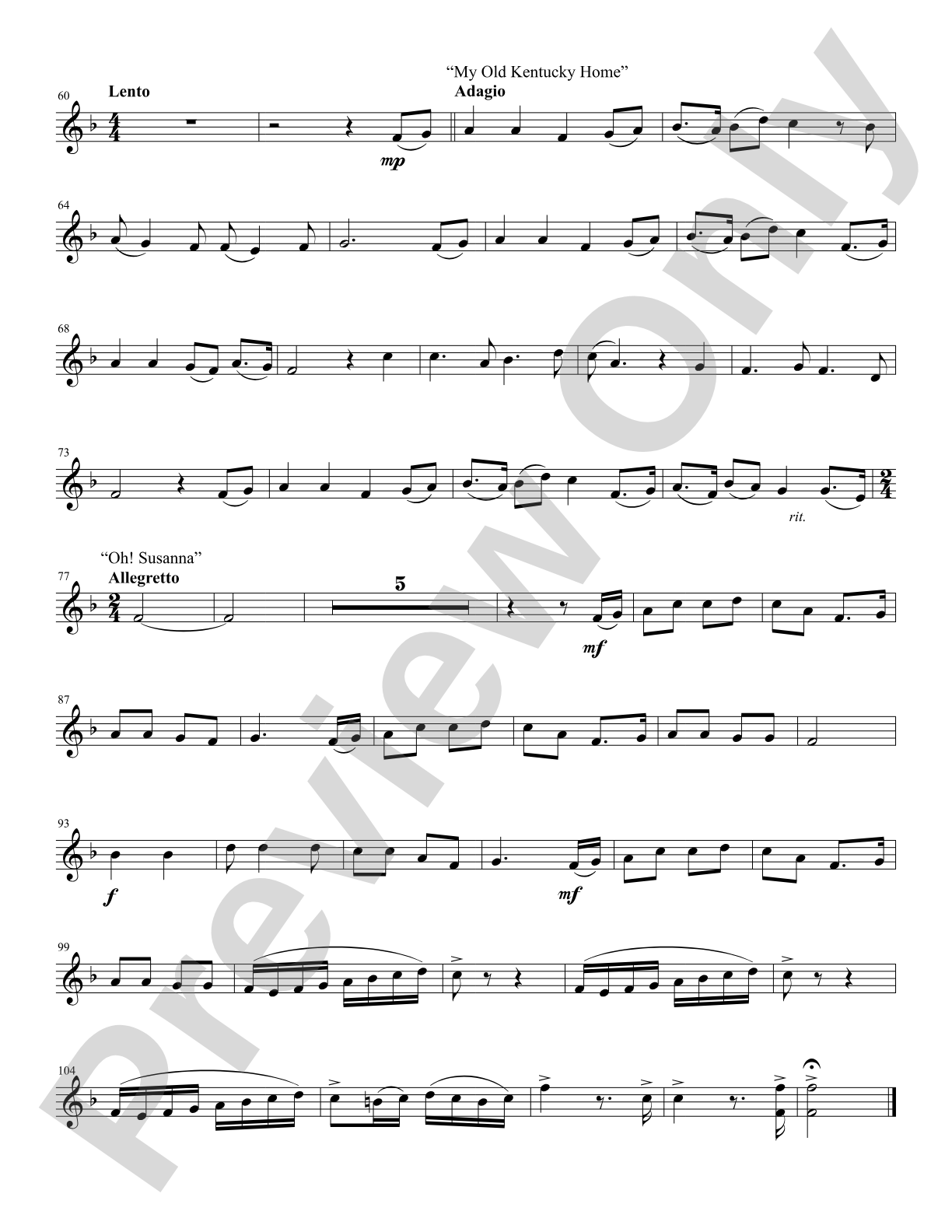
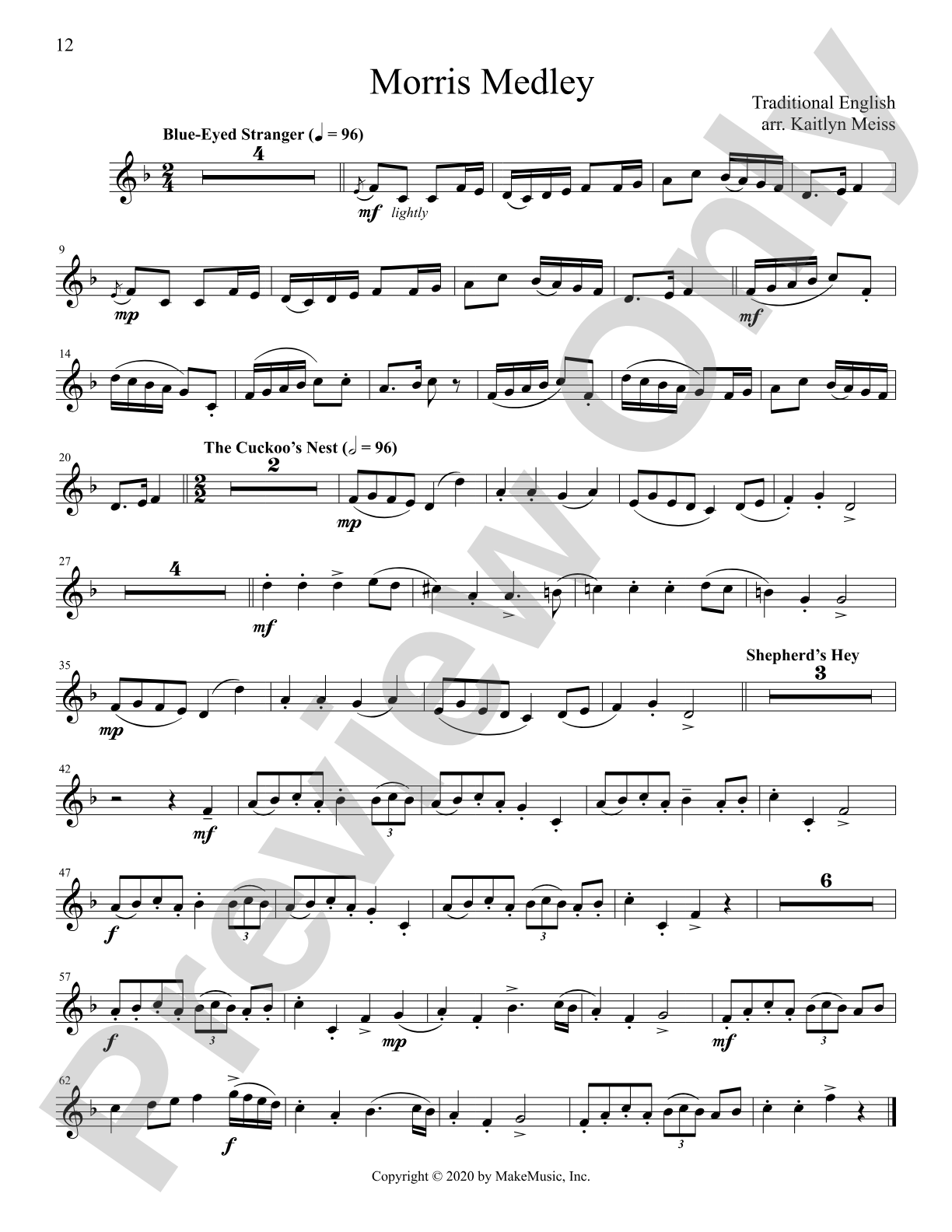
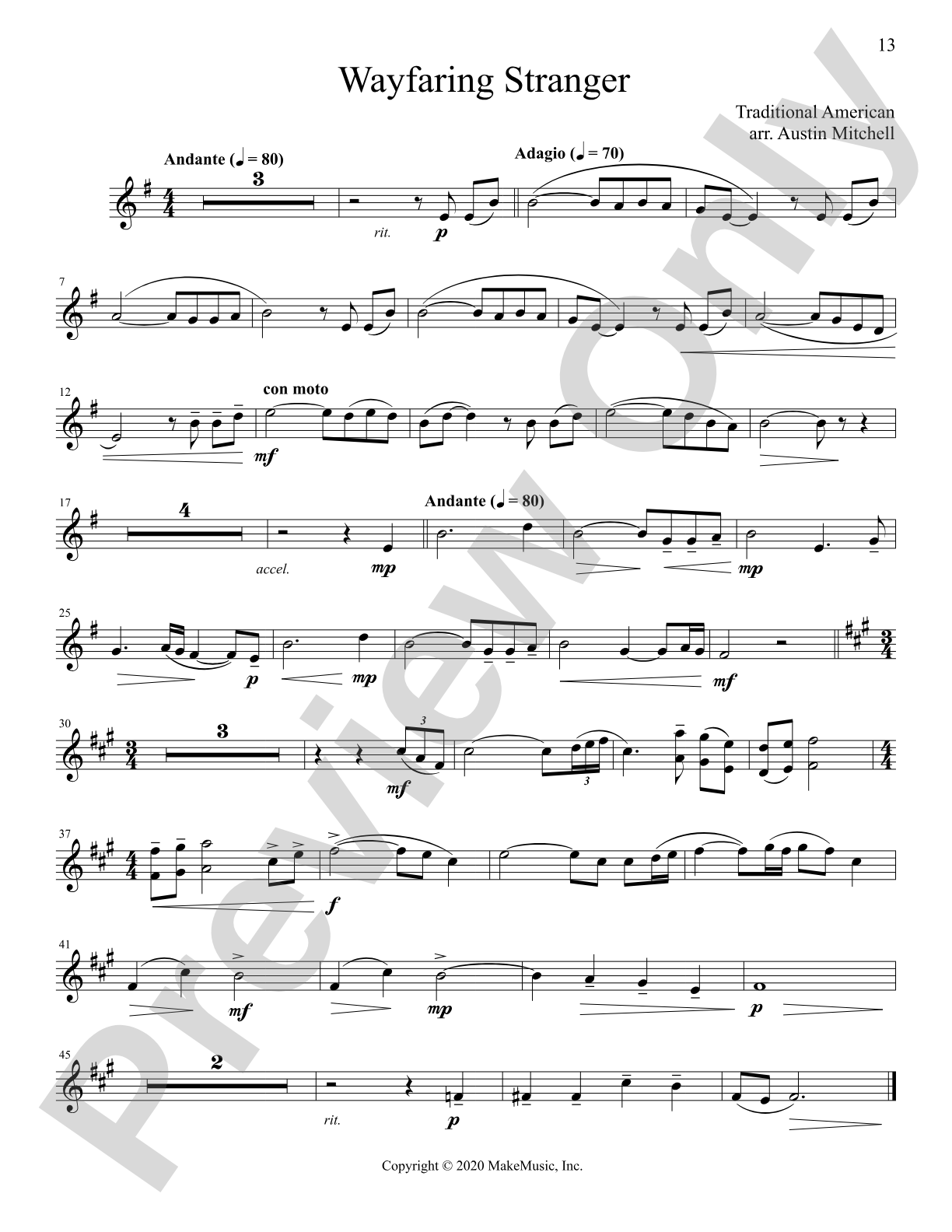
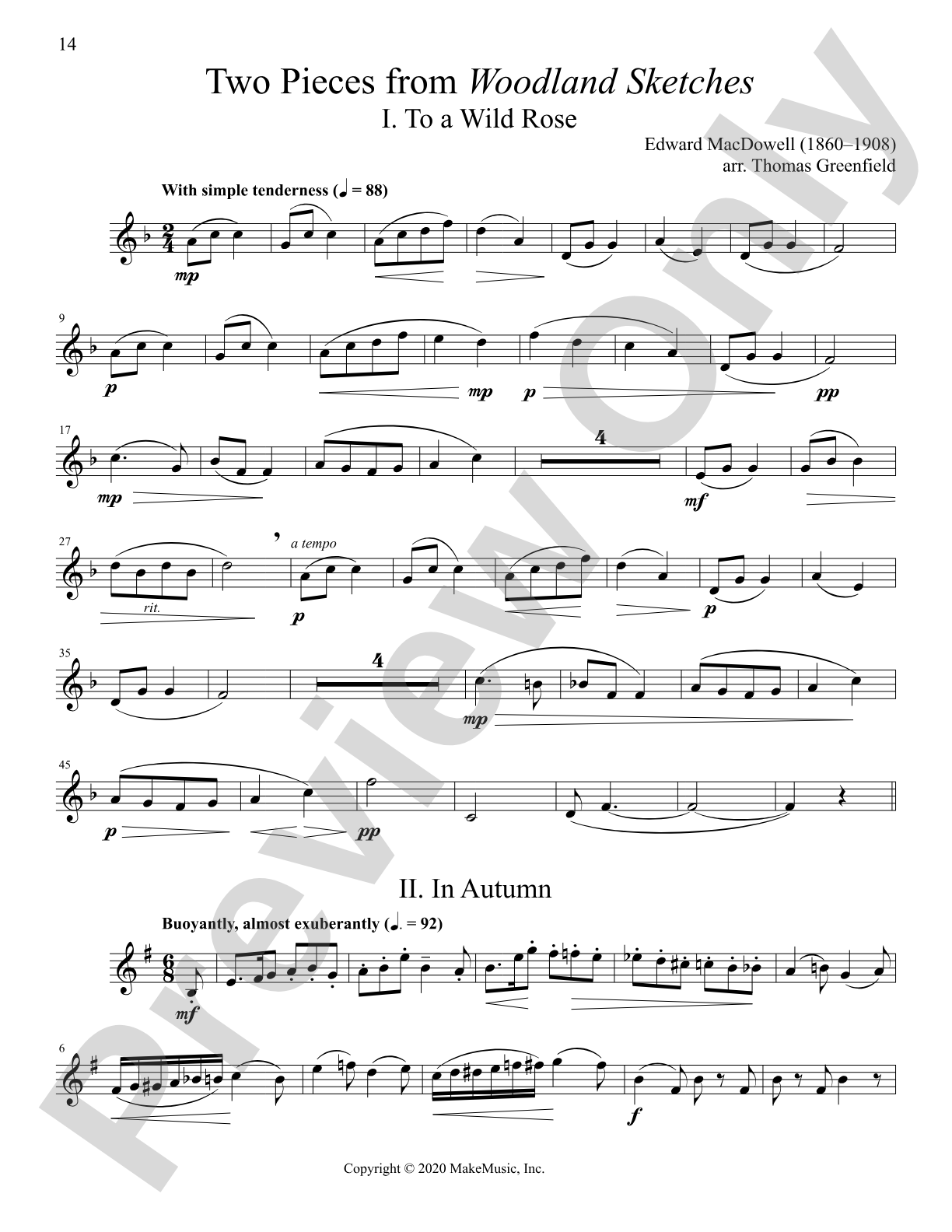
The Progressing Soloist series contains 12 fresh arrangements on many familiar themes, including "Flight of the Bumblebee," "Jesu, Joy of Man's Desiring," and Mozart's "Alleluia." This collection introduces your students to wonderful, lesser-known classics like Gabriel Fauré's "Après une rêve" and the second movement of Ravel's string quartet. These level 2--3 instrumental solos are ideal for recitals, concerts, and contests. This title is available in MakeMusic Cloud.


Discover MakeMusic Cloud: thousands of interactive titles your students can play along with today.
Sample Audio
No sample audio found.
Sample Video
No sample videos found.
Additional Details
Series:
Progressing Soloist
SKU:
00-PS-0016167
More about this title
Why we love this
Bass clarinet soloists at the intermediate level rarely find repertoire that feels both musically substantial and performable without excessive technical demands. This collection bridges that gap by pairing recognizable works (Vivaldi, Mozart) with genuinely rewarding discoveries (Fauré, Ravel) that expand what your students think the bass clarinet can express. The small ensemble arrangements also give students options for collaborative performance beyond the solo recital format.
What to expect
These solos offer a mix of comfort and discovery. Some melodies arrive as old friends; others unfold as quiet revelations. The impressionist works (Fauré, Ravel) let the bass clarinet explore the warmth and introspection of its lower range, while the baroque and classical selections demand precision and clear voice in the instrument's sweet spot. Throughout, there is room to breathe and express.
Who it's for
Bass clarinet students at grades 2-3 who are ready to perform in recitals, festivals, and contests and want literature that respects their developing technique without sacrificing musical depth. This collection works well for students who benefit from familiar melodic material while being introduced to less commonly heard classical and impressionist works.
How to get the most out of it
- Record yourself playing each solo to hear how your tone projects in the lower register; bass clarinet sits deeper in the ensemble sound, so clarity of articulation becomes even more important.
- Study the original orchestral context of pieces like 'Flight of the Bumblebee' and 'Jesu, Joy of Man's Desiring' by listening to full recordings; understanding where this melody lived originally helps you shape phrasing and dynamics.
- Balance lyrical passages with technical passages by practicing the faster figurations slowly first, focusing on evenness and control before adding tempo.
- When performing the small ensemble versions, establish clear communication with your collaborators about tempo and phrasing; the intimacy of smaller forces makes ensemble cohesion essential.
How to use it
Feature one of the more well-known solos ('Flight of the Bumblebee,' Mozart's 'Alleluia') as a recital opener or closer when you want immediate musical impact. Reserve the Fauré and Ravel selections for mid-program placements where listeners are settled and receptive to deeper listening. The small ensemble arrangements can anchor a diverse program section or serve as a bridge between solo and full band repertoire.
Skills your students will build
- Sustained legato playing across the break and lower register
- Tonal contrast between lyrical and technical passages
- Phrasing in arrangements of orchestral works
- Ensemble balance and intonation in small group settings
- Stylistic awareness across baroque, classical, and impressionist periods