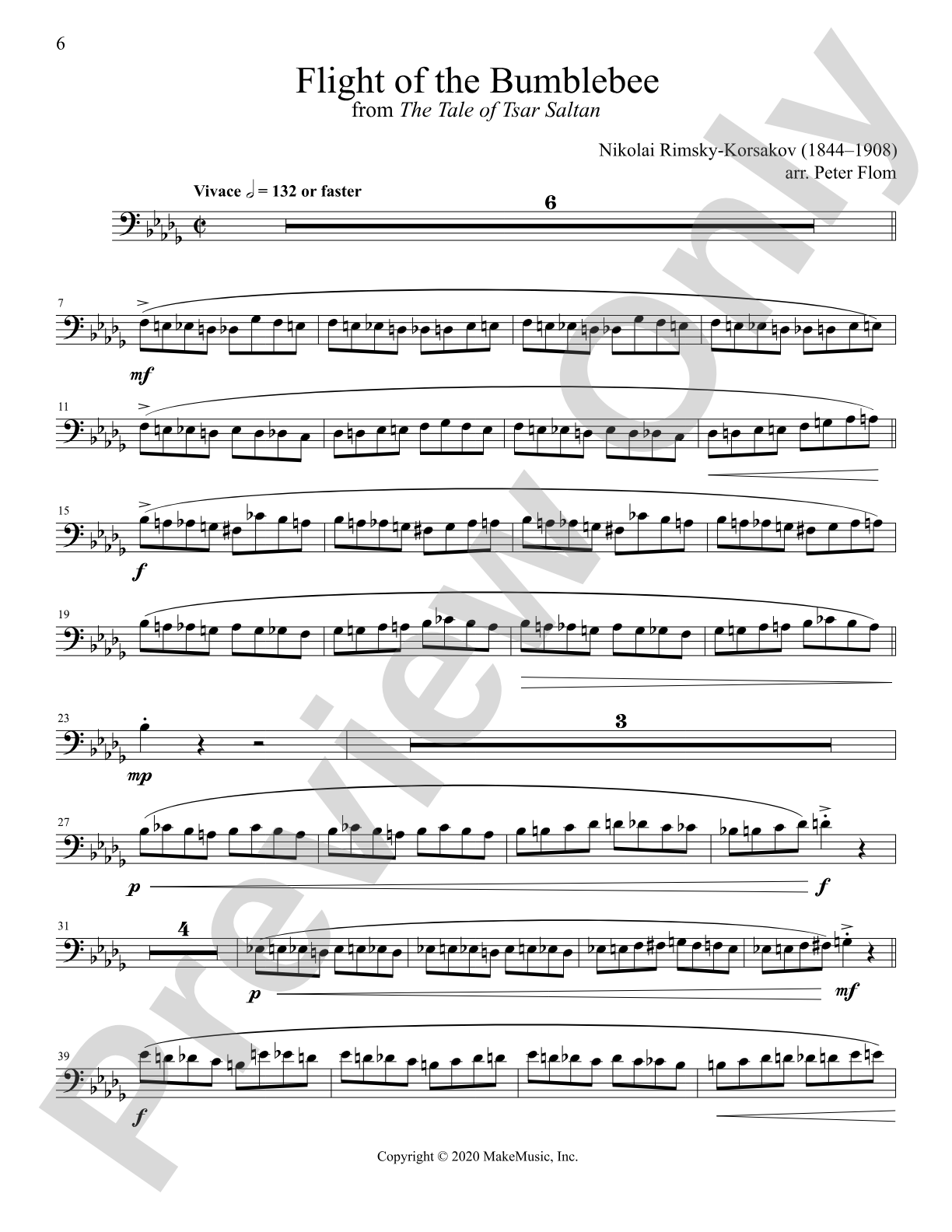
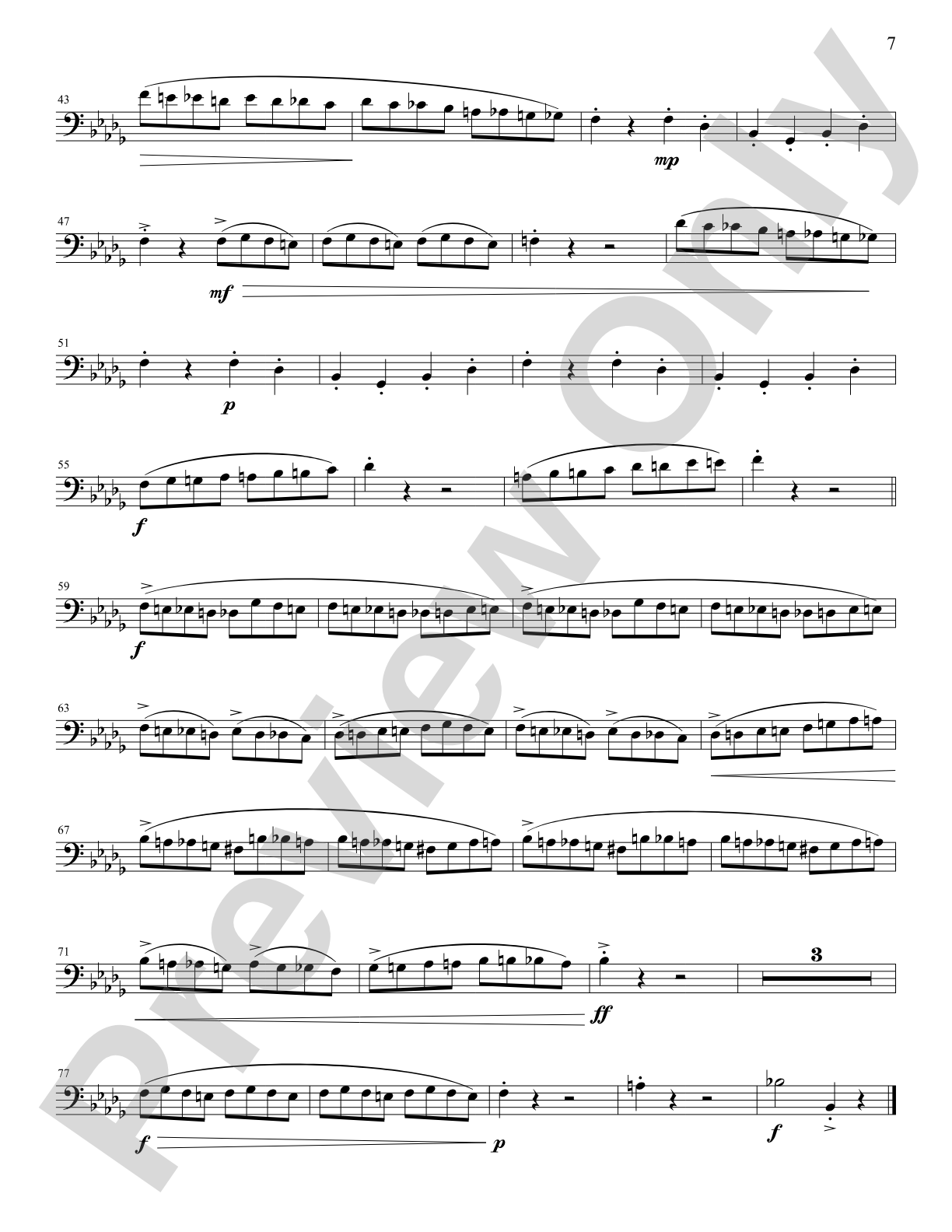
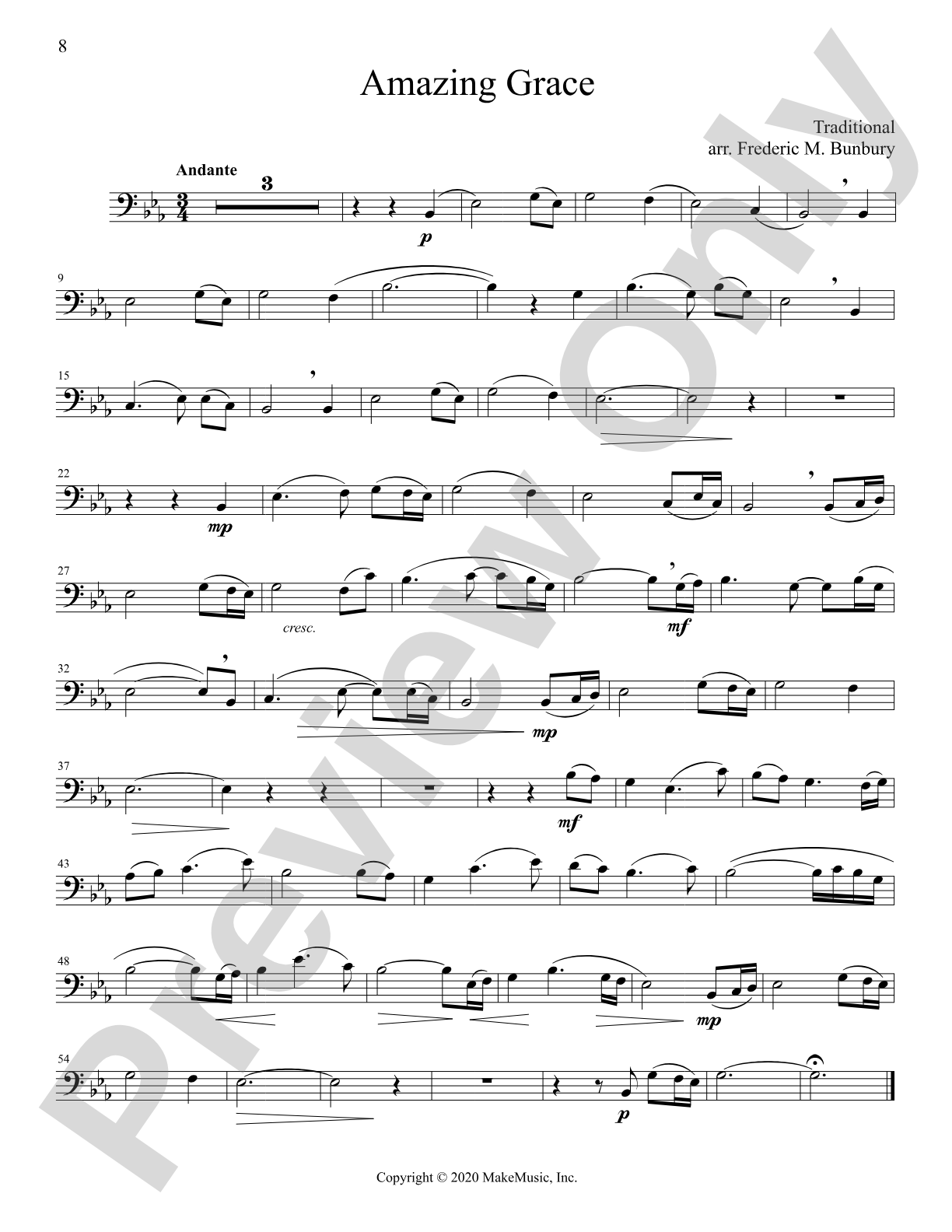
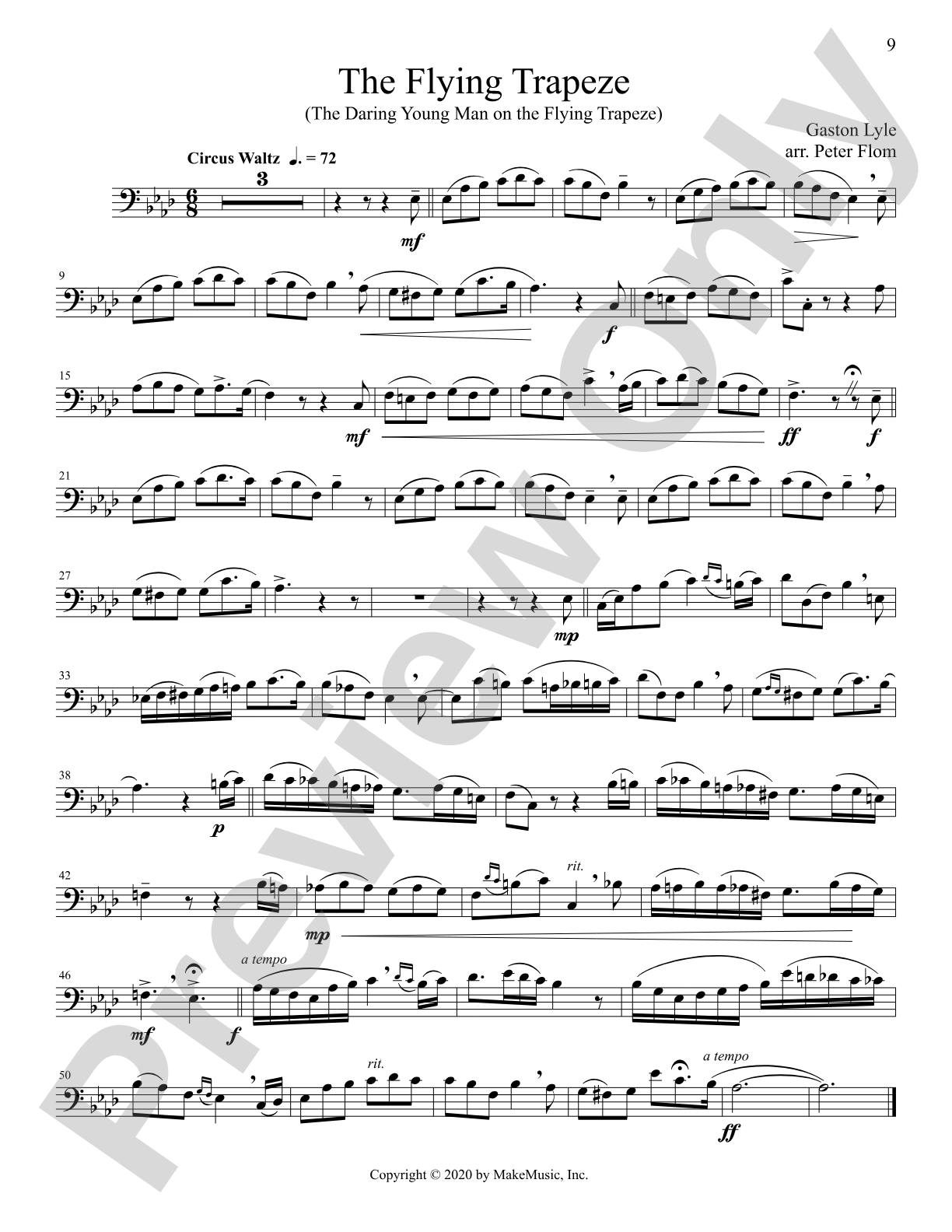
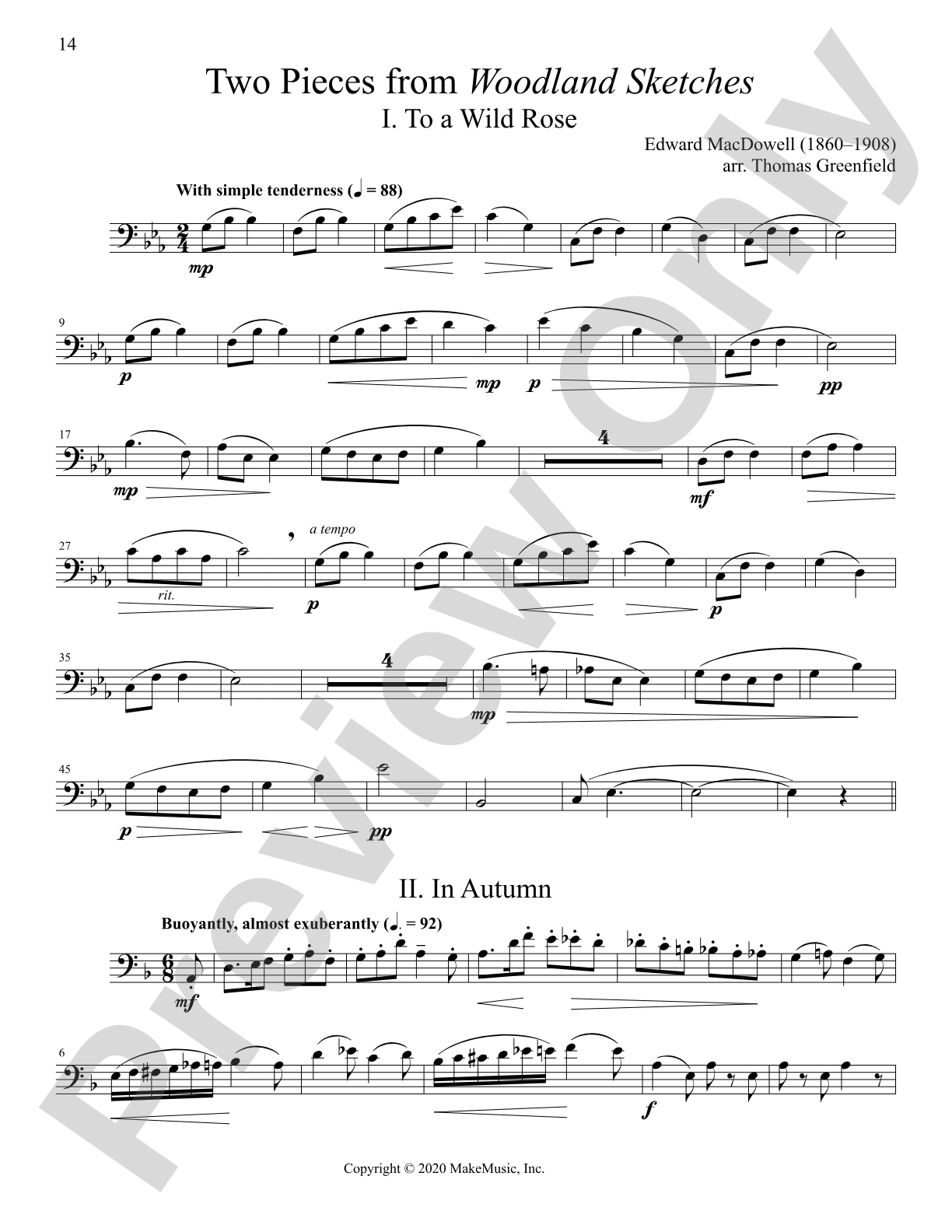
The Progressing Baritone B.C. Soloist: Solo & Small Ensemble
Grade: 2-3
Item: 00-PS-0016171
Digital Download
$6.99
Pickup currently not available
Description
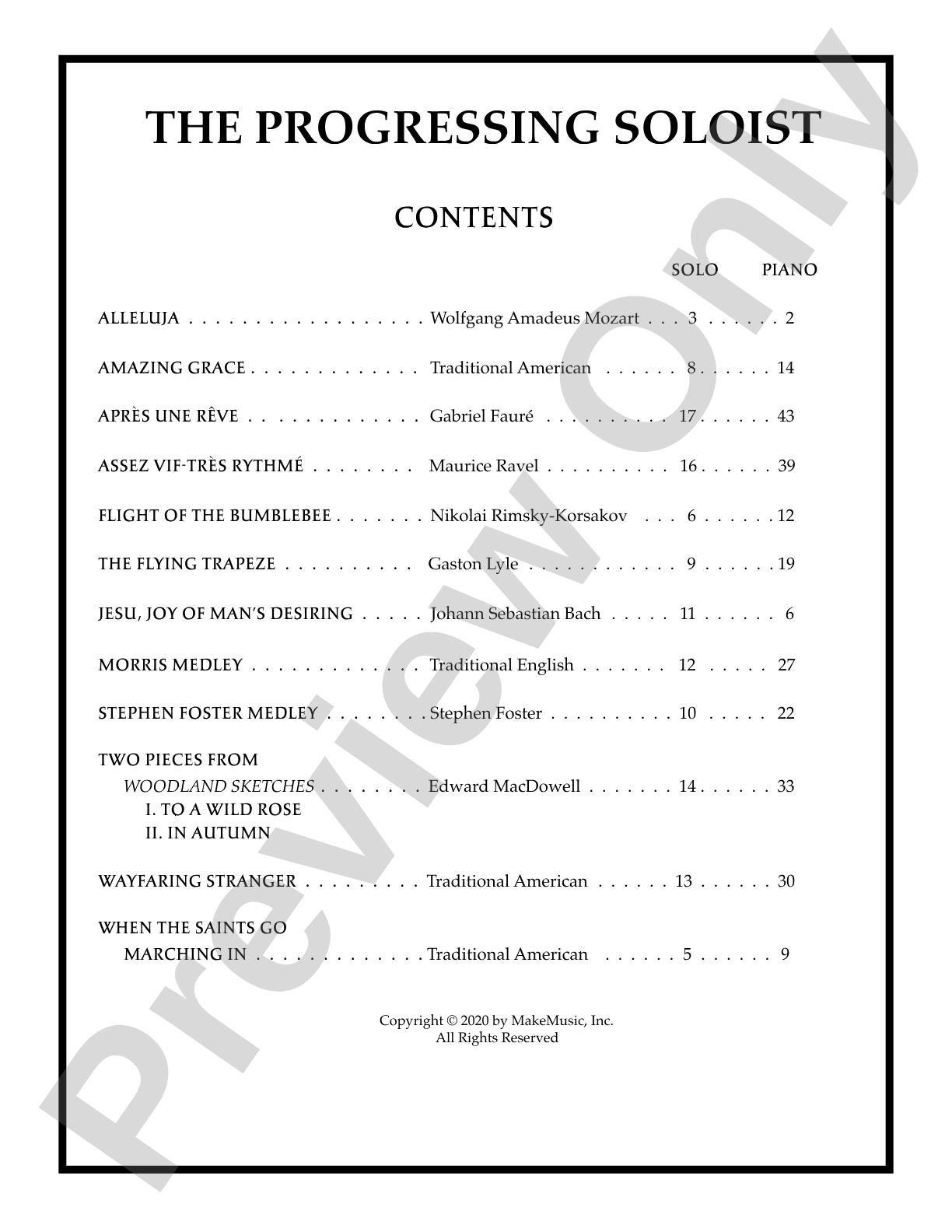
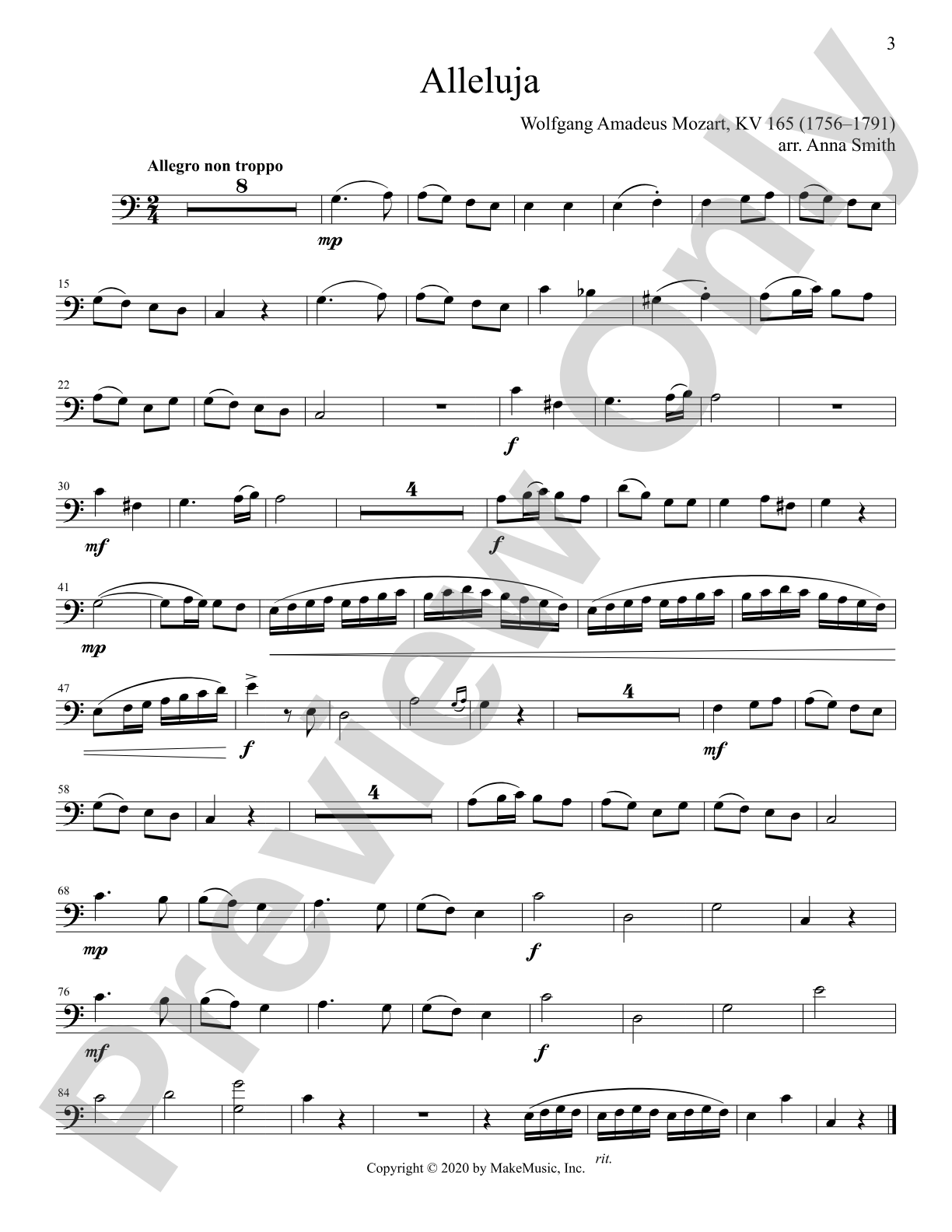
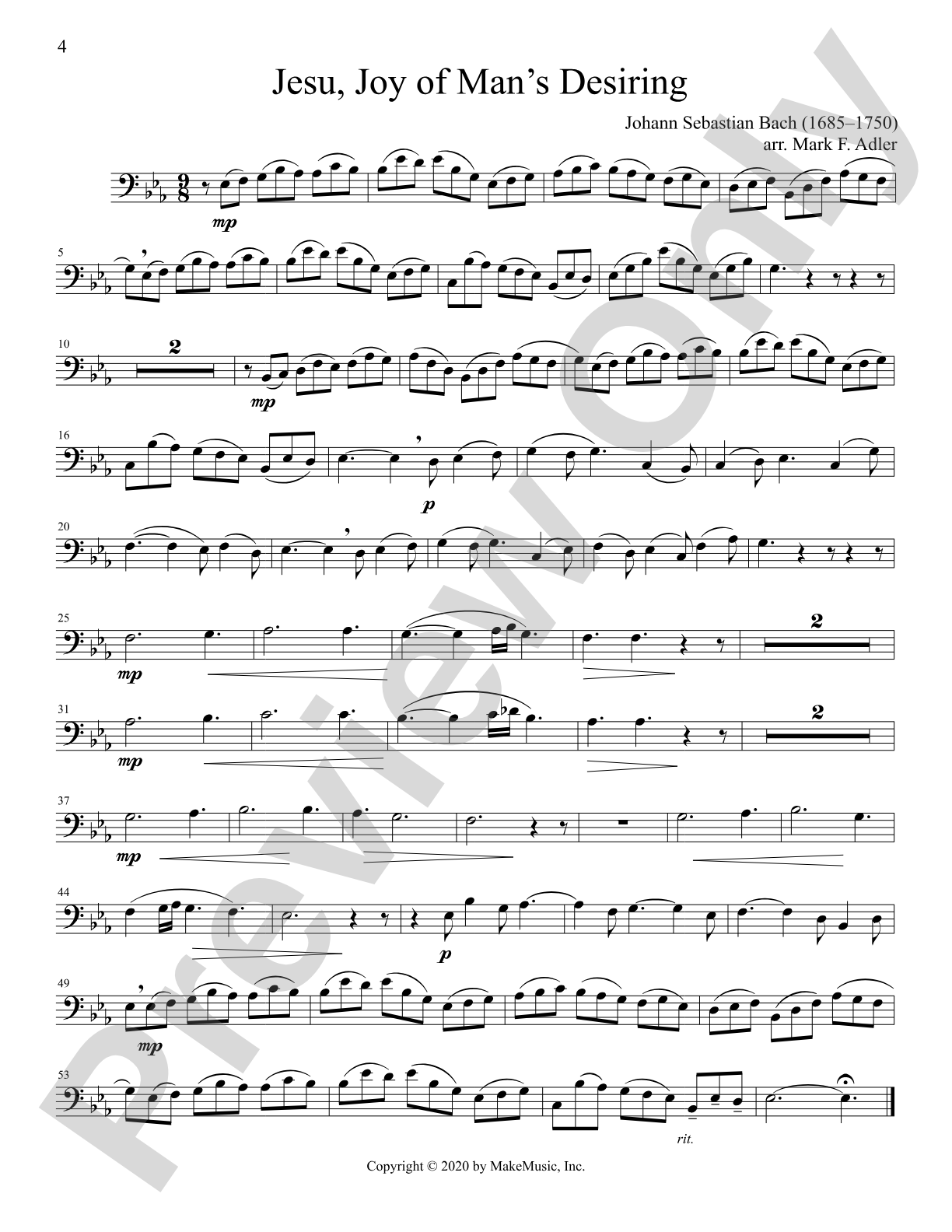
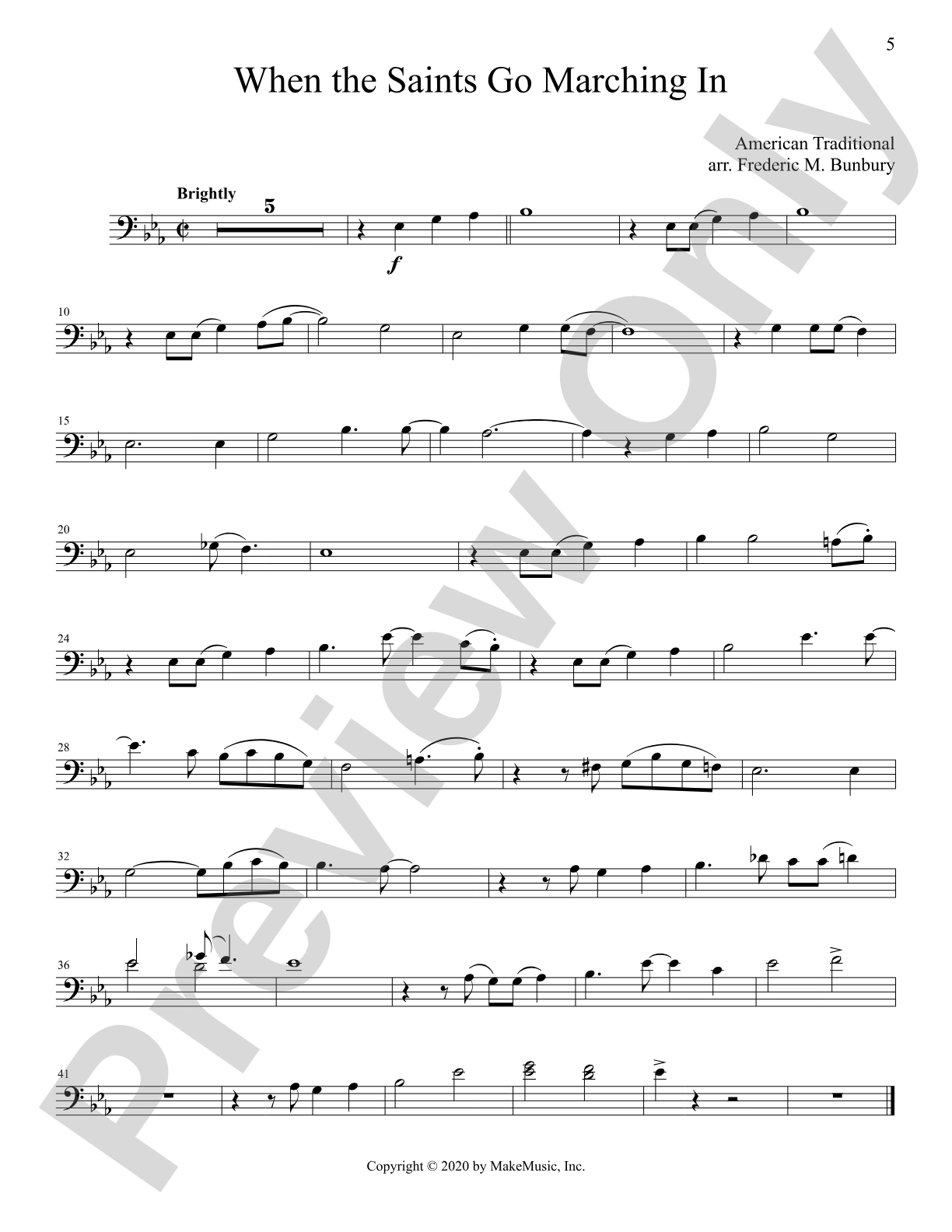
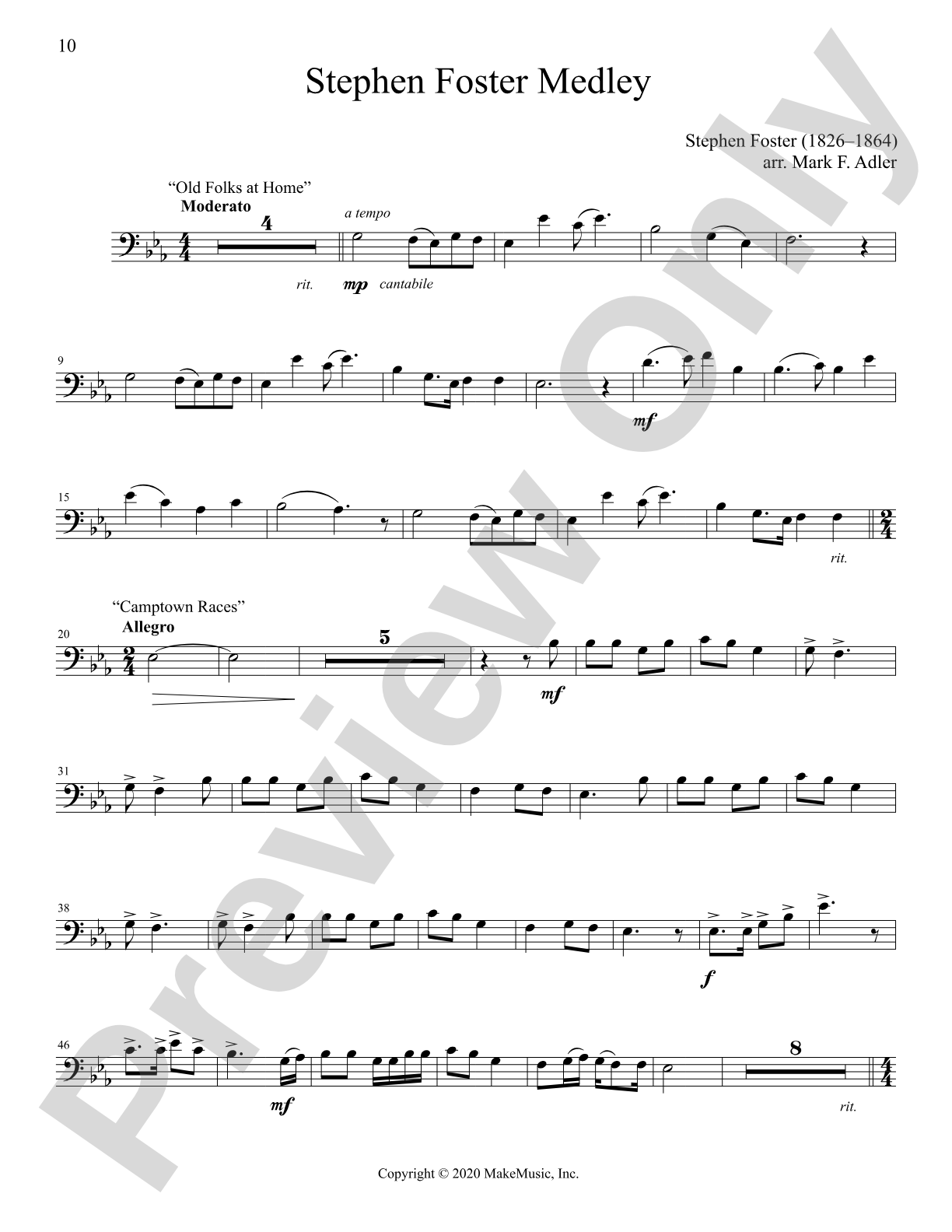
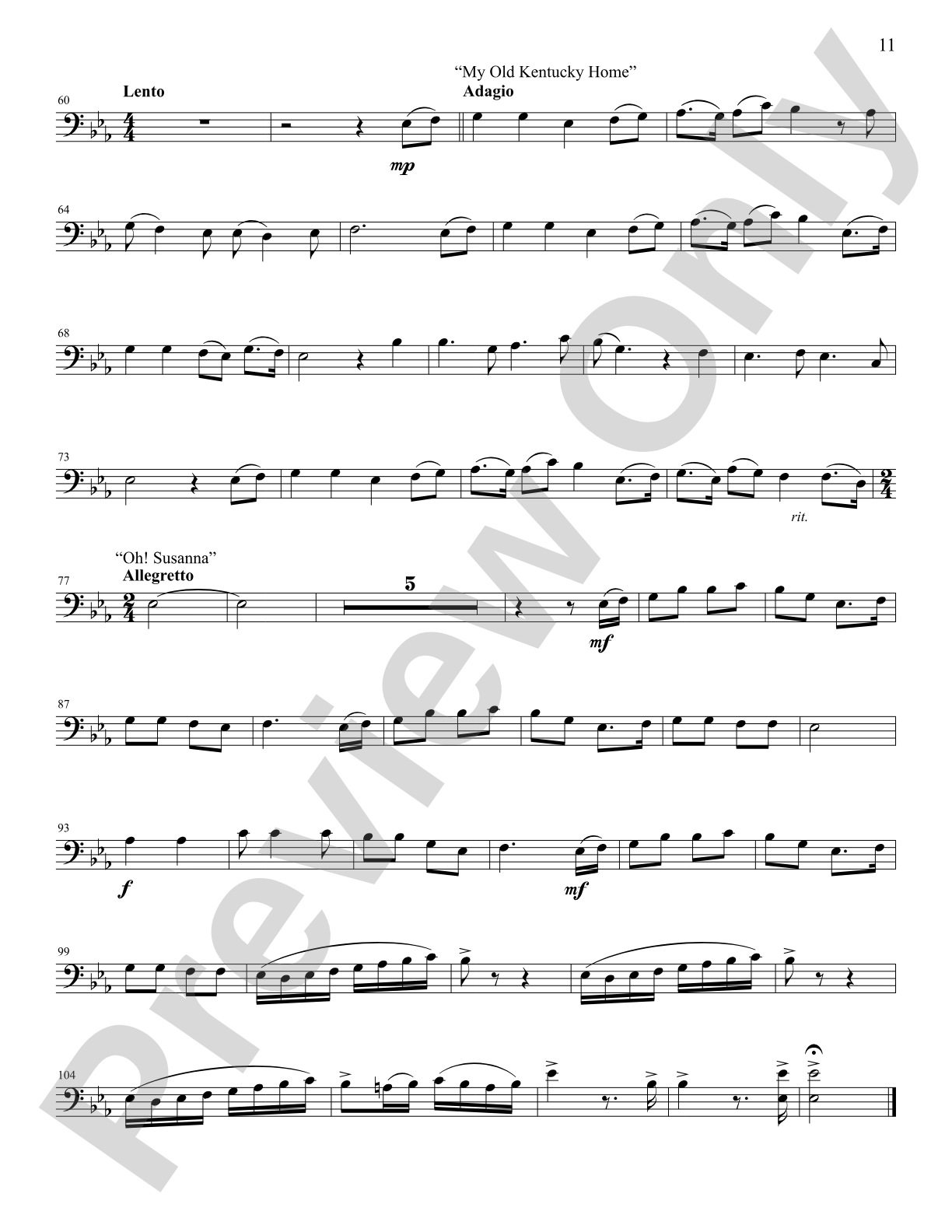
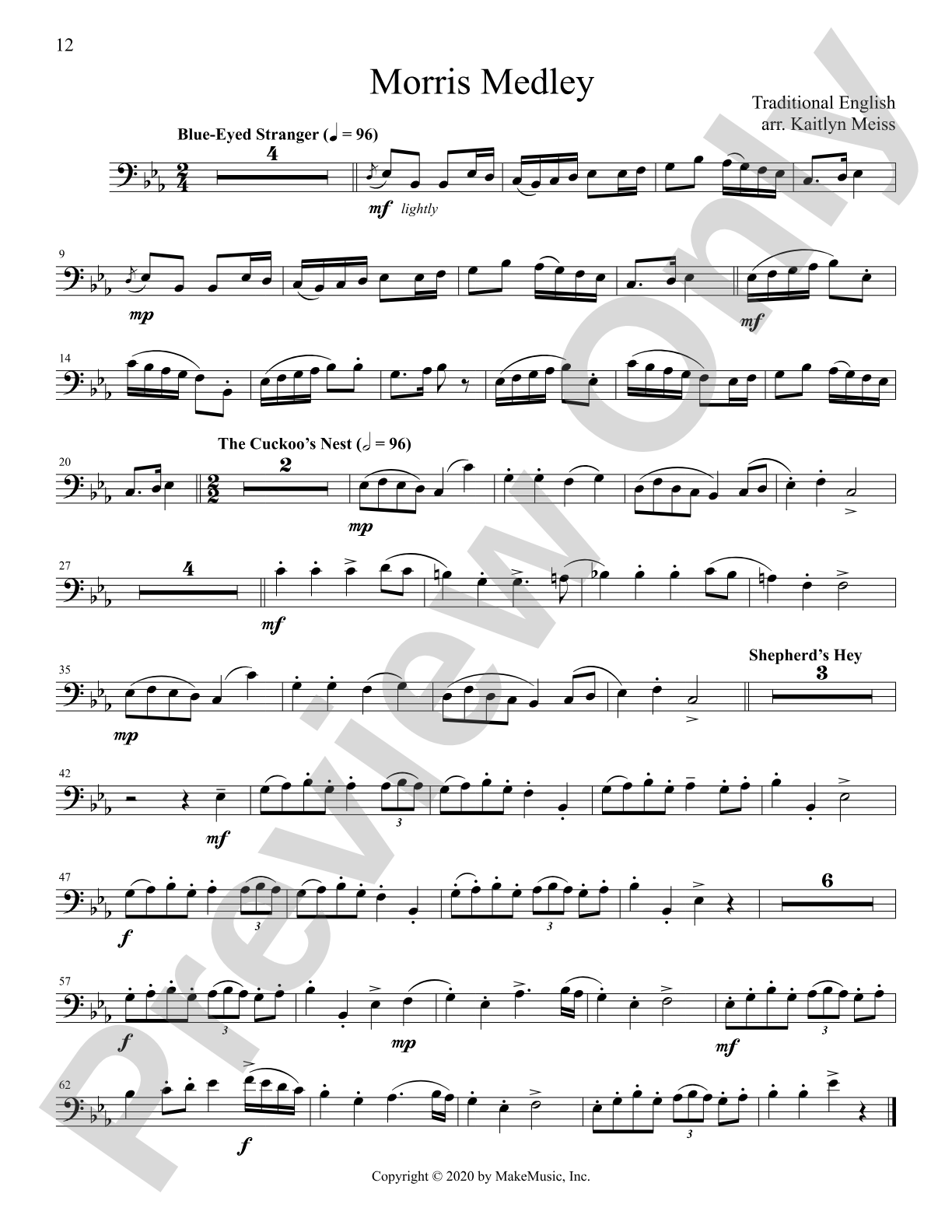
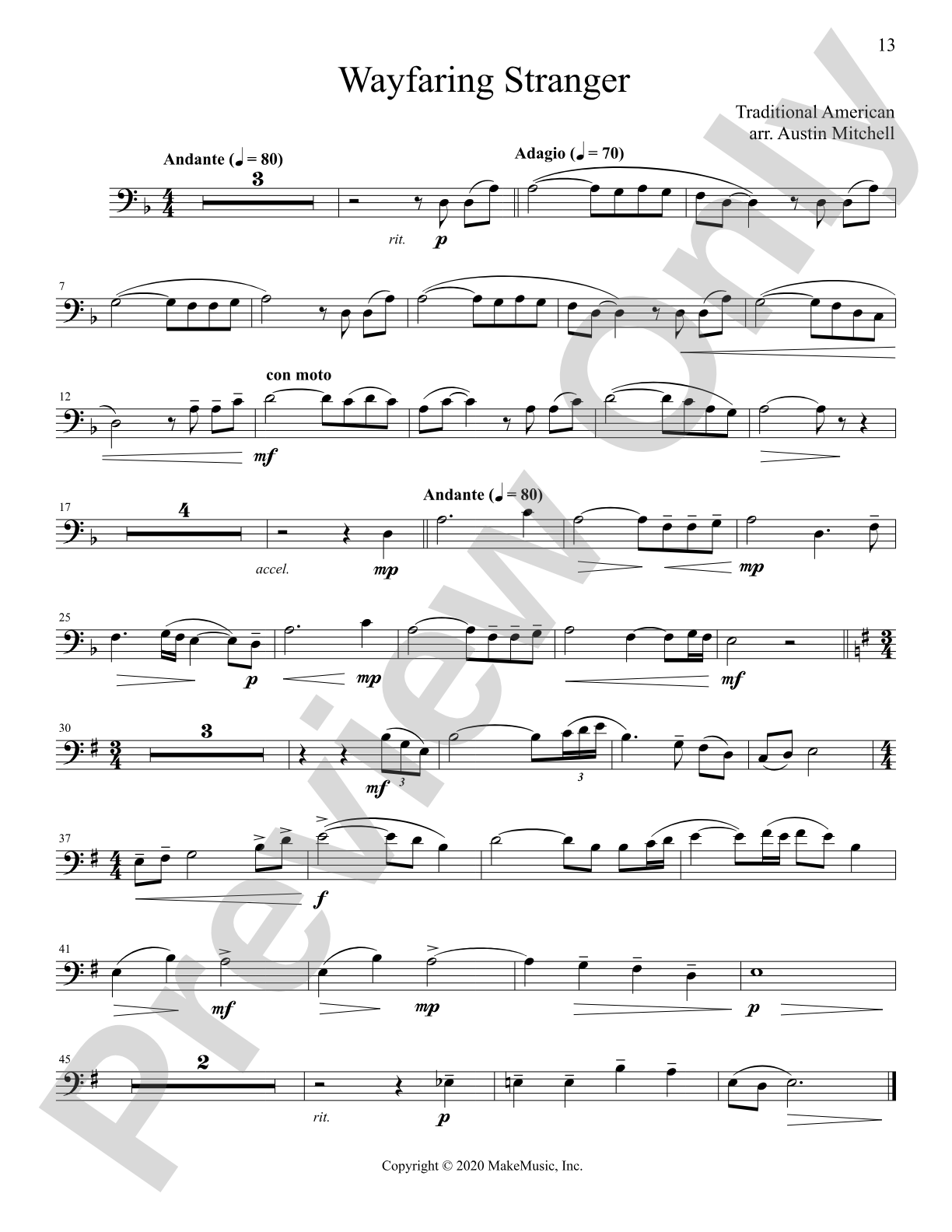
The Progressing Soloist series contains 12 fresh arrangements on many familiar themes, including "Flight of the Bumblebee," "Jesu, Joy of Man's Desiring," and Mozart's "Alleluia." This collection introduces your students to wonderful, lesser-known classics like Gabriel Fauré's "Après une rêve" and the second movement of Ravel's string quartet. These level 2--3 instrumental solos are ideal for recitals, concerts, and contests. This title is available in MakeMusic Cloud.
Discover MakeMusic Cloud: thousands of interactive titles your students can play along with today.
This collection strikes the balance between familiar territory and genuine musical discovery. Students recognize titles like "Flight of the Bumblebee" and Mozart's "Alleluia" immediately, but the real payoff comes when they encounter Fauré's "Après une rêve" or Ravel's string quartet movement, pieces that expand their sense of what the baritone can express.
What to expect
This music ranges from the playful sparkle of "Flight of the Bumblebee" to the intimate lyricism of Fauré's dreaming song and the impressionistic wash of Ravel. Each arrangement respects the original's character while keeping the baritone at the center of the musical conversation.
Who it's for
Baritone soloists at the grade 2-3 level who are ready to move beyond simple melodies and explore genuine musical literature. This collection serves students preparing for recitals and contests, as well as those building confidence in performance contexts.
How to get the most out of it
Build phrase direction from the accompaniment rather than playing standalone. These arrangements support the soloist through harmonic movement, so listen actively to how the piano or small ensemble frames each line.
Approach the lesser-known classics with the same care you'd give the famous ones. "Après une rêve" and the Ravel excerpt deserve unhurried, singing tone production.
Use the digital format to isolate trouble spots. Work through passages at a slower tempo first, then gradually return to performance speed once comfort and accuracy align.
Contest and recital contexts call for different energy. Assess the venue and format, then shape your interpretation accordingly; a flowing andante reads differently in a concert hall than in a competitive setting.
How to use it
Build a recital around these pieces to create variety and narrative arc. Open with a showpiece like "Flight of the Bumblebee," move through a lyrical middle section with Fauré or the Ravel excerpt, and close with something triumphant like Mozart's "Alleluia." The collection works equally well for contest auditions, where judges expect both technical polish and musical maturity.
Skills your students will build
Phrasing across longer melodic lines
Dynamic contrast and control
Reading and responding to accompaniment textures
Interpretive choices for music from different historical periods
Balancing technical demands with lyrical singing quality
You May Also Like
Scan to Complete Your Purchase
Use your phone's camera to scan the code below
You'll log in on your phone and the order will be added to your account