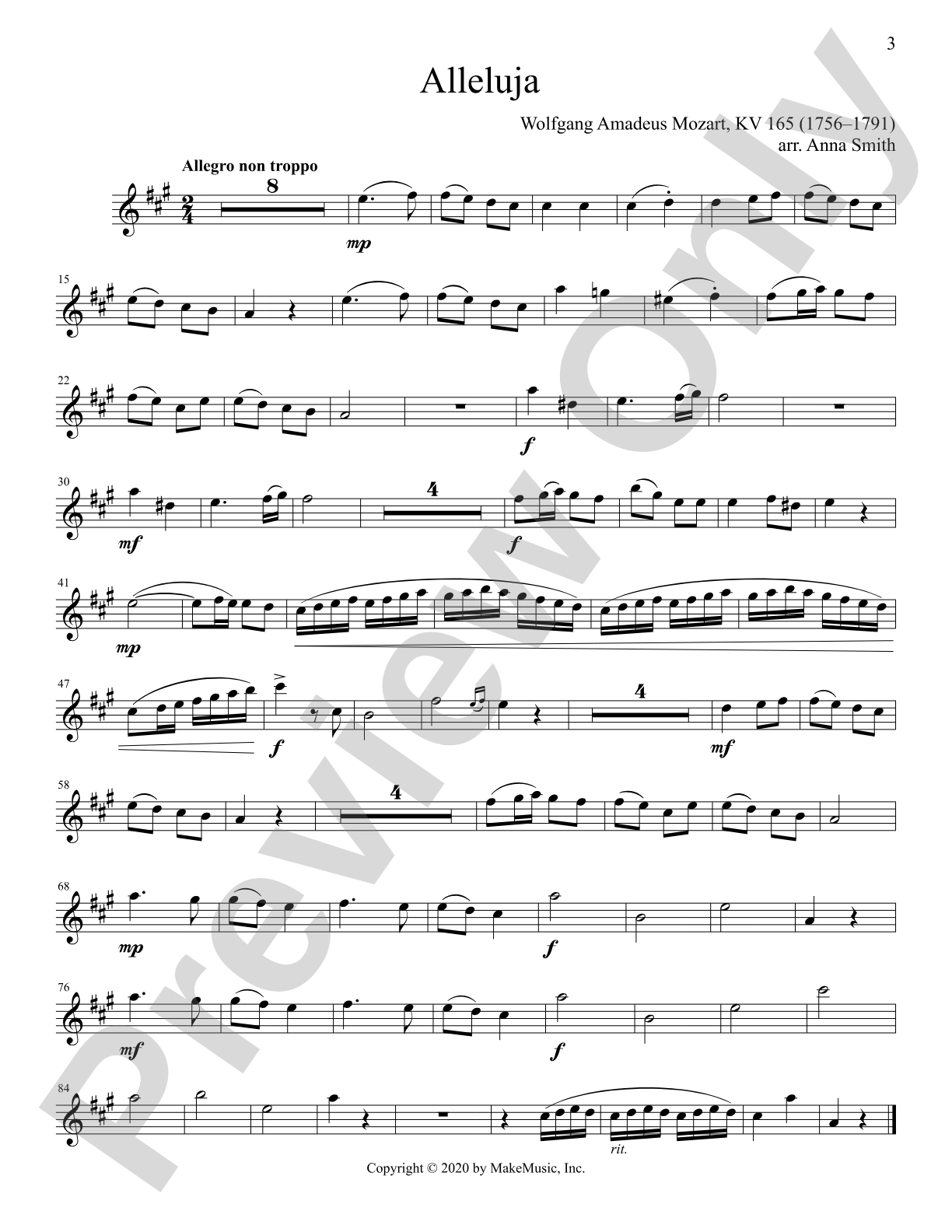
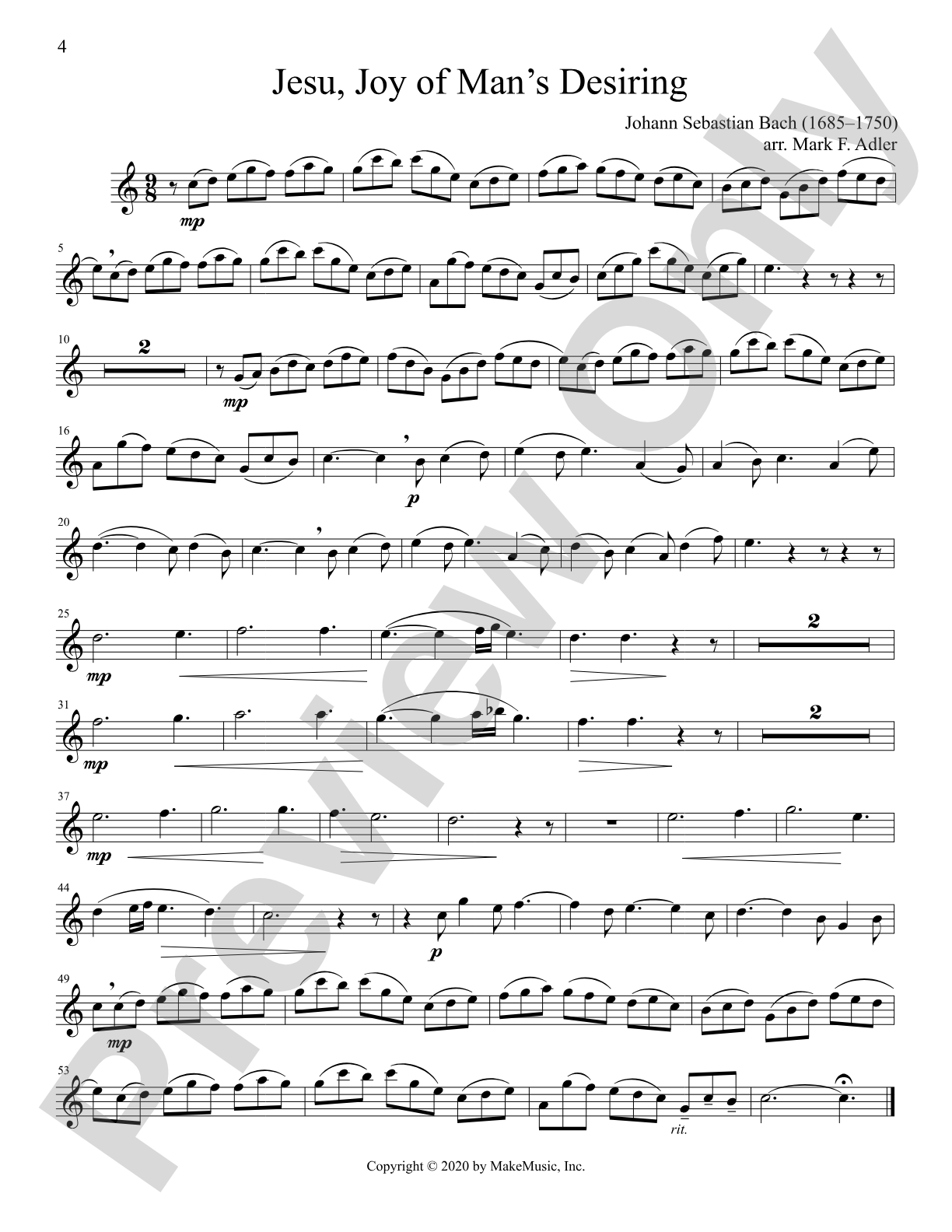
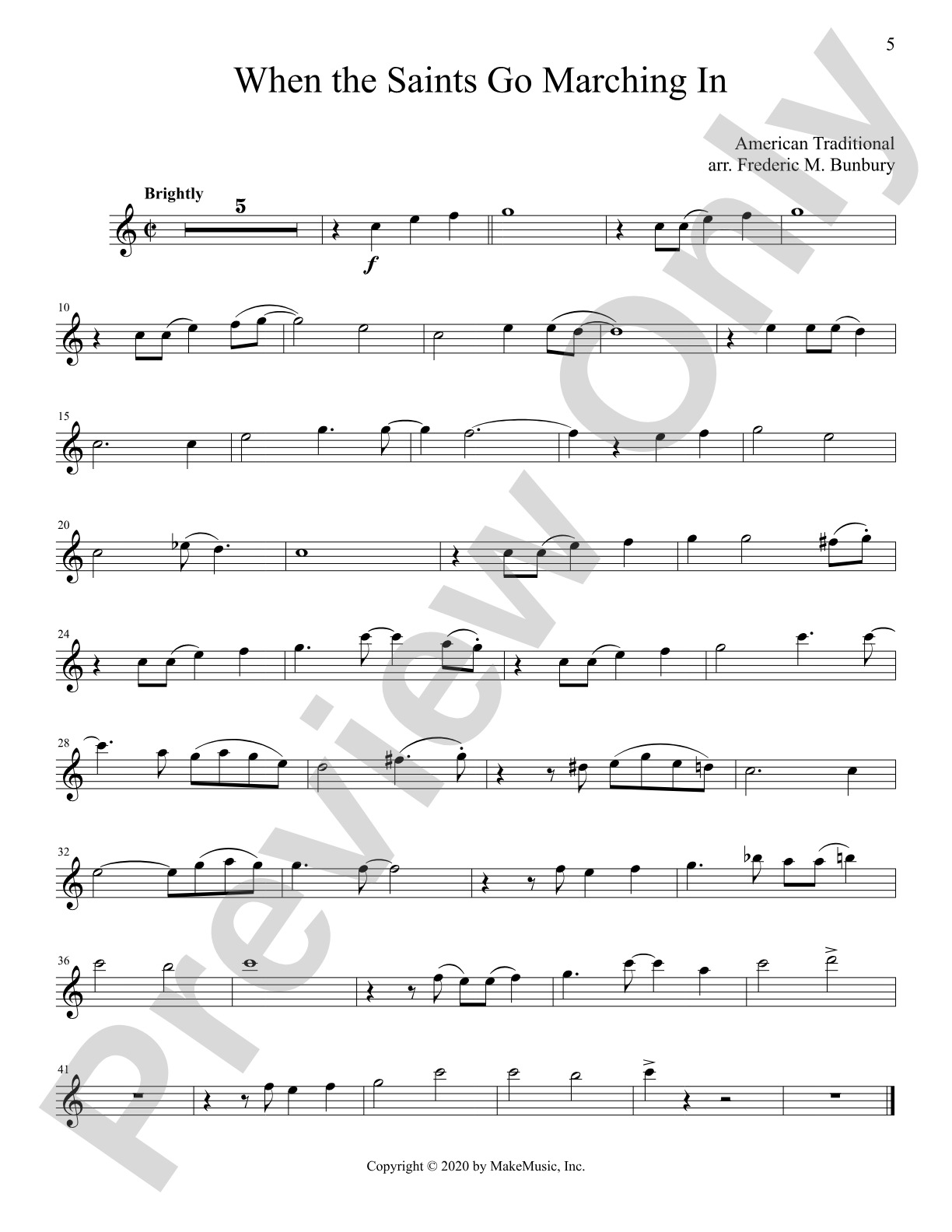
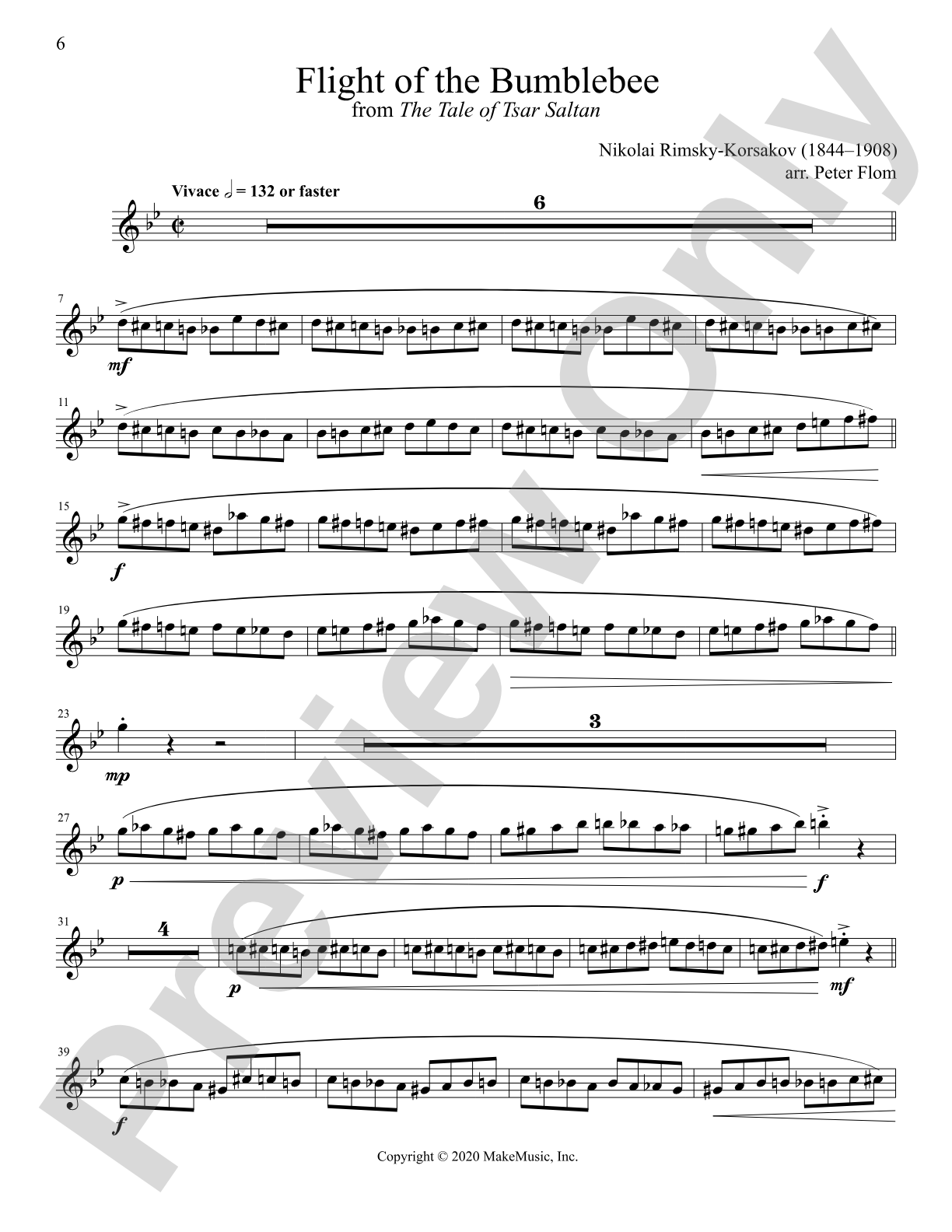
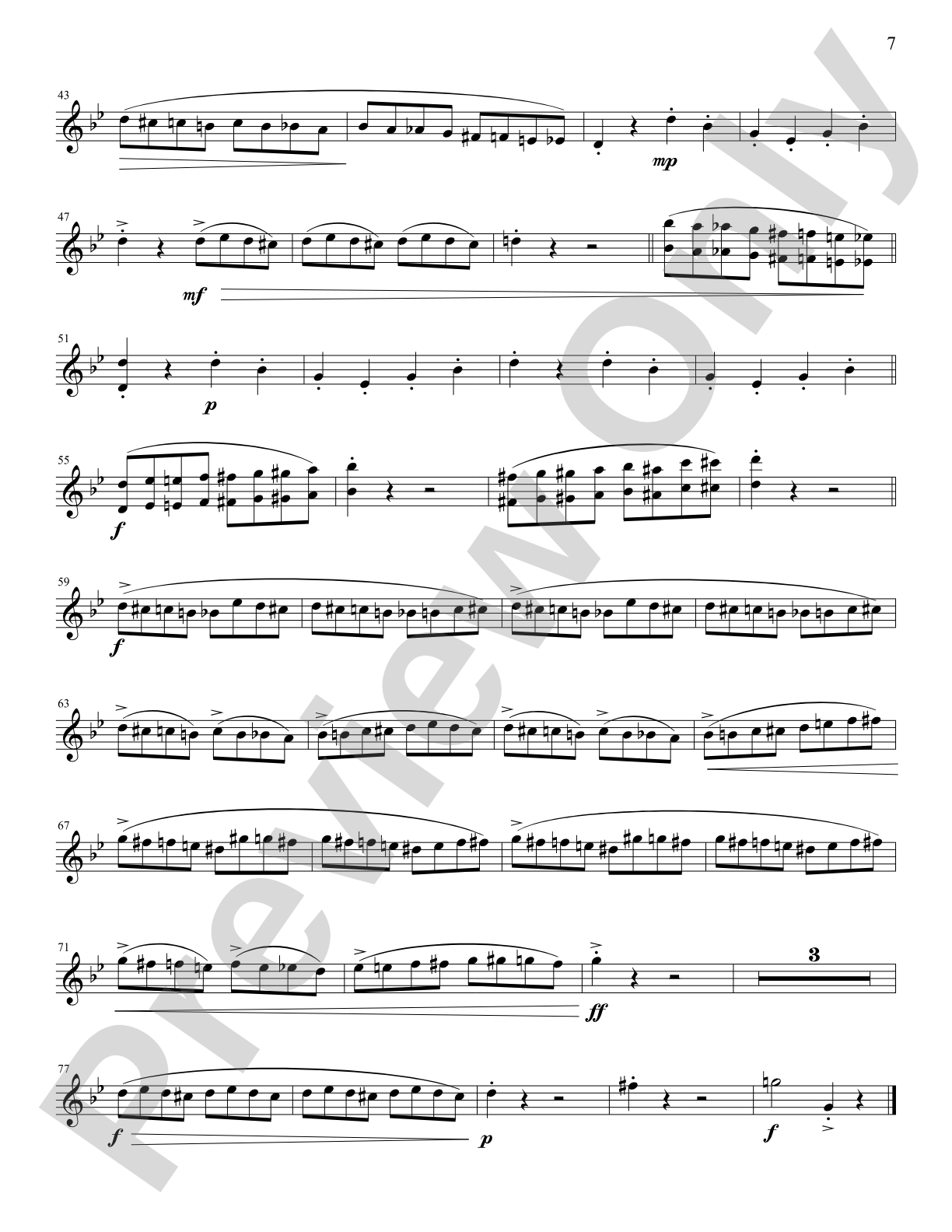
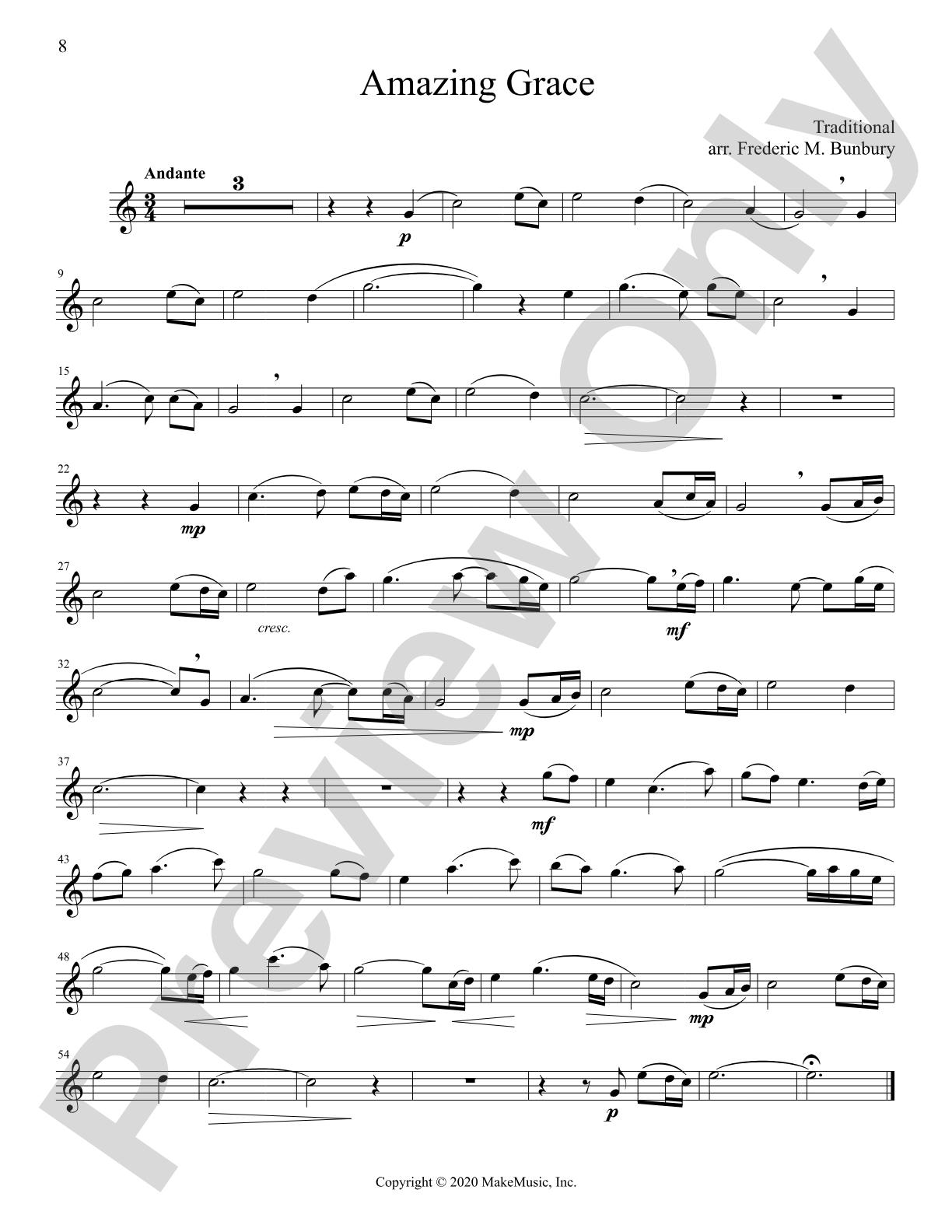
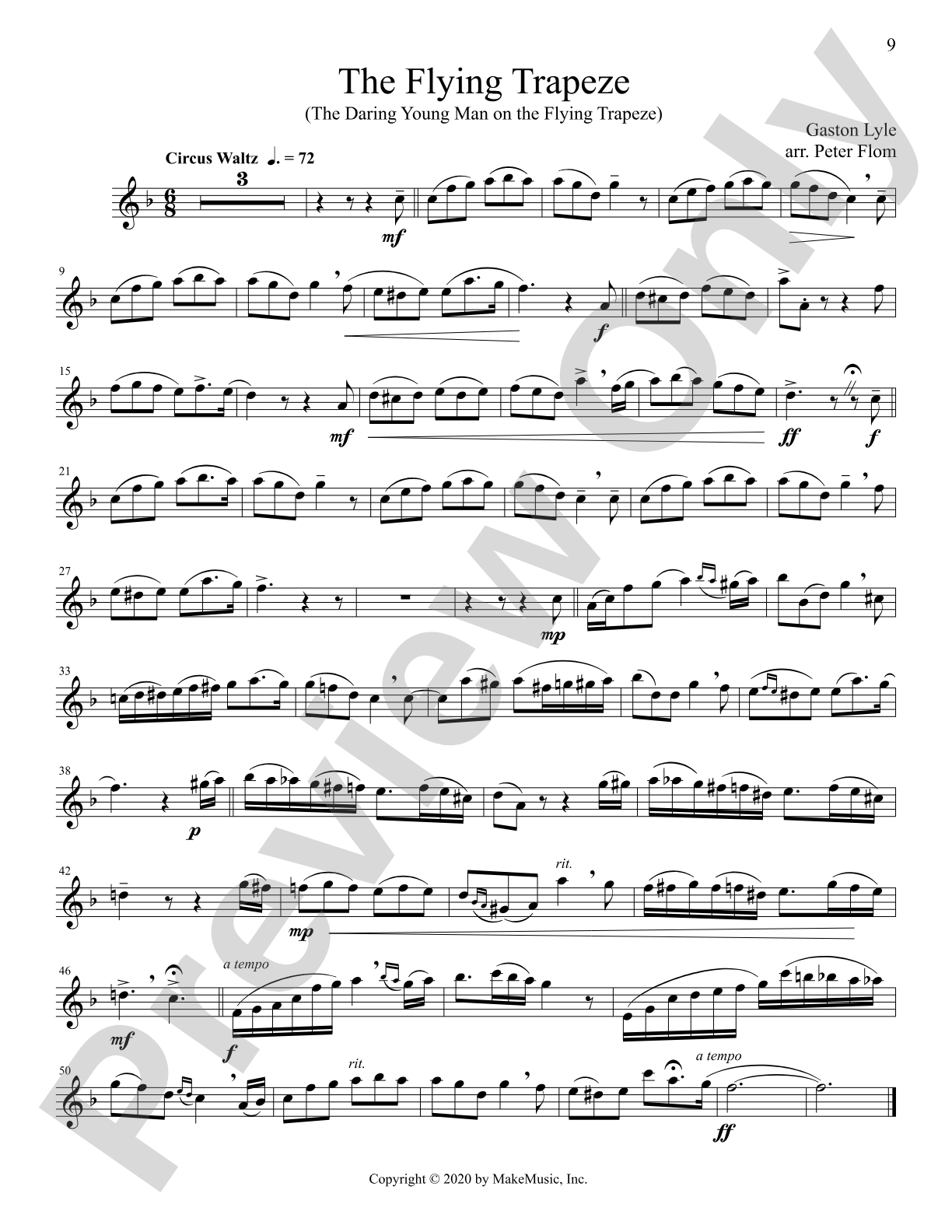
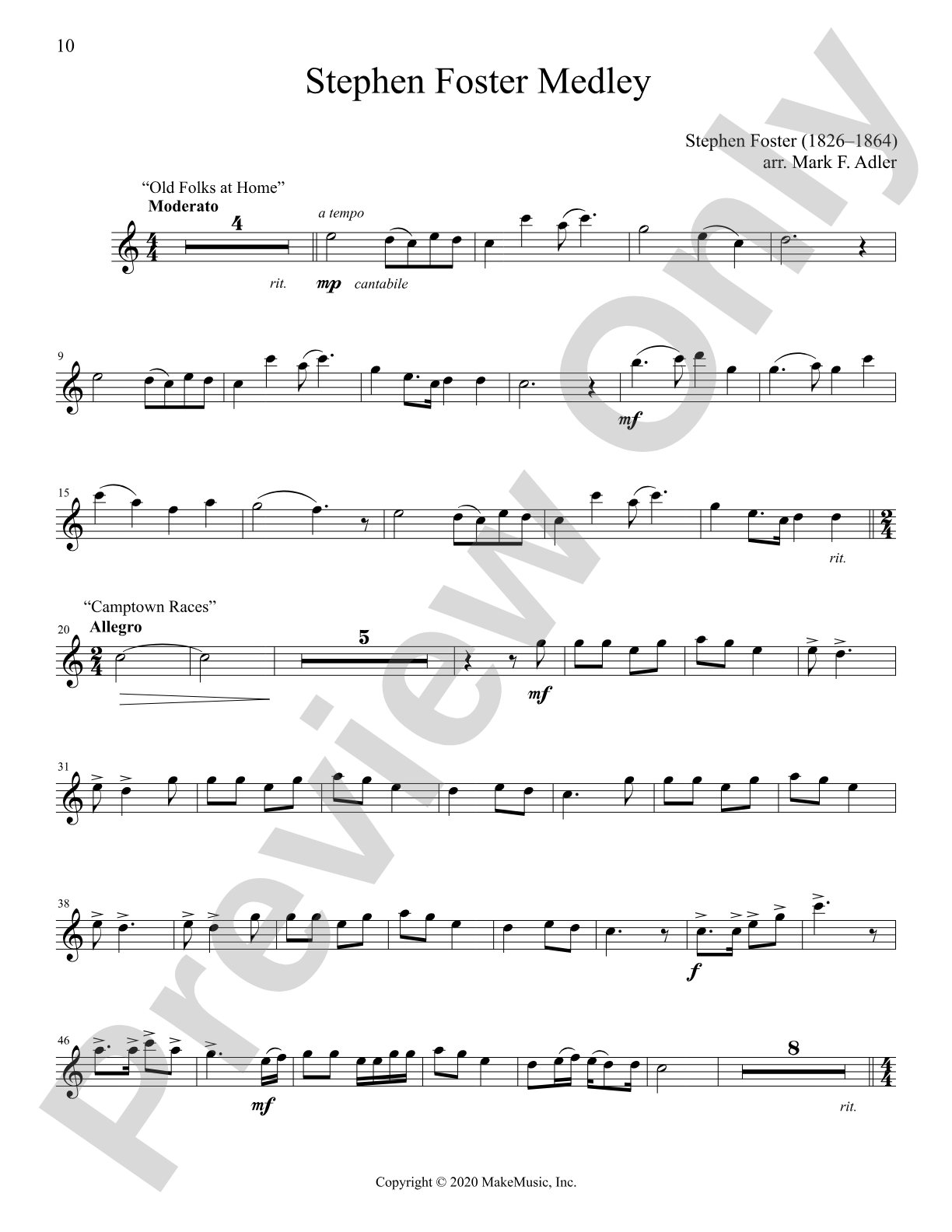
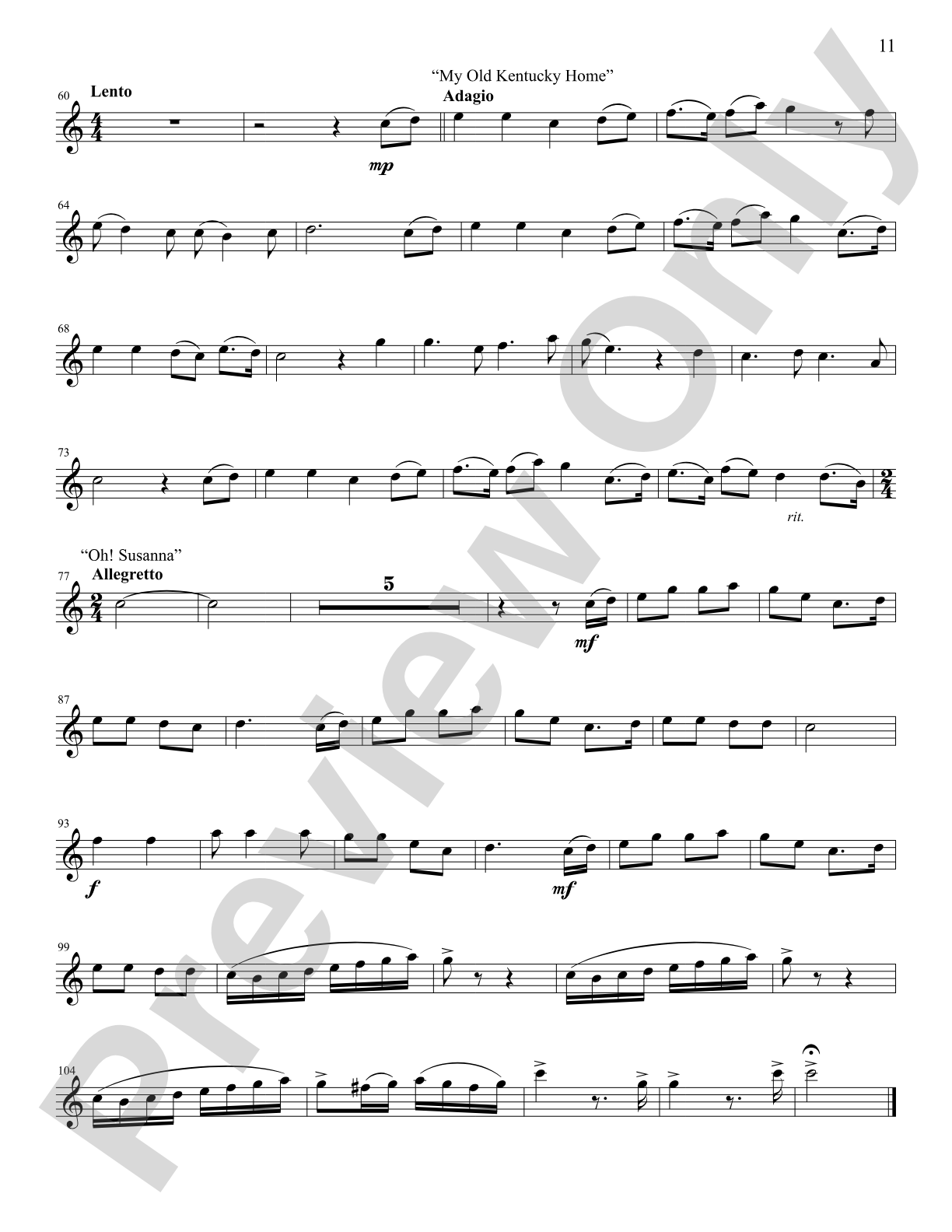
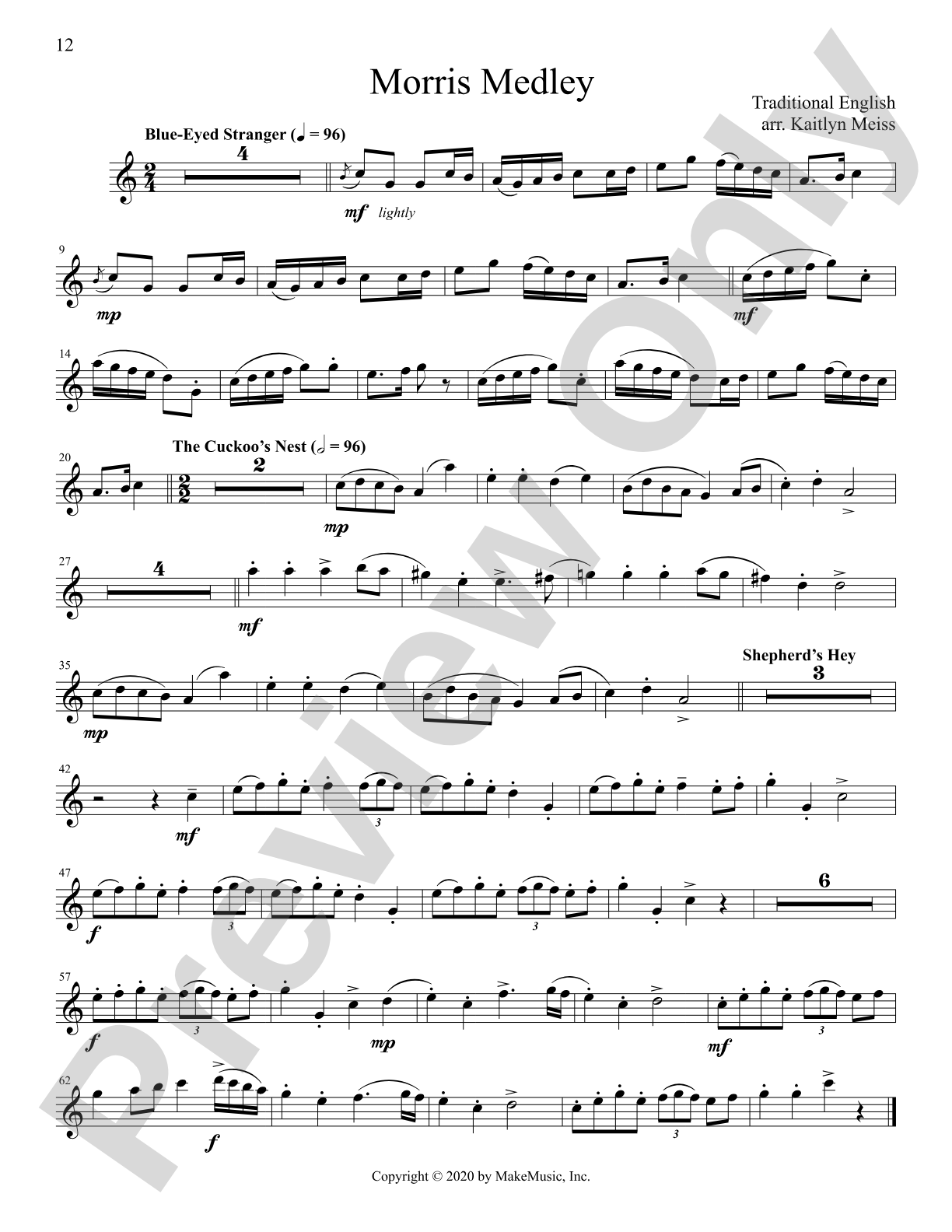
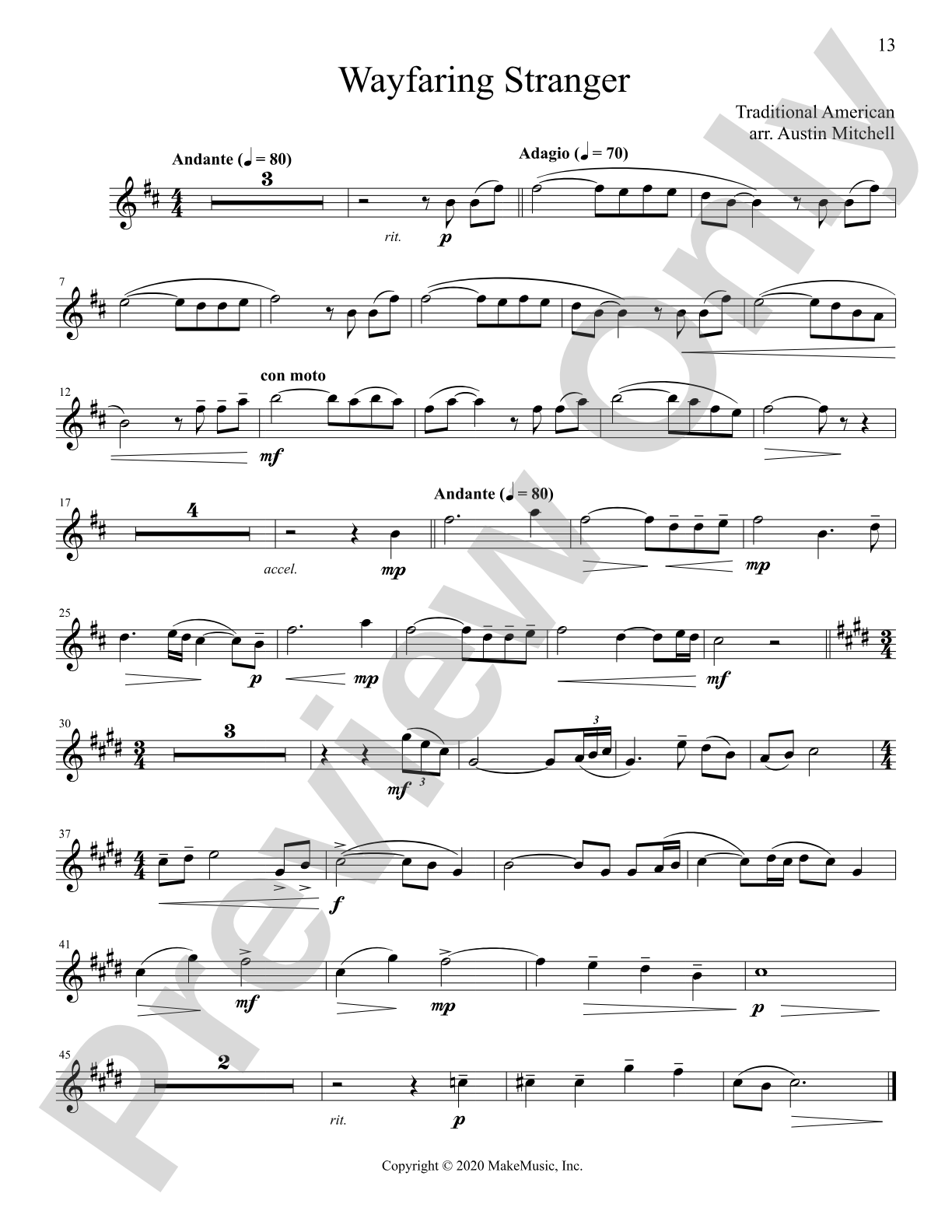
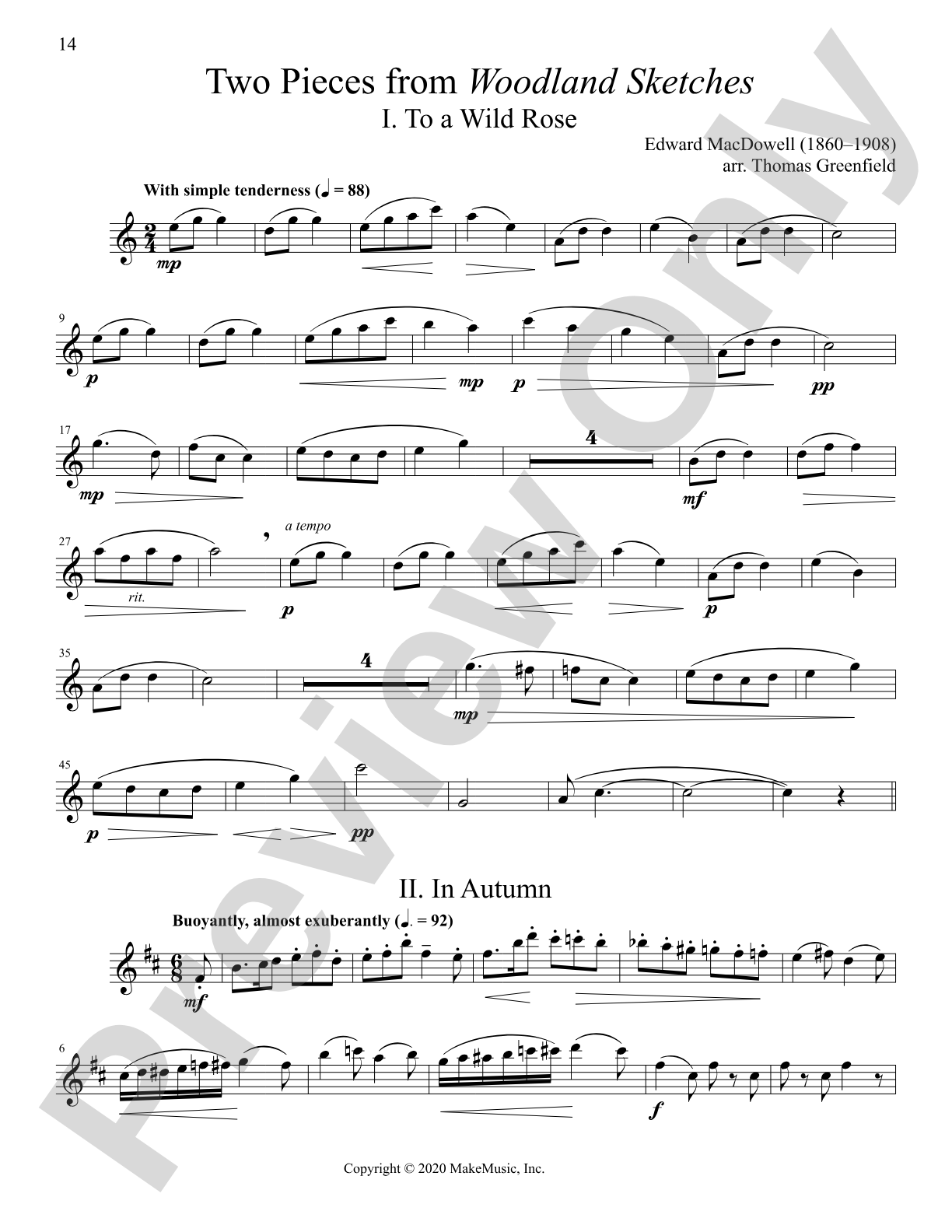
The Progressing Alto Saxophone Soloist Sheet Music Preview

The Progressing Alto Saxophone Soloist: Solo & Small Ensemble

Grade: 2-3

Item: 00-PS-0016165

Digital Download
$6.99
Description
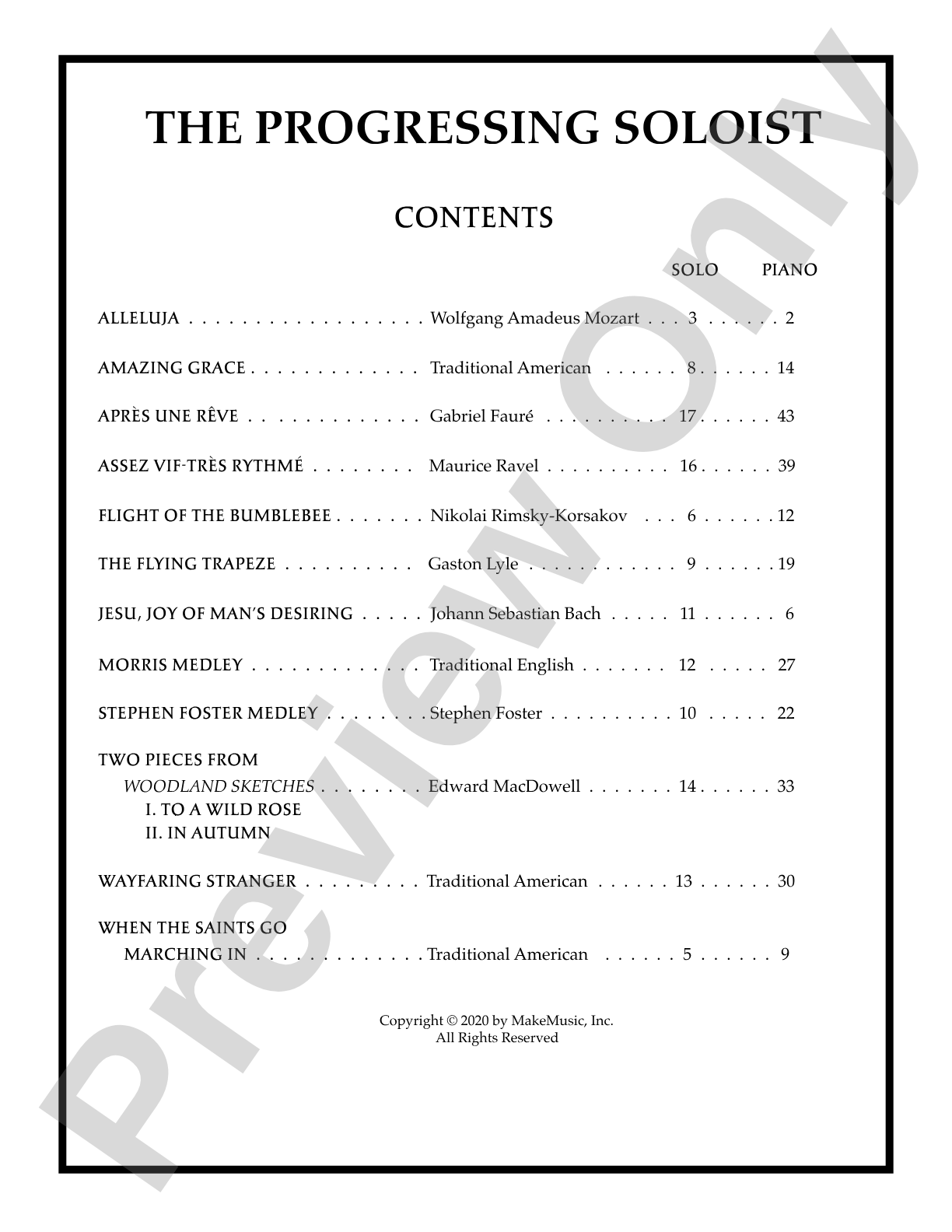
The Progressing Soloist series contains 12 fresh arrangements on many familiar themes, including "Flight of the Bumblebee," "Jesu, Joy of Man's Desiring," and Mozart's "Alleluia." This collection introduces your students to wonderful, lesser-known classics like Gabriel Fauré's "Après une rêve" and the second movement of Ravel's string quartet. These level 2--3 instrumental solos are ideal for recitals, concerts, and contests. This title is available in MakeMusic Cloud.

The Progressing Alto Saxophone Soloist: Solo & Small Ensemble isn't in MakeMusic Cloud just yet...but it could be. Let us know you'd like to see it, and you'll help shape what comes next. In the meantime, start a free trial and dive into thousands of interactive titles your students can play along with today.

Sample Audio
No sample audio found.
Sample Video
Additional Details
Series: Progressing Soloist
SKU: 00-PS-0016165

More about this title

Why we love this

These arrangements strike a genuine balance between accessibility and musical substance. Students encounter real repertoire—Fauré, Ravel, Mozart—without the technical barriers that would frustrate a developing soloist, and the variety means every student finds something that speaks to them.

What to expect

You're playing pieces that feel substantial and culturally significant, even at an intermediate level. The familiar themes provide immediate recognition and comfort, while the lesser-known classics open doors to composers and works you might not encounter until much later in your musical journey.

Who it's for

Alto saxophonists working through grades 2-3 who are ready for solo performance but need arrangements that avoid extreme technical demands. This collection serves students preparing for recitals, festival competitions, or concert performances.

How to get the most out of it

  • Listen to recordings of the original compositions before rehearsing your arrangement. Knowing how the full orchestra or string quartet realizes the melody will inform your phrasing choices and help you avoid generic solo interpretations.
  • Shape phrases by thinking about breath placement as a vocalist would. Even on a wind instrument, the most musical phrasing often mirrors the natural contours of sung melody rather than mechanical counting.
  • Mark dynamic changes directly into your part during practice. Grade 2-3 repertoire often leaves interpretation open, so claiming ownership of the form now builds your instinct for musical decision-making.

How to use it

Feature one piece per semester as a student recital anchor, pairing it with a contrasting style from the collection. The range of composers and moods makes this series ideal for building a diverse solo repertoire that spans a full year or academic cycle.

Skills your students will build

  • Sustained musical phrasing over 8 and 16-bar phrases
  • Dynamic shaping and expressive interpretation of familiar melodies
  • Breath management in lyrical passages
  • Tuning and tone control in the staff register
  • Familiarity with classical repertoire and composers across multiple traditions

You May Also Like