
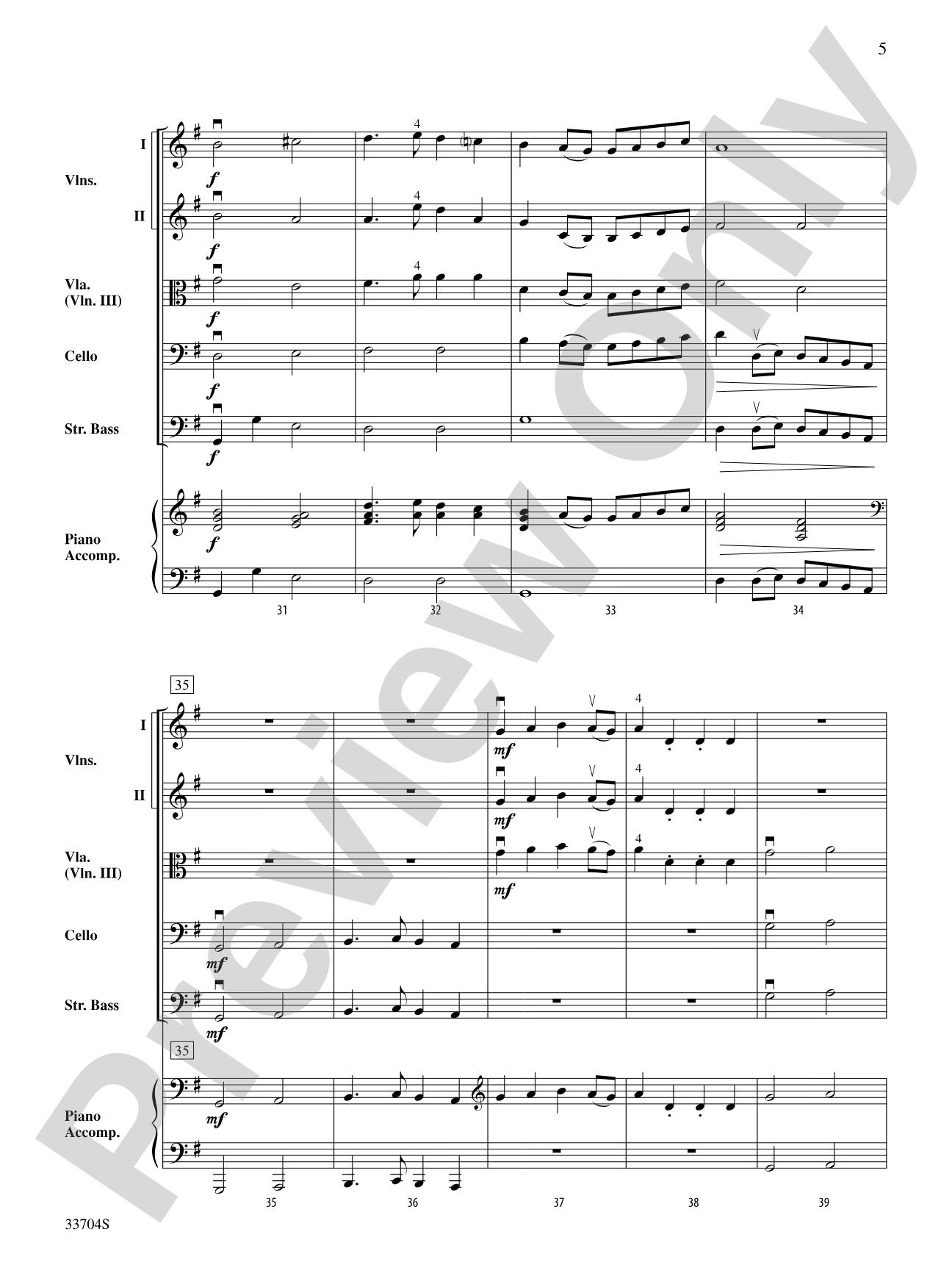
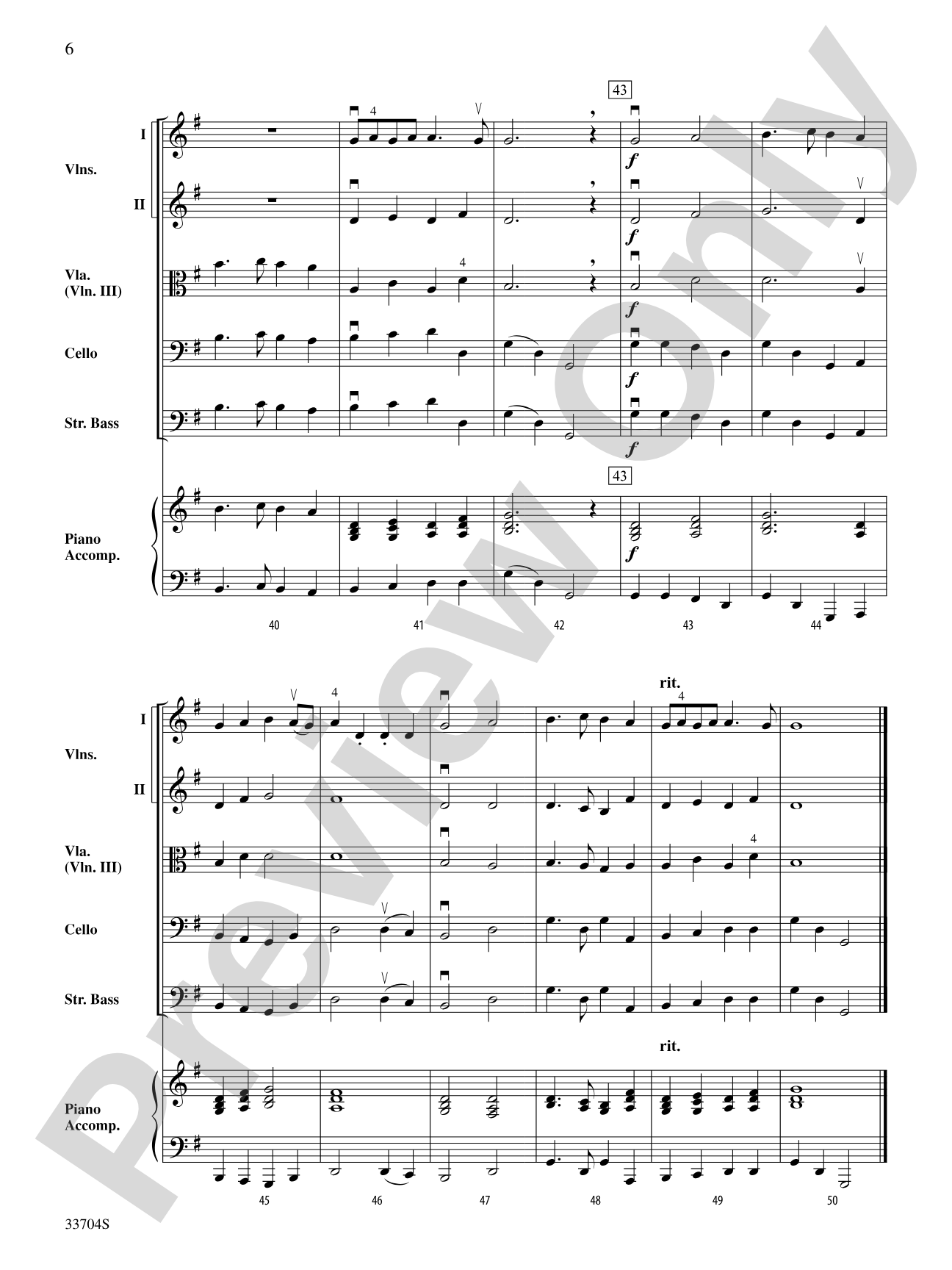



The Prince of Denmark's March: Score
By Jeremiah Clarke / arr. Bob Phillips
Grade: 1.5
Item: 00-PR-0002809
$8.00
Pickup currently not available
Description
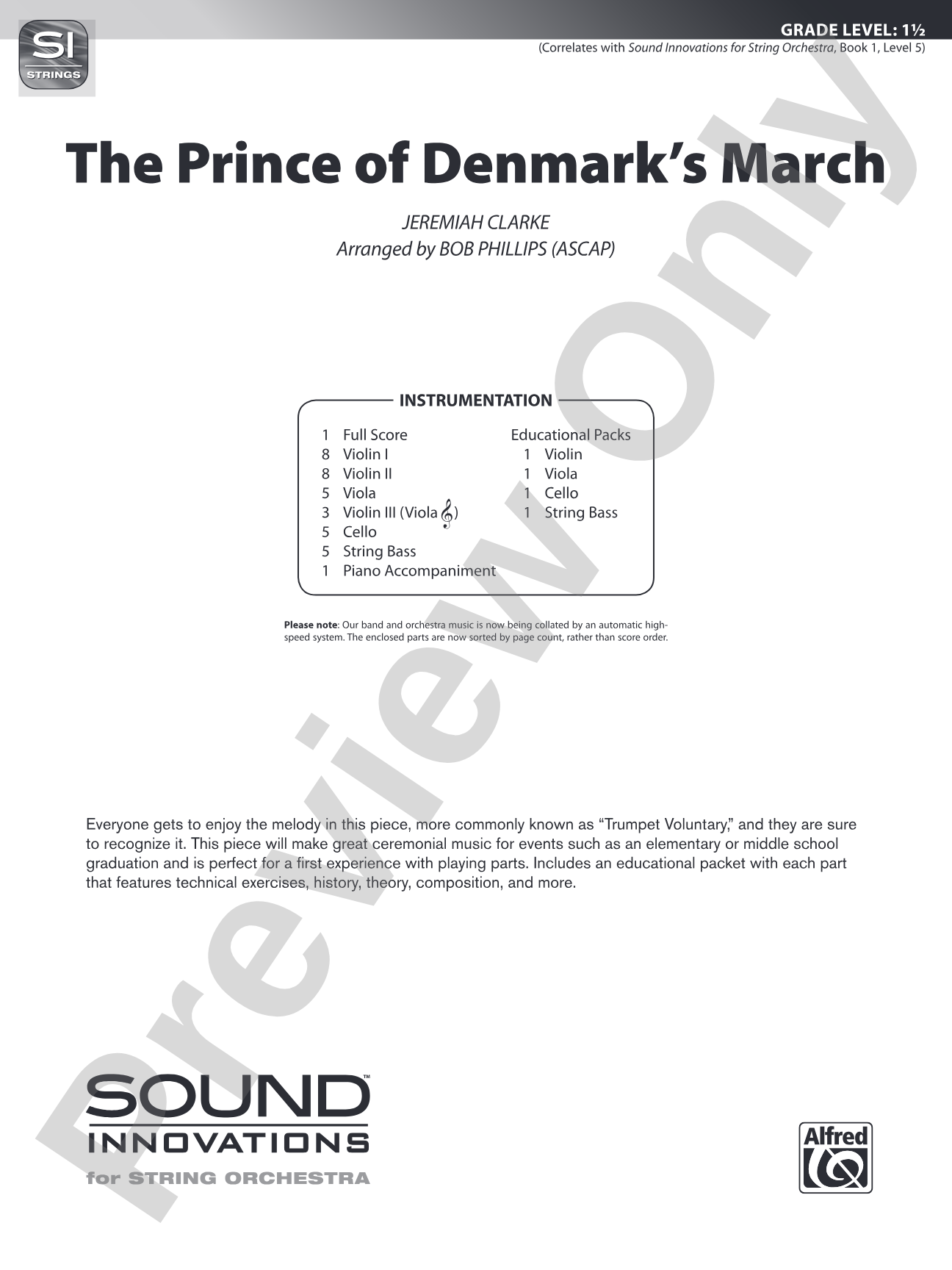
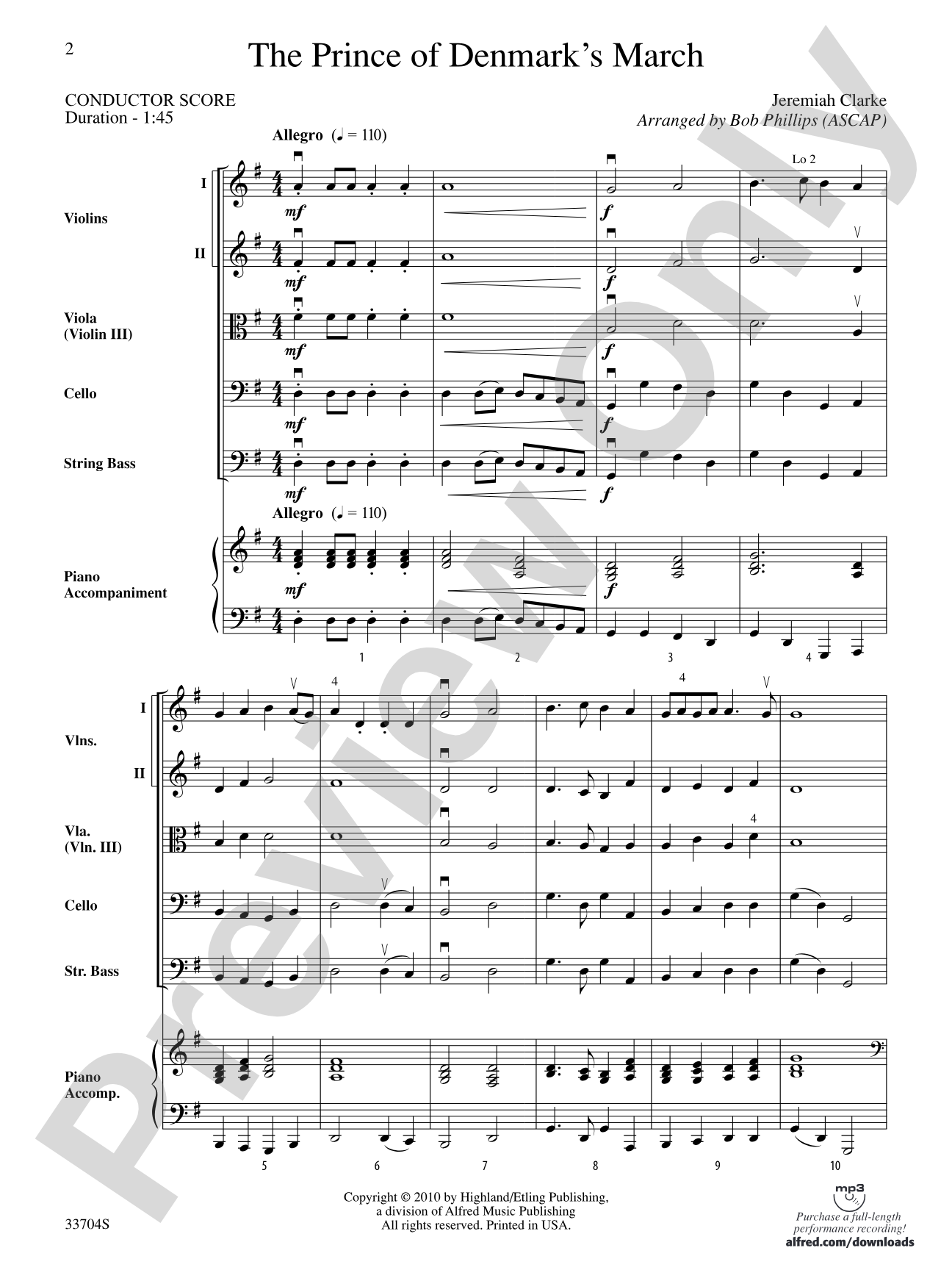
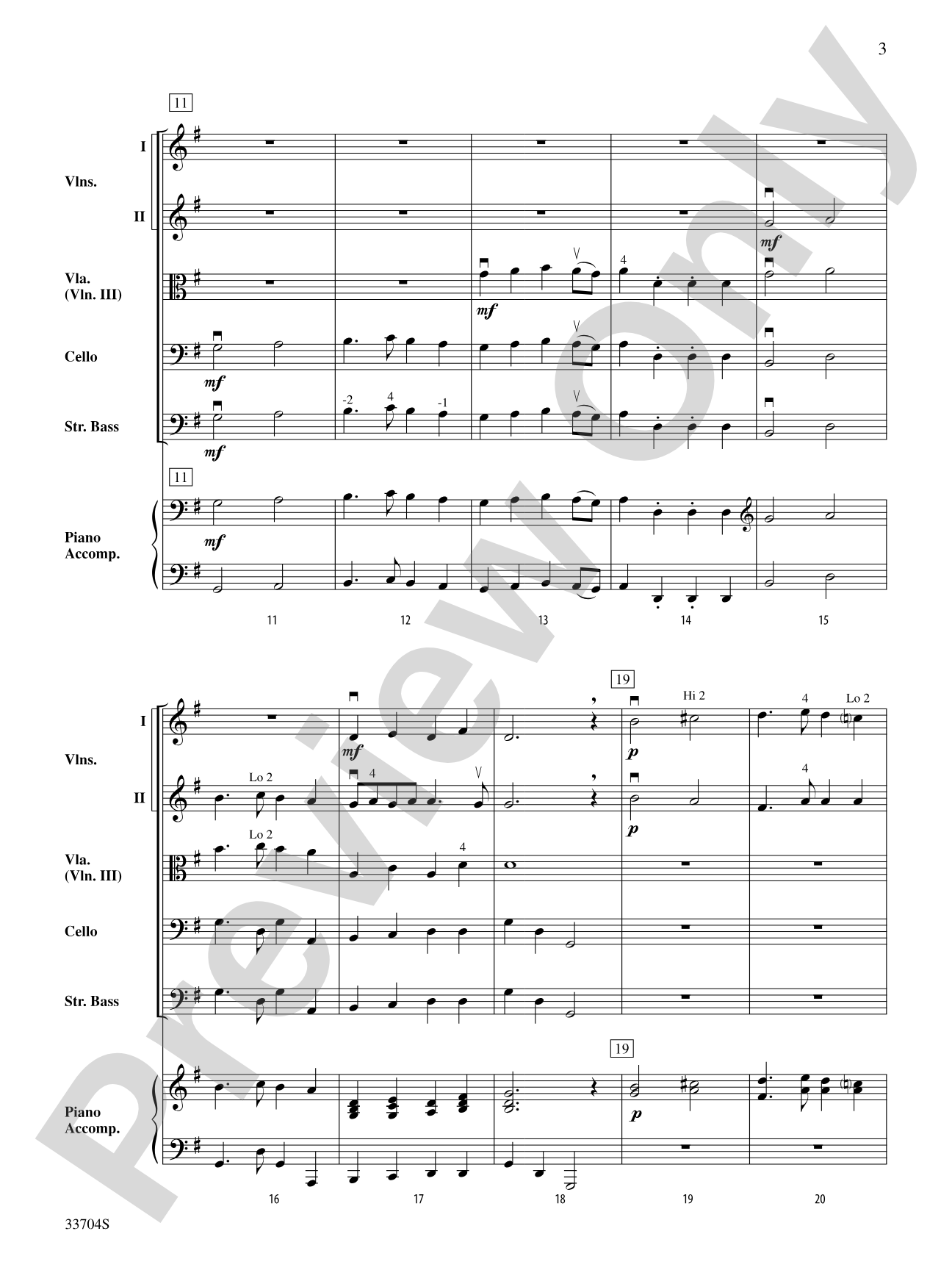
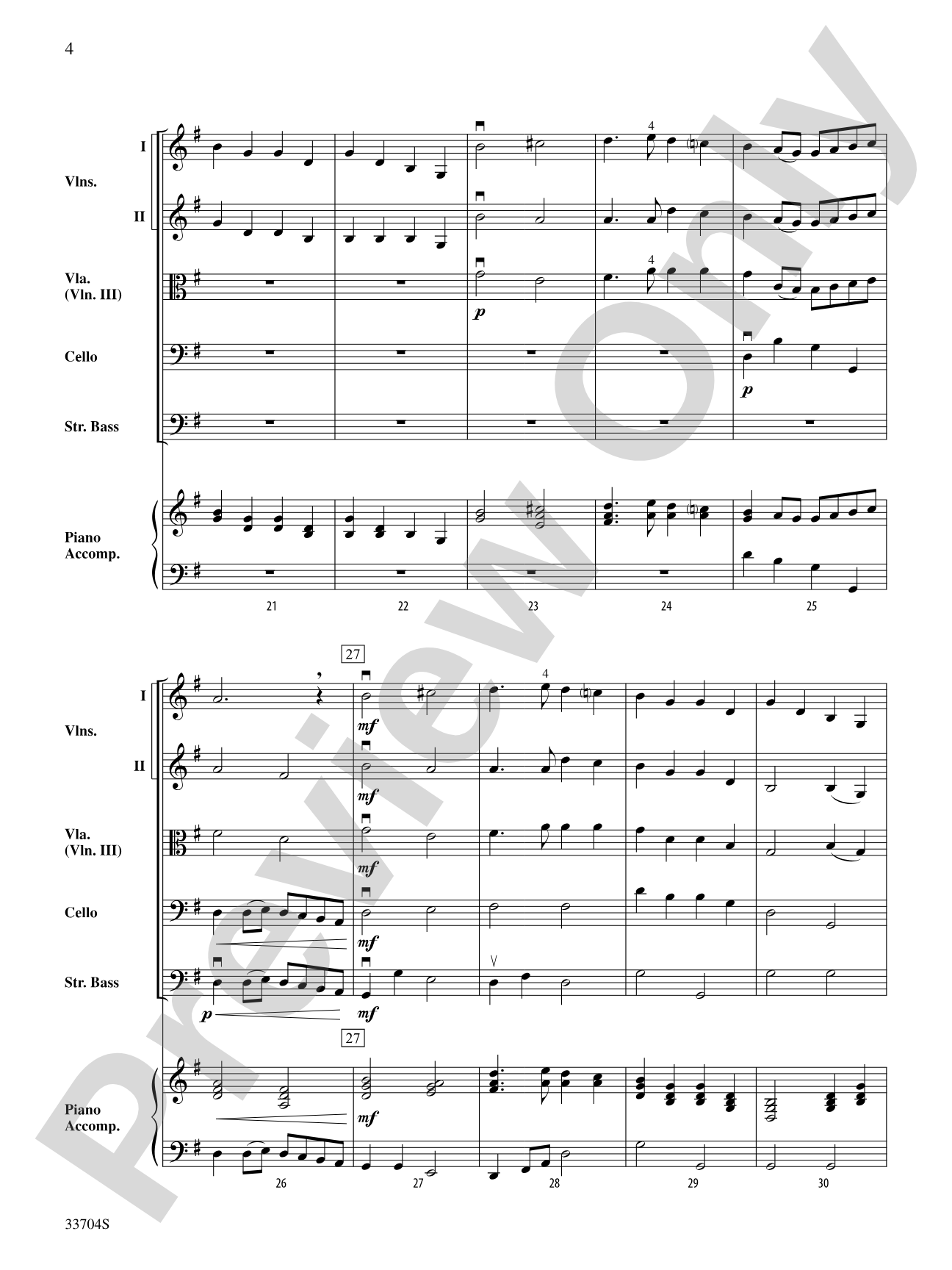
Everyone gets to enjoy the melody in this piece, more commonly known as "Trumpet Voluntary," and they are sure to recognize it. This piece will make great ceremonial music for events such as an elementary or middle school graduation and is perfect for a first experience with playing parts. Includes an educational packet with each part that features technical exercises, history, theory, composition, and more. This title is available in MakeMusic Cloud. Correlates to Sound Innovations for String Orchestra, Book 1 Level 5.


Don't just read it, hear it, play along with it, and watch your students grow with it. In MakeMusic Cloud, The Prince of Denmark's March: Score comes alive with professional accompaniment, adjustable tempo, and built-in practice tools that turn solo practice into real progress.
Open in the Player
Jump straight in and assign it today.
Start Your Free Trial
Open this title and explore the full library in minutes.
Sample Audio
1
Audio File
--:--
0:00
0:00
Sample Video
No sample videos found.
Additional Details
Series:
Sound Innovations for String Orchestra
Publisher:
Alfred Music
Page Count:
80
SKU:
00-PR-0002809
More about this title
About the Composer: Jeremiah Clarke
Jeremiah Clarke (1674-1707) was an English Baroque composer and organist whose output, though brief due to his early death, left a lasting impression on keyboard and ceremonial music. His works exemplify the English Baroque style, characterized by clear harmonic progressions, singable melodic lines, and practical writing for performers of varying abilities. Clarke served as organist at St. Paul's Cathedral in London, where he composed music for both liturgical and state occasions.
Today, Clarke is best remembered for the march now titled "Trumpet Voluntary," which has become a standard choice for formal ceremonies and educational repertoire. His music remains accessible to student musicians while maintaining the elegance and structural clarity that defined the Baroque era.
Why we love this
Bob Phillips' arrangement preserves Clarke's iconic melody while distributing it across all four string parts, ensuring every player gets a moment in the spotlight rather than sitting on a single line for the duration. The Grade 1.5 level keeps technical demands manageable while maintaining the piece's ceremonial dignity, making it genuinely suitable for young orchestras tackling their first multi-part literature. The included educational packet transforms the score from mere concert music into a teaching tool, weaving in history, theory, and technique without requiring separate preparation.
What to expect
The piece carries the pomp and dignity of a formal processional, with Clarke's clear, rising melody unfolding over steady harmonic support. There is both pageantry and warmth here; the recognizable tune invites listeners in while the four-part texture gives the ensemble room to breathe and balance together.
Who it's for
This arrangement is built for beginning string orchestras and middle school programs making their first steps into multi-part playing. Young violinists, violists, cellists, and bass players each receive accessible lines that build confidence in part-reading and ensemble listening without overwhelming technical demands.
How to get the most out of it
- Bring out the main melody regardless of which part carries it in each section. Balance the accompaniment voices at a dynamic level lower than the melodic line so listeners follow the familiar tune throughout.
- Use the educational materials to help students understand the historical context and harmonic function of their parts. When players know why their notes matter beyond filling space, they engage more fully with the arrangement.
- Shape the phrasing across the whole ensemble by establishing clear breath points together. Even though this is ceremonial music, it benefits from gentle dynamic swells that acknowledge the natural arc of Clarke's original melody.
- Check the tempo marking carefully during rehearsal so the piece walks with stately presence rather than rushing. Ceremonial music serves a function; let it breathe and settle.
How to use it
This works beautifully as a recessional or opening piece for graduation ceremonies, where its ceremonial character and familiar melody set an appropriate tone. It also serves as a confidence-builder mid-year in your concert program, giving young orchestras a showcase moment before tackling more complex repertoire.
Skills your students will build
- Reading multiple independent string parts simultaneously
- Balancing accompaniment voices against melody
- Sustaining long lines with steady tone quality
- Understanding Baroque harmonic progressions
- Listening to and adjusting within an ensemble texture