

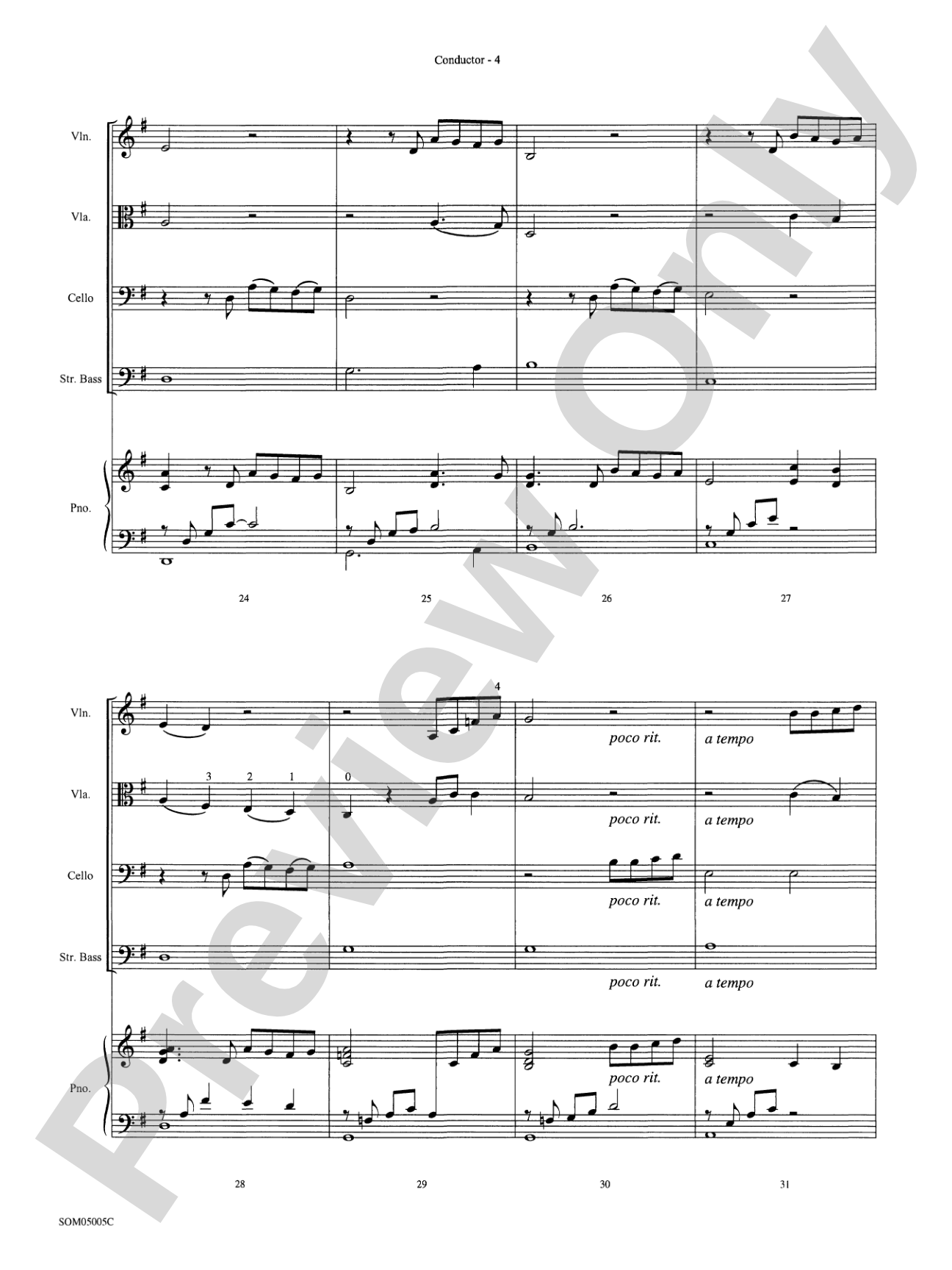
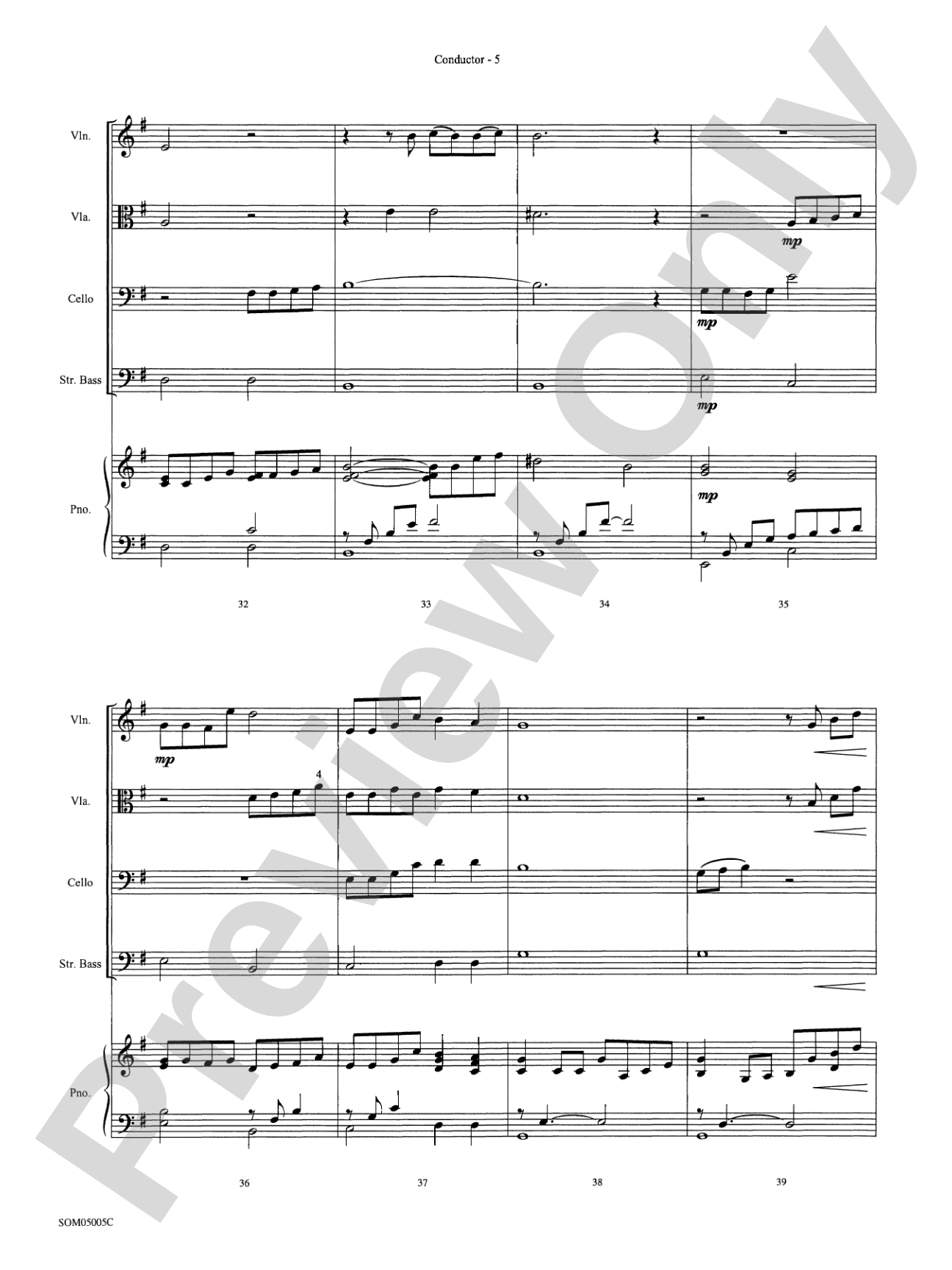
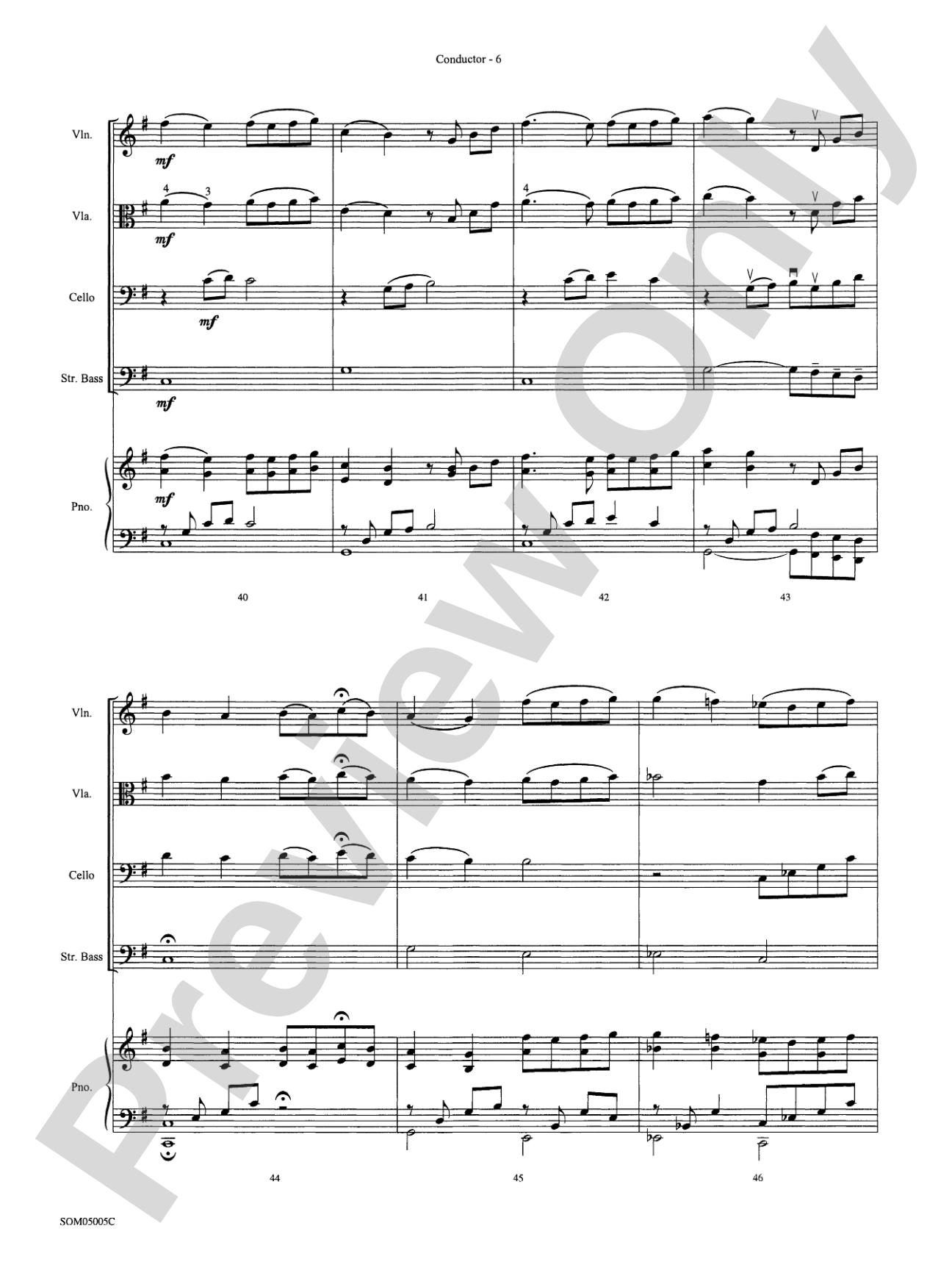
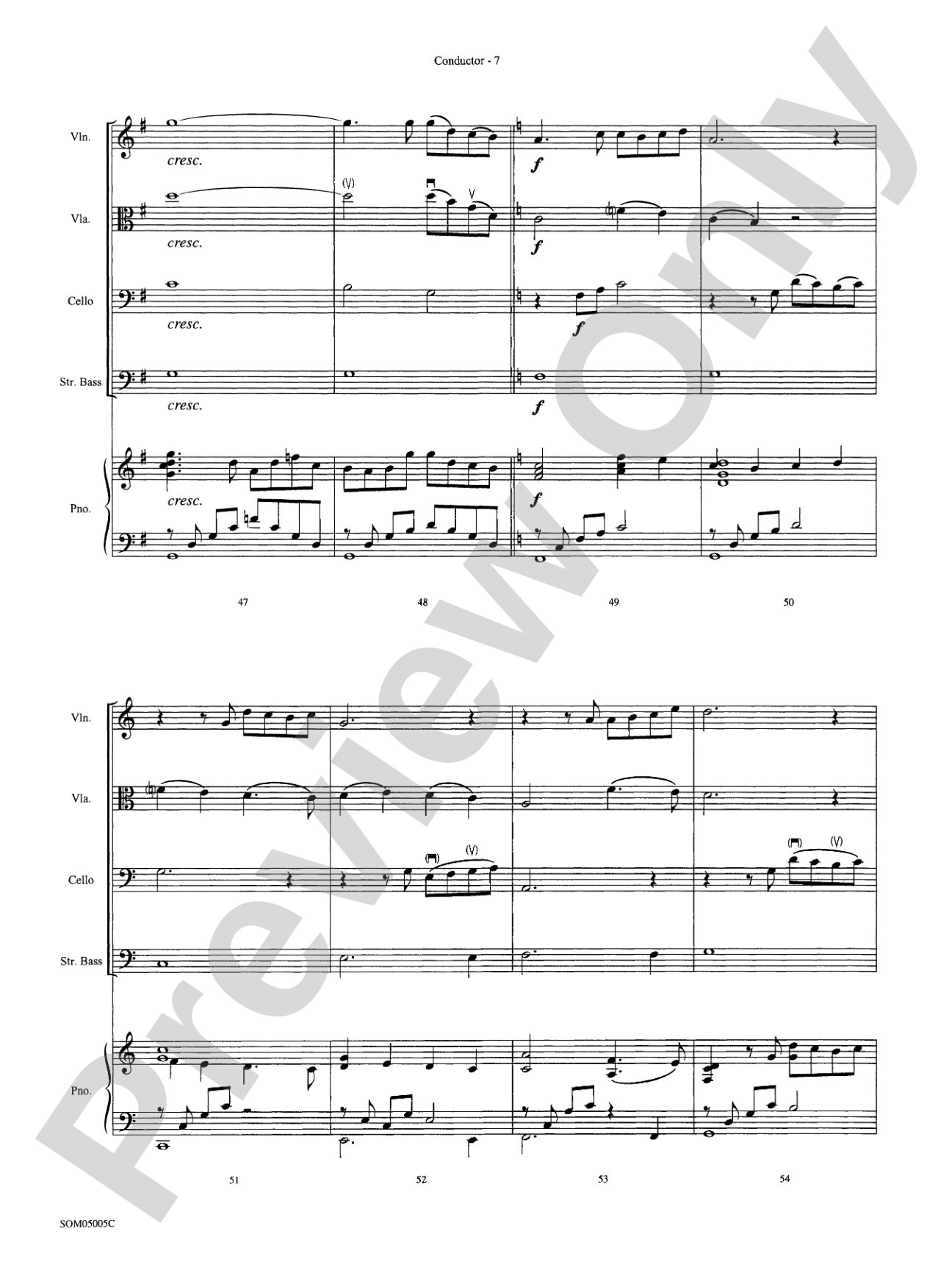
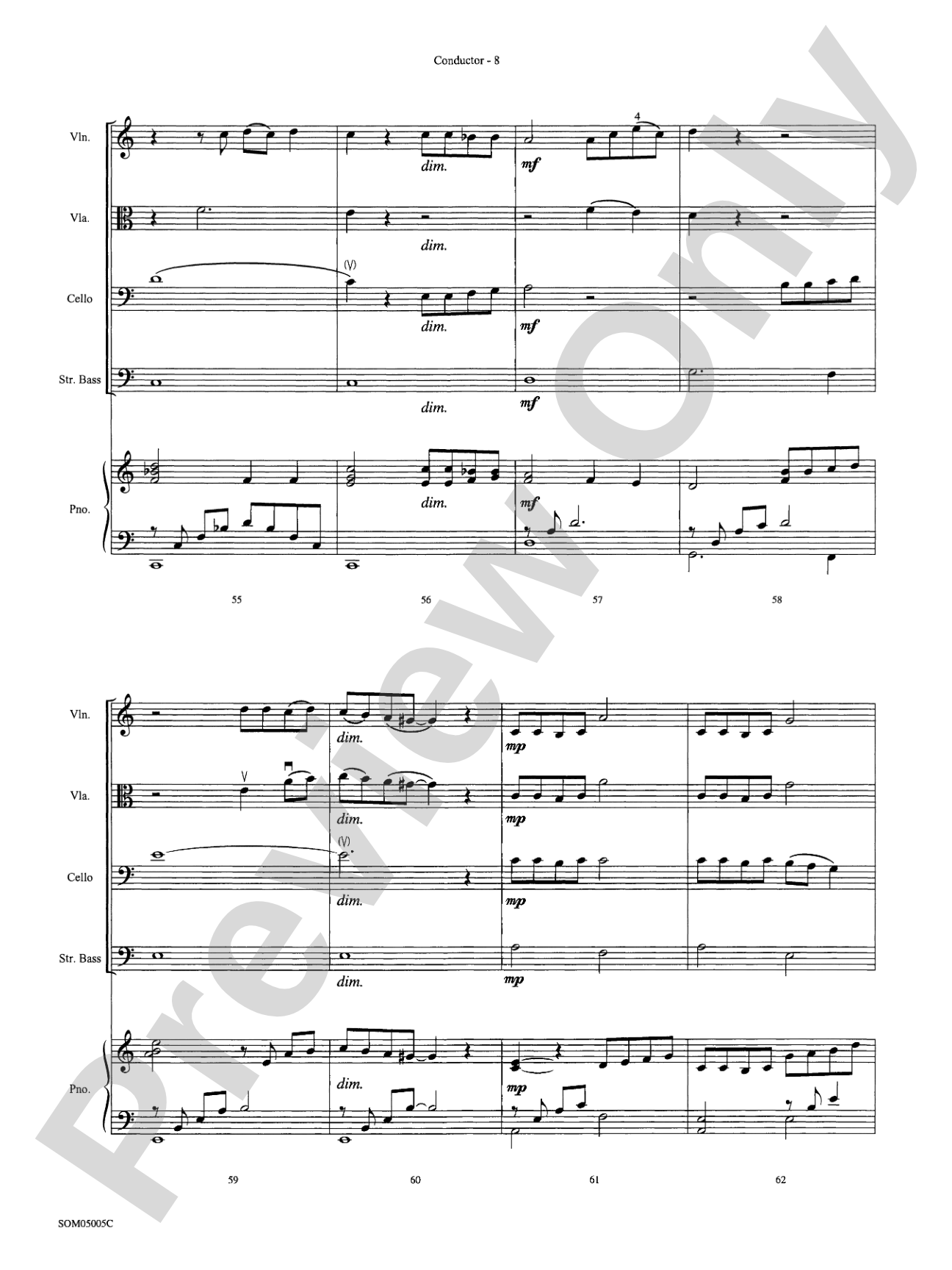
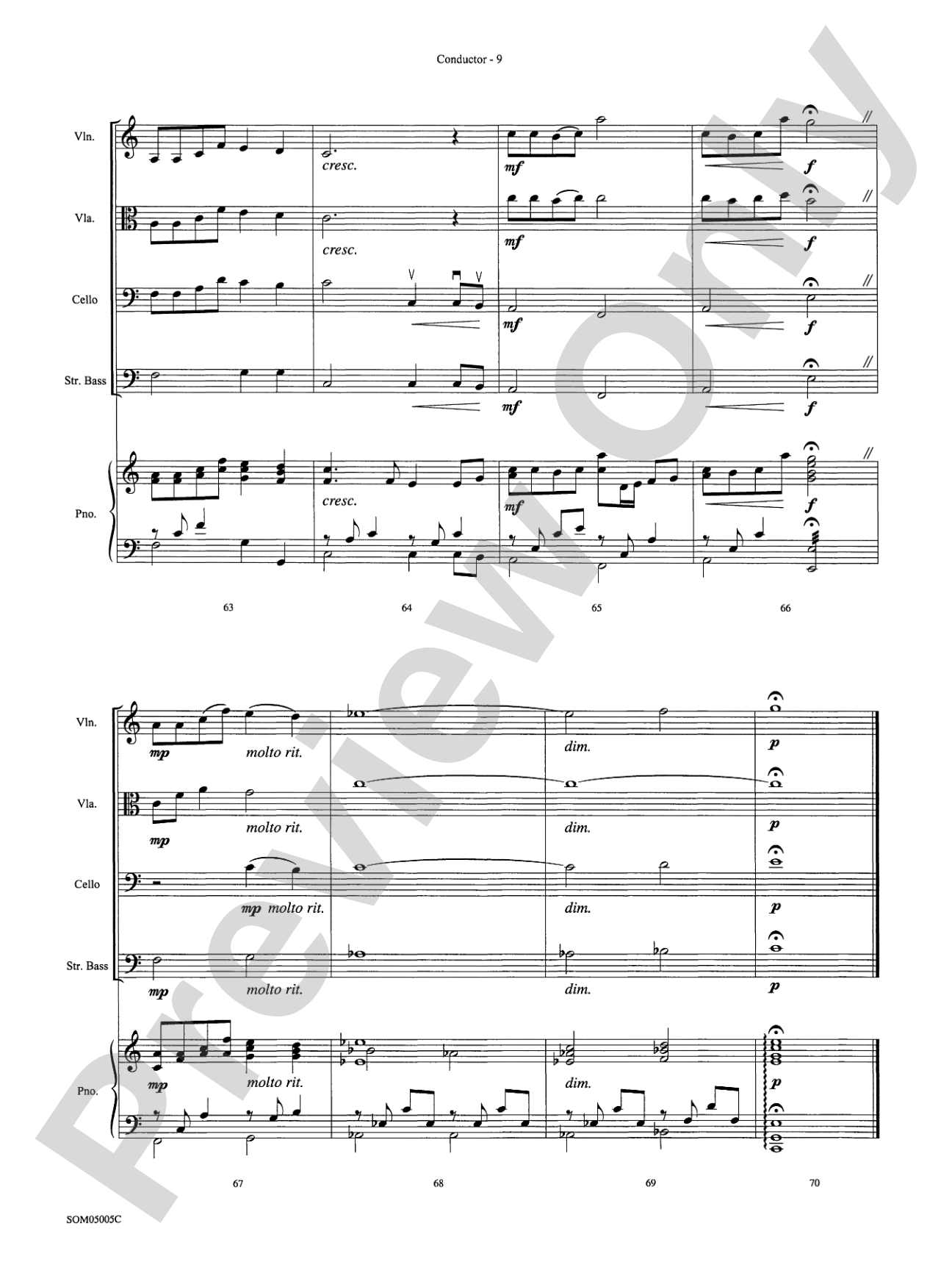


The Prayer: Score
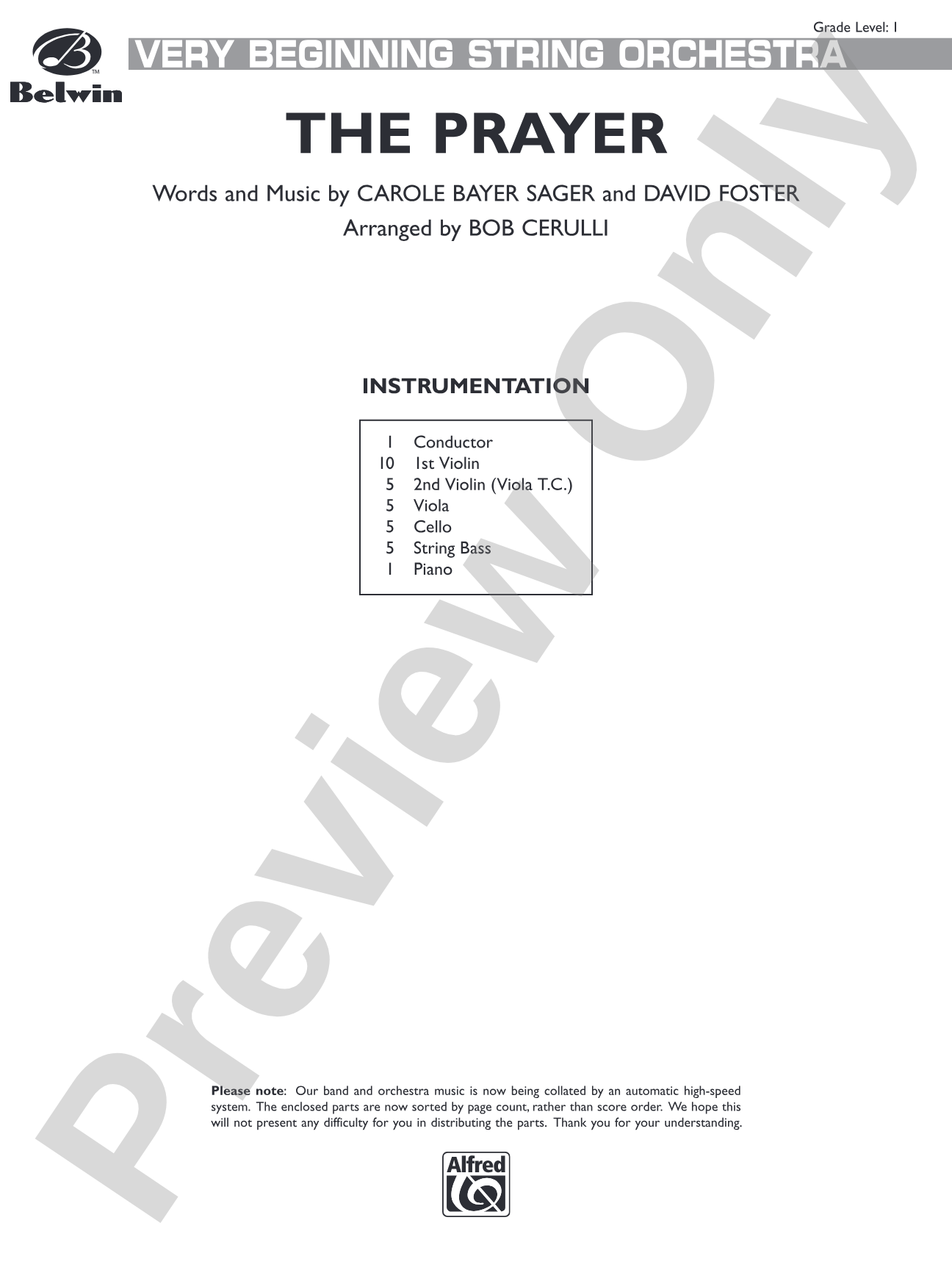
Words and music by Carole Bayer Sager and David Foster / arr. Bob Cerulli
Grade: 1
Item: 00-PR-0002511
$7.00
Pickup currently not available
Description
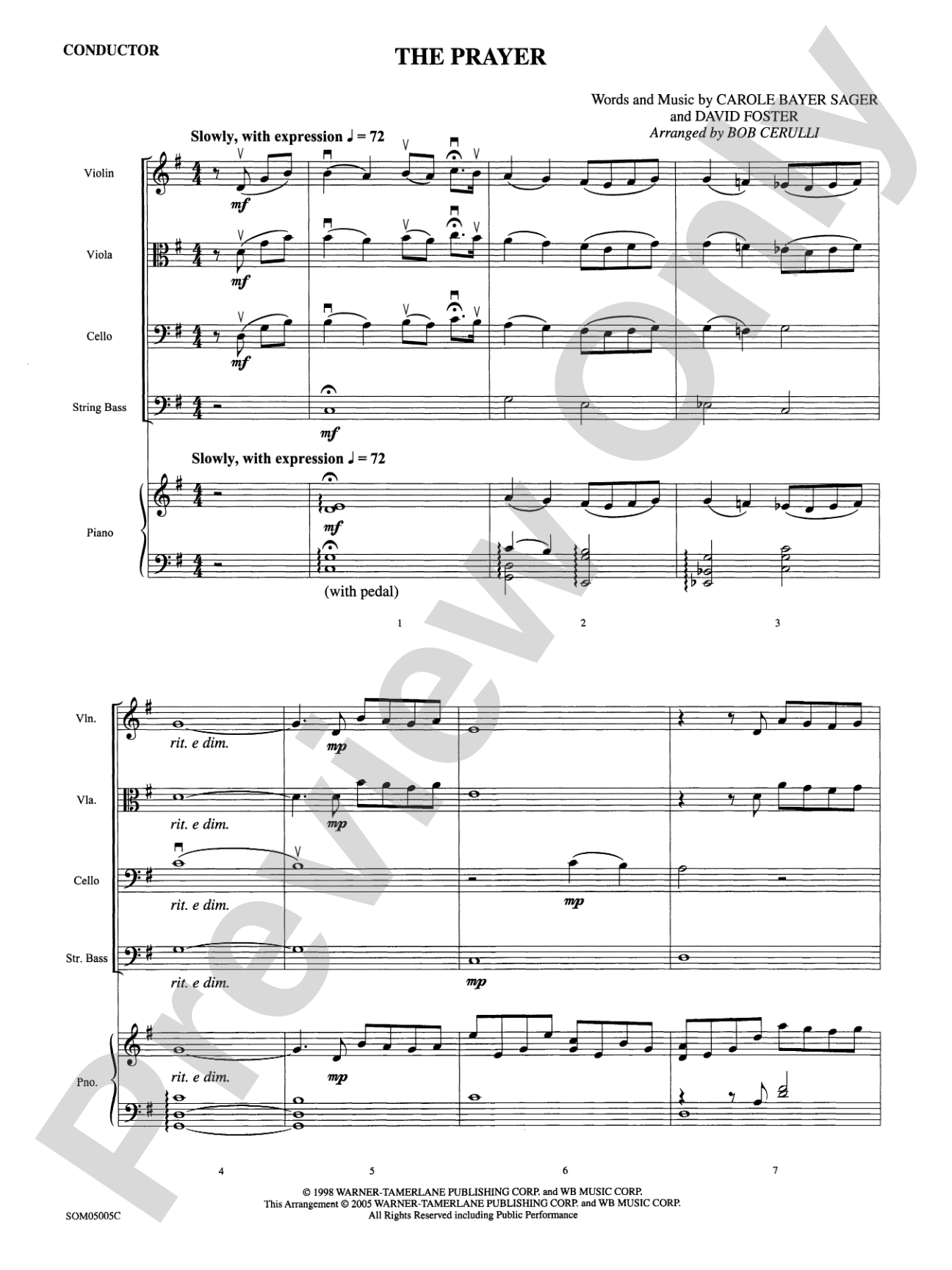
The Prayer is a wonderful work made popular as a duet by Celine Dion and Andrea Bocelli. It was featured on Celine's album These Are Special Times and in the Quest for Camelot soundtrack. This Golden Globe® award-winner for "Best Original Song" has been transformed in to a beginning work that your string players and audiences alike will love. (3:56)


Don't just read it, hear it, play along with it, and watch your students grow with it. In MakeMusic Cloud, The Prayer: Score comes alive with professional accompaniment, adjustable tempo, and built-in practice tools that turn solo practice into real progress.
Open in the Player
Jump straight in and assign it today.
Start Your Free Trial
Open this title and explore the full library in minutes.
Sample Audio
1
Audio File
--:--
0:00
0:00
Sample Video
No sample videos found.
Additional Details
Series:
Pop Beginning String Orchestra
Publisher:
Alfred Music
Page Count:
140
SKU:
00-PR-0002511
More about this title
About the Composer: Carole Bayer Sager
Carole Bayer Sager is a songwriter and composer who has shaped popular music across multiple decades, with a gift for crafting melodies that resonate emotionally across genres. Her collaborations with David Foster on "The Prayer" exemplify her ability to create songs that transcend their original context, making her work valuable for music educators seeking repertoire that connects students to contemporary vocal literature through instrumental arrangements.
Why we love this
Bob Cerulli's arrangement captures the serene beauty of the original without sacrificing the emotional arc that made this a Golden Globe winner. Beginning orchestras can access genuinely moving material here; this isn't a dumbed-down version but a thoughtfully crafted string score that builds musicality through authentic phrasing rather than technical complexity.
What to expect
The arrangement unfolds with quiet reverence, inviting rather than demanding. There's an inherent stillness in the writing that encourages players to listen to each other and shape phrases collaboratively, creating a contemplative sound that contrasts beautifully with more rhythmically driven repertoire.
Who it's for
String orchestra directors working with beginning ensembles who want repertoire that engages audiences and students alike. This arrangement works for players still building fundamental technique but ready to experience what musical expression at their level can sound like.
How to get the most out of it
- Shape the melodic line as if singers were performing it; each phrase needs a clear breath point and expressive arc even at Grade 1 technical demands.
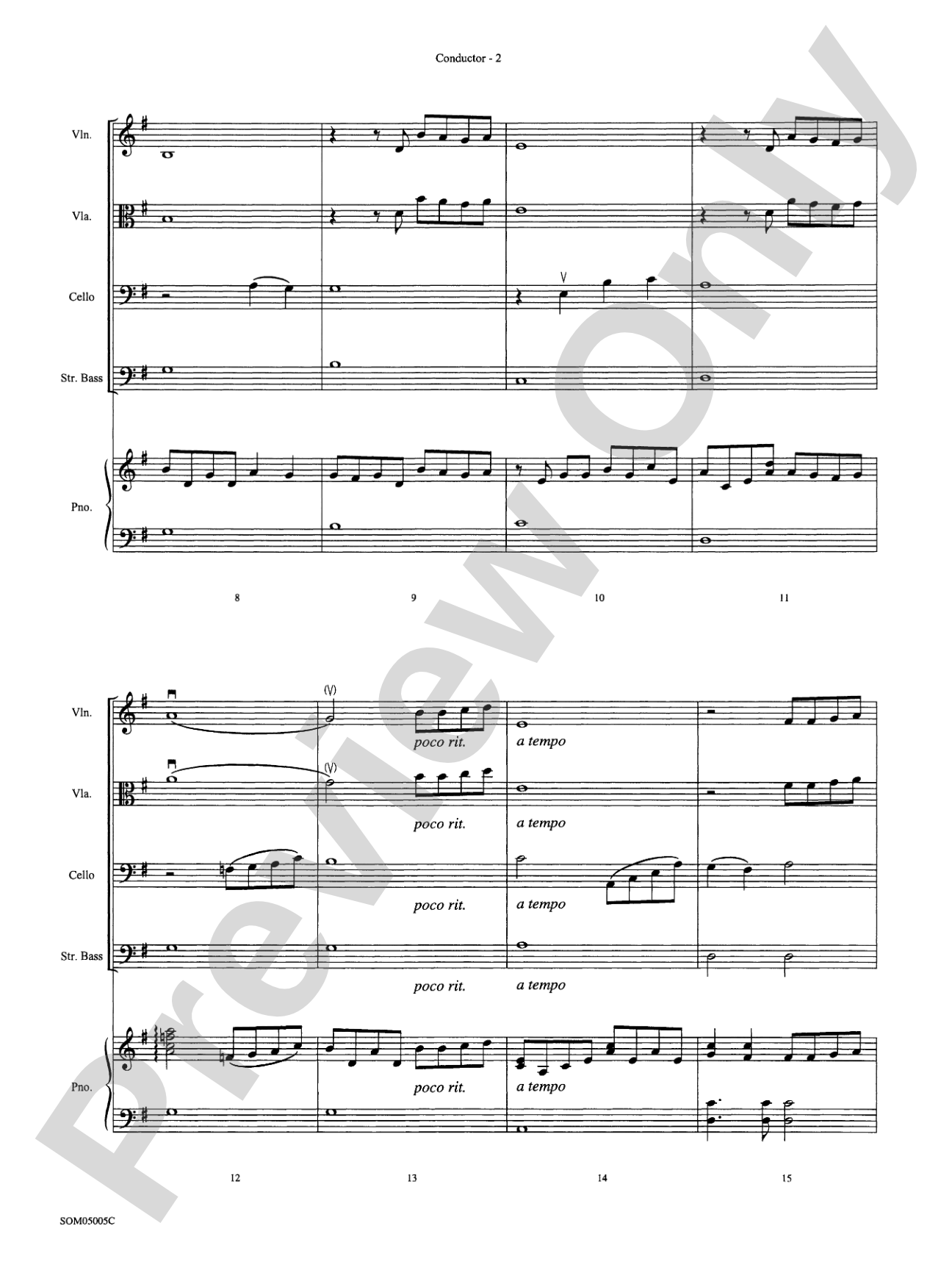
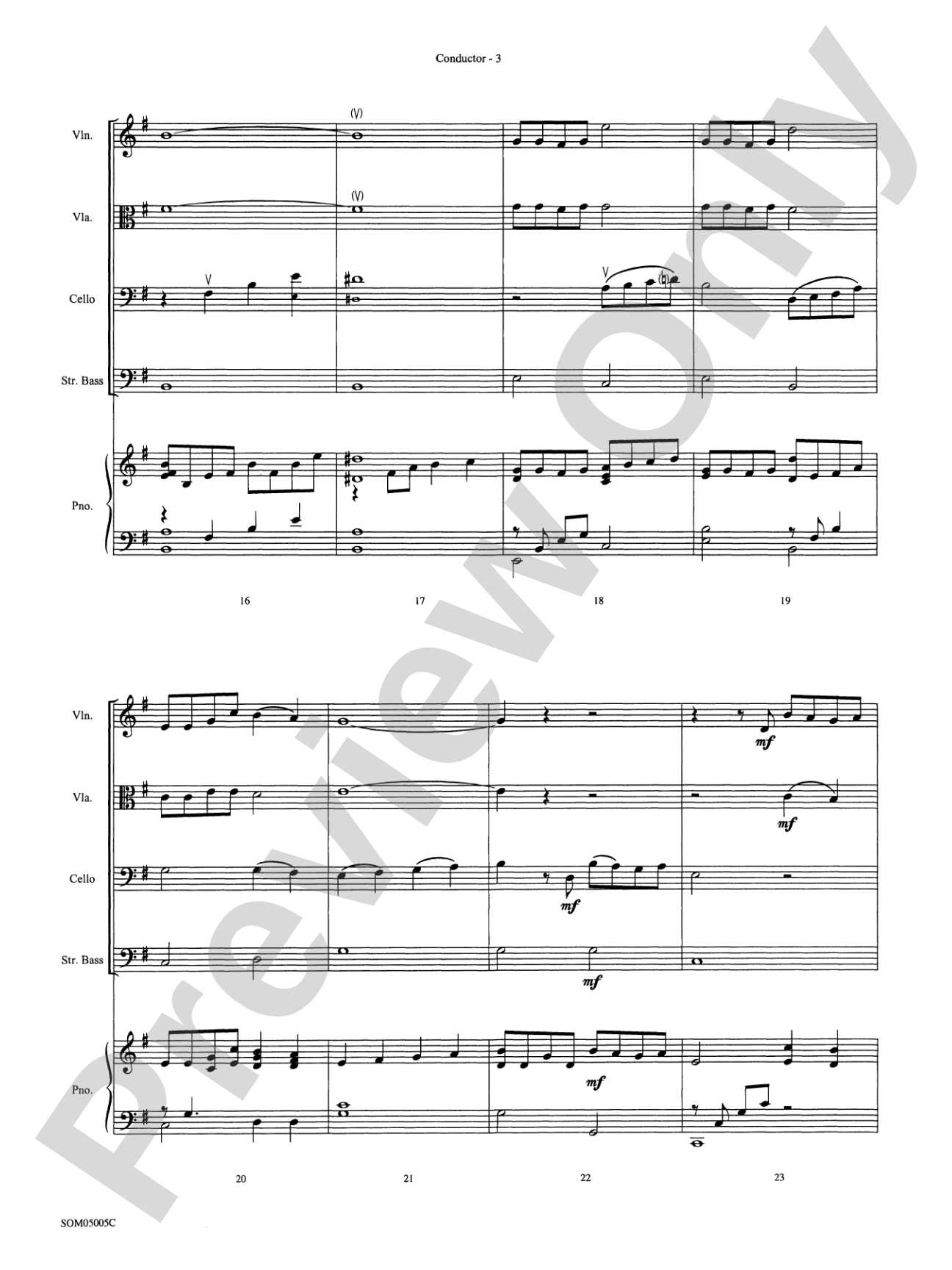
- Balance the first violin melody against the sustained harmonies in the lower voices to prevent a thin sound. Cello and bass support matters as much as the melody.
- Allow rubato in the opening sections where appropriate to highlight the reflective character; Grade 1 doesn't mean metronomic.
- Use the dynamic markings deliberately to create the emotional build. Small changes in volume matter significantly in a work this intimate.
How to use it
Consider programming this as a concert centerpiece or closer where its emotional restraint can land effectively between more energetic works. It's also a strong choice for school worship services, assemblies, or community events where accessible but substantive music creates the right atmosphere.
Skills your students will build
- Balancing melody and accompaniment across an ensemble
- Sustaining long note values with consistent tone quality
- Responding to expressive phrasing and dynamic shaping
- Reading in multiple clefs simultaneously (violin, viola, cello, bass)
- Developing sensitivity to harmonic movement and voice leading