
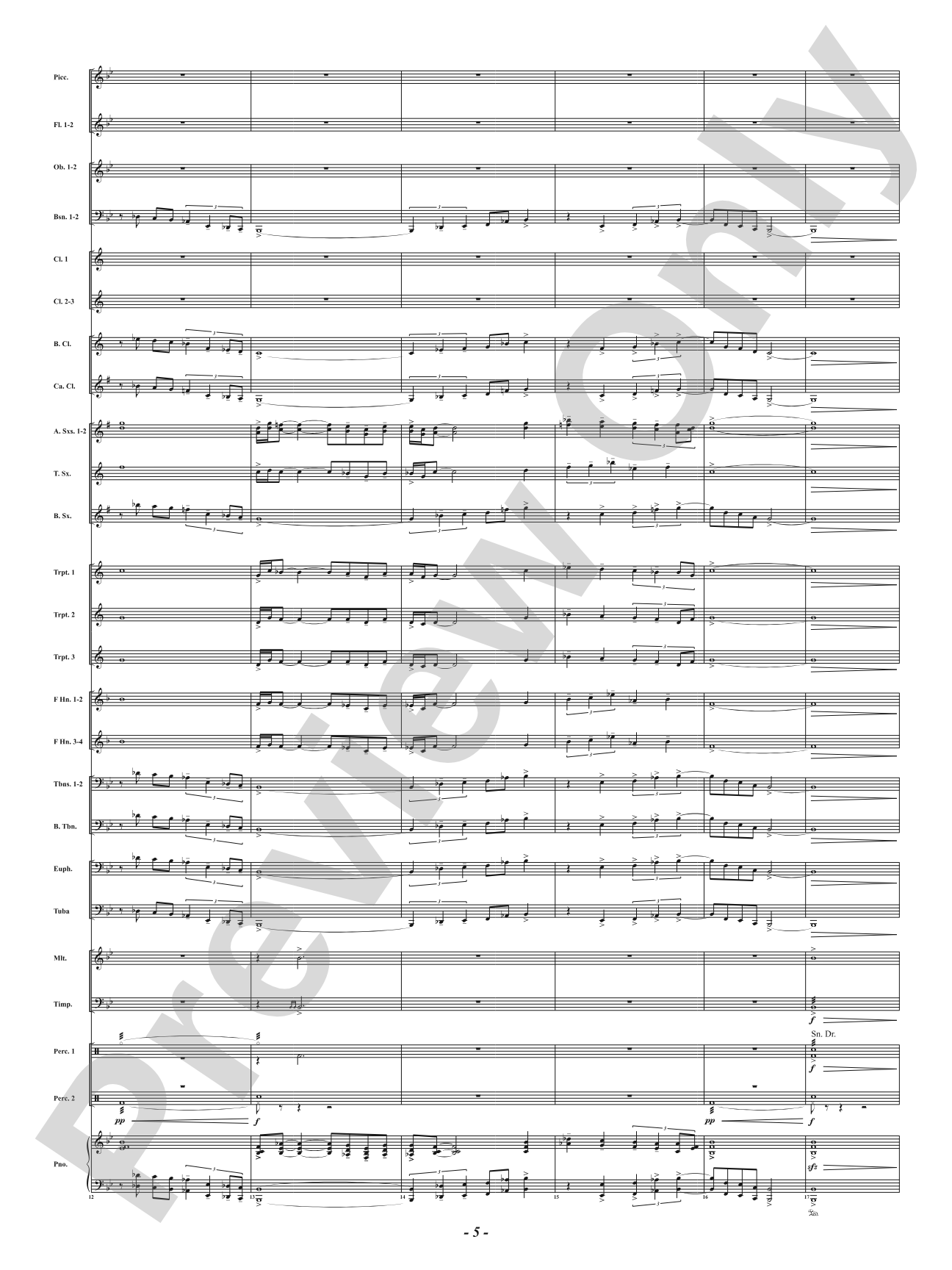
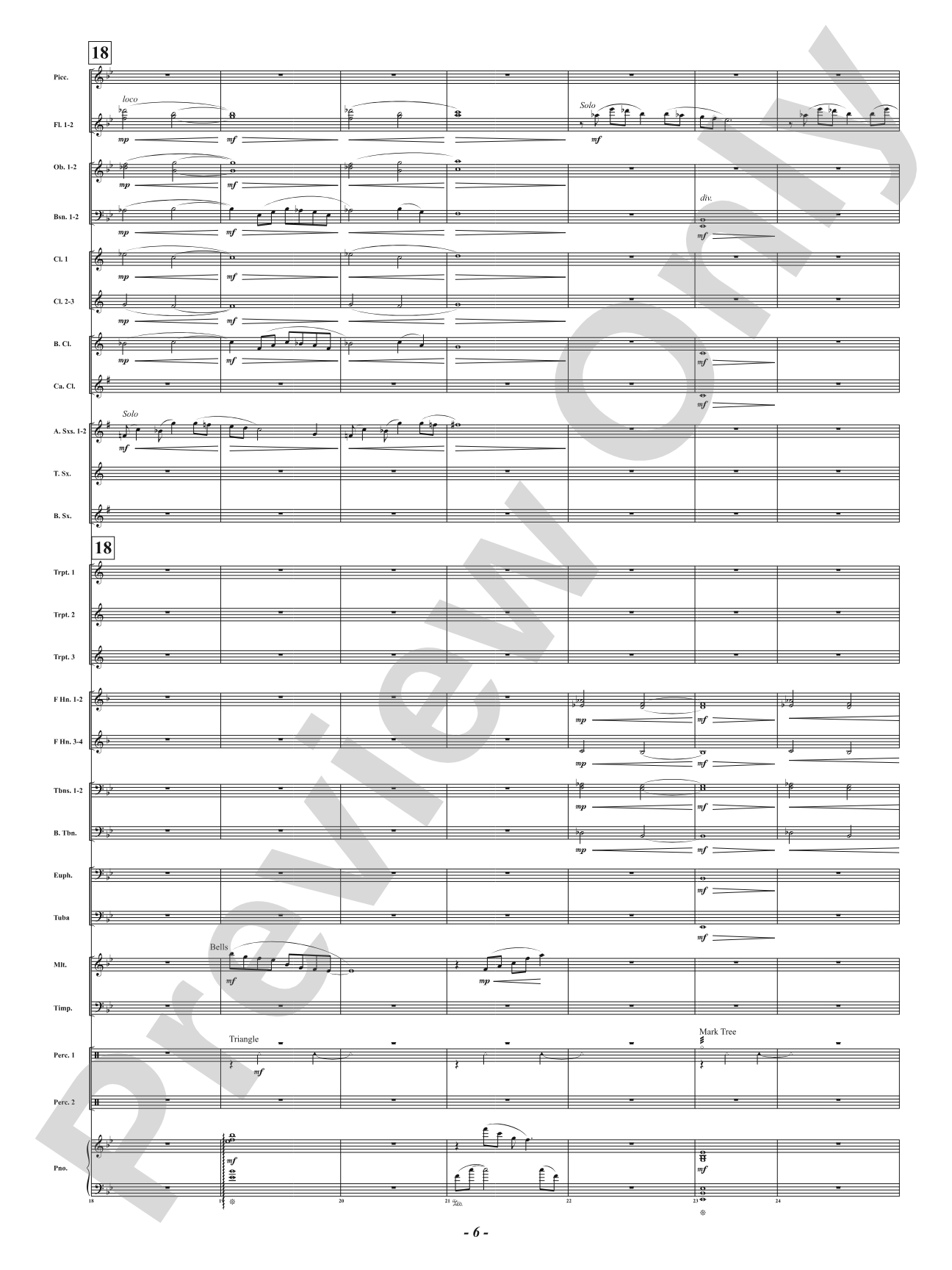
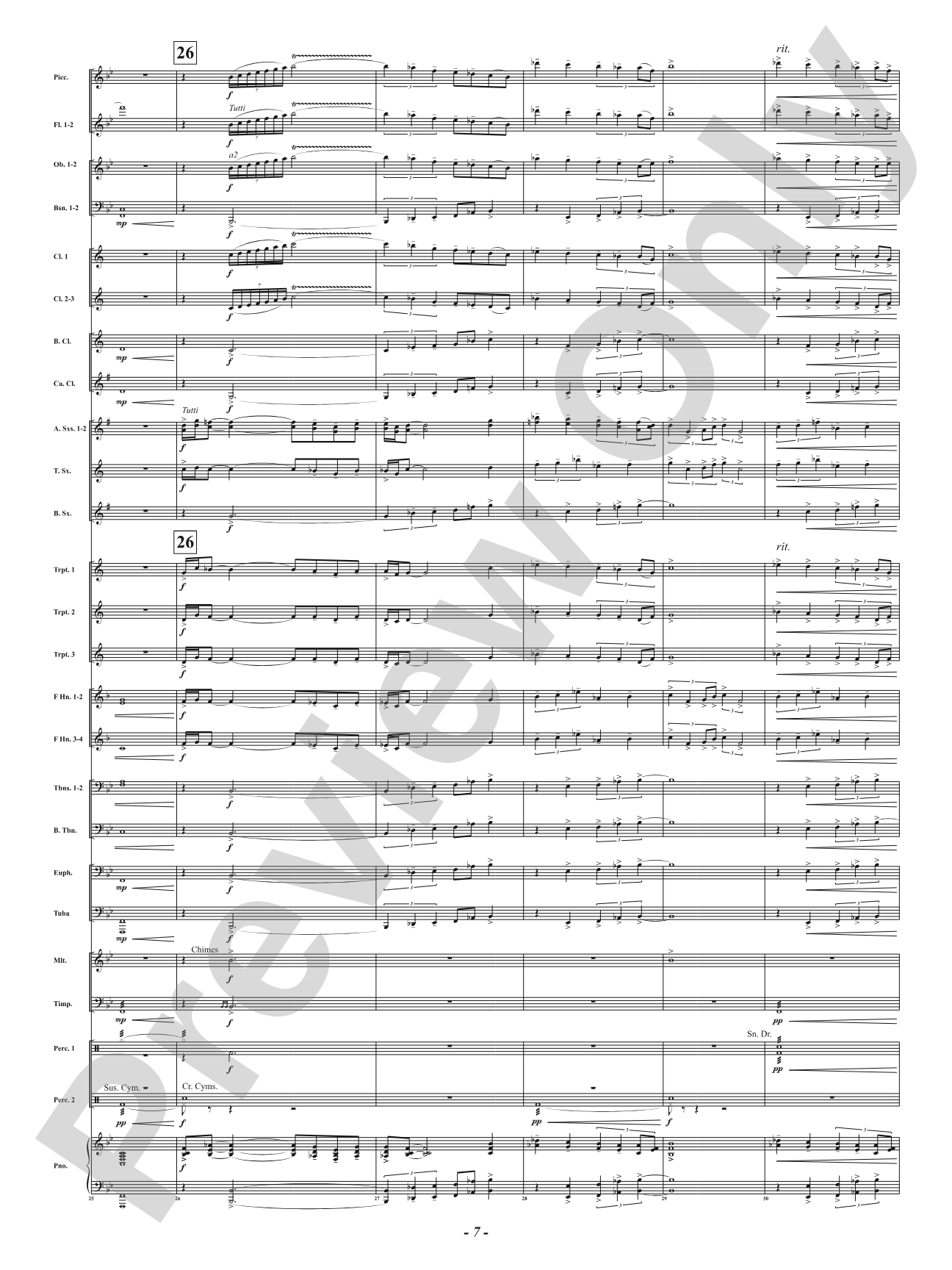
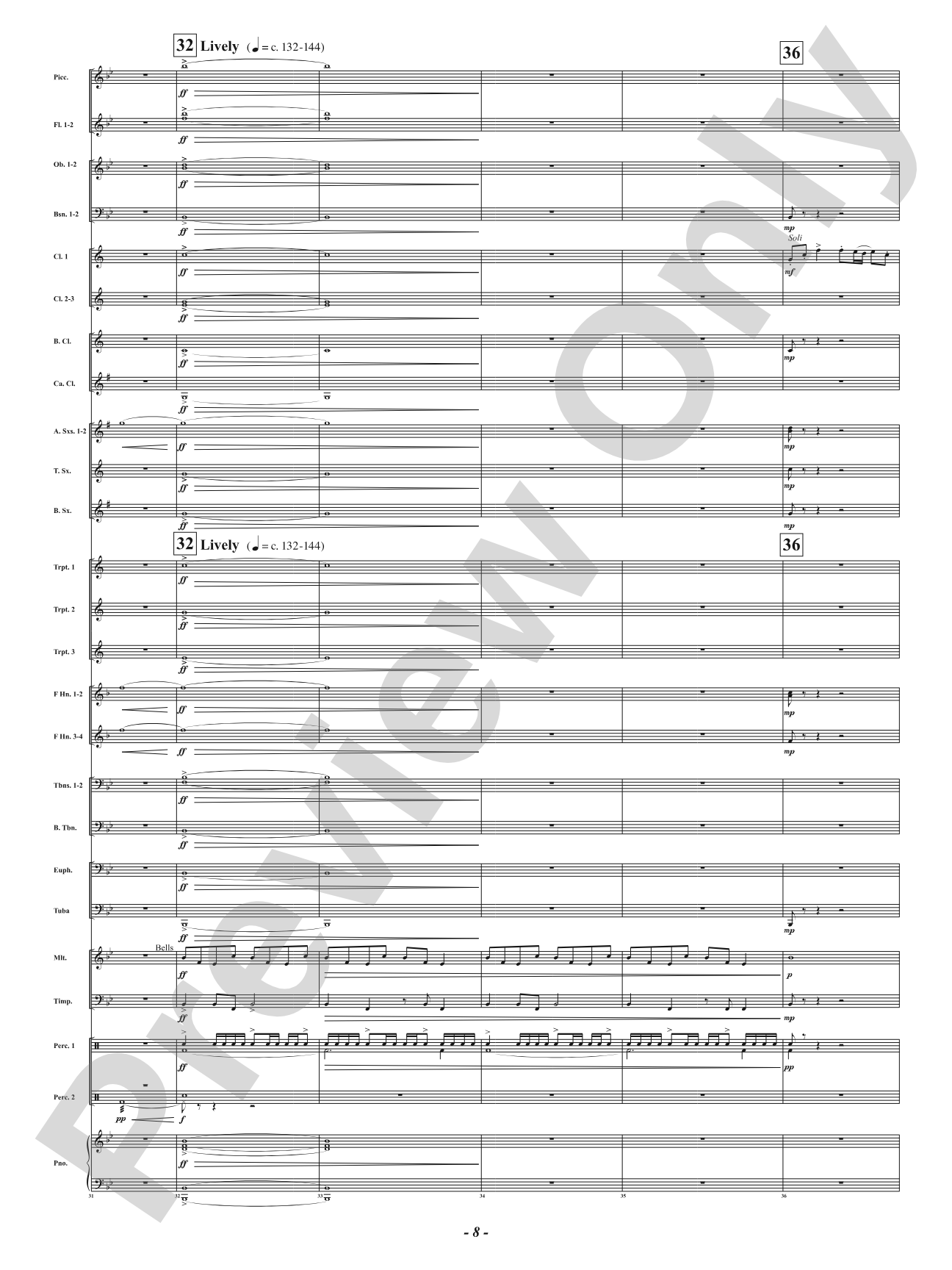
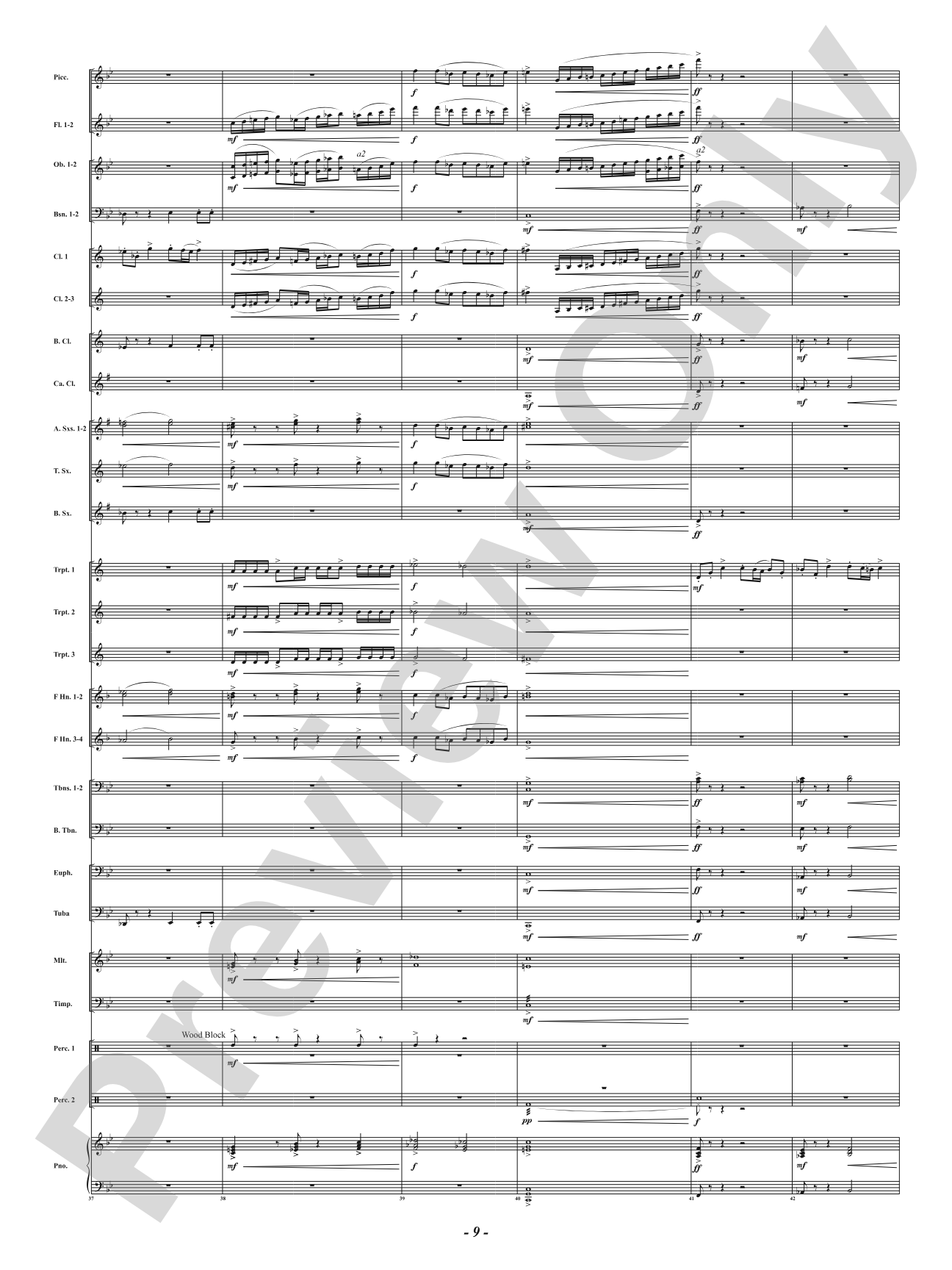
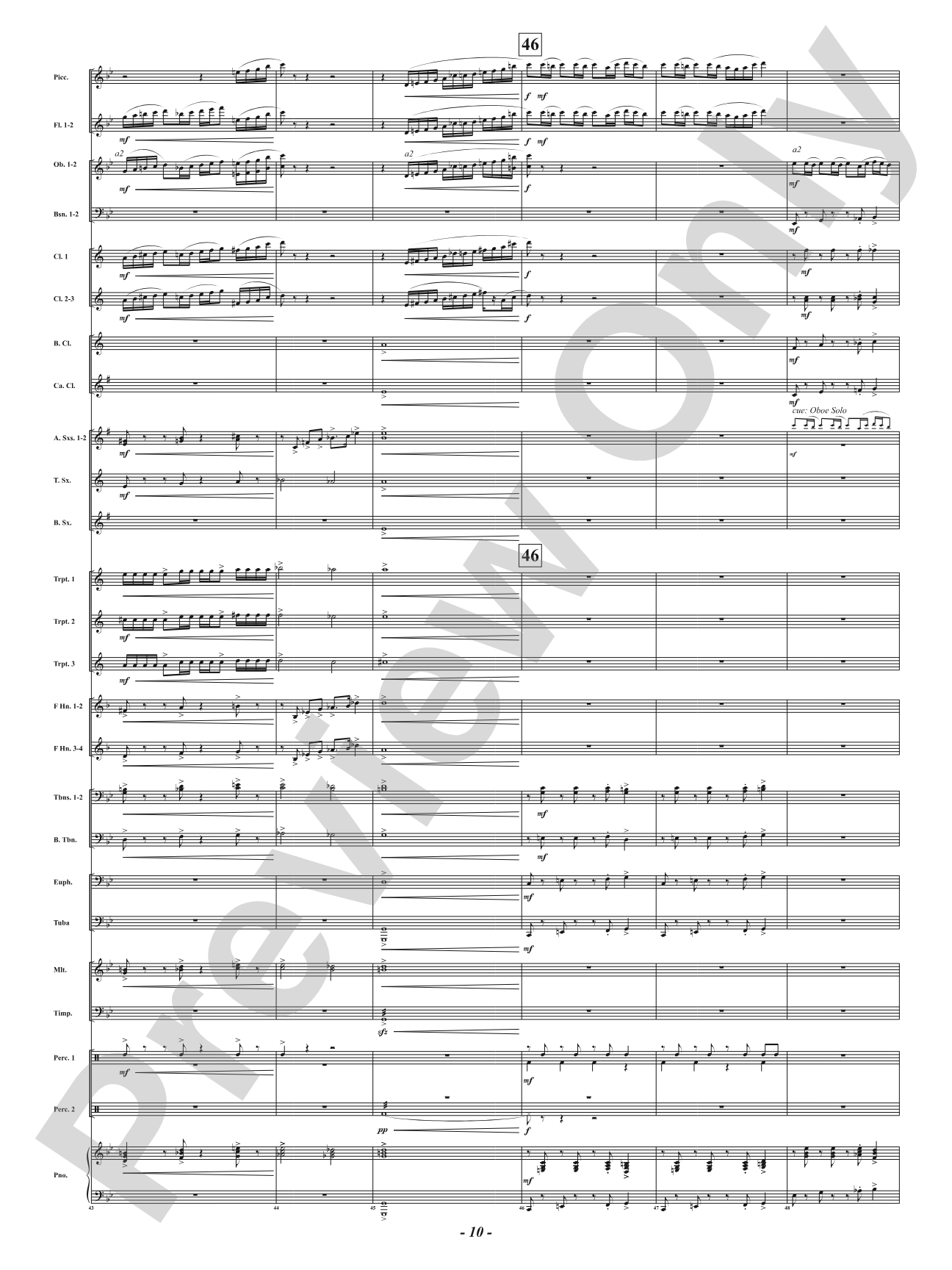
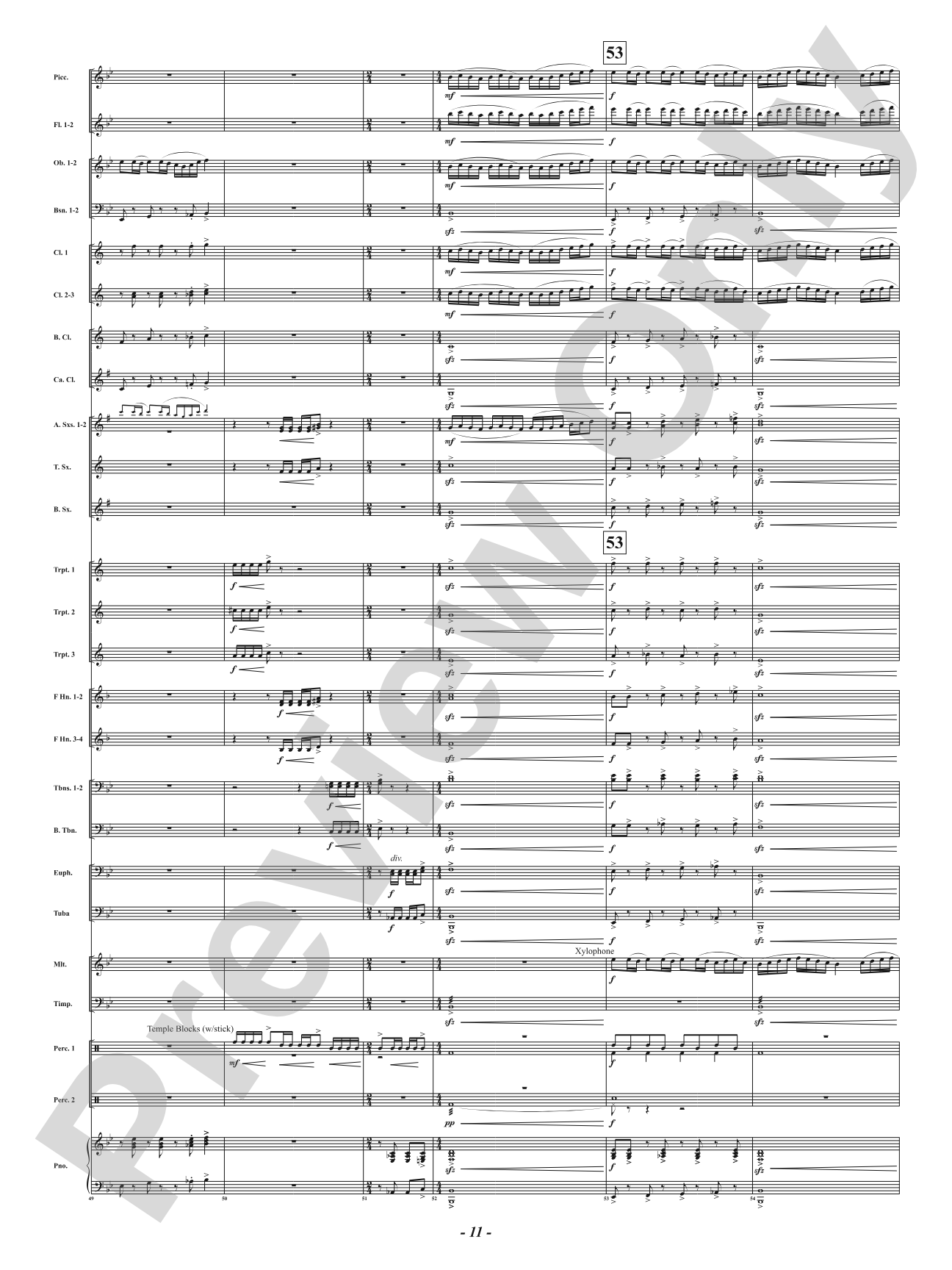
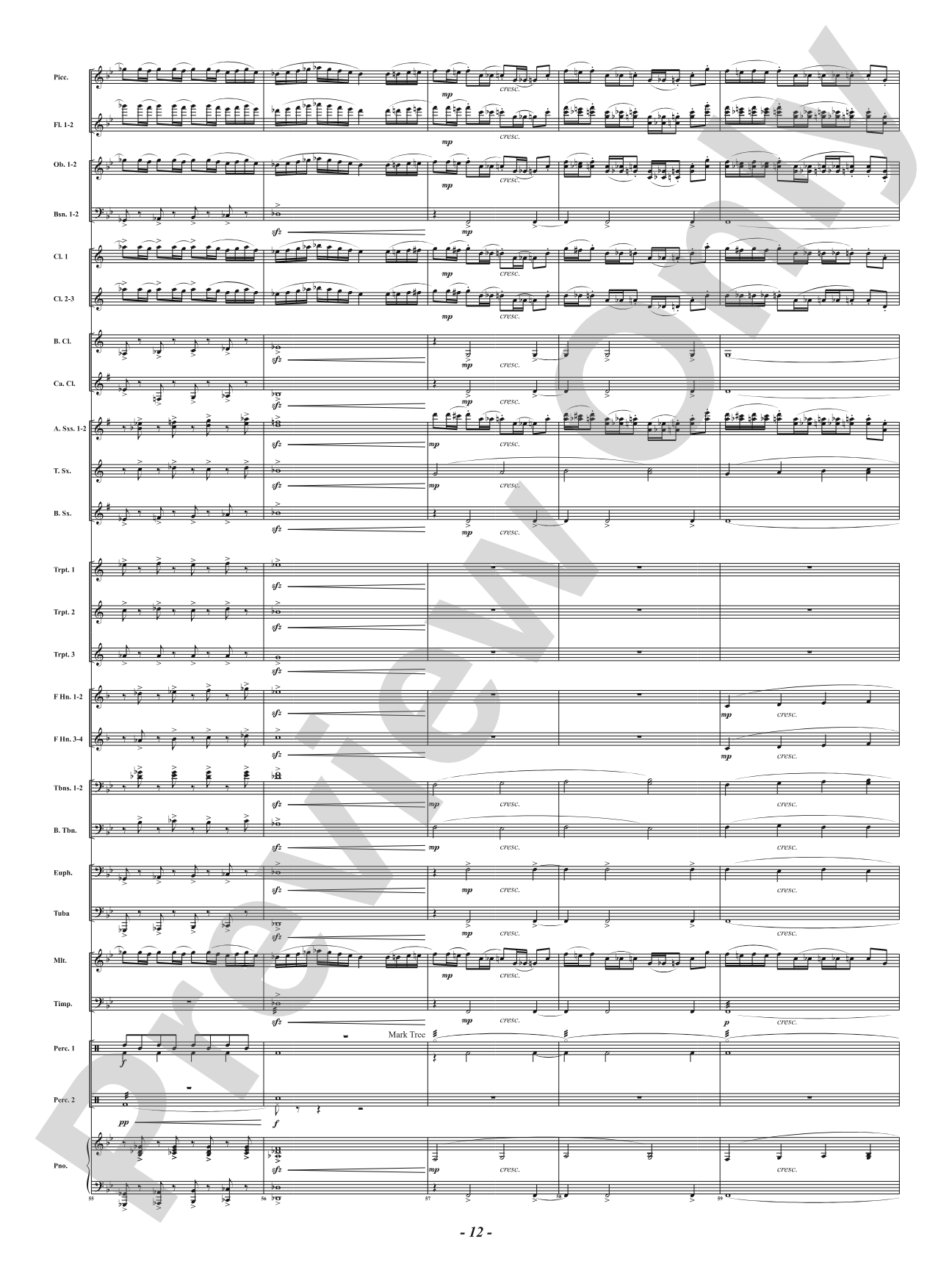
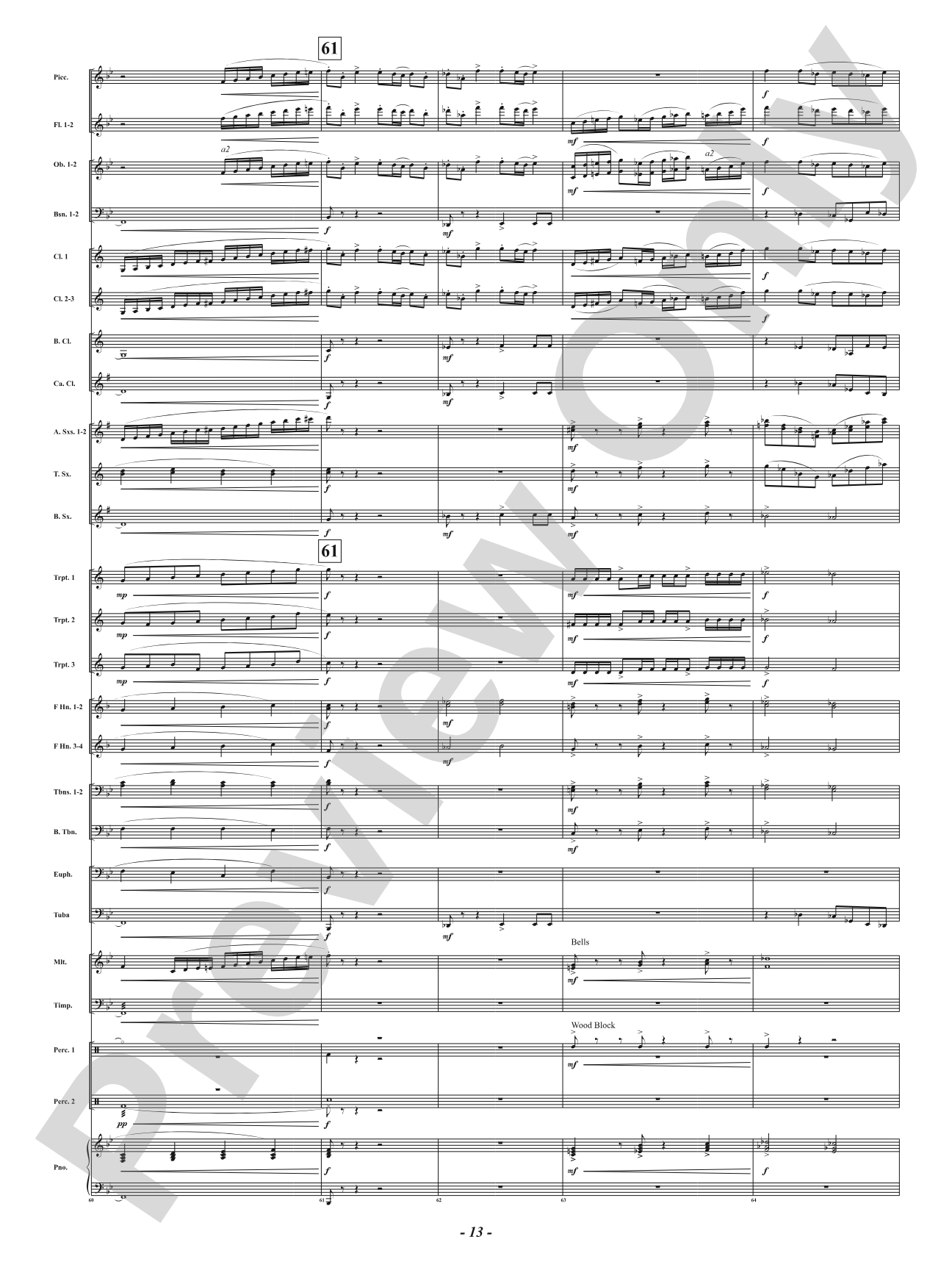
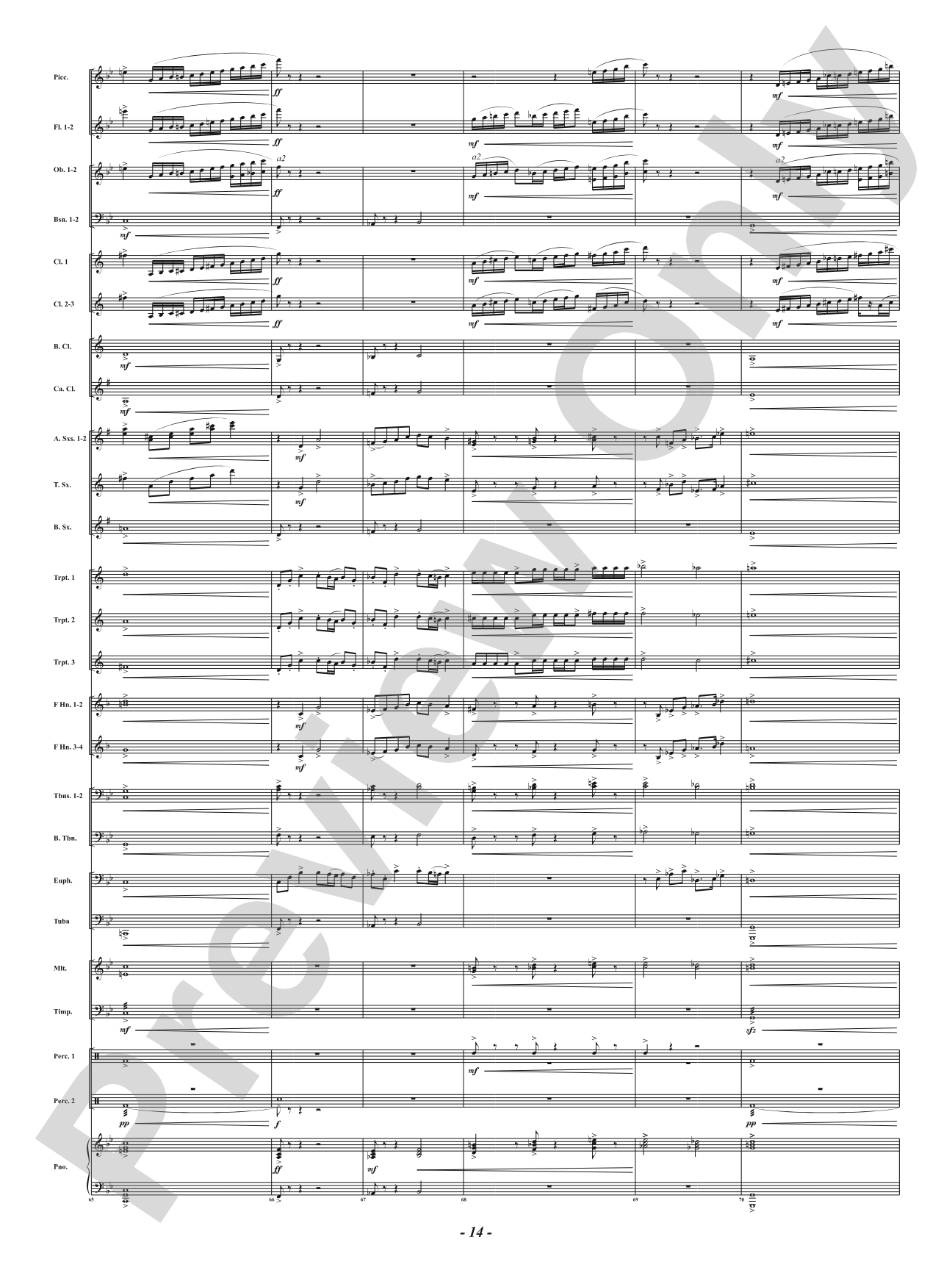
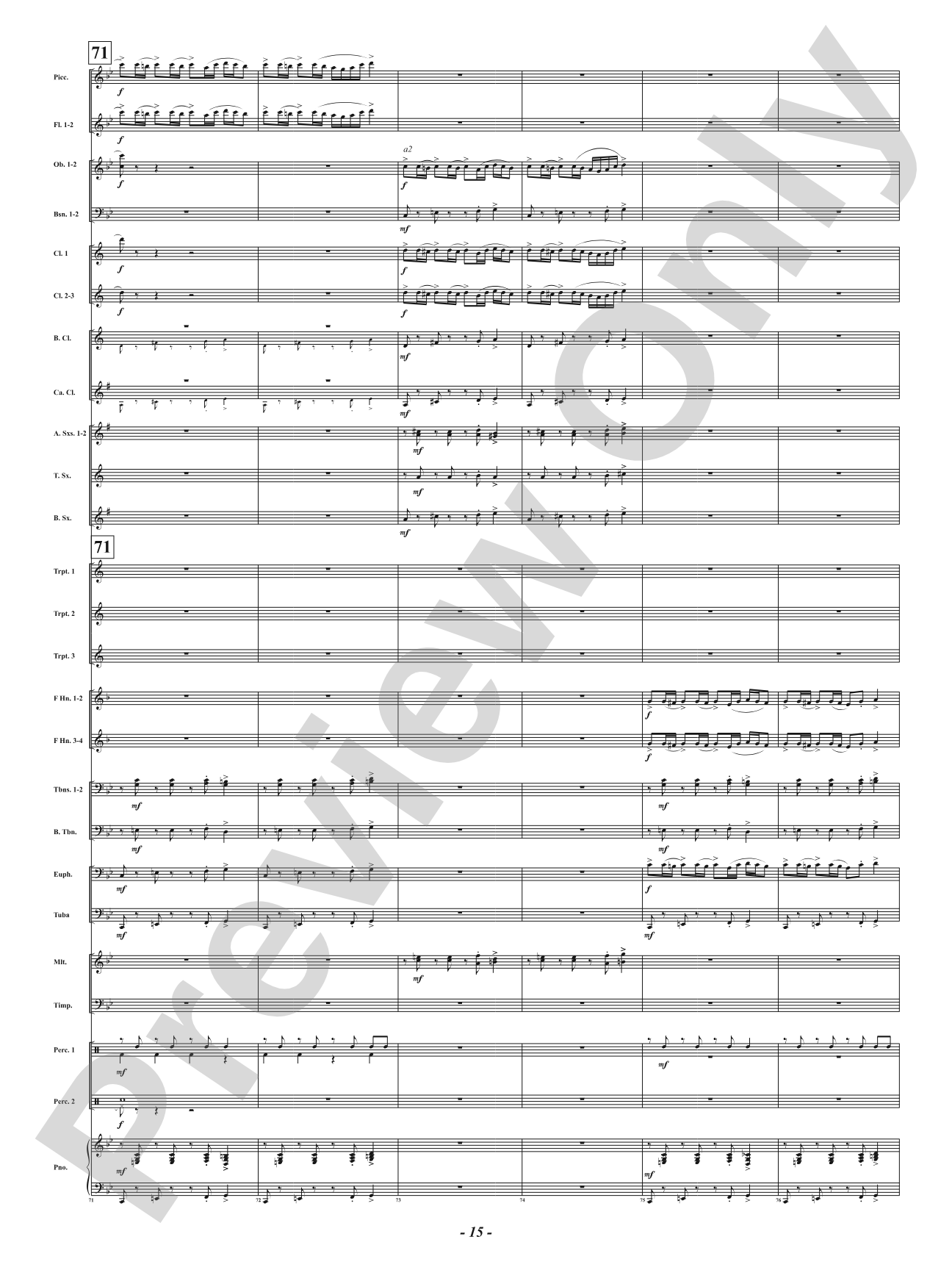
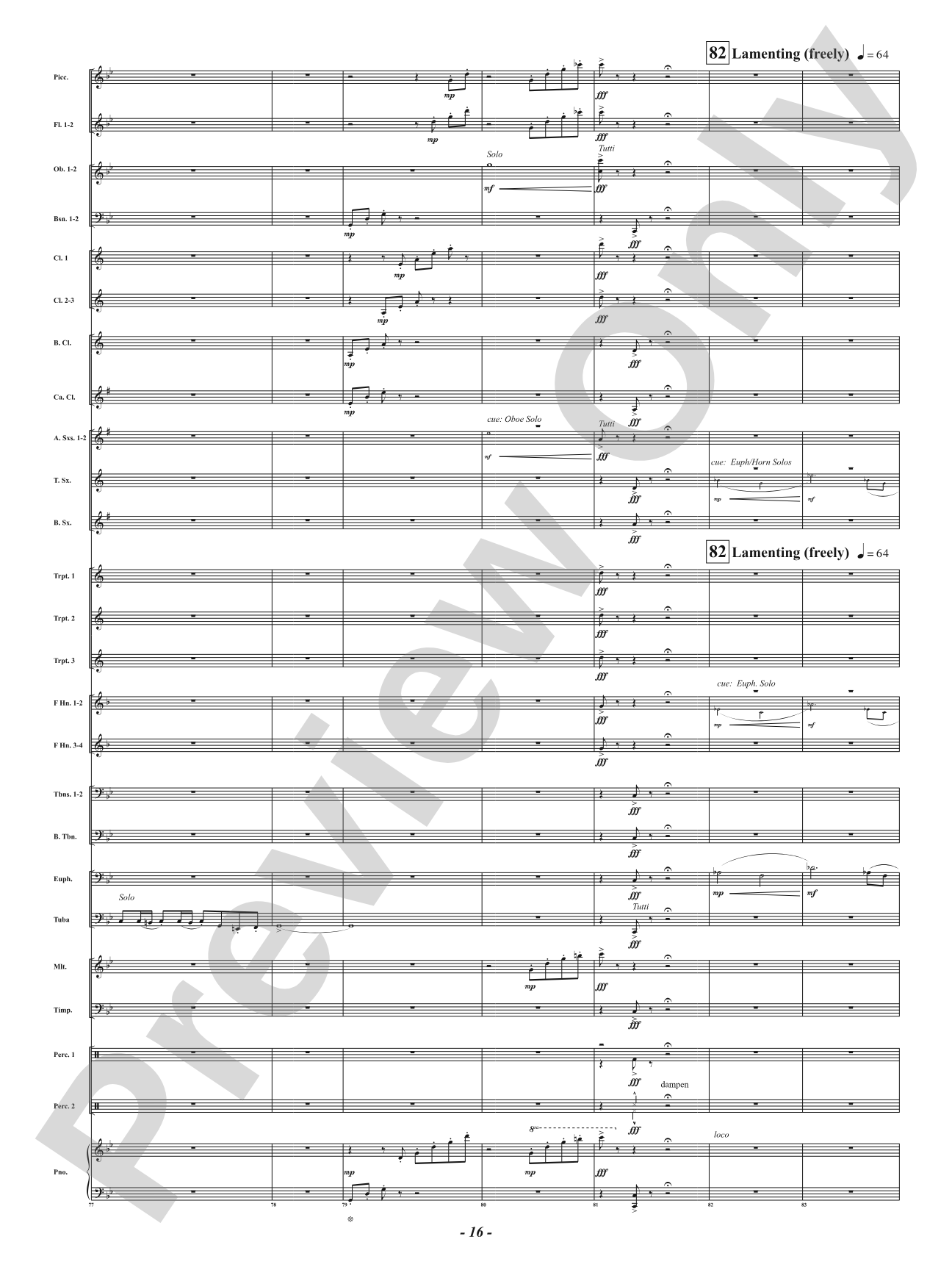
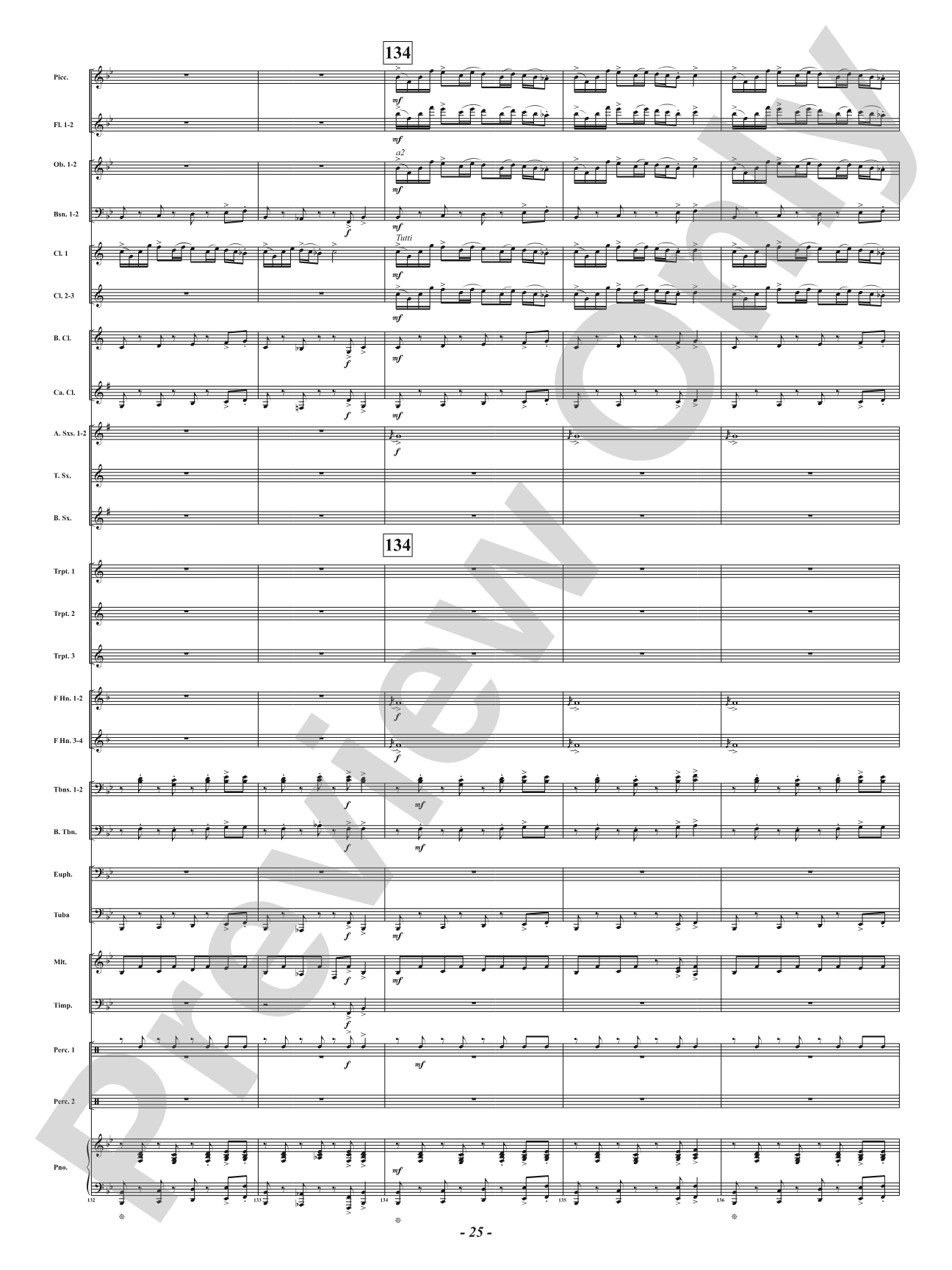
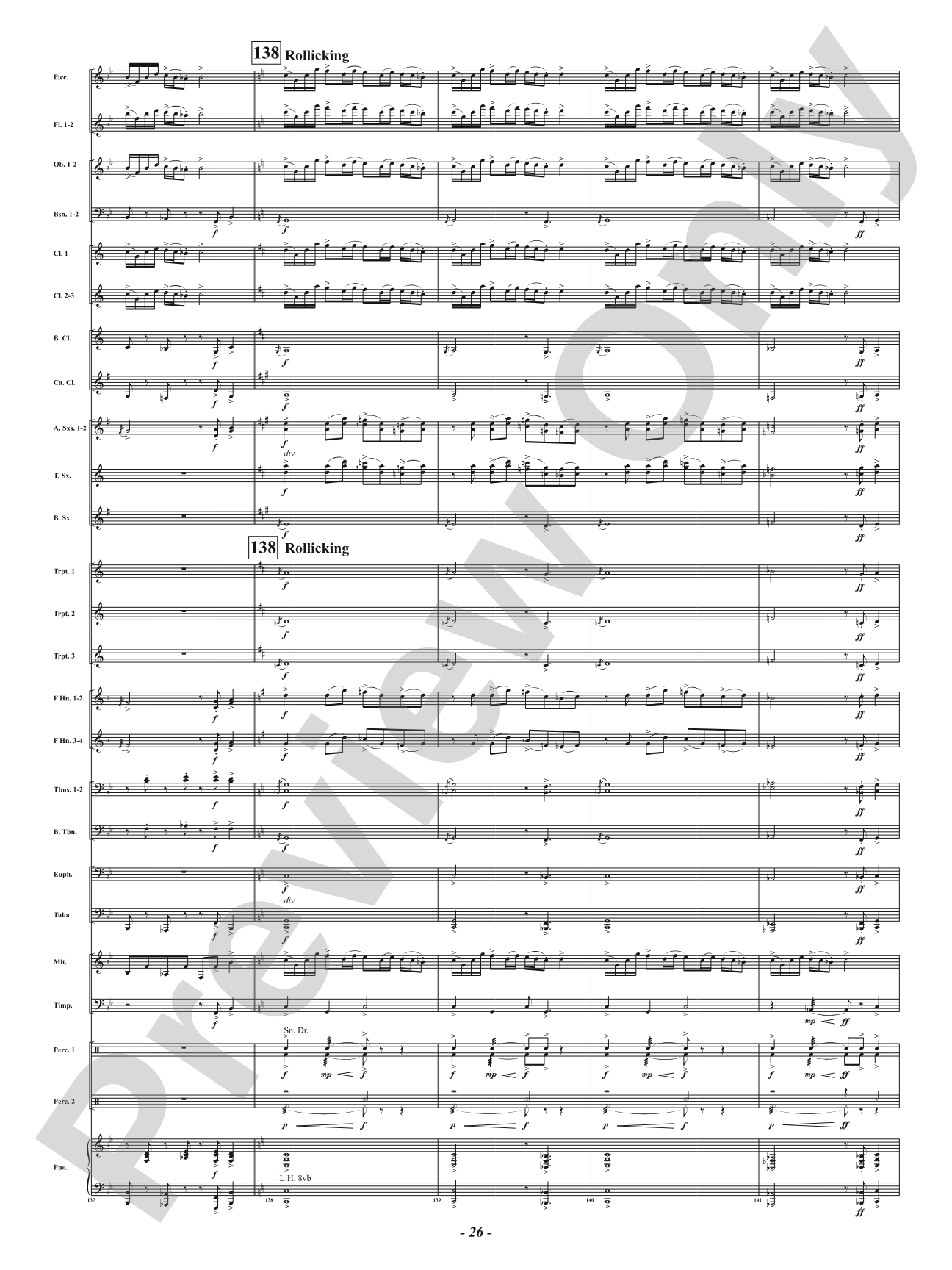
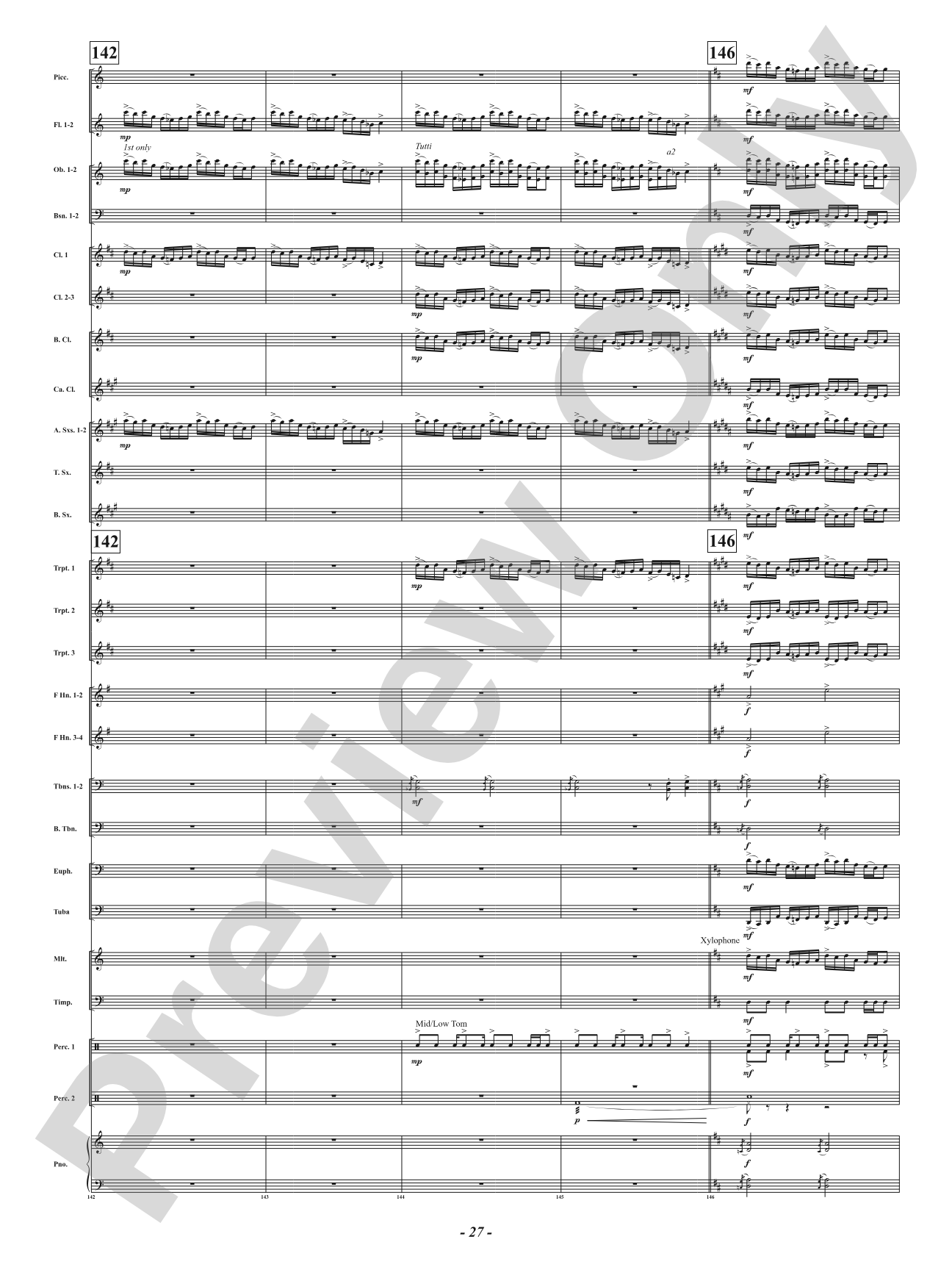
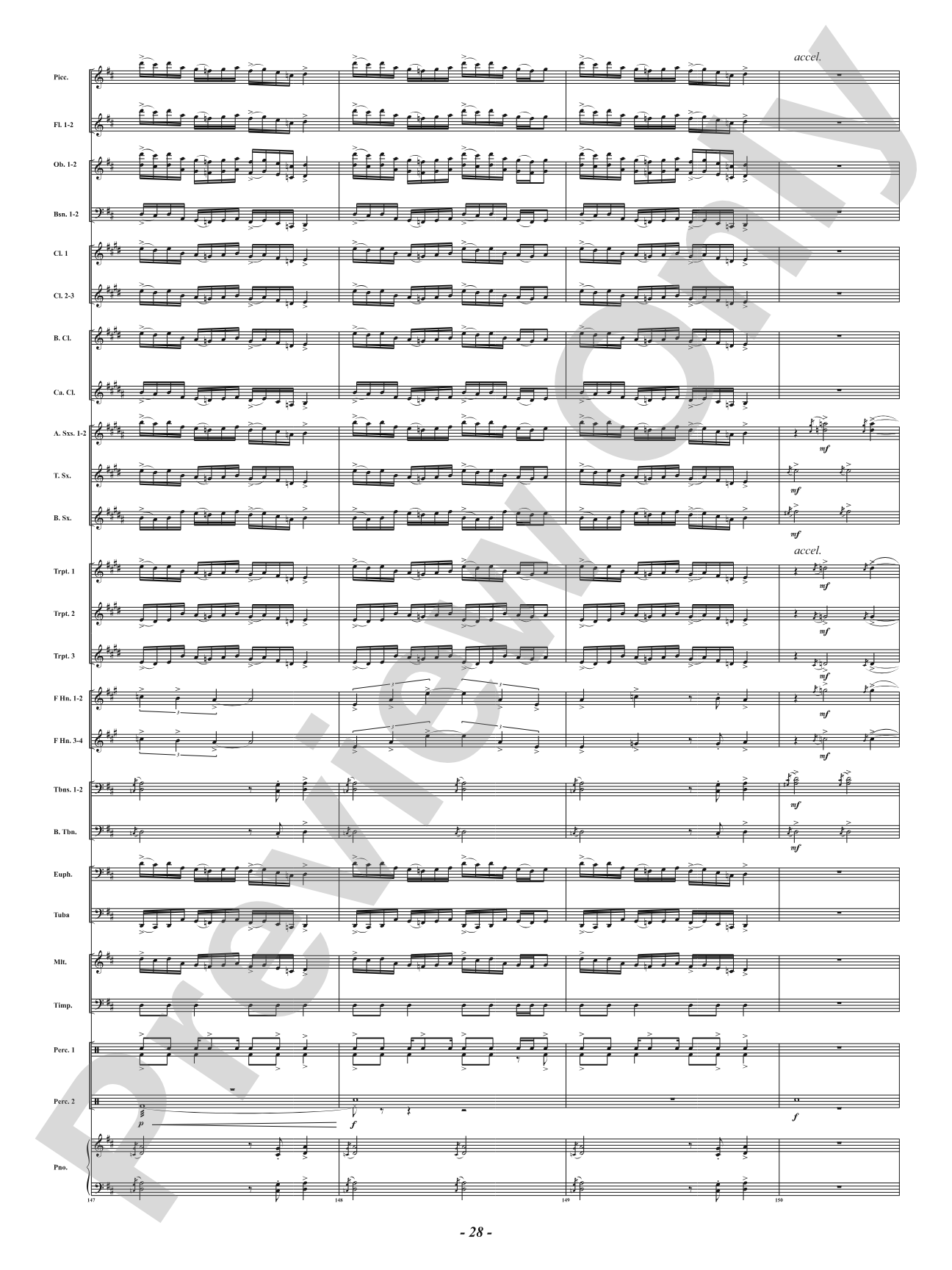
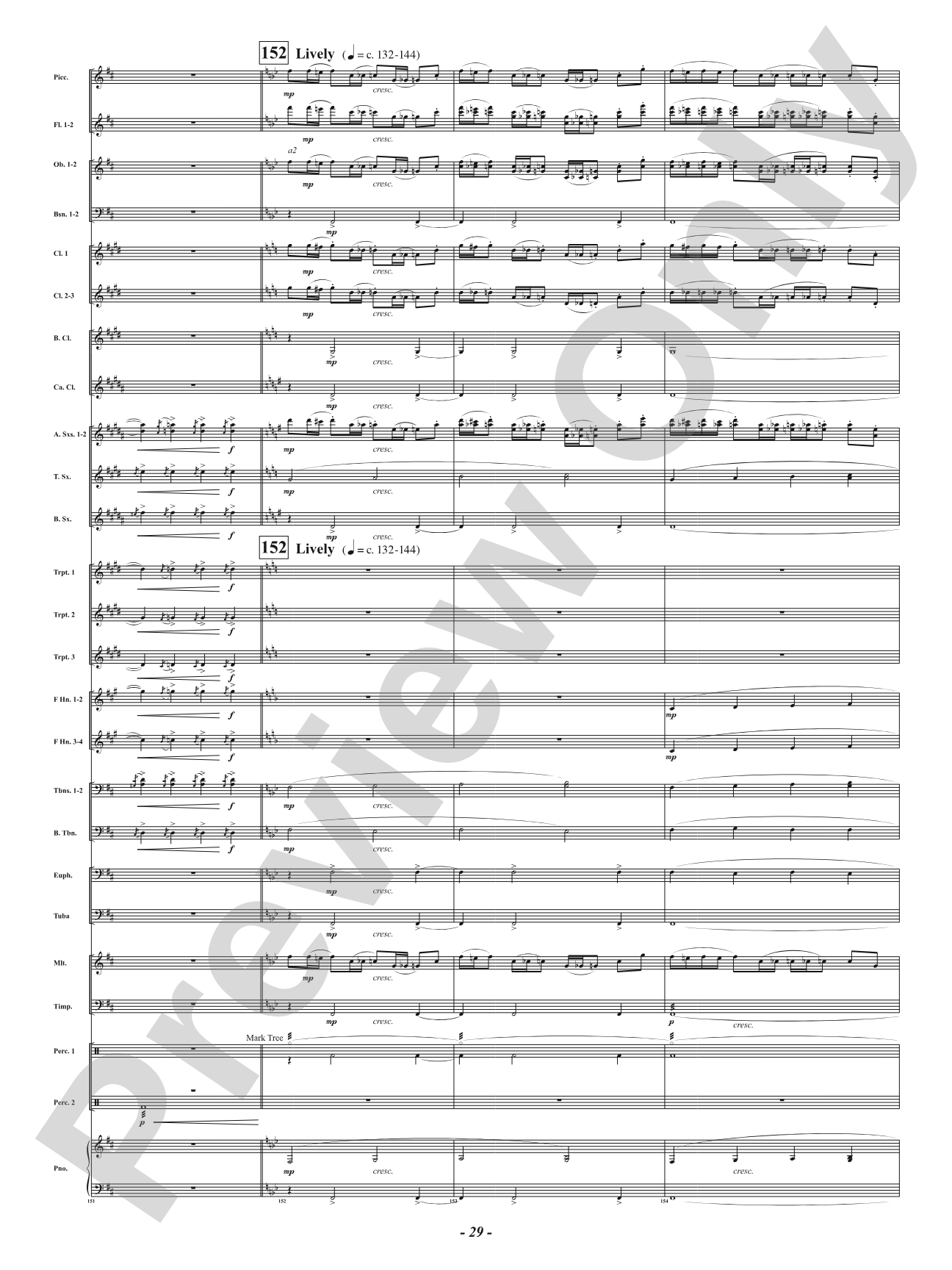
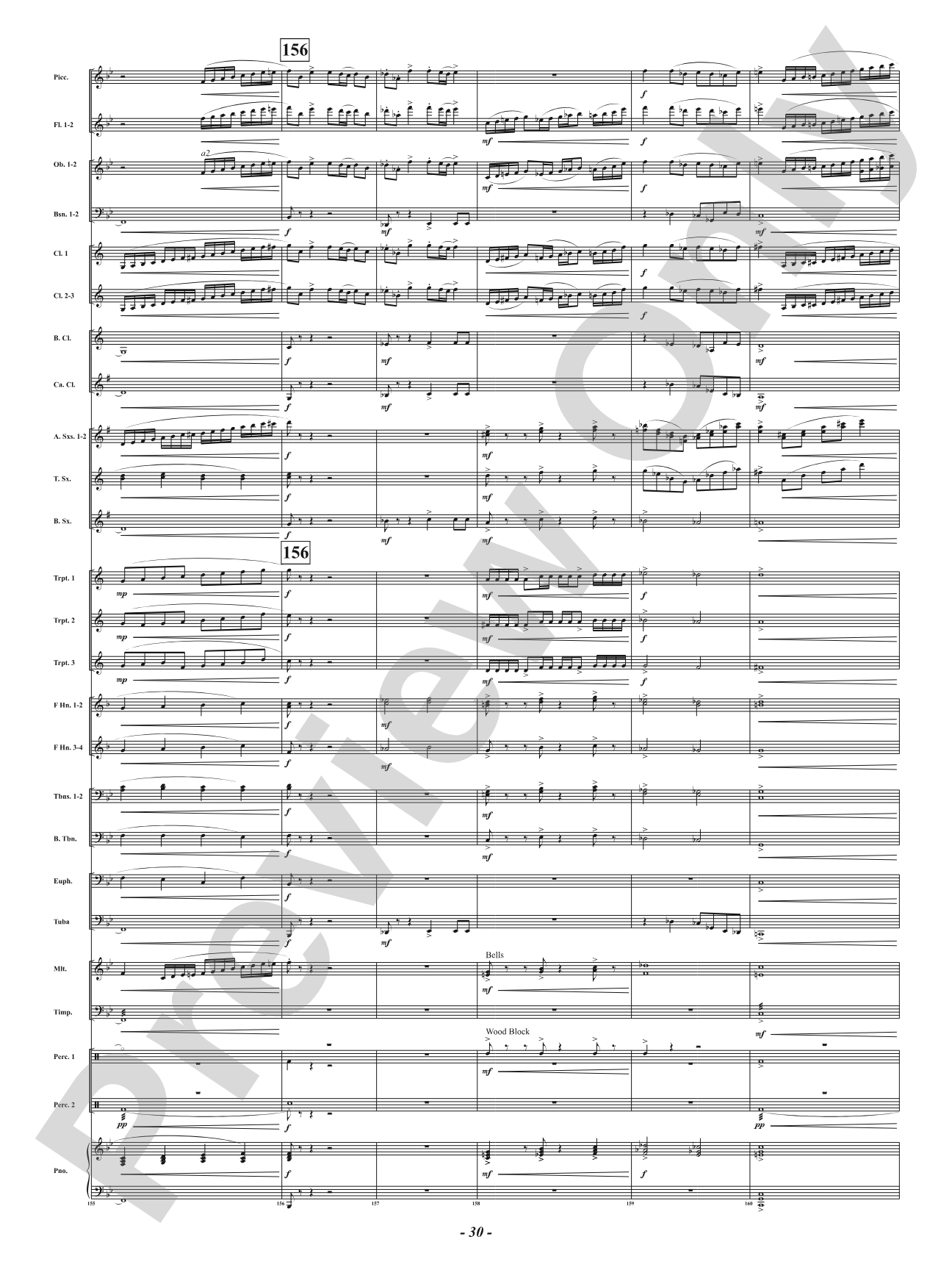
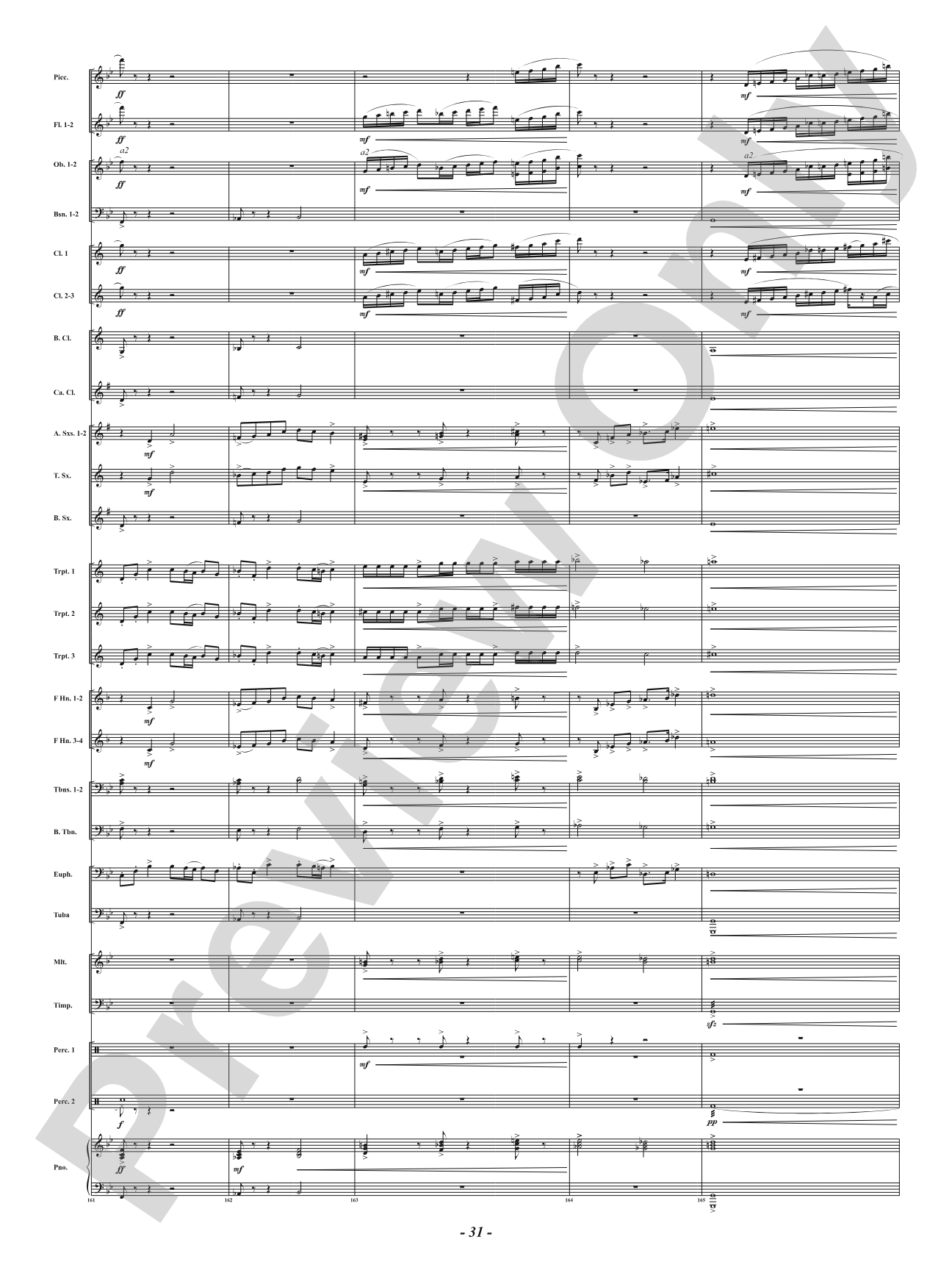
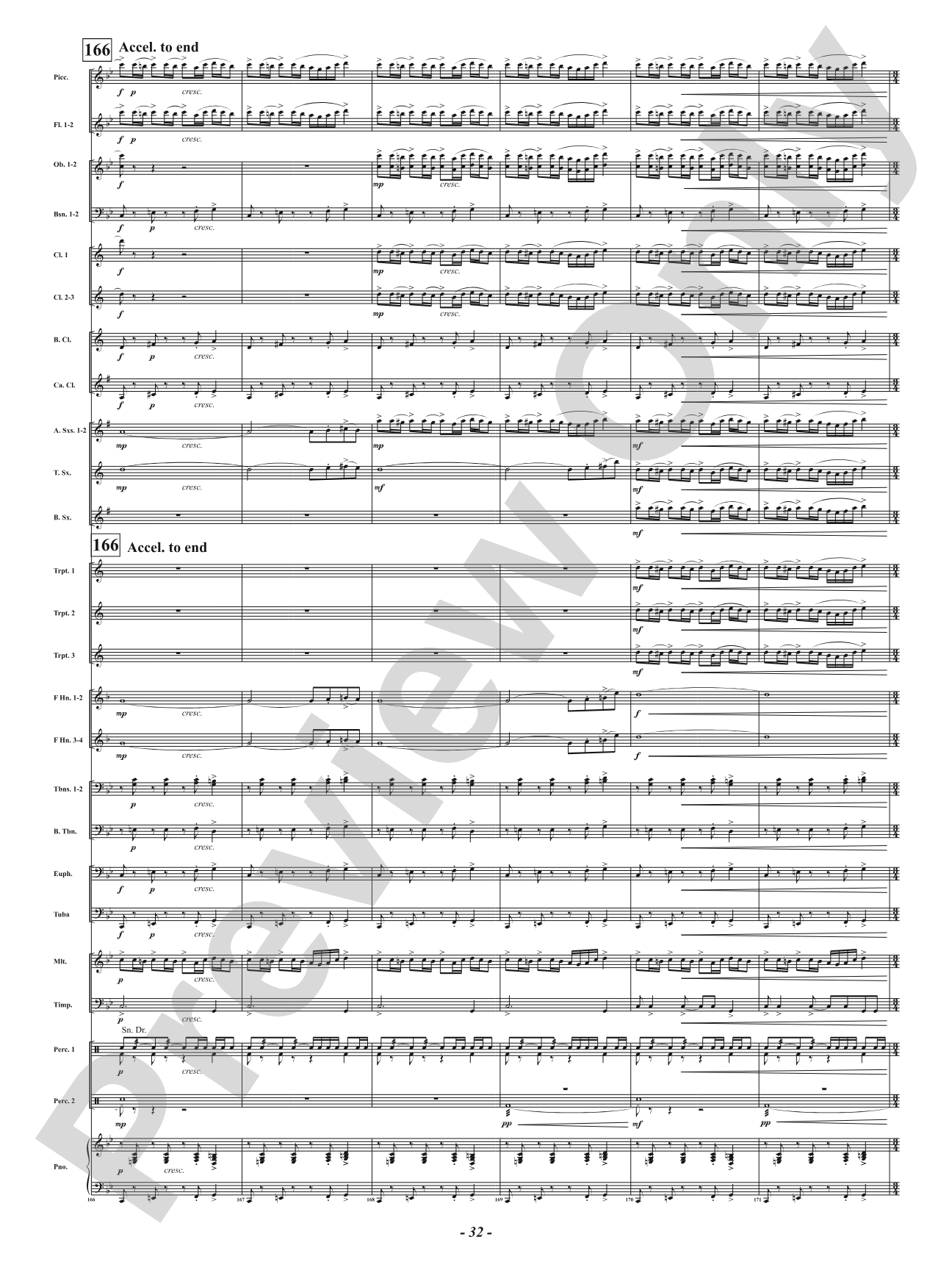
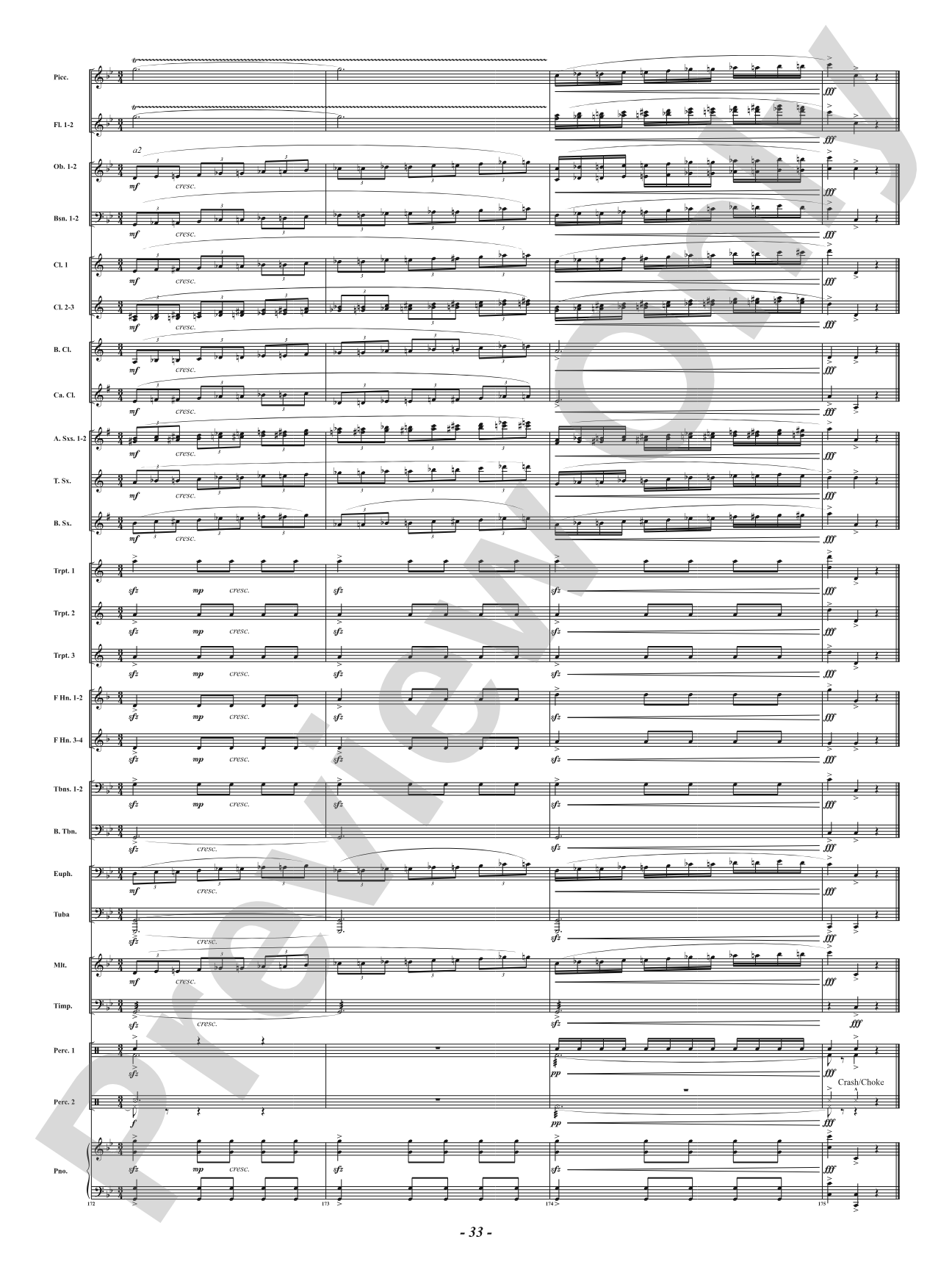




The Prairie Is My Garden - Based on the Vision and Imagery of Harvey Dunn, a Great American Artist: Concert Band Conductor Score & Parts
Based on the Vision and Imagery of Harvey Dunn, a Great American Artist
By Robert W. Smith
Grade: 5
Item: 98-PK-RWS1823
$150.00
Pickup currently not available
Buy Extra Parts (Digital PDF Download)
Parts Added to Cart!
Description
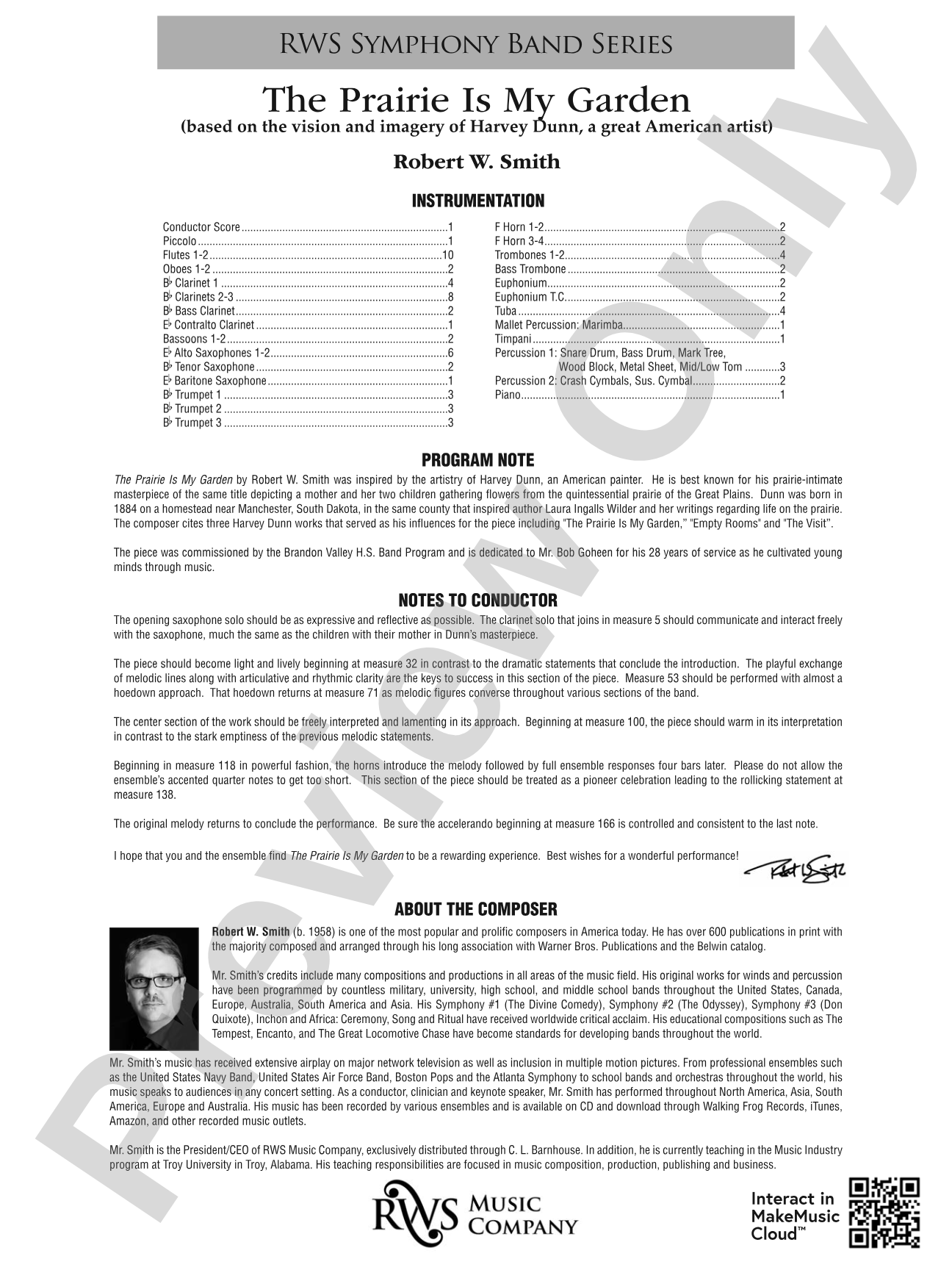
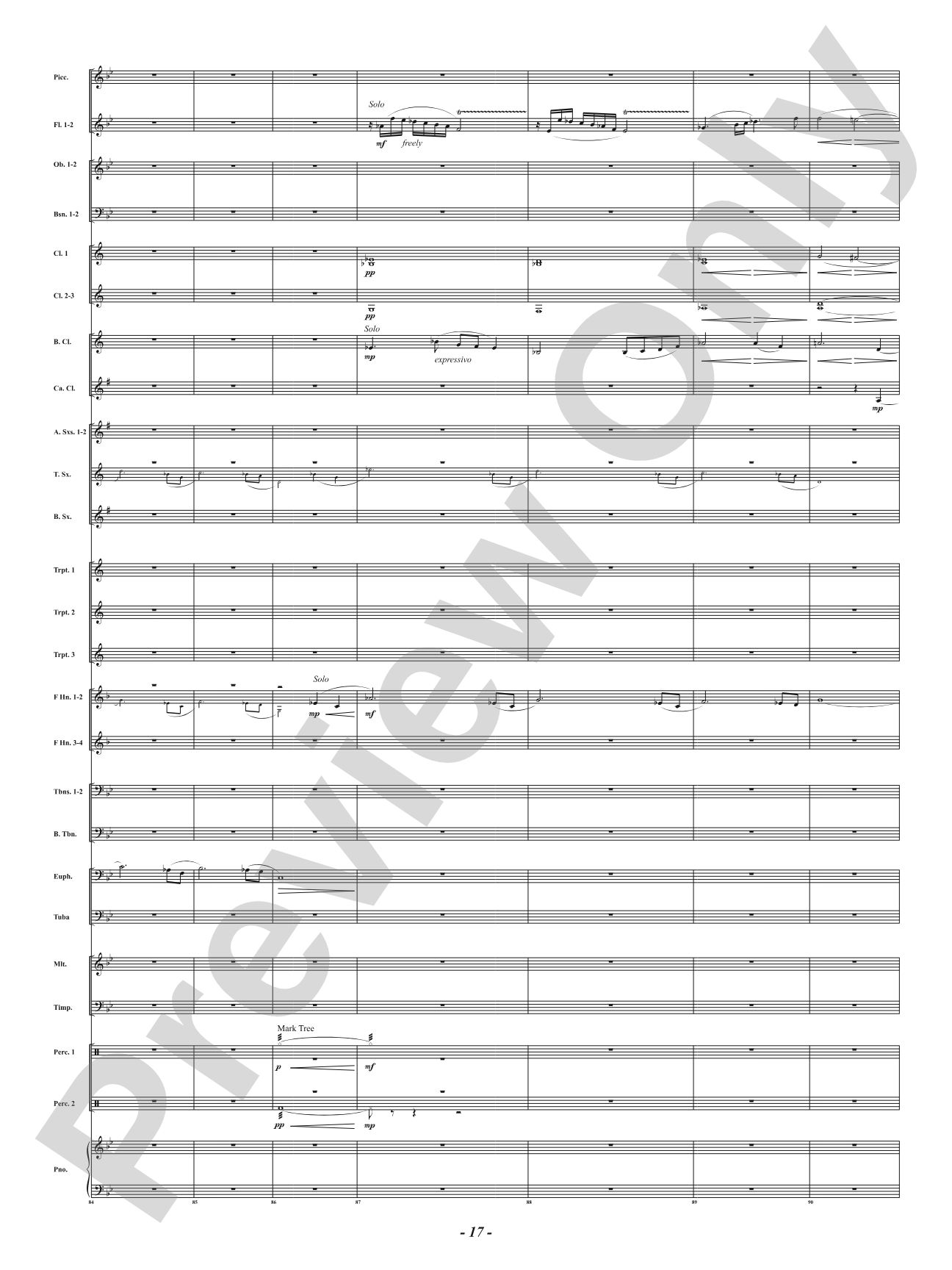
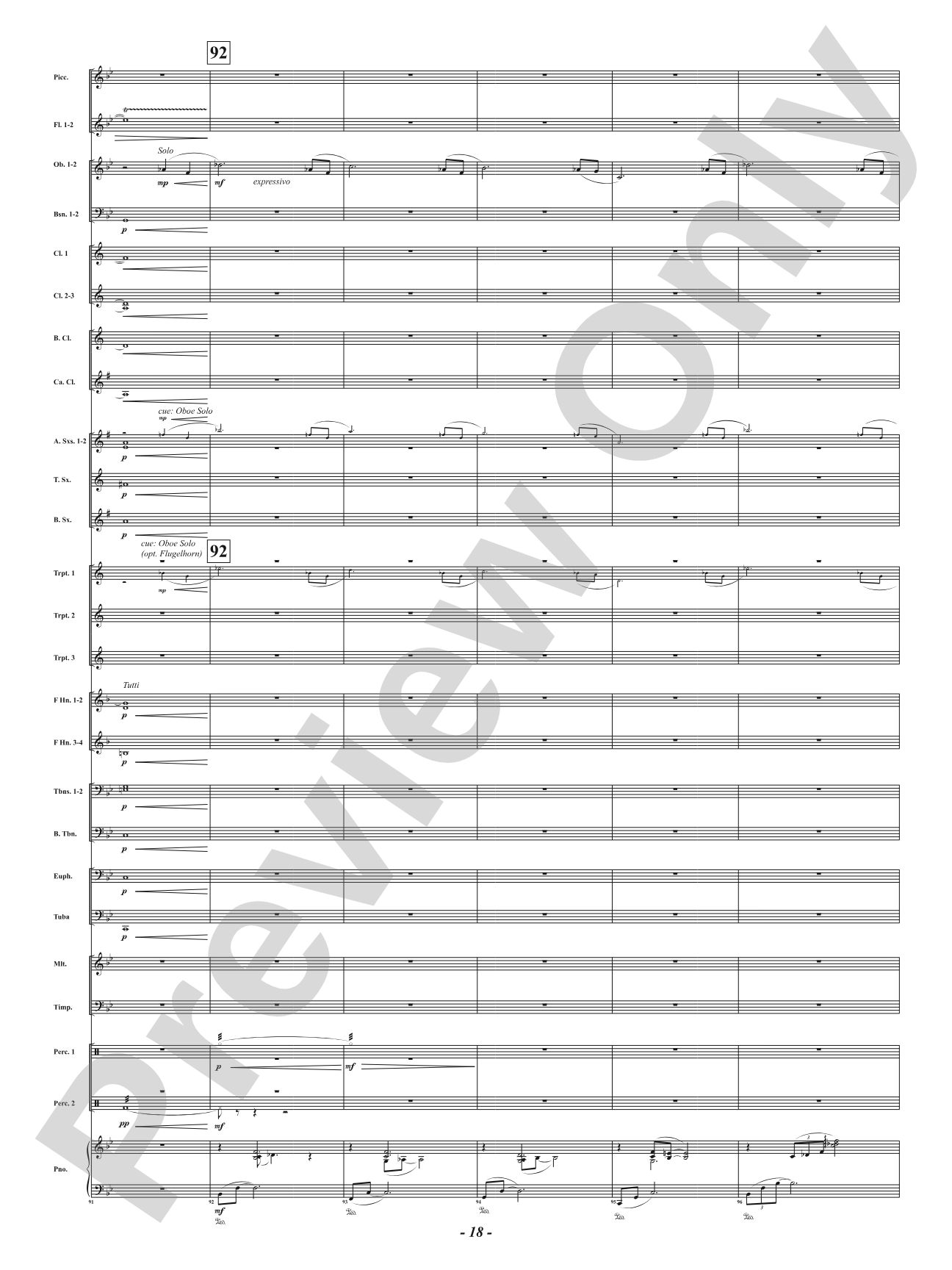
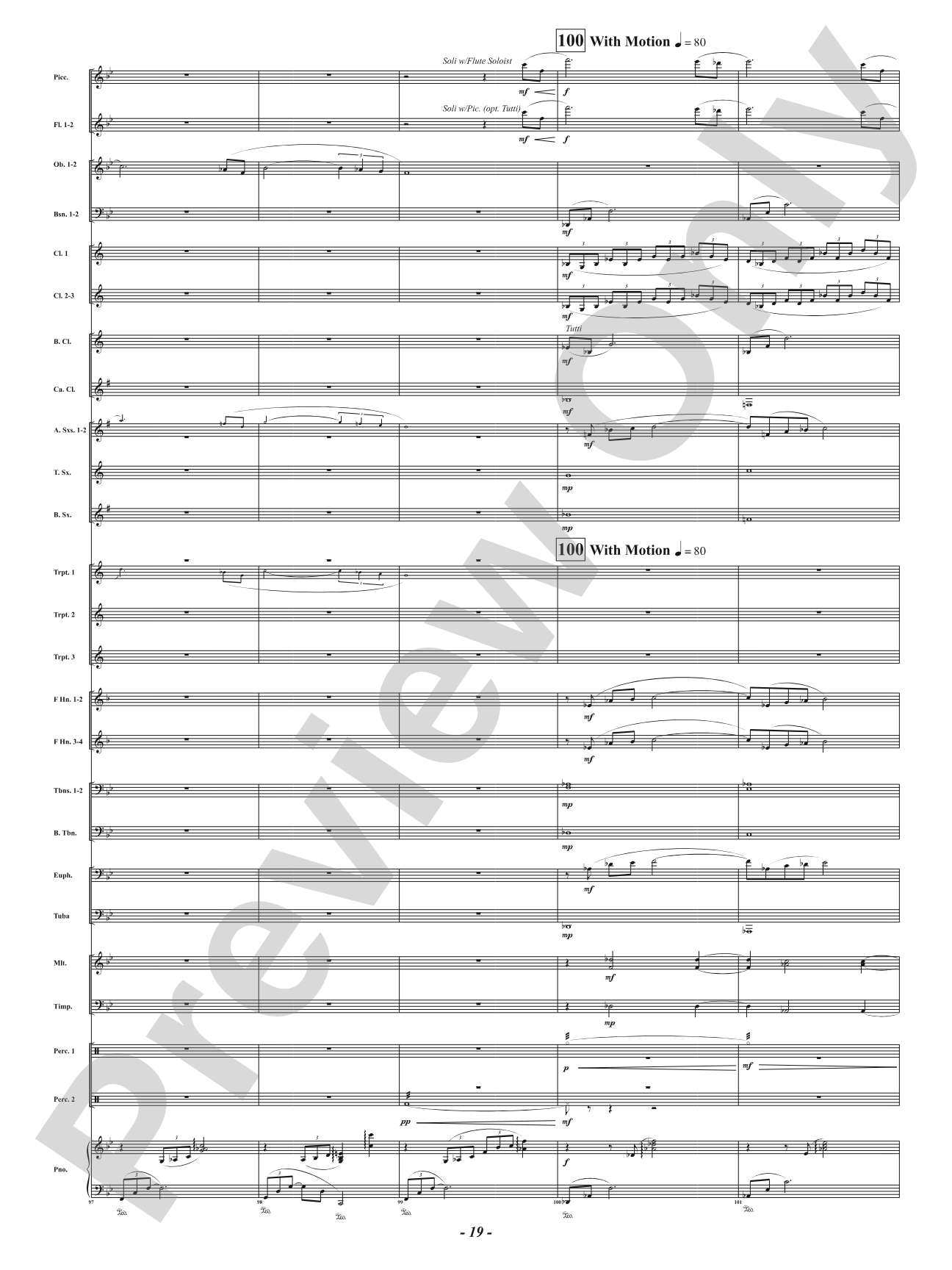
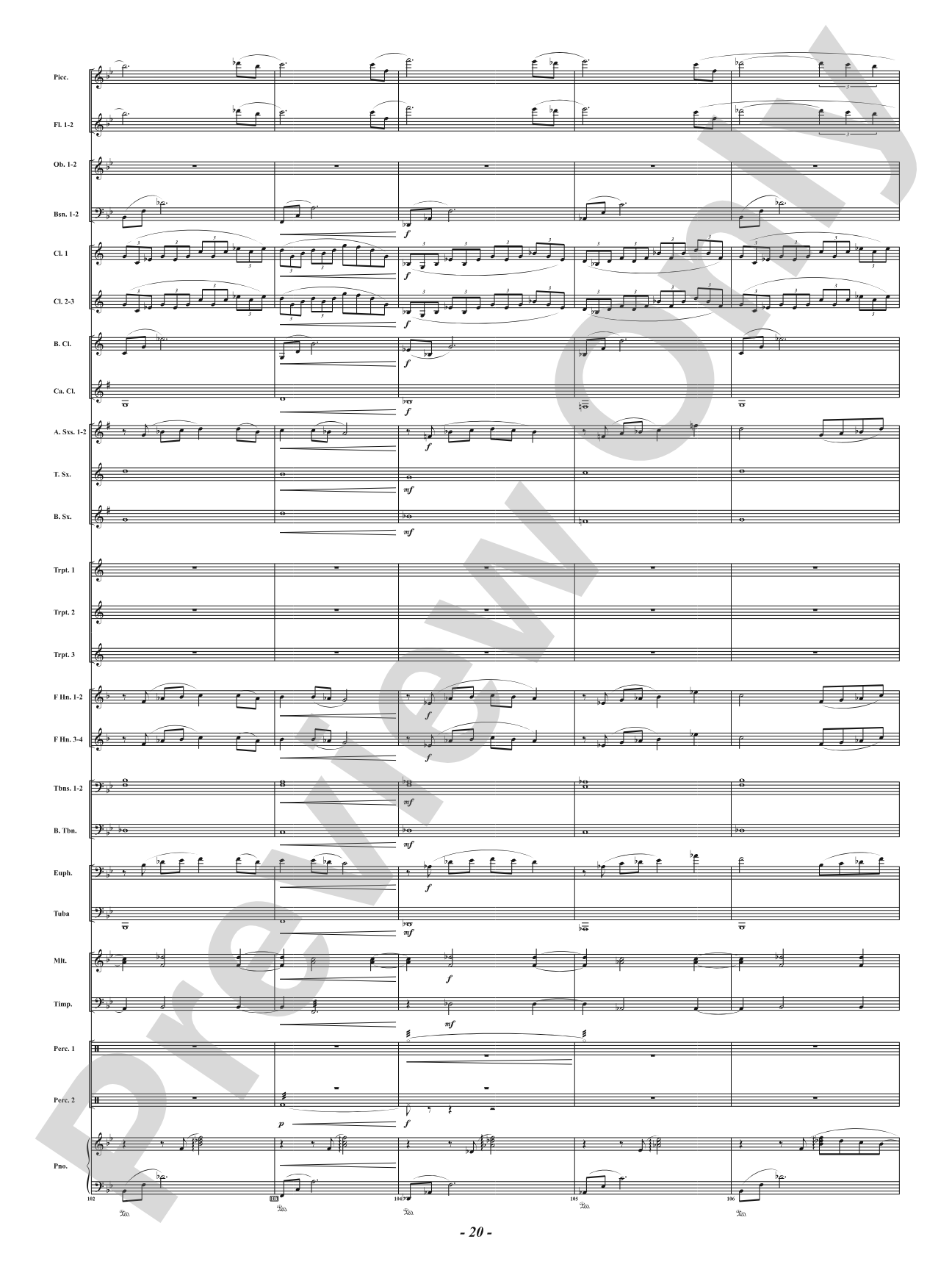
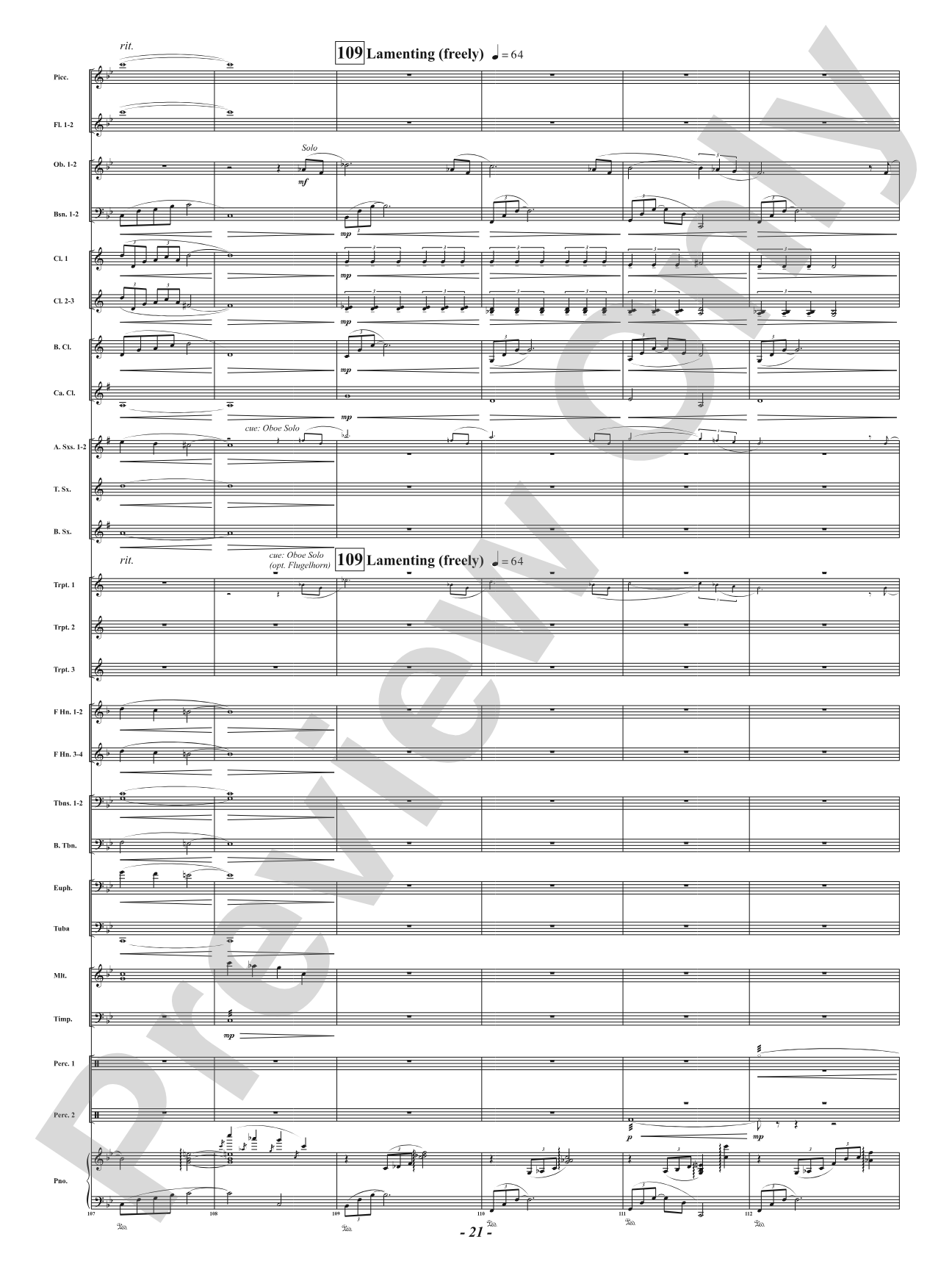
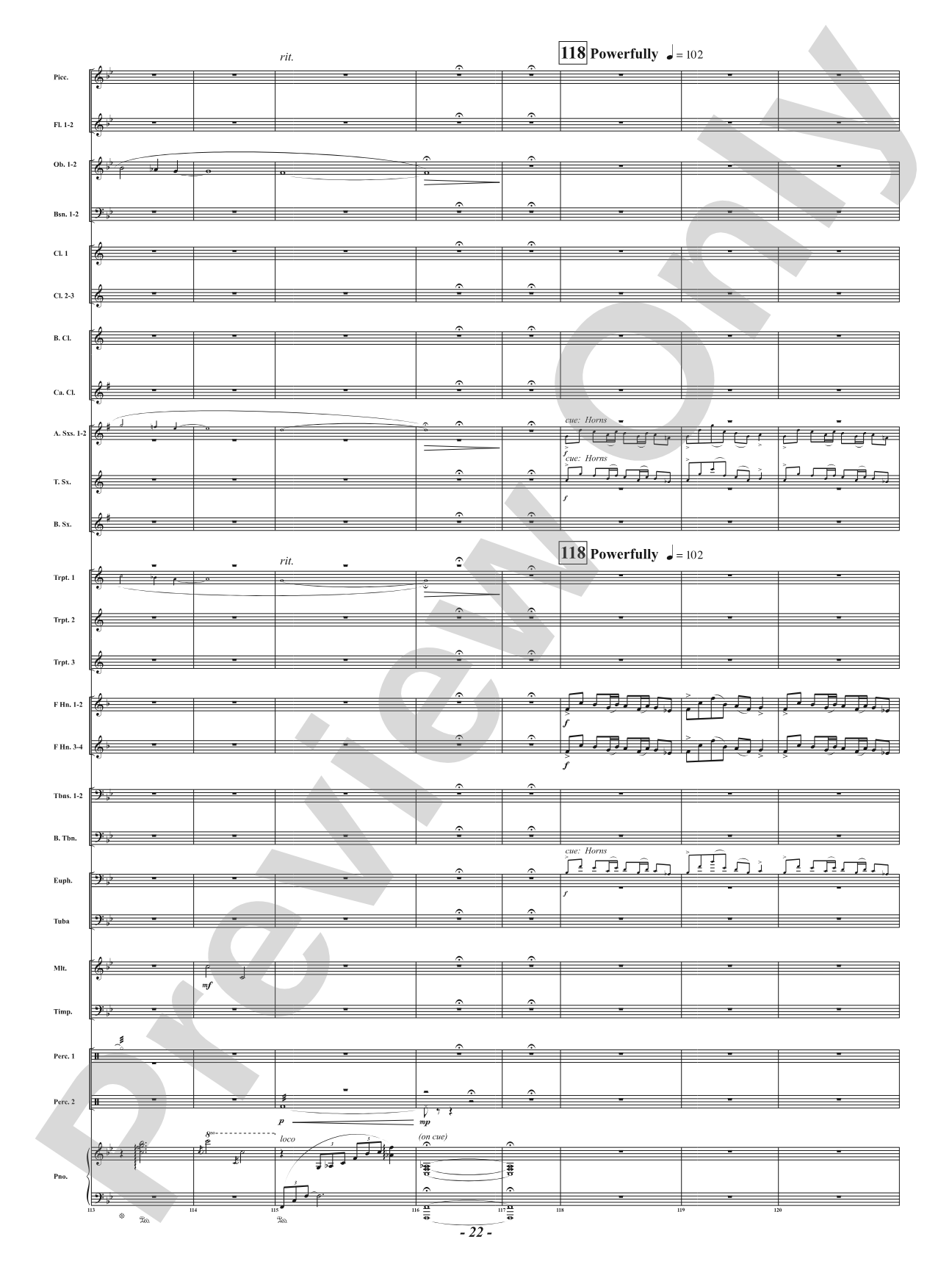
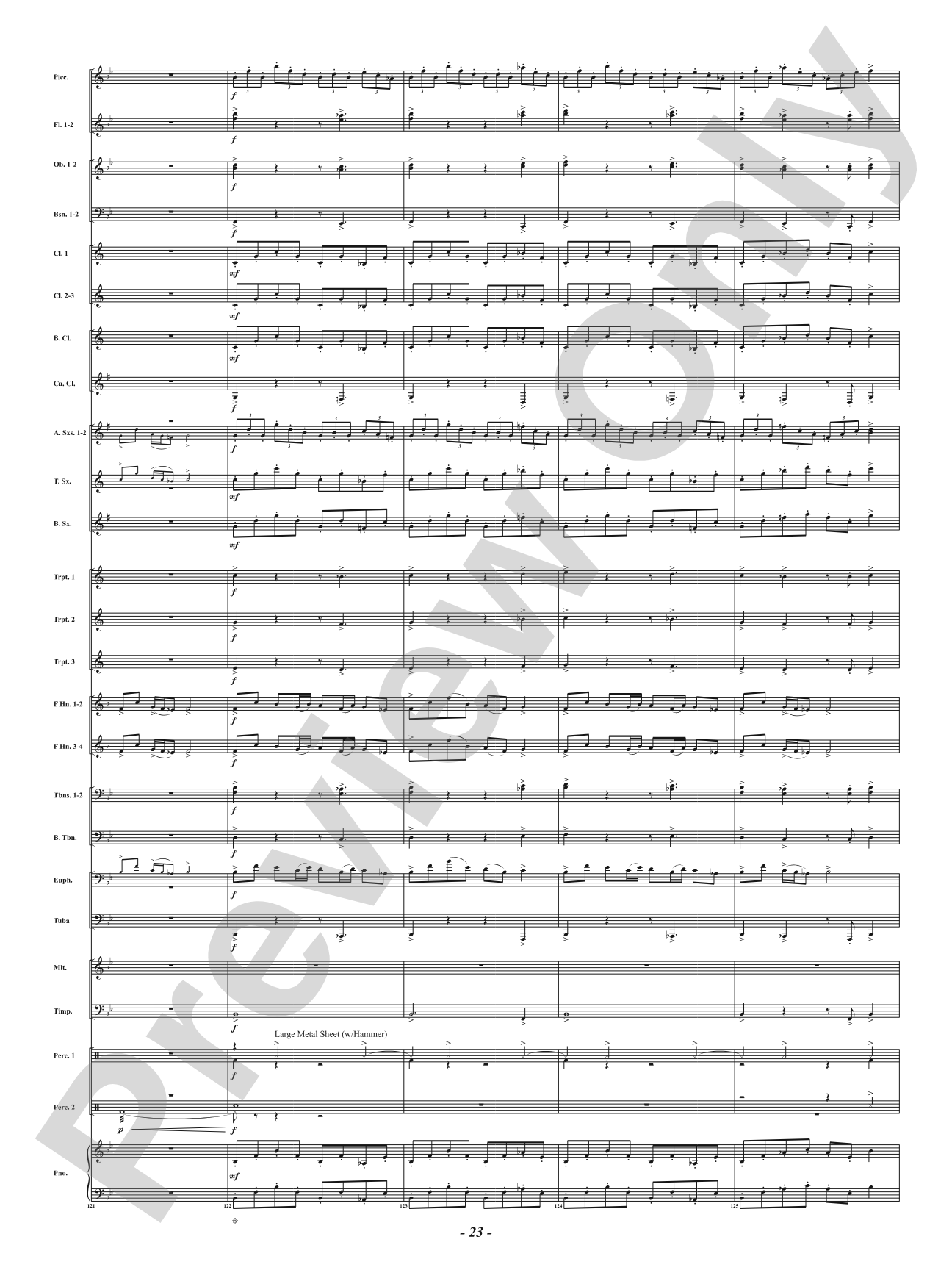
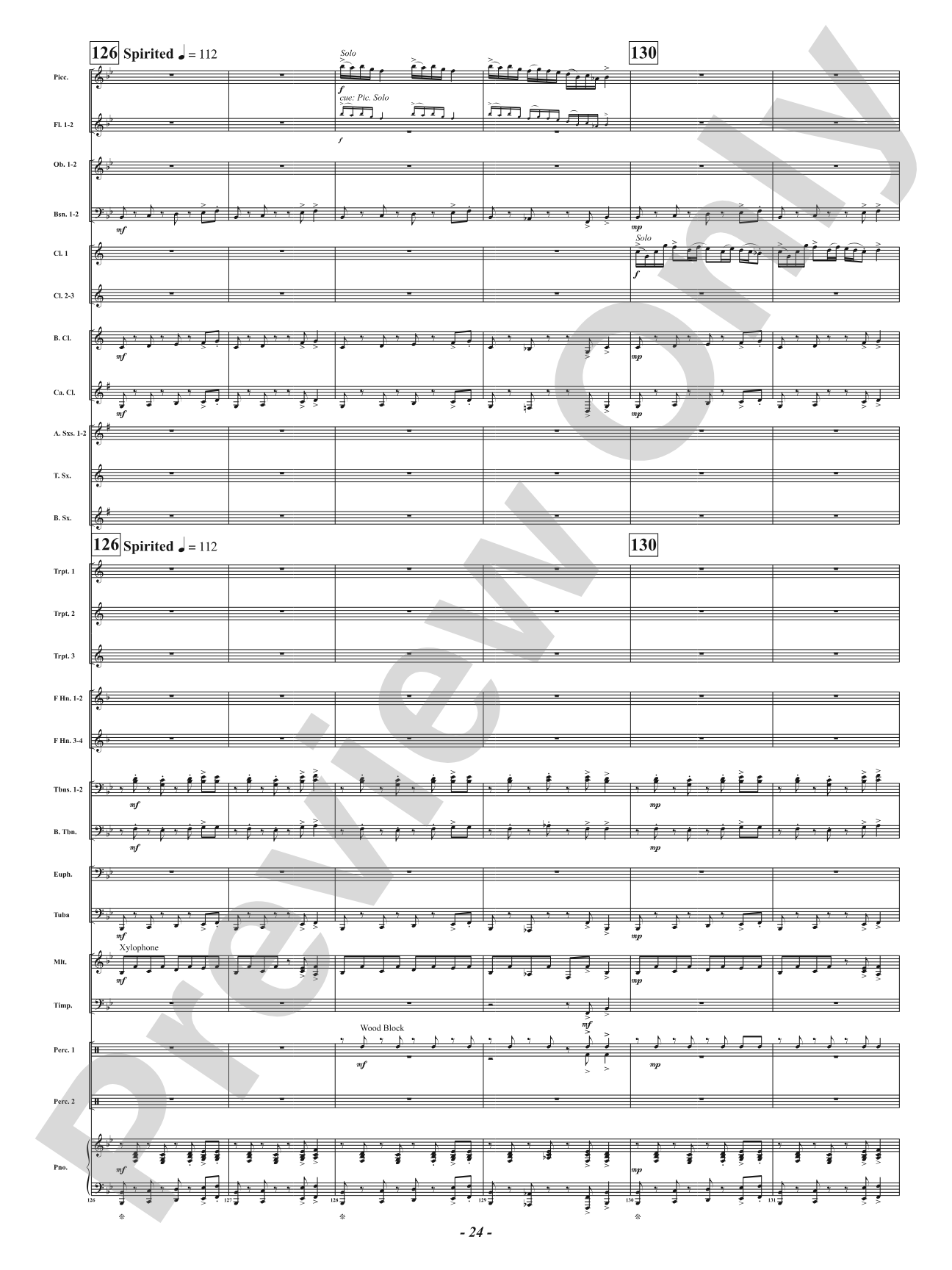
Inspired by and based on the masterpiece "The Prairie Is My Garden" by American painter Harvey Thomas Dunn, this work for the symphonic band is large in scope and musical depth. In the painting, a mother and her two children are out gathering flowers from the quintessential prairie of the Great Plains. Composer Robert W. Smith delivers us to the same Great Plains in this epic musical tone poem. From the reflective opening solo to the bold and courageous statements that follow, this homage to the generations that built the great American west is an excellent concert/festival selection for the mature concert band.
Original Item#: RWS-1823-00


Original Item#: RWS-1823-00
The Prairie Is My Garden - Based on the Vision and Imagery of Harvey Dunn, a Great American Artist: Concert Band Conductor Score & Parts isn't in MakeMusic Cloud just yet...but it could be. Let us know you'd like to see it, and you'll help shape what comes next. In the meantime, start a free trial and dive into thousands of interactive titles your students can play along with today.
Request This Title
Tell us you want it.
Start Your Free Trial
Explore everything that's ready to play right now.
Sample Audio
1
Audio File
--:--
0:00
0:00
Sample Video
No sample videos found.
Additional Details
Series:
RWS - Symphony Band
Publisher:
RWS Music Company
SKU:
98-PK-RWS1823
More about this title
About the Composer: Robert W. Smith

Robert W. Smith stands among America's most performed composers for concert band and orchestra, with more than 400 published works to his name. He earned his Bachelor of Music Education from Troy State University in Alabama and his Master of Music from the University of Miami, establishing himself early as a voice for the modern band repertoire. His symphonies, including The Divine Comedy and The Odyssey, have resonated with ensembles and audiences across North America, Europe, Australia, and Asia.
Beyond the concert hall, Smith's work has reached millions through television broadcasts, ceremonial events, and cultural institutions. From the opening of the Macy's Thanksgiving Day Parade to the Olympic Games, from welcoming ceremonies in Japan to Opening Day at Dodger Stadium, his music has marked moments of national significance. As a conductor and clinician, he continues to engage with musicians worldwide, bringing his expertise to ensembles at every level.
Why we love this
Smith captures the emotional arc of the American pioneer experience without resorting to bombast or oversimplification. The orchestration allows each section to shine while maintaining the cohesion of a narrative that speaks to courage, family, and the land itself. For a mature ensemble, this is the kind of concert piece that leaves audiences genuinely moved.
What to expect
The music evokes the vastness of the plains through spacious orchestration and reflective passages, then builds to moments of genuine heroic grandeur. There is tenderness in the imagery of children gathering flowers, balanced against the strength required to survive and build on that landscape. Smith's tone poem unfolds like memory itself: intimate, expansive, and ultimately affirming.
Who it's for
Advanced concert bands and festival ensembles seeking substantive, mature repertoire that combines artistic depth with accessibility. Directors programming a full concert will find this piece anchors a program beautifully, offering both technical challenge and emotional resonance for performers and audiences alike.
How to get the most out of it
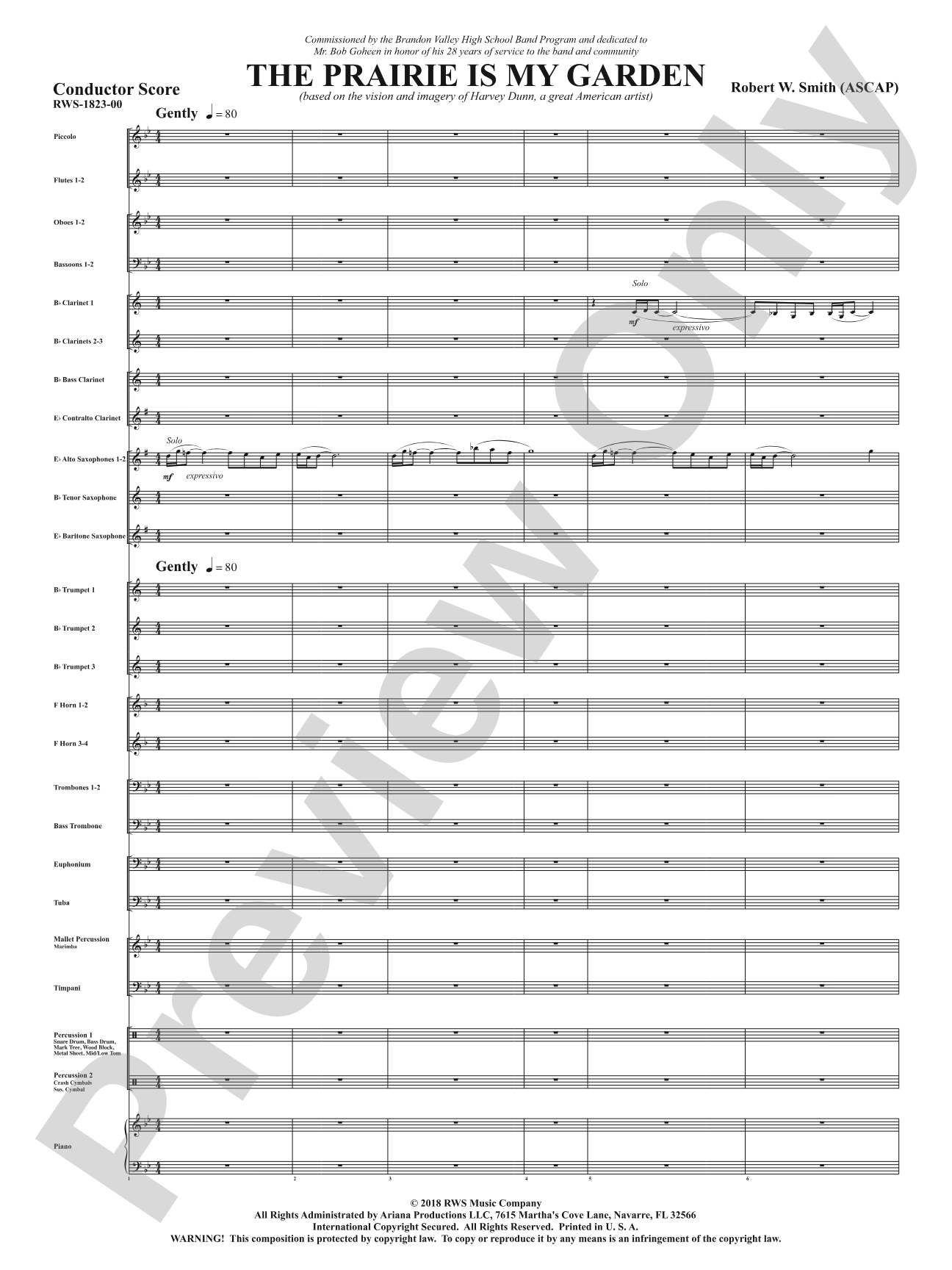
- Balance the opening reflective solo carefully; it sets the emotional foundation for everything that follows and should float above the ensemble without feeling isolated.
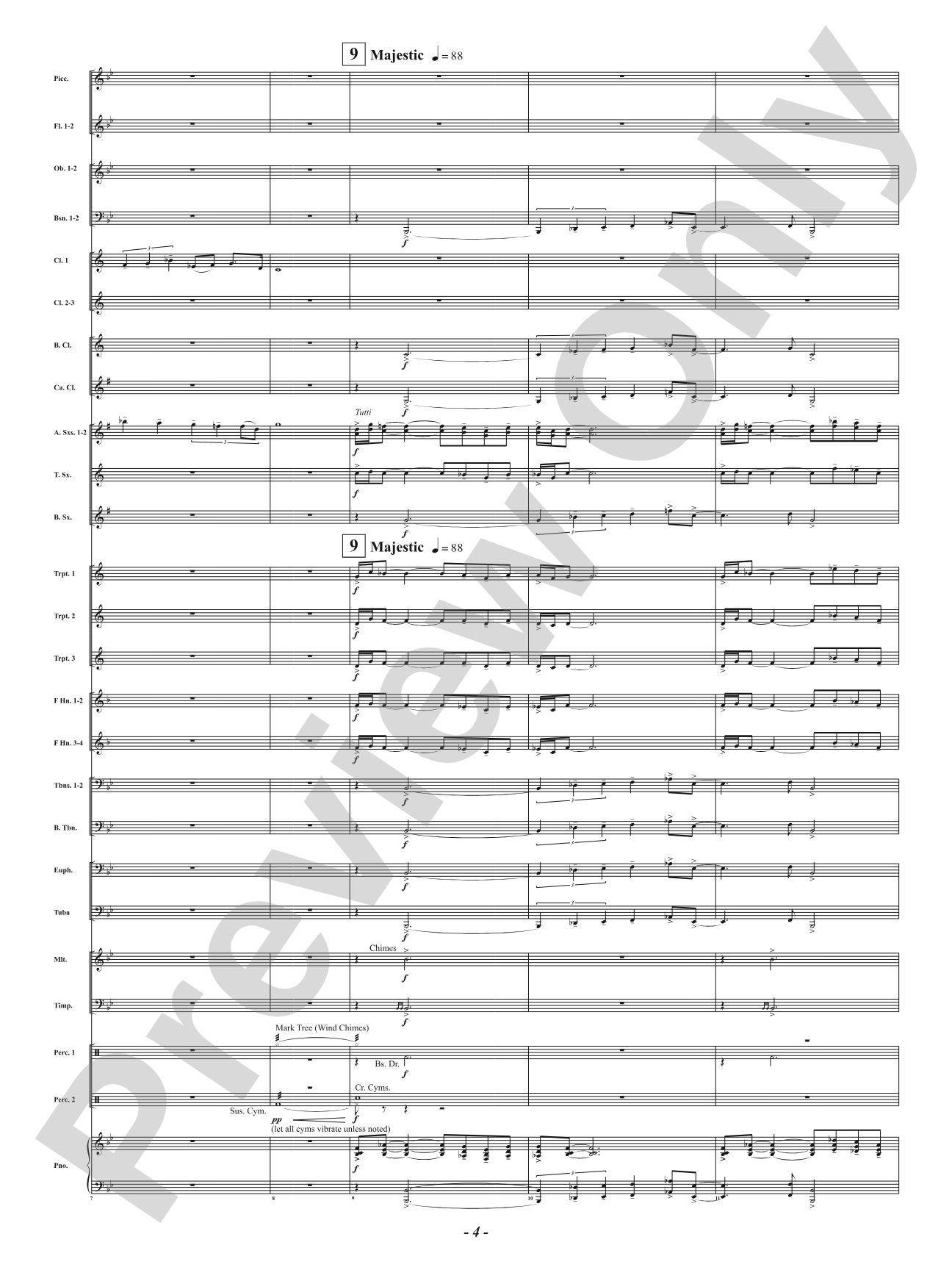
- Shape the bold statements with clear phrase direction, allowing crescendos to build naturally rather than rushing them. This music rewards patience and architectural thinking.
- Attend to the harmonic movement under sustained passages; Smith often uses subtle voice leading that can disappear if the parts are not heard distinctly through proper blend and balance.
How to use it
Program this as a centerpiece work on a concert that celebrates American music or heritage themes. Its length and scope make it ideal for the second half of a program, where it can anchor the concert emotionally. It also pairs well with lighter, more contemporary works, as its classical tone poem structure provides strong programming contrast.
Skills your students will build
- Sustaining tone quality across long, lyrical passages
- Balancing featured soloists within an ensemble texture
- Responding to subtle dynamic and harmonic shifts in large-scale form
- Interpreting programmatic intent through musical phrasing and color