The Point of No Return Cover Image

The Point of No Return: Jazz Ensemble Conductor Score

$10.00 USD
Sale price  $10.00 USD Regular price 
Skip to product information
The Point of No Return Cover Image

The Point of No Return: Jazz Ensemble Conductor Score

By Eric Richards

Grade: 5

Item: 98-JE4130S

$10.00
Shipped

One moment…

Description
Take your group to the next level with this innovative chart that alternates between a hard swing and an Afro-Cuban abakuá. Featuring trombone and tenor, this chart has it all-section features, optional soprano sax, great ensemble writing, shout choruses, and a final dogfight between bones and tenor (with plenty of solo drum fills). Sure to bring down the house!

The Point of No Return: Jazz Ensemble Conductor Score isn't in MakeMusic Cloud just yet...but it could be. Let us know you'd like to see it, and you'll help shape what comes next. In the meantime, start a free trial and dive into thousands of interactive titles your students can play along with today.

Sample Pages

Sample Audio
No sample audio found.
Sample Video
Additional Details
Series: FJH Advanced Jazz Ensemble
Publisher: The FJH Music Company, Inc.
UPC: 241444608418
SKU: 98-JE4130S

More about this title

About the Composer: Eric Richards
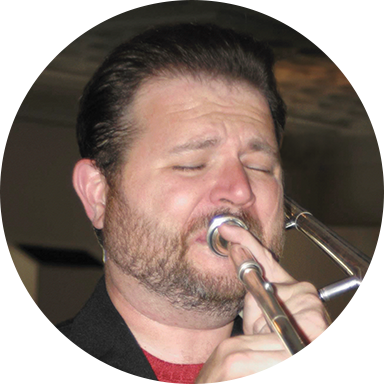
Eric Richards

Eric Richards brings decades of experience across composition, arrangement, and conducting to every project he undertakes. His music has premiered at Carnegie Hall and major international jazz festivals, performed by ensembles ranging from the US Army Field Band to the National Symphony Orchestra and Boston Pops. From 1984 through 2004, Richards served as composer and arranger for the US Army Field Band near Washington, D.C., where he developed the sophisticated arranging voice heard in his ensemble works today.

Currently on the composition faculty at the University of Nebraska-Lincoln School of Music, Richards continues to write for orchestras, jazz ensembles, and concert bands. His catalogue reflects a deep command of multiple idioms and the technical demands of professional and advanced student ensembles.

Why we love this

Richards crafts a genuinely inventive structure here, moving fluidly between hard swing and Afro-Cuban grooves without feeling forced or gimmicky. The orchestration gives every section real moments to shine while building toward a genuinely exciting ending; that bones-versus-tenor dogfight backed by drum fills will have your ensemble hungry to nail it in performance.

What to expect

The swing sections groove with the kind of propulsive energy that makes audiences lean forward, while the abakuá passages inject rhythmic complexity and a distinct regional flavor. The trombone and tenor conversations feel conversational and playful at first, then escalate into an exciting, almost competitive urgency that carries straight through to the final note.

Who it's for

Advanced jazz ensembles (Grade 5) ready to tackle sophisticated arranging and stylistic flexibility. This score demands ensemble maturity and section balance, making it ideal for groups with solid fundamentals and experience reading jazz notation.

How to get the most out of it

  • Settle the swing section completely before introducing the abakuá feel. The contrast only works if each groove sits firmly in its own pocket.
  • Balance the trombone and tenor carefully during the final chase section. They're competing for attention, not drowning each other out.
  • Coordinate the optional soprano sax voicing with your section; it's an enhancement, not a necessity, so decide early whether it serves your ensemble's strengths.
  • Give the drummer real space during the solo fills. These moments showcase the rhythm section and deserve room to breathe.

How to use it

Program this near the end of a jazz concert to capitalize on its high-energy finish and showcase your ensemble's range across contrasting styles. It pairs well alongside more traditional swing standards, proving your group's ability to handle both classic and contemporary approaches to the repertoire.

Skills your students will build

  • Shifting between hard swing and Afro-Cuban rhythmic feels within a single piece
  • Reading and executing abakuá rhythmic patterns and clave-based accompaniment figures
  • Section feature balance and solo trading (trombone, tenor, and drum fills)
  • Ensemble articulation and phrasing consistency across different groove contexts
  • Listening and responding to sectional dialogue and competitive solo interplay

You May Also Like