
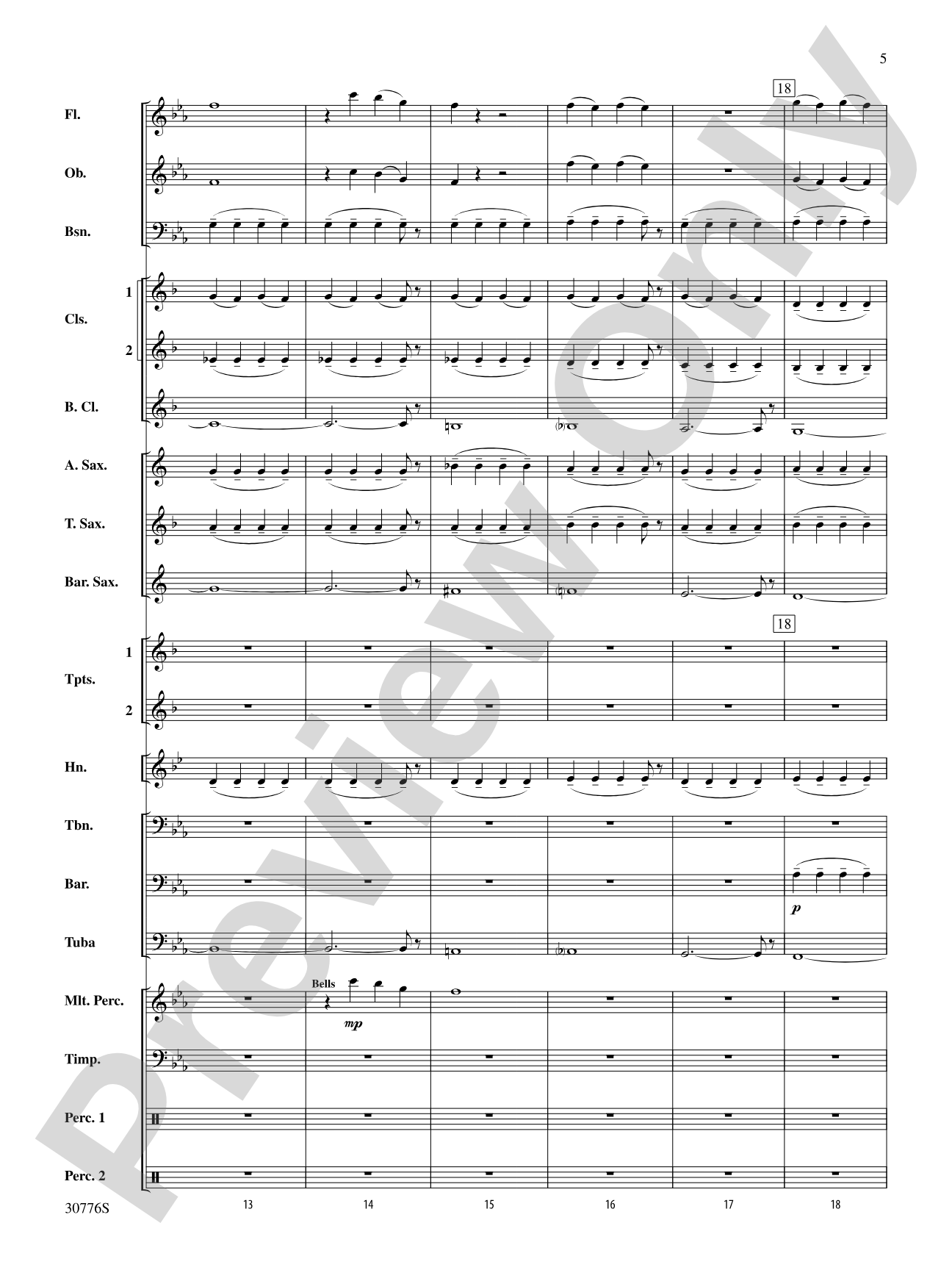
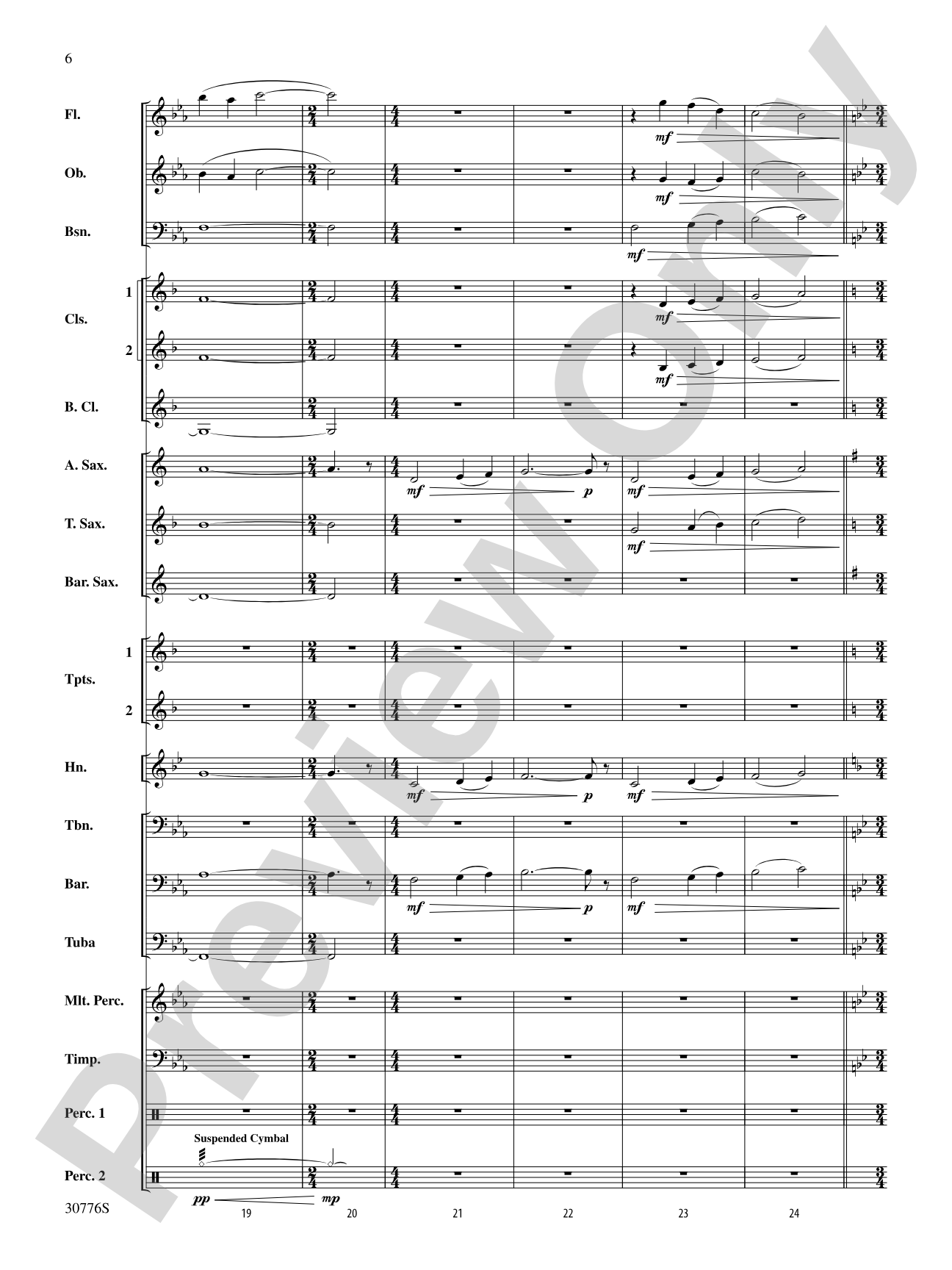
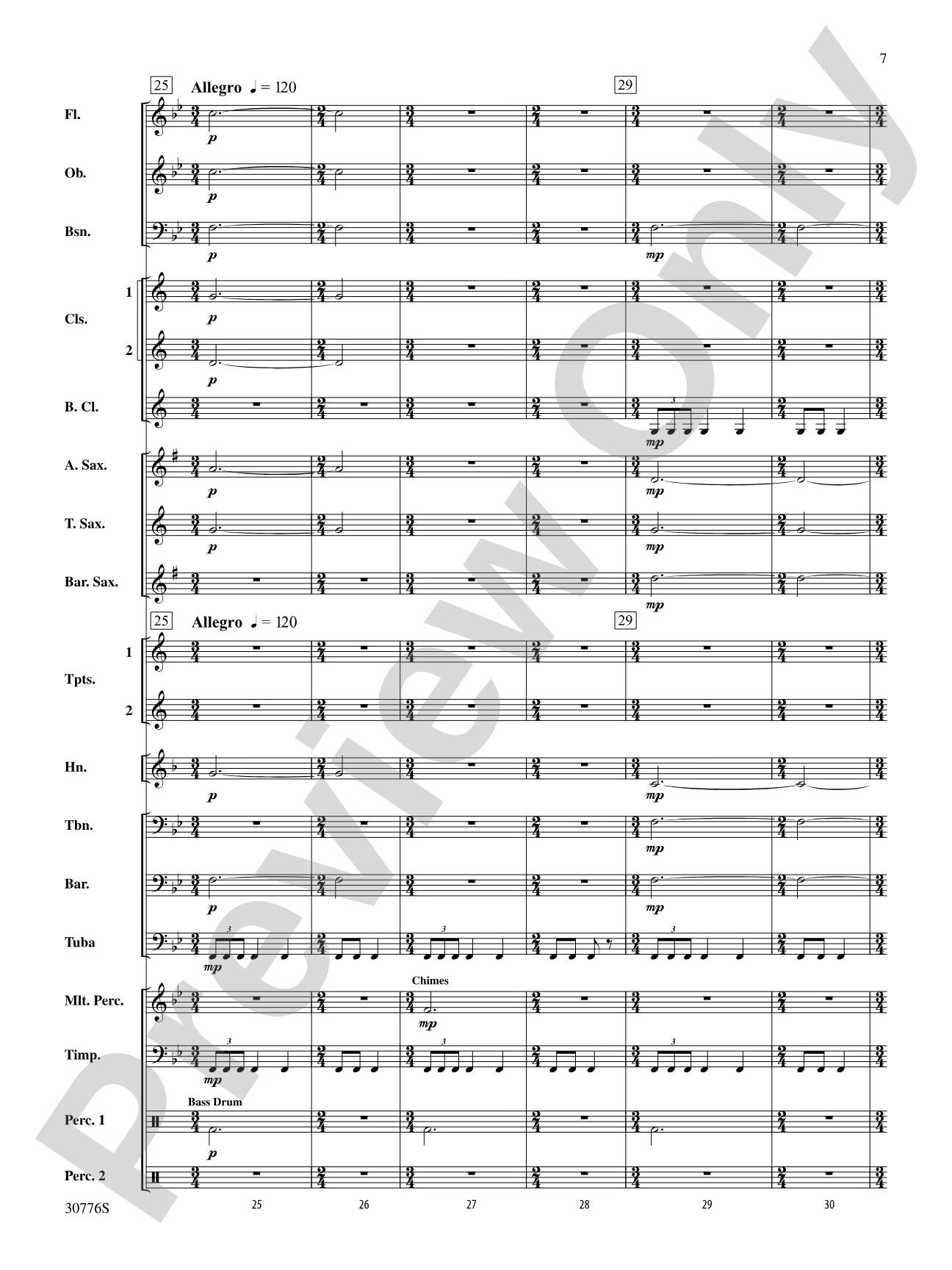
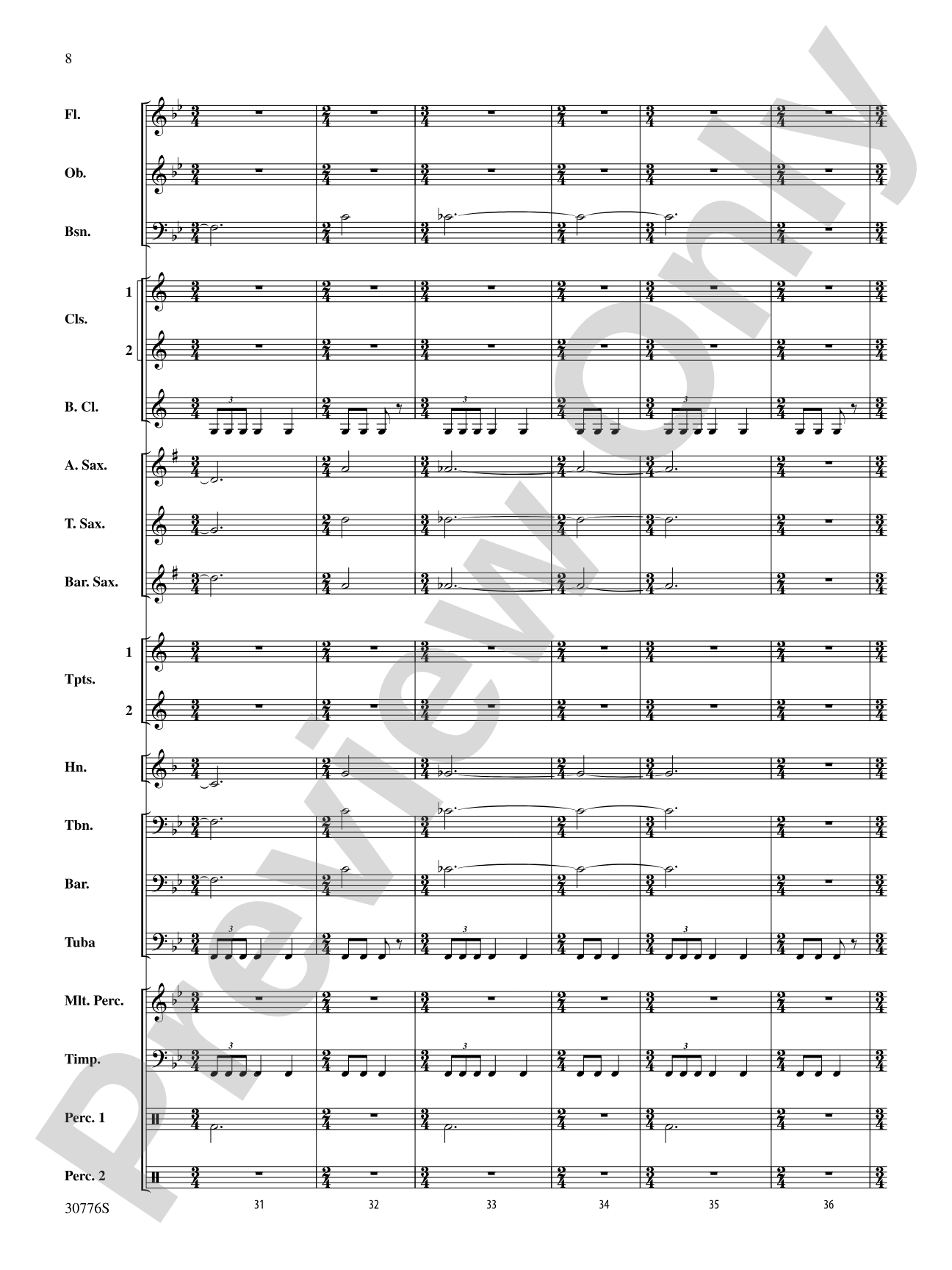
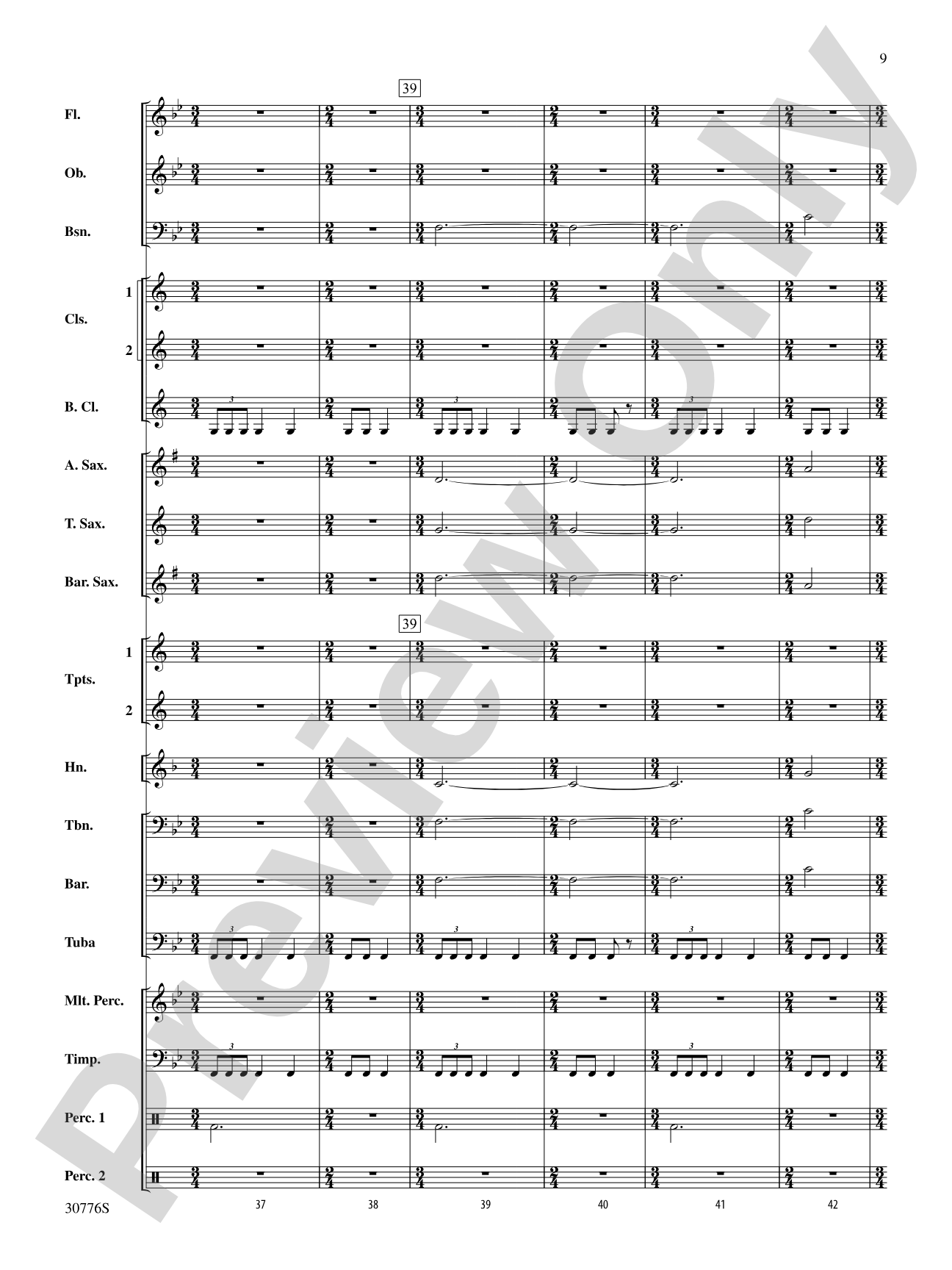
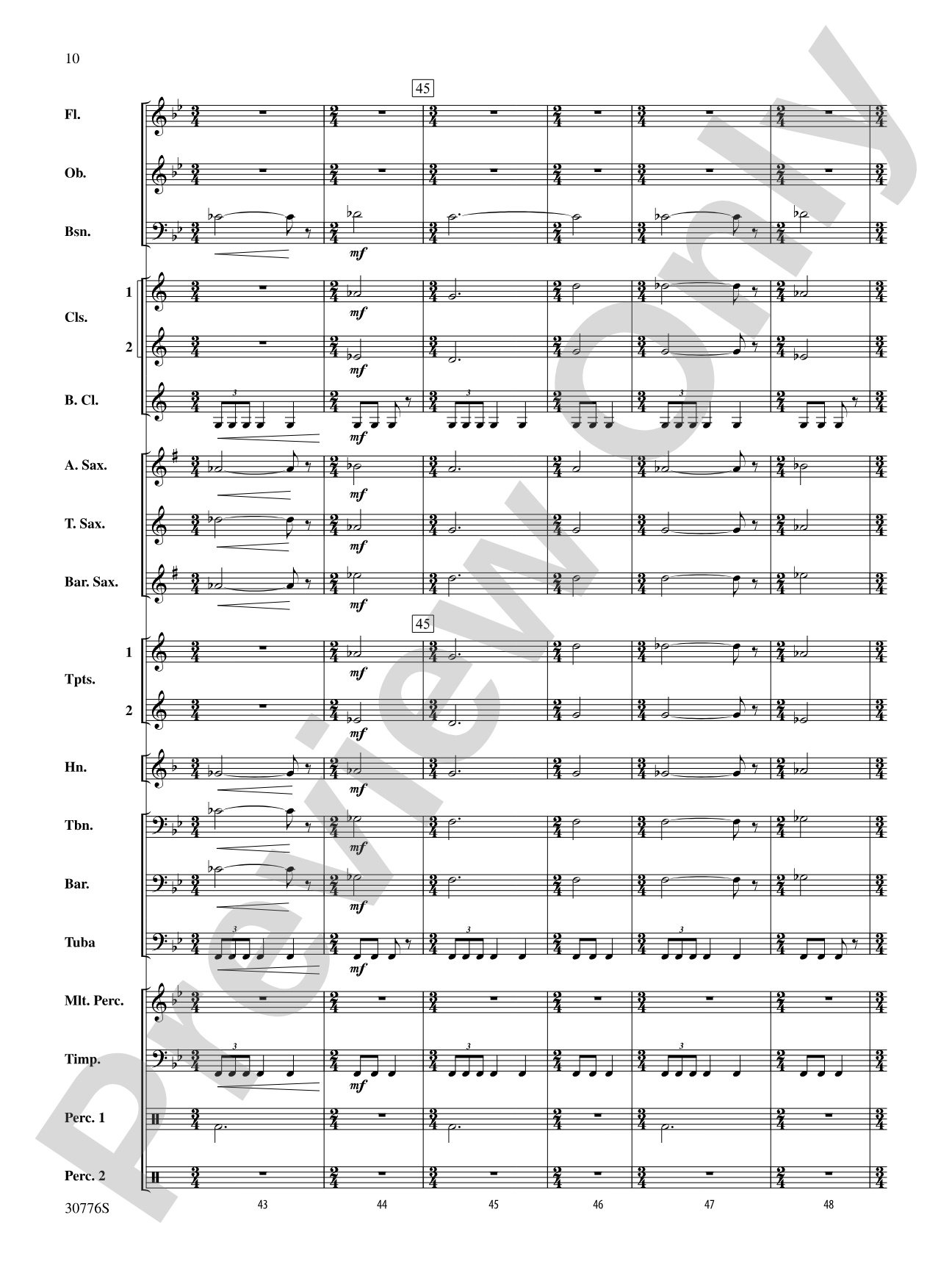
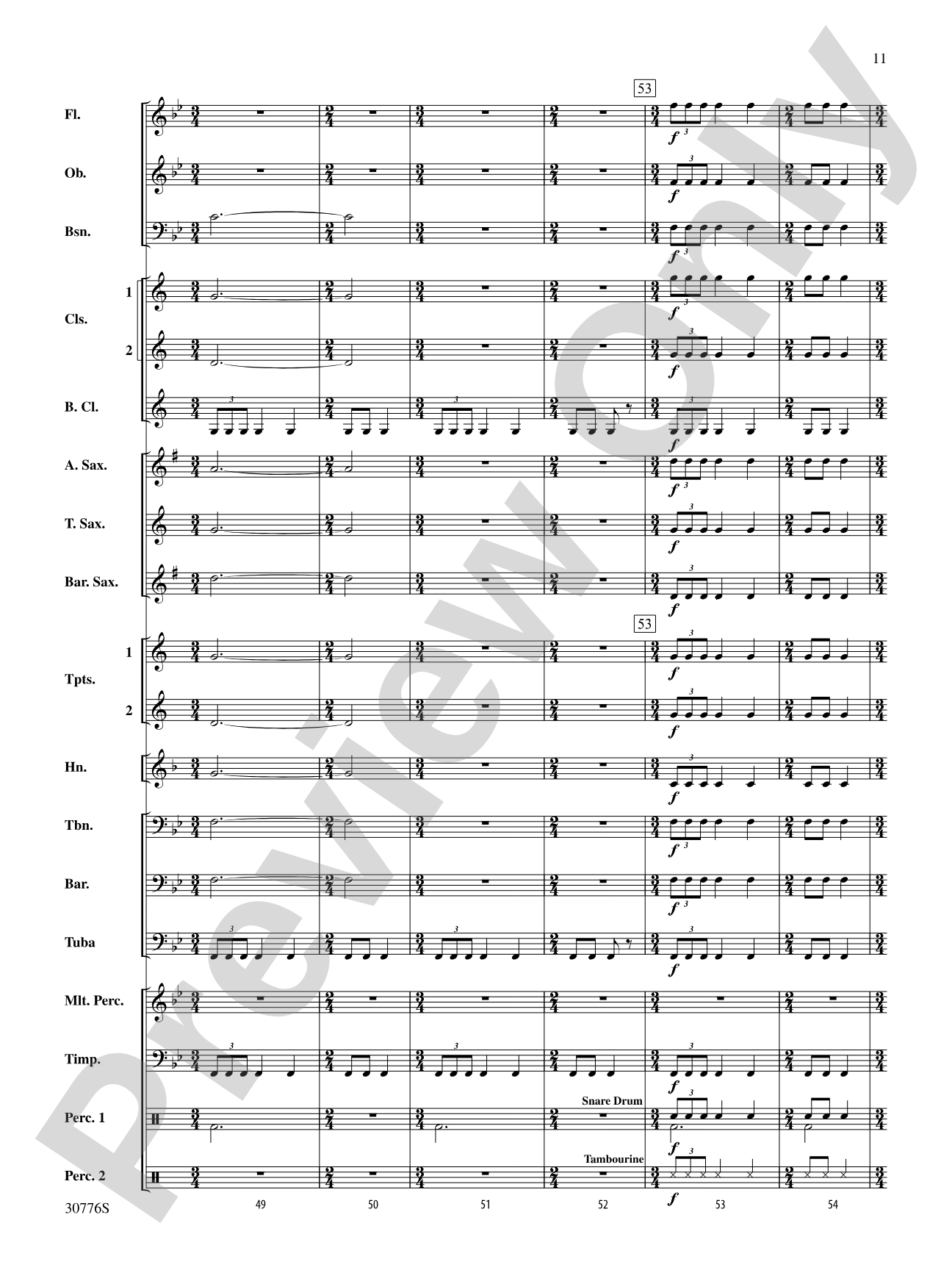
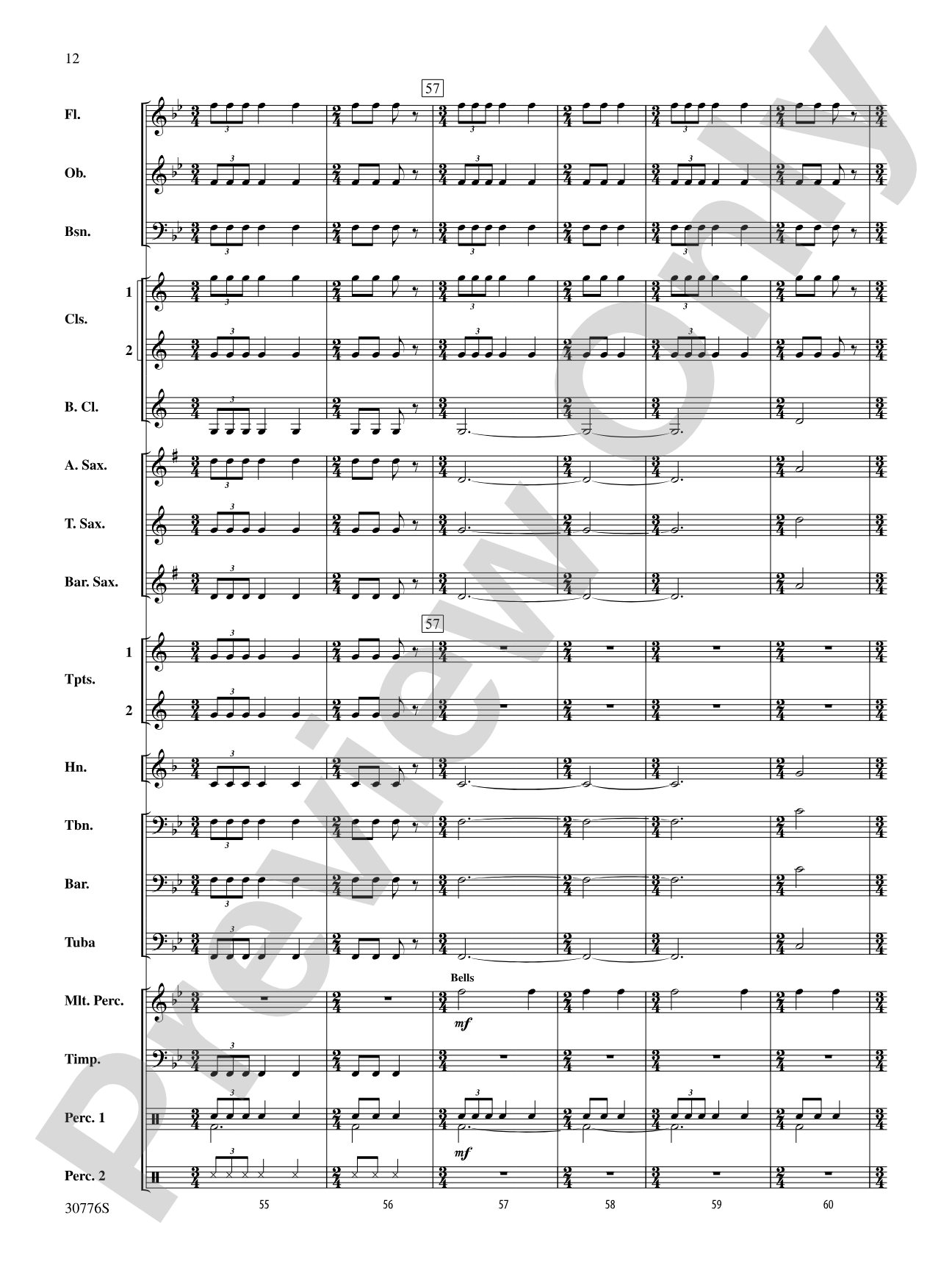
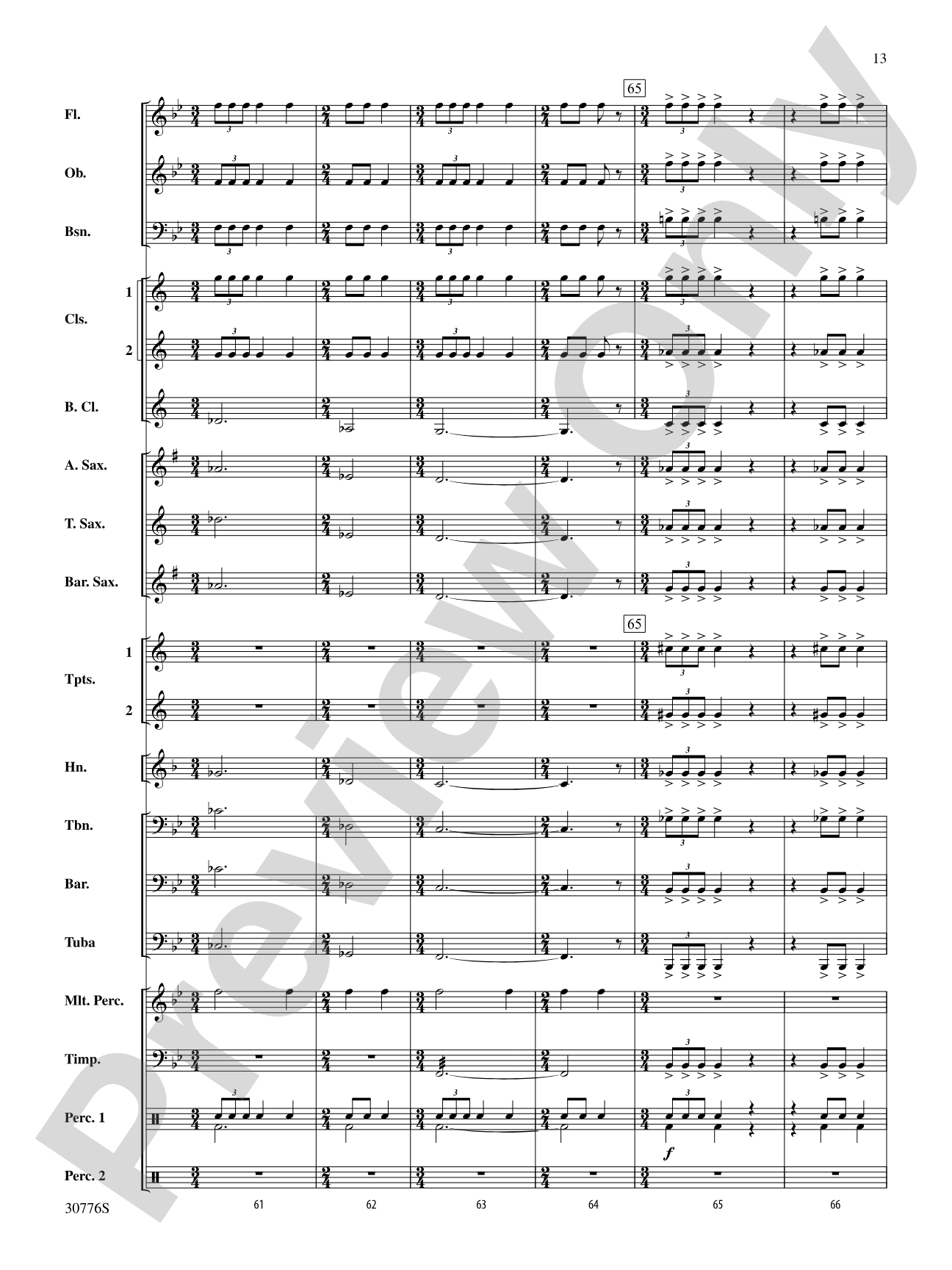
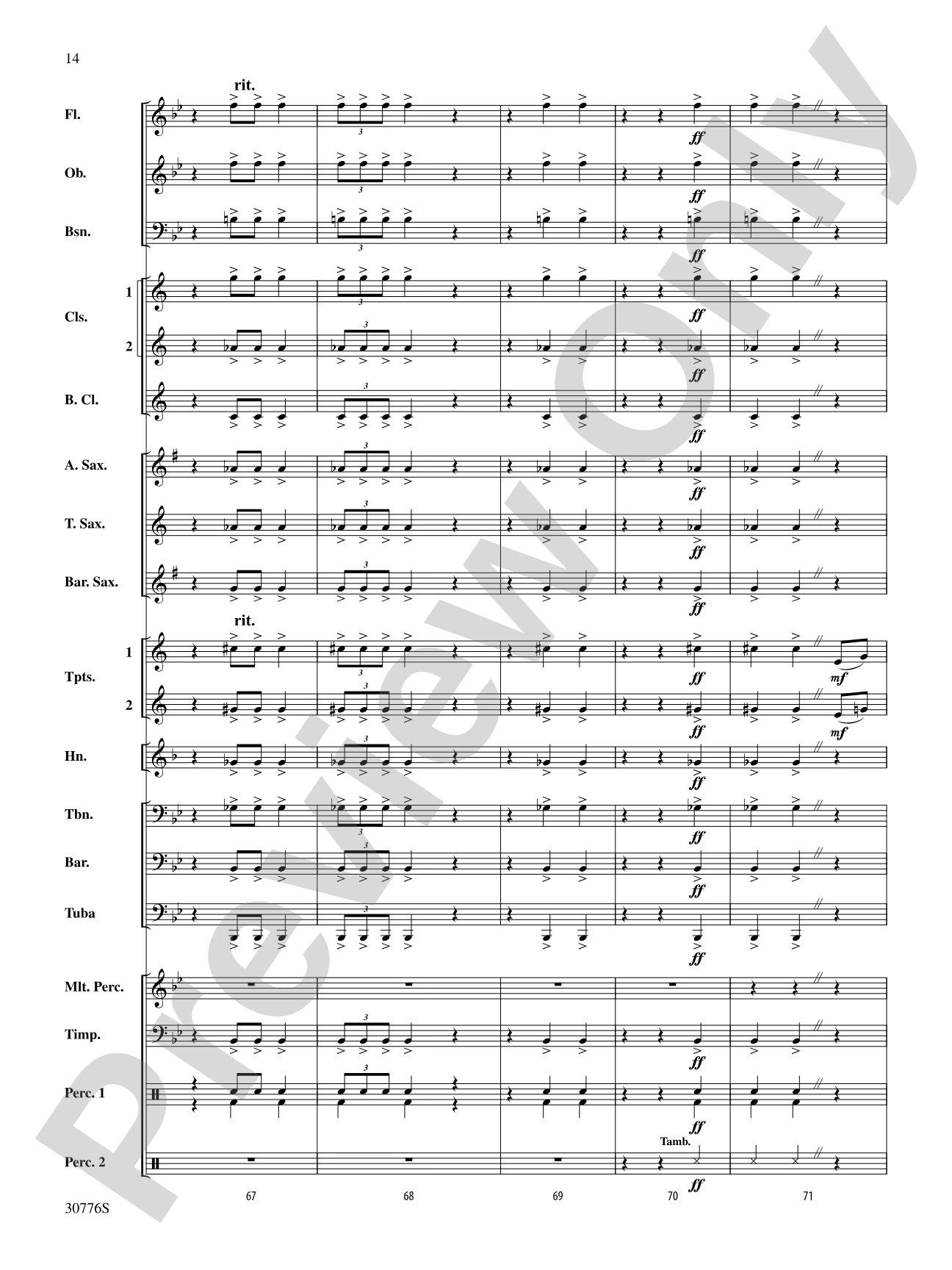
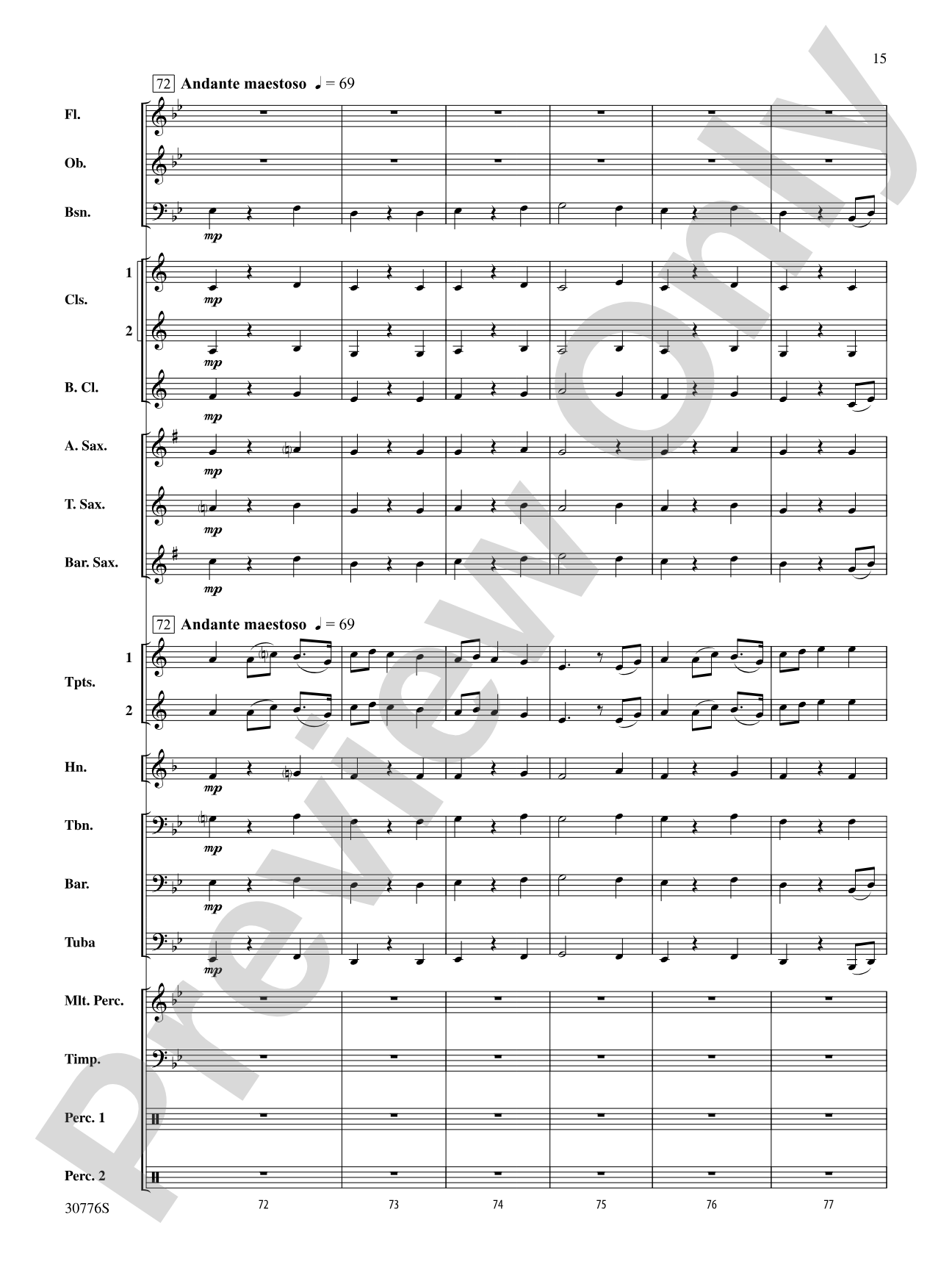
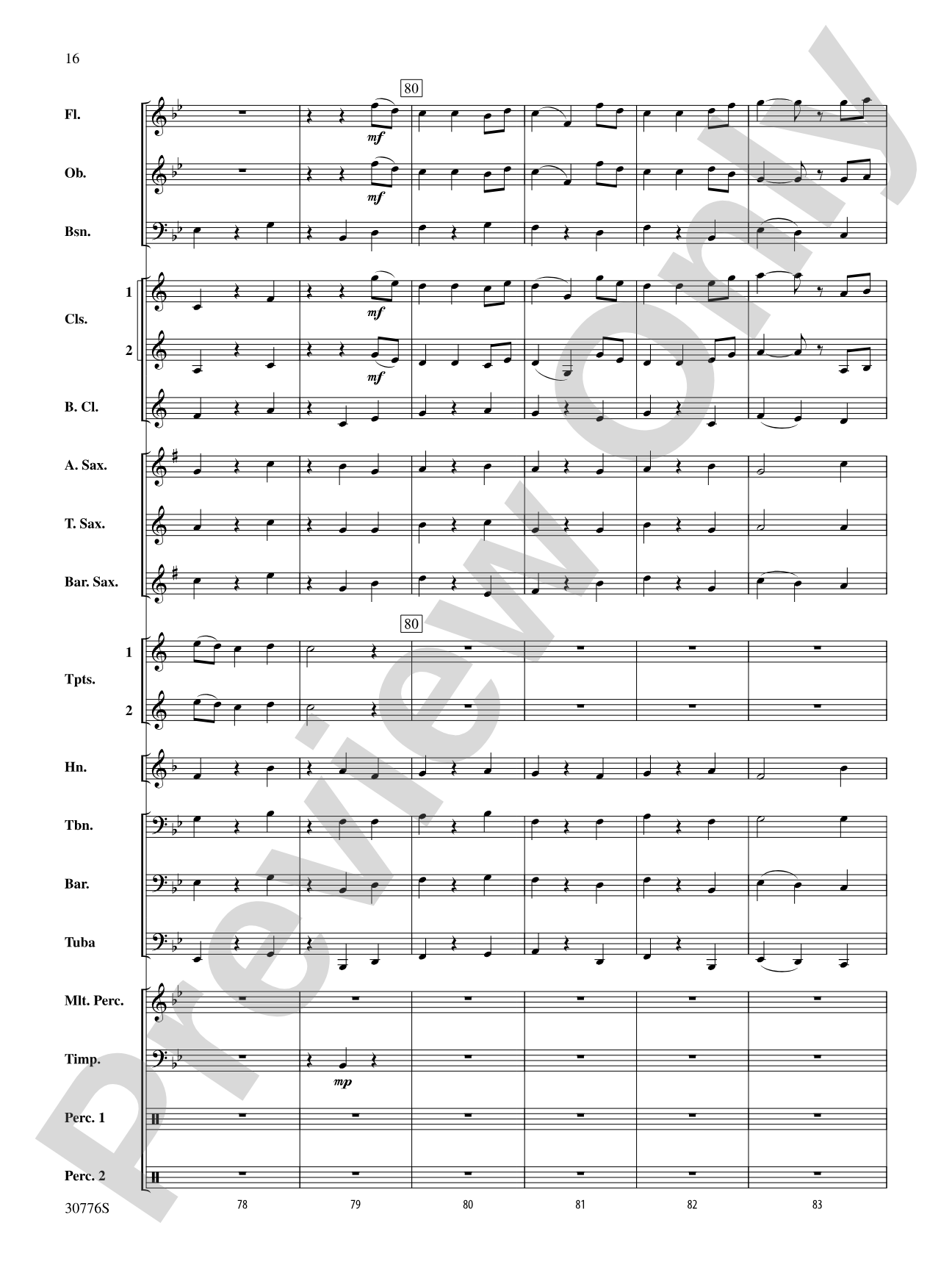
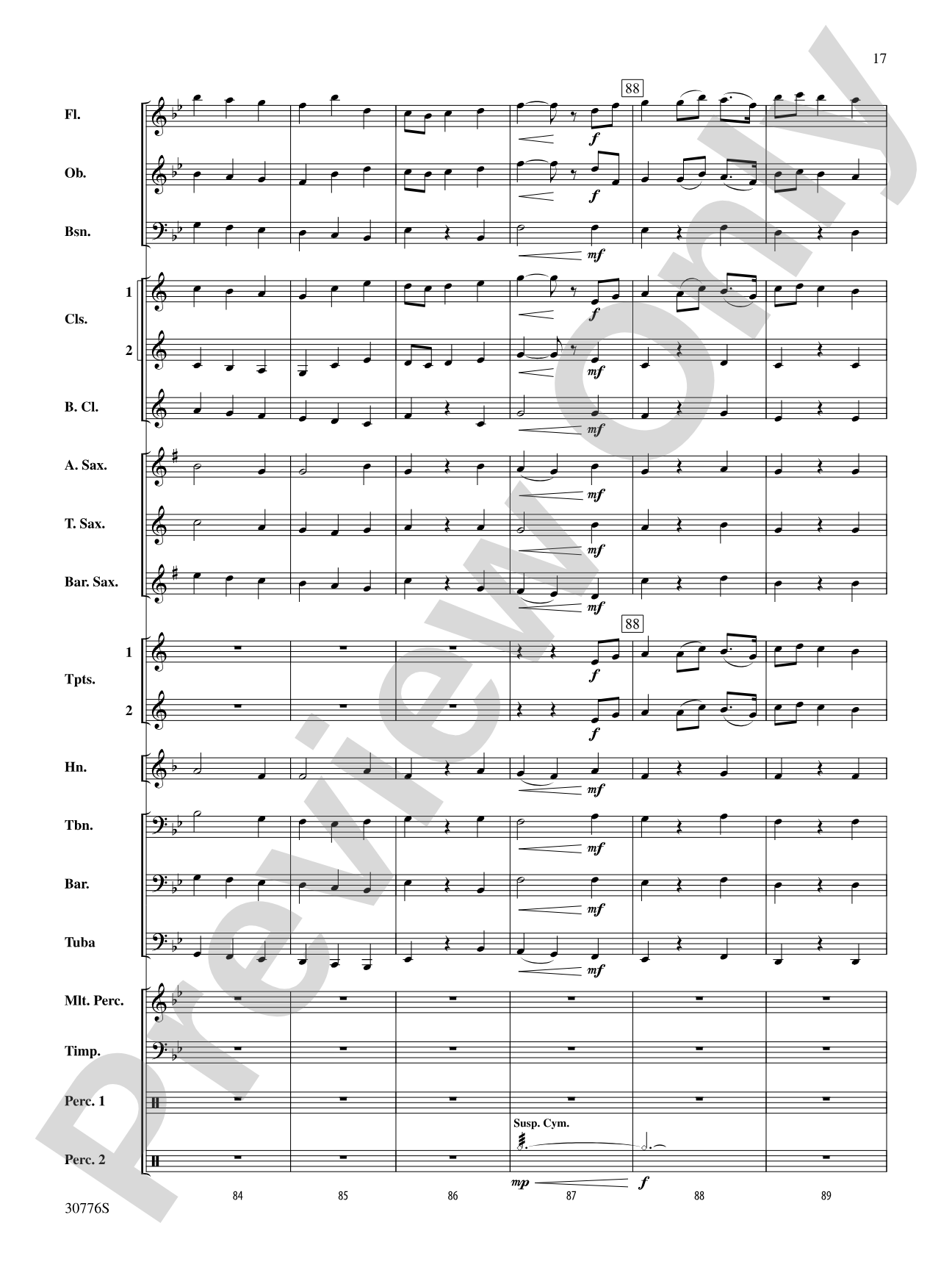
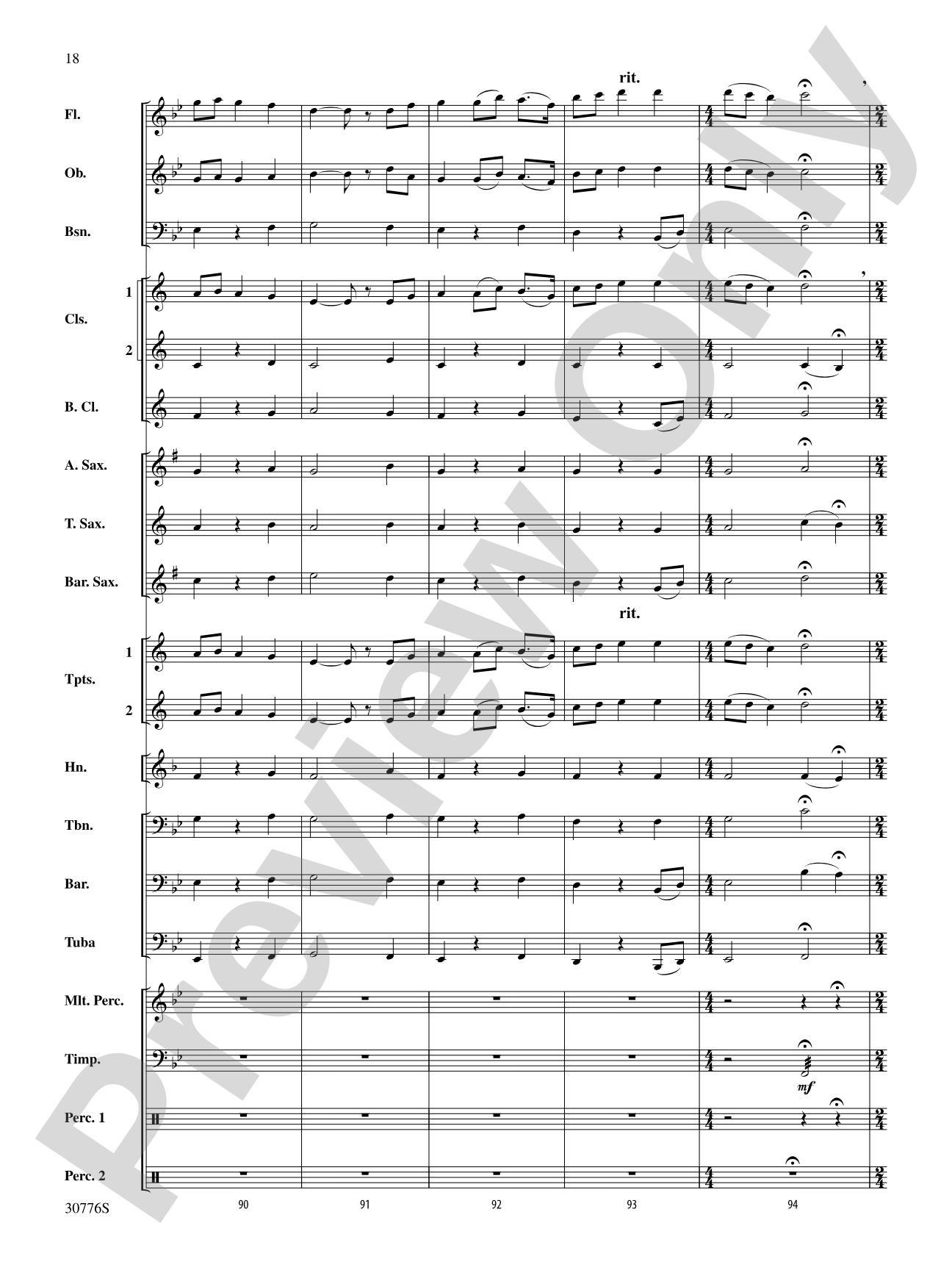
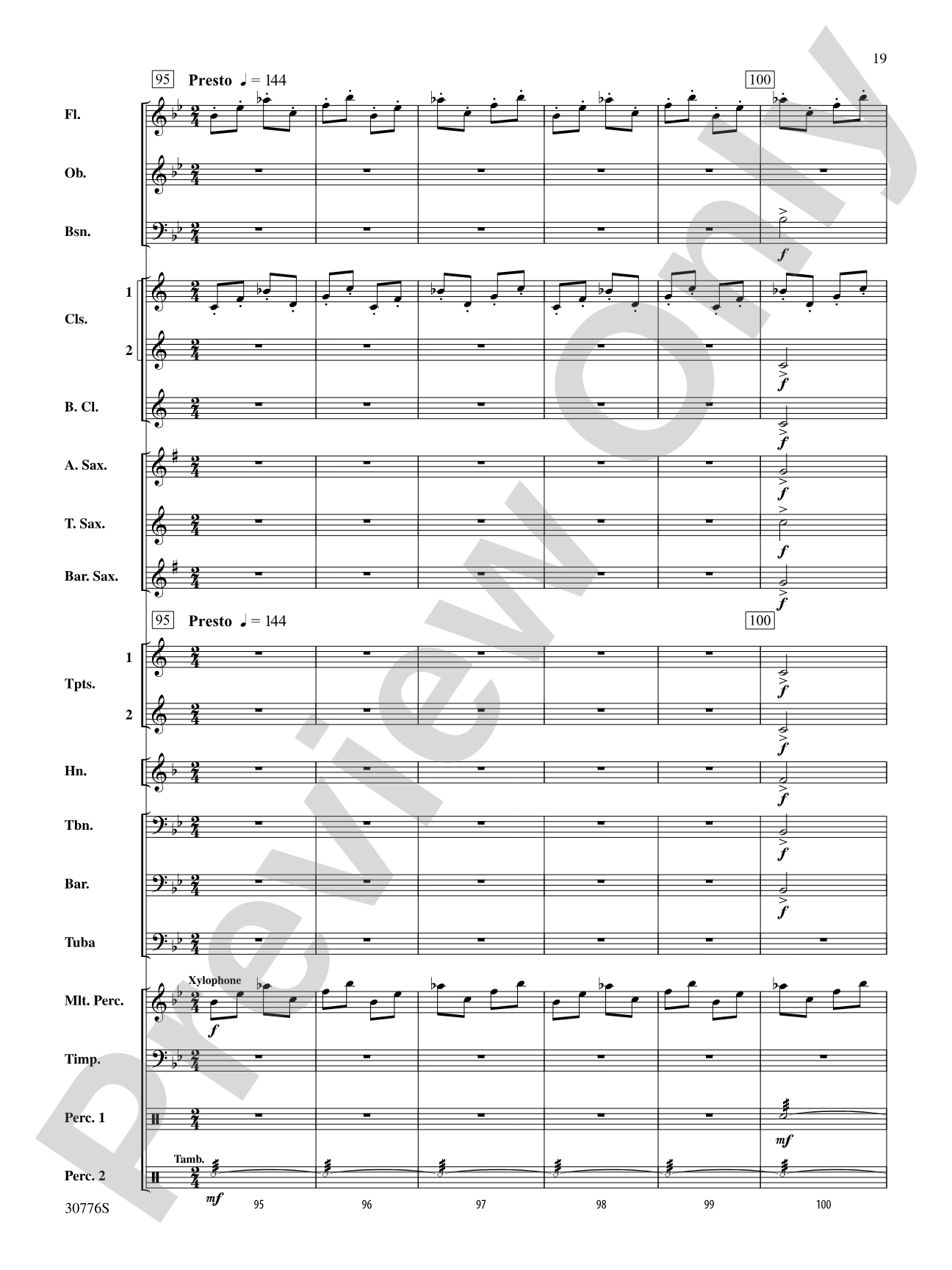
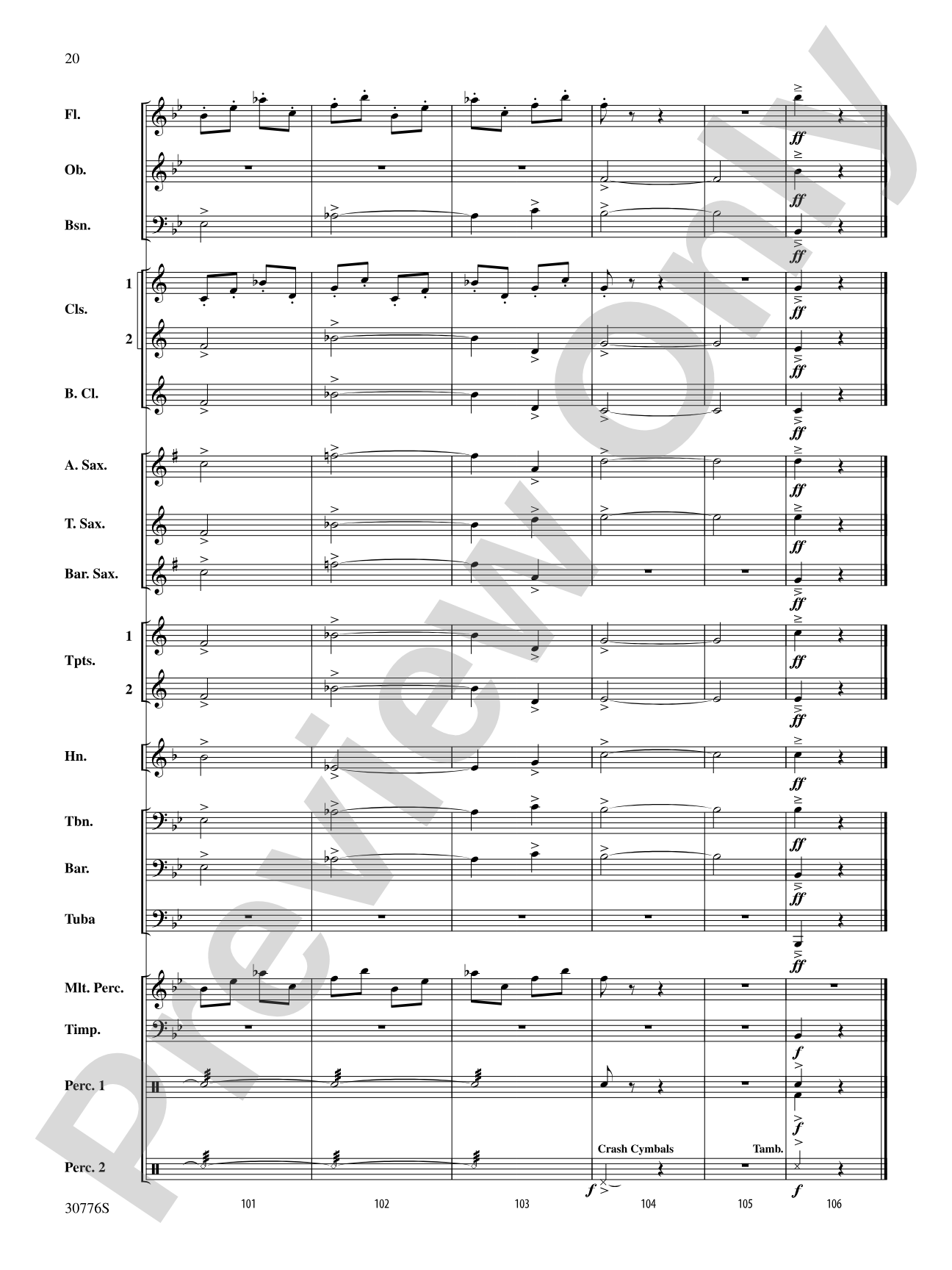

The Planets: Concert Band Conductor Score & Parts
By Gustav Holst / arr. Douglas E. Wagner
Grade: 2 (Easy)
Item: 00-PK-0001680

$62.00
Pickup currently not available
Buy Extra Parts (Digital PDF Download)
Parts Added to Cart!
Related Items
The Planets: Flexible Band/String Ensemble Score & Parts |
$75.00
|
View | |
The Planets: Concert Band Conductor Score & Parts |
$62.00
|
View | |
The Planets: Concert Band Conductor Score |
$9.00
|
View | |
The Planets: Flexible Band/String Ensemble Score & Parts |
$75.00
|
View | |
The Planets: Flexible Band/String Ensemble Score |
$10.00
|
View |
Description
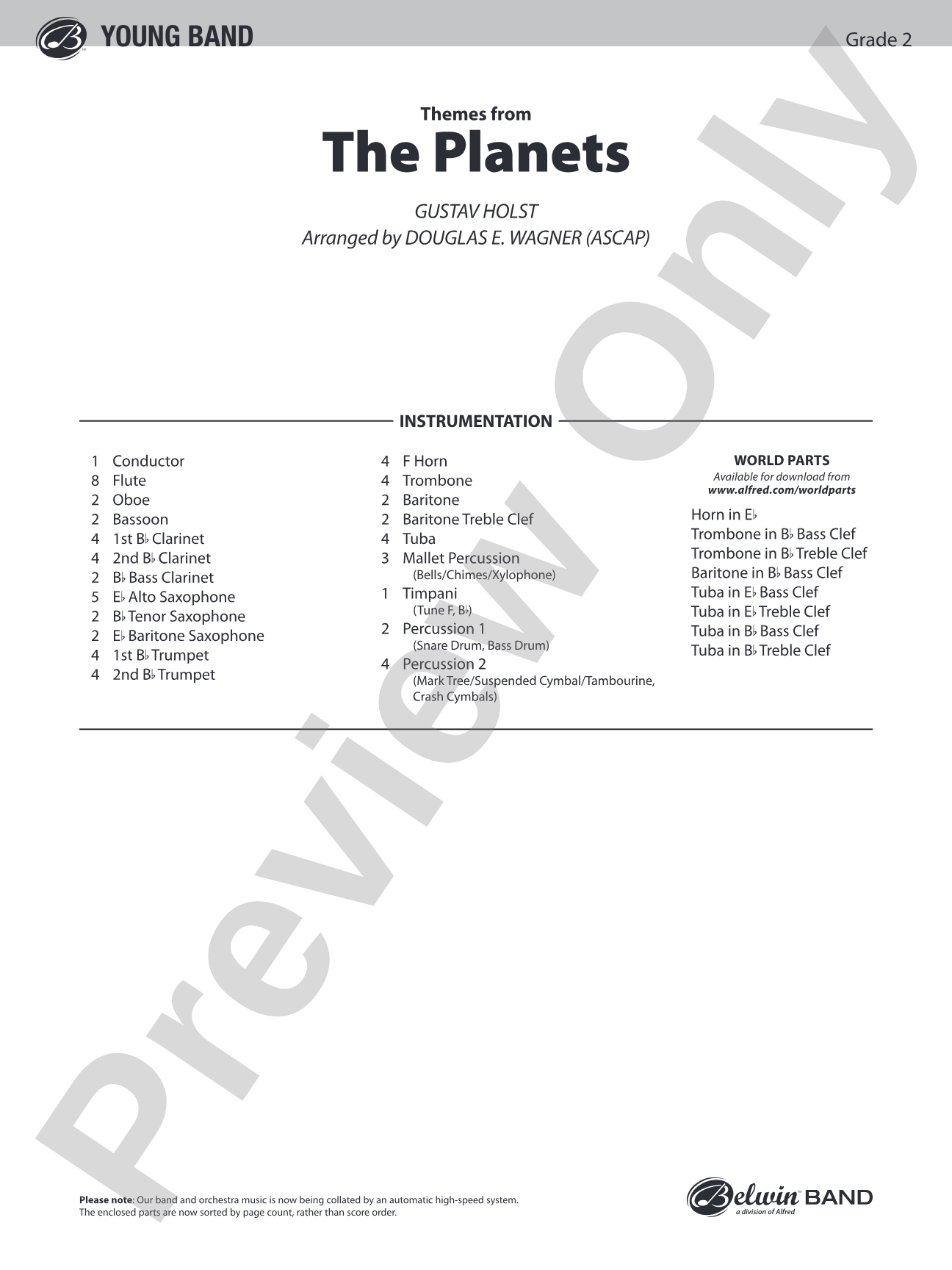
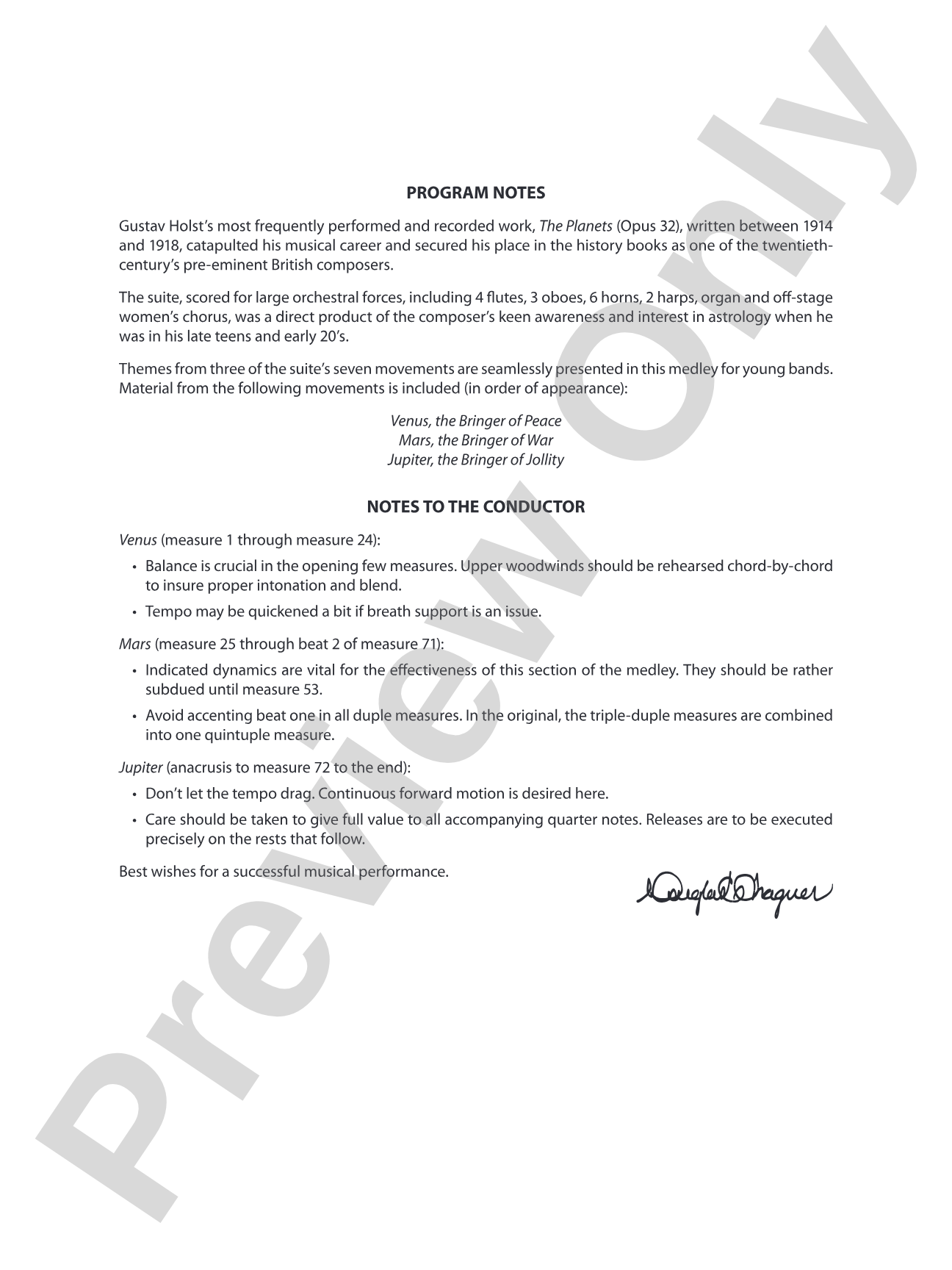
Gustav Holst has long been revered as a master composer. His work transcribes wonderfully for concert band. Douglas Wagner has chosen portions of The Planets to create a through-played medley for young band. Now accessible, the arrangement contains the themes from "Venus, the Bringer of Peace," "Mars, the Bringer of War" and " Jupiter, the Bringer of Jollity." The best of Holst scores especially for your young band. (4:00) This title is available in MakeMusic Cloud.


Don't just read it, hear it, play along with it, and watch your students grow with it. In MakeMusic Cloud, The Planets: Concert Band Conductor Score & Parts comes alive with professional accompaniment, adjustable tempo, and built-in practice tools that turn solo practice into real progress.
Open in the Player
Jump straight in and assign it today.
Start Your Free Trial
Open this title and explore the full library in minutes.
Sample Audio
1
Audio File
--:--
0:00
0:00
Sample Video
Additional Details
Series:
Belwin Young Band
Publisher:
Alfred Music
Page Count:
240
SKU:
00-PK-0001680
More about this title
About the Composer: Gustav Holst
Gustav Holst (1874, 1934) was an English composer whose orchestral works remain central to the concert band repertoire. He possessed a rare gift for writing boldly distinctive themes that lodge immediately in the listener's ear, combined with skillful orchestration that brings out color and character in every section. His legacy extends far beyond The Planets; his interest in folk music, Eastern philosophy, and dramatic storytelling shaped a compositional voice that continues to inspire and energize young musicians.
Why we love this
Douglas Wagner's medley preserves the iconic character and orchestral colors that make The Planets unforgettable while keeping the technical demands realistic for Grade 2 bands. Young musicians get to perform three of Holst's most distinctive movements without the burden of a 40-minute epic, and the material is engaging enough that audiences recognize the connection to the original immediately. This is the perfect entry point for bands ready to tackle a masterwork arrangement with genuine substance.
What to expect
The music shifts from the ominous, pulsing aggression of Mars to the serene, floating beauty of Venus before landing in the bright, celebratory swagger of Jupiter. Each theme carries unmistakable personality, and even at a Grade 2 level, the arrangement captures the essence of Holst's original vision with genuine orchestral drama and warmth.
Who it's for
This arrangement serves young concert bands stepping into repertoire with real orchestral substance and heritage. Directors seeking Grade 2 material that excites audiences and respects the intelligence of developing musicians will find this score delivers both engagement and legitimate artistic challenge.
How to get the most out of it
- Shape each planetary theme with clear contrast in dynamics and tone color. Mars demands aggressive articulation and crisp rhythmic precision, while Venus requires sustained, singing phrases that let the band blend smoothly across sections.
- Balance the melodic lines so that thematic statements cut through the accompaniment. In sections where multiple parts carry related material, adjust section volumes so the listener always knows where the primary melody lives.
- Mark tempo transitions deliberately. The shift from Mars to Venus is dramatic and needs a confident pause or ritardando to reset the ensemble's energy and prepare for the slower, more lyrical character.
- Use the recorded accompaniment to lock in ensemble rhythm during initial rehearsals, especially in the Mars section where precise articulation and rhythmic unity create the movement's driving power.
How to use it
Open a concert with Mars to seize attention immediately, then use Venus as a contrasting moment of reflection before closing with Jupiter's triumphant energy. Alternatively, program the complete medley as a showcase performance that demonstrates your band's range and musicality while celebrating one of classical music's most recognizable works.
Skills your students will build
- Balancing melody and accompaniment across mixed instrumentation
- Executing contrasting dynamic and stylistic demands within a single performance
- Responding to subtle tempo and mood shifts between connected sections
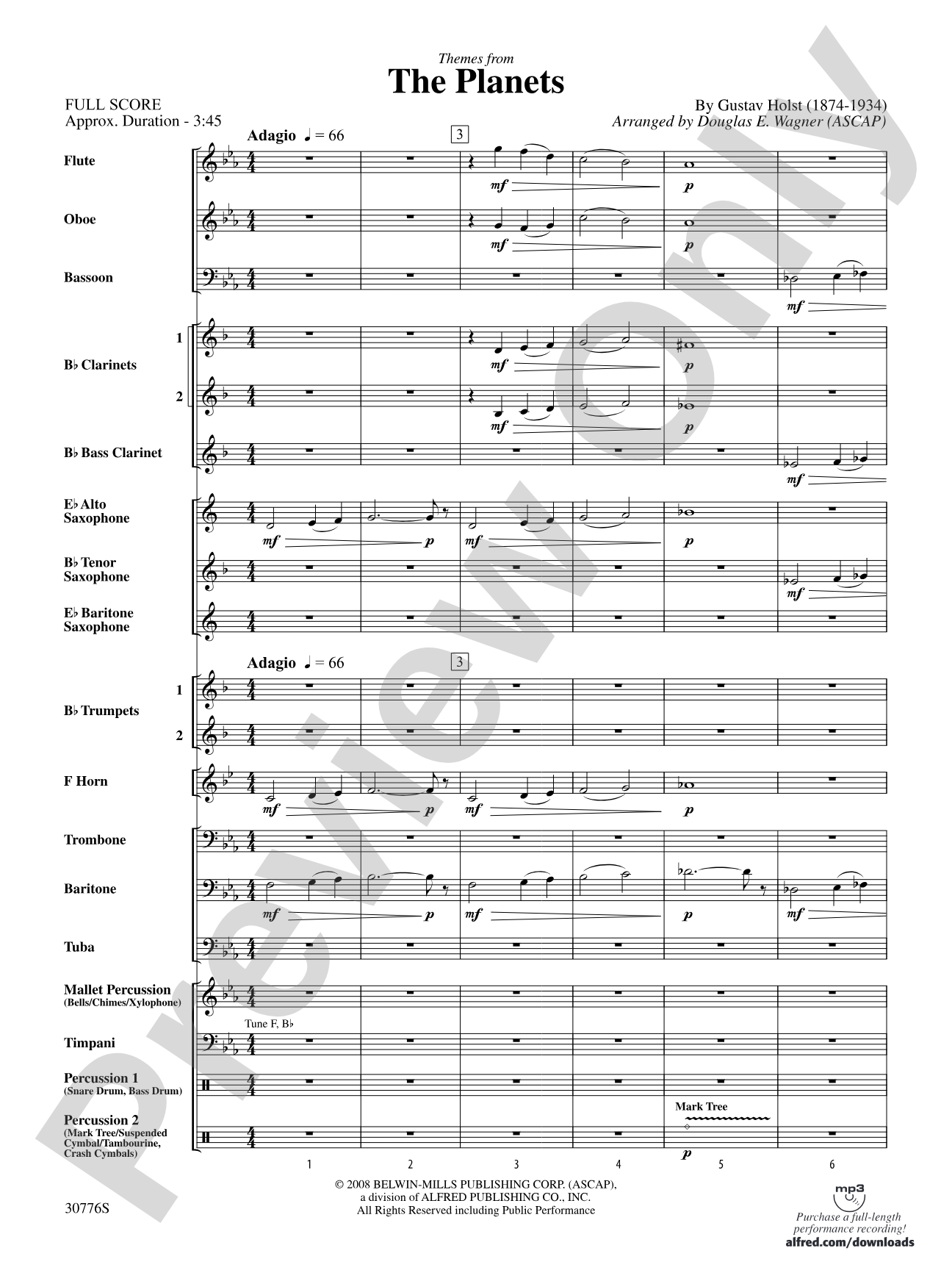
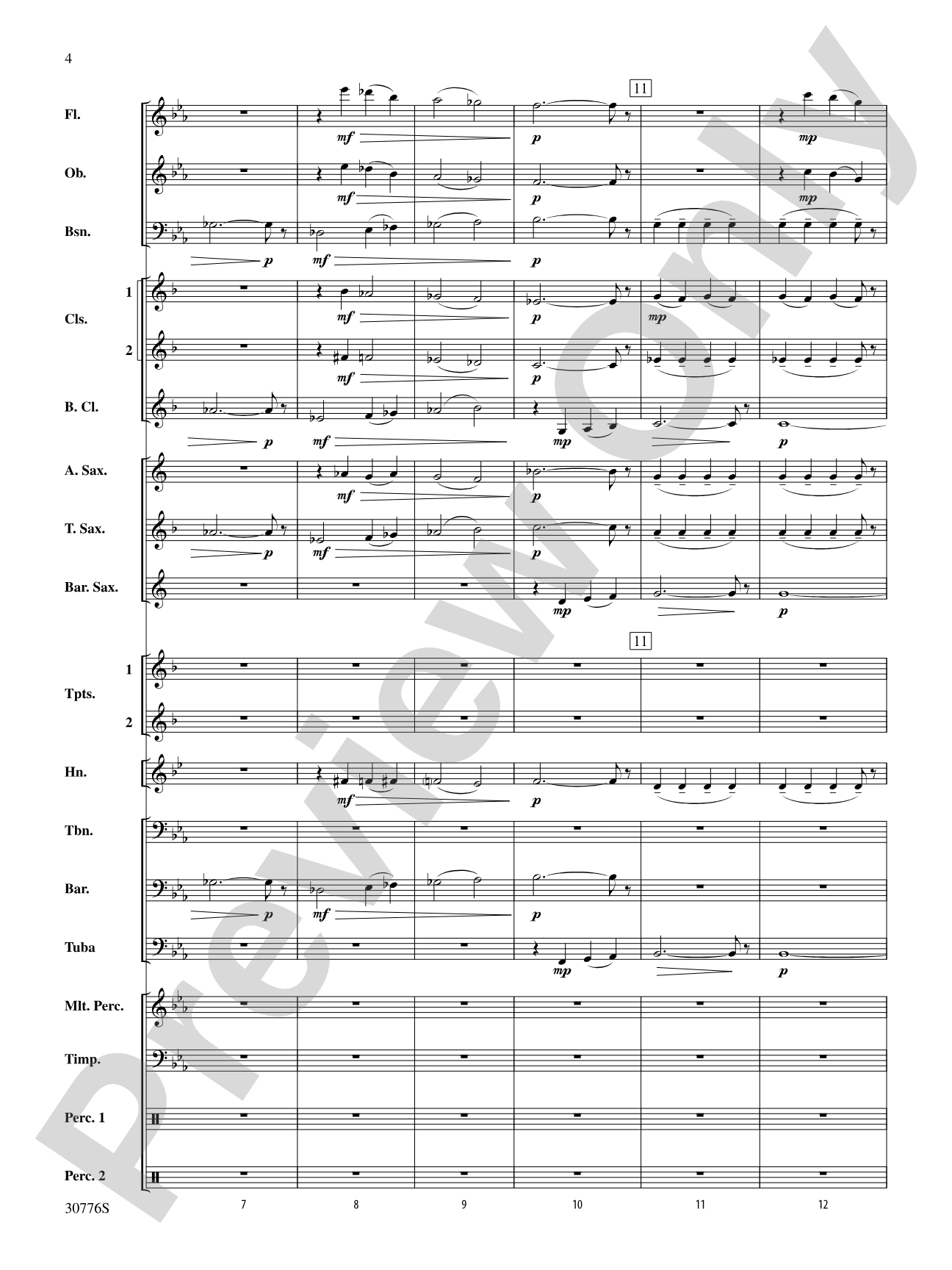
- Reading a concert band score that reflects orchestral voicing and arrangement principles