
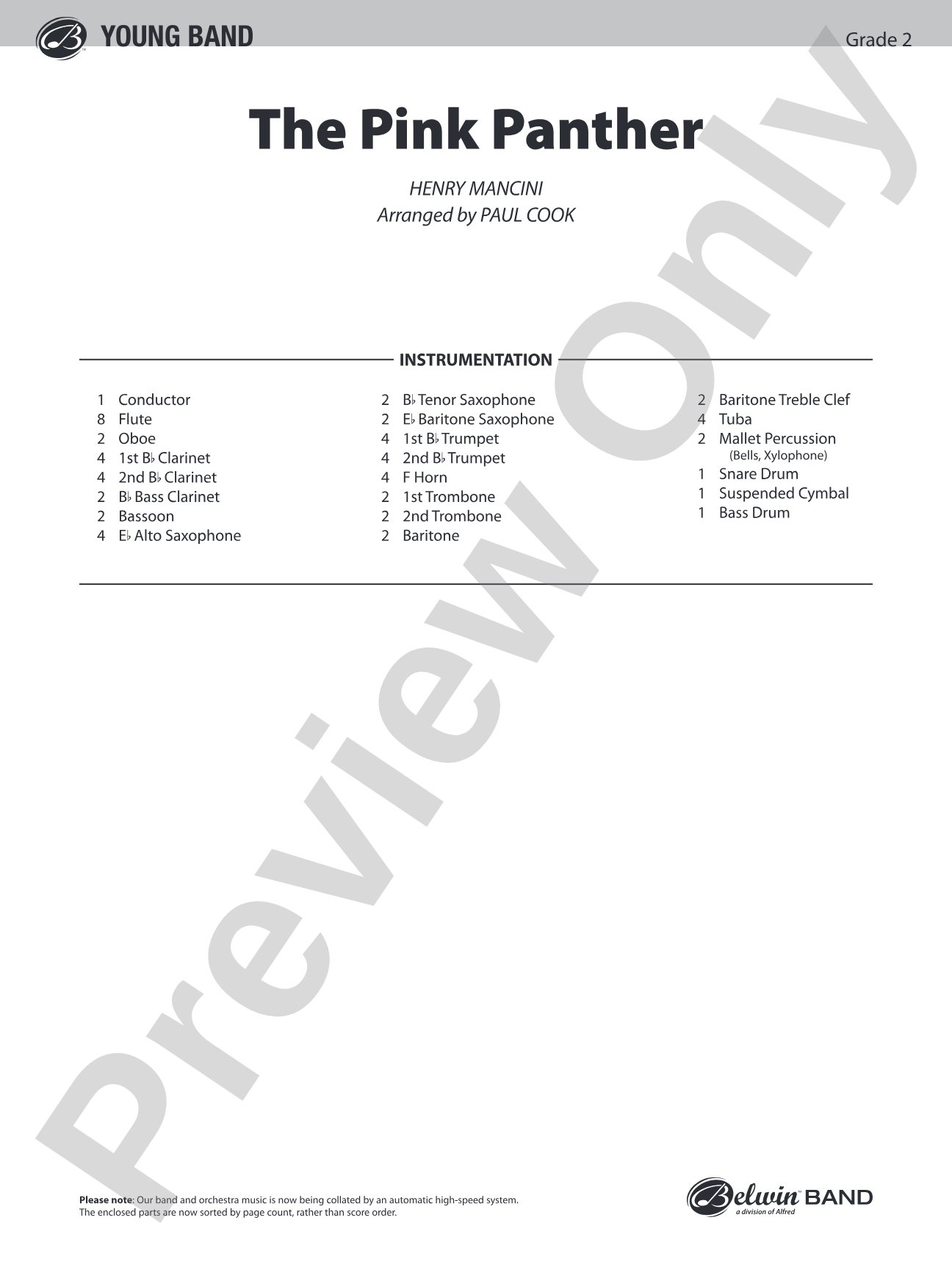
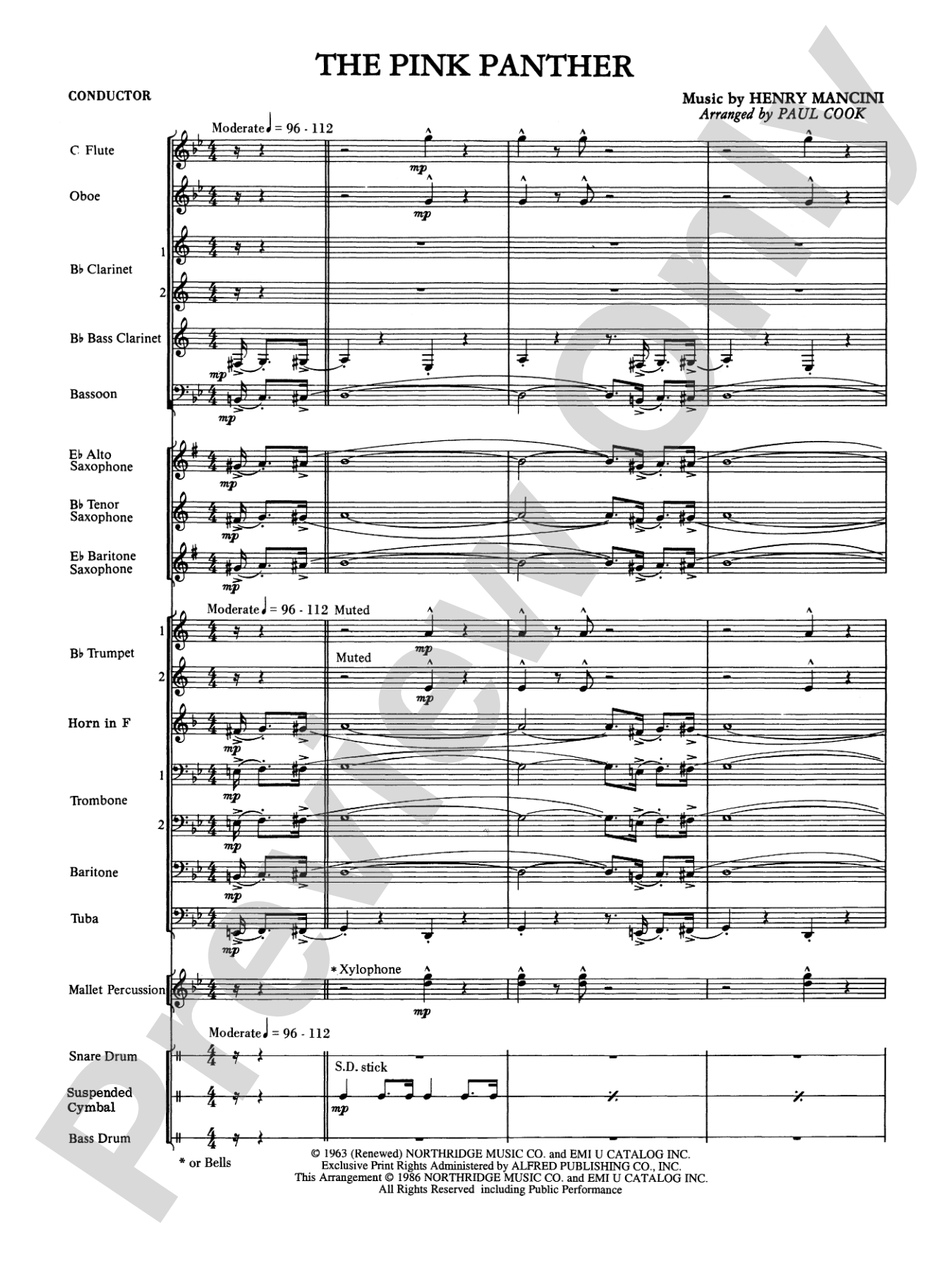
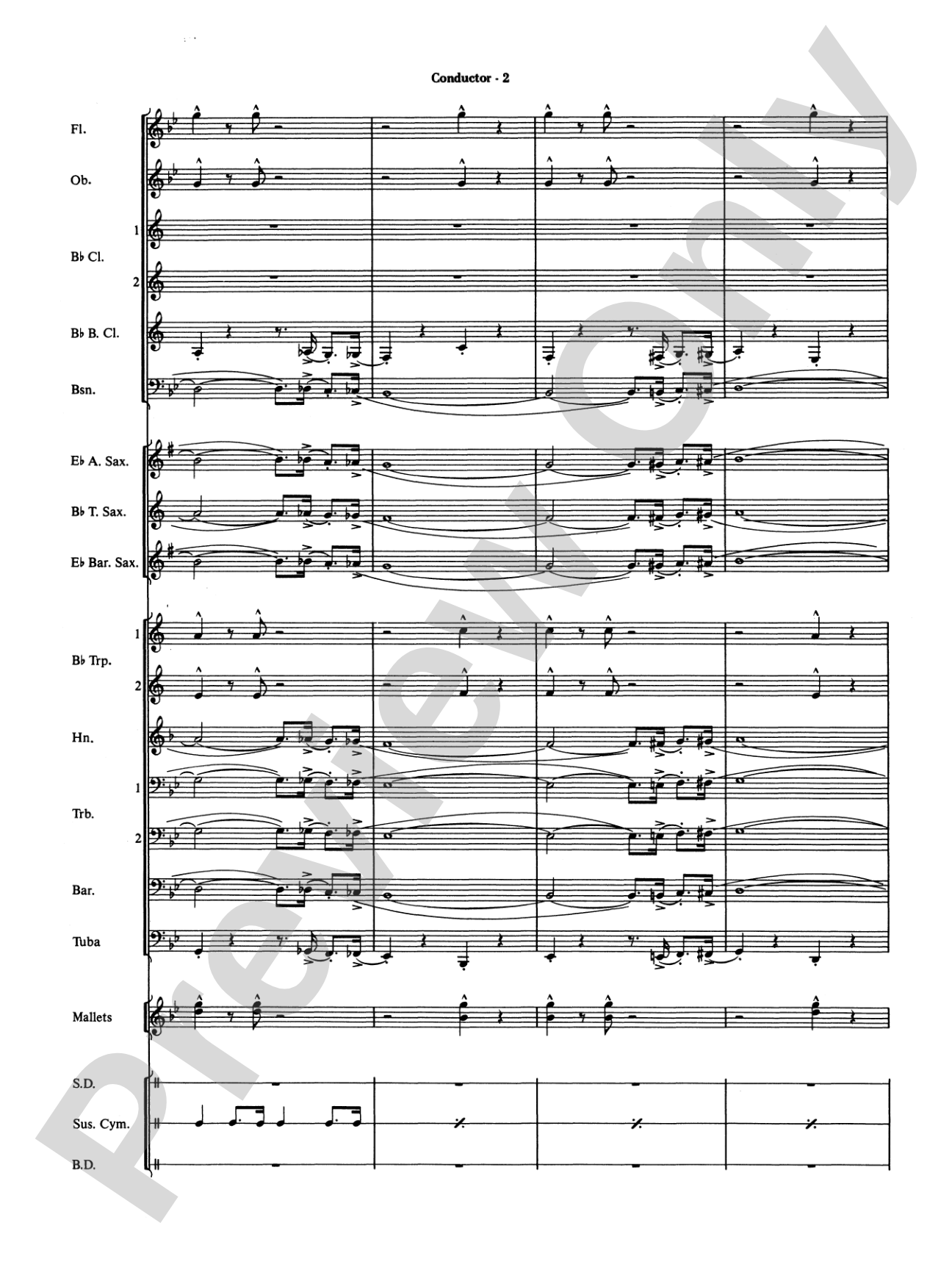
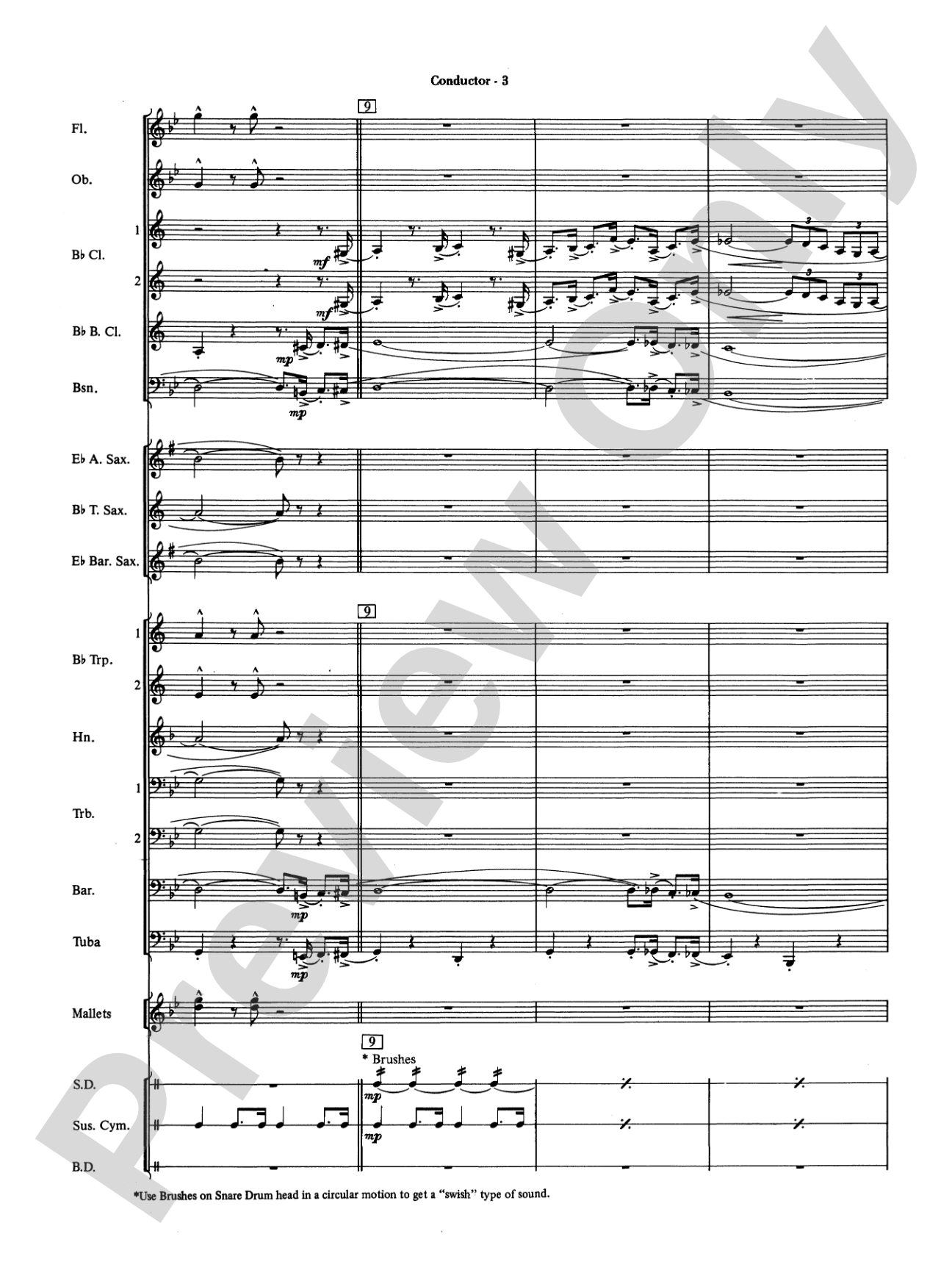
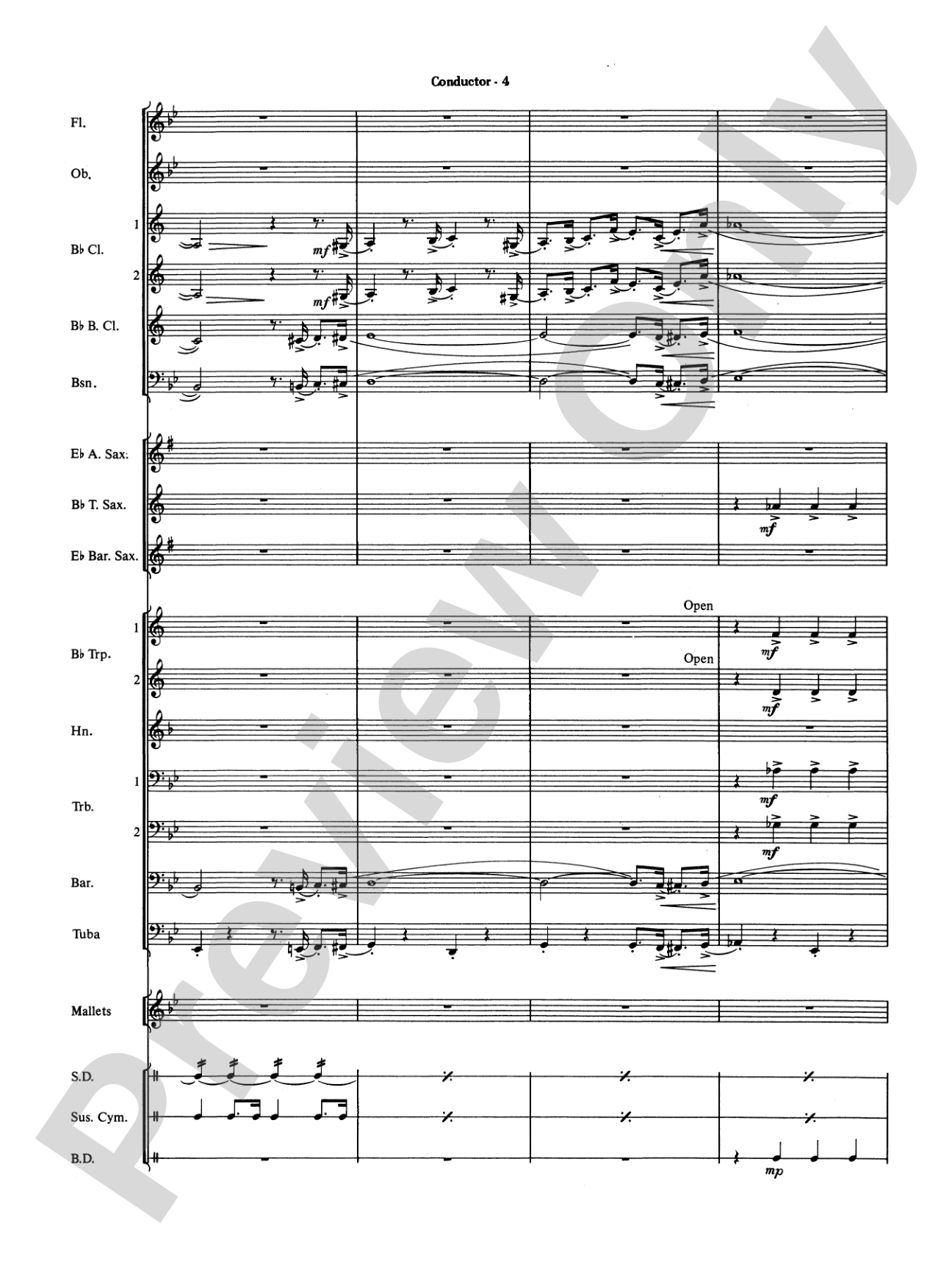
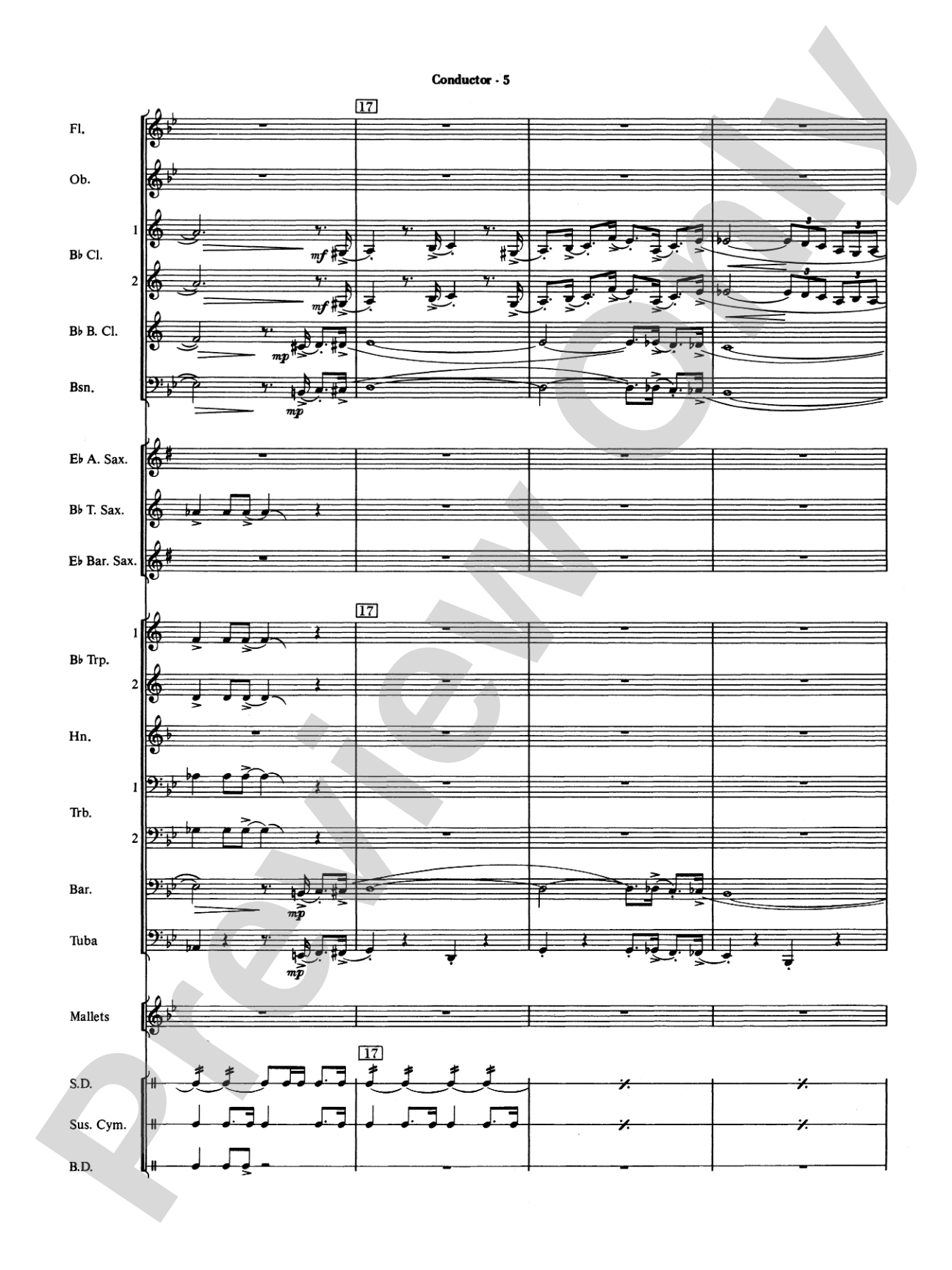
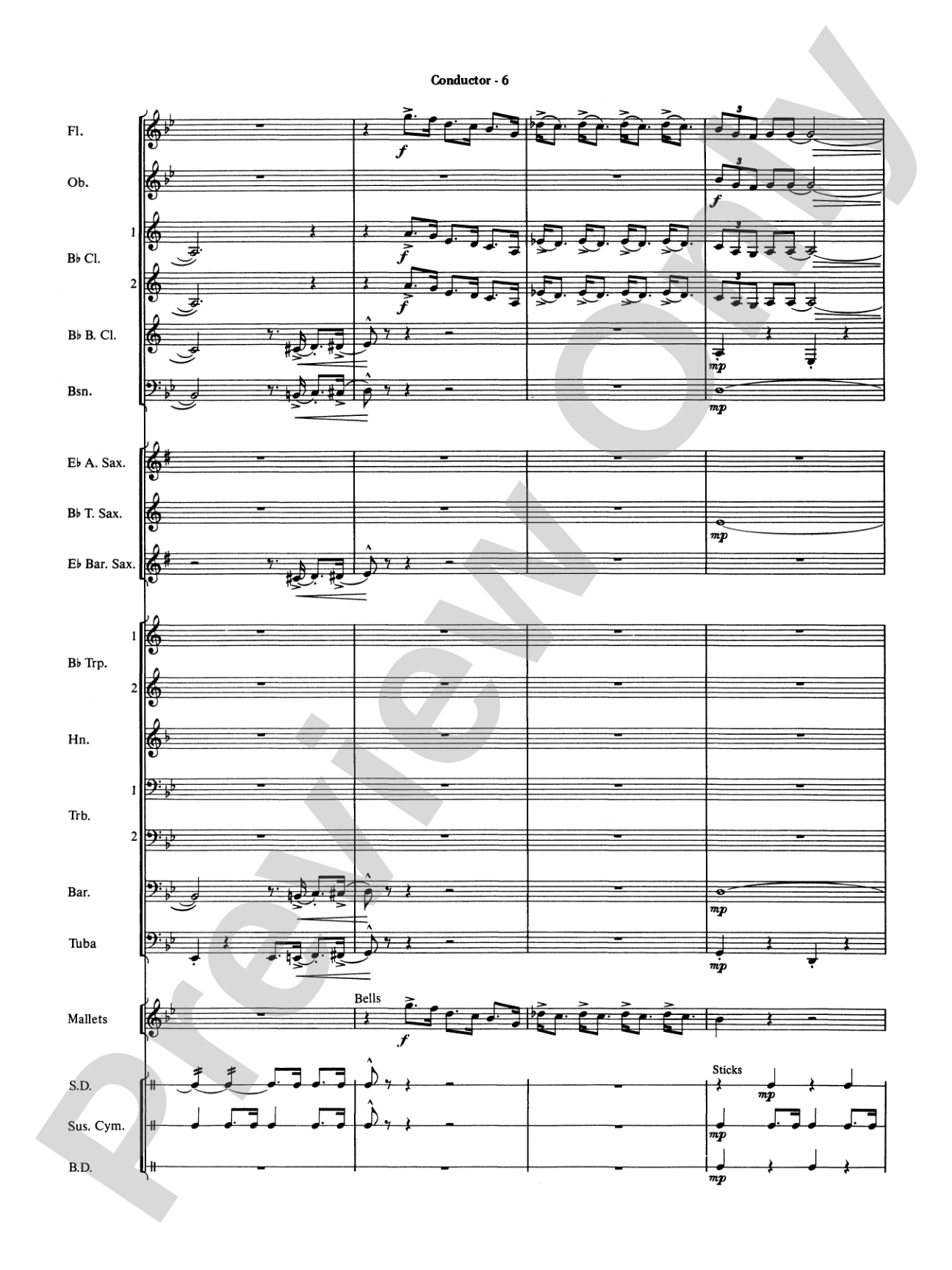
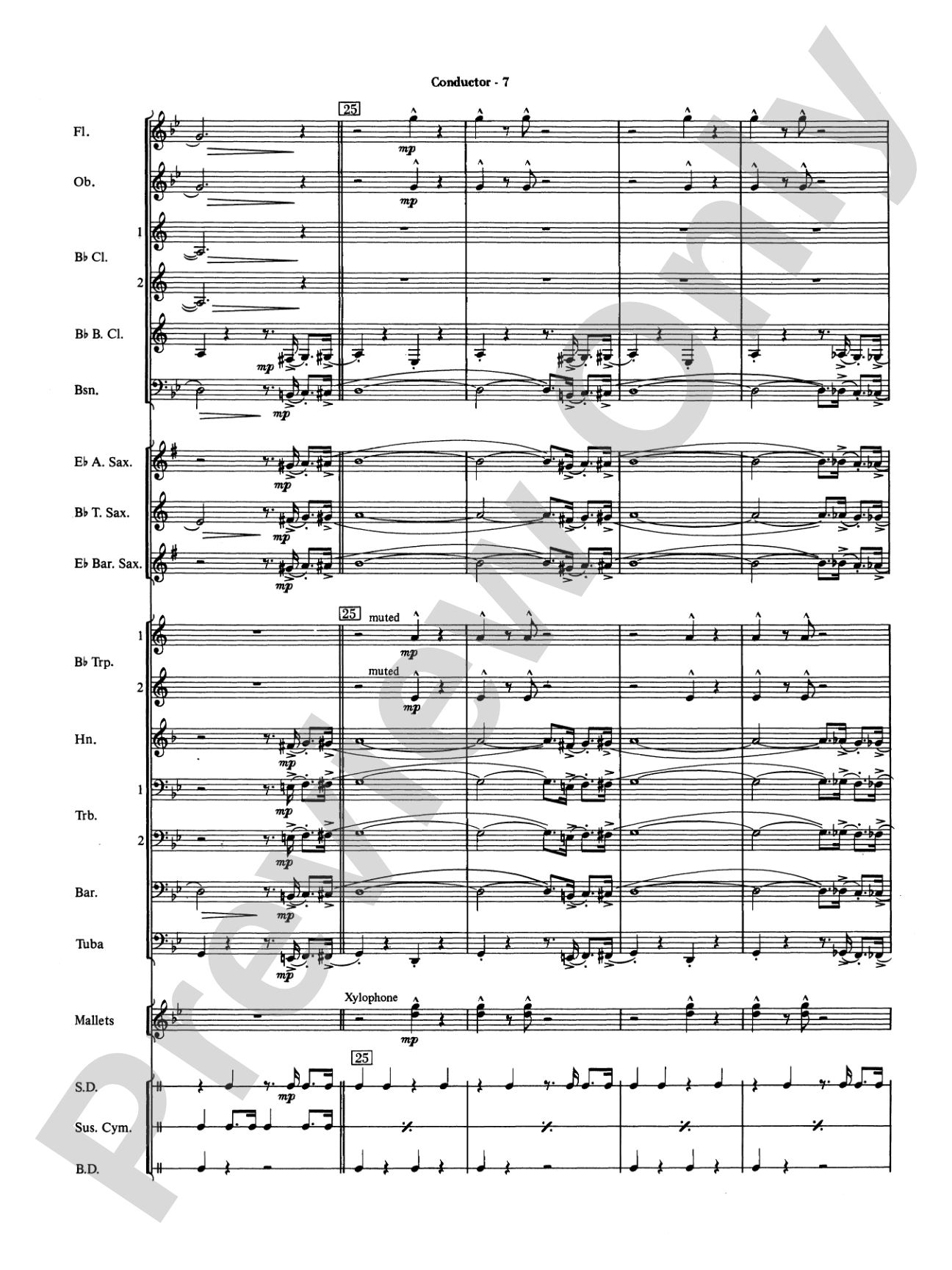
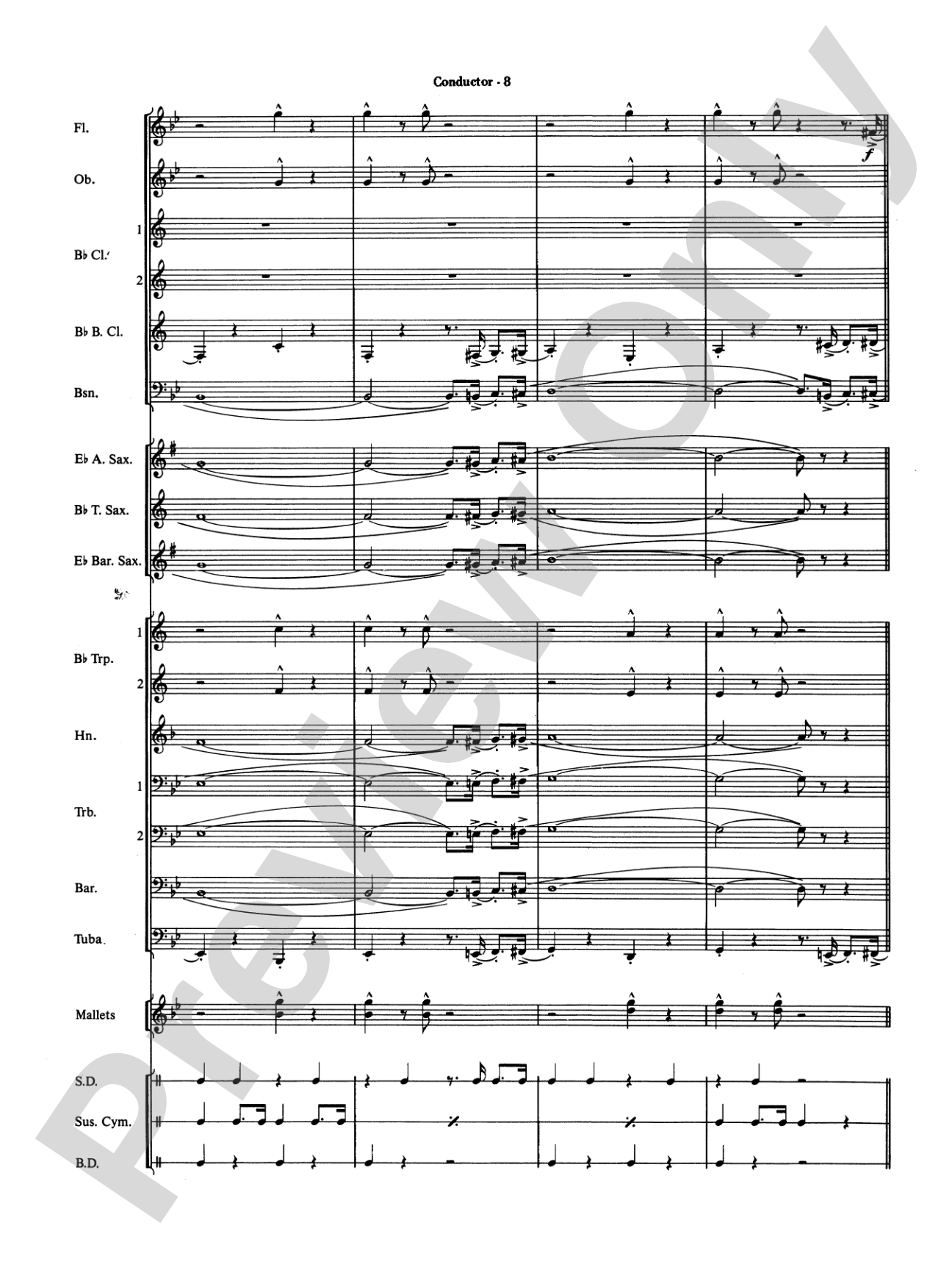
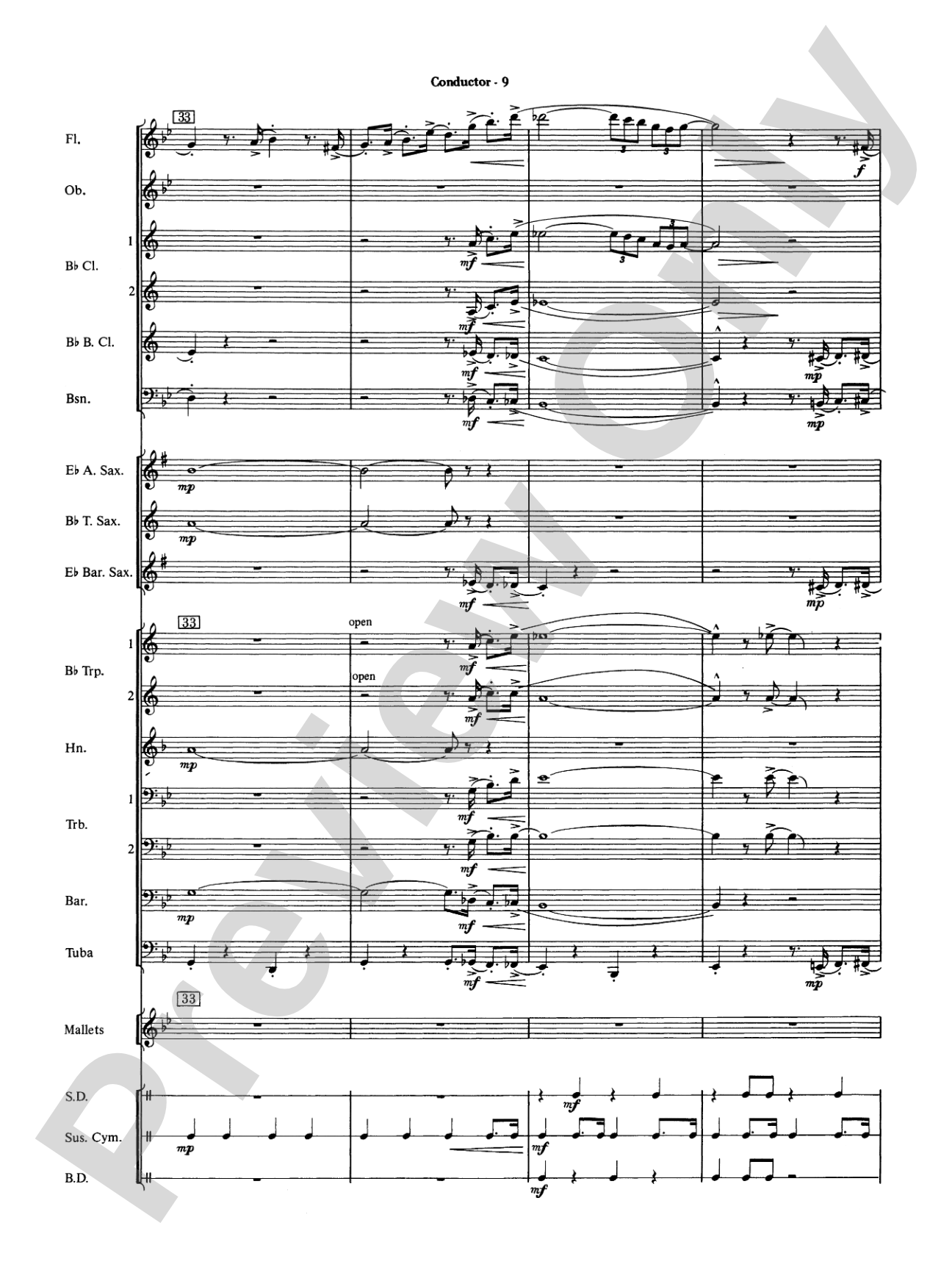
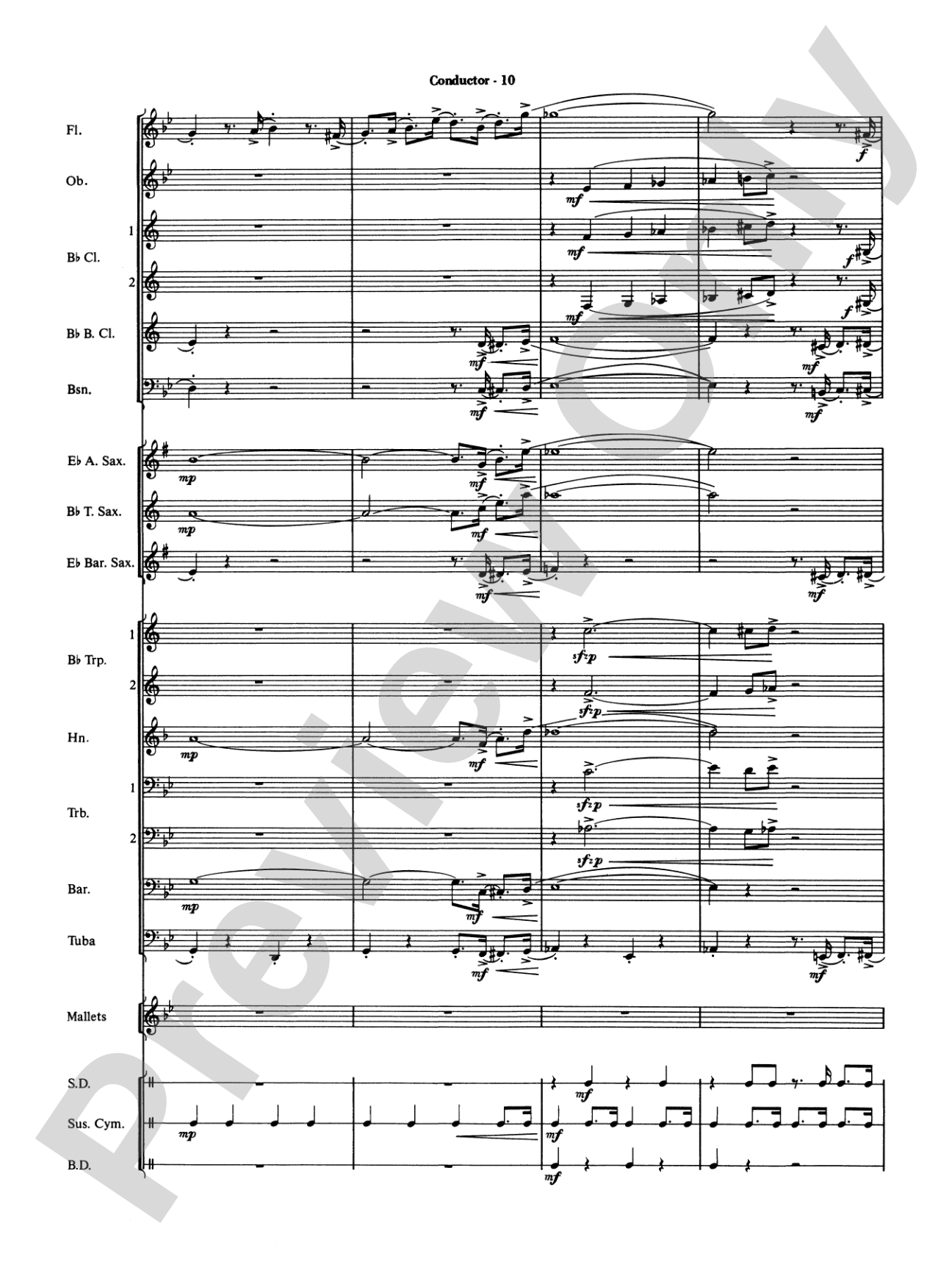
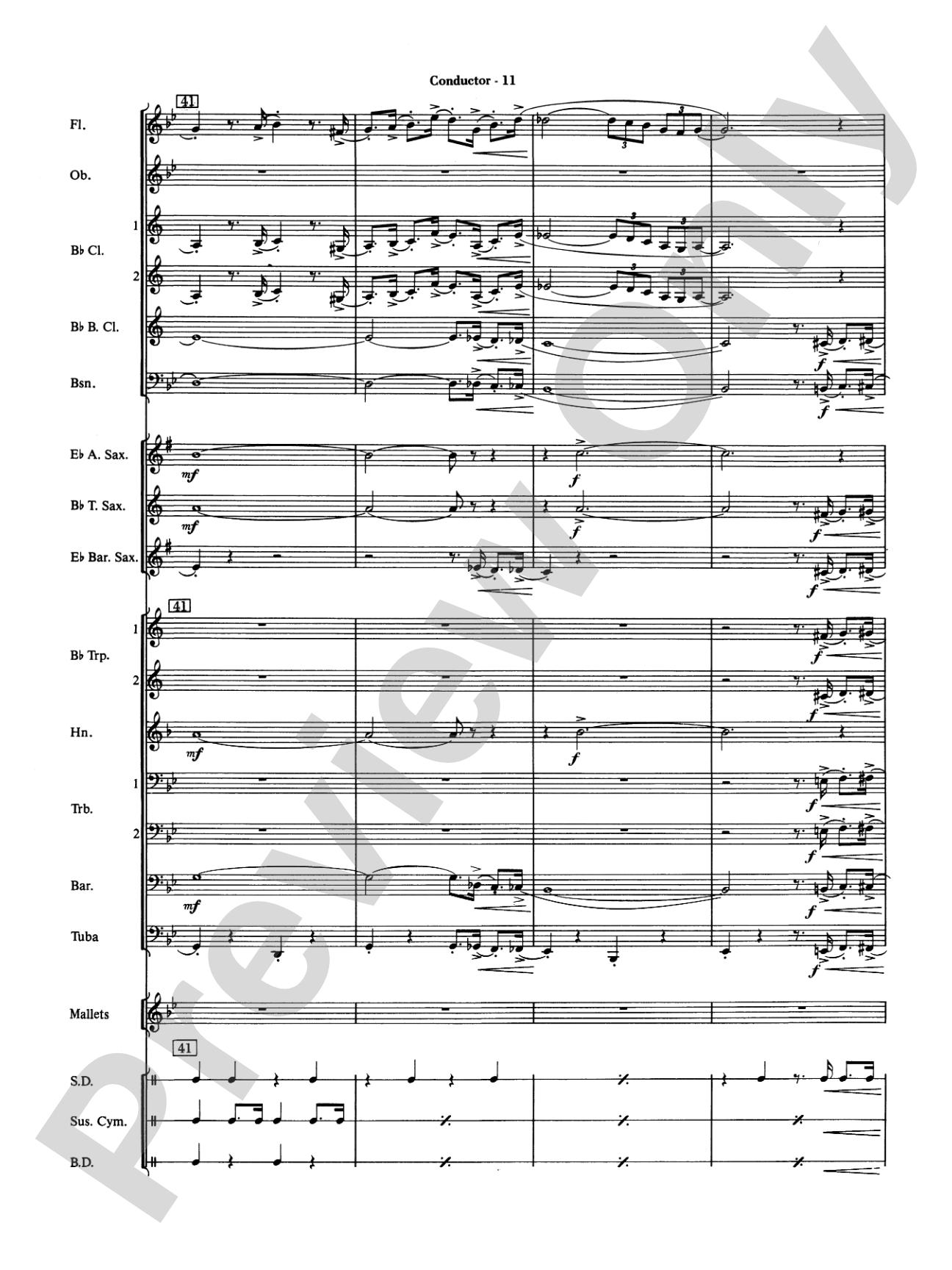
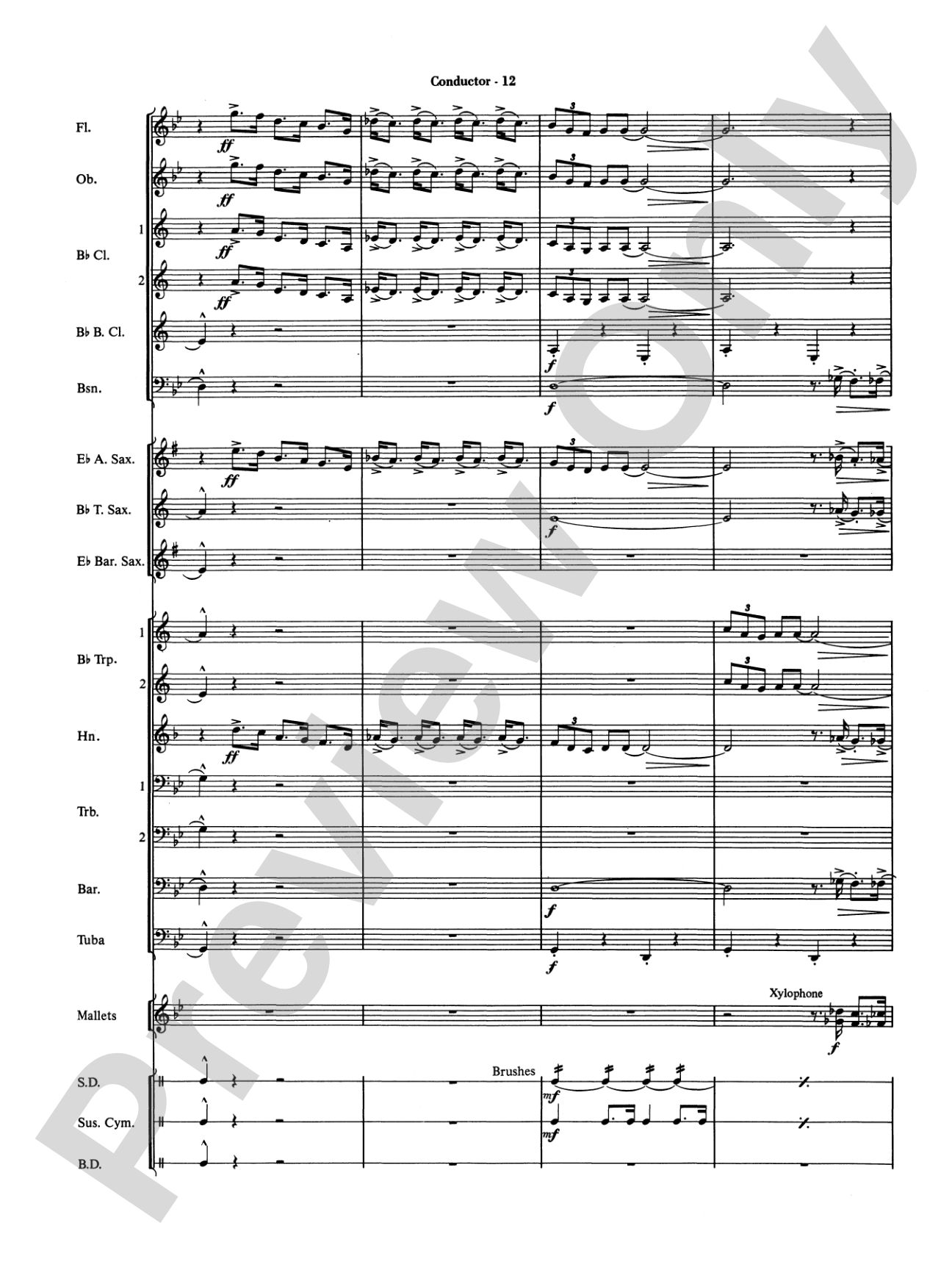
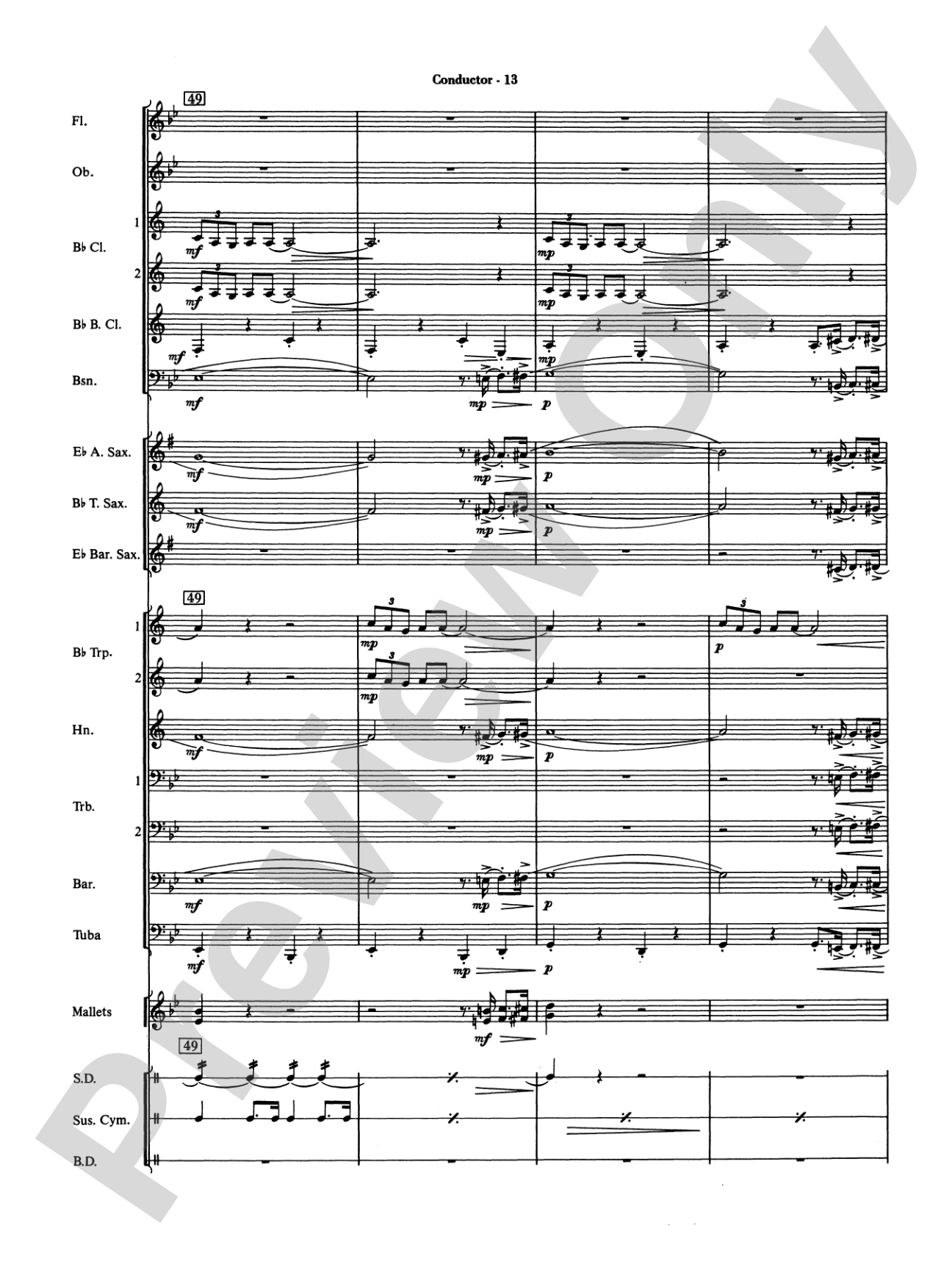
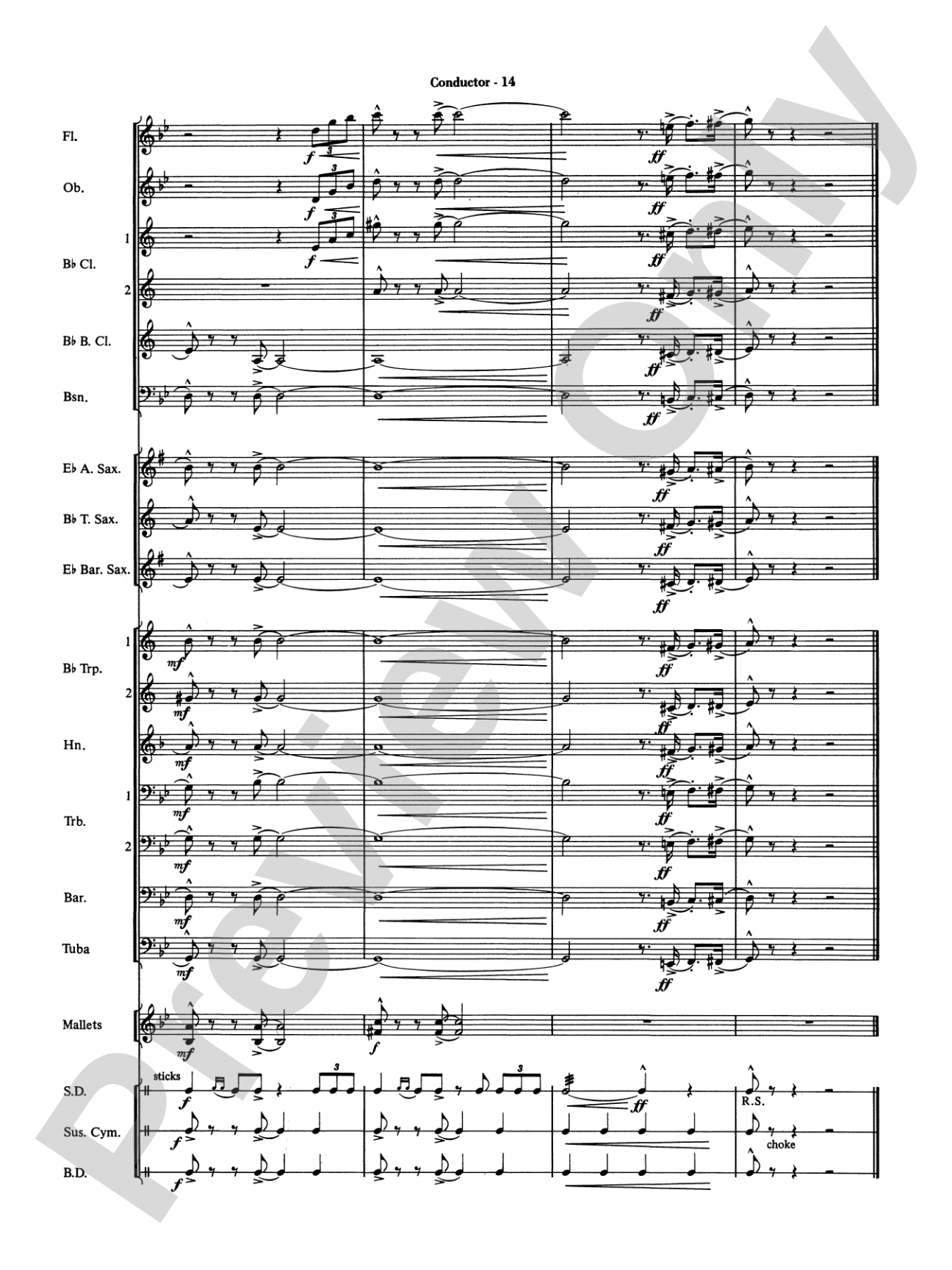


The Pink Panther: Concert Band Conductor Score & Parts
By Henry Mancini / arr. Paul Cook
Grade: 2 (Easy)
Item: 00-PK-0003983

$62.00
One moment…
Description
From Henry Mancini's theme to the Blake Edward's comedy about a thief, a diamond, and a bumbling French inspector---this famous tune has stood as a modern classic transcending film and music, featuring one the most recognizable saxophone lines of all time. (2:00)


Don't just read it, hear it, play along with it, and watch your students grow with it. In MakeMusic Cloud, The Pink Panther: Concert Band Conductor Score & Parts comes alive with professional accompaniment, adjustable tempo, and built-in practice tools that turn solo practice into real progress.
Open in the Player
Jump straight in and assign it today.
Start Your Free Trial
Open this title and explore the full library in minutes.
Sample Audio
1
Audio File
--:--
0:00
0:00
Sample Video
Additional Details
Series:
Pop Young Band
Publisher:
Alfred Music
Page Count:
118
SKU:
00-PK-0003983
More about this title
About the Composer: Henry Mancini
Henry Mancini (1924–1994) shaped the sound of American film and popular music for four decades. His gift for melody and orchestration made him one of the most recorded composers of the twentieth century, with an output spanning dramatic scores, television themes, and jazz-inflected popular songs. His work earned four Academy Awards and eighteen Grammy Awards, but his real legacy in music education is the accessibility of his melodies: they stick with listeners immediately and reward careful musical study at every level.
Why we love this
This arrangement captures everything that makes The Pink Panther irresistible: that iconic, slinky saxophone line remains front and center, but Paul Cook has written the band parts so every section gets a moment to shine. At Grade 2, it's achievable for developing ensembles without oversimplifying the harmonic sophistication that makes Mancini's work distinctive. It's the kind of piece that gets applause before the band even finishes the first phrase.
What to expect
The Pink Panther moves with cool, feline confidence. The famous saxophone line carries a playful menace, while the supporting harmonies pulse with a jazzy syncopation that feels more sophisticated than a traditional march. There's humor in the orchestration, a wink at the audience, and beneath it all, the kind of melody that stays with listeners long after the concert ends.
Who it's for
This is ideal for Grade 2 concert bands building repertoire that sounds sophisticated but remains technically manageable. It works equally well for ensembles developing jazz-influenced phrasing and balance, or for programs that need a crowd-pleasing contemporary classic that students will actually want to perform.
How to get the most out of it
- Lock the rhythm section (bass and drums) to establish the groove's swagger; the saxophone line will sit on top of a solid foundation rather than competing for clarity.
- Let the famous saxophone melody breathe slightly, especially at phrase endings. This is jazz-influenced writing, not march tempo, so rubato serves the character.
- Balance the saxophones against brass fills carefully. In the lower octaves and harmonic sections, make sure the supportive voices don't drown out the lead line that listeners expect to hear.
- Articulate the staccato passages with precision and consistency across all sections; the comedic timing of the original depends on crisp rhythmic definition.
How to use it
Program this as an opener to catch immediate attention and set a lighter tone, or use it as a palate cleanser between heavier works. It's also an excellent choice for pops concerts, family-friendly events, or programs that celebrate film music and popular culture alongside classical repertoire.
Skills your students will build
- Reading and balancing syncopated rhythms in a jazz-influenced style
- Shaping melodic lines with jazz phrasing and articulation
- Balancing a featured melodic section against harmonic accompaniment
- Executing clear staccato and legato articulation across ensemble sections
- Listening for and maintaining rhythmic groove in the rhythm section