
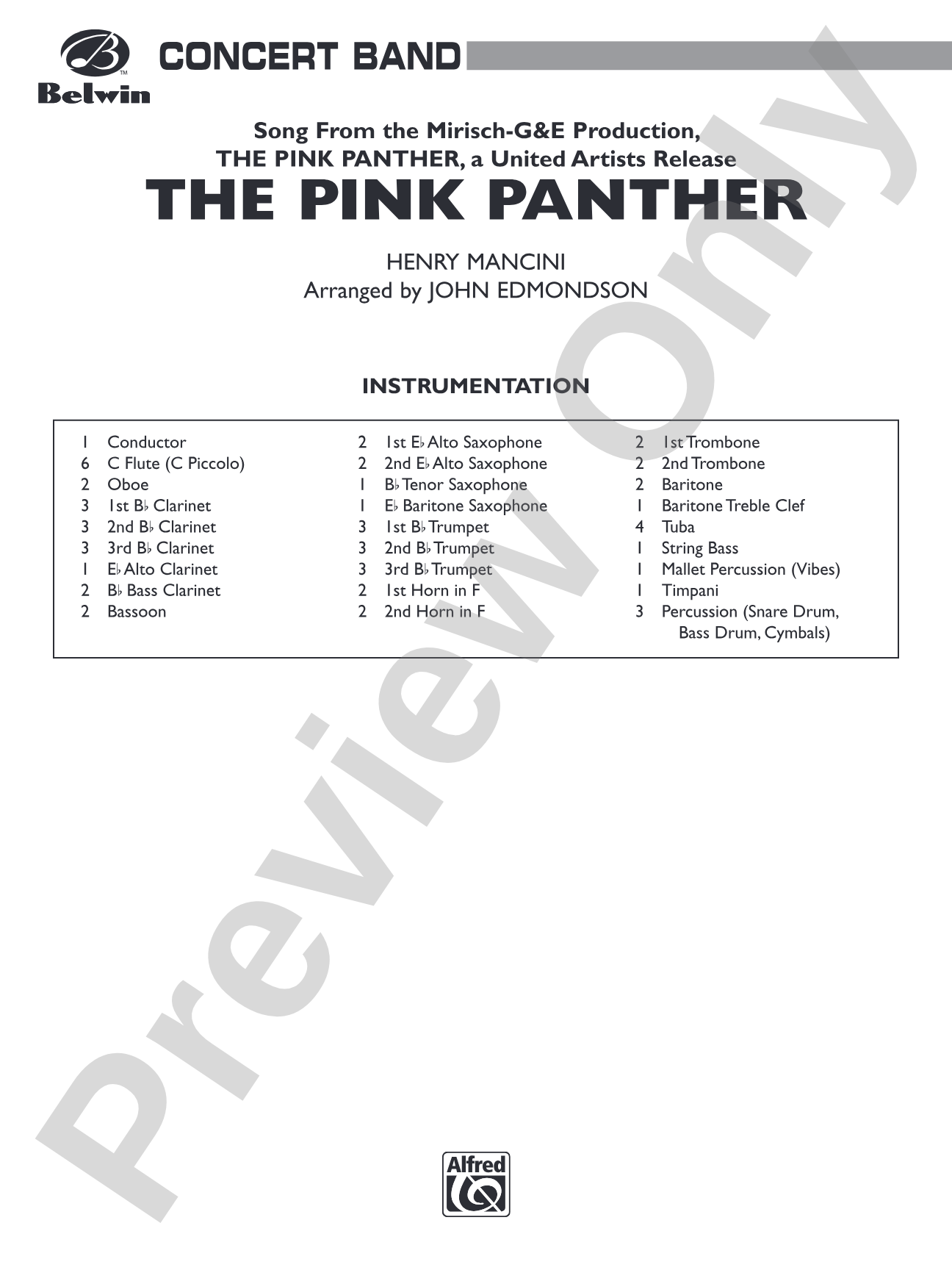

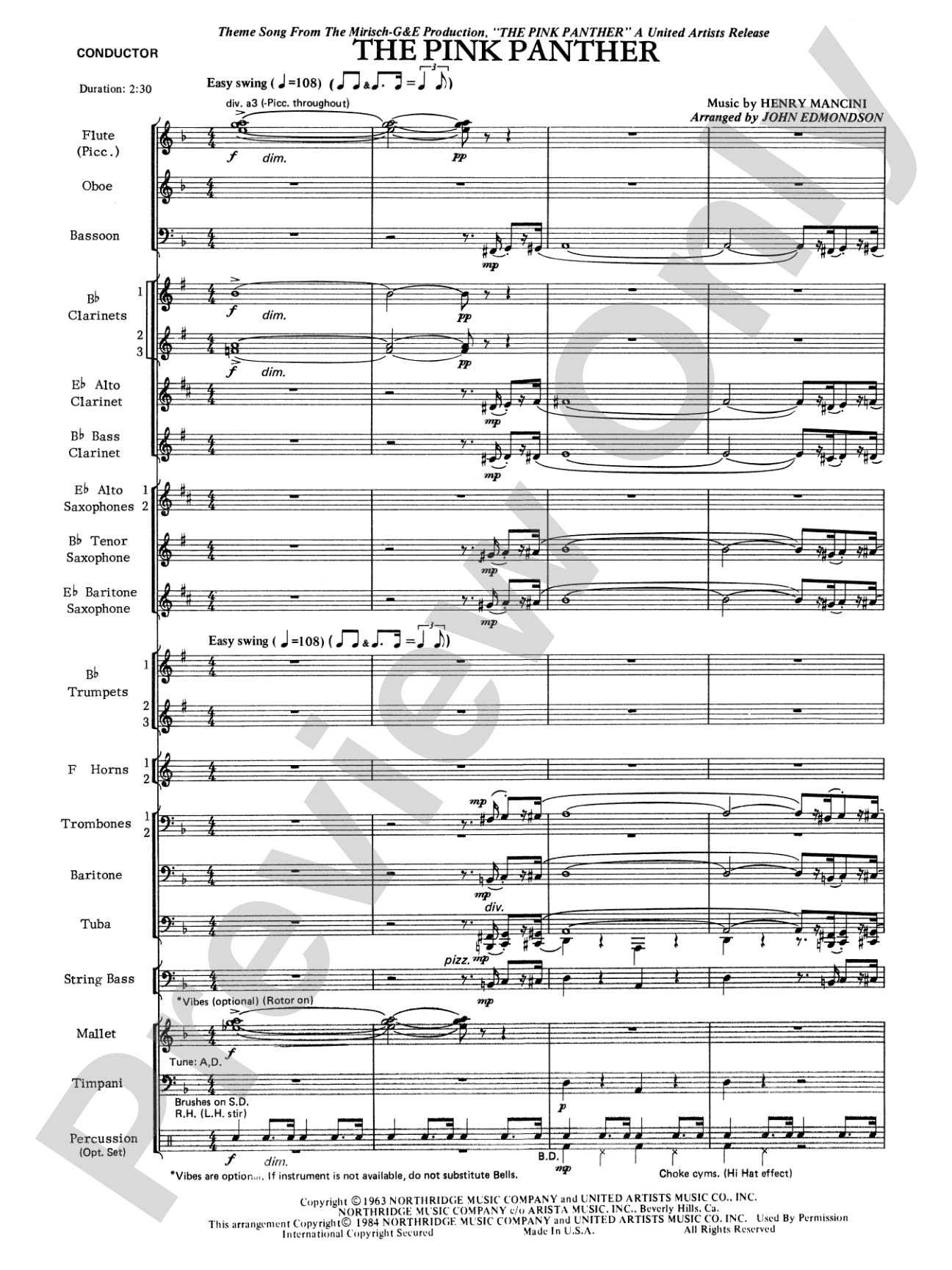
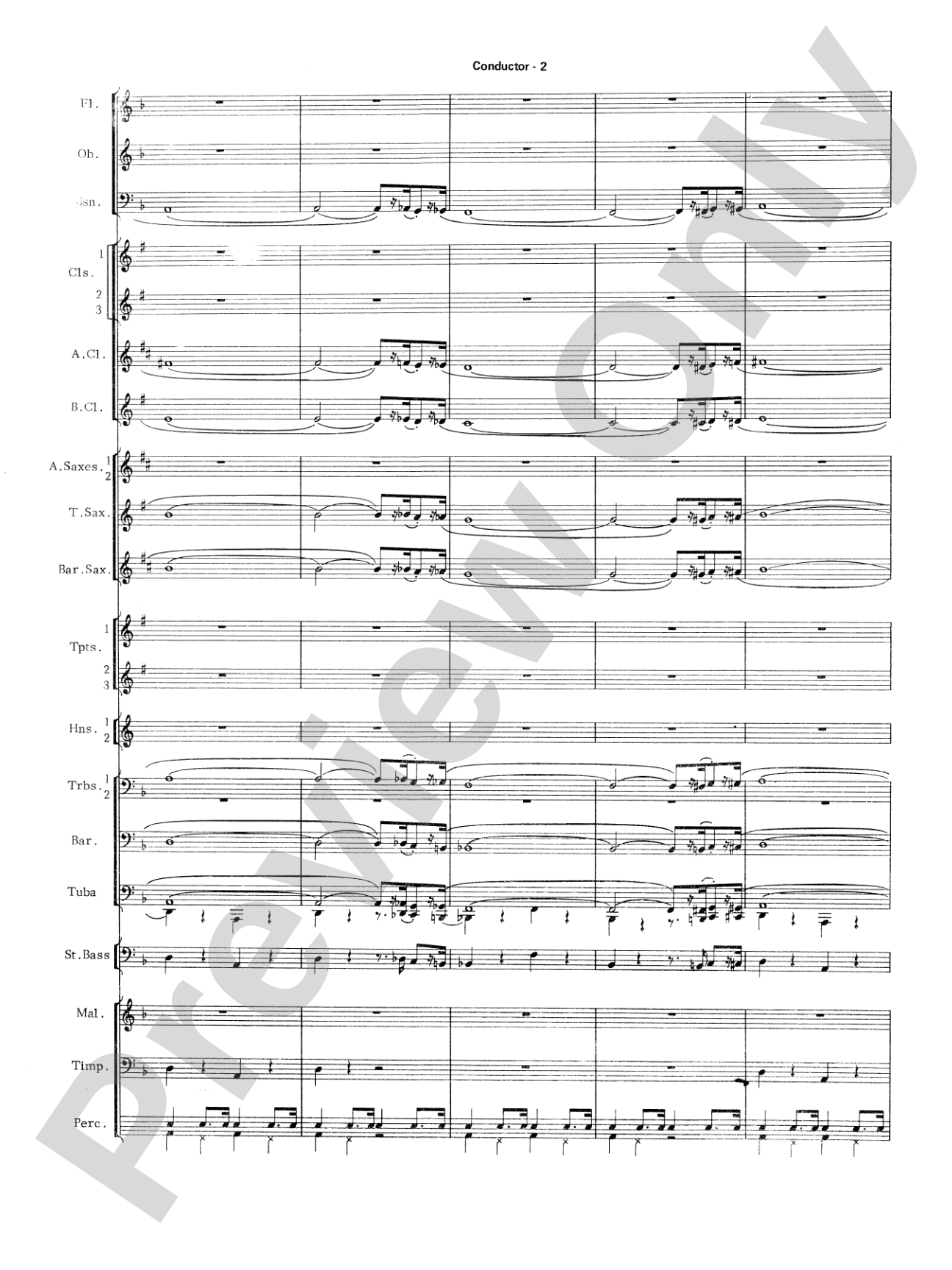
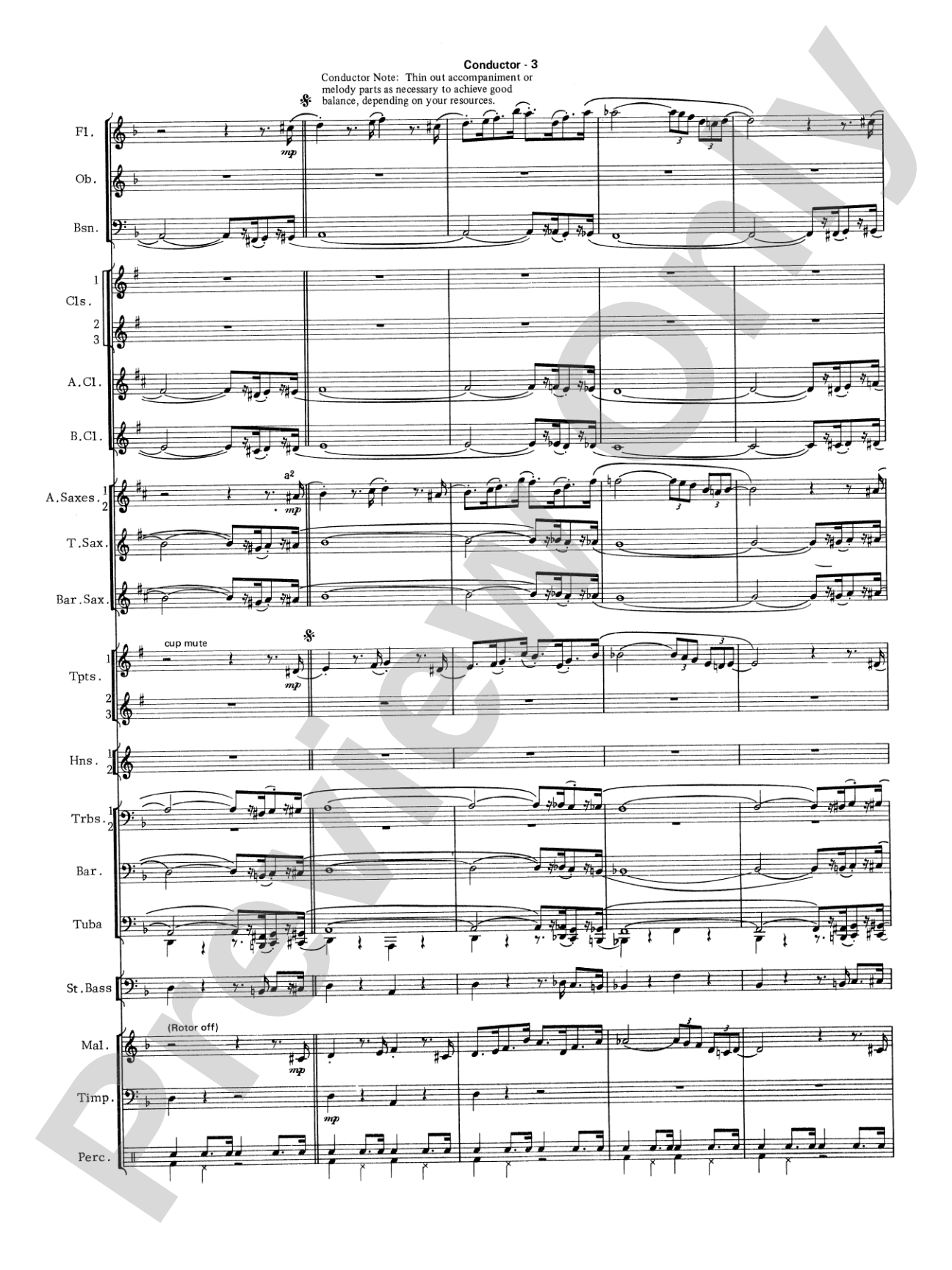
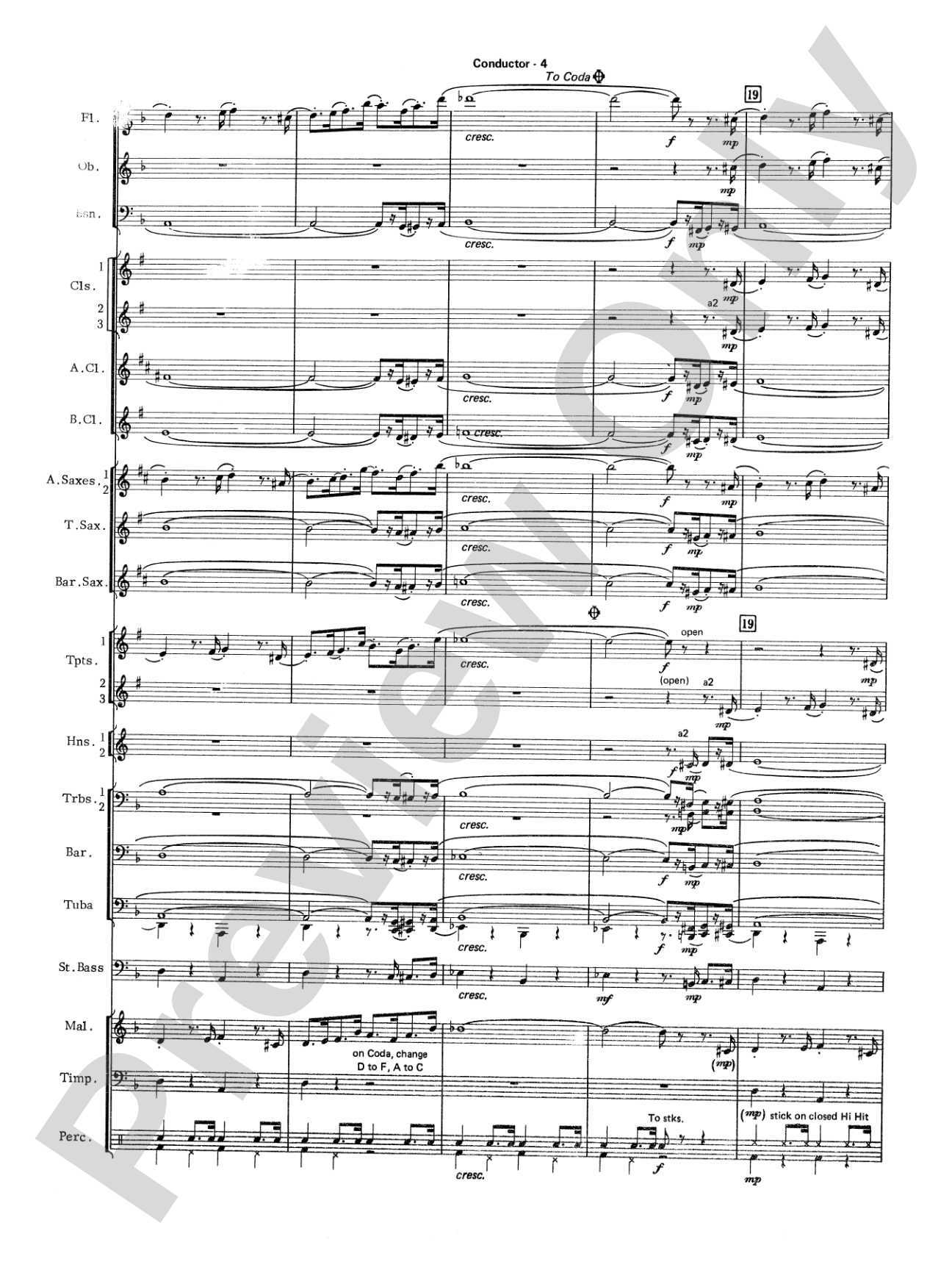
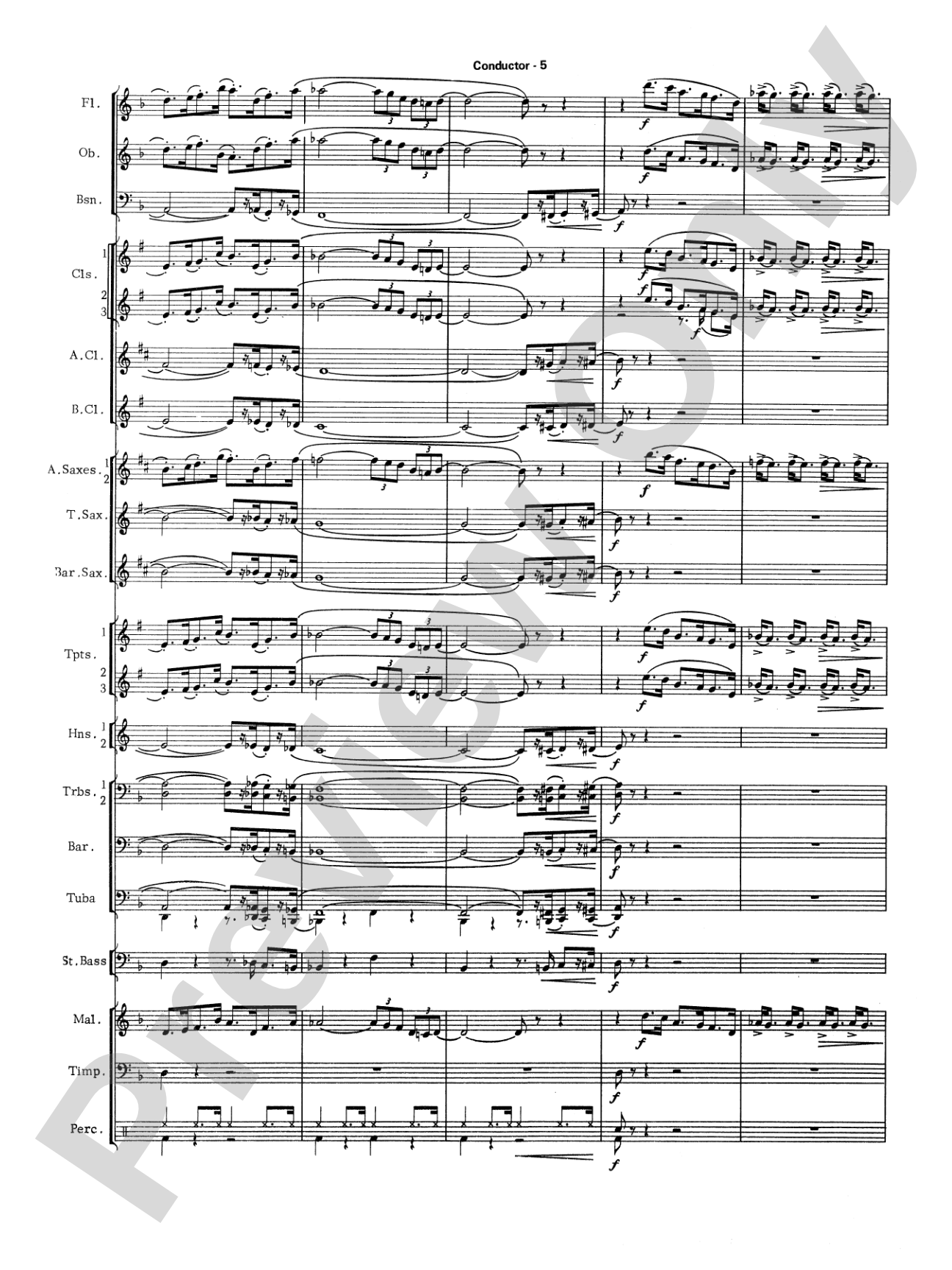
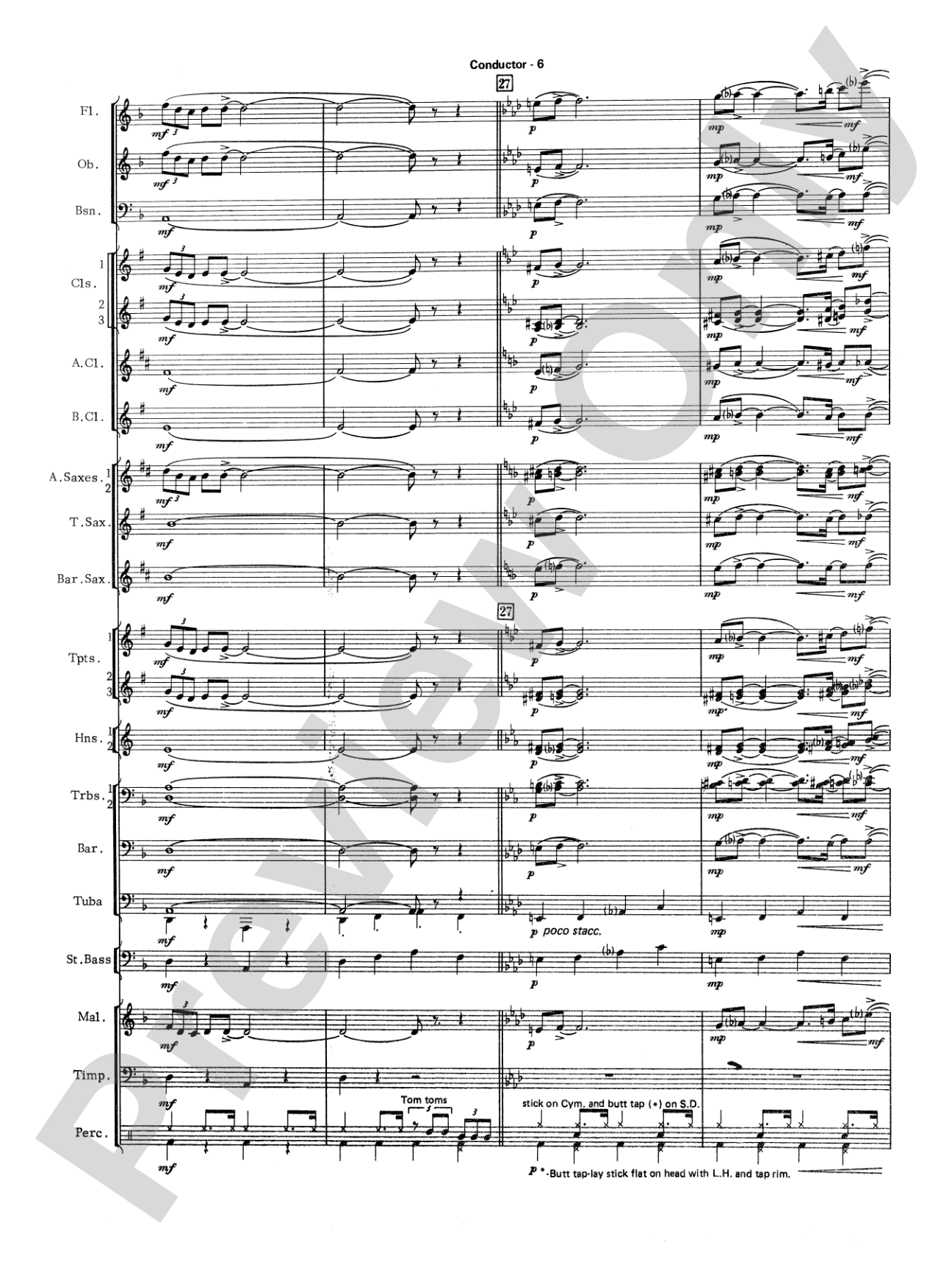
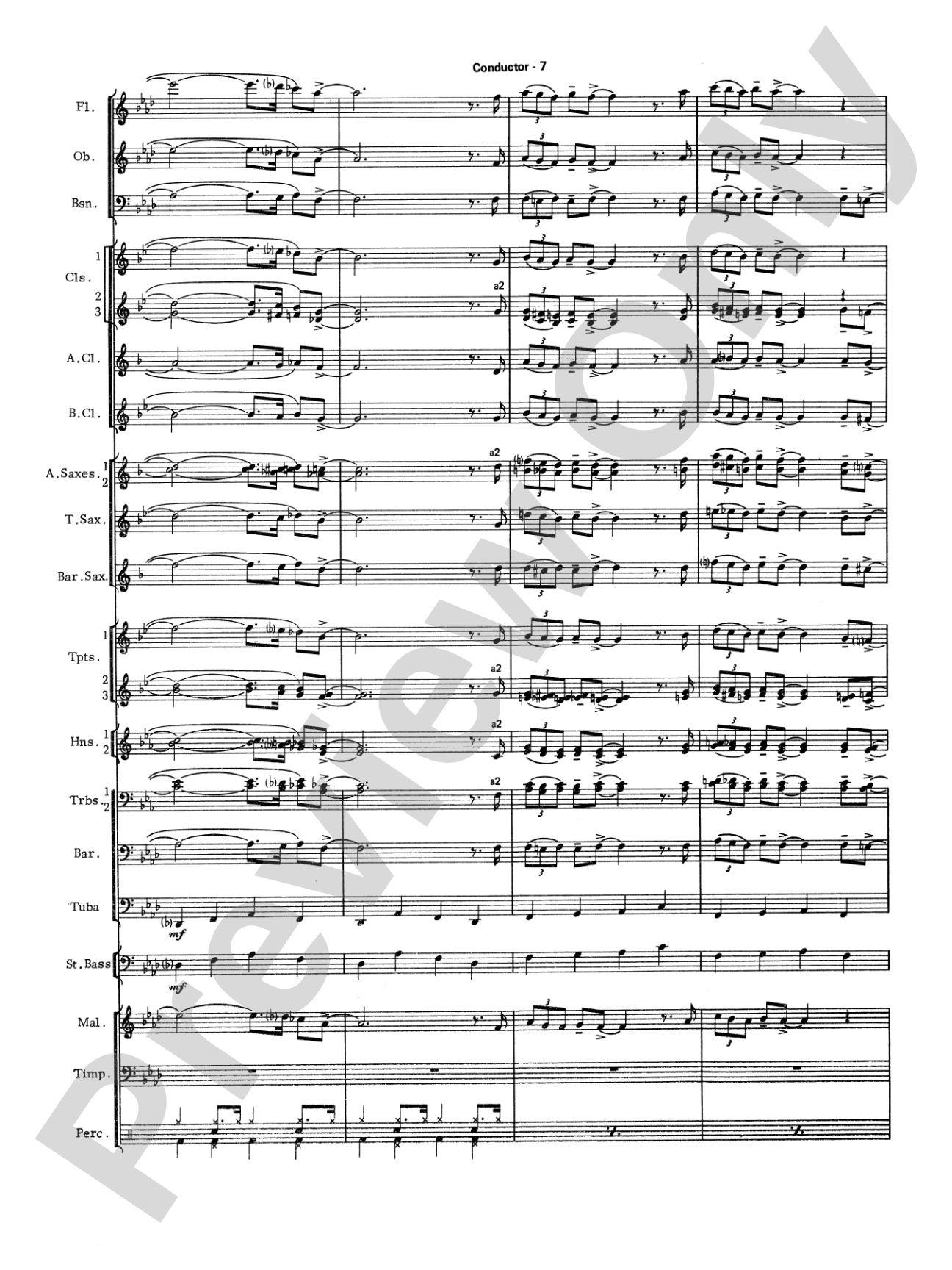
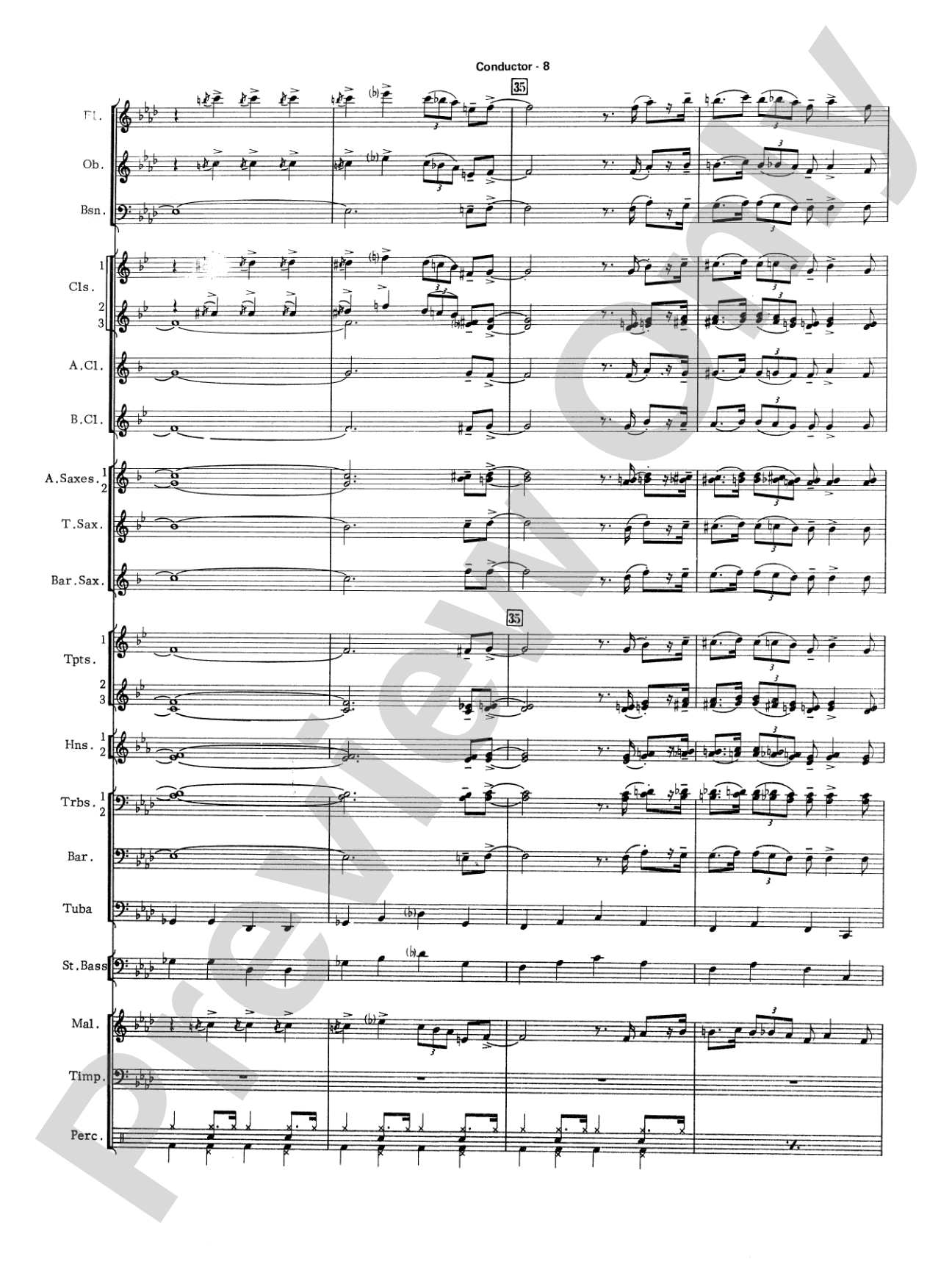
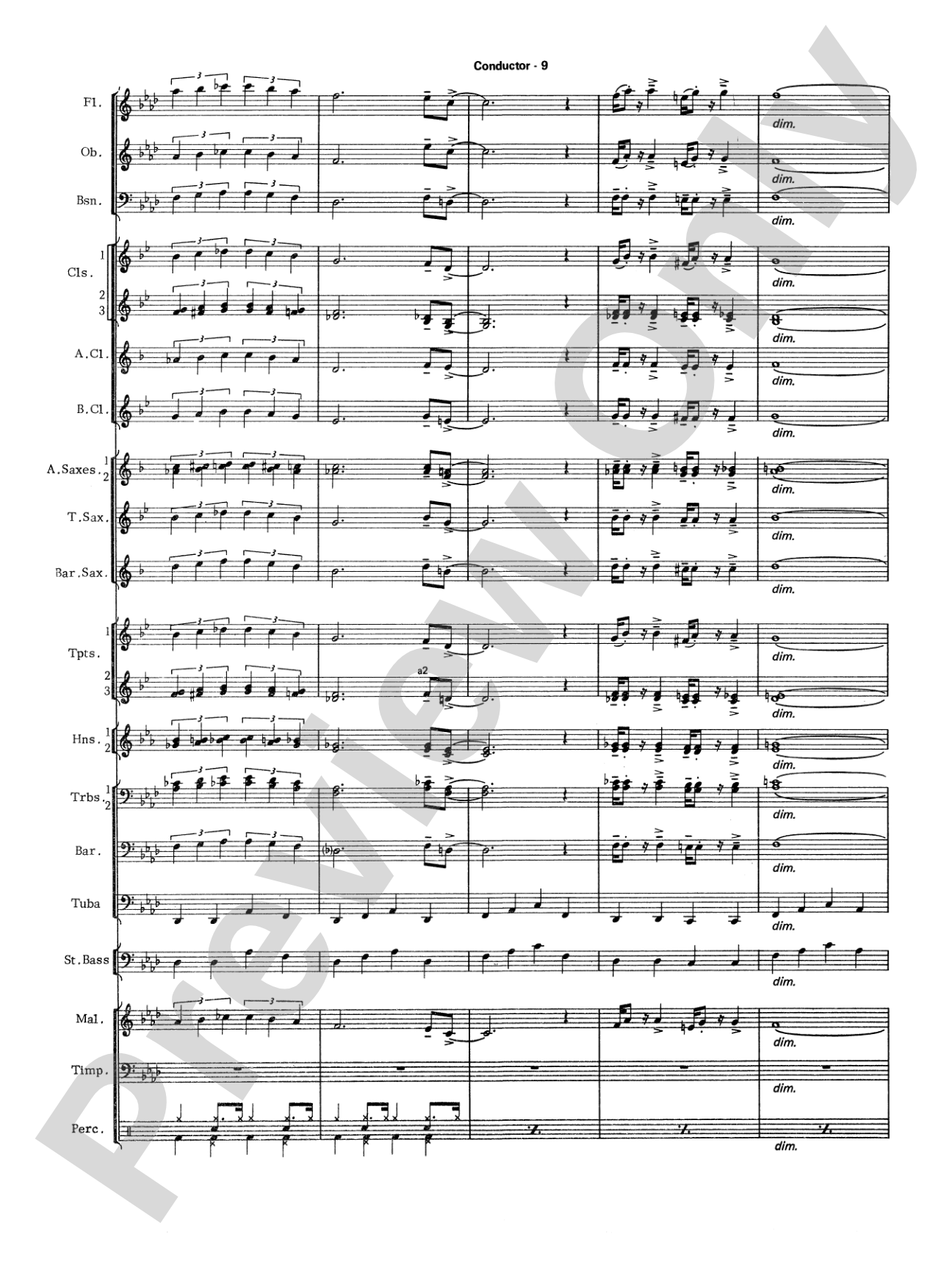
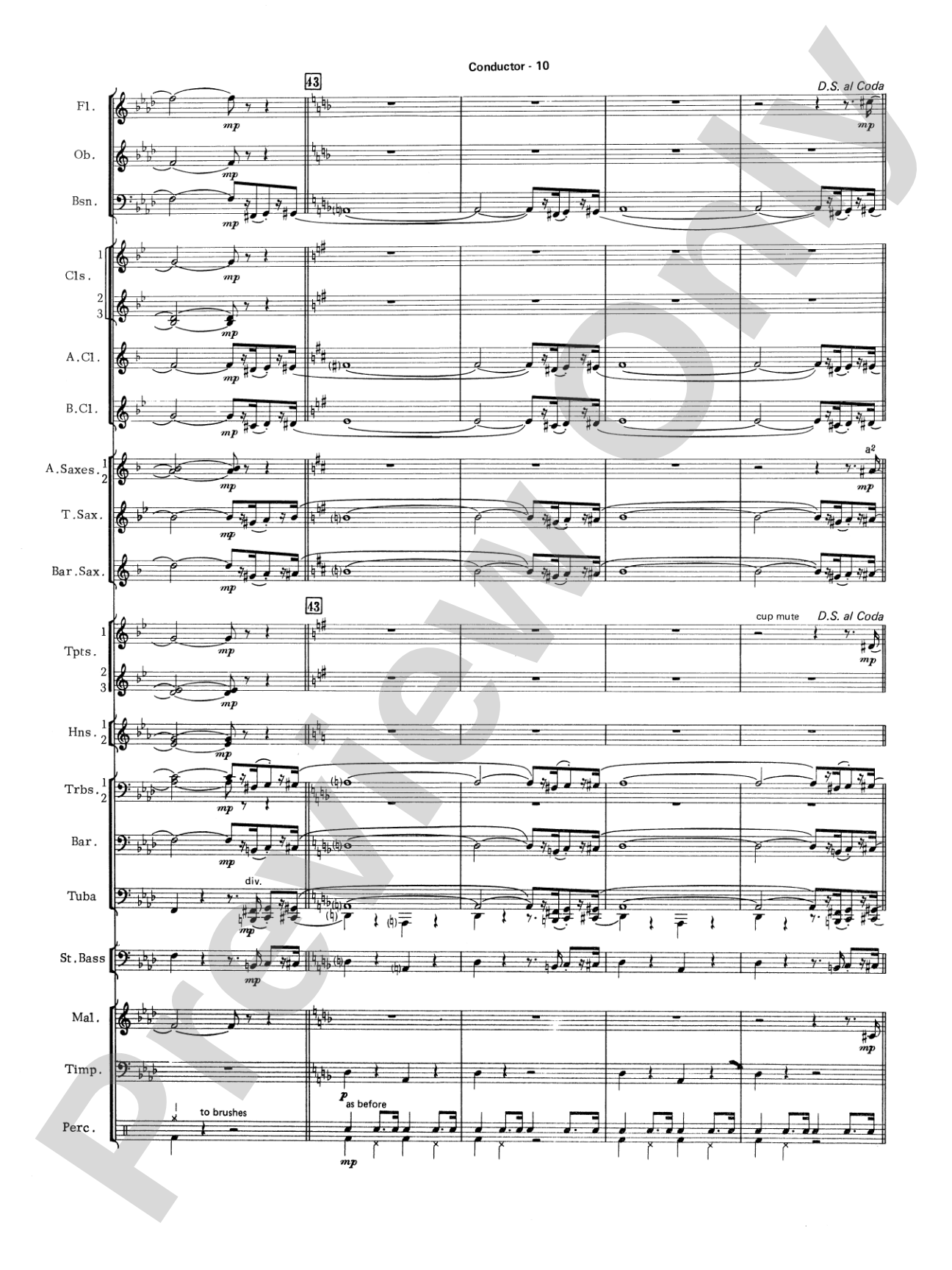
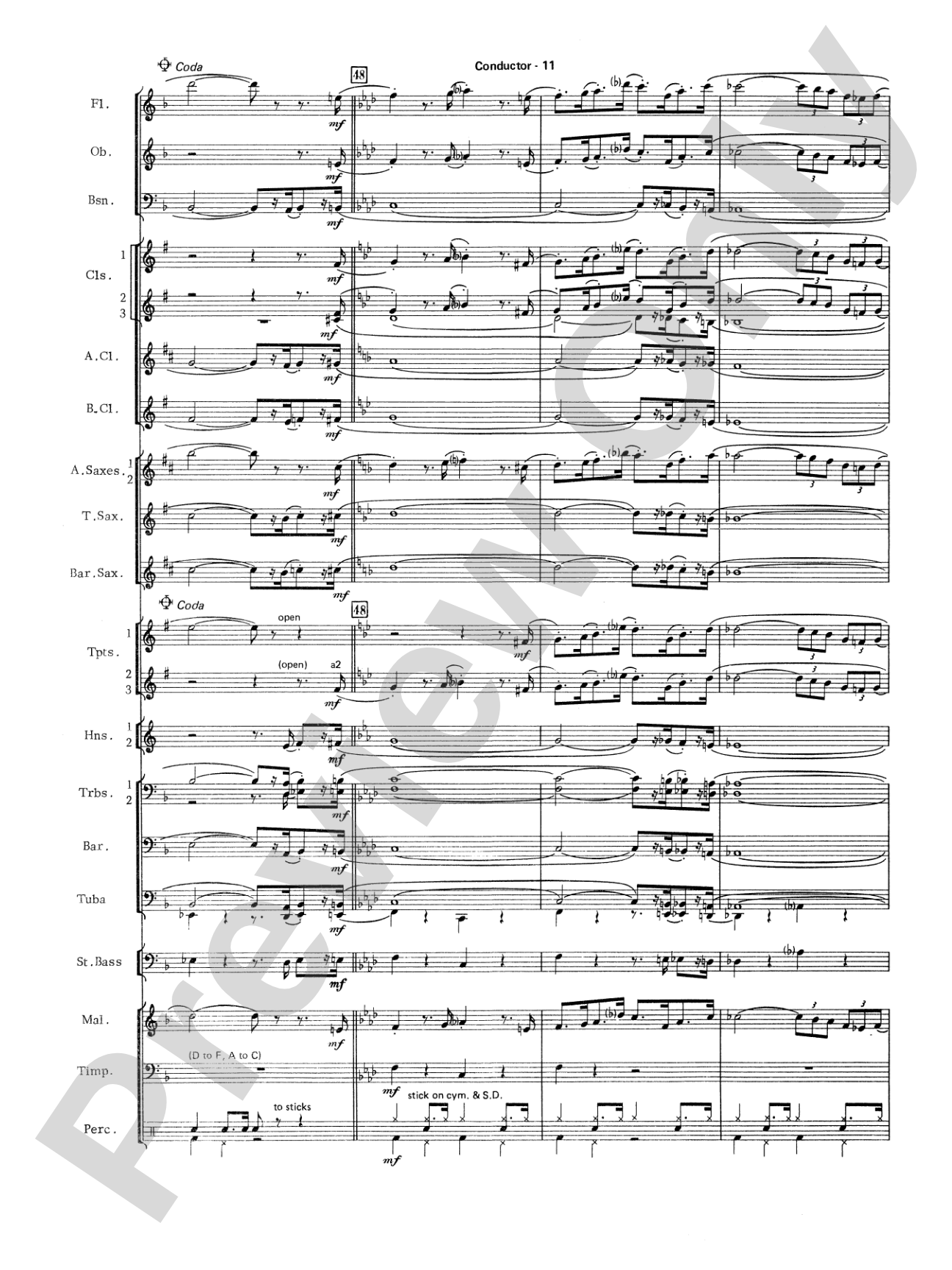
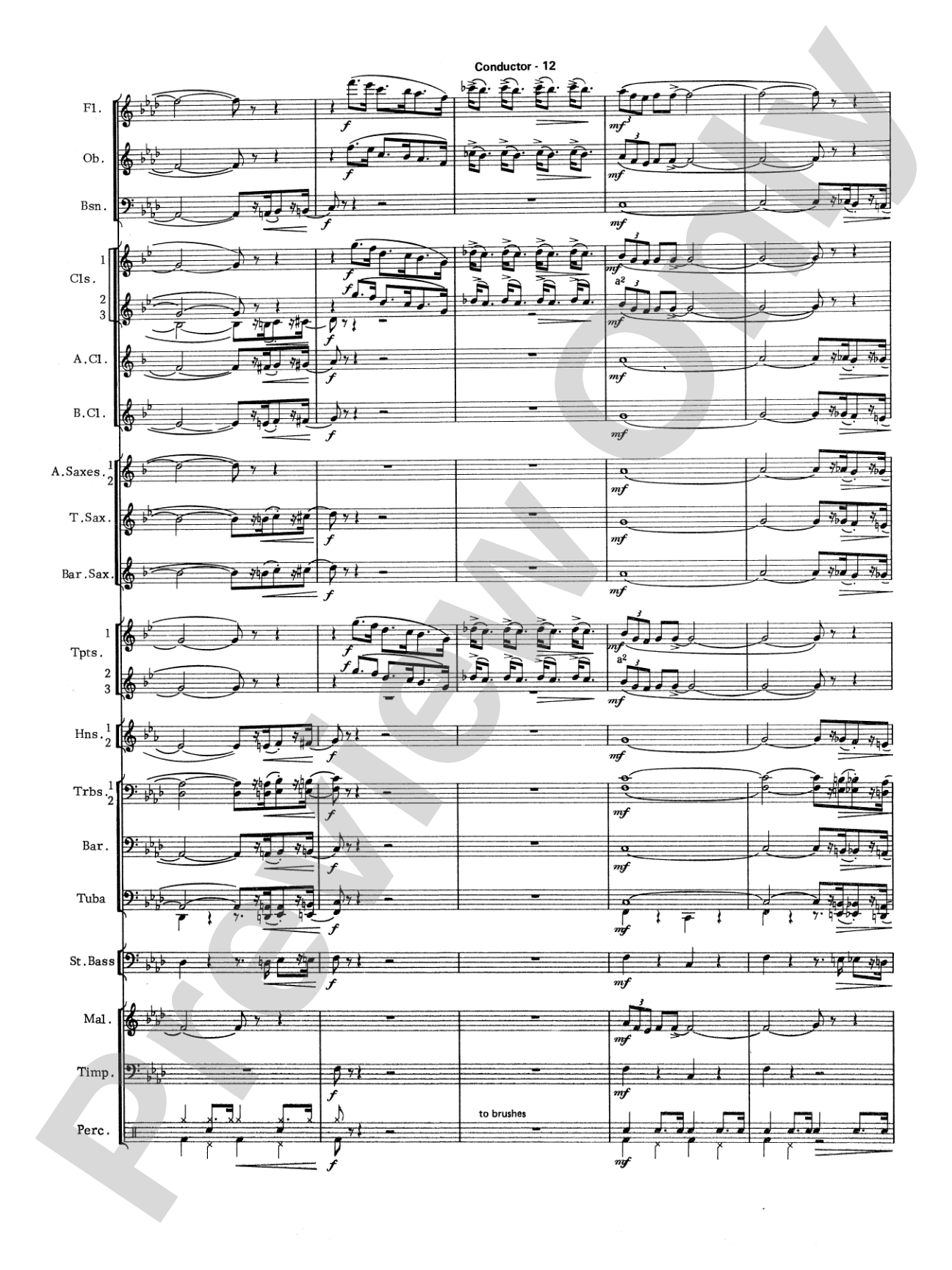
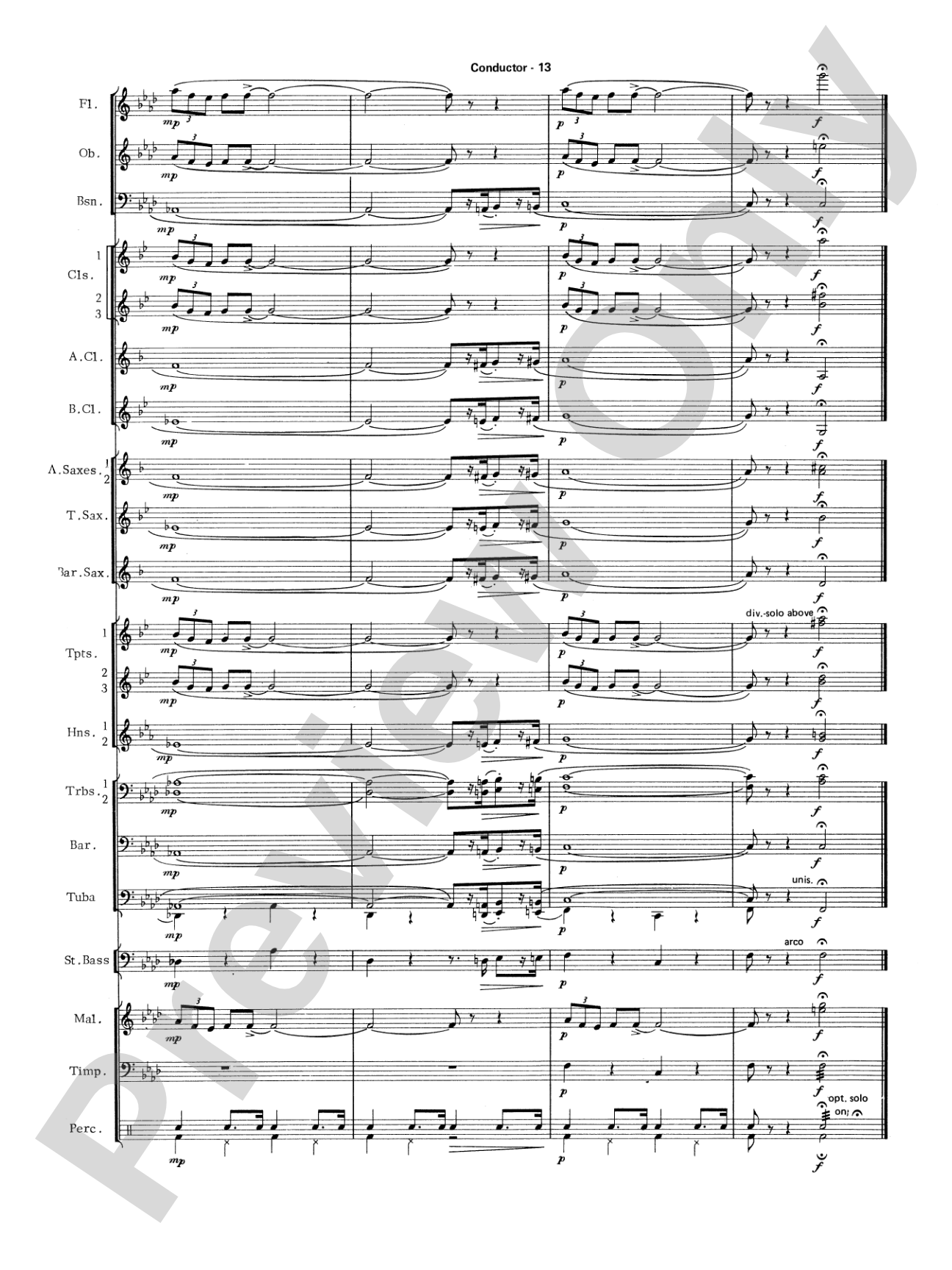


The Pink Panther: Concert Band Conductor Score & Parts
By Henry Mancini / arr. John Edmondson
Grade: 2.5 (Easy to Medium Easy)
Item: 00-PK-0001324

$70.00
One moment…
Description


Don't just read it, hear it, play along with it, and watch your students grow with it. In MakeMusic Cloud, The Pink Panther: Concert Band Conductor Score & Parts comes alive with professional accompaniment, adjustable tempo, and built-in practice tools that turn solo practice into real progress.
Open in the Player
Jump straight in and assign it today.
Start Your Free Trial
Open this title and explore the full library in minutes.
Sample Audio
No sample audio found.
Sample Video
No sample videos found.
Additional Details
Series:
Pop Concert Band
Publisher:
Alfred Music
Page Count:
116
SKU:
00-PK-0001324
More about this title
About the Composer: Henry Mancini
Henry Mancini (1924-1994) shaped the sound of American film and television through compositions of remarkable sophistication and accessibility. His ability to write memorable melodies that served narrative purposes while remaining musically substantial made him one of the most celebrated composers of the twentieth century, with scores for films like Breakfast at Tiffany's, The Days of Wine and Roses, and The Pink Panther earning both critical acclaim and popular success.
Mancini's orchestrations prioritized clarity and color, qualities that made his work ideal for adaptation across ensembles of all sizes. His influence on music education extends beyond his iconic themes; his compositions demonstrate how popular music can challenge student musicians while remaining deeply engaging to audiences.
Why we love this
Mancini's iconic theme is instantly recognizable and energizes any concert program, but this Grade 2.5 arrangement balances accessibility with genuine musical interest. The writing gives each section something meaningful to play rather than relegating parts to sustained harmony, making students feel invested in the performance and keeping audiences genuinely delighted.
What to expect
Suave and mischievous, with the understated cool of a spy film's opening credits. The music bounces with a light swing rhythm and clever orchestration that makes it feel more sophisticated than its moderate difficulty level suggests.
Who it's for
Concert bands at the developing stage looking for a piece that feels contemporary and engaging without requiring advanced technical facility. Directors seeking repertoire that lands well with audiences while building student enthusiasm and confidence.
How to get the most out of it
- Establish the infectious swing feel early in rehearsals. The groove is the piece, so lock in the rhythm section (bass and drums) before polishing articulation and blend in the horns.
- Balance the saxophone line carefully against the full ensemble; it carries the famous melody and should sit just above the rest of the texture without drowning out supporting voices.
- Shape phrases with subtle dynamic gradations rather than dramatic contrasts. The sophistication of Mancini's composition lies in its economy and elegance.
- Record a sectional rehearsal to listen back for clarity in the inner parts. Students often can't hear their own voice in context until they step away from playing.
How to use it
Program this early or midway through a concert to build audience momentum and break up longer classical works. It works especially well in mixed programs pairing classic film music with traditional band repertoire, or as a crowd-pleasing opener that sets an energetic tone.
Skills your students will build
- Swing rhythm and jazz-influenced articulation
- Balancing transparency in ensemble texture
- Phrasing and dynamic shaping in popular music idioms
- Reading and executing syncopated rhythmic figures across the band
- Melodic prominence and secondary line awareness