
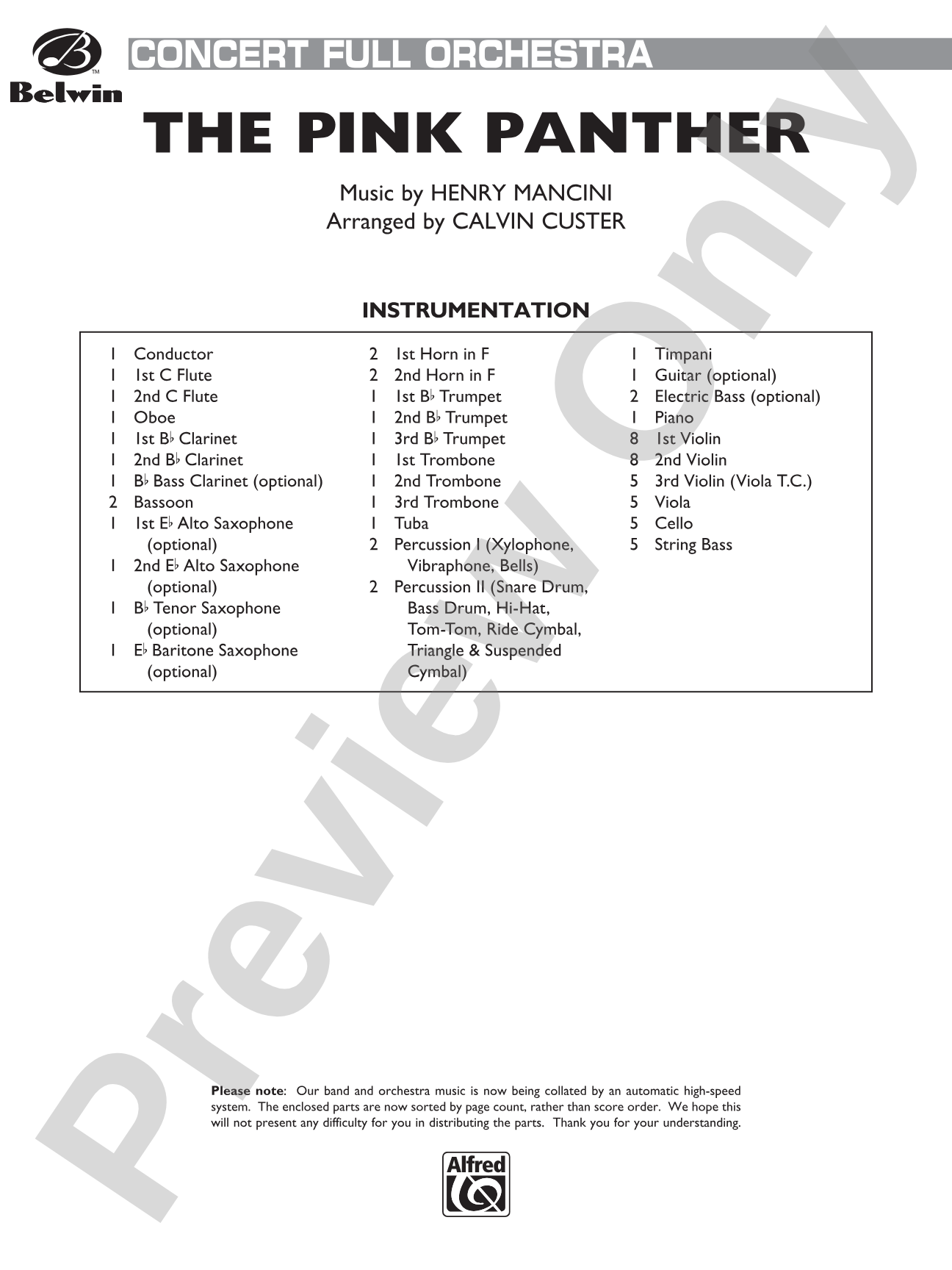
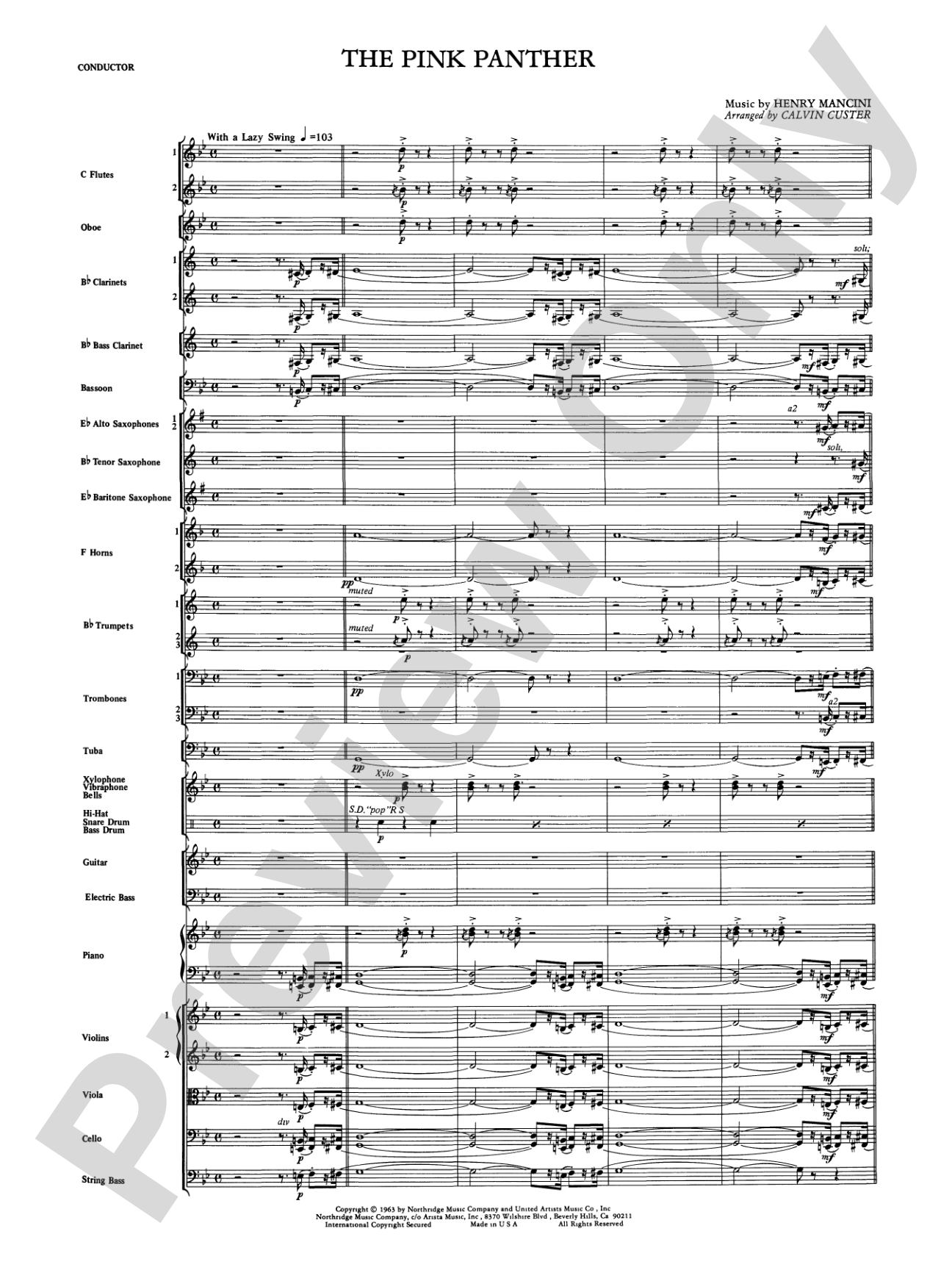
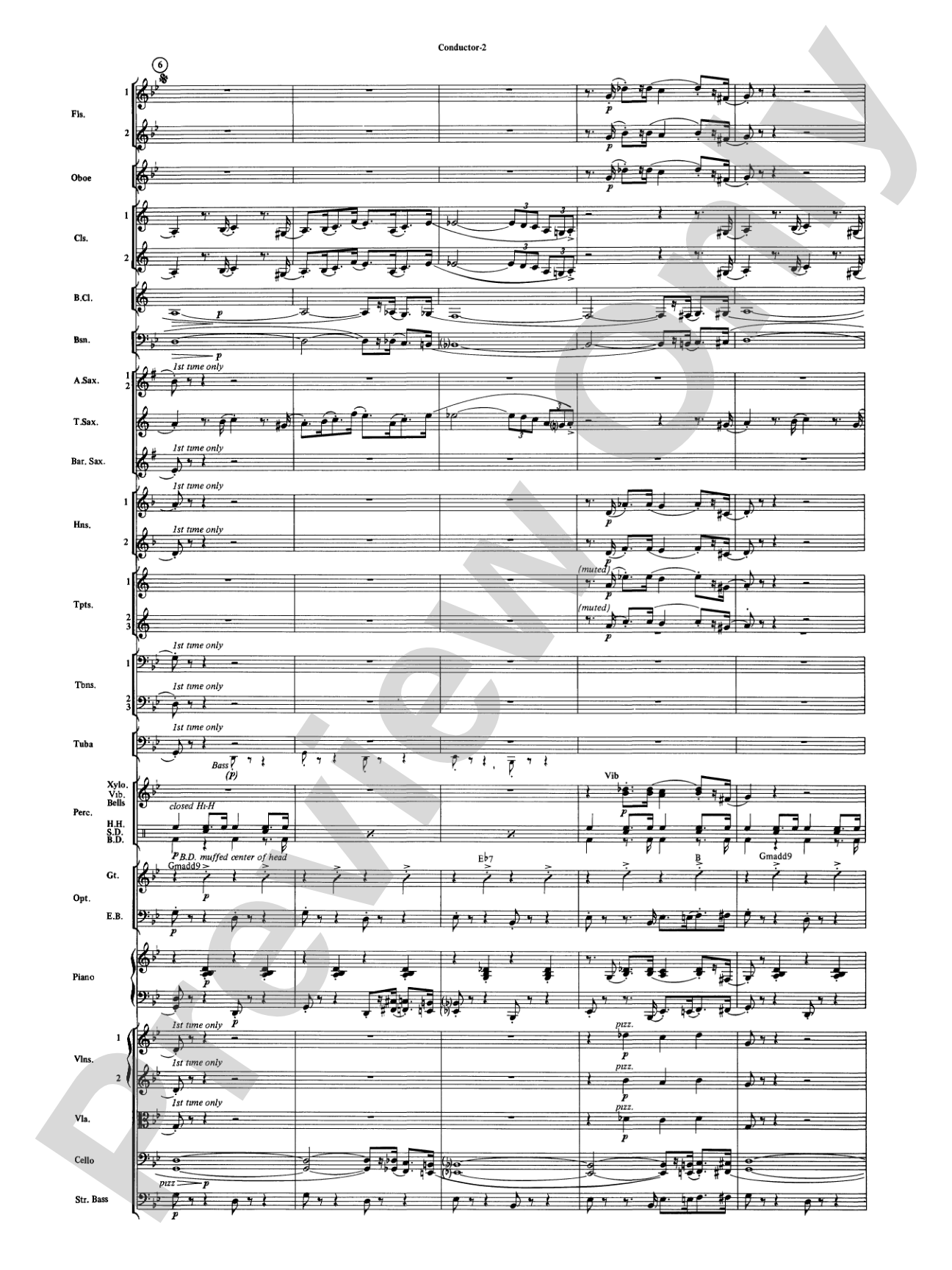
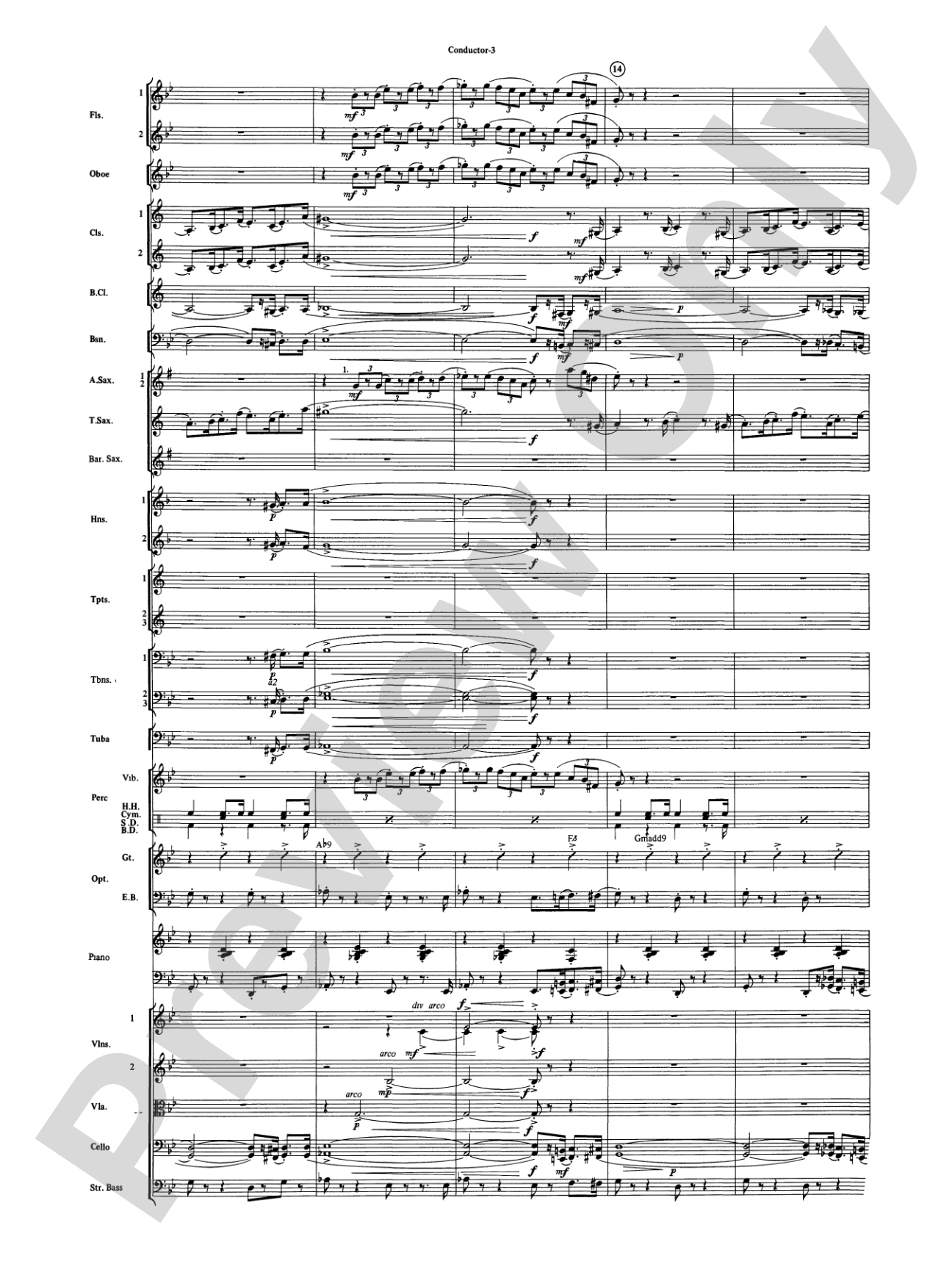
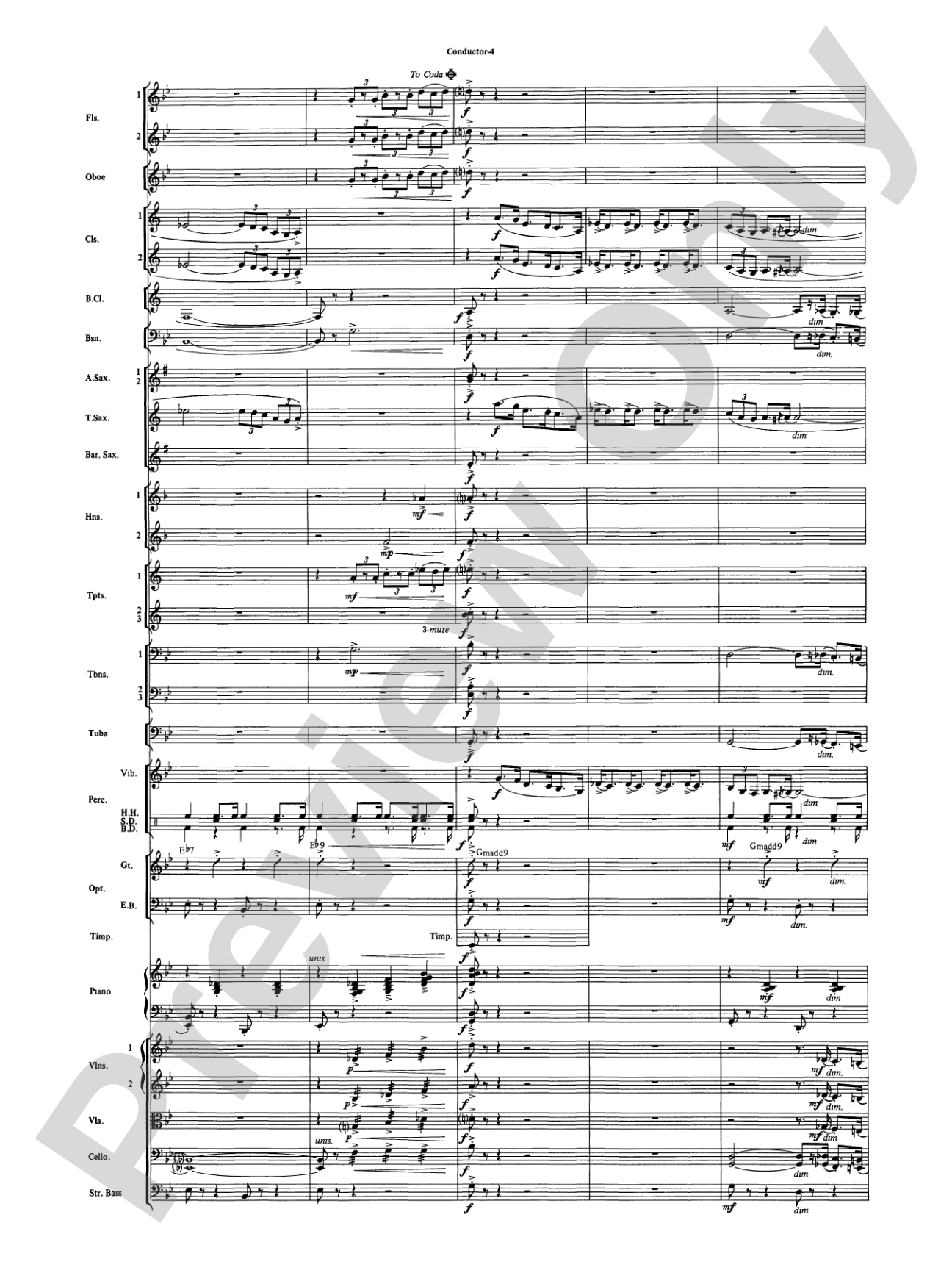
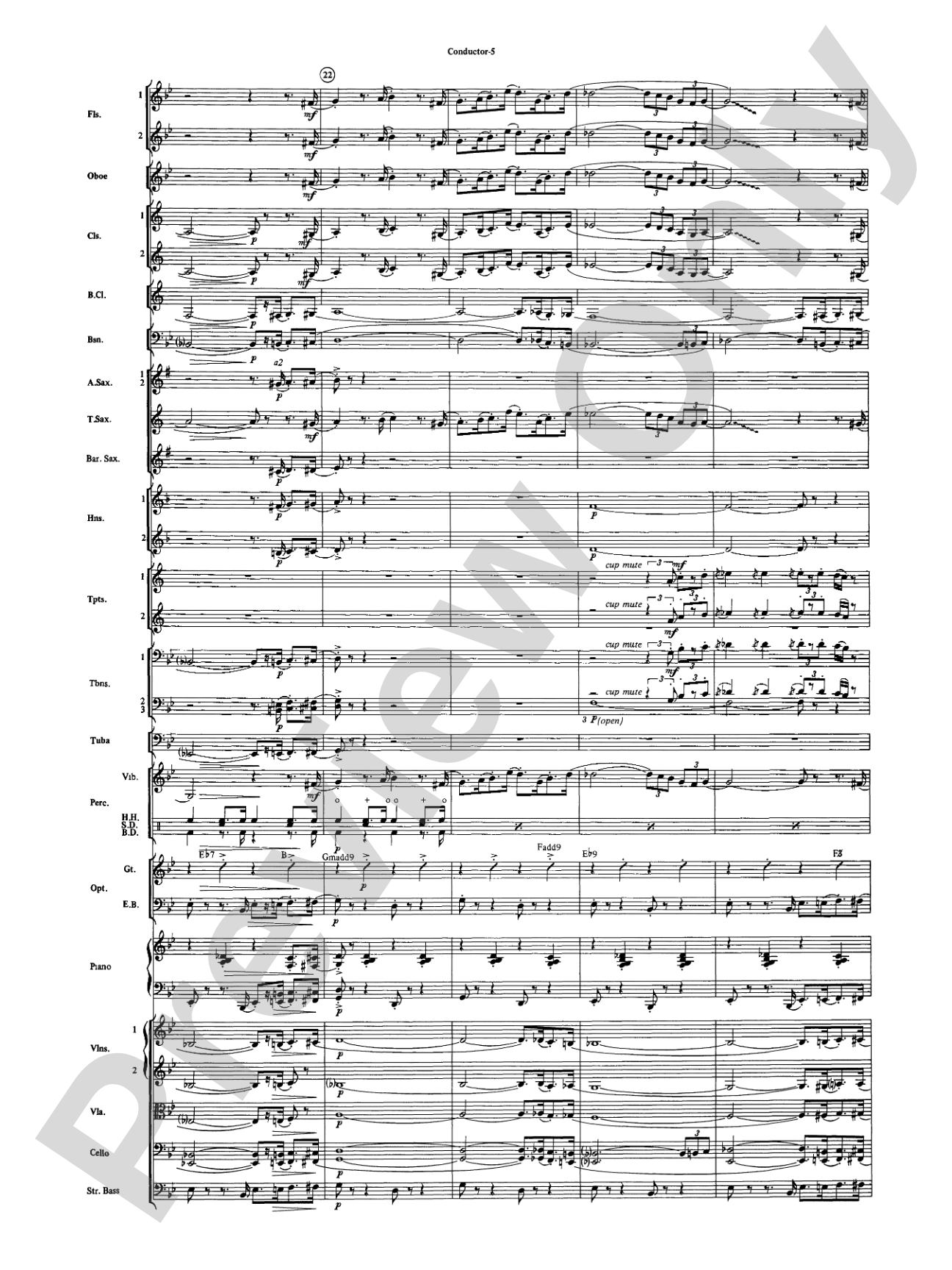
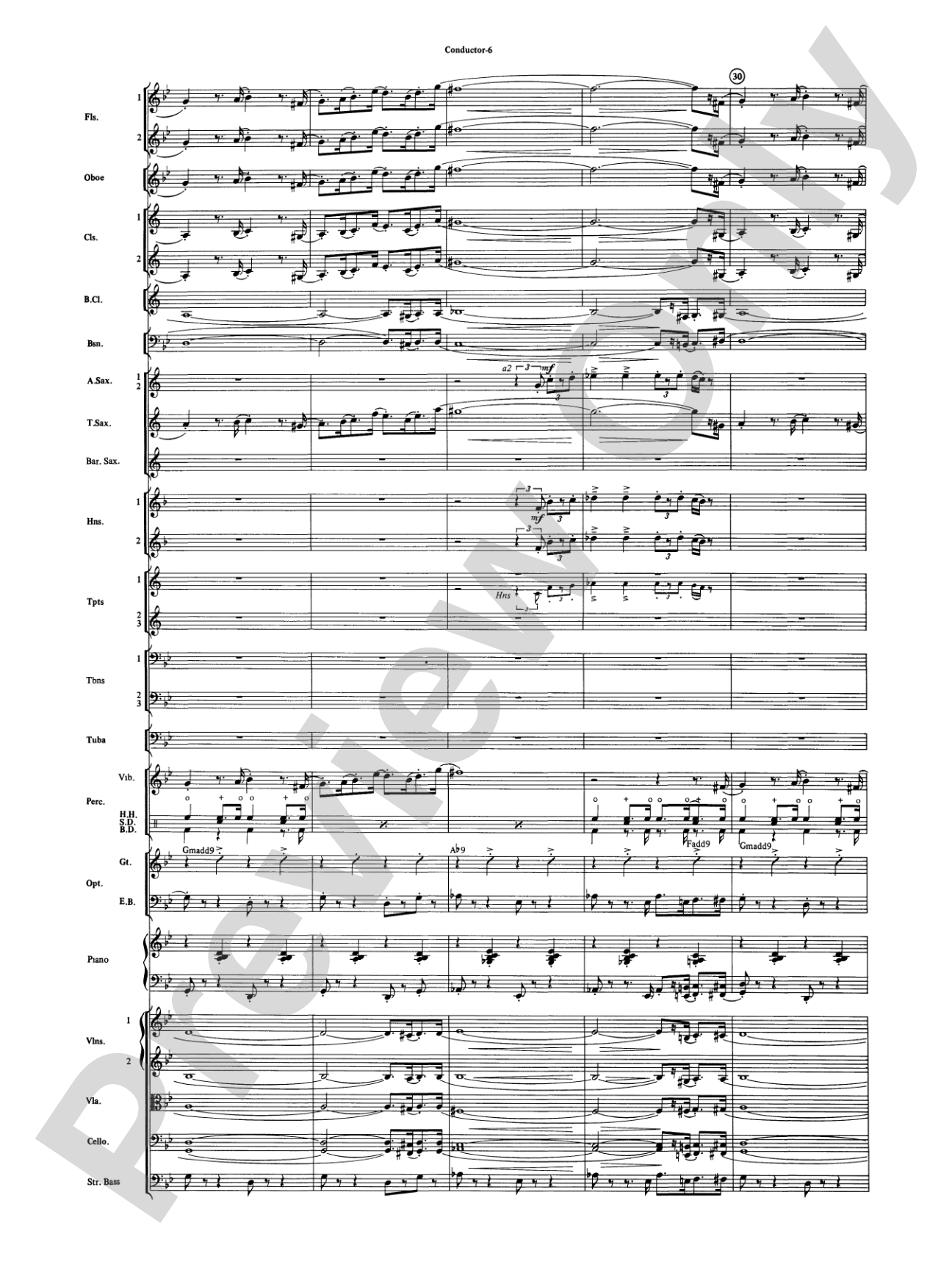
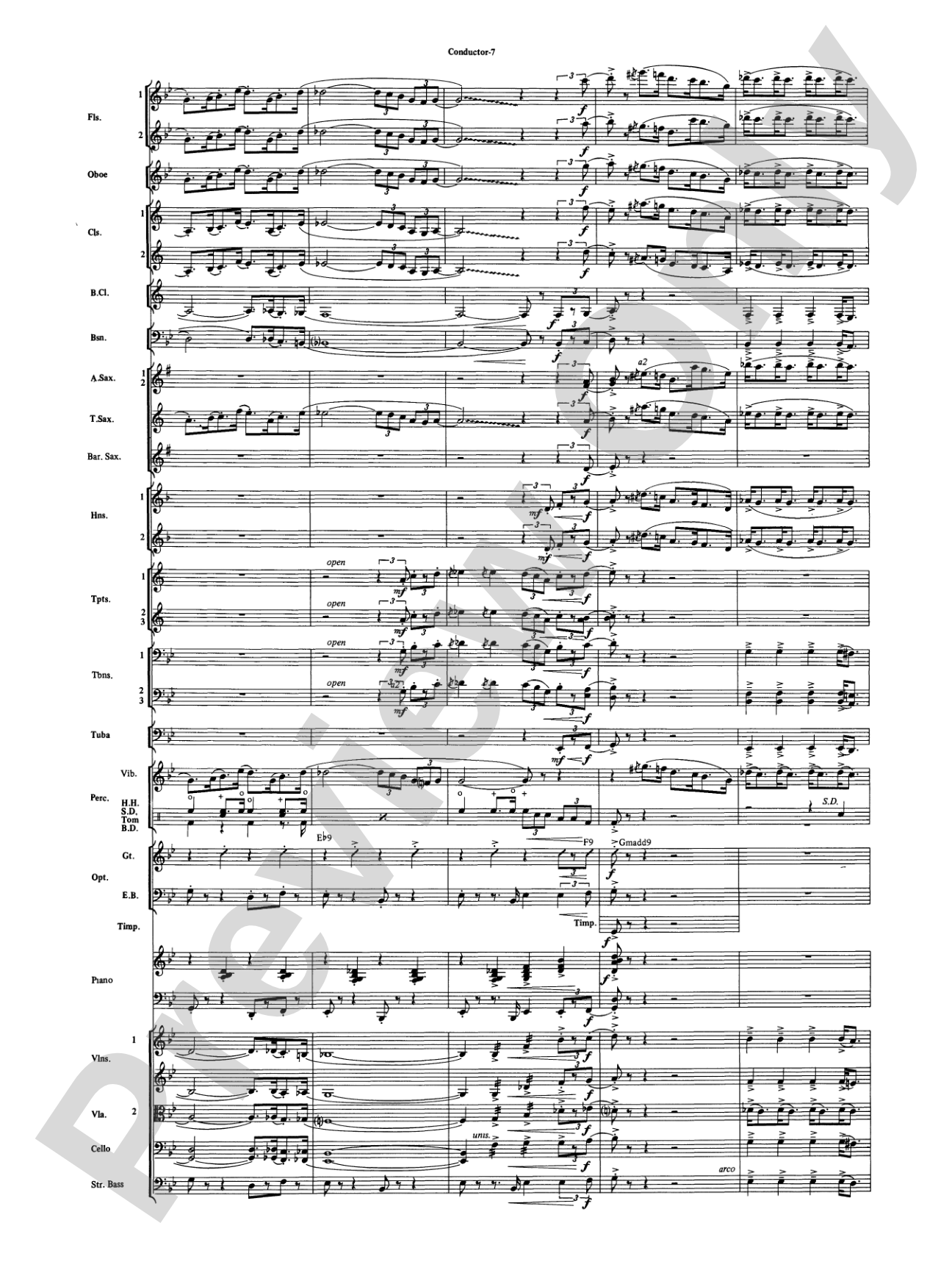
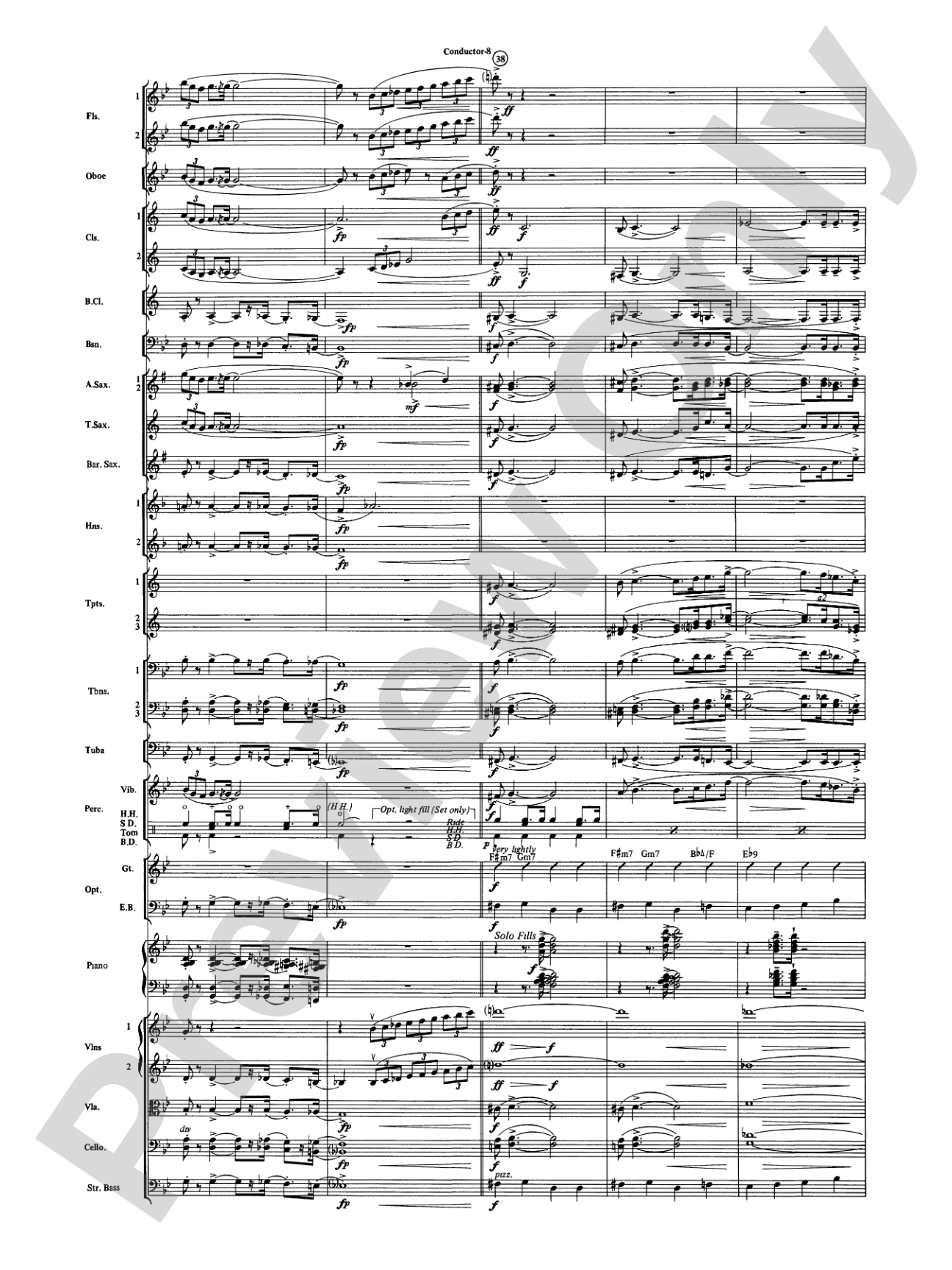
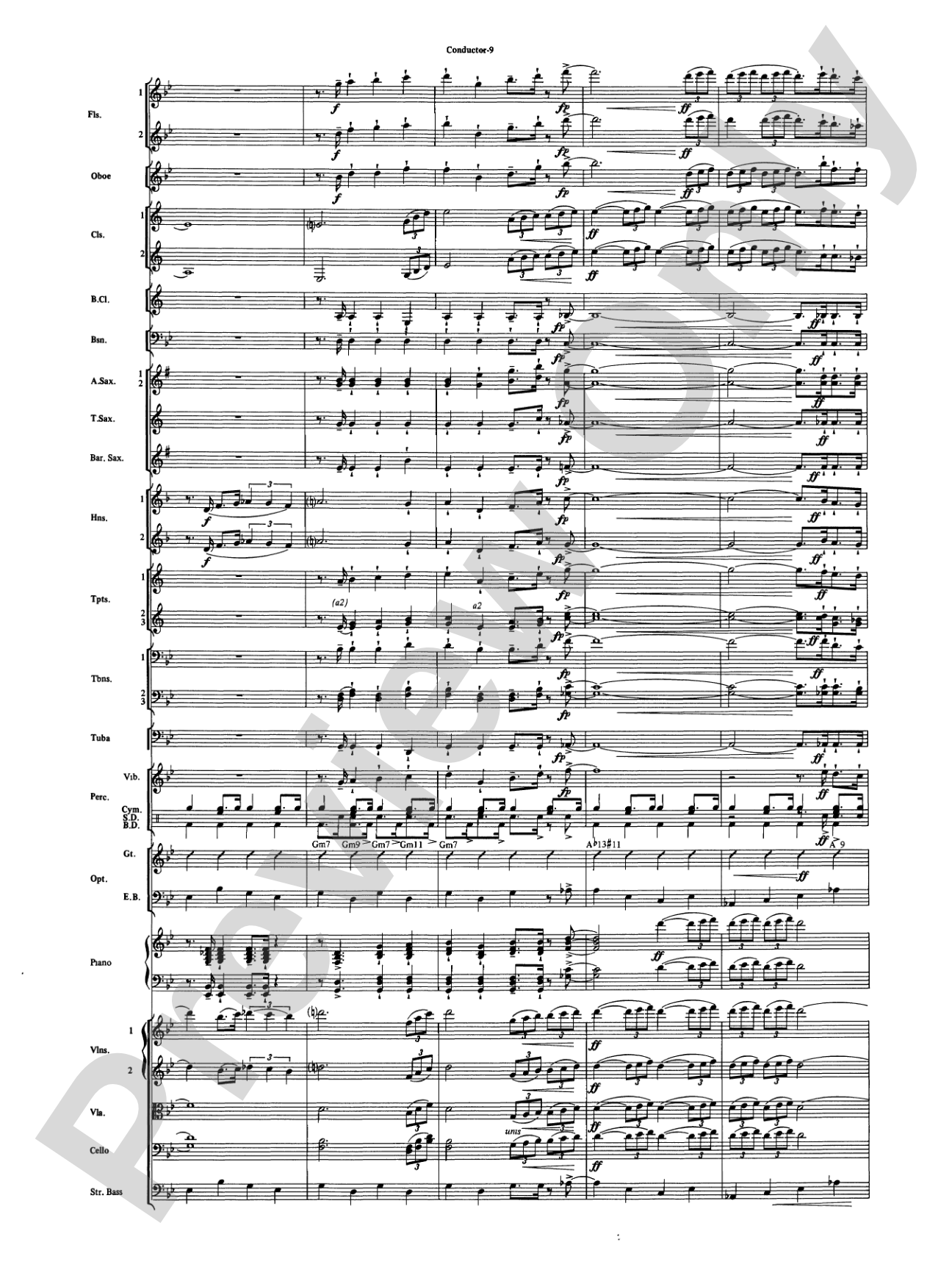
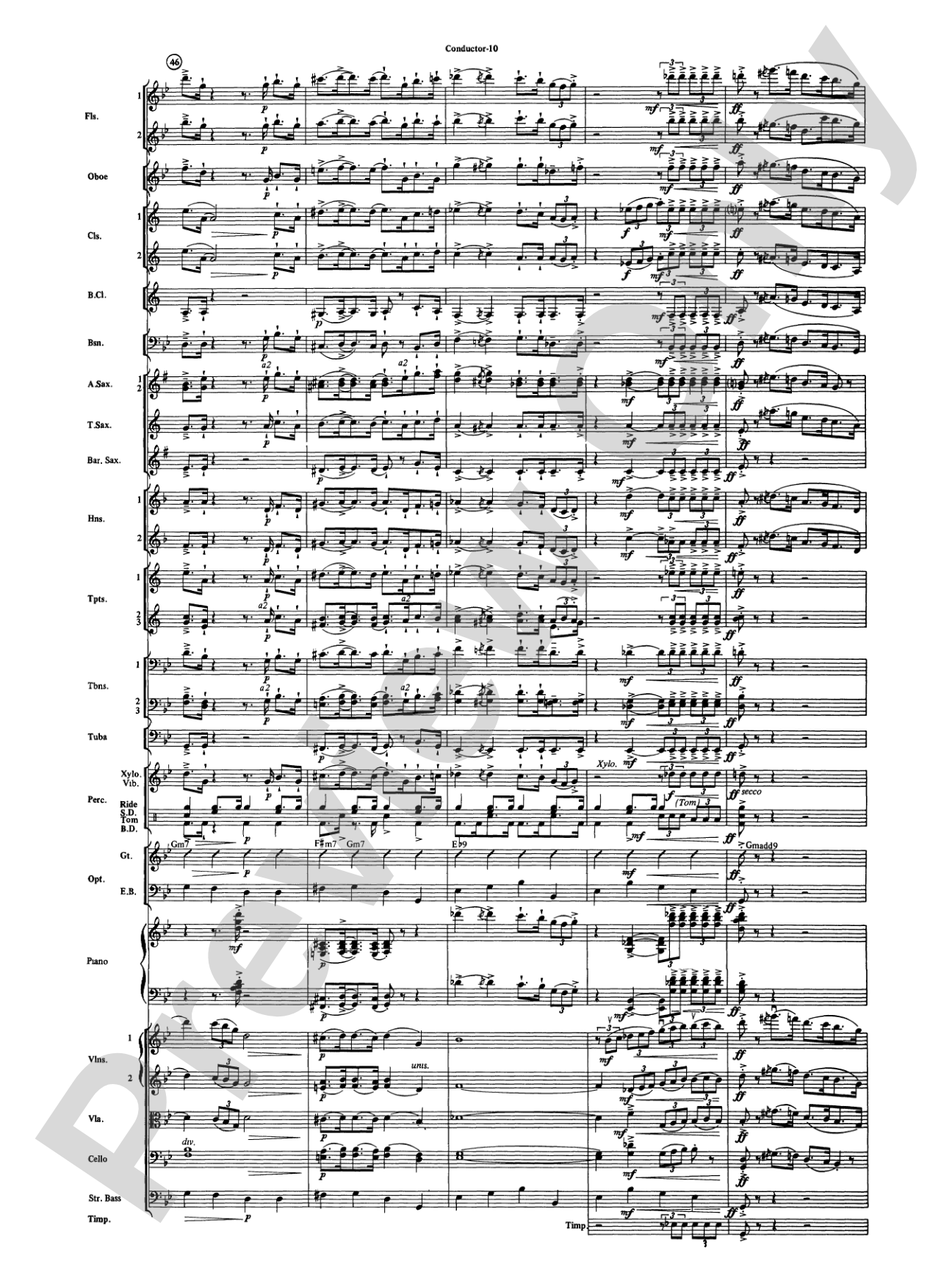
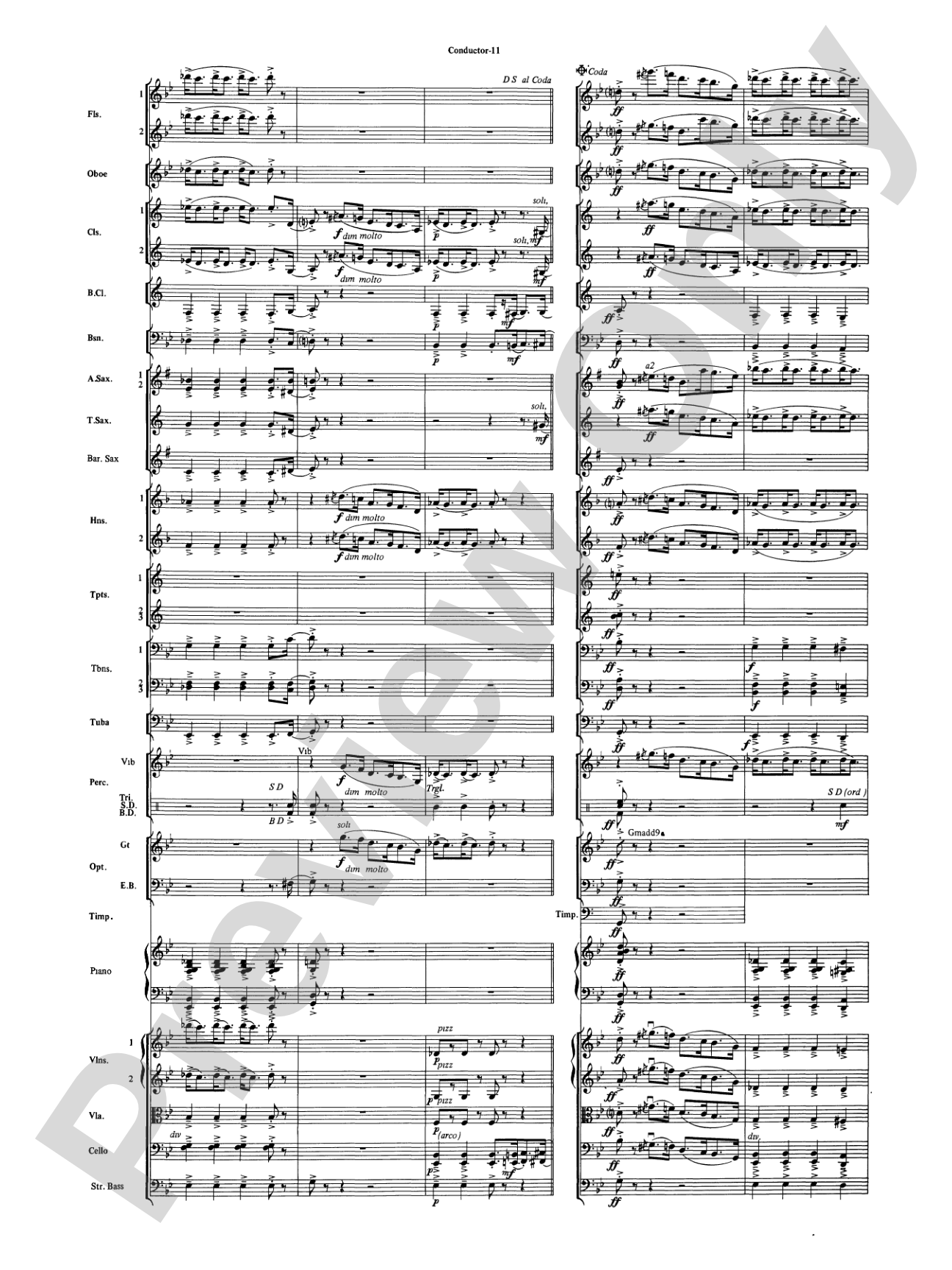
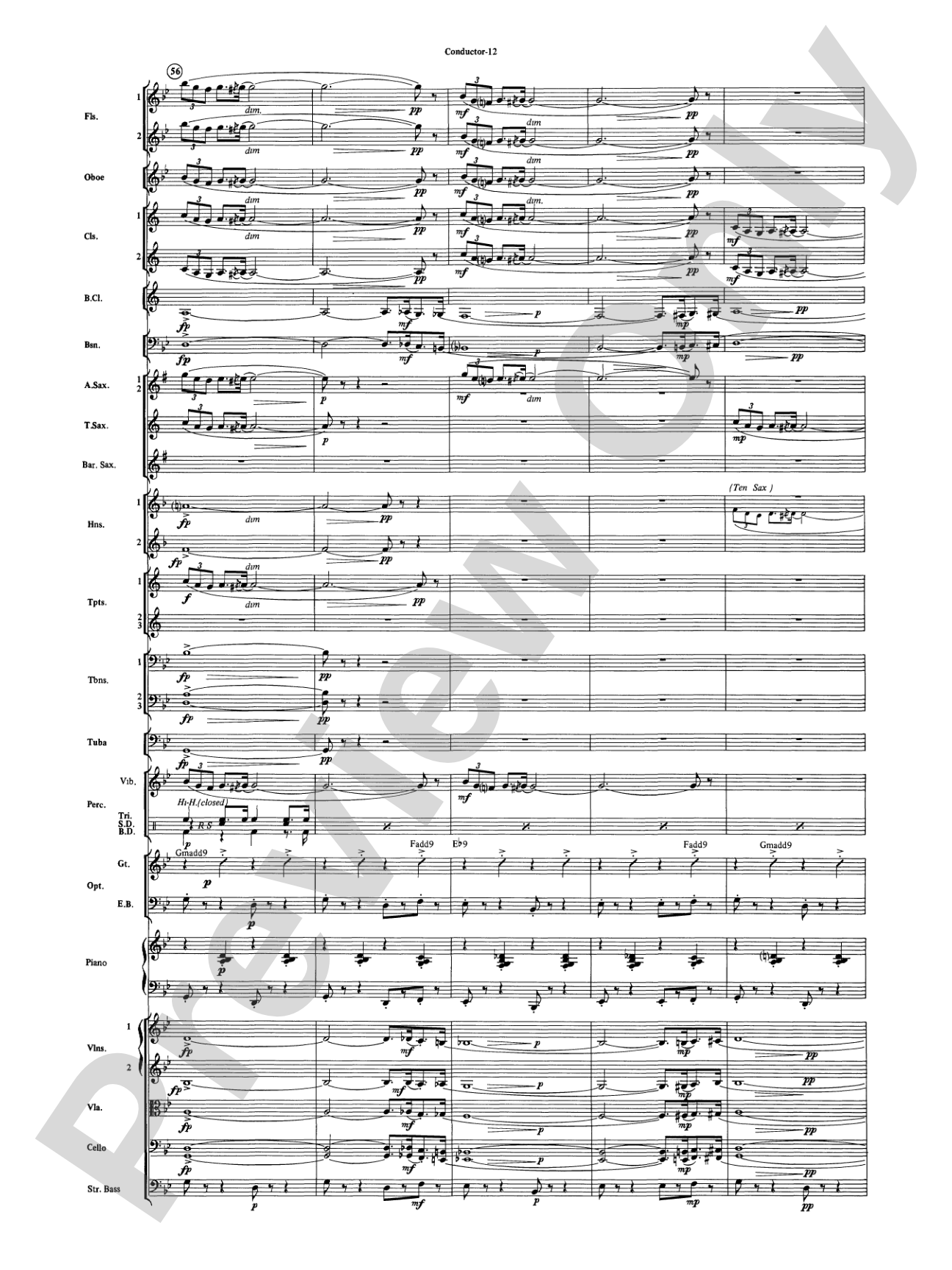
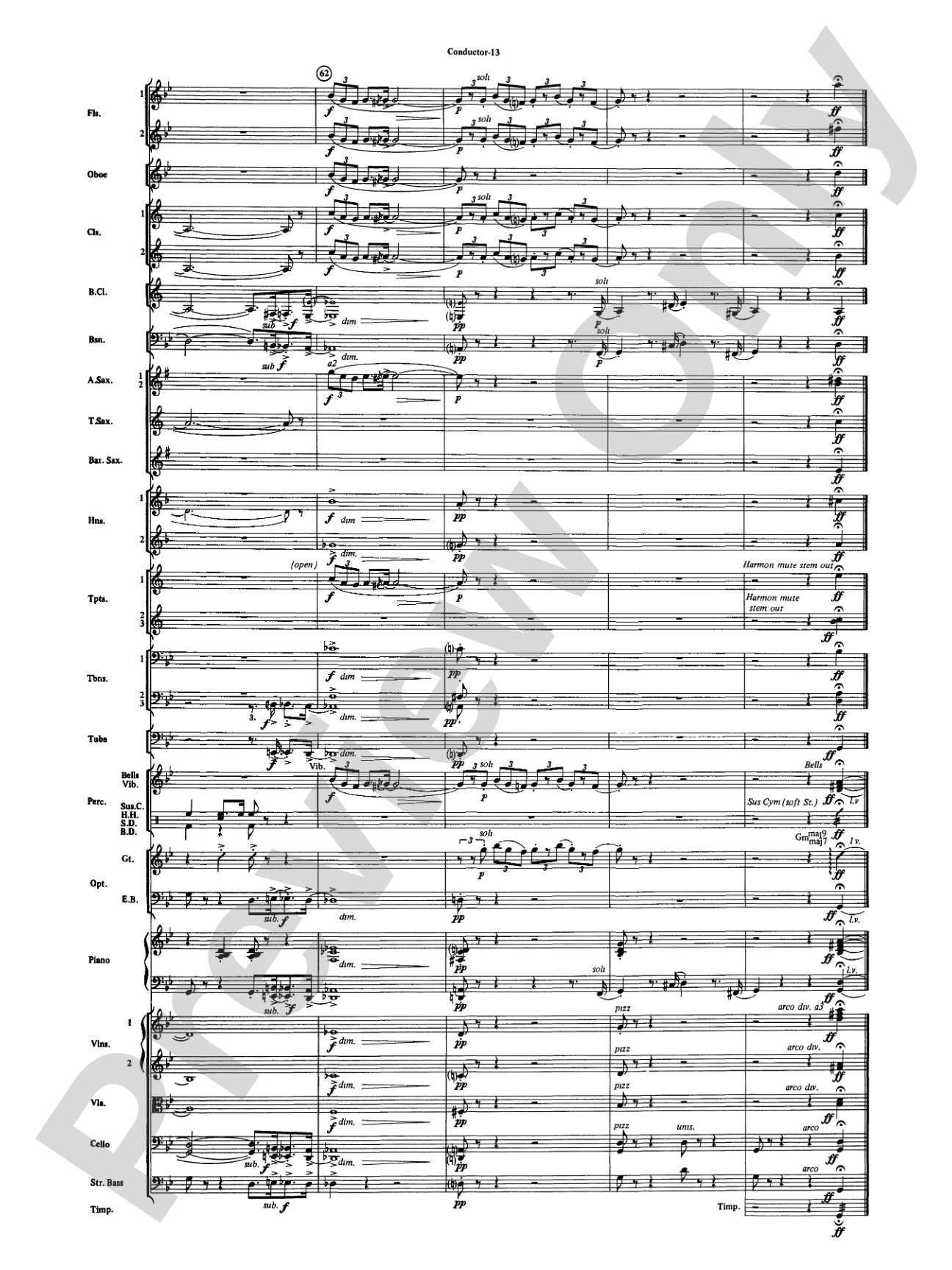



The Pink Panther: Full Orchestra Conductor Score & Parts
By Henry Mancini / arr. Calvin Custer
Grade: 3.5
Item: 00-PK-0001323

$75.00
One moment…
Description
Henry Mancini's music has thrilled audiences for years and Calvin Custer's arrangement for orchestra brings back those pleasant memories that make this the most recognized movie theme of all time. A superior work!


Don't just read it, hear it, play along with it, and watch your students grow with it. In MakeMusic Cloud, The Pink Panther: Full Orchestra Conductor Score & Parts comes alive with professional accompaniment, adjustable tempo, and built-in practice tools that turn solo practice into real progress.
Open in the Player
Jump straight in and assign it today.
Start Your Free Trial
Open this title and explore the full library in minutes.
Sample Audio
1
Audio File
--:--
0:00
0:00
Sample Video
No sample videos found.
Additional Details
Series:
Pop Concert Full Orchestra
Publisher:
Alfred Music
Page Count:
154
SKU:
00-PK-0001323
More about this title
About the Composer: Henry Mancini
Henry Mancini (1924-1994) composed some of the most enduring film scores in cinema history, earning four Academy Awards and twenty Grammy Awards across his career. His gift for melody and orchestration made him a master of underscore composition, and his work influenced generations of composers writing for film, television, and concert settings. Mancini's ability to craft themes that are both sophisticated and immediately memorable remains a cornerstone of 20th-century American music.
Why we love this
Custer's orchestration captures the wit and sophistication of Mancini's original while creating a version that sits comfortably in a school or community orchestra's wheelhouse. The arrangement respects the tune's iconic status without losing the playful character that made it famous, and student musicians respond visibly when they recognize a theme this recognizable. Programming this alongside standard symphonic fare reminds audiences why orchestras exist: to bring beloved melodies to life with fresh energy.
What to expect
Sophisticated yet playful, the Pink Panther theme carries an air of urbane cool and mischievous humor. The orchestration swings between intimate, slightly sarcastic passages and fuller moments of orchestral color, creating a musical portrait of stealth and style that feels both vintage and timeless.
Who it's for
School and community orchestras seeking accessible yet musically rewarding repertoire that audiences recognize and appreciate. The Grade 3.5 level accommodates mixed-ability ensembles while maintaining the integrity of Mancini's composition. Conductors looking for a piece that balances pedagogical value with entertainment factor will find this arrangement particularly effective.
How to get the most out of it
- Balance the solo lines carefully, especially in the clarinet and saxophone passages that carry the melody; these voices need to sit slightly above the harmonic support without overpowering the ensemble sound.
- Shape the rhythmic figures in the accompaniment with precision. Mancini's orchestration relies on crisp articulation and clear phrasing to convey the theme's comic timing.
- Allow the tempo flexibility suggested in the score; the theme breathes best when conductors resist locking into a metronomic pulse and instead follow the natural phrasing of the melody.
- Attend to the dynamic contrast between sections. The shifts from intimate chamber-like passages to fuller orchestral moments give the arrangement its character and keep the performance engaging.
How to use it
This works beautifully as a concert opener or closer that connects with audiences immediately and sets a lighter, more accessible tone for a program. Pair it with other film music or American standards to frame a "Music in Film" themed concert, or program it strategically alongside more demanding symphonic works to provide interpretive contrast and maintain audience energy. Its accessibility makes it ideal for spring pops concerts or community performances where program variety and audience connection matter.
Skills your students will build
- Balancing melody and accompaniment in a full orchestra context
- Maintaining rhythmic clarity in syncopated and swing-influenced passages
- Dynamic control and sectional independence across the ensemble
- Responding to conductor's tempo and phrasing choices with musical sensitivity