
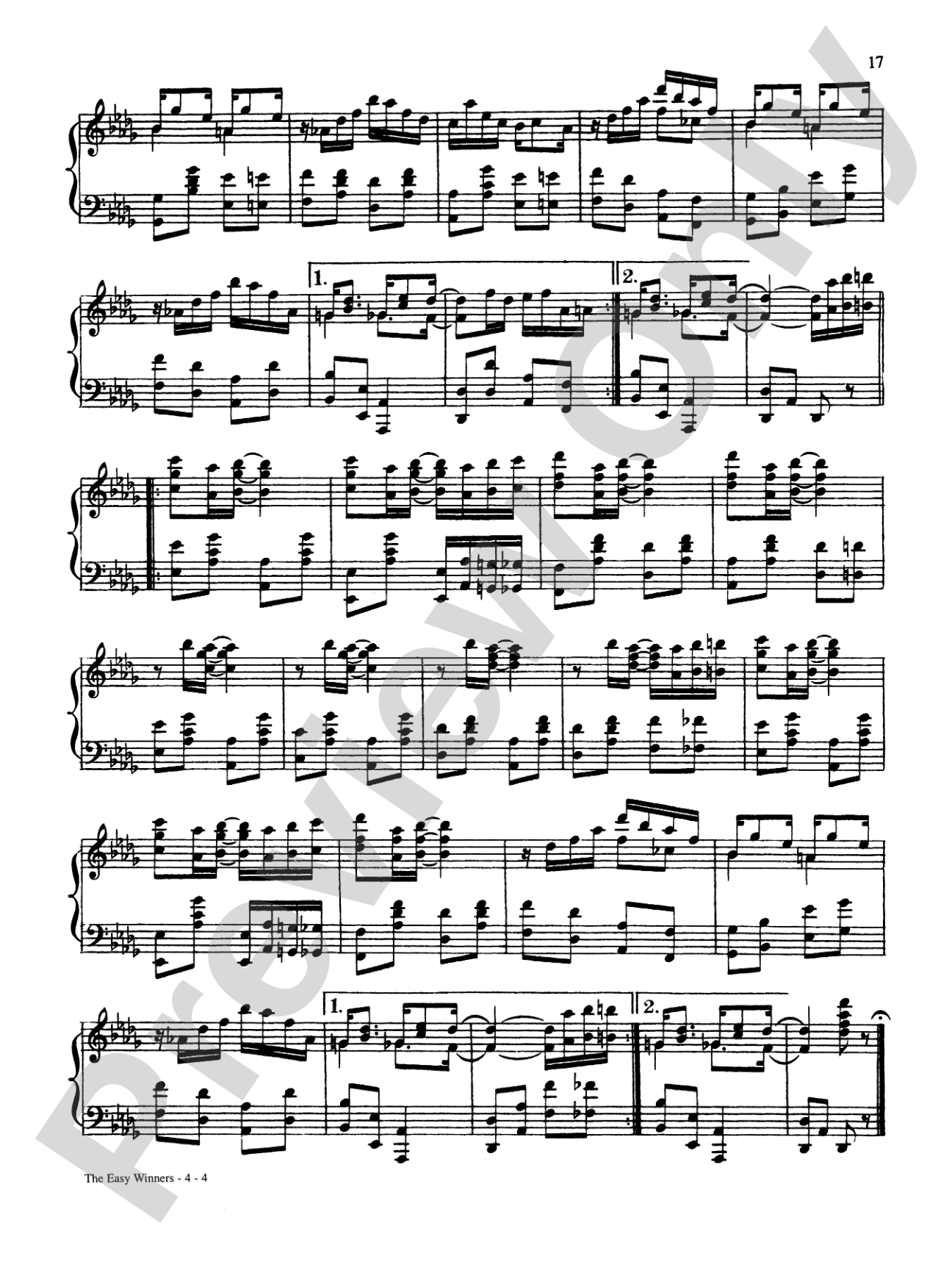
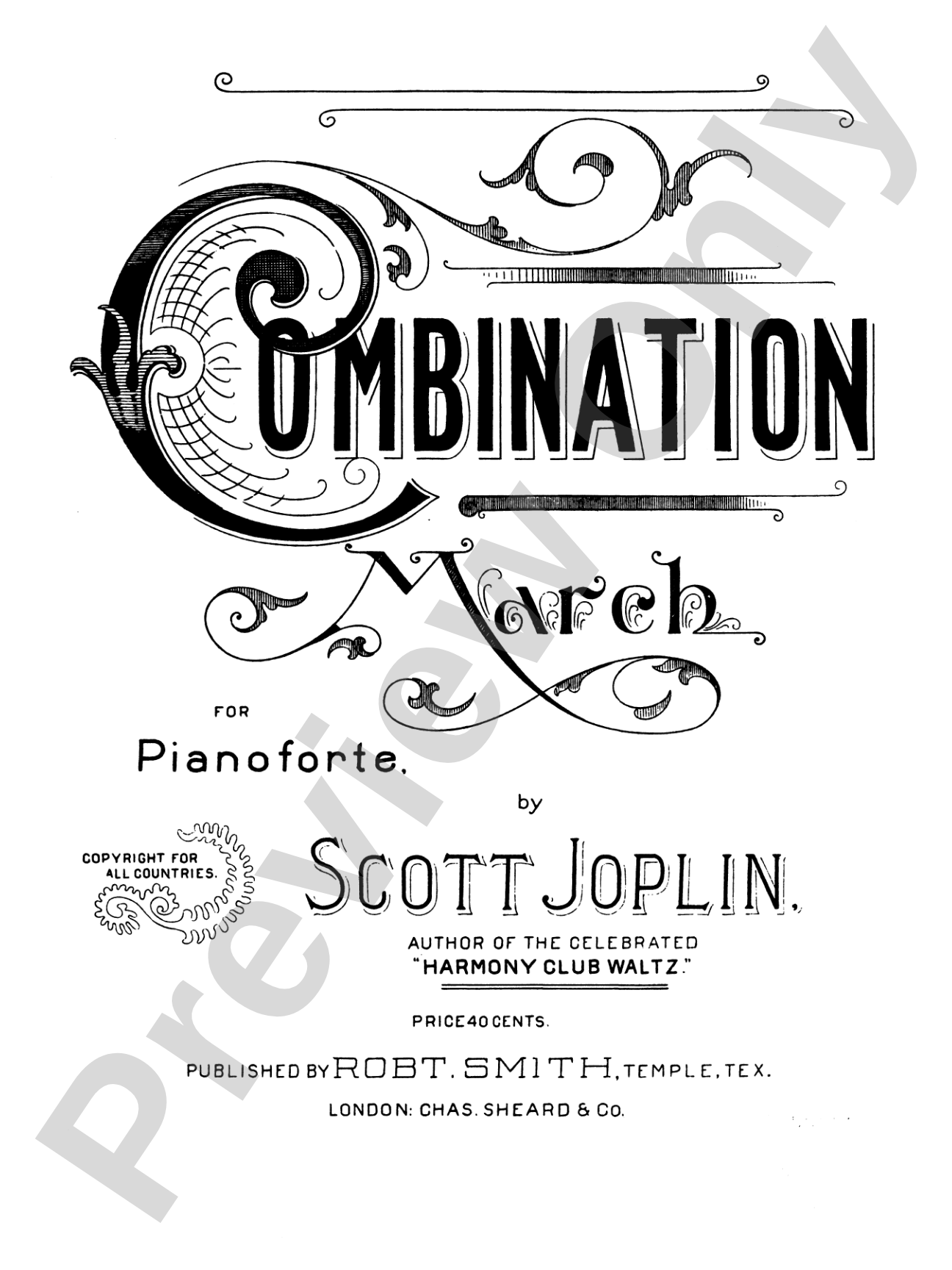
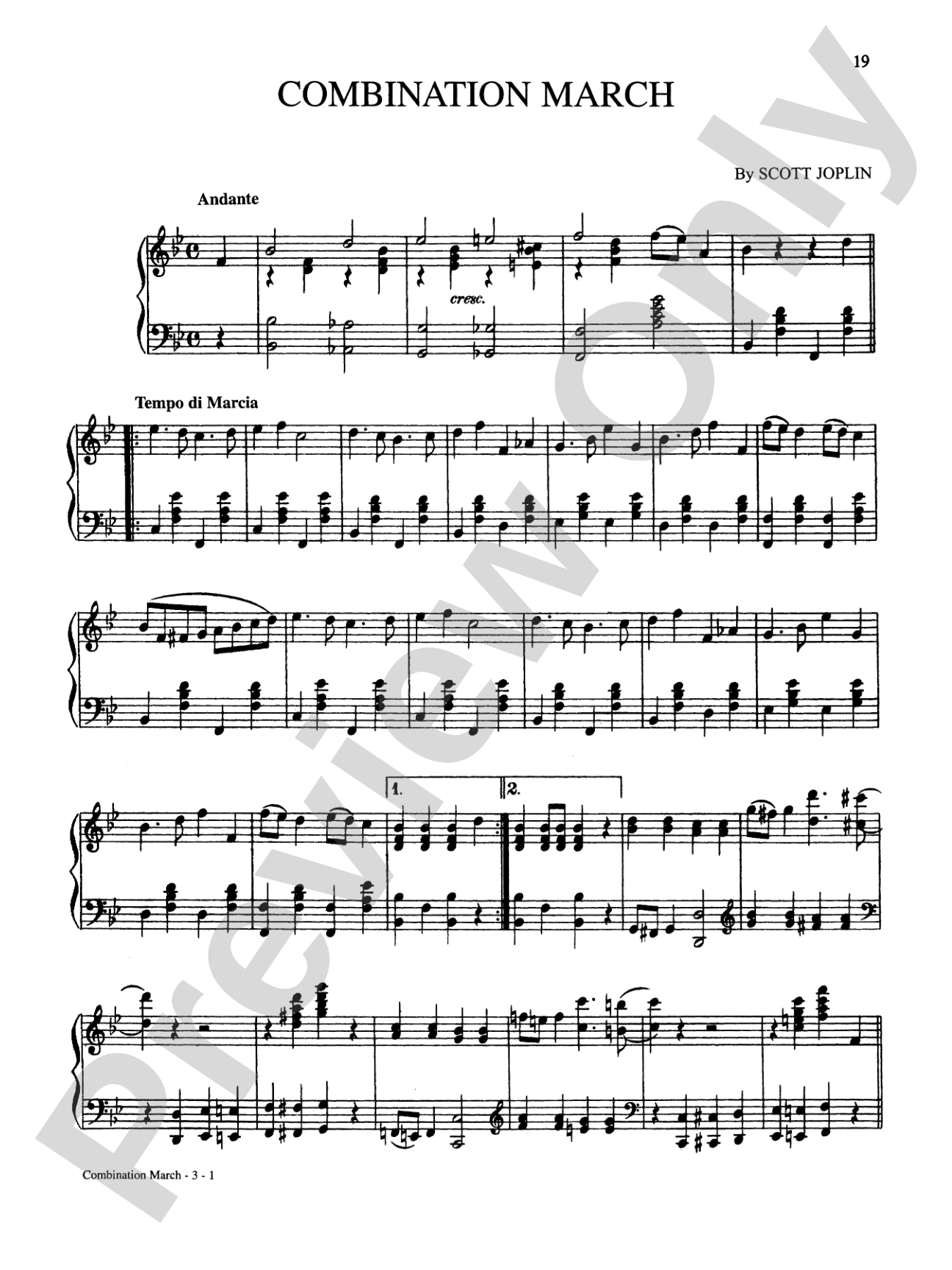
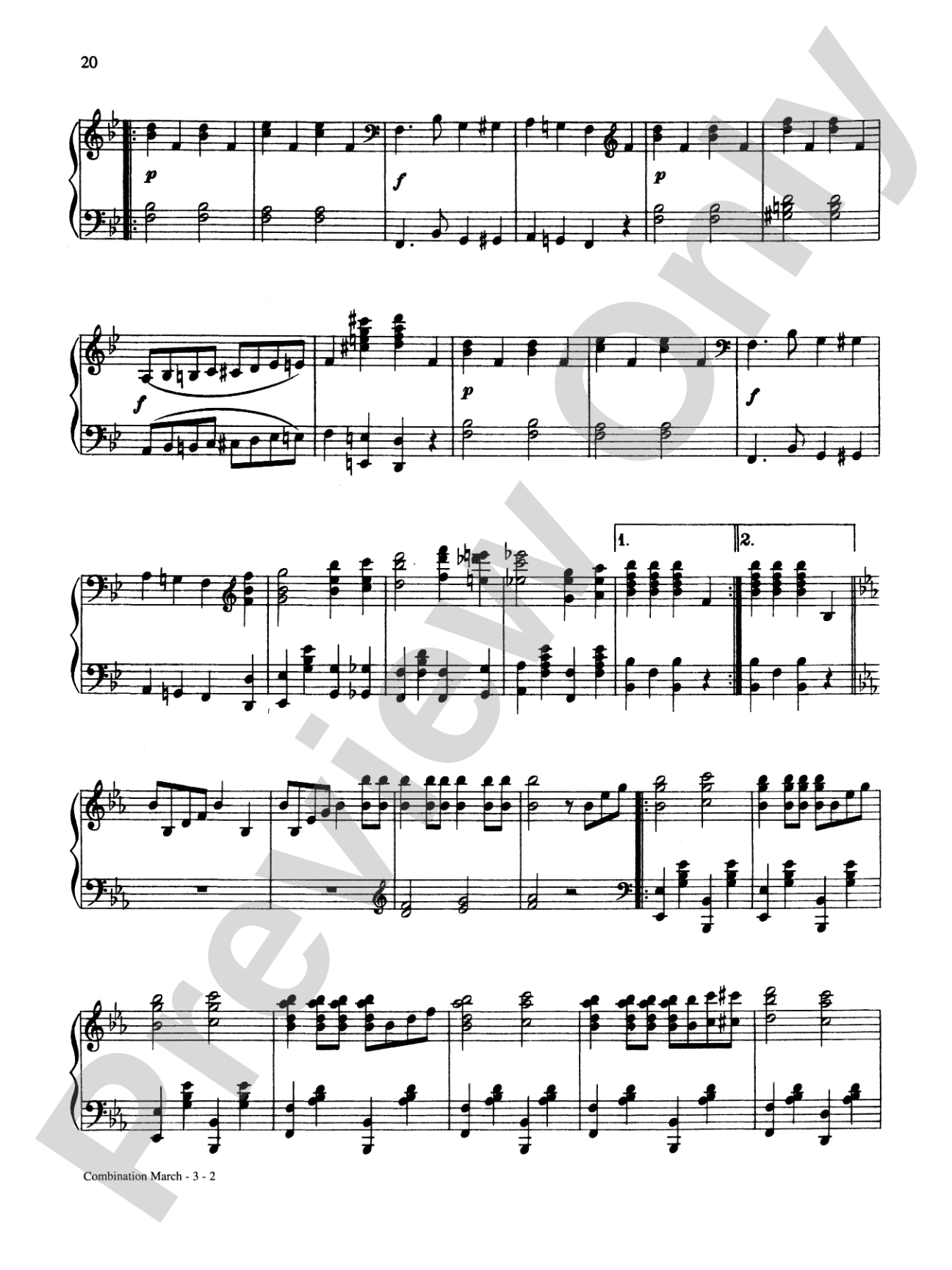

The Piano Style of Scott Joplin: Some of Joplin's Best for Advanced Piano: Piano
Some of Joplin's Best for Advanced Piano
By Scott Joplin
Level: Advanced
Item: 00-PB-0002428
$12.95
Pickup currently not available
Related Items
The Piano Style of Scott Joplin: Piano Book |
$12.95
|
View |
Description
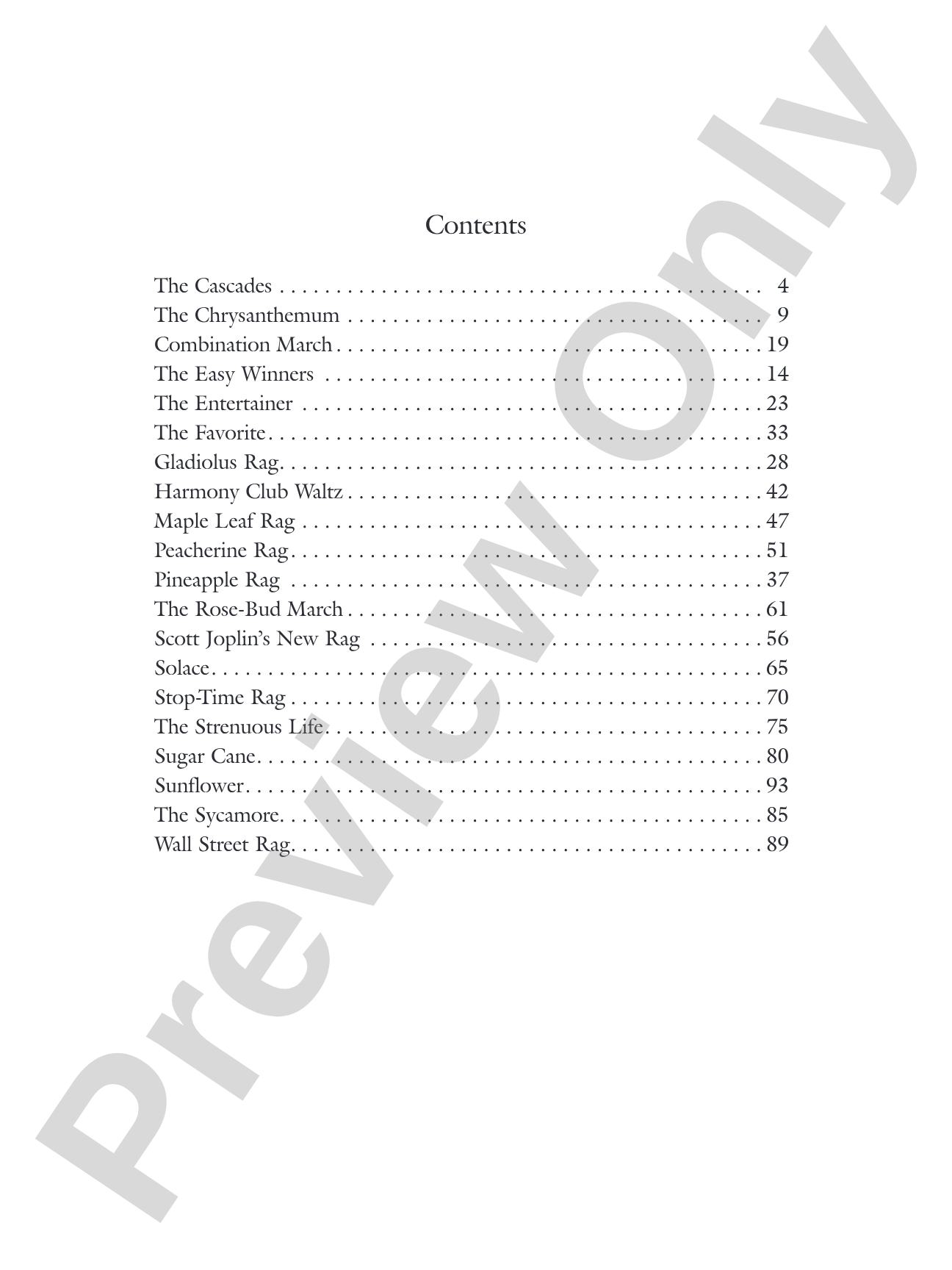
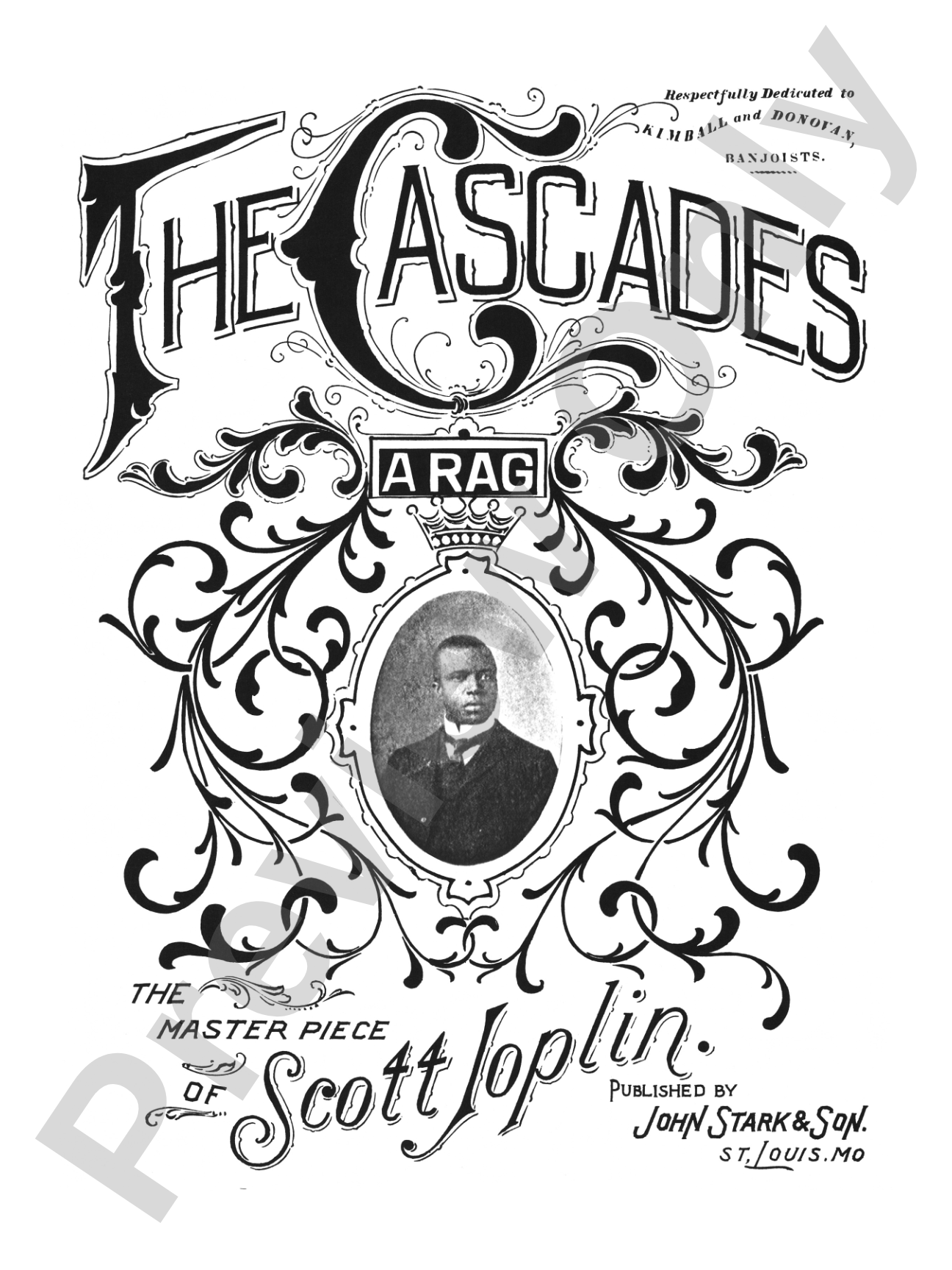
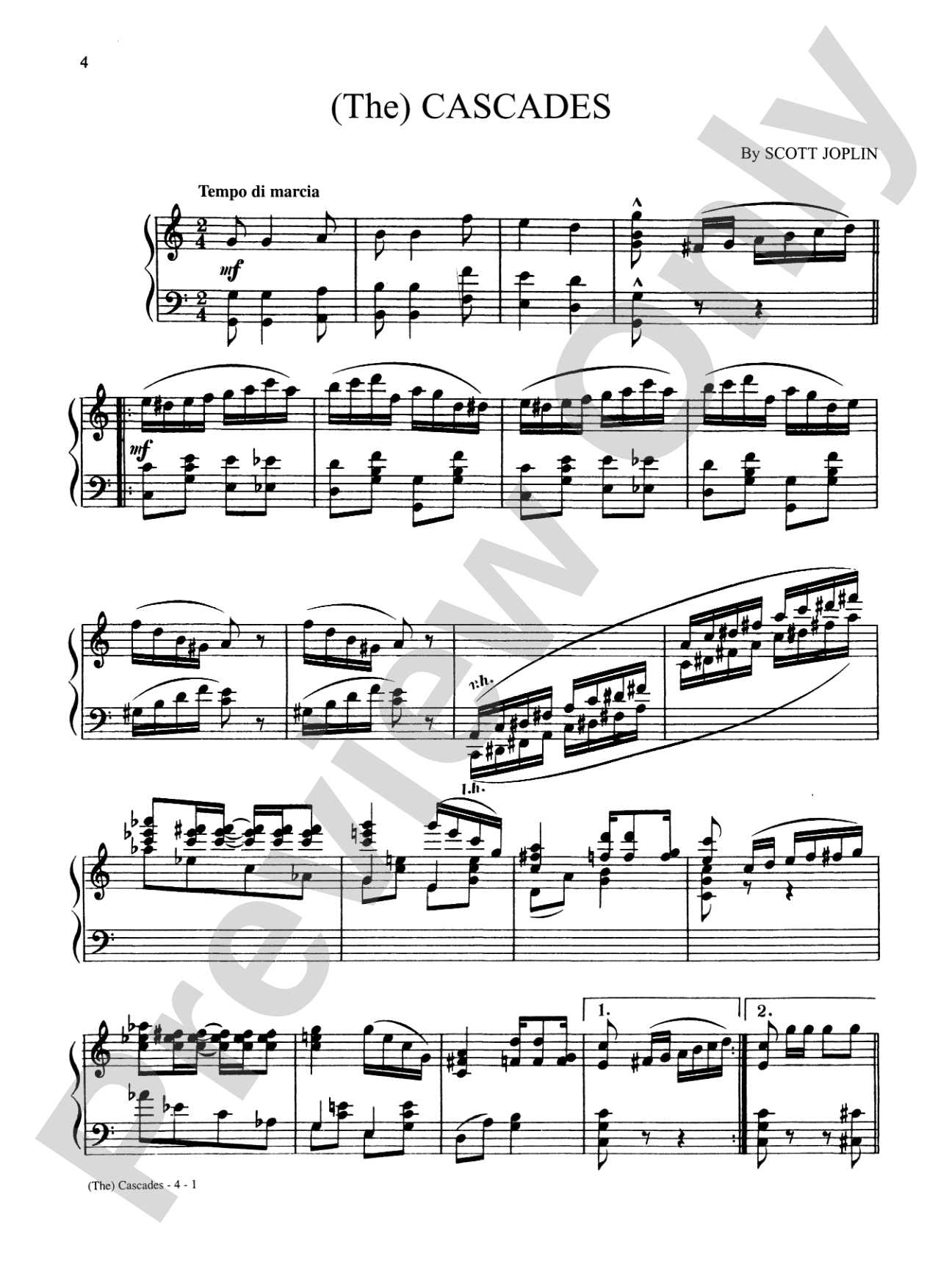
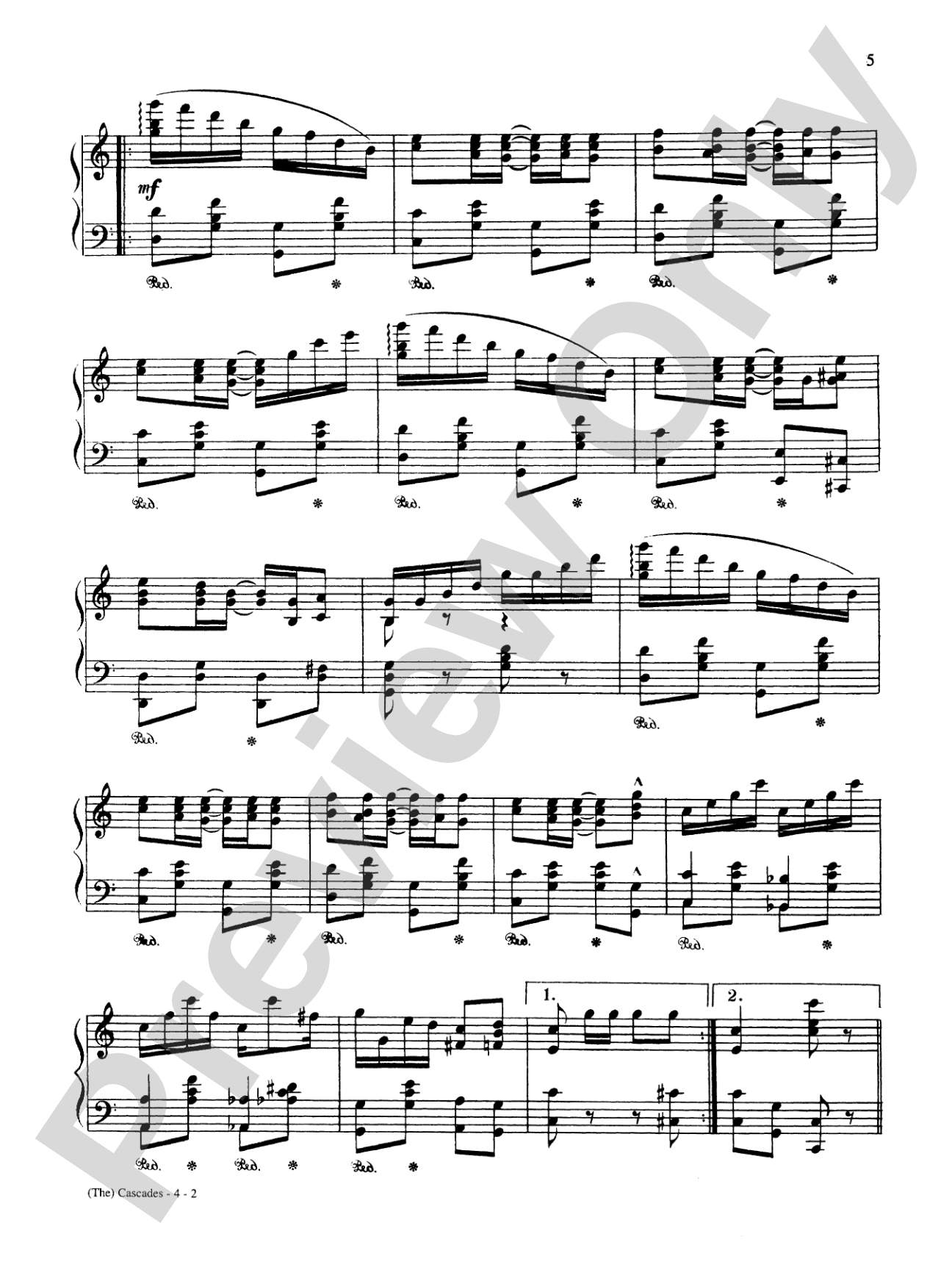
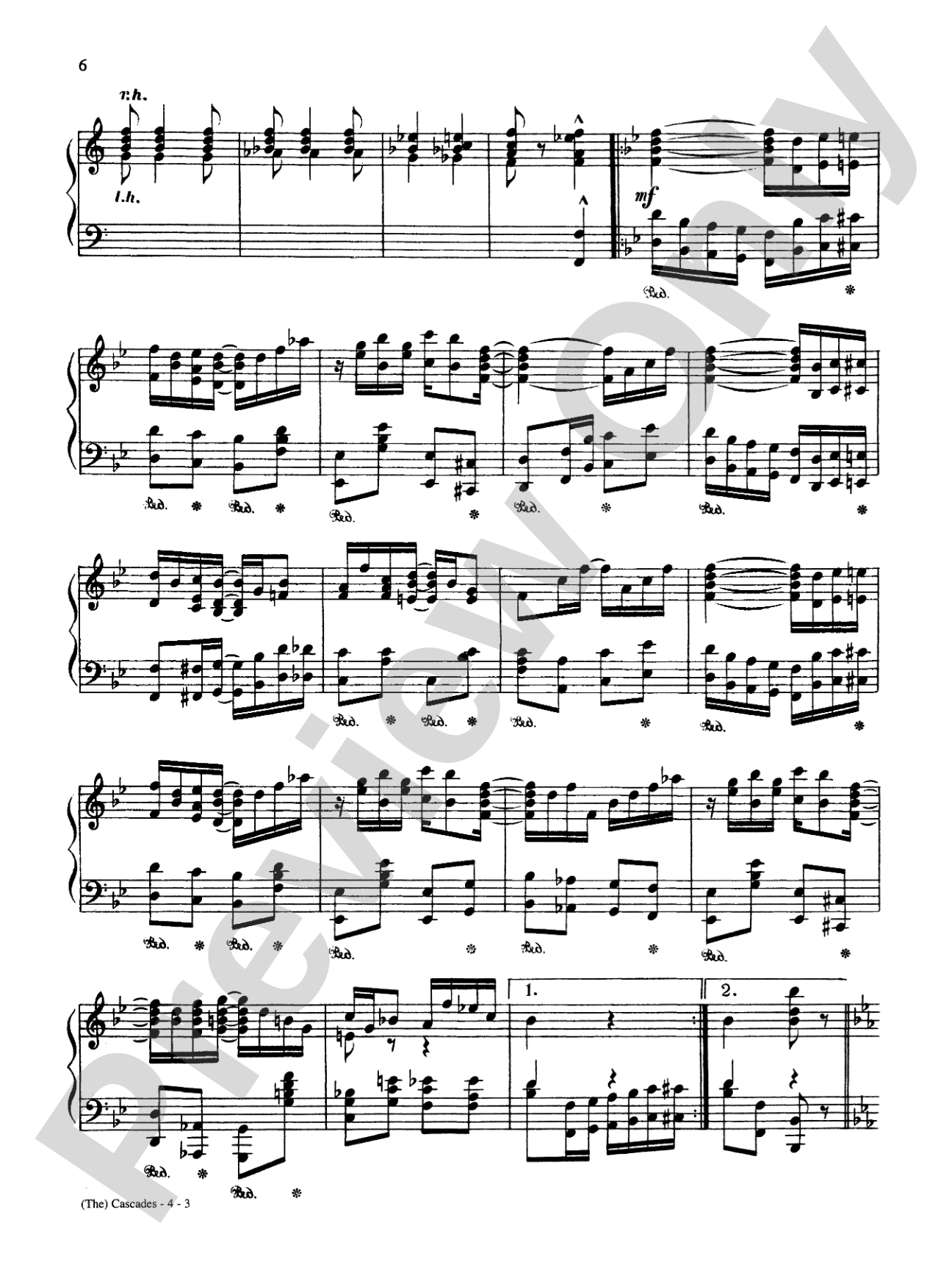
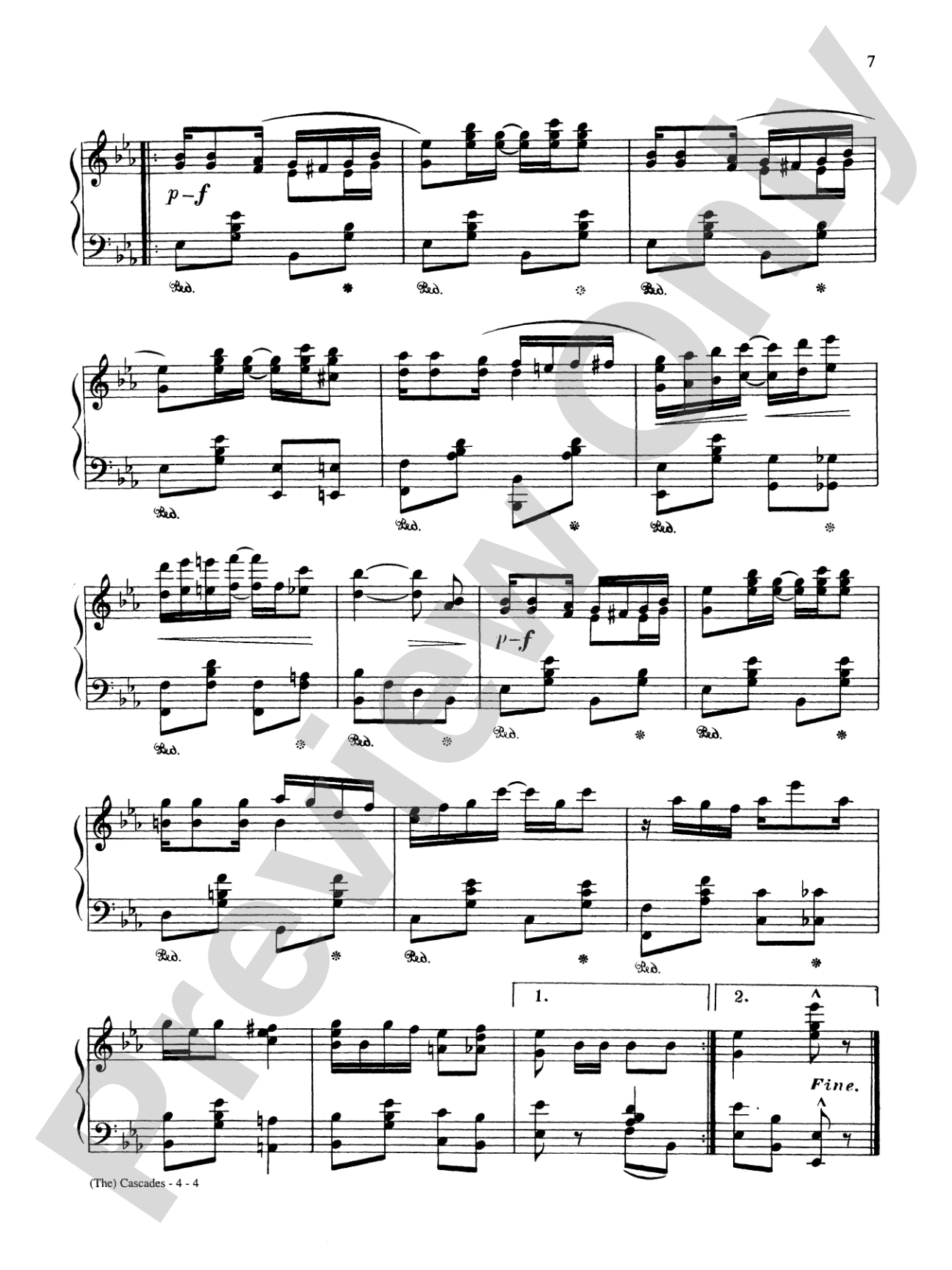
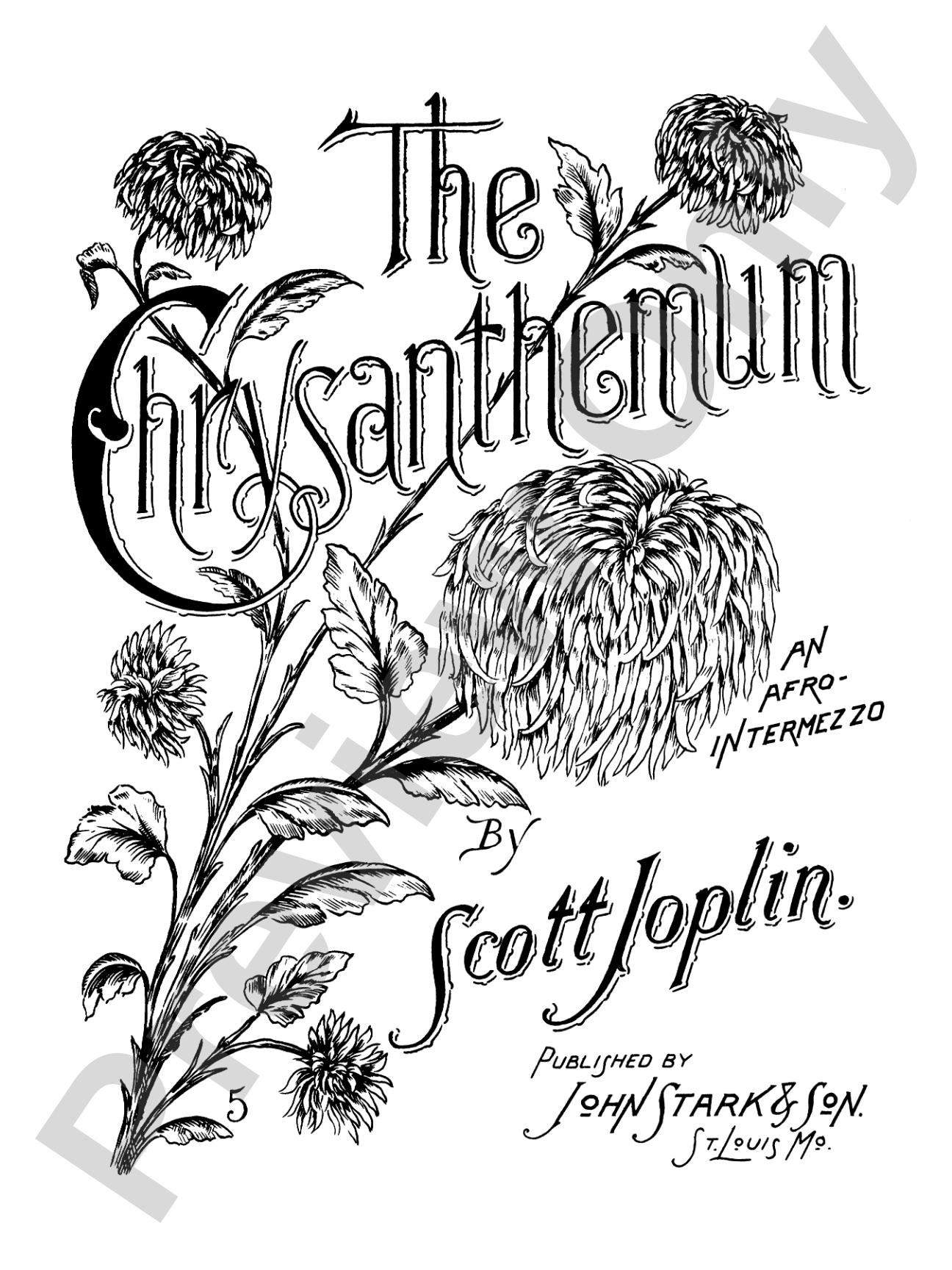
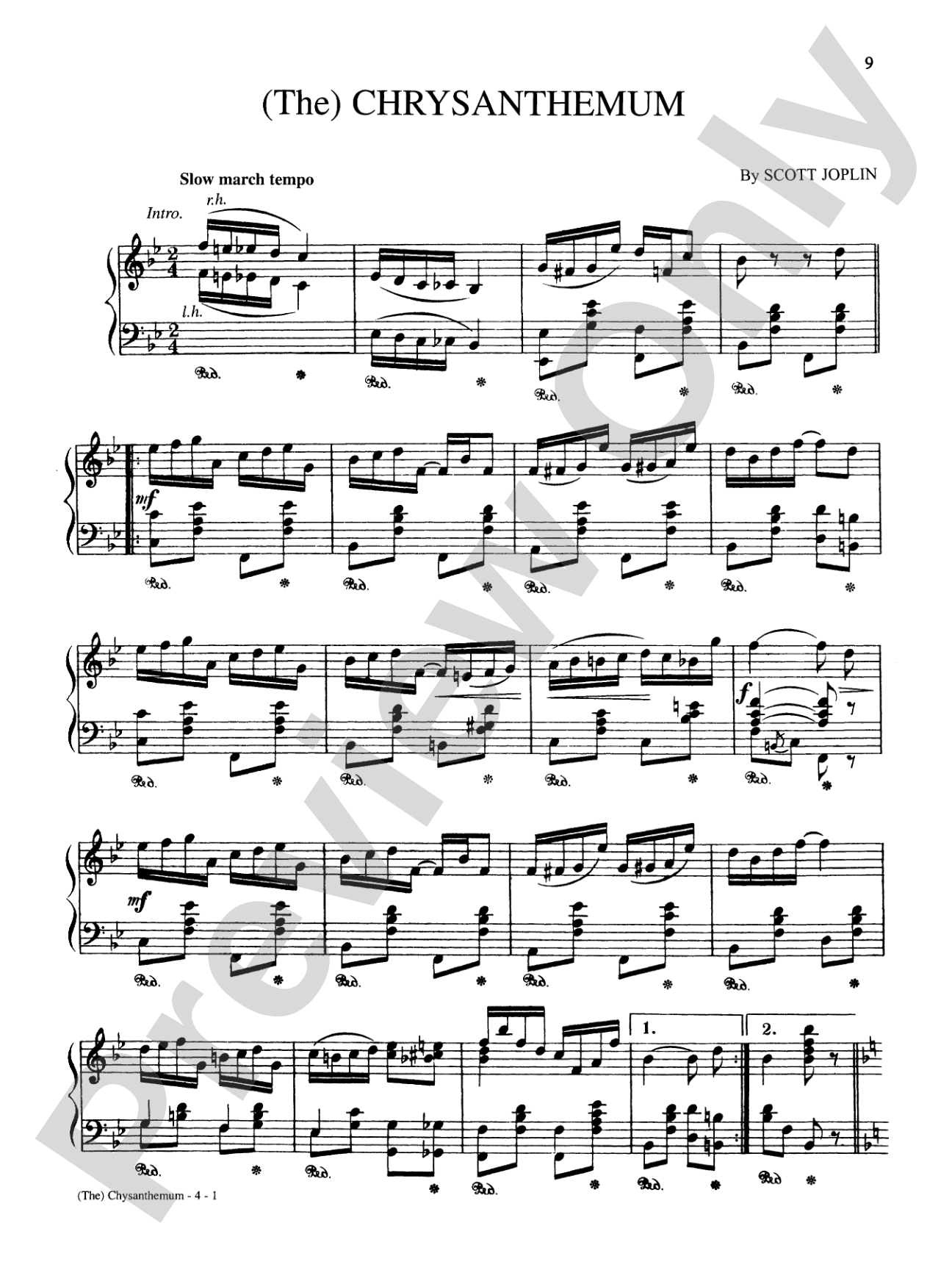
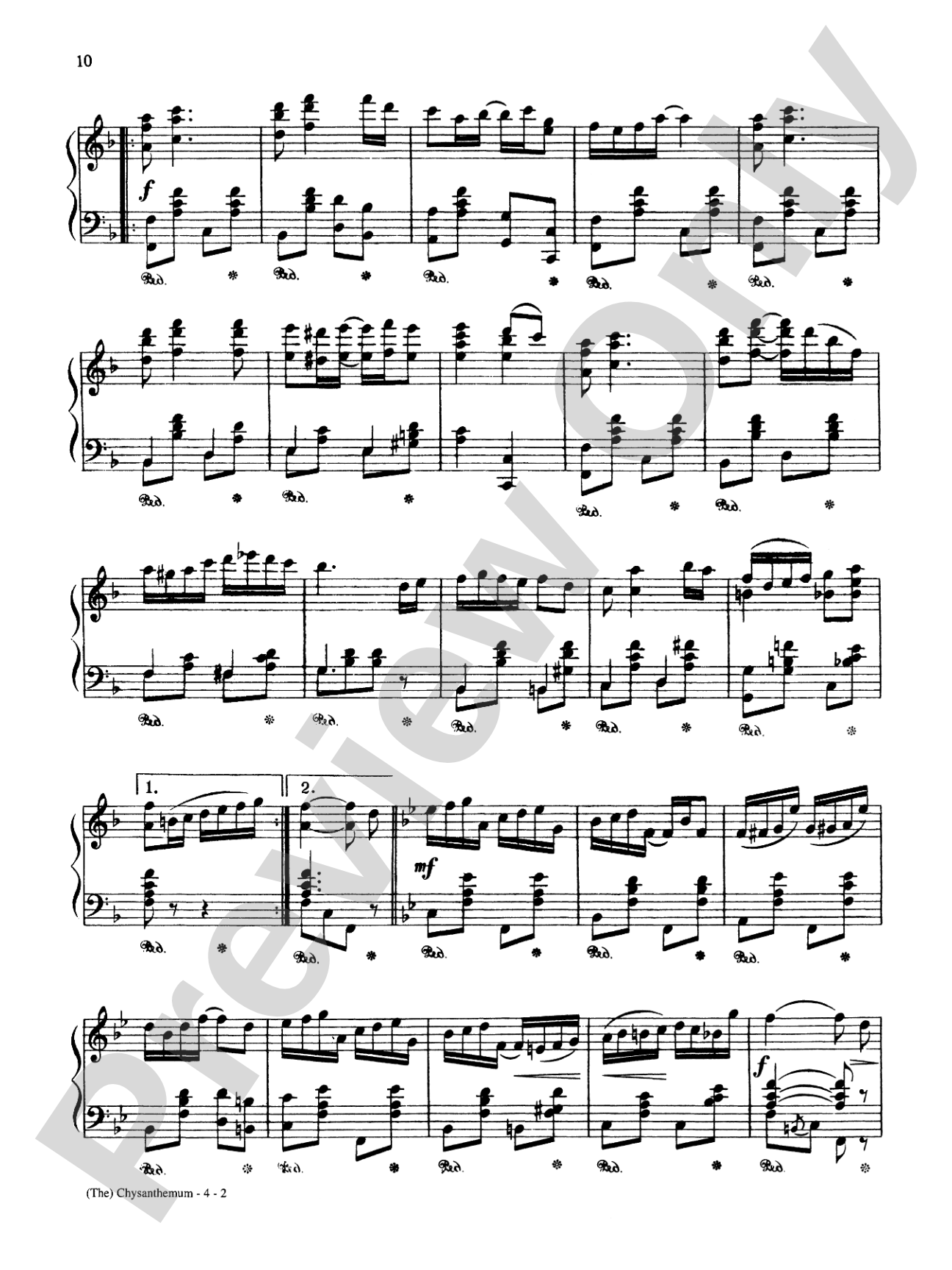
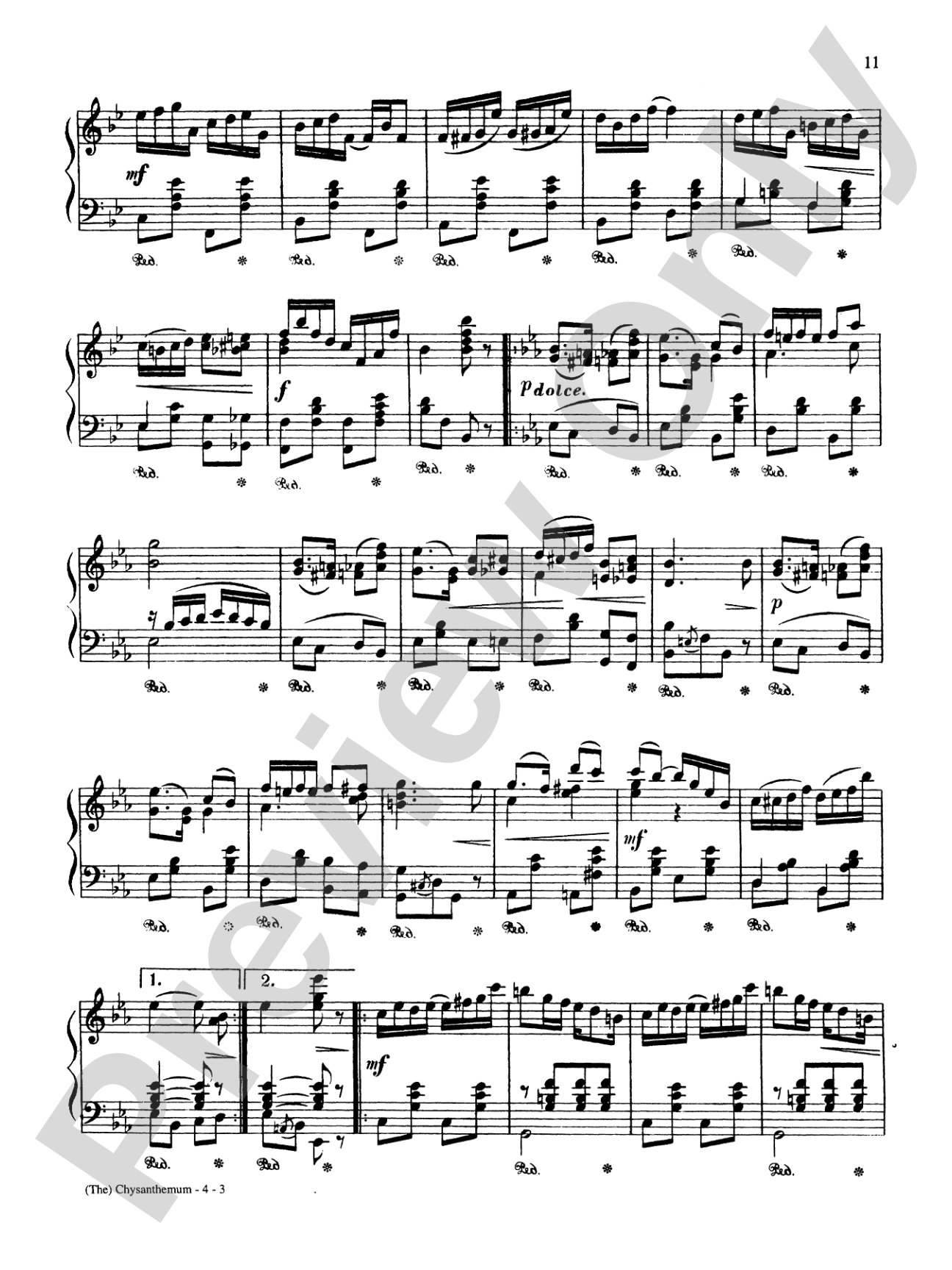
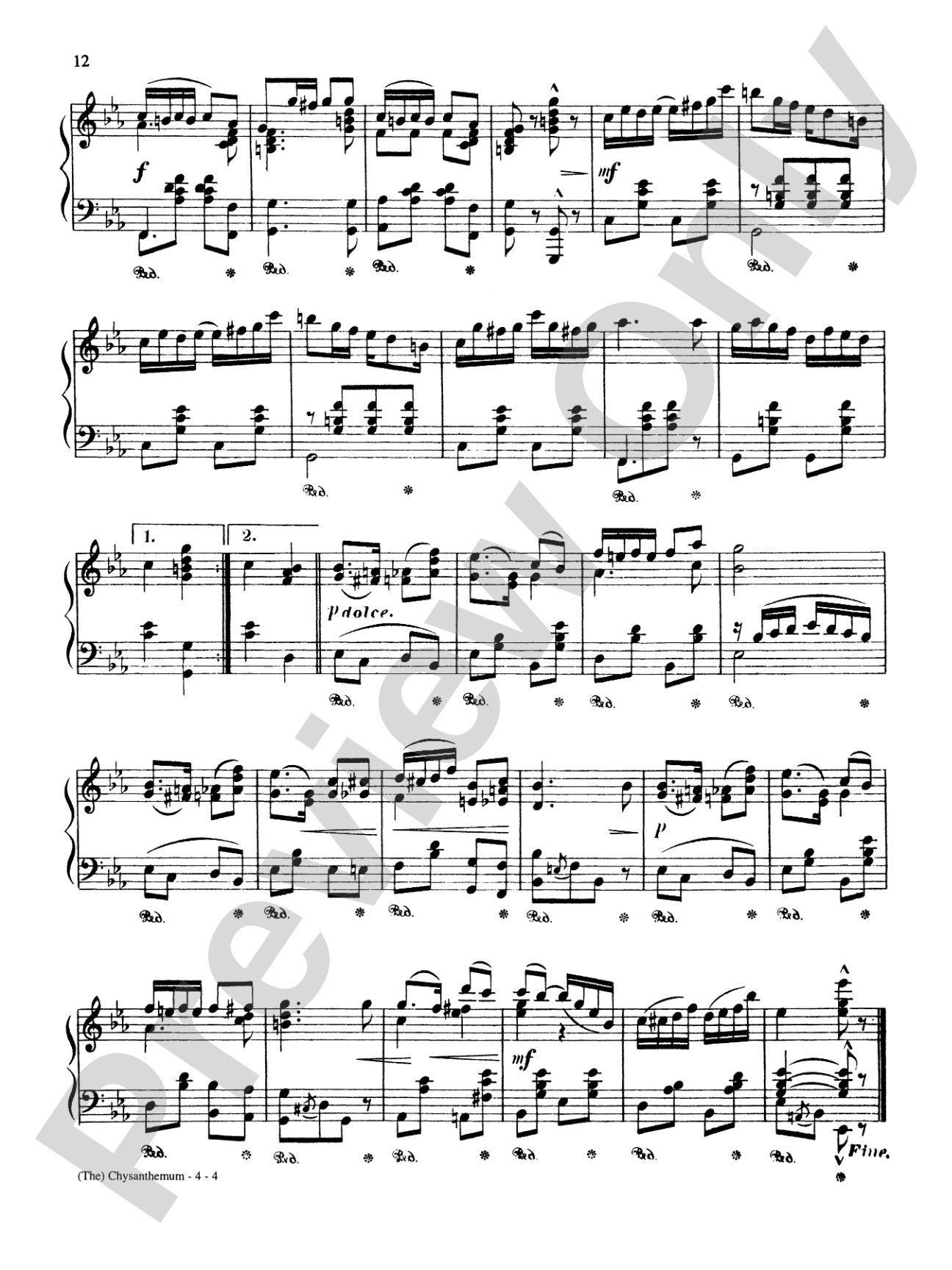
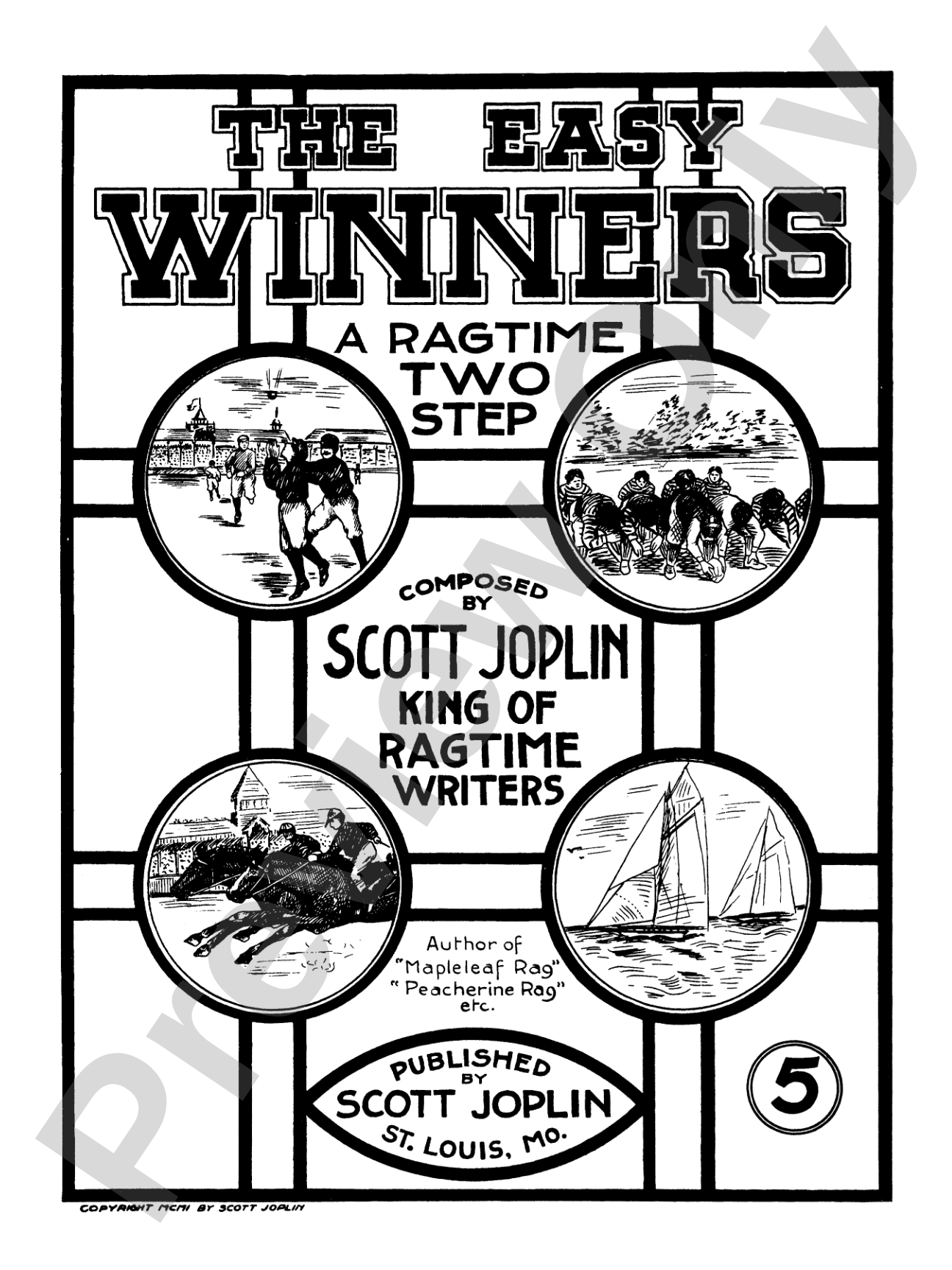
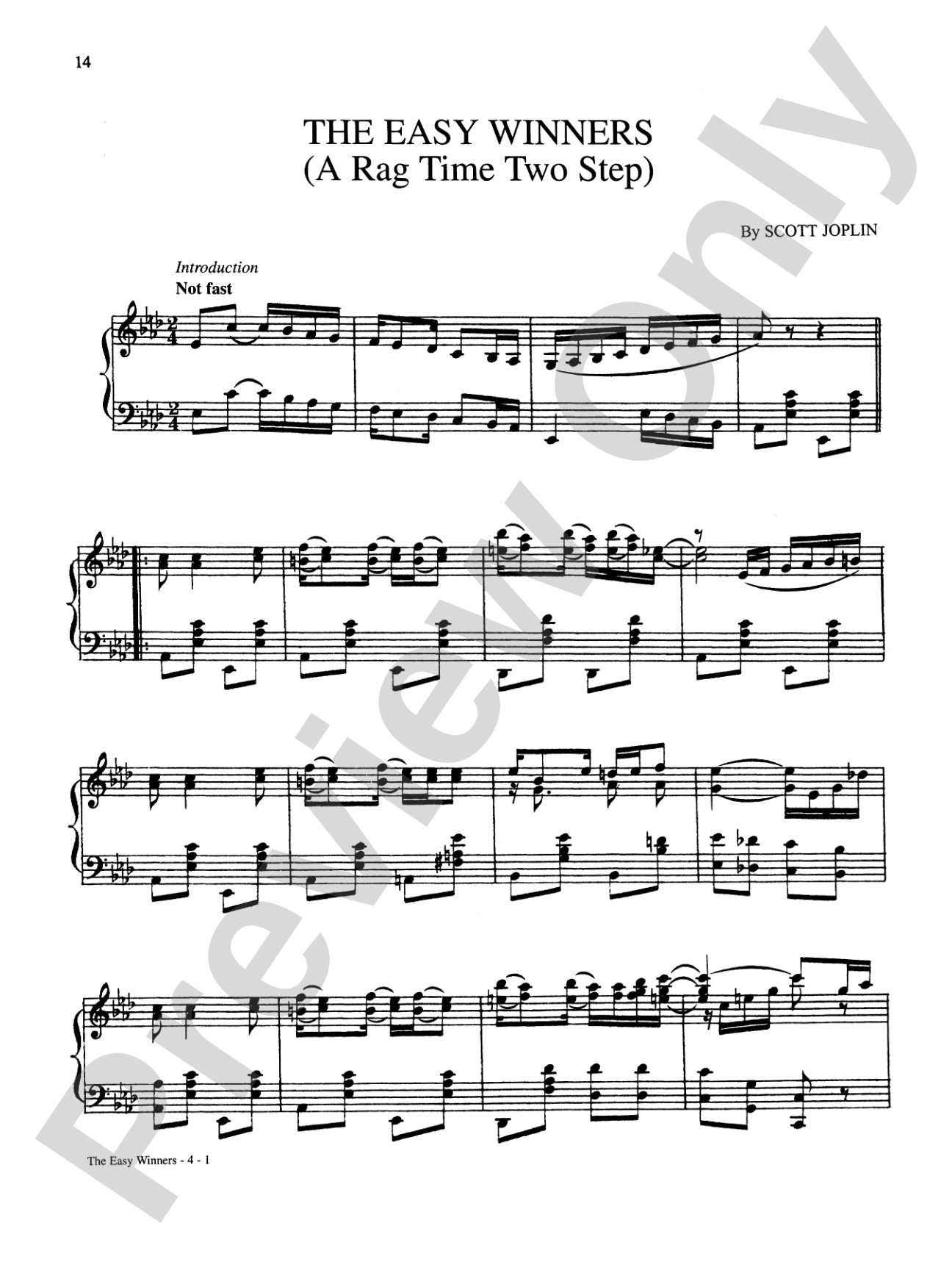
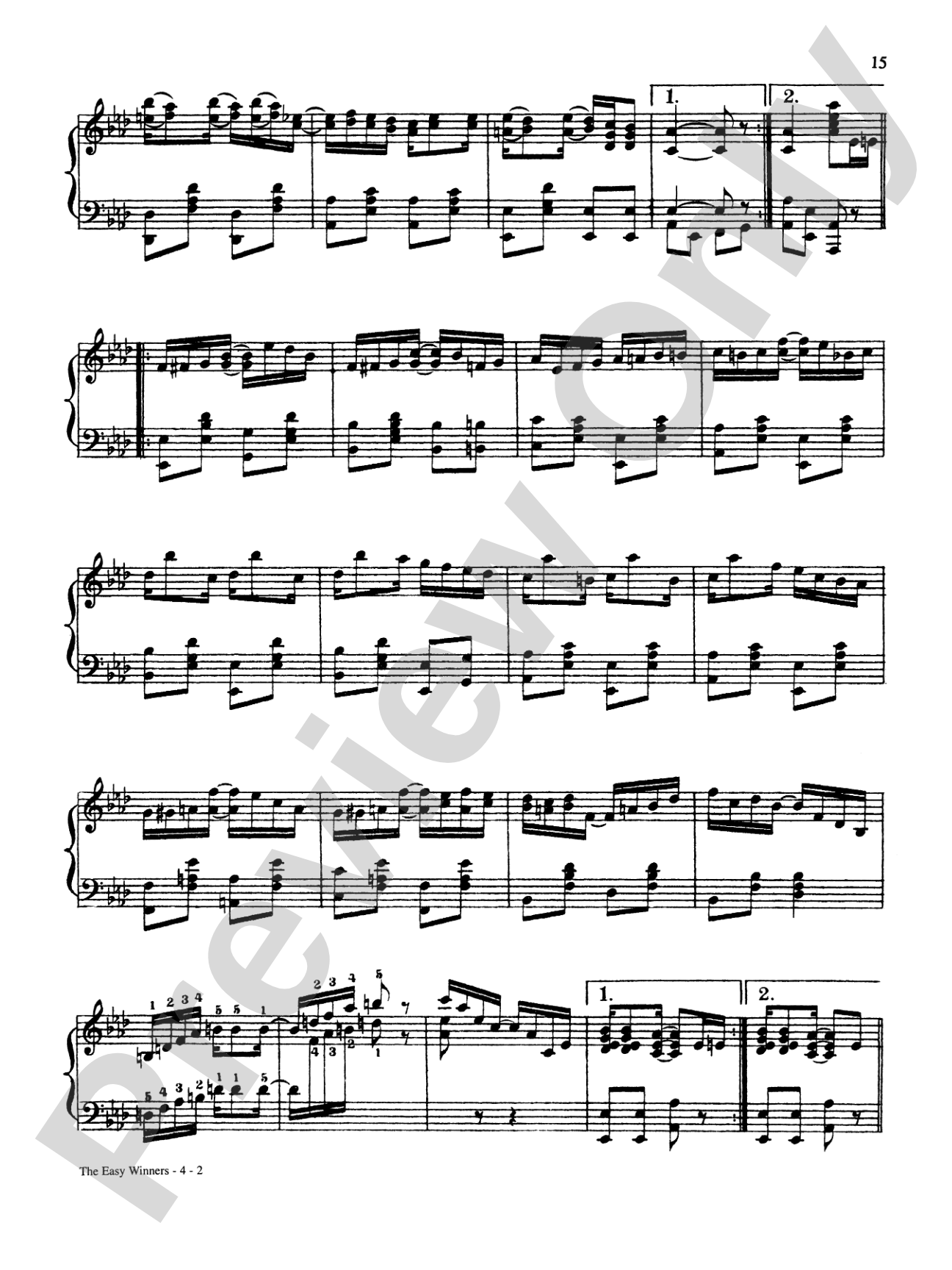
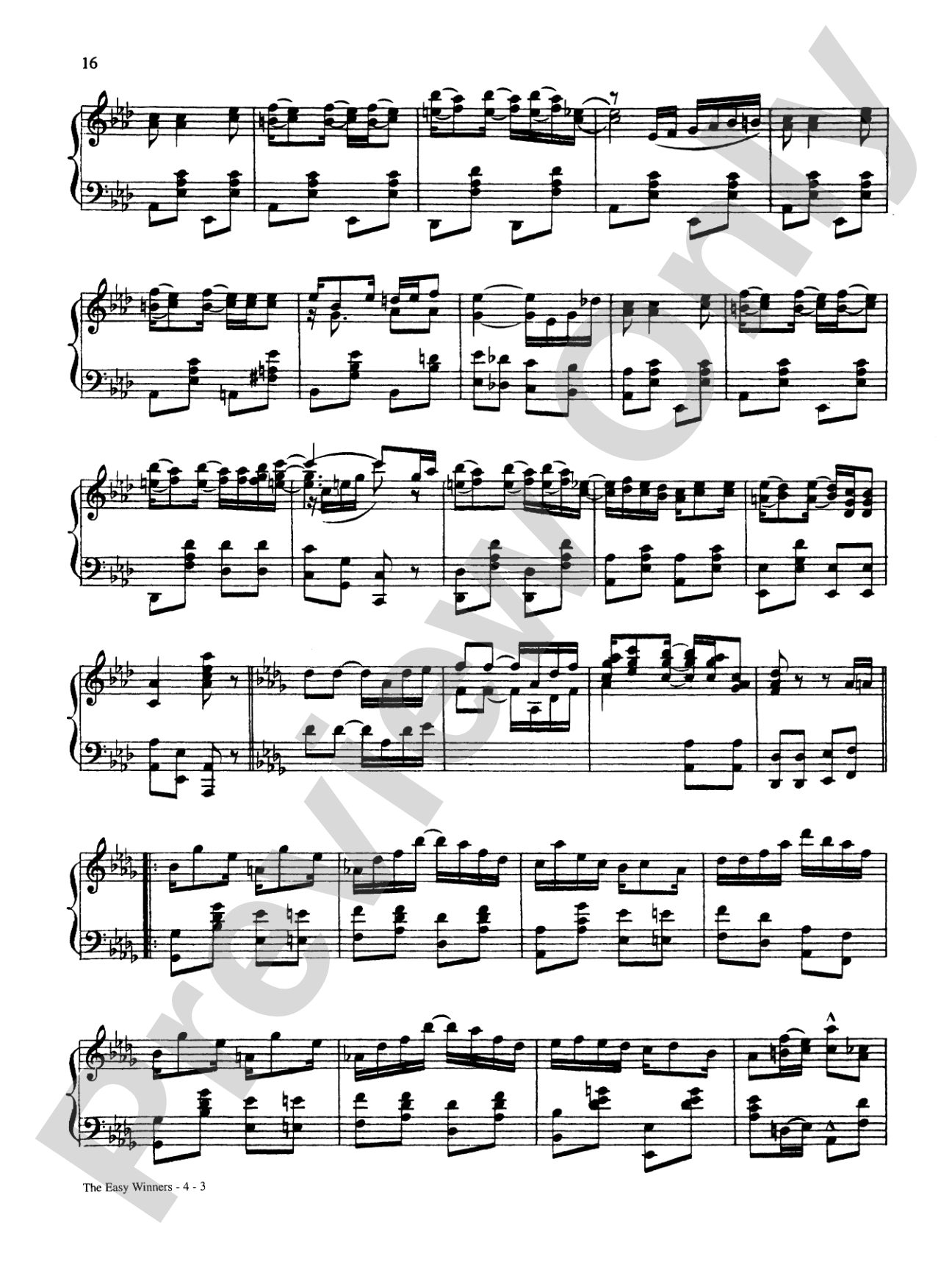
Scott Joplin was considered the father of Ragtime. His many compositions were the hits of their time and remain classic favorites of the syncopated style. The 20 titles in this collection are: The Cascades * The Chrysanthemum * Combination March * The Easy Winners * The Entertainer * The Favorite * Gladiolus Rag * Harmony Club Waltz * Maple Leaf Rag * Peacherine Rag * Pineapple Rag * The Rose-Bud March * Scott Joplin's New Rag * Solace * Stop-Time Rag * The Strenuous Life * Sugar Cane * Sunflower * The Sycamore * Wall Street Rag.


Discover MakeMusic Cloud: thousands of interactive titles your students can play along with today.
Sample Audio
No sample audio found.
Sample Video
No sample videos found.
Additional Details
Publisher:
Alfred Music
Page Count:
96
SKU:
00-PB-0002428
More about this title
About the Composer: Scott Joplin
Scott Joplin (1868–1917) was an African American composer and pianist whose rhythmic innovations fundamentally transformed American music. Operating primarily from Sedalia, Missouri, and later St. Louis, Joplin codified the ragtime style during the 1890s and early 1900s, elevating what had been considered popular dance music into a sophisticated compositional form. His works demonstrate mastery of classical structure combined with the syncopated rhythms that would influence jazz, stride piano, and modernist composers for generations.
Joplin's legacy in music education extends beyond his commercial success. His compositions demand technical precision, rhythmic independence, and interpretive maturity from performers. Teachers value his works as a bridge between classical training and American vernacular music, offering students insight into how compositional rigor and popular idiom can coexist. Though he struggled for recognition during his lifetime, Joplin's music has become essential to understanding how American popular music developed its distinctive voice.
Why we love this
Twenty of Joplin's most enduring works in one collection gives advanced pianists the chance to command the full range of his compositional vocabulary. The material spans ragtime standards like Maple Leaf Rag and The Entertainer alongside less frequently performed gems, creating programming opportunities that feel both familiar and fresh. For pianists seeking to develop the rhythmic independence and right-hand independence that ragtime demands, this collection offers concentrated study without hunting through multiple editions.
What to expect
Joplin's rags combine the propulsive energy of a march with the sophistication of a waltzer. There is both restraint and exuberance in the writing: the left hand moves with predictable momentum while the right hand dances across unexpected syncopations, creating the sensation of forward motion held in elegant tension.
Who it's for
This collection serves advanced pianists who have secured foundational technique and are ready to tackle the specific rhythmic challenges ragtime presents. It also serves music educators building curricula that address American musical traditions and students interested in how classical compositional discipline manifests in popular music.
How to get the most out of it
- Separate the hands completely in your initial practice sessions. Ragtime's syncopated melody lines create an illusion of rhythmic complexity that dissolves when you establish the bass foundation first and layer the melody cleanly on top.
- Resist rushing the tempo. Joplin's rags sit comfortably at moderate speeds where the internal syncopations read clearly. Slower performances often reveal harmonic sophistication that faster ones obscure.
- Shape the phrasing melodically rather than rhythmically. The syncopation often obscures phrase endings; listening for Joplin's underlying song structure helps you breathe naturally and keep the line coherent.
- Address hand independence through rhythmic displacement. Practice speaking or singing the melody while your hands maintain the accompaniment pattern, then reverse it. This builds the mental separation ragtime requires.
How to use it
Program individual selections across multiple concerts to highlight the stylistic range within Joplin's output. The march-influenced works pair well with period repertoire, while the slower pieces like Solace can anchor a recital program between more virtuosic material. Alternatively, curate a full Joplin evening that traces how his compositional approach evolved across the collection.
Skills your students will build
- Syncopated rhythms in both melodic and accompaniment voices
- Right-hand independence from left-hand pulse
- Legato pedaling technique within syncopated textures
- Harmonic language of late Romantic popular music
- Rapid scalar and arpeggio patterns across multiple registers
- Balance between rhythmic precision and musical phrasing