

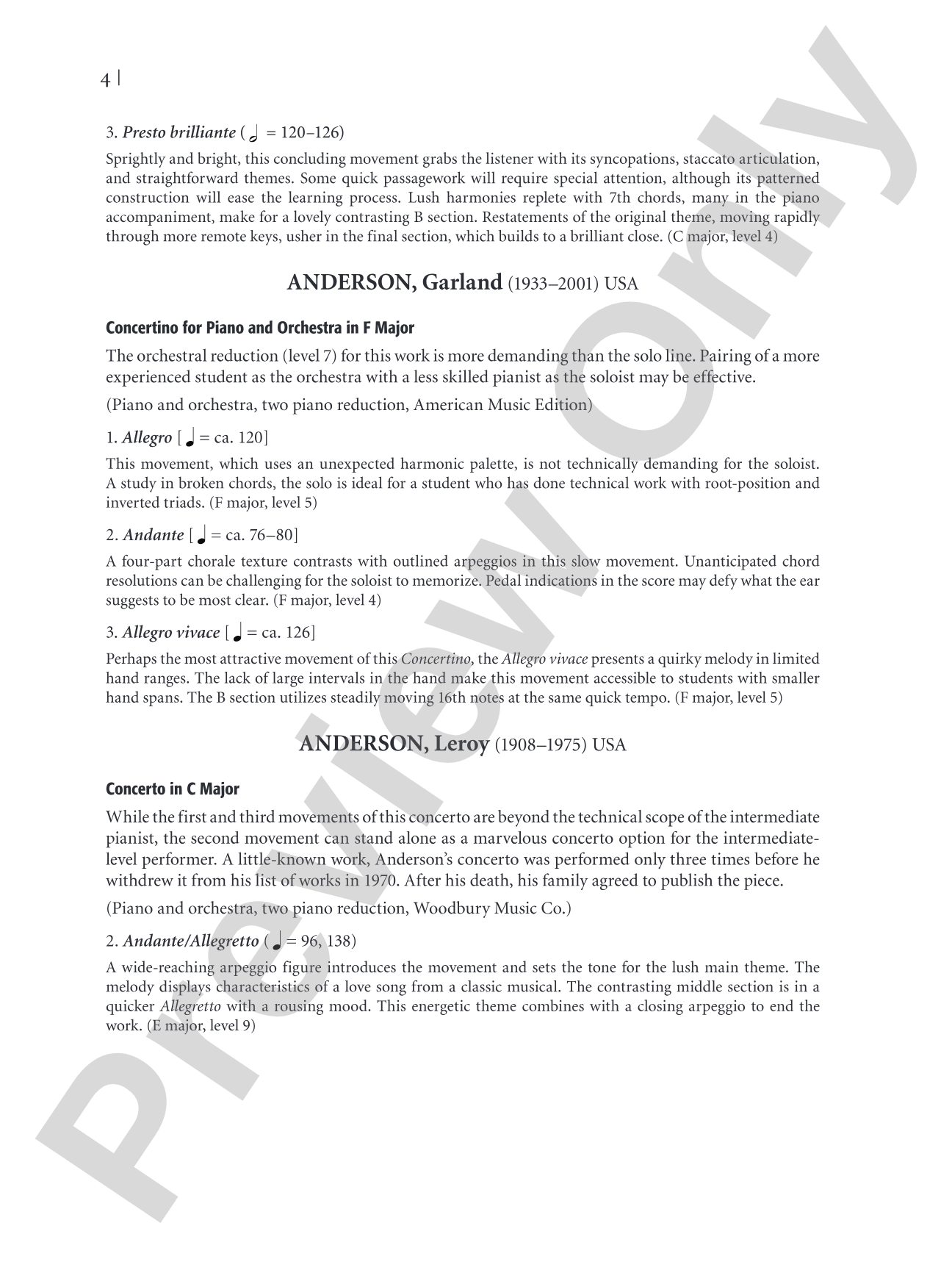
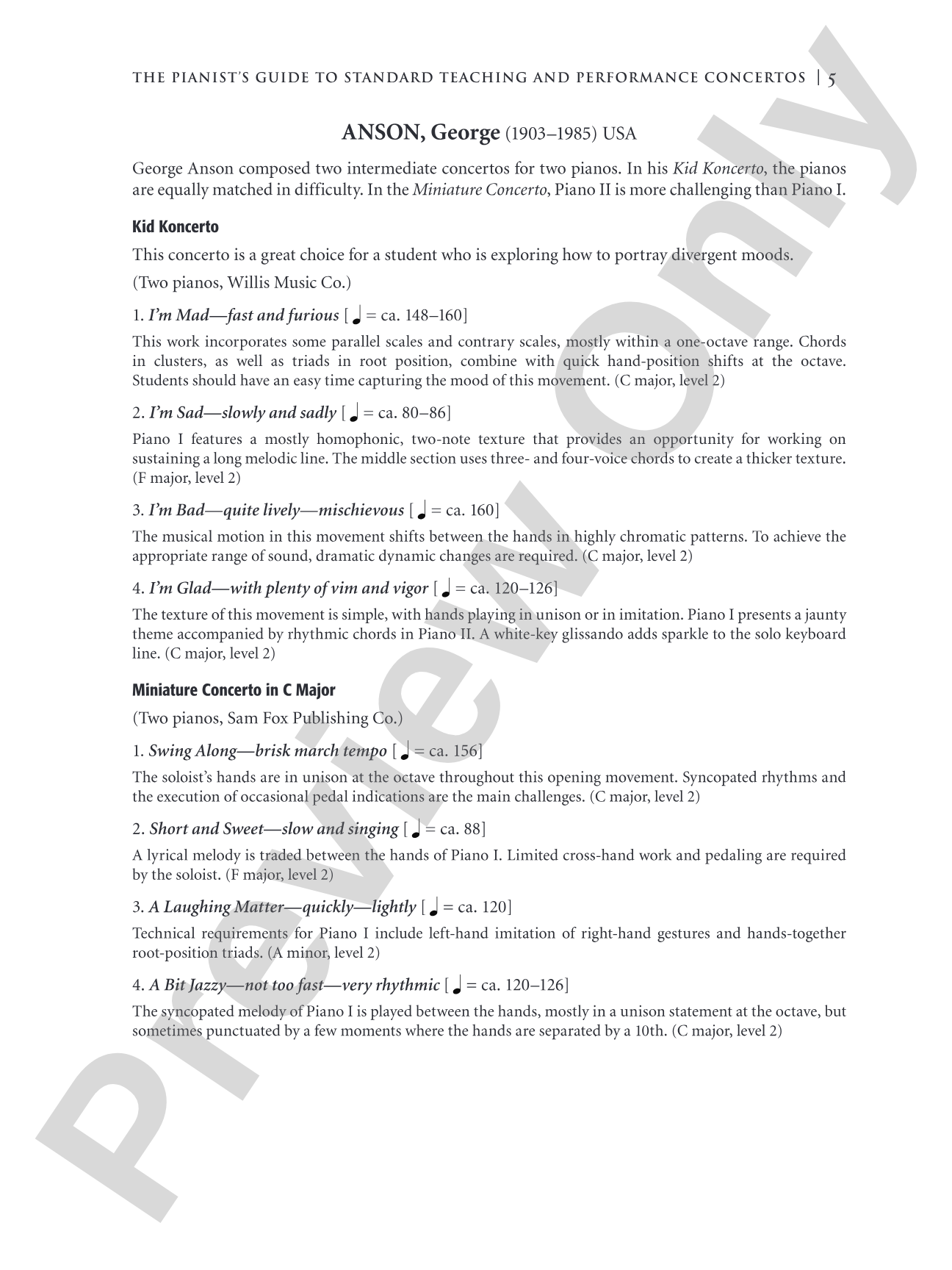
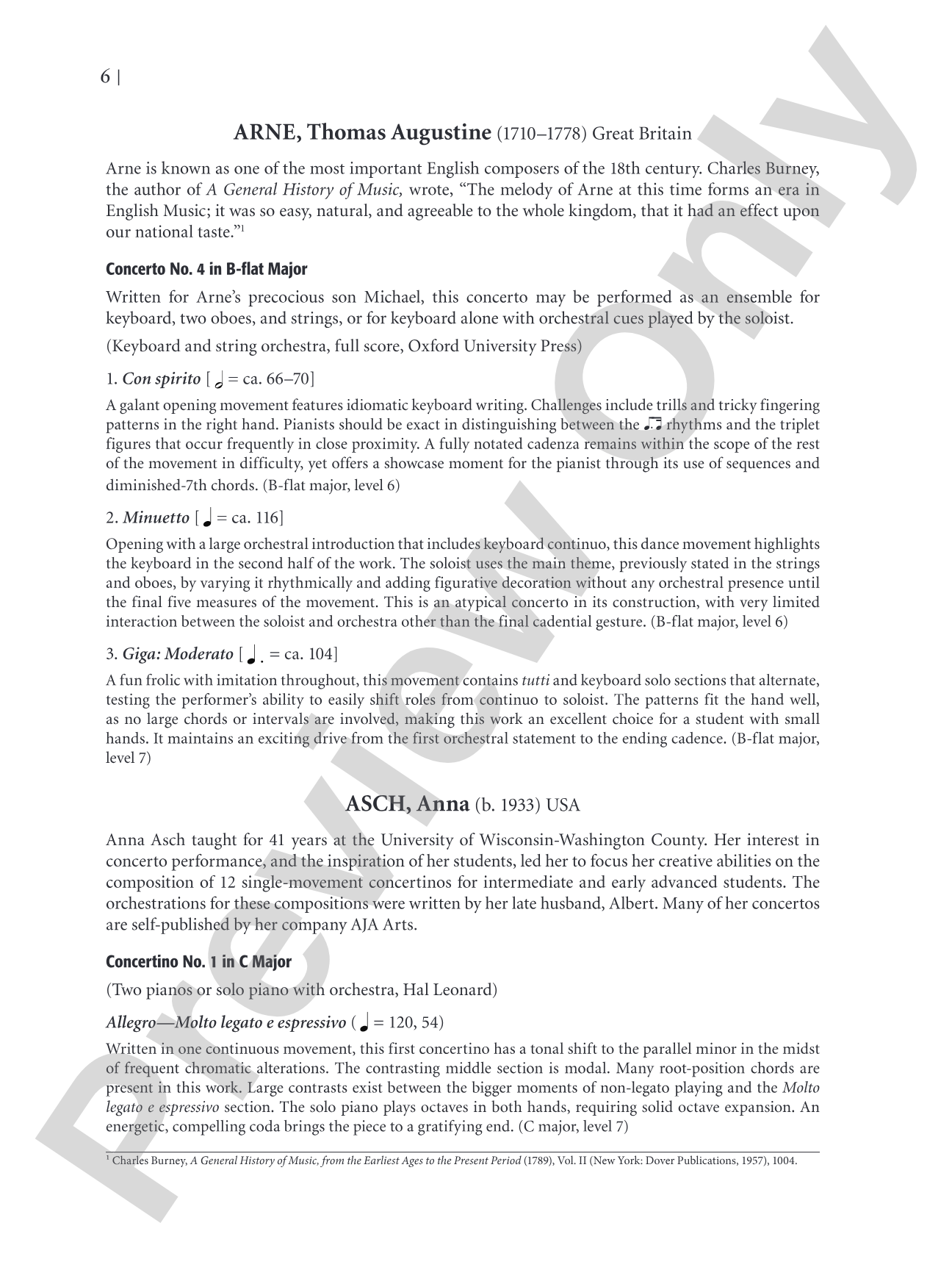
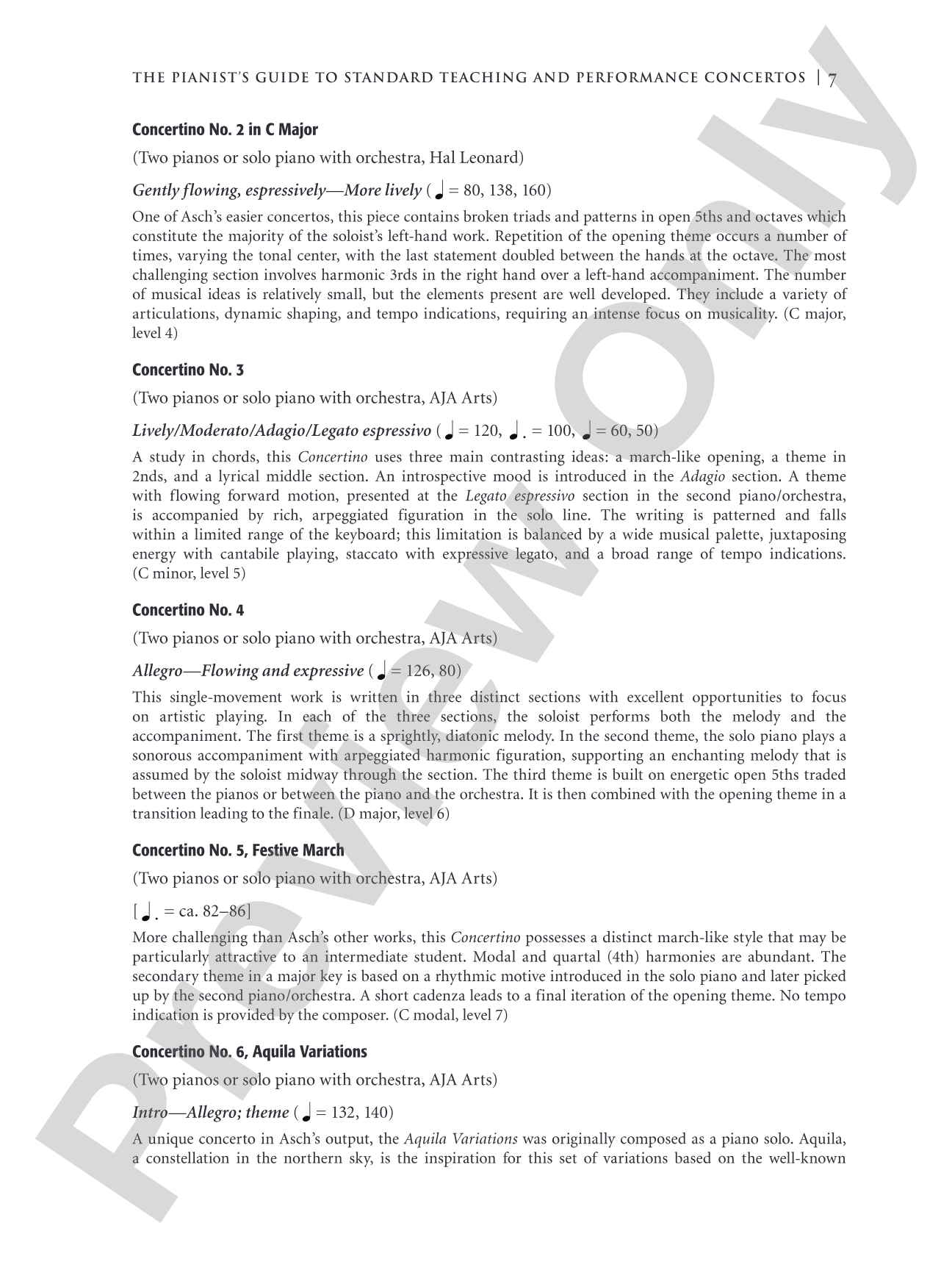
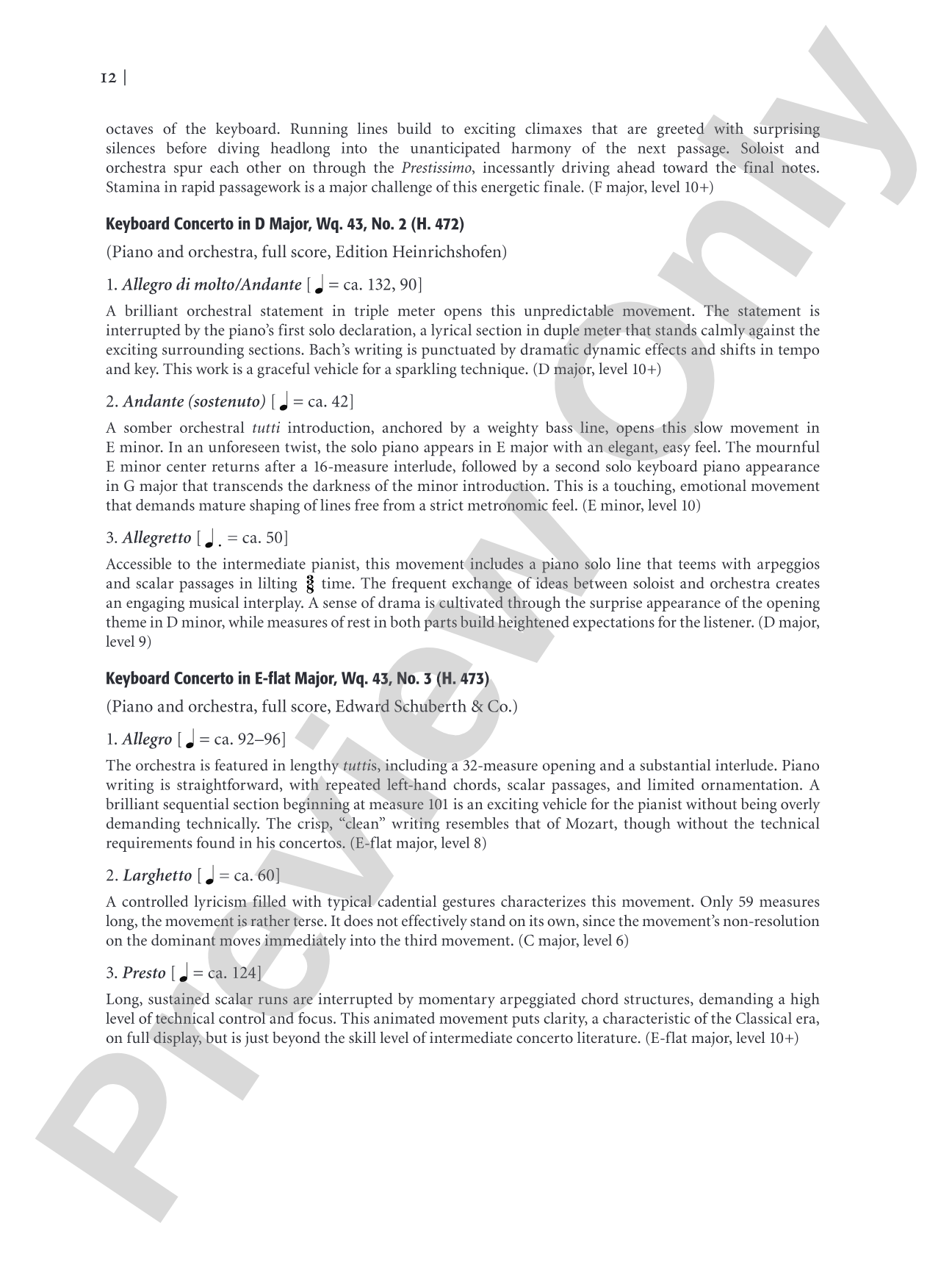
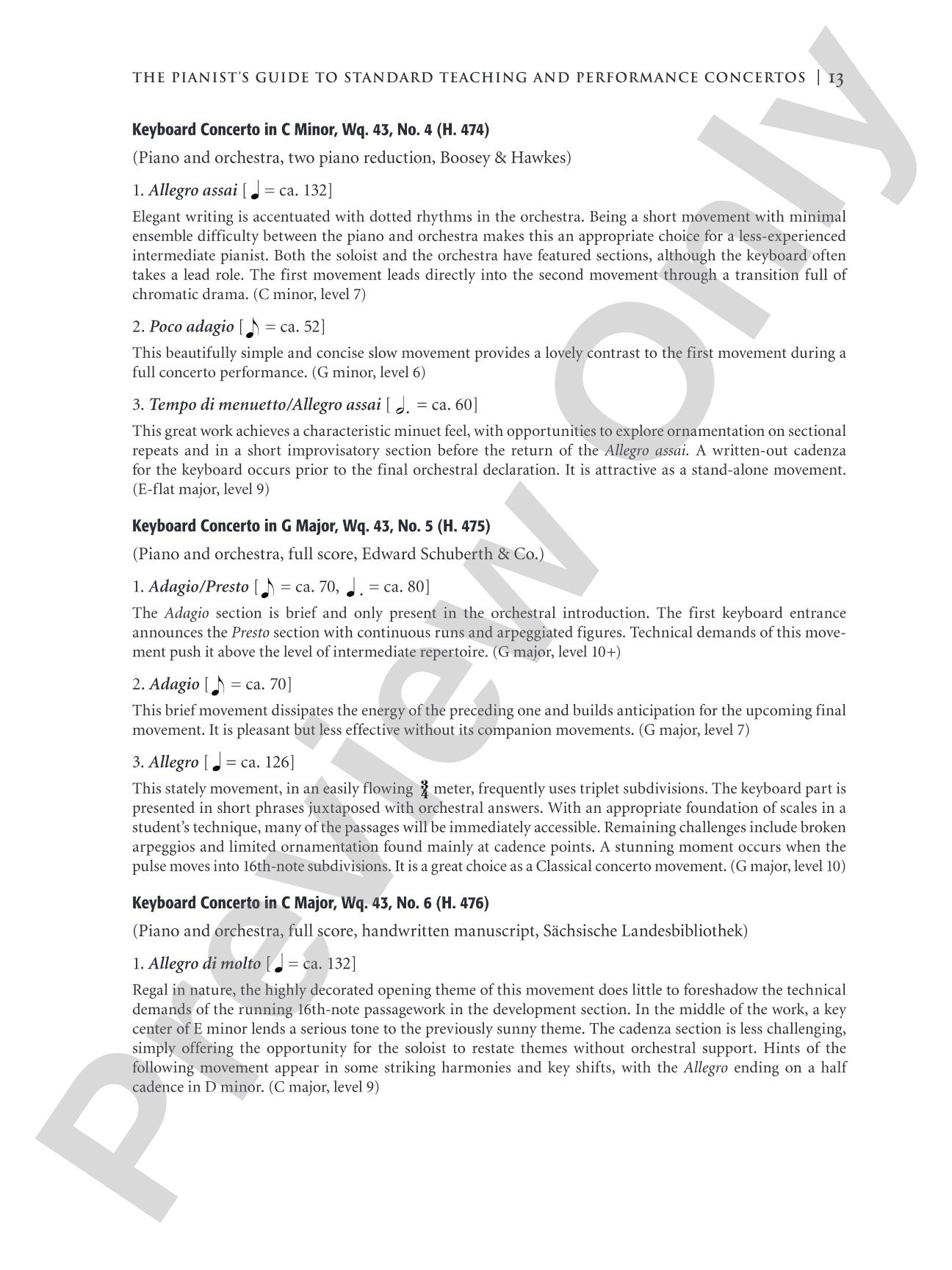
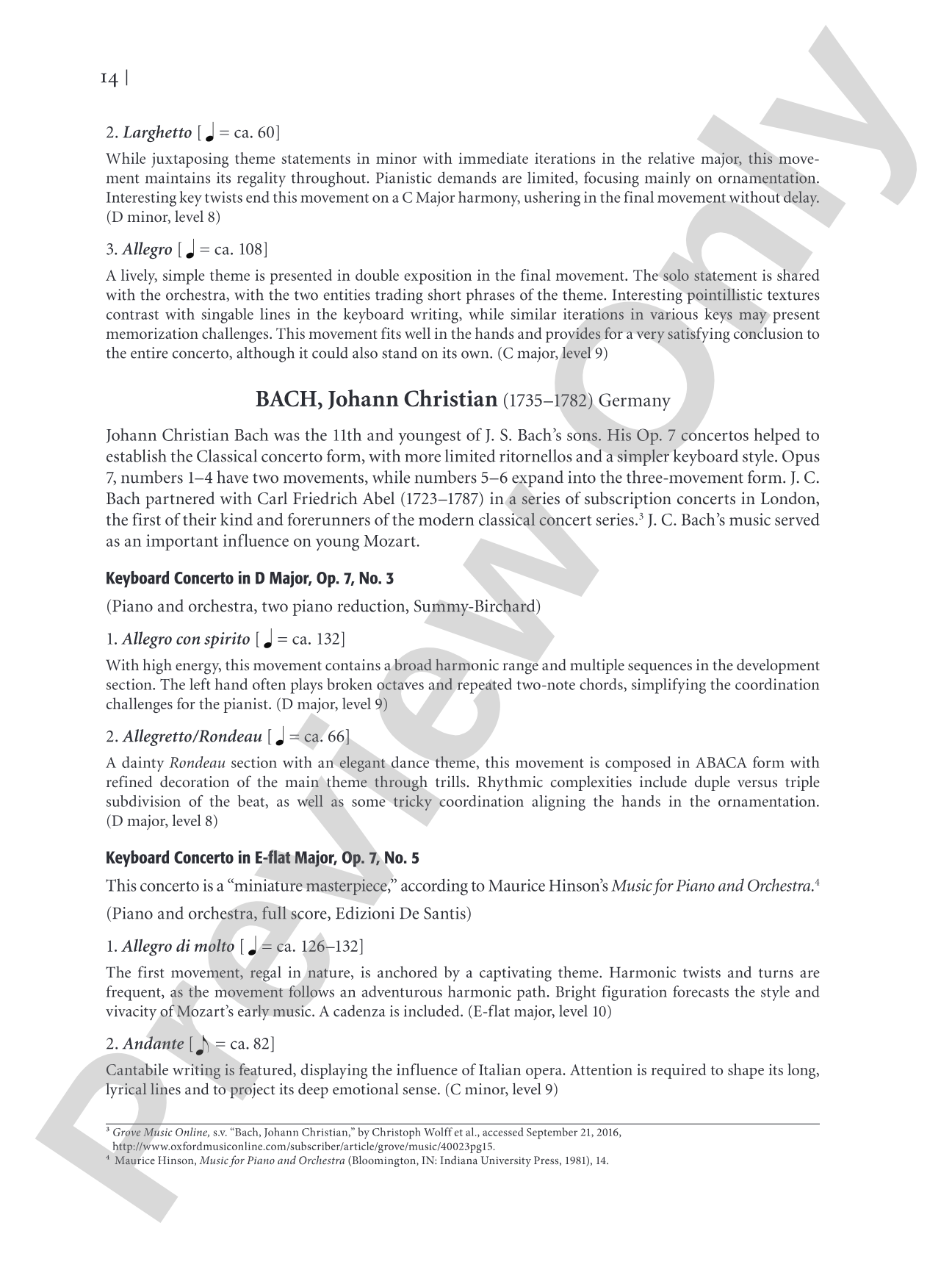
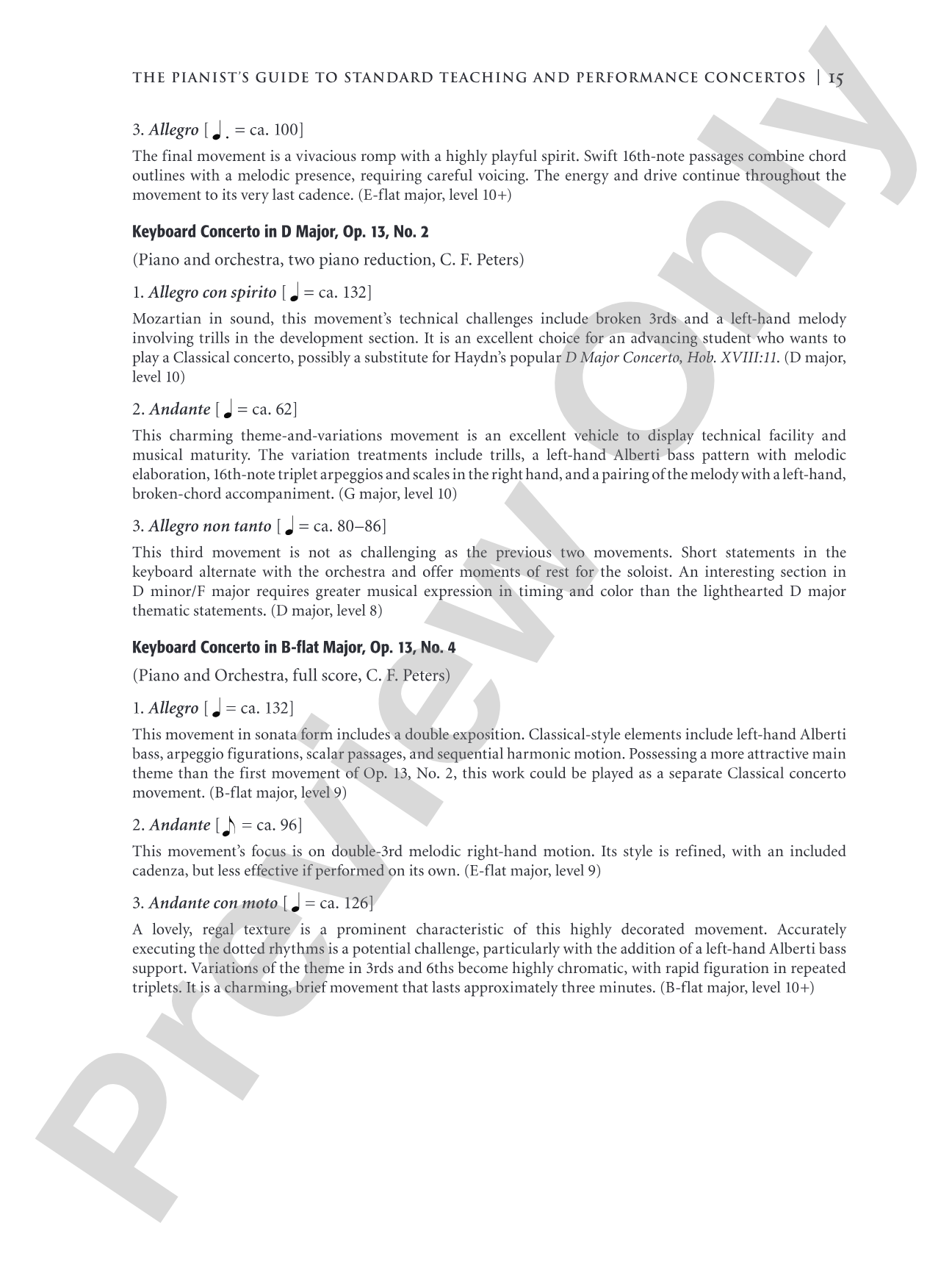
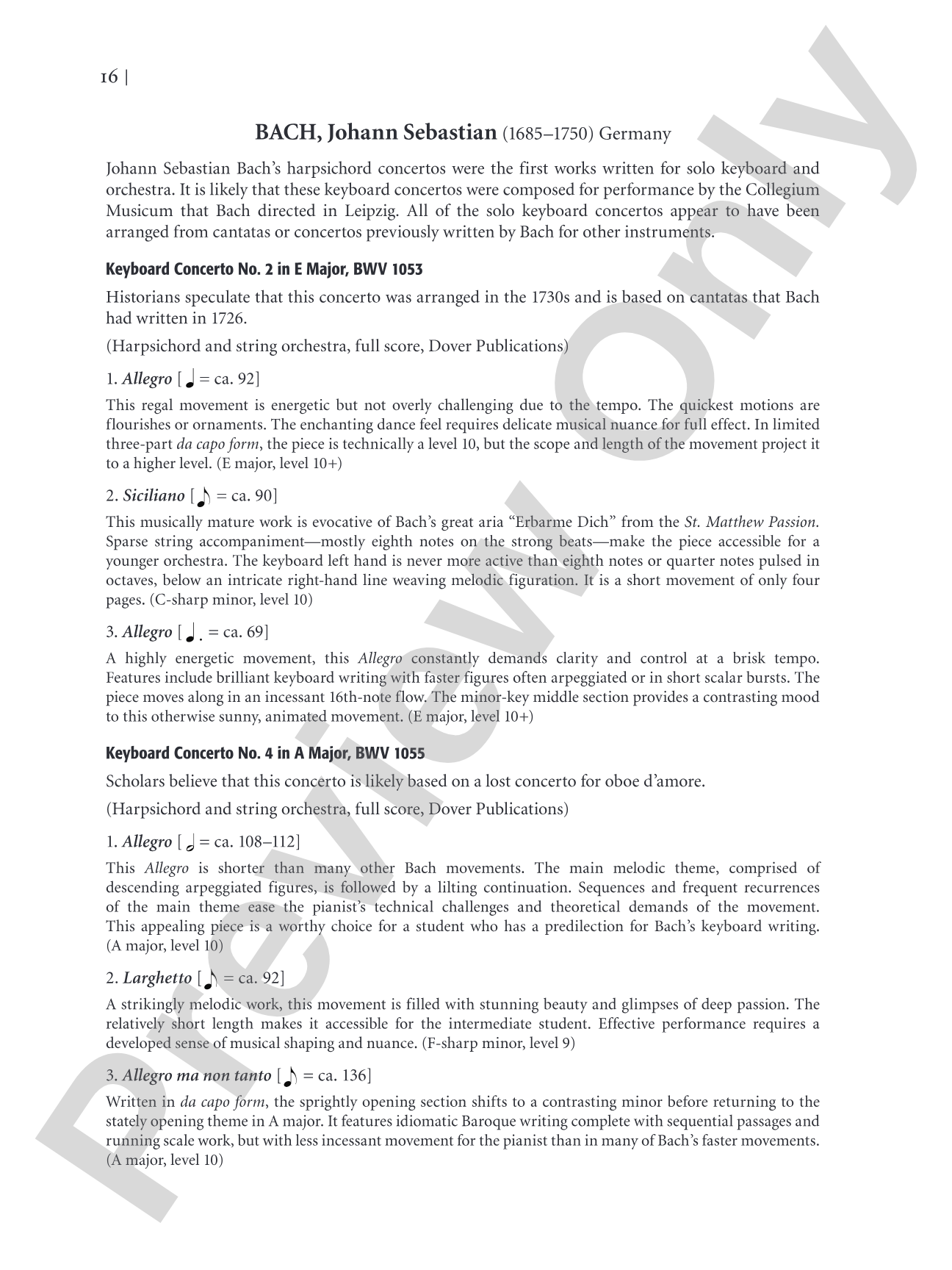
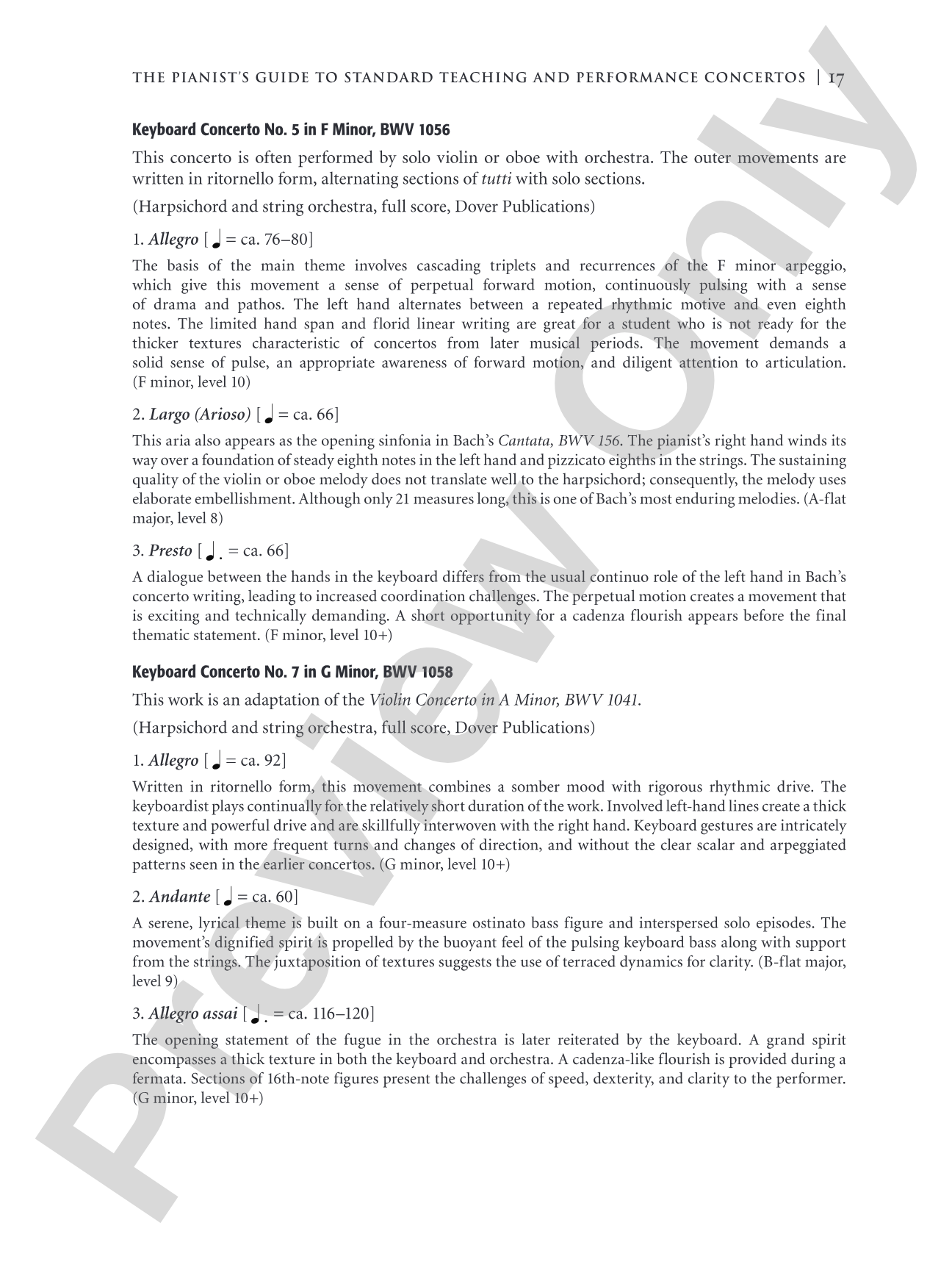
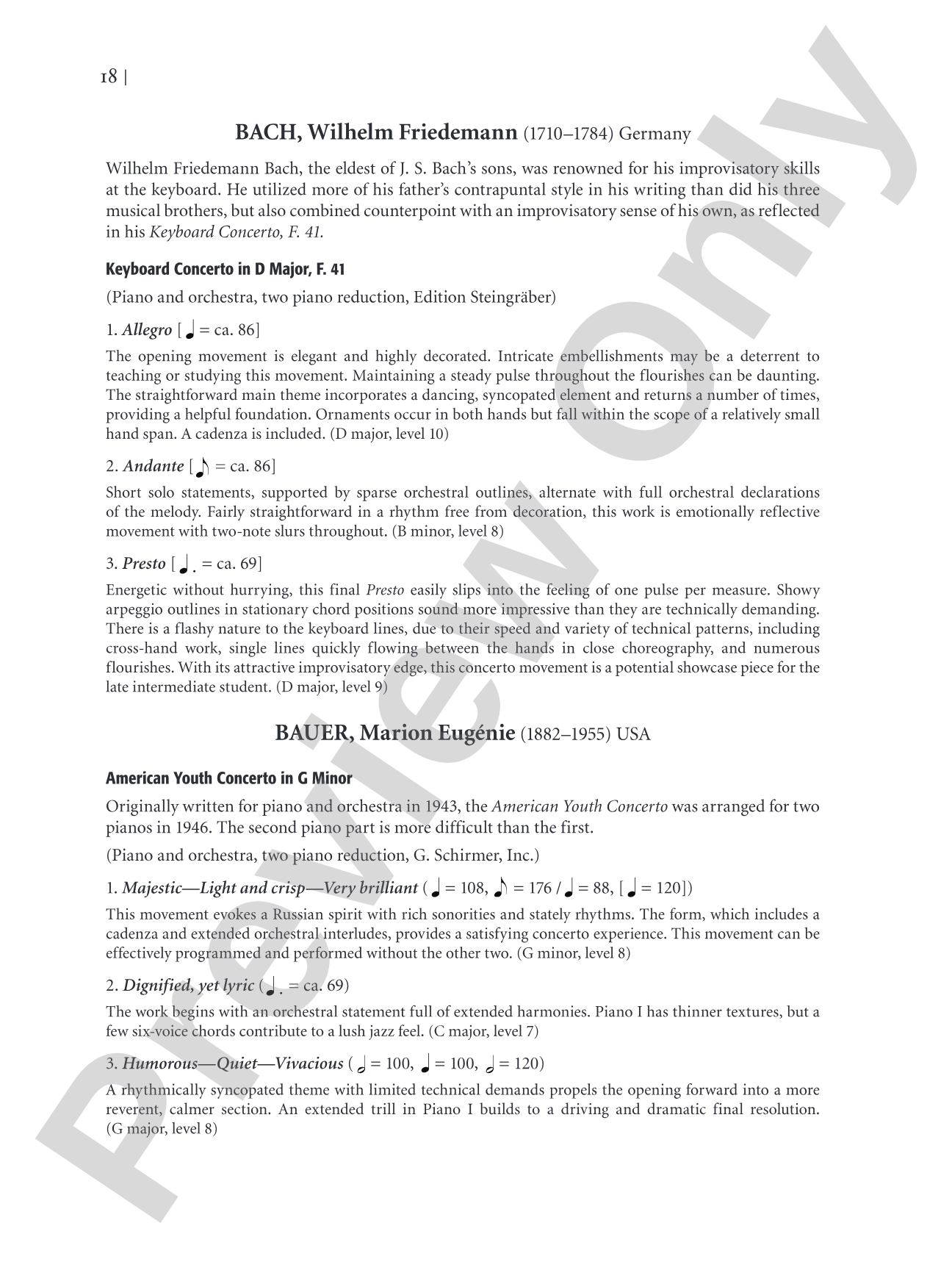
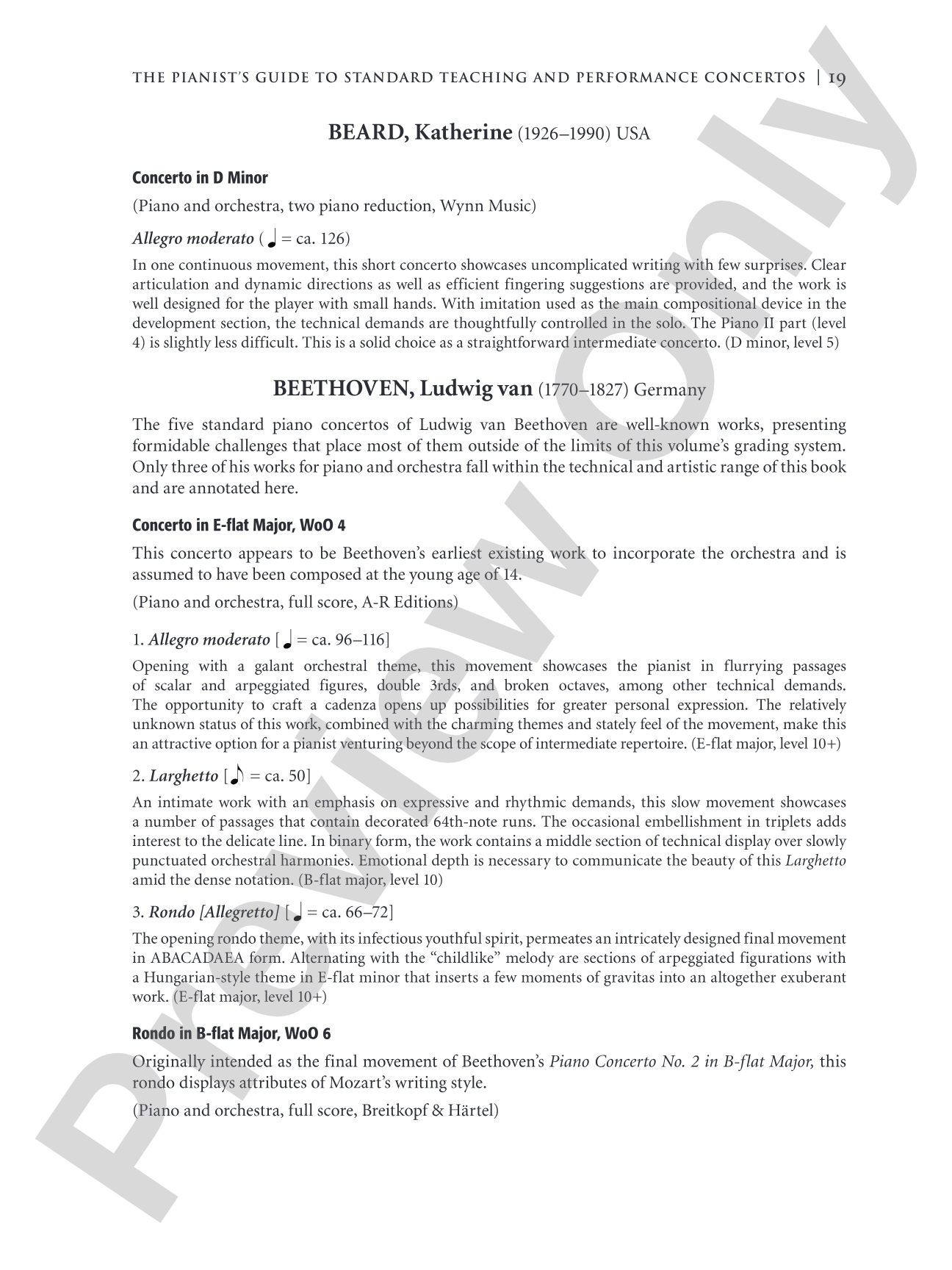

The Pianist's Guide to Standard Teaching and Performance Concertos: An Invaluable Resource of Keyboard Concertos from Baroque Through Contemporary Periods for Teachers, Students, and Performers: Piano
An Invaluable Resource of Keyboard Concertos from Baroque Through Contemporary Periods for Teachers, Students, and Performers
By Karen Beres and Christopher Hahn
Item: 00-PB-0002453
$19.99
Pickup currently not available
Related Items
The Pianist's Guide to Standard Teaching and Performance Concertos: Piano Book |
$19.99
|
View |
Description
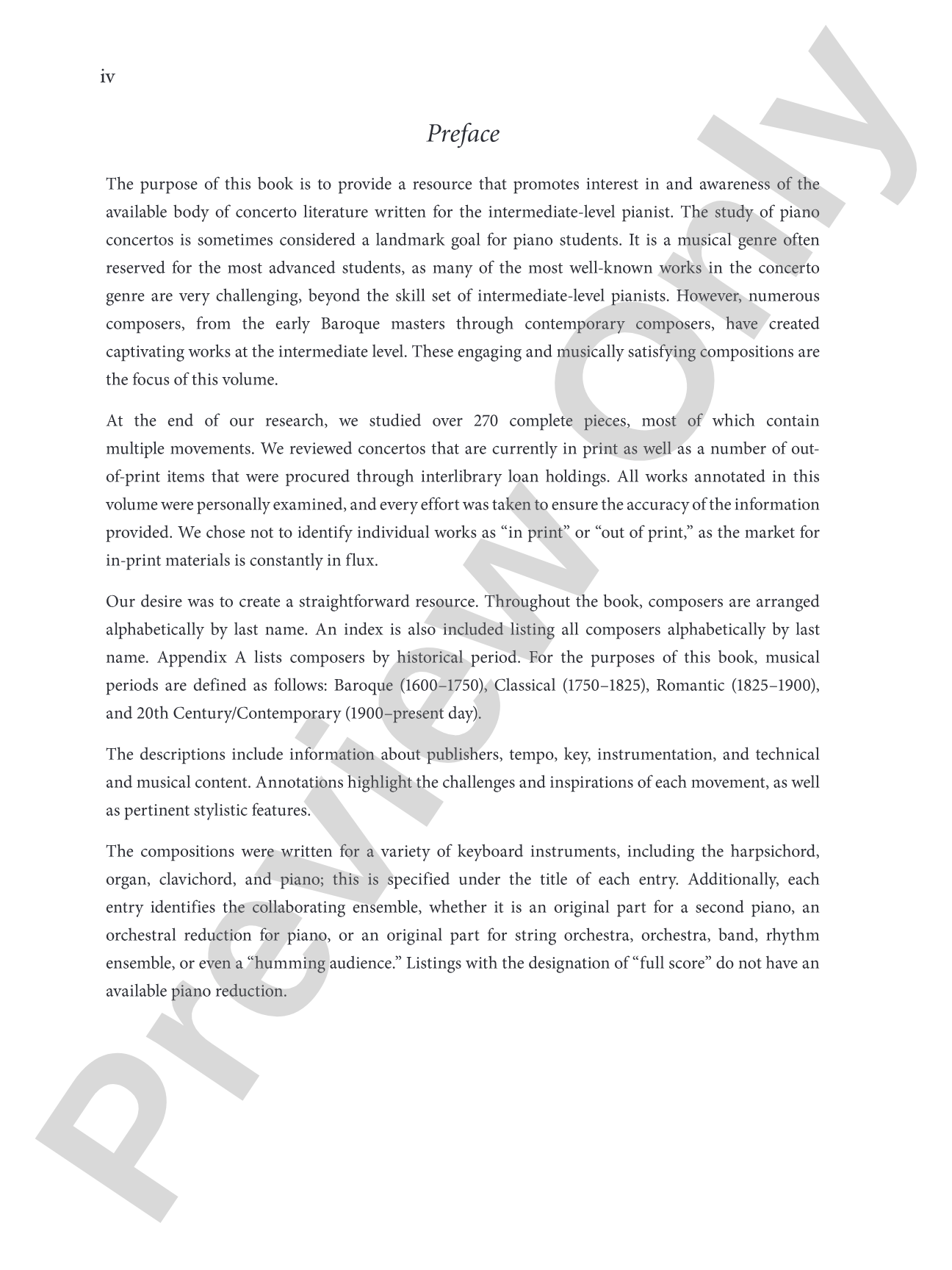
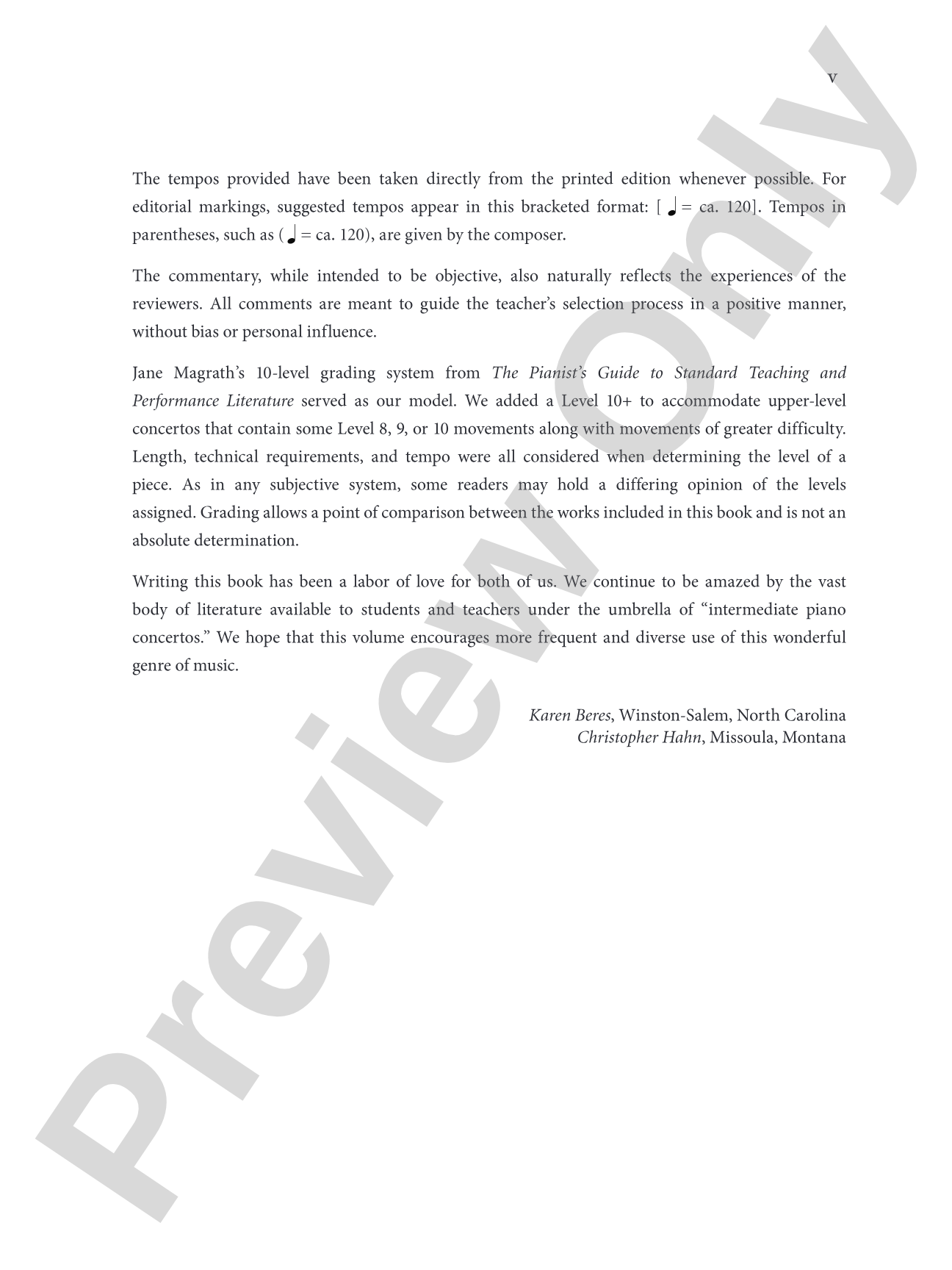
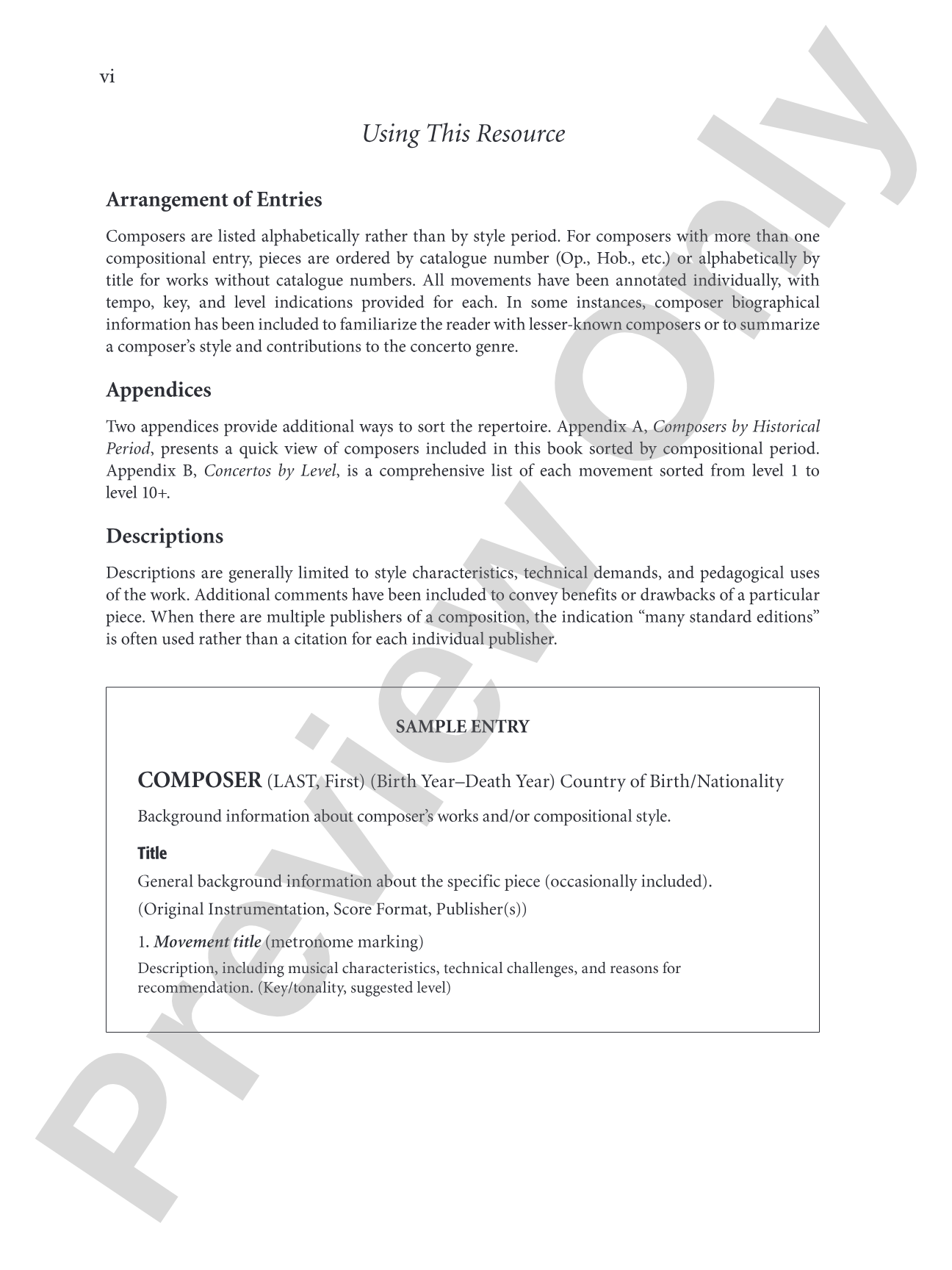
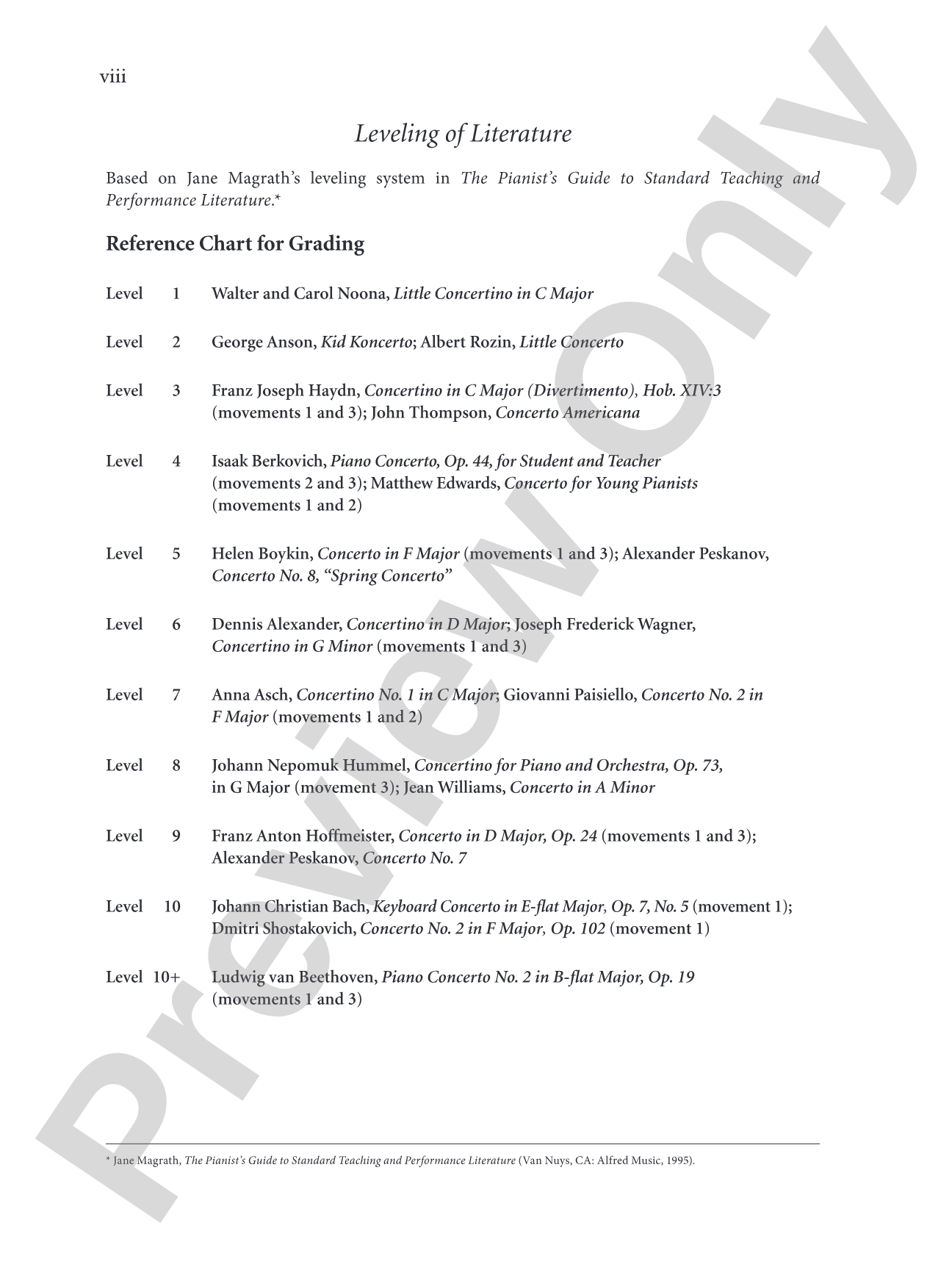
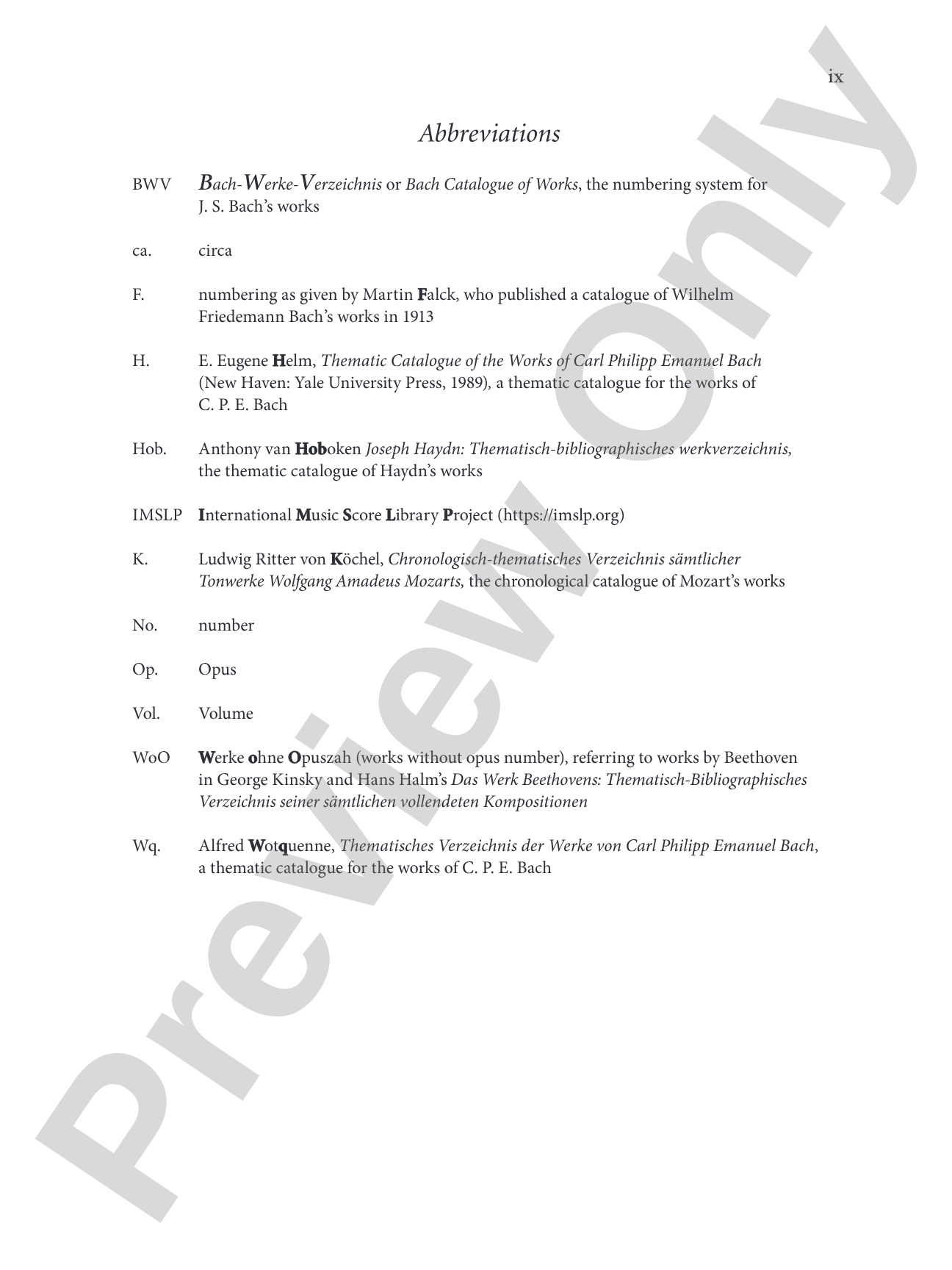
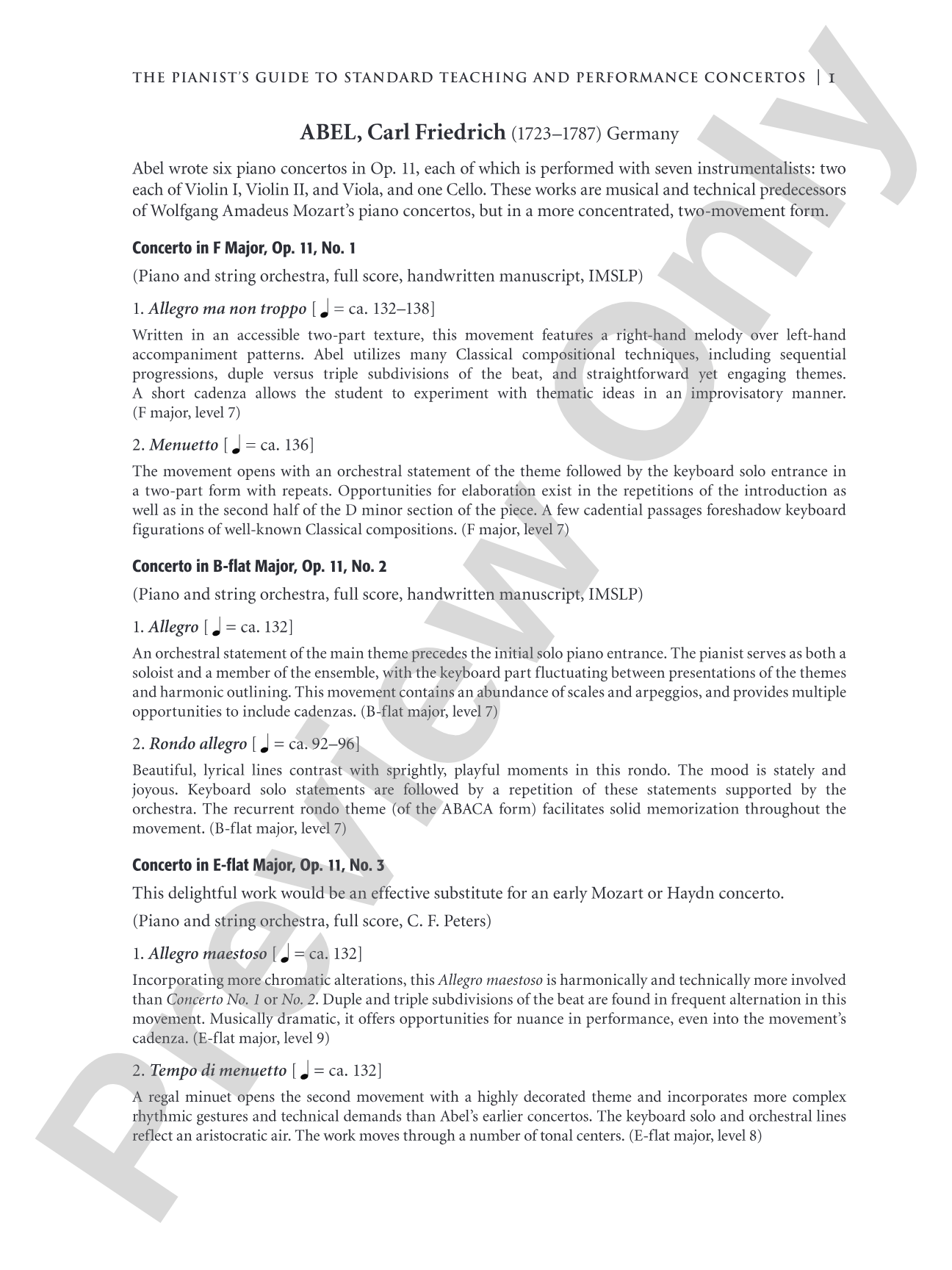
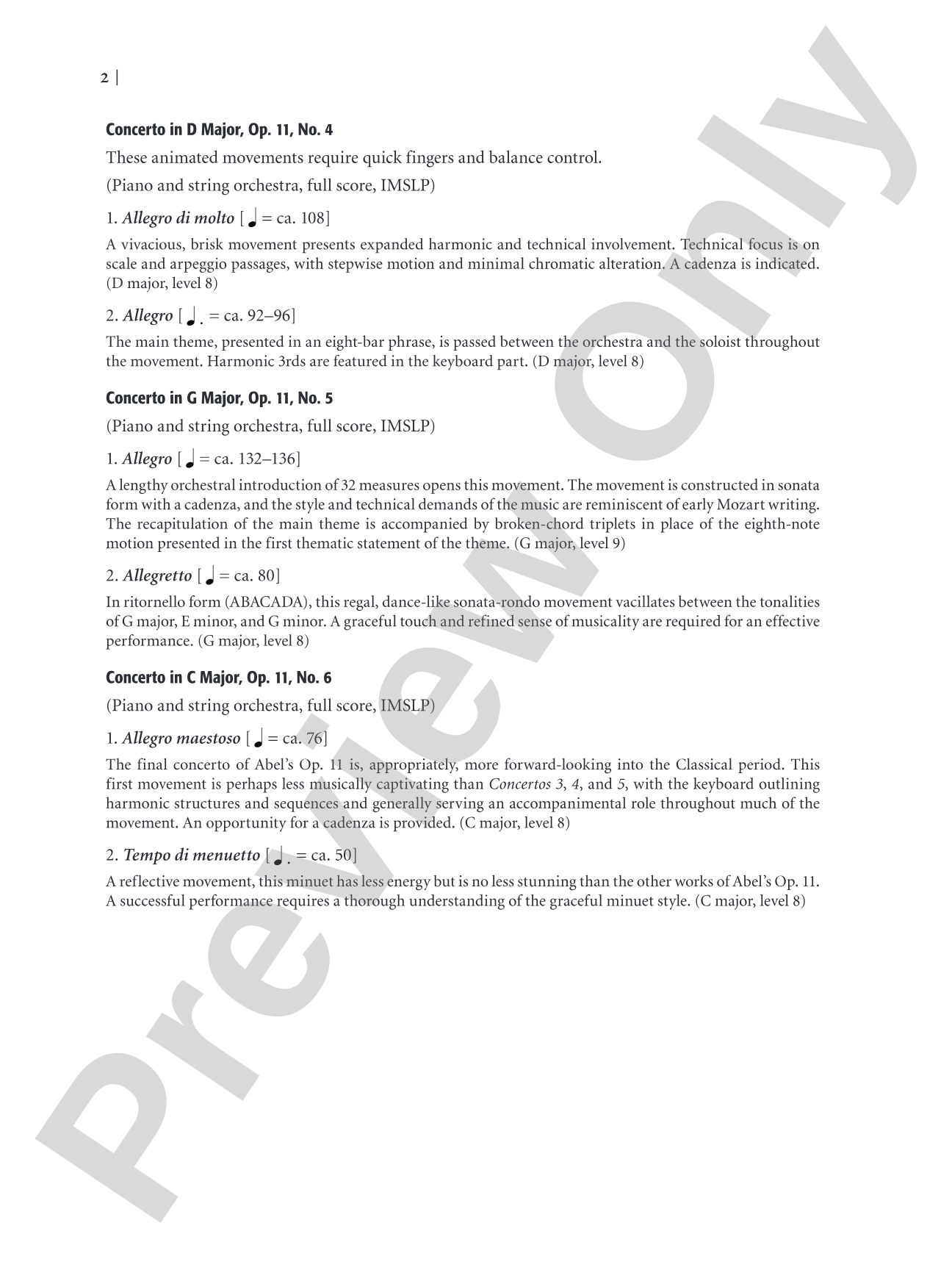
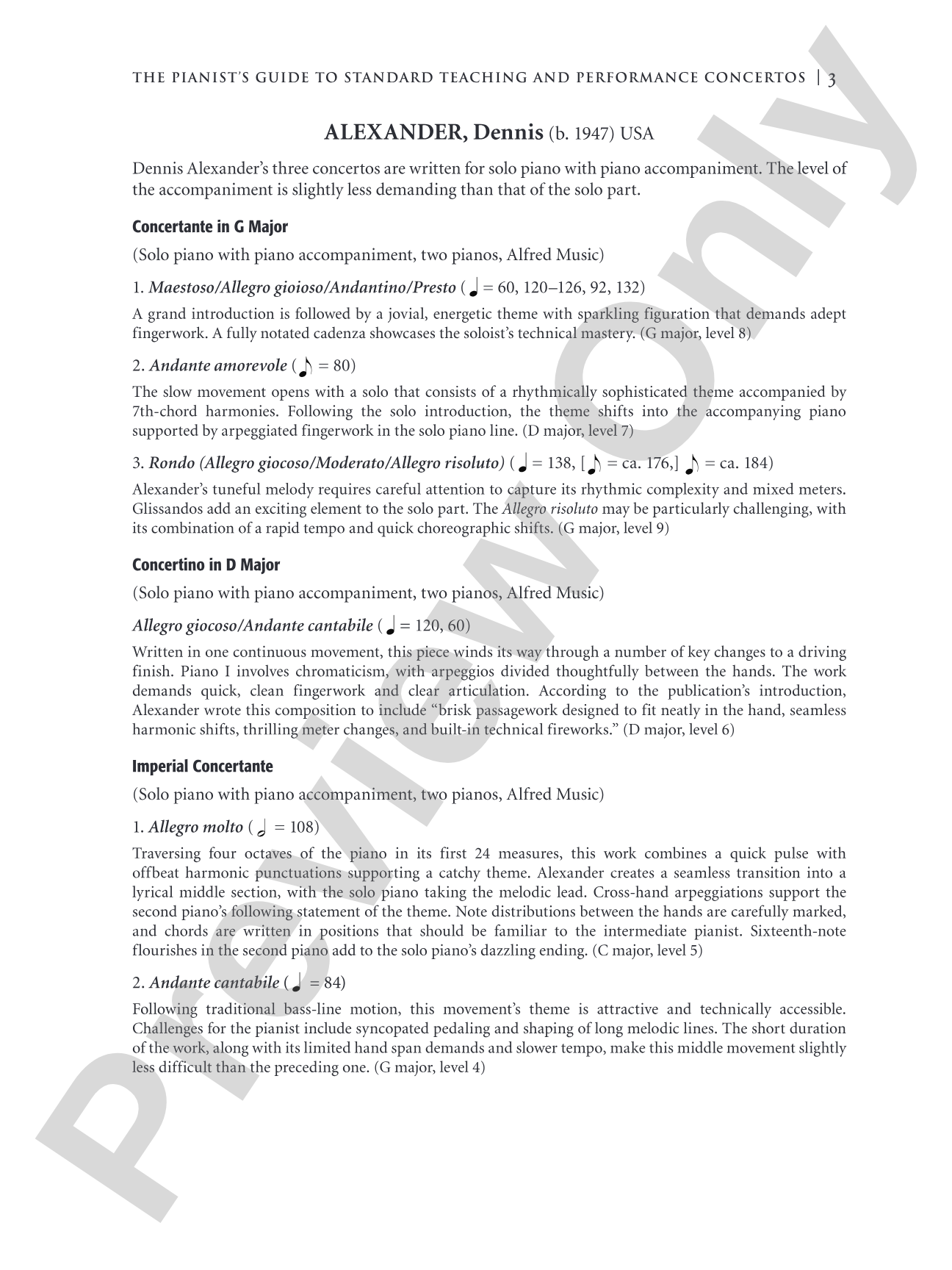
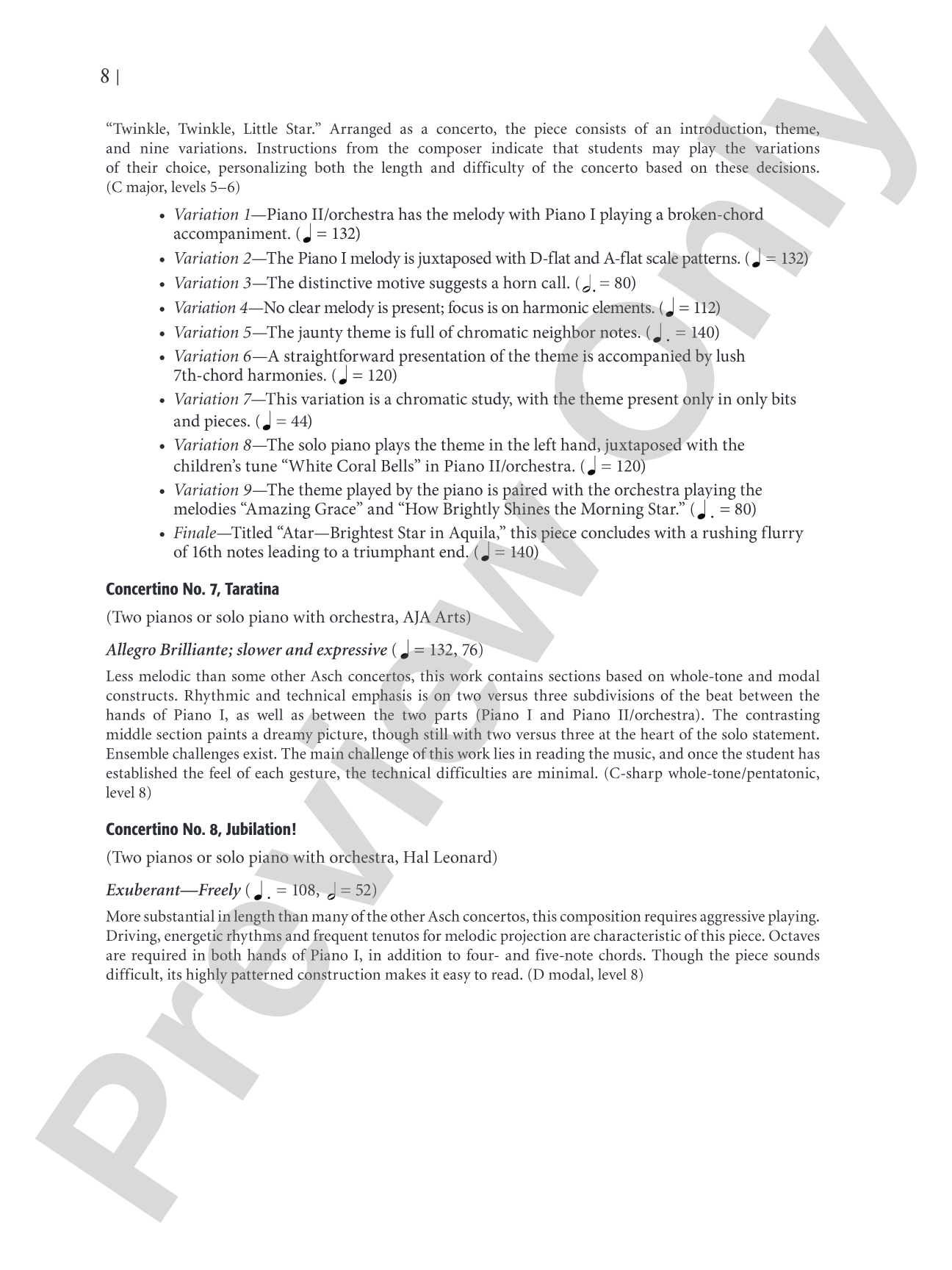
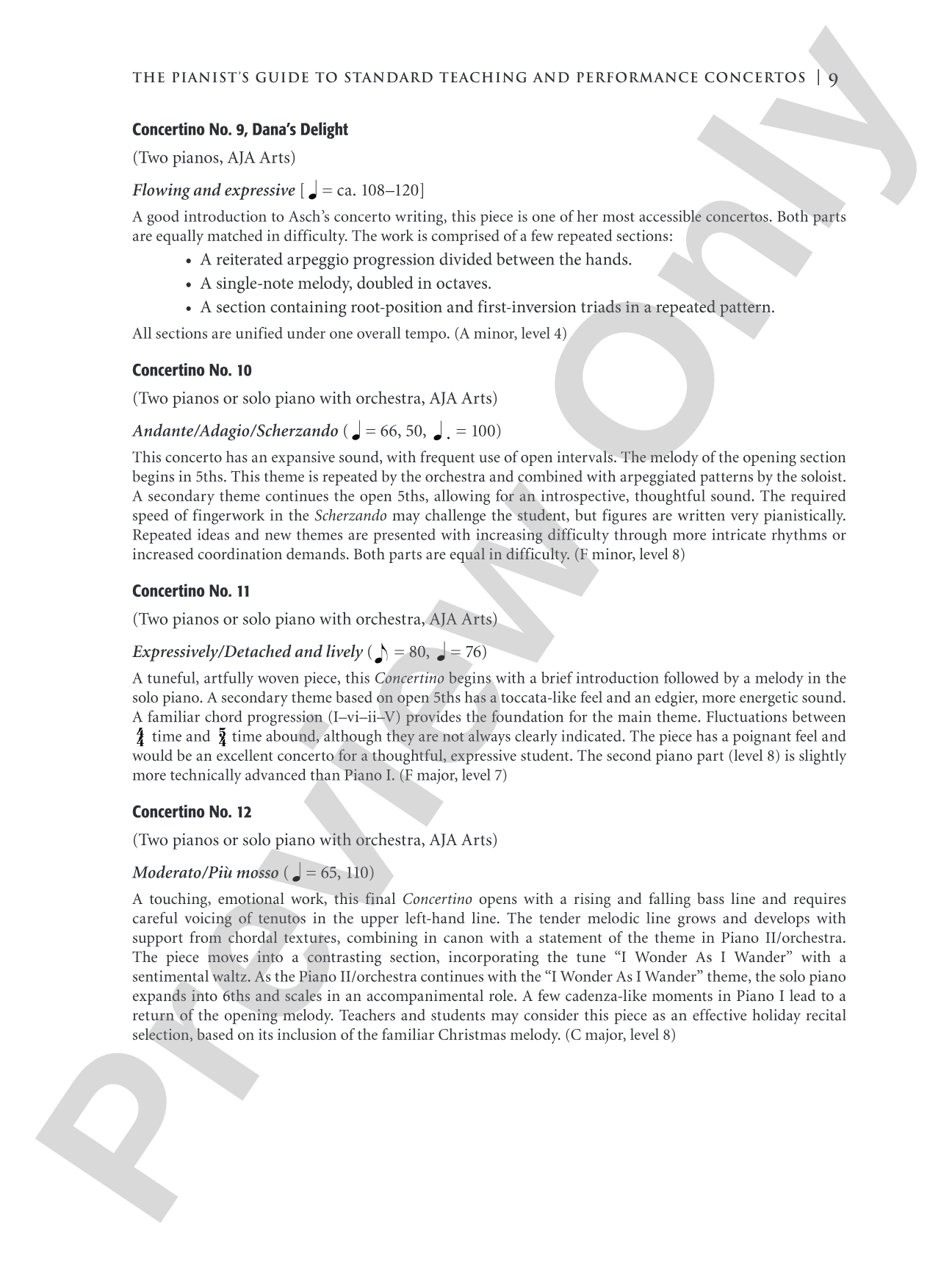
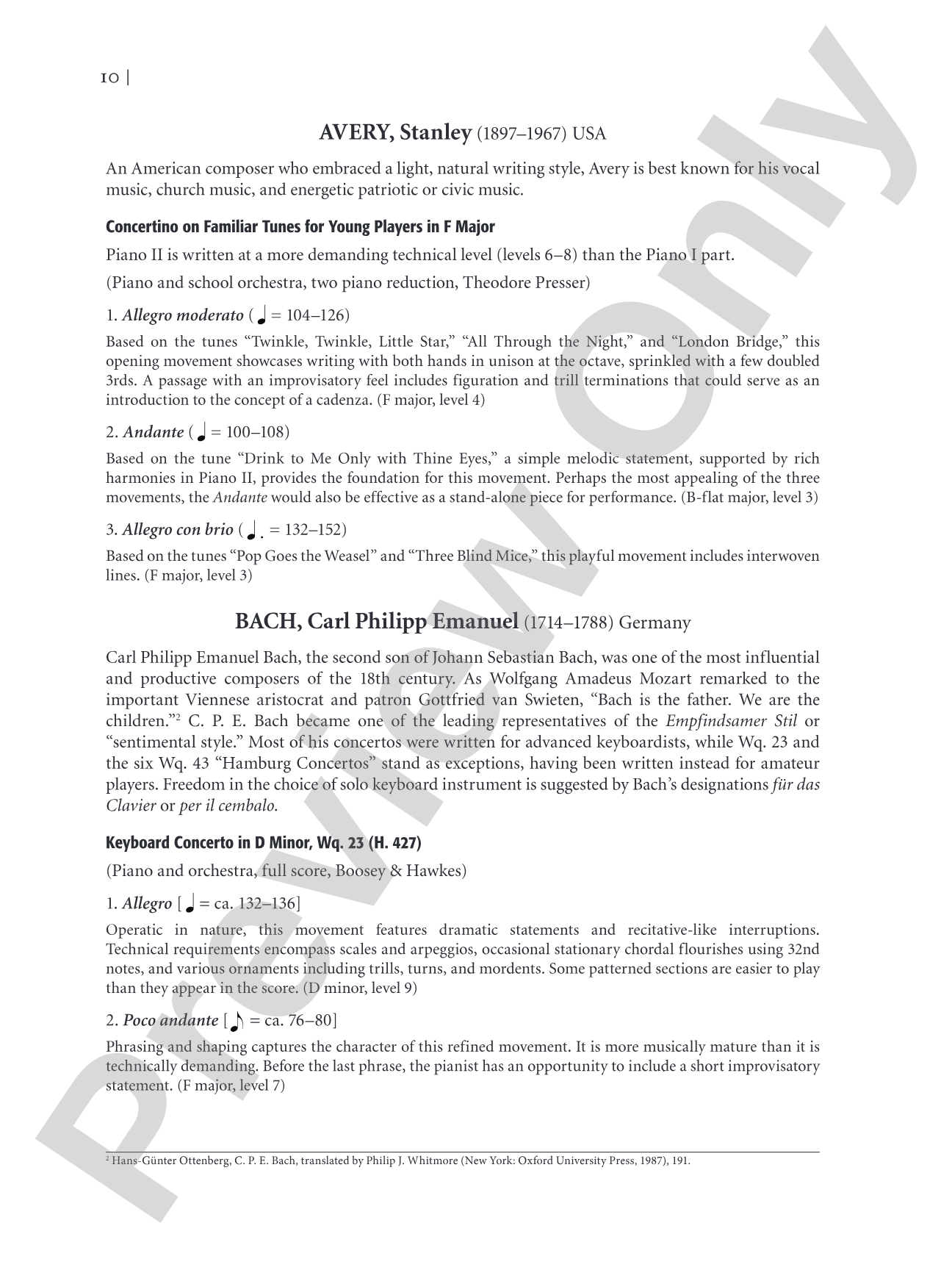
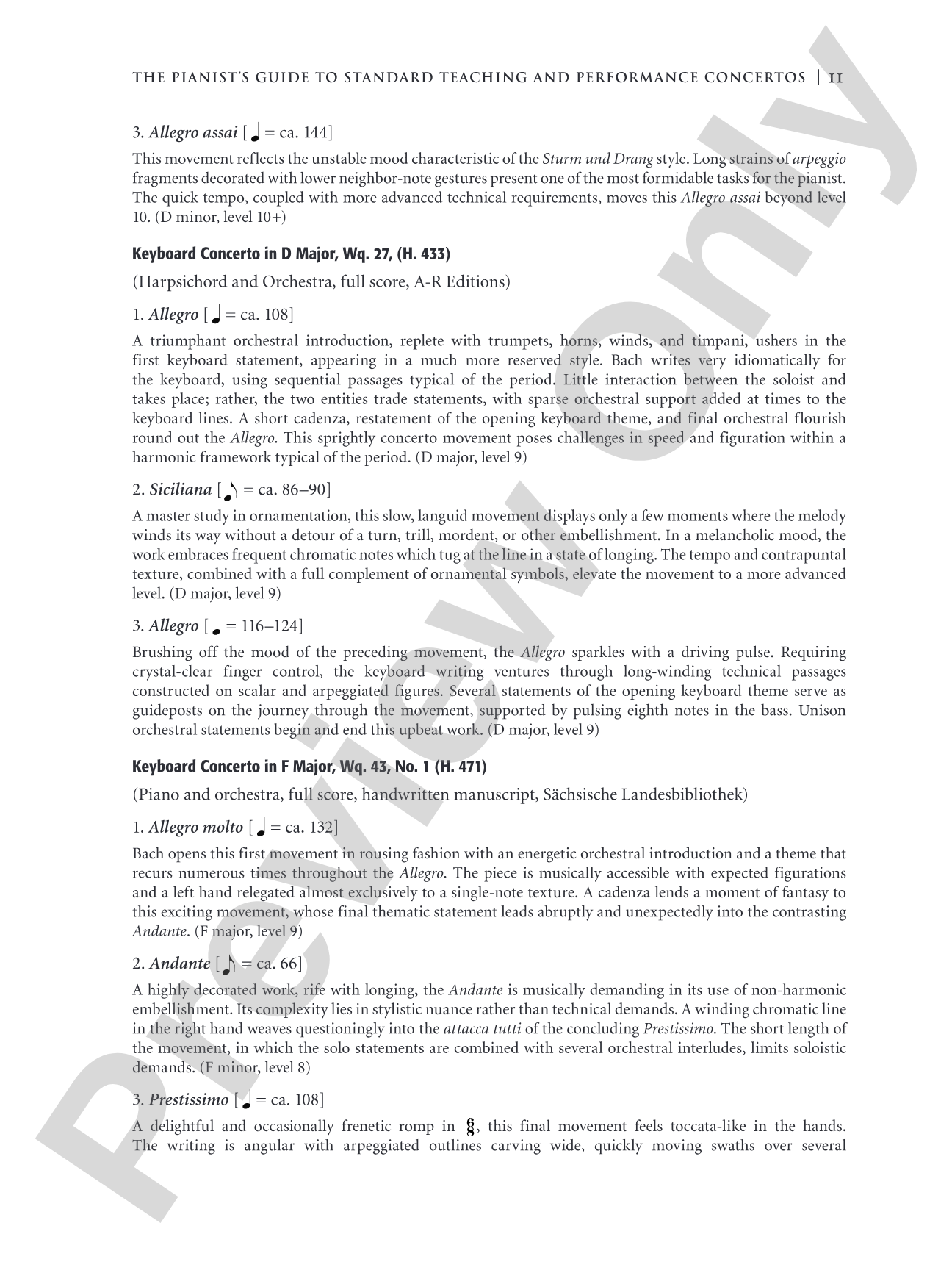
This textbook provides a unique resource to promote interest in and awareness of the available body of captivating concerto literature. It focuses on works suitable for pianists at the intermediate level, highlighting musically satisfying compositions from early Baroque masterworks through contemporary concertos written by today's best pedagogical composers. The book is arranged alphabetically by composer, with descriptions detailing information about publishers, tempo, key, instrumentation, and technical and musical content. The authors discuss the challenges and stylistic features of each selection and grade each movement using the 10-level grading system from Jane Magrath's The Pianist's Guide to Standard Teaching and Performance Literature, a model for the textbook. This is an essential reference work for those interested in student concertos.
Karen Beres teaches the undergraduate group piano classes and piano pedagogy class at the University of North Carolina School of the Arts, where she serves as Interim Vice Provost and Dean of Academic Affairs for the School of Music.
Christopher Hahn is professor of piano at the University of Montana where he teaches applied piano and piano pedagogy at the undergraduate and graduate level. Beres and Hahn have been presenting innovative programs of duet and two-piano repertoire as the CanAm Piano Duo since 2002.


Karen Beres teaches the undergraduate group piano classes and piano pedagogy class at the University of North Carolina School of the Arts, where she serves as Interim Vice Provost and Dean of Academic Affairs for the School of Music.
Christopher Hahn is professor of piano at the University of Montana where he teaches applied piano and piano pedagogy at the undergraduate and graduate level. Beres and Hahn have been presenting innovative programs of duet and two-piano repertoire as the CanAm Piano Duo since 2002.
Discover MakeMusic Cloud: thousands of interactive titles your students can play along with today.
Sample Audio
No sample audio found.
Sample Video
No sample videos found.
Additional Details
Publisher:
Alfred Music
Page Count:
144
SKU:
00-PB-0002453
More about this title
About the Composer: Karen Beres
Karen Beres directs group piano instruction and pedagogy coursework at the University of North Carolina School of the Arts, where she also serves as Interim Vice Provost and Dean of Academic Affairs for the School of Music. Her research and teaching focus on repertoire selection and keyboard literature across all levels, grounded in real classroom experience with students of varying abilities.
Why we love this
This handbook cuts through the overwhelming concerto landscape by curating only intermediate-level works that actually work in the studio and on stage. The alphabetical organization paired with detailed technical breakdowns (publishers, keys, tempos, grading levels) means you'll spend less time hunting and more time teaching repertoire that engages your students musically.
What to expect
Opening this book feels like having a mentor's annotated shelf right at your fingertips. Each entry reads like a focused lesson in that particular concerto: its historical context, what makes it tick technically, where the musical payoff lives, and whether your student is ready for it.
Who it's for
Piano teachers working with intermediate students who want a curated, credible source for choosing concerto repertoire. This guide also serves serious students preparing recital programs and performers seeking reliable information on less familiar works across multiple periods.
How to get the most out of it
- Read the stylistic and technical analysis for each work before assigning it; understanding the composer's period and the specific challenges prepares you to guide your student through authentic interpretation from the first lesson.
- Use the 10-level grading system to match concertos accurately to student ability; a work graded 6 or 7 offers the right stretch without discouragement.
- Study the instrumentation notes carefully, especially for contemporary works; some require specific ensemble configurations or extended techniques that affect rehearsal planning.
- Reference the performance context details when selecting pieces for recitals or competitions; knowing whether a concerto sits better in a chamber setting or with full orchestra shapes your programming decisions.
How to use it
Reference this guide when planning a year's worth of studio repertoire, ensuring your intermediate students encounter concertos spanning Baroque through contemporary styles. The detailed grading system lets you build a coherent progression of works that challenge without overwhelming.
Skills your students will build
- Interpreting period-specific style markers (Baroque articulation, Classical proportions, Romantic expression, contemporary idioms)
- Technical facility in keyboard figurations across different eras and compositional approaches
- Concerto form and structure recognition across major periods
- Chamber music collaboration skills when working with accompanists or orchestral partners
- Sight-reading fluency through exposure to diverse compositional textures and notational practices
- Repertoire selection judgment for recitals and performance opportunities