
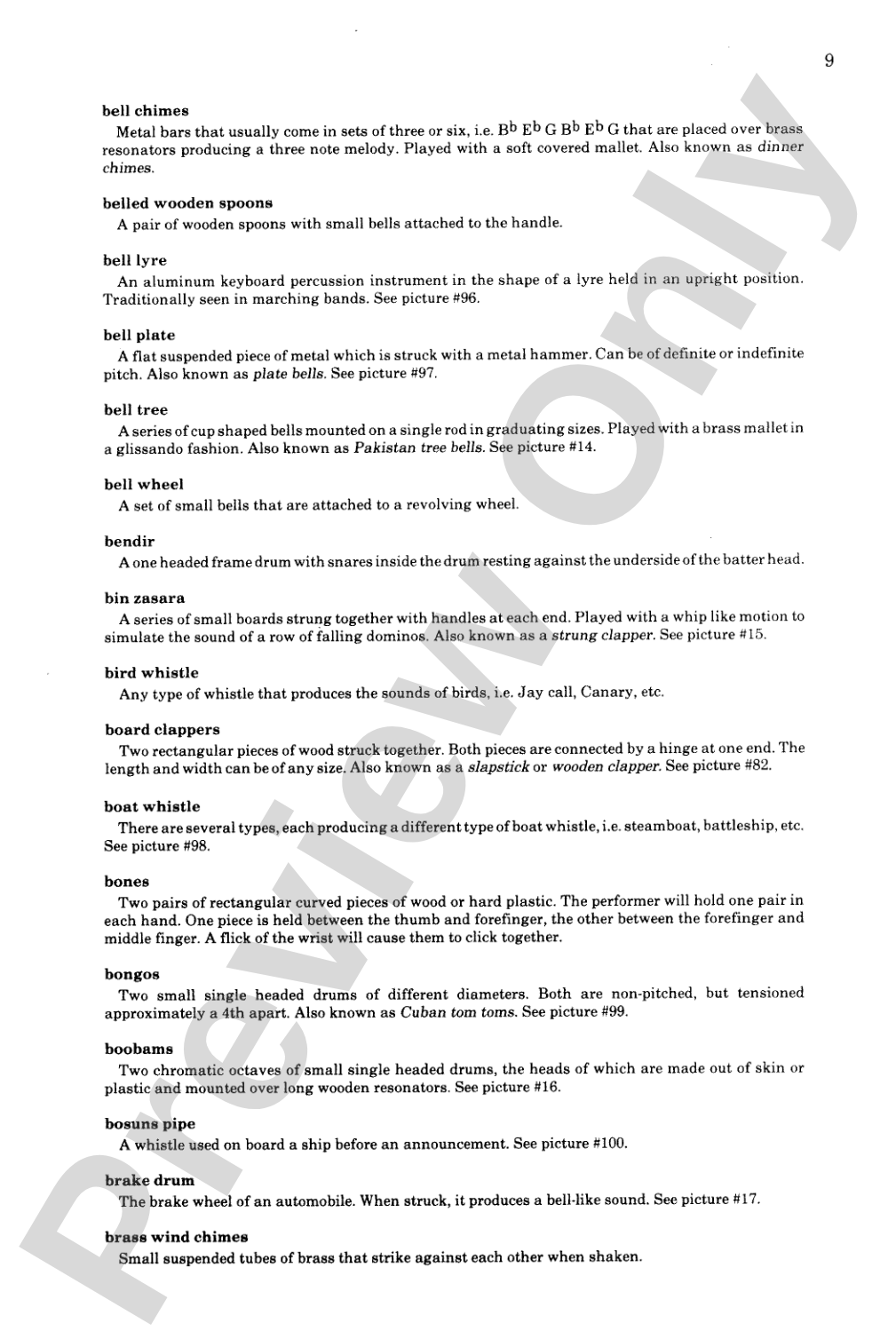
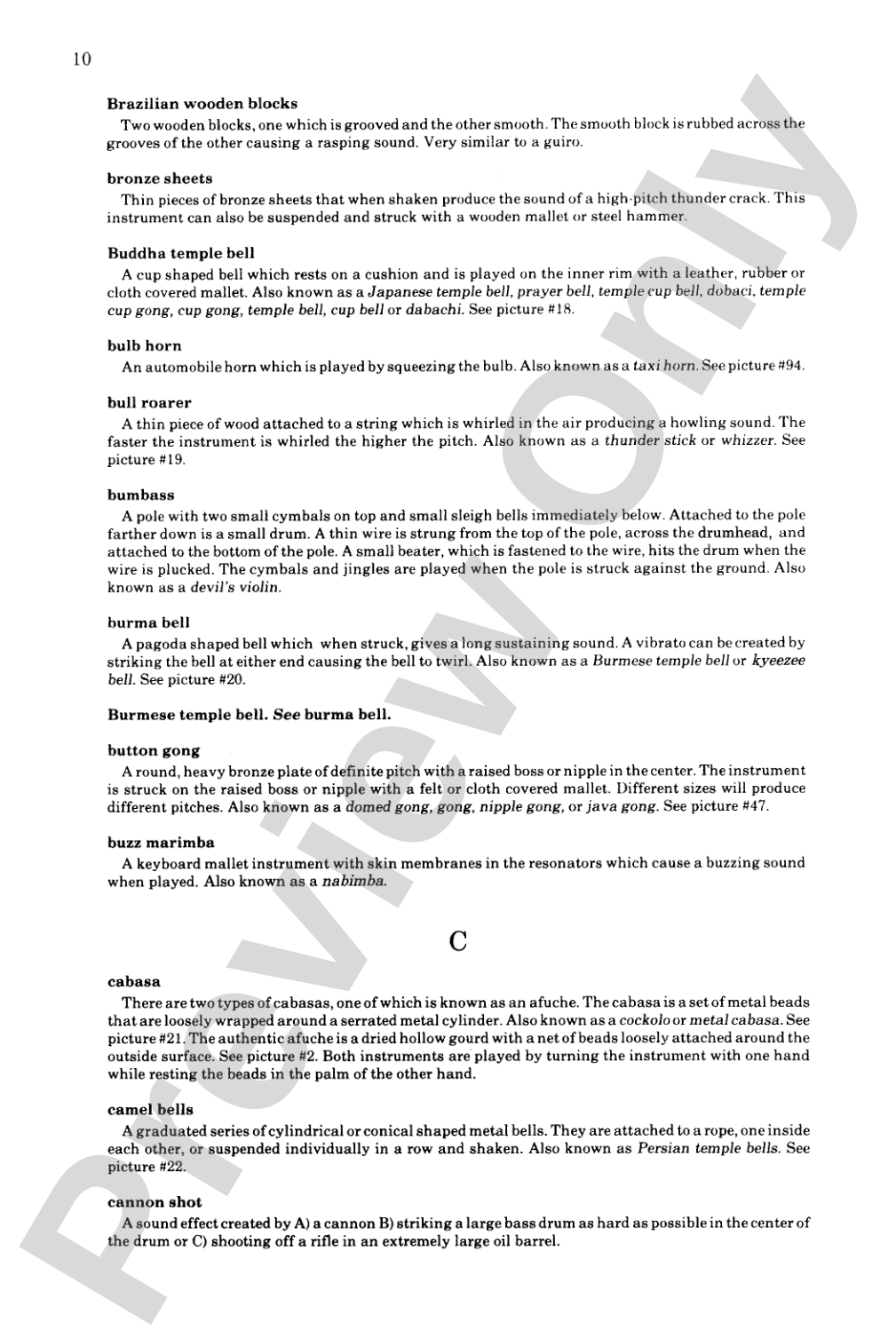
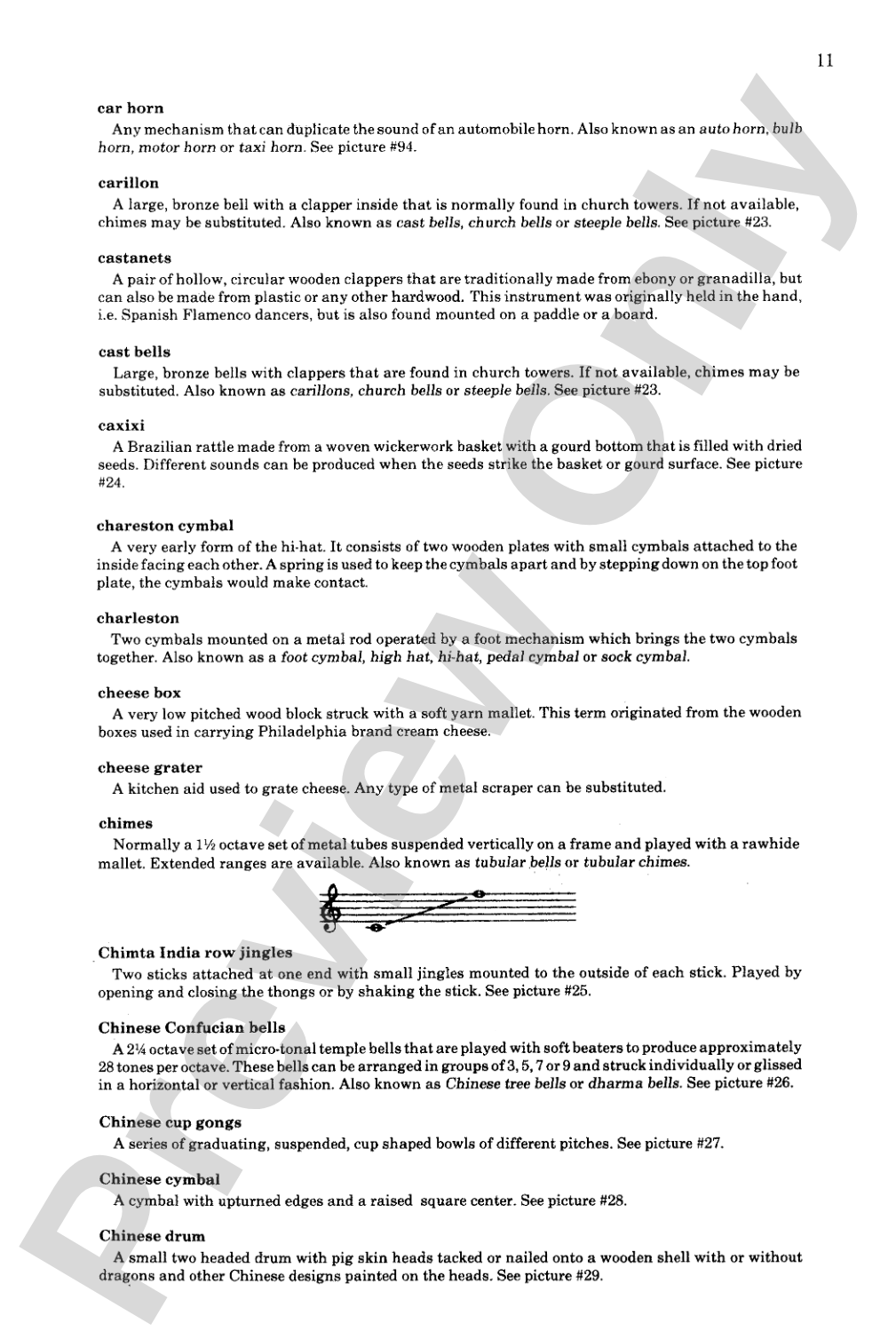
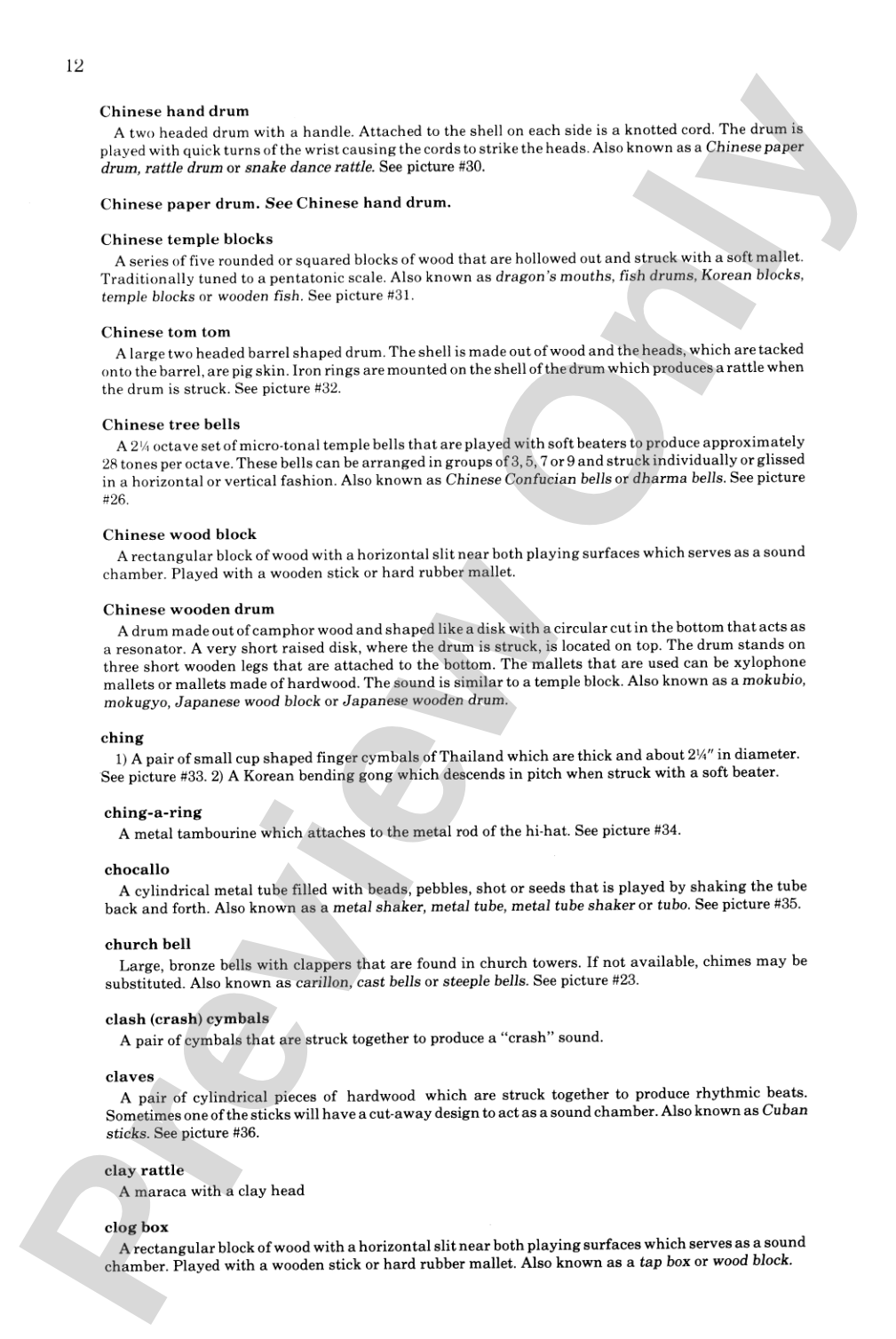
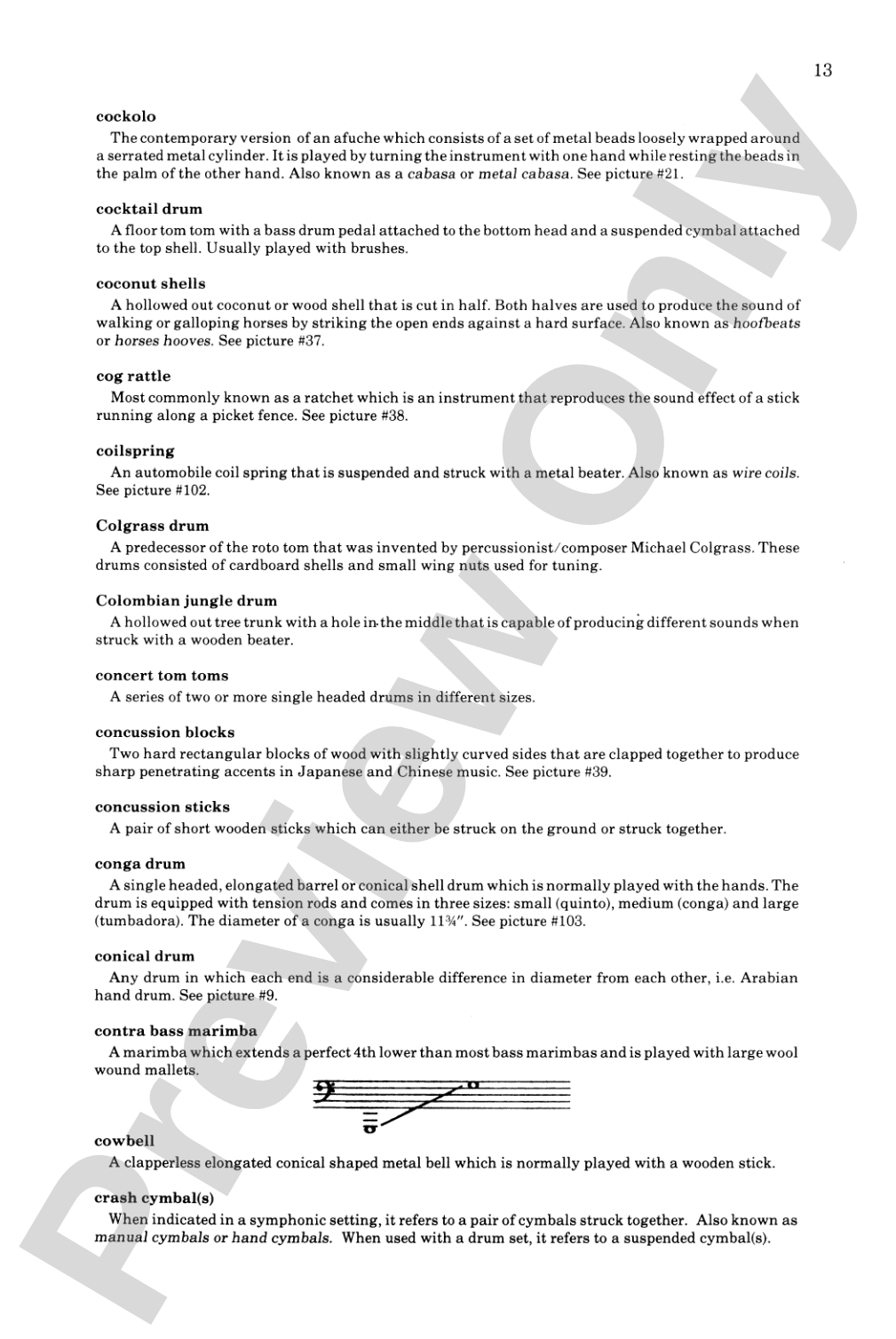
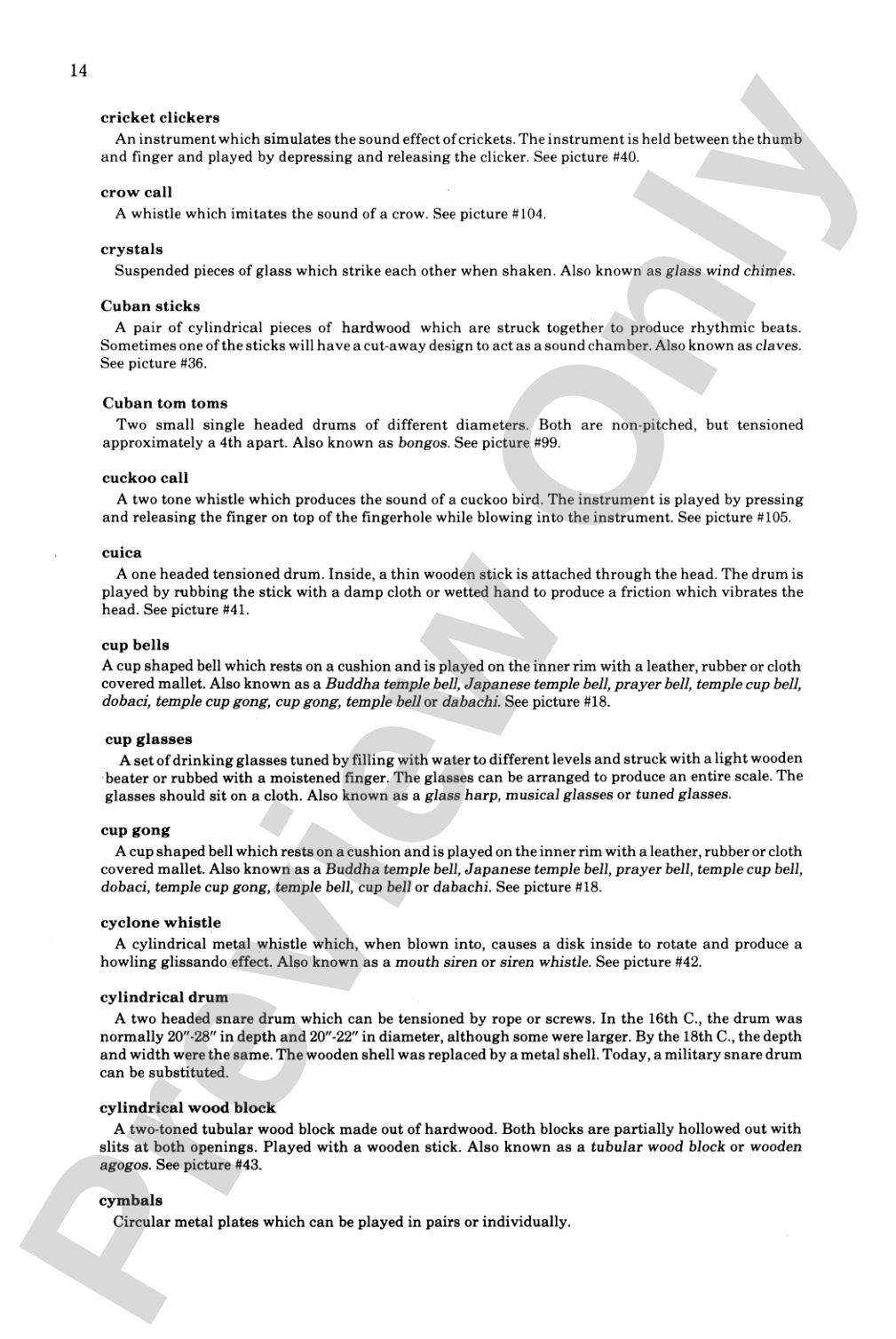
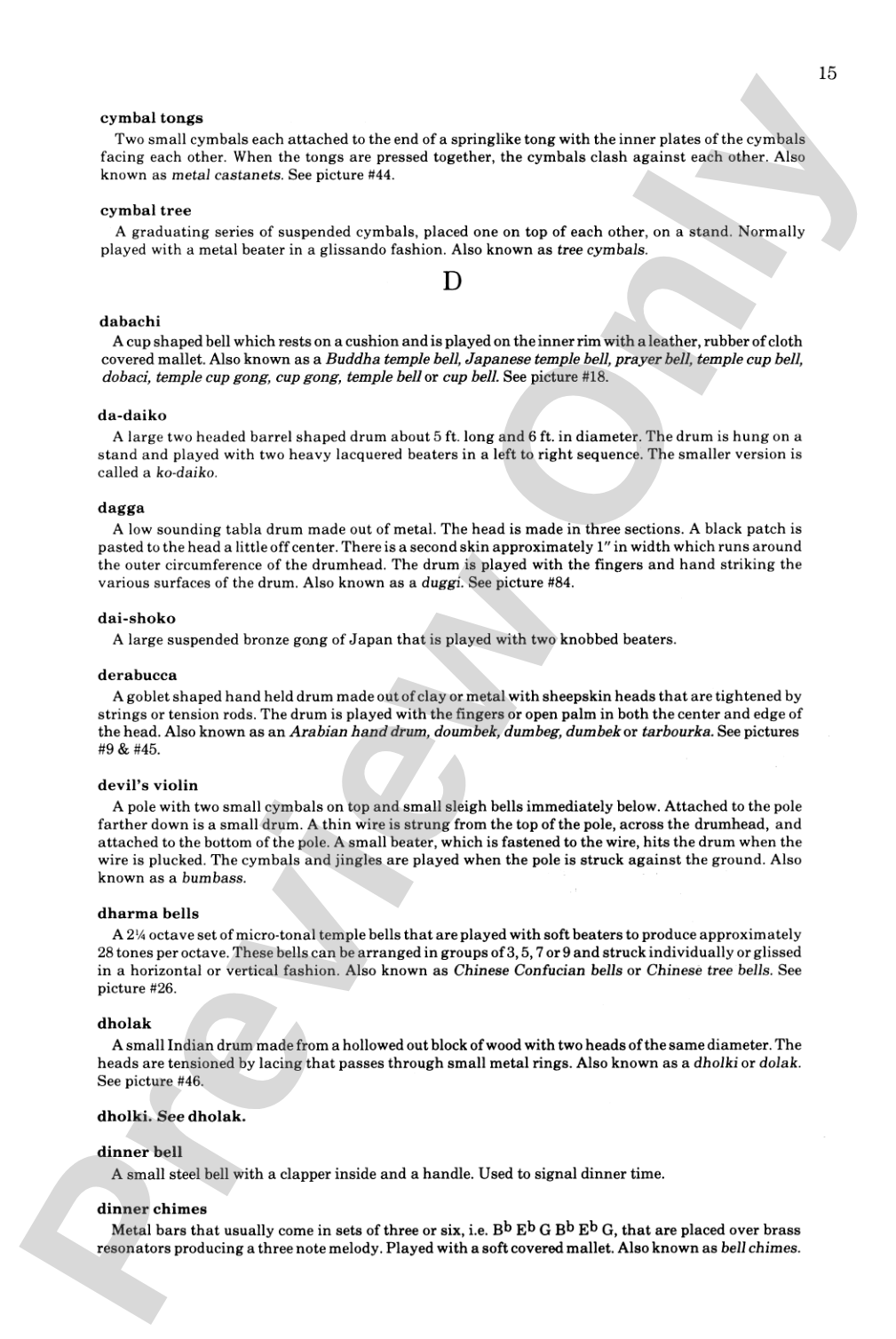
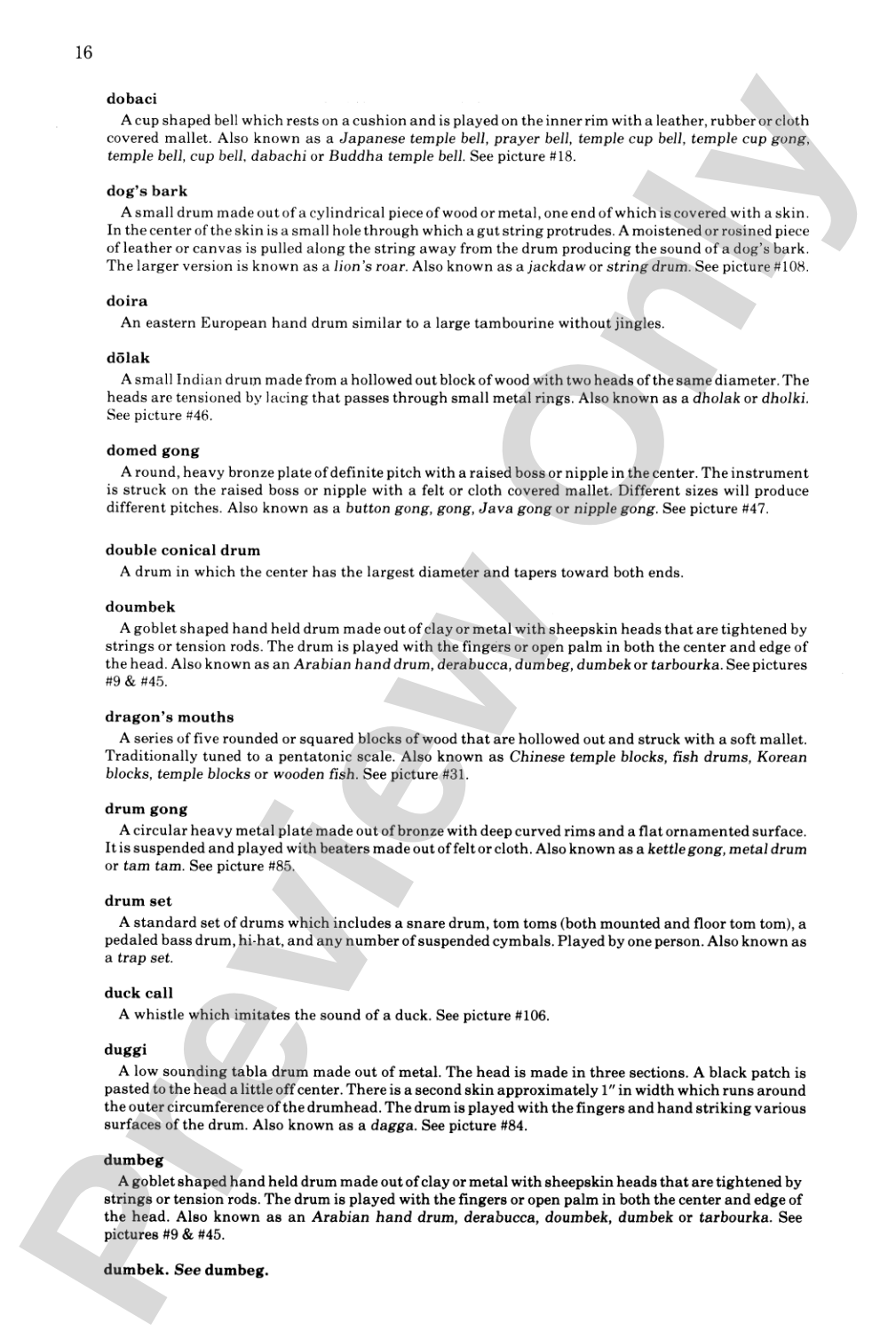

The Percussionist's Dictionary: Translations, Descriptions, and Photographs of Percussion Instruments from Around the World
Translations, Descriptions, and Photographs of Percussion Instruments from Around the World
Compiled and ed. Joseph Adato and George Judy
Item: 00-PB-0001998
$15.99
Pickup currently not available
Related Items
The Percussionist's Dictionary: Book |
$15.99
|
View |
Description
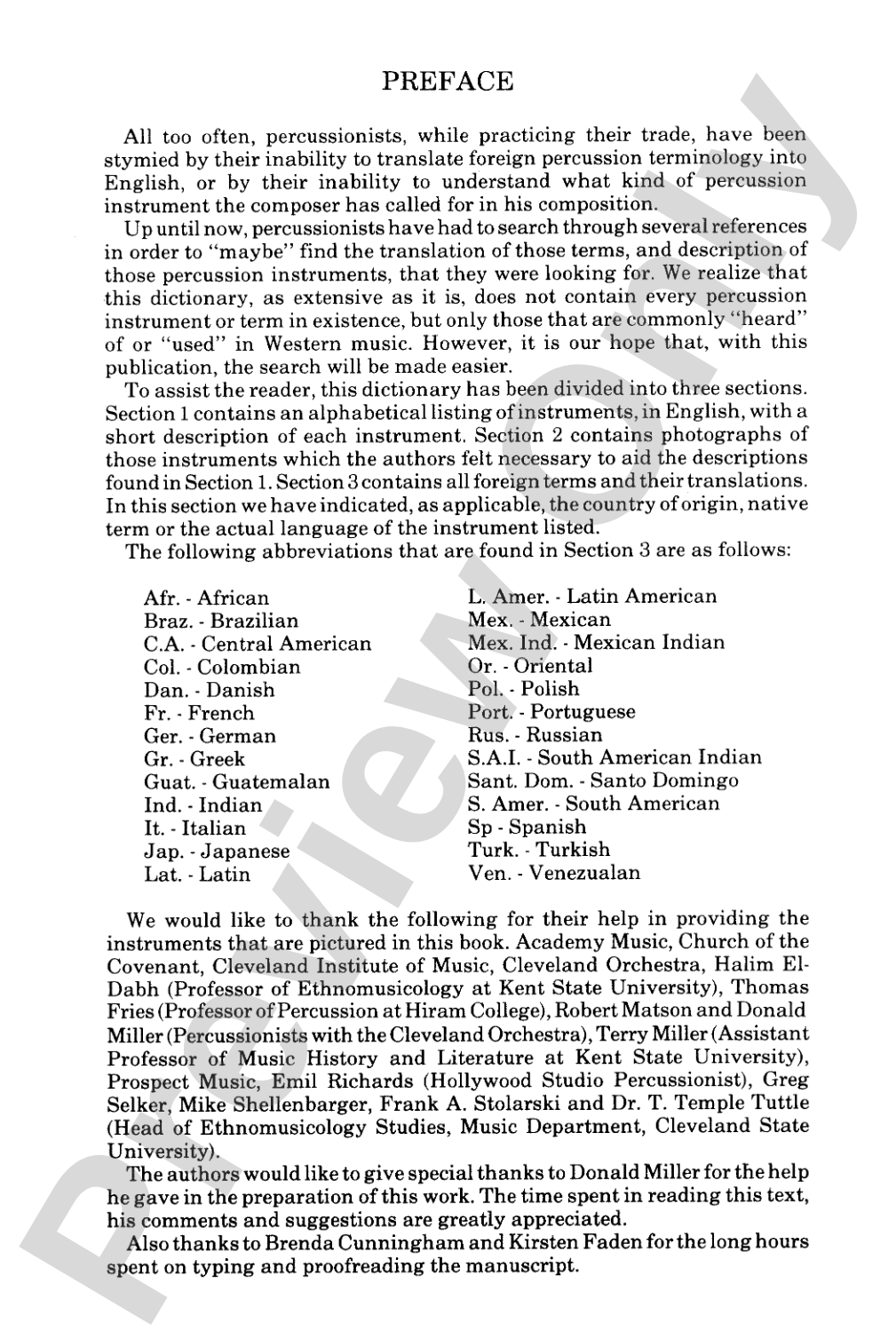
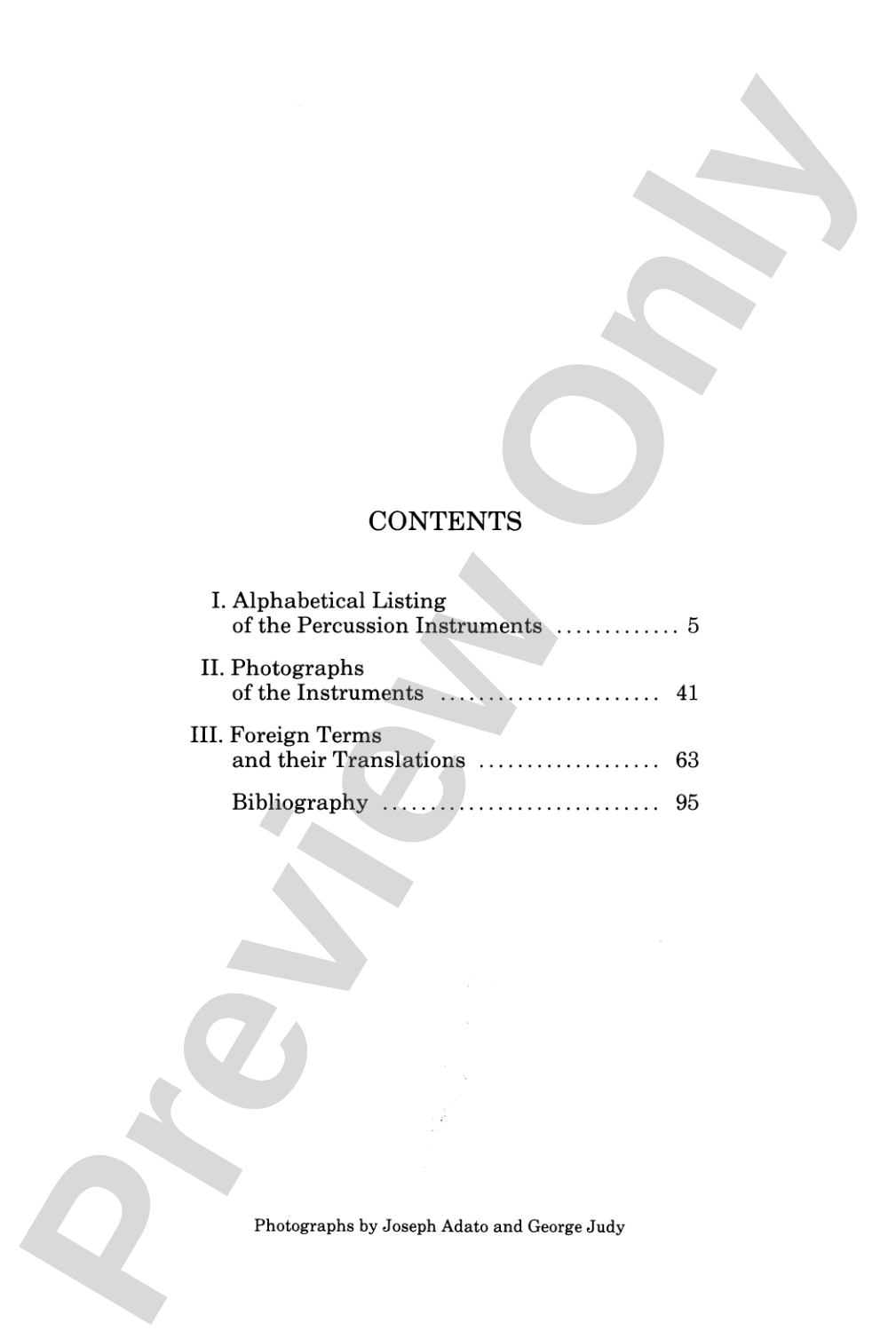
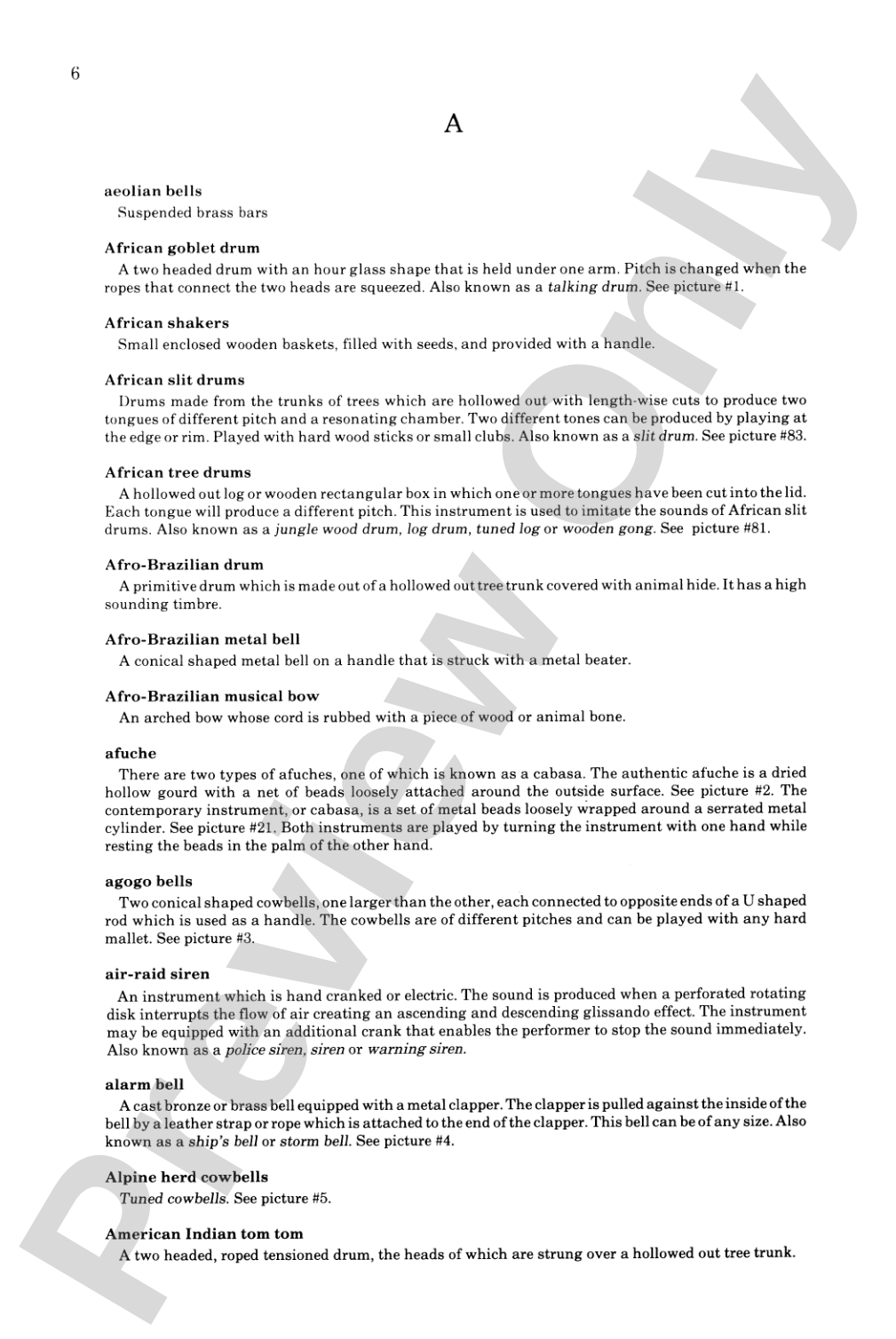
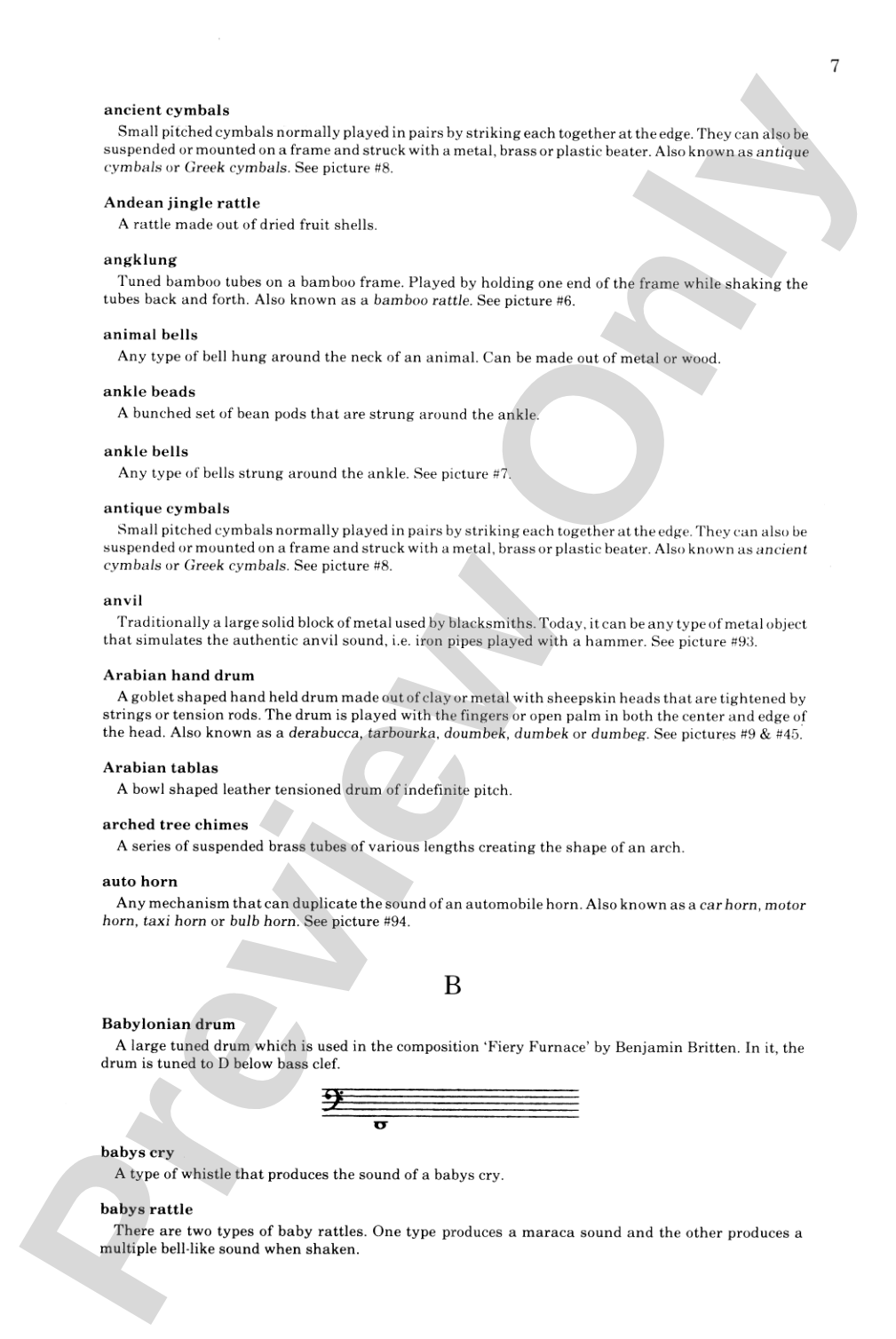
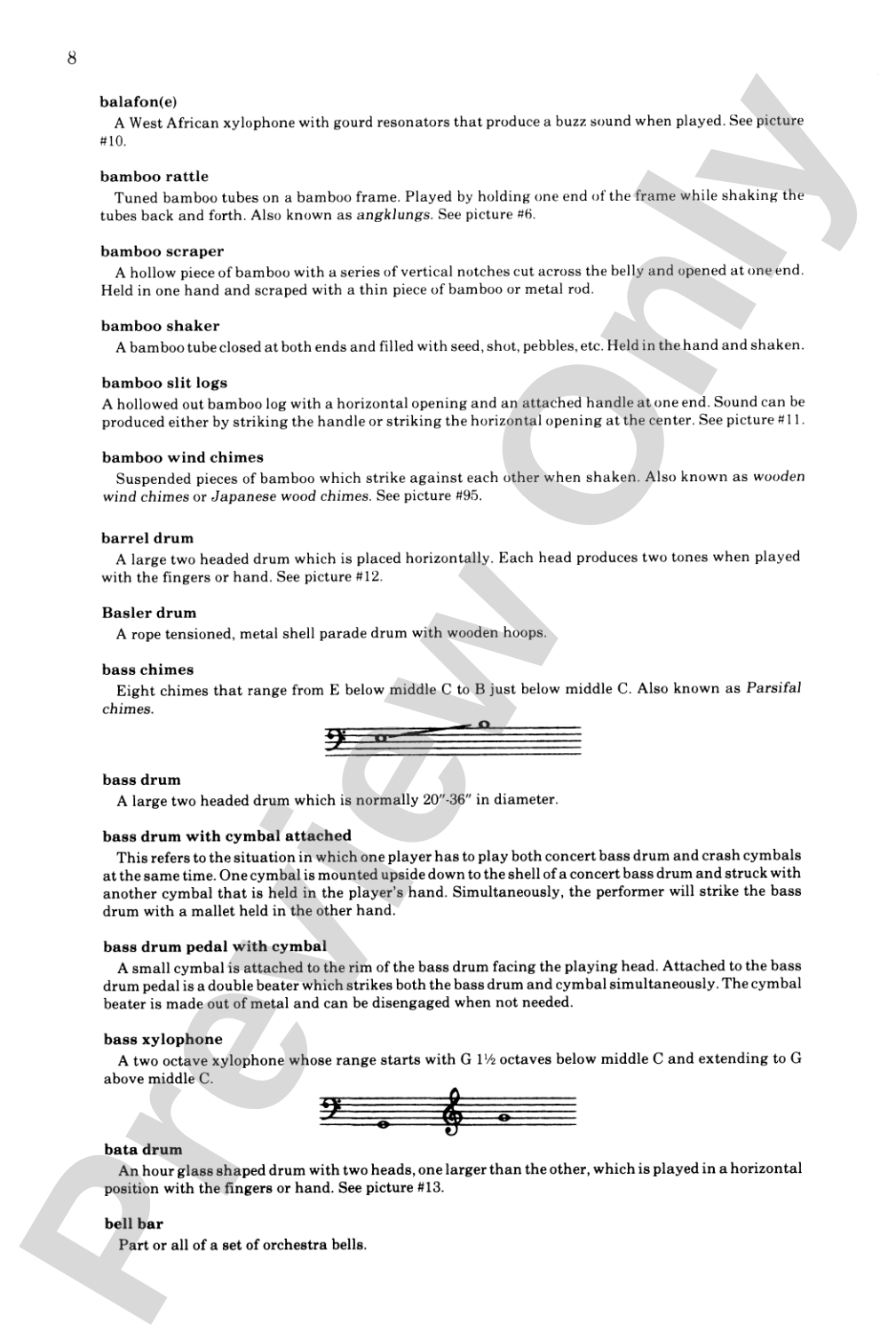
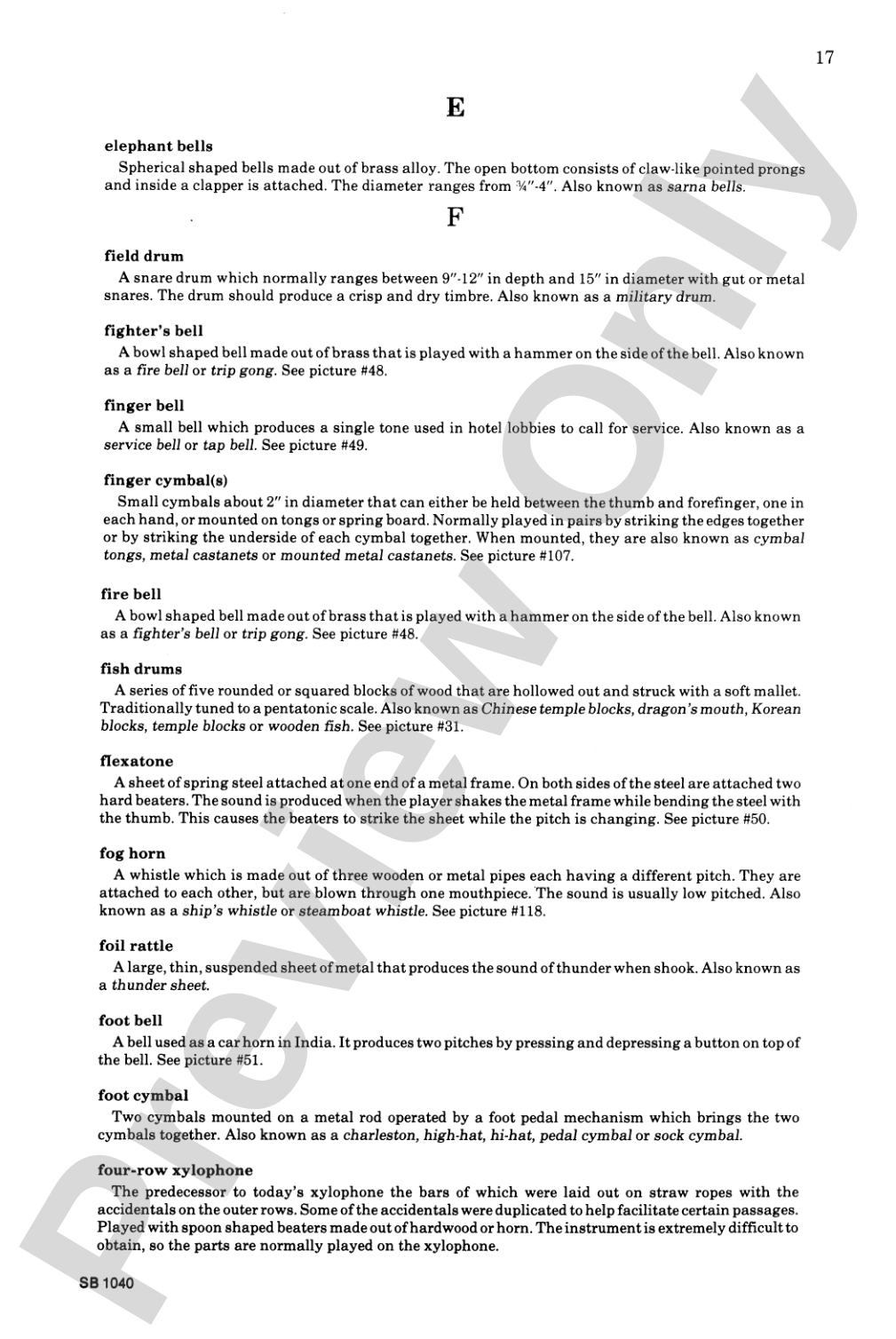
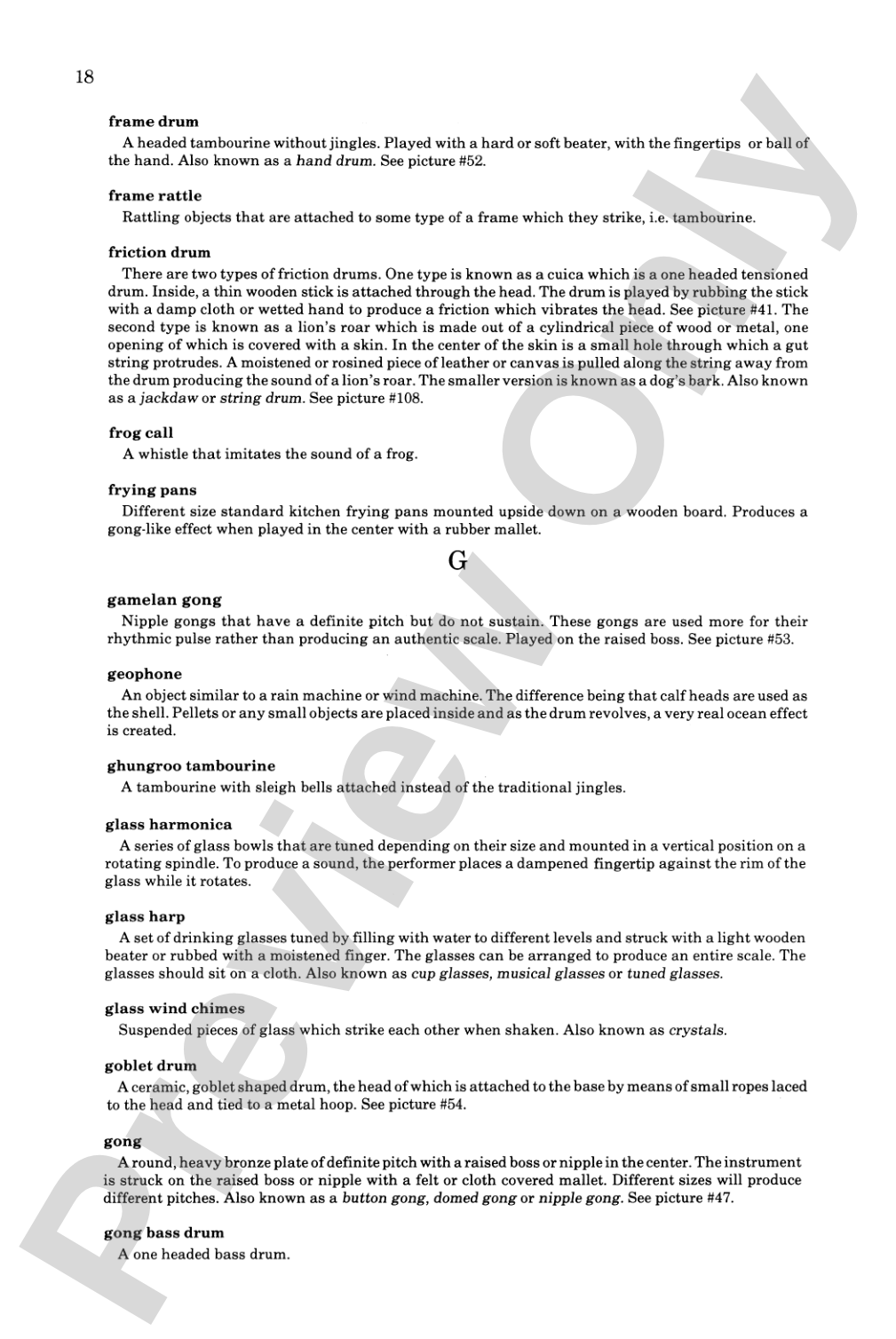
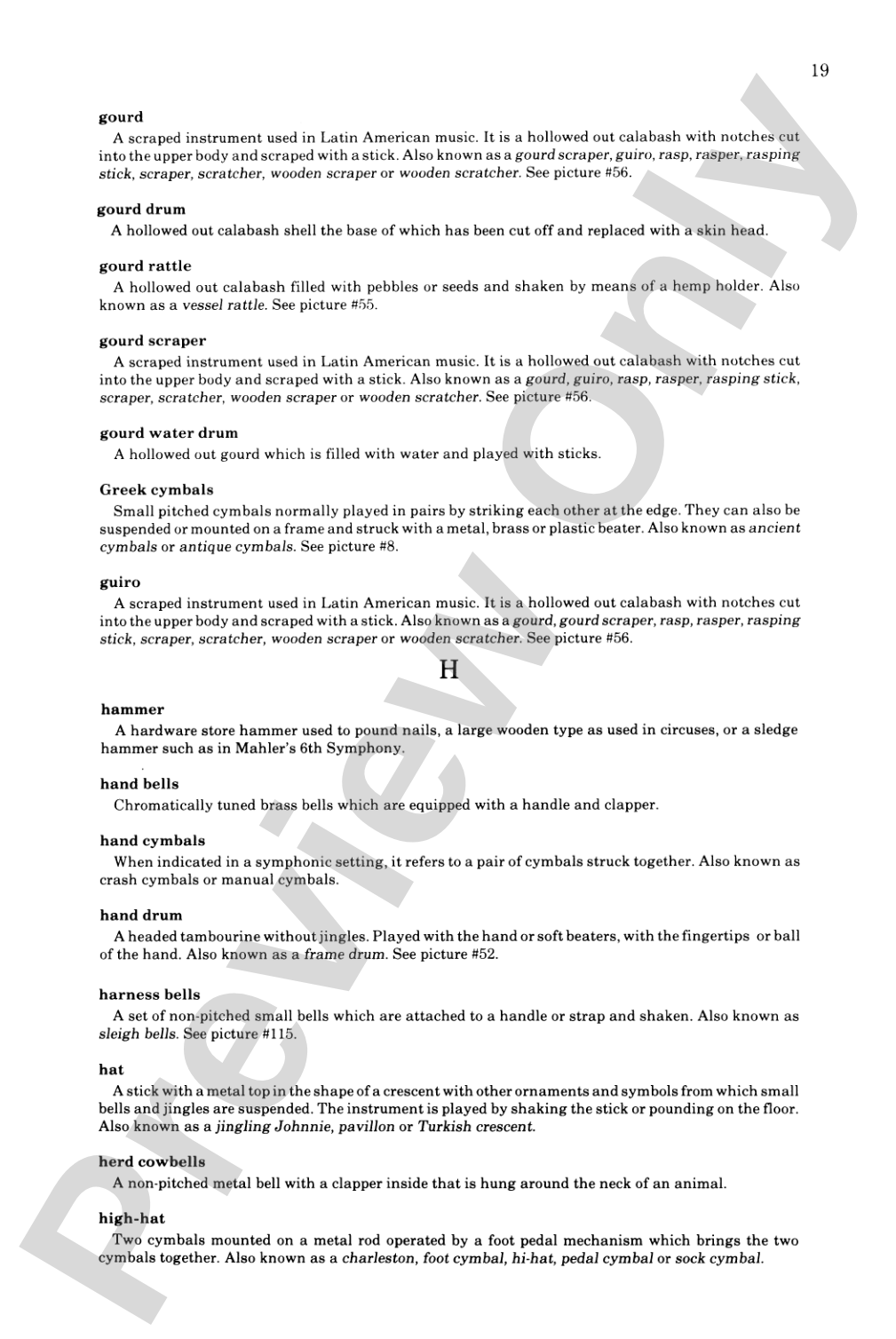
Translations, descriptions, and photographs of percussion instruments from around the world. Includes foreign terms in 26 languages.


The Percussionist's Dictionary: Translations, Descriptions, and Photographs of Percussion Instruments from Around the World isn't in MakeMusic Cloud just yet...but it could be. Let us know you'd like to see it, and you'll help shape what comes next. In the meantime, start a free trial and dive into thousands of interactive titles your students can play along with today.
Request This Title
Tell us you want it.
Start Your Free Trial
Explore everything that's ready to play right now.
Sample Audio
No sample audio found.
Sample Video
No sample videos found.
Additional Details
Publisher:
Alfred Music
Page Count:
96
SKU:
00-PB-0001998
More about this title
Why we love this
You'll reach for this during every international music unit, every world percussion ensemble rehearsal, and every moment a student asks what an instrument is called in its country of origin. The 26 language translations transform it from a reference into a genuine teaching tool that respects musical traditions beyond English.
What to expect
Opening this resource feels like traveling through a percussion museum where every instrument has a name, a story, and a visual identity. You move from familiar territory (timpani, vibraphone) into less charted waters with confidence, backed by clear descriptions and actual photographs.
Who it's for
Percussion educators working with students exploring world music, directors preparing ensembles for culturally diverse repertoire, and percussionists building fluency with instruments beyond the standard kit. Anyone developing curriculum around global musical traditions will find this indispensable.
How to get the most out of it
- Use the photographs to build recognition before rehearsal; students who can identify an instrument by sight learn its sound faster.
- Cross reference the translations when programming non-Western repertoire; knowing the original term deepens students' engagement with cultural context.
- Keep the descriptions handy during section-specific technique discussions; percussion players often benefit from understanding how an instrument functions across different musical traditions.
How to use it
Assign sections of this to students preparing for world music concerts or interdisciplinary units combining music with global studies. It works particularly well when introducing unfamiliar percussion to an ensemble before learning a new piece that calls for those instruments.
Skills your students will build
- Recognizing percussion instruments from diverse cultural traditions
- Understanding terminology in multiple languages
- Connecting instrument design to musical function across cultures
- Building context for non-Western repertoire