
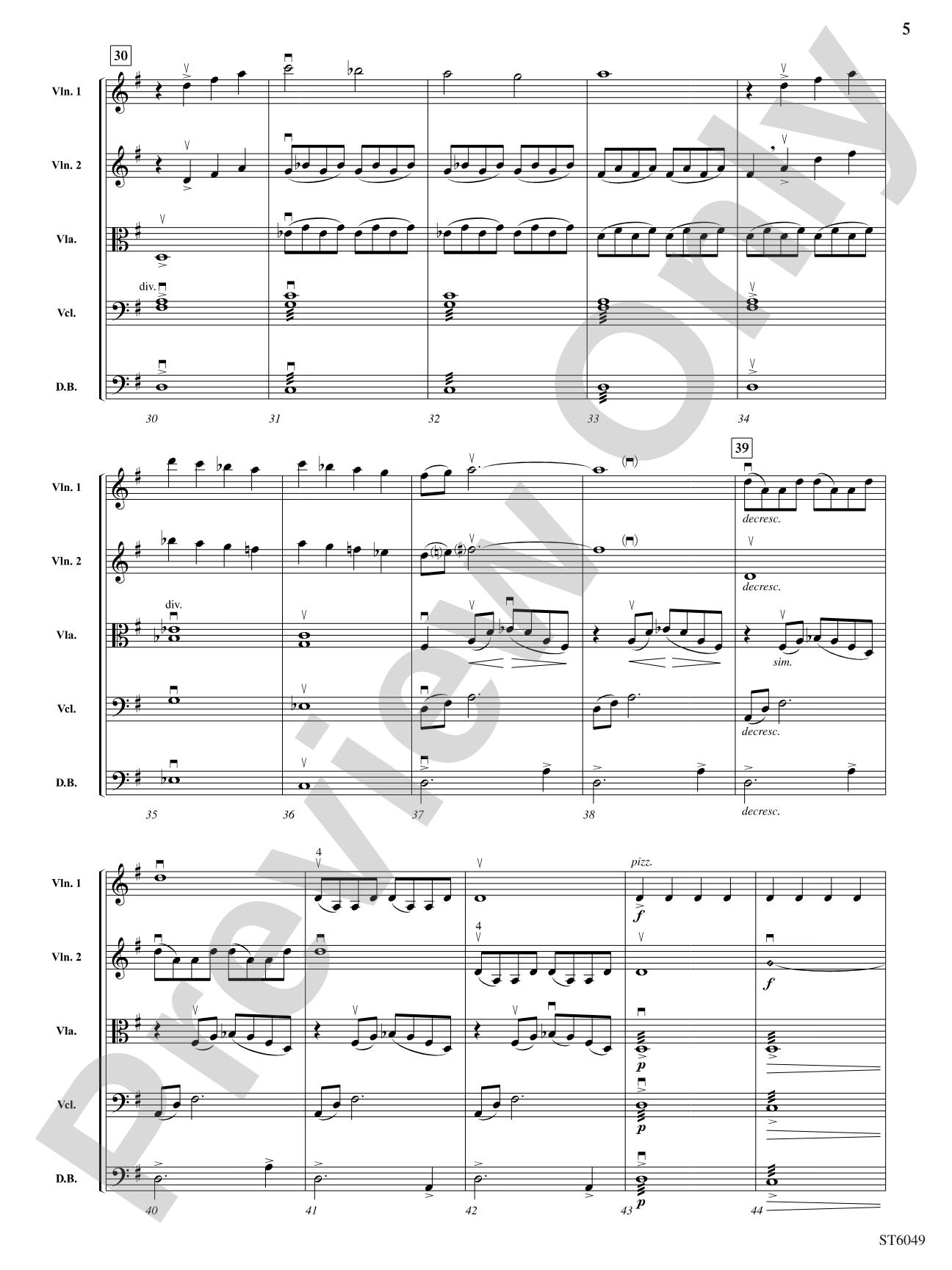
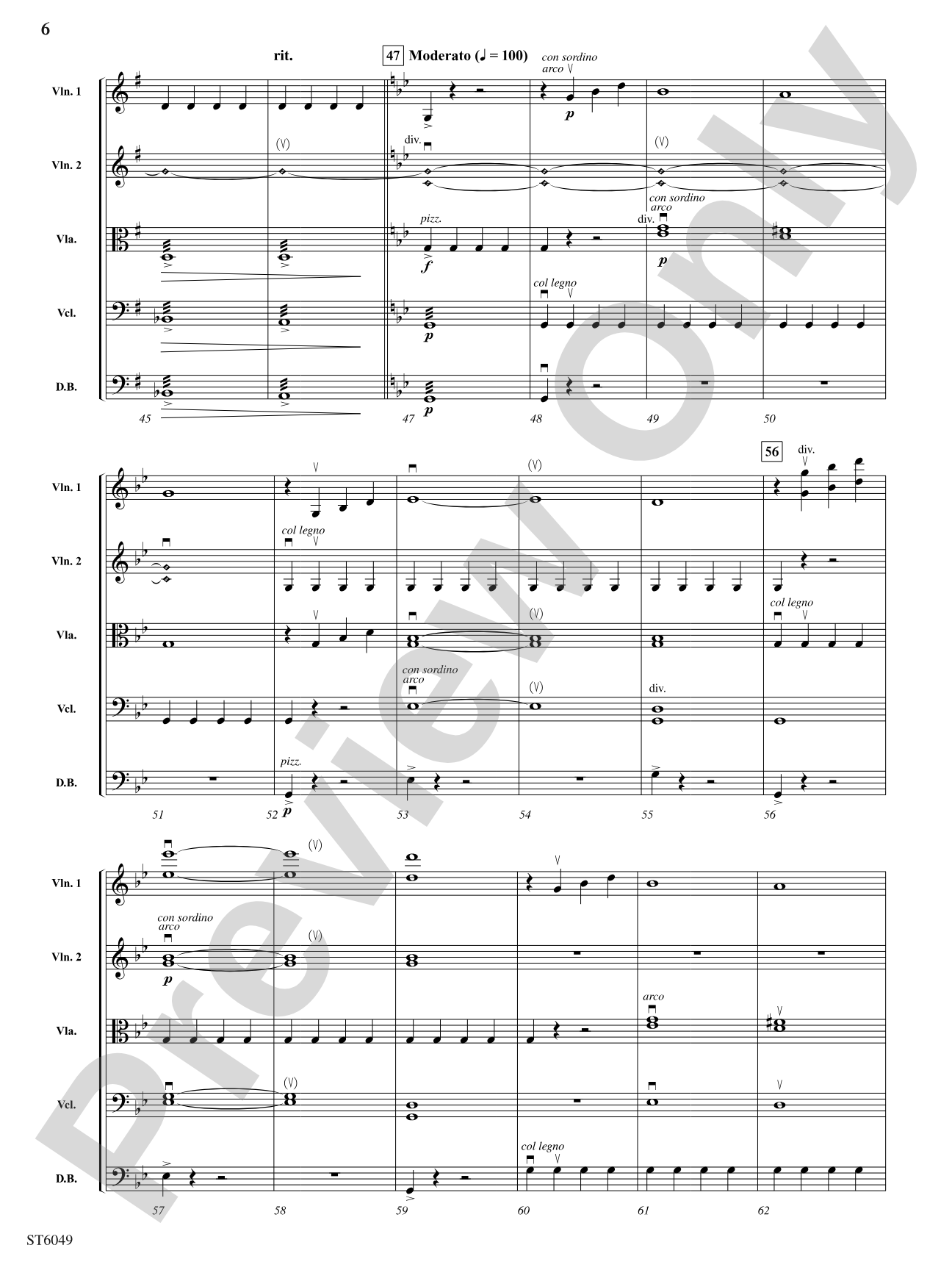
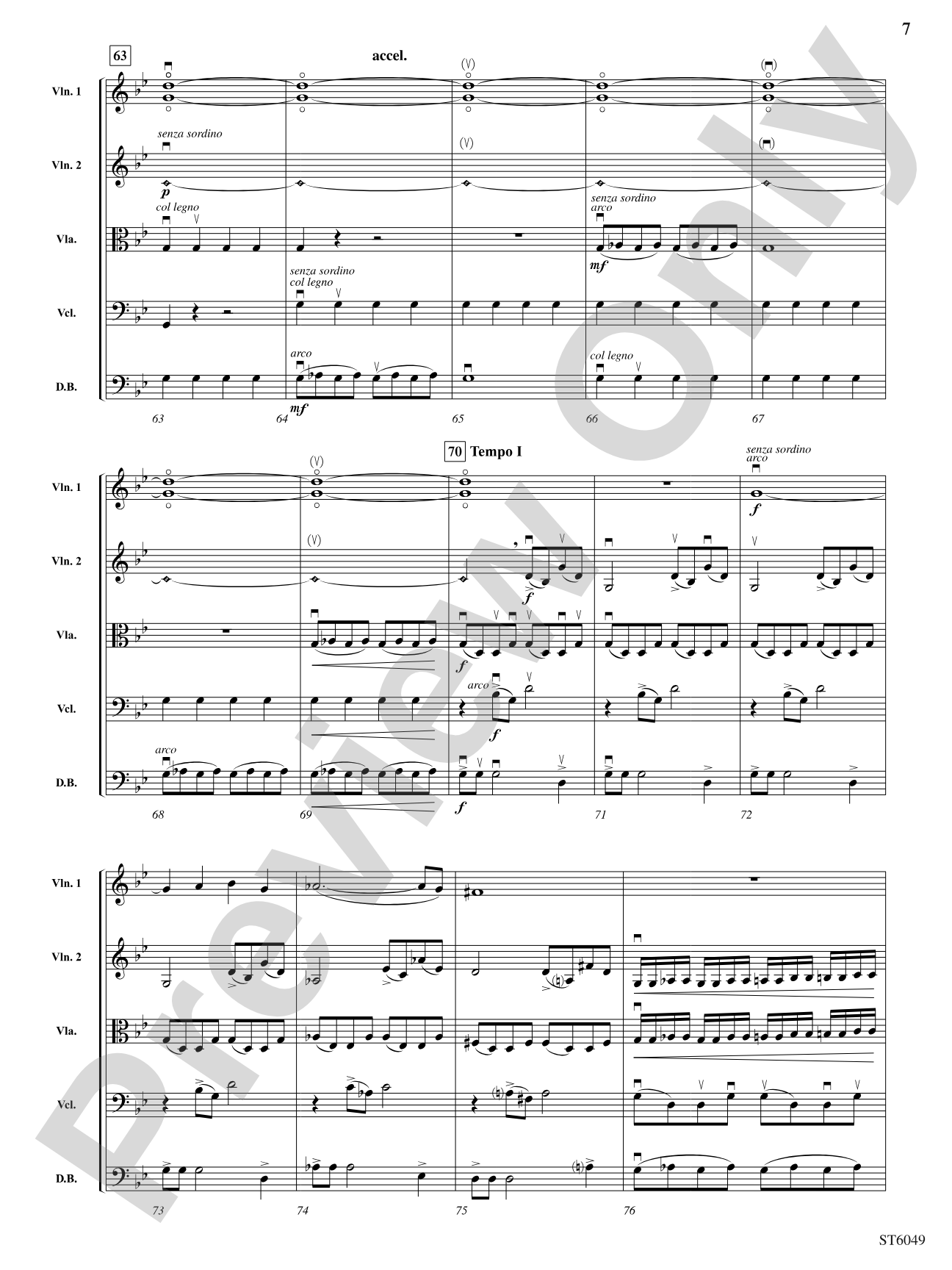
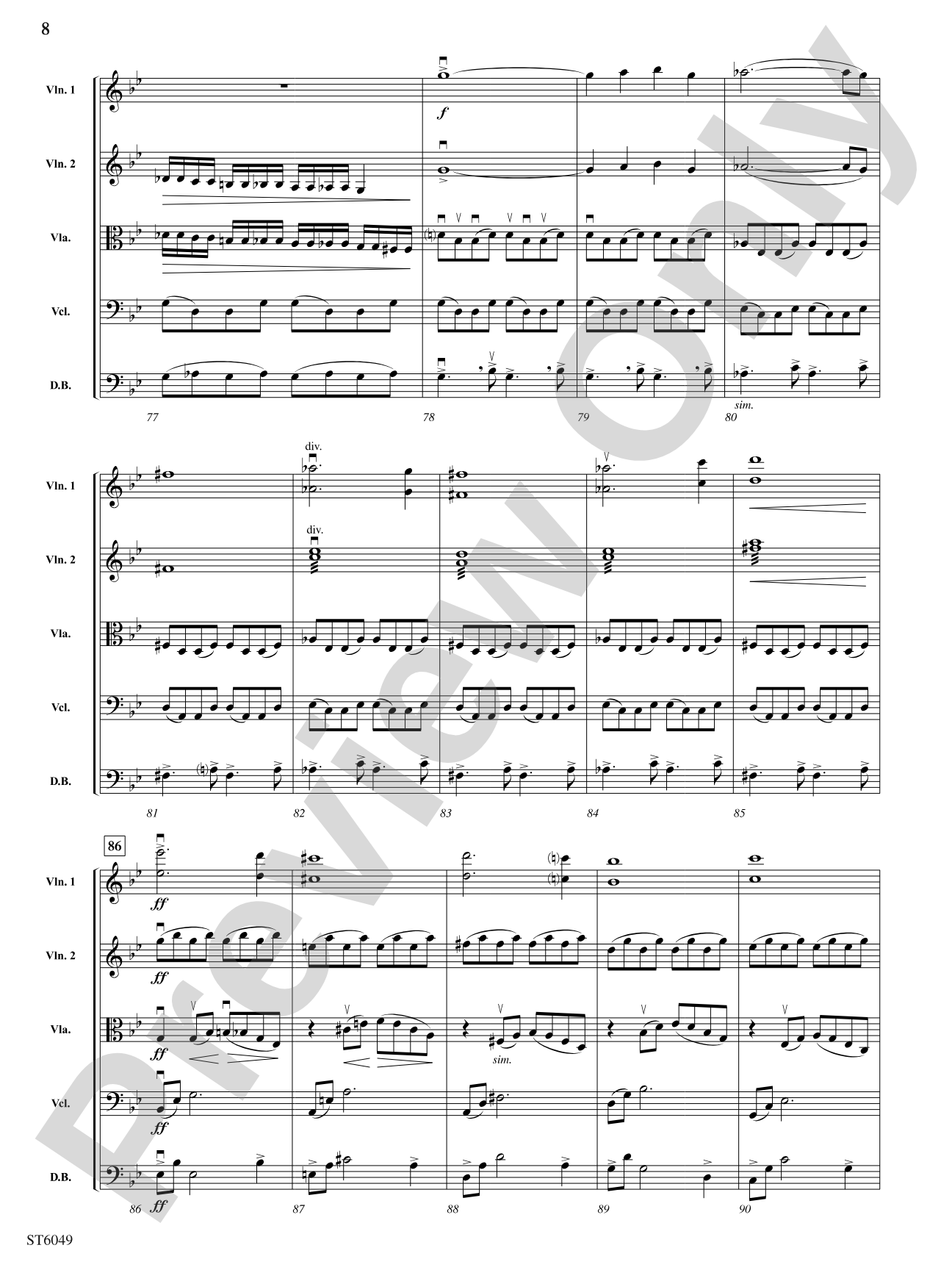

The Odyssey: Score
By Soon Hee Newbold
Grade: 4
Item: 98-DST6049S
$11.00
Pickup currently not available
Description
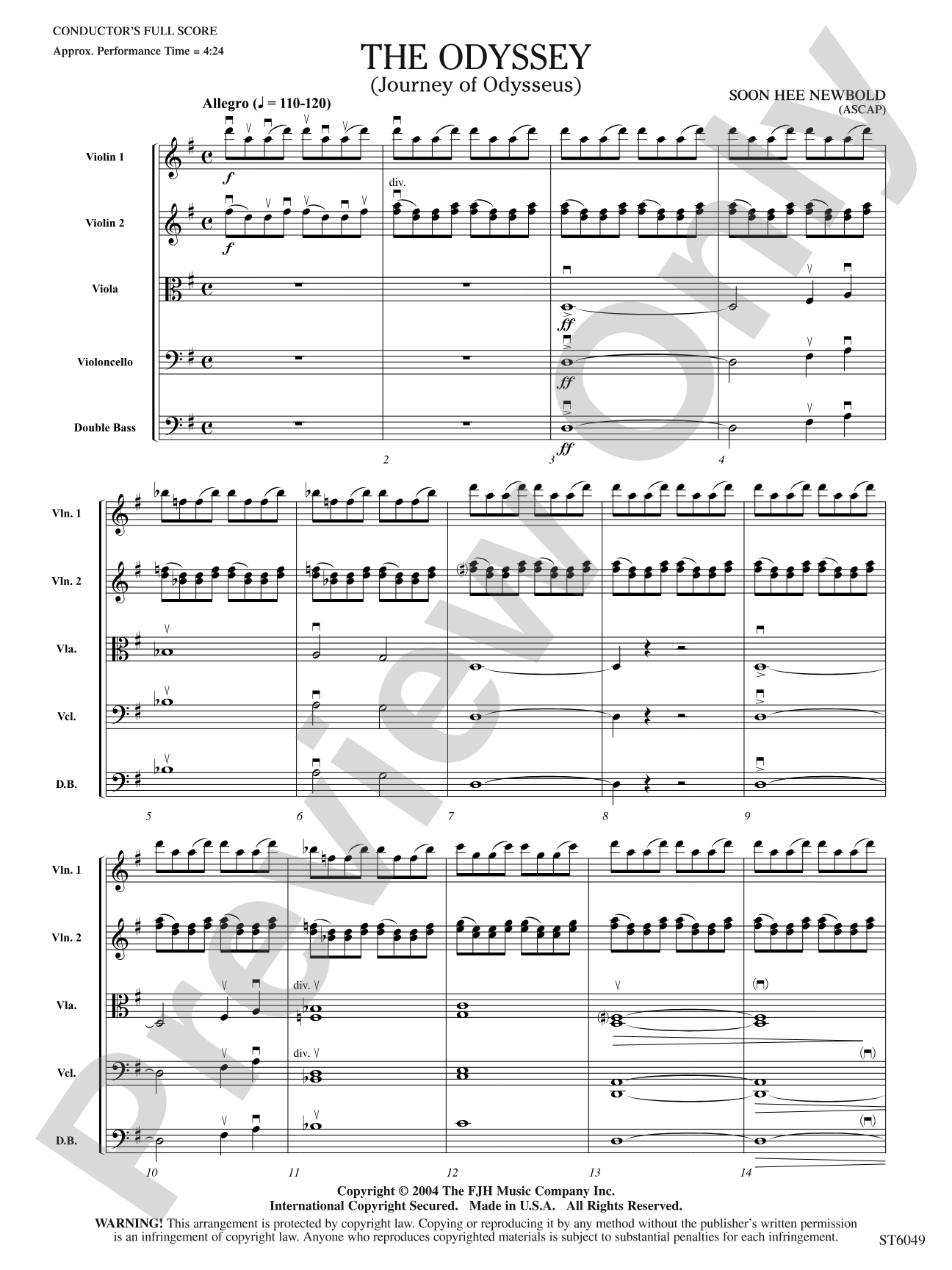
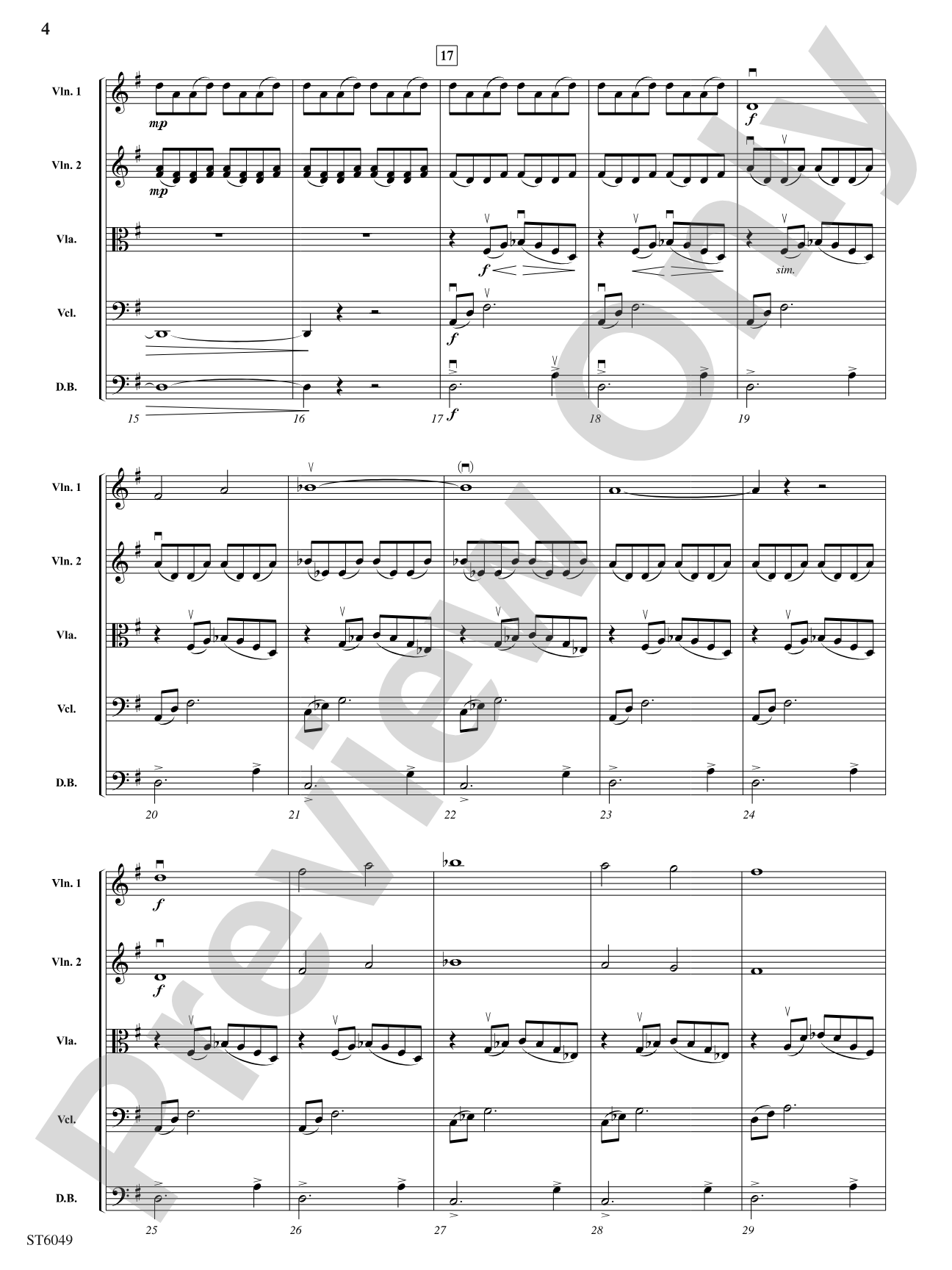
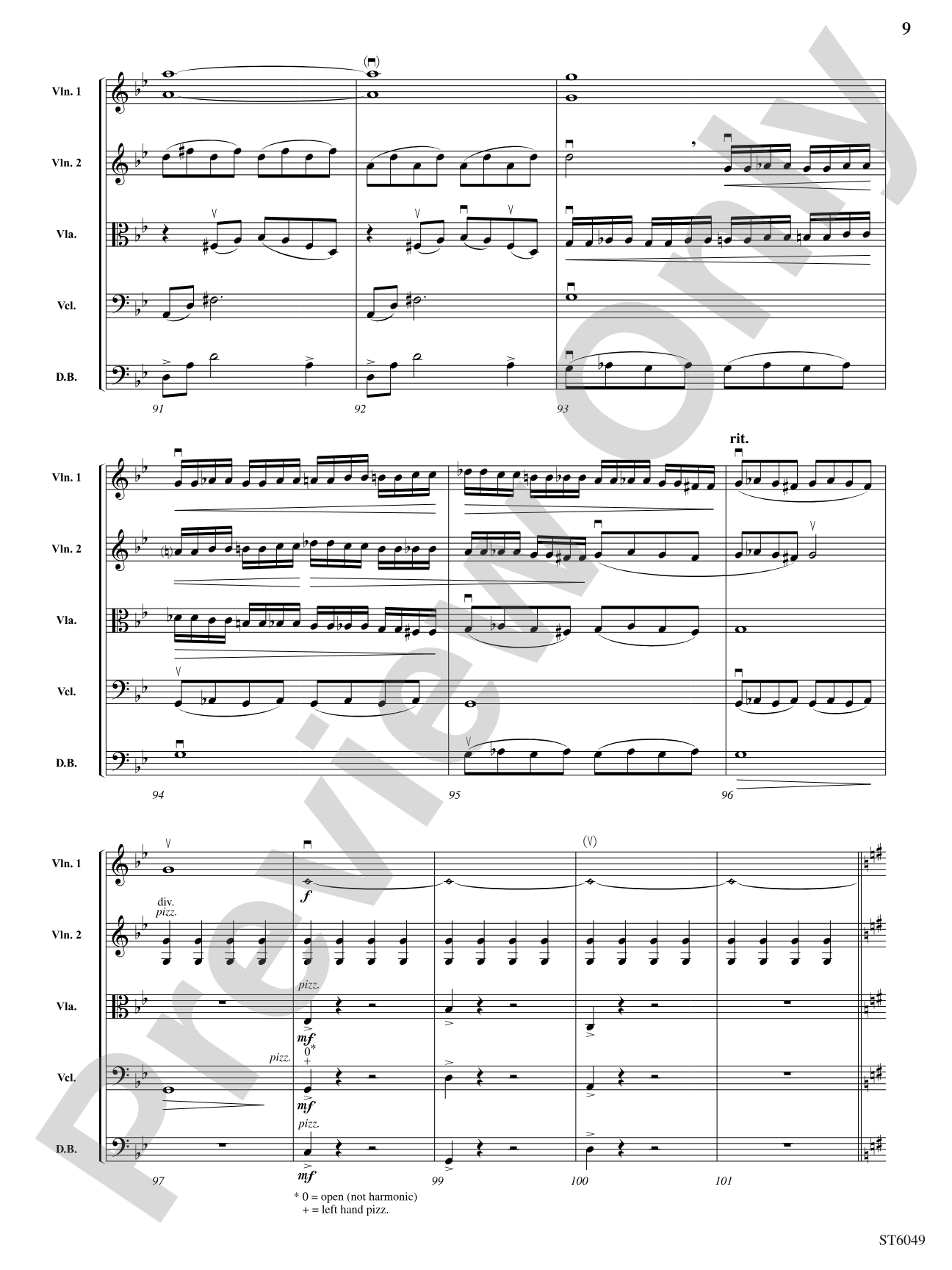
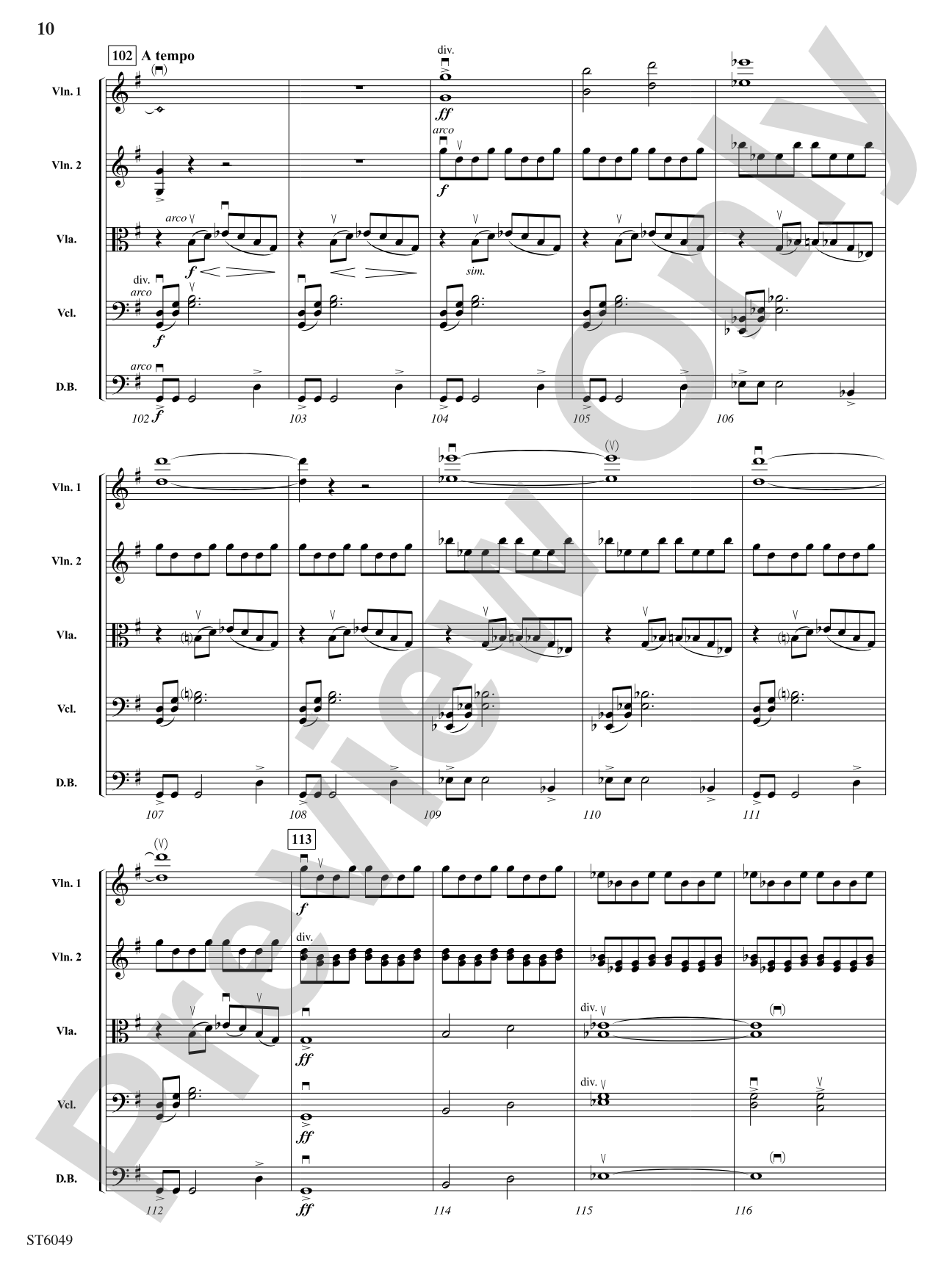
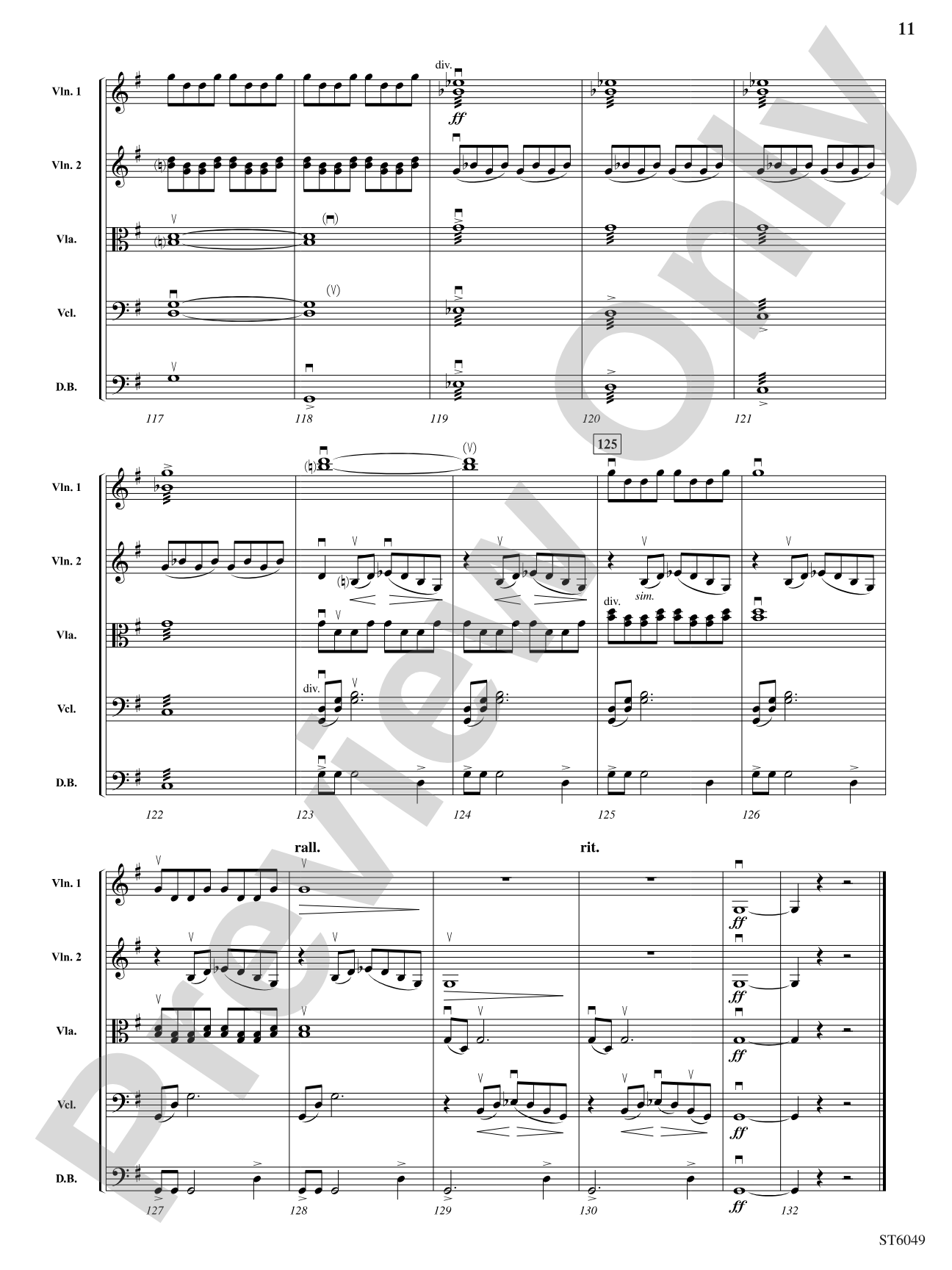
This highly programmatic work is based on the story of Odysseus and his encounters with the Lotus Eaters, the Cyclops, the Sorceress Circe, and the enchanting Sirens among others.


Don't just read it, hear it, play along with it, and watch your students grow with it. In MakeMusic Cloud, The Odyssey: Score comes alive with professional accompaniment, adjustable tempo, and built-in practice tools that turn solo practice into real progress.
Open in the Player
Jump straight in and assign it today.
Start Your Free Trial
Open this title and explore the full library in minutes.
Sample Audio
1
Audio File
--:--
0:00
0:00
Sample Video
No sample videos found.
Additional Details
Series:
FJH String Orchestra
Publisher:
The FJH Music Company, Inc.
SKU:
98-DST6049S
More about this title
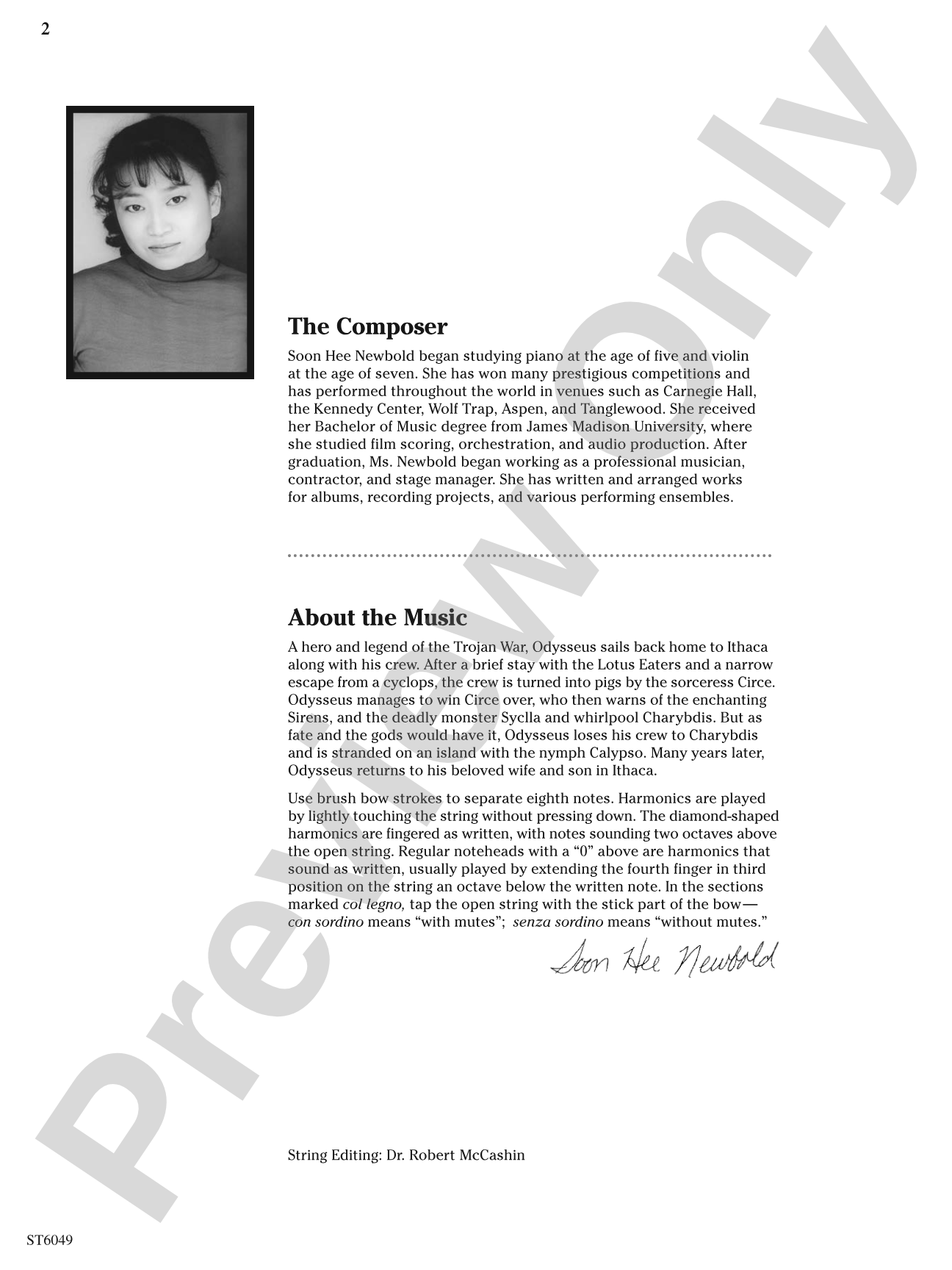
About the Composer: Soon Hee Newbold

Soon Hee Newbold brings a global perspective to her composing and conducting work, shaped by decades of performance and travel across multiple continents. Her musical training began in childhood with piano at five and violin at seven, launching a career that has taken her from concert stages to major venues including Carnegie Hall, the Kennedy Center, and Lincoln Center, as well as to orchestras and ensembles across North America, Europe, Asia, and Australia.
Newbold's compositions reflect her diverse influences, weaving cultural and ethnic styles into works performed by orchestras and bands at every level, from professional ensembles to beginning students. Beyond the concert hall, she has composed for film and recording projects in Hollywood and is a sought-after clinician and keynote speaker at festivals and conferences worldwide.
Why we love this
Newbold crafts vivid musical storytelling that keeps young string players engaged from start to finish. The programmatic approach to Homer's epic gives your orchestra a concrete narrative to follow, making rehearsals feel like collaborative acts of imagination rather than note-reading drills. This is the kind of piece that reminds students why they wanted to play strings in the first place.
What to expect
An adventure unfolds in sound, with moments of lush beauty alongside moments of genuine tension and drama. The music captures the wandering, the danger, the temptation, and the enchantment of Odysseus's journey, inviting your players to inhabit each episode as if they're part of the tale itself.
Who it's for
String orchestras working at Grade 4 level who are ready to tackle a longer form piece with genuine narrative arc and varied musical demands. Orchestras preparing for festivals and contests benefit from both the inherent interest of the story and the musical substance underneath it. Directors seeking repertoire that speaks to the intellect and imagination of their young musicians will find real value here.
How to get the most out of it
- Shape each encounter (Lotus Eaters, Cyclops, Circe, Sirens) as a distinct musical landscape. Listen back to rehearsals to ensure the transitions between episodes feel intentional rather than abrupt.
- Balance your divisi passages carefully, particularly in the upper strings, so both voices project without one disappearing into accompaniment texture.
- Work the rhythmic precision in unison sections early; Grade 4 ensembles often rush when the entire orchestra plays the same line. Subdivide in rehearsal, then pull back the conducting motion gradually.
- Let your cello and bass section breathe during their featured moments. These lower voices often carry thematic material in programmatic works, and young string players need permission to own those lines.
How to use it
Feature this as a centerpiece of a concert built around classical literature or world mythology, pairing it with shorter selections that extend the evening's thematic scope. It also serves well as a festival or competition entry where programmatic works stand out for their memorability and emotional impact.
Skills your students will build
- Sustaining musical line across longer formal structures
- Executing divisi passages with clarity and balance
- Responding to nuanced character changes and tempo variations
- Reading and performing rhythmically independent parts in ensemble texture
- Interpreting programmatic cues and narrative arc as performance decisions