
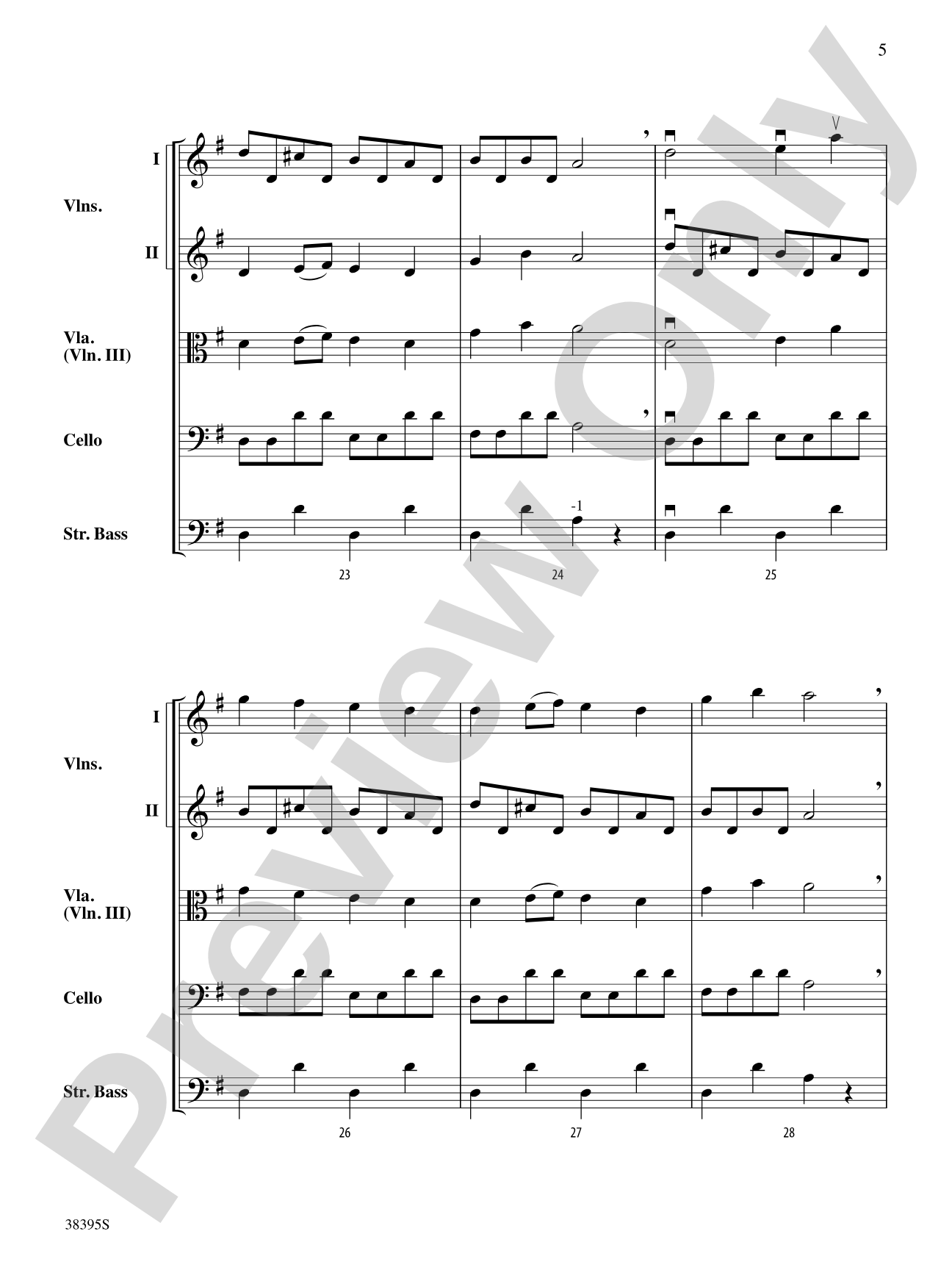
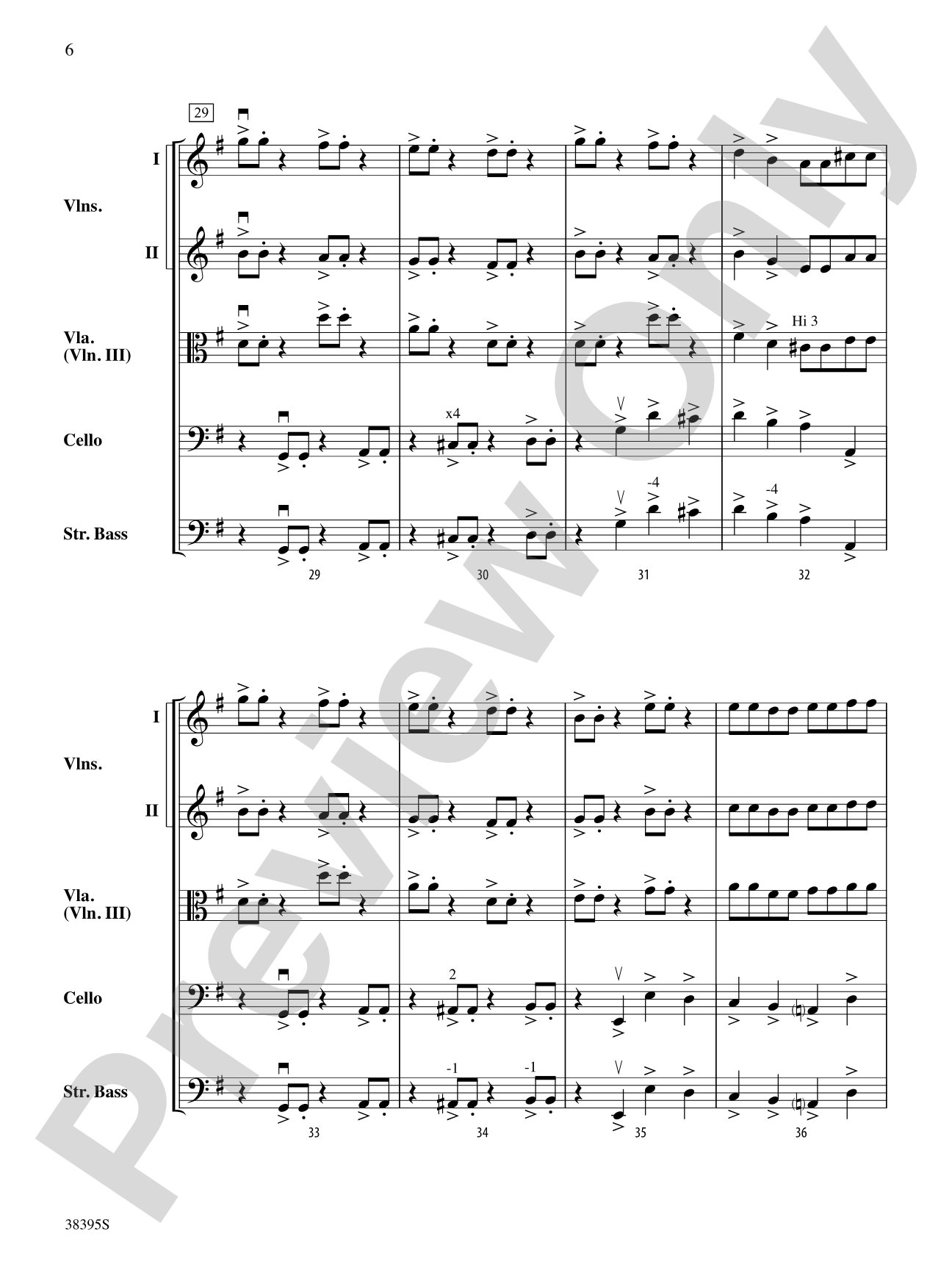
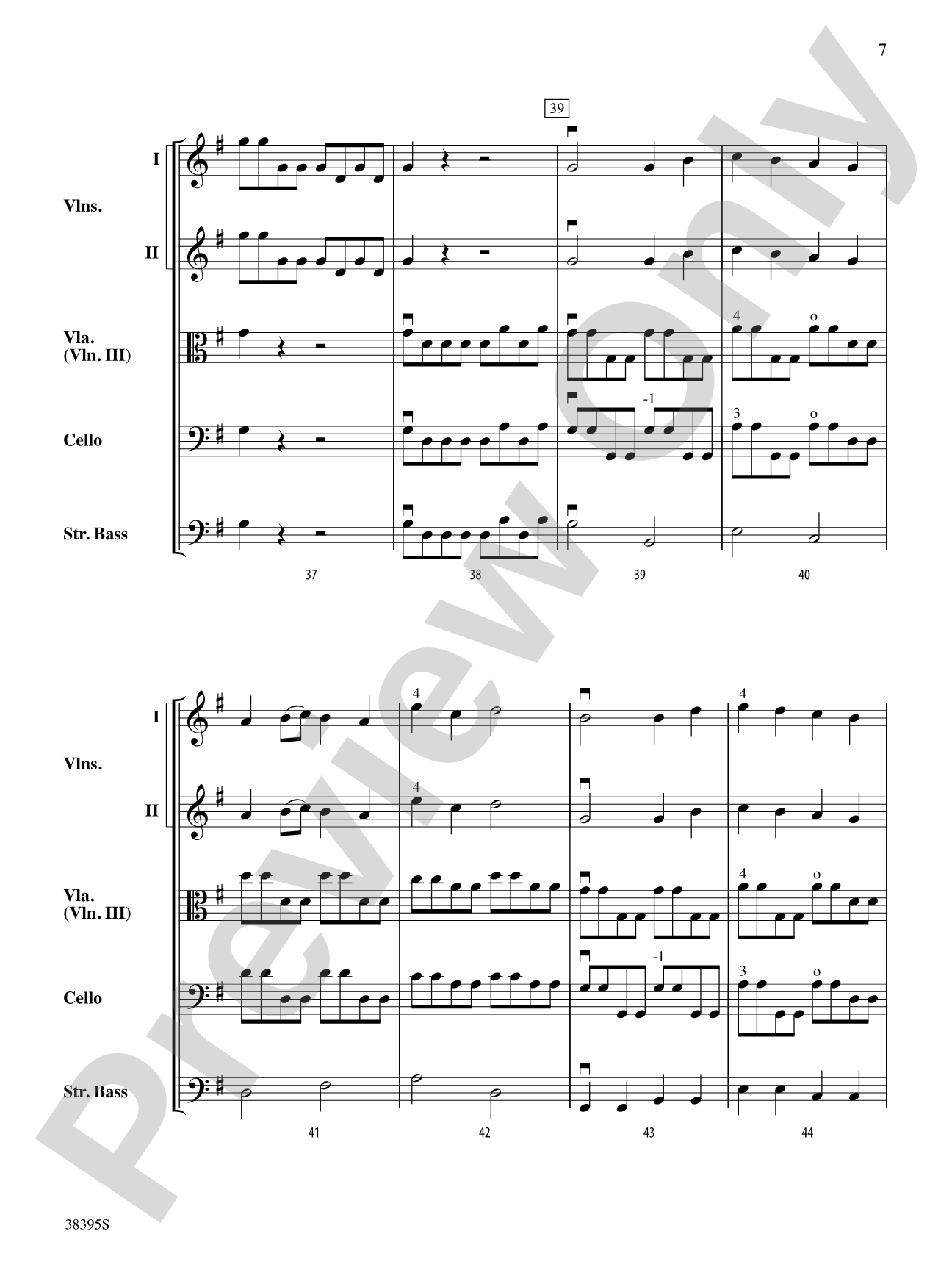
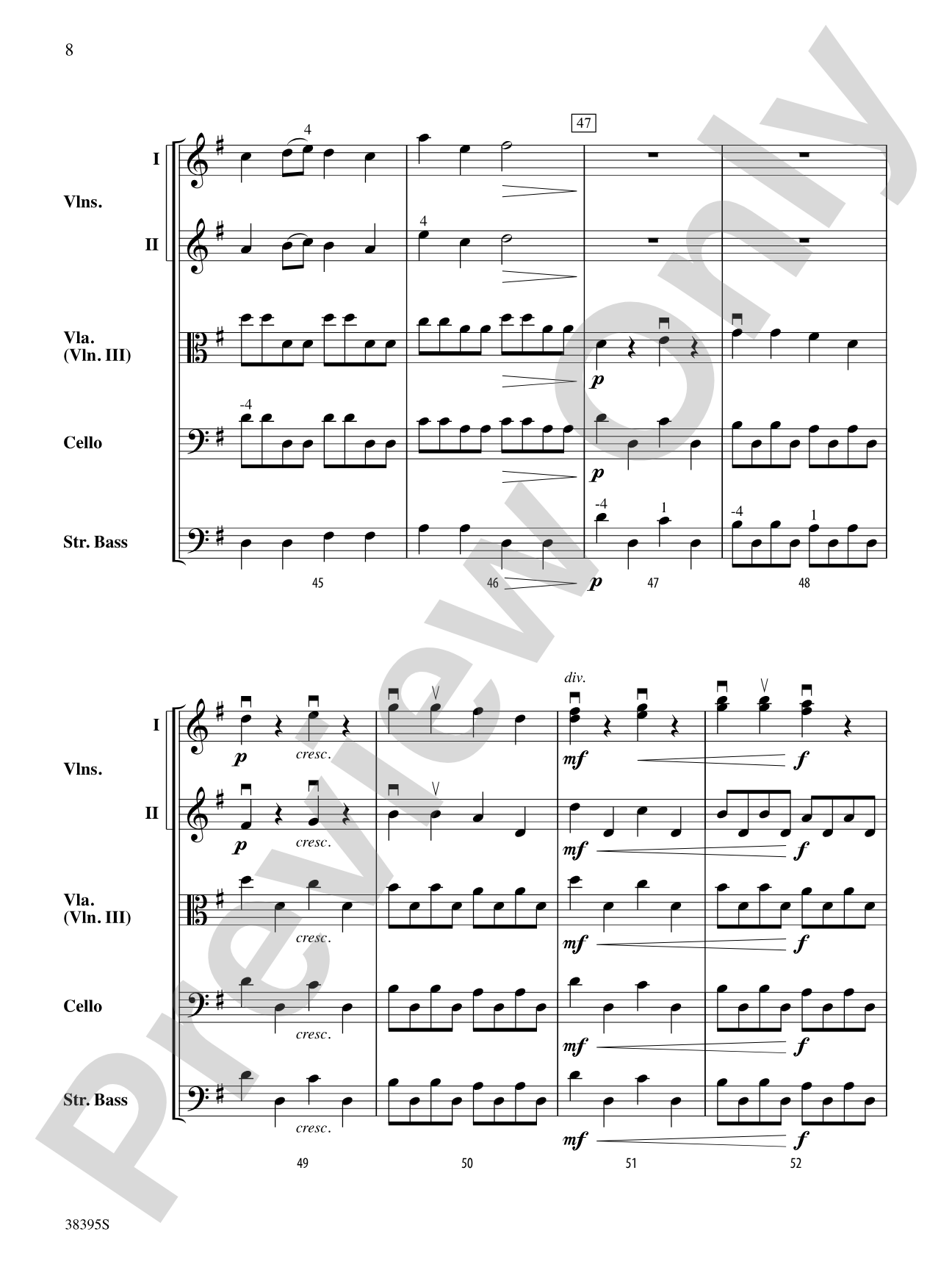



The Octavator: Score
By Michael Hopkins
Grade: 2
Item: 00-PR-0003775
$6.00
Pickup currently not available
Description
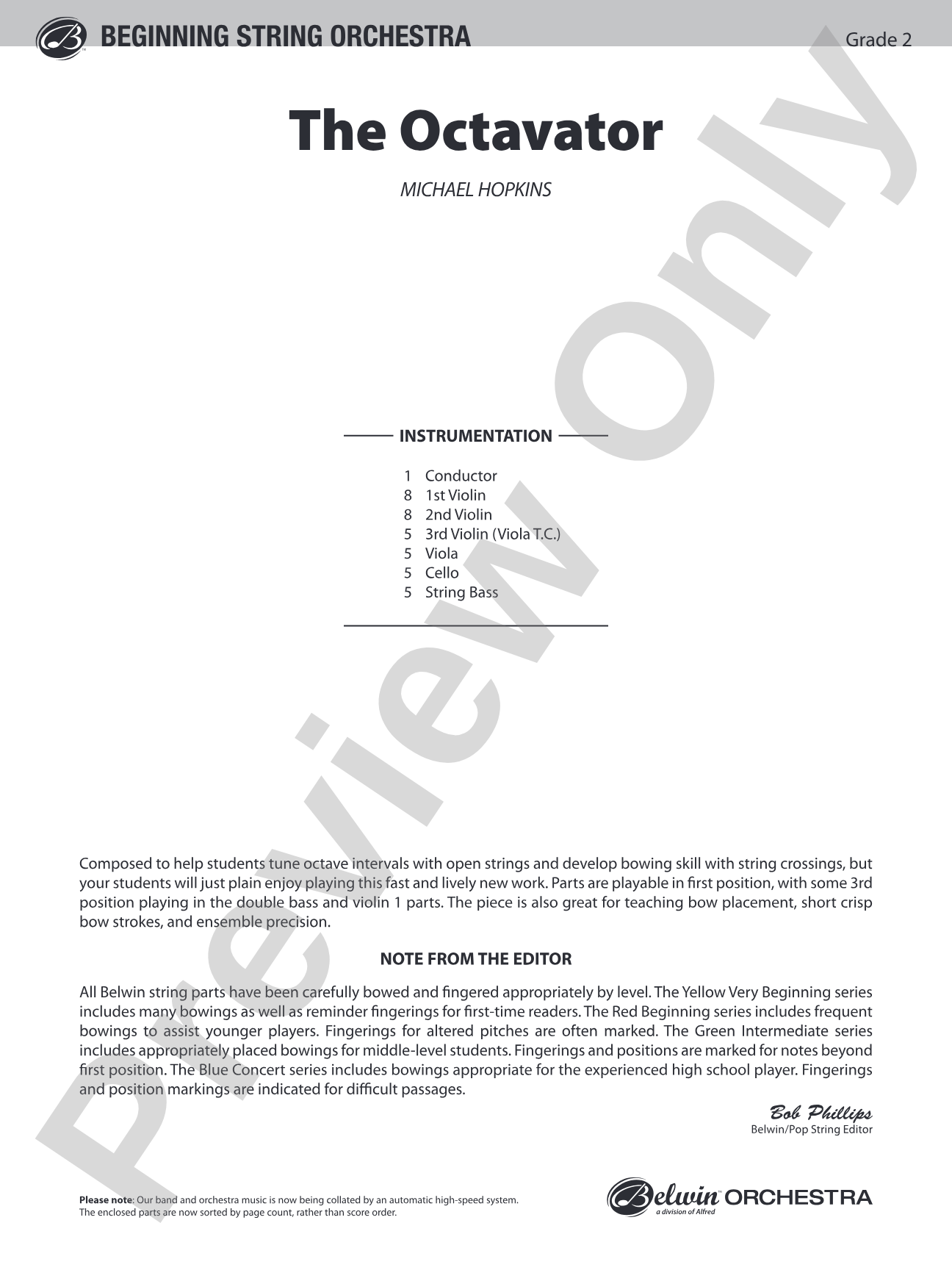
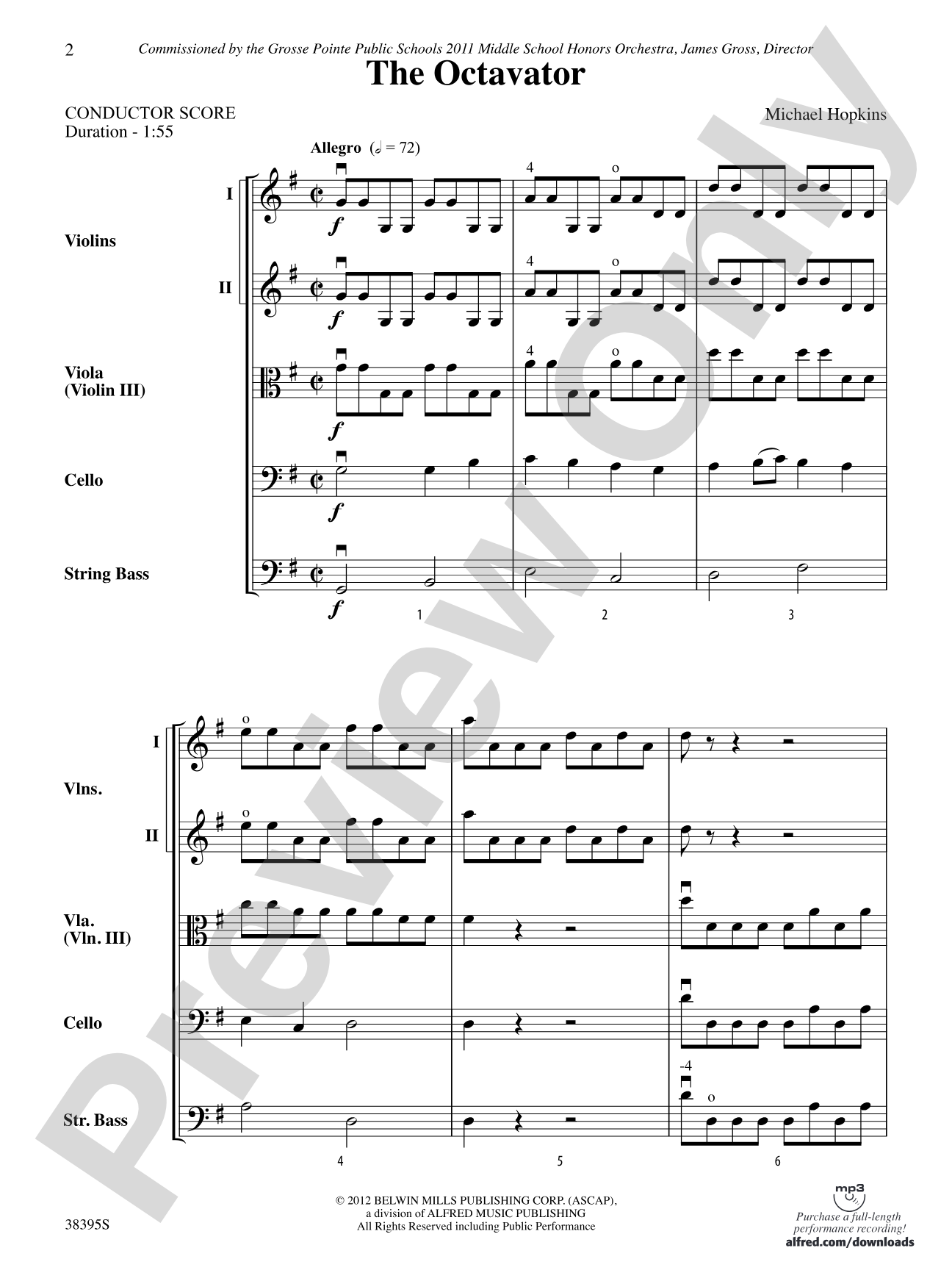
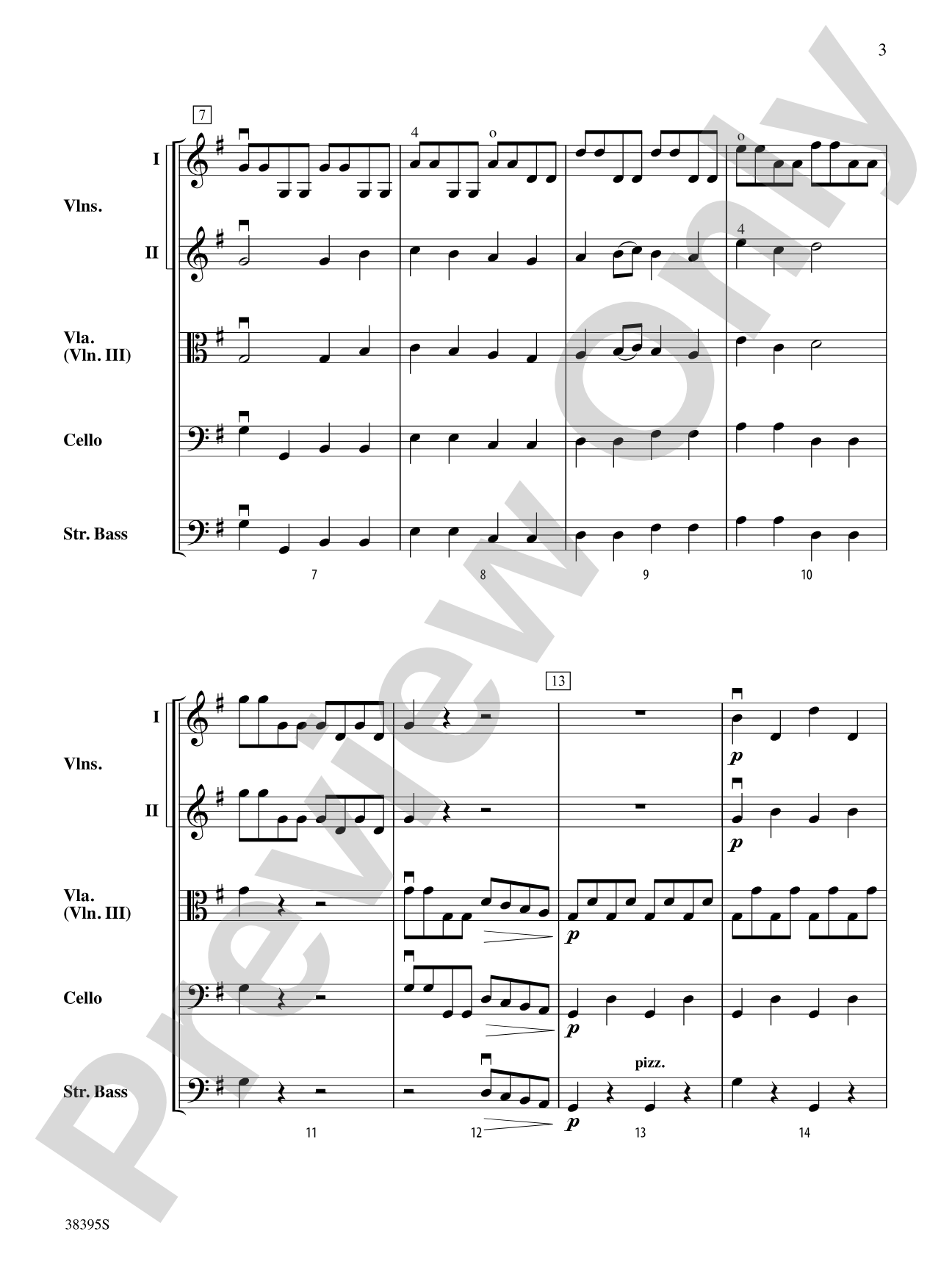
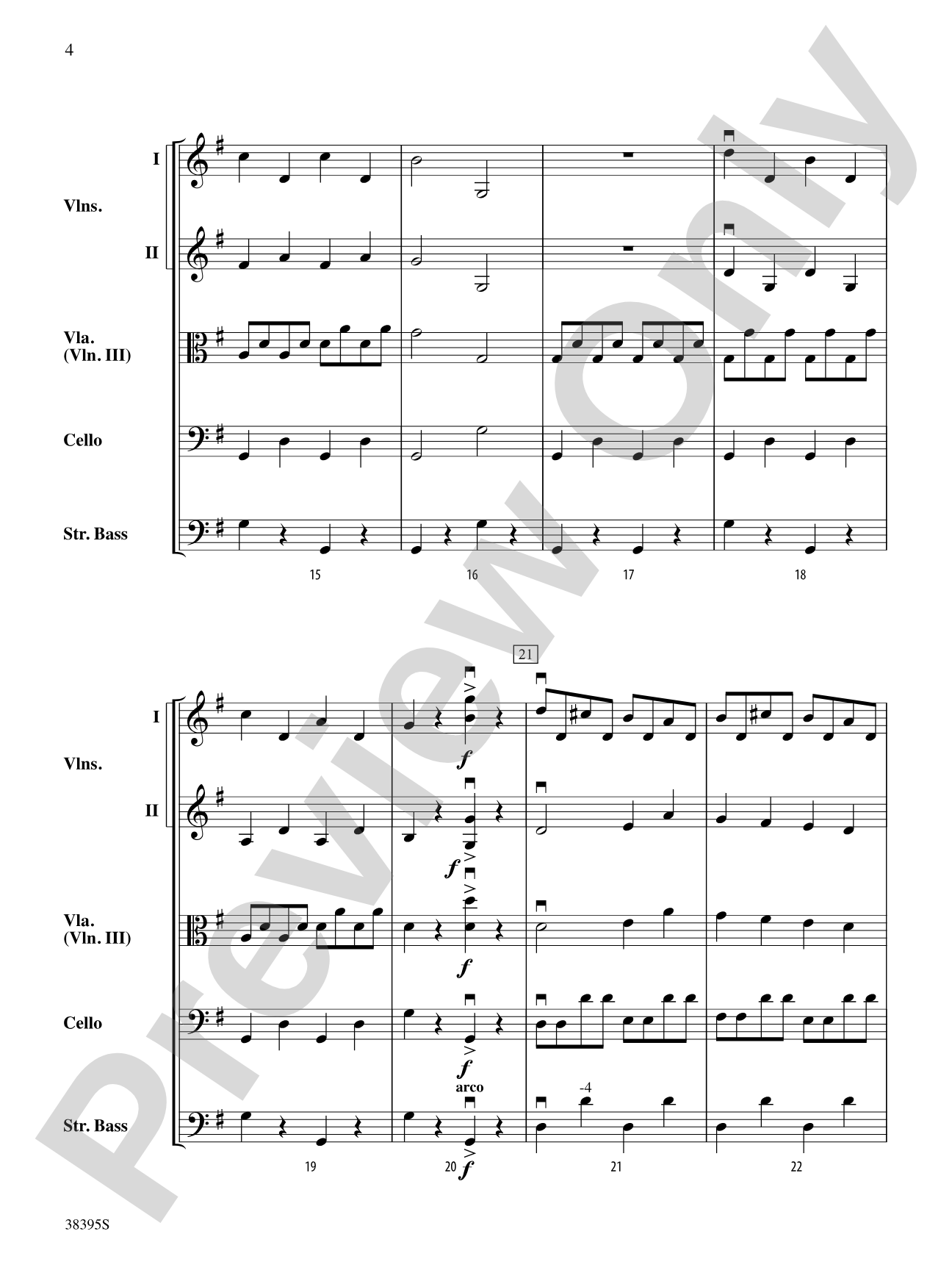
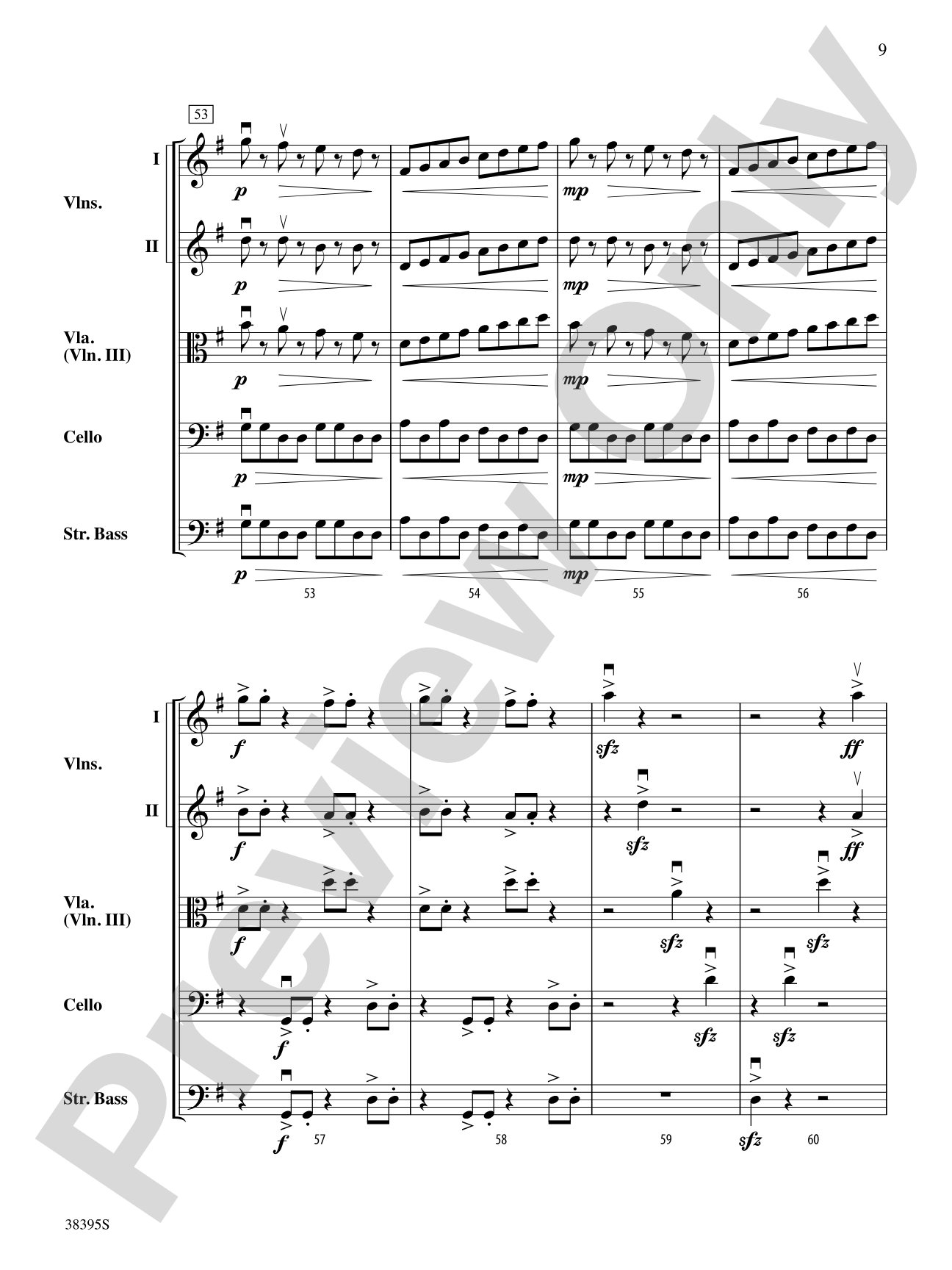
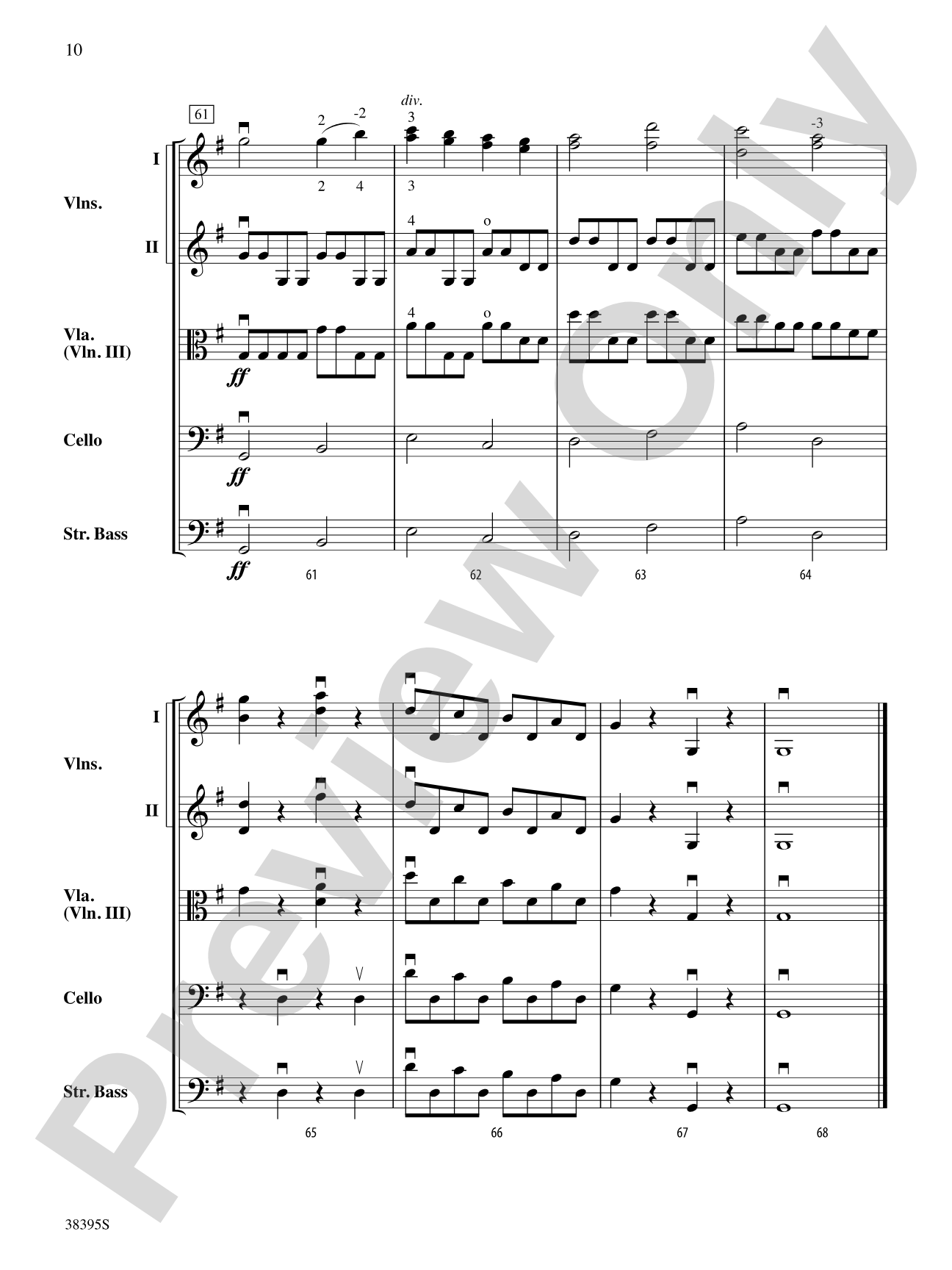
Composed to help students tune octave intervals with open strings and develop bowing skill with string crossings, but your students will just plain enjoy playing this fast and lively new work. Parts are playable in first position, with some 3rd position playing in the double bass and violin 1 parts. The piece is also great for teaching bow placement, short crisp bow strokes, and ensemble precision.


Don't just read it, hear it, play along with it, and watch your students grow with it. In MakeMusic Cloud, The Octavator: Score comes alive with professional accompaniment, adjustable tempo, and built-in practice tools that turn solo practice into real progress.
Open in the Player
Jump straight in and assign it today.
Start Your Free Trial
Open this title and explore the full library in minutes.
Sample Audio
1
Audio File
--:--
0:00
0:00
Sample Video
No sample videos found.
Additional Details
Series:
Belwin Beginning String Orchestra
Publisher:
Alfred Music
Page Count:
72
SKU:
00-PR-0003775
More about this title
About the Composer: Michael Hopkins

Michael Hopkins directs the music education program at the University of Michigan, where he teaches orchestration, string techniques, and conducting to both pre-service teachers and graduate students. His career spans three decades of work in school orchestras across Colorado, Michigan, and Vermont, plus leadership roles with university and chamber ensembles. He has presented research on string pedagogy and music technology at dozens of national conferences and published scholarly articles in the Journal of Research in Music Education, American String Teacher, and Music Educators Journal.
Hopkins brings classroom and rehearsal experience directly into his compositions and arrangements. He authored The Art of String Teaching, a pedagogical resource now used in teacher preparation programs and by private studio teachers nationwide. With over 70 published orchestral works to his credit, he writes with a clear understanding of what student musicians need to play and what educators need to teach.
Why we love this
This piece cuts through the usual Grade 2 repertoire by tackling genuine technical challenges (octave tuning, bow crossings, first and third position work) while keeping the energy high and the fun factor intact. Students feel like they're playing something real, not an exercise, which makes the teaching moments land harder.
What to expect
Bright, propulsive, and rhythmically engaging. The piece has a forward momentum that keeps young players alert and involved, with just enough harmonic interest to feel sophisticated beyond the technical level. Short, defined bow strokes and crisp articulation give it a playful character.
Who it's for
String orchestra directors teaching Grade 2 ensembles who need literature that addresses specific technical standards (octave tuning, position work, bow control) without sacrificing the joy of playing. Students benefit from material that builds real skills while sounding like a finished concert piece, not a pedagogical tool.
How to get the most out of it
- Isolate the bow crossing passages early in rehearsal. Have students practice the string changes without the left hand to establish clean contact and parallel bowing.
- Stop frequently to check octave intonation between open strings and stopped pitches in first position. Use a tuner if needed, and remind students that octaves are never perfect by ear alone.
- Work the short, crisp bow strokes in controlled sections before adding tempo. Once articulation is clean, the piece will snap into place much faster.
- Layer in ensemble precision gradually. Lock rhythm and dynamics section by section, then add parts together in groups rather than starting with full orchestra.
How to use it
Program this as a concert opener or early-season piece when you want to demonstrate technical growth without demanding extended range or complex rhythmic reading. It works especially well in winter or spring concerts where you're showcasing fundamentals alongside more ambitious repertoire.
Skills your students will build
- Octave intonation using open strings as reference
- First and third position playing (primarily violin 1 and double bass)
- Bow crossings with clean string changes
- Short, controlled bow strokes
- Ensemble precision and sectional balance
- Bow placement and weight management