
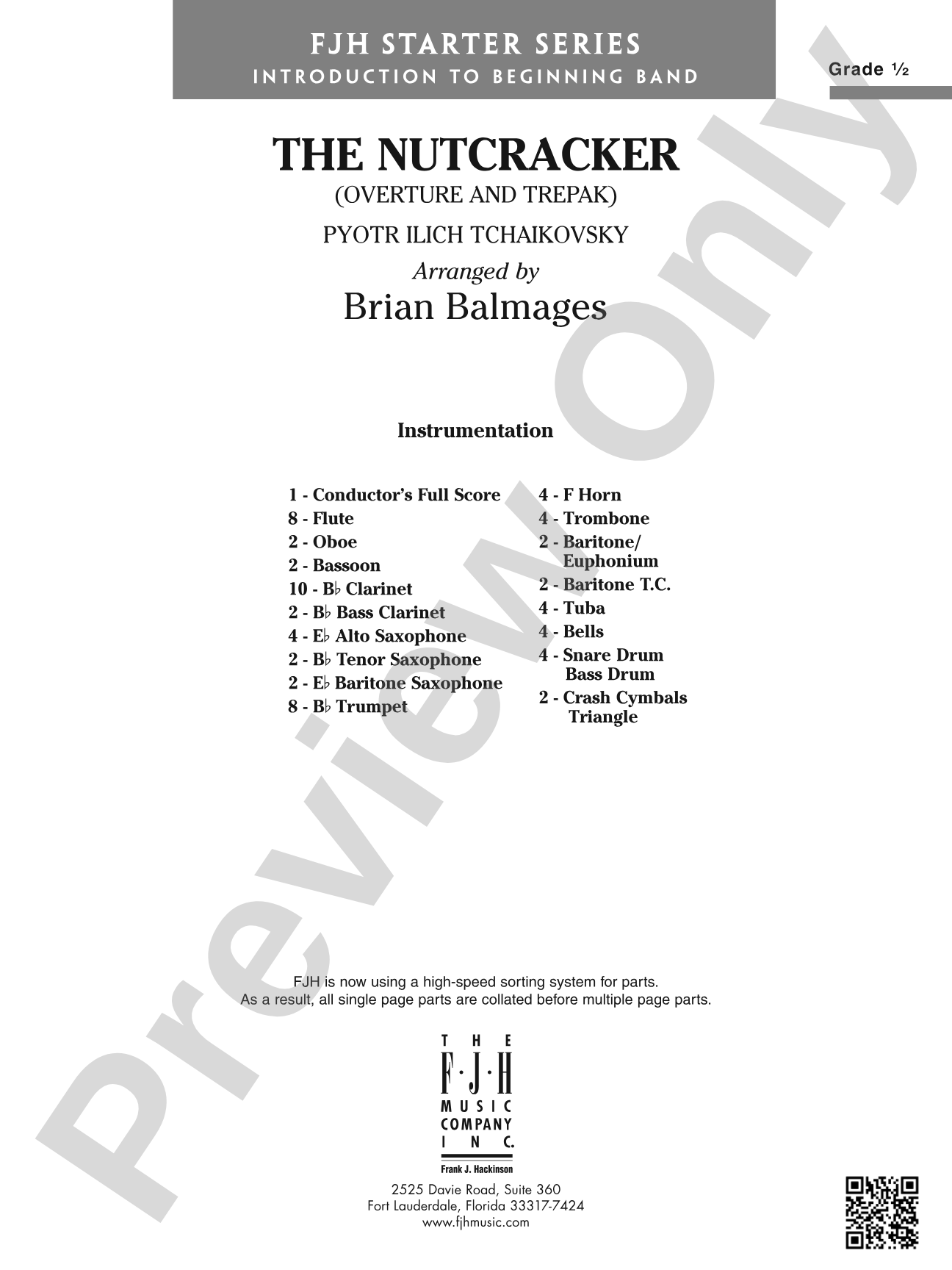
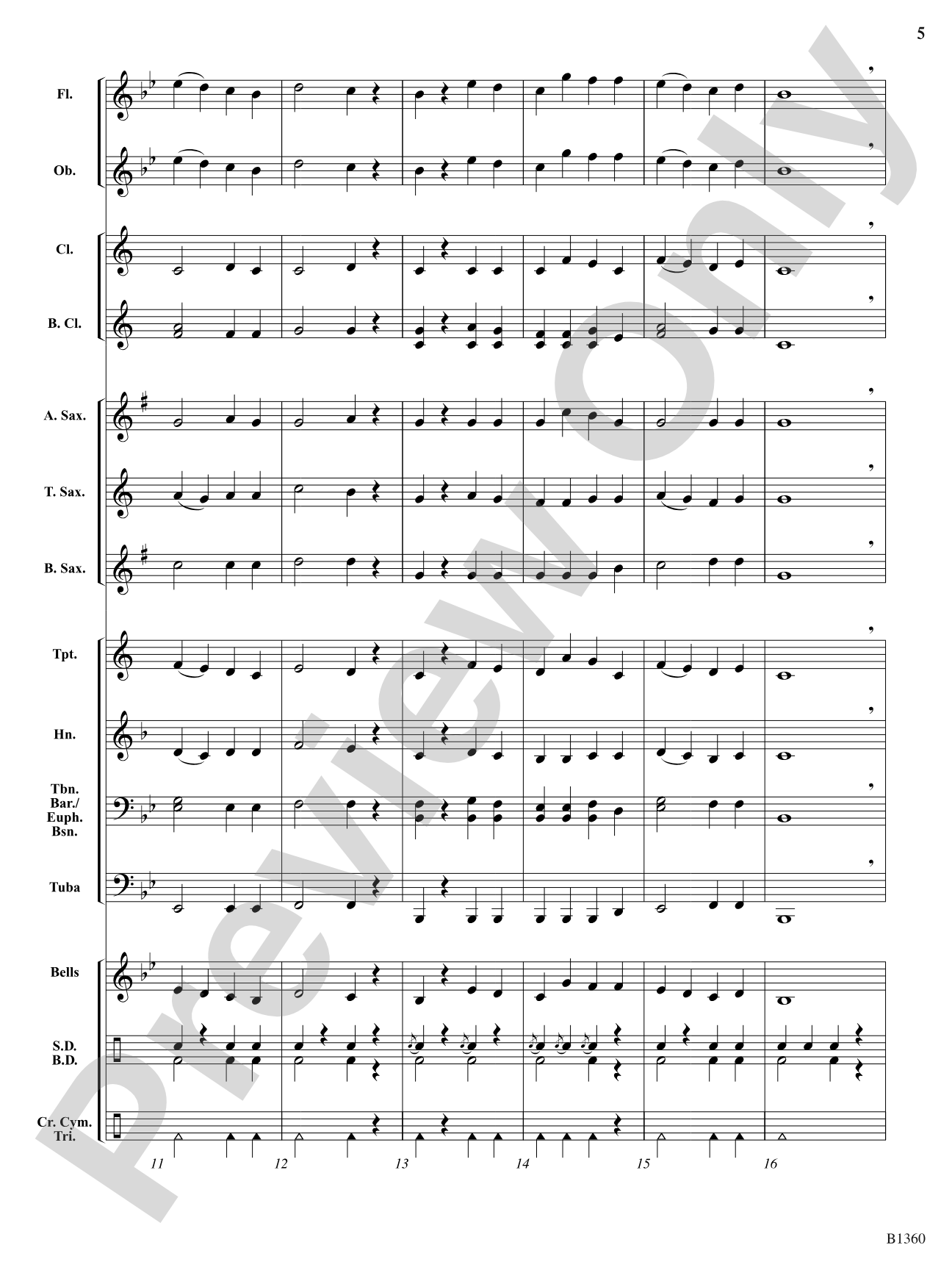
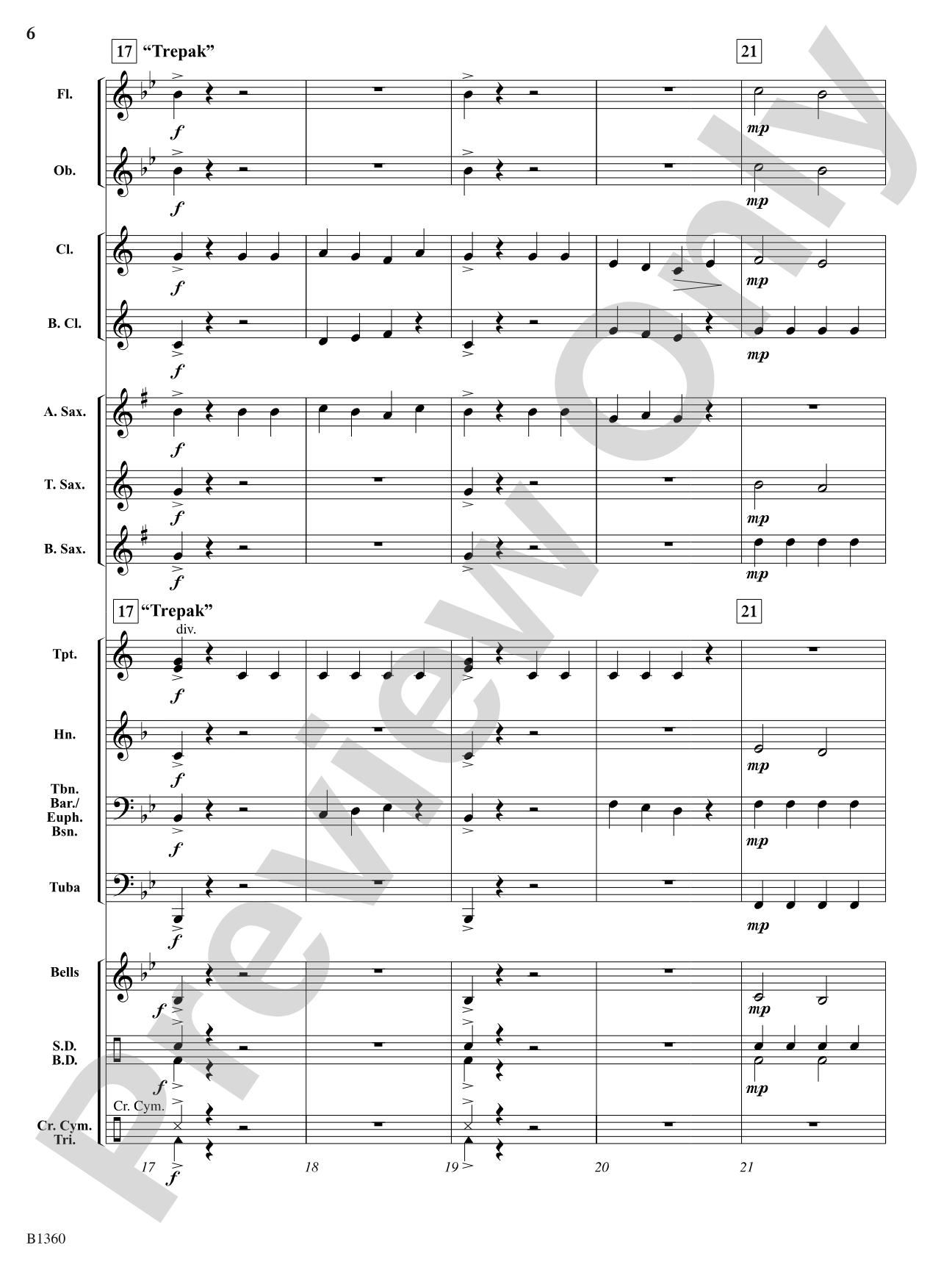
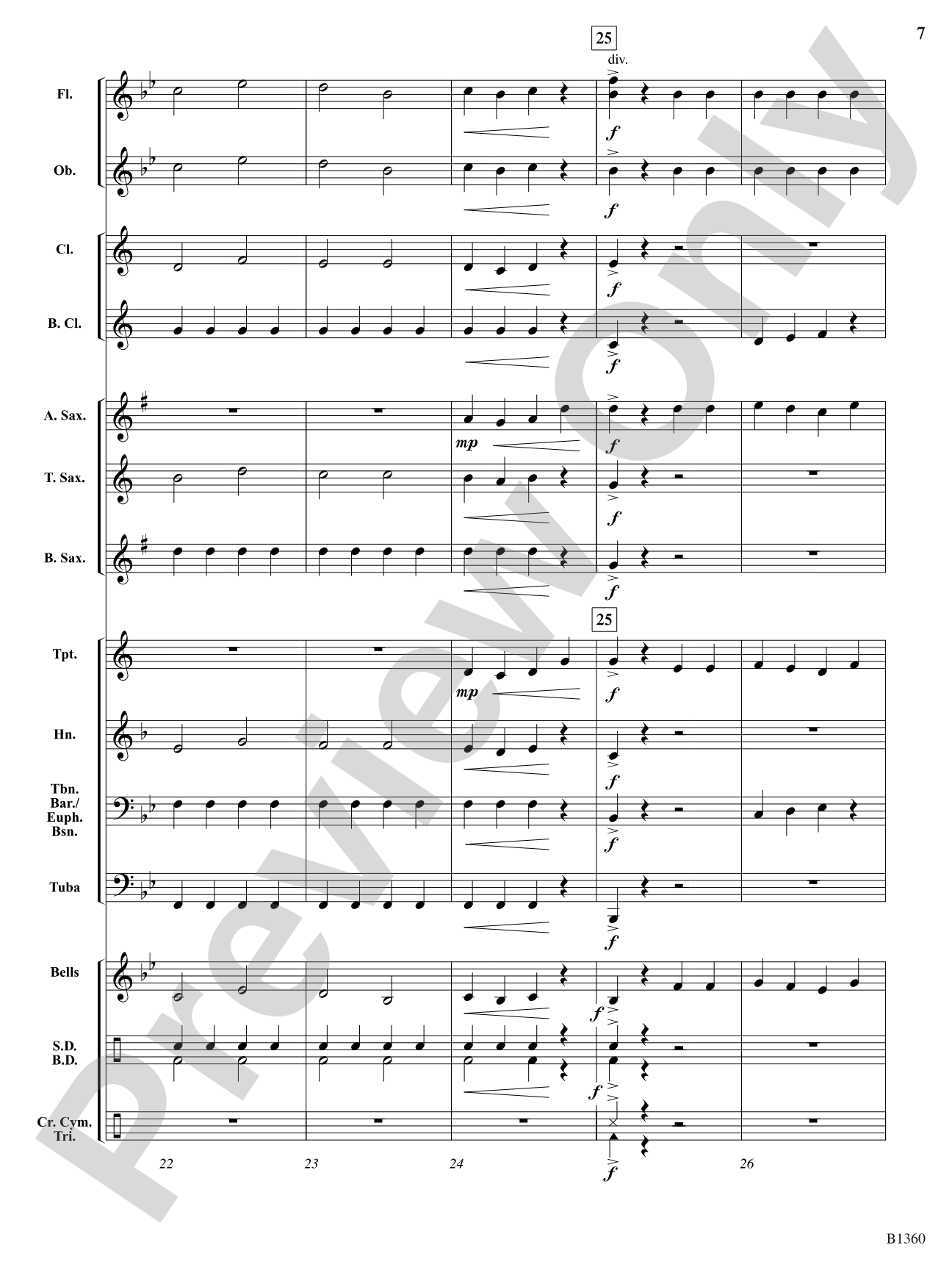
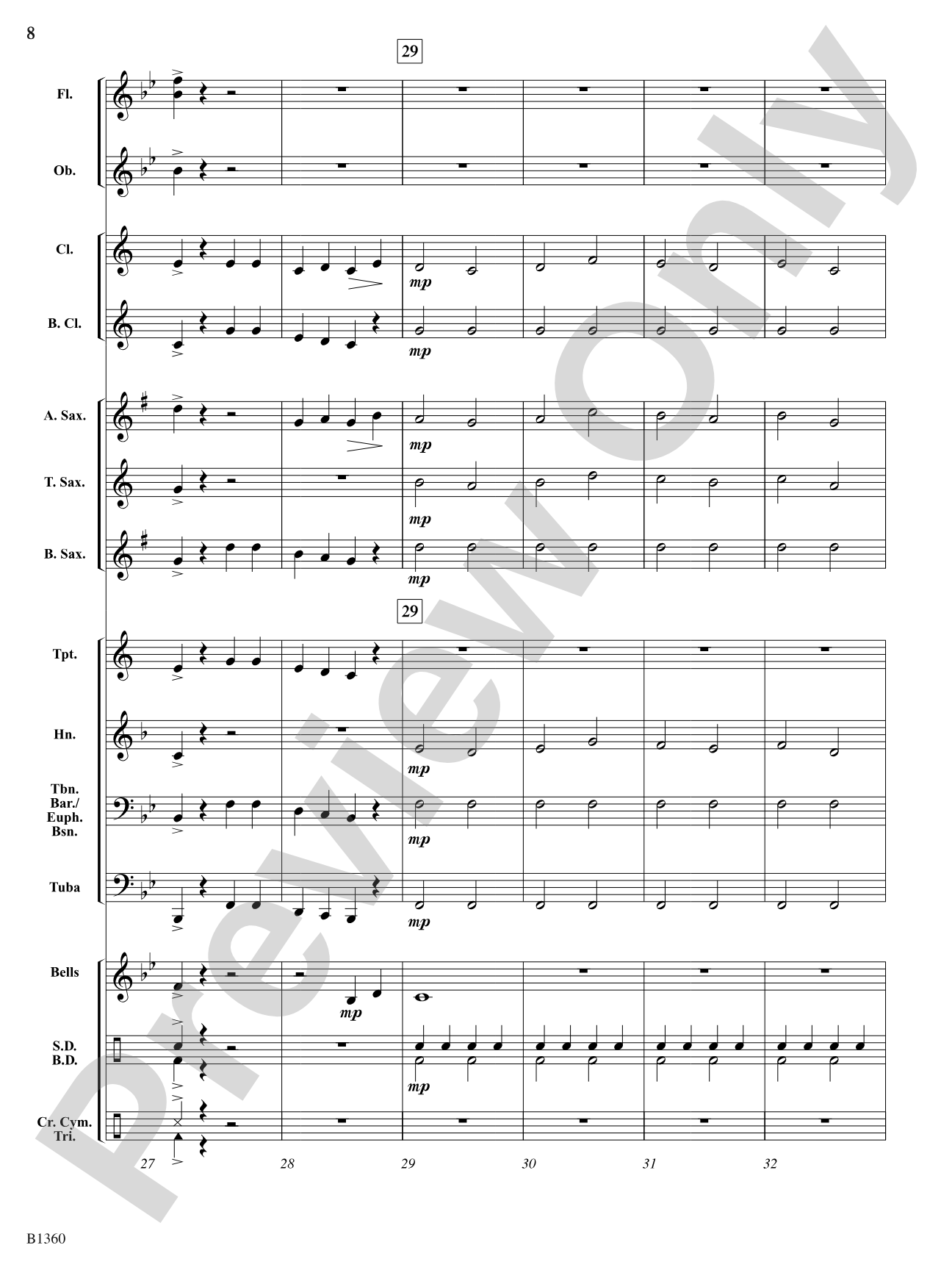
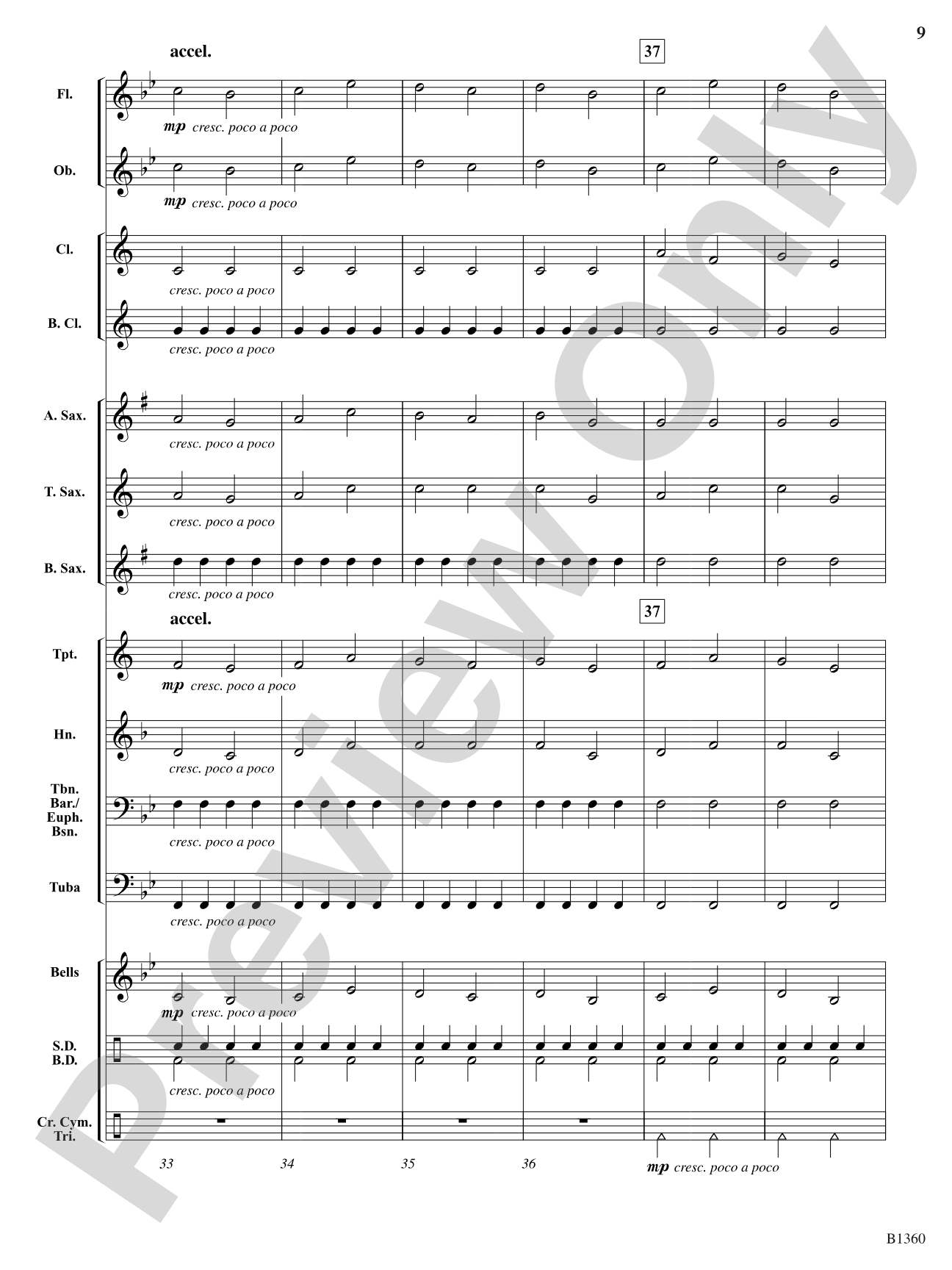
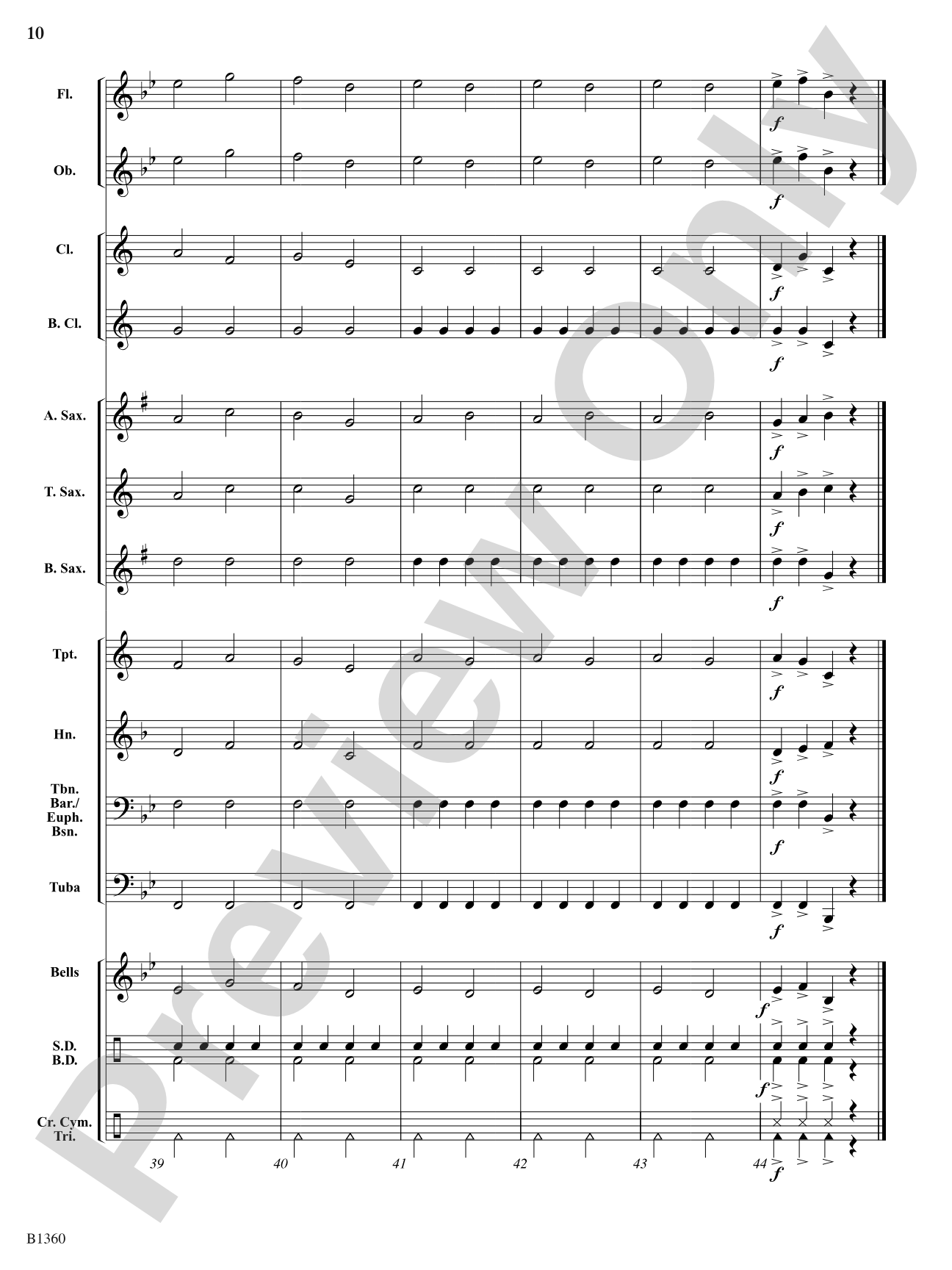
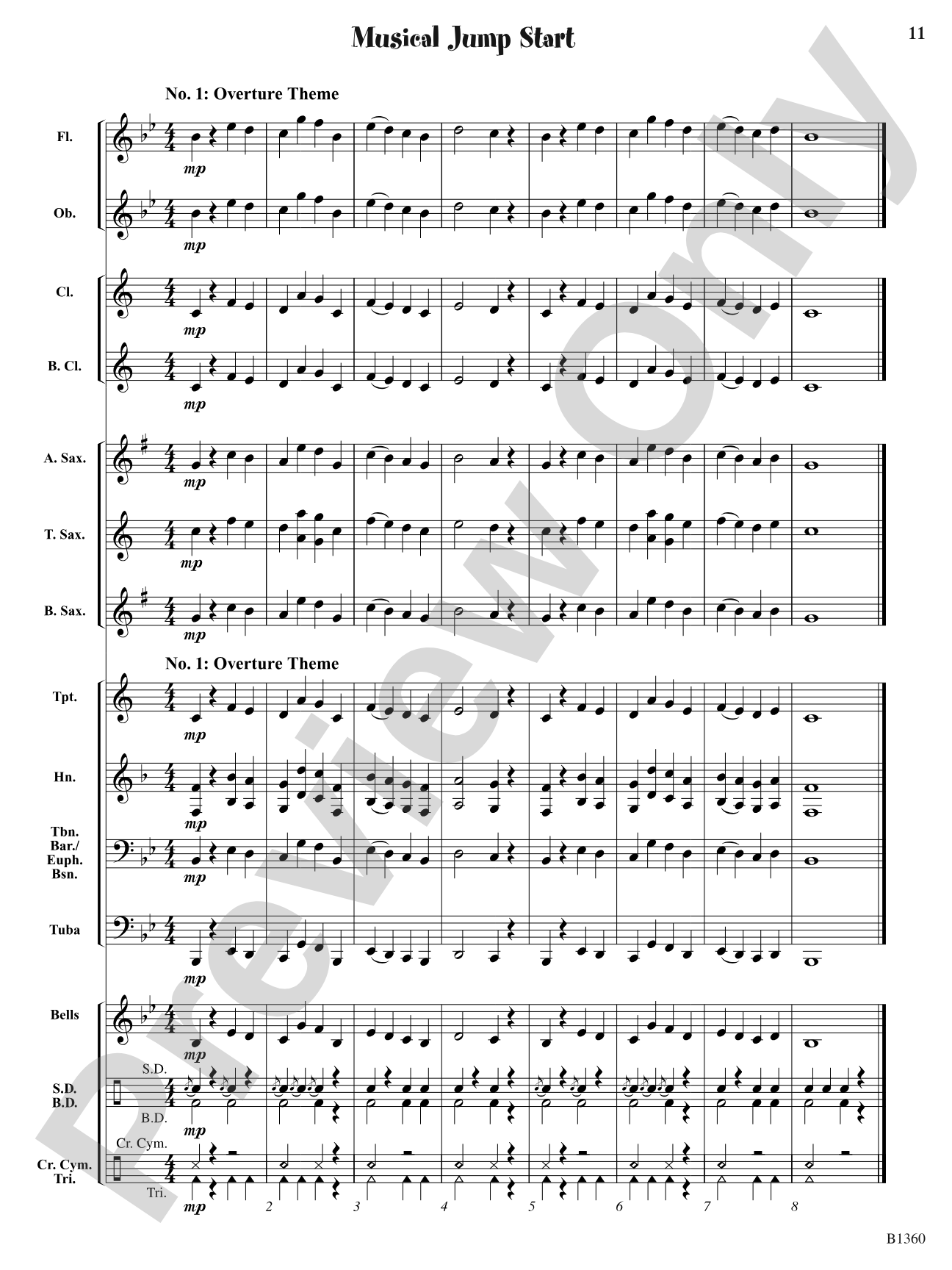
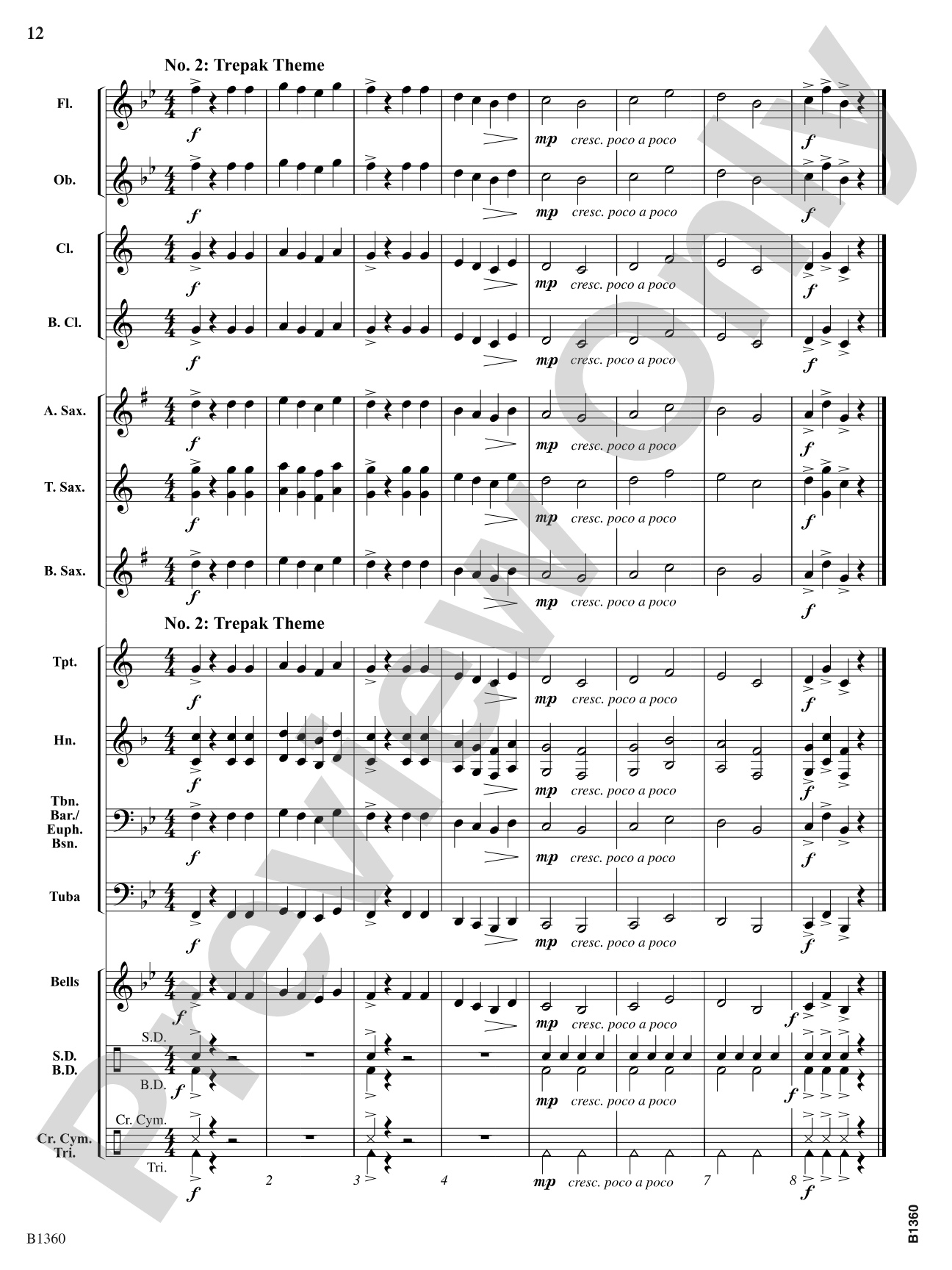

The Nutcracker (Overture and Trepak): Concert Band Conductor Score & Parts
Overture and Trepak
By Pyotr Ilyich Tchaikovsky / arr. Brian Balmages
Level:.5
Item: 98-DB1360

$55.00
Pickup currently not available
Buy Extra Parts (Digital PDF Download)
Parts Added to Cart!
Description
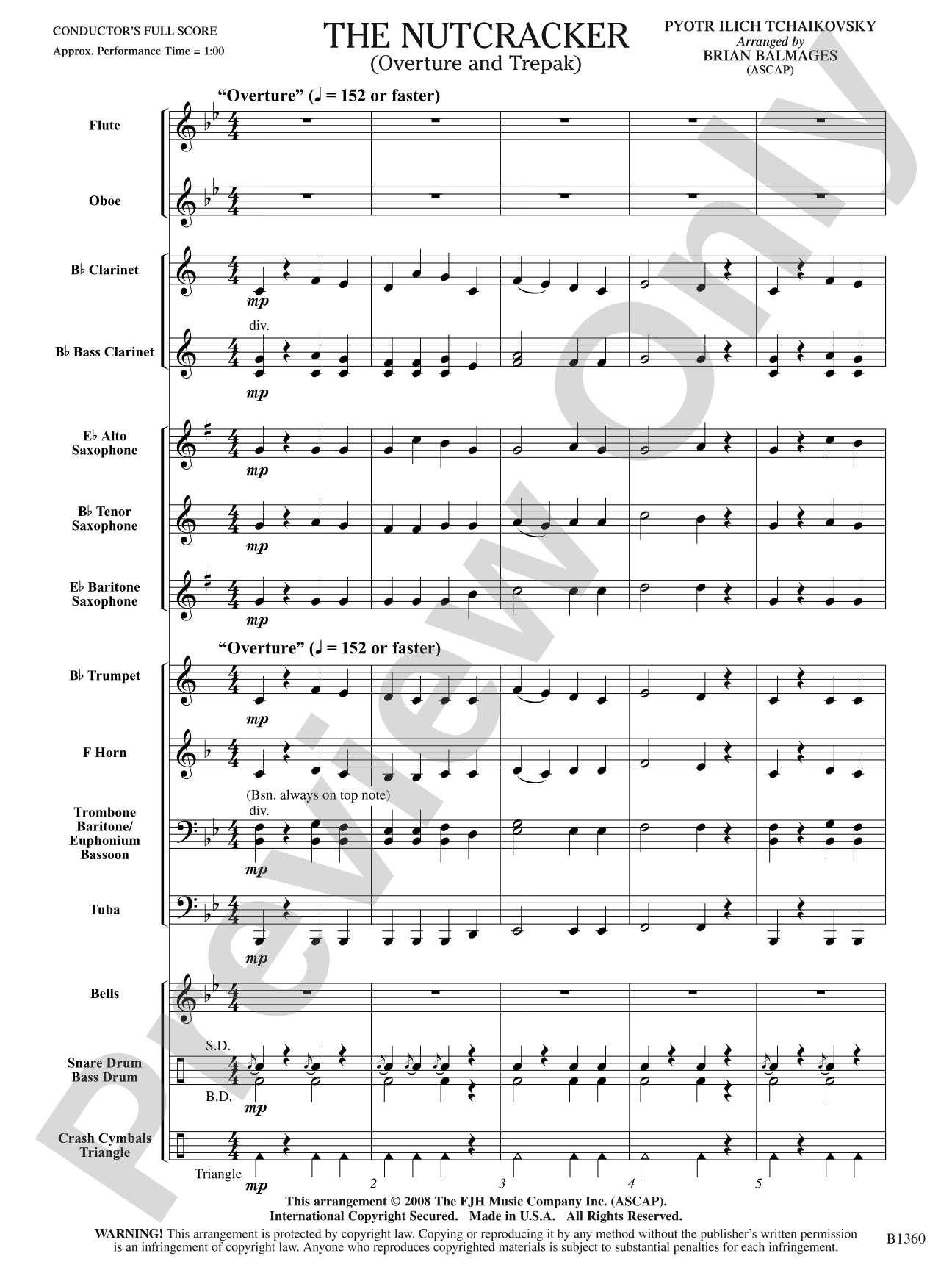
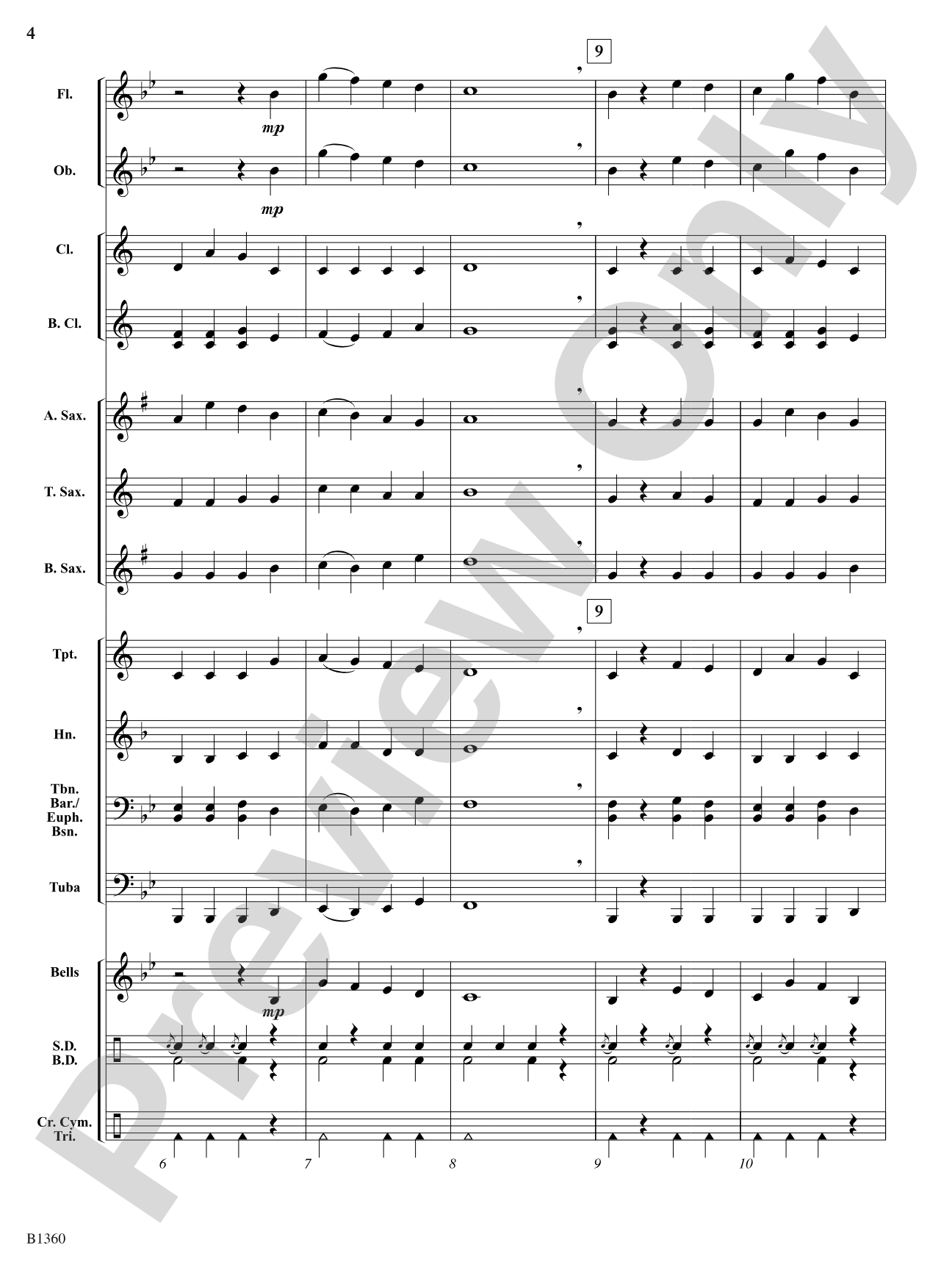
Tired of playing the same old holiday tunes from the method on your winter concert? Then take a fresh approach with this exceptional arrangement that amazingly uses only six notes and note values no smaller than a quarter. Featuring both the Overture and Trepak from The Nutcracker, this arrangement will surprise you with how authentic it sounds, and your audience will be delighted to hear Tchaikovsky's masterwork performed by such young musicians! A fantastic way to get out of the method for a holiday program!


Don't just read it, hear it, play along with it, and watch your students grow with it. In MakeMusic Cloud, The Nutcracker (Overture and Trepak): Concert Band Conductor Score & Parts comes alive with professional accompaniment, adjustable tempo, and built-in practice tools that turn solo practice into real progress.
Open in the Player
Jump straight in and assign it today.
Start Your Free Trial
Open this title and explore the full library in minutes.
Sample Audio
1
Audio File
--:--
0:00
0:00
Sample Video
No sample videos found.
Additional Details
Series:
FJH Starter Series
Publisher:
The FJH Music Company, Inc.
SKU:
98-DB1360
More about this title
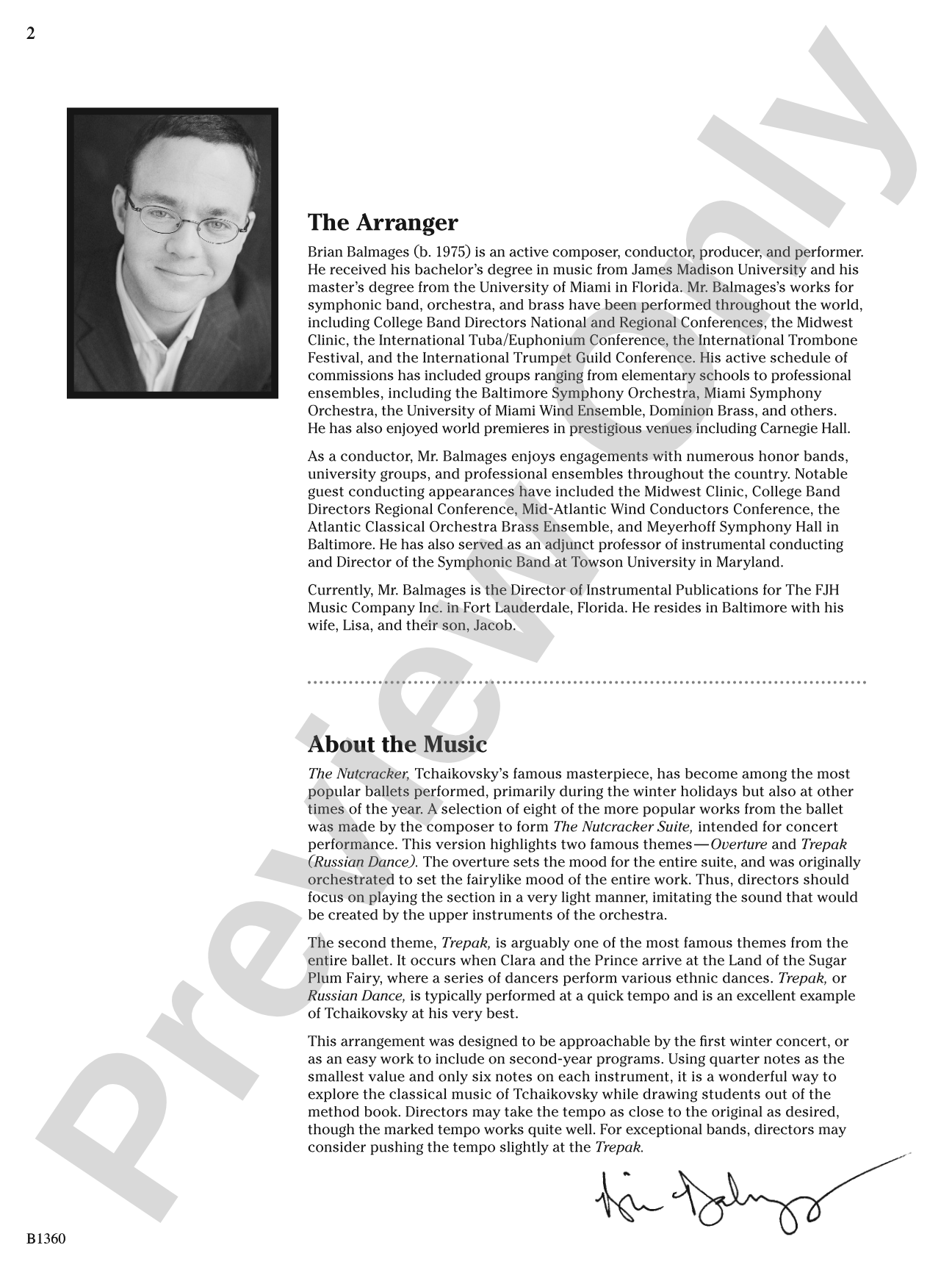
About the Composer: Pyotr Ilyich Tchaikovsky
Pyotr Ilyich Tchaikovsky (1840-1893) stands as one of the most performed composers in the world, and for good reason. His gift for melody combined with orchestral color created works that resonate across centuries and skill levels. The Nutcracker remains his most accessible masterwork, originally composed as a ballet score for the Imperial Theaters in St. Petersburg and now a cornerstone of holiday traditions worldwide.
Tchaikovsky understood how to write for performers at every level. His ability to craft instantly recognizable themes without sacrificing musical substance made him invaluable to music educators and audiences alike. The Nutcracker's themes have the rare quality of sounding grand and sophisticated whether performed by a professional orchestra or by beginning band students, making this work an ideal choice for introducing young musicians to the classical repertoire.
Why we love this
Brian Balmages has done something genuinely impressive here: he's preserved the unmistakable character of Tchaikovsky's masterpiece while respecting the real technical limits of young ensembles. Using only six notes and quarter notes as the smallest rhythmic value means your students focus on blend, phrasing, and interpretation rather than fumbling through technical passages. The fact that audiences hear authentic Nutcracker rather than a simplified knockoff makes this an honest entry point into the classical canon.
What to expect
The Overture unfolds with genuine mystery and elegance, drawing the listener into a snow-covered kingdom with sparse, shimmering textures. The Trepak arrives as a vivid contrast: energetic, rhythmically vital, and radiating the joy of a Russian folk celebration. Together, these movements create a complete emotional arc from enchantment to exuberance.
Who it's for
Band directors working with beginning to early intermediate ensembles (Grades 2-4) who want substantive holiday repertoire beyond standard method book fare. This arrangement works equally well for private lesson recitals or full concert contexts. Students get to perform a recognized masterwork without feeling held back by technical constraints.
How to get the most out of it
- Keep the Overture's opening mystery intact by cultivating a lighter sound in the ensemble. Younger students often play with too much weight; transparency here makes the magic work.
- Lock the rhythmic precision in the Trepak. The Russian dance energy comes from crisp, unified articulation across the band, not from speed.
- Balance the melodic line carefully when it moves between sections. Mark in your score where the main theme lives so each section knows whether they're carrying it or providing support.
- Use the recorded accompaniment to establish the proper tempo and to give students a secure harmonic reference, especially in the Overture's quieter moments.
How to use it
Program this as your main holiday centerpiece rather than burying it among lighter fare. Opening a winter concert with the Nutcracker Overture signals immediately that your ensemble takes repertoire seriously. You might pair it with contrasting holiday selections or even build a half-concert around Tchaikovsky, proving to families that classical music lives and breathes in your band room.
Skills your students will build
- Sustaining longer phrase lines with consistent tone quality
- Balancing ensemble sound across multiple sections
- Responding to dynamic contrast and expressive direction
- Maintaining rhythmic precision in dance-form music
- Reading and performing from a conductor score and individual parts