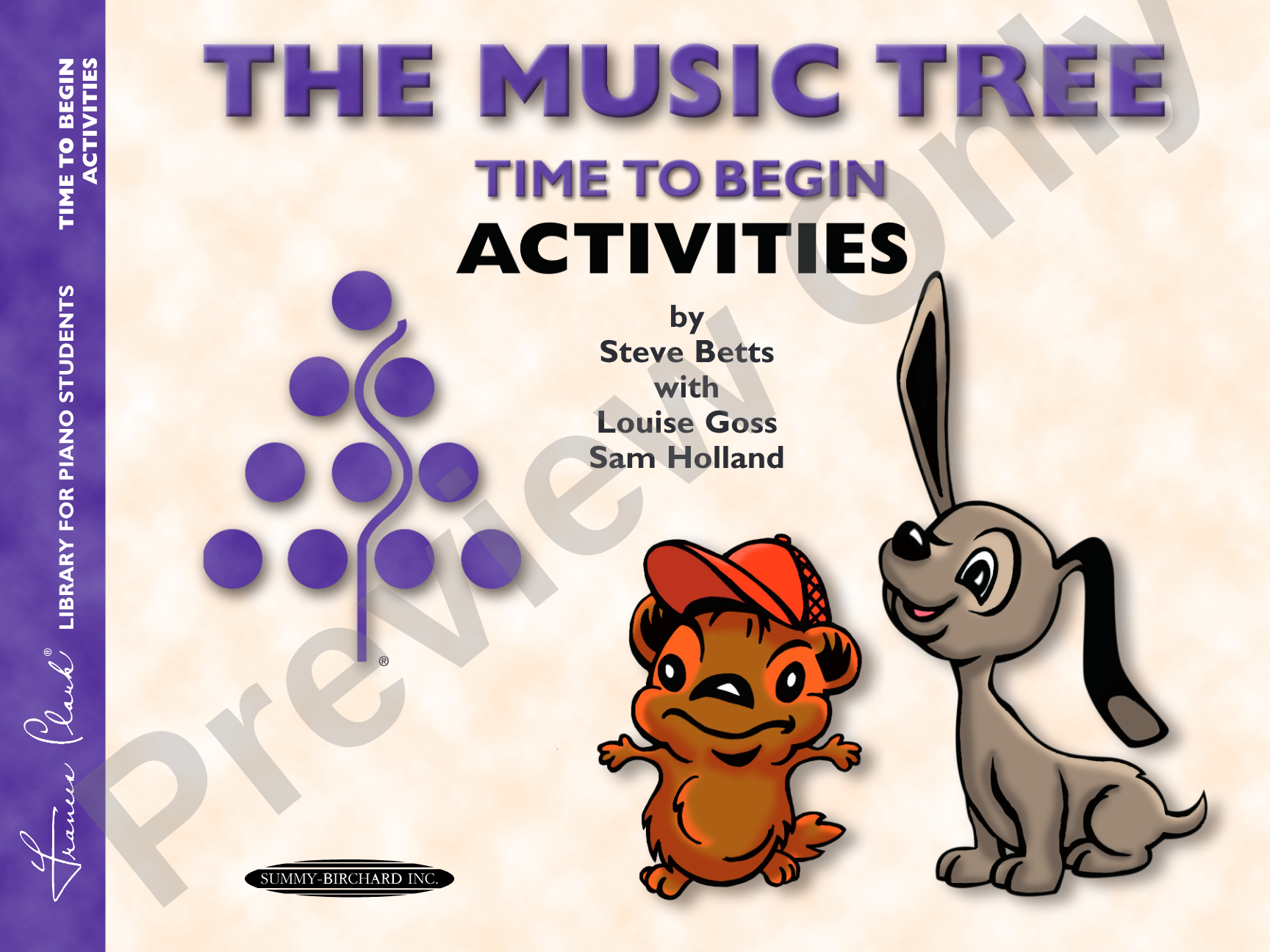
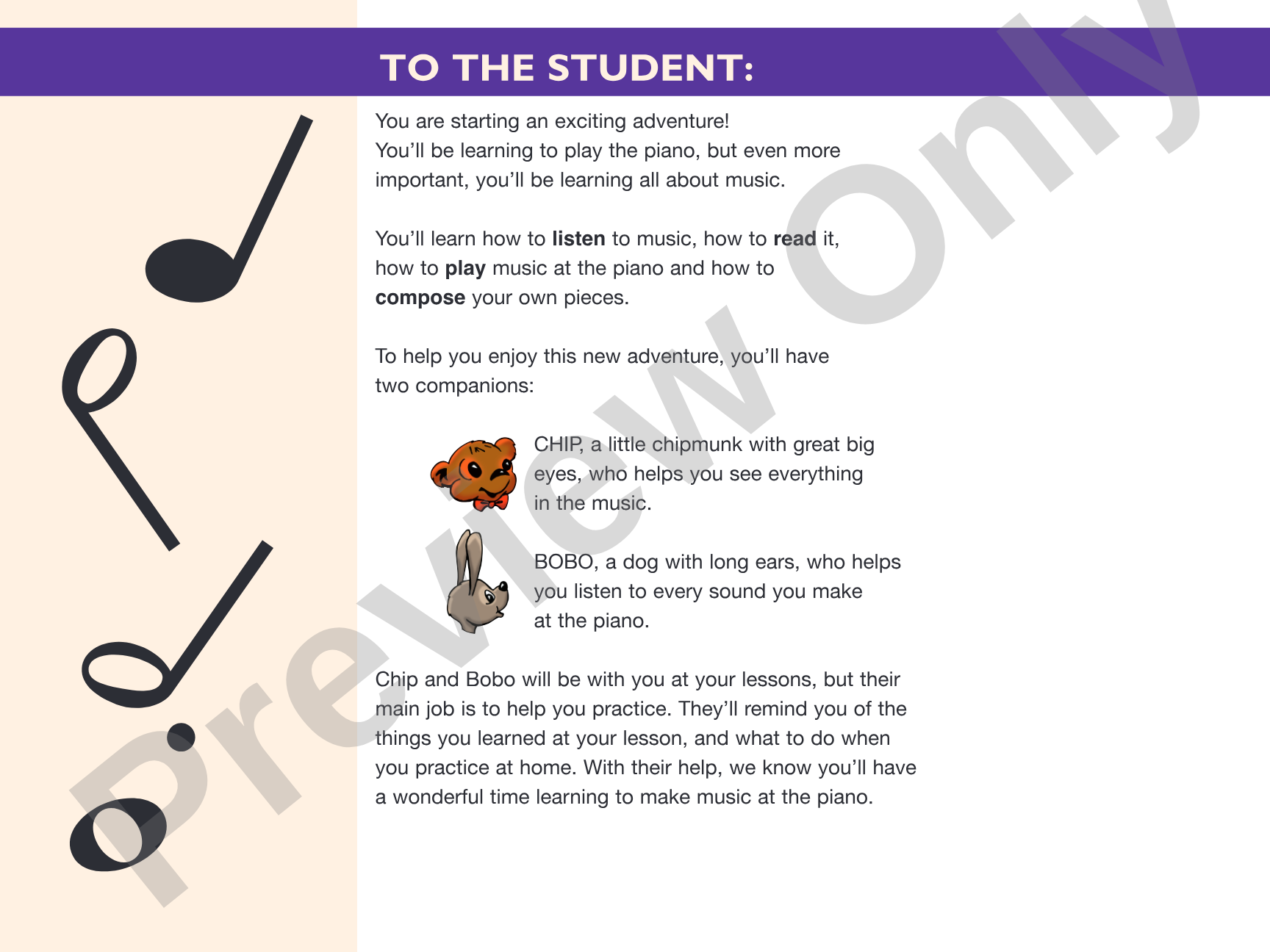
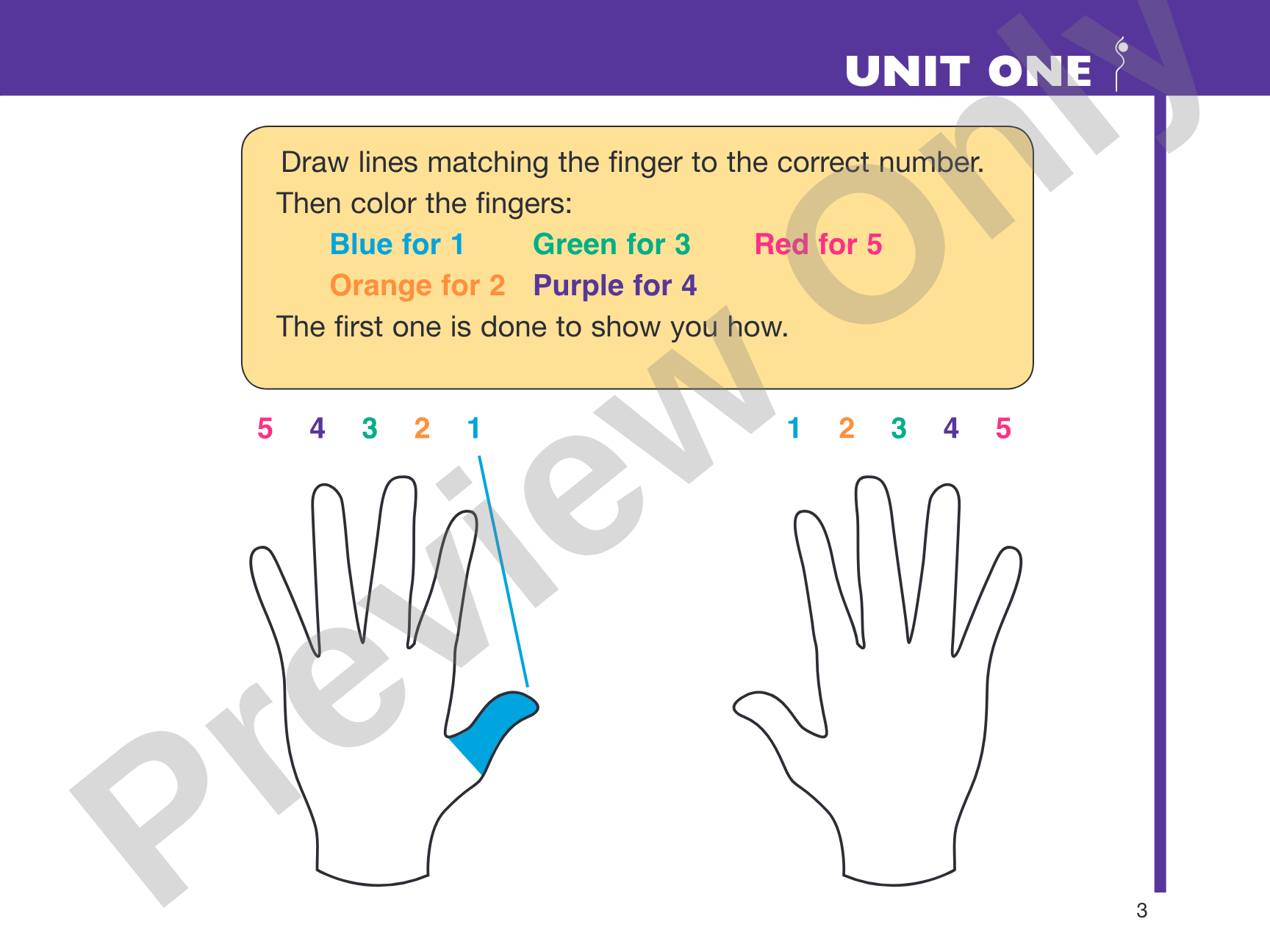
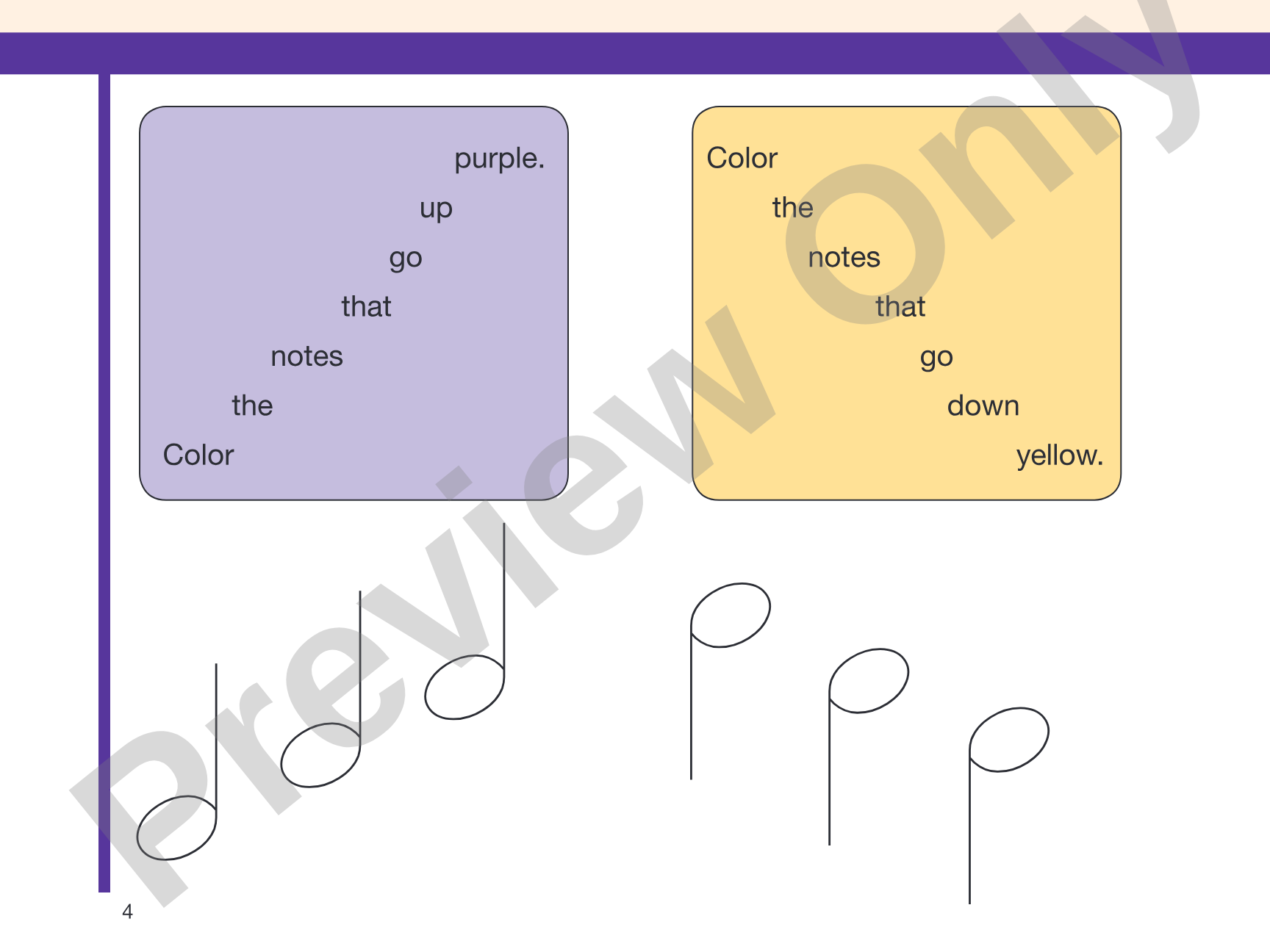
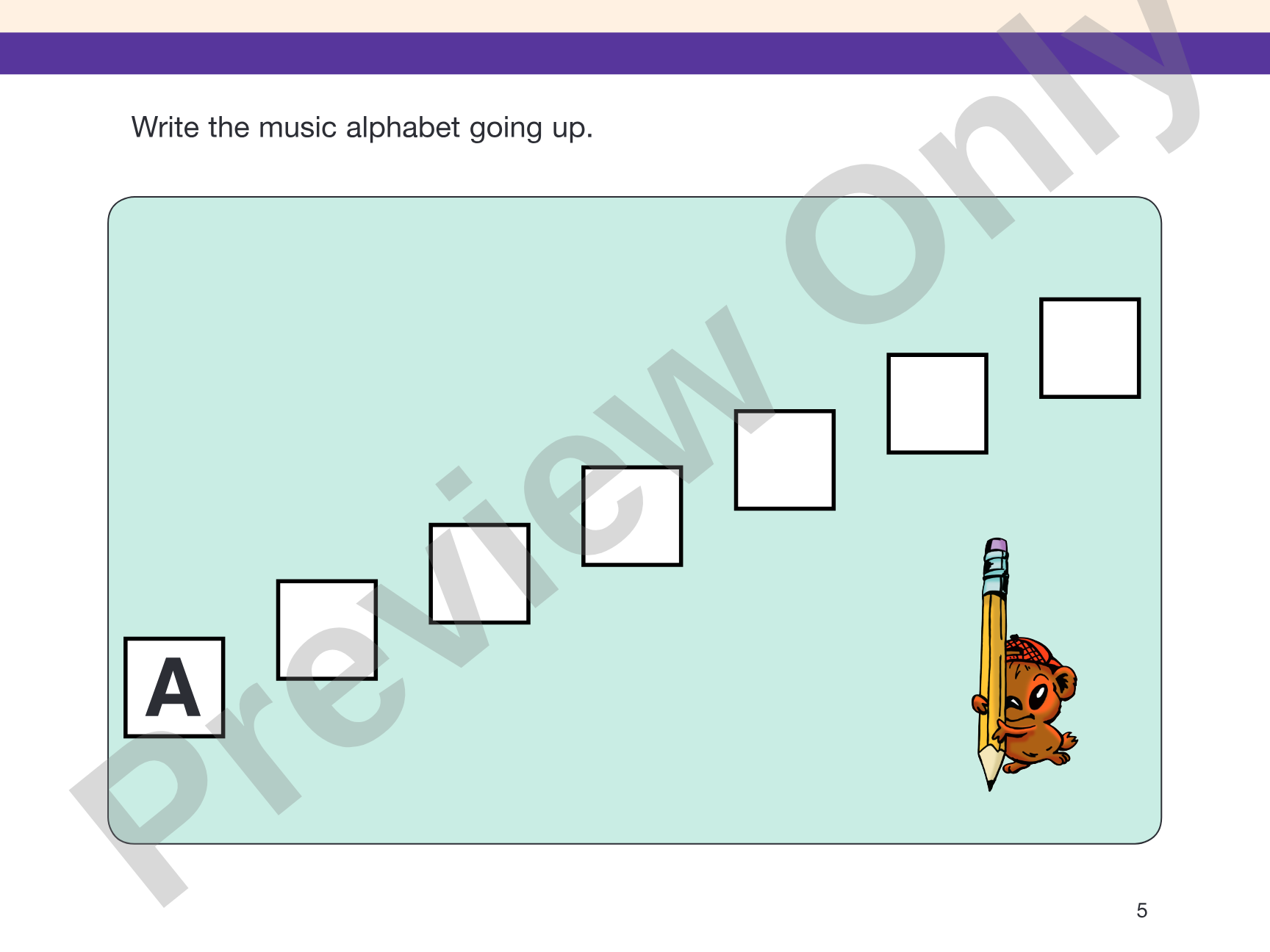
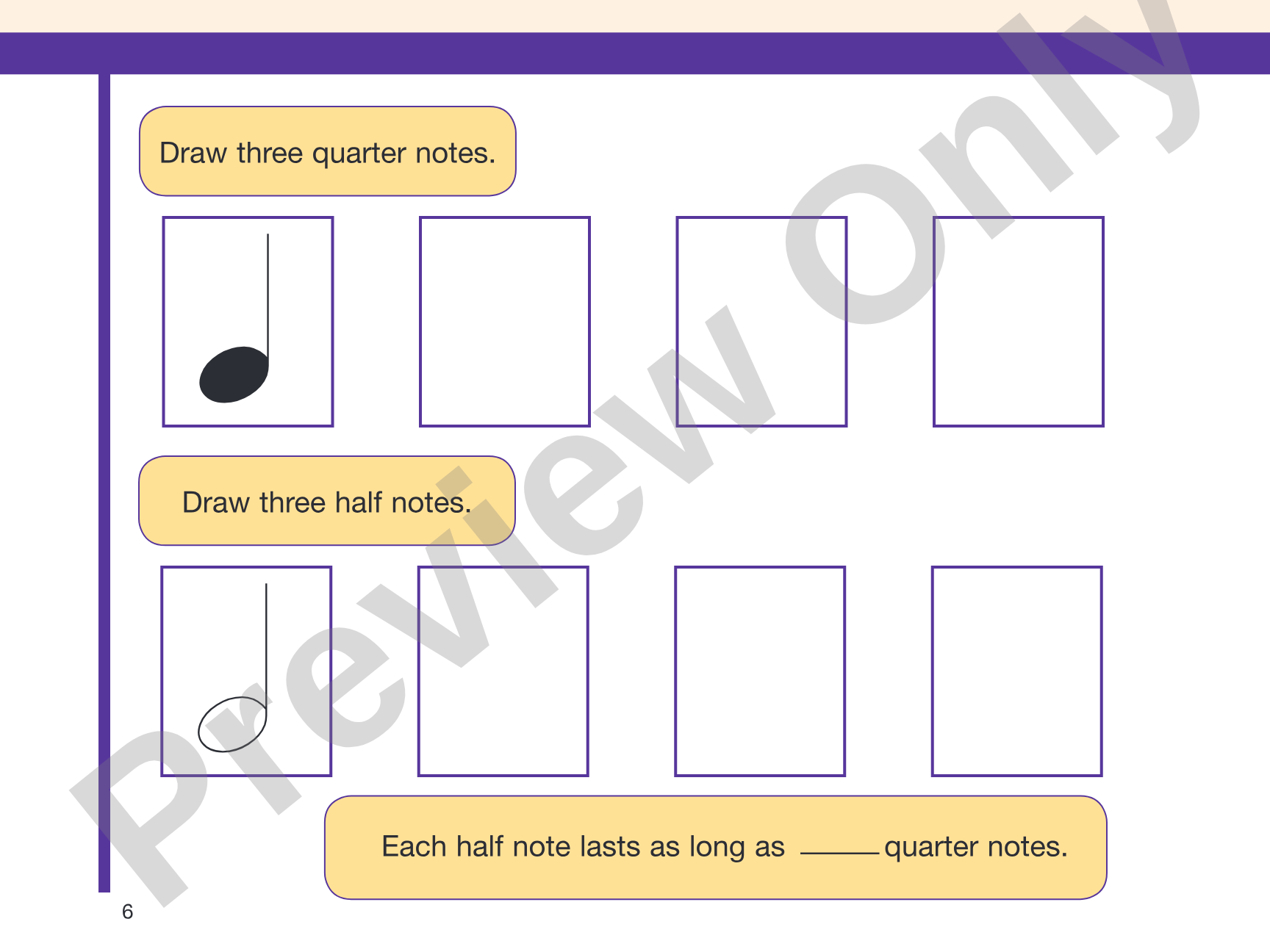
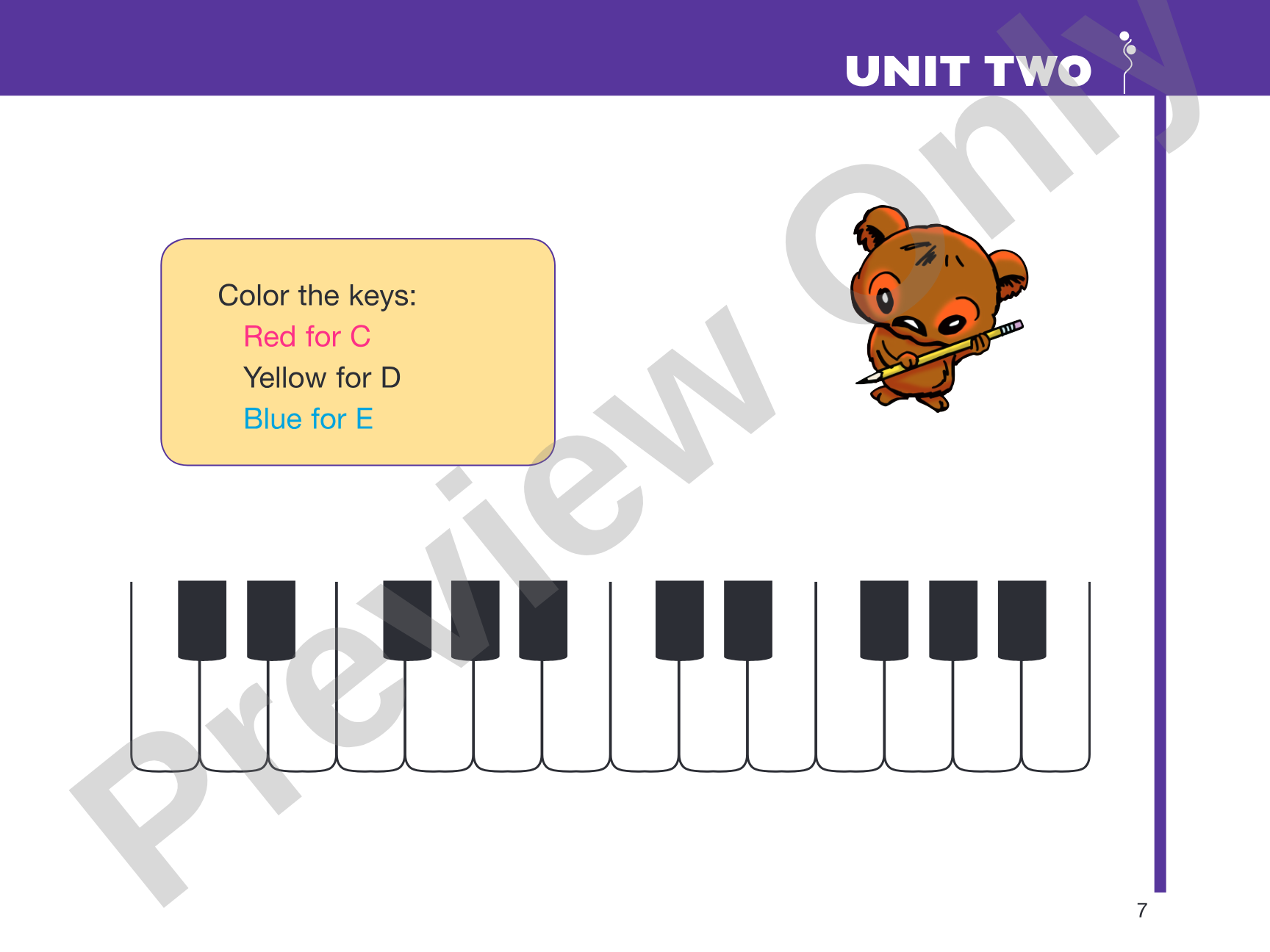
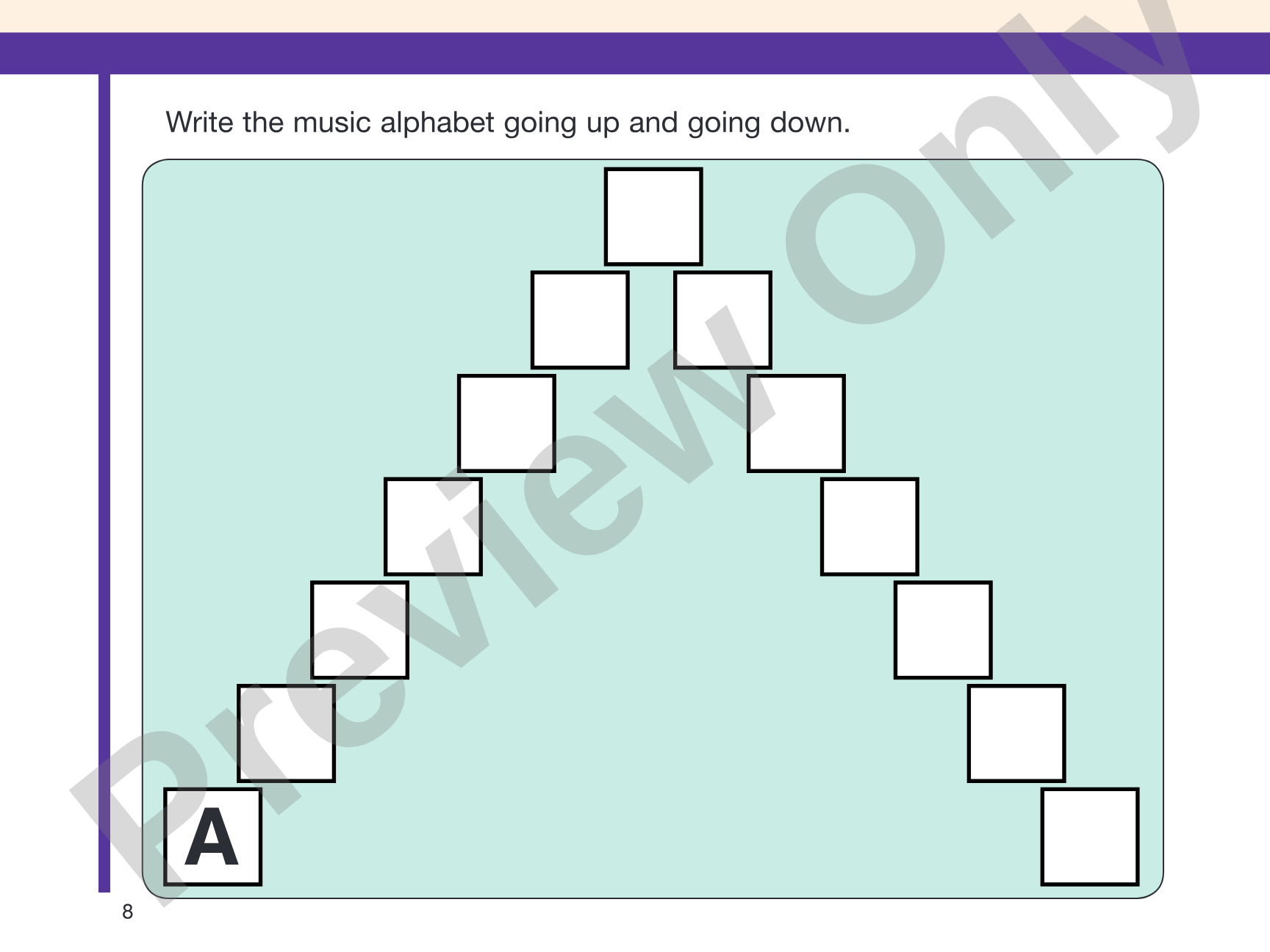
Time to Begin Activities is colorful, cheerful and a delight for students to complete either at the lesson or at home. Activities reinforce reading, rhythm and theory introduced in Time to Begin. Each unit includes at least one game-like activity. As students near the grand staff, note names direction and intervals become an integrated activity.
Discover MakeMusic Cloud: thousands of interactive titles your students can play along with today.
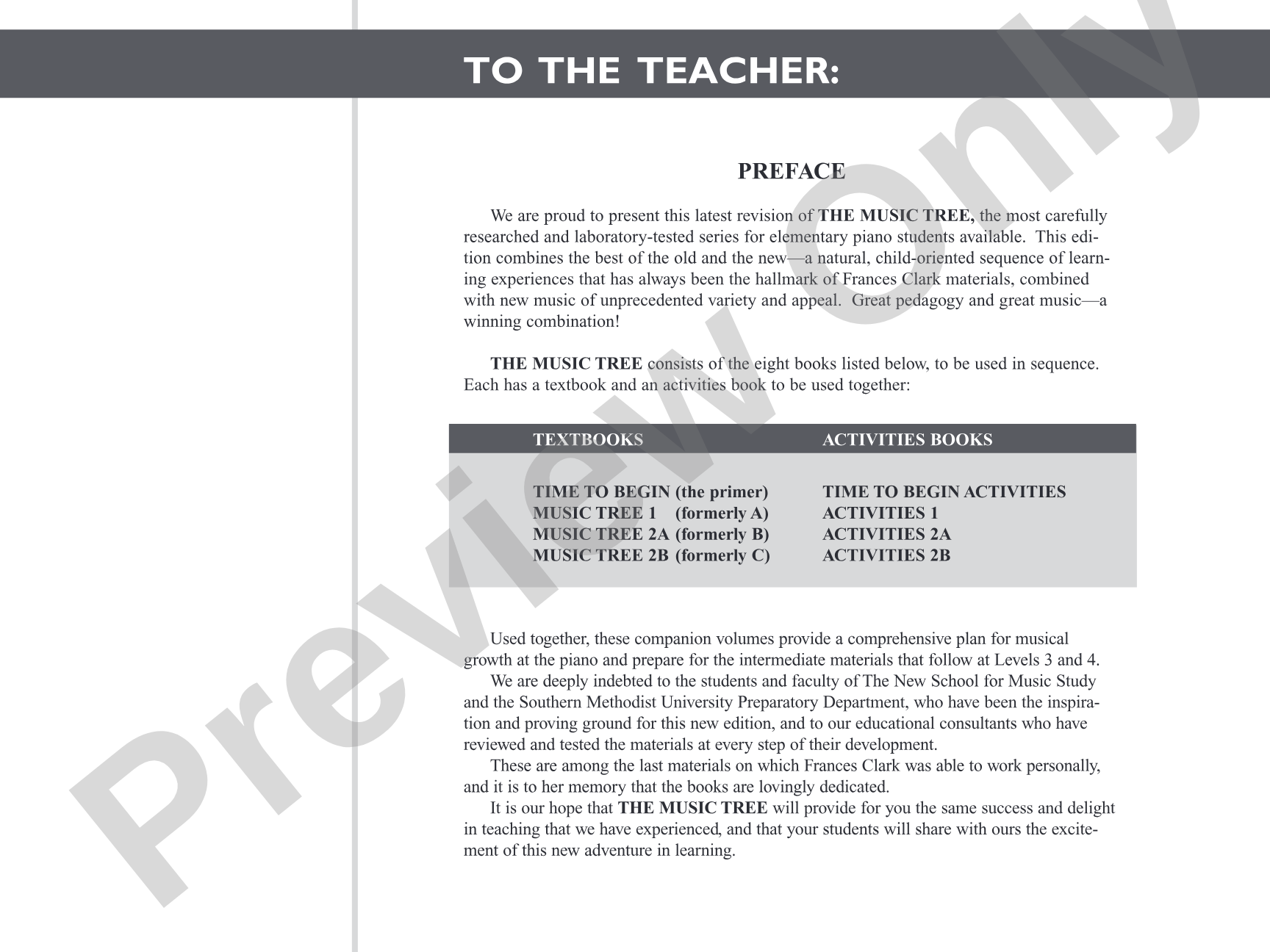
Frances Clark revolutionized piano pedagogy by insisting that young students could engage with serious music concepts without sacrificing joy or creativity. Her research-based approach to sequencing skills and integrating theory with playing fundamentally shaped how beginners learn the instrument, and her influence on contemporary piano instruction remains profound.
Why we love this
These activities transform what could be rote homework into something students actually want to complete. The progression from isolated skill reinforcement to integrated activities mirrors how real musicianship develops, and the game-like structure keeps engagement high without feeling like you're tricking young learners into work.
What to expect
Colorful and inviting, with the kind of visual clarity that makes young students feel capable rather than overwhelmed. The progression from straightforward exercises to interconnected activities mirrors the growing confidence students feel as their reading and rhythmic fluency develop.
Who it's for
Beginning pianists working through the Time to Begin curriculum who benefit from engaging written reinforcement of concepts covered in lessons. These activities work equally well for students completing work at home or during lesson time when you want them actively engaged with notation rather than passively listening.
How to get the most out of it
Assign activities at the lesson right after introducing the corresponding concept in the student book; the immediate reinforcement cements pattern recognition.
Let students choose which activity to complete when multiple options exist in a unit; ownership increases investment in accuracy.
Use the grand staff transition activities as diagnostic checkpoints; they reveal whether students need more time on intervals or direction before moving forward.
How to use it
Assign one activity per week aligned with lesson content to reinforce core skills without creating homework burden. As students approach the grand staff, these activities become valuable diagnostic tools that show you exactly where gaps exist before they affect their sight reading at the keyboard.
Skills your students will build
Note identification on the treble clef
Rhythmic notation and counting in simple meters
Interval recognition and direction
Grand staff navigation
Foundational music theory concepts through applied context
You May Also Like
Scan to Complete Your Purchase
Use your phone's camera to scan the code below
You'll log in on your phone and the order will be added to your account