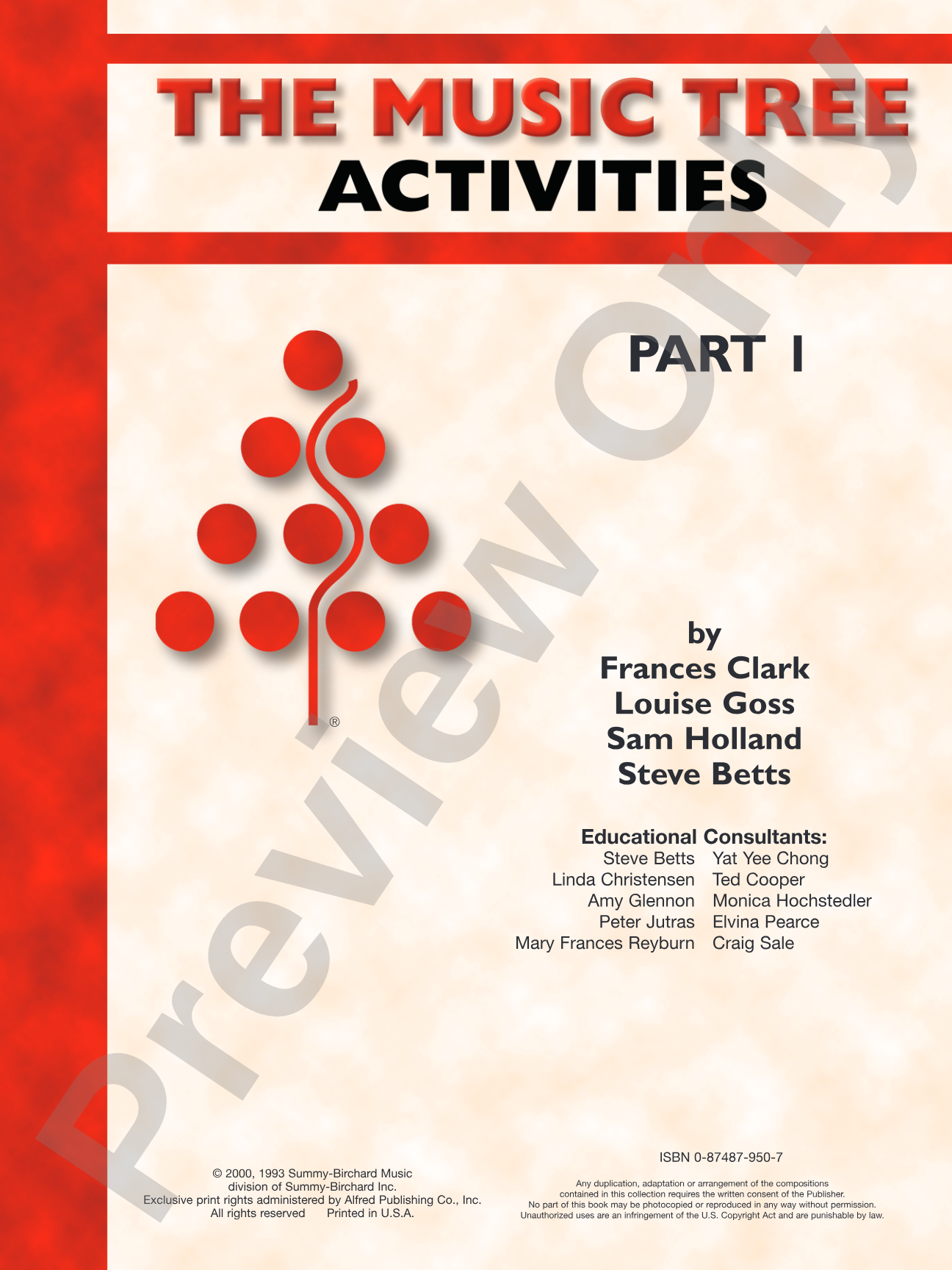
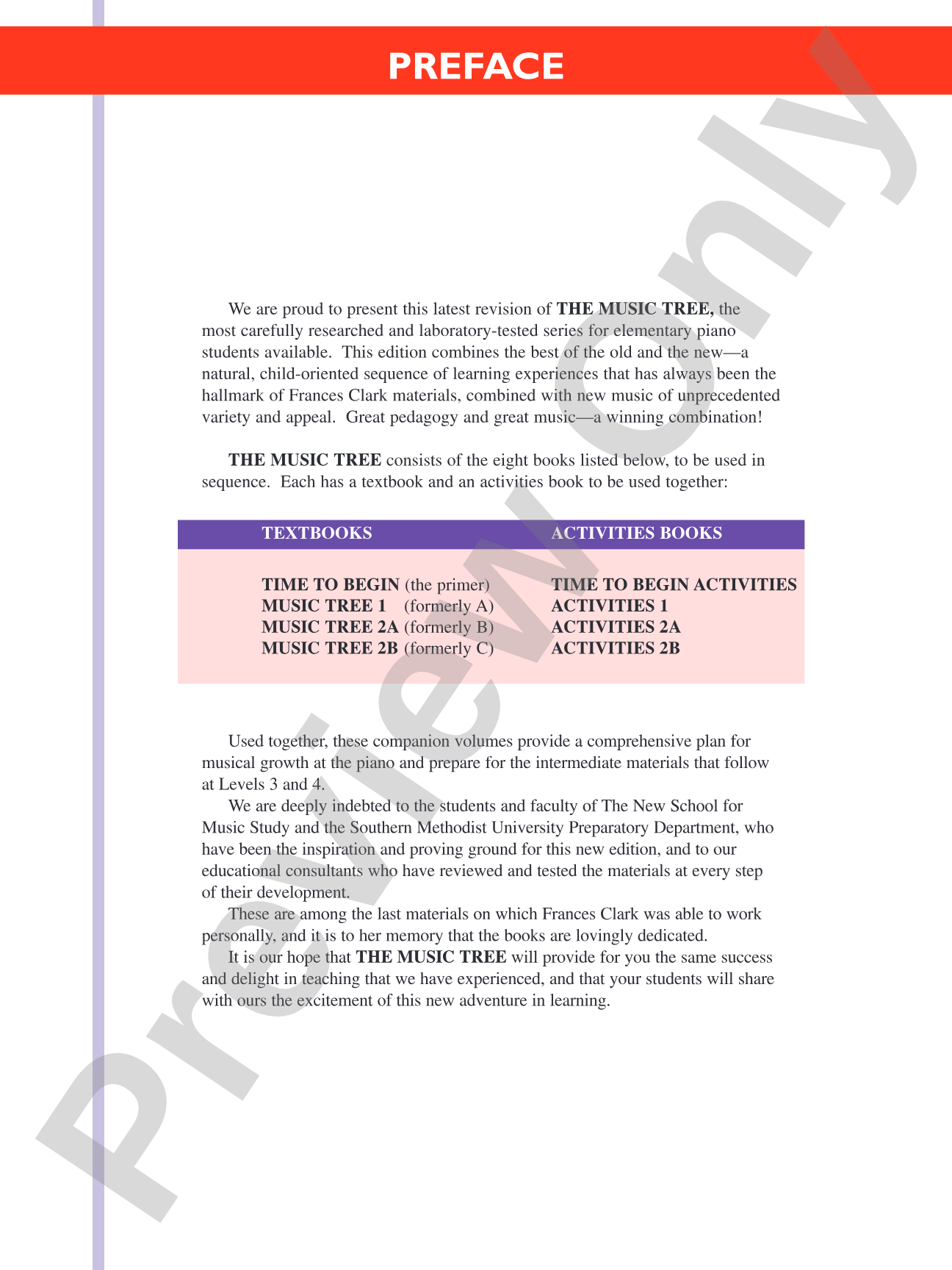
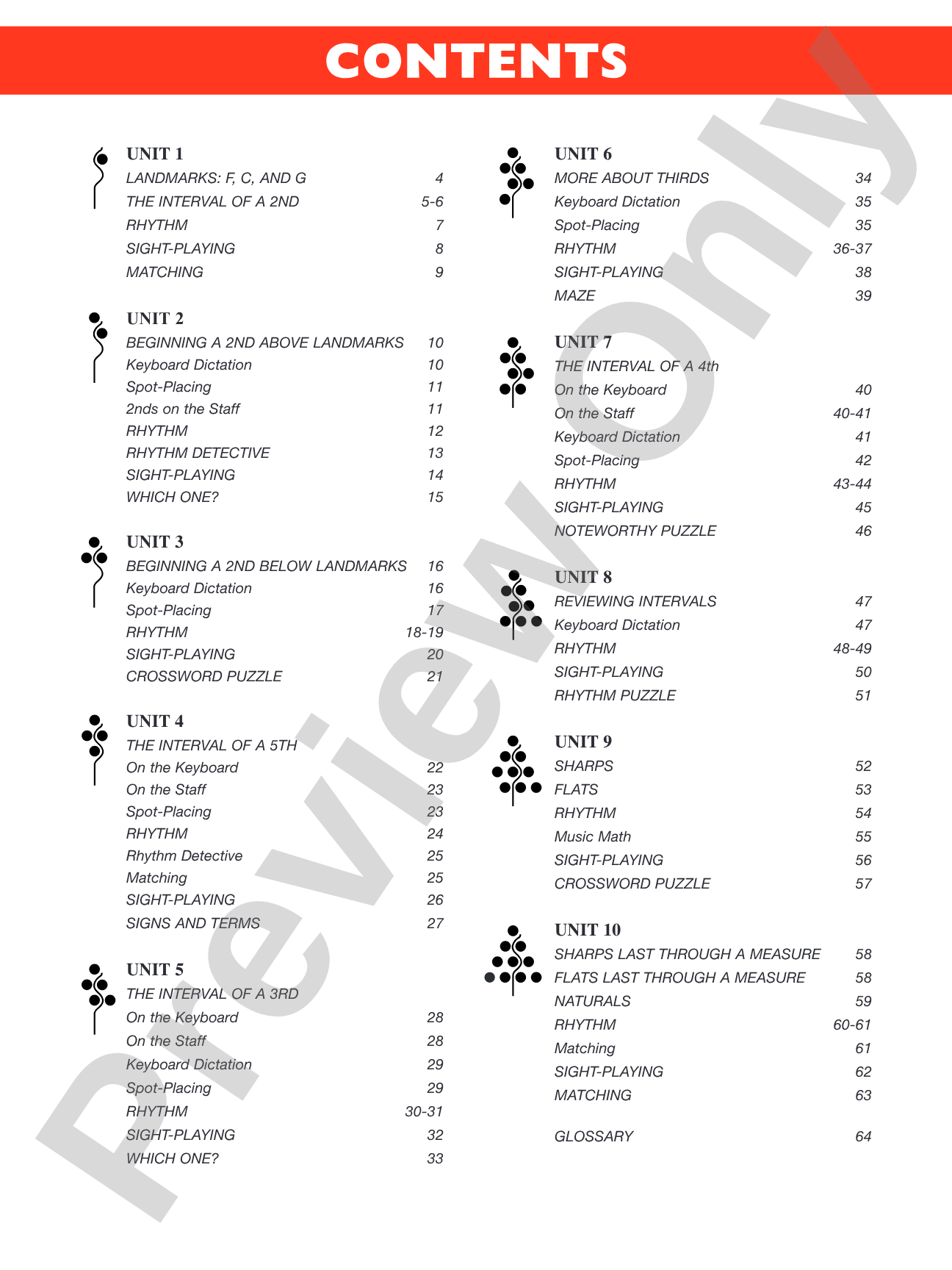
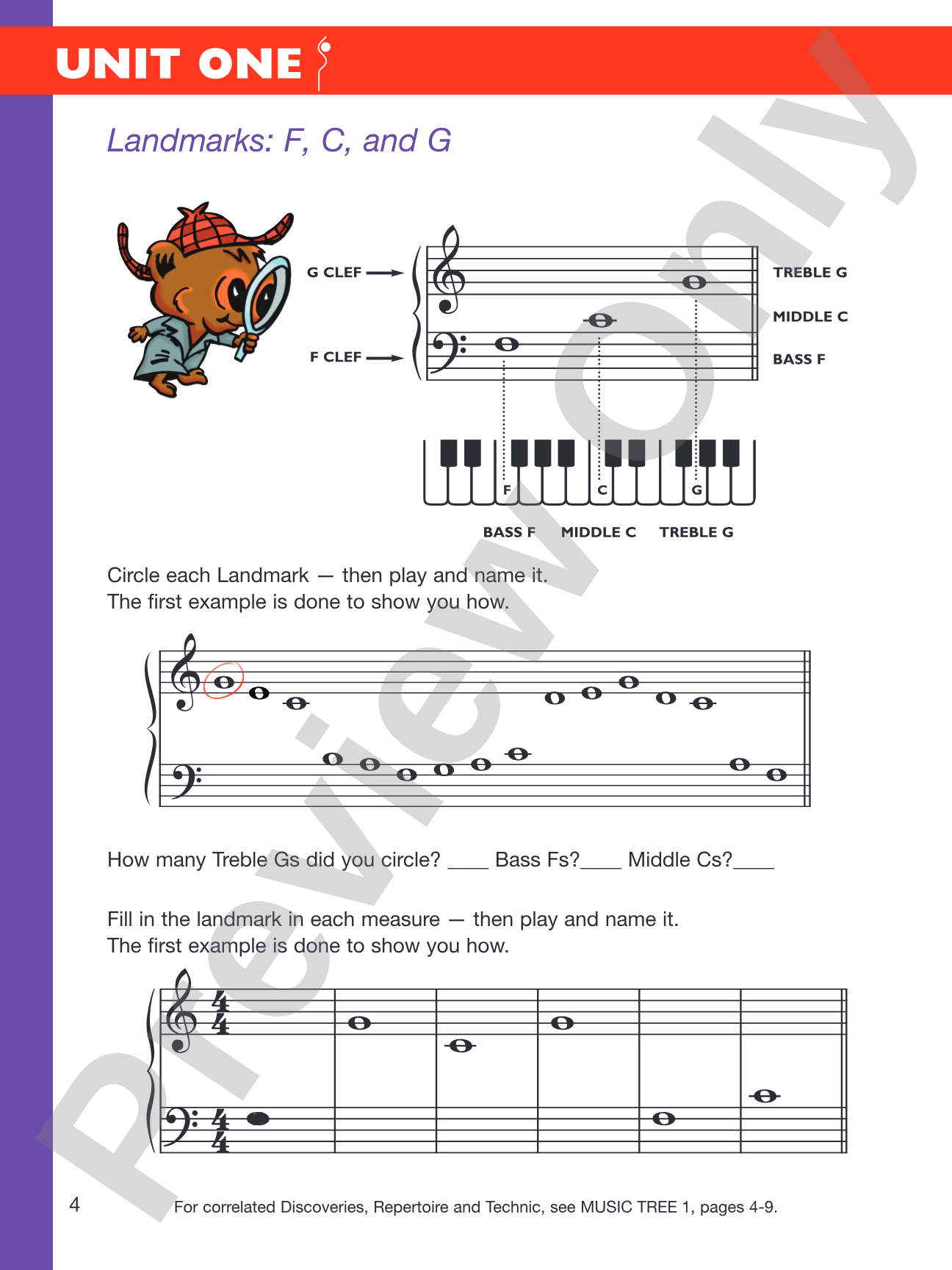
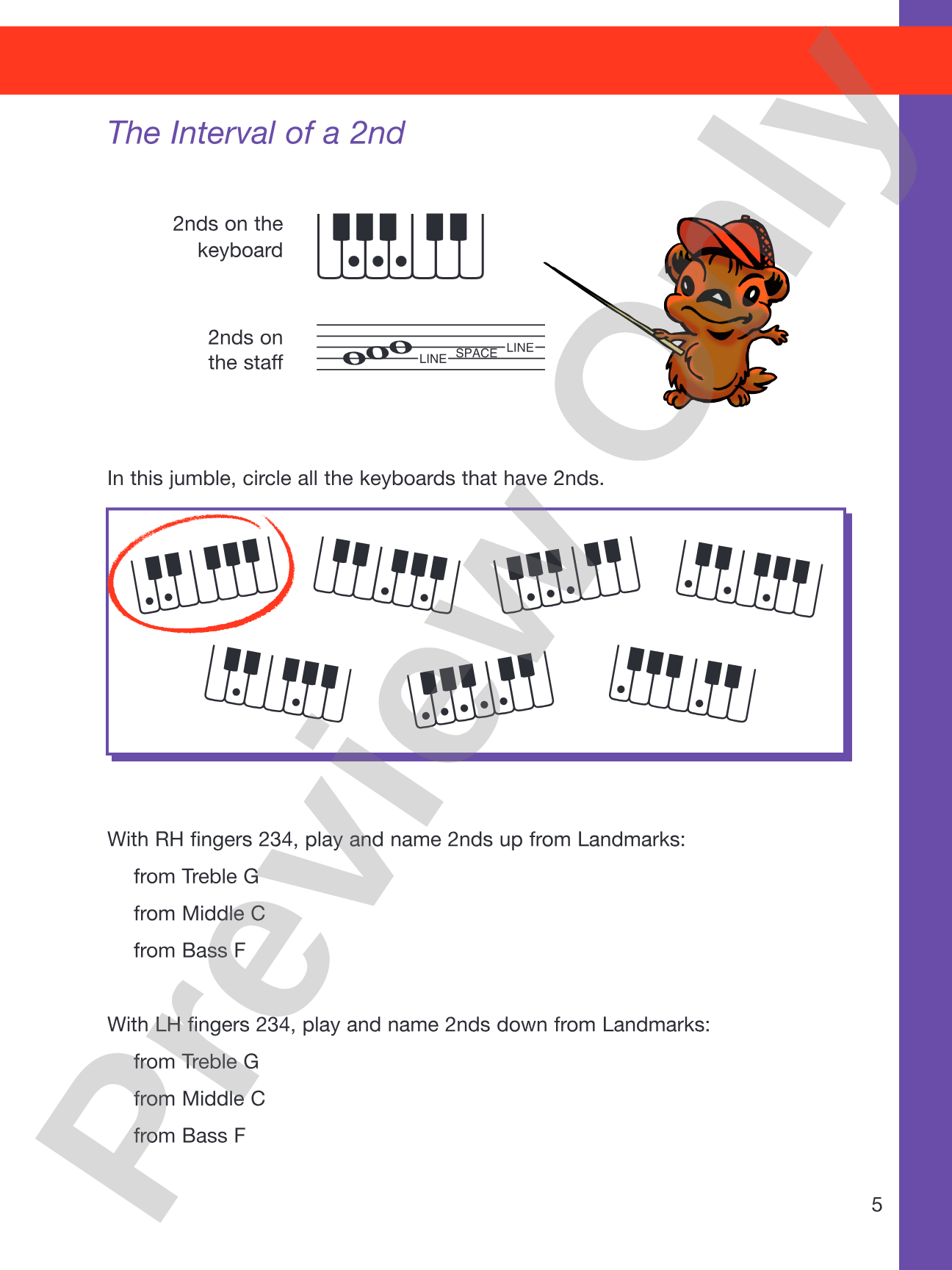
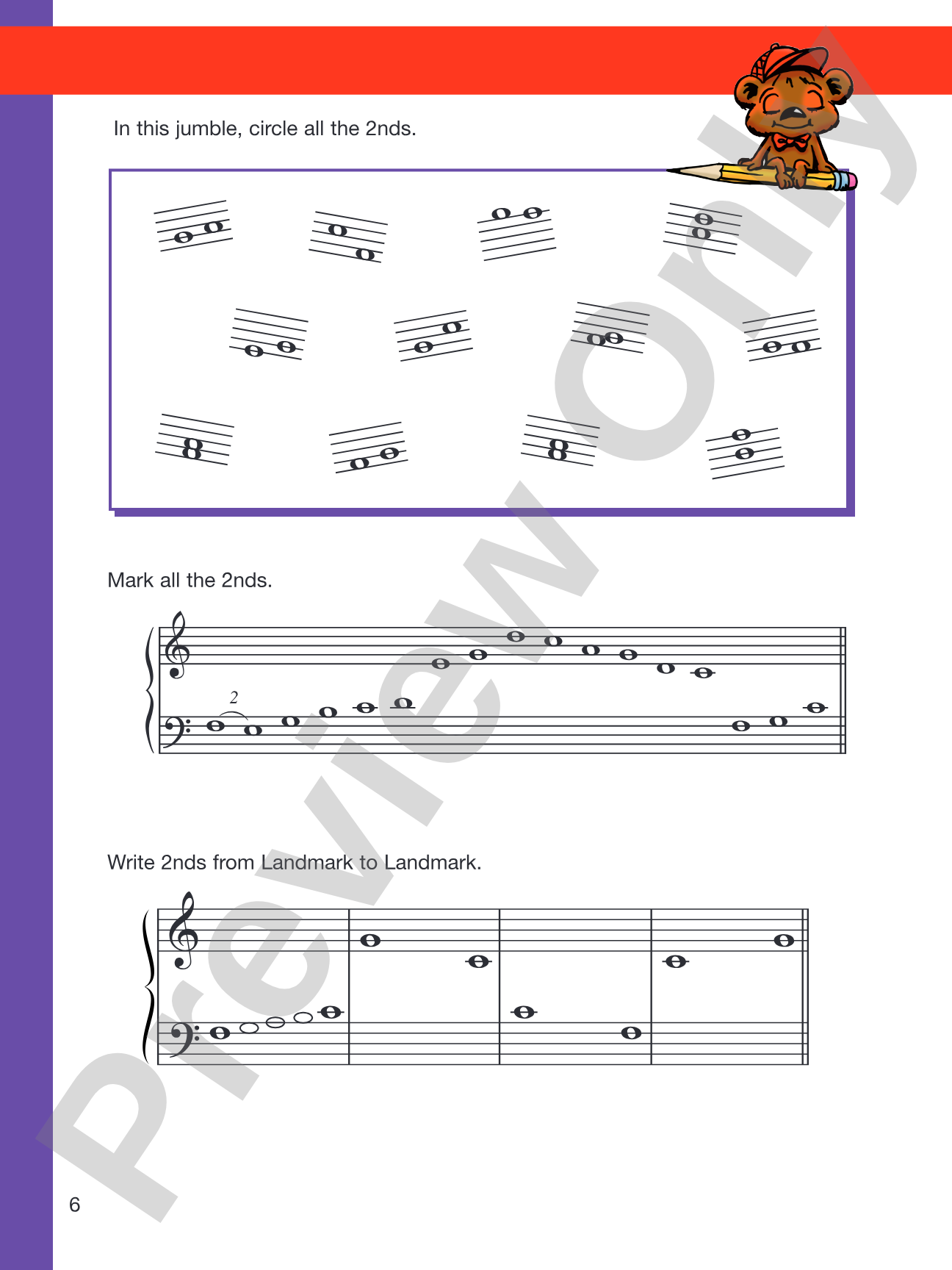
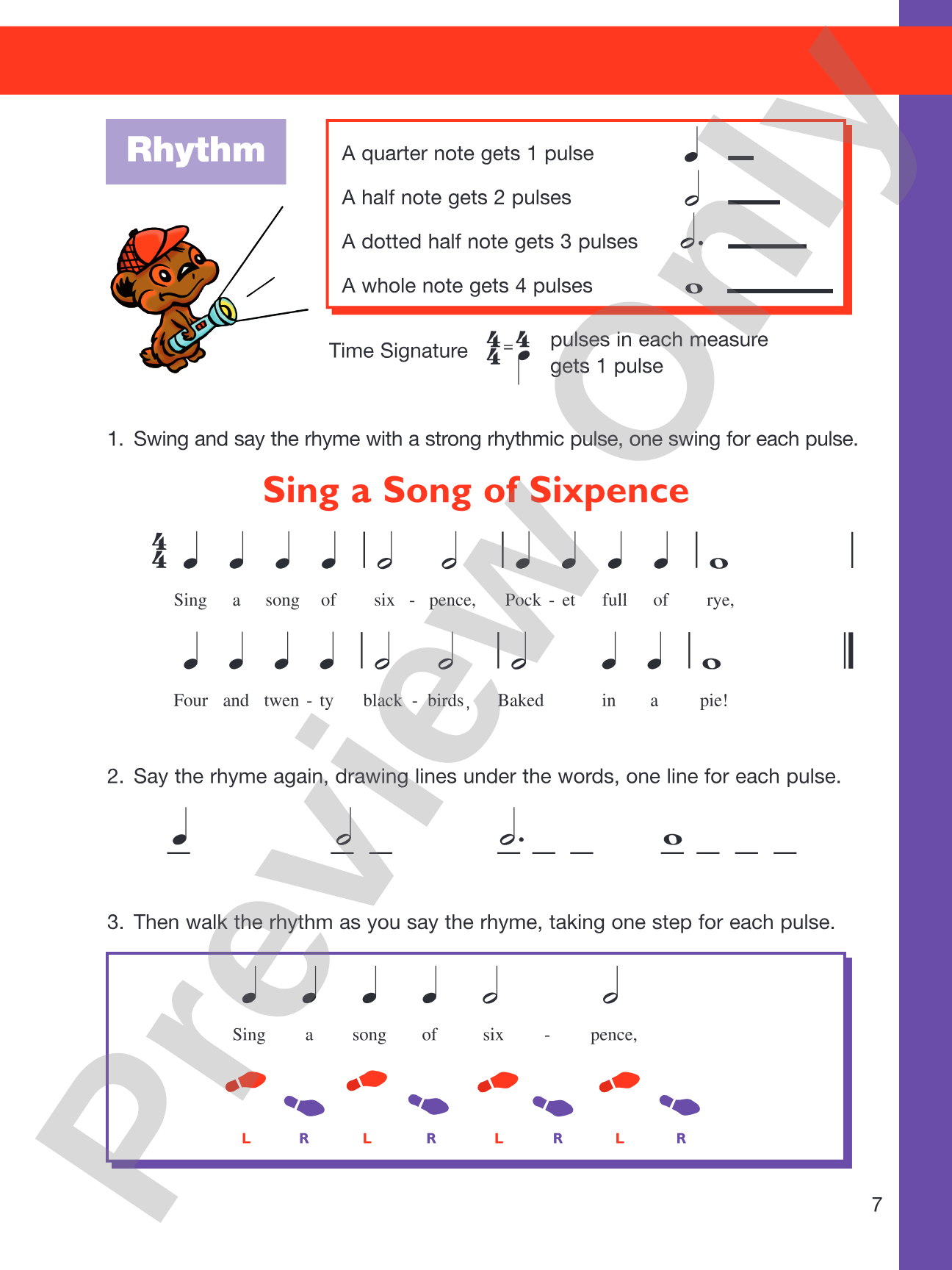
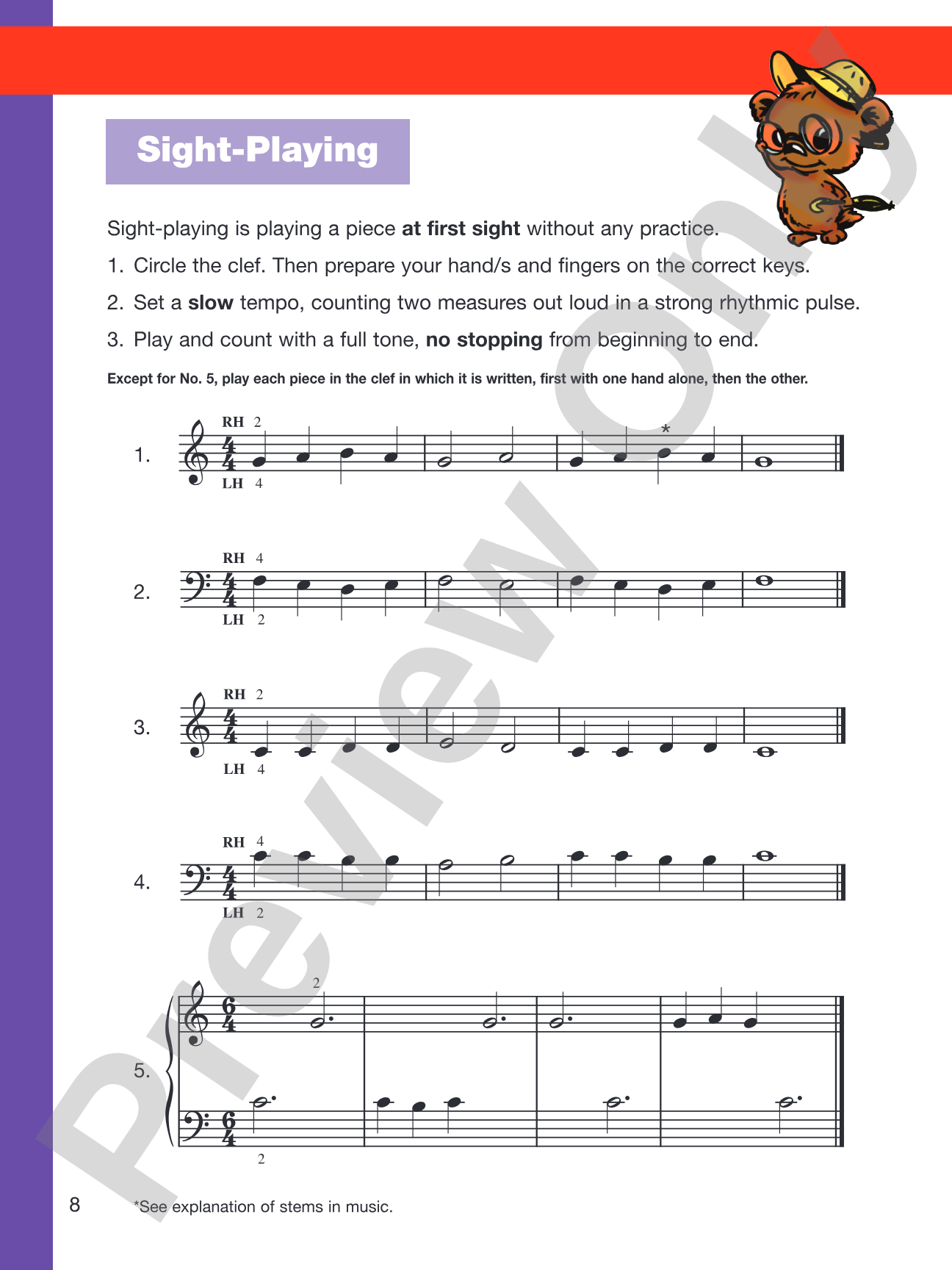
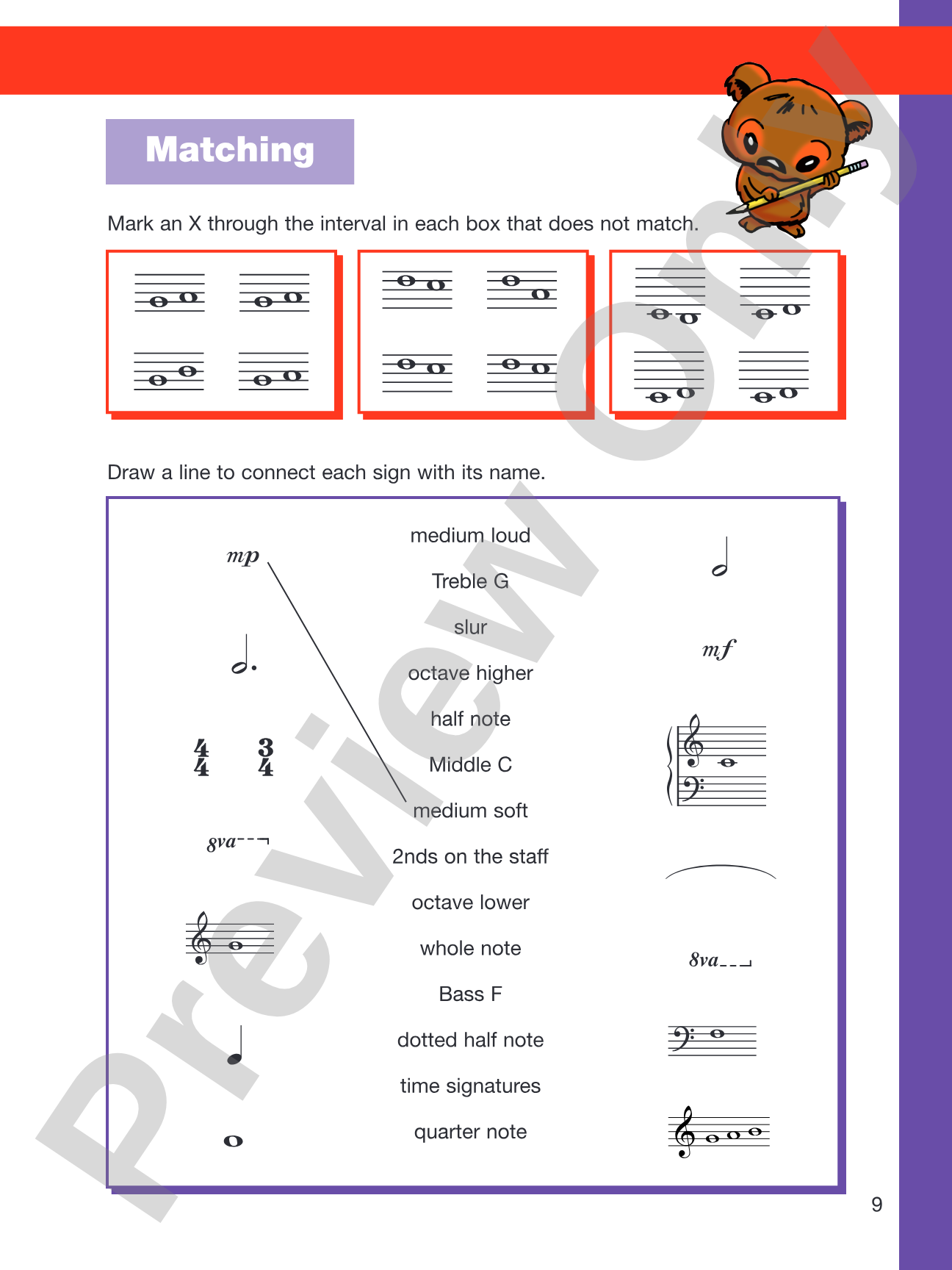
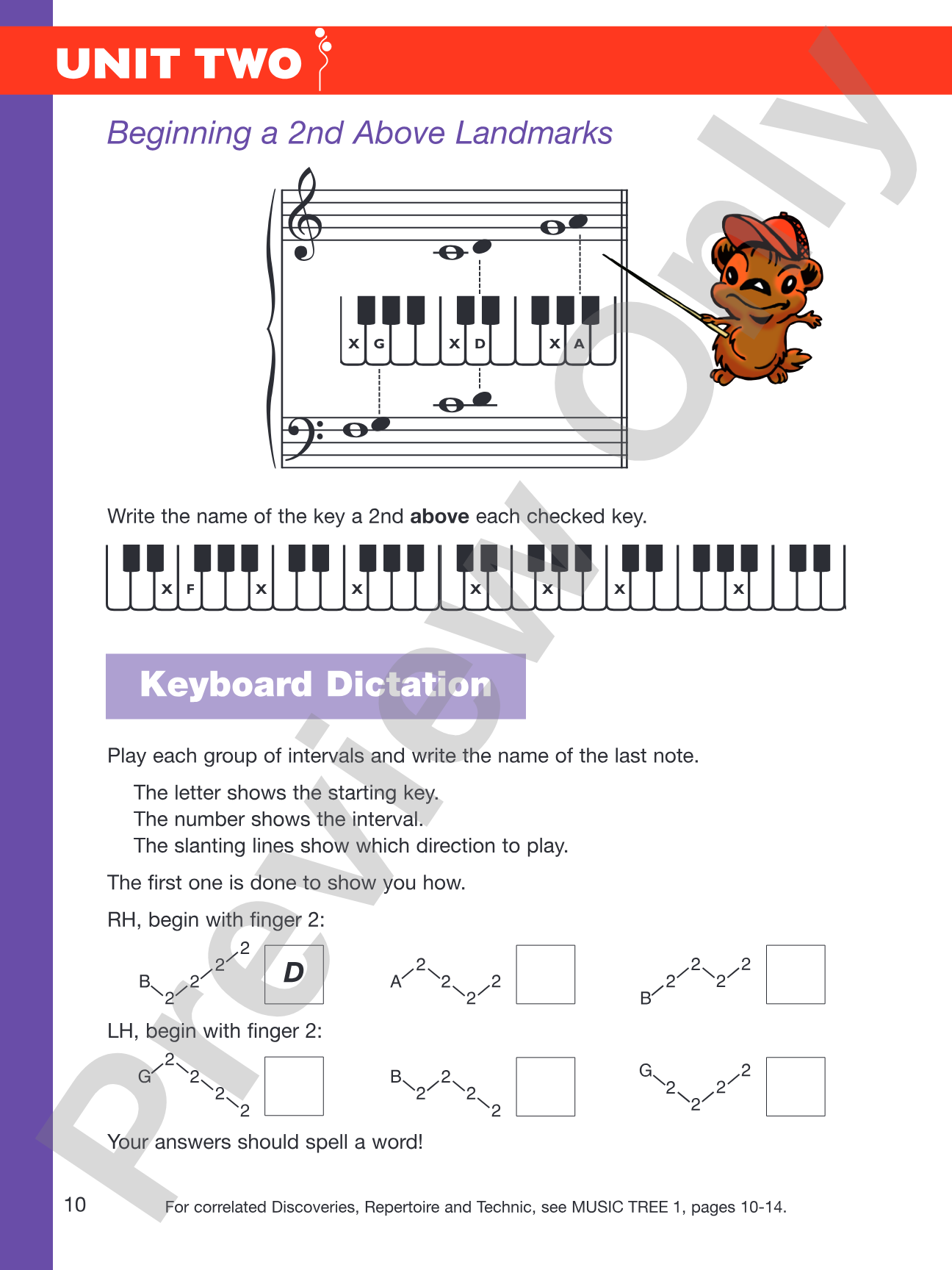
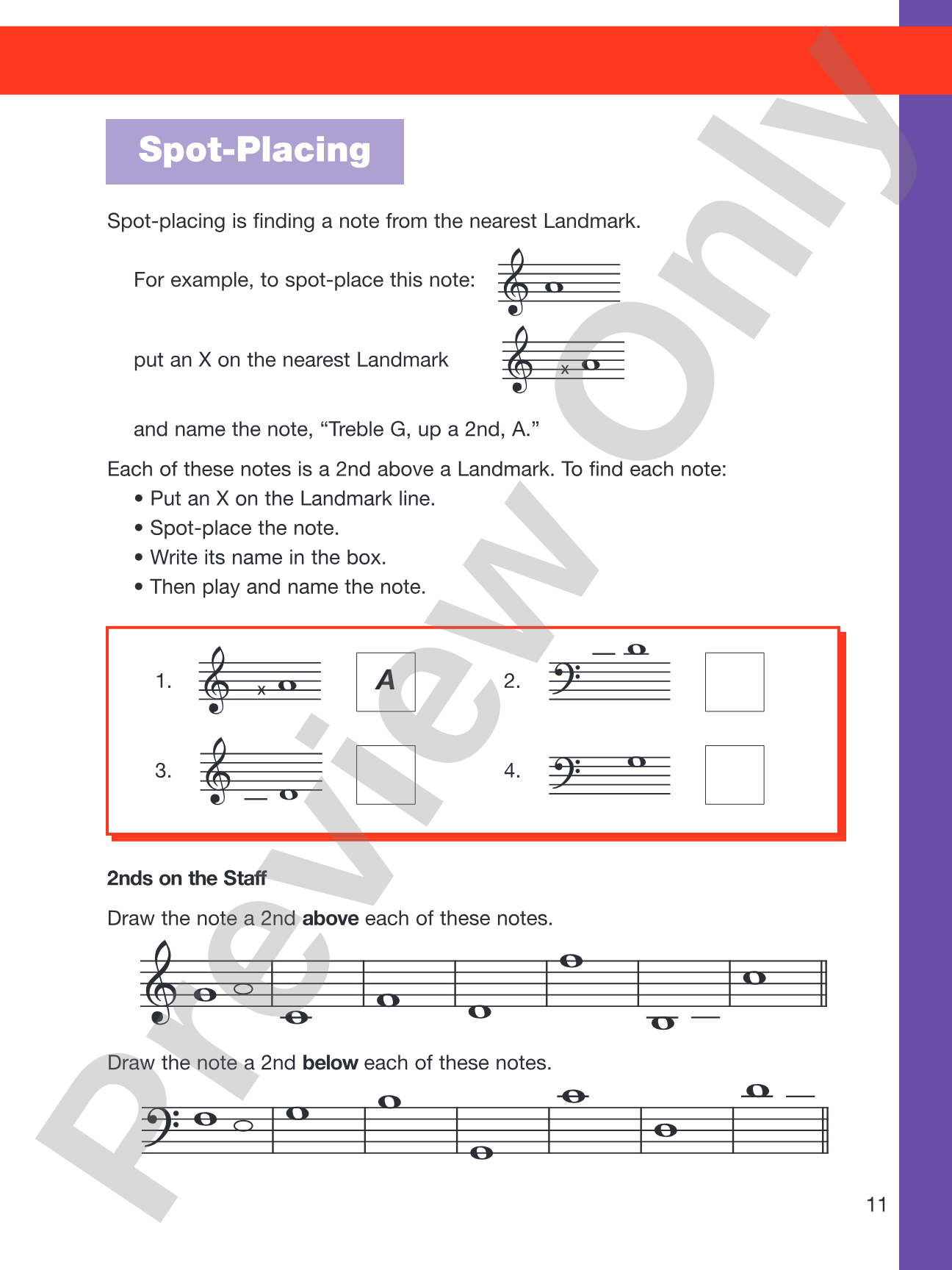
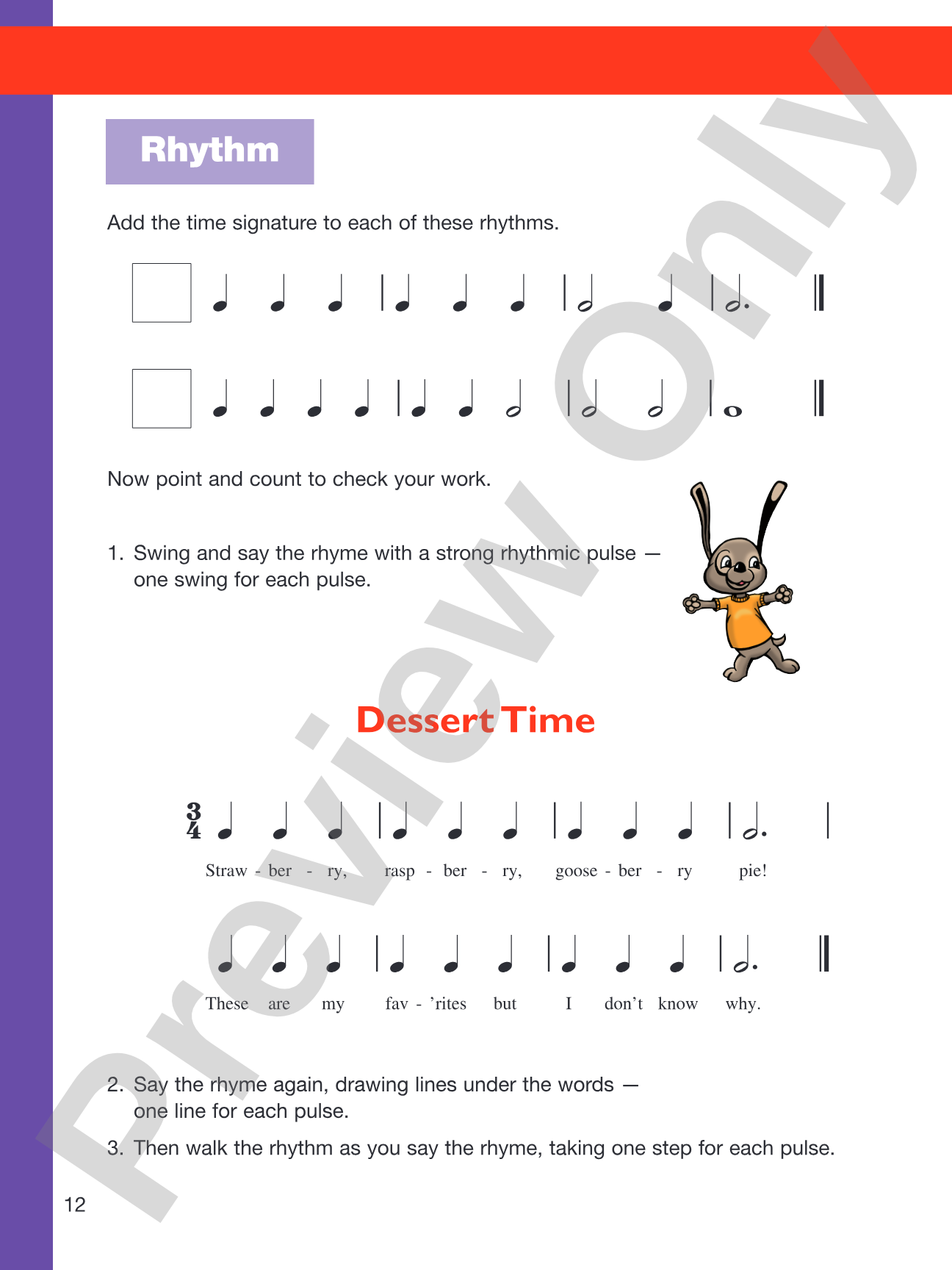
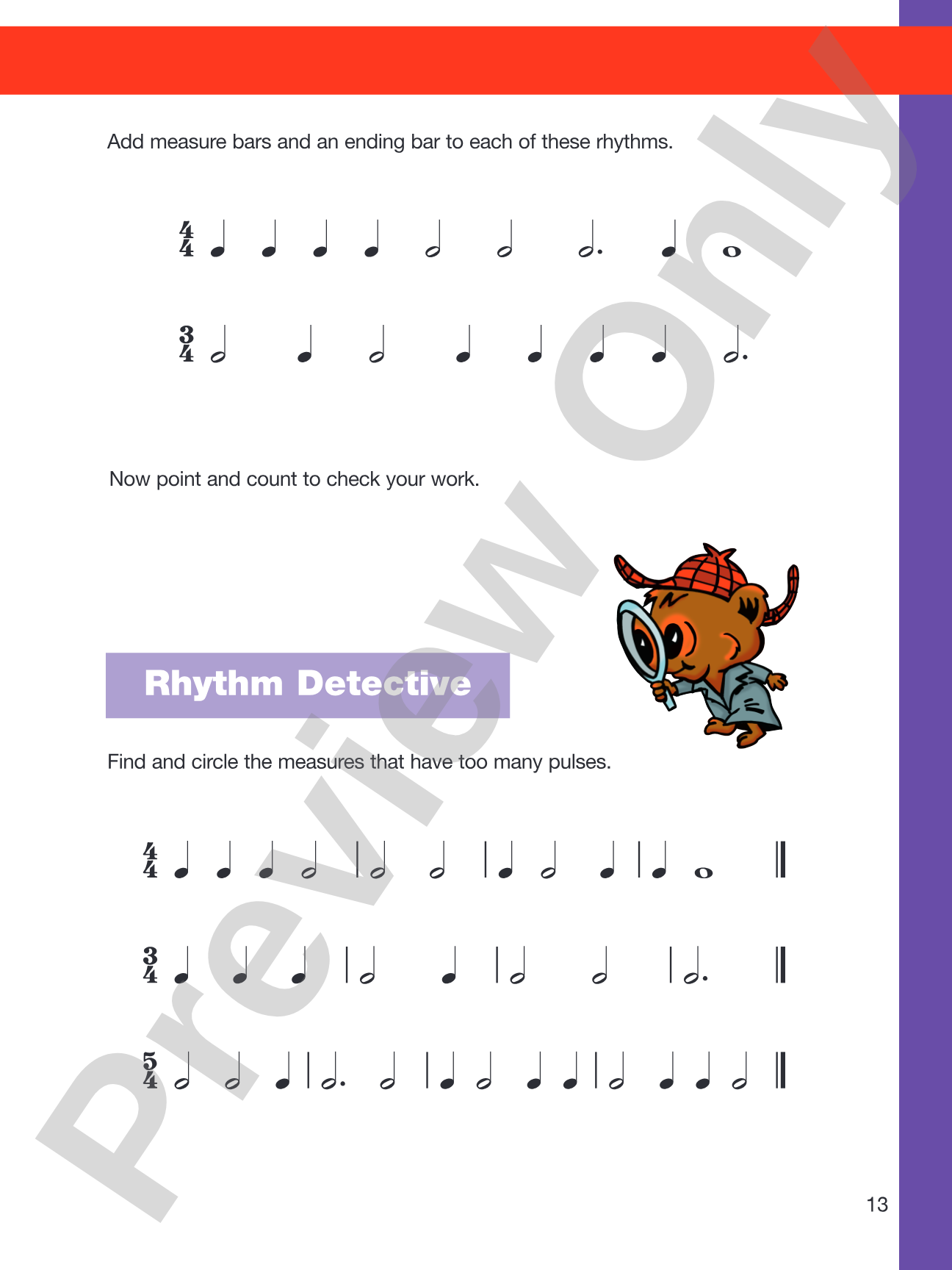
The Activities books are closely correlated, unit-by-unit with the Music Tree series. They provide extensive reinforcement in all the new Music Tree discoveries, plus they offer an exciting new program of sight-playing, guaranteed to develop successful sight-readers from the start.
Discover MakeMusic Cloud: thousands of interactive titles your students can play along with today.
Frances Clark stands as a pioneering force in elementary piano pedagogy, fundamentally reshaping how young students encounter music at the keyboard. Her methodological innovations prioritized understanding over rote memorization, encouraging children to discover musical principles through structured exploration rather than passive instruction.
Why we love this
This Activities book does the heavy lifting that transforms passive lesson learning into genuine musical independence. The unit-by-unit correlation with the core Music Tree method keeps reinforcement targeted and purposeful, while the sight-playing program embedded throughout builds confident readers from day one without ever feeling like drilling.
What to expect
The activities maintain the Music Tree's characteristic blend of discovery and structure. Students encounter fresh musical problems to solve rather than repetitive exercises, making practice feel like exploration rather than obligation.
Who it's for
This book serves early elementary pianists who need systematic reinforcement beyond their lesson material. Teachers using the Music Tree method will find these activities indispensable for students who benefit from additional practice opportunities between lessons.
How to get the most out of it
Assign activities sequentially rather than jumping ahead; each exercise builds prerequisite understanding for what follows.
Use the sight-playing exercises as a warm-up routine, rotating through different pages to maintain variety without sacrificing consistency.
Balance written work with immediate keyboard application; have students complete an activity, then play through related passages in their lesson book within the same session.
How to use it
Assign activities as home practice assignments tied directly to each week's lesson objectives. The sight-playing component works exceptionally well as a foundation-building tool during the first year of study, preventing sight-reading anxiety before it develops.
Skills your students will build
Sight-reading at the keyboard
Note identification on the staff
Rhythmic notation and counting
Interval recognition and application
Reinforcement of concepts introduced in the core Music Tree lesson book
You May Also Like
Scan to Complete Your Purchase
Use your phone's camera to scan the code below
You'll log in on your phone and the order will be added to your account