
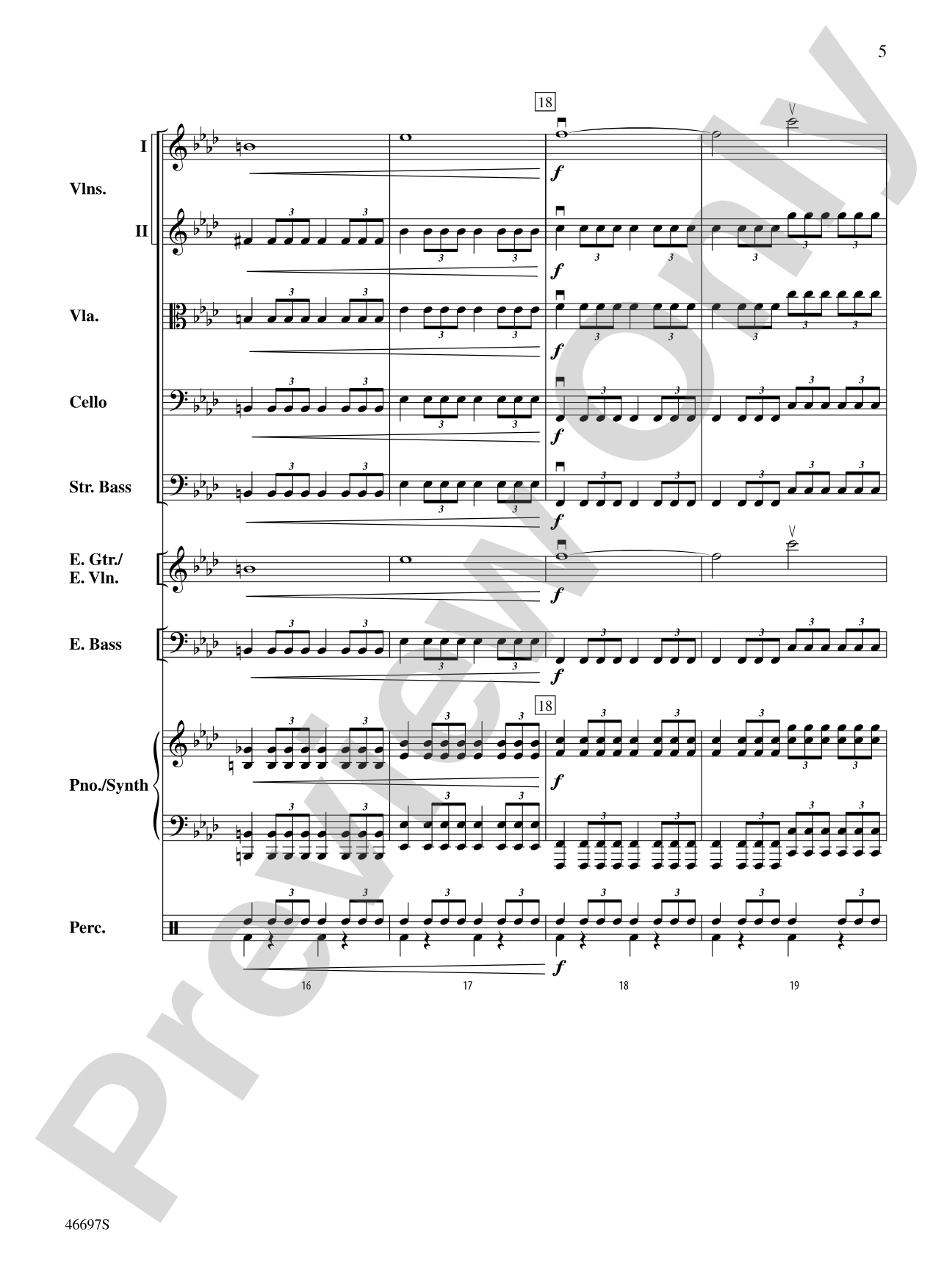
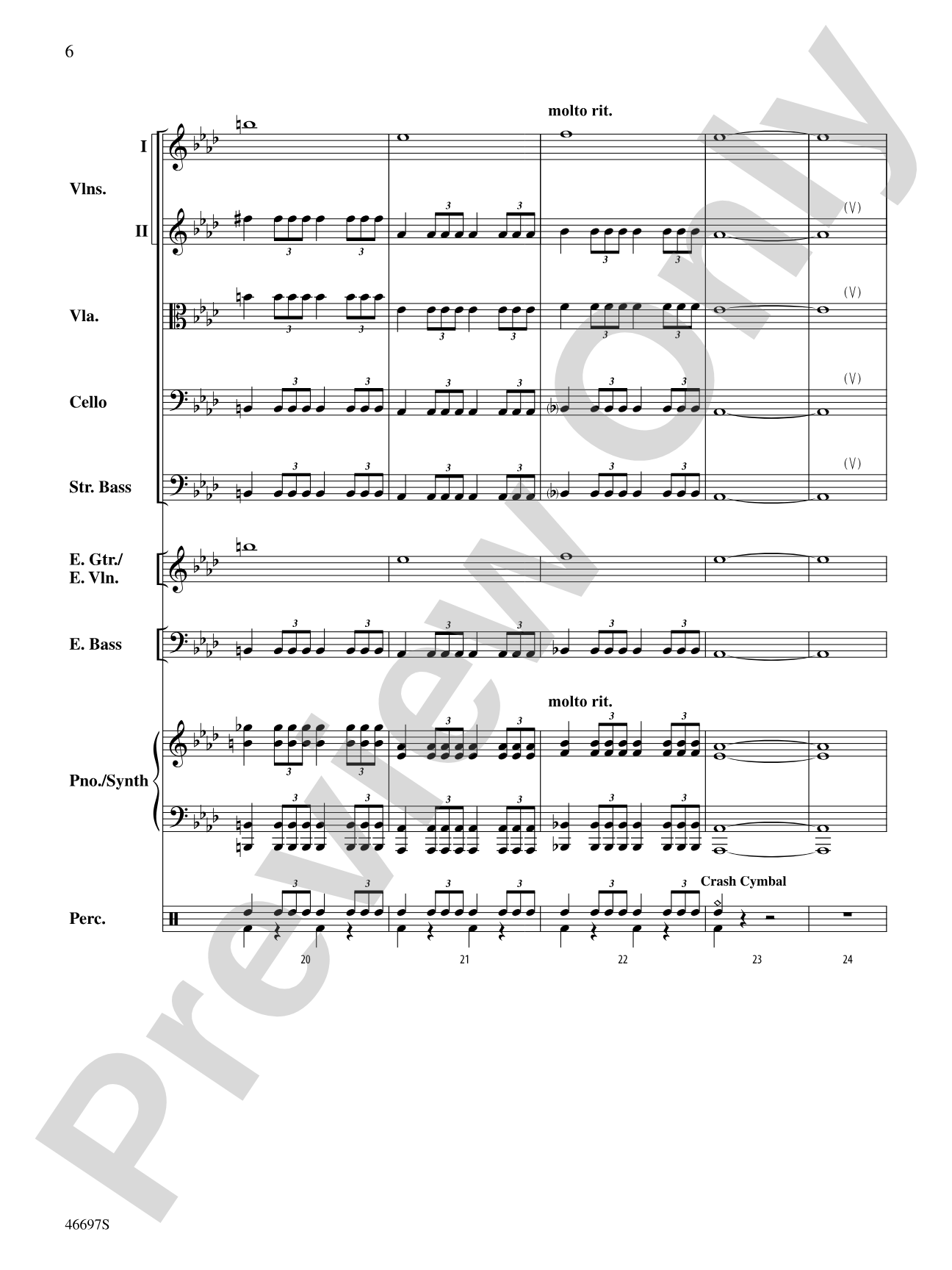
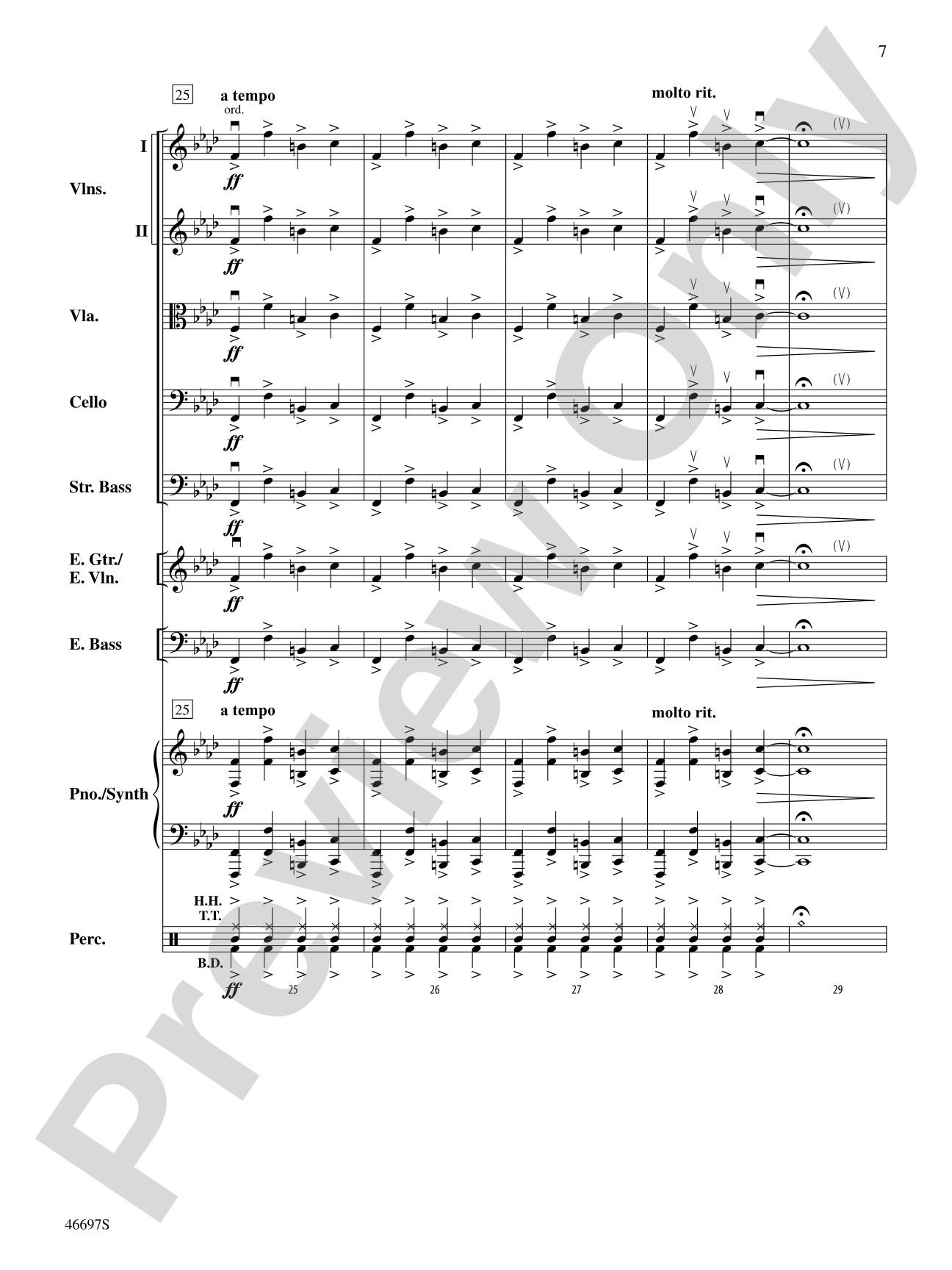
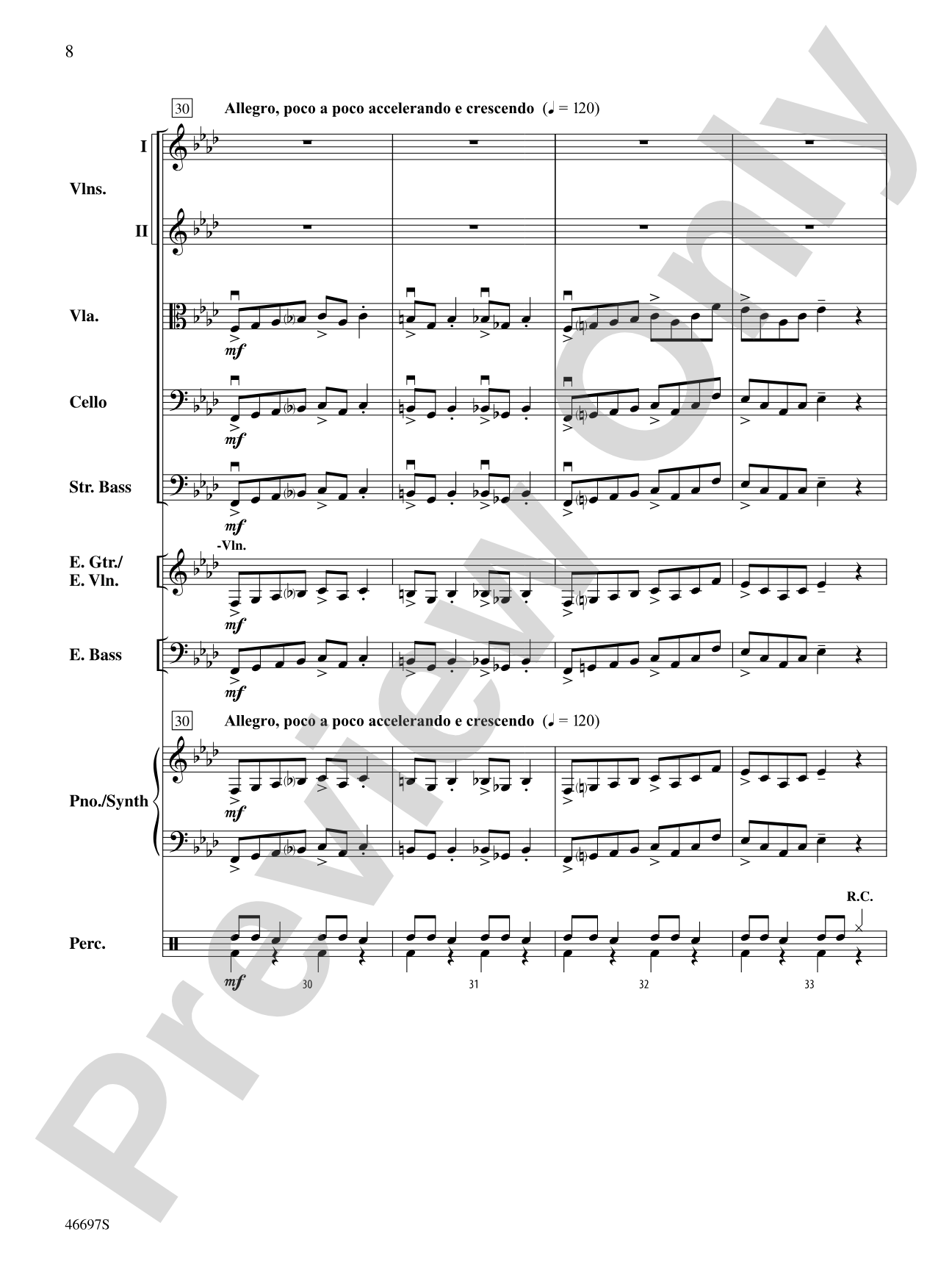
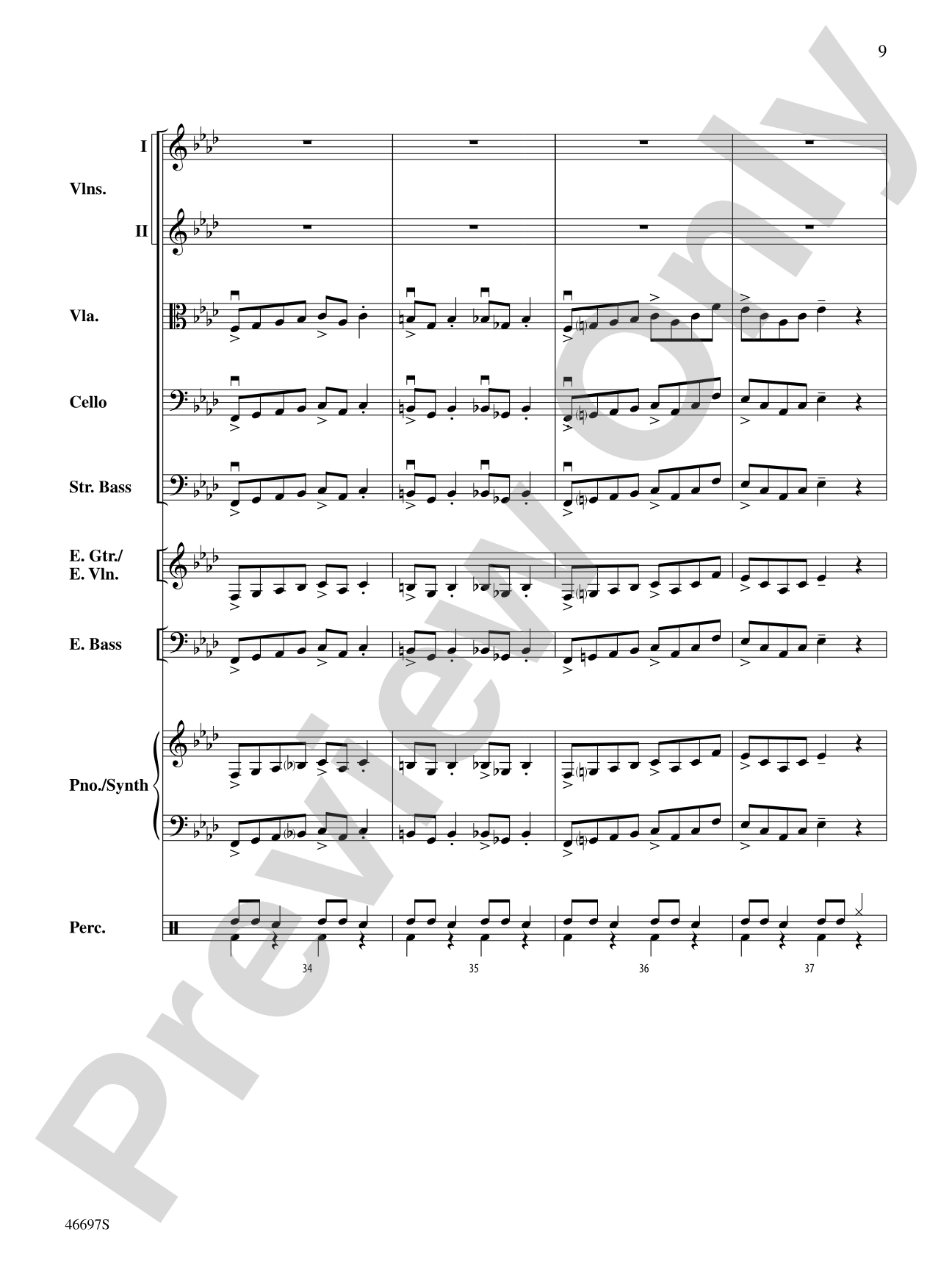
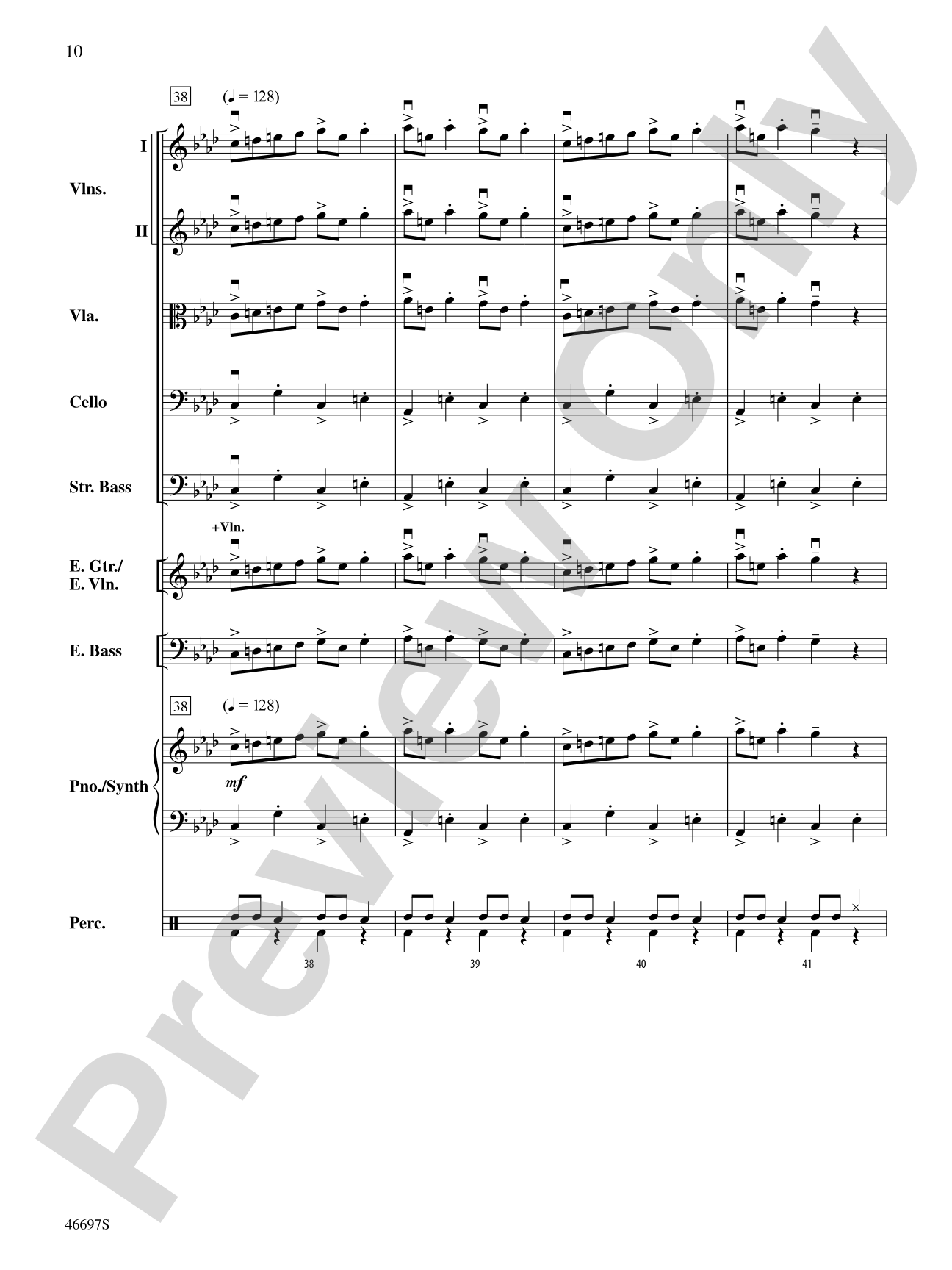
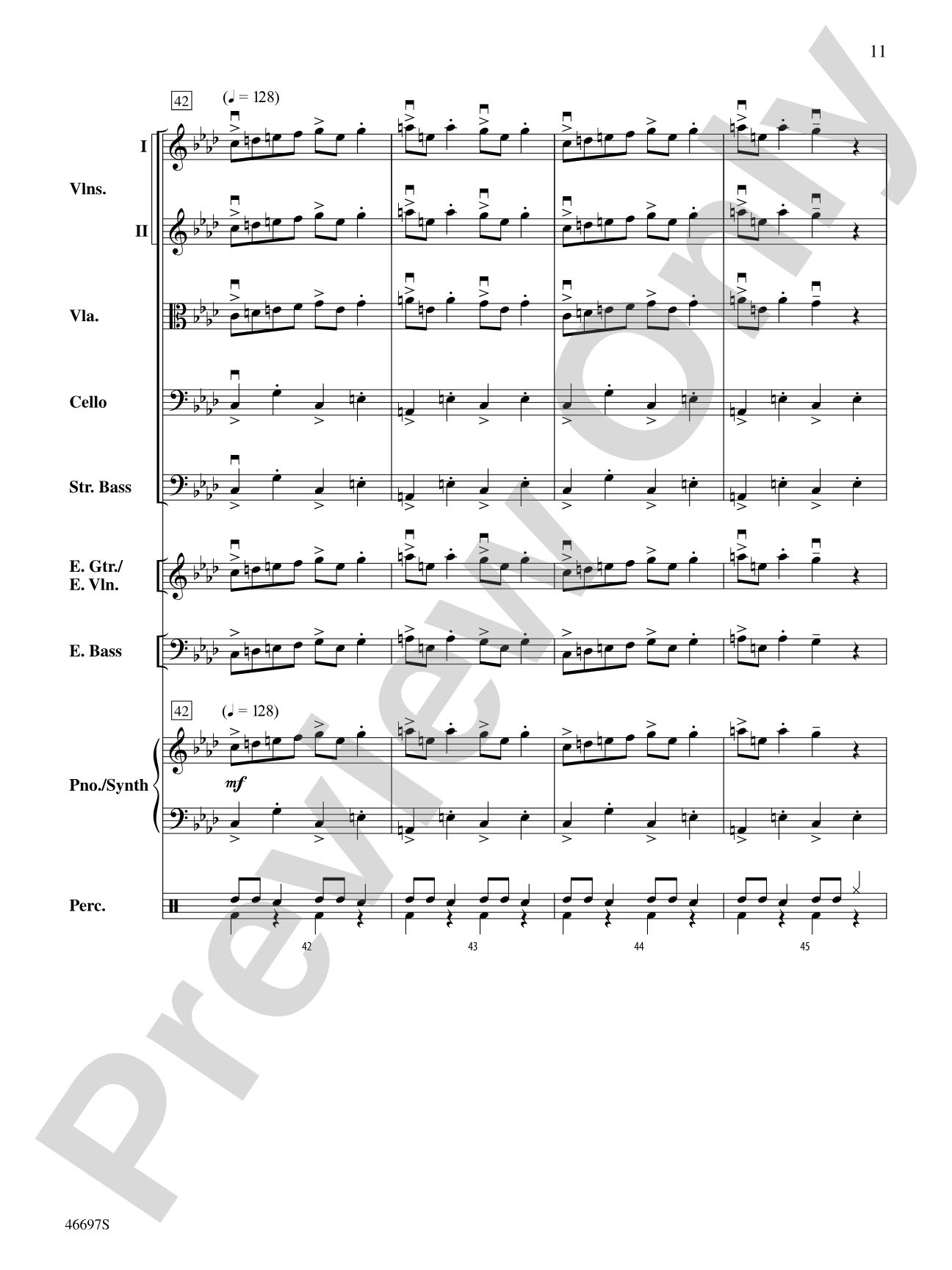
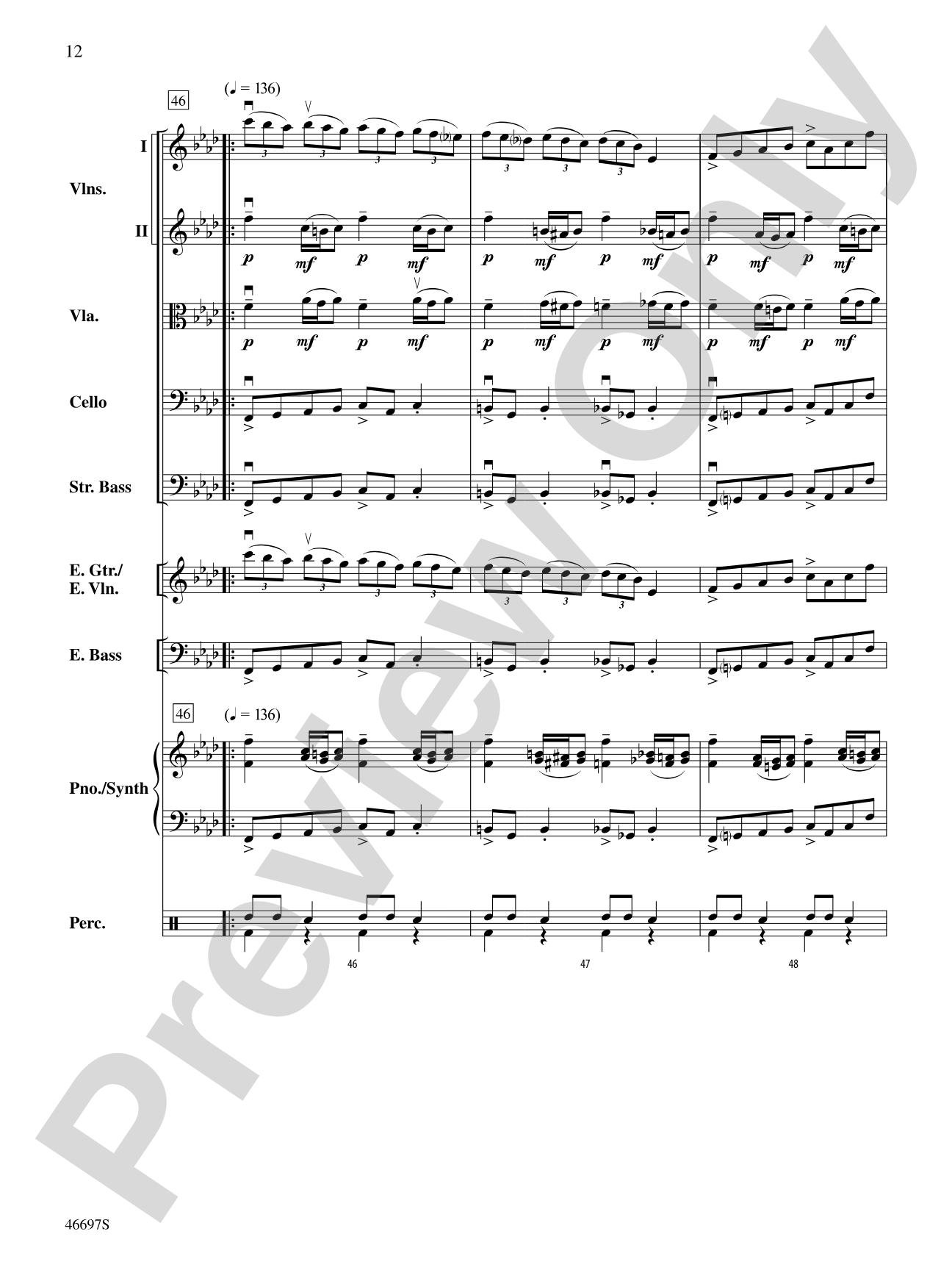
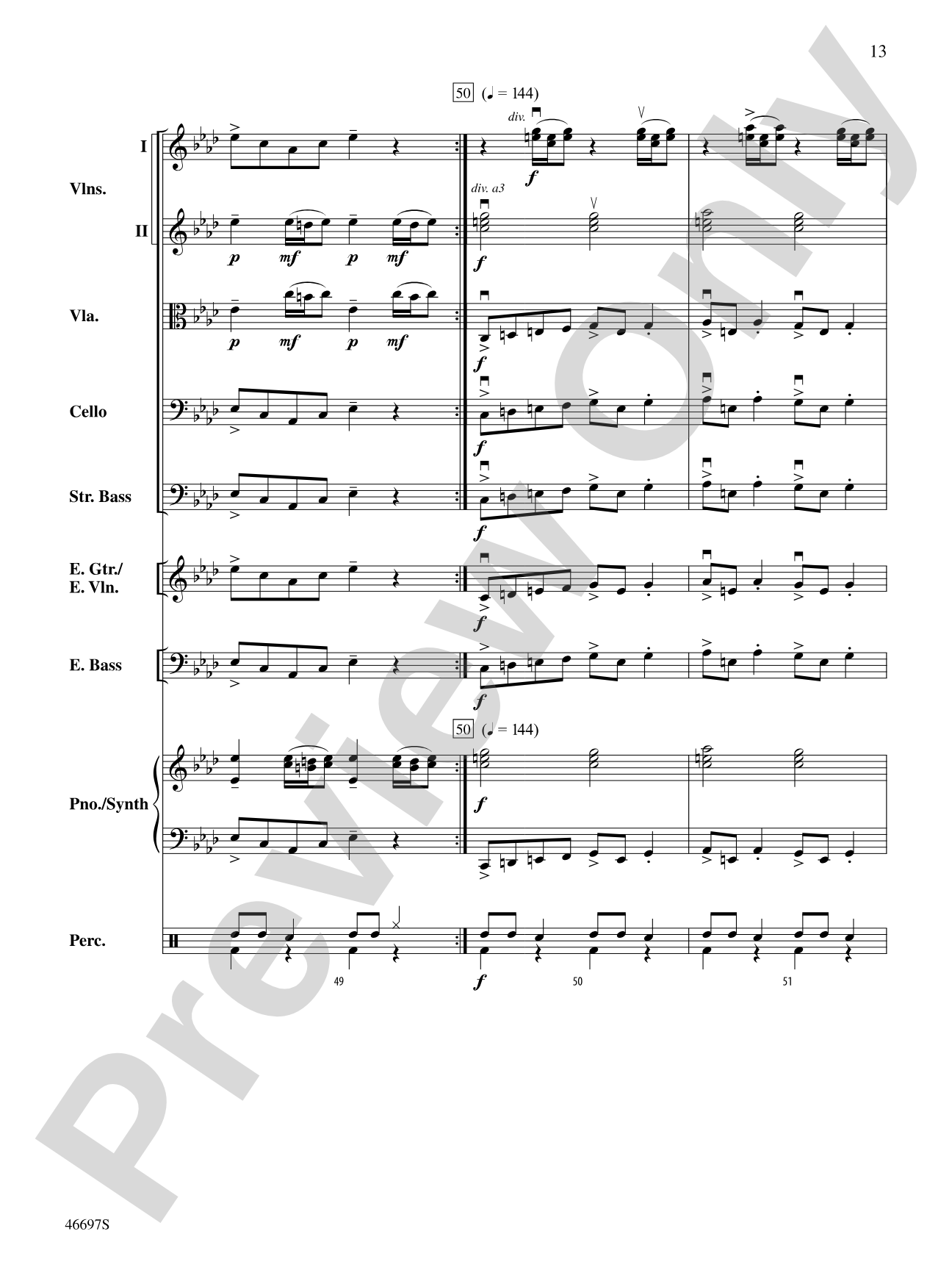
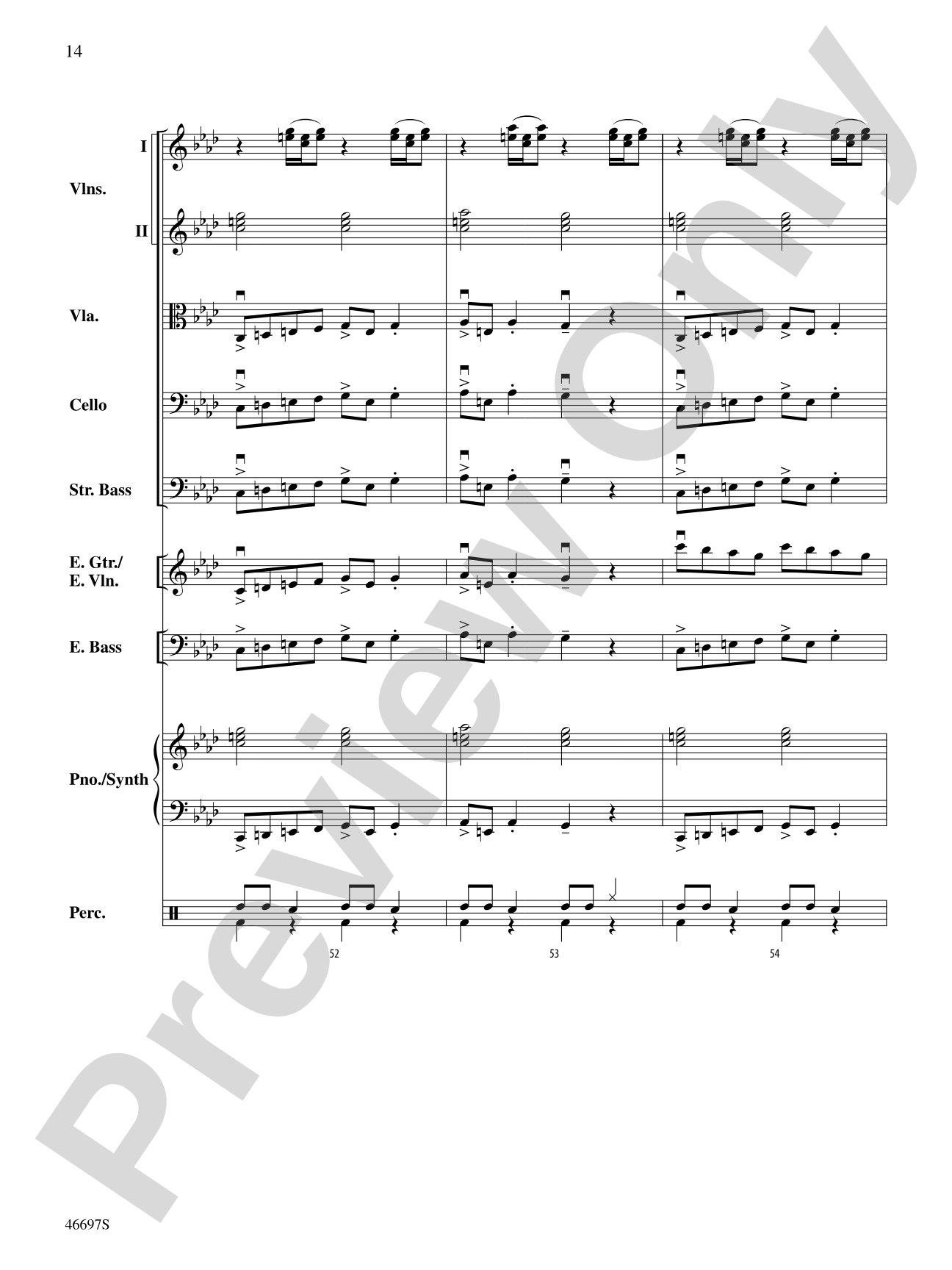
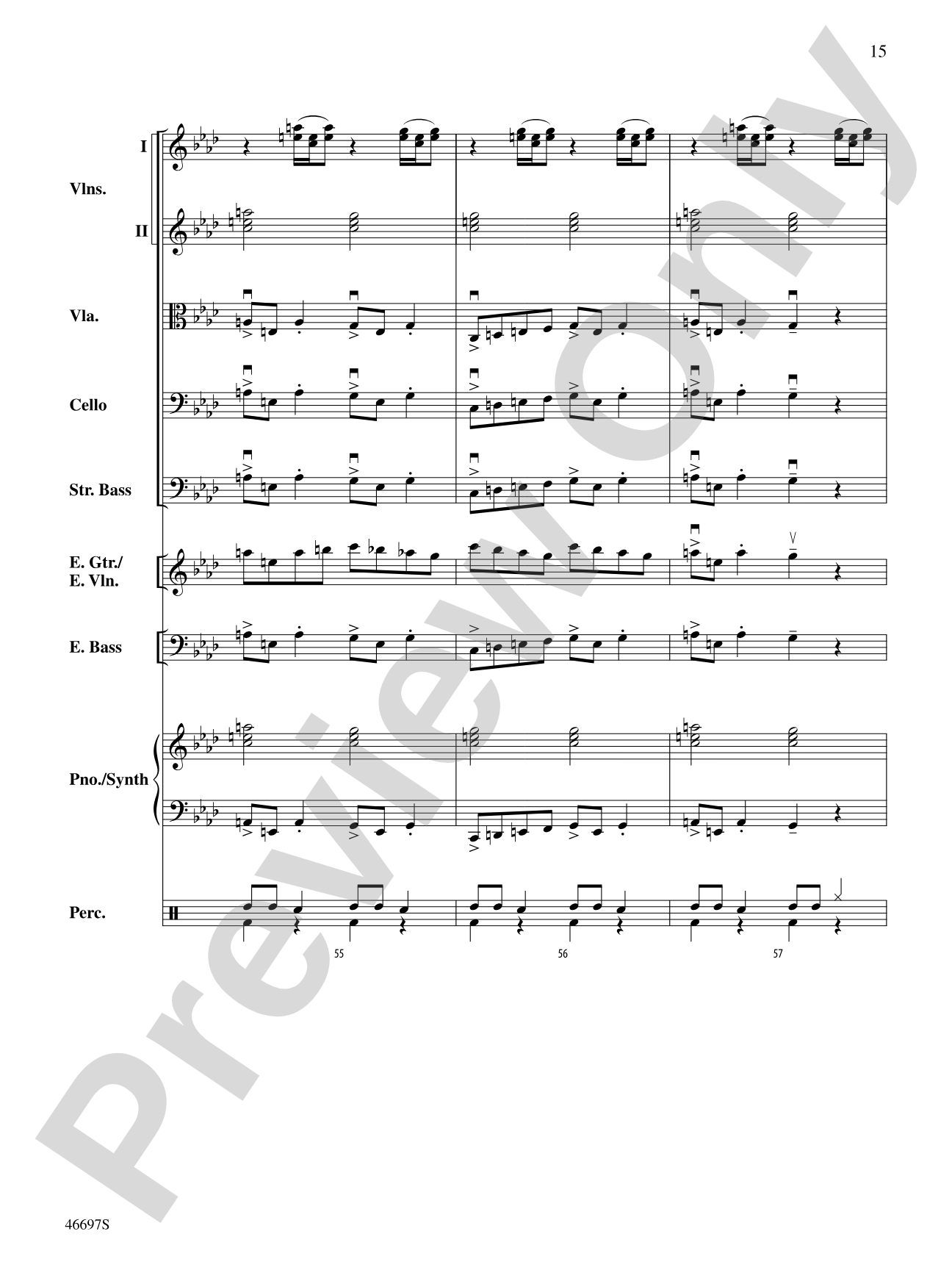
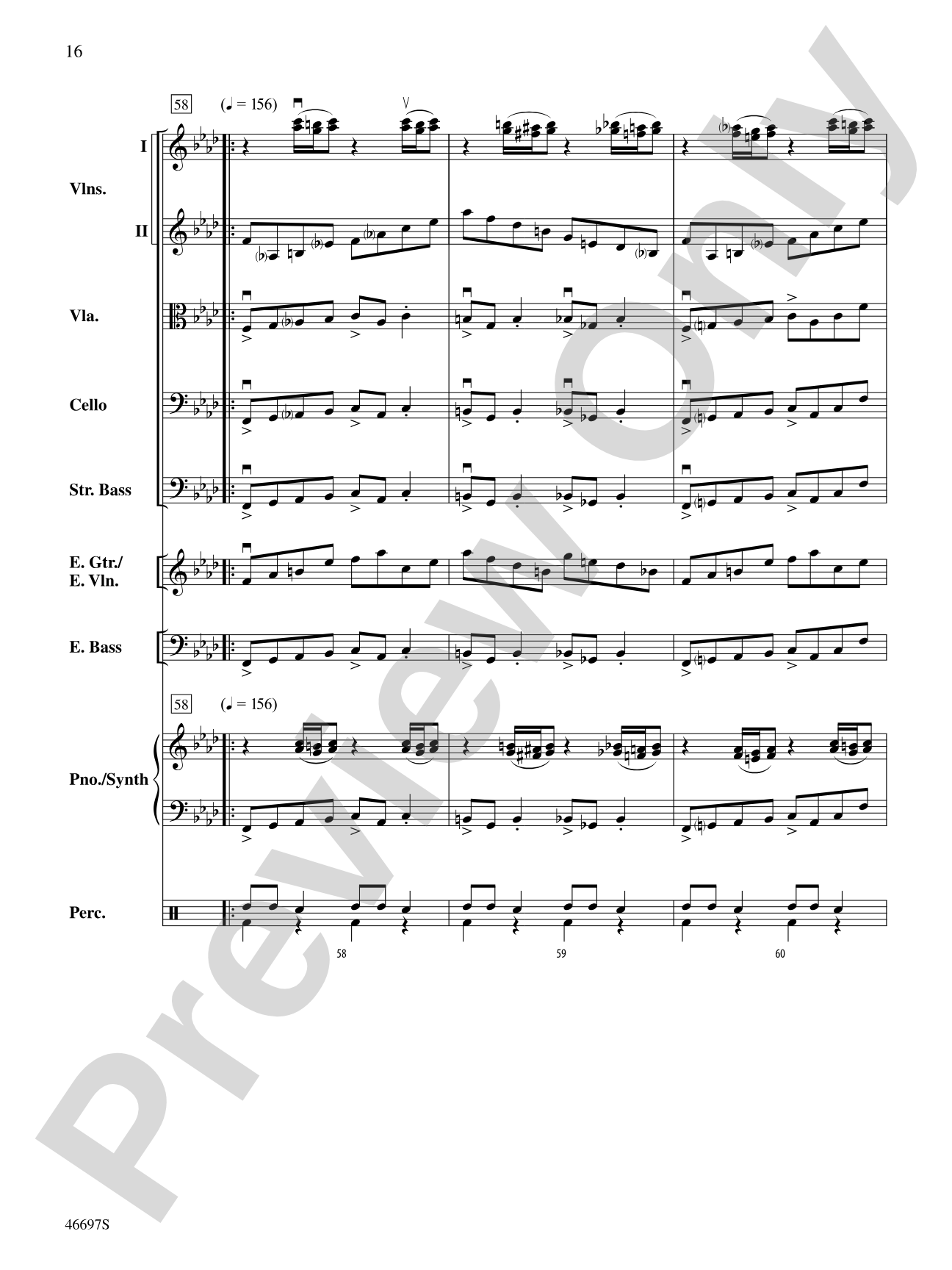
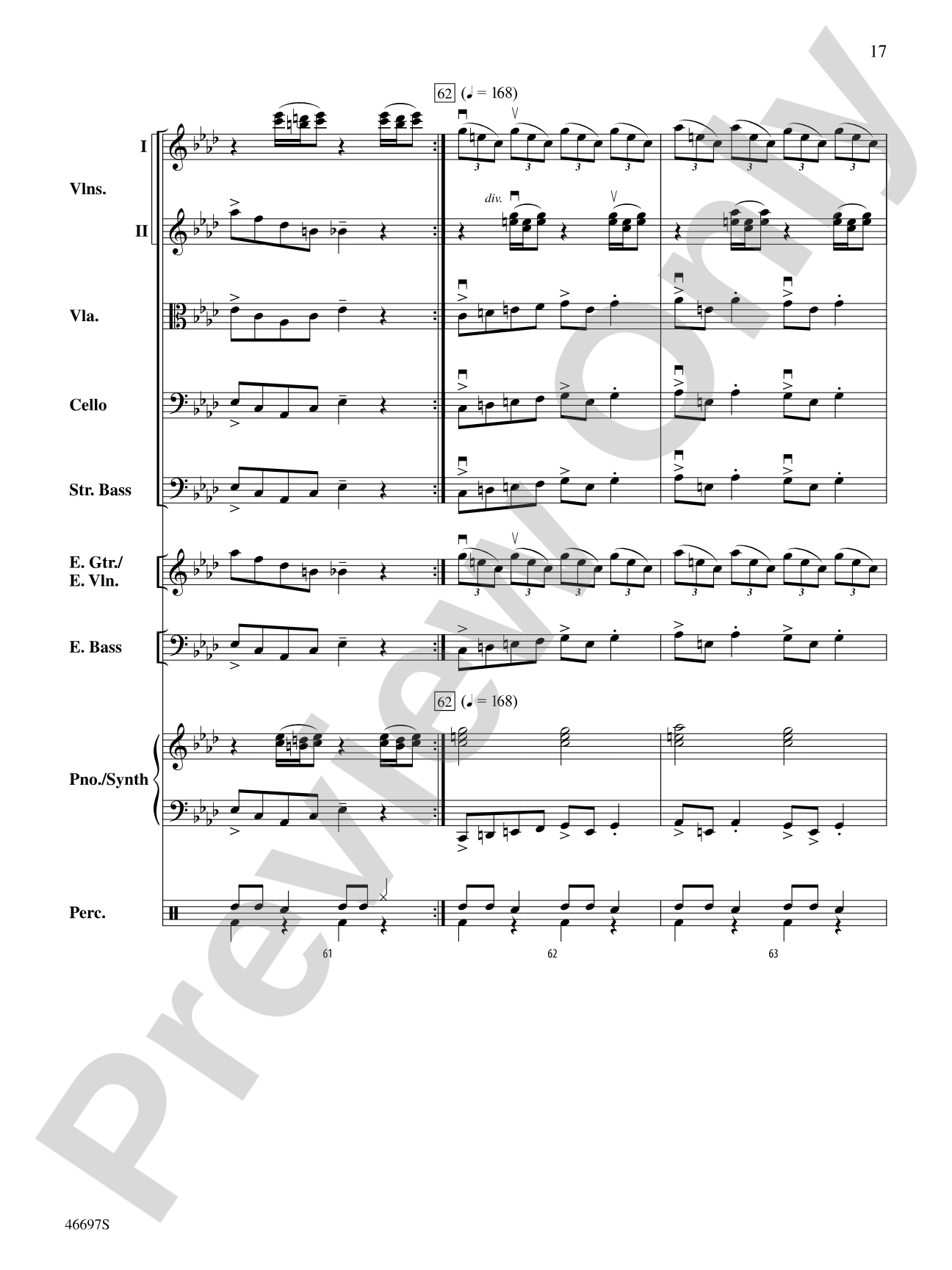
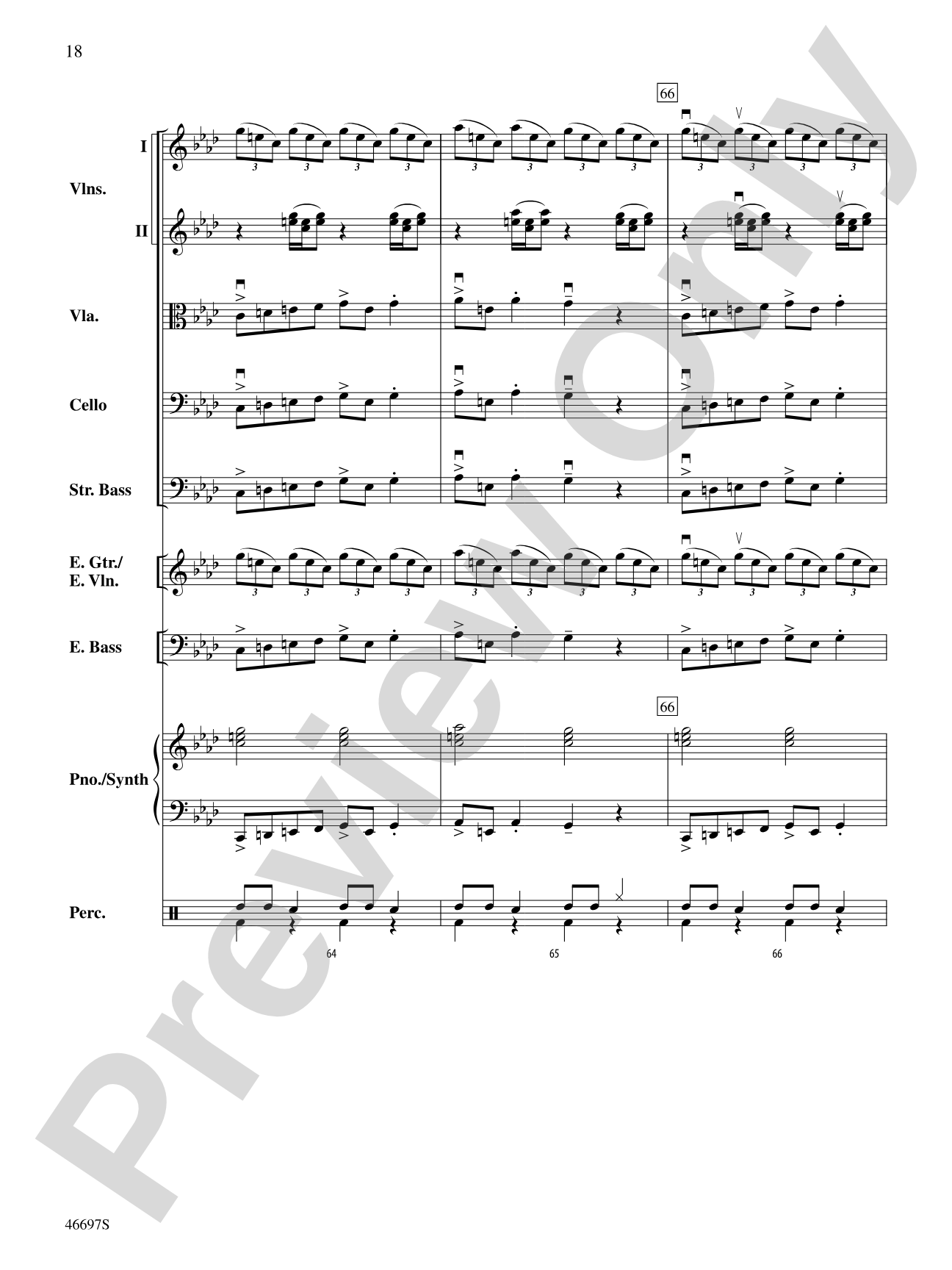
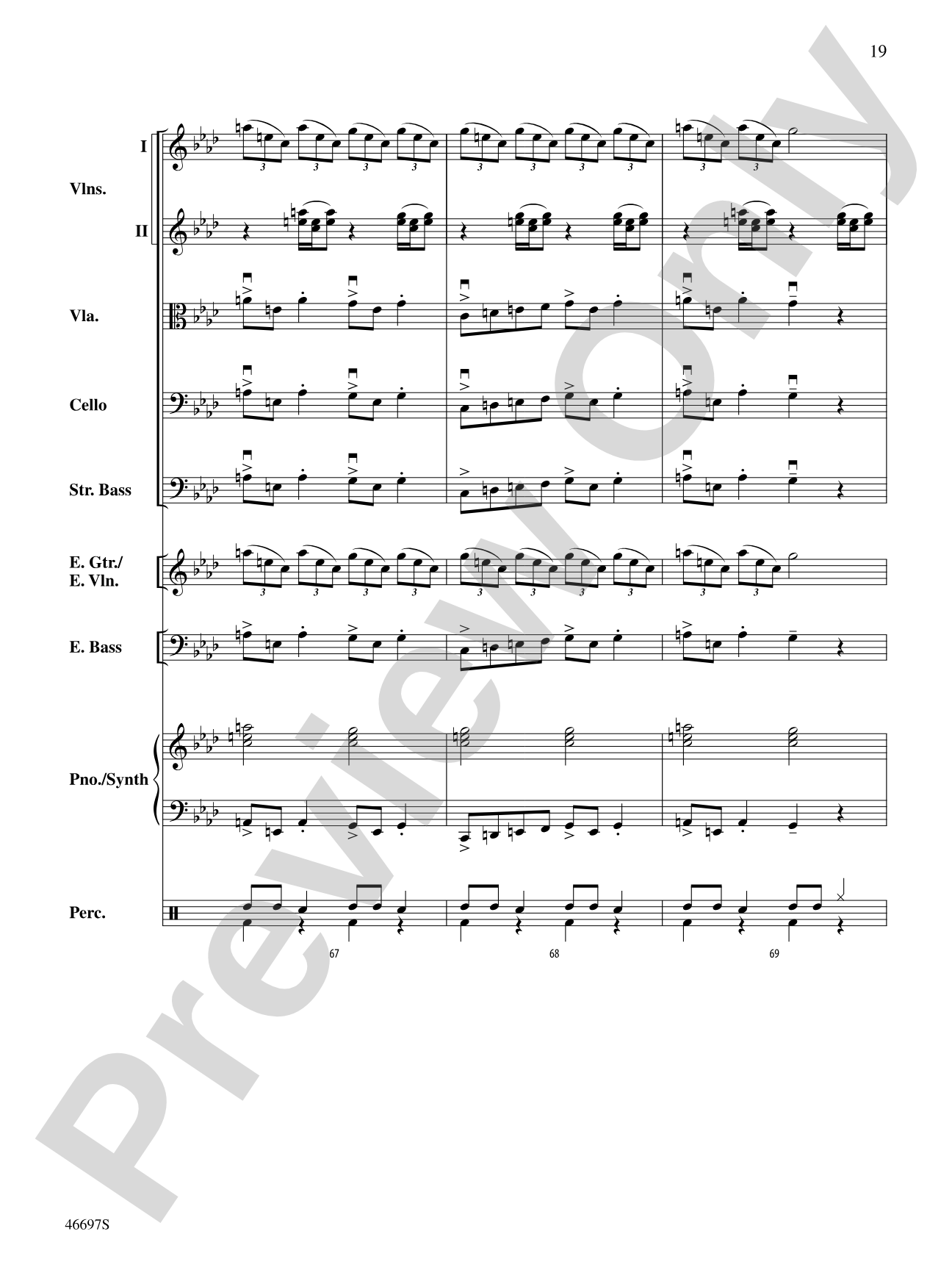
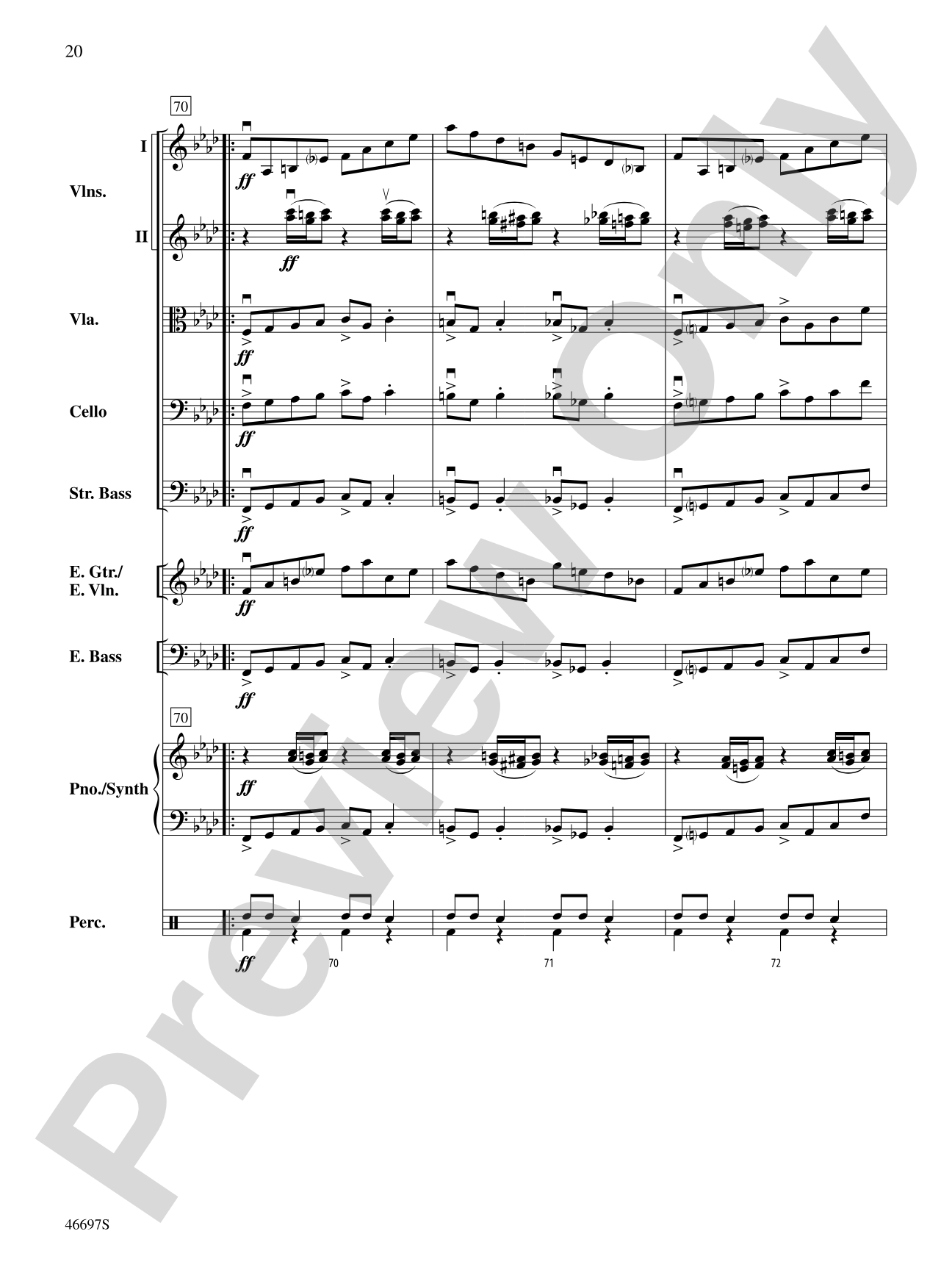
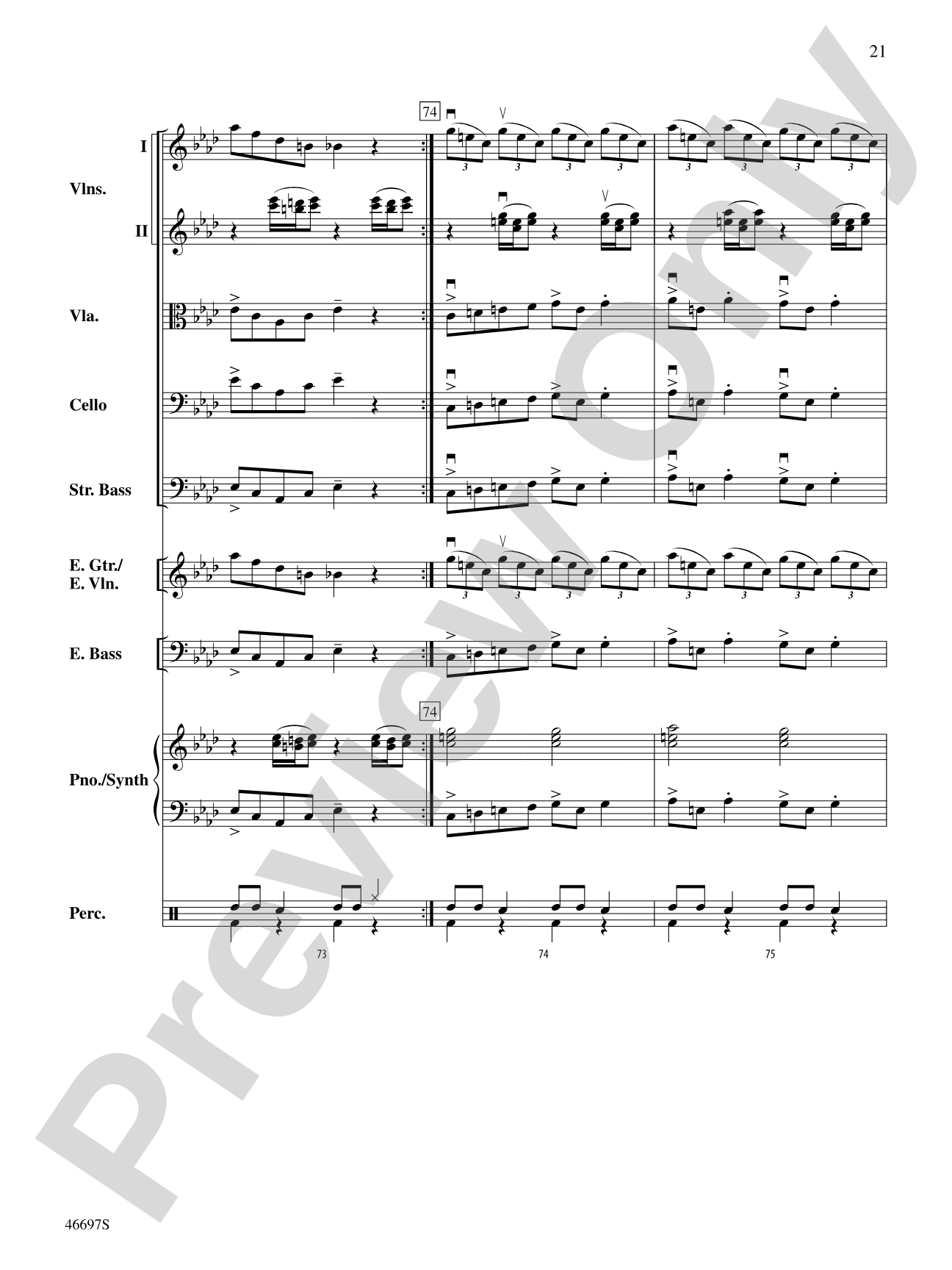
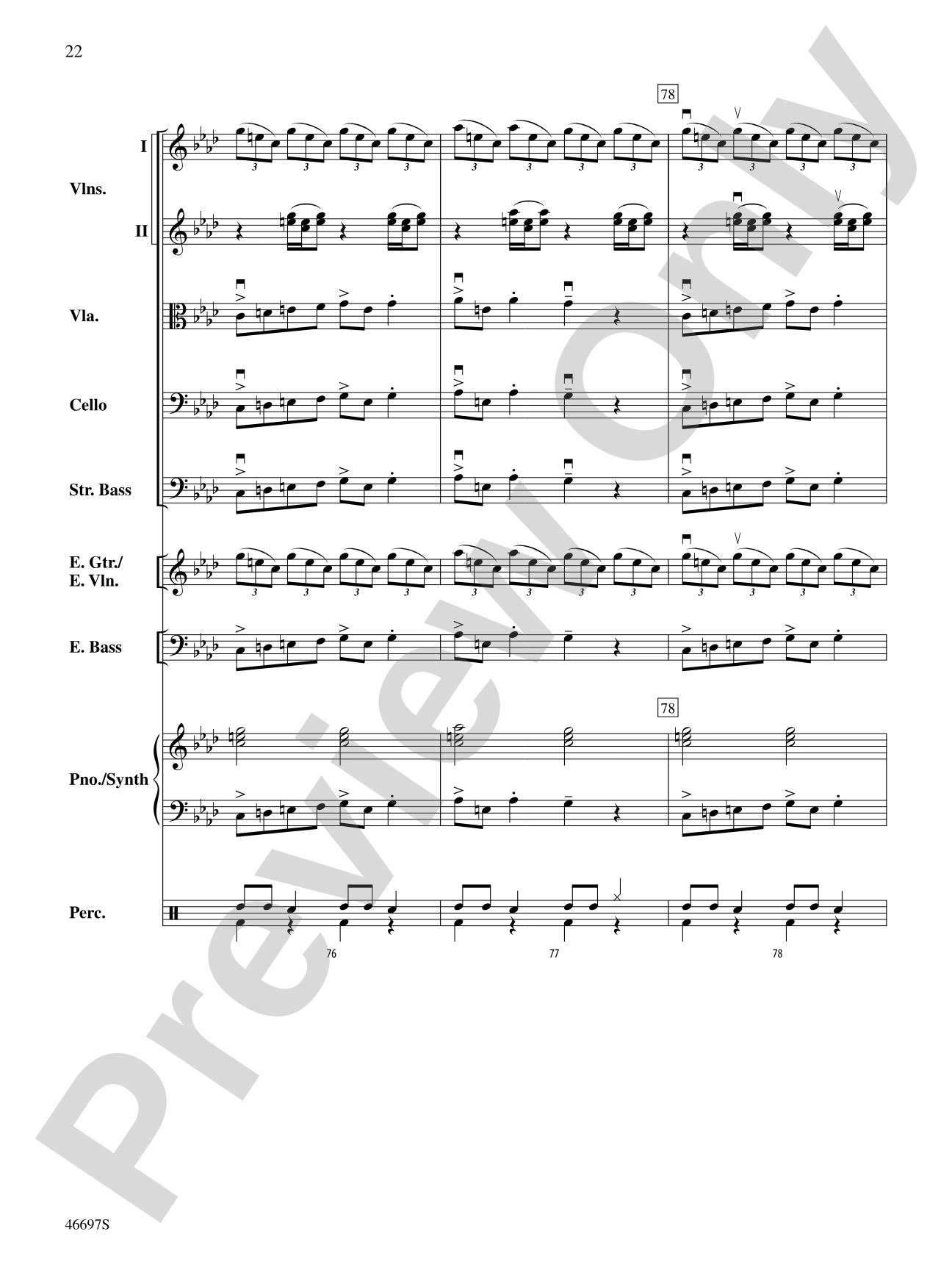
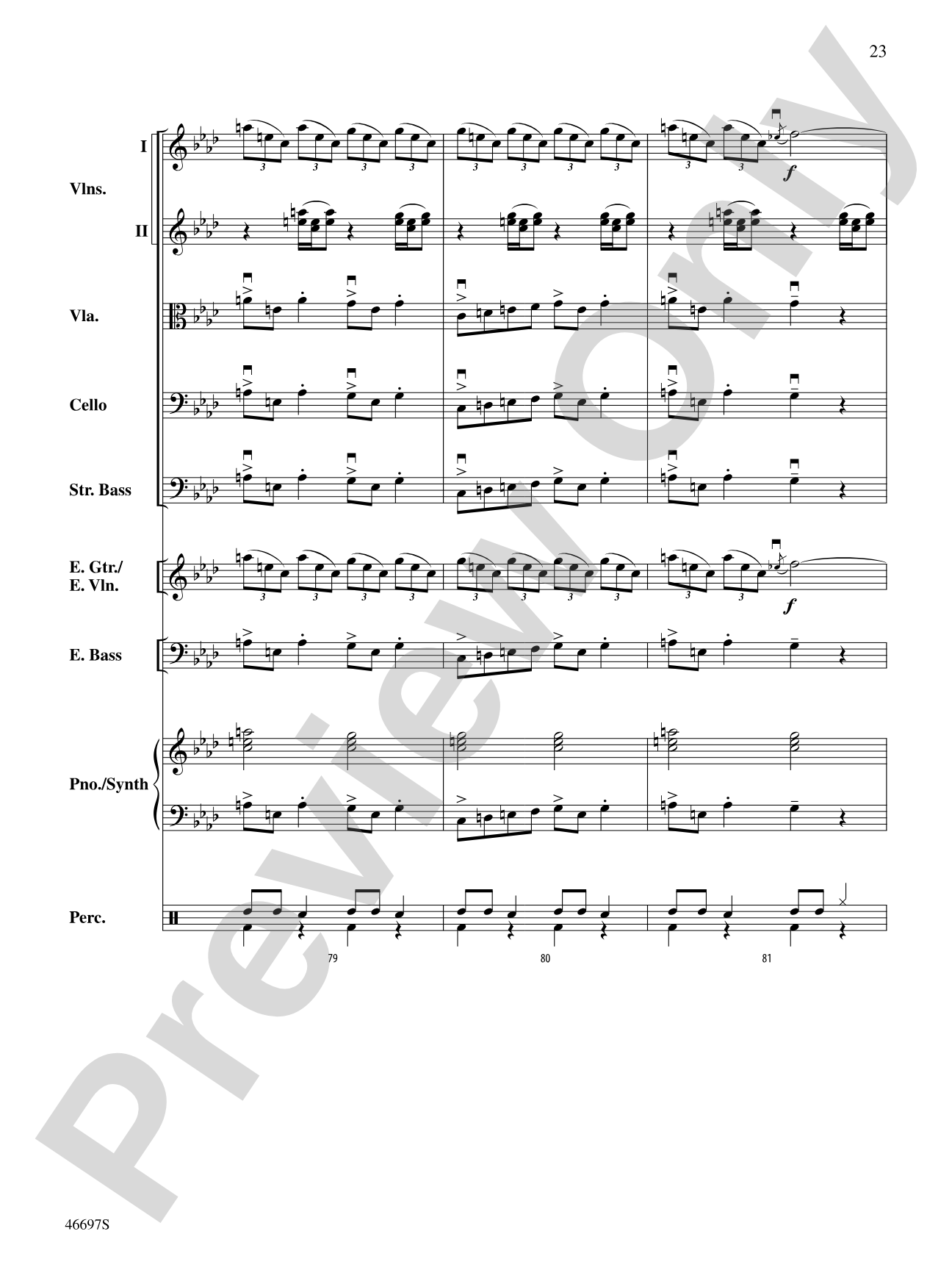
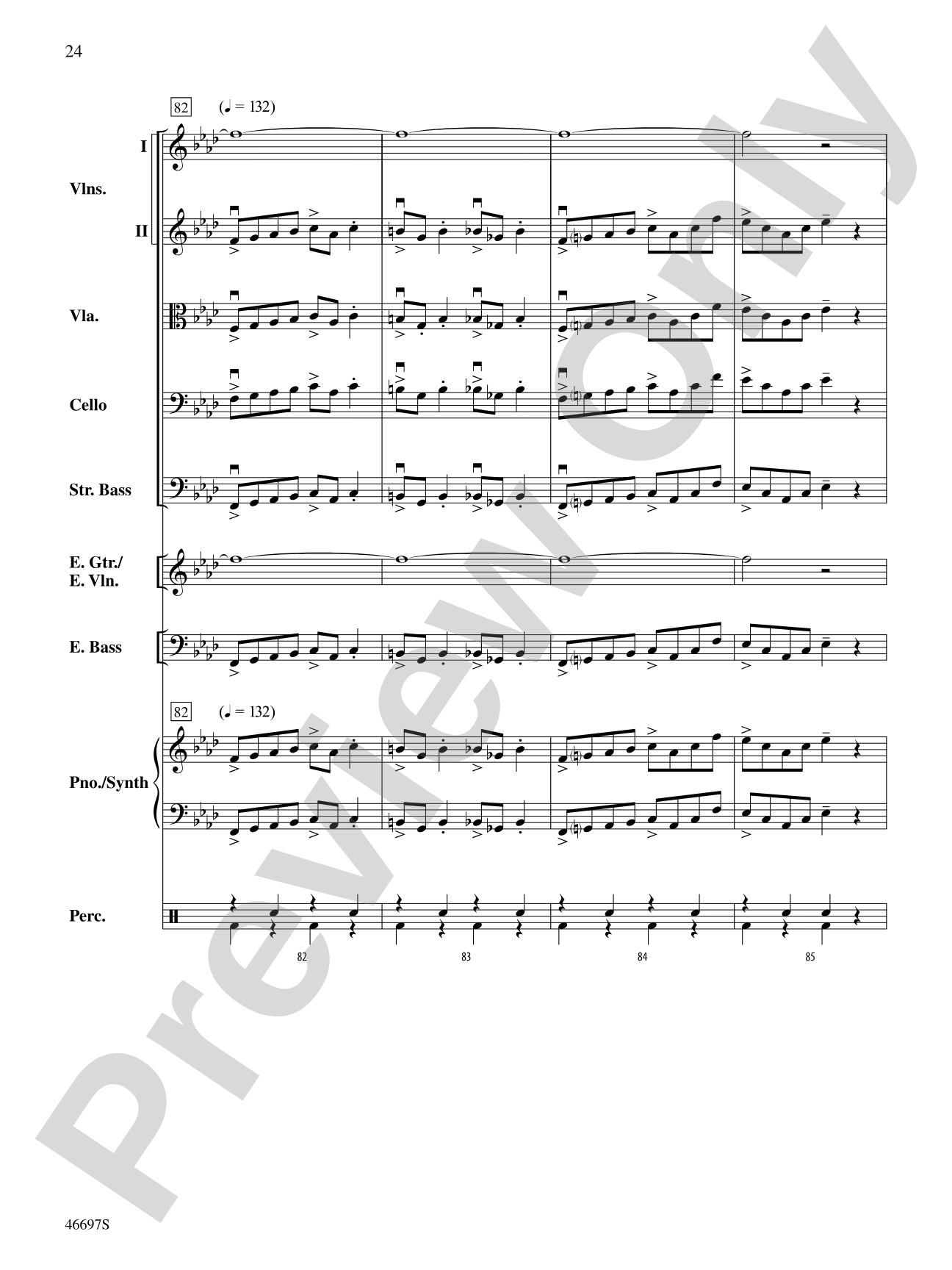
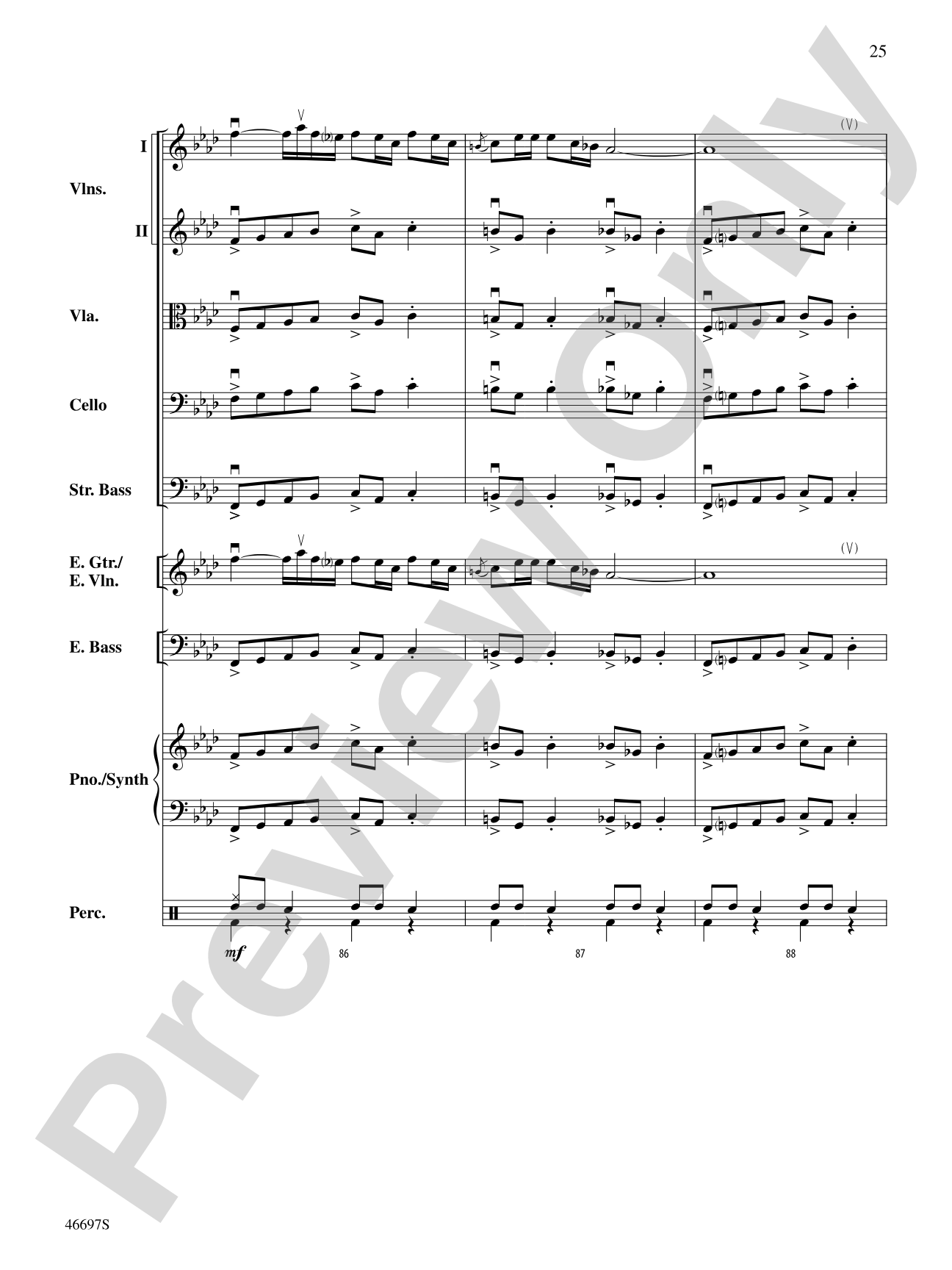
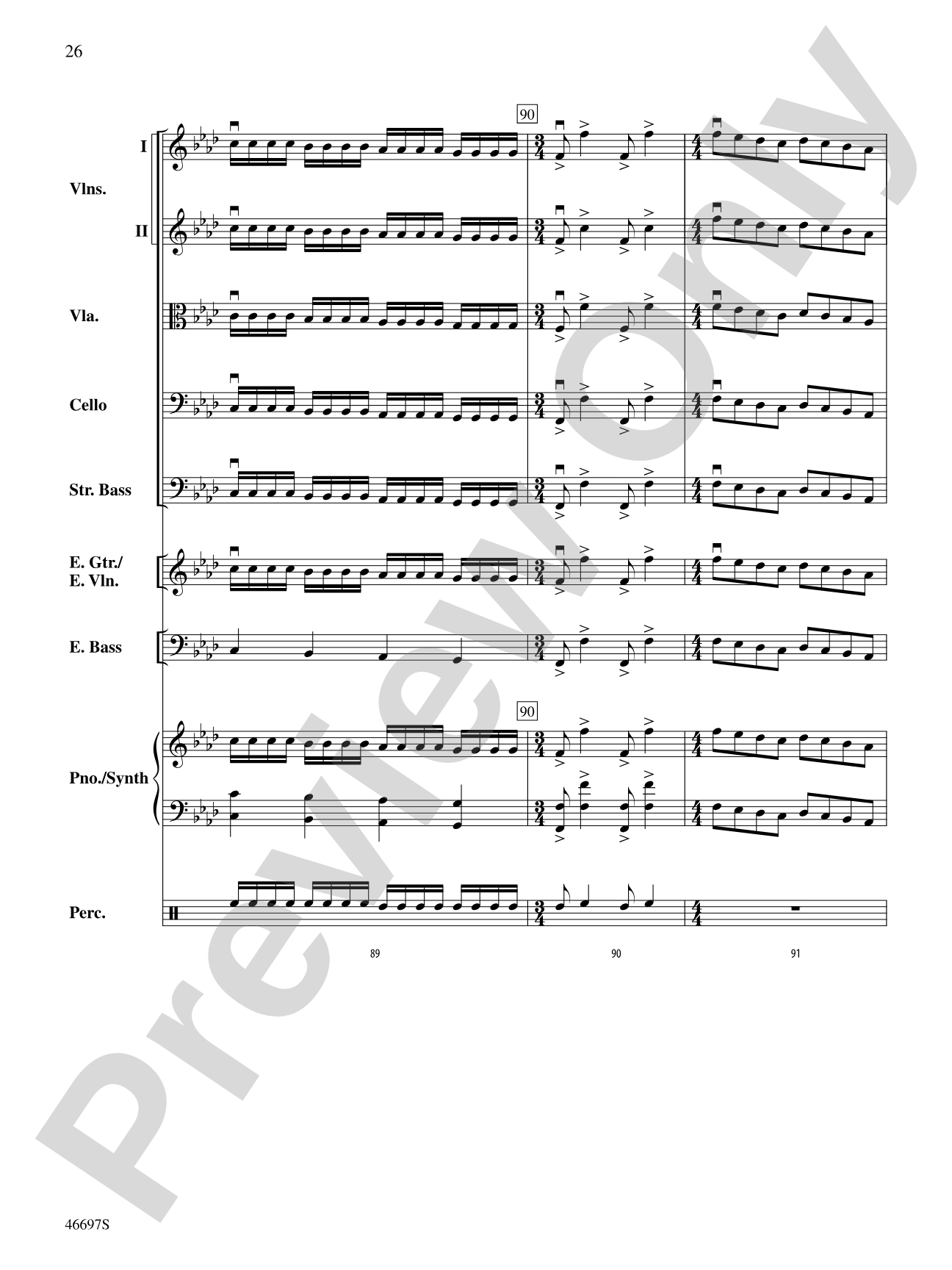
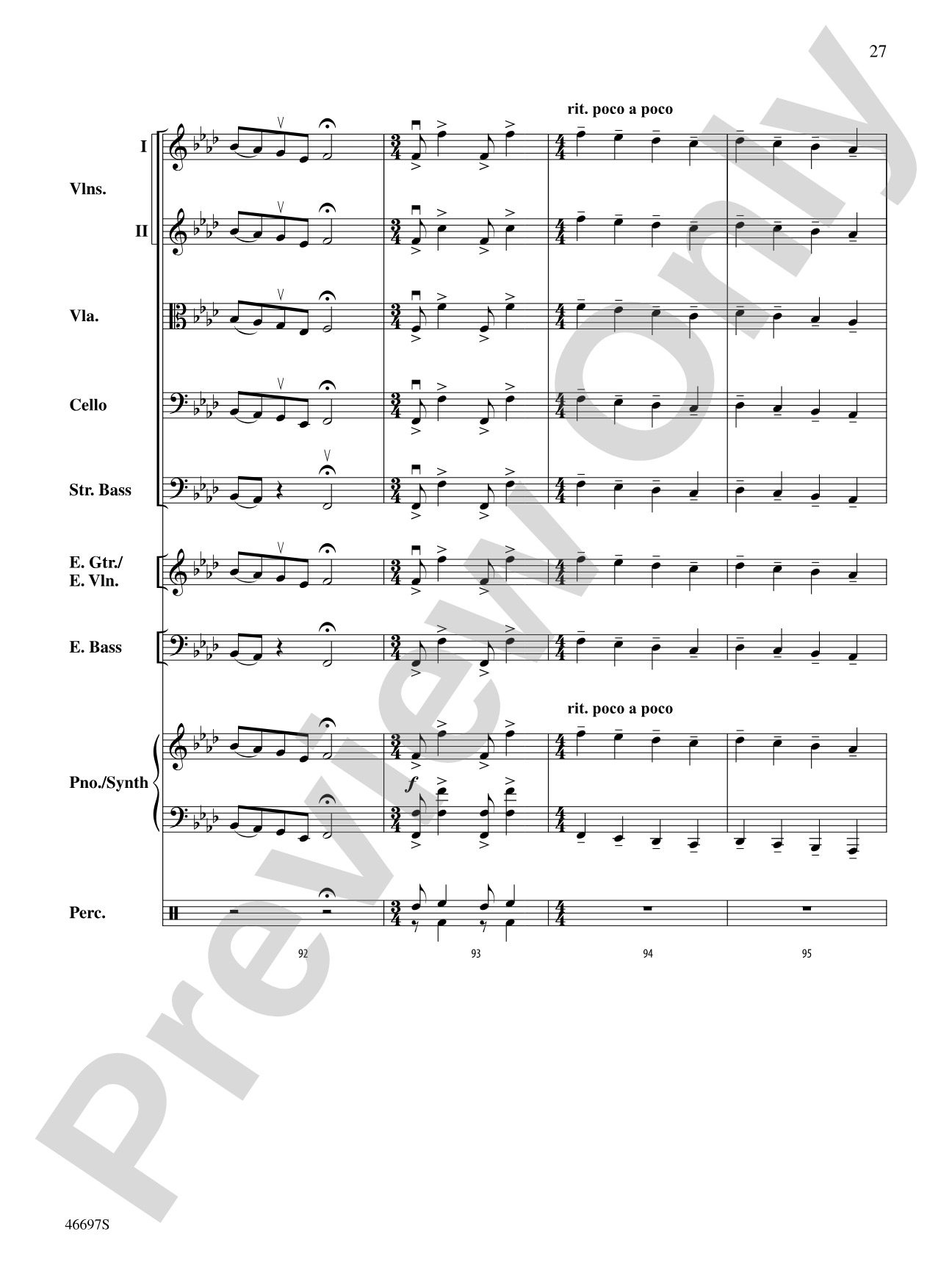
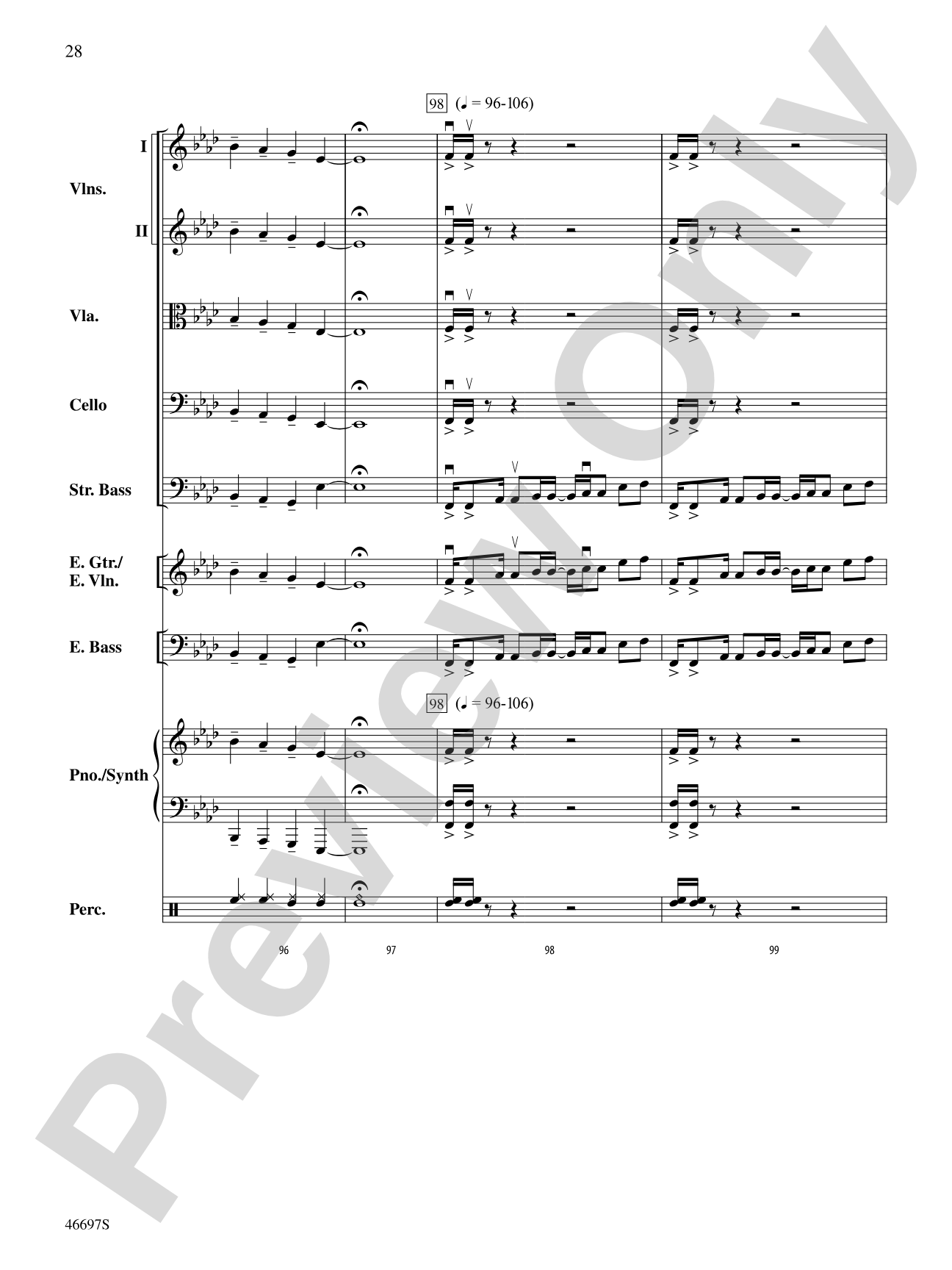
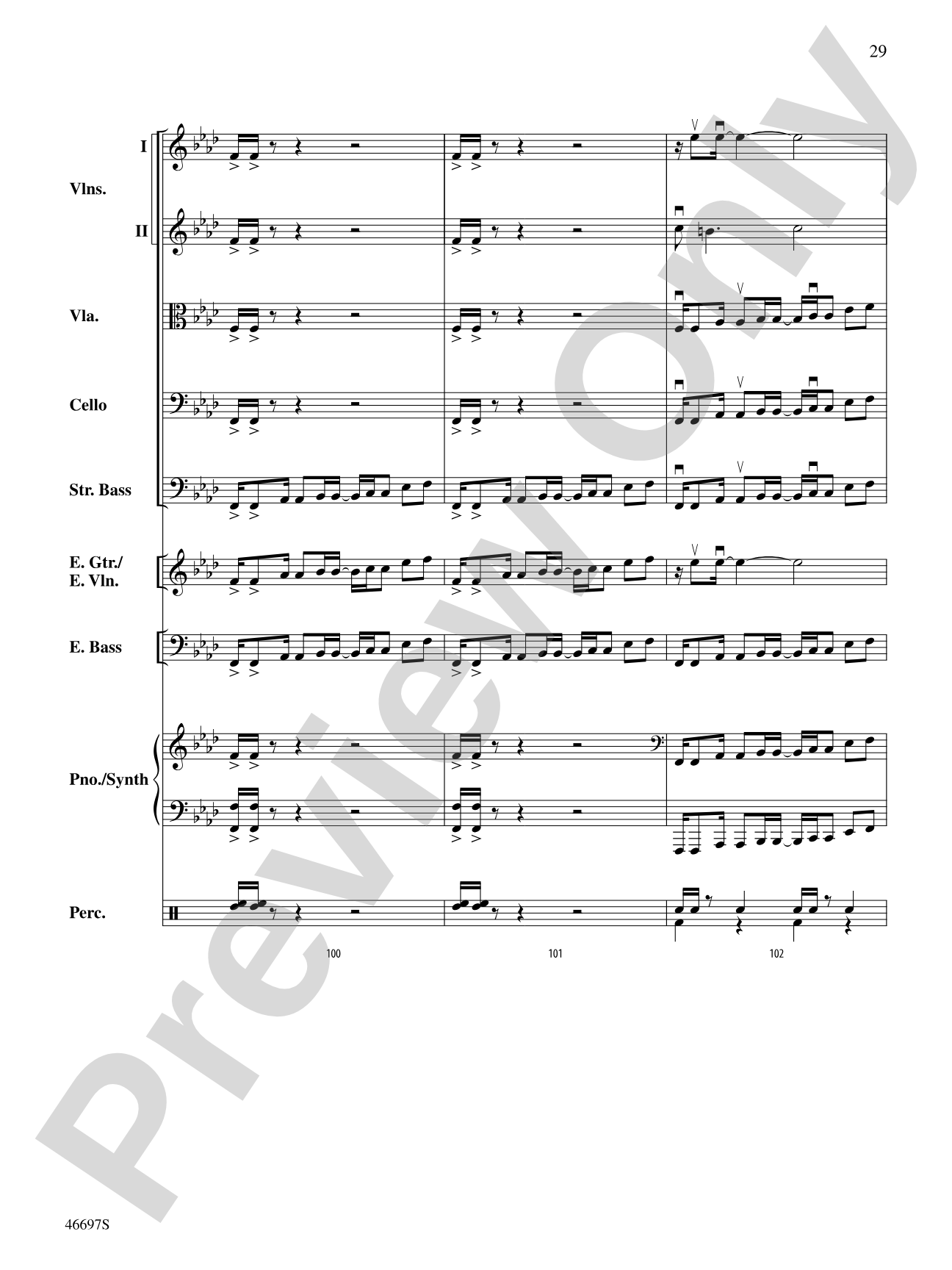
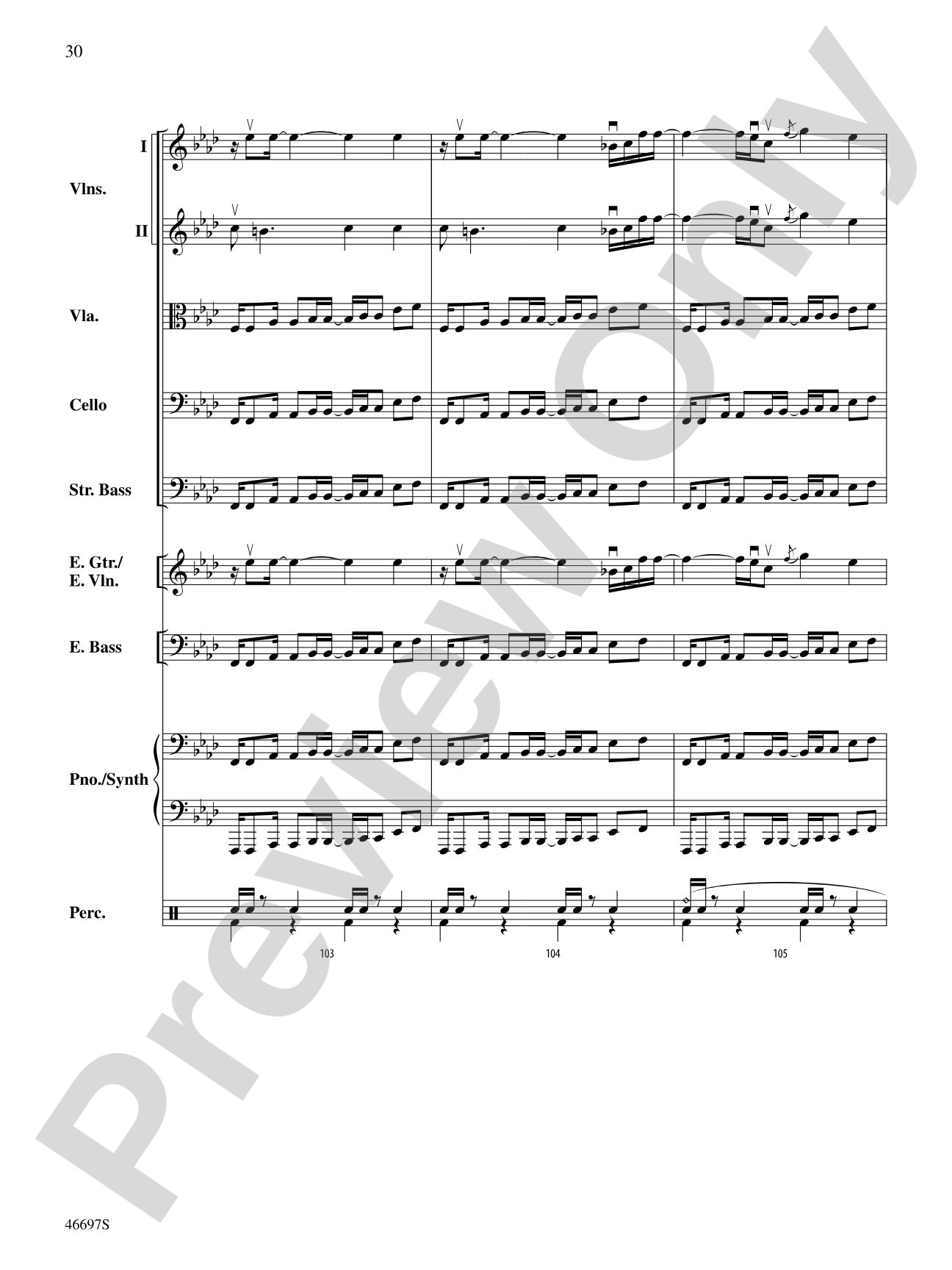
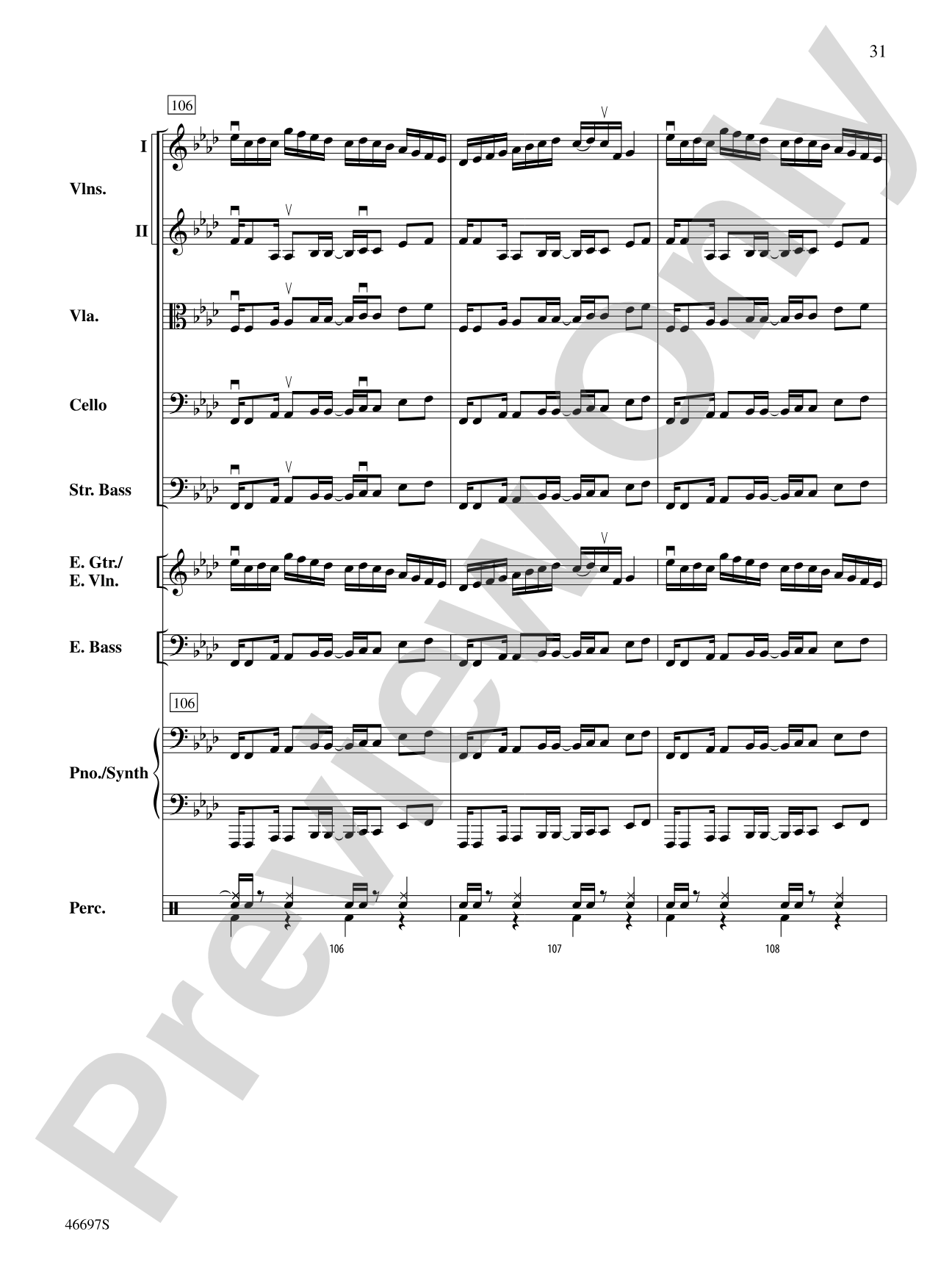
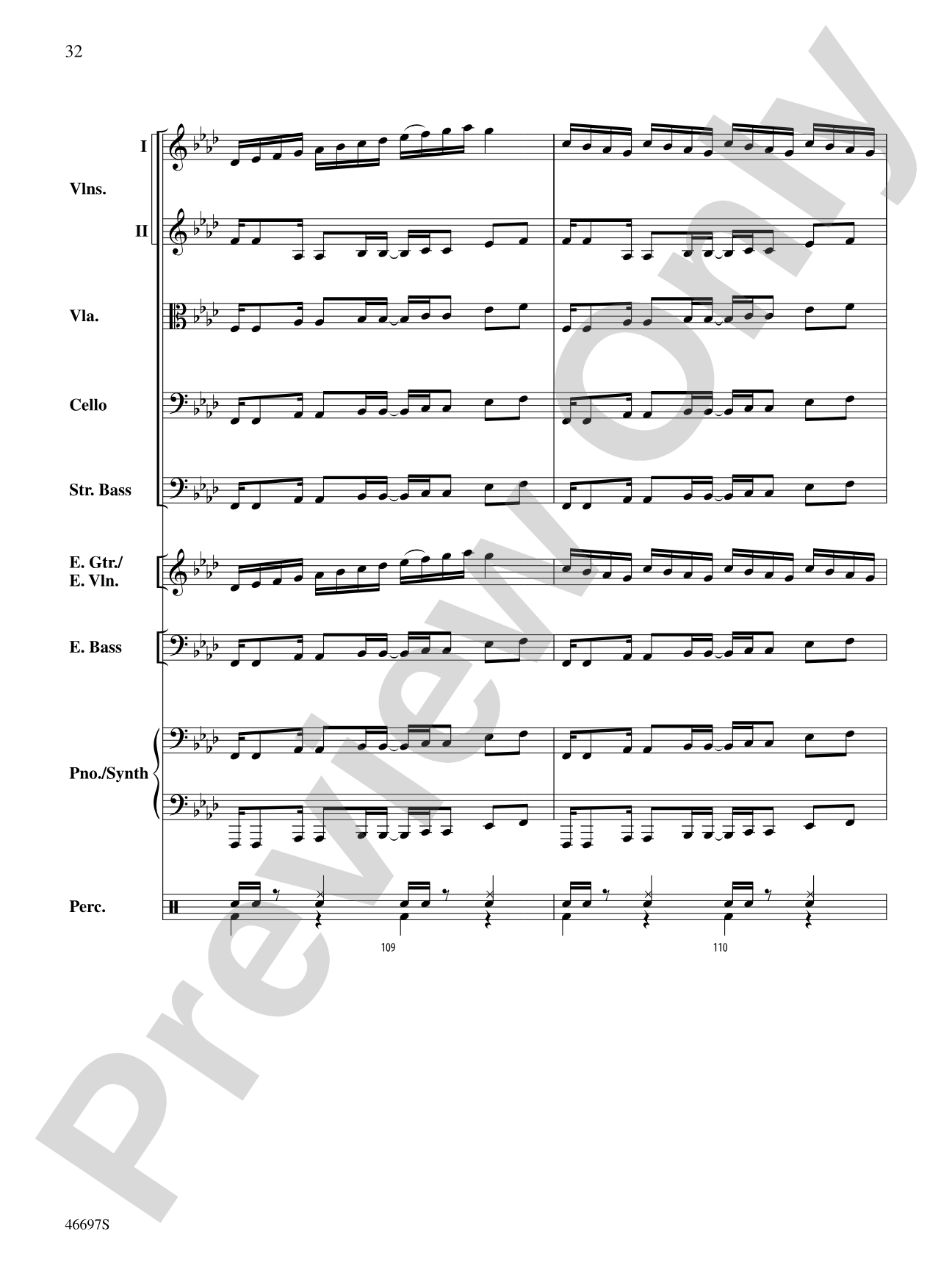
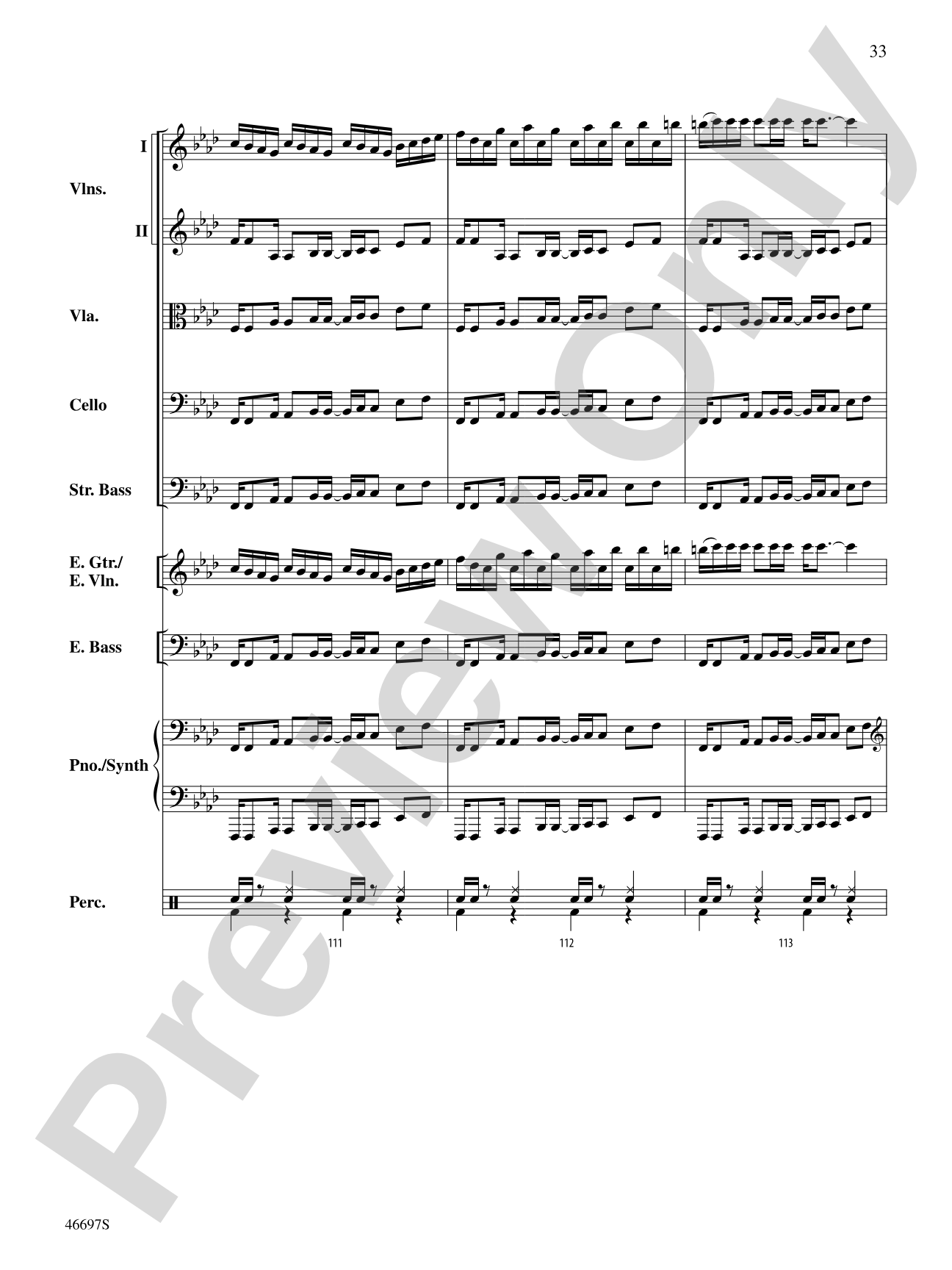
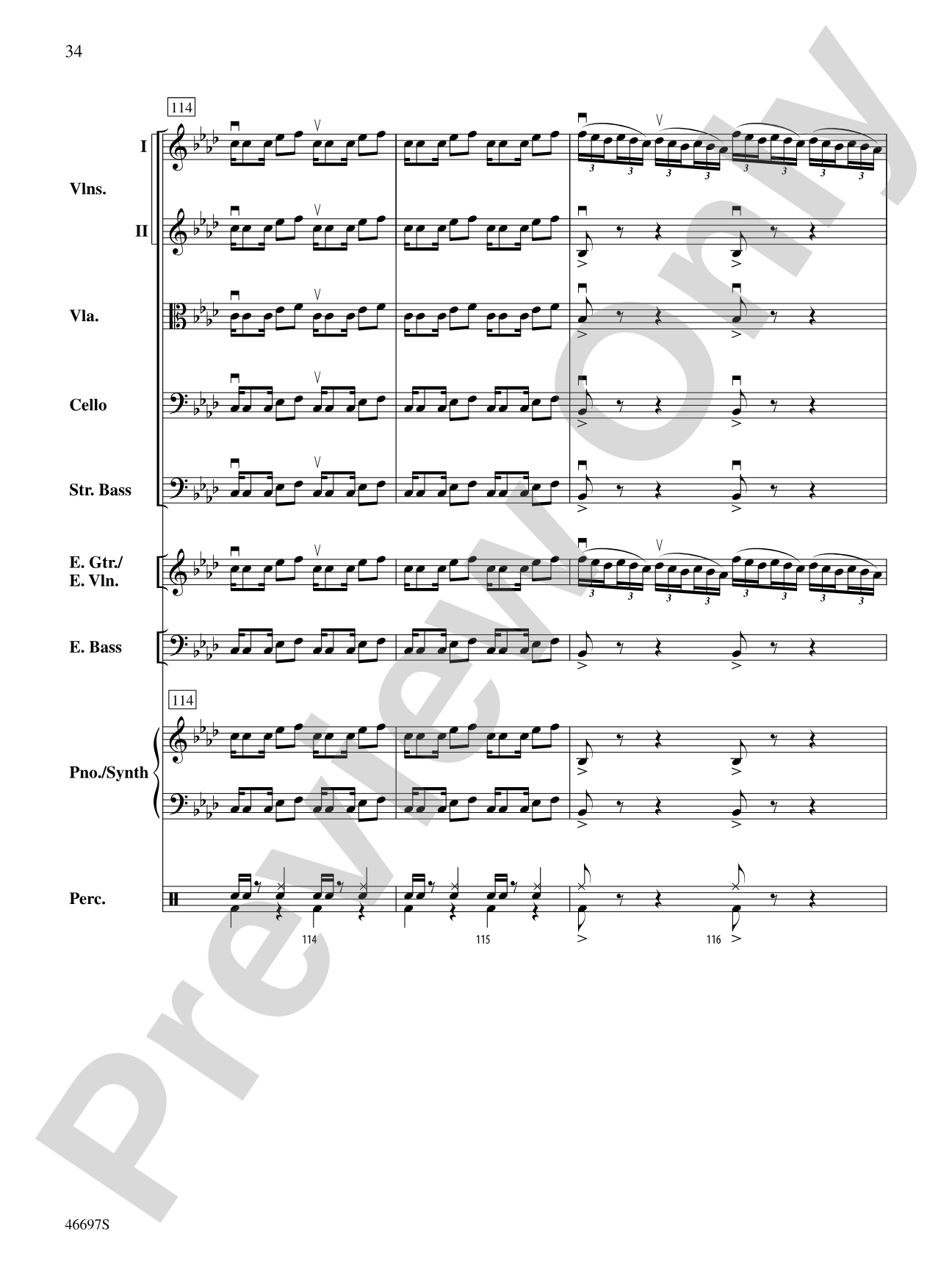
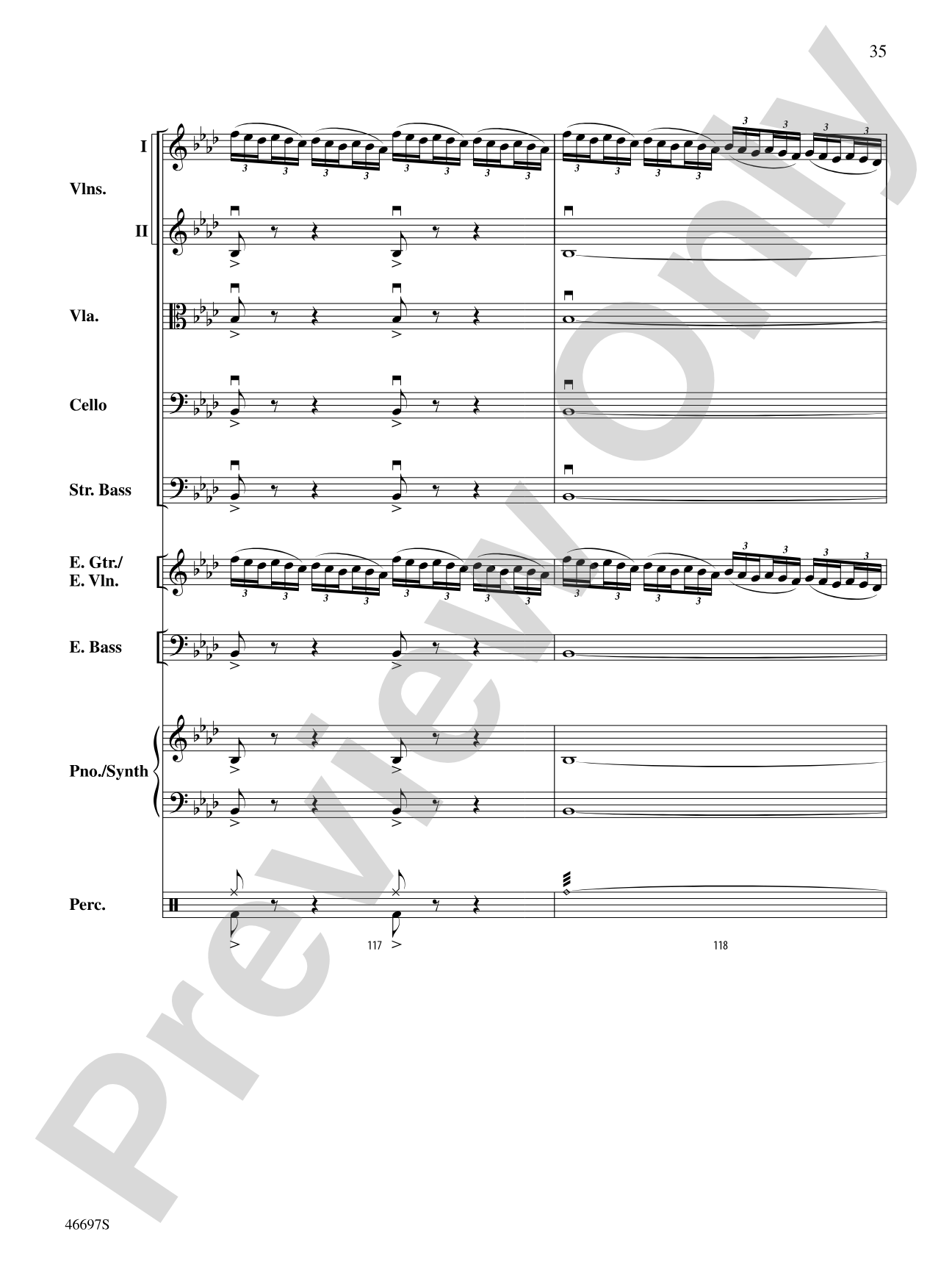
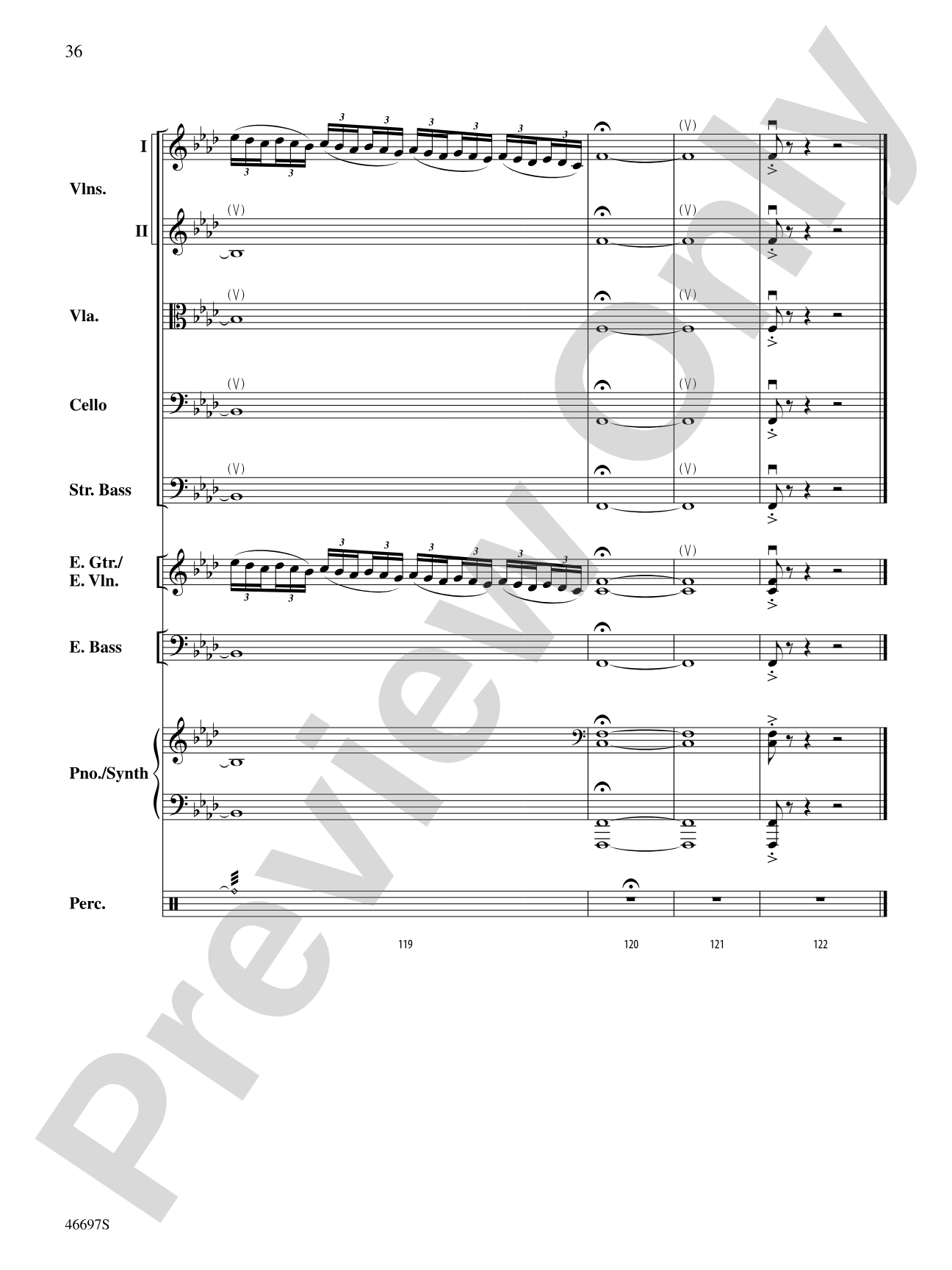

The Mountain: String Orchestra Conductor Score & Parts
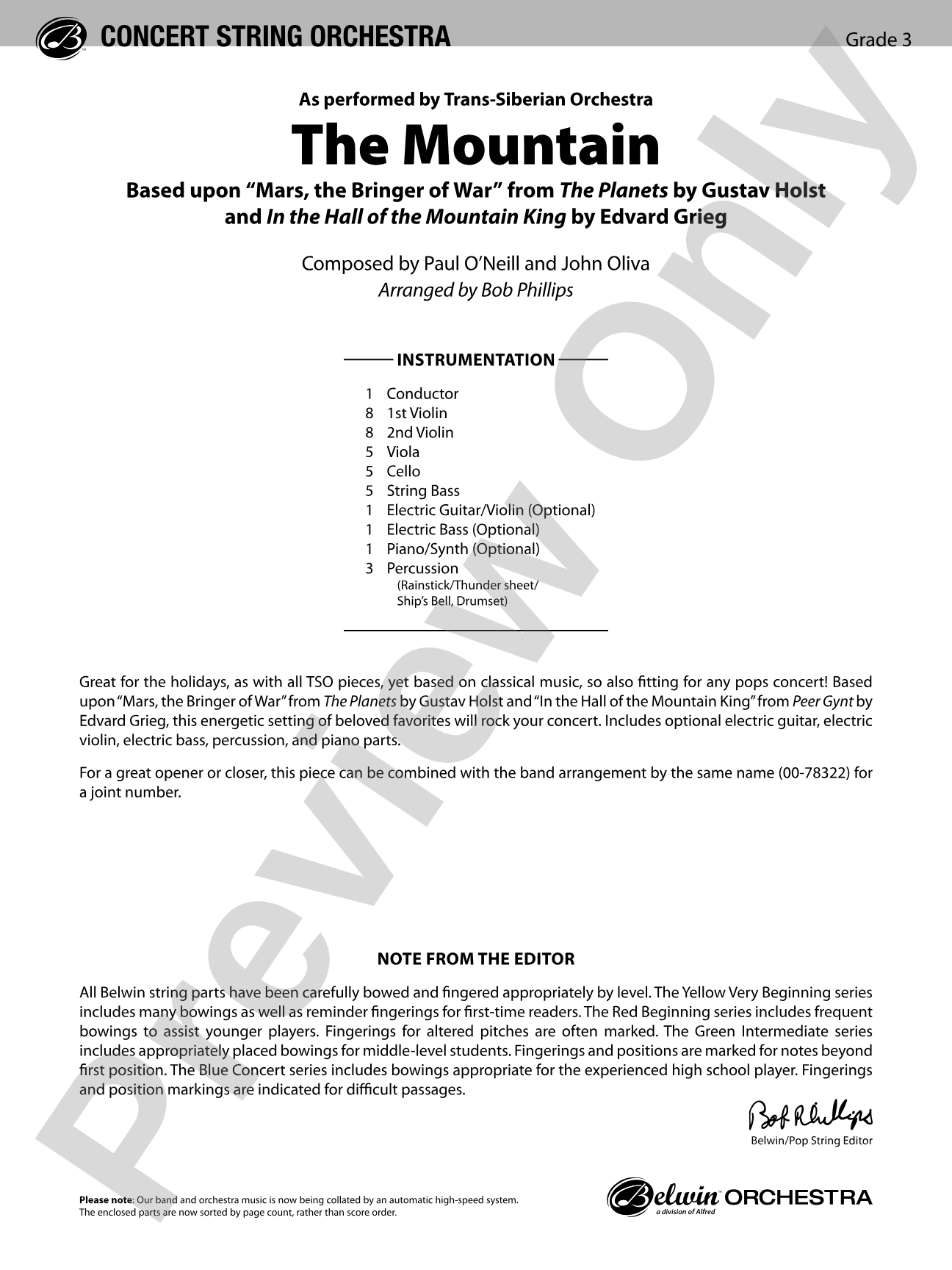
As Performed by Trans-Siberian Orchestra (Based upon "Mars, the Bringer of War" from The Planets by Gustav Holst and "In the Hall of the Mountain King" by Edvard Grieg)
Composed by Paul O'Neill and John Olivia / arr. Bob Phillips
Grade: 3
Item: 00-PK-0007541

$64.00
One moment…
Description
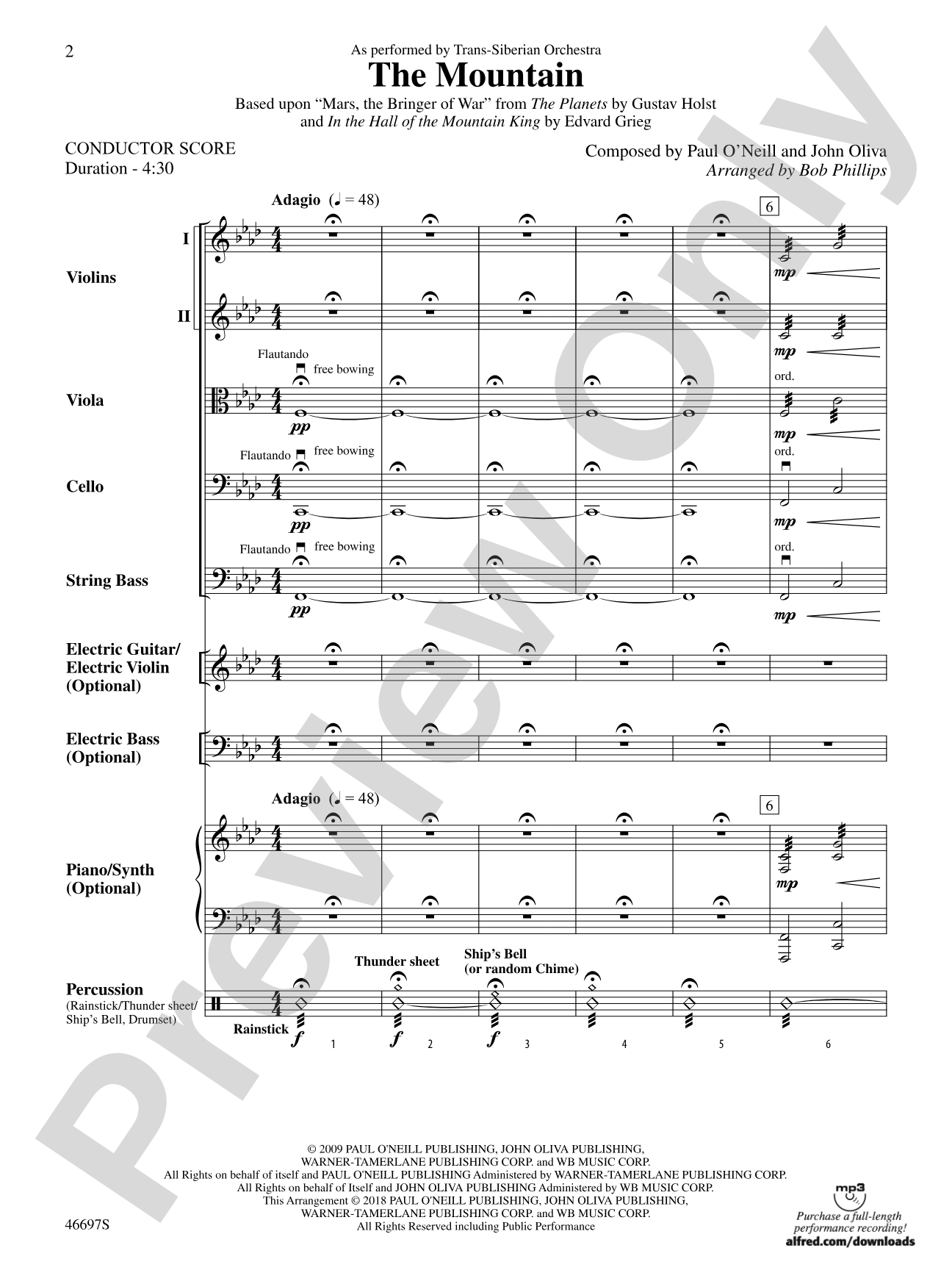
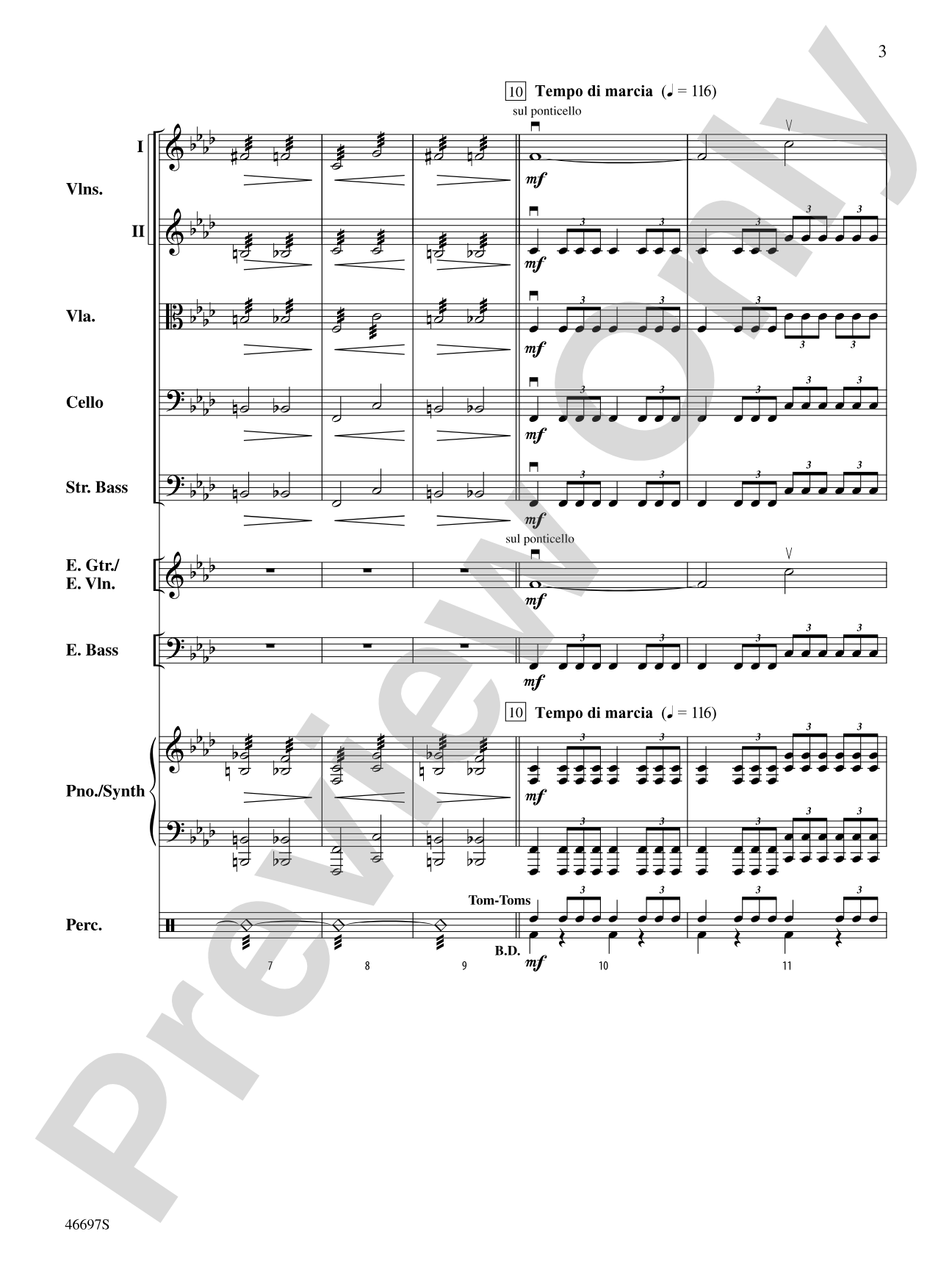
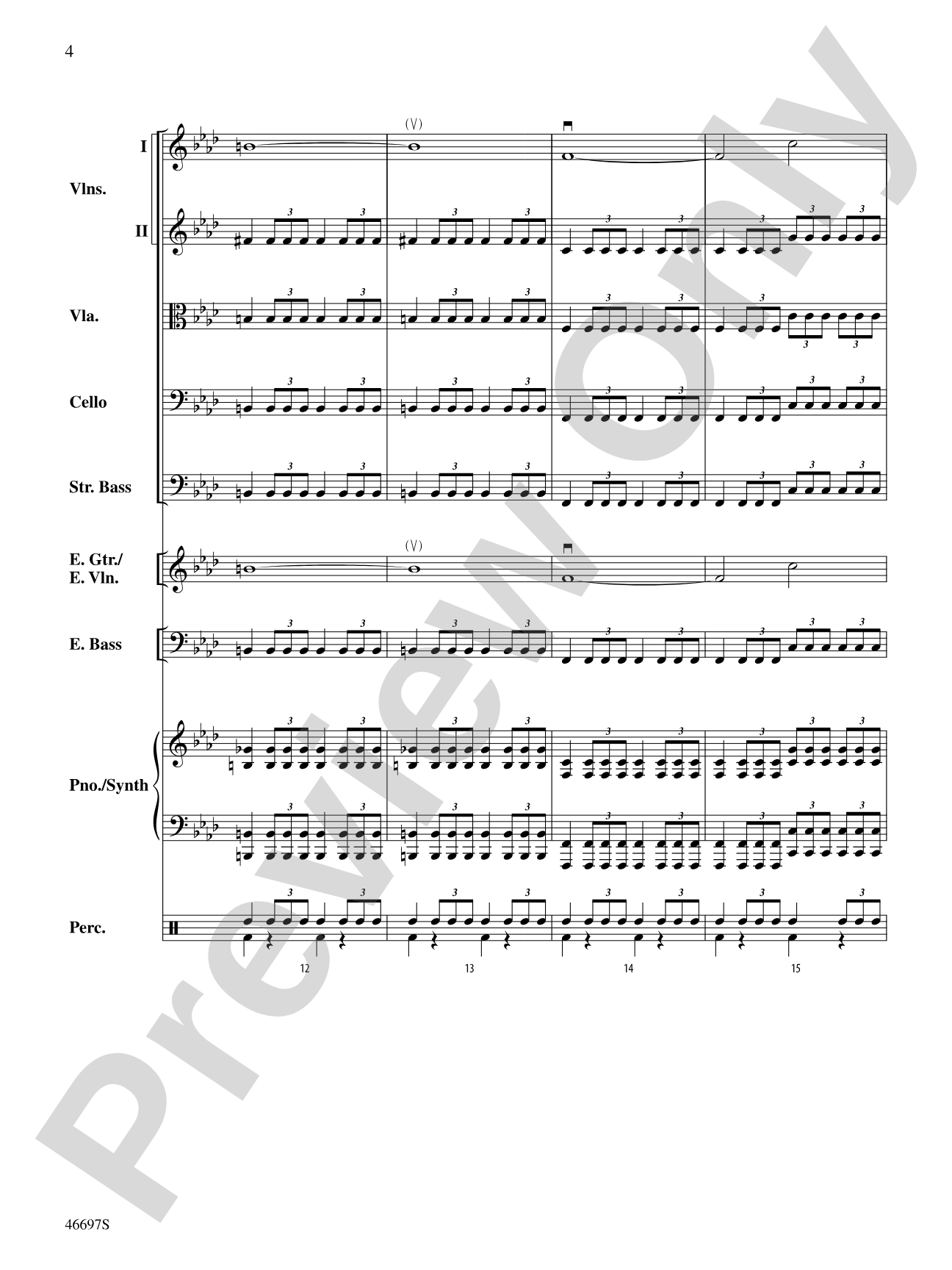
Great for the holidays, as with all TSO pieces, yet based on classical music so also fitting for any pops concert, "The Mountain," arranged by Bob Phillips, is another Trans-Siberian hit! Based upon "Mars, the Bringer of War" from The Planets by Gustav Holst and "In The Hall of the Mountain King" from Peer Gynt Suite by Edvard Grieg, this energetic setting of beloved favorites will rock your concert. Includes optional electric guitar, electric violin, electric bass, percussion, and piano parts. For a great opener or closer, this piece can be combined with the band arrangement by the same name (00-46634) for a joint number.


Don't just read it, hear it, play along with it, and watch your students grow with it. In MakeMusic Cloud, The Mountain: String Orchestra Conductor Score & Parts comes alive with professional accompaniment, adjustable tempo, and built-in practice tools that turn solo practice into real progress.
Open in the Player
Jump straight in and assign it today.
Start Your Free Trial
Open this title and explore the full library in minutes.
Sample Audio
1
Audio File
--:--
0:00
0:00
Sample Video
Additional Details
Series:
Pop Concert String Orchestra
Publisher:
Alfred Music
Page Count:
152
SKU:
00-PK-0007541
More about this title
About the Composer: Paul O'Neill
Paul O'Neill founded the Trans-Siberian Orchestra in 1996 and has served as the ensemble's creative force ever since. His ability to weave classical themes into modern rock and pop idioms has made TSO a fixture of holiday programming across North America, reaching audiences far beyond the classical concert hall.
Why we love this
Bob Phillips transforms two towering classical movements into a single, propulsive statement that plays across multiple concert types. The optional electric instruments let you dial the energy up or down depending on your ensemble's strengths, and the dual arrangement option (pairing with the band version) opens genuine collaboration possibilities at festivals or joint concerts.
What to expect
Martial and irresistible energy from the Holst material gives way to the dark, driving momentum of Grieg's mountain king. The orchestration crackles with modern production values through the optional electric elements, yet the foundation remains rooted in the string sound.
Who it's for
String orchestras at the intermediate to advanced level (Grade 3) seeking energetic concert openers or closers with holiday relevance and crossover appeal. Directors who want the flexibility to program classical mashups in pop concert contexts or to combine forces with a band program for a showstopping joint number.
How to get the most out of it
- Balance the string foundation with clarity on the electric parts; these aren't embedded in the texture but rather placed alongside it, so ensemble awareness between acoustic and amplified players is essential.
- Let the percussion lock the rhythmic momentum early, especially during the propulsive sections adapted from Mars. This grounds the electric elements and keeps the orchestra aligned.
- The optional electric violin and electric bass can be dropped entirely if your instrumentation doesn't support them; the core string and conductor parts are fully independent.
- Mark the transitions between the Holst and Grieg material clearly in rehearsal. The pivot happens swiftly, and conductors benefit from verbal signposting so musicians anticipate the shift in character.
How to use it
Position this as a concert opener to command immediate attention, or as a closer if you want the audience to leave energized. It works equally well in a holiday concert, a pops series, or a film and television music program; the classical DNA beneath the arrangement broadens its relevance beyond seasonal events.
Skills your students will build
- Executing rhythmic figures across acoustic and optional amplified instruments
- Balancing articulation in fast-moving string passages adapted from orchestral classics
- Responding to conducted transitions between contrasting compositional sources
- Managing ensemble cohesion in Grade 3 textures with optional part flexibility