

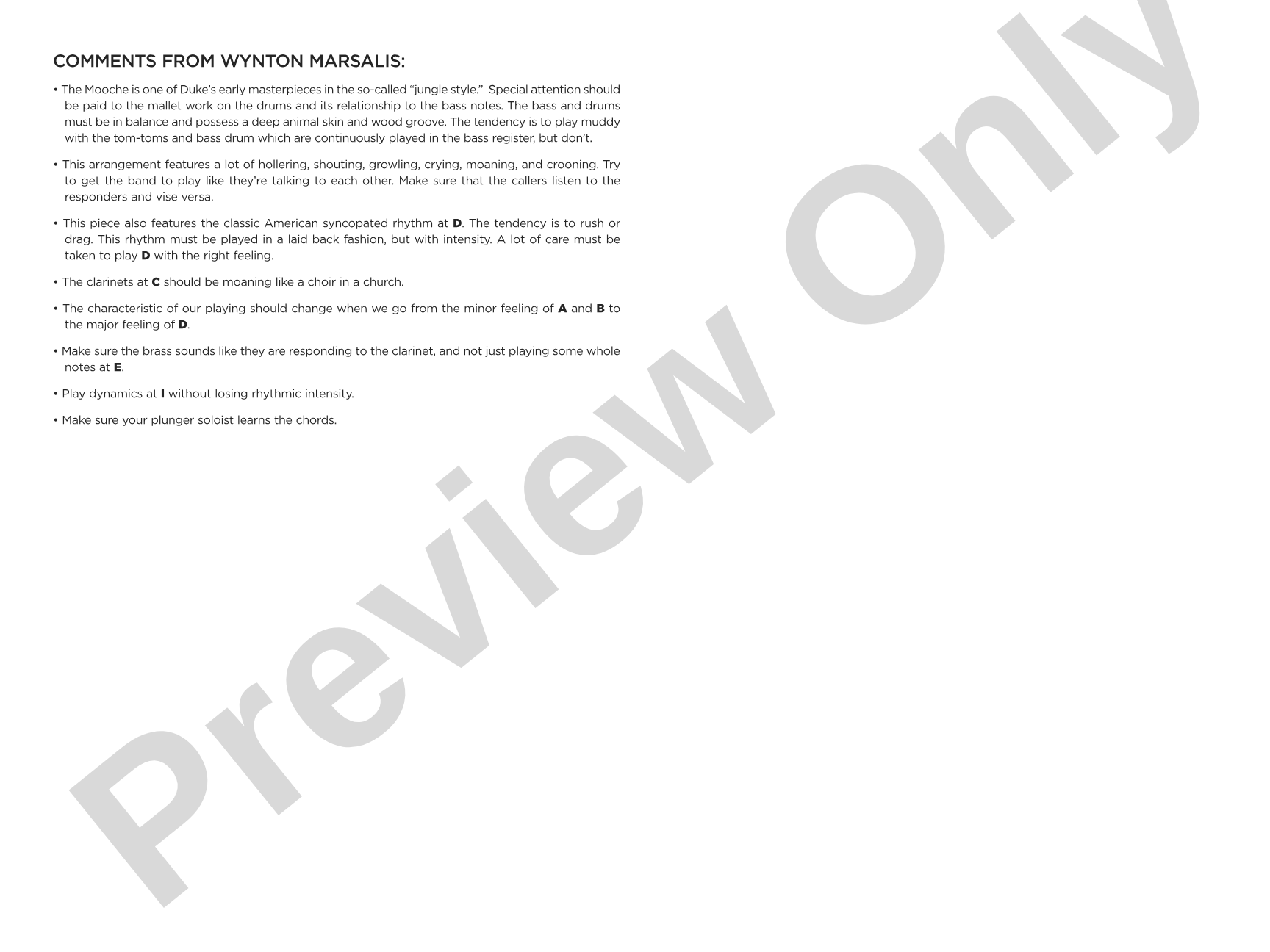
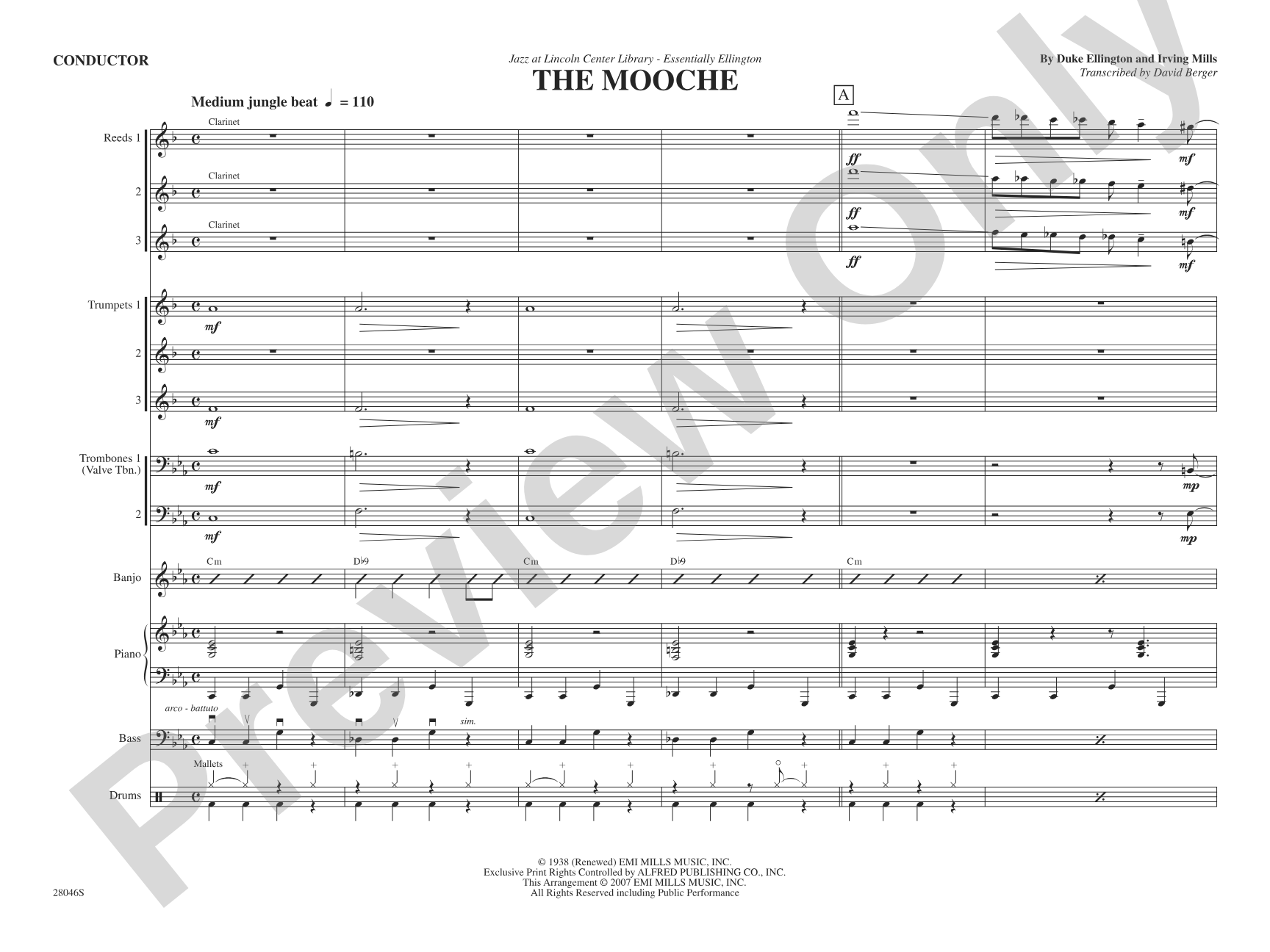
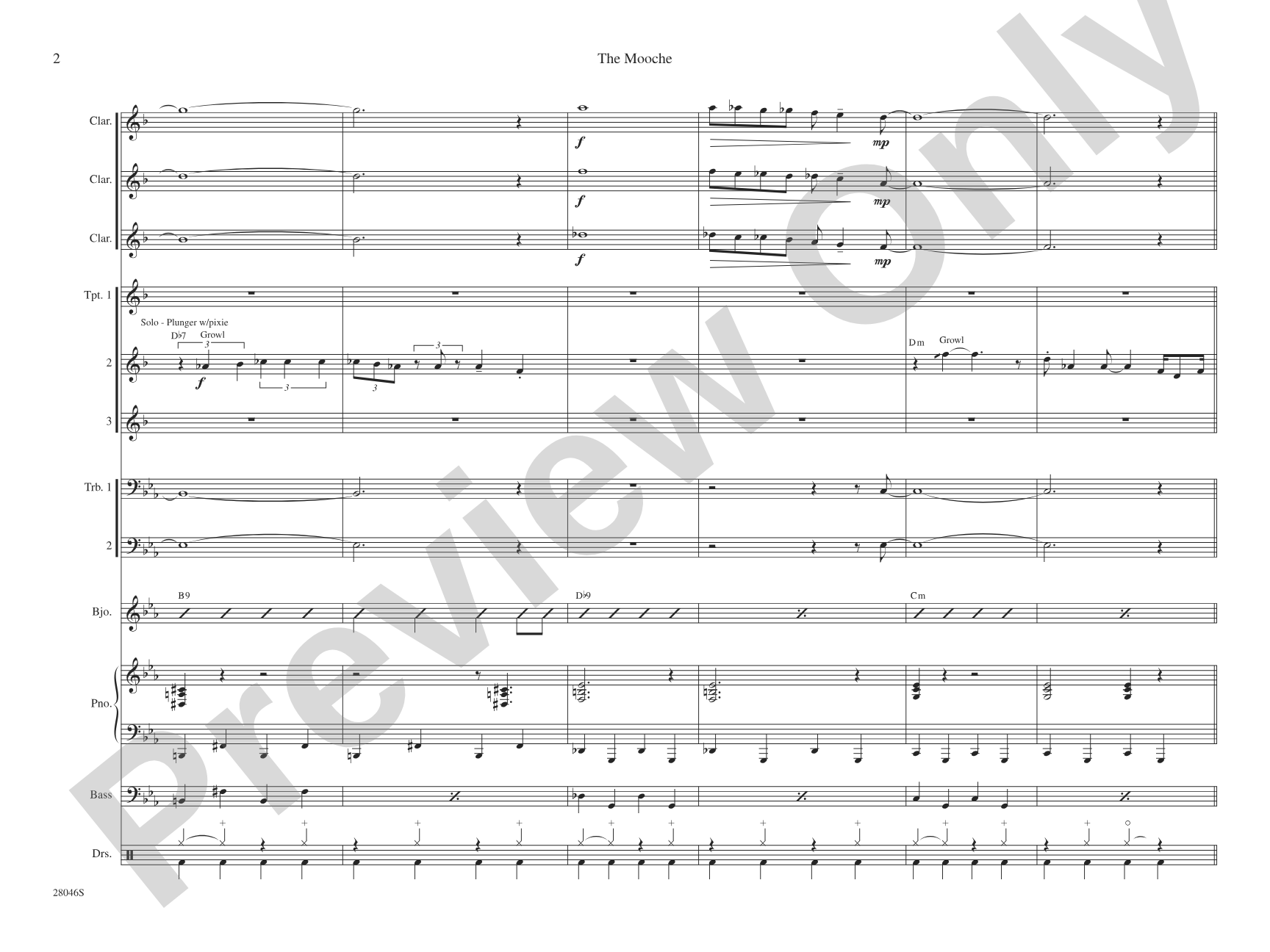
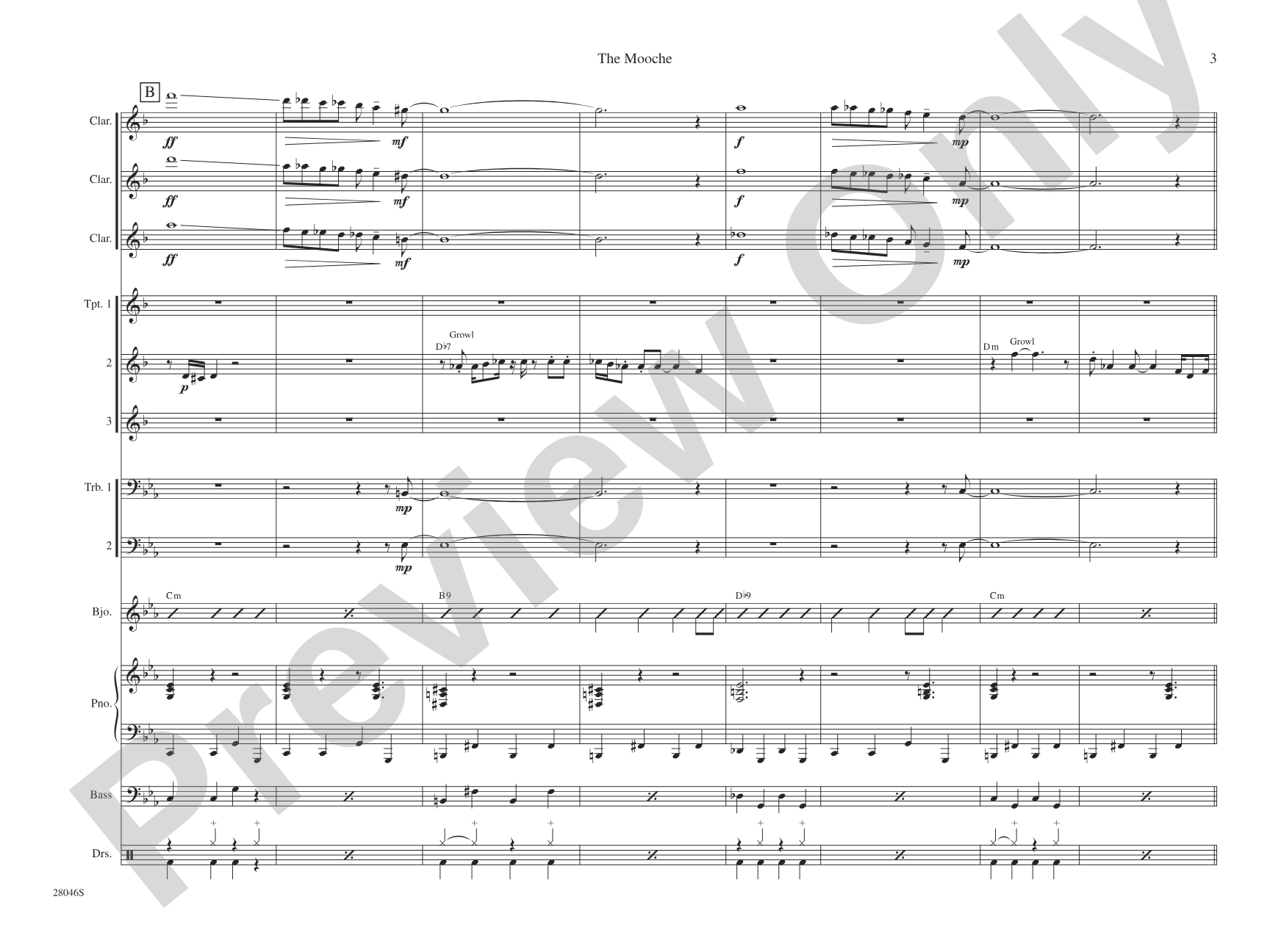
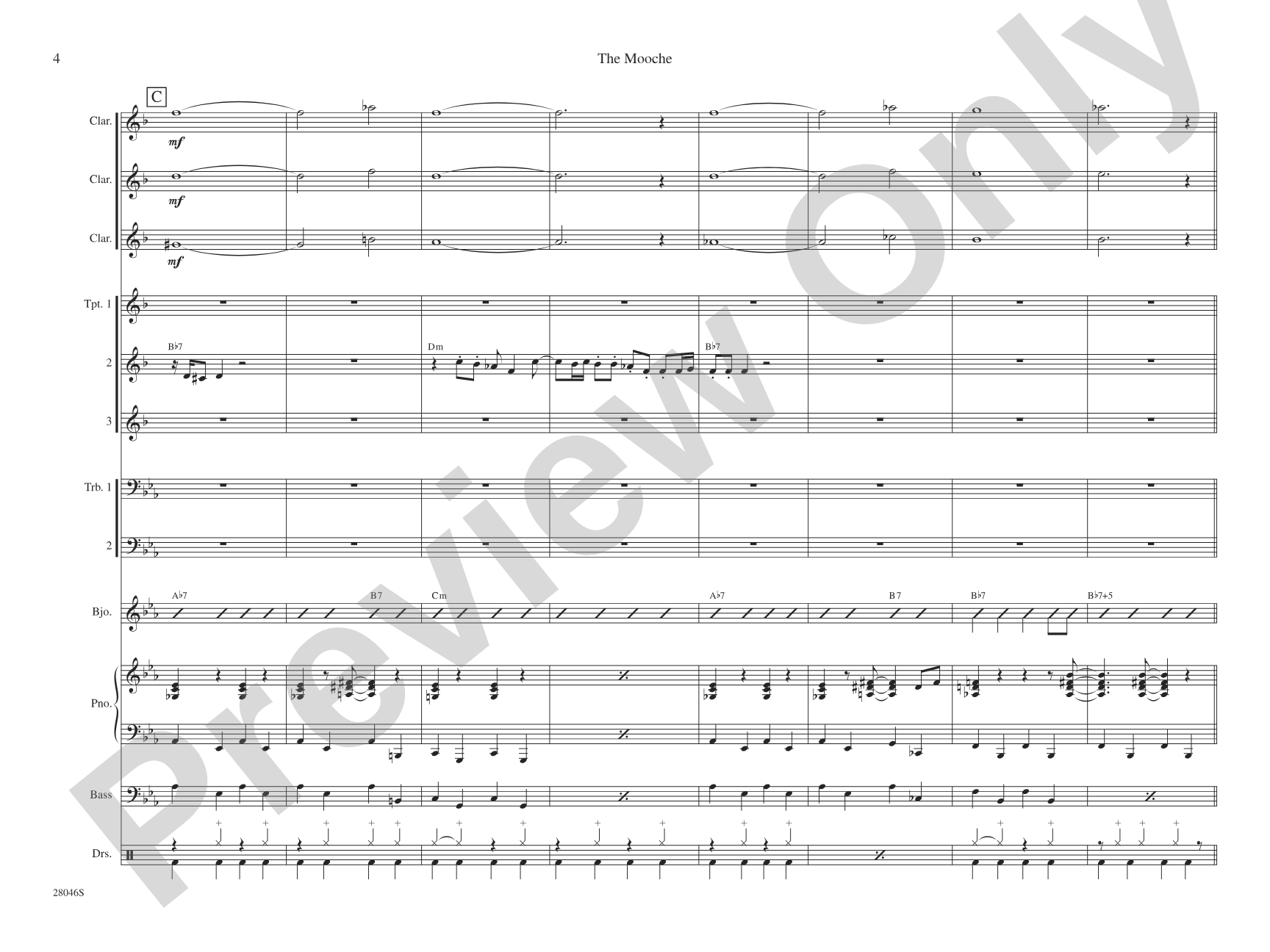
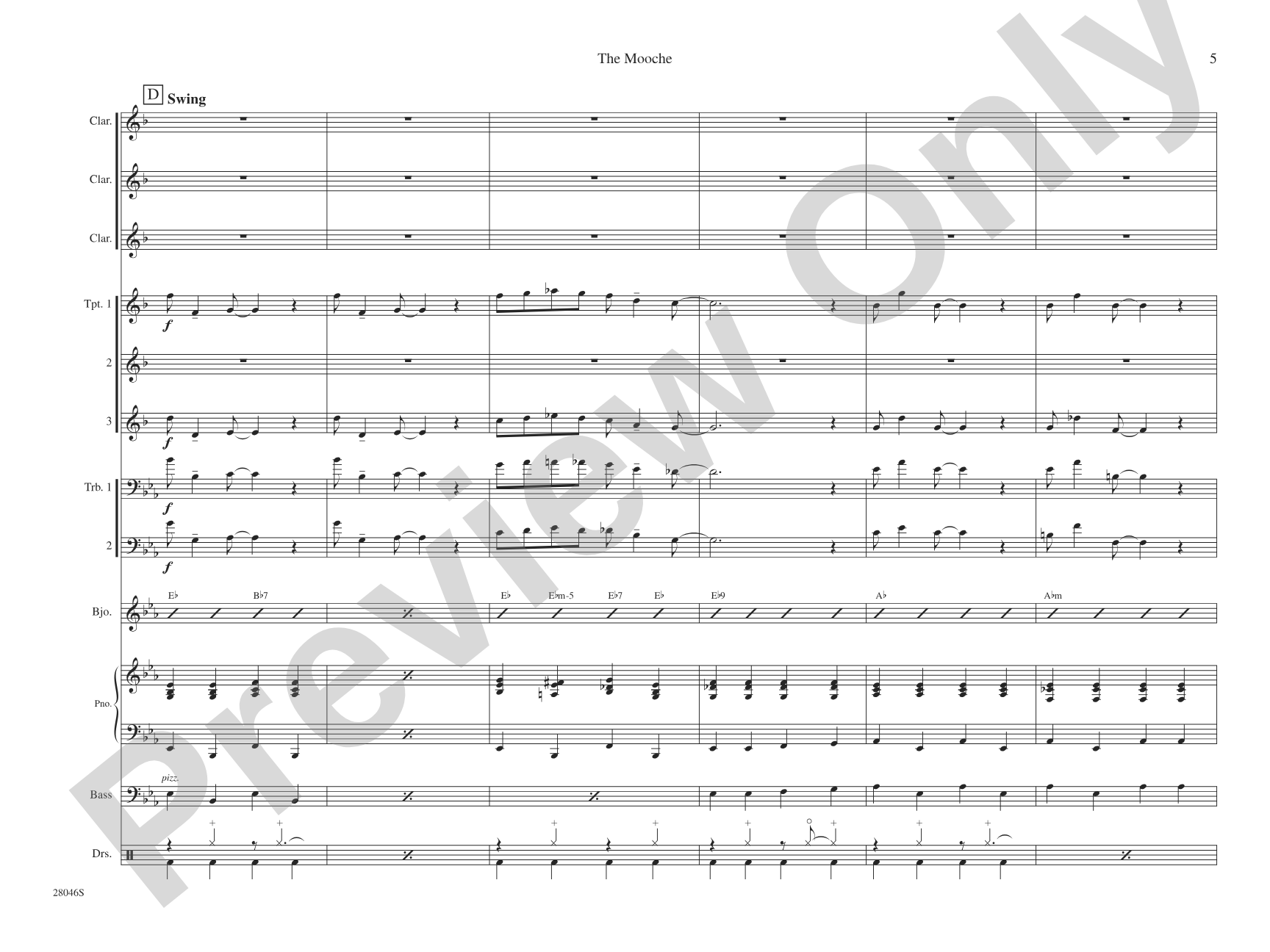
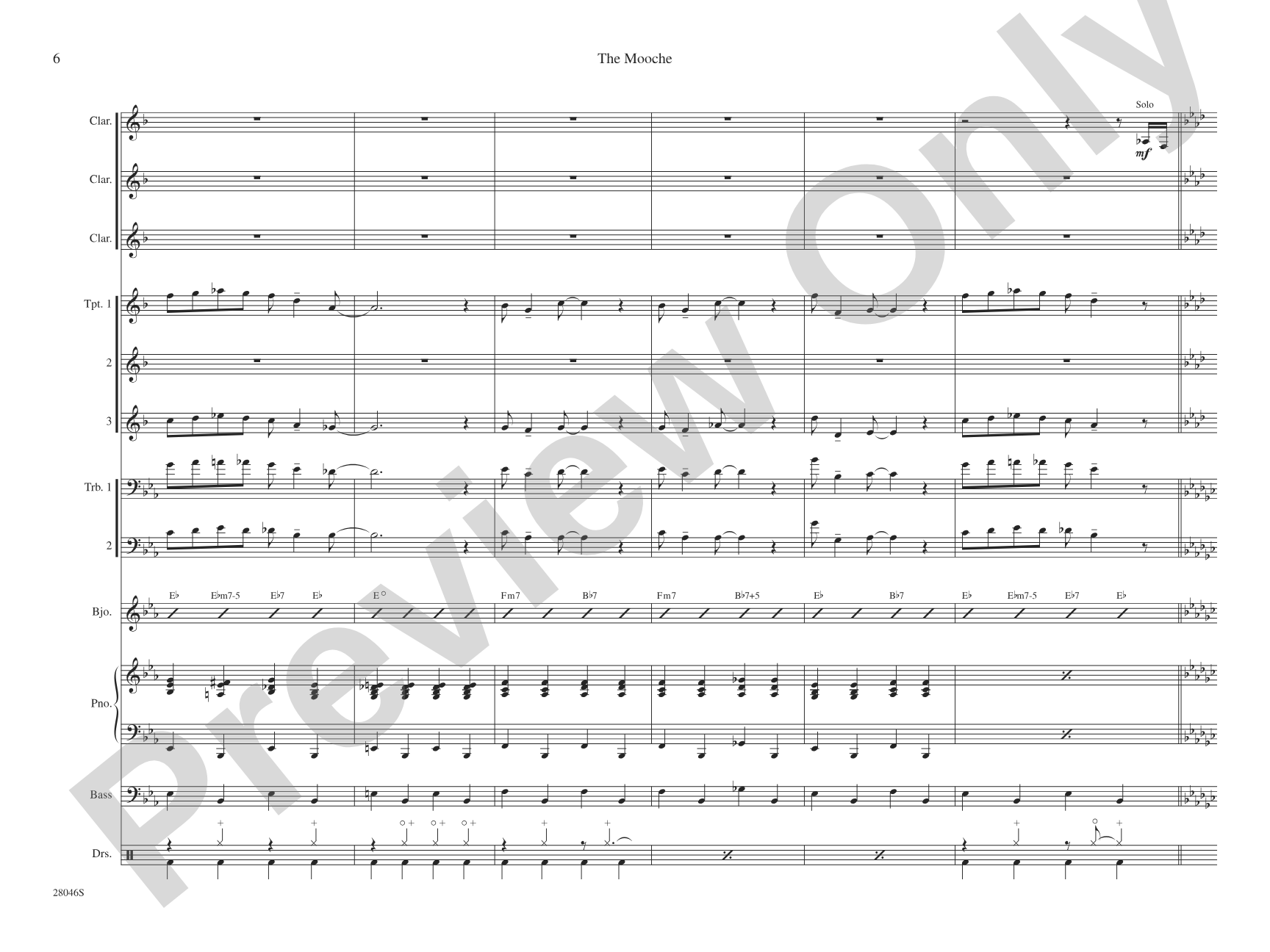
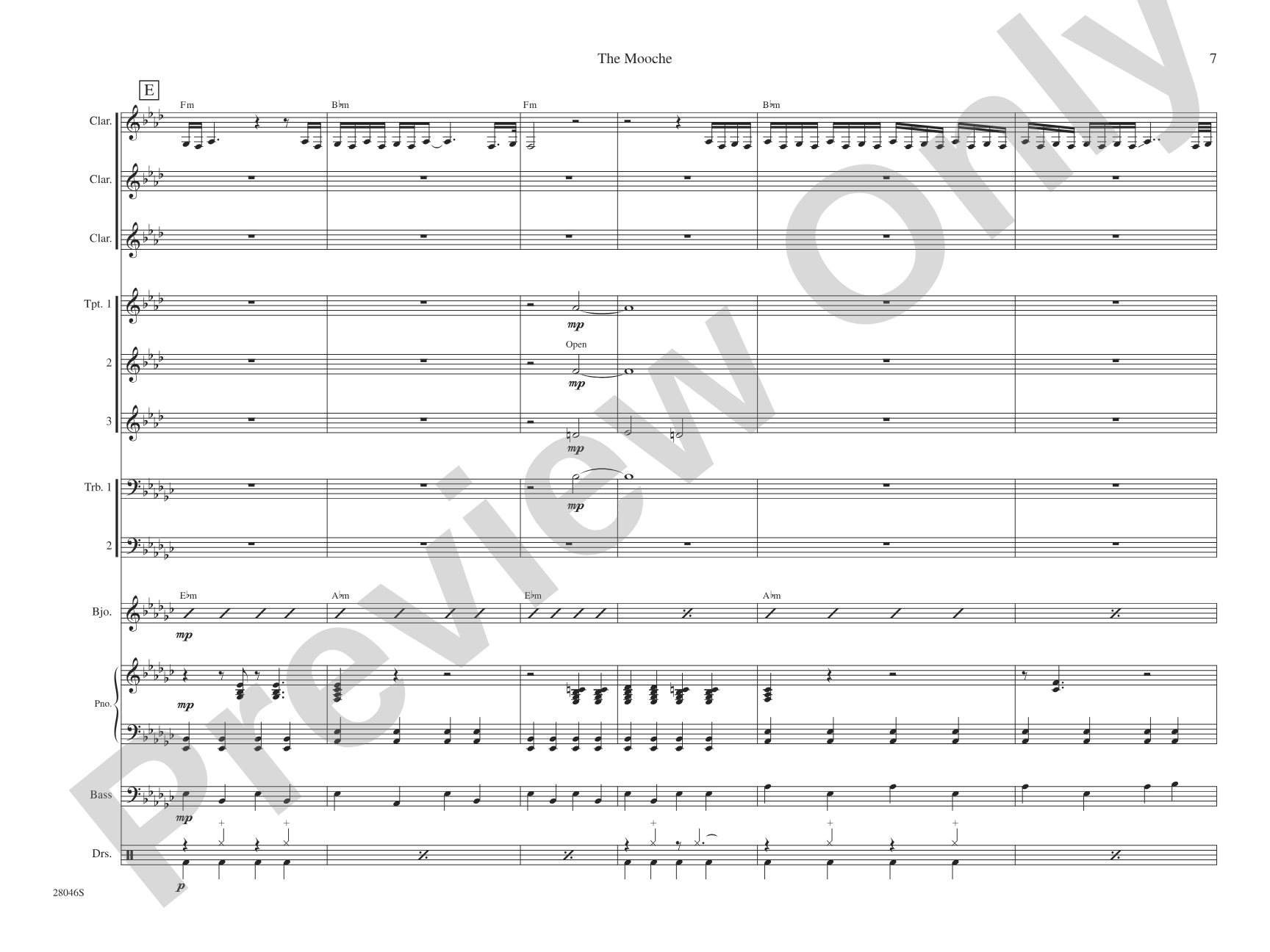
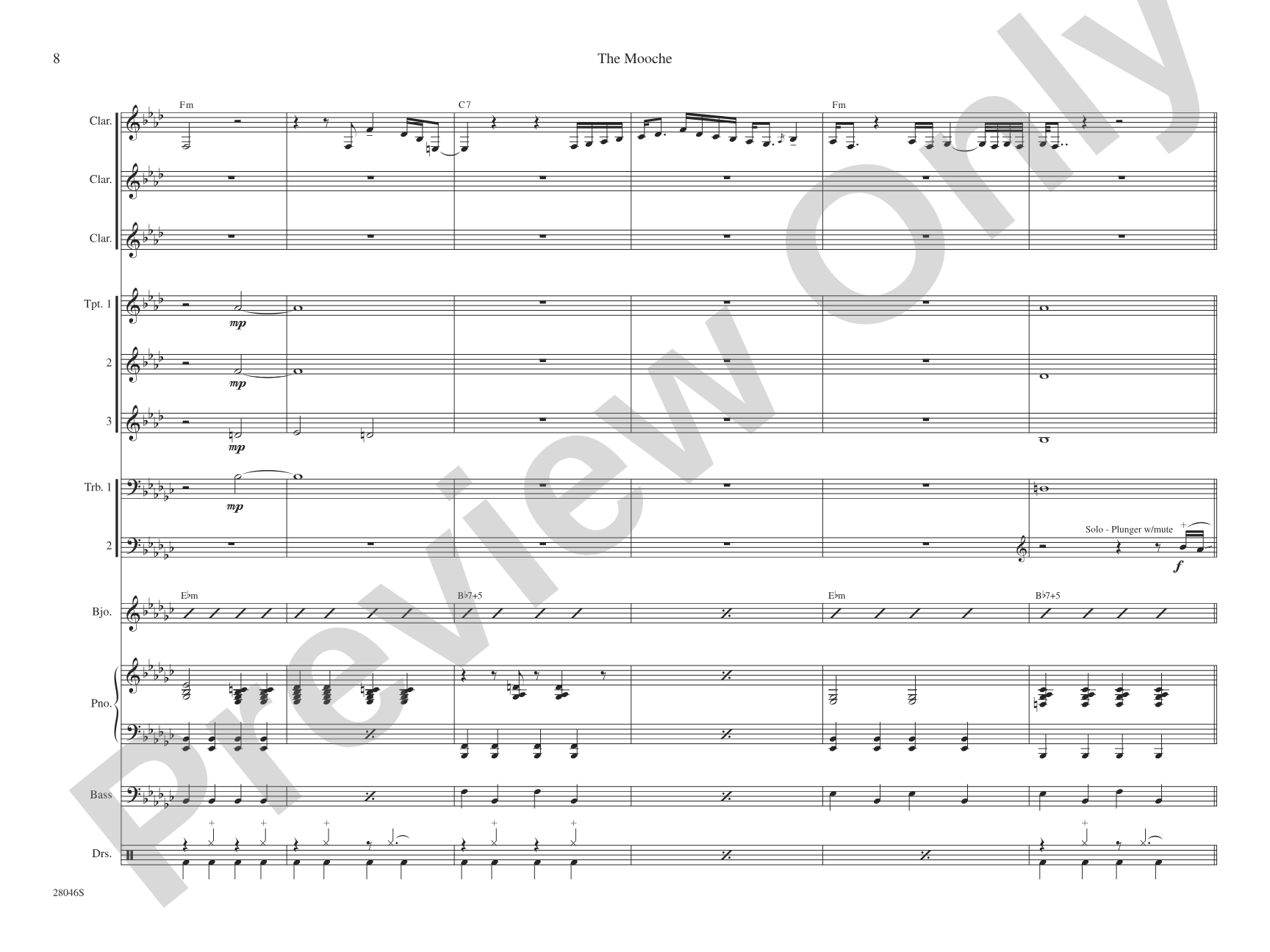
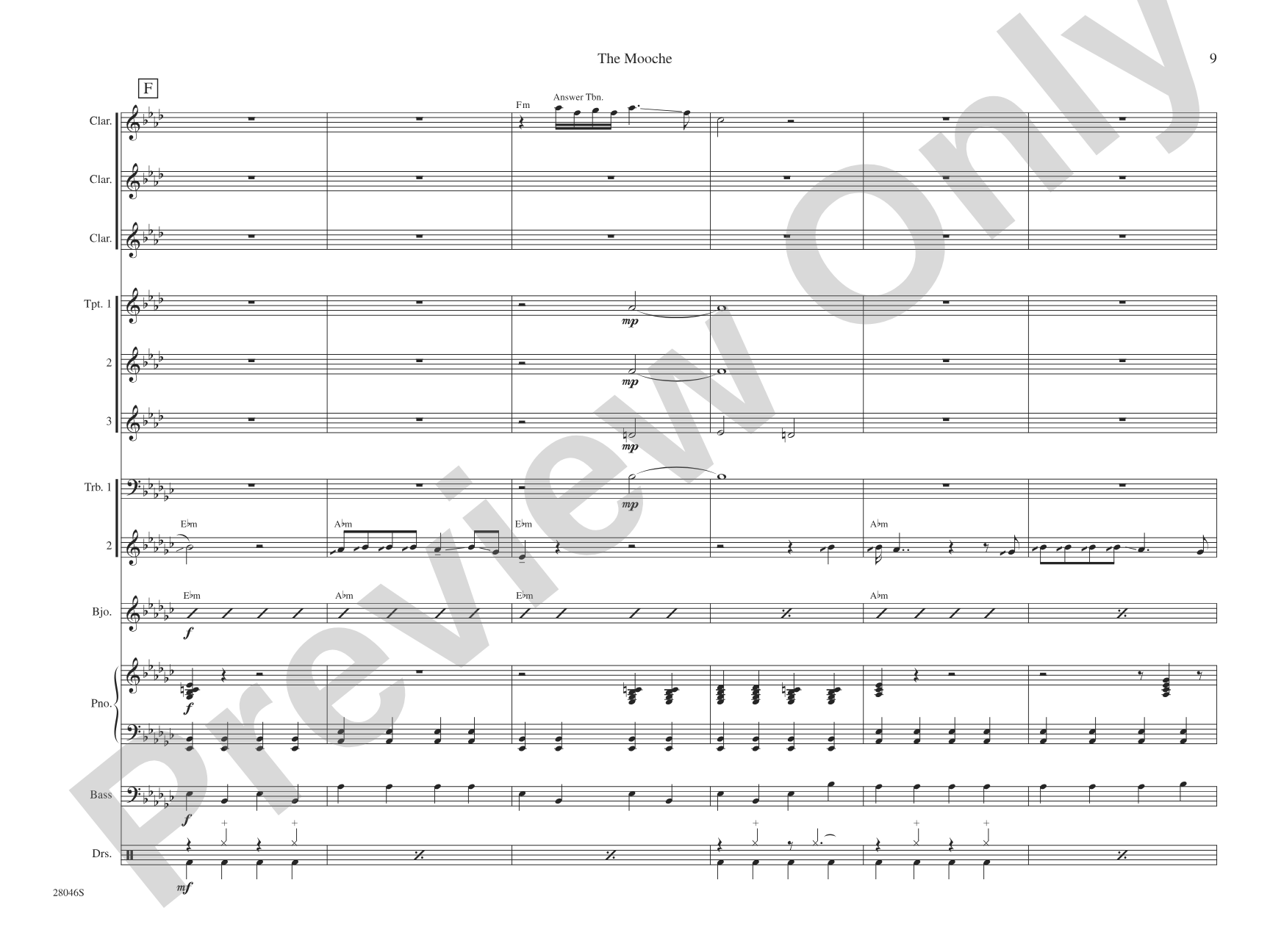
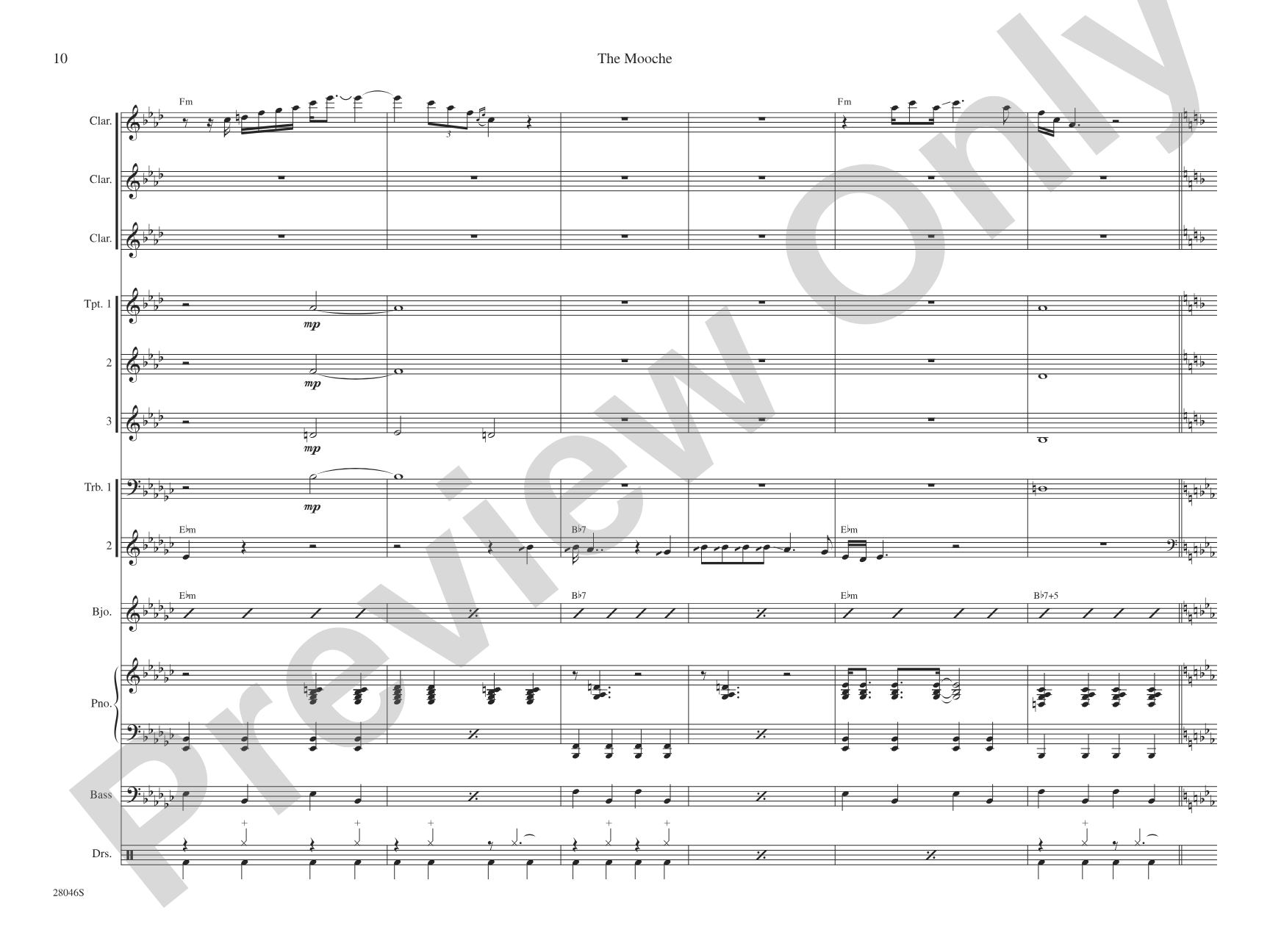
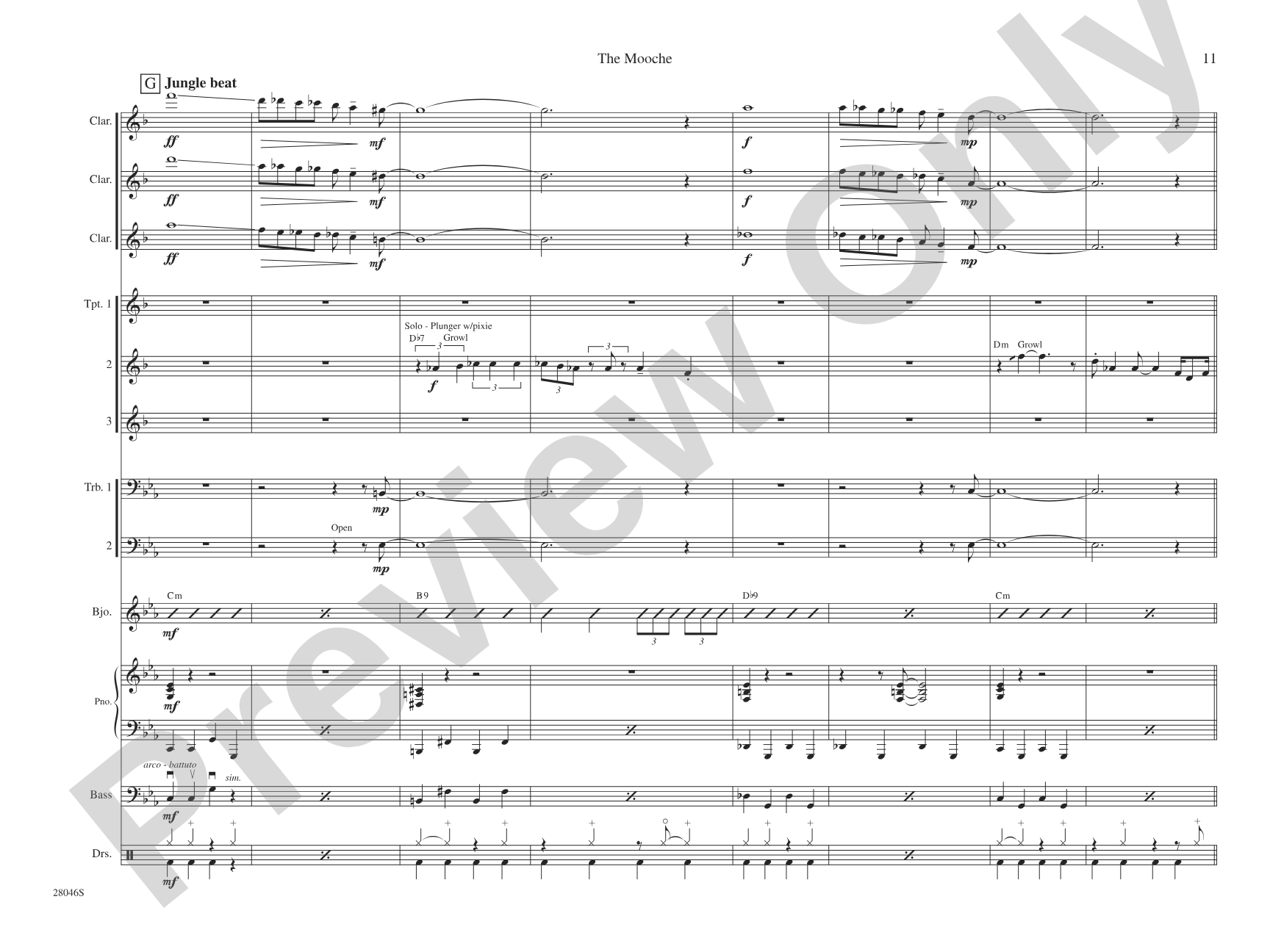
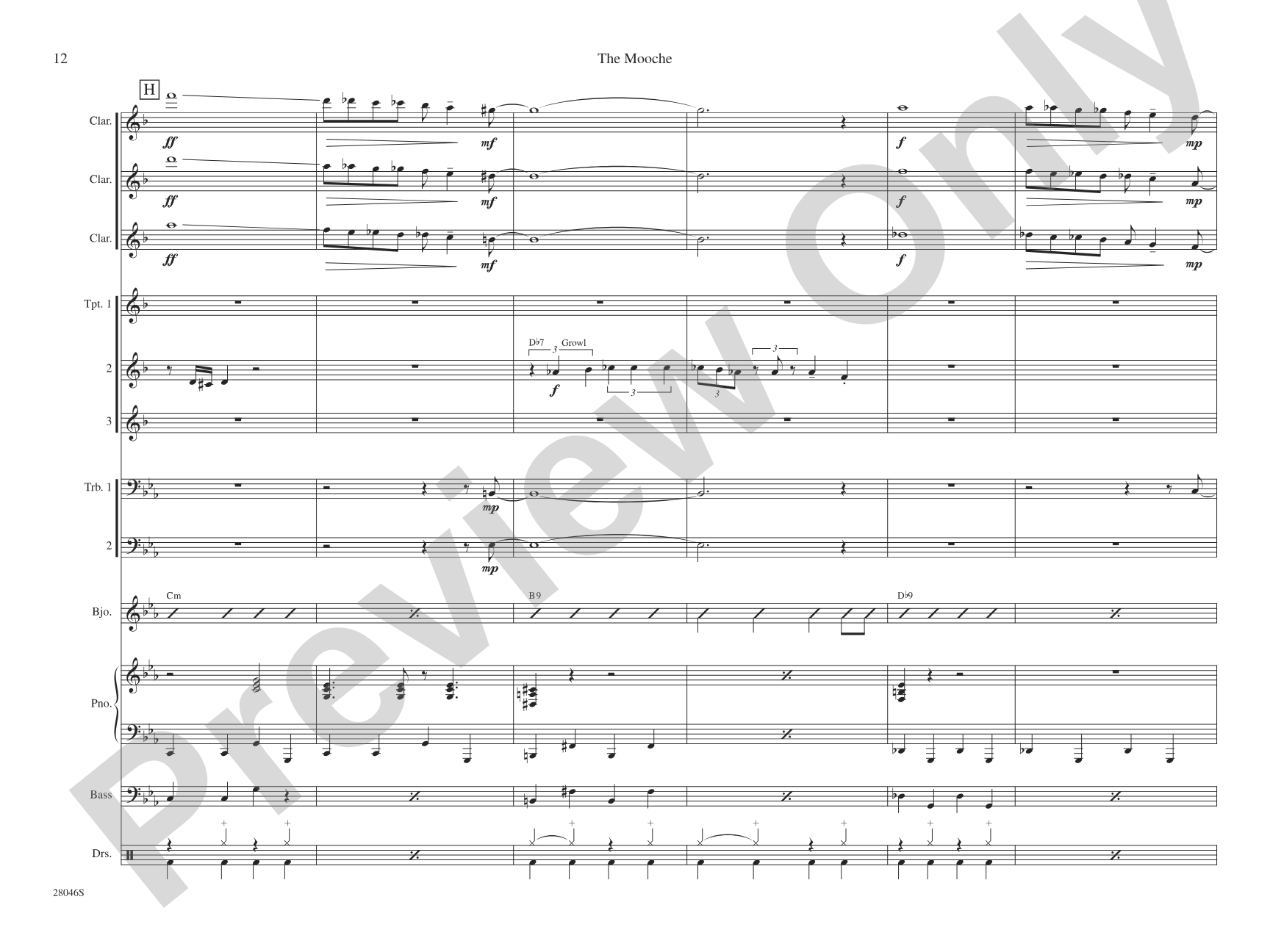
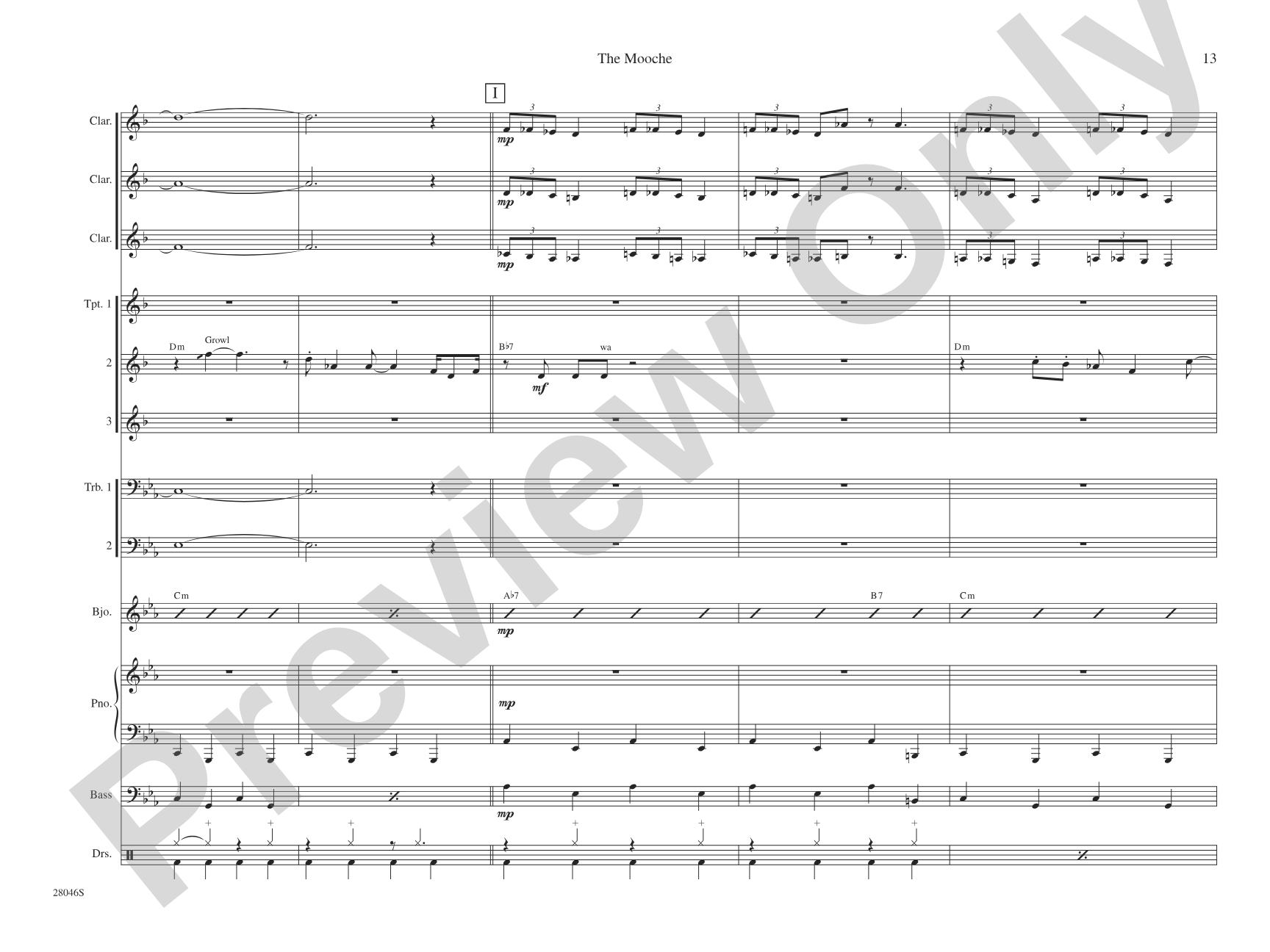
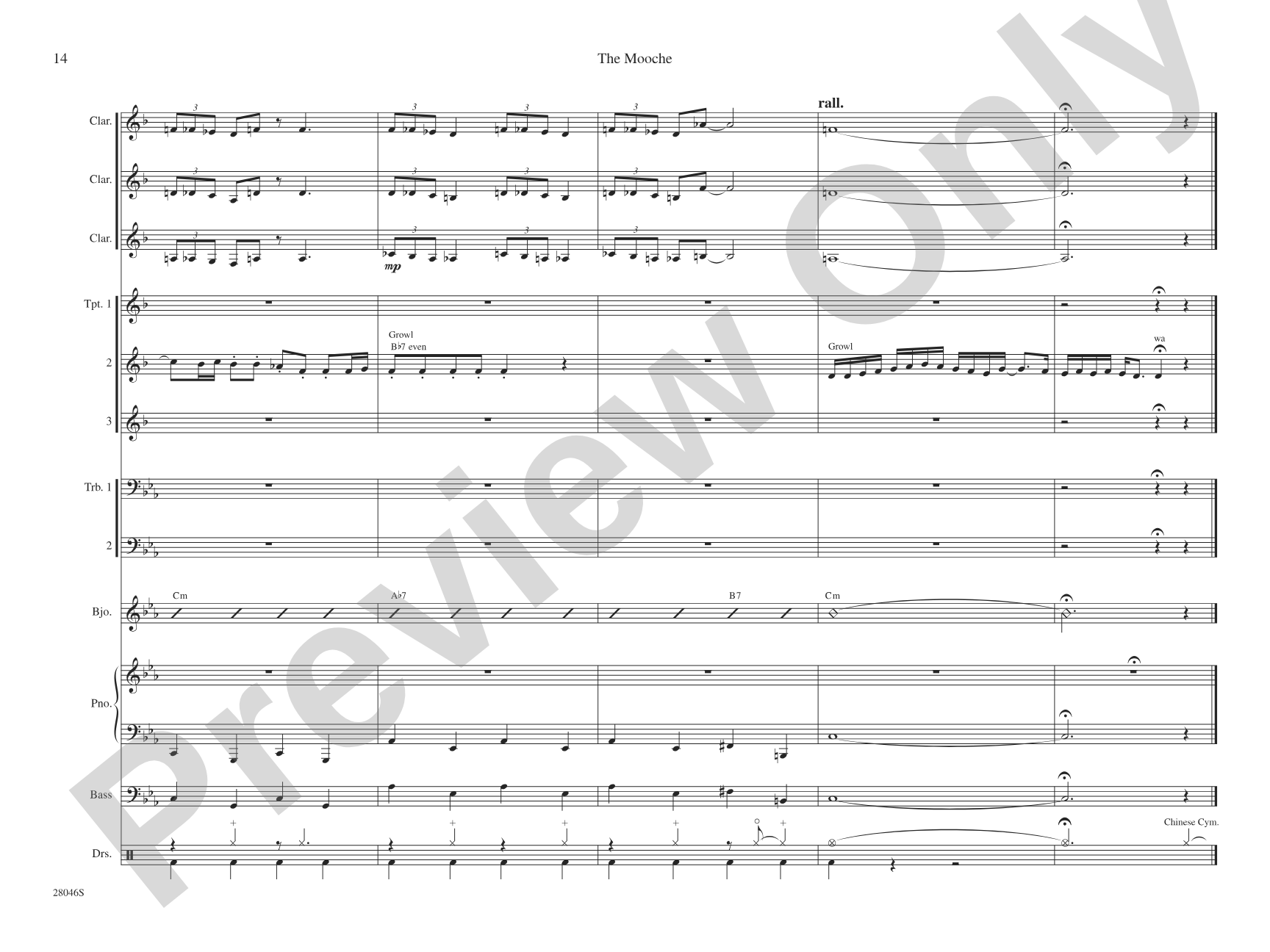




The Mooche: Score
By Duke Ellington and Irving Mills / transcr. David Berger
Grade: 4 (Medium Advanced / Difficult)
Item: 00-PR-0003130
$10.00
Pickup currently not available
Description


Don't just read it, hear it, play along with it, and watch your students grow with it. In MakeMusic Cloud, The Mooche: Score comes alive with professional accompaniment, adjustable tempo, and built-in practice tools that turn solo practice into real progress.
Open in the Player
Jump straight in and assign it today.
Start Your Free Trial
Open this title and explore the full library in minutes.
Sample Audio
No sample audio found.
Sample Video
No sample videos found.
Additional Details
Series:
Essentially Ellington: Jazz at Lincoln Center Library
Publisher:
Alfred Music
Page Count:
48
SKU:
00-PR-0003130
More about this title
About the Composer: Duke Ellington
Duke Ellington stands as one of the most consequential composers in American music history. Over five decades, he created a vast catalog that moved fluidly between jazz idiom and concert hall ambition, proving that popular music and serious compositional craft were never mutually exclusive. His work with his orchestra set the standard for big band writing and remains the foundation of jazz ensemble repertoire in schools and concert halls worldwide.
Why we love this
David Berger's arrangement opens up Ellington's compositional architecture for ensemble performance without sacrificing the sophisticated harmony and rhythmic sophistication that makes this composer essential. The Grade 4 difficulty level respects both the complexity of the original and what medium-advanced ensembles can actually execute, making it achievable rather than theoretical.
What to expect
The Mooche swings with an almost bluesy confidence, combining jump-band energy with the kind of orchestral color you expect from someone writing for a major orchestra. There's an unrushed elegance to the piece, the feeling of a master craftsman showing you exactly how many shades of jazz expression fit into a compact form.
Who it's for
Directors programming a Grade 4 jazz ensemble who want to move beyond beginner charts and into literature that teaches real compositional thinking. Ensembles ready to tackle Ellington's harmonic sophistication and the interactive demands of his writing will find this both rewarding and achievable.
How to get the most out of it
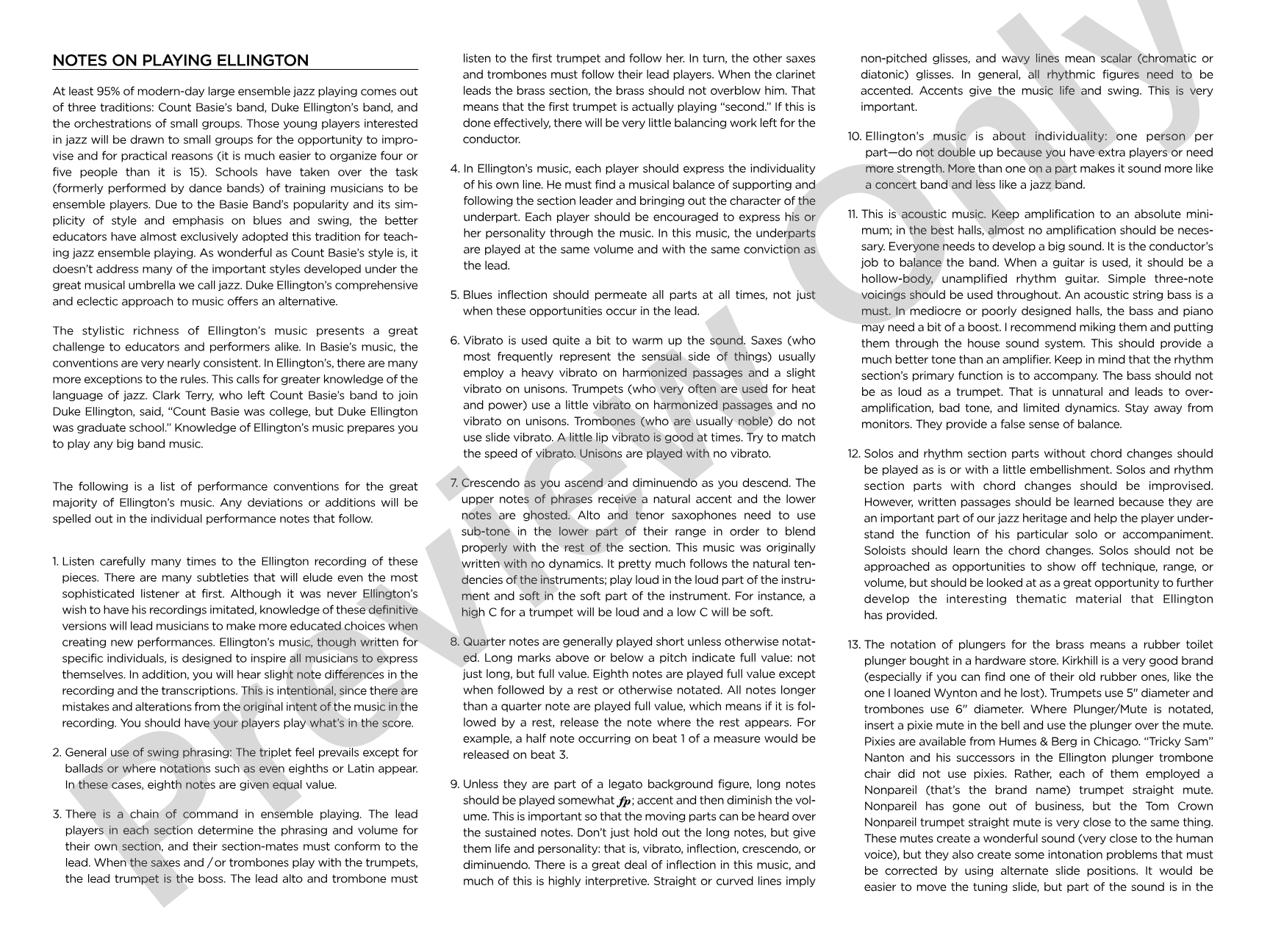
- Balance the solo voices within the ensemble texture; Ellington wrote for clearly defined instrumental personalities, so let the voicings breathe rather than blend everything into a uniform sound.
- Pay close attention to the rhythmic placement of accents and articulation marks. The Ellington sound depends on precise punctuation from the rhythm section and horn lines.
- Shape the melodic lines with the phrasing of a vocalist, not a march. These melodies have the character of speech and blues inflection baked into them.
- Communicate with your rhythm section about feel and pocket. The written notation captures Ellington's intent, but the groove lives in the players' understanding of where the beat sits.
How to use it
This works perfectly as a centerpiece on a jazz concert or as part of a thematic program exploring Ellington's compositional range. Pairing it with other Berger arrangements from the Essentially Ellington series gives your ensemble a coherent window into one of jazz's greatest voices.
Skills your students will build
- Reading jazz chord changes and comp rhythms
- Balancing solo voices within an ensemble texture
- Phrasing and articulation in the jazz idiom
- Responding to rhythmic displacement and syncopation
- Listening and interaction within a section and across the ensemble