

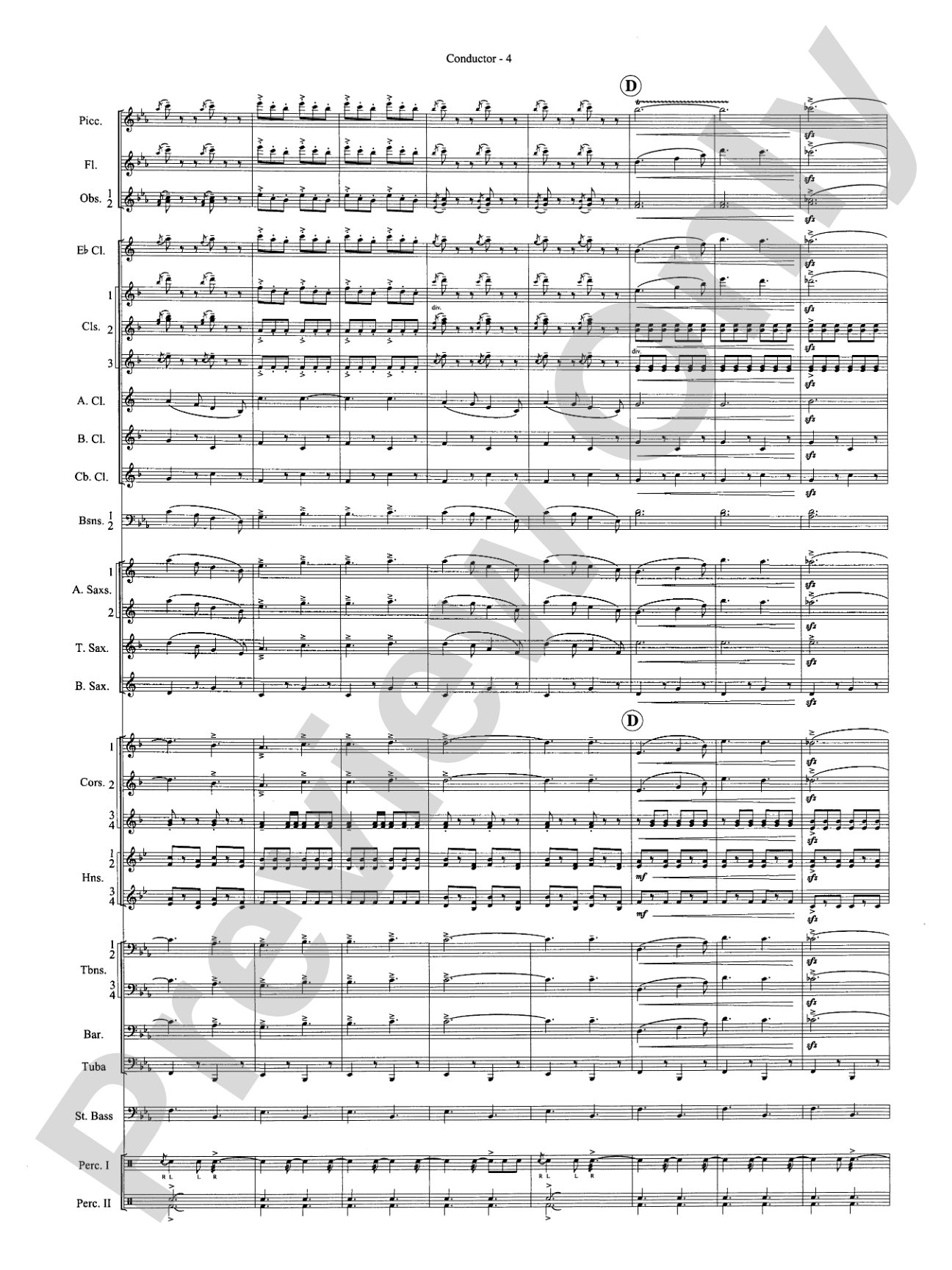
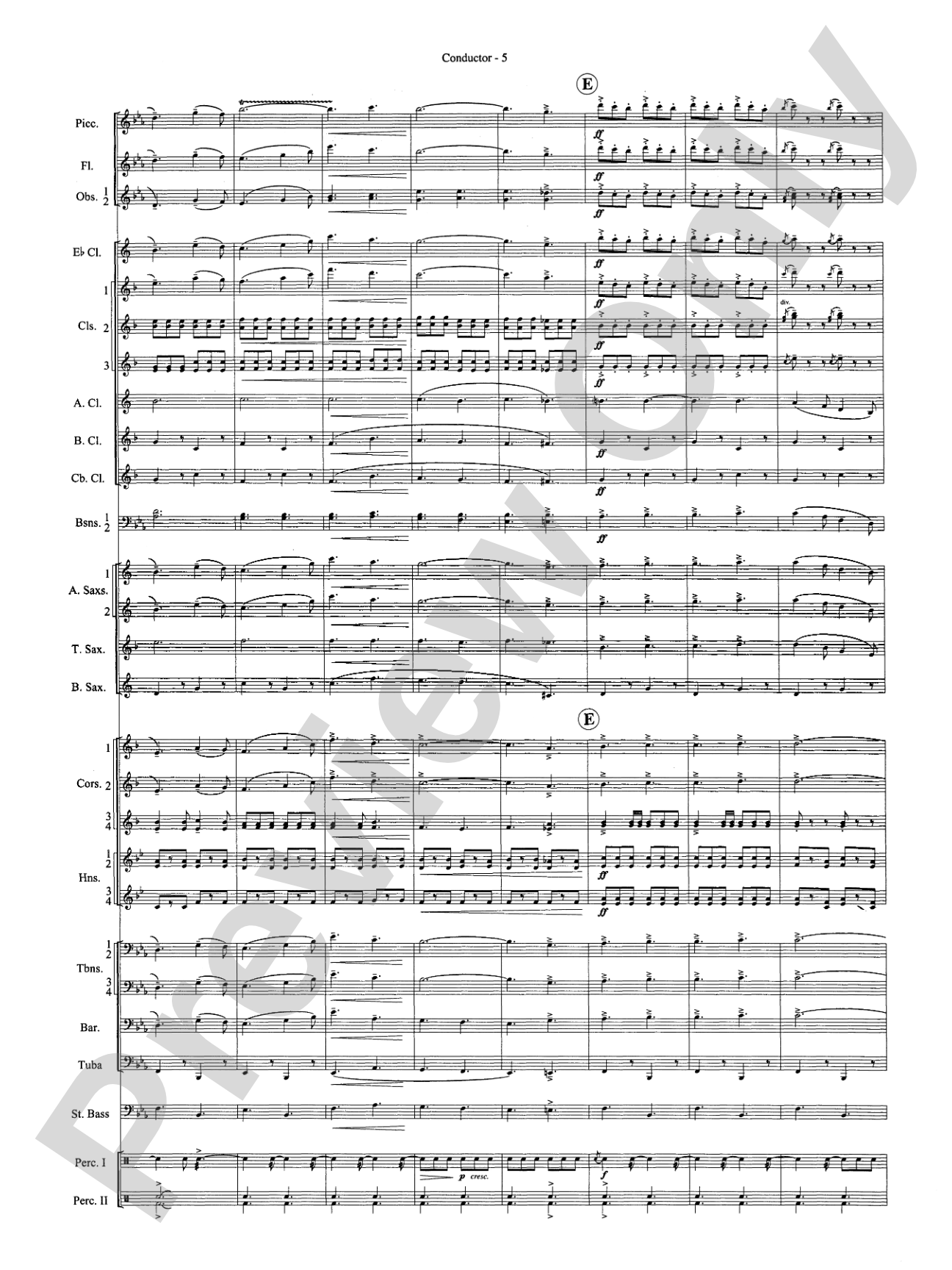
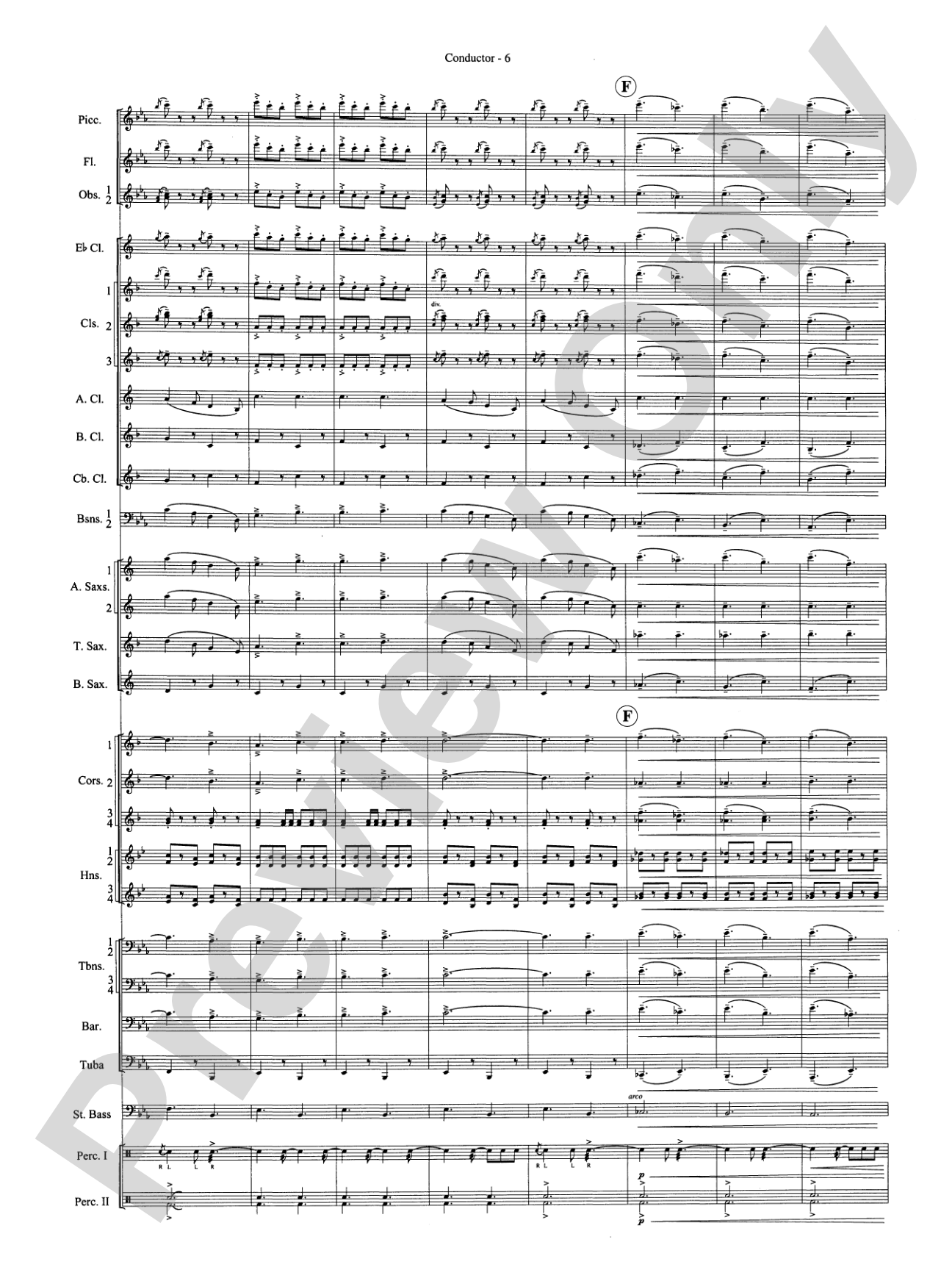
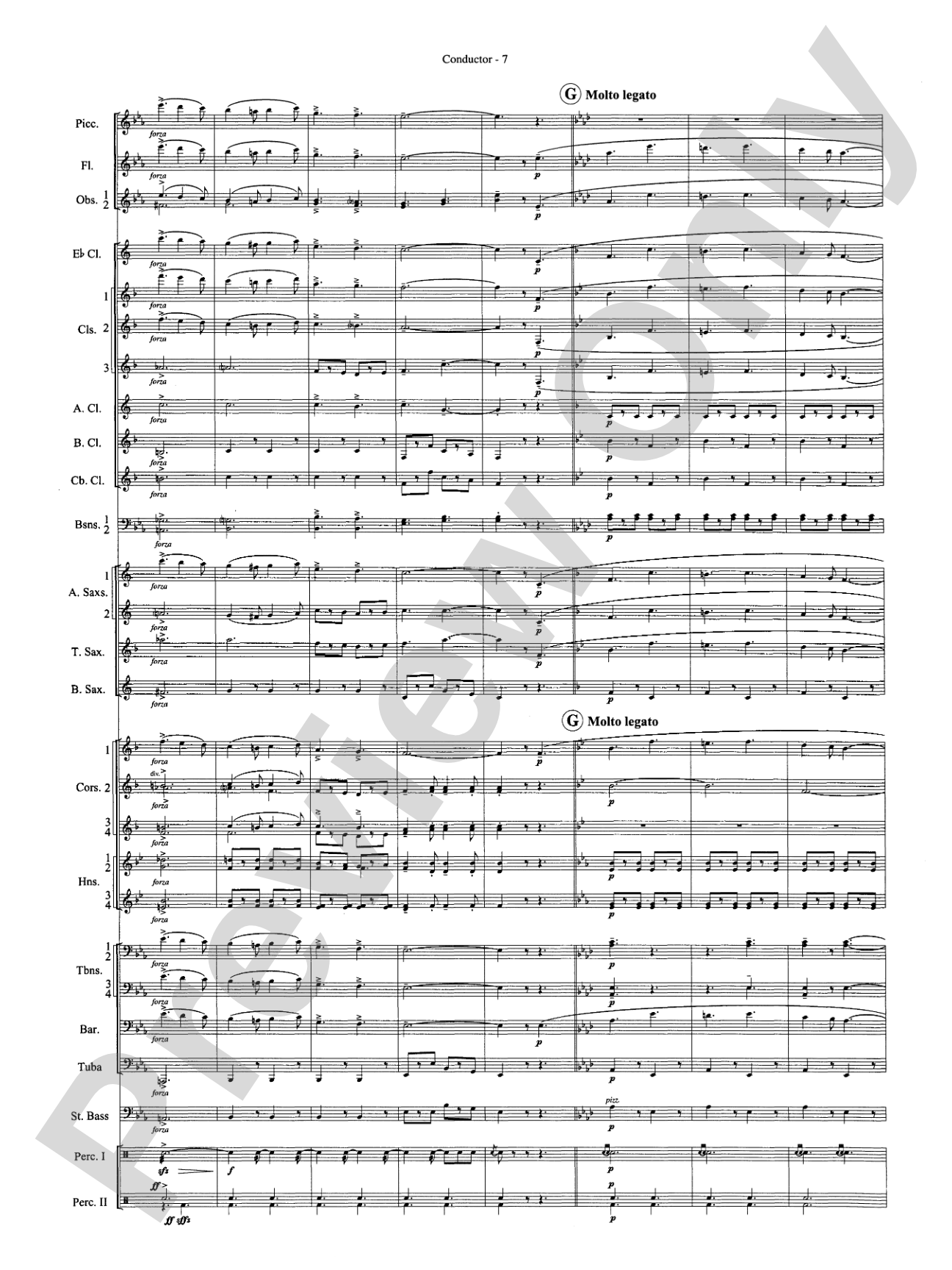
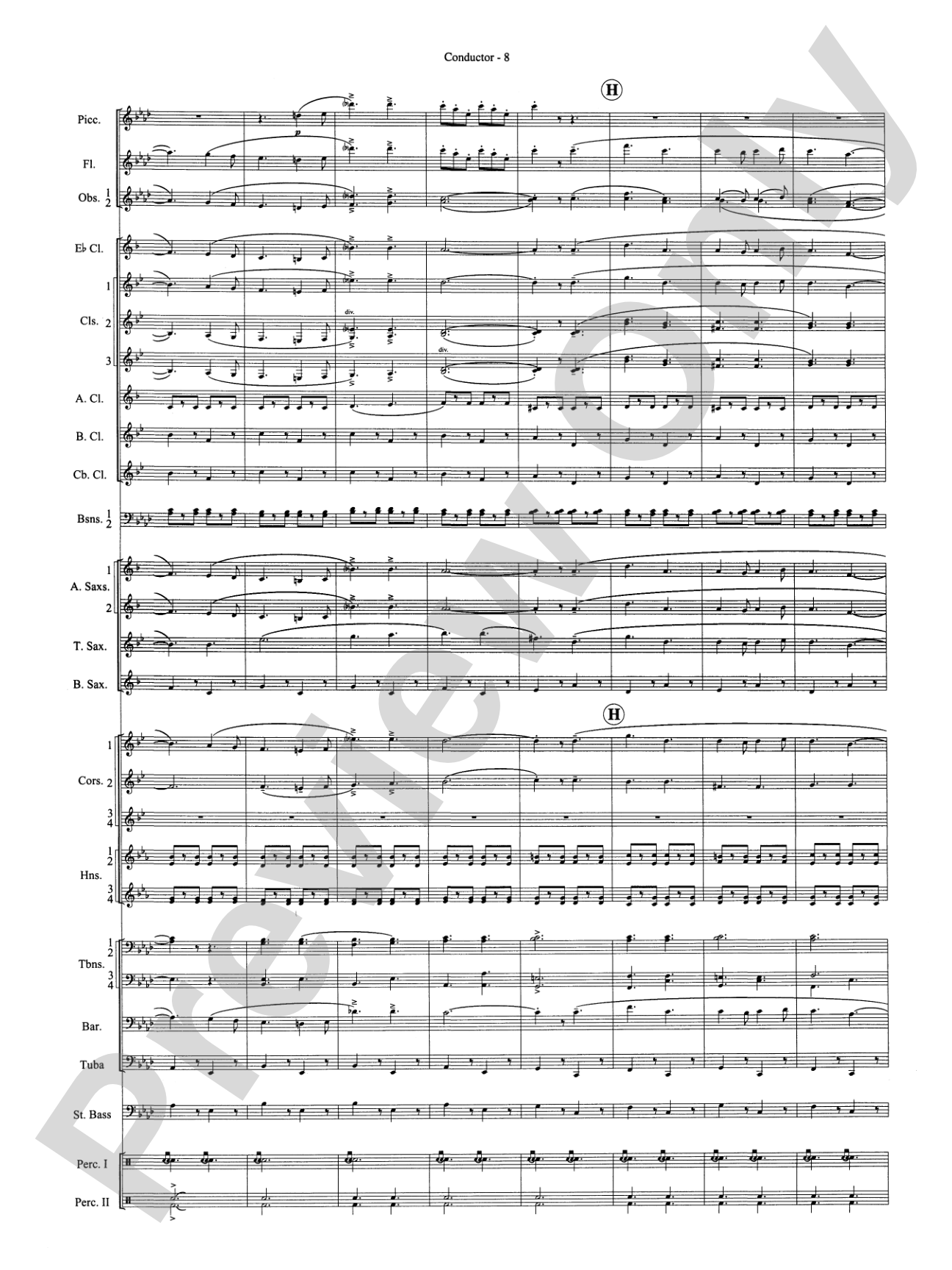
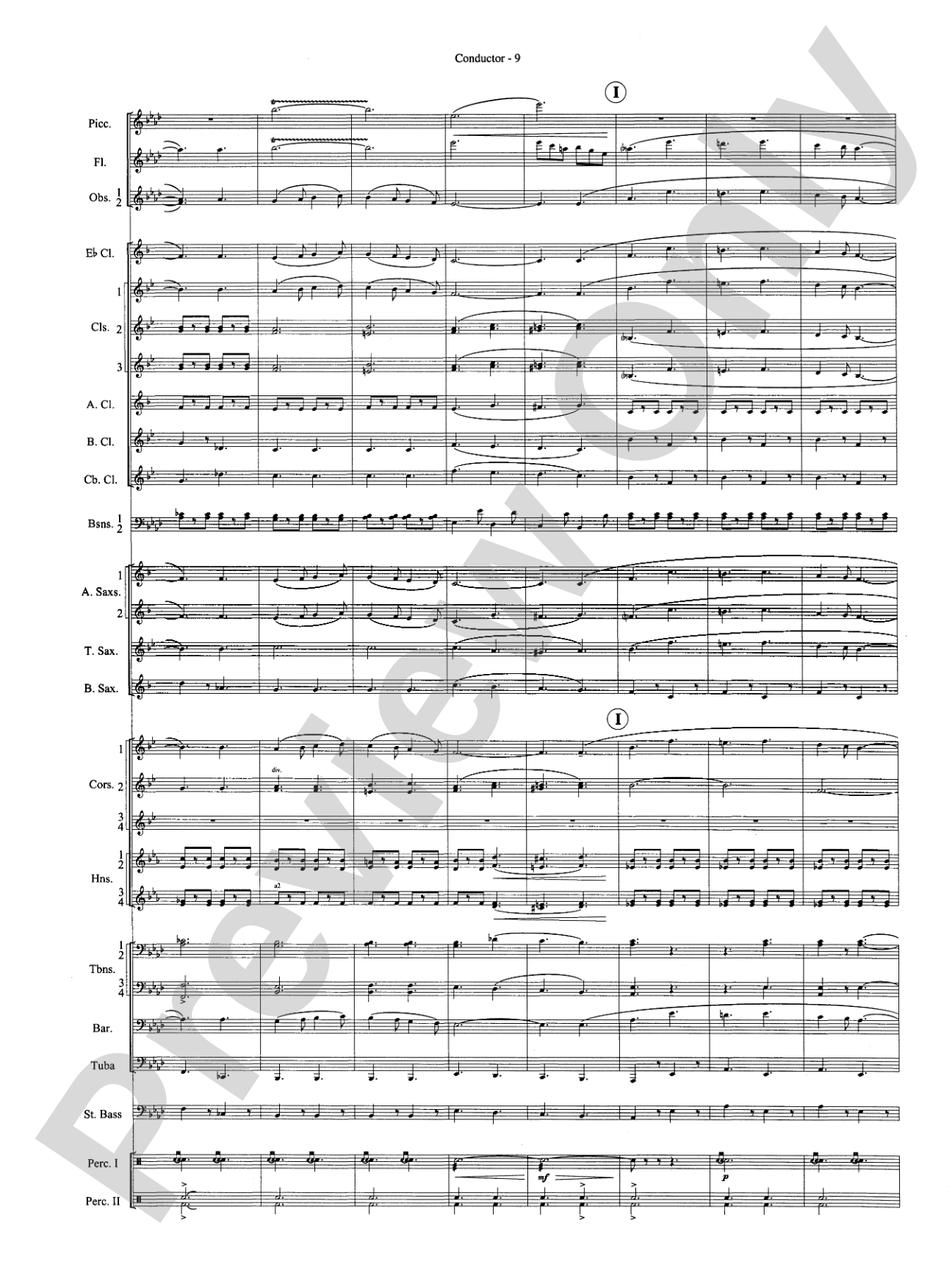
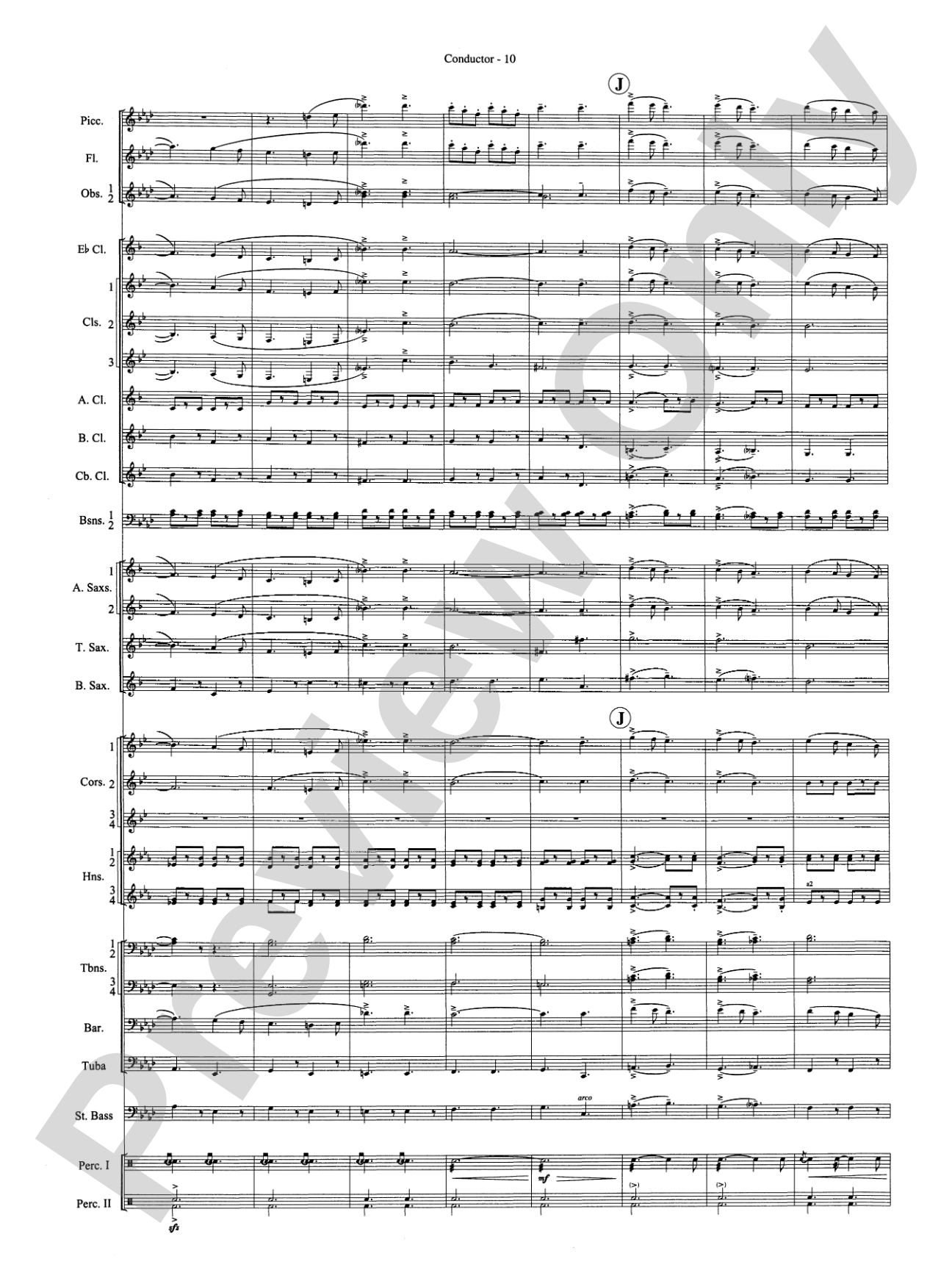
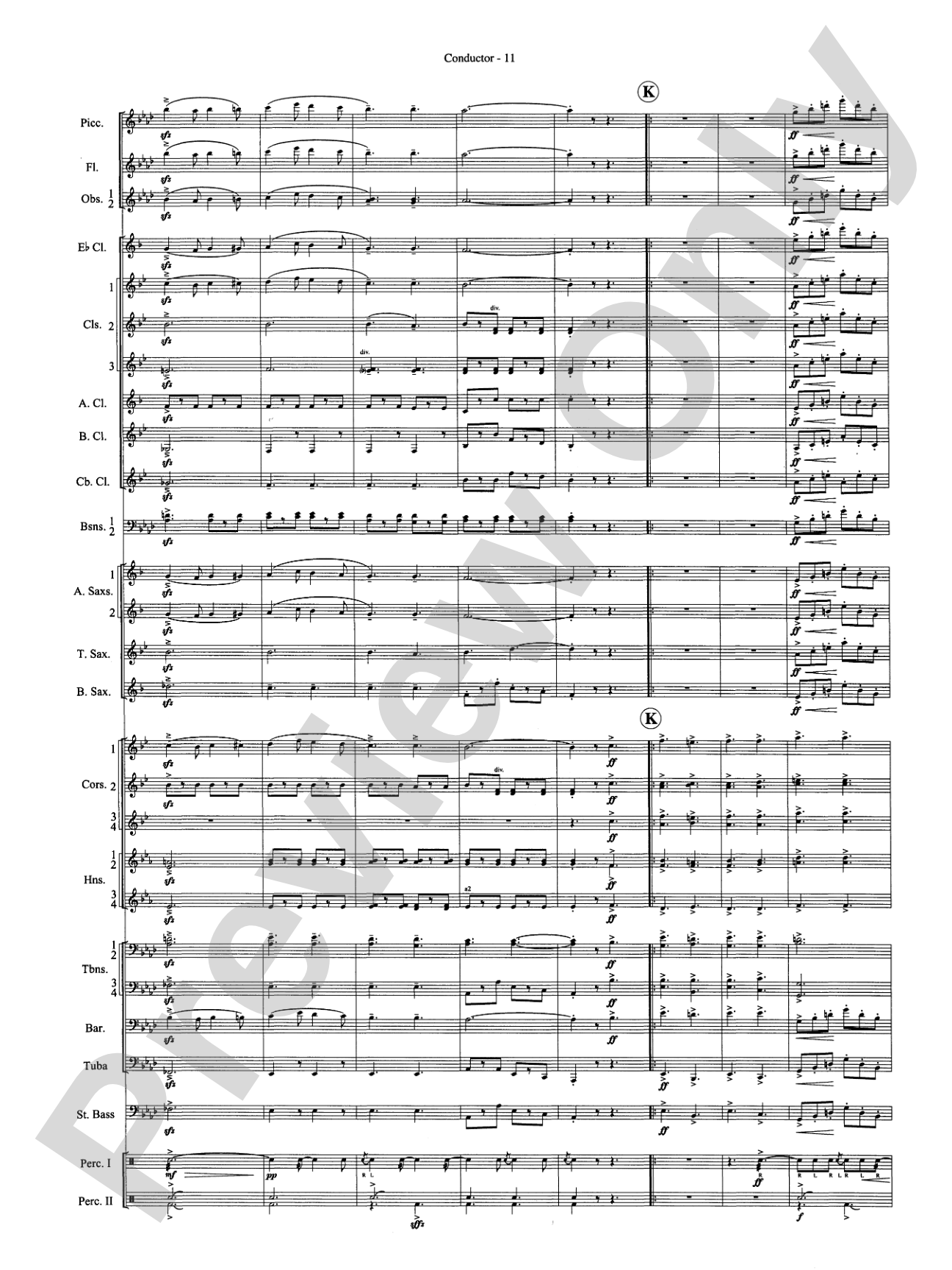
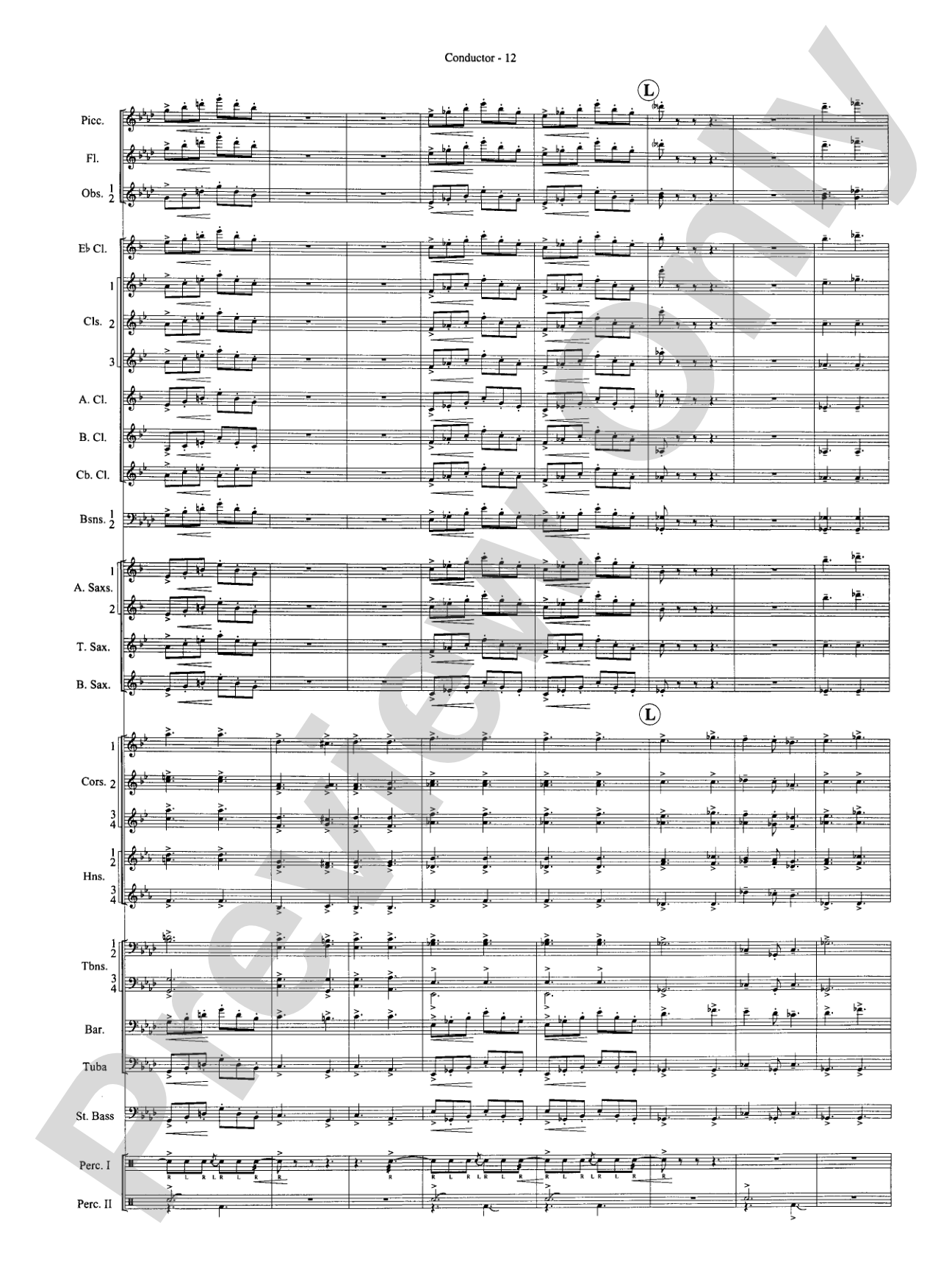
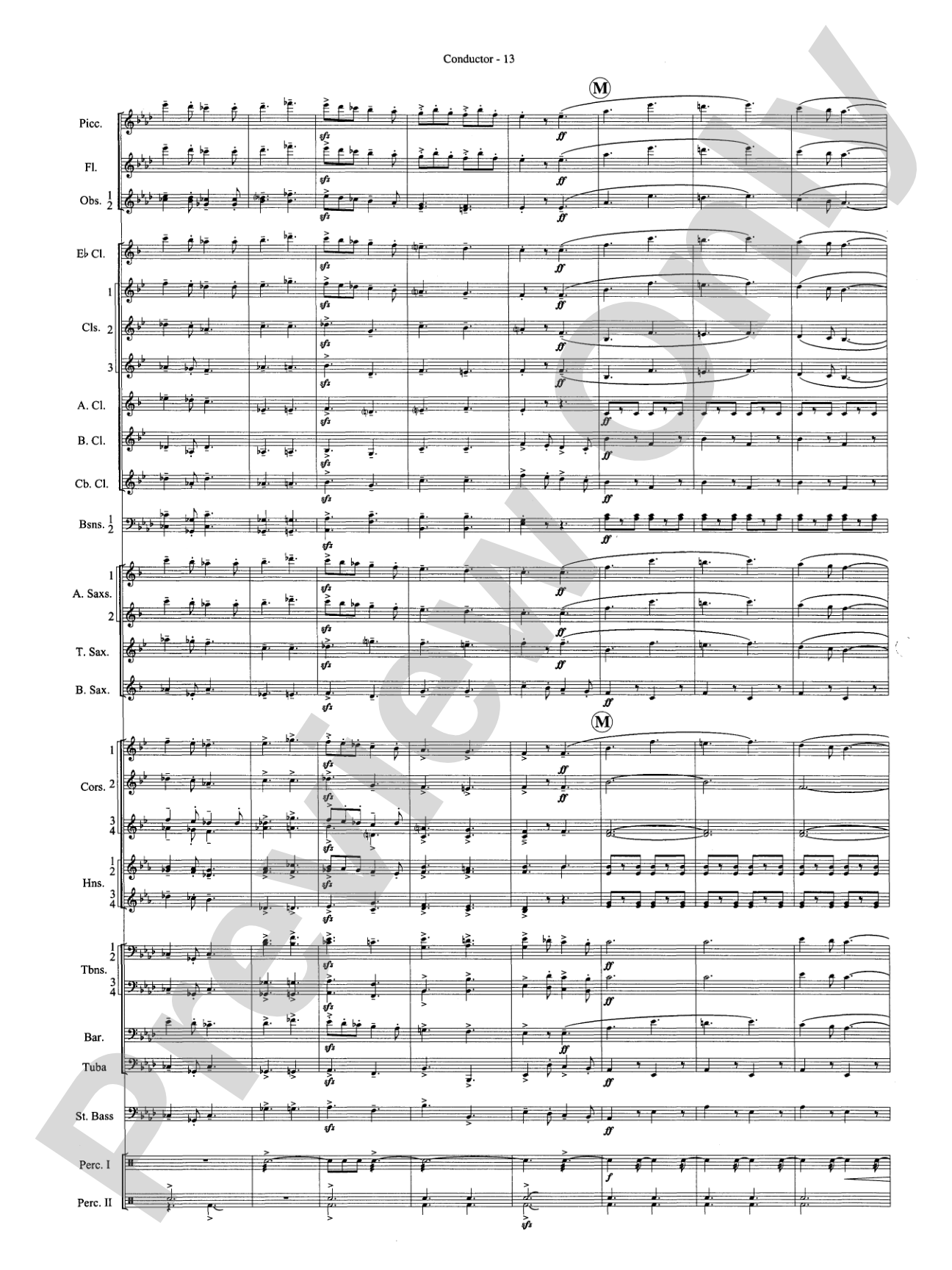
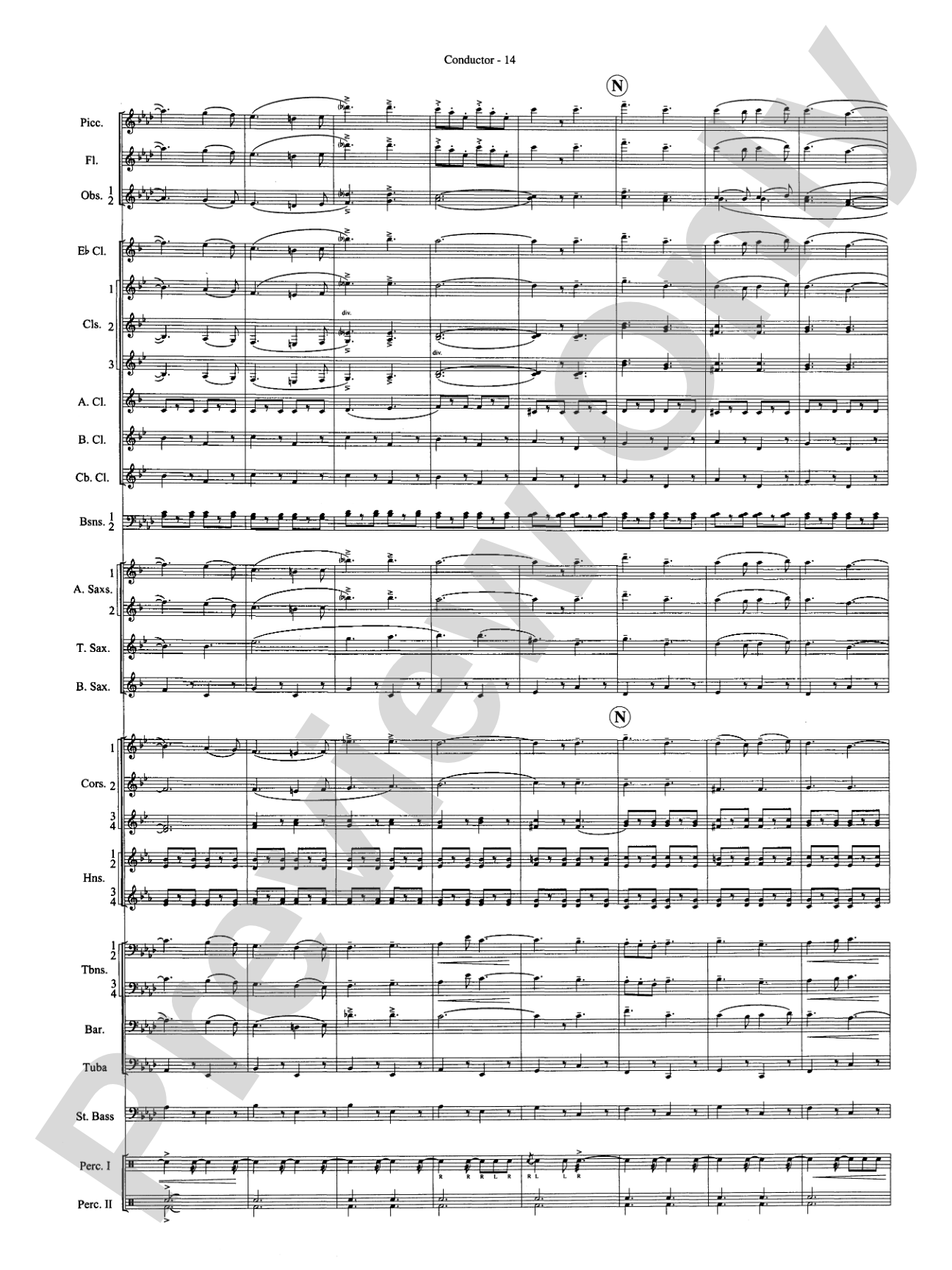
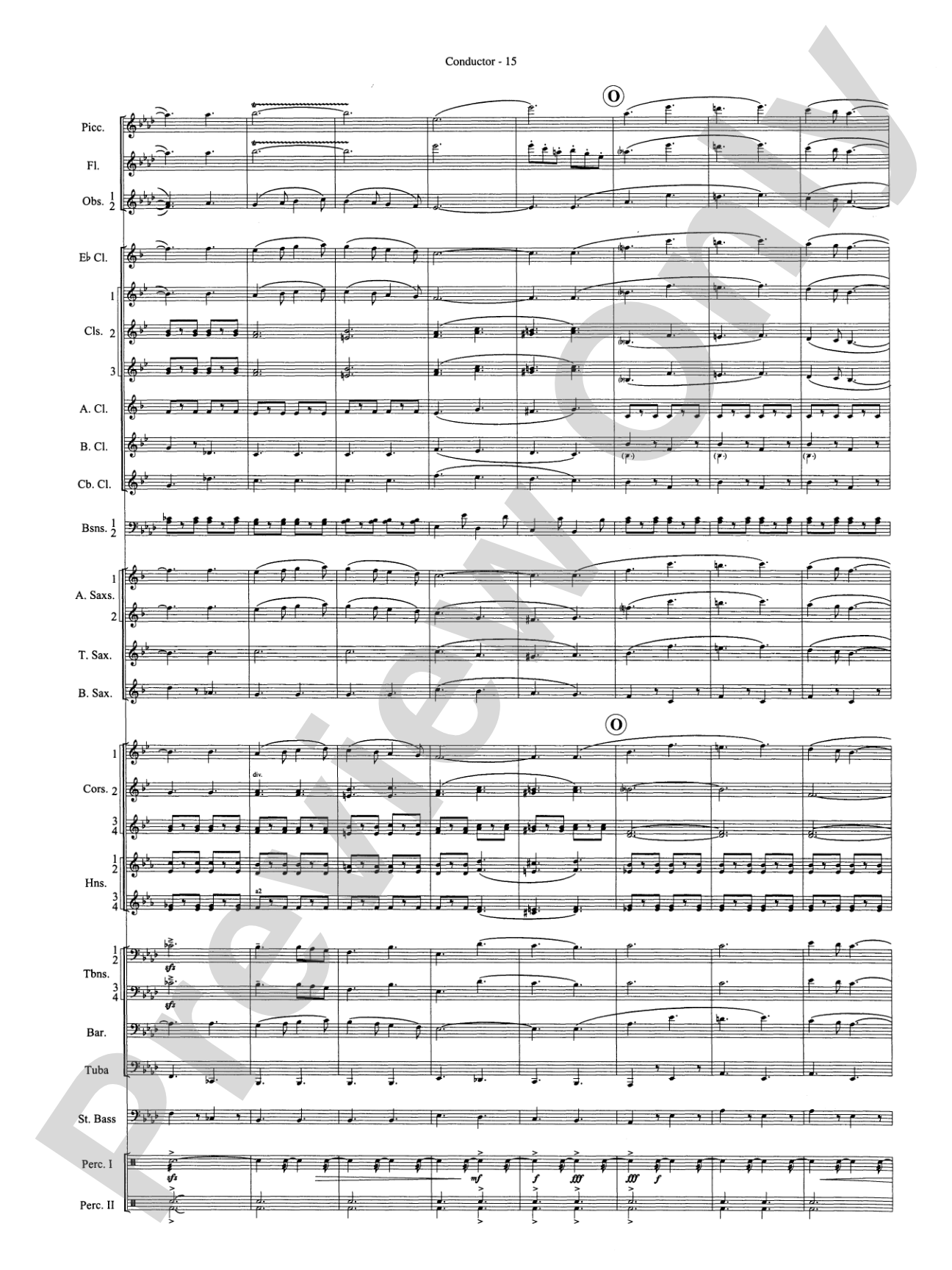
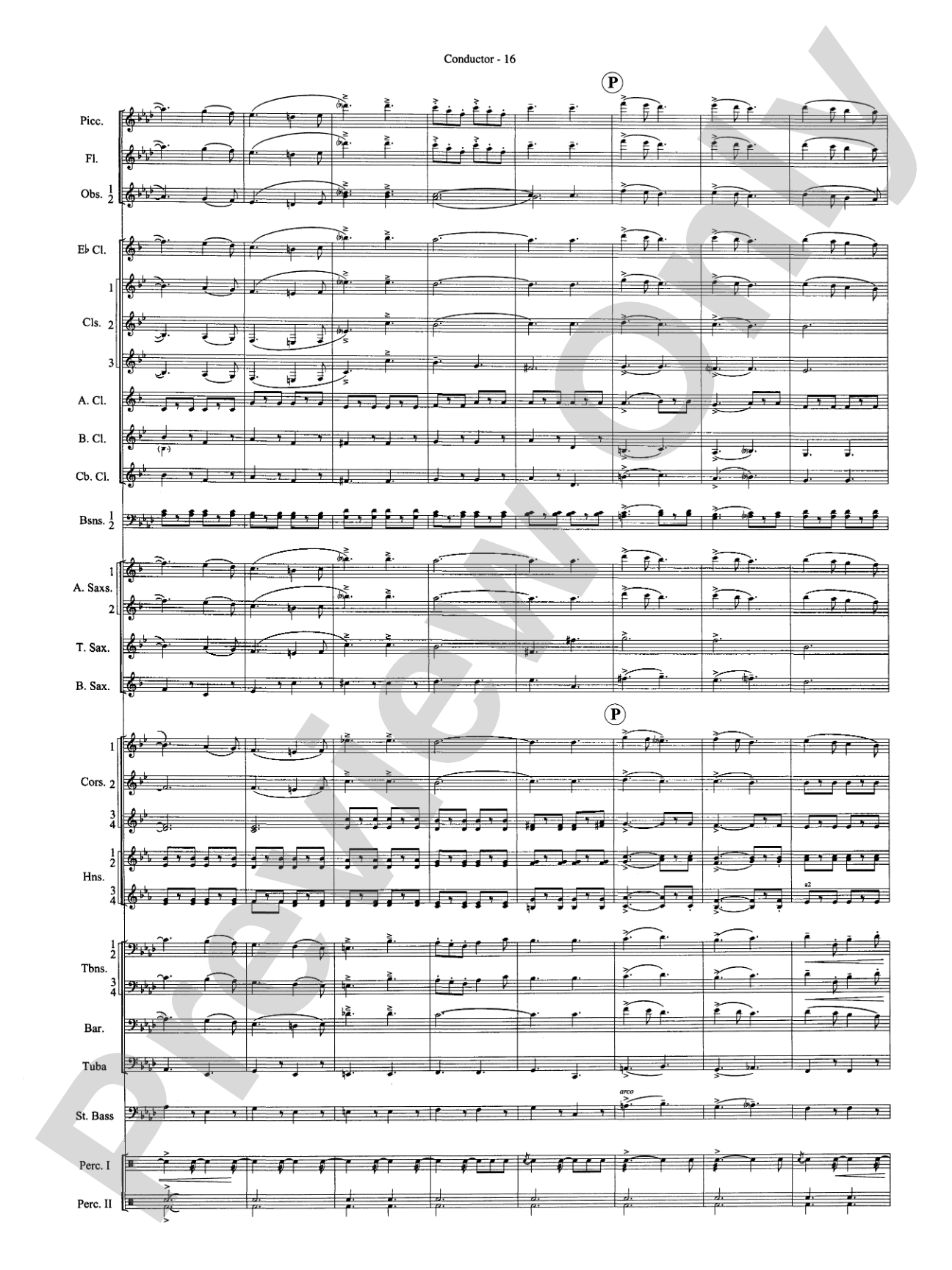
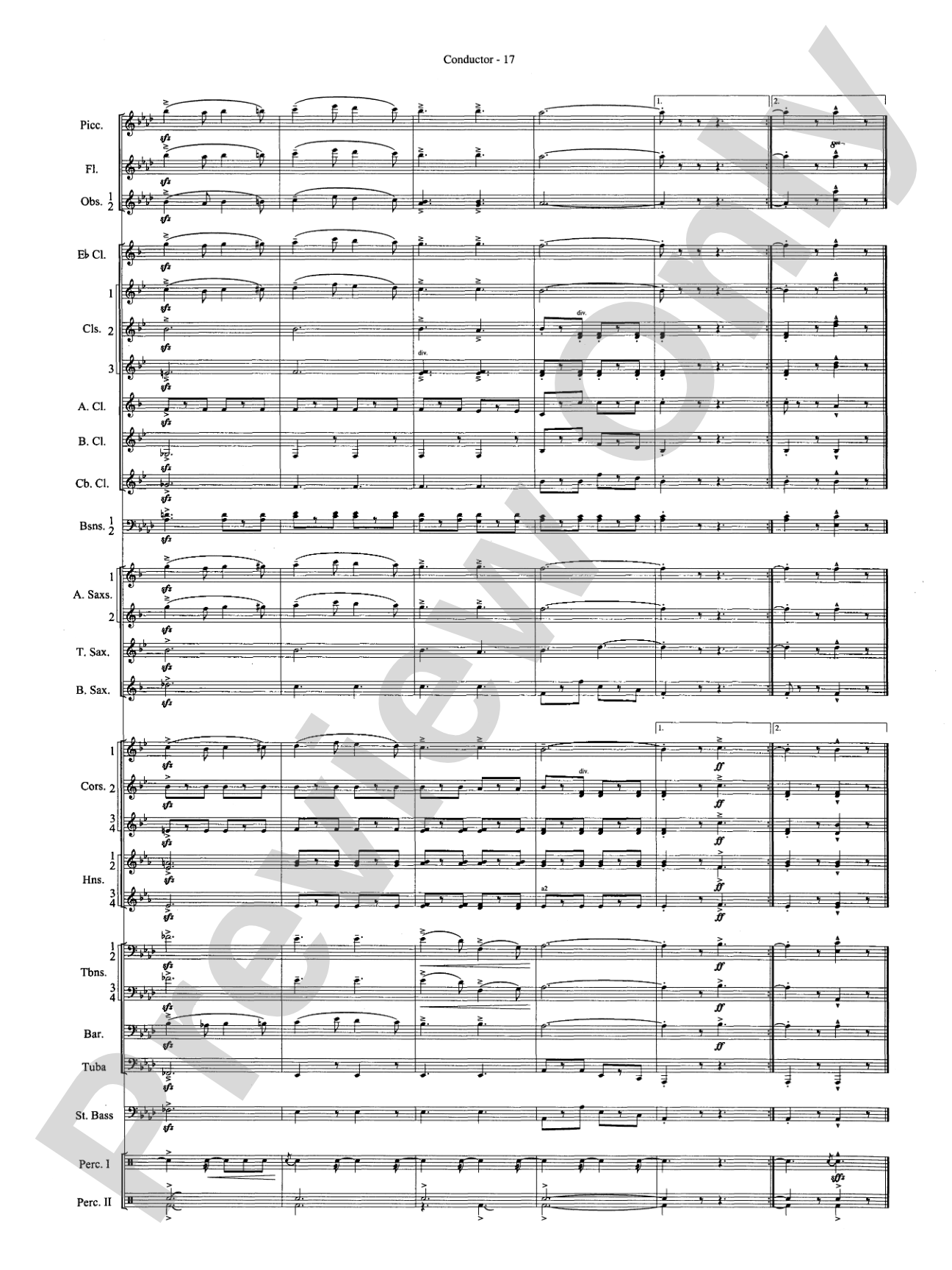


The Minnesota March: Score
By John Philip Sousa / ed. Frederick Fennell
Grade: 4 (Medium)
Item: 00-PR-0004359
$9.00
Pickup currently not available
Description
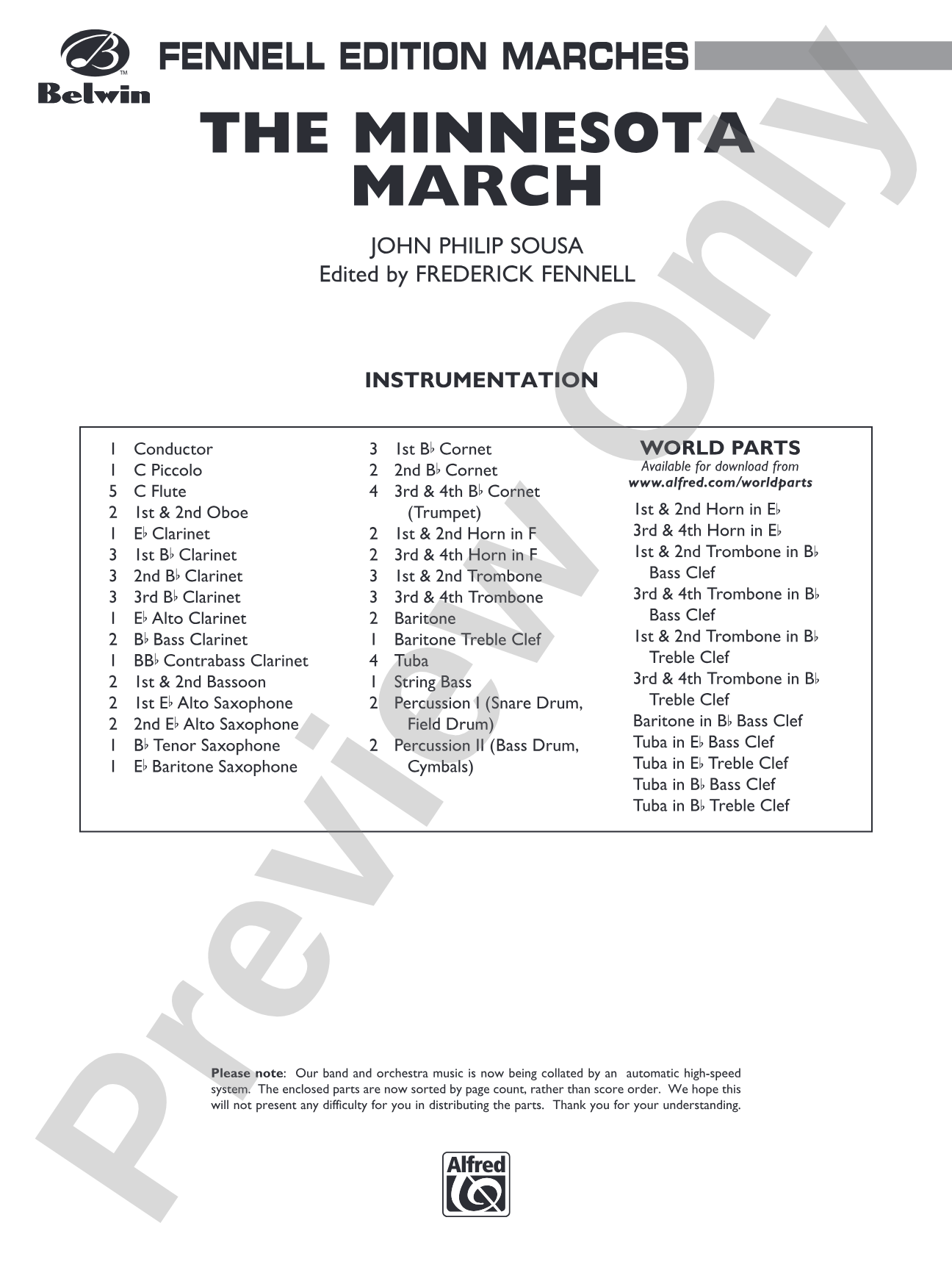
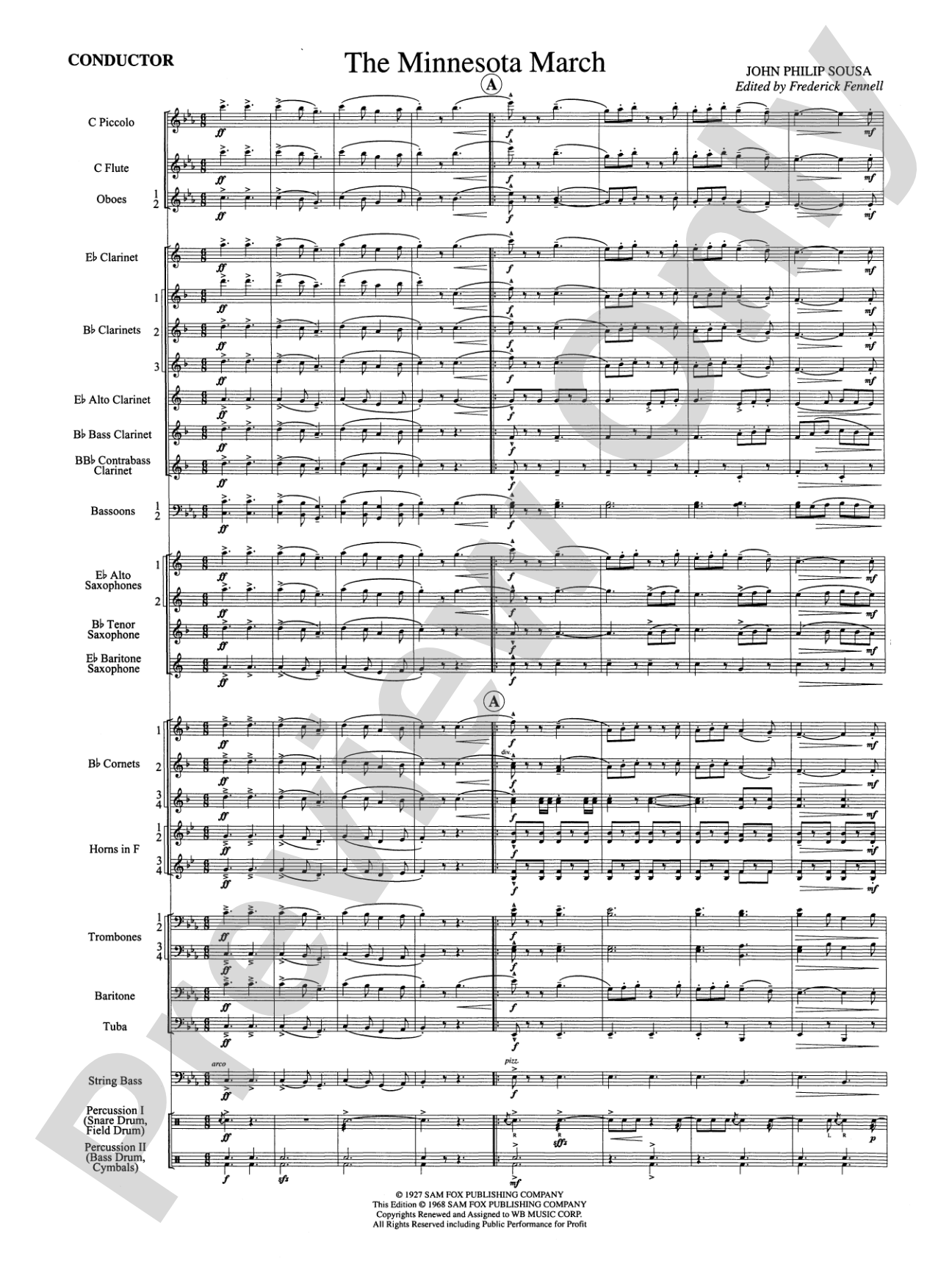
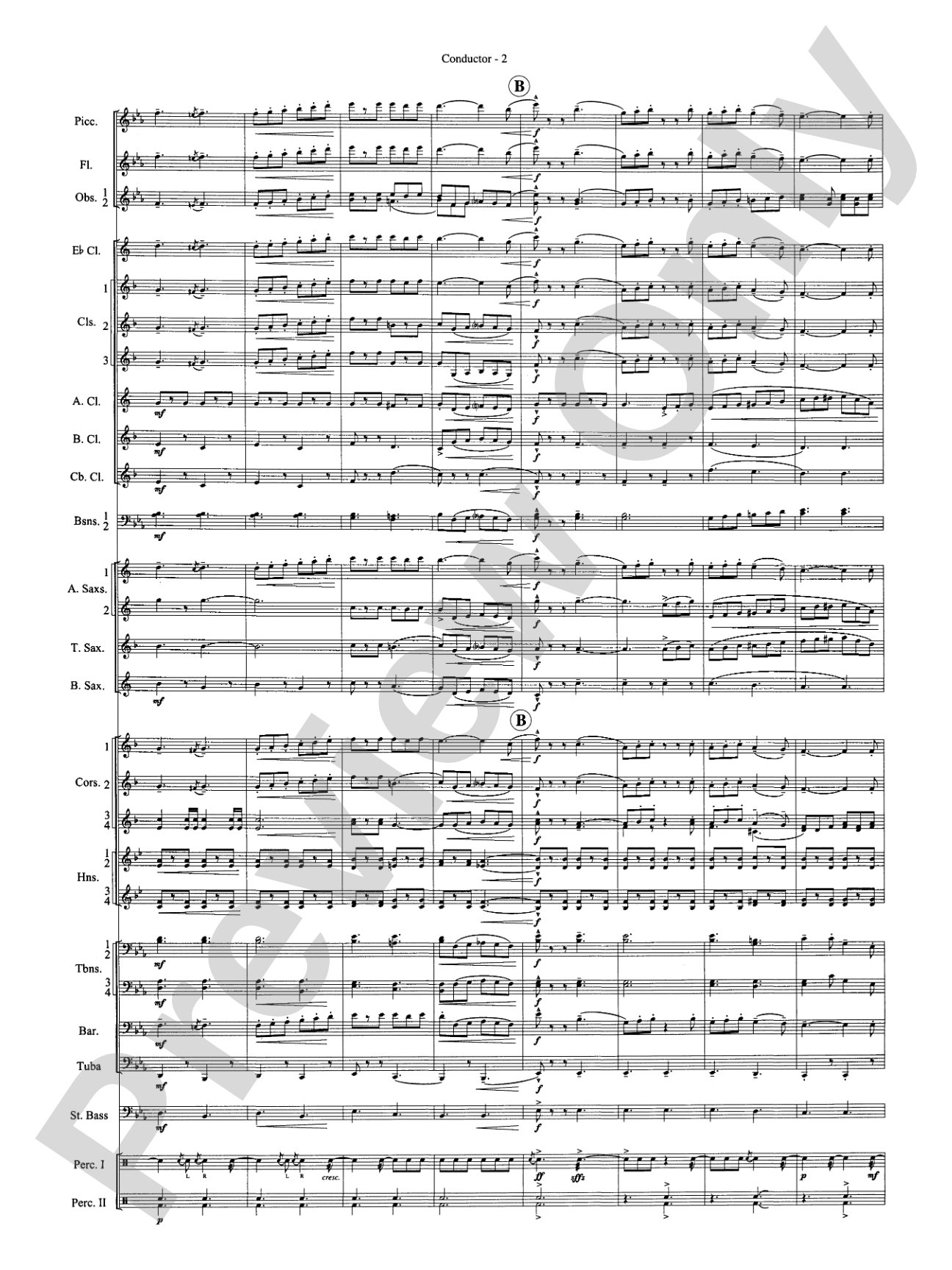
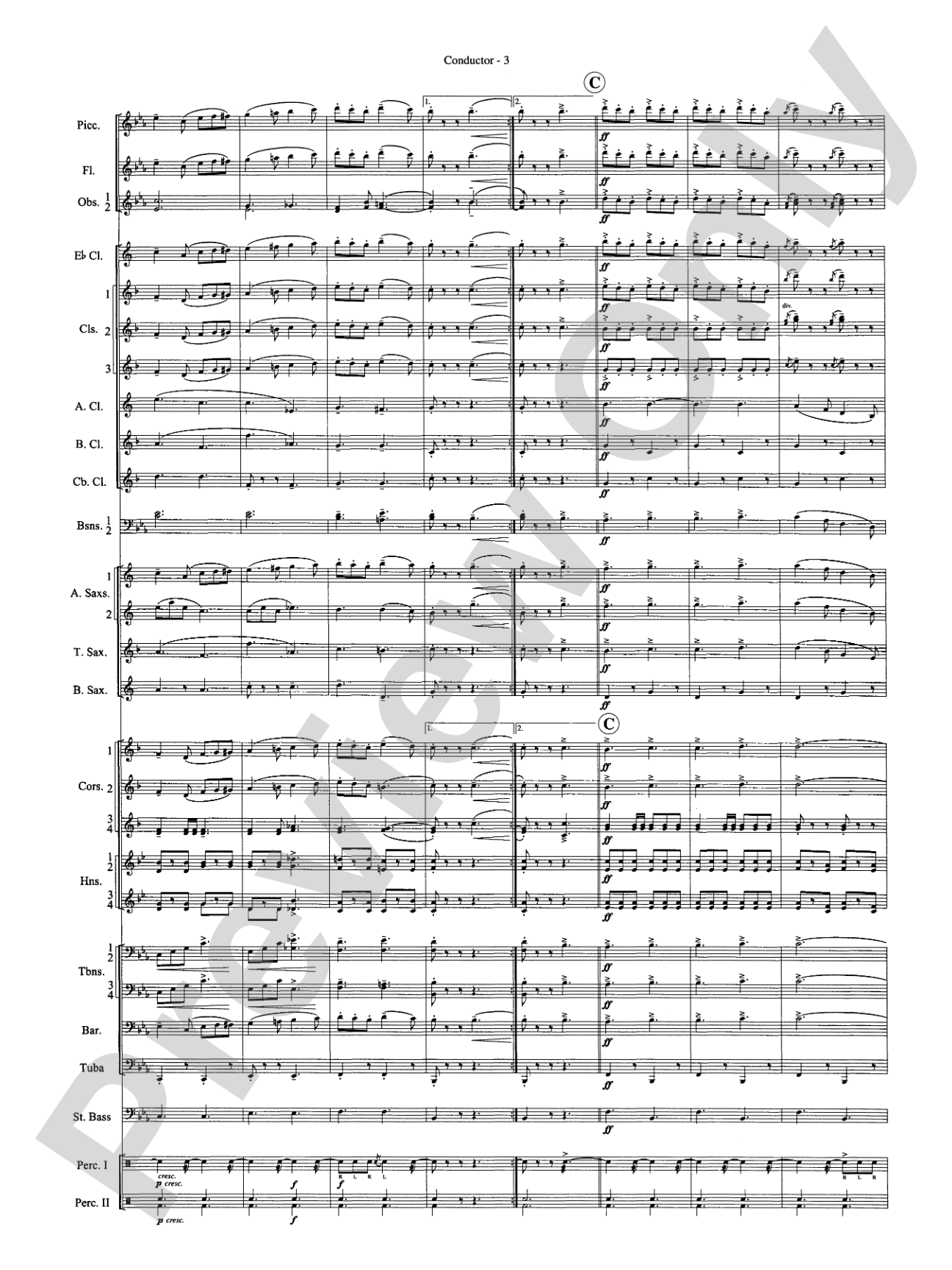
Commissioned by the football coach of the University of Minnesota, "The Minnesota March" was completed in 1927. Being impressed by the number of Indian names found in Minnesota, Sousa used a number of Indian themes in this wonderful march. With a full score! (3:30)


Don't just read it, hear it, play along with it, and watch your students grow with it. In MakeMusic Cloud, The Minnesota March: Score comes alive with professional accompaniment, adjustable tempo, and built-in practice tools that turn solo practice into real progress.
Open in the Player
Jump straight in and assign it today.
Start Your Free Trial
Open this title and explore the full library in minutes.
Sample Audio
1
Audio File
--:--
0:00
0:00
Sample Video
No sample videos found.
Additional Details
Series:
Fennell Edition Marches for Band
Publisher:
Alfred Music
Page Count:
122
SKU:
00-PR-0004359
More about this title
About the Composer: John Philip Sousa
John Philip Sousa (1854–1932) shaped the American march tradition as few composers ever have. His skill at orchestration, gift for memorable melody, and understanding of the concert band's capabilities established him as the preeminent march composer of his era. Sousa commissioned works from other composers and championed American music throughout his career, yet his own compositions remain the standard by which concert band marches are measured.
Frederick Fennell (1914–2004) transformed how America heard the concert band. As a conductor, educator, and champion of quality band repertoire, Fennell elevated the ensemble from a utility group to an instrument of artistic expression. His editions of classic marches, including this one, brought clarity and authenticity to performance practice while remaining accessible to student musicians.
Why we love this
Sousa's ability to weave thematic material throughout the full band texture makes this march sound richer and more sophisticated than its Grade 4 designation suggests. Directors gain immediate credibility programming a Sousa march, and the historical backstory (Indian themes commissioned for a university coach) invites engaging program notes. The Fennell Edition provides a clean, authoritative score that respects the original while serving modern student ensembles.
What to expect
This march carries the confidence and swagger of early 20th-century American optimism. The incorporation of Native American themes gives it a character distinct from Sousa's more familiar works, blending ceremonial gravity with the forward momentum that defines the march form. It unfolds with dignity, never losing sight of the joy inherent in a well-crafted ensemble piece.
Who it's for
Grade 4 concert bands looking for a substantial, historically important march that challenges without overwhelming student musicians. Directors seeking repertoire with genuine artistic merit and a compelling backstory will find this Fennell Edition both teachable and genuinely musical.
How to get the most out of it
- Balance the melodic material between the woodwind and brass sections. The themes travel across the band, and clarity in passing the melody ensures the march's narrative arc comes through.
- Maintain precise articulation in the rhythmic accompaniment figures, especially in the lower voices. Crispness here allows the primary themes to soar without muddiness.
- Shape the dynamic arch of each section rather than playing at one level. Sousa's marches breathe; let them expand and settle naturally through the form.
- Attend to Sousa's tempo marking and resist the urge to rush. A well-grounded, confident tempo showcases the thematic development and allows each instrumental choir time to phrase meaningfully.
How to use it
Pair this with lighter or more experimental works to showcase the concert band's range and versatility. The march's prominence in American musical history makes it equally effective as an opening number for a formal concert or as a centerpiece in a program celebrating Americana. At 3:30, it fits comfortably into any program length.
Skills your students will build
- Balancing thematic material across multiple instrumental choirs
- Executing rhythmic precision in accompaniment figures under dynamic change
- Understanding march form and harmonic structure at the Grade 4 level
- Phrasing and dynamic shaping within a defined genre