
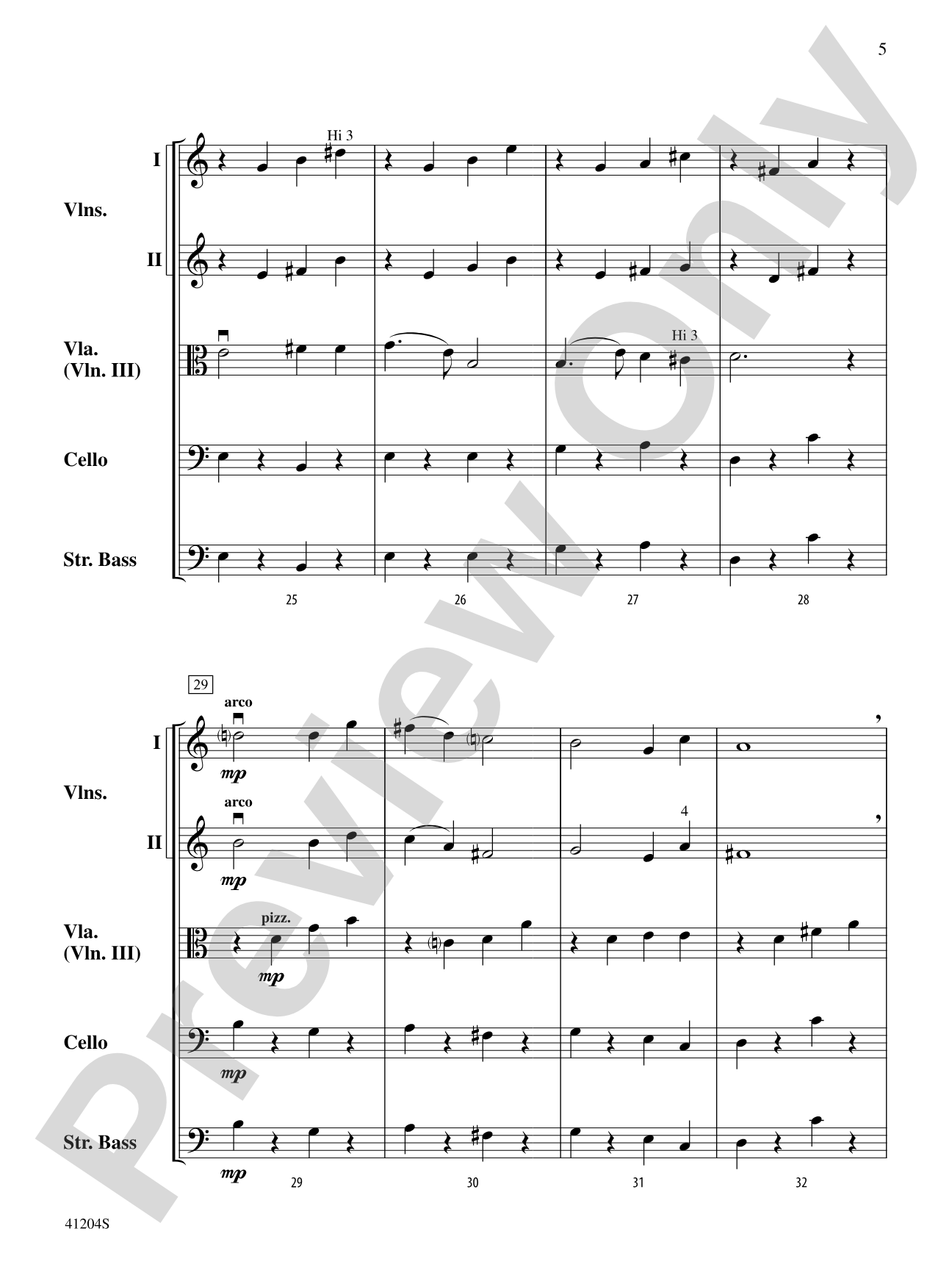
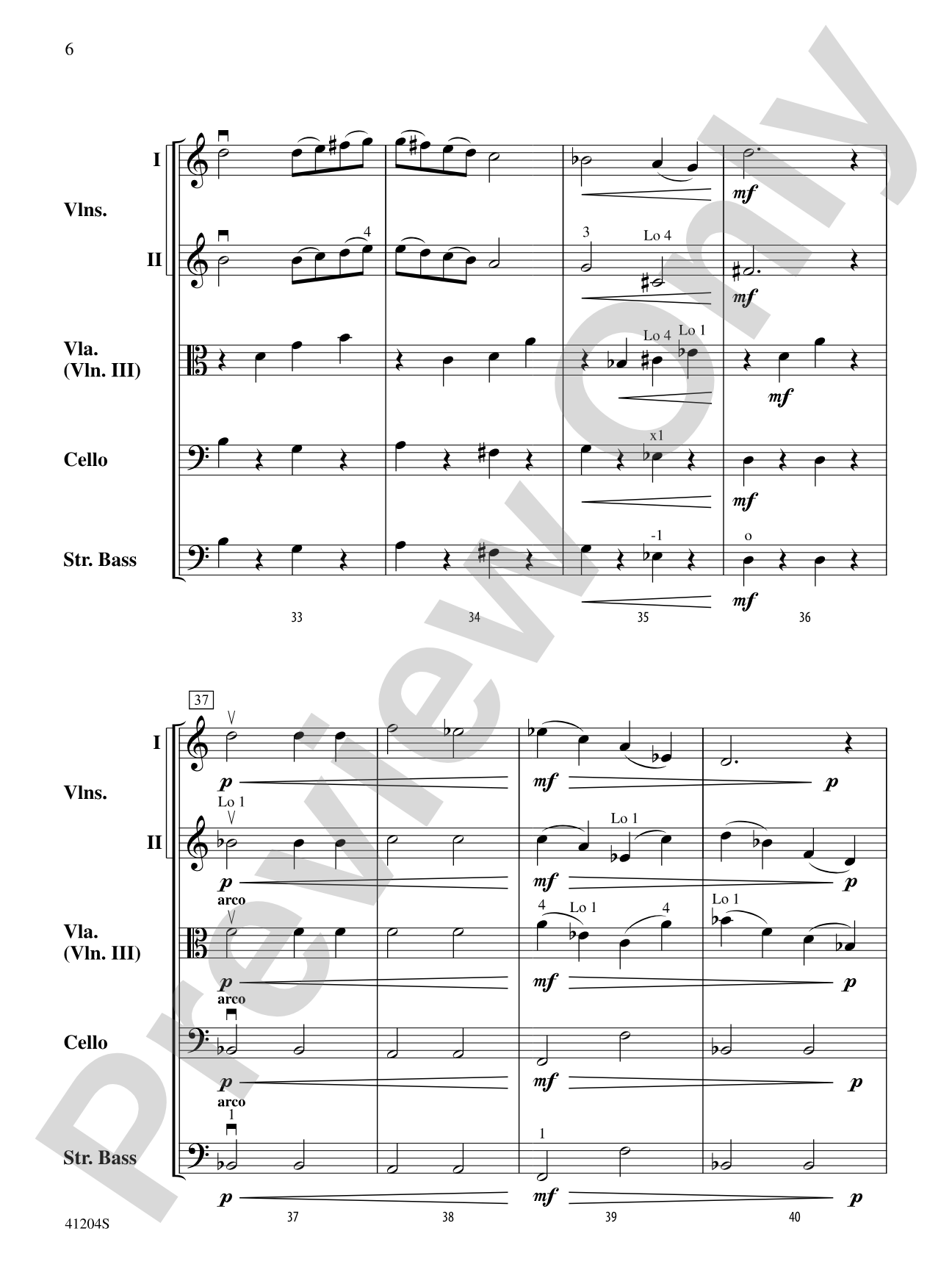
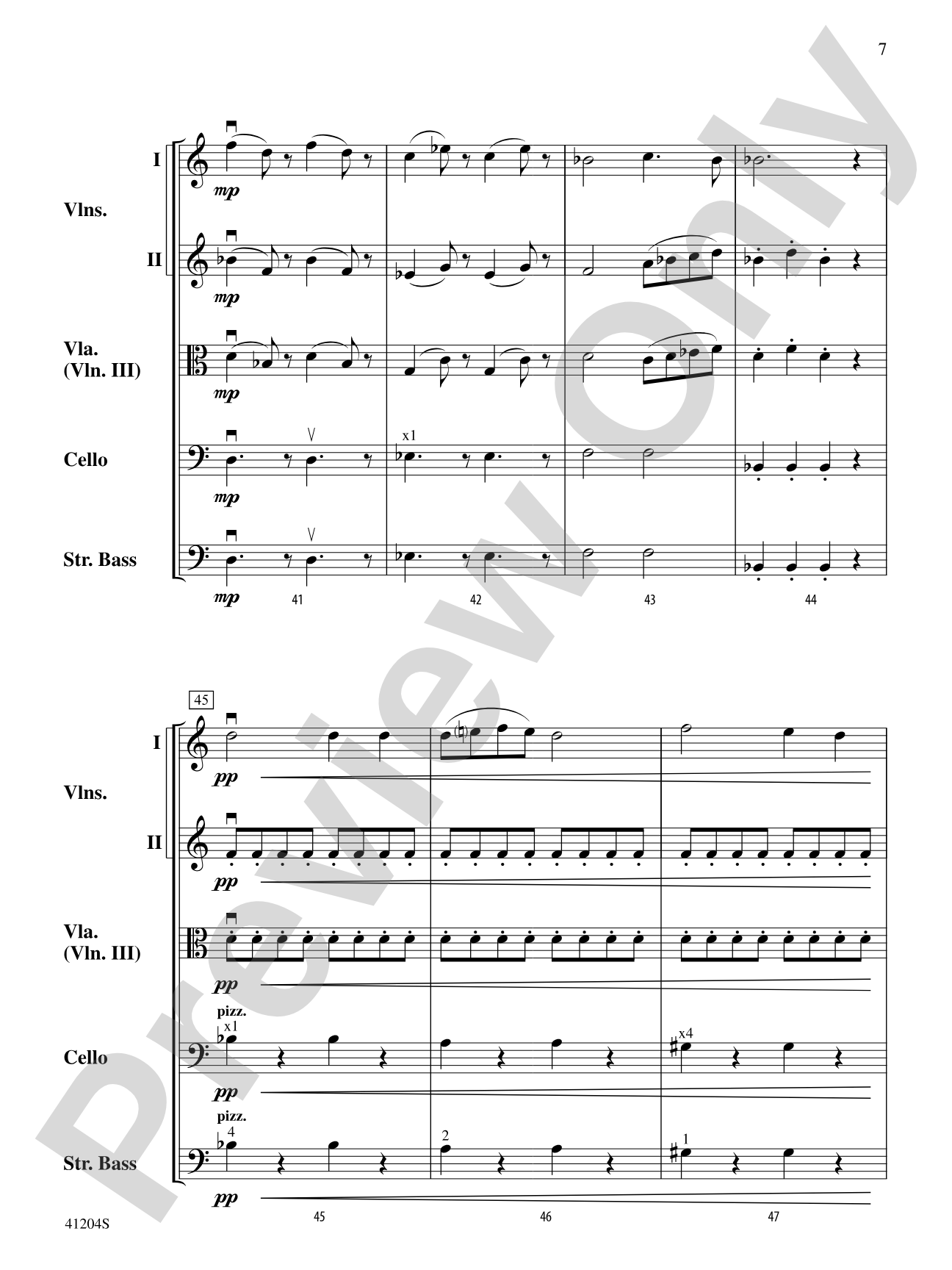
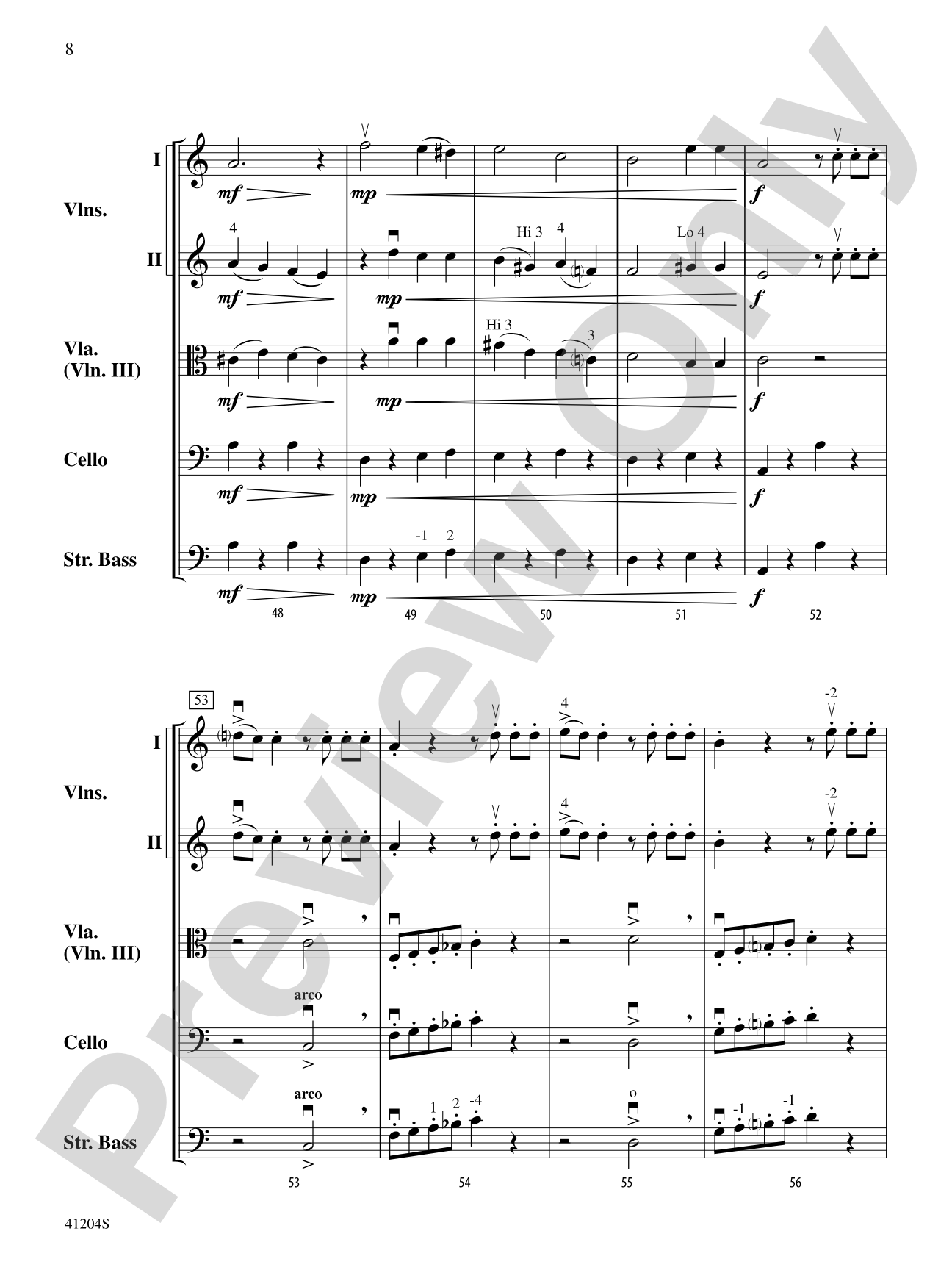
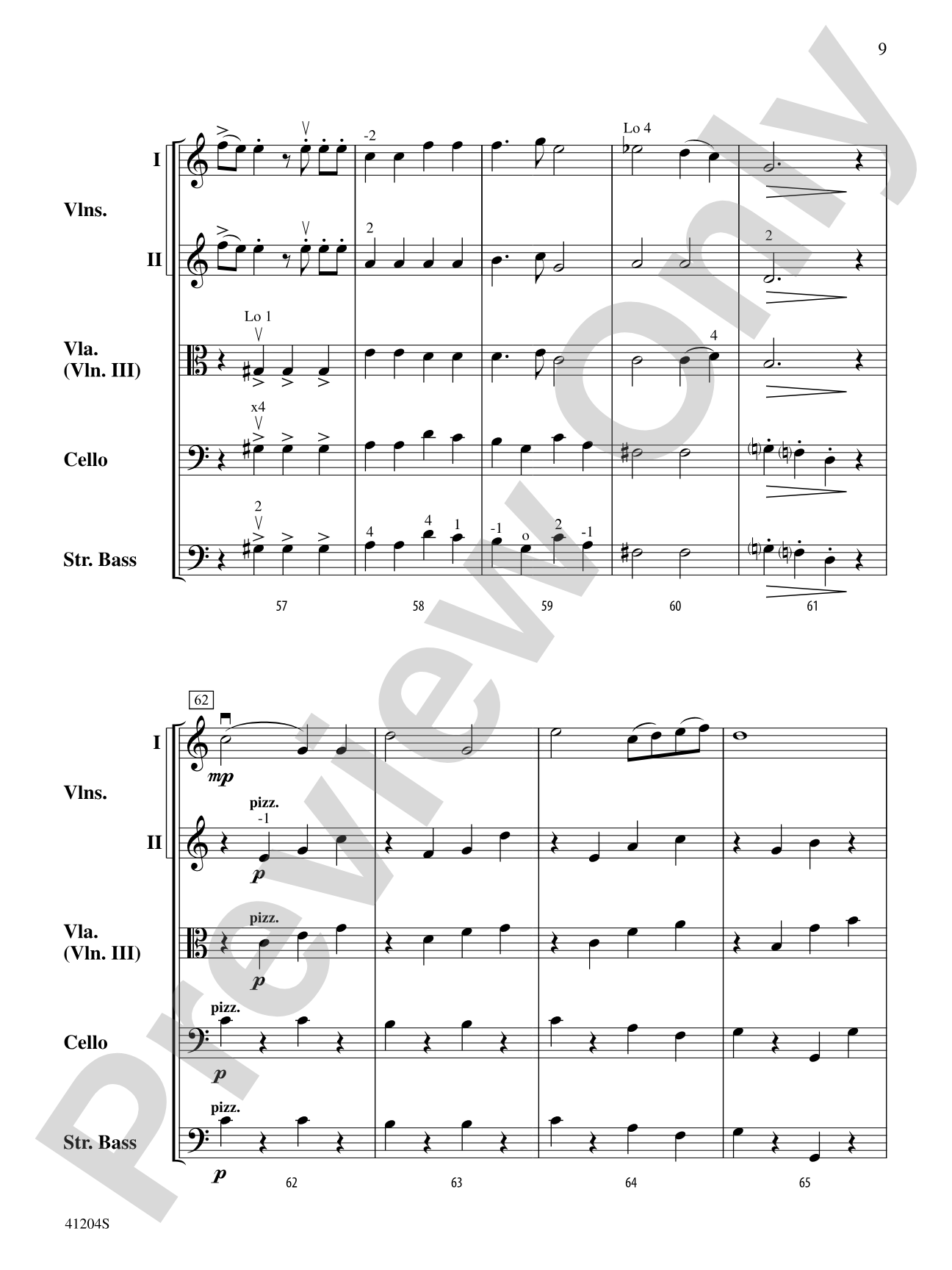
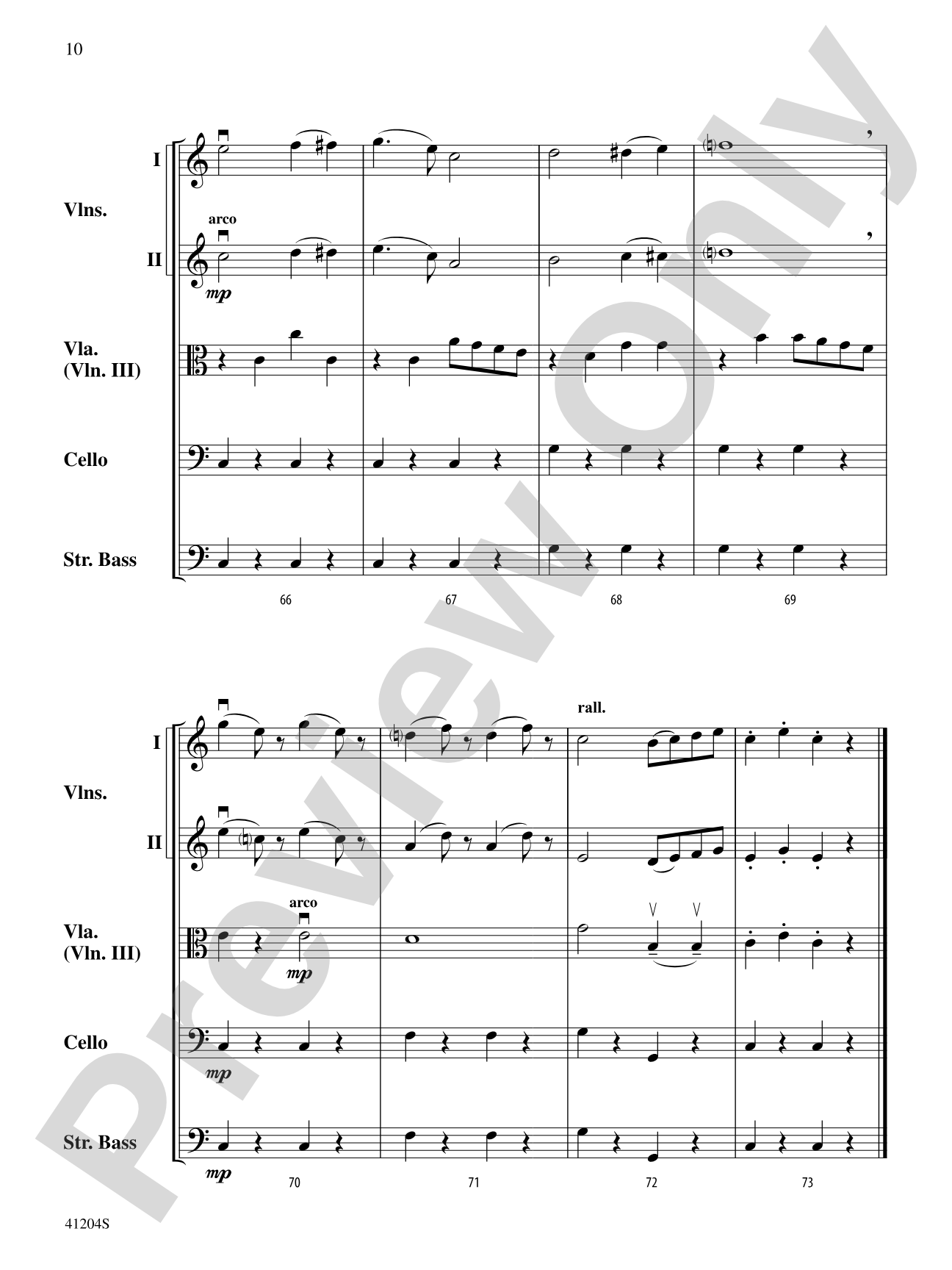

The Marriage of Figaro: Score
Voi che sapete, K. 492
By Wolfgang Amadeus Mozart / arr. Jeffrey E. Turner
Grade: 2.5
Item: 00-PR-0004569
$9.00
Pickup currently not available
Description
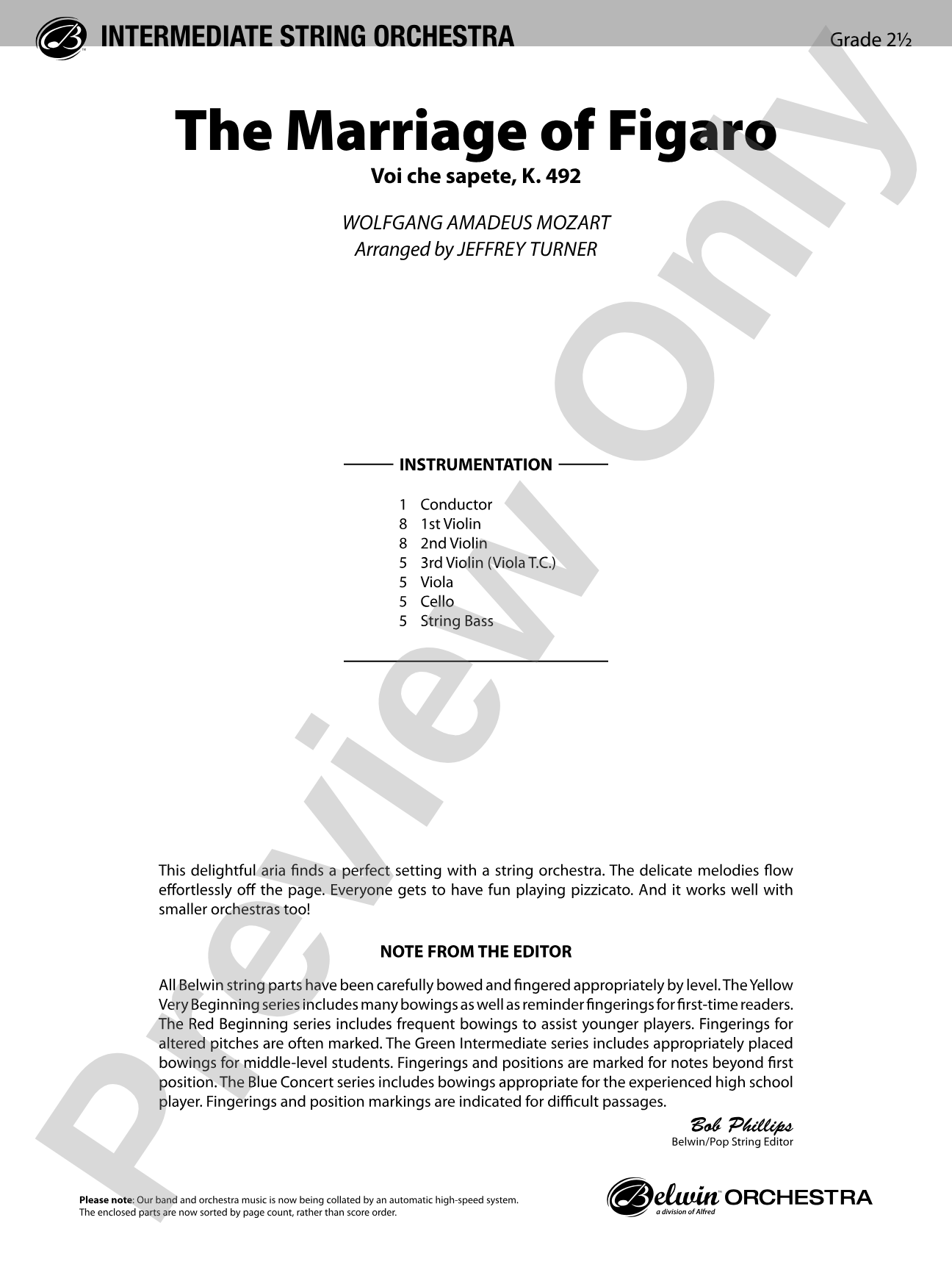
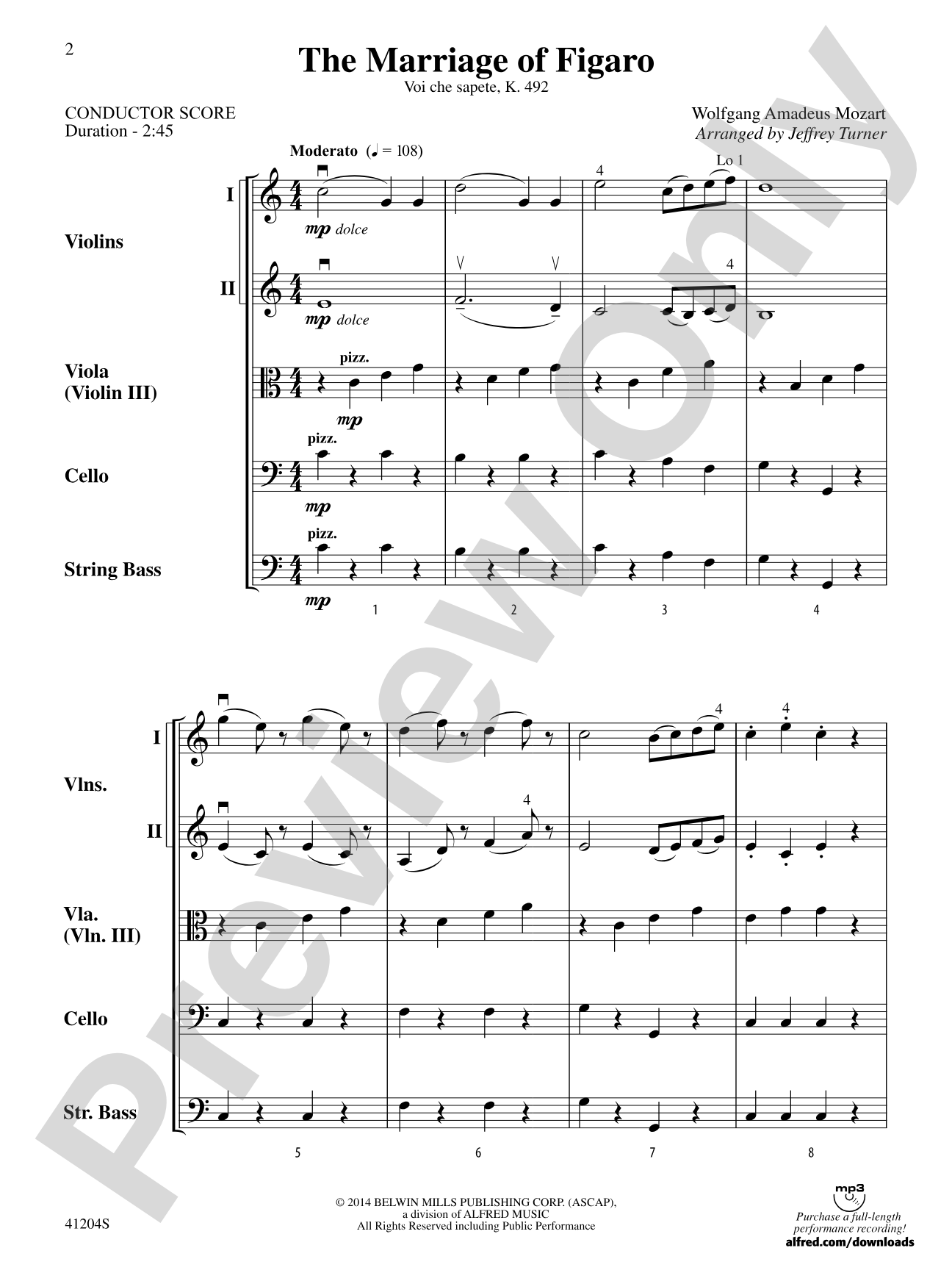
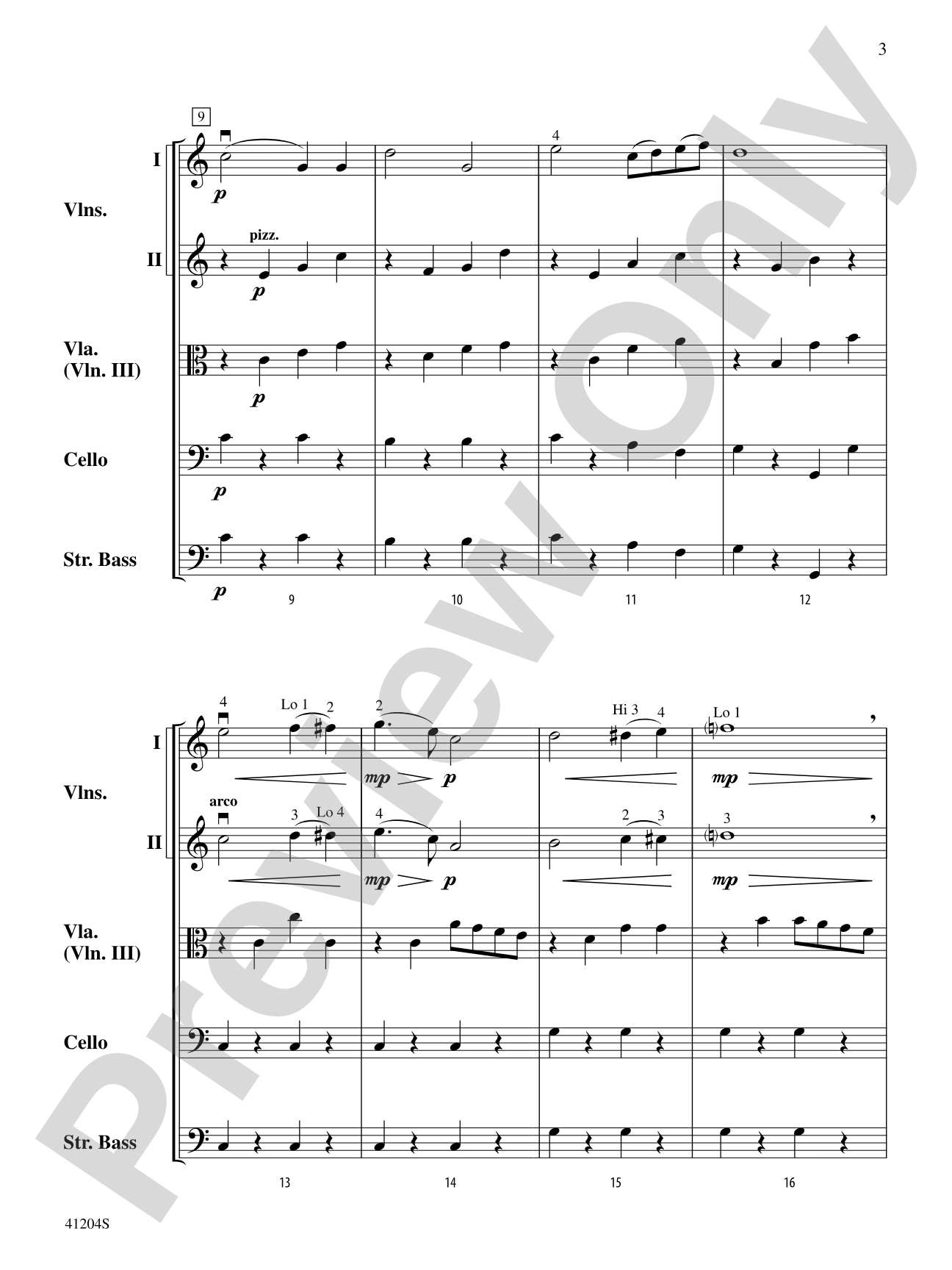
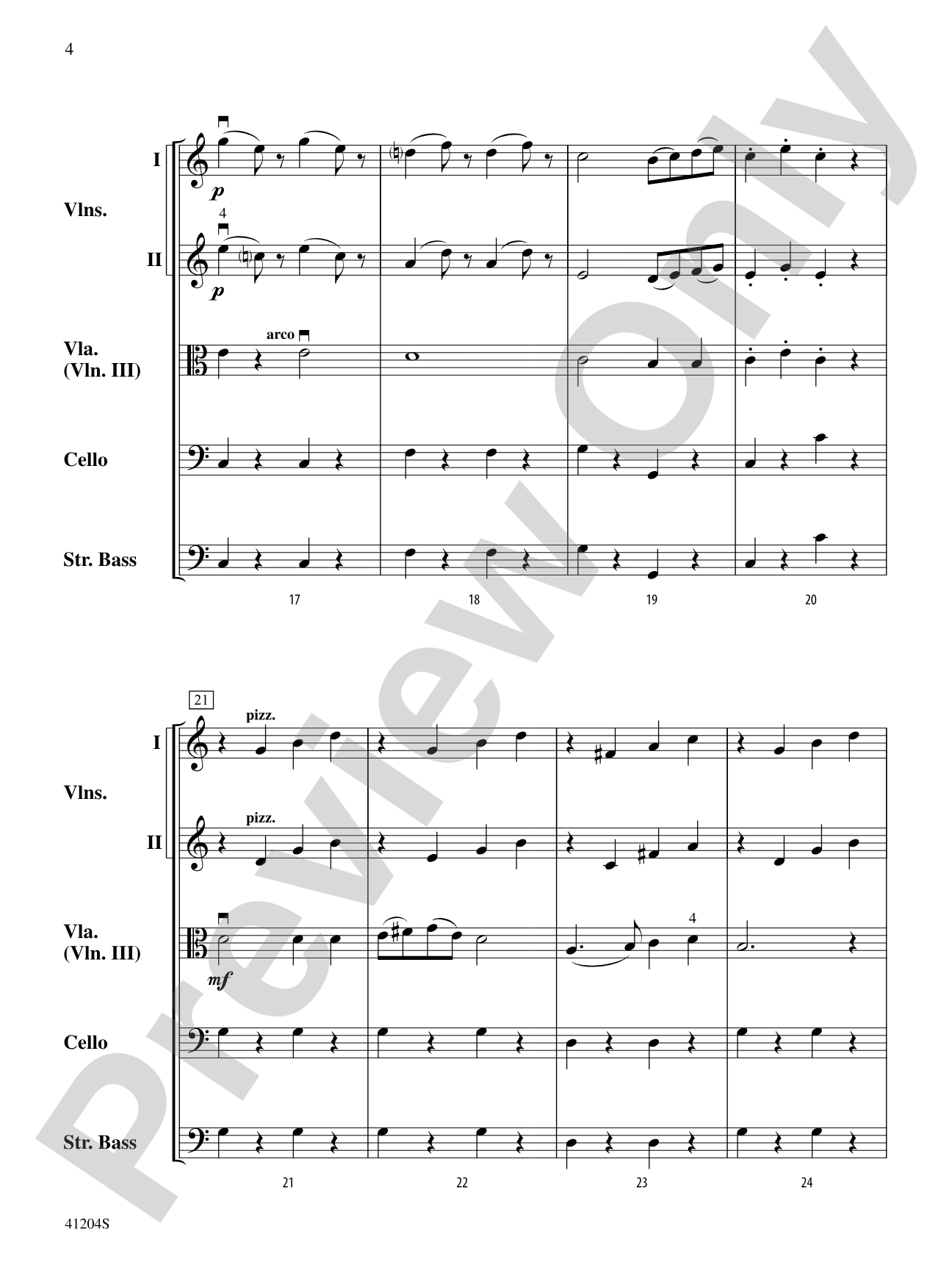
This delightful aria finds a perfect setting with a string orchestra. The delicate melodies flow effortlessly off the page. Everyone gets to have fun playing pizzicato. And it works well with smaller orchestras too! (2:45) This title is available in MakeMusic Cloud.


Don't just read it, hear it, play along with it, and watch your students grow with it. In MakeMusic Cloud, The Marriage of Figaro: Score comes alive with professional accompaniment, adjustable tempo, and built-in practice tools that turn solo practice into real progress.
Open in the Player
Jump straight in and assign it today.
Start Your Free Trial
Open this title and explore the full library in minutes.
Sample Audio
1
Audio File
--:--
0:00
0:00
Sample Video
No sample videos found.
Additional Details
Series:
Belwin Intermediate String Orchestra
Publisher:
Alfred Music
Page Count:
144
SKU:
00-PR-0004569
More about this title
About the Composer: Wolfgang Amadeus Mozart
Wolfgang Amadeus Mozart (1756-1791) composed across every major genre of his era and did so with a command of melody, harmony, and orchestration that few musicians have ever matched. His operatic works remain cornerstones of the repertoire, celebrated for their wit, emotional depth, and unfailing sense of musical architecture. For educators, Mozart's music offers students a direct line to the Classical style: clear phrase structures, elegant voice leading, and melodies that seem to sing themselves.
Why we love this
This arrangement captures the charm of Mozart's operatic writing while staying grounded in the capabilities of a developing string orchestra. The pizzicato passages give every player a moment to shine, and the Grade 2.5 level means your ensemble can tackle a genuine masterwork without getting bogged down in technical complexity. String players at this level rarely get to perform recognizable opera, which makes this a genuinely rewarding choice for concert programming.
What to expect
Elegant and playful, this music has the conversational ease that defines Mozart at his best. The pizzicato writing gives it a lightness and humor that feels almost theatrical, even in an orchestral setting, while the melodic passages carry the warmth and grace you expect from the Classical era.
Who it's for
String orchestras at the intermediate level (Grades 2-4) will find this arrangement solidly within their reach. Directors programming classical repertoire or planning a concert with operatic themes will appreciate having a well-crafted Mozart piece that doesn't require extensive rehearsal time.
How to get the most out of it
- Shape the melodic lines with consistent vibrato in the upper strings; let the pizzicato passages provide rhythmic clarity rather than trying to drive them hard.
- Balance the solo voices against the accompaniment so that the delicate character stays intact even in the fuller sections.
- Allow time in rehearsal for the ensemble to coordinate the pizzicato attacks together, especially in the faster passages, so the texture feels unified and intentional.
- Use the recorded accompaniment in MakeMusic Cloud to help the ensemble internalize the tempo and phrasing before working sectionally.
How to use it
Pair this with other Mozart orchestral arrangements or with lighter classical pieces to create a focused concert program. It also works beautifully as an opener or as a palate-cleanser between heavier works, and its modest length (2:45) makes it an efficient choice for festival or competition settings.
Skills your students will build
- Sustaining phrase lines across multiple measures
- Coordinating articulation and attack in pizzicato passages
- Balancing melodic interest against accompaniment figures
- Playing with the stylistic clarity and transparency expected in Classical-era music
- Reading and interpreting a multi-part string score