
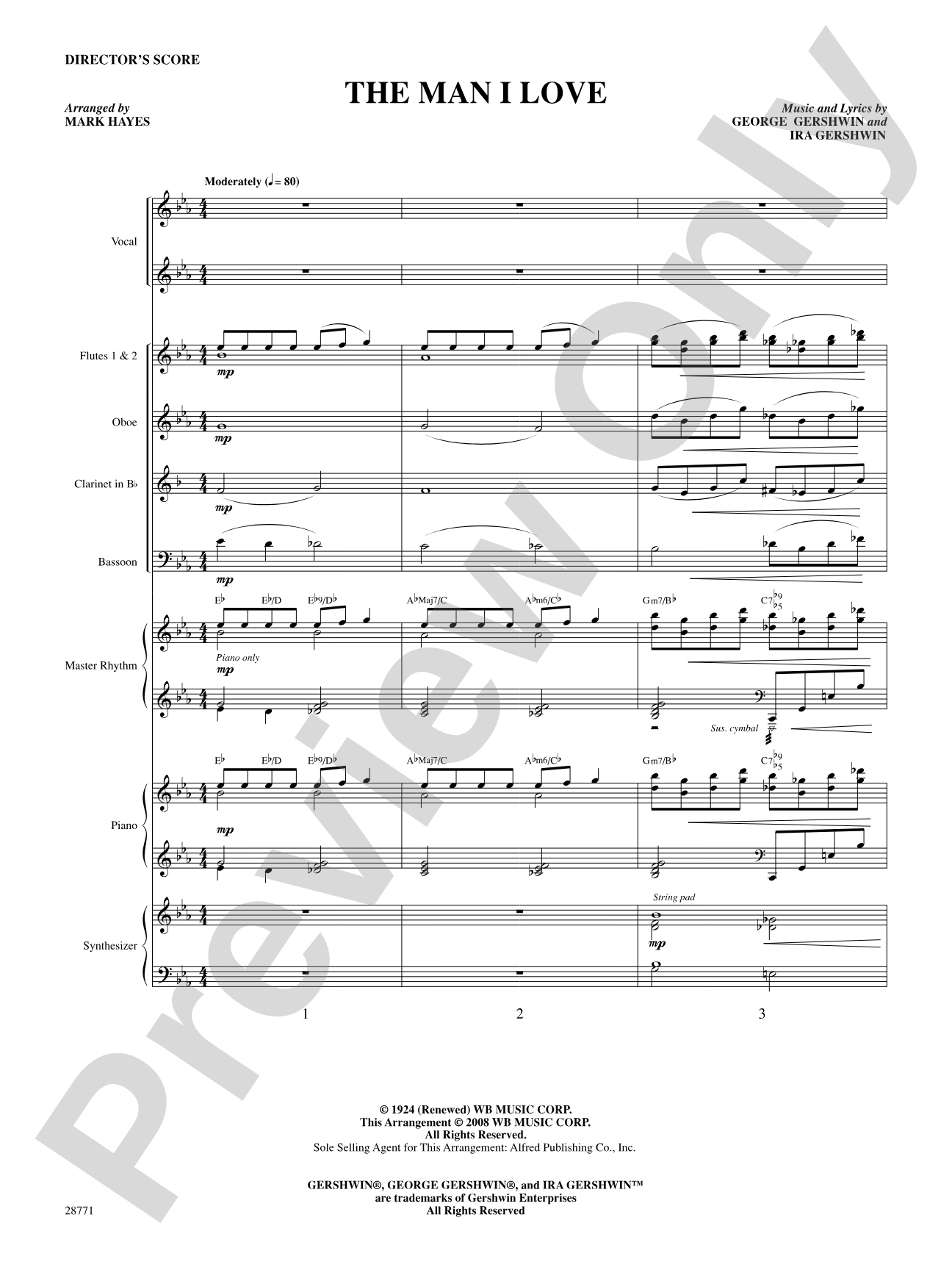

The Man I Love: Choral SoundPax
Music and lyrics by George Gershwin and Ira Gershwin / arr. Mark Hayes
Item: 00-PK-0001365

$35.00
One moment…
Description
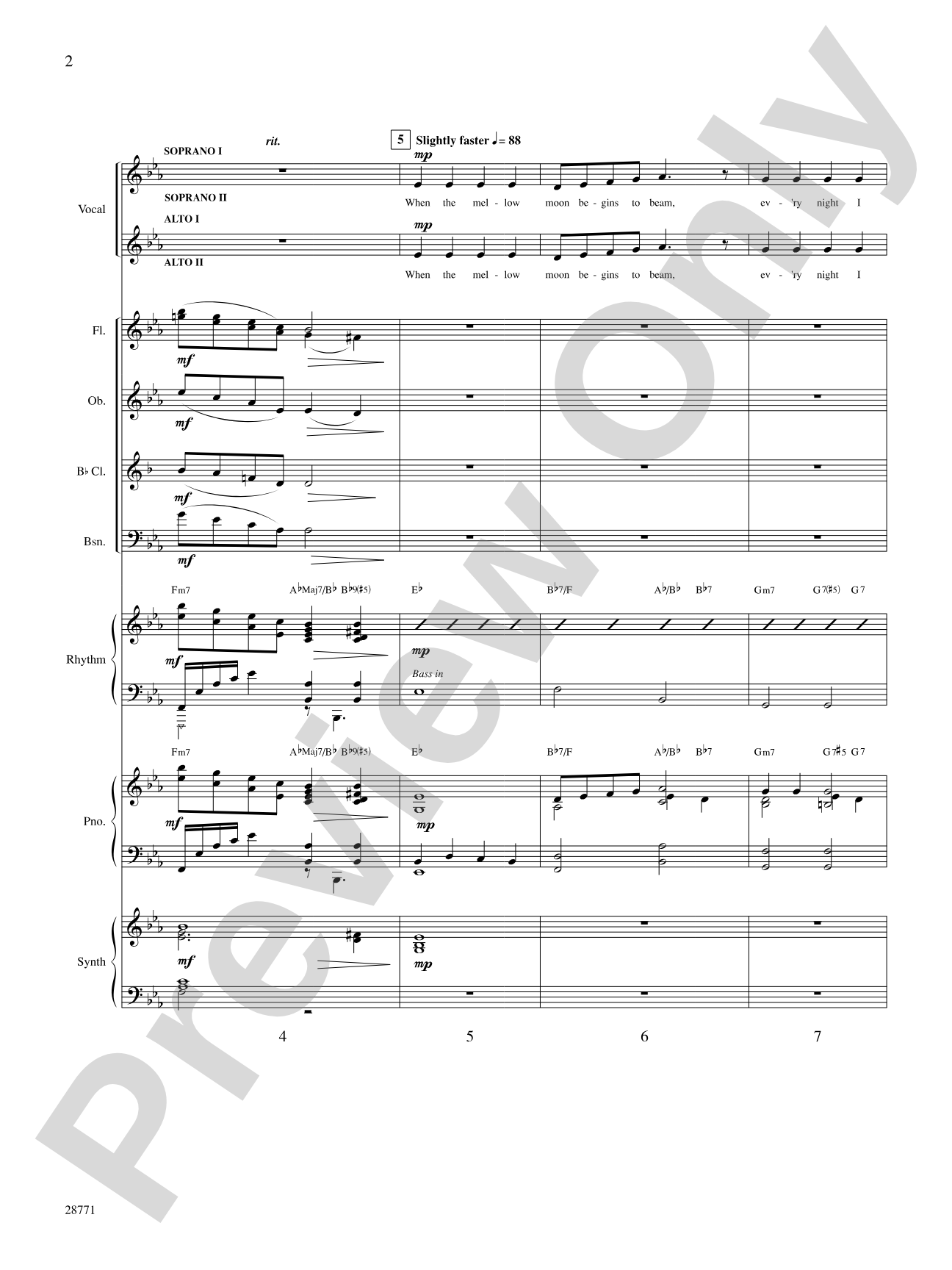
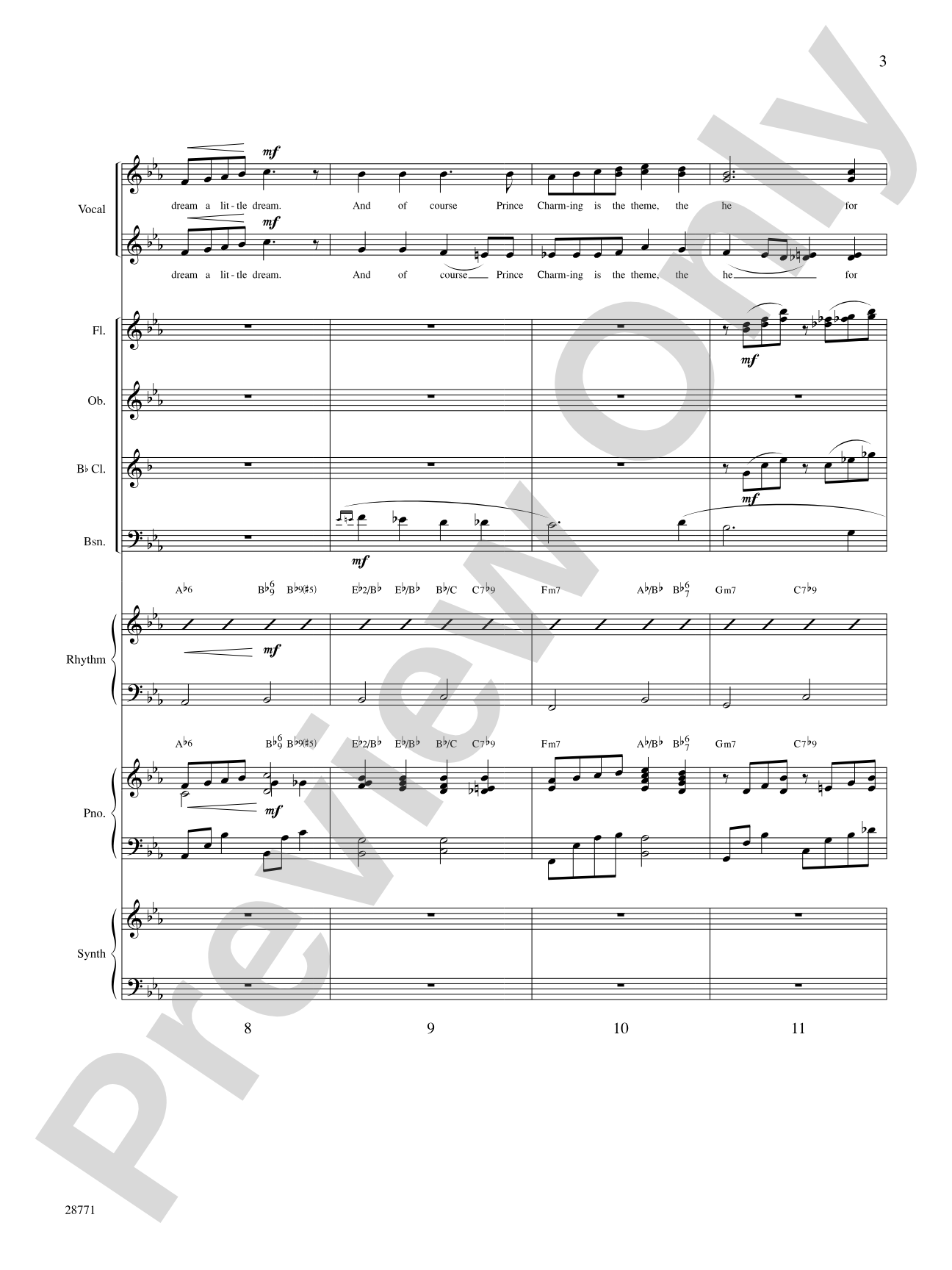
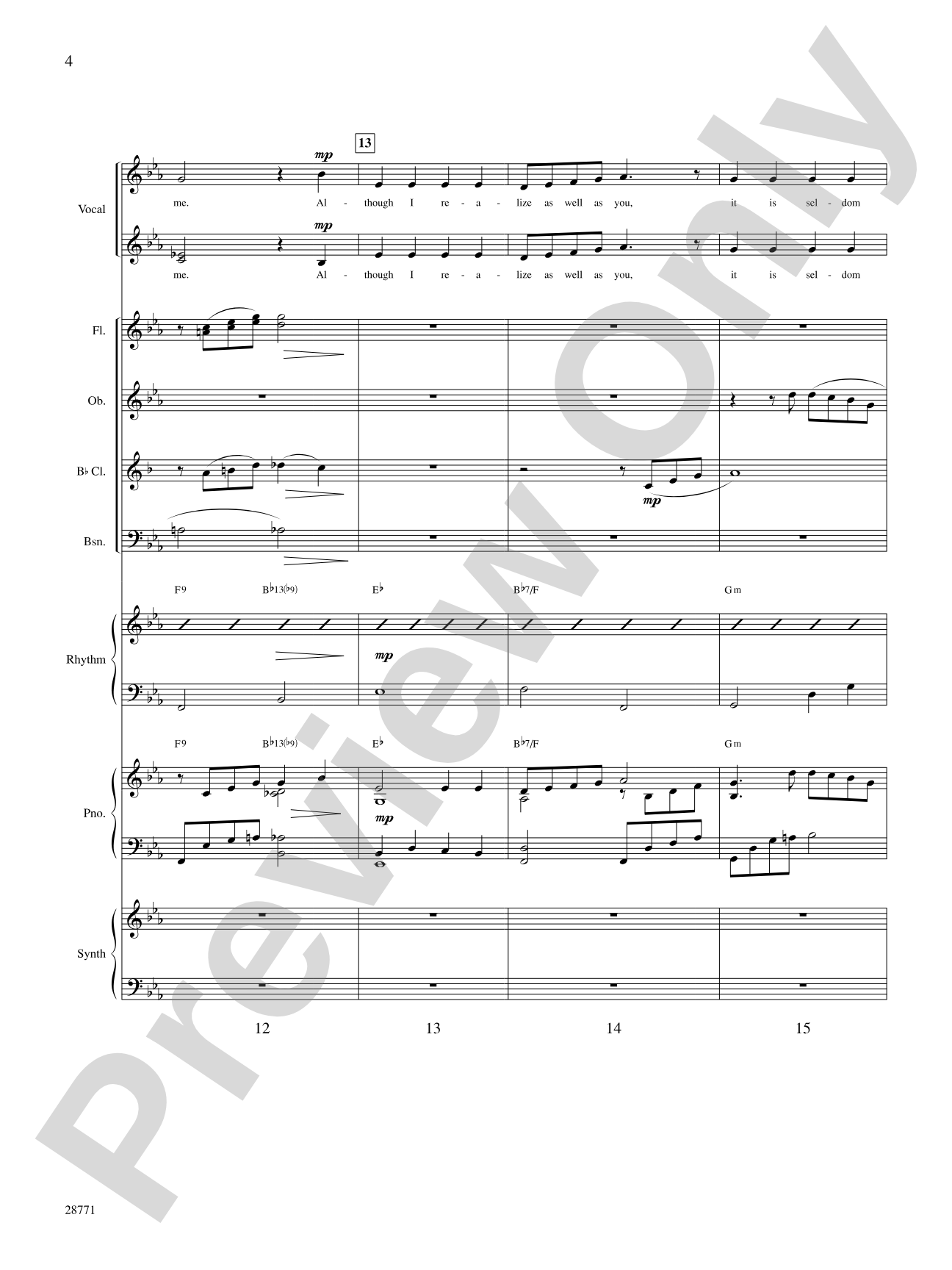
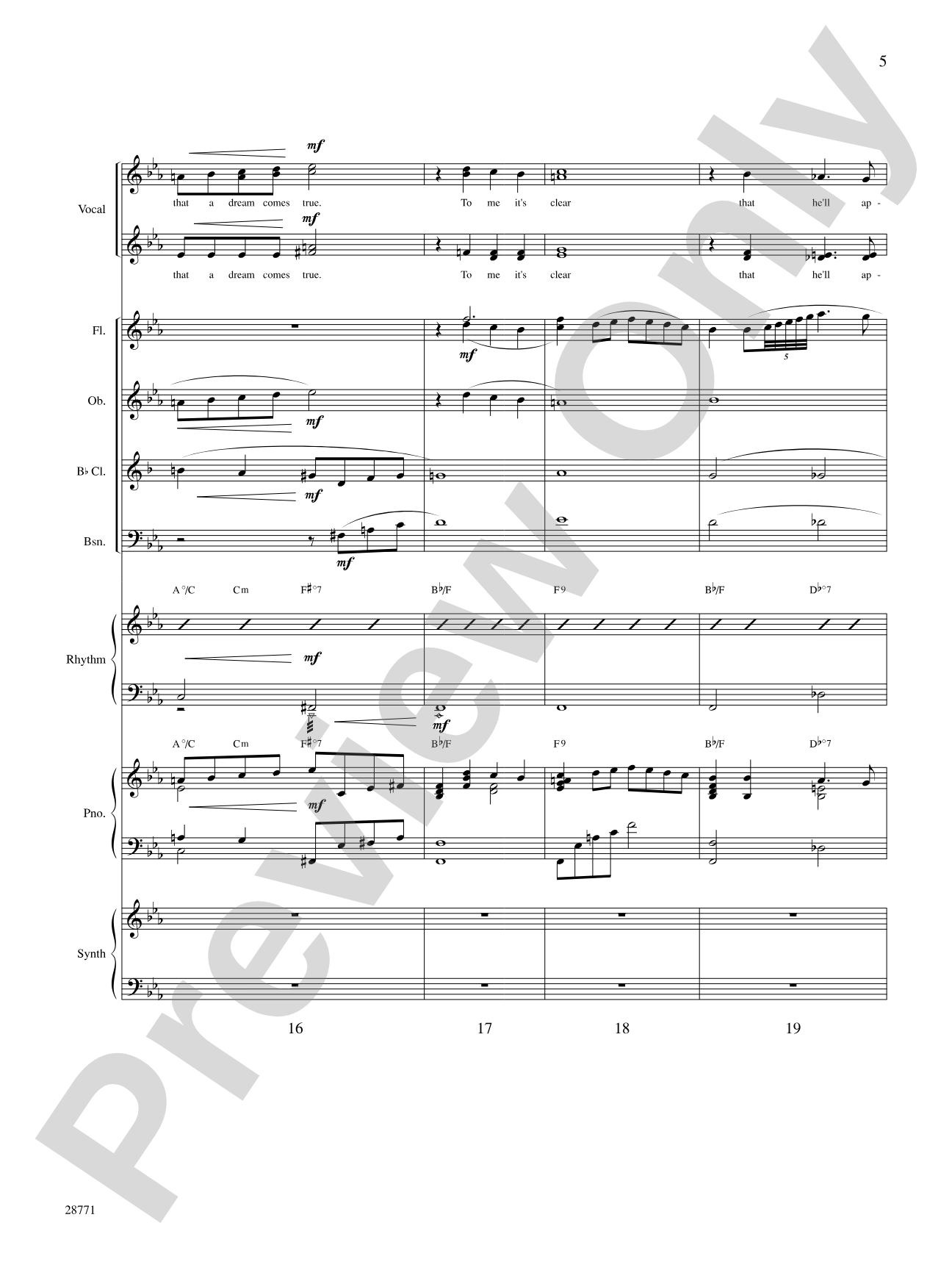
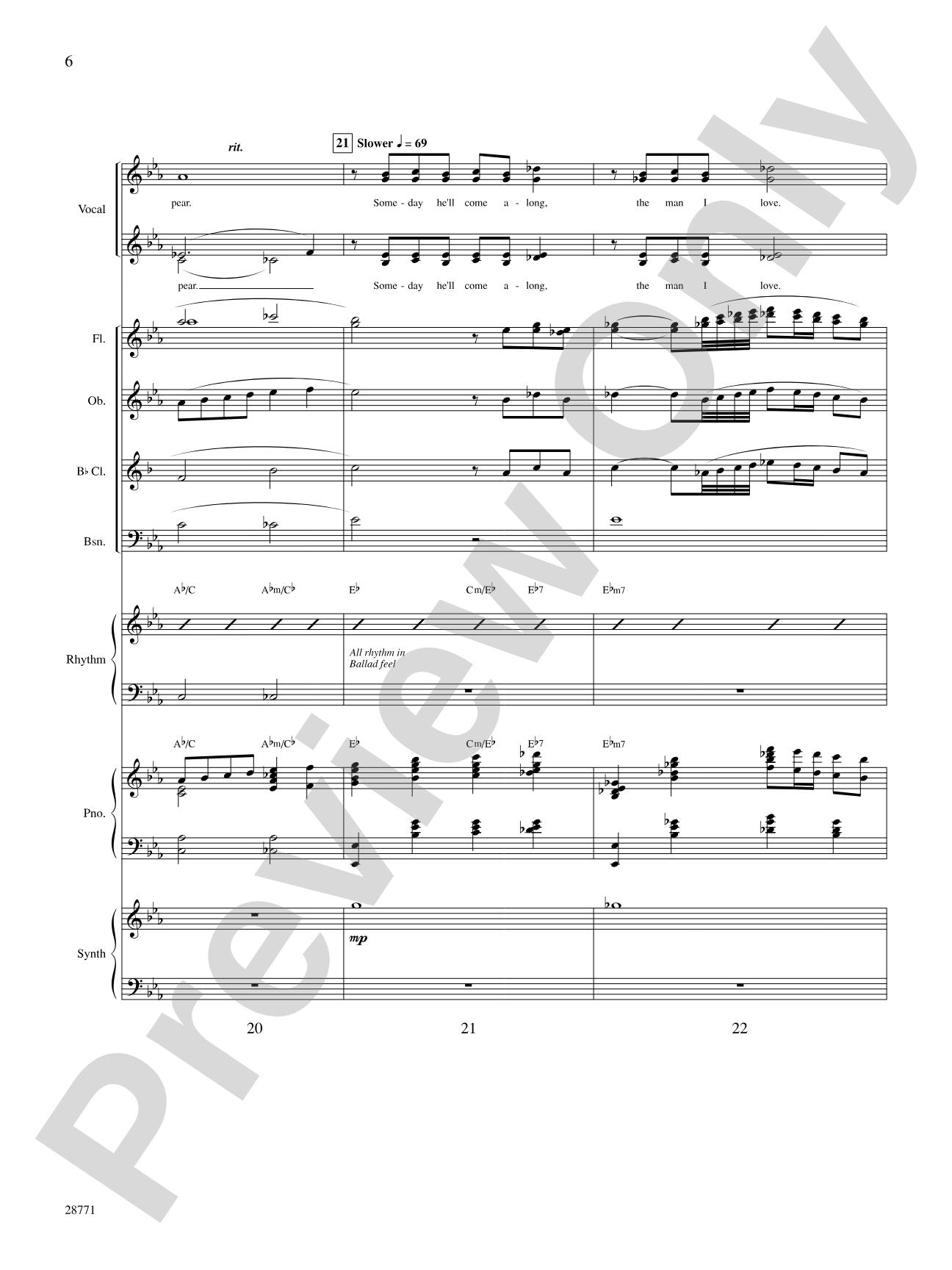
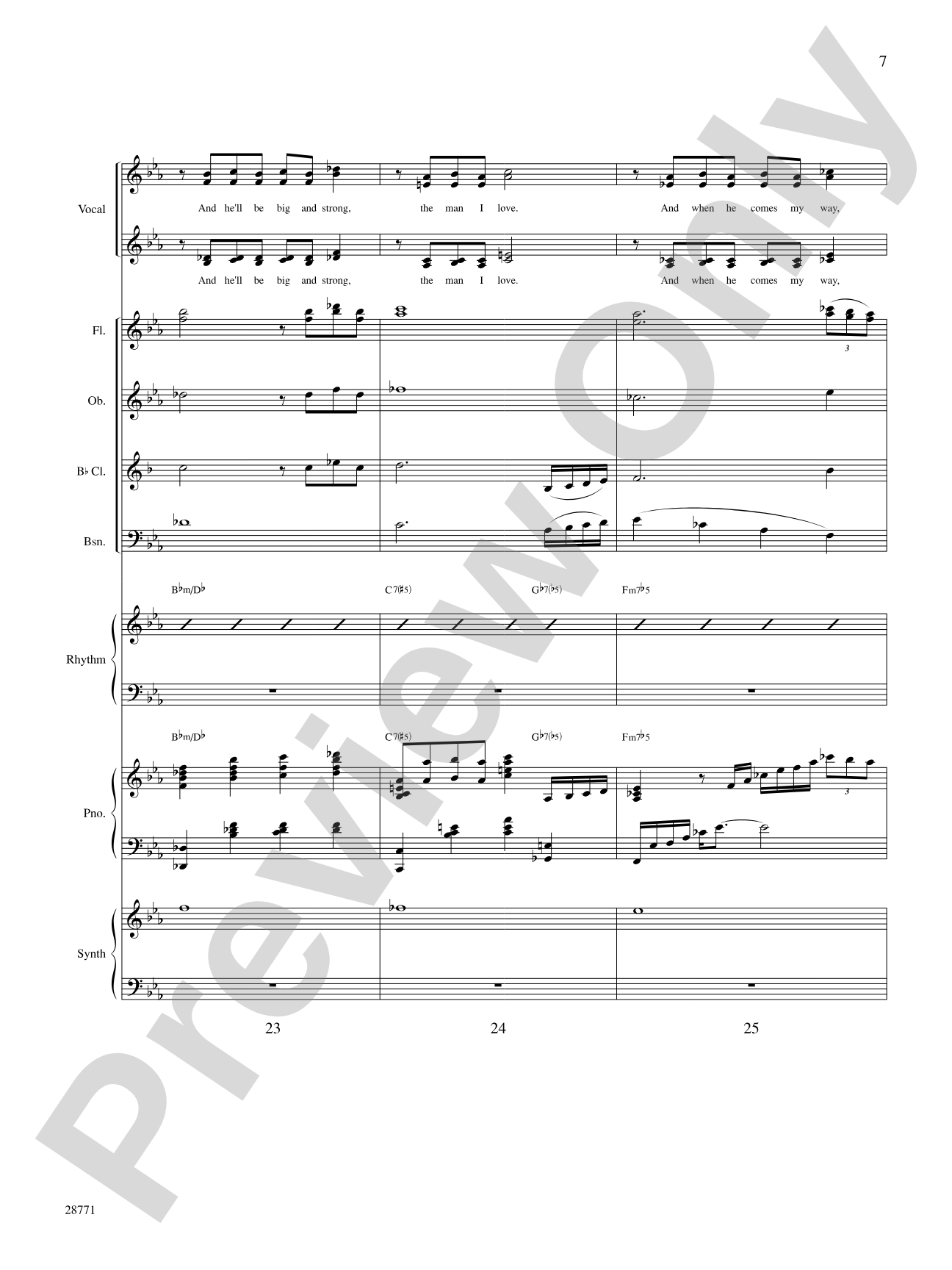
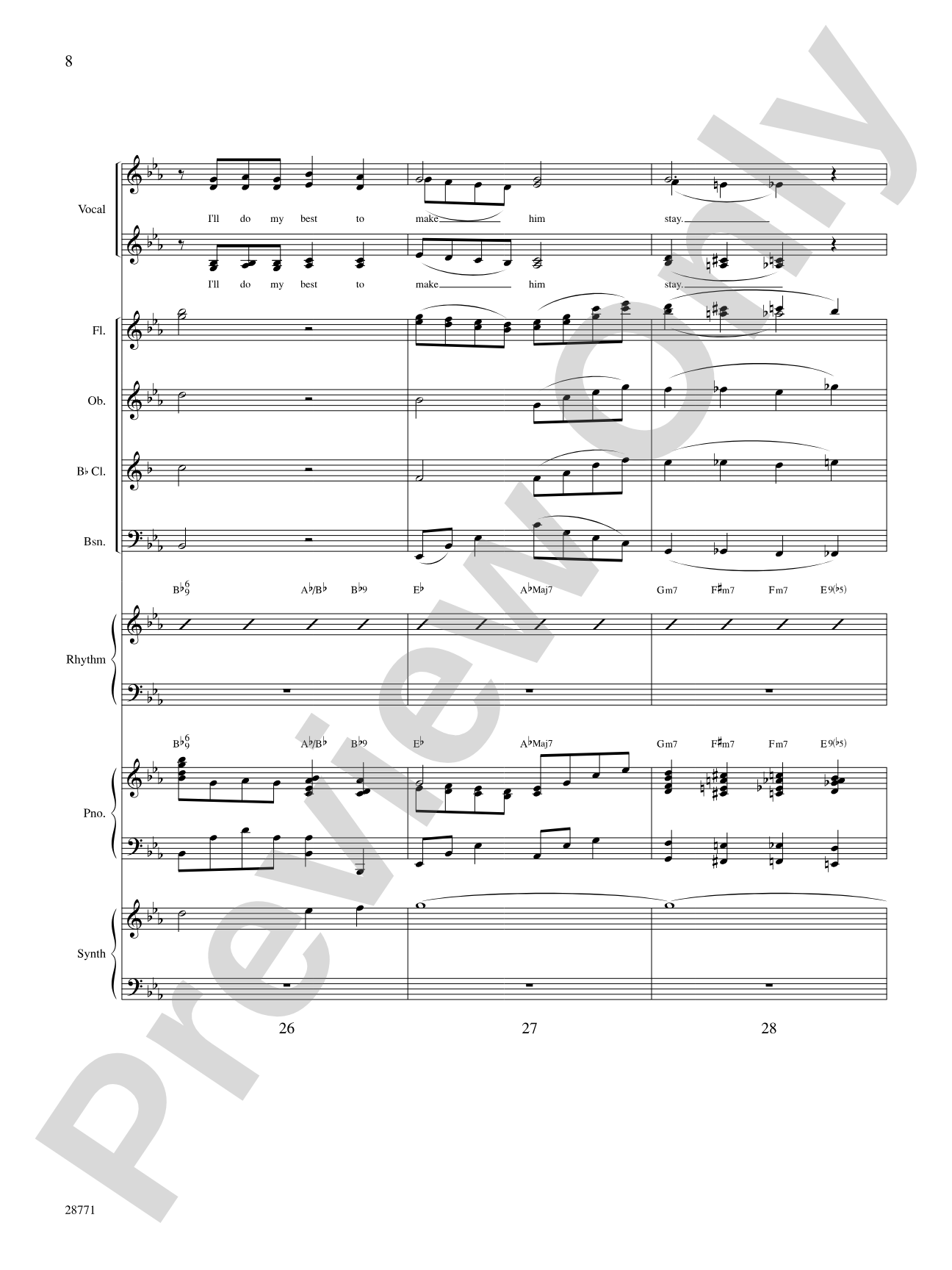
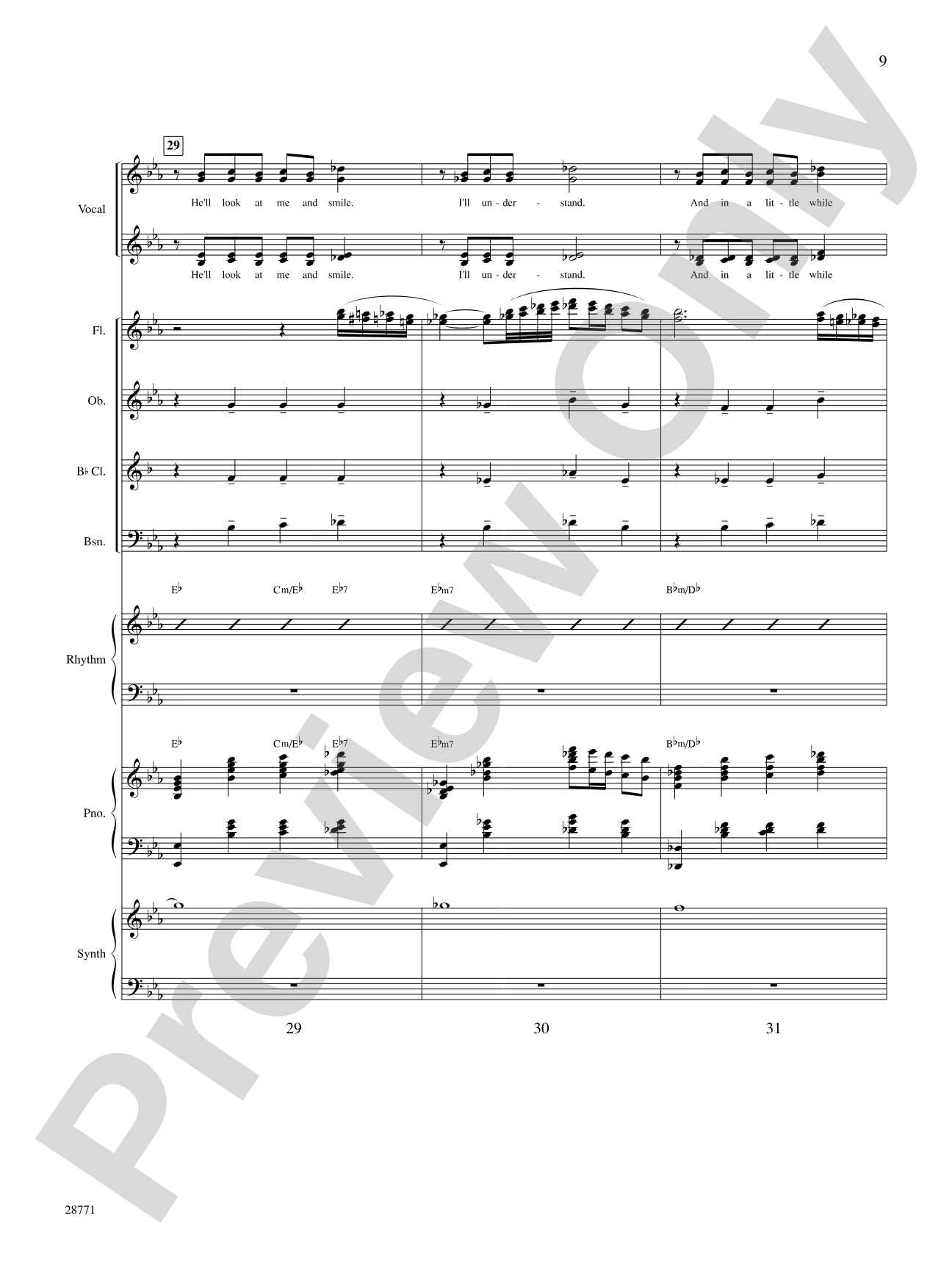
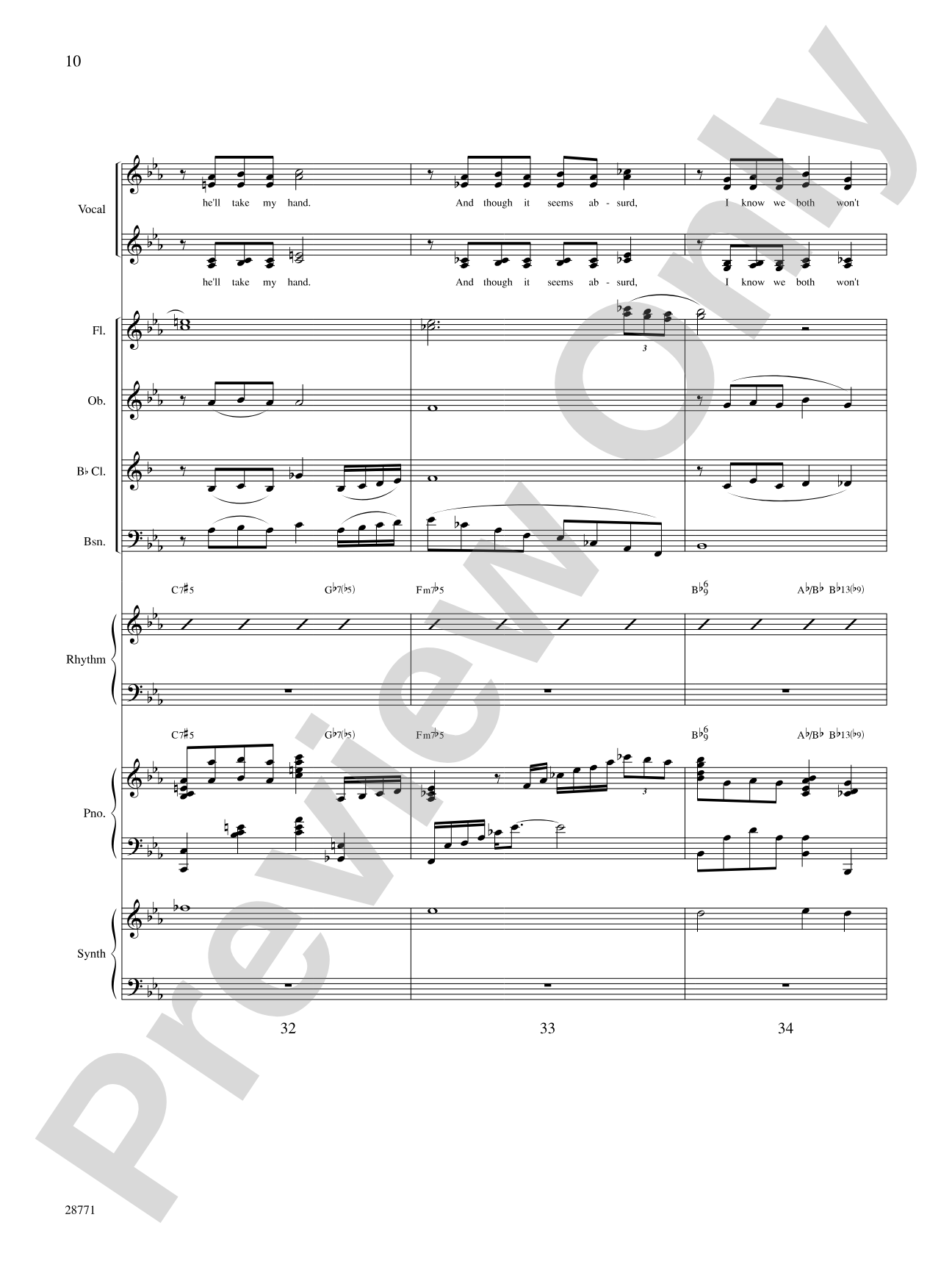
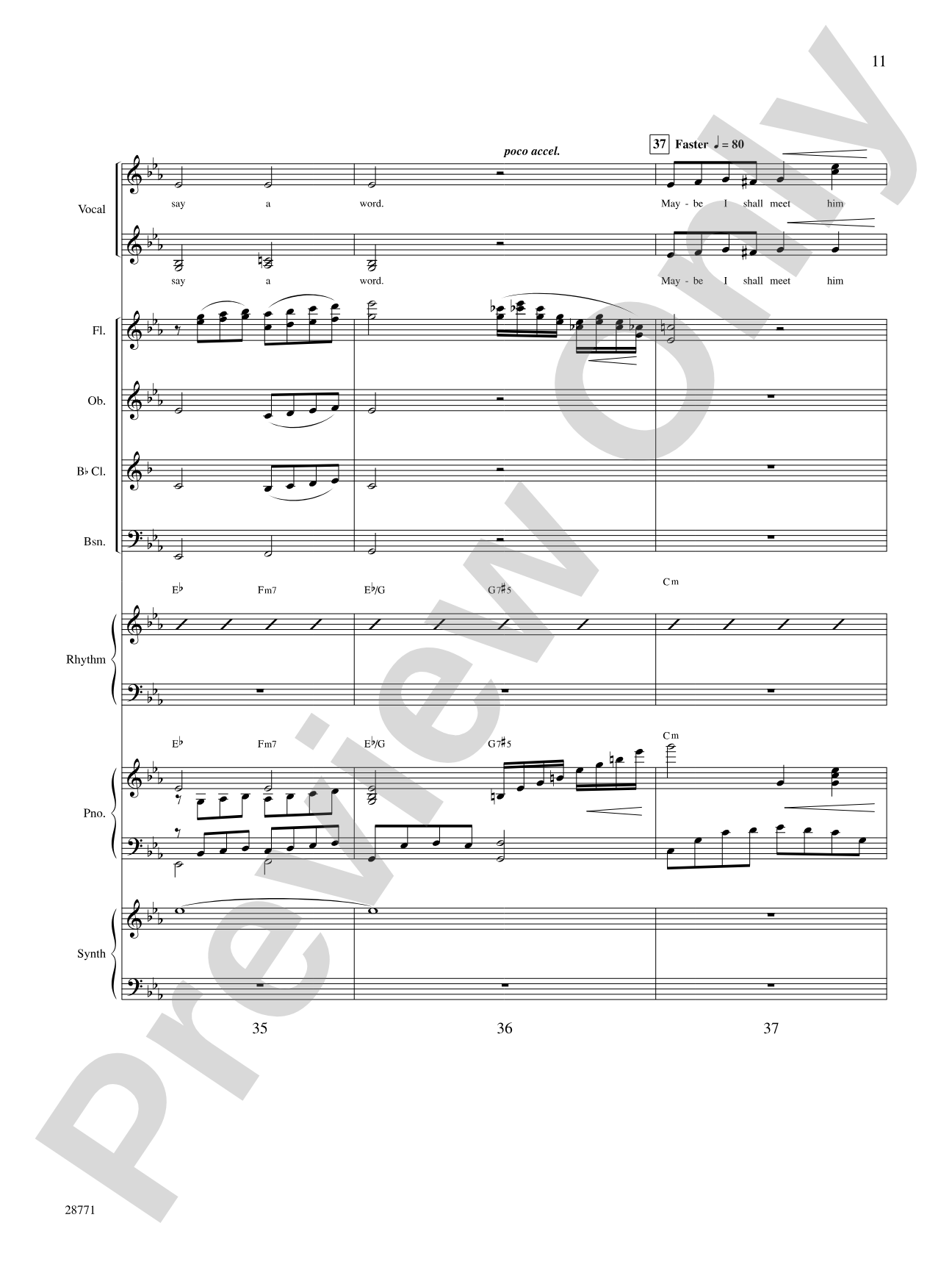
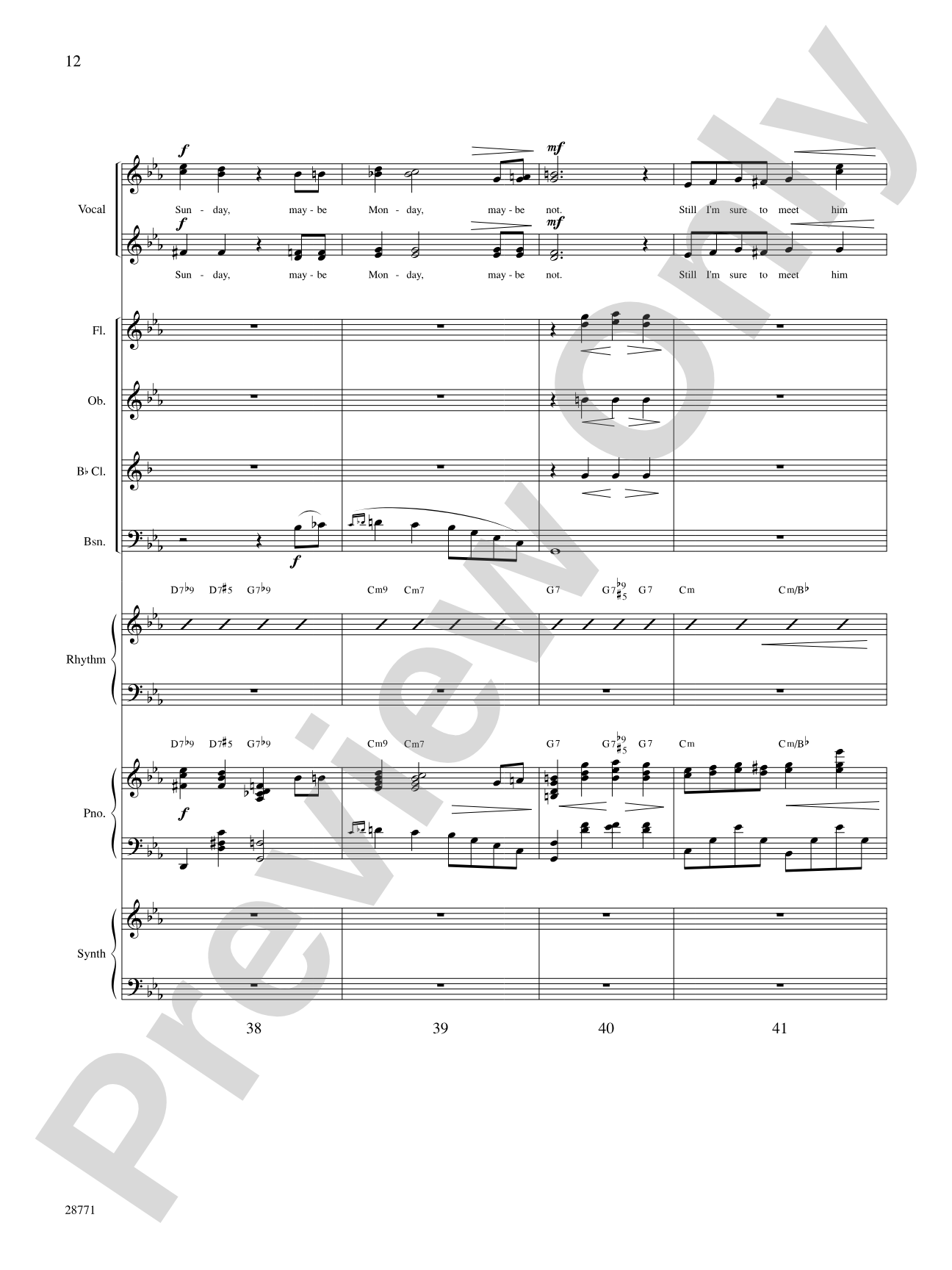
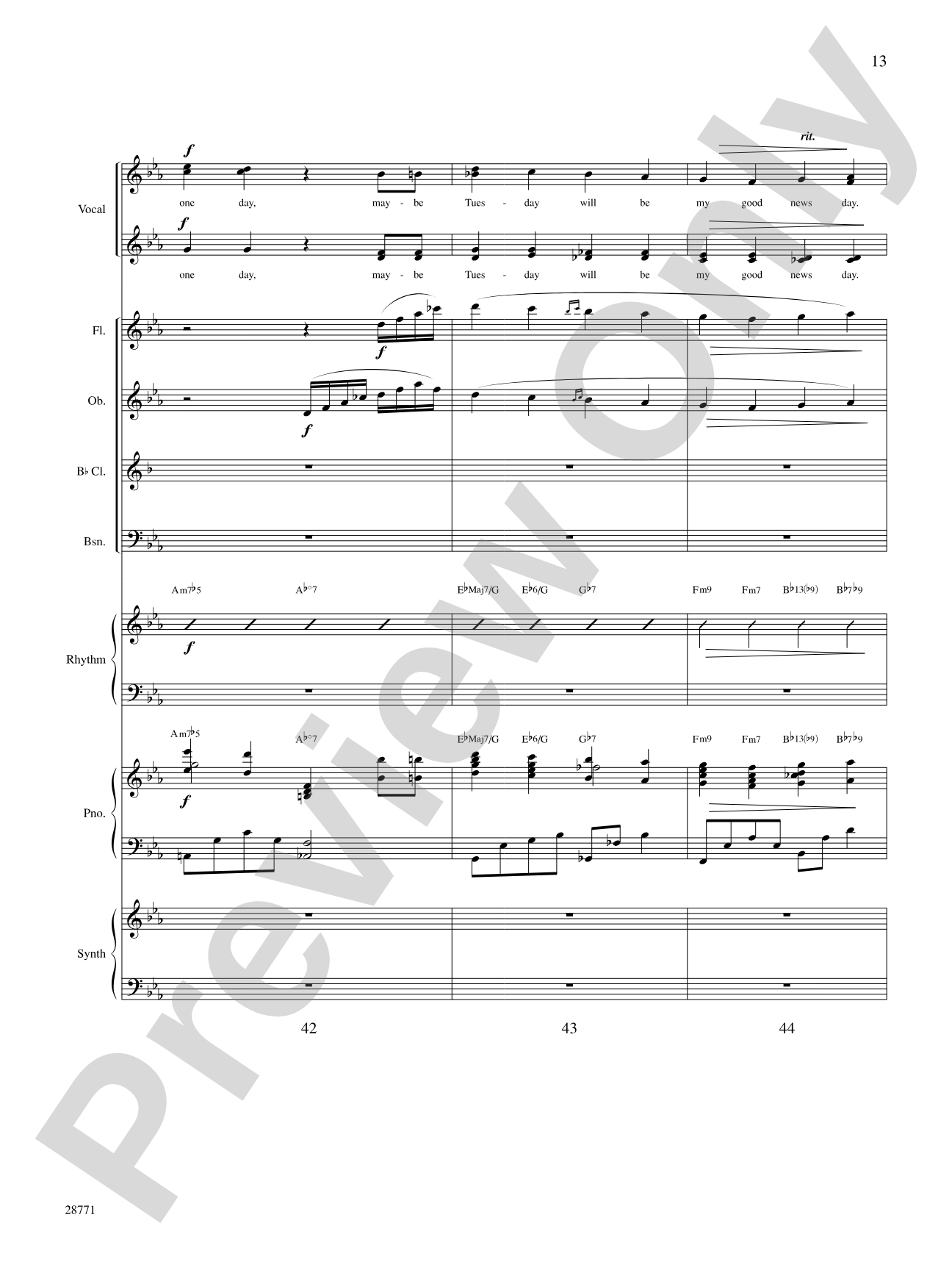
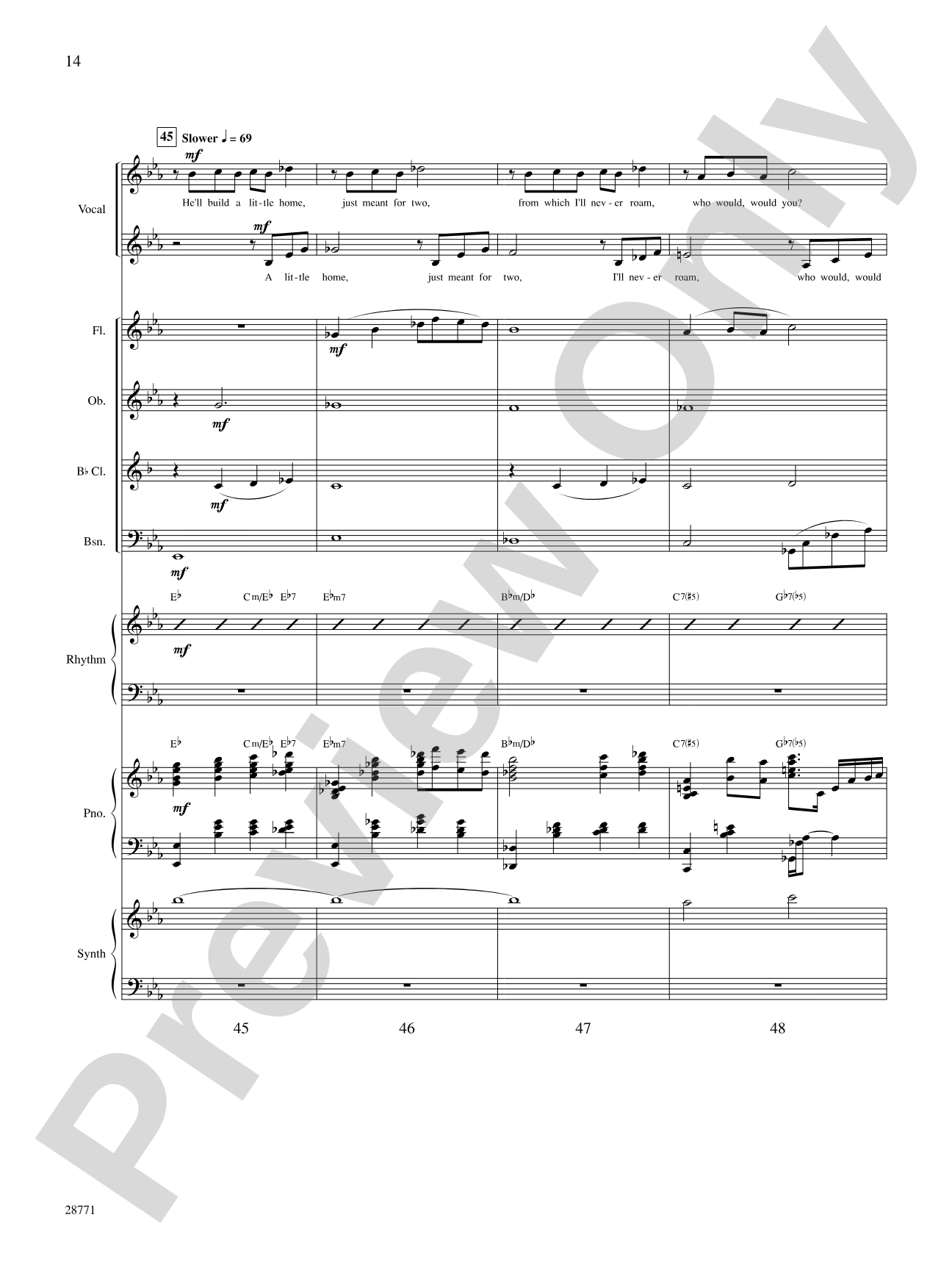
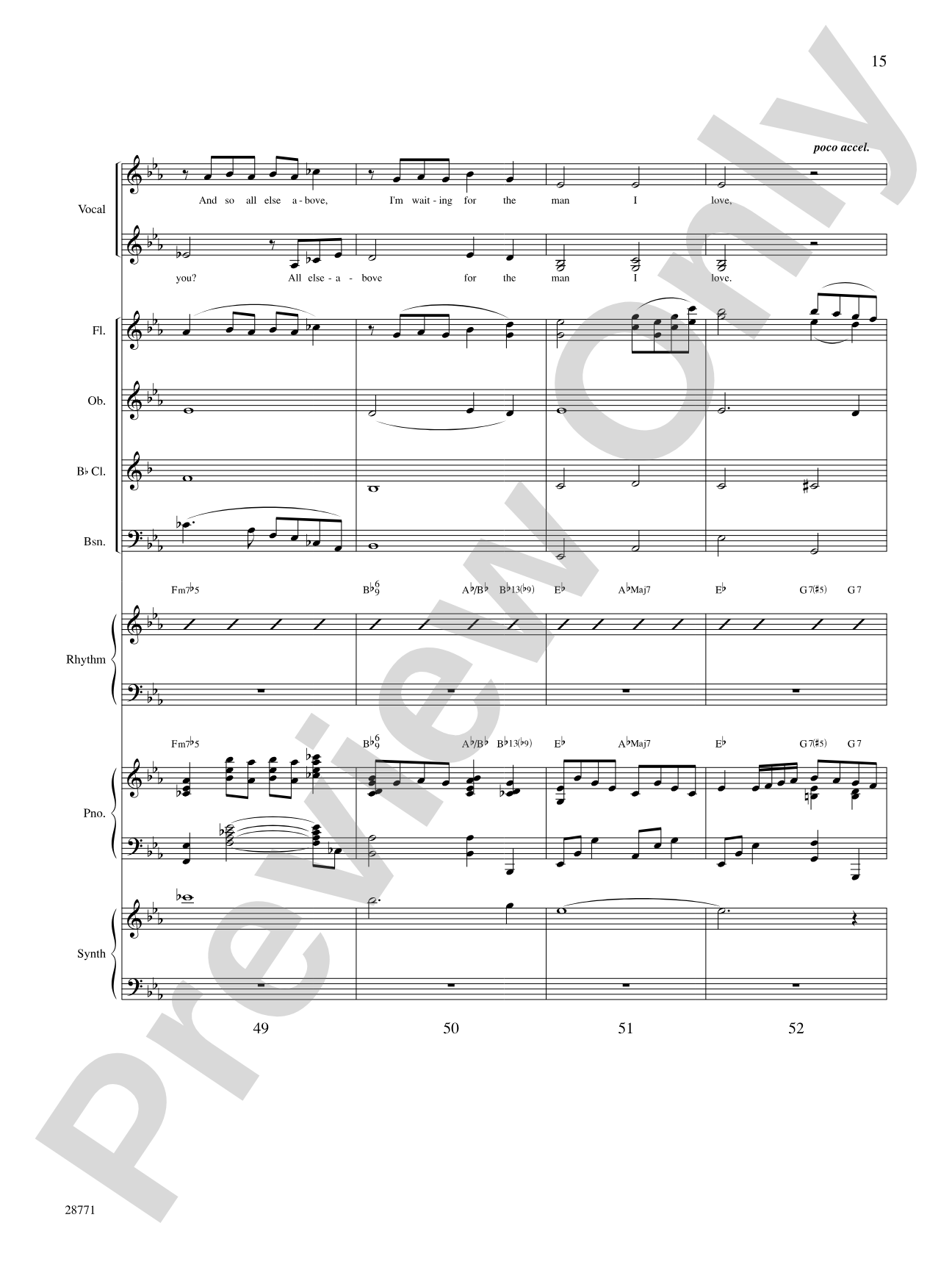
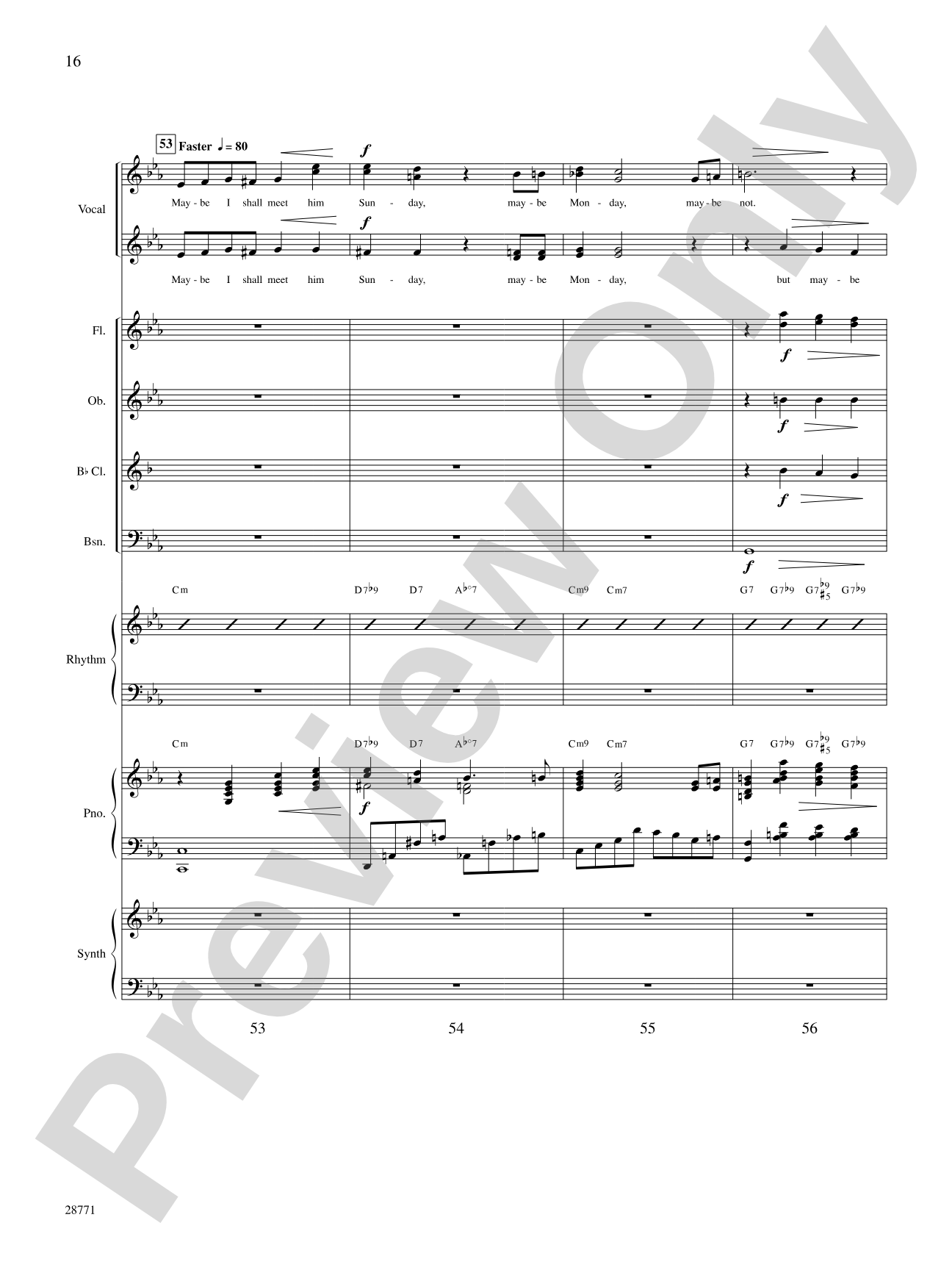
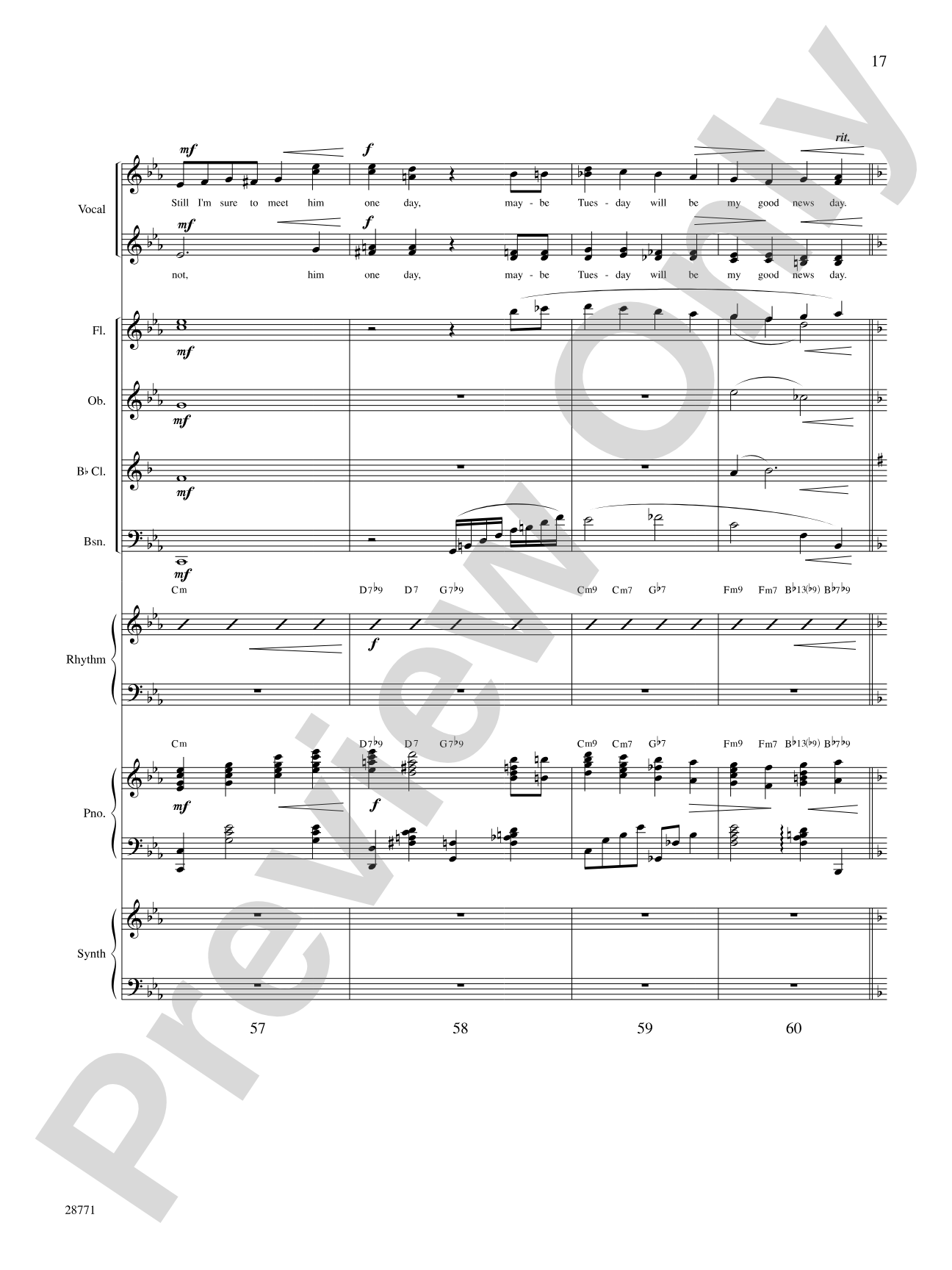
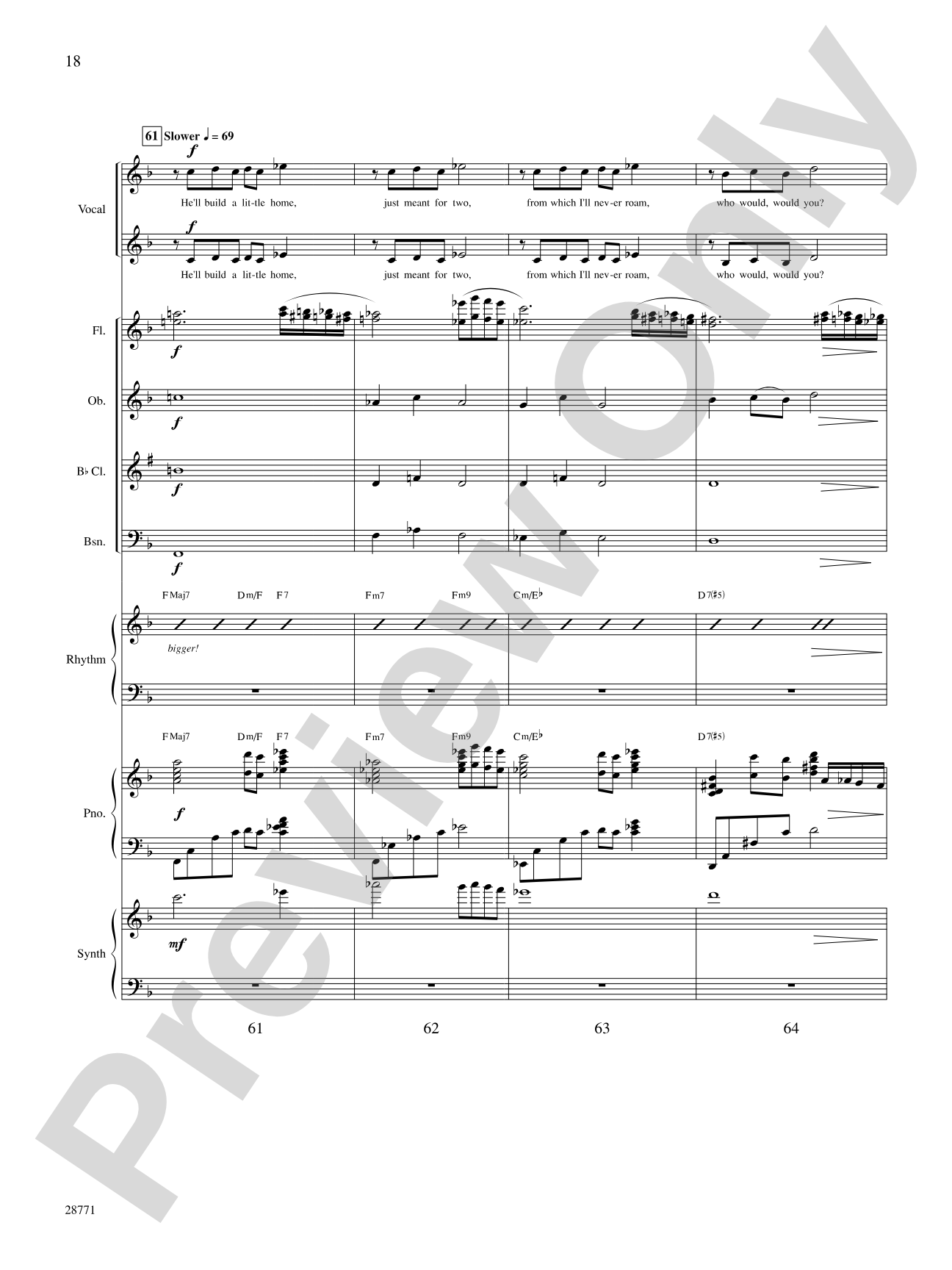
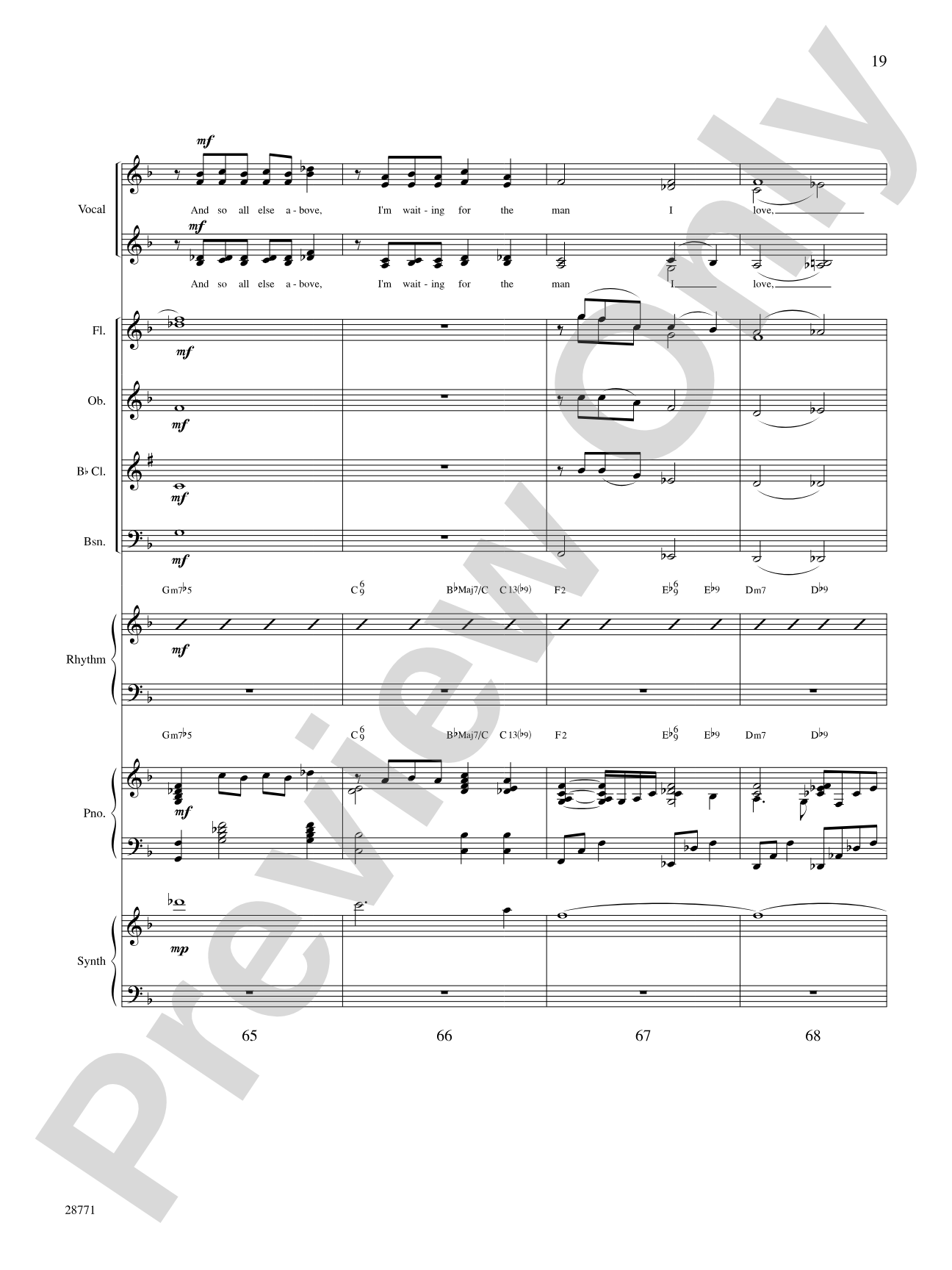
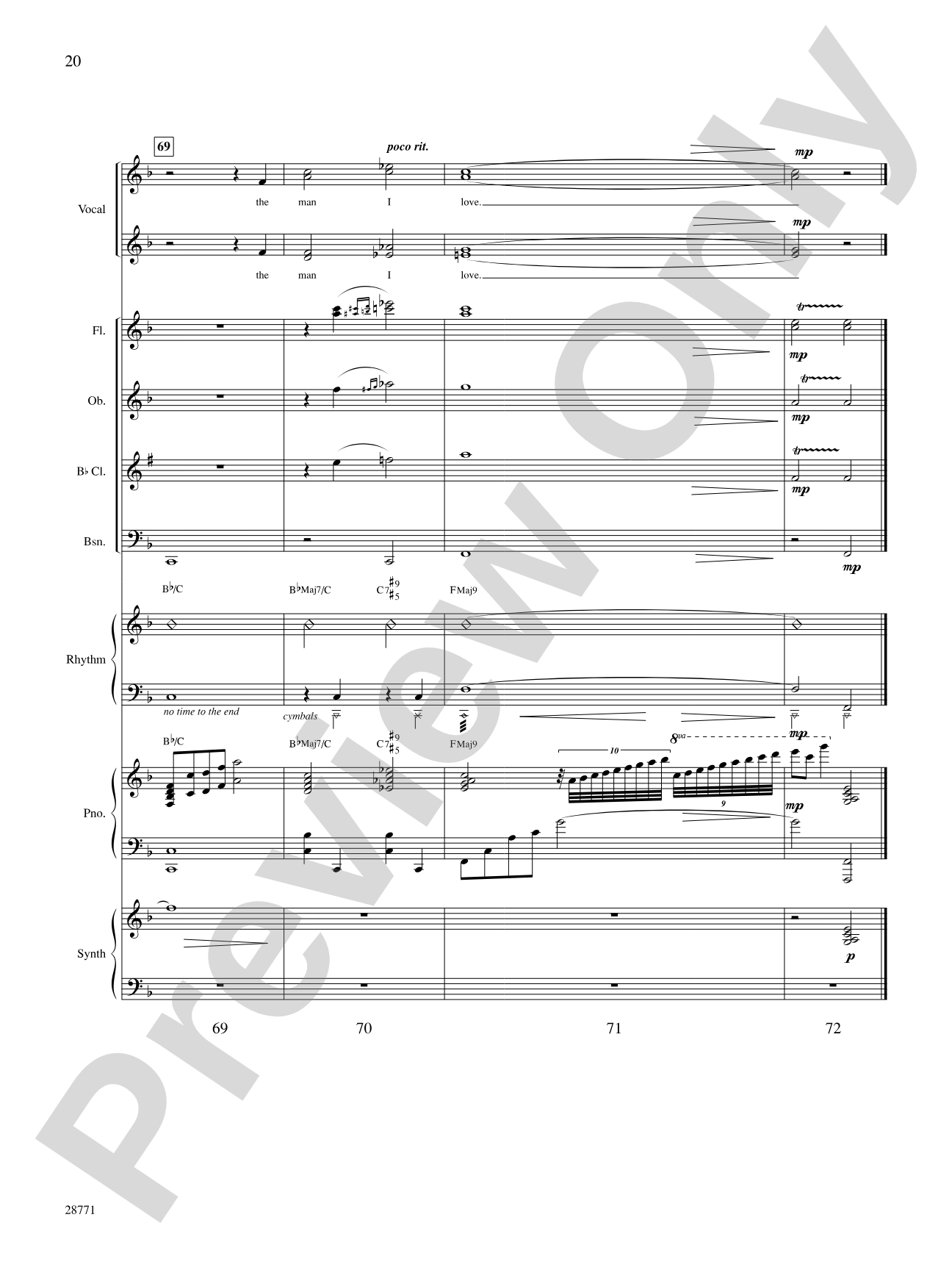
A great Gershwin song arranged exclusively for SSAA voices. It opens with the verse, which sets the stage for the unforgettable opening melody: "Someday he'll come along, the man I love." Lush harmonies are the hallmark of this arrangement, which will showcase the best that your treble choirs have to offer. Stunningly beautiful.


Don't just read it, hear it, play along with it, and watch your students grow with it. In MakeMusic Cloud, The Man I Love: Choral SoundPax comes alive with professional accompaniment, adjustable tempo, and built-in practice tools that turn solo practice into real progress.
Open in the Player
Jump straight in and assign it today.
Start Your Free Trial
Open this title and explore the full library in minutes.
Sample Audio
1
Audio File
--:--
0:00
0:00
Sample Video
No sample videos found.
Additional Details
Series:
Alfred Pop Choral Series
Publisher:
Alfred Music
Page Count:
38
SKU:
00-PK-0001365
Instrumentation:
SoundPax
More about this title
About the Composer: George Gershwin
George Gershwin (1898-1937) was an American composer who bridged classical and popular music with unprecedented success. His songs became standards of the American songbook, performed across concert halls, theaters, and jazz clubs. Gershwin's melodic gift and harmonic sophistication made his work enduringly teachable: his melodies sit naturally in the voice, his harmonies reward close listening, and his songs carry emotional weight that resonates with students across skill levels.
Why we love this
Mark Hayes's arrangement captures the song's emotional core while writing idiomatically for treble voices. The opening verse gives singers space to establish character before the famous melody arrives, and the lush harmonies throughout provide real musical substance for intermediate and advanced choirs without overwhelming younger singers. This is Gershwin repertoire that actually sounds like Gershwin.
What to expect
Warm, yearning, and deeply human. The opening verse draws listeners into intimate storytelling before the melody blooms into something bittersweet and hopeful. Lush vocal harmonies create an almost orchestral fullness, giving singers the satisfaction of making real beauty together.
Who it's for
This arrangement is ideal for intermediate and advanced treble choirs seeking substantial repertoire with immediate appeal. Directors who want their singers to experience a genuine American classic without arranging it themselves will find this a polished, singable choice that works in concert, competition, or community settings.
How to get the most out of it
- Shape the verse with intentional phrasing rather than rushing to the refrain. The storytelling here sets up the emotional payoff of "Someday he'll come along."
- Balance the harmony layers carefully in rehearsal. Mark Hayes's voicing is rich, but each voice part carries melodic interest that should remain audible.
- Use the recorded accompaniment to lock the harmonic framework early, then gradually reduce reliance on it so singers feel ownership of the song's pacing and emotional arc.
- Attend to the text as a torch song. This is a woman expressing longing and hope; the harmonies should support vulnerability, not obscure it.
How to use it
Program this alongside other standards or show tunes to create a set that celebrates American musical theater and songwriting craft. It also pairs well with other Gershwin works or with twentieth-century classics that showcase what treble choirs can achieve vocally. The song's universal appeal makes it effective for spring concerts, community performances, or closing numbers that leave audiences remembering the singers long after the final chord.
Skills your students will build
- Sustaining phrasing across longer melodic lines without losing legit vocal production
- Balancing individual voice part identity within complex harmonic textures
- Interpreting text with emotional specificity in a secular, narrative context
- Reading and executing sophisticated four-part SSAA writing
- Matching harmonic blend across a lush arrangement while maintaining intonation accuracy