
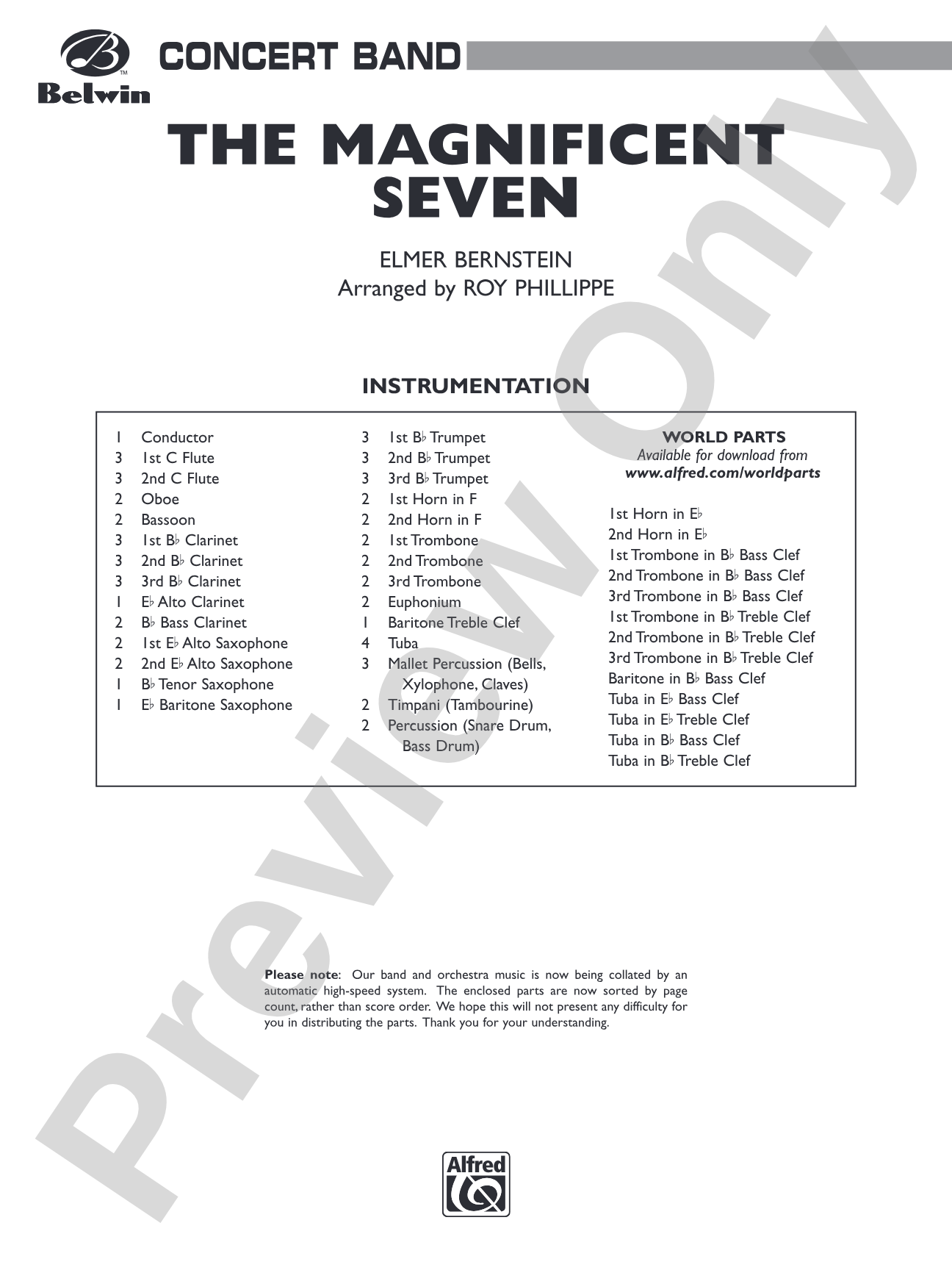

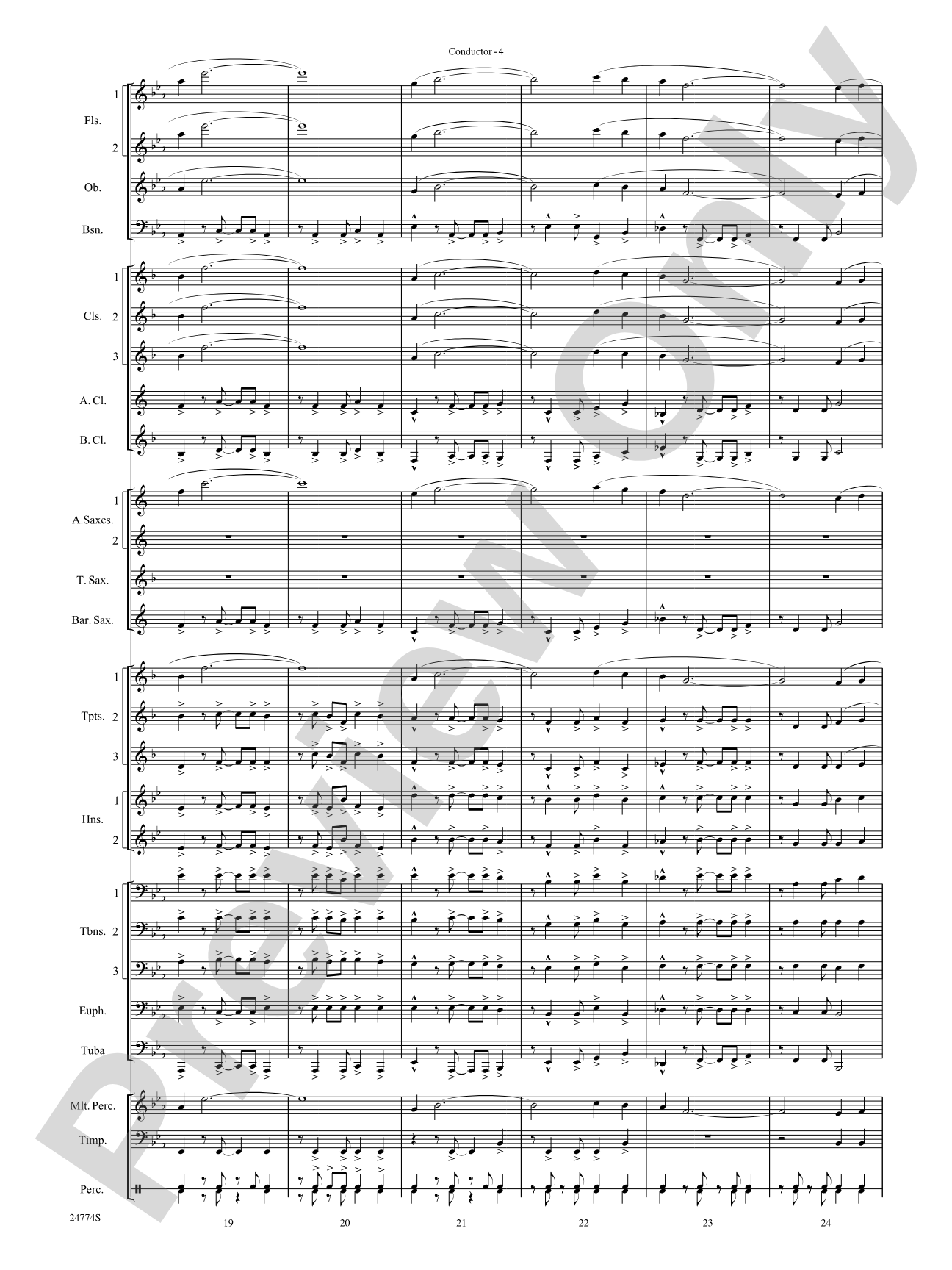
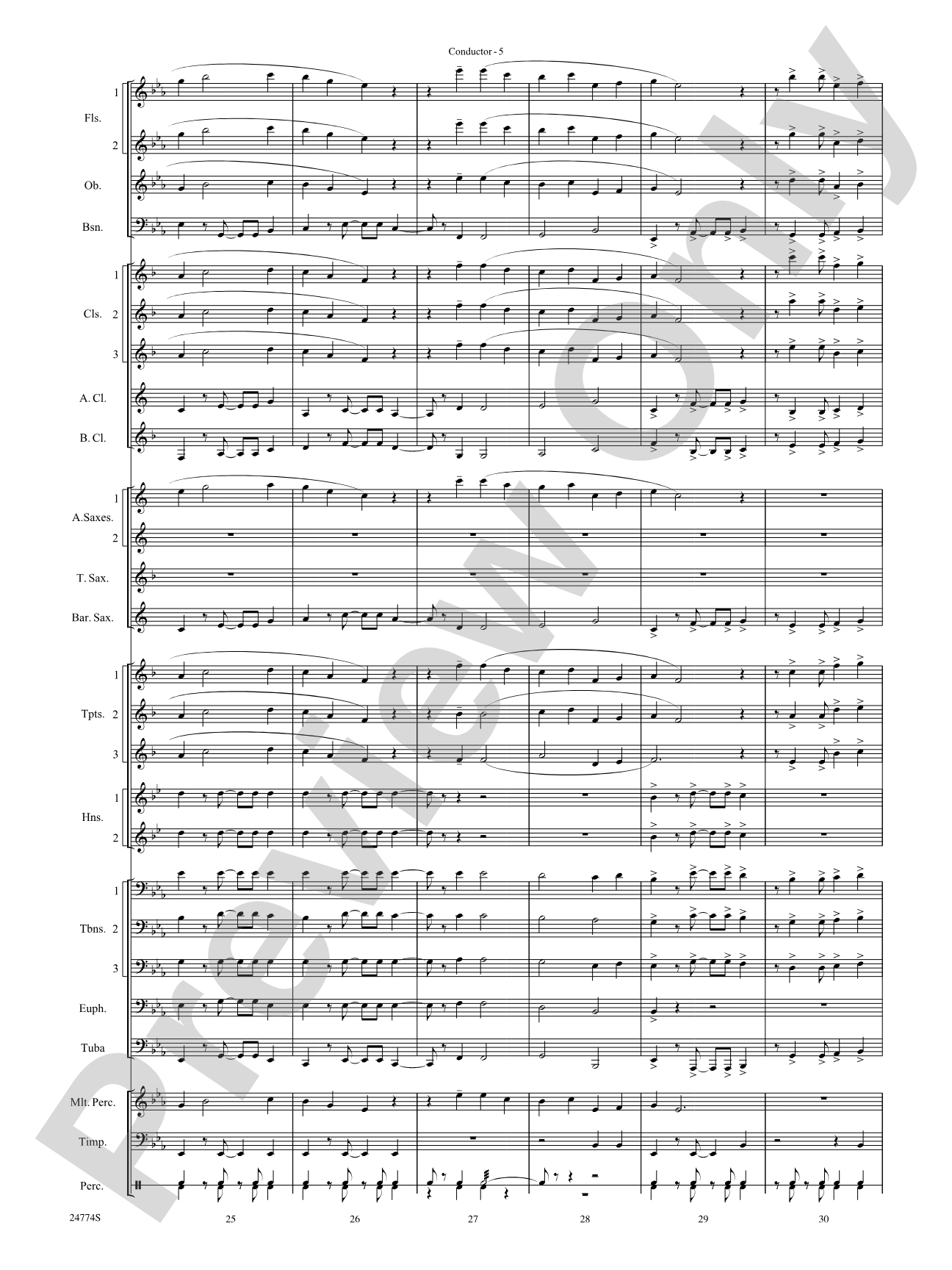
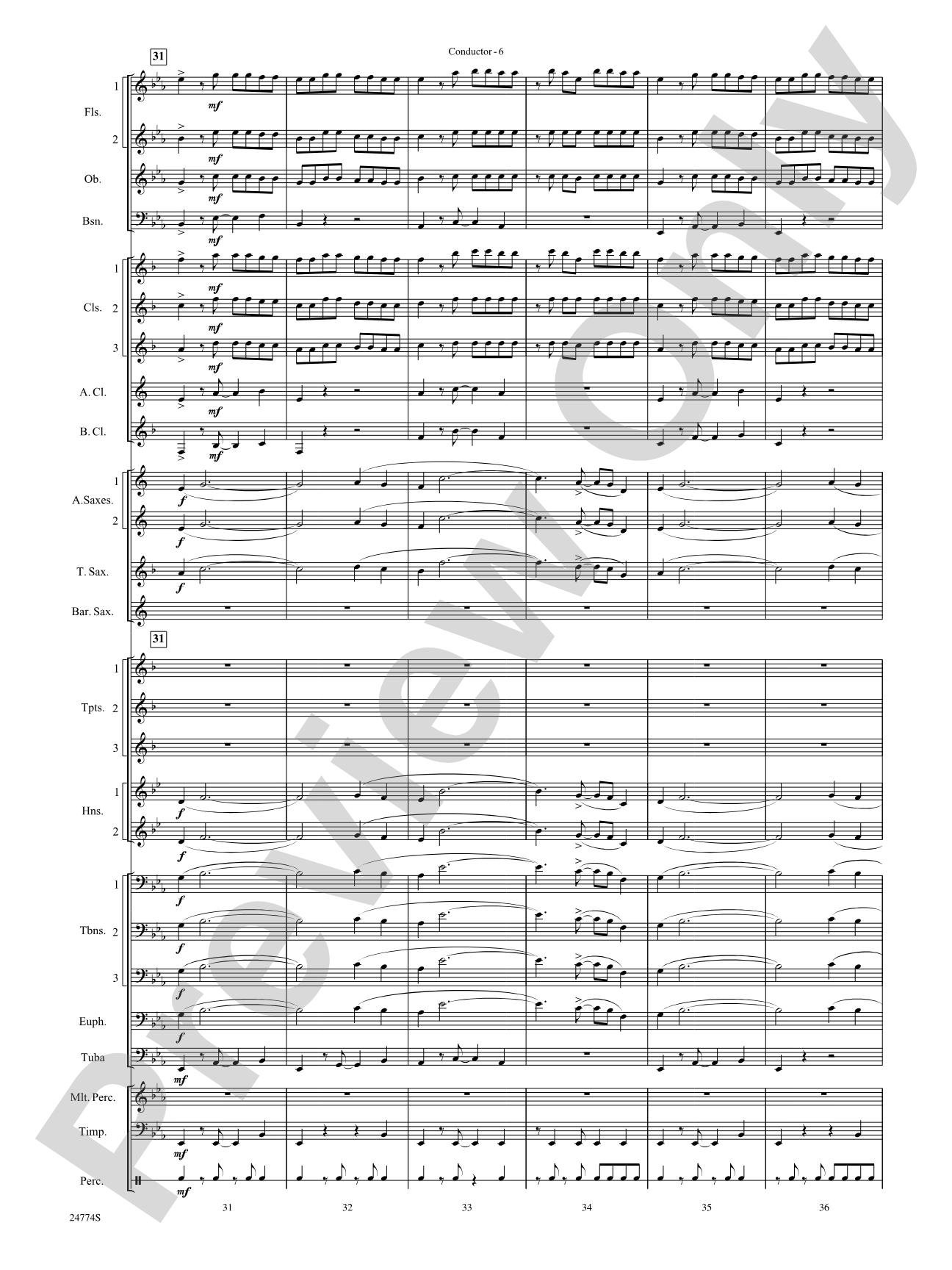
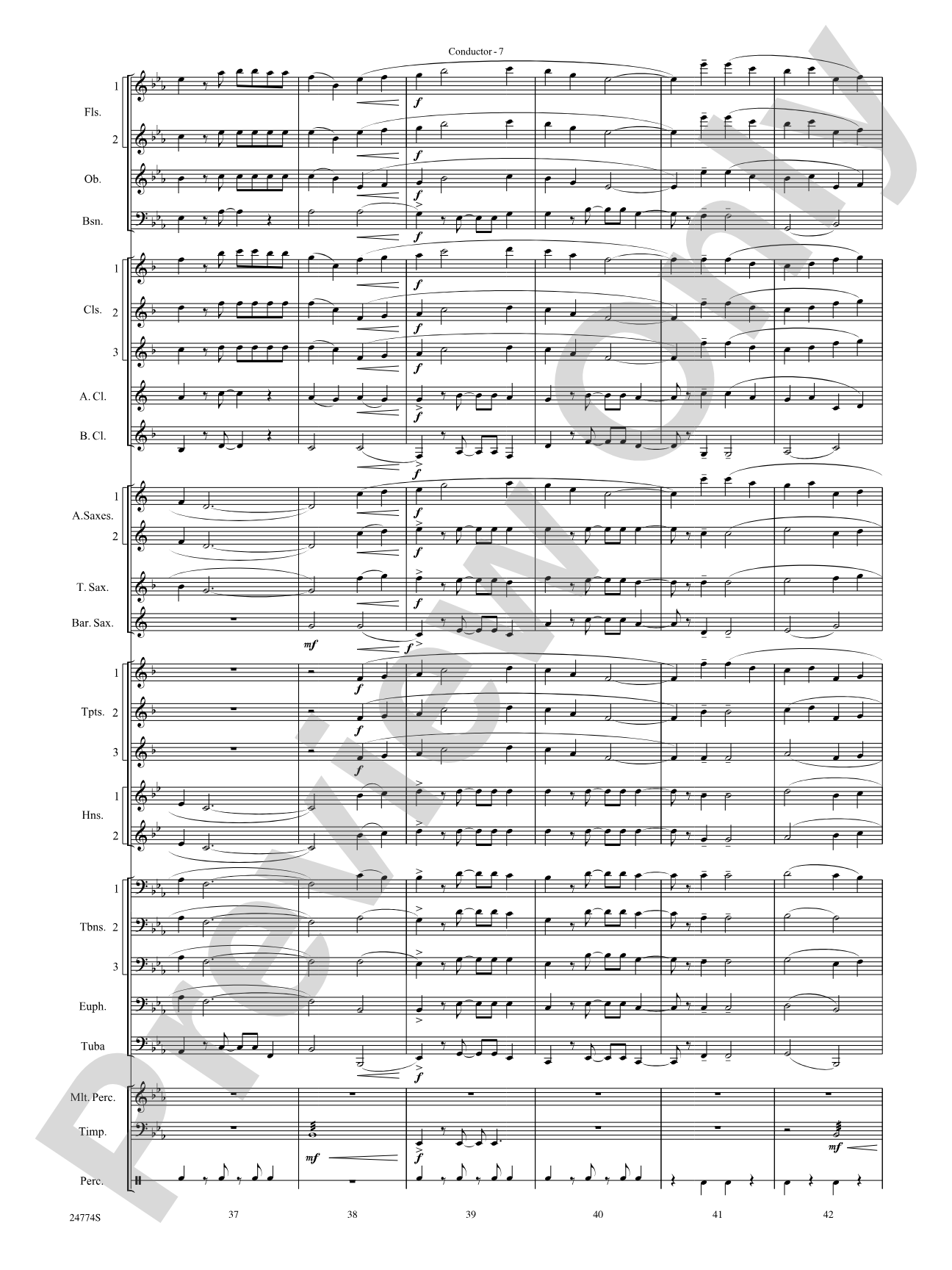
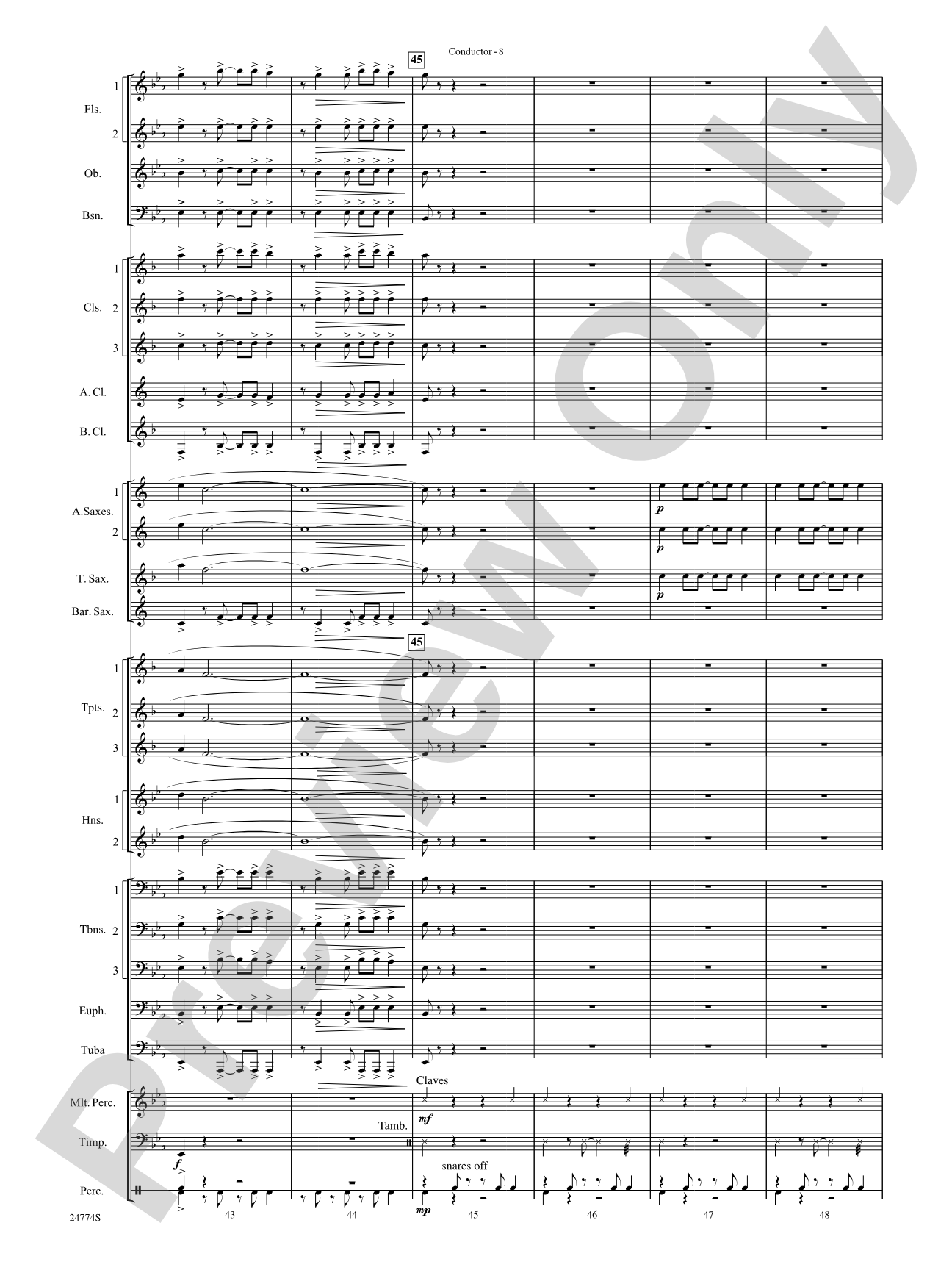
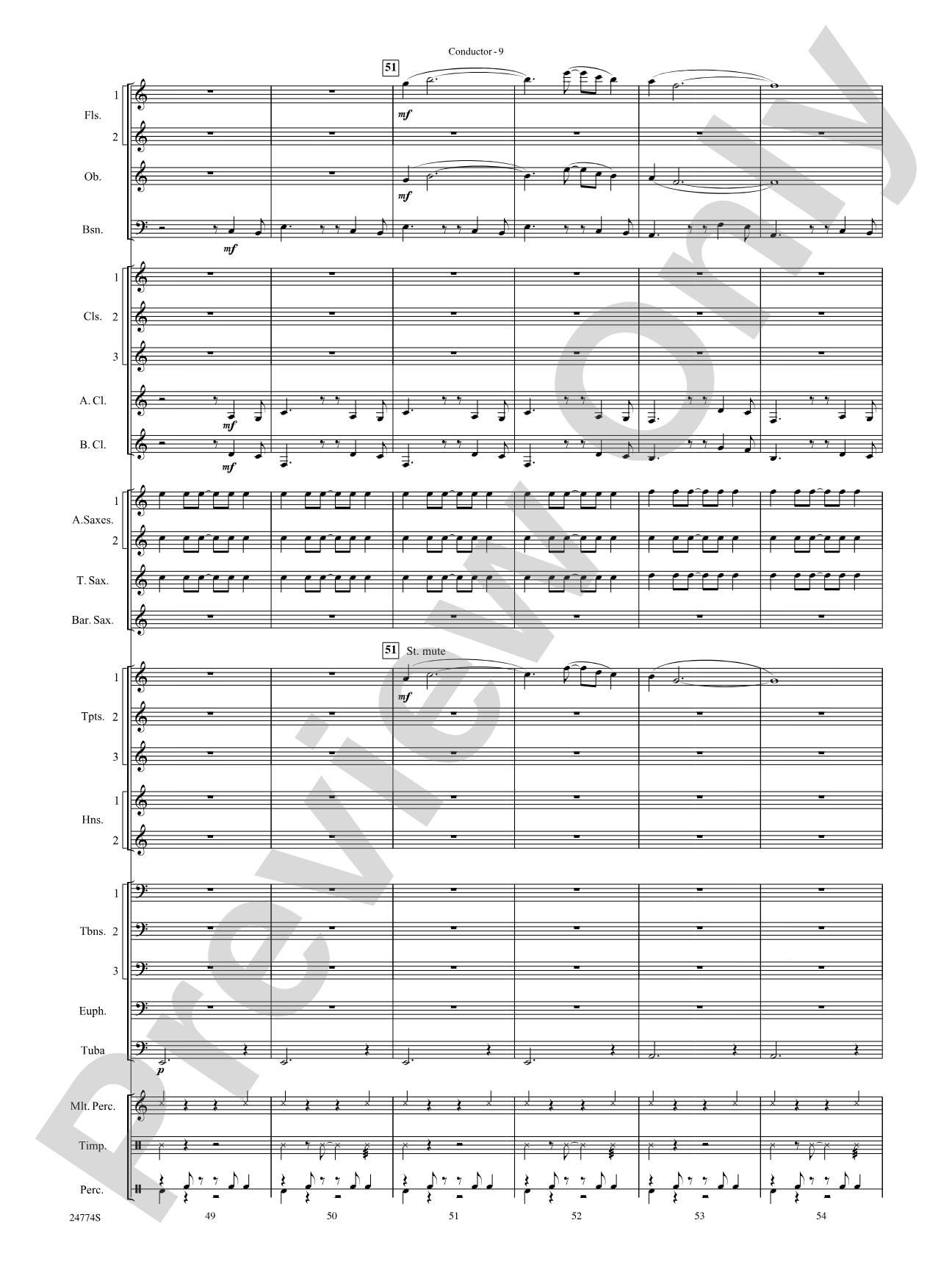
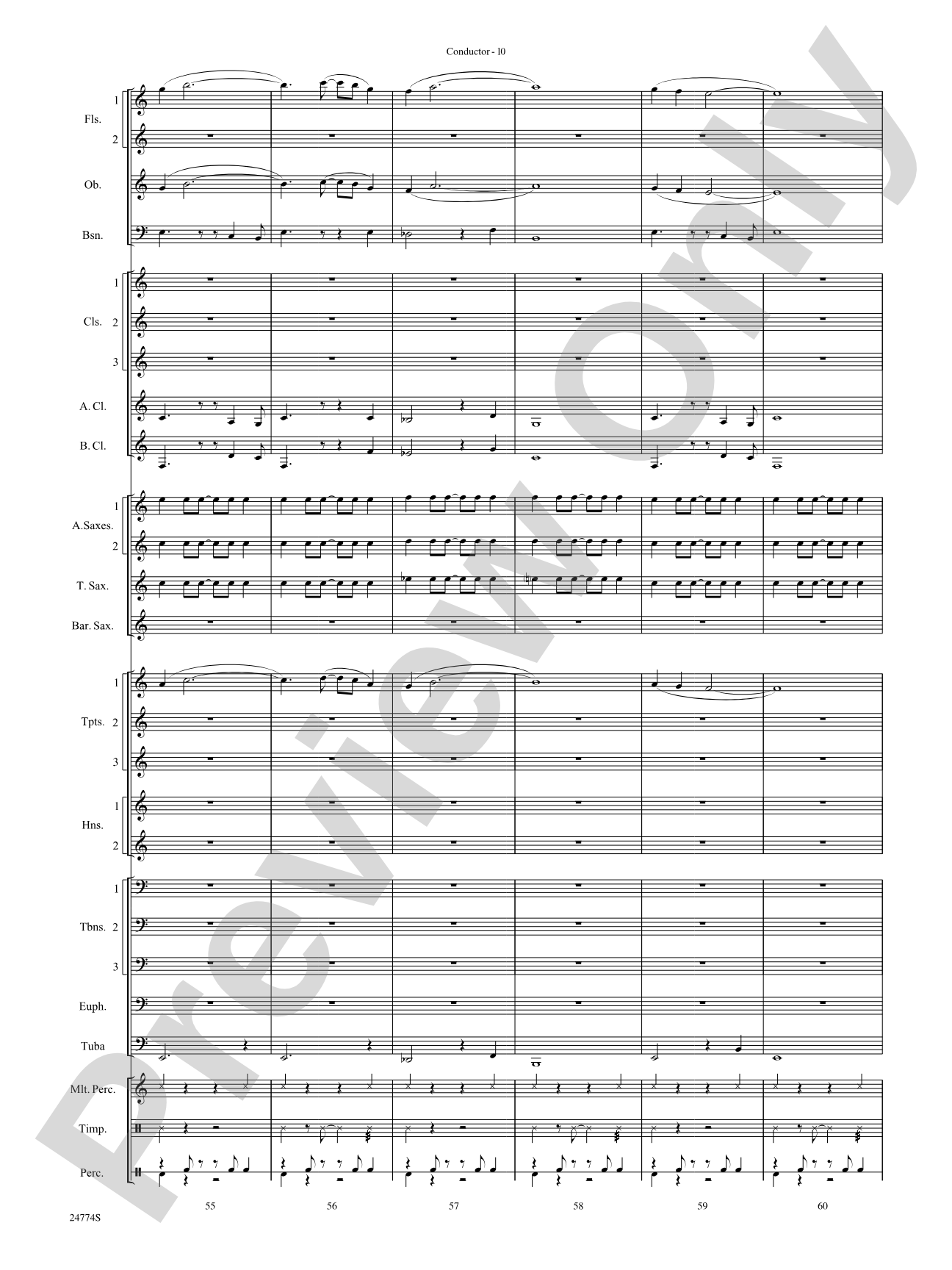
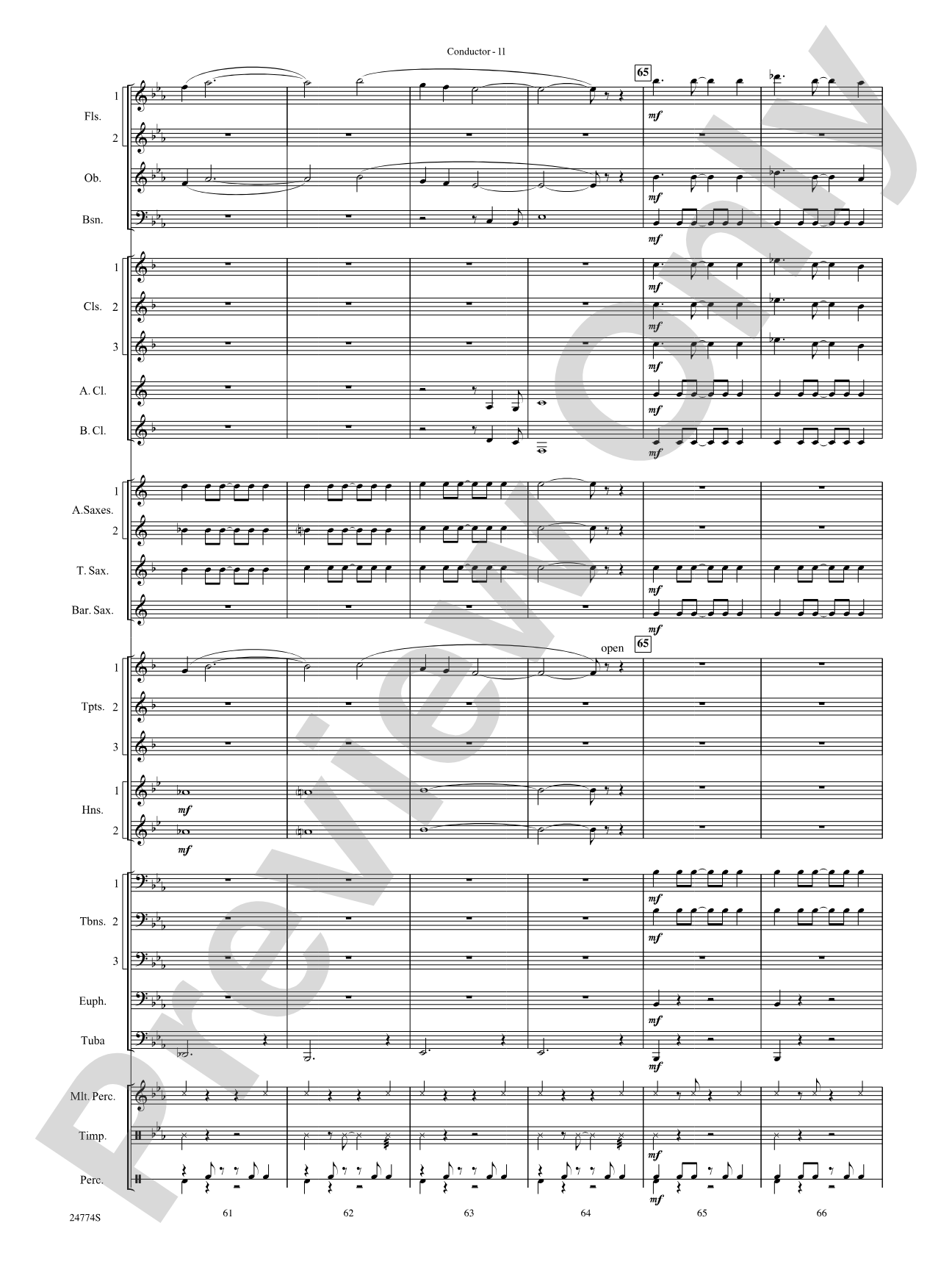
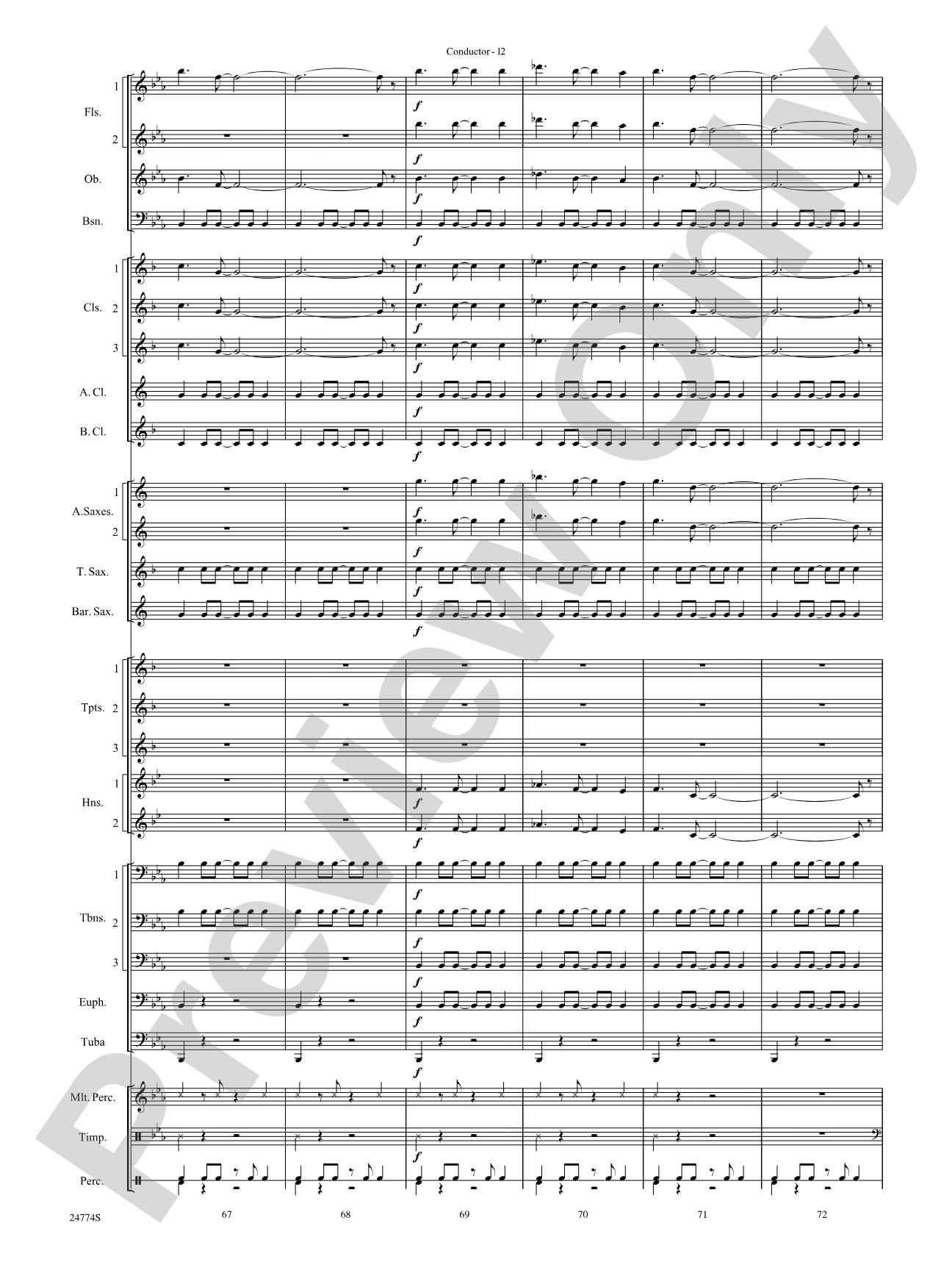
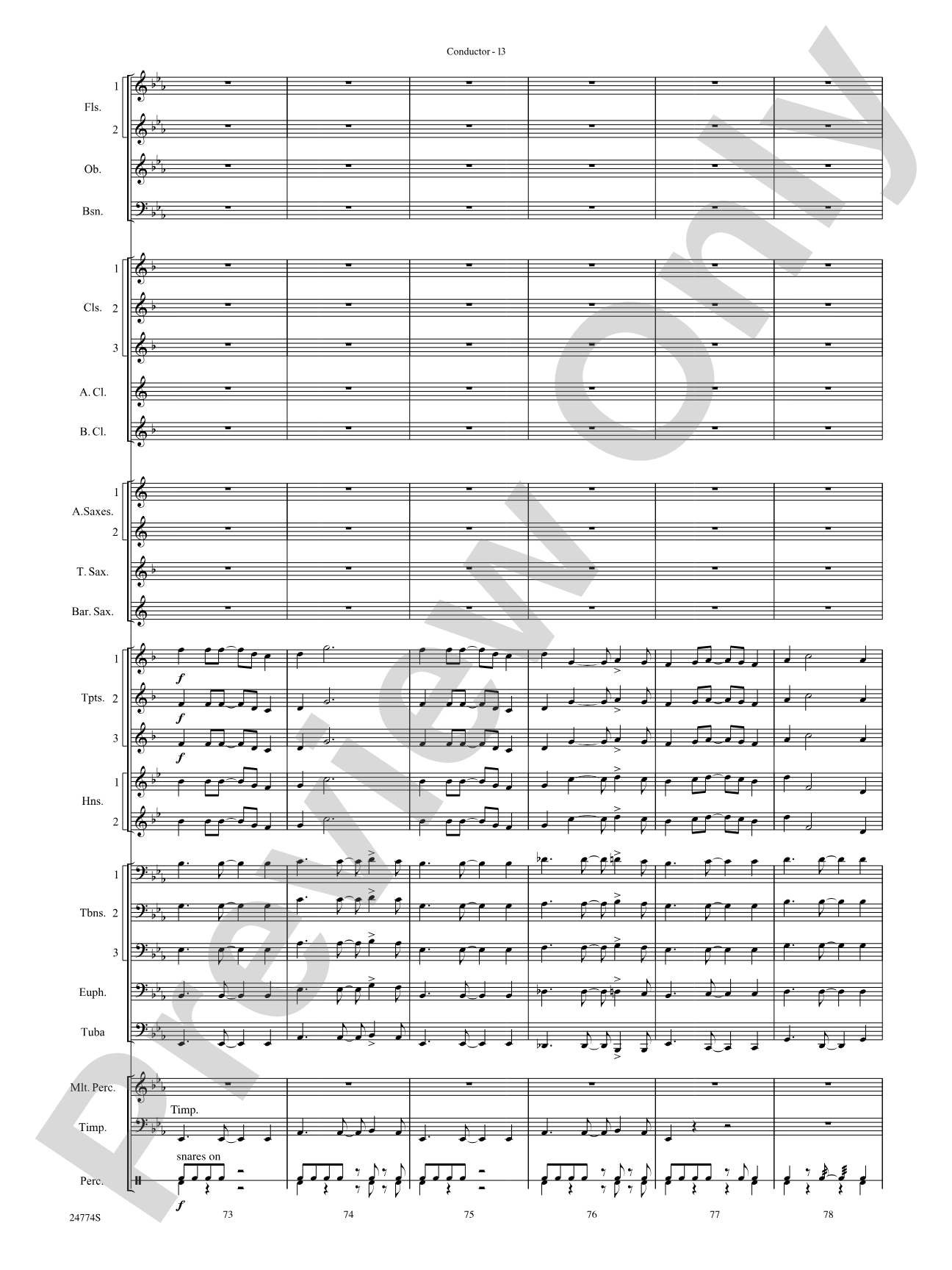
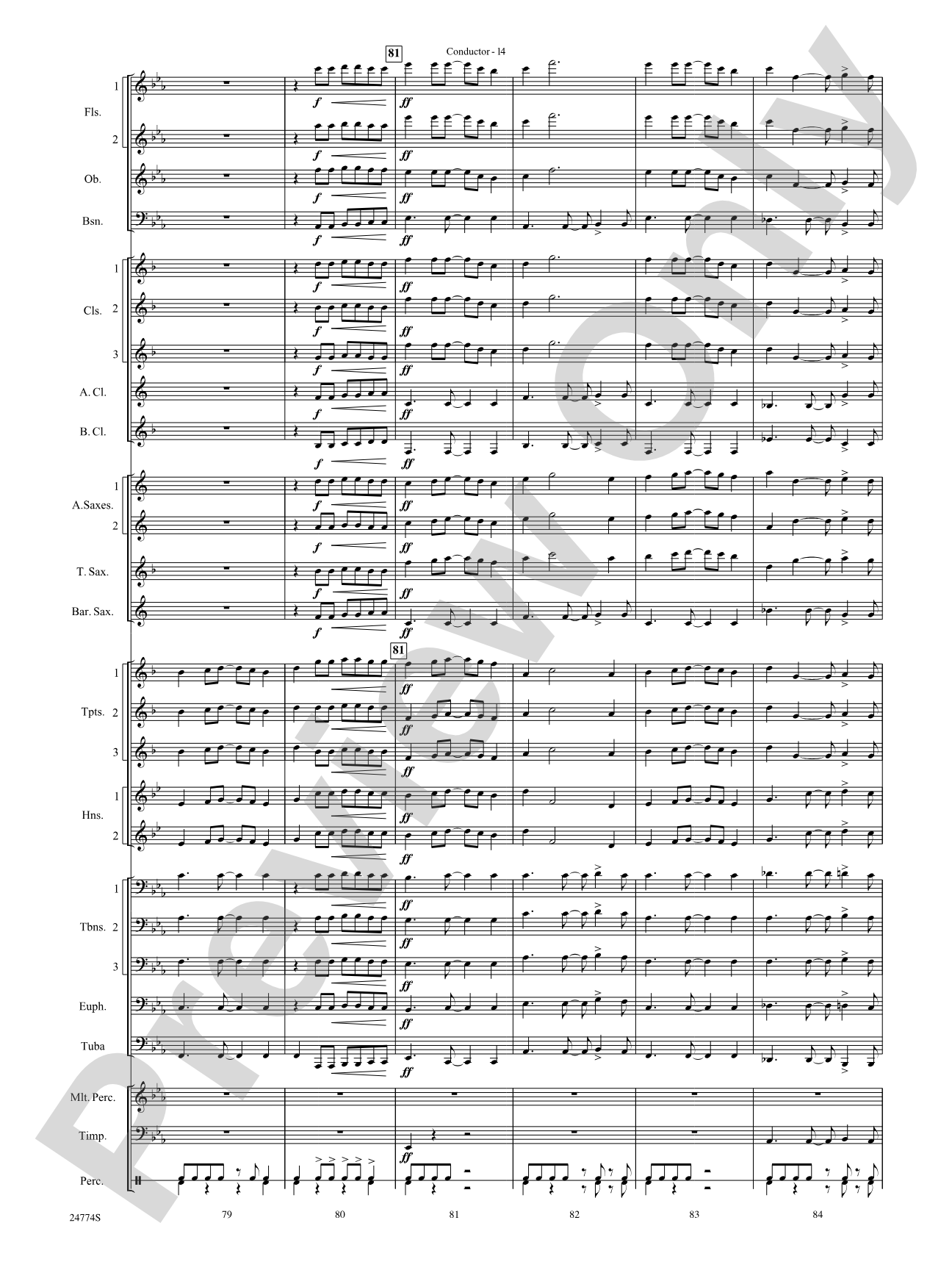
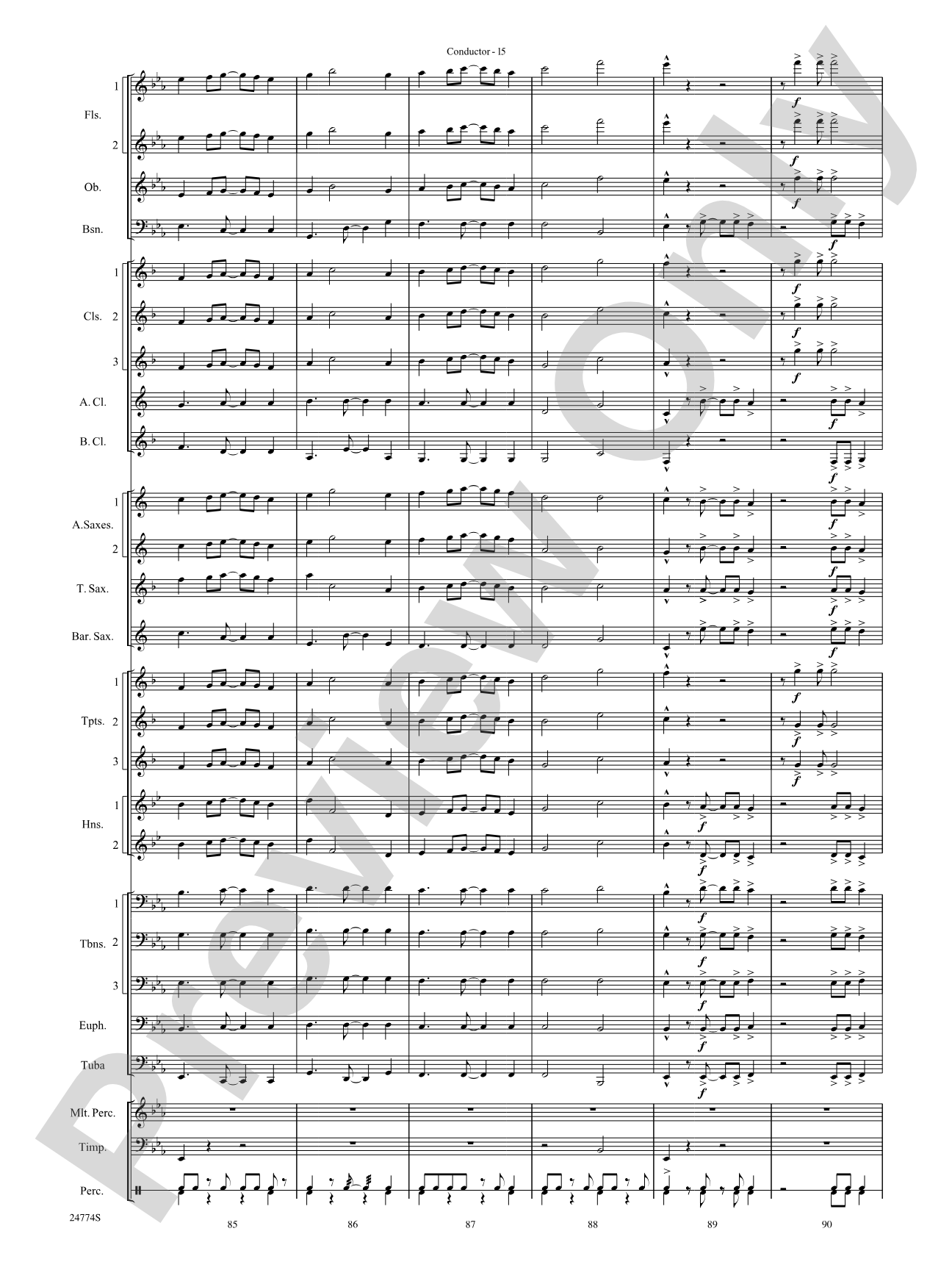
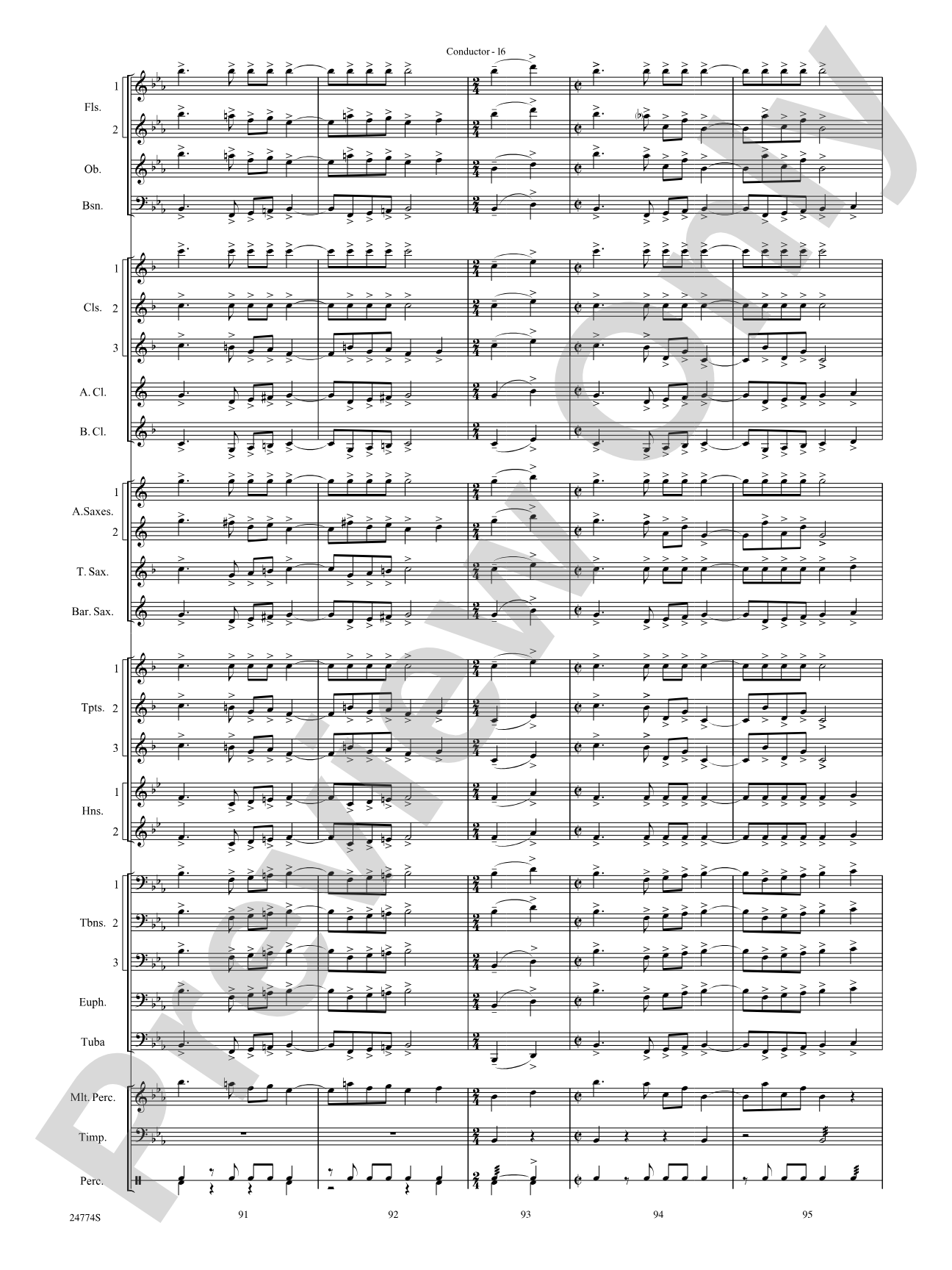
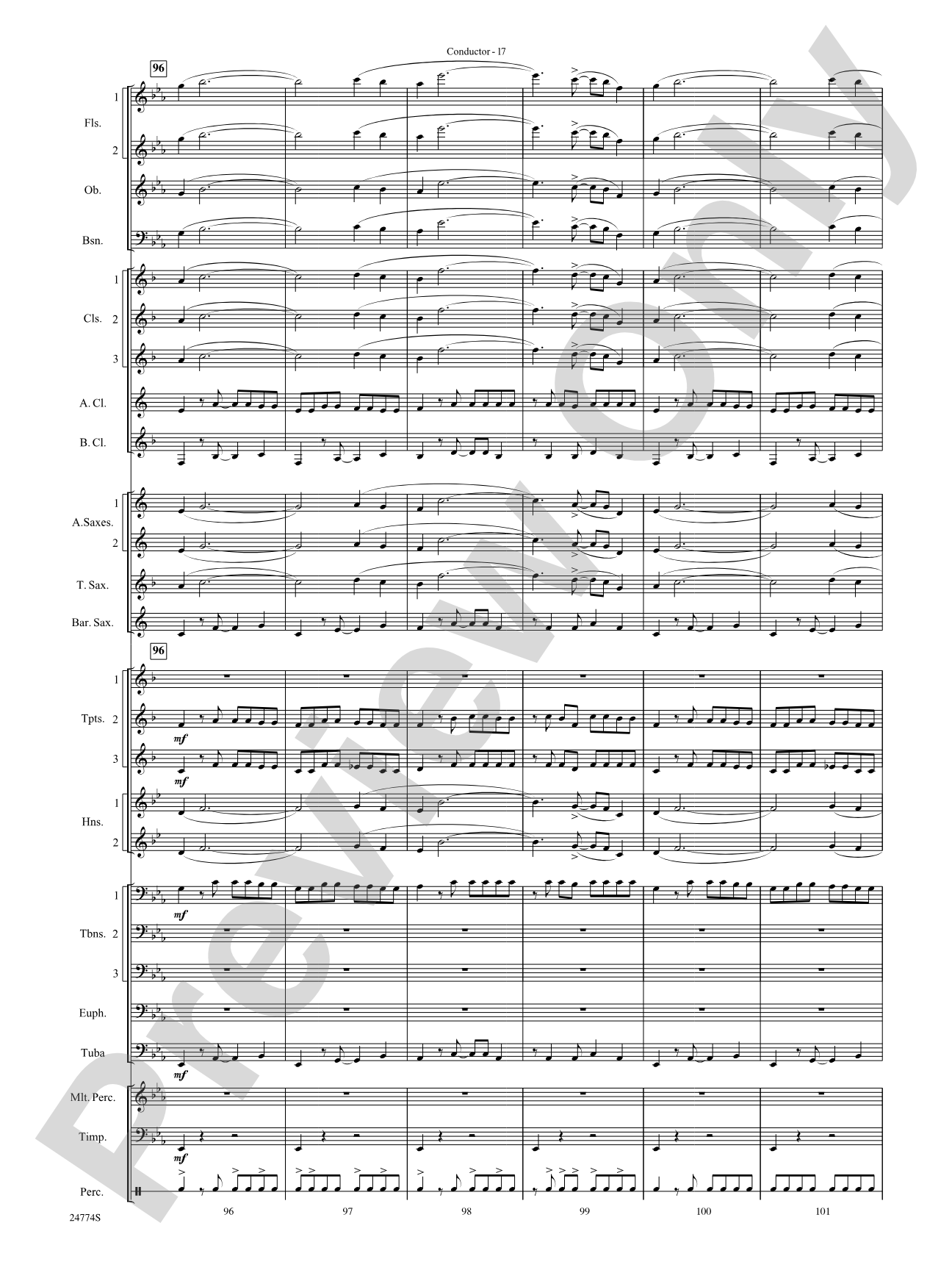
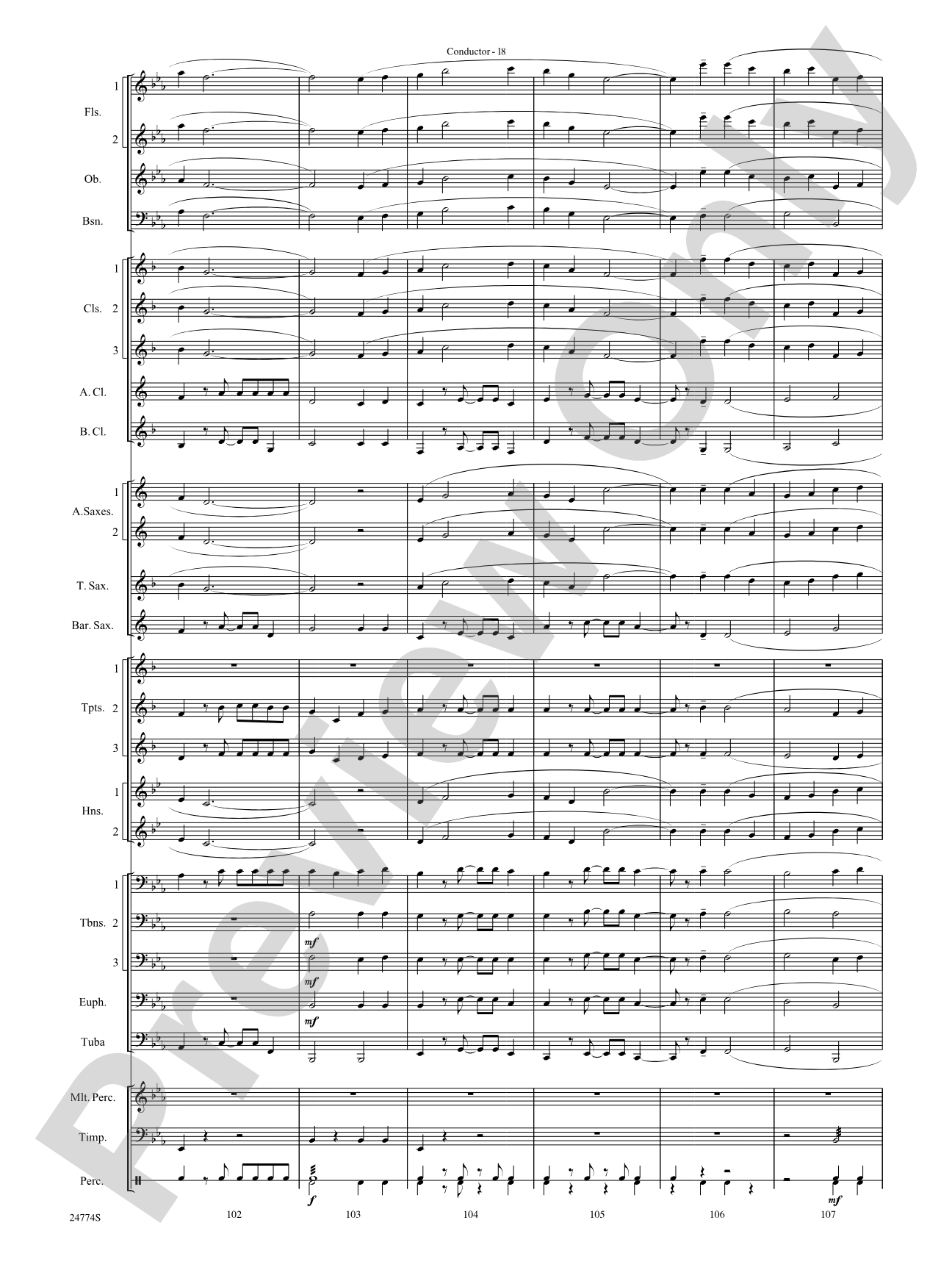
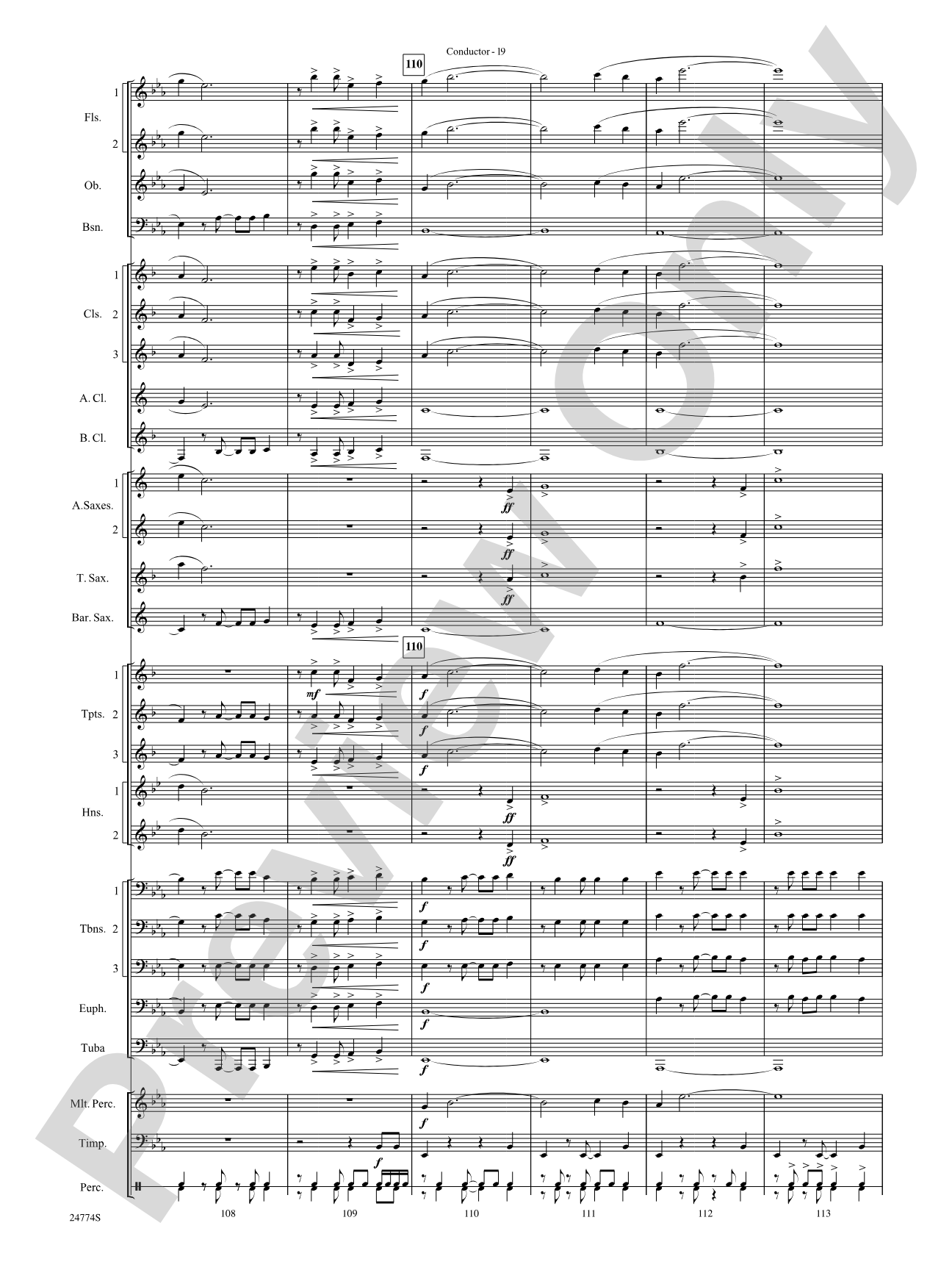
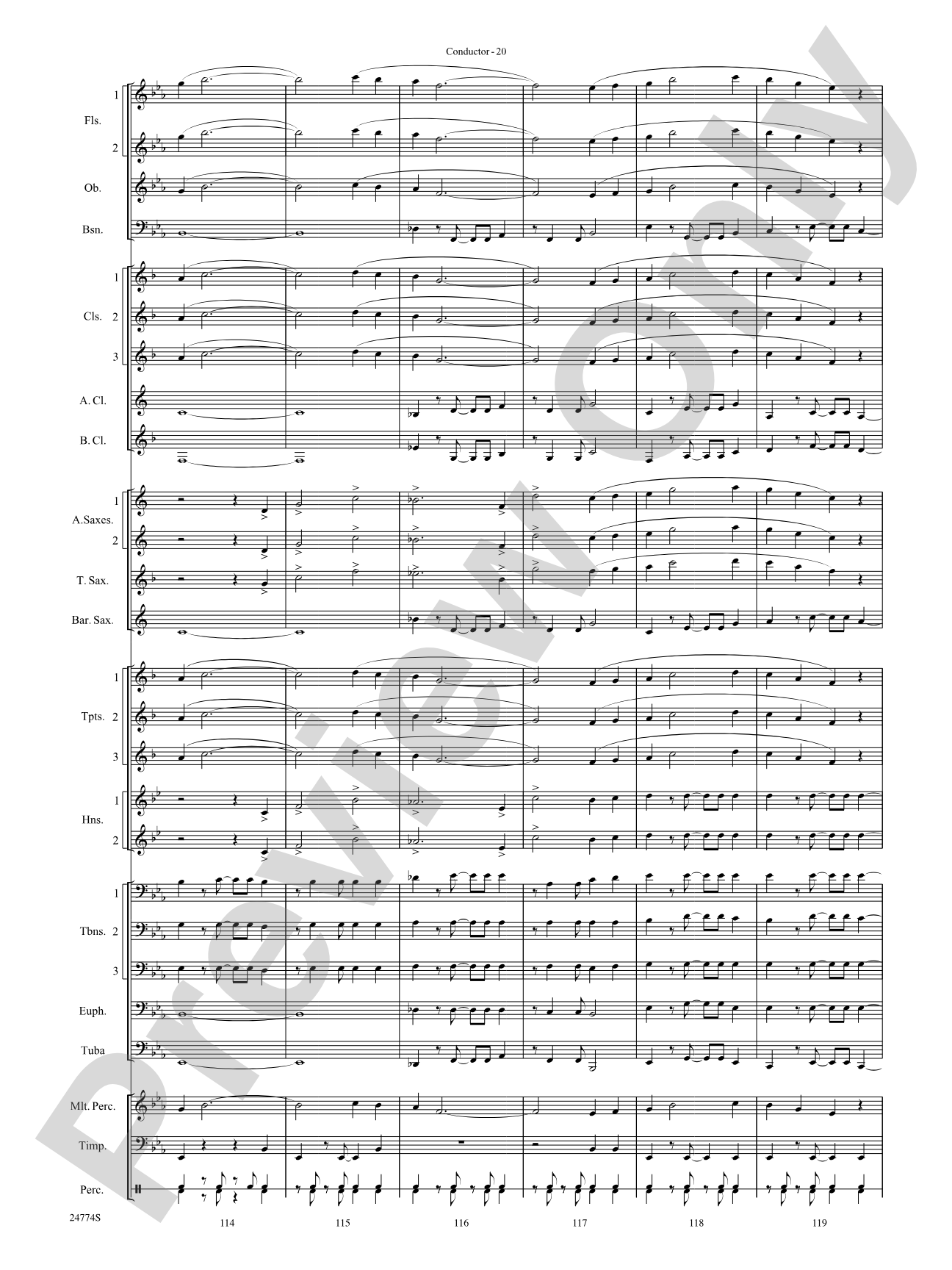
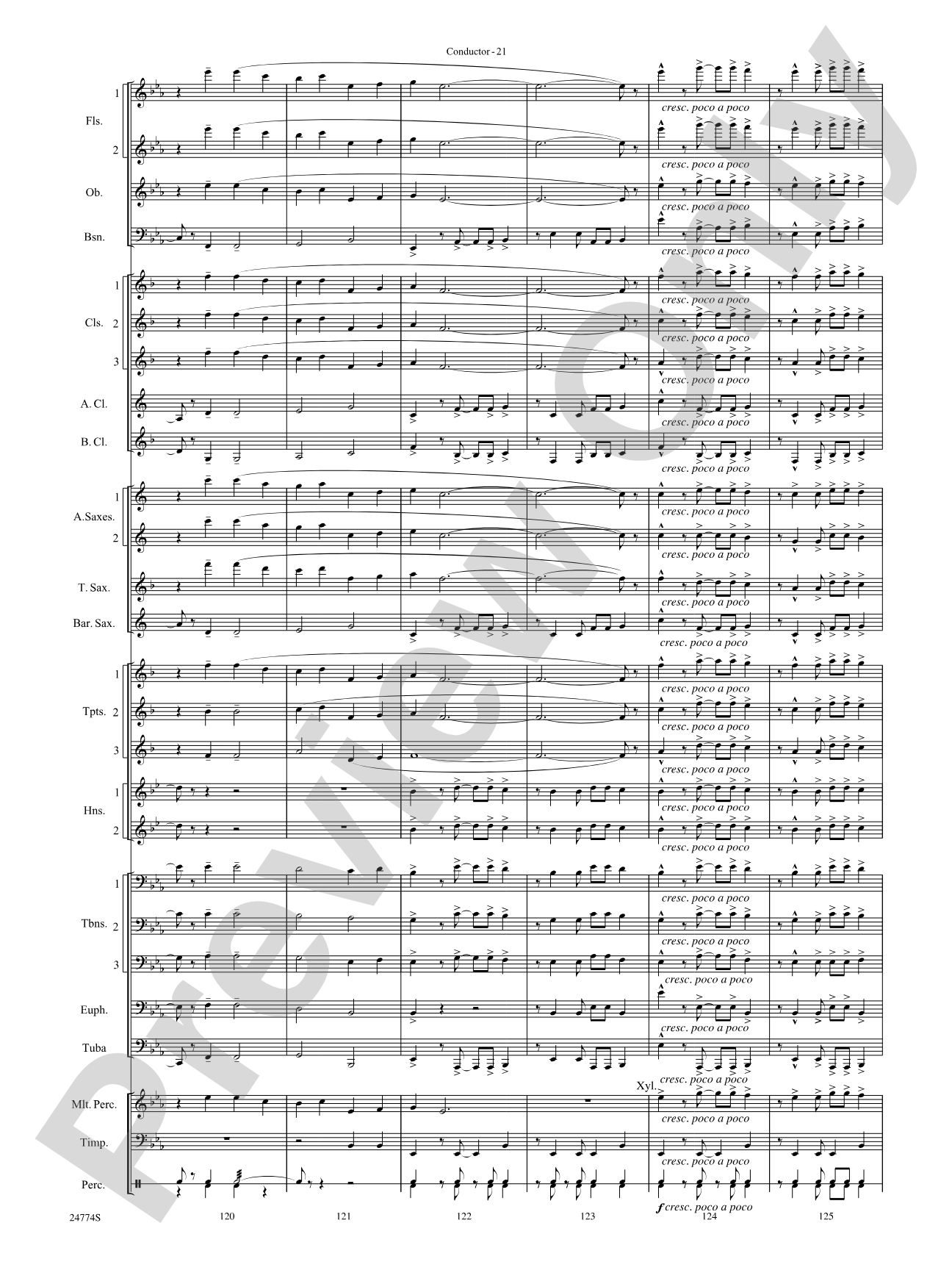
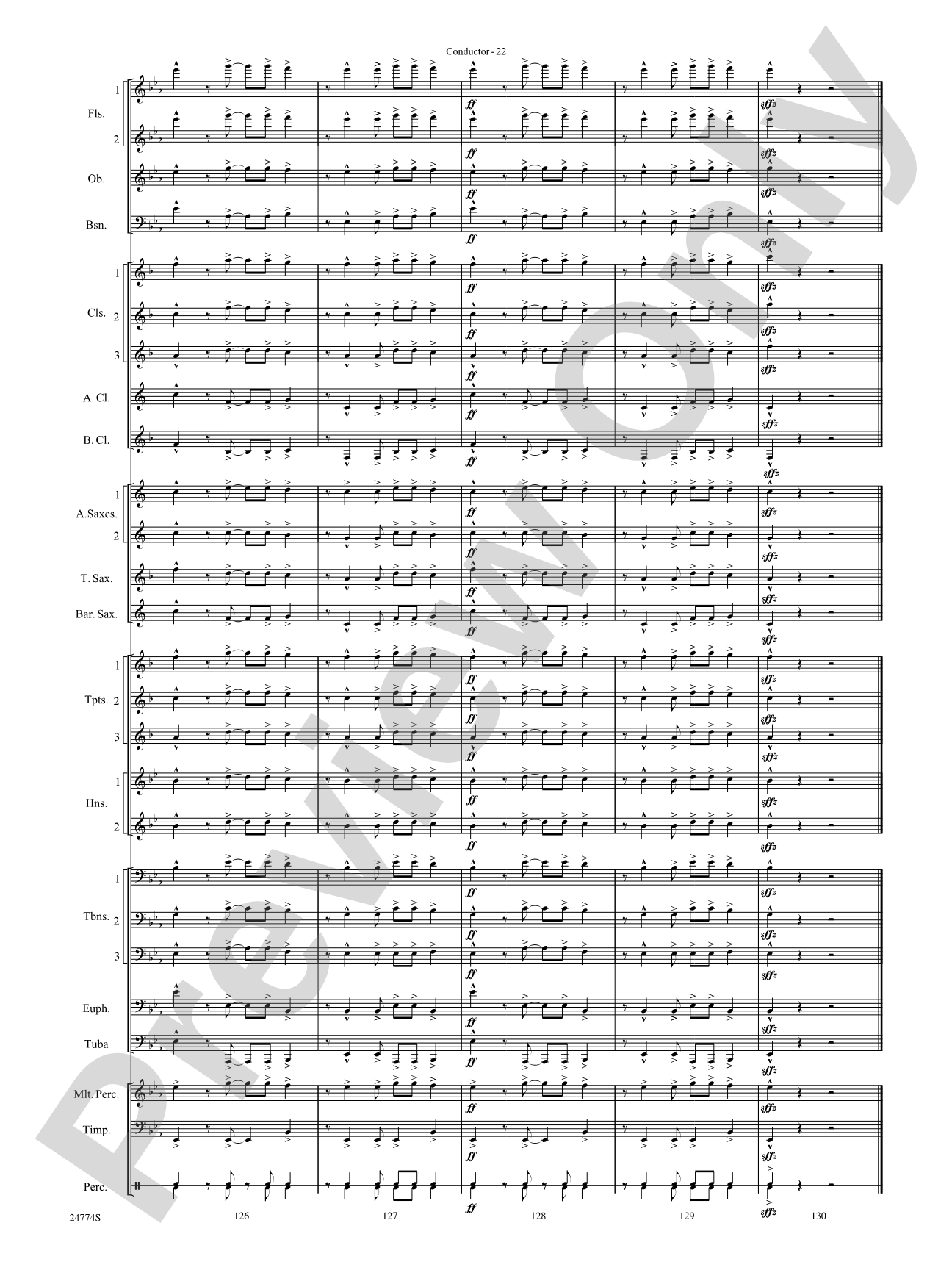

The Magnificent Seven: Score
By Elmer Bernstein / arr. Roy Phillippe
Grade: 3 (Medium Easy)
Item: 00-PR-0000905
$12.00
Pickup currently not available
Description
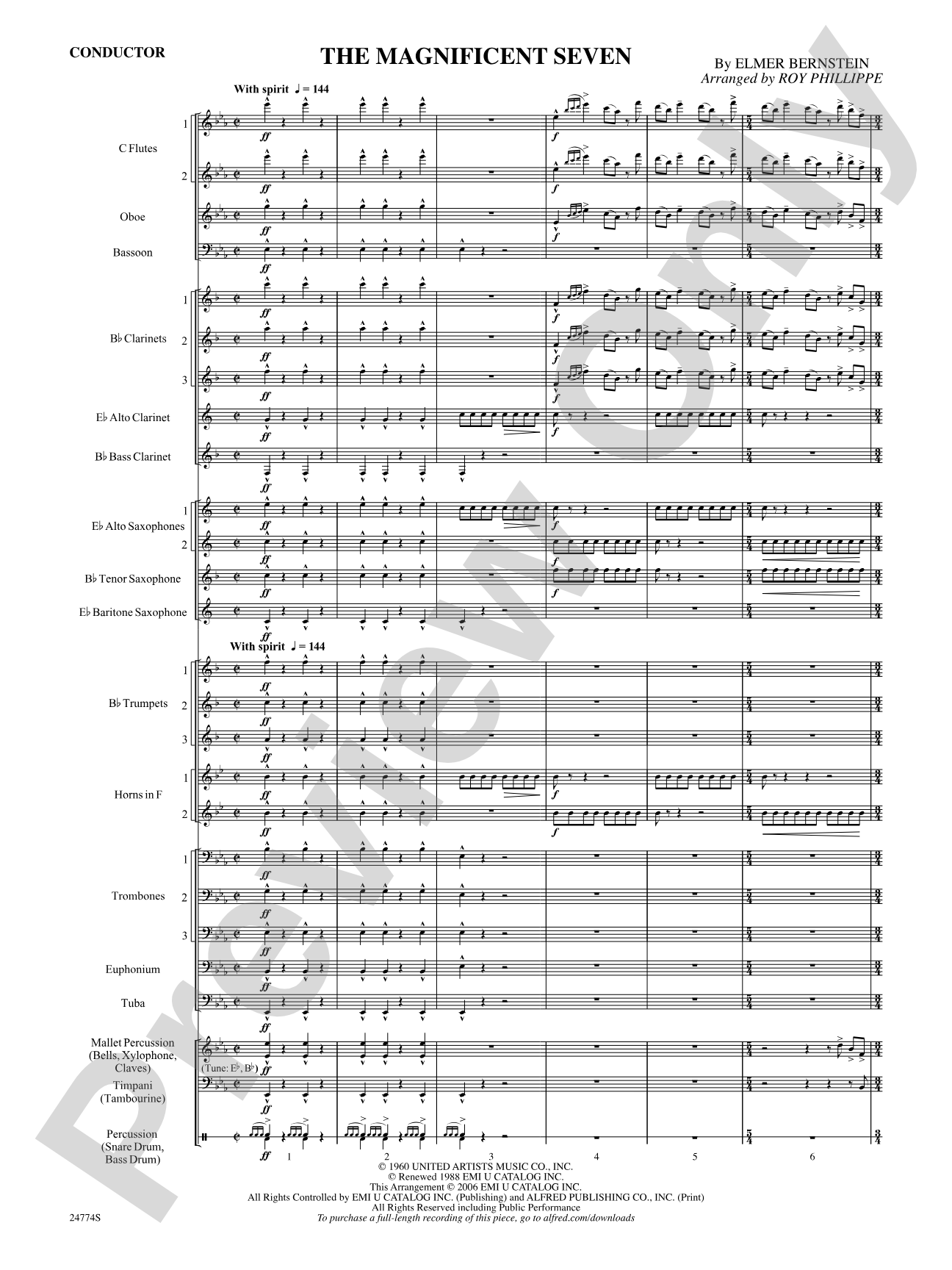
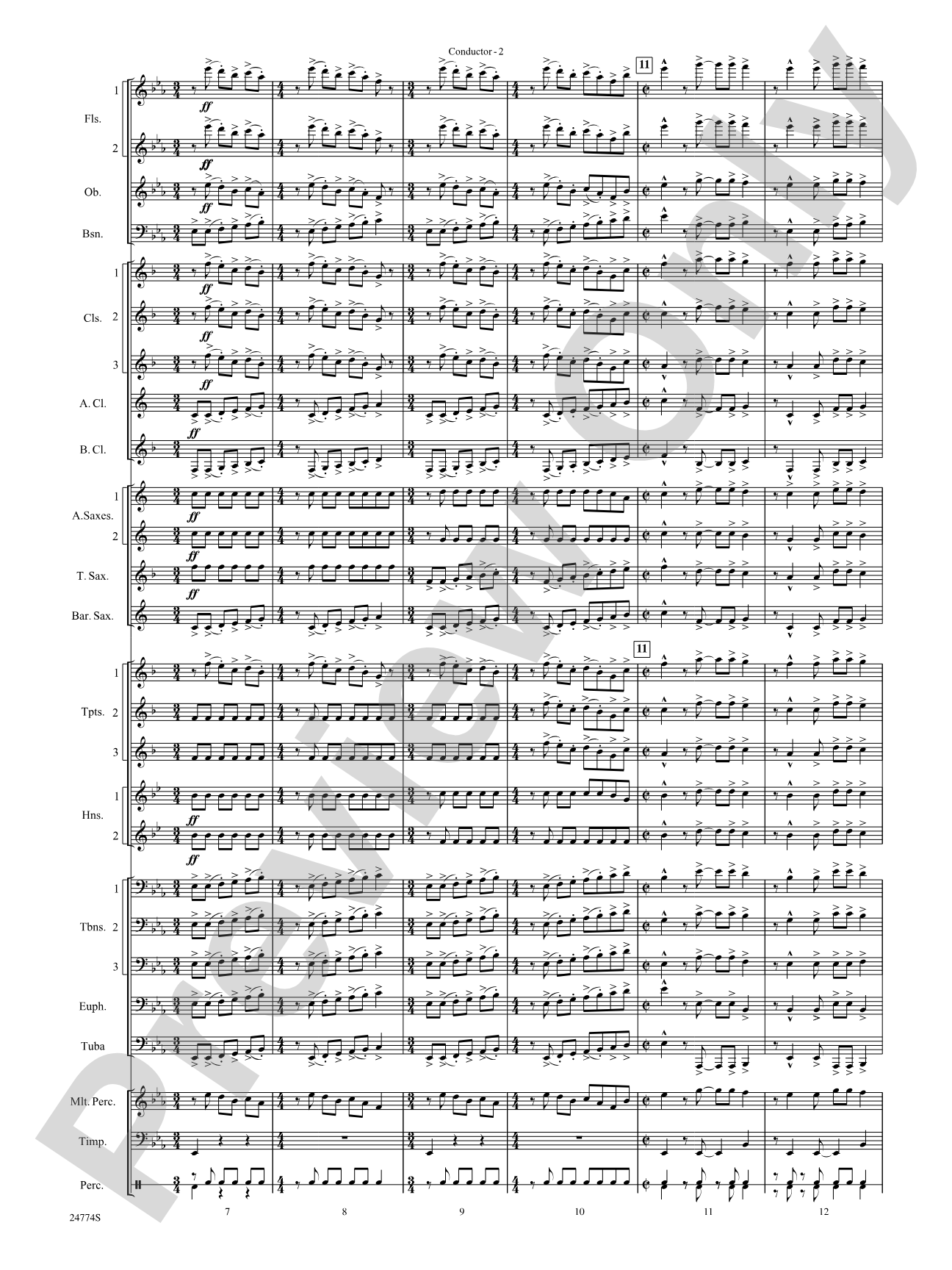
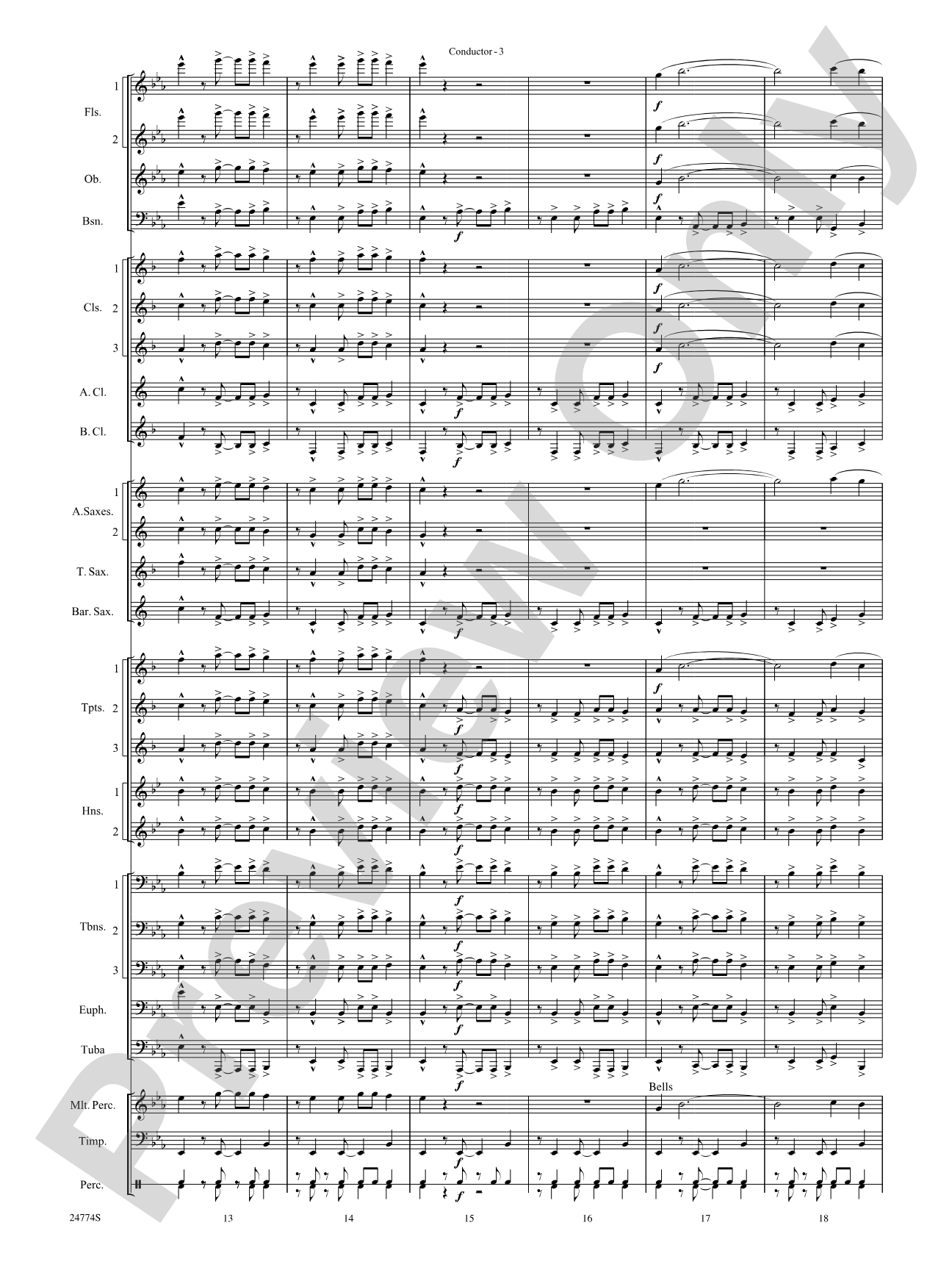
A striking new setting of the Elmer Bernstein classic march-style overture, "The Magnificent Seven" will provide a familiar theme to your program with energy to spare. Everyone gets a crack at the melody as well as the driving rhythmic foundation. The arrangement ends with a strong punctuated statement of the theme. Don't miss this real western winner. Perfect to open or close any program.


Don't just read it, hear it, play along with it, and watch your students grow with it. In MakeMusic Cloud, The Magnificent Seven: Score comes alive with professional accompaniment, adjustable tempo, and built-in practice tools that turn solo practice into real progress.
Open in the Player
Jump straight in and assign it today.
Start Your Free Trial
Open this title and explore the full library in minutes.
Sample Audio
1
Audio File
--:--
0:00
0:00
Sample Video
No sample videos found.
Additional Details
Series:
Pop Concert Band
Publisher:
Alfred Music
Page Count:
244
SKU:
00-PR-0000905
More about this title
About the Composer: Elmer Bernstein
Elmer Bernstein (1919-2004) was a prolific film composer whose work defined the sound of American cinema across five decades. His gift for melody and orchestration made him a natural fit for every genre, from epic westerns to comedies to dramas, and his scores remain instantly recognizable. Bernstein's instrumental writing was always idiomatic and playable, which is why his themes translate so effectively to concert band arrangements and continue to energize student musicians decades after they first appeared on screen.
Why we love this
Roy Phillippe's arrangement captures the swagger and momentum of Bernstein's original without losing sight of what makes the tune memorable. At Grade 3, the writing is genuinely accessible (no unnecessary technical hurdles), yet the orchestration never feels thin or stripped down. This is the kind of opener that wakes up an audience and reminds your band why playing together is fun.
What to expect
Confident and propulsive, with the kind of swagger that only a great western theme can deliver. The arrangement keeps moving forward from the first note, trading the melody between sections so no one gets bored, and builds toward a satisfying finish that feels earned rather than tacked on.
Who it's for
Concert bands at the Grade 3 level looking for a program opener with instant appeal and professional energy. Directors who want to program a recognizable tune without sacrificing musical substance will find real value here.
How to get the most out of it
- Anchor the rhythmic drive in the low brass and percussion early on; let that foundation carry the lighter sections so melody players can focus on phrasing rather than keeping time.
- Balance the melody voices as it passes around the band. When the piccolo or clarinet has the tune, other sections should accompany, not compete.
- The final punctuated statement of the theme works best when all voices commit fully to the attack and release together; rehearse that ending moment explicitly so the impact lands.
How to use it
Program this as a concert opener if you want immediate audience engagement, or save it for the final selection of the first half as a high-energy closer. It also works well in a thematic program centered on film music or American popular music.
Skills your students will build
- Trading melodic material between sections while maintaining phrase continuity
- Balancing melody and accompaniment in a fast-moving arrangement
- Executing clean rhythmic figures in a march-style context
- Coordinating ensemble attacks and releases for impact