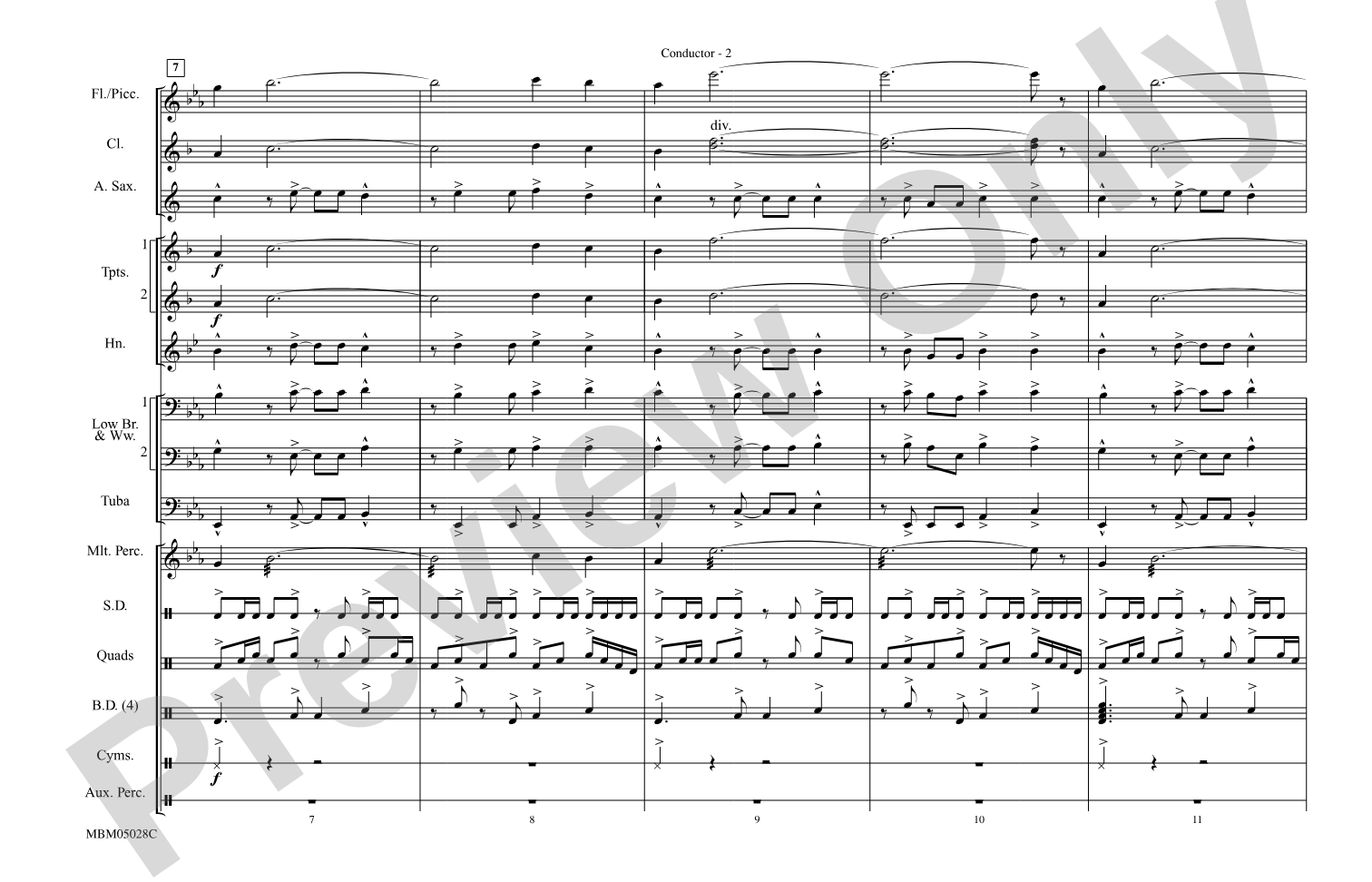
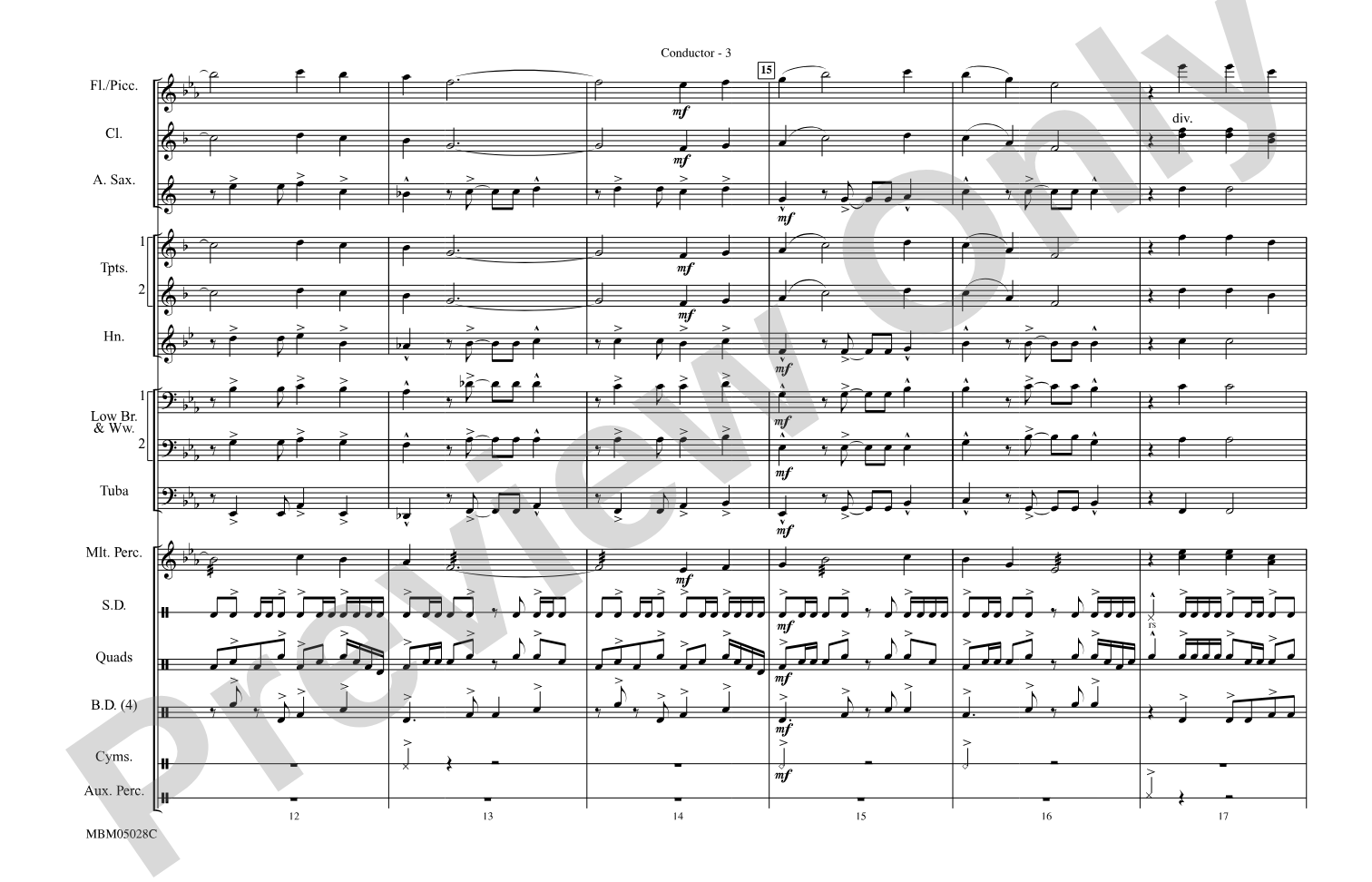
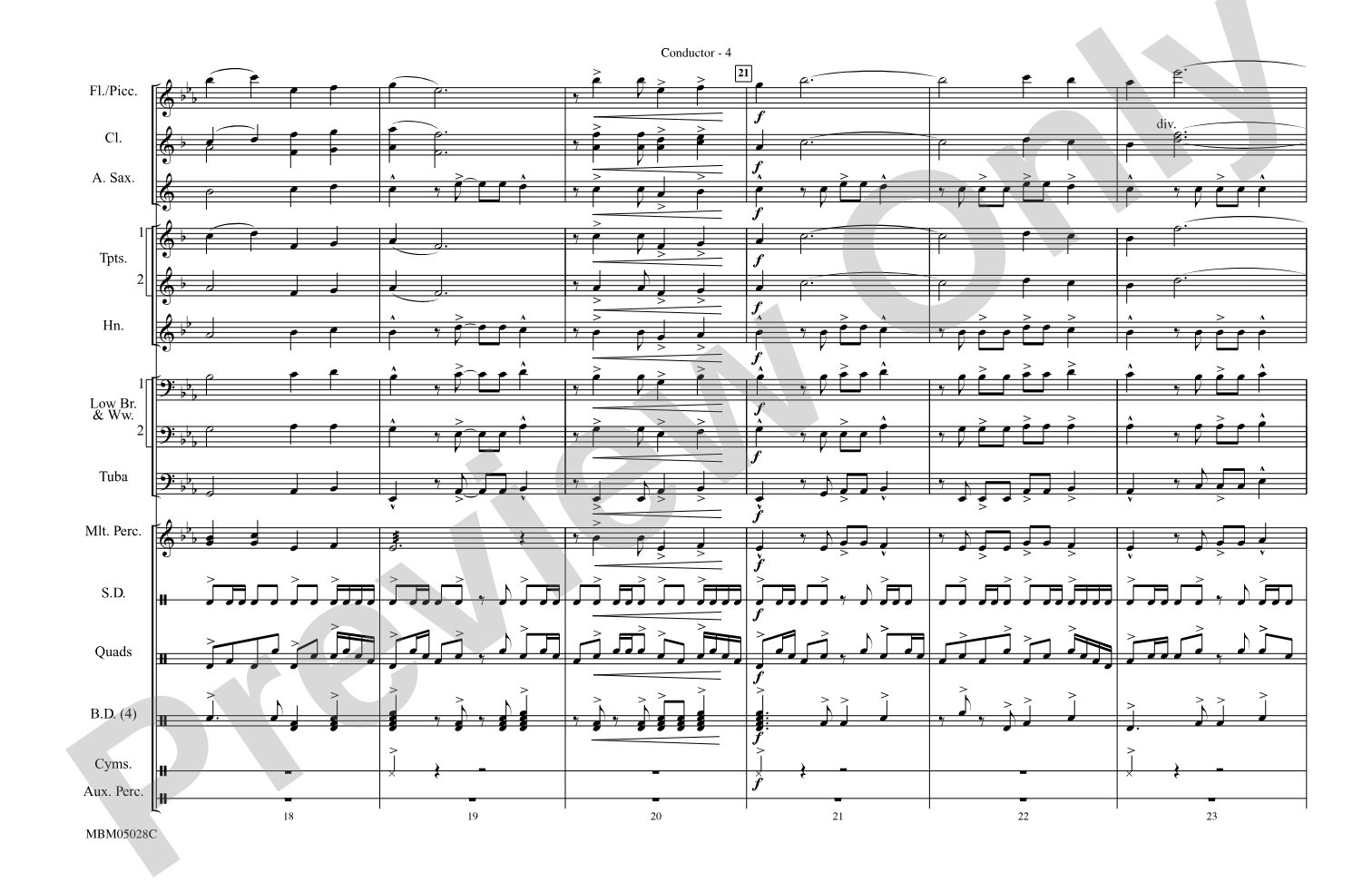
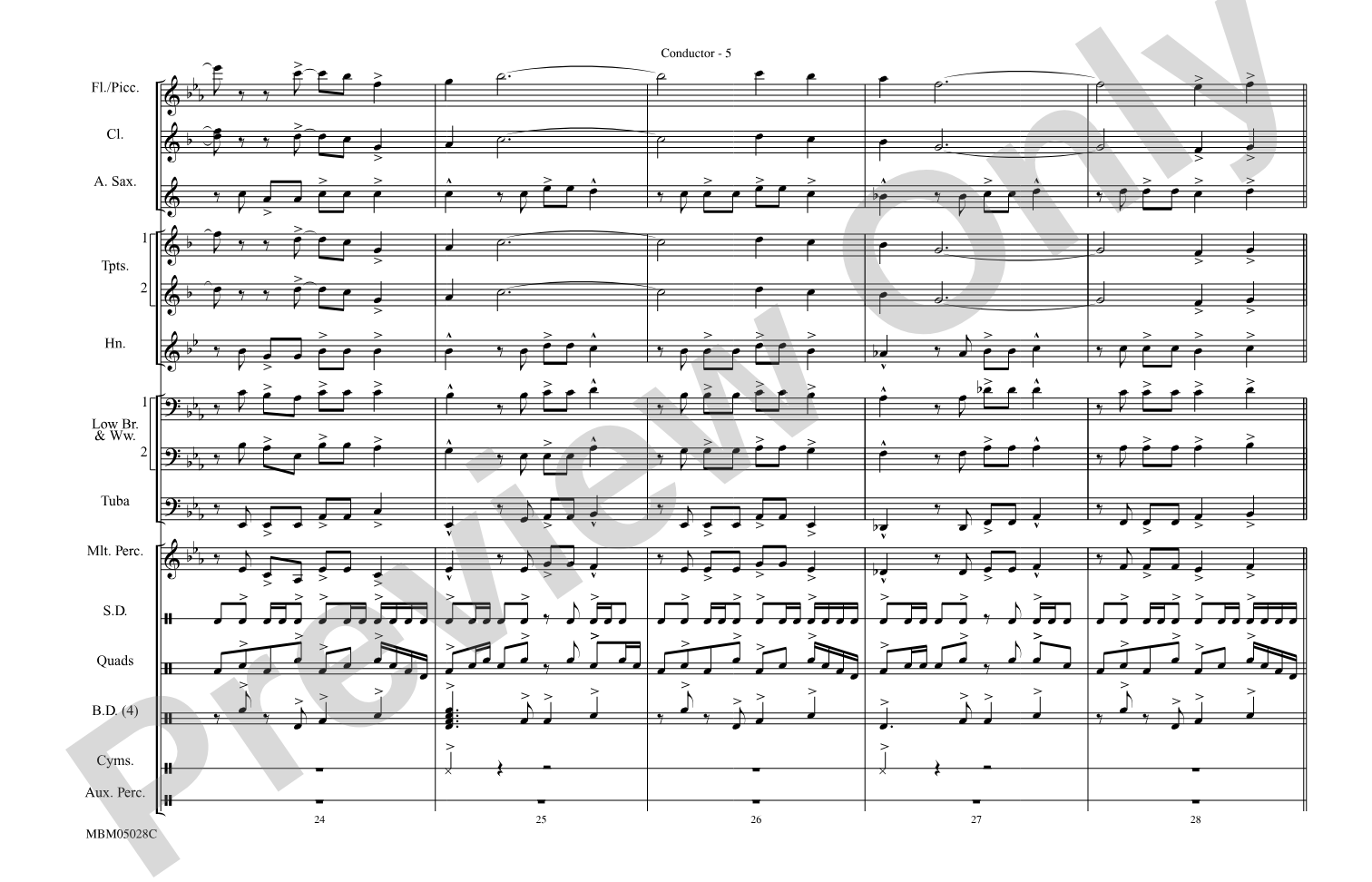
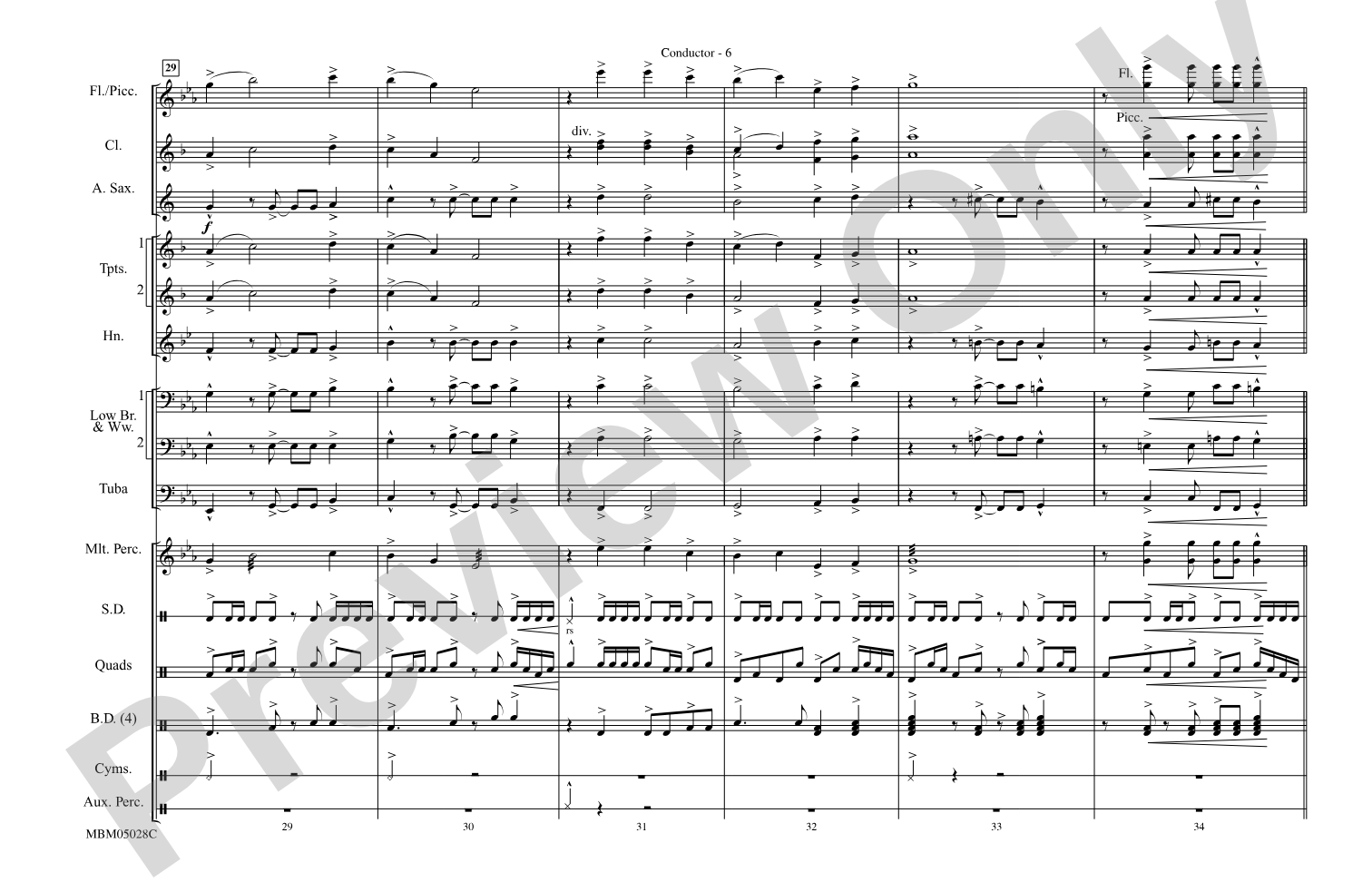
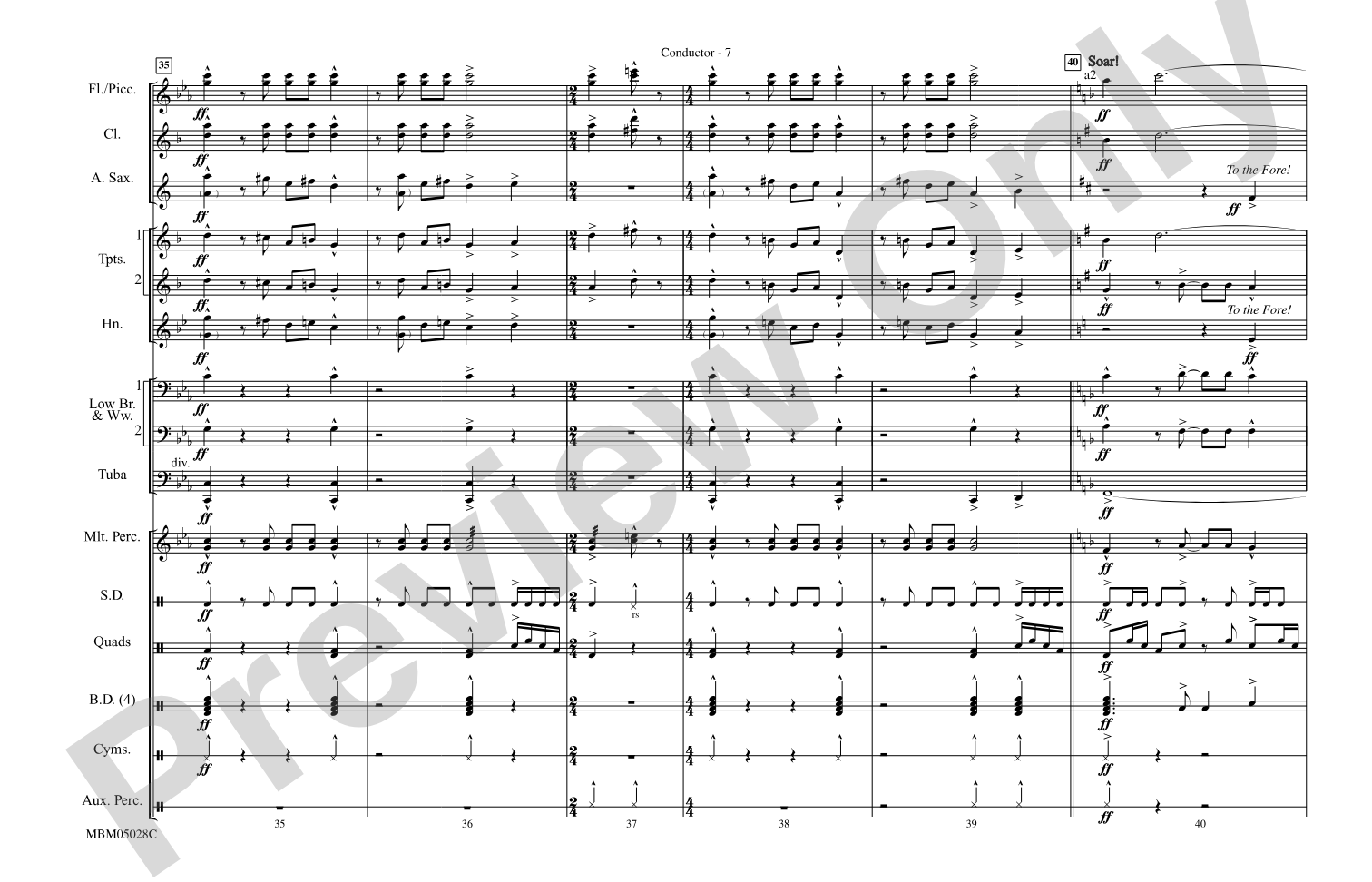
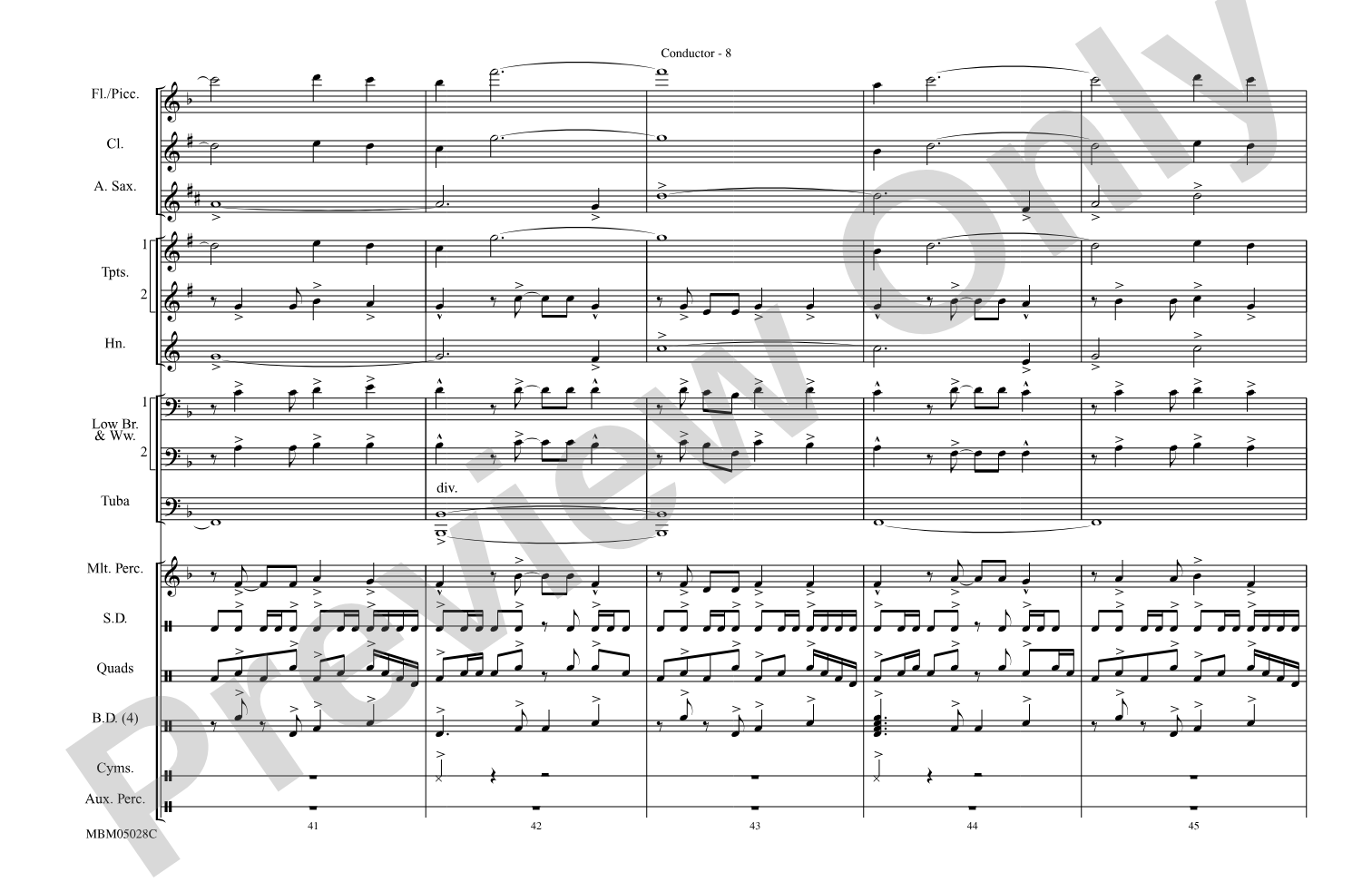
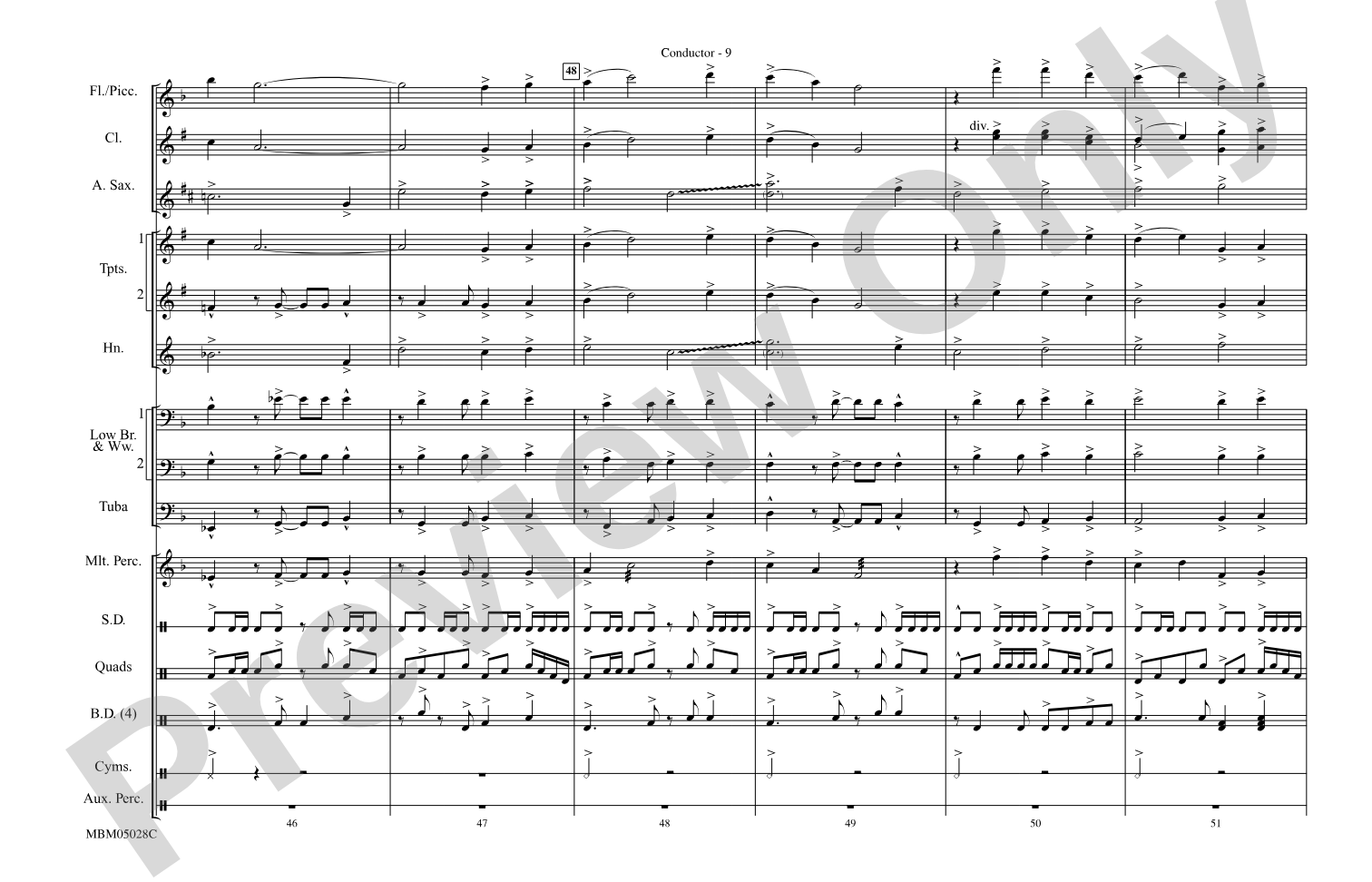
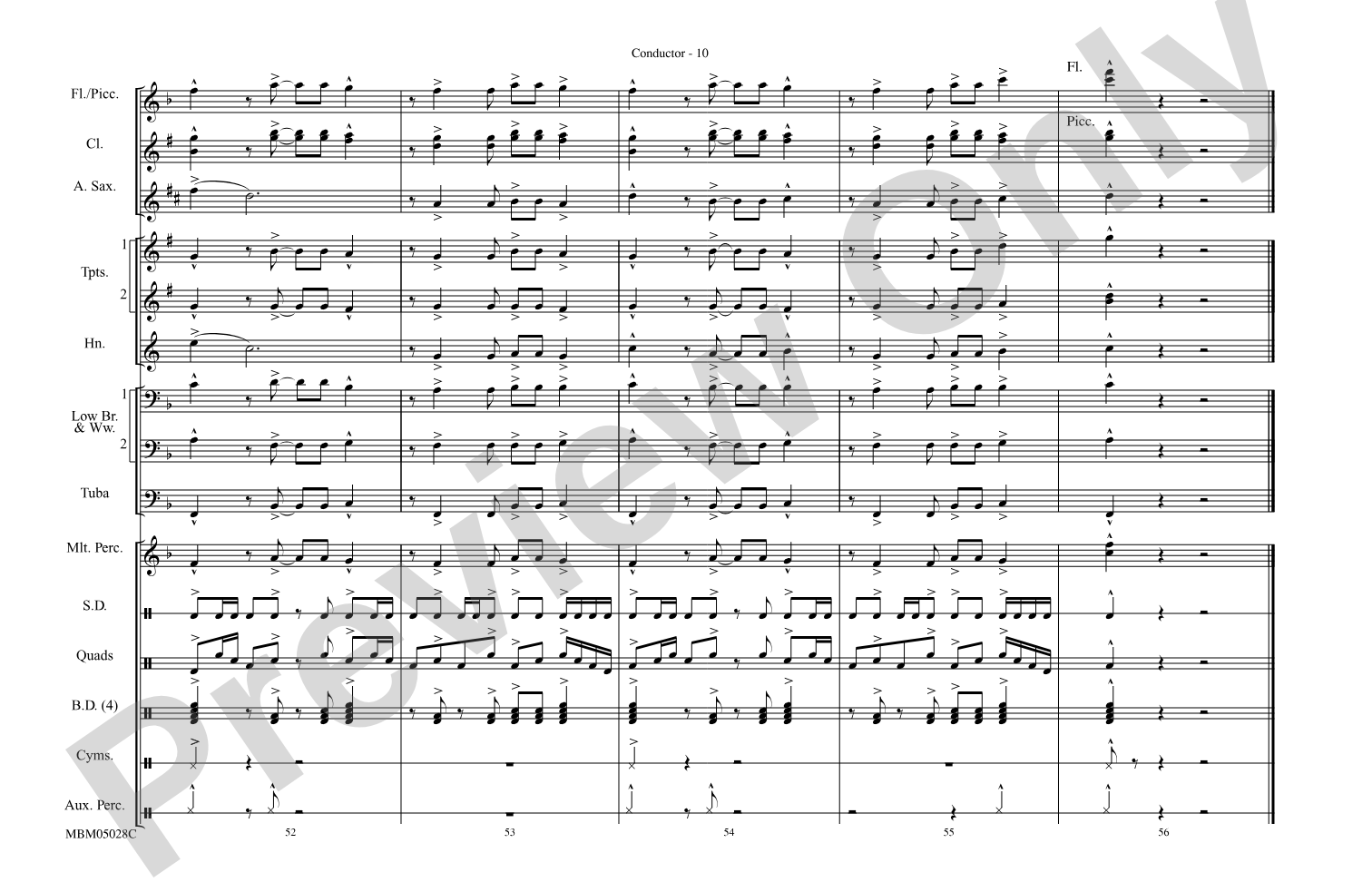
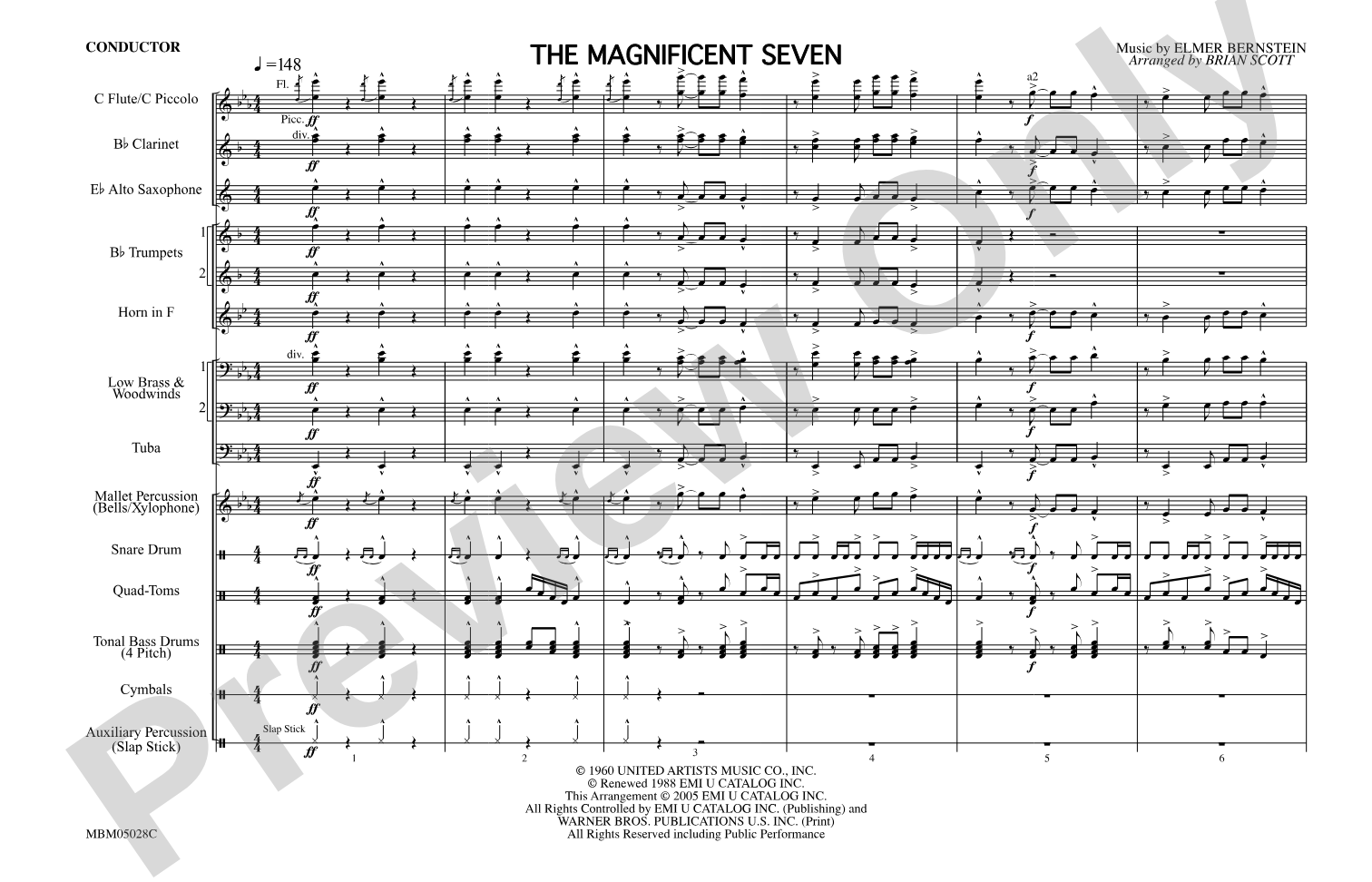
The Magnificent Seven Sheet Music Preview

The Magnificent Seven: Marching Band Conductor Score & Parts

By Elmer Bernstein / arr. Brian Scott

Grade: 2.5 (Medium Easy)

Item: 00-PK-0008085

Digital Download
makemusic Cloud badge
$45.00

One moment…

Description
Composer Elmer Bernstein (1922-2004) was a giant in the movie industry. With over 200 major motion picture and TV scores to his credit, he will be remembered as one of the most prolific composers ever. One of his most memorable themes, "The Magnificent Seven," is now in a powerful and playable arrangement by Brian Scott. Simply spectacular! (1:56)

Don't just read it, hear it, play along with it, and watch your students grow with it. In MakeMusic Cloud, The Magnificent Seven: Marching Band Conductor Score & Parts comes alive with professional accompaniment, adjustable tempo, and built-in practice tools that turn solo practice into real progress.

Sample Audio
0:00
0:00
Sample Video
Additional Details
Series: Warner Bros. Marching Band
Publisher: Alfred Music
Page Count: 120
SKU: 00-PK-0008085

More about this title

About the Composer: Elmer Bernstein

Elmer Bernstein (1922-2004) shaped the sound of American cinema across five decades, composing over 200 film and television scores that became cultural touchstones. His ability to craft instantly recognizable melodies paired with orchestral sophistication made him one of the most recorded composers of the 20th century, earning four Academy Award nominations and a Grammy lifetime achievement award.

Bernstein's work taught generations of musicians that film music demands the same artistic rigor as concert hall composition. His themes are studied in music theory classes and performed by ensembles worldwide because they demonstrate how memorable melodic writing and thoughtful harmonic language serve narrative purpose without sacrificing musical integrity.

Why we love this

This arrangement captures the iconic swagger of Bernstein's theme without overwhelming a Grade 2.5 ensemble. Brian Scott's scoring keeps the essential character intact while providing accessible parts that let students feel the power of a major film moment, making it an ideal choice for building confidence and audience engagement in the same performance.

What to expect

Confident and heroic. The theme unfolds with the inevitability of a Western standoff, built on steady rhythms and soaring melodic lines that feel larger than life. Energy and momentum are the default state here; every section moves the story forward.

Who it's for

Marching bands at the early intermediate level looking for accessible, recognizable repertoire that builds musicianship without technical barrier. Directors seeking a crowd-pleasing show piece that elevates student pride and connects audiences to cinema they actually know.

How to get the most out of it

  • Balance the melodic line across your trumpet and clarinet sections so the famous theme projects clearly; these parts carry the recognition factor that makes the piece rewarding to perform.
  • Anchor the pulse with your low brass and percussion—this theme sits on a steady, driving rhythm that only works when the foundation is locked and consistent.
  • Shape phrases with dynamic contrast rather than rushing tempo; Bernstein's melody benefits from breathing space that lets each phrase land distinctly.
  • Use the recorded accompaniment (if available) in sectionals to help students internalize the orchestral context and lock their parts into the full texture.

How to use it

Program this alongside other film music or classic TV themes to create a "Cinema Classics" segment that appeals broadly. Its moderate length and crowd familiarity make it an excellent opener or closer that establishes energy without exhausting your ensemble or audience attention.

Skills your students will build

  • Sustaining lyrical phrasing over marching band demands
  • Balancing melody and accompaniment in a multi-part texture
  • Executing clean articulation on a driving, relentless pulse
  • Playing with stylistic control (heroic confidence rather than aggressive volume)
  • Understanding how film composers shape memorable themes

You May Also Like