
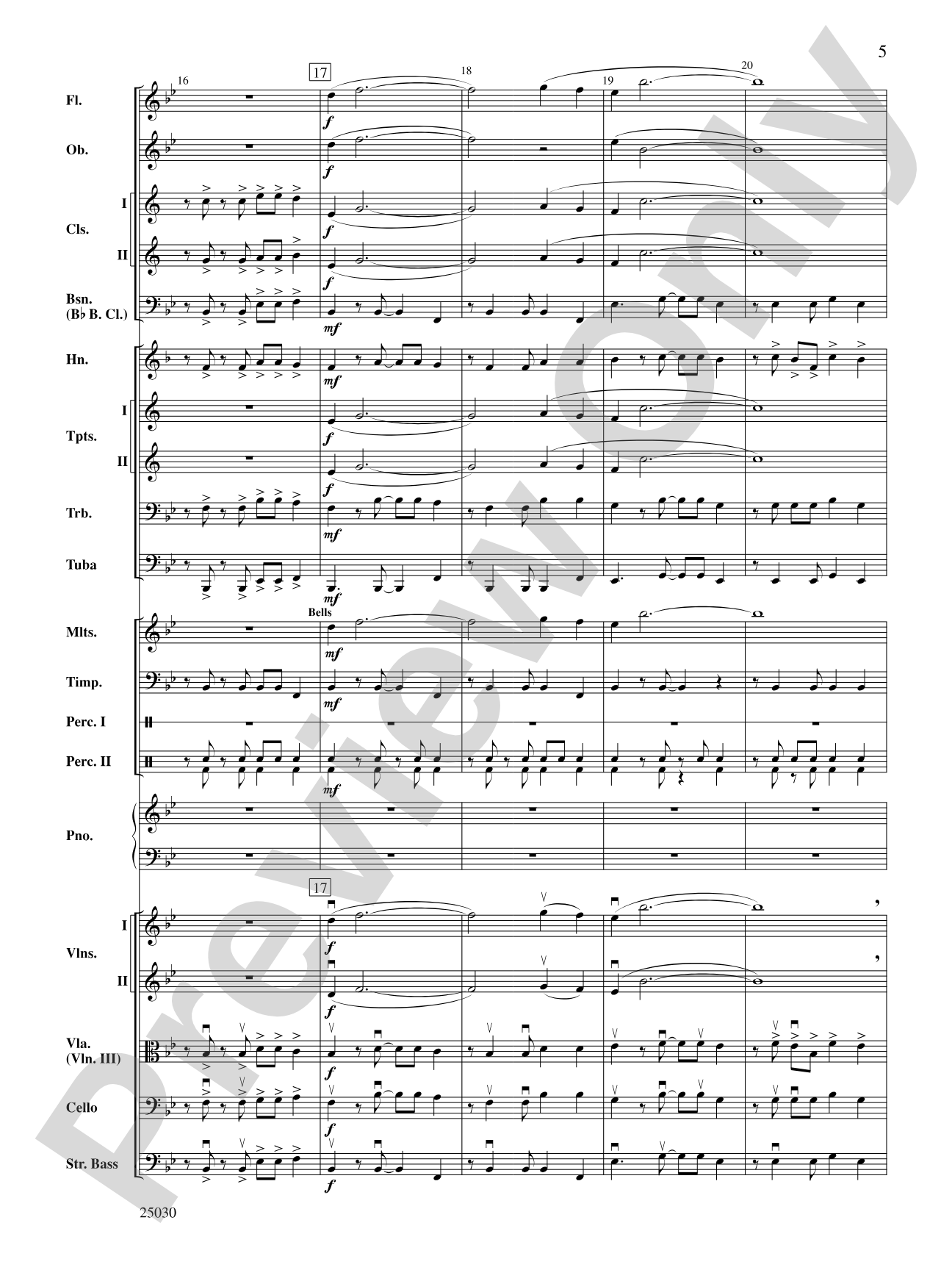
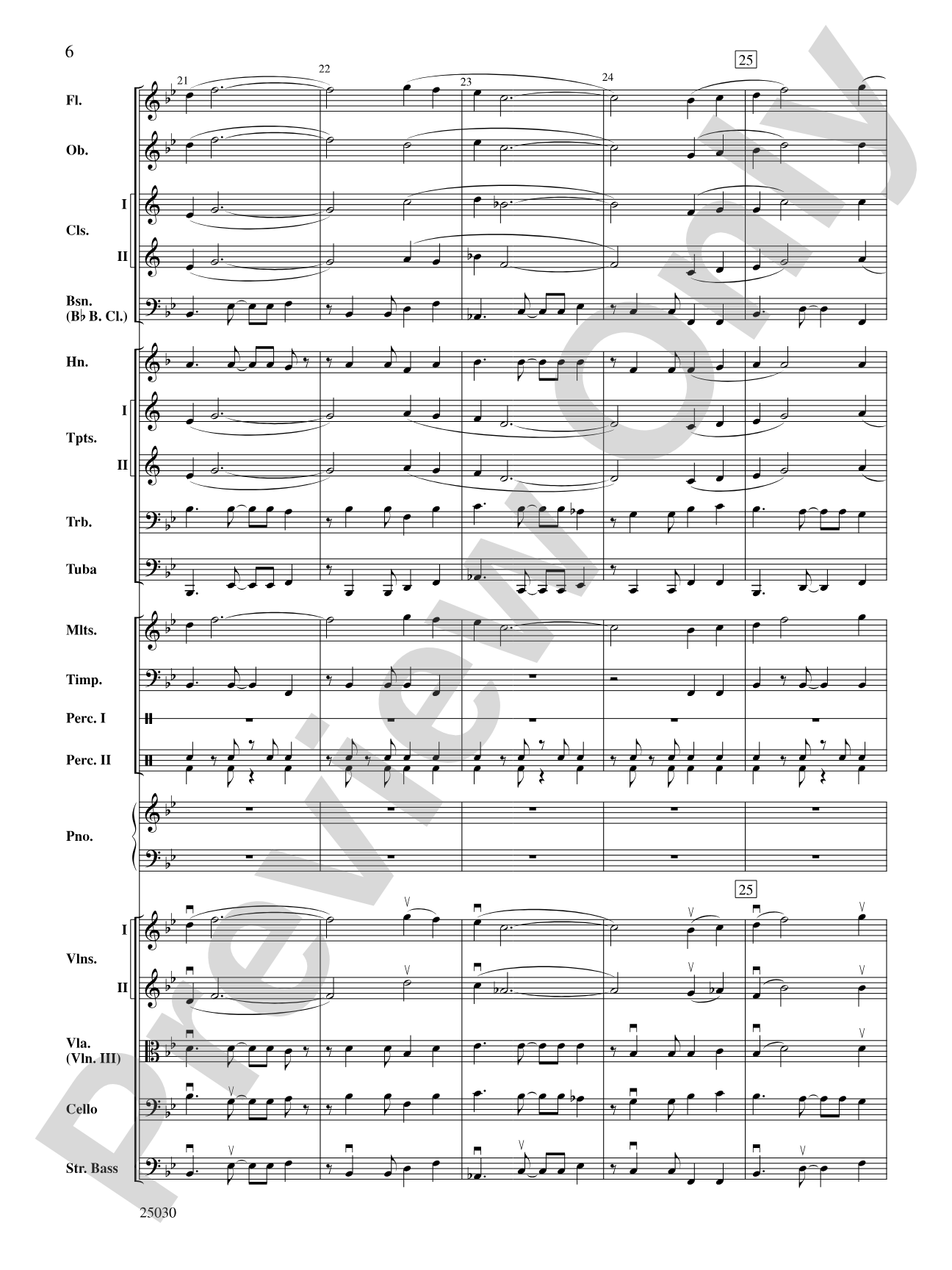
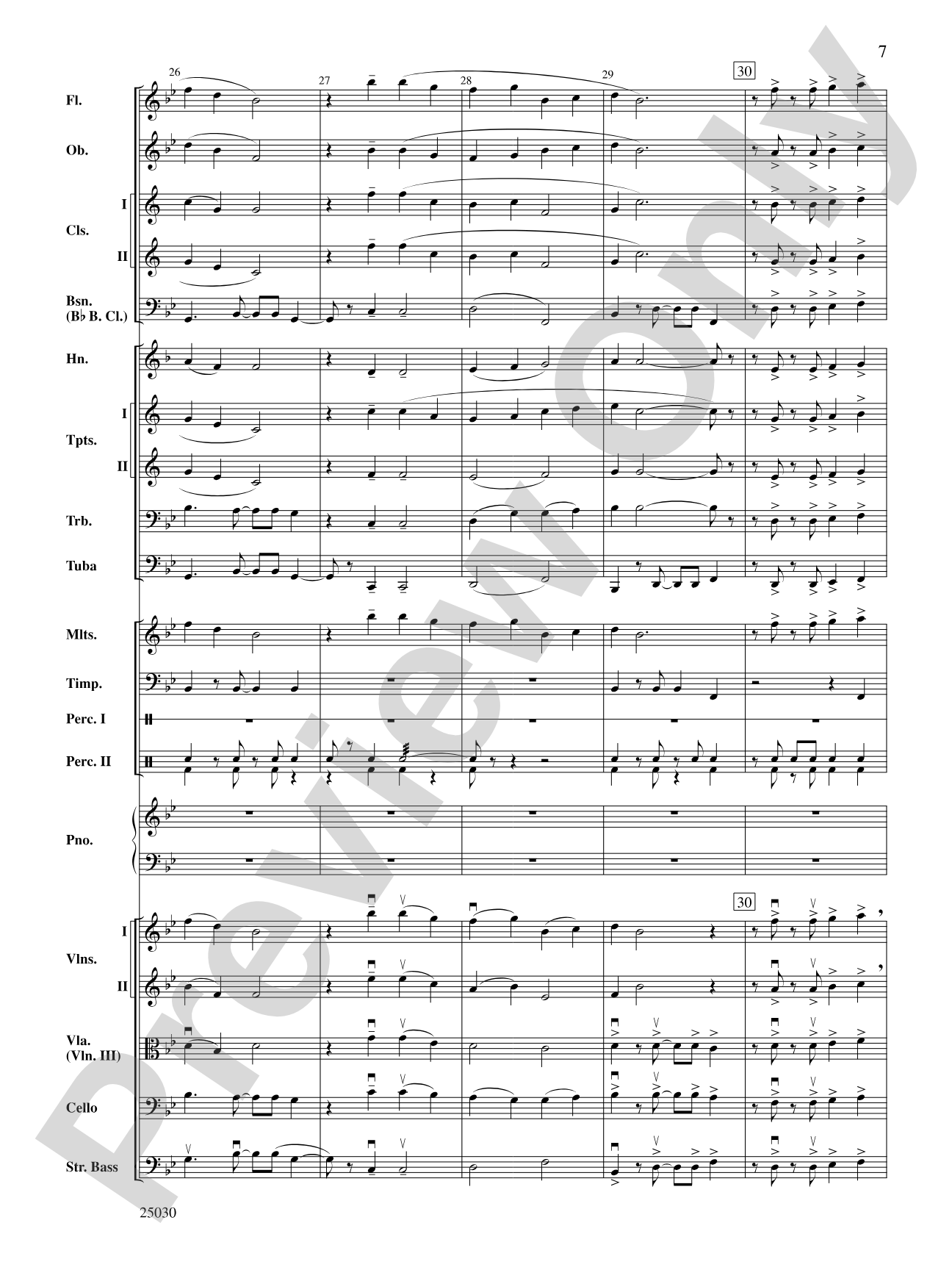
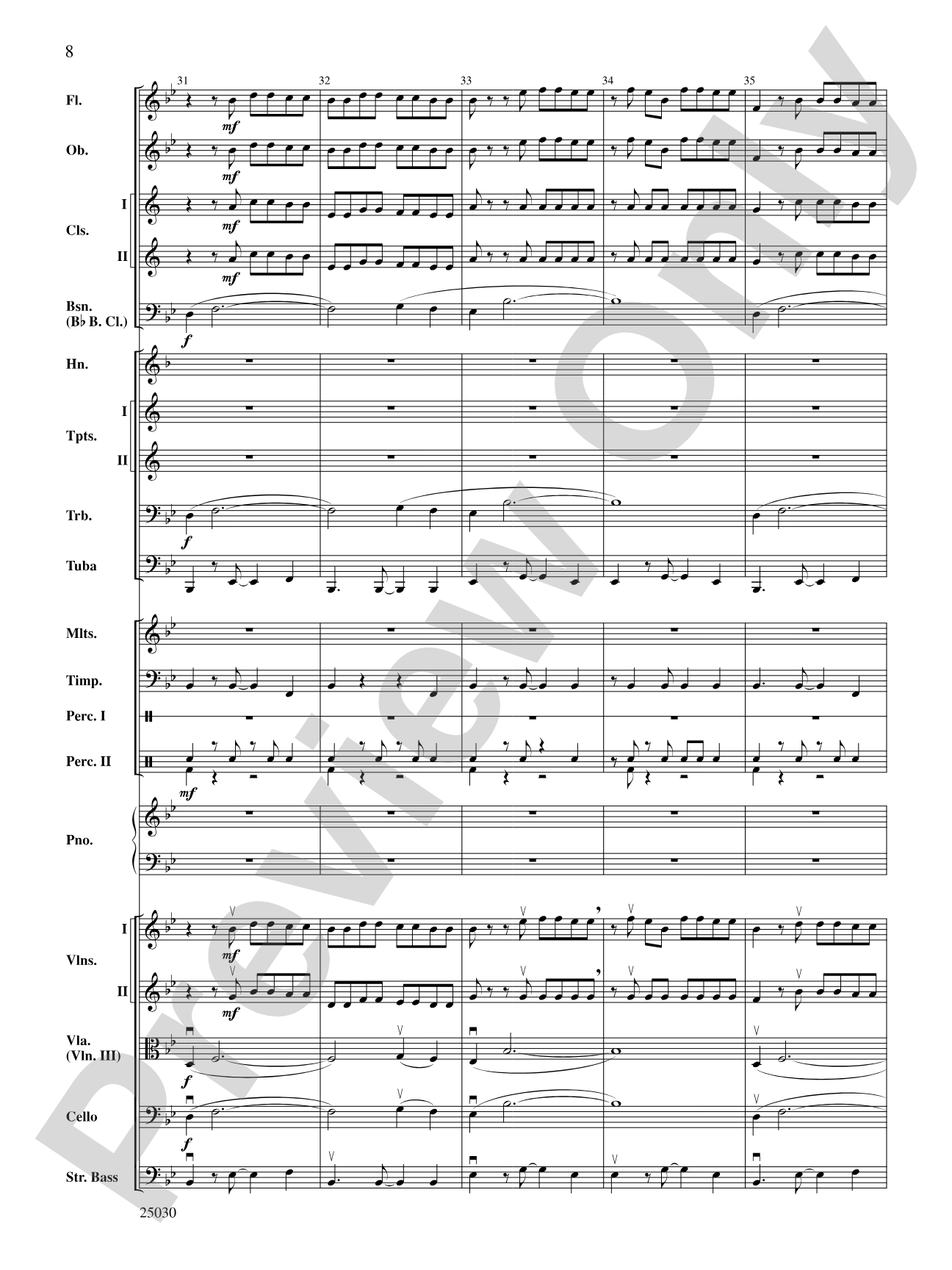
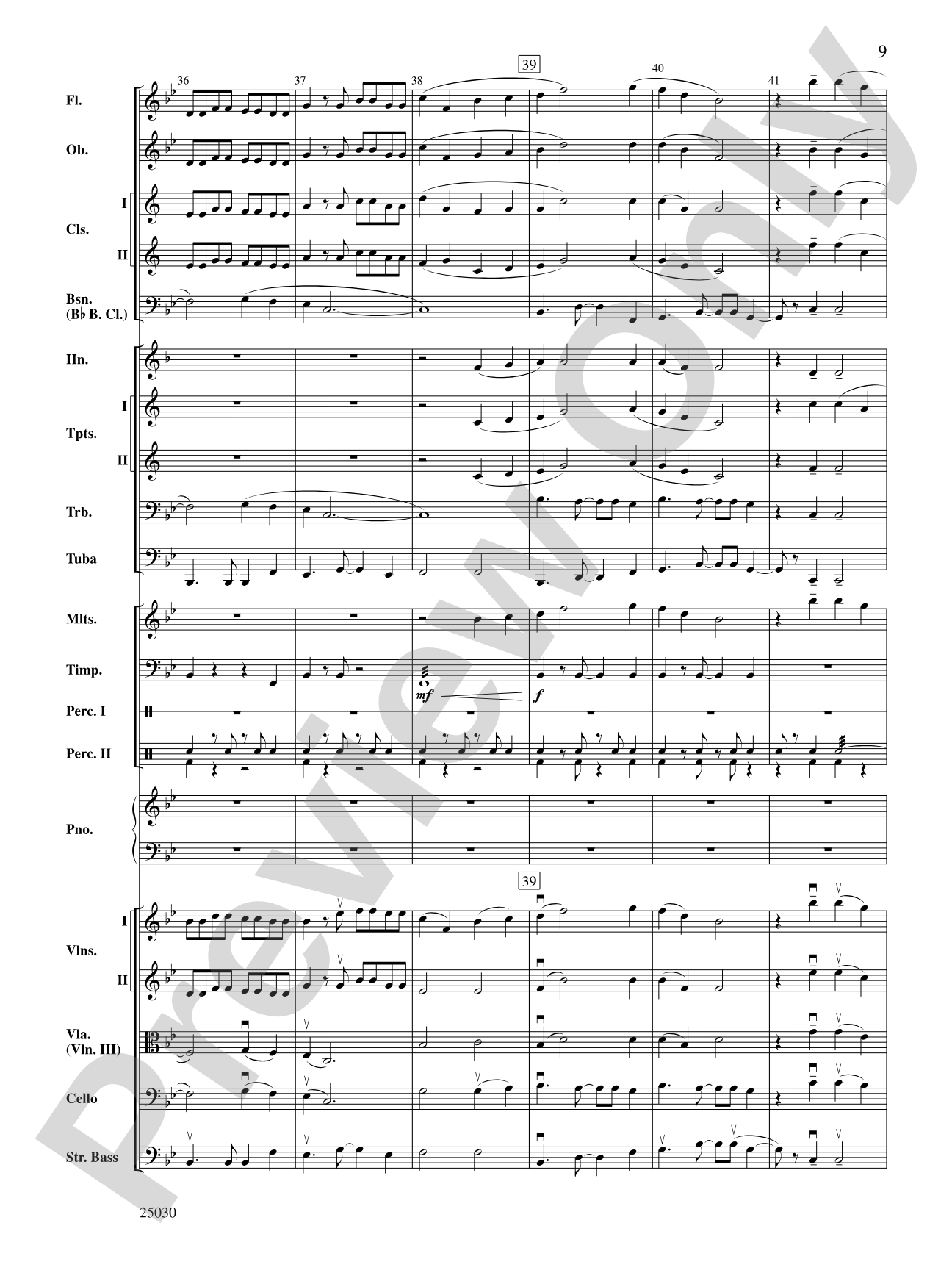
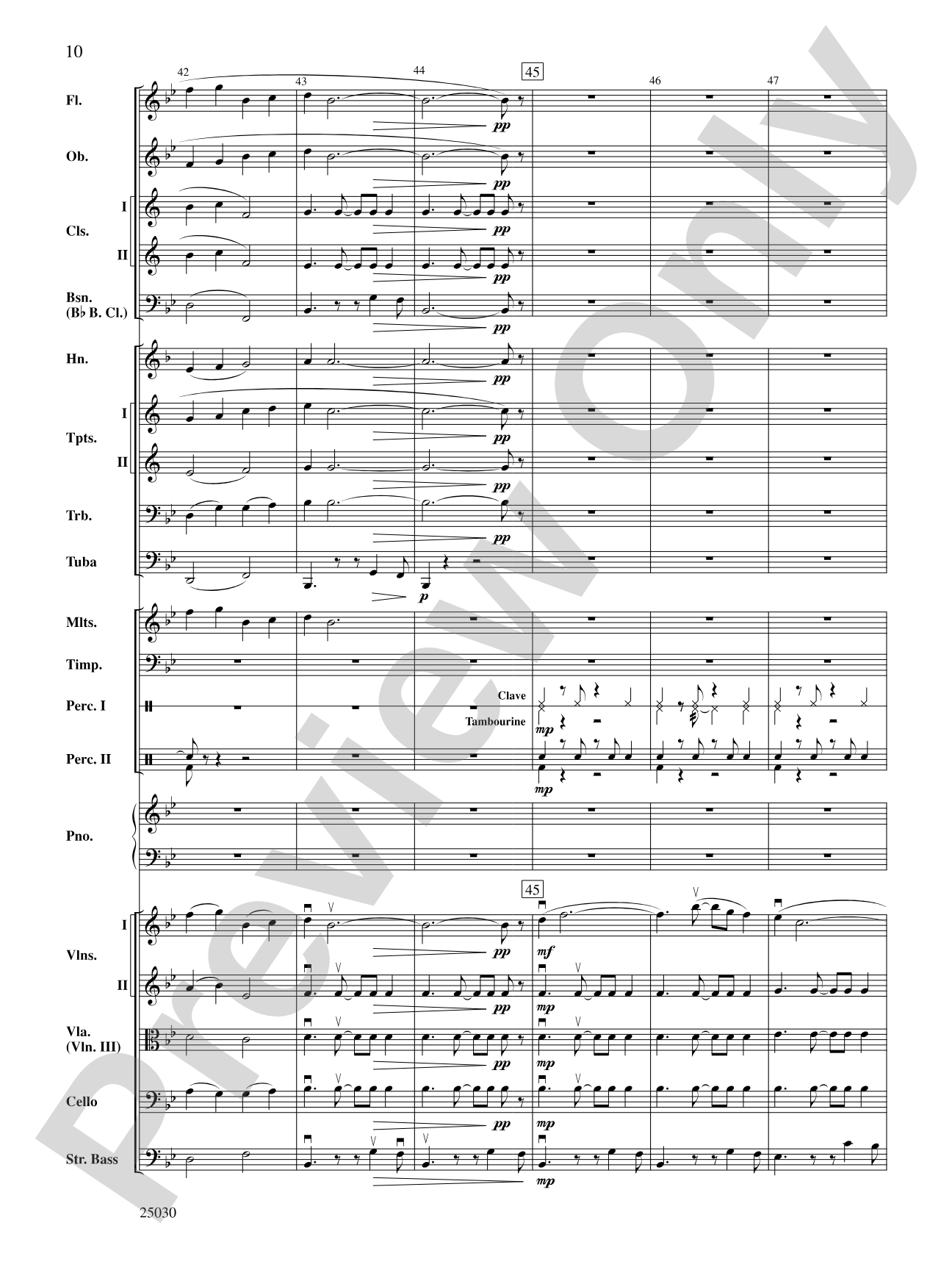
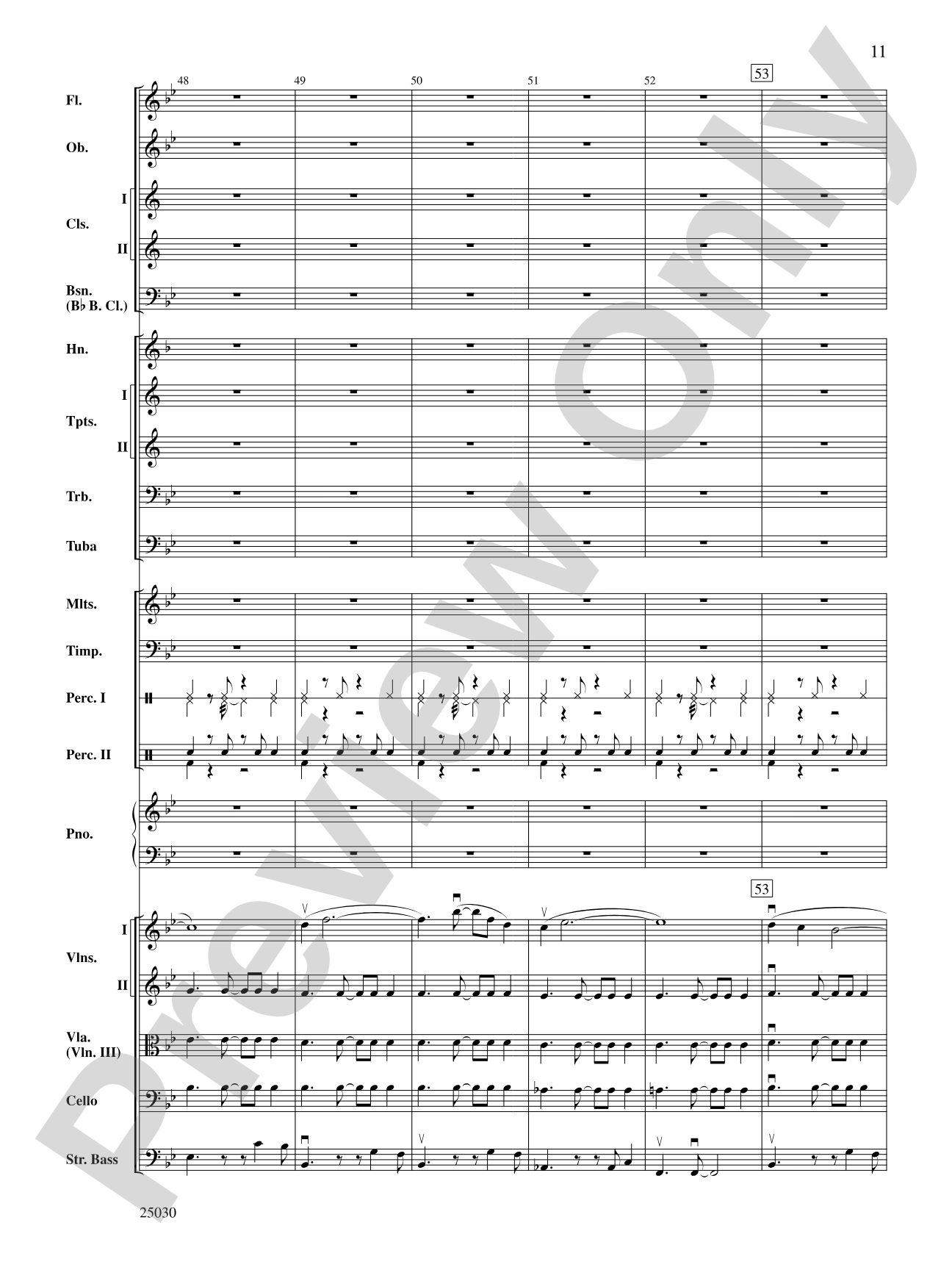
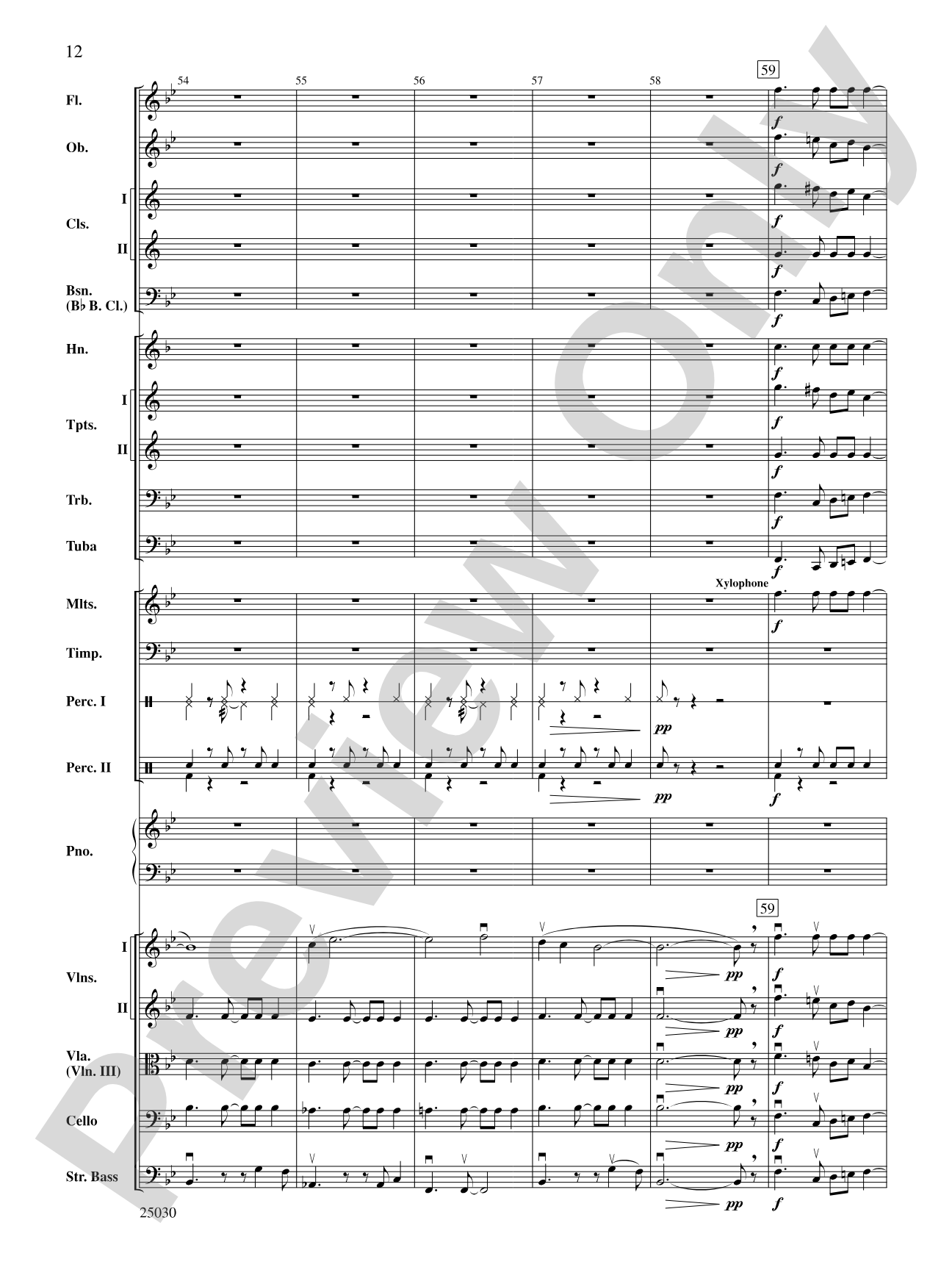
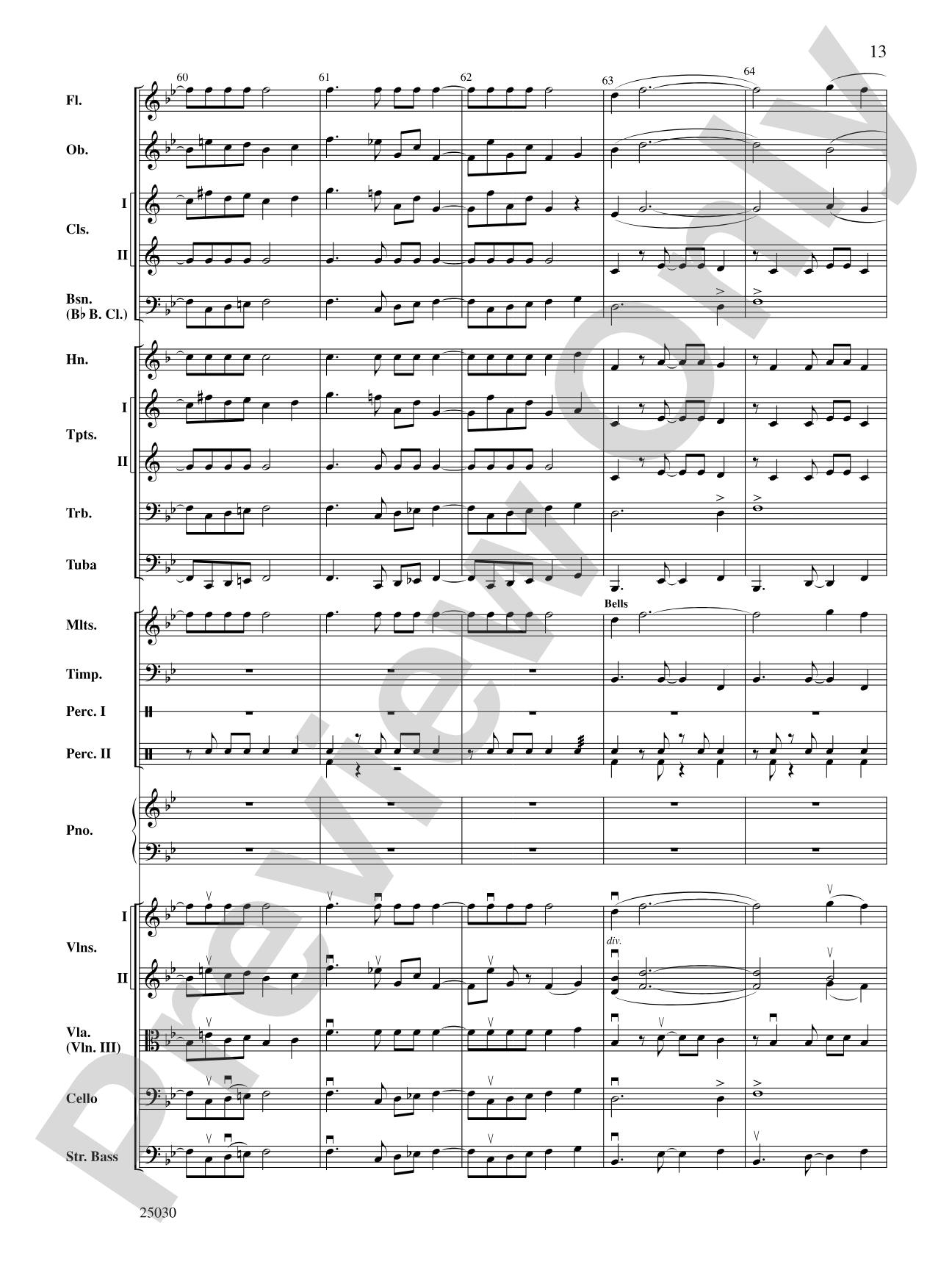
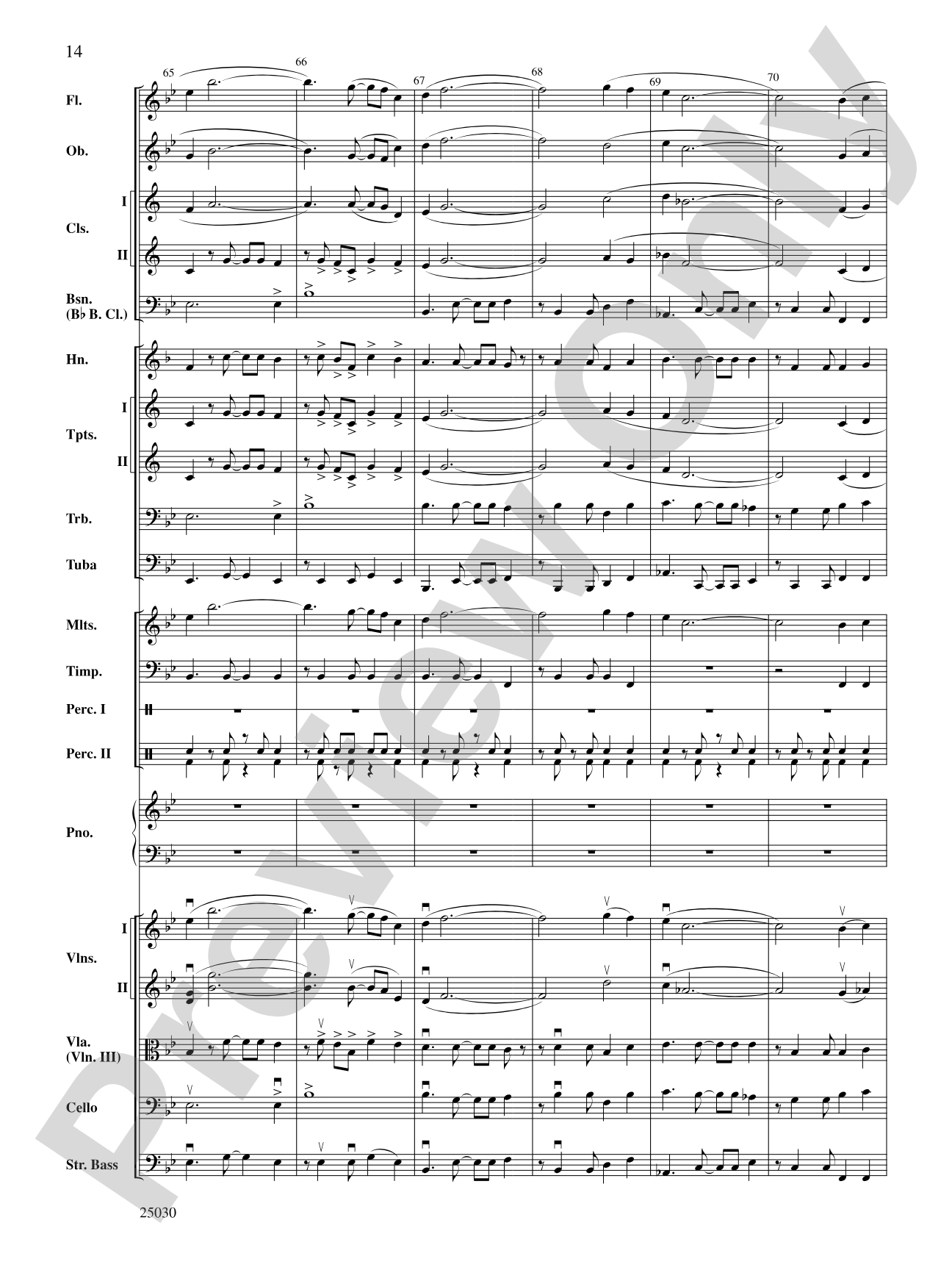
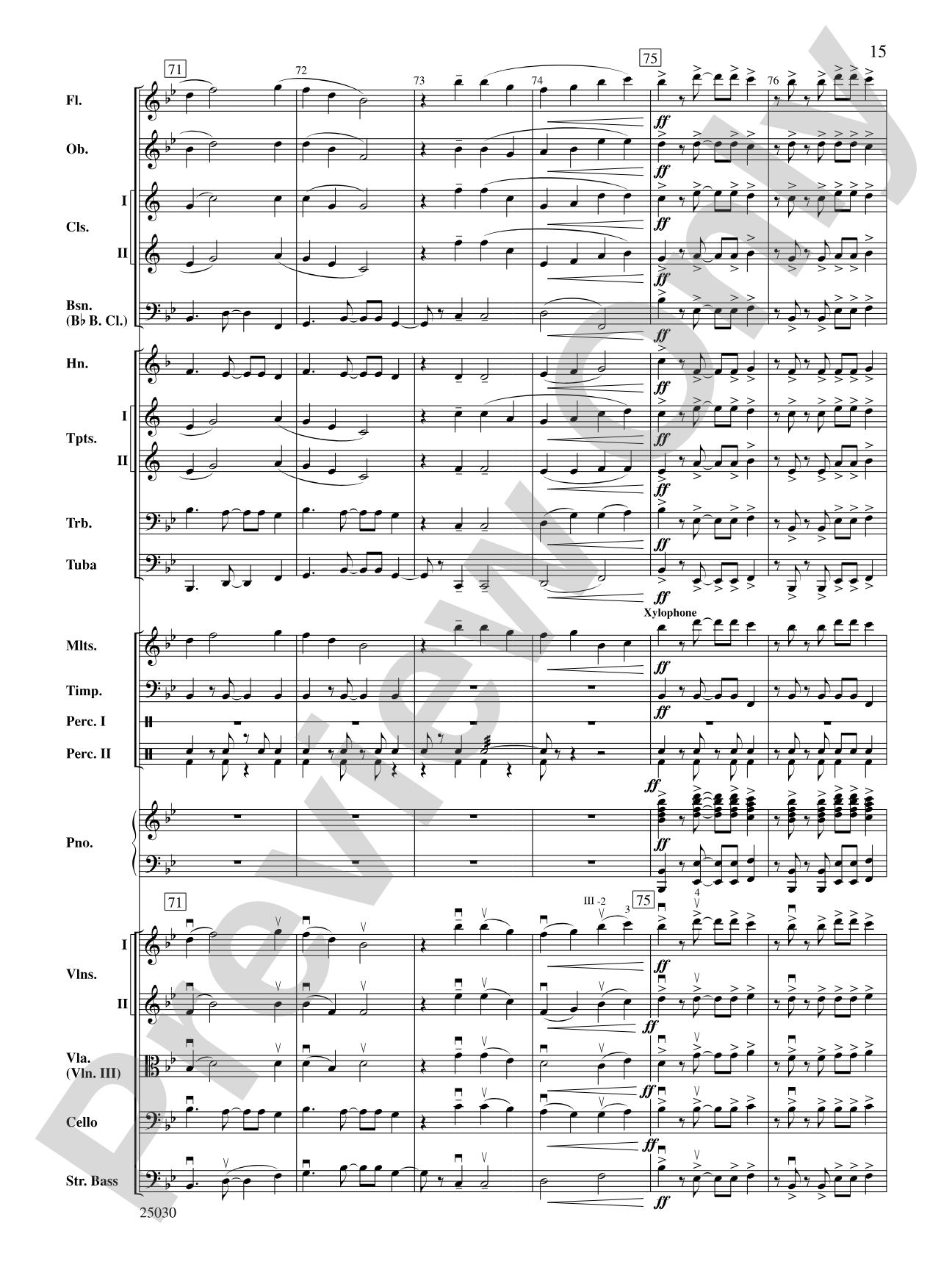
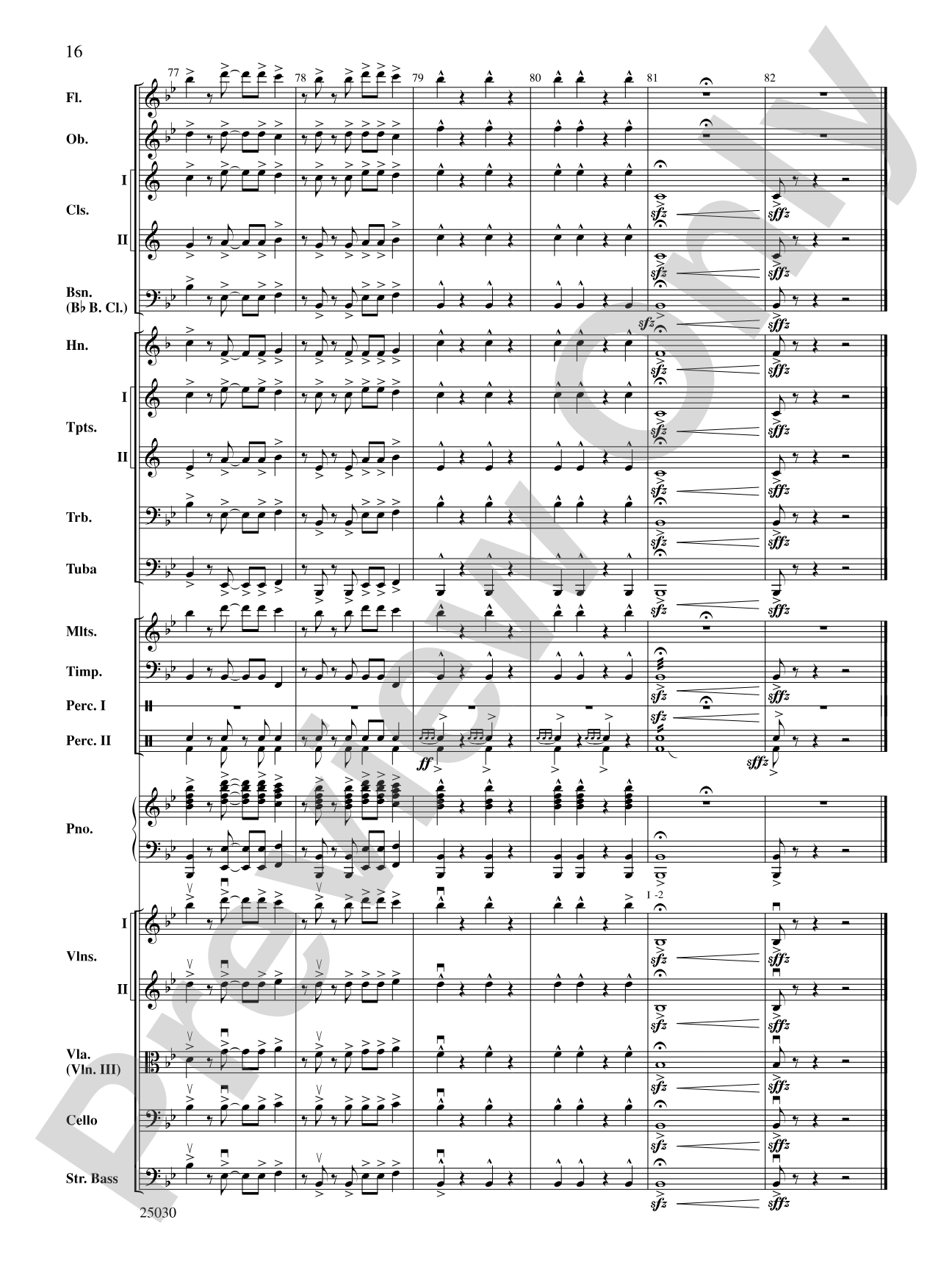

The Magnificent Seven: Full Orchestra Conductor Score & Parts
By Elmer Bernstein / arr. Roy Phillippe
Grade: 3
Item: 00-PK-0001010

$65.00
One moment…
Related Items
The Magnificent Seven: Concert Band Conductor Score & Parts |
$77.00
|
View | |
The Magnificent Seven: Concert Band Conductor Score & Parts |
$77.00
|
View | |
The Magnificent Seven: Concert Band Conductor Score |
$12.00
|
View | |
The Magnificent Seven: Full Orchestra Conductor Score & Parts |
$65.00
|
View | |
The Magnificent Seven: Full Orchestra Conductor Score |
$9.00
|
View |
Description
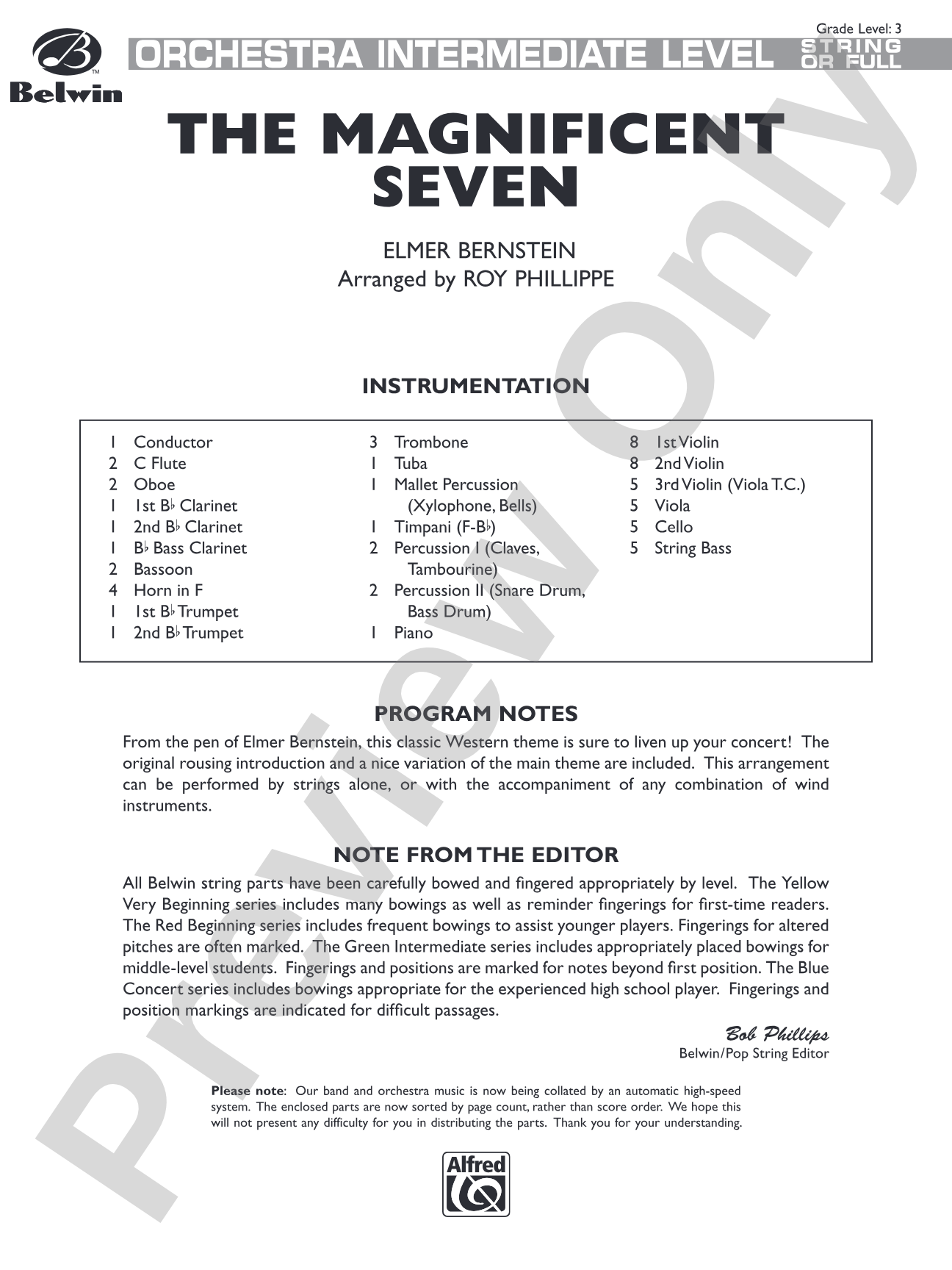
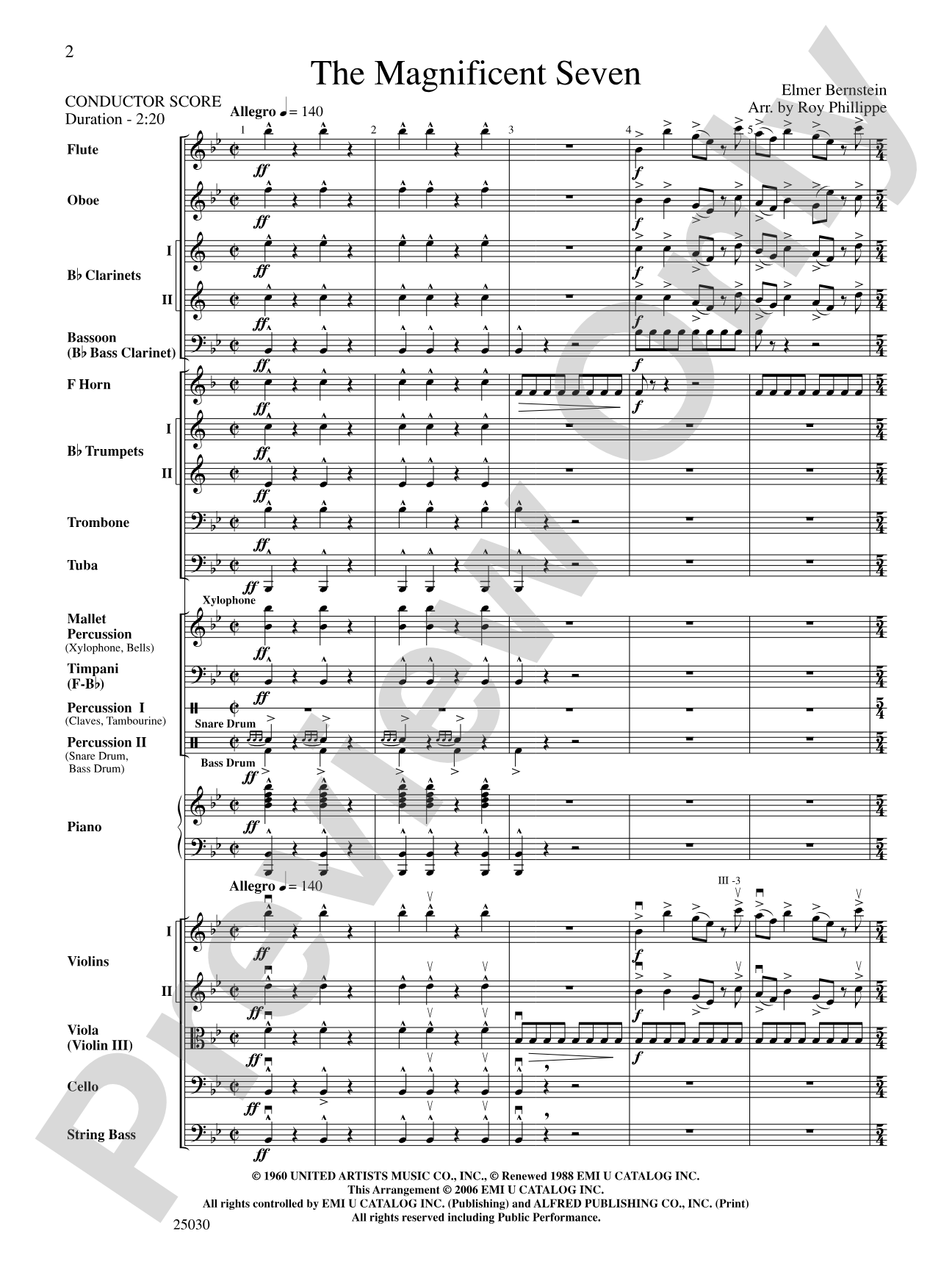
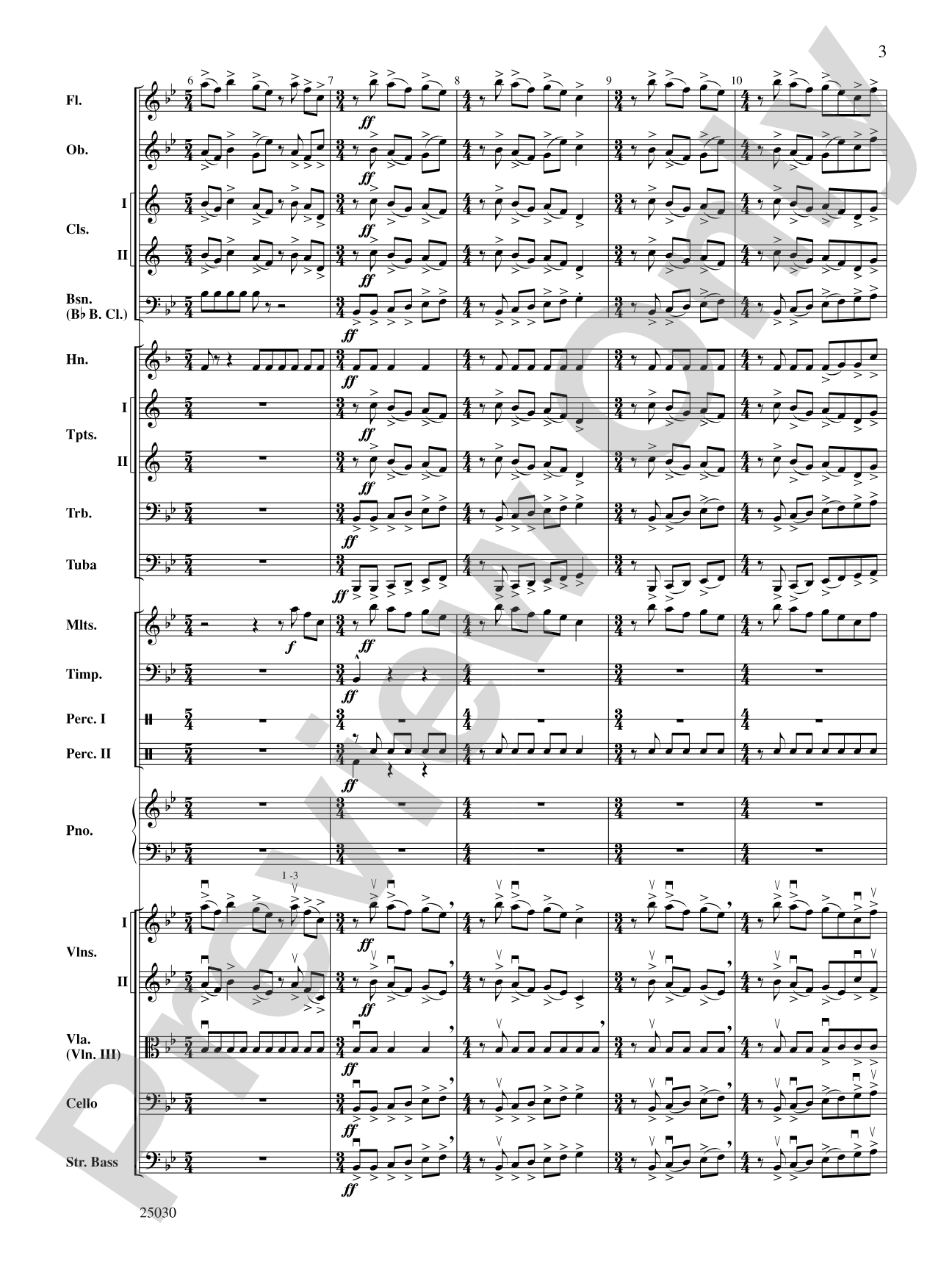
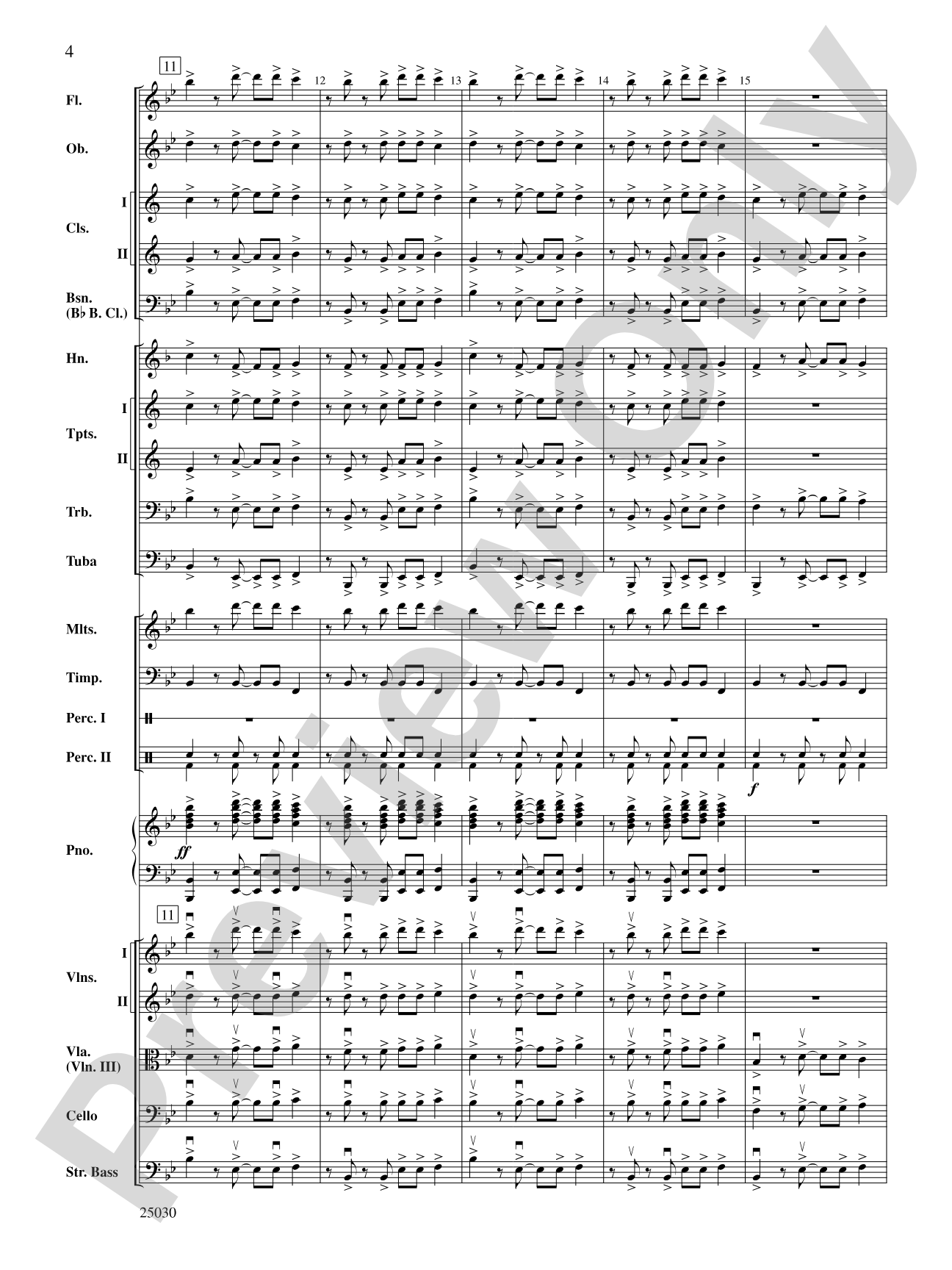
Elmer Bernstein's exciting theme from the classic western will certainly liven up your concert. This arrangement includes Bernstein's rousing introduction and a nice variation of the main theme for strings. This arrangement will sound full with strings only or winds may be added.


Don't just read it, hear it, play along with it, and watch your students grow with it. In MakeMusic Cloud, The Magnificent Seven: Full Orchestra Conductor Score & Parts comes alive with professional accompaniment, adjustable tempo, and built-in practice tools that turn solo practice into real progress.
Open in the Player
Jump straight in and assign it today.
Start Your Free Trial
Open this title and explore the full library in minutes.
Sample Audio
1
Audio File
--:--
0:00
0:00
Sample Video
Additional Details
Series:
Pop Intermediate String/Full Orchestra
Publisher:
Alfred Music
Page Count:
102
SKU:
00-PK-0001010
More about this title
About the Composer: Elmer Bernstein
Elmer Bernstein (1919-2004) shaped the sound of American cinema across five decades, composing scores for over 100 films. His gift for melody and orchestration made him one of the most recorded composers in history, with particular mastery in the western and adventure genres. For music educators, Bernstein's work demonstrates how memorable themes can anchor entire dramatic narratives while remaining accessible and rewarding for student performers.
Bernstein's orchestrations prioritize clarity and balance, making his music ideal for teaching ensemble independence and sectional balance. His themes are instantly recognizable yet structurally straightforward, allowing students to focus on ensemble playing rather than deciphering complex harmonies.
Why we love this
This arrangement proves that high-energy showpiece material doesn't require advanced technique. Roy Phillippe's scoring gives orchestras genuine flexibility: strings carry the piece beautifully on their own, yet winds integrate seamlessly when you have them available, making it genuinely adaptable to your ensemble's instrumentation rather than a compromise arrangement that sounds incomplete either way.
What to expect
The opening bristles with purpose and forward momentum, building a sense of adventure and drama that feels larger than the page. When the main theme breaks through, it has the confident swagger of a classic western hero, then settles into a lyrical string variation that reveals the melody's emotional core beneath its flashy exterior.
Who it's for
Orchestra directors seeking a concert opener with immediate energy and proven audience appeal. This arrangement works equally well for groups building their string section confidence or for established orchestras that want a crowd-pleasing vehicle without programming retreads.
How to get the most out of it
- Build the introduction's intensity through careful dynamic shaping rather than tempo changes. The rousing effect comes from controlled crescendos and precise articulation across sections.
- Balance the string section carefully when the main theme enters. The melody needs to sing without overwhelming the harmonic support underneath, especially if winds haven't entered yet.
- Mark cues clearly in all parts where the variation shifts away from the original theme. Students who know the famous recording may expect a different direction, and rehearsal time saved on section spotting pays dividends.
- If adding winds, rehearse their entrance points as a complete unit before combining with strings. The blend shifts noticeably, and winds need to lock their rhythmic precision before the full sound comes together.
How to use it
Open a pops-flavored concert with this to establish an energetic tone immediately, or use it as a show-closing finale when you want audiences leaving on a high. It pairs well alongside other accessible film themes and orchestral favorites, giving your program cinematic momentum without requiring a full rehearsal season of preparation.
Skills your students will build
- Dynamic control and musical phrasing across sustained passages
- Sectional independence and balance within full orchestra texture
- Responding to conductor cues for thematic variations
- Rhythmic clarity and precision in energetic, syncopated material
- String section vibrato and tone production appropriate to western idiom