
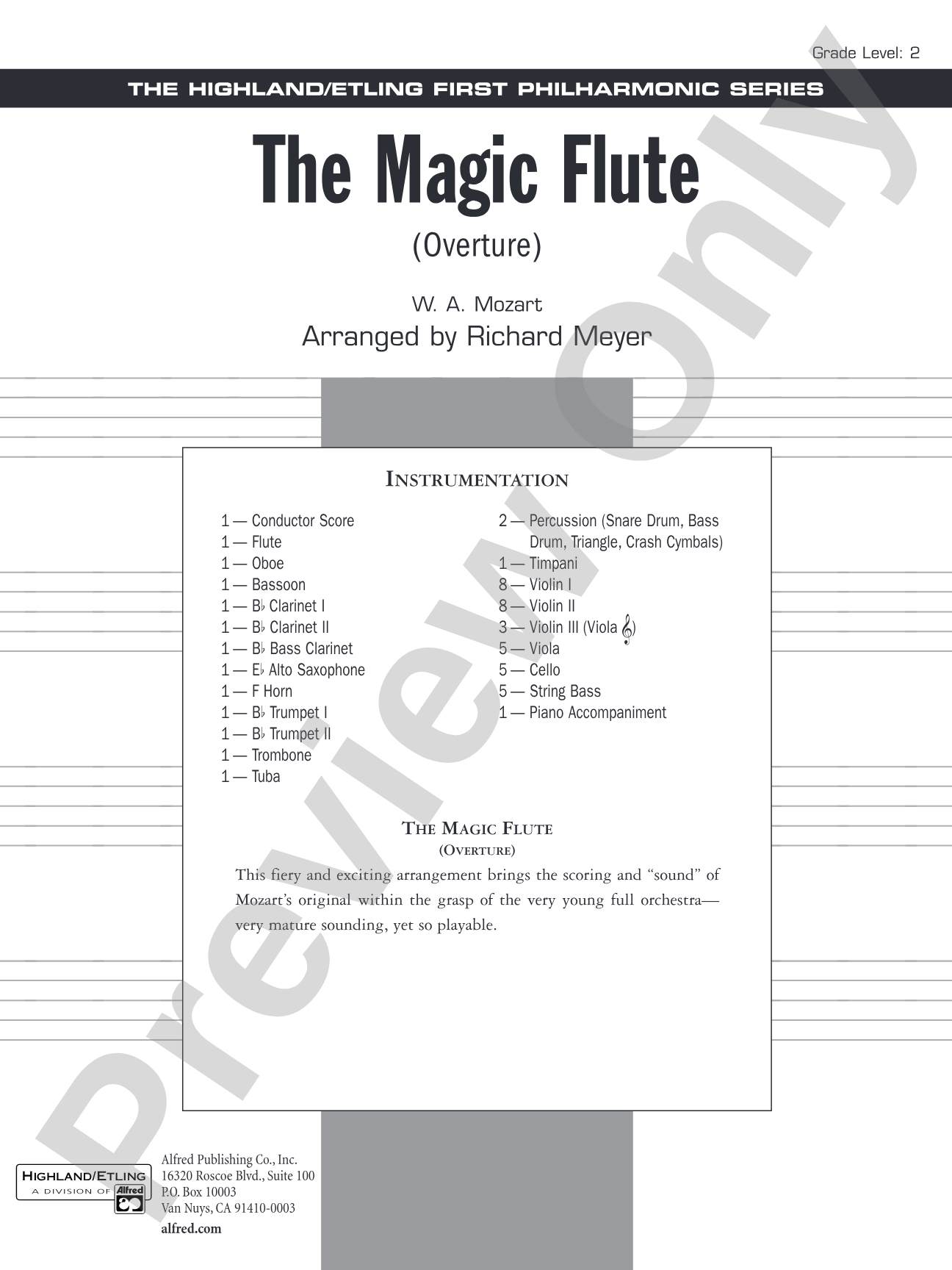

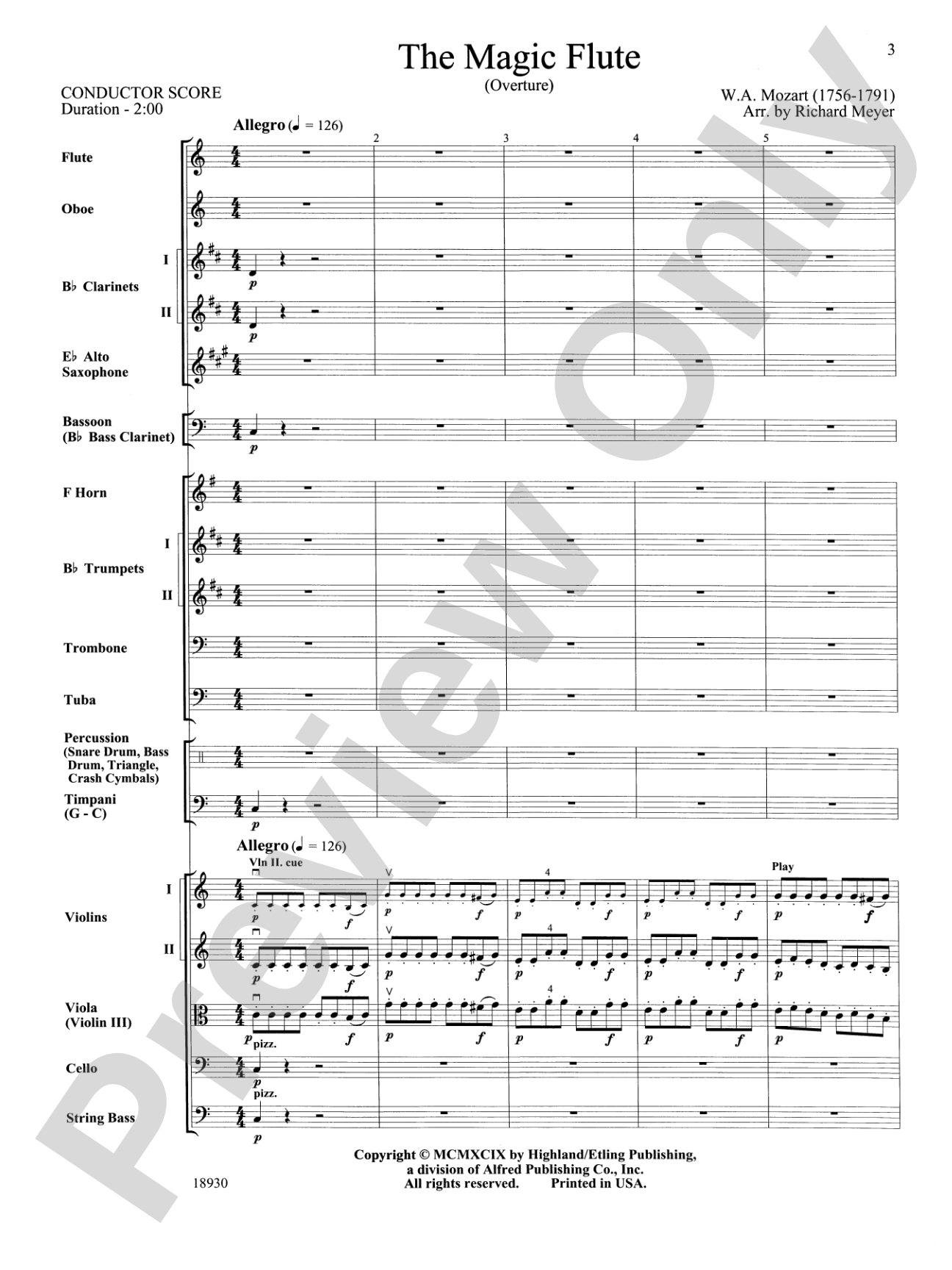
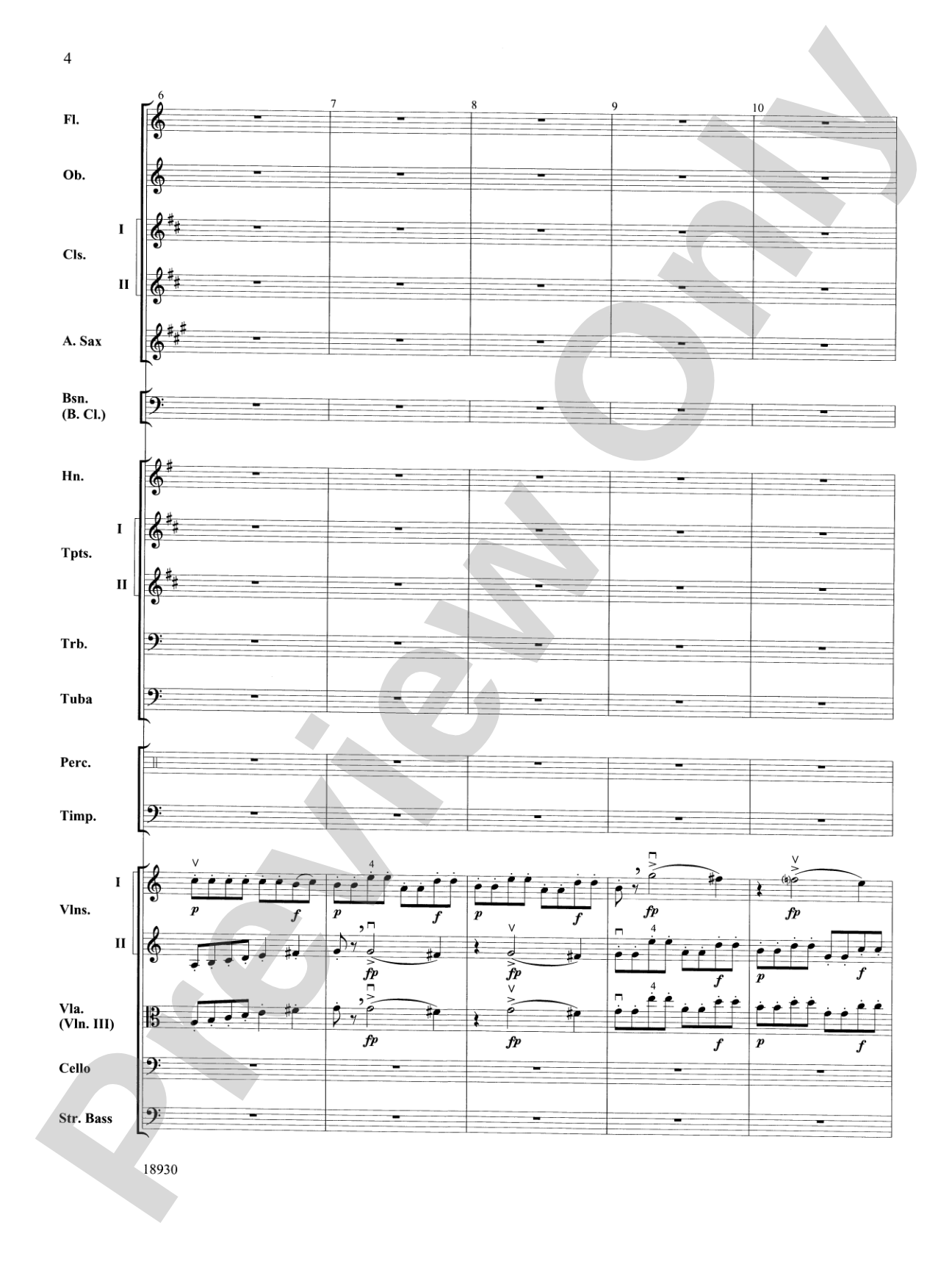
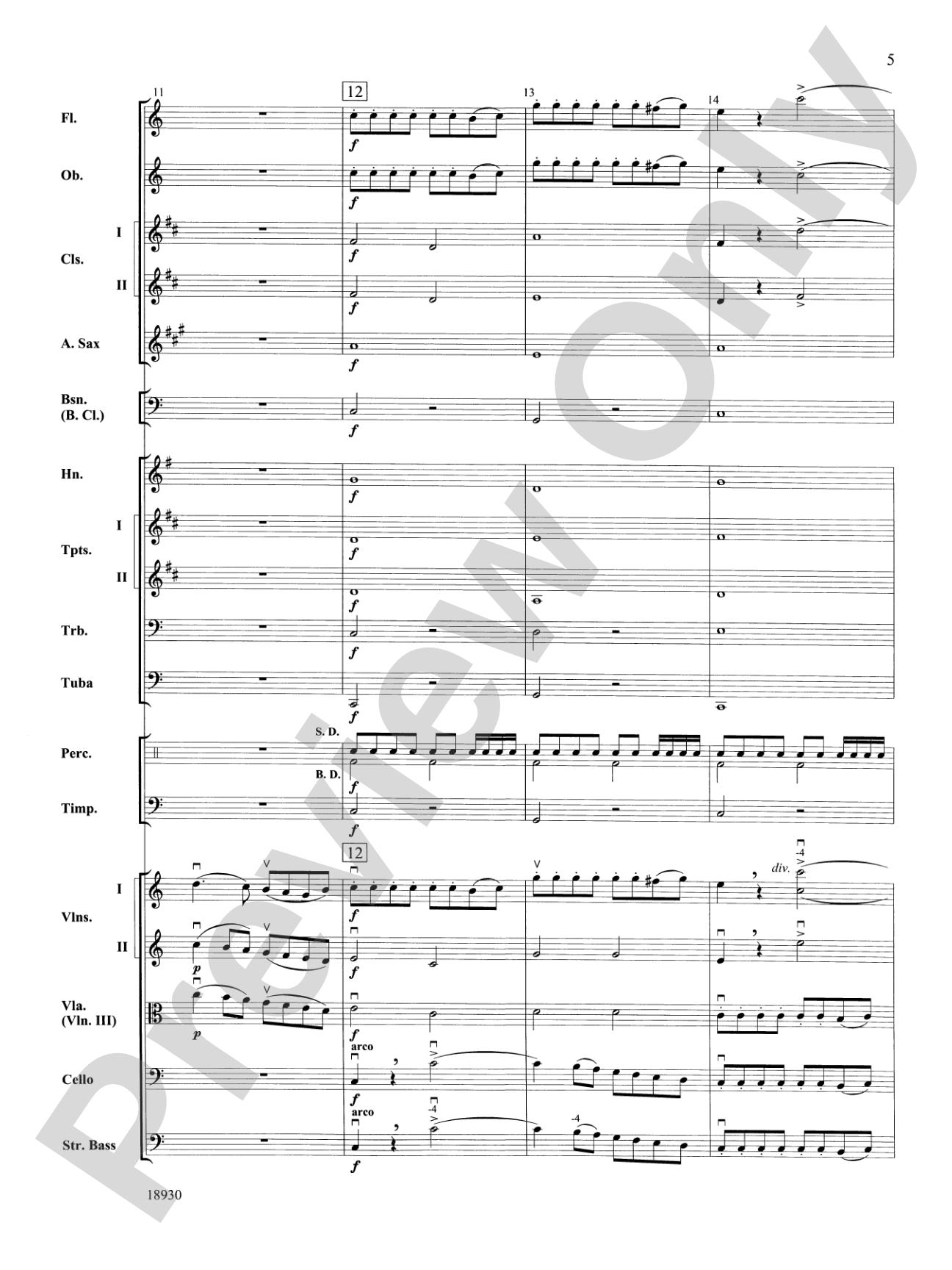
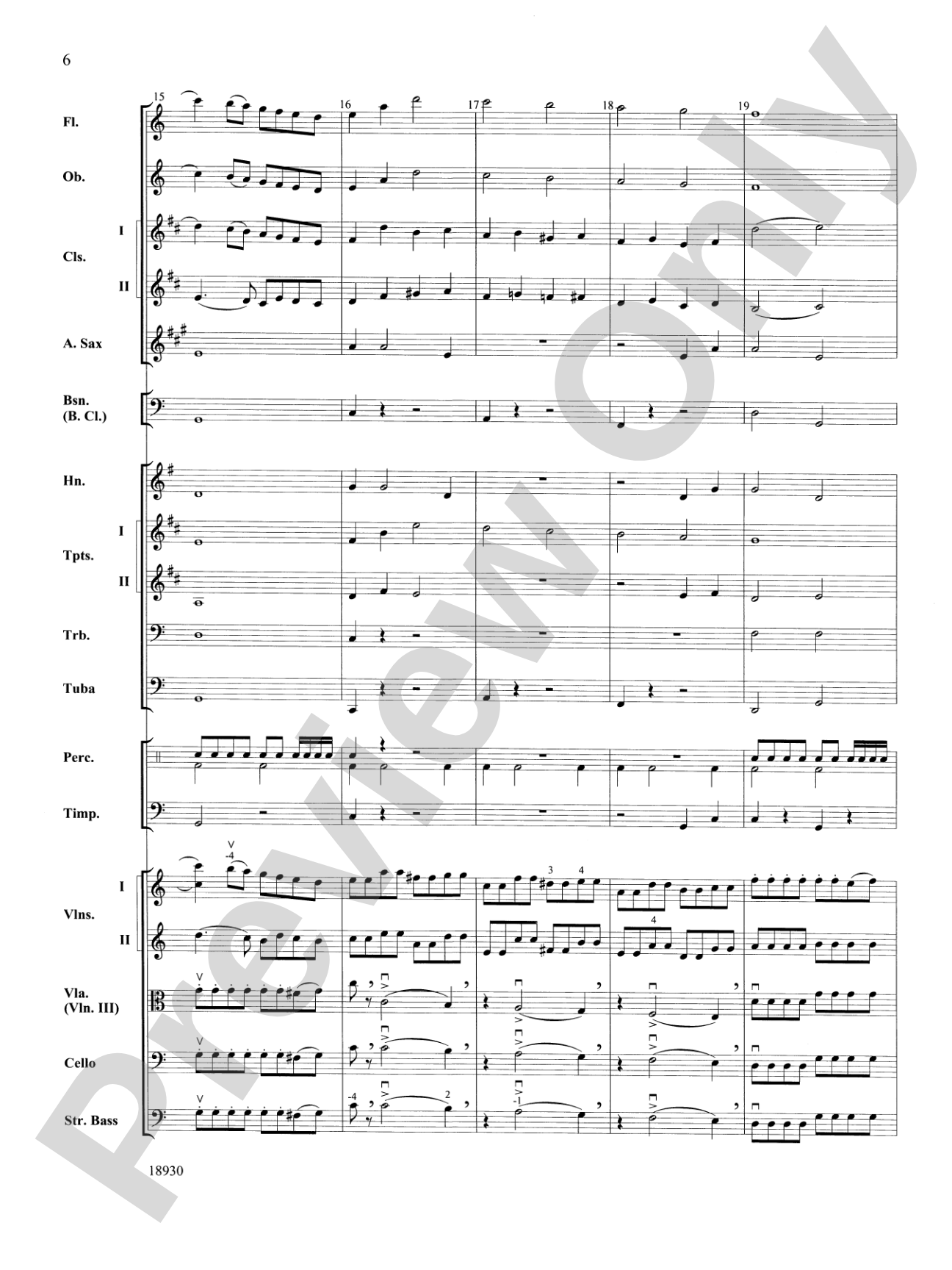
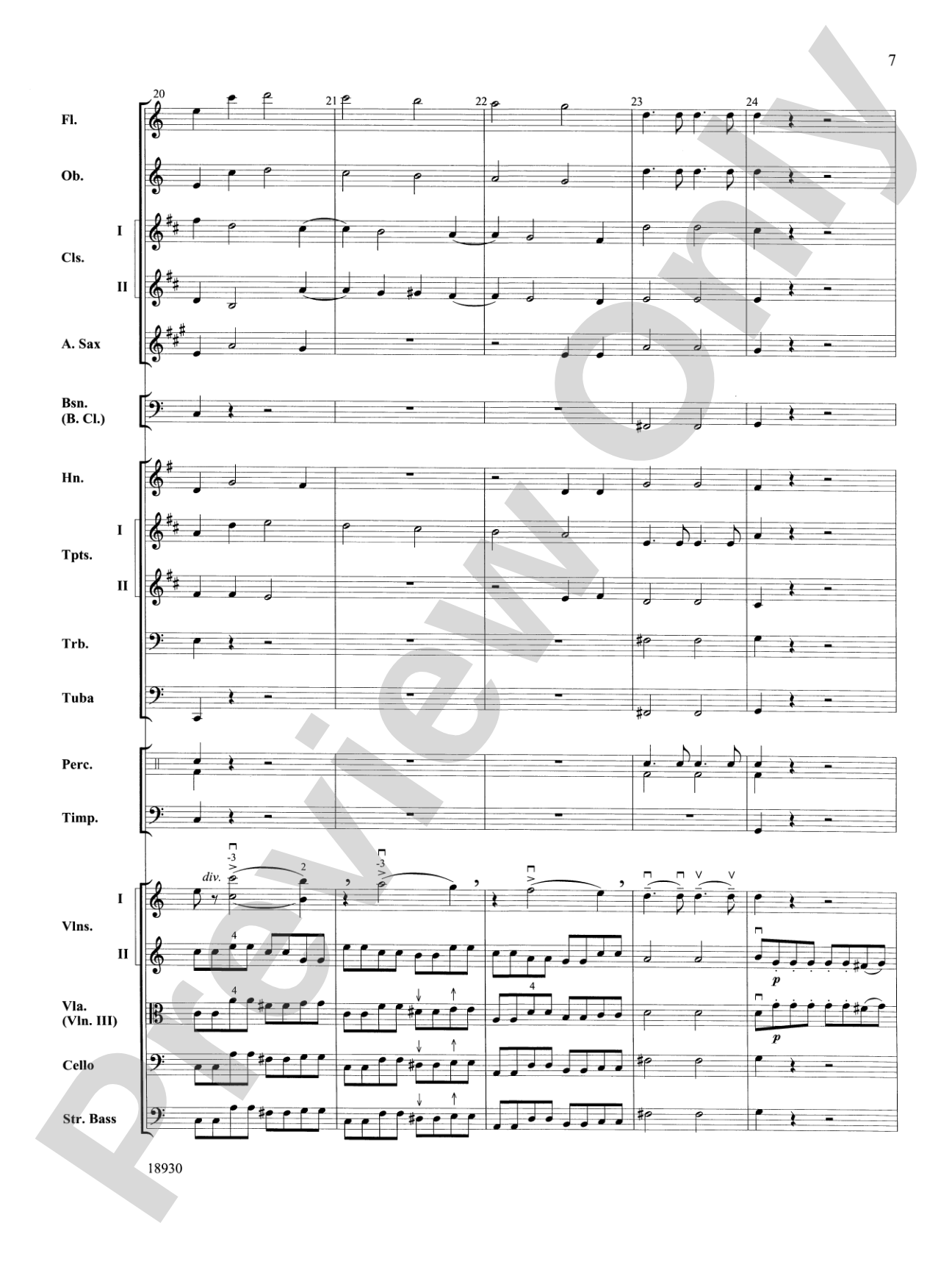
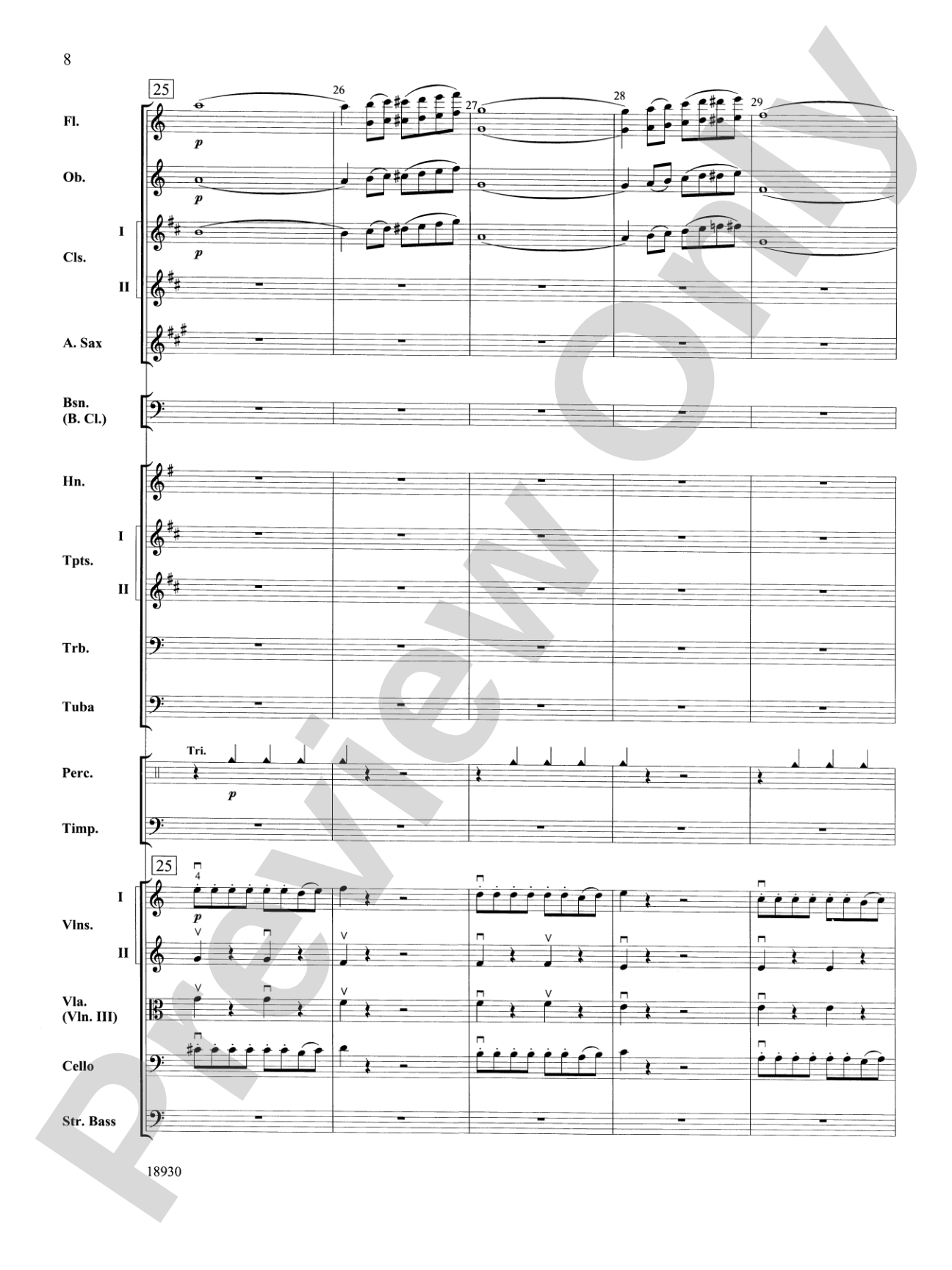
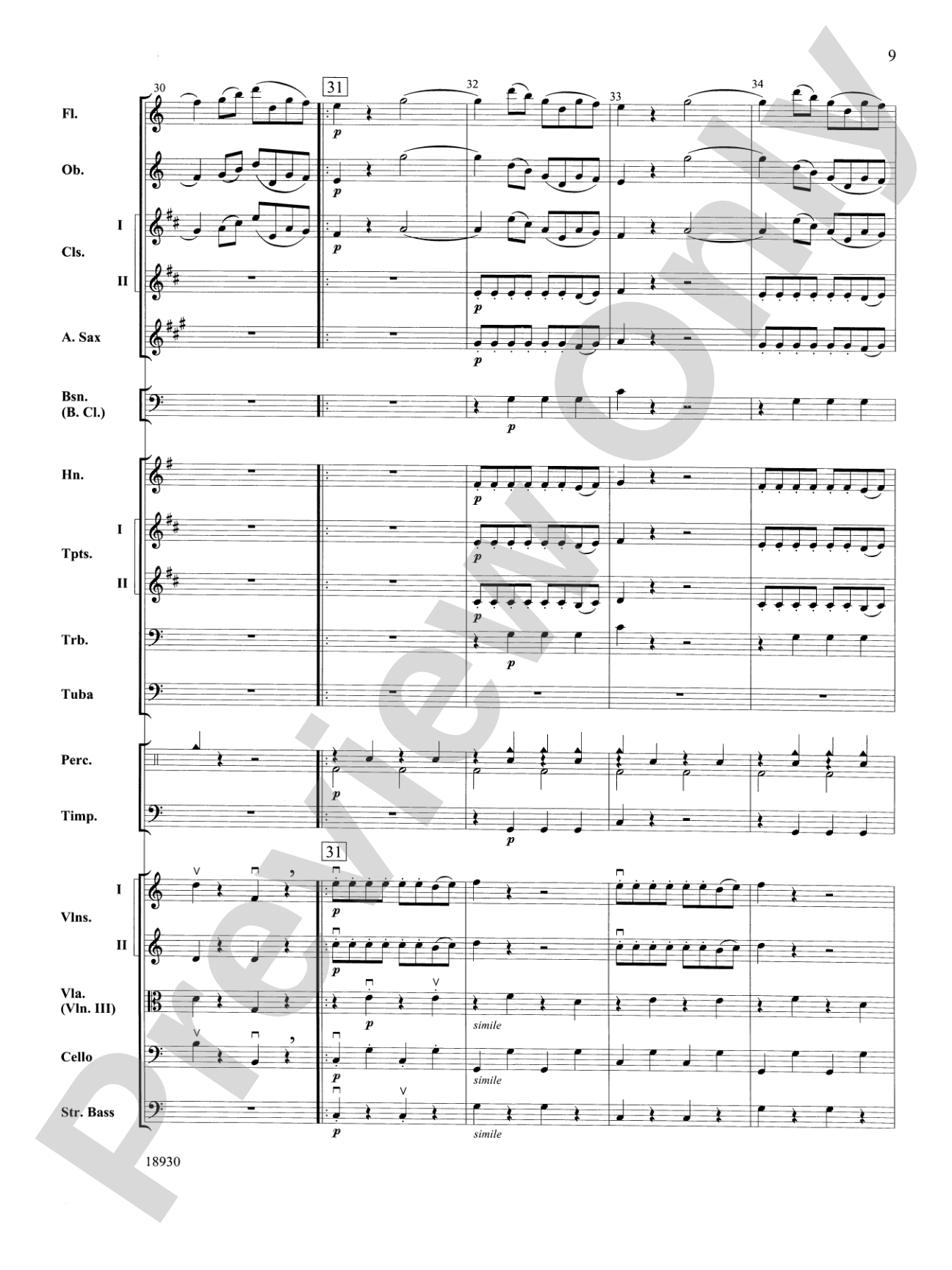
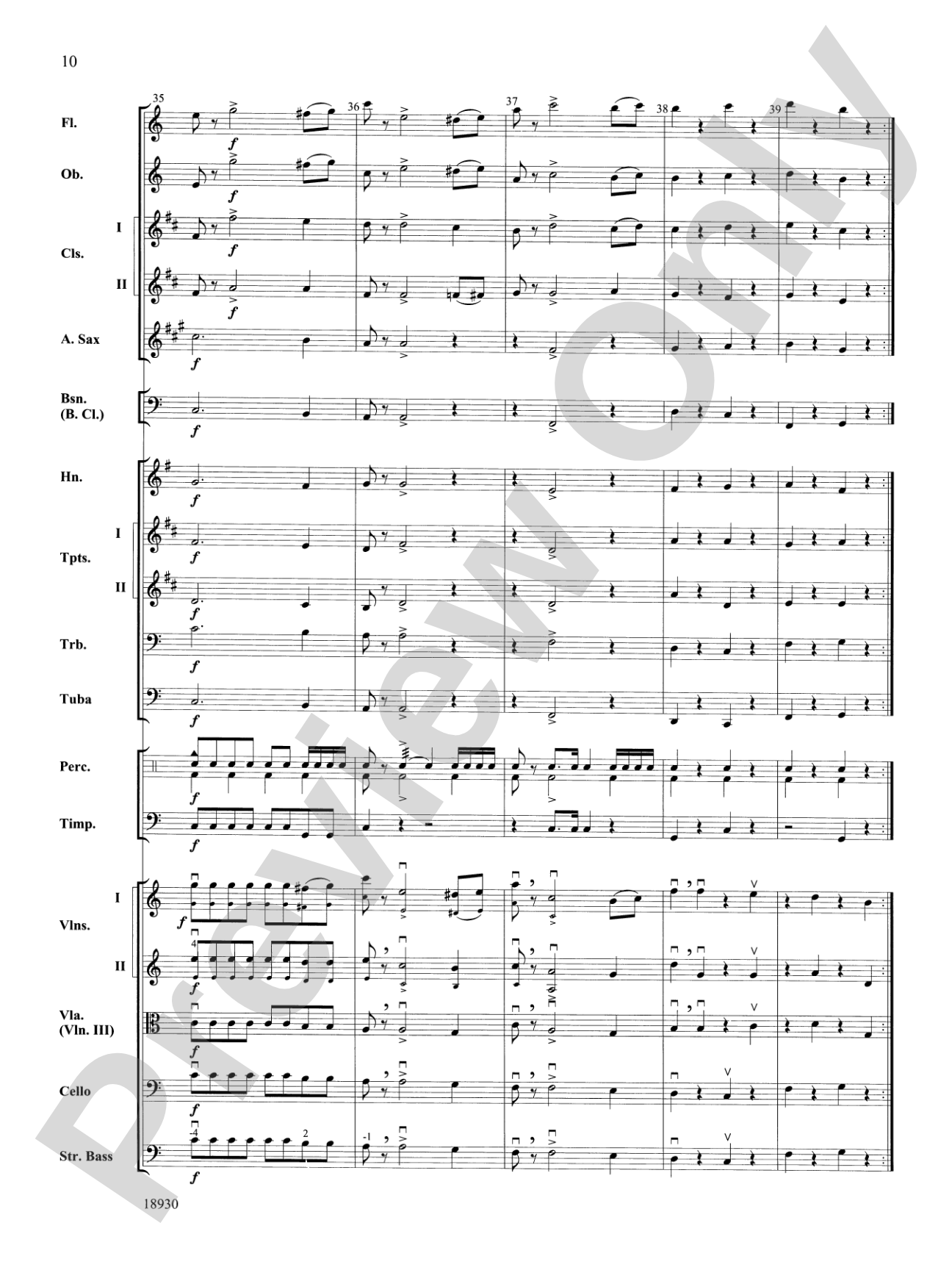
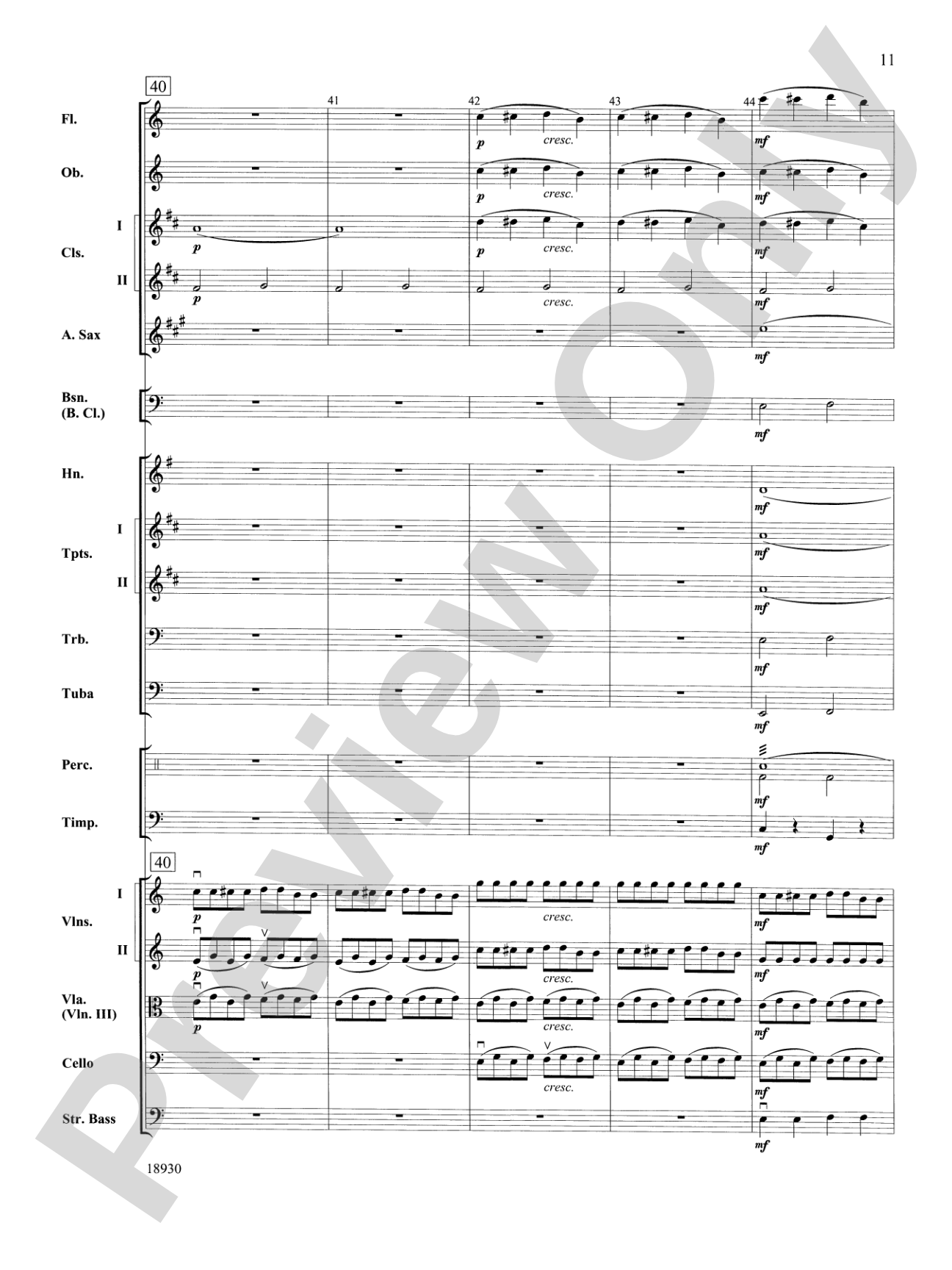
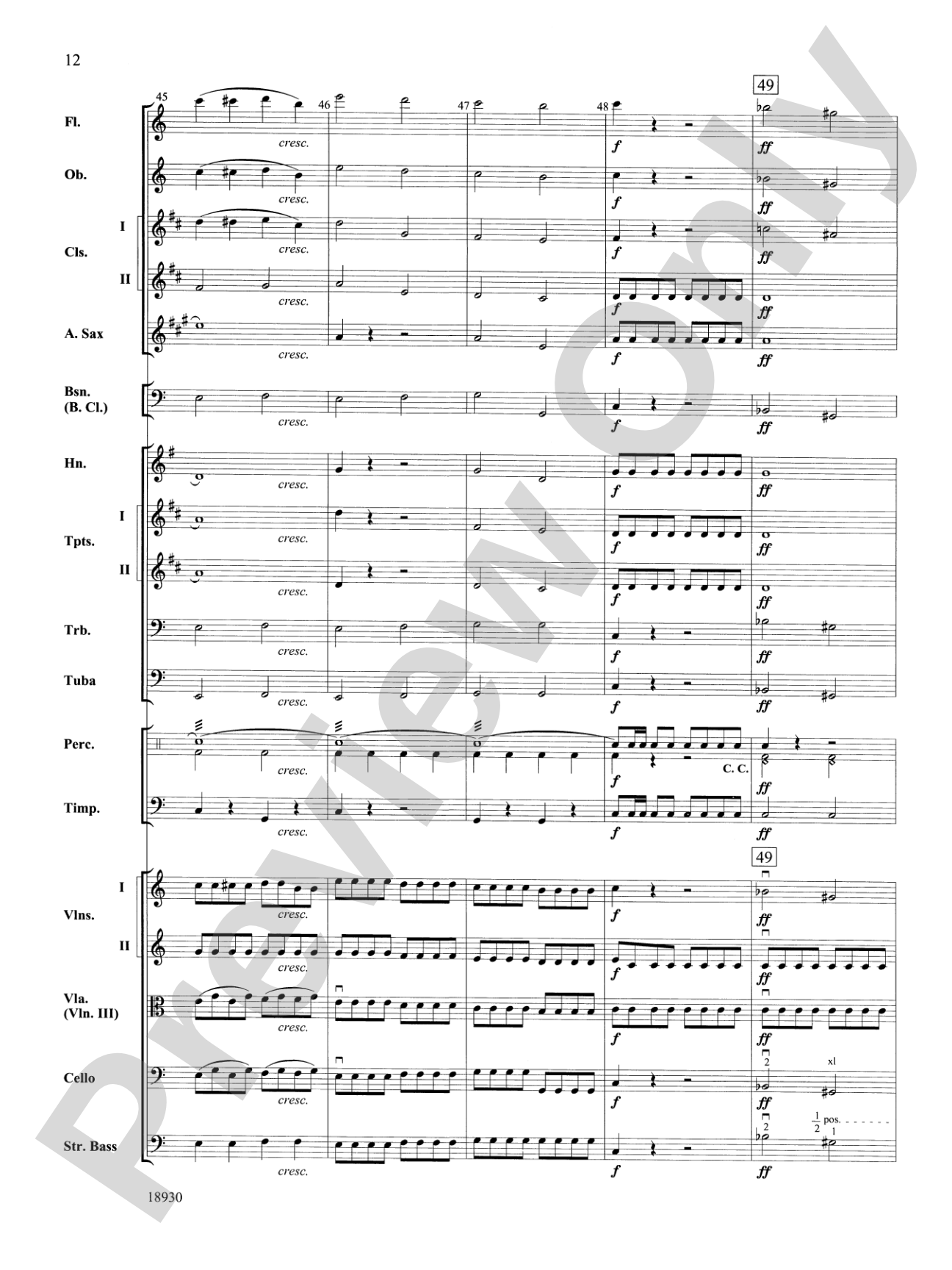
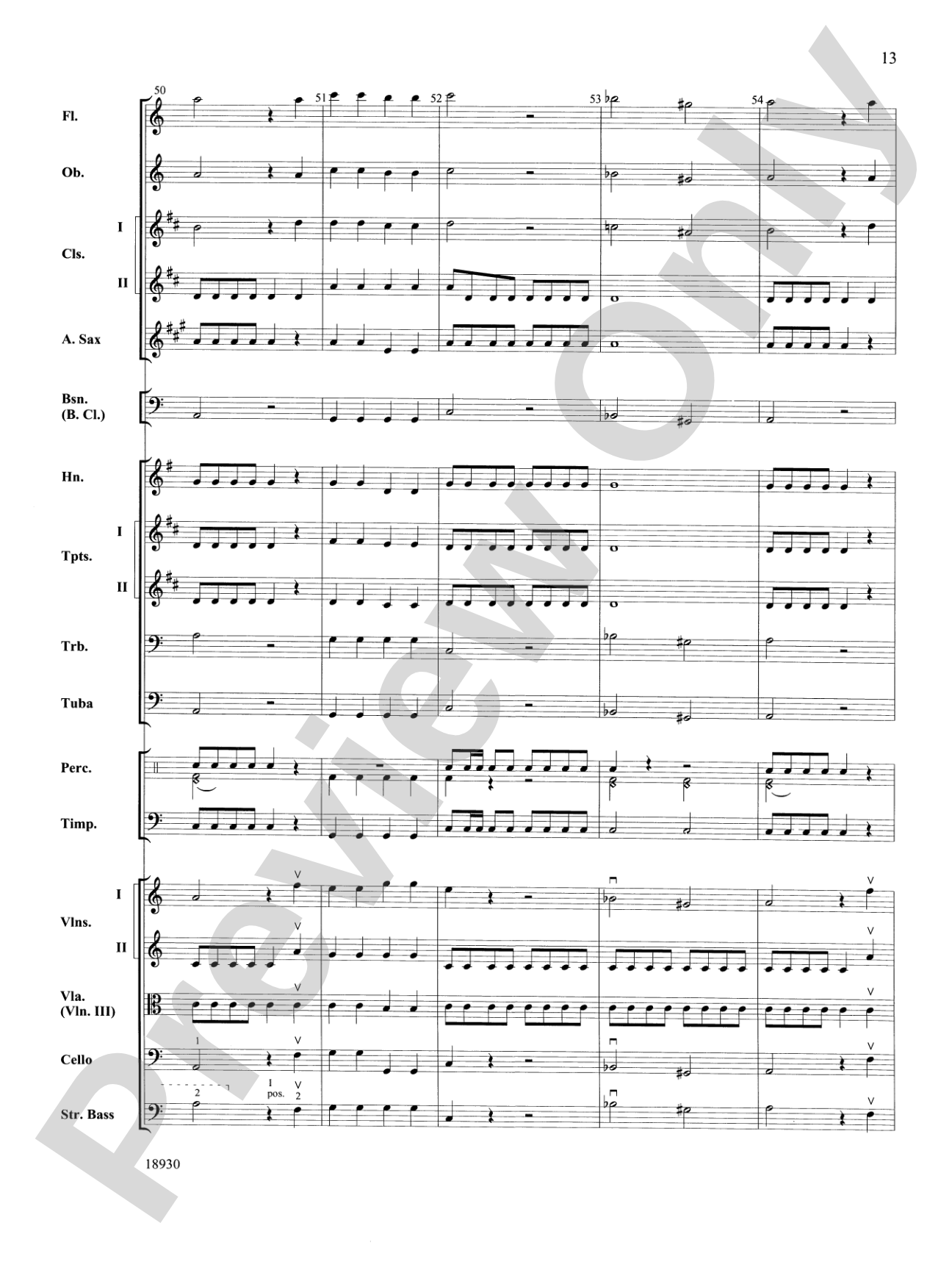
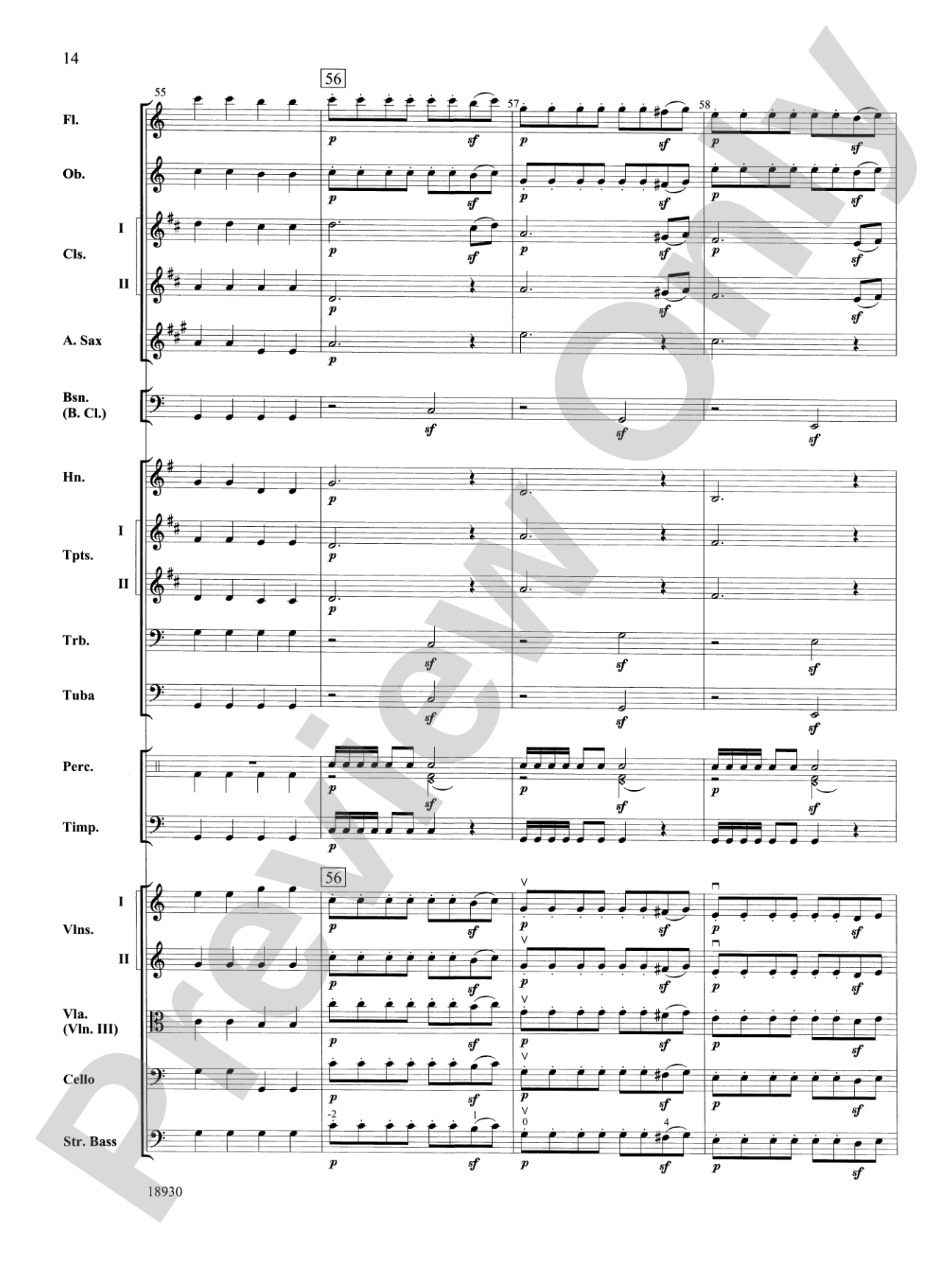
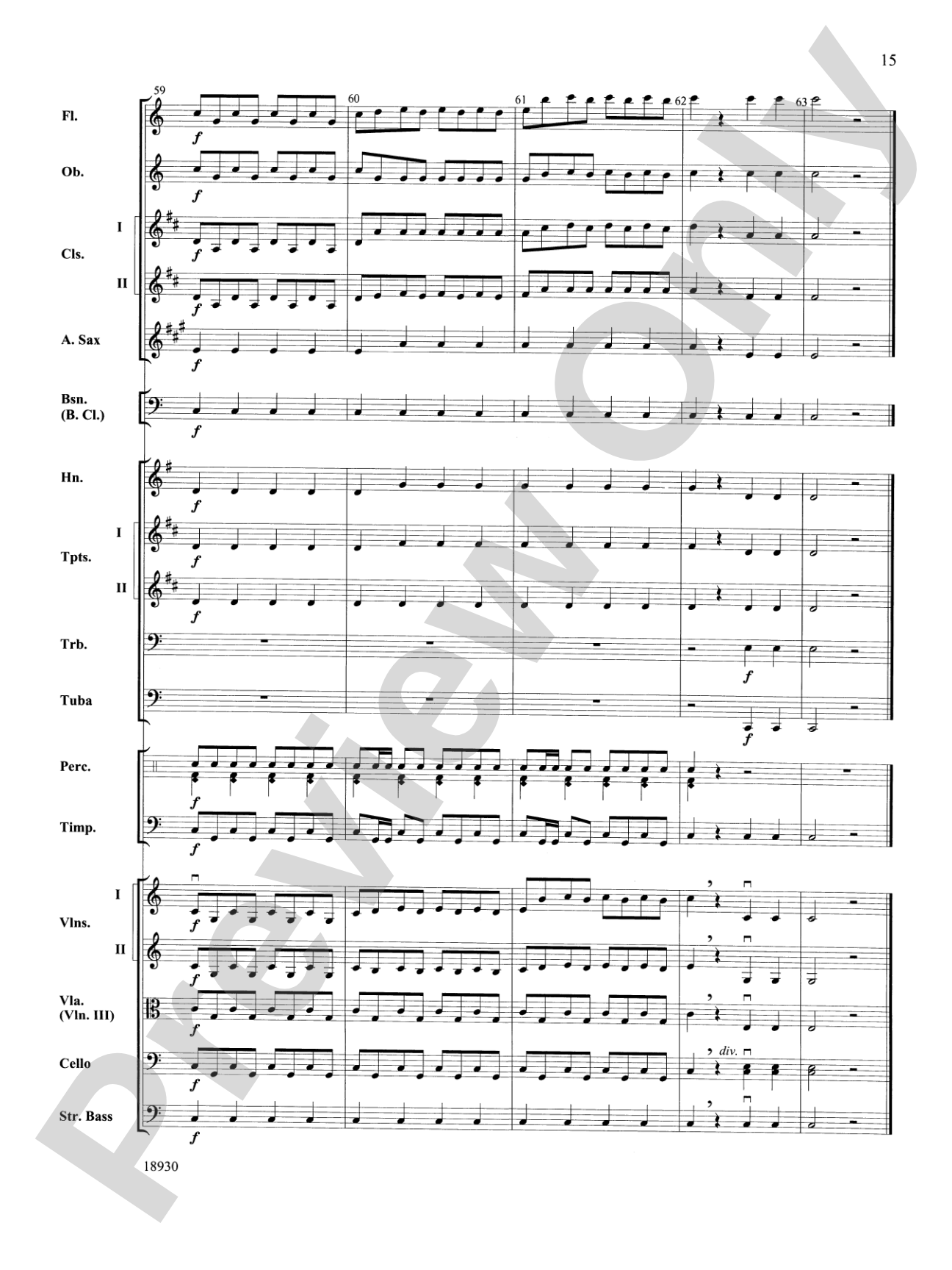


The Magic Flute (Overture): Score
(Overture)
By Wolfgang Amadeus Mozart / arr. Richard Meyer
Grade: 2
Item: 00-PR-0000301
$9.00
Pickup currently not available
Description
Fiery and exciting, this arrangement retains the scoring and "sound" of Mozart's original while bringing it within the grasp of the very young full orchestra. Very mature sounding, yet so playable. Outstanding! (2:00)


Don't just read it, hear it, play along with it, and watch your students grow with it. In MakeMusic Cloud, The Magic Flute (Overture): Score comes alive with professional accompaniment, adjustable tempo, and built-in practice tools that turn solo practice into real progress.
Open in the Player
Jump straight in and assign it today.
Start Your Free Trial
Open this title and explore the full library in minutes.
Sample Audio
1
Audio File
--:--
0:00
0:00
Sample Video
Additional Details
Series:
Highland/Etling First Philharmonic
Publisher:
Alfred Music
Page Count:
102
SKU:
00-PR-0000301
More about this title
About the Composer: Wolfgang Amadeus Mozart
Wolfgang Amadeus Mozart (1756-1791) composed across every major genre of his era and created a body of work that remains central to orchestral repertoire. His ability to write melodies of crystalline clarity and harmony of remarkable sophistication made him a model for generations of composers. For young orchestras, his music offers direct access to Classical-era voice leading, orchestration, and formal structure without requiring advanced technical demands.
Why we love this
Richard Meyer's arrangement strips away nothing essential from Mozart's overture while calibrating every part for young players to handle. A Grade 1-2 orchestra can sound genuinely polished here because the orchestration serves the music rather than fighting against it. This is the rare early-level piece that conductors program because the music matters, not because it fills a slot.
What to expect
The Magic Flute Overture opens with theatrical energy and orchestral confidence. You hear the Classical orchestra at its most elegant—rapid figured passages, clear melodic voices, and harmonic turns that feel inevitable and graceful. There's genuine drama in the swell and release, and Meyer's arrangement preserves the overture's arc from sparkling brilliance to quiet introspection and back again.
Who it's for
Grade 1-2 full orchestras ready to perform genuine symphonic literature without simplified scoring. This works equally well for early-intermediate middle school orchestras, young community symphonies, or advanced elementary programs with strong instrumentation.
How to get the most out of it
- Balance the articulate first theme by keeping woodwinds light and letting strings carry the primary melodic line. Young players tend to double-tongue the opening without shaping it musically.
- Take the tempo at a pace that allows second-part players to track harmonic movement clearly. Mozart's Classical clarity collapses if the piece rushes.
- Mark the dynamic and style changes between the Allegro and Andante sections explicitly in parts. Young orchestras often miss the shift in character without conductor preparation.
- Establish a solid pulse in the bass line and timpani early in rehearsal. The overture's architecture depends on forward momentum that younger string sections must feel, not guess at.
How to use it
Open a concert with this to establish immediate polish and musical maturity. It pairs naturally with other Classical-era full orchestra pieces or sits well as a curtain-raiser to a mixed program. At festival or contest, it demonstrates musicianship and ensemble control without overshadowing young soloists if you program it alongside concerto performances.
Skills your students will build
- Classical articulation and phrase shaping
- Tracking secondary melodic lines across instrument families
- Responding to conducted tempo and dynamic changes in rapid alternation
- Ensemble balance in homophonic texture
- Reading standard orchestral transpositions (Bb, Eb, F instruments)