

The Lunch Bunch: Jazz Ensemble Conductor Score & Parts
By Rich Sigler
Grade: 1 (Easy)
Item: 00-PK-0007445

$42.00
Pickup currently not available
Buy Extra Parts (Digital PDF Download)
| Product | Price | Quantity |
|---|---|---|
| The Lunch Bunch: Score | $8.00 | |
| The Lunch Bunch: E-flat Alto Saxophone | $3.00 | |
| The Lunch Bunch: 2nd E-flat Alto Saxophone | $3.00 | |
| The Lunch Bunch: B-flat Tenor Saxophone | $3.00 | |
| The Lunch Bunch: 2nd B-flat Tenor Saxophone | $3.00 | |
| The Lunch Bunch: E-flat Baritone Saxophone | $3.00 | |
| The Lunch Bunch: 1st B-flat Trumpet | $3.00 | |
| The Lunch Bunch: 2nd B-flat Trumpet | $3.00 | |
| The Lunch Bunch: 3rd B-flat Trumpet | $3.00 | |
| The Lunch Bunch: 1st Trombone | $3.00 | |
| The Lunch Bunch: 2nd Trombone | $3.00 | |
| The Lunch Bunch: 3rd Trombone | $3.00 | |
| The Lunch Bunch: Guitar Chords | $3.00 | |
| The Lunch Bunch: Guitar | $3.00 | |
| The Lunch Bunch: Piano Accompaniment | $3.00 | |
| The Lunch Bunch: String Bass | $3.00 | |
| The Lunch Bunch: Drums | $3.00 | |
| The Lunch Bunch: Flute | $3.00 | |
| The Lunch Bunch: 1st B-flat Clarinet | $3.00 | |
| The Lunch Bunch: 1st F Horn | $3.00 | |
| The Lunch Bunch: Tuba | $3.00 | |
| The Lunch Bunch: Baritone T.C. | $3.00 | |
| The Lunch Bunch: Vibraphone | $3.00 |
Parts Added to Cart!
Description
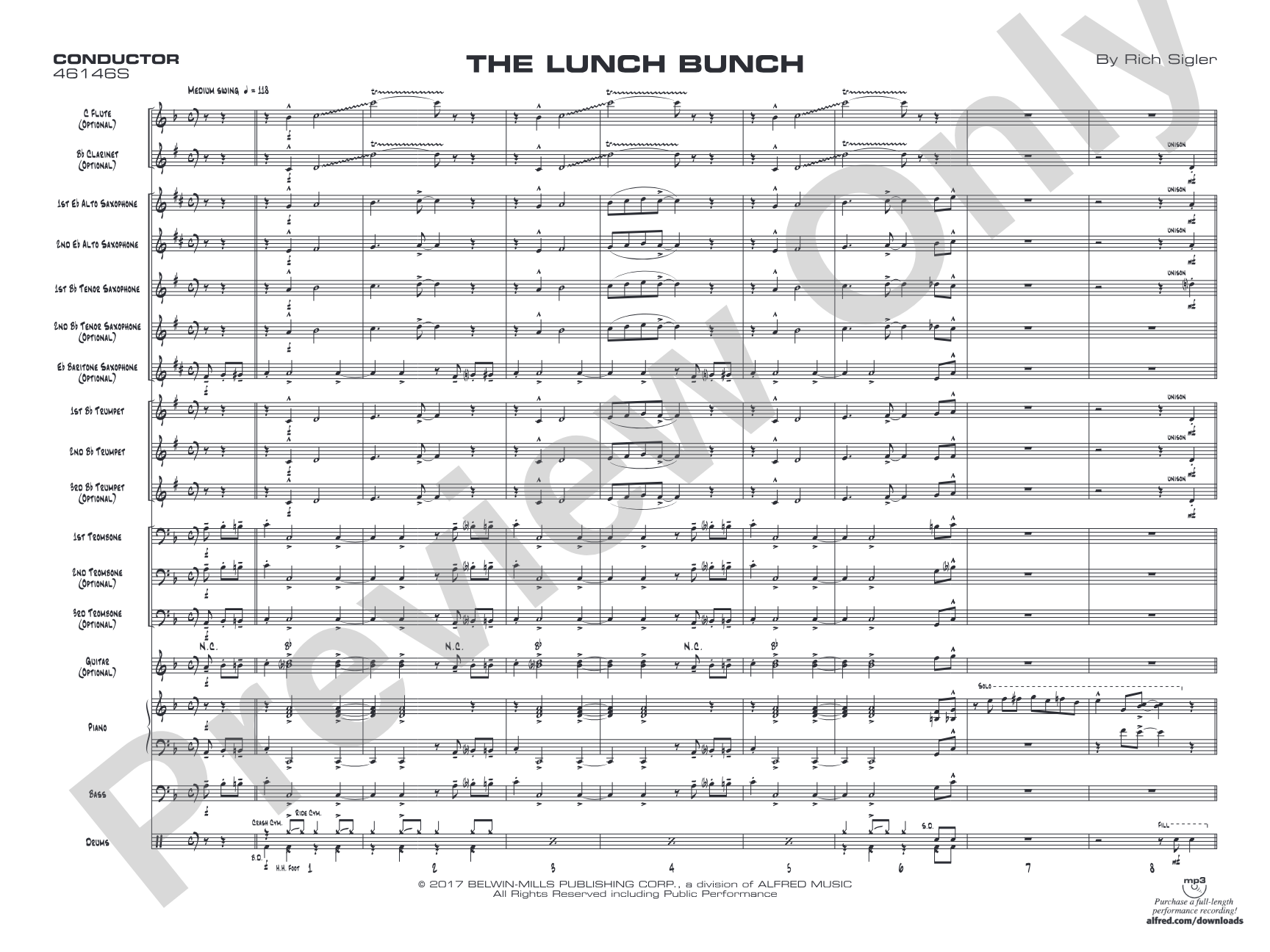
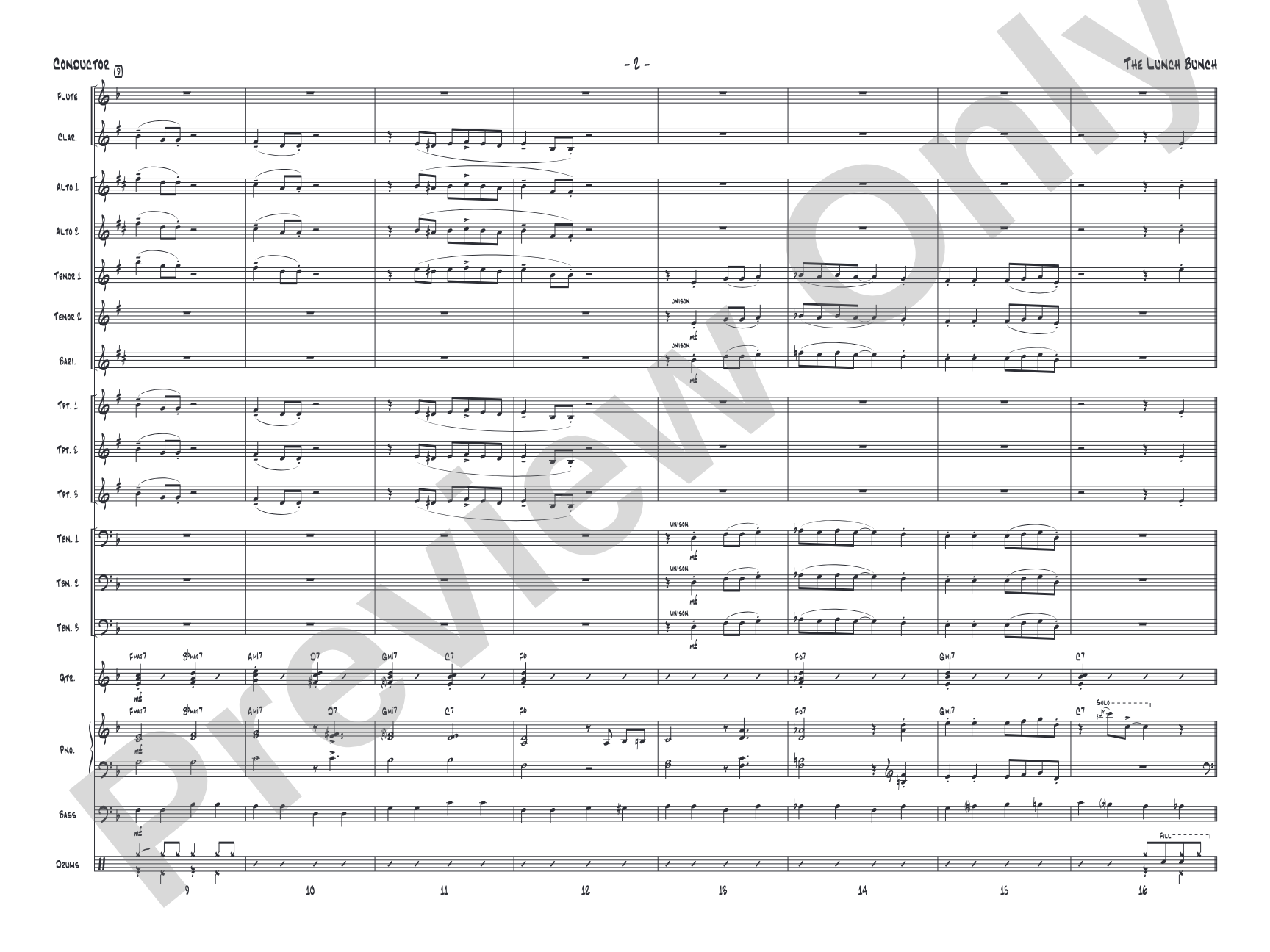
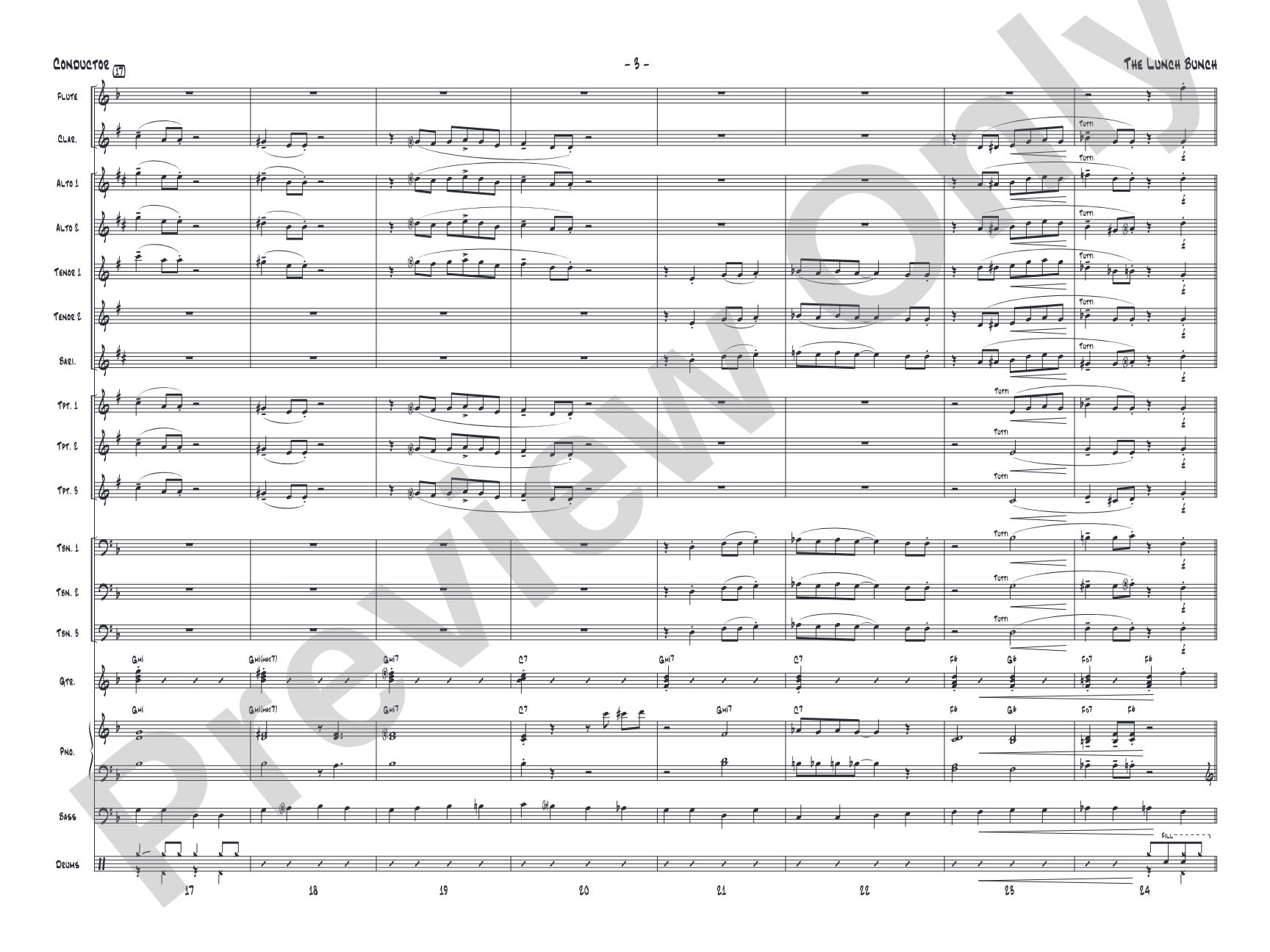
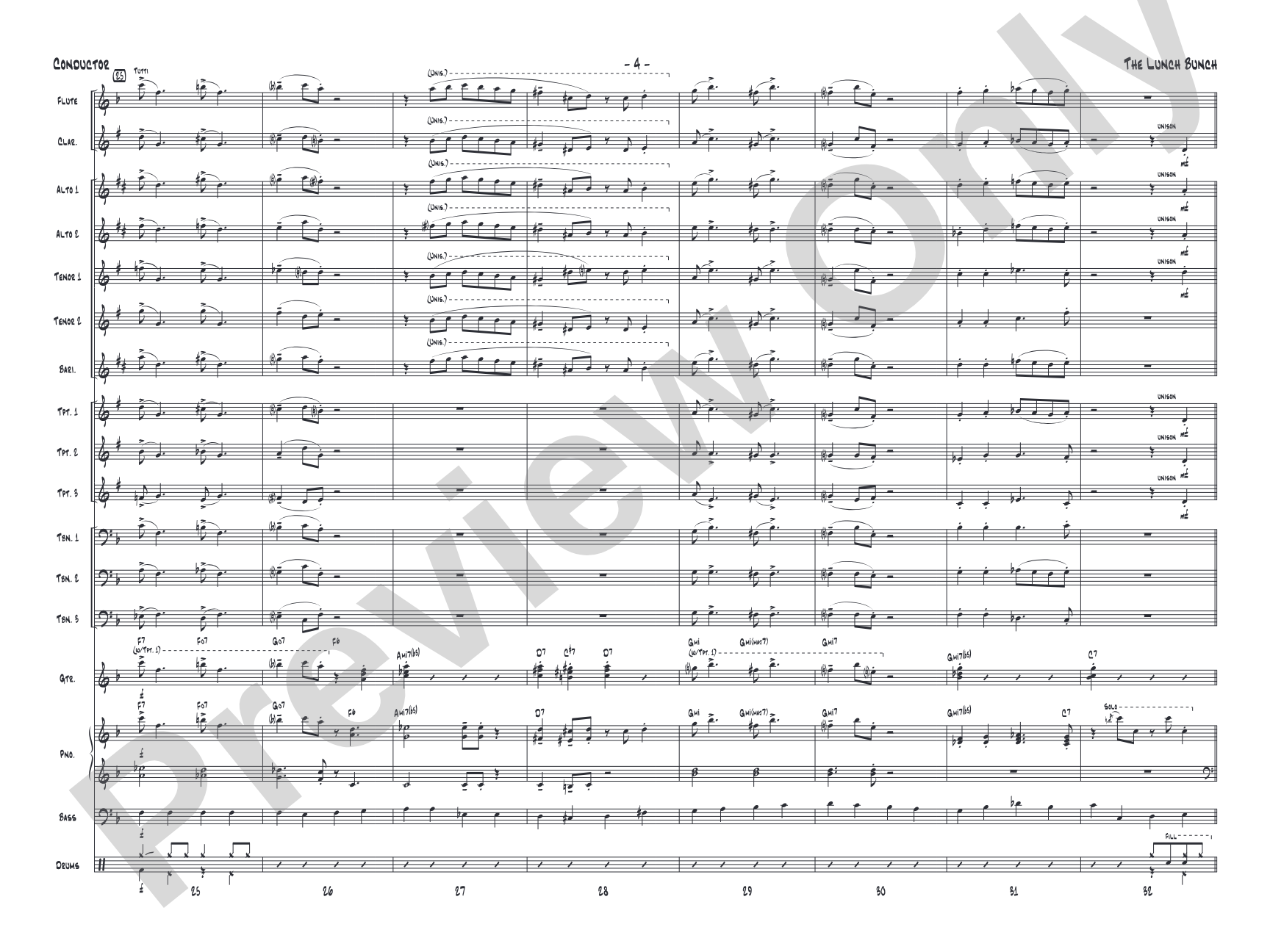
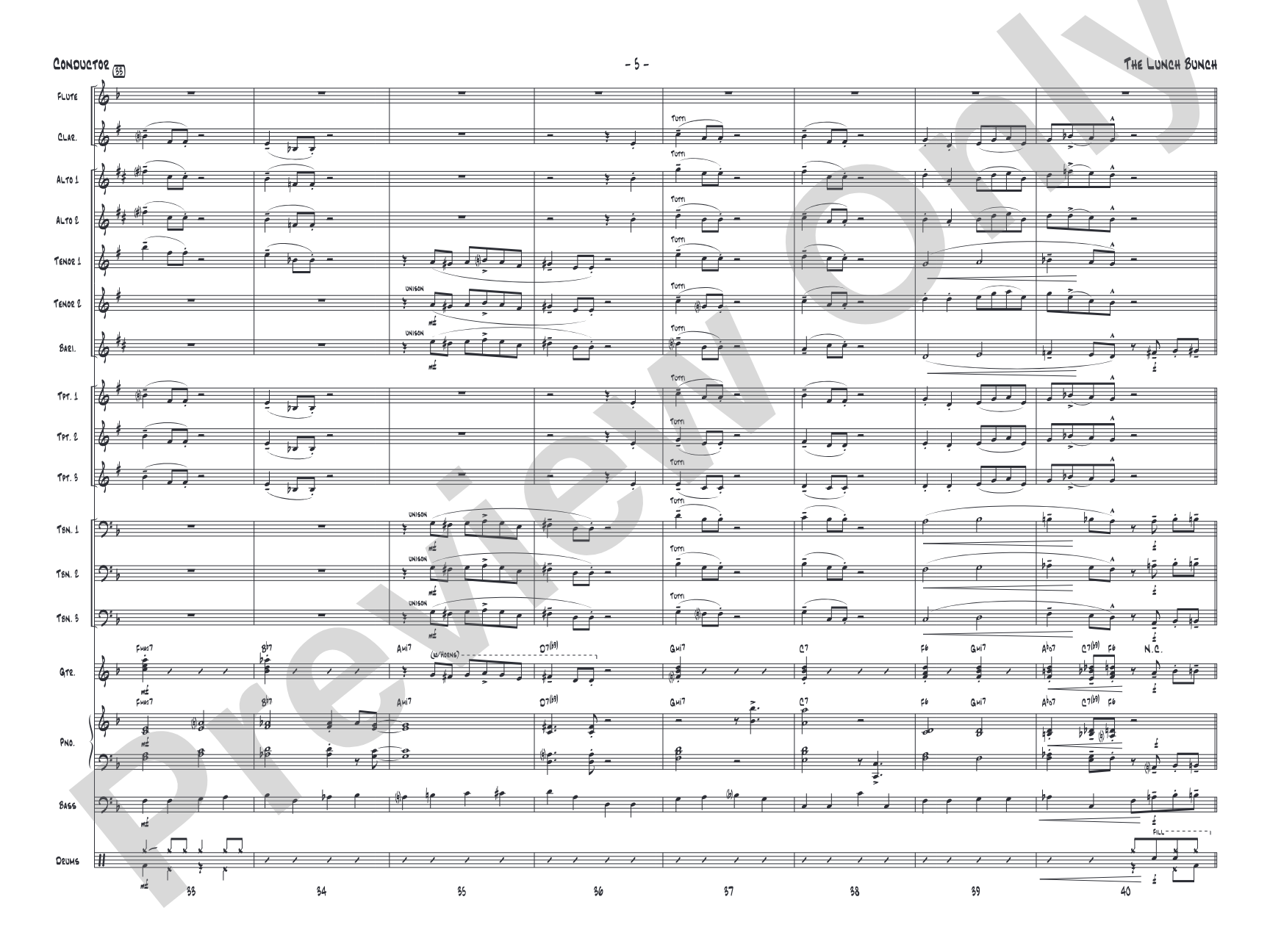
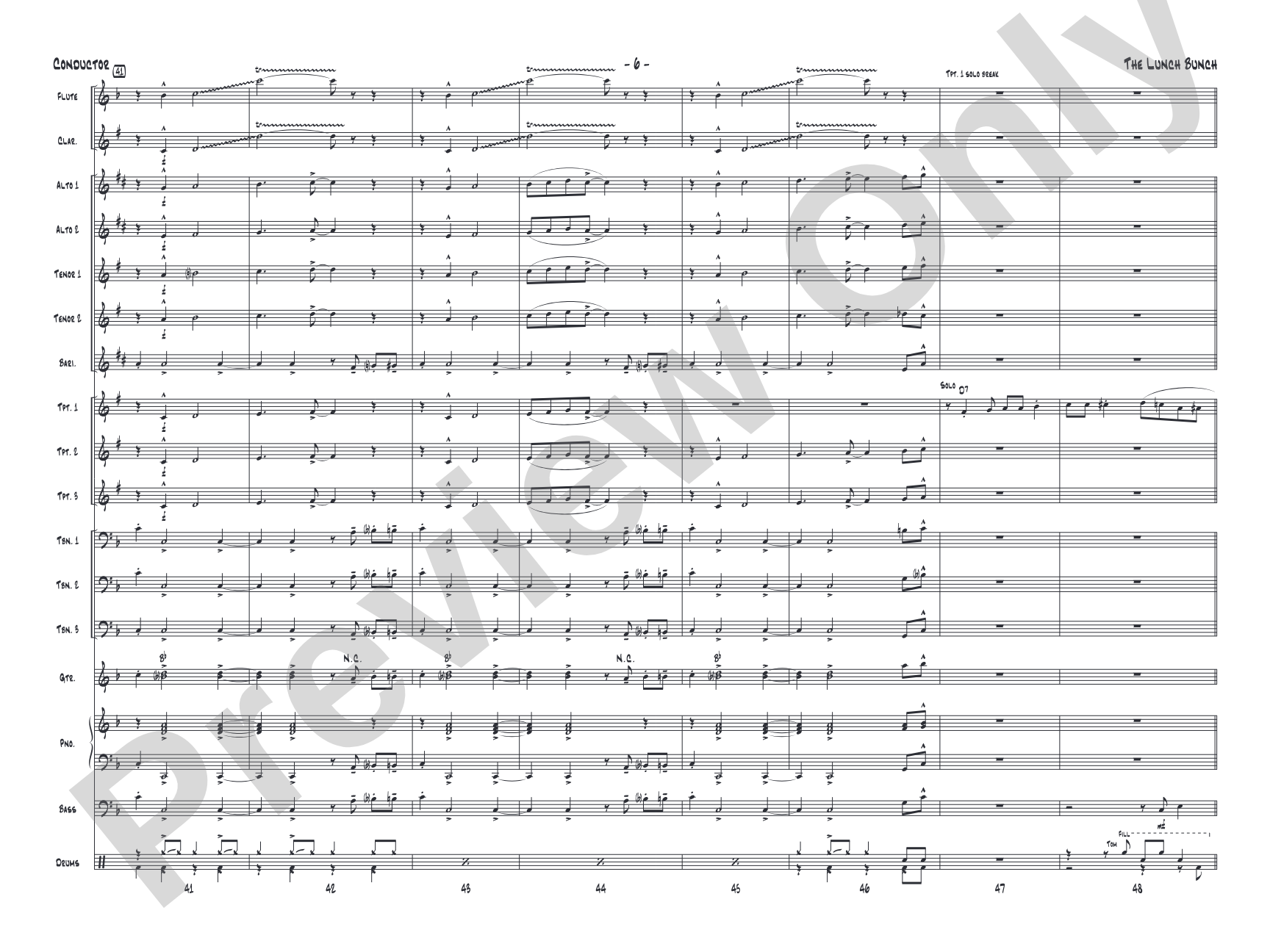
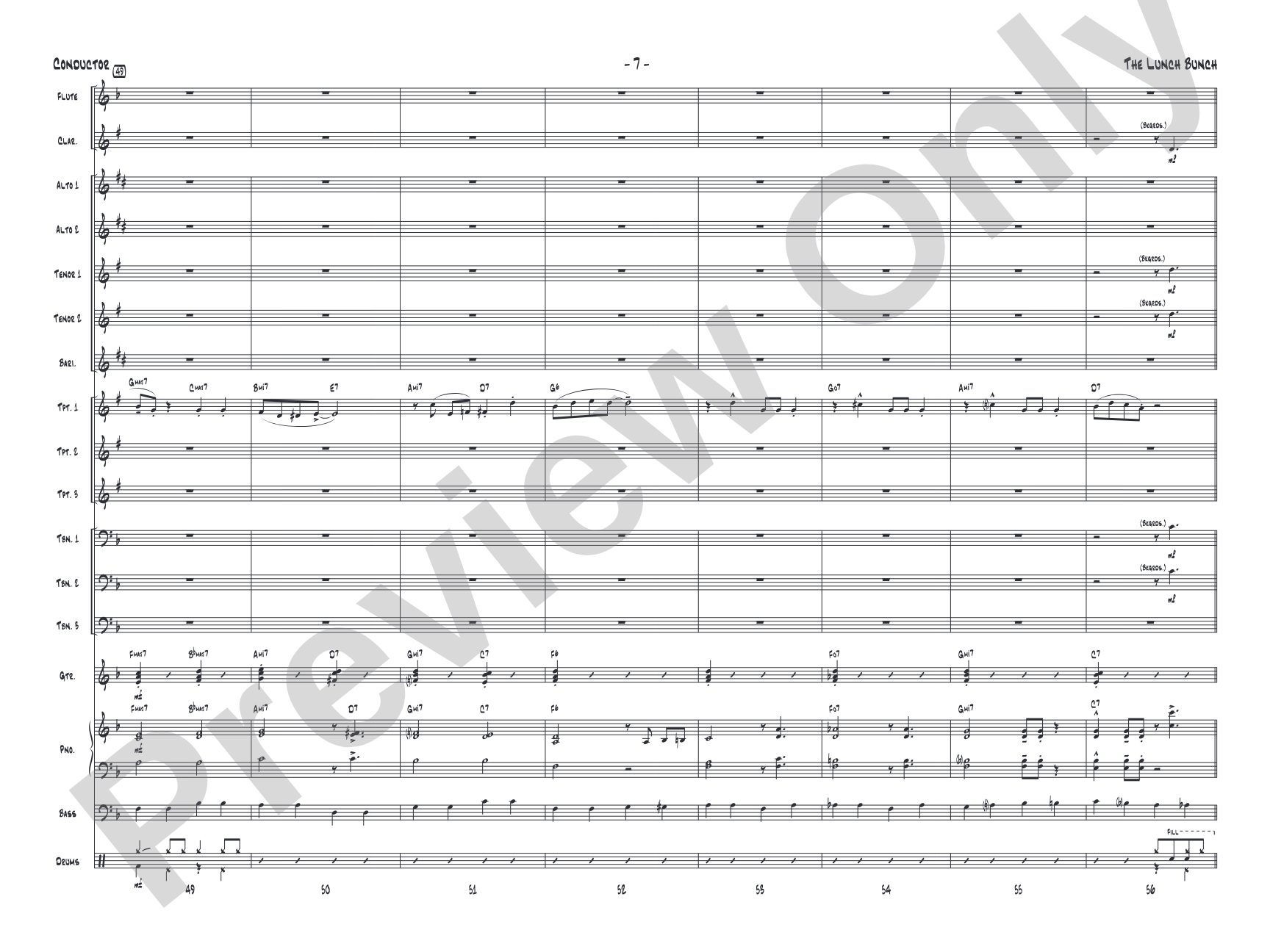
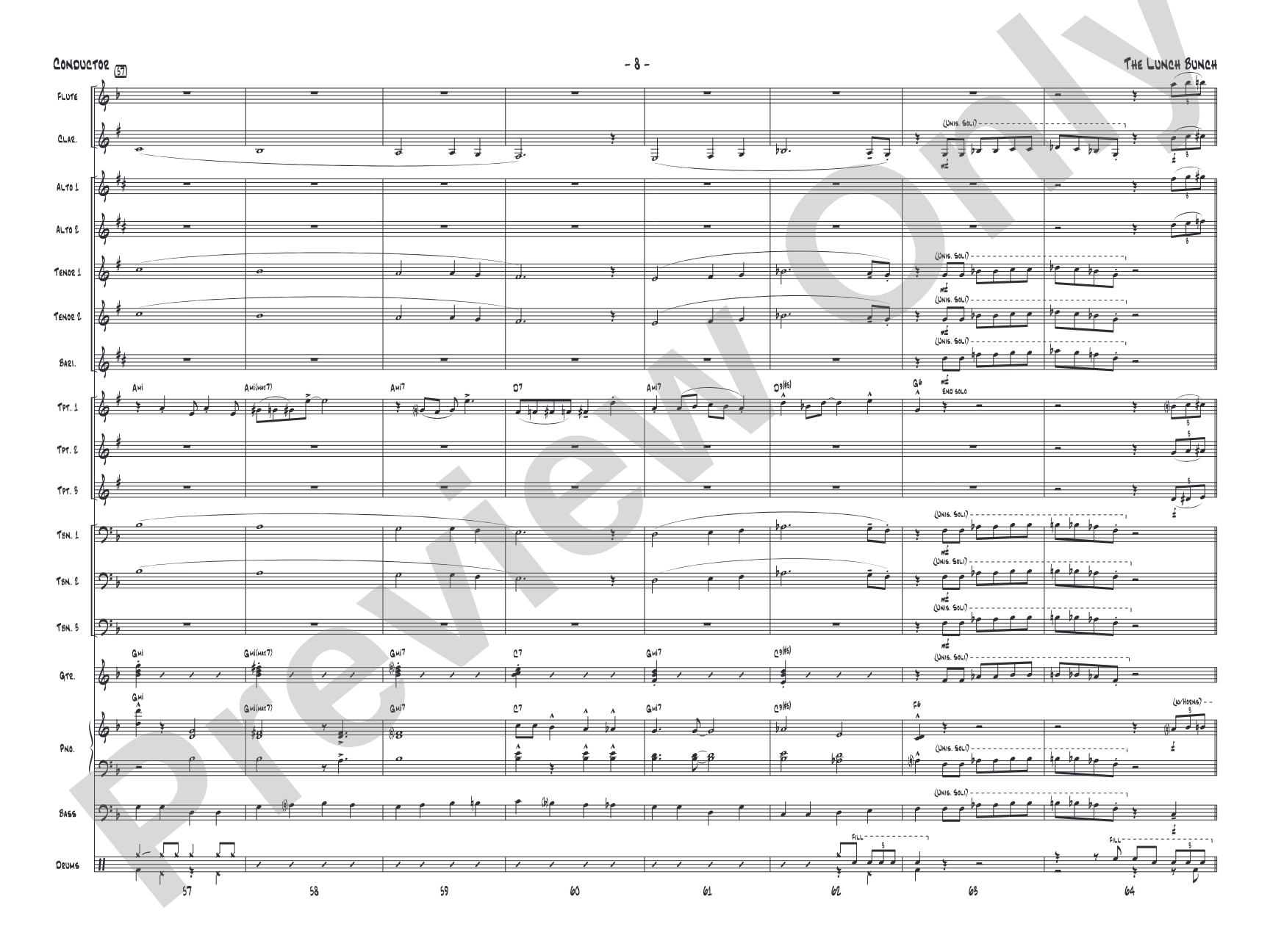
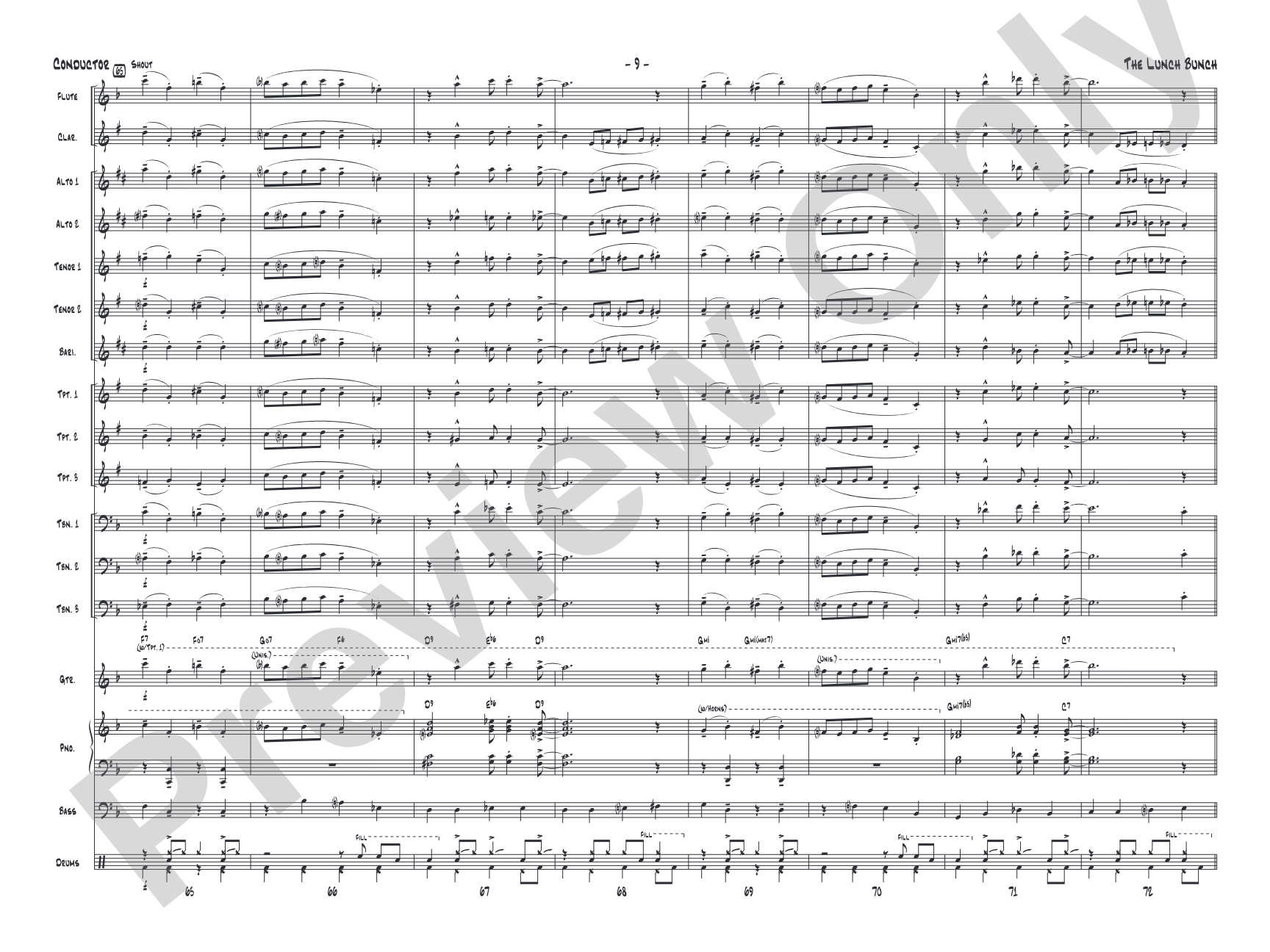
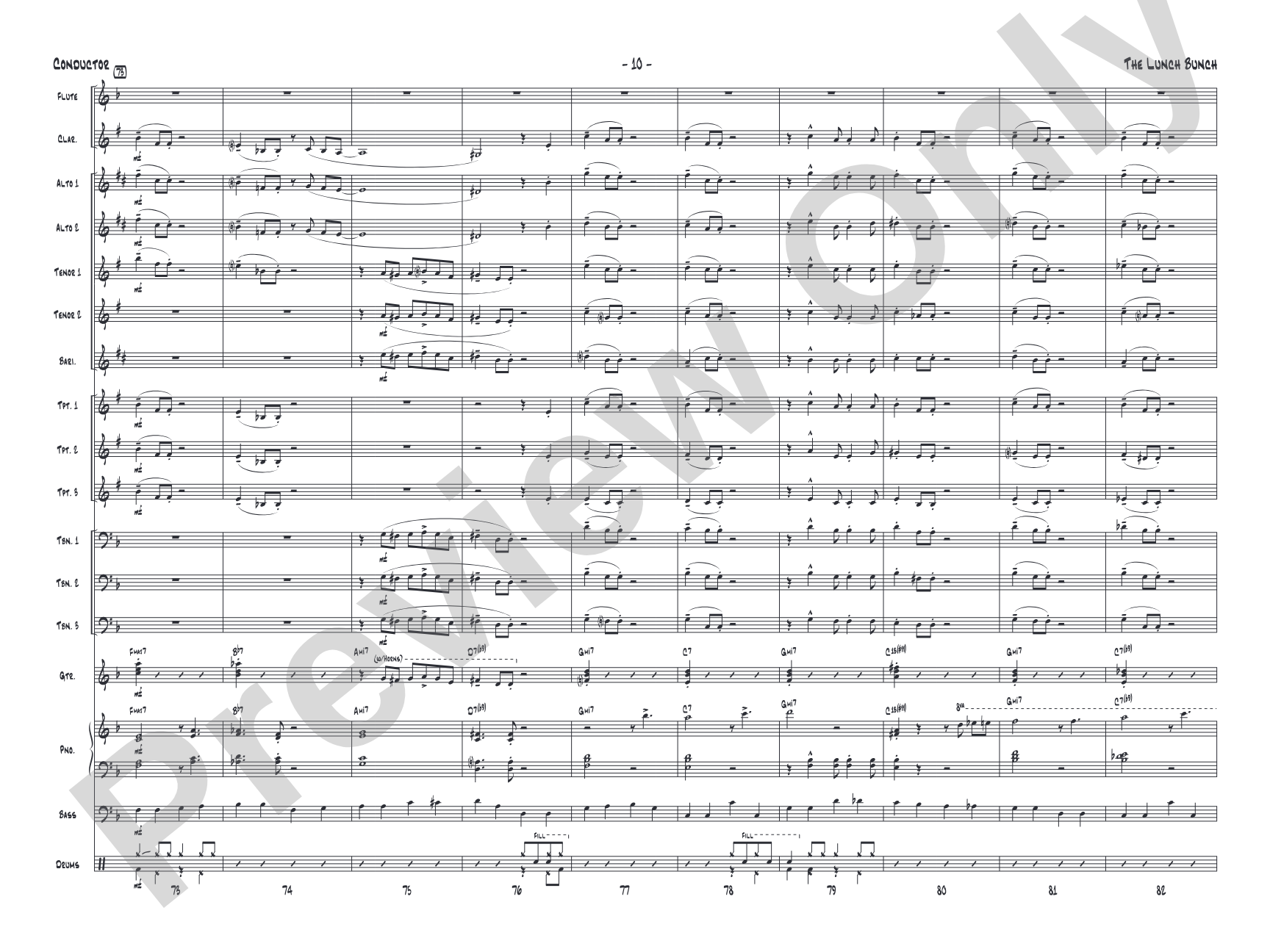
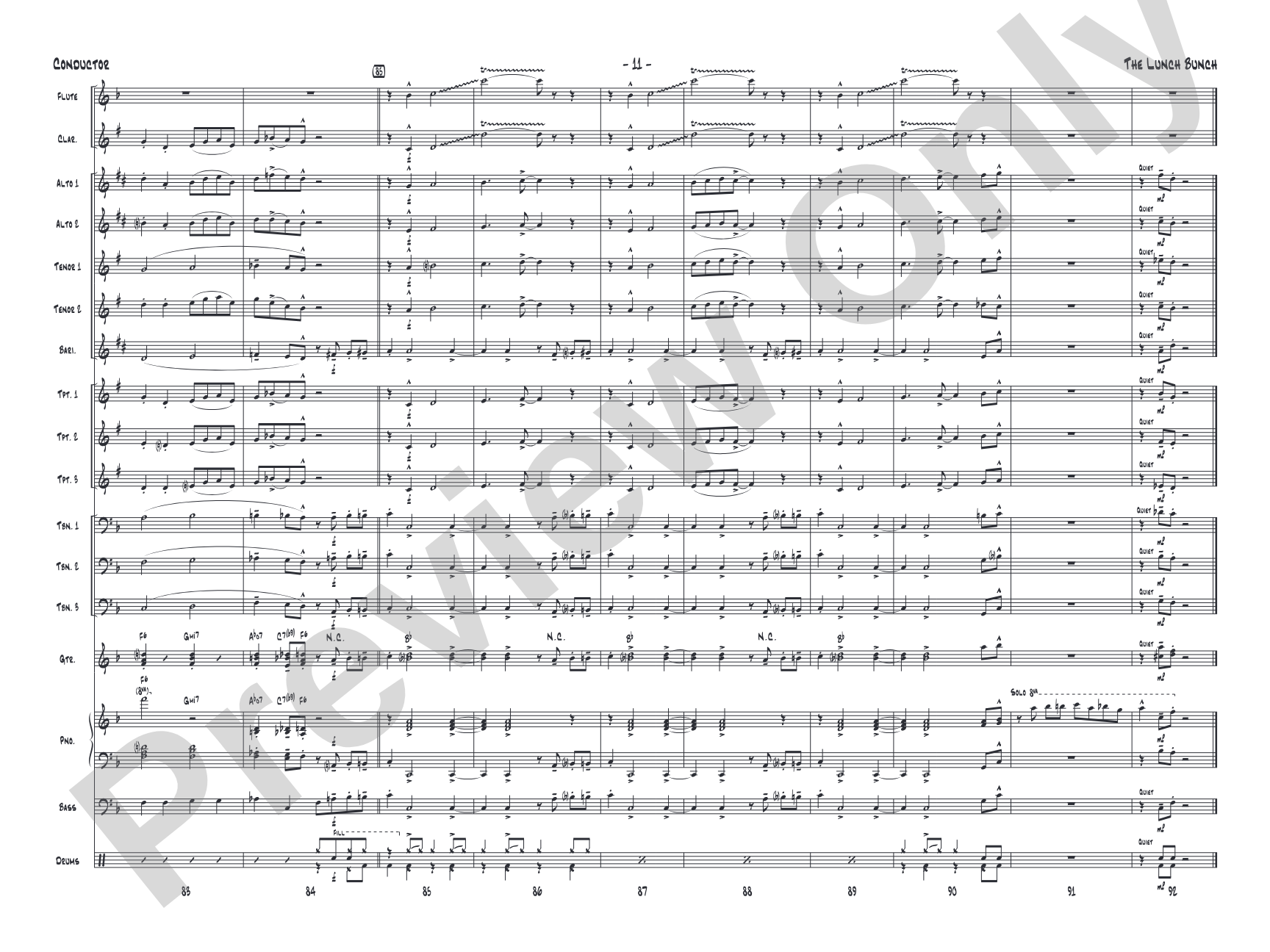
This is the ideal swing chart for the young player; the tempo is 120 BPM, easy brass ranges, a great shout chorus, a catchy melody, and a written-out trumpet 1 solo. Tasty piano fills, well-notated rhythm parts, what's not to like? (3:10)


Don't just read it, hear it, play along with it, and watch your students grow with it. In MakeMusic Cloud, The Lunch Bunch: Jazz Ensemble Conductor Score & Parts comes alive with professional accompaniment, adjustable tempo, and built-in practice tools that turn solo practice into real progress.
Open in the Player
Jump straight in and assign it today.
Start Your Free Trial
Open this title and explore the full library in minutes.
Sample Audio
1
Audio File
--:--
0:00
0:00
Sample Video
Additional Details
Series:
First Year Charts for Jazz Ensemble
Publisher:
Alfred Music
Page Count:
84
SKU:
00-PK-0007445
More about this title
About the Composer: Rich Sigler

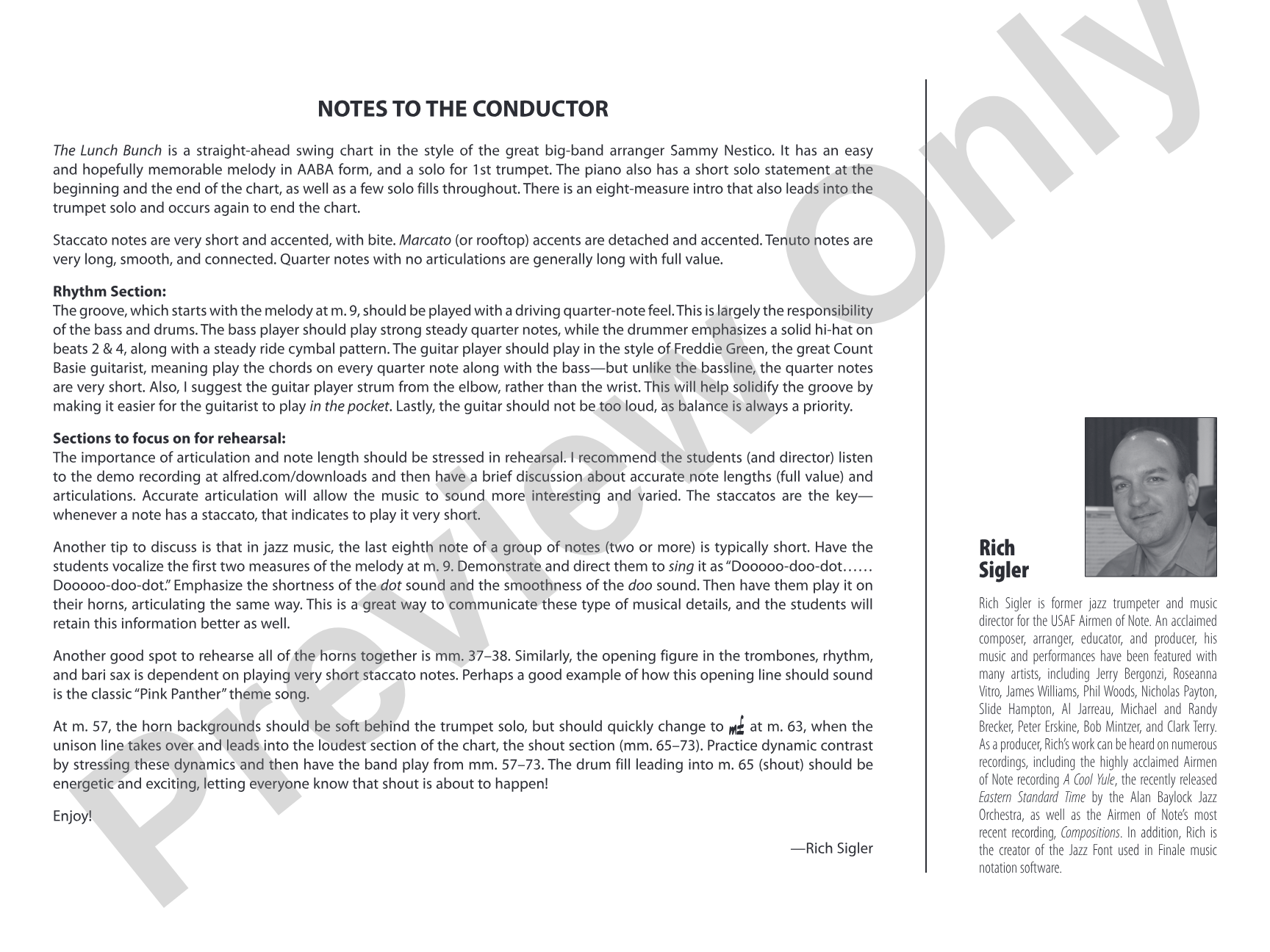
Rich Sigler is a trumpeter, composer, and arranger whose credentials span both the military and civilian jazz worlds. As current music director for the USAF Airmen of Note, he brings the discipline and precision of that ensemble's legacy to his compositions while maintaining the accessibility young players need. His work has appeared on recordings with the Airmen of Note and major jazz orchestras, and he's also the creator of the Jazz Font used in Finale notation software, making him deeply invested in how jazz music is written and read.
Sigler has collaborated with an impressive roster of jazz artists, from saxophonists Phil Woods and Bob Mintzer to vocalists like Al Jarreau and Rosanna Vitro. His experience as both a performing musician and an educator shapes his writing for student ensembles, ensuring that charts are musically satisfying without requiring virtuosic chops.
Why we love this
Sigler understands exactly what young jazz players need to sound good fast. The 120 BPM tempo keeps things grounded, the brass ranges stay comfortable without sacrificing jazz credibility, and the written-out trumpet 1 solo removes the intimidation factor of improvisation while still teaching idiomatic jazz phrasing. The shout chorus and catchy melody mean your students will actually want to play this again.
What to expect
Easygoing and swinging. The groove settles in quickly at 120 BPM, letting students find their jazz legs without strain. There's a playful energy throughout, especially in the tasty piano fills and the catchy melody that sticks with you long after the three-minute performance ends.
Who it's for
Jazz ensemble directors teaching students in their first year of jazz experience. Young players benefit from the approachable tempo and straightforward ranges, while the professional quality of the chart keeps the musical experience legitimate. This works equally well for festival play or classroom performance.
How to get the most out of it
- Lock in the rhythm section pocket early. The well-notated piano fills sit right alongside the bass and drums, so rehearse them as a unit before bringing in the horns.
- Shape the shout chorus for maximum energy. Even at this level, the ensemble needs to feel unified and punchy; mark entrances and cutoffs clearly so dynamics land together.
- Balance the trumpet 1 solo against the rhythm section. Since it's written out, the soloist can focus on tone and phrasing rather than notes; use this freedom to sit them slightly forward in the mix.
- Let the melody breathe on the head. A catchy tune deserves clear articulation and gentle dynamic shape; avoid over-playing or rushing into the groove.
How to use it
Open a jazz concert with this. Its approachable style and bright personality make it an ideal set-opener that establishes a relaxed, confident tone. You can also program it mid-set as a palate cleanser between more challenging charts, giving your ensemble a chance to catch their breath while keeping the audience smiling.
Skills your students will build
- Reading and playing swing rhythms at a comfortable tempo
- Ensemble cohesion in the shout chorus and unison passages
- Listening to and supporting a written-out jazz solo
- Interpreting jazz articulation and phrasing conventions
- Coordinating with a rhythm section in groove-based arrangements