

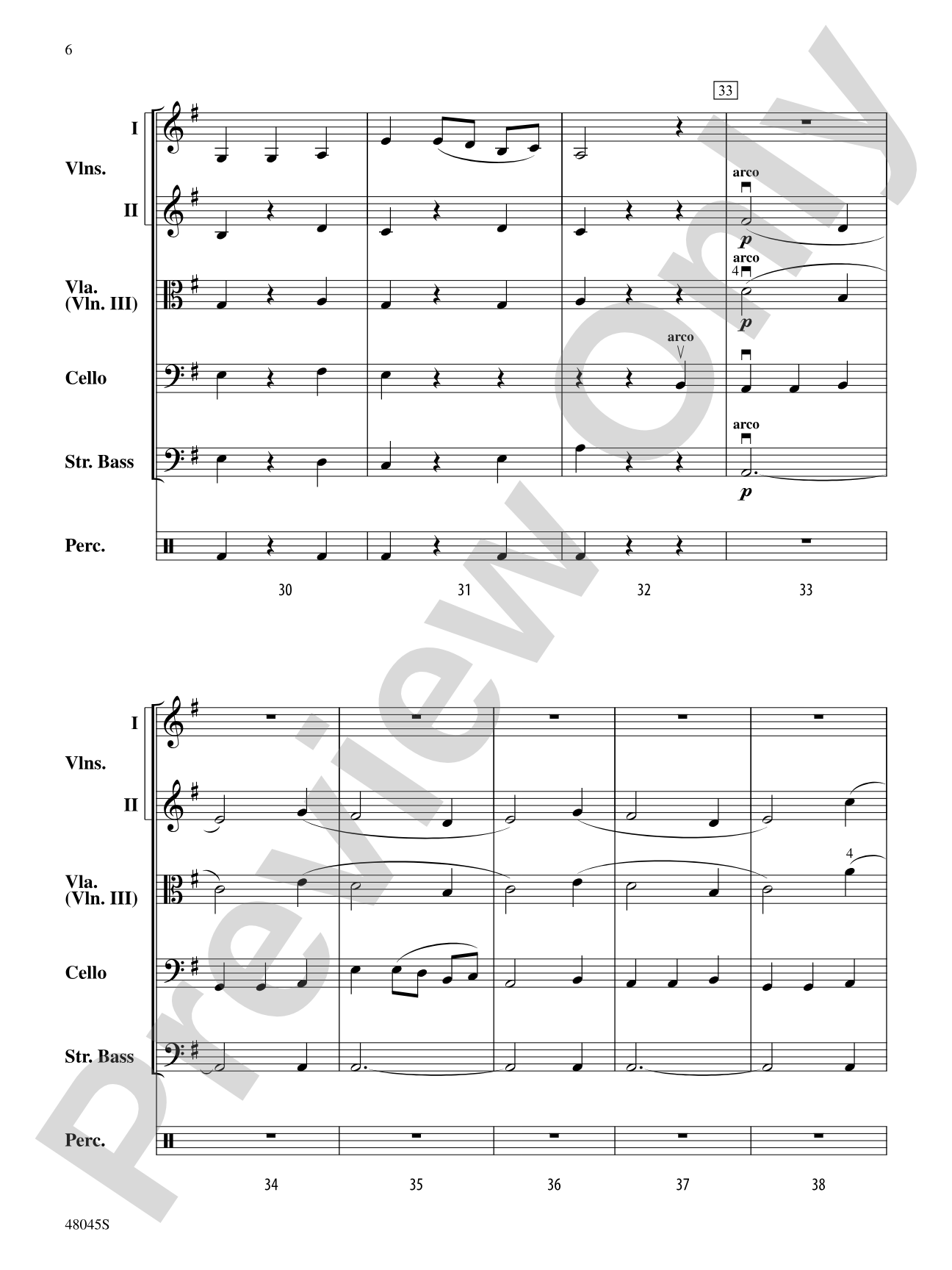
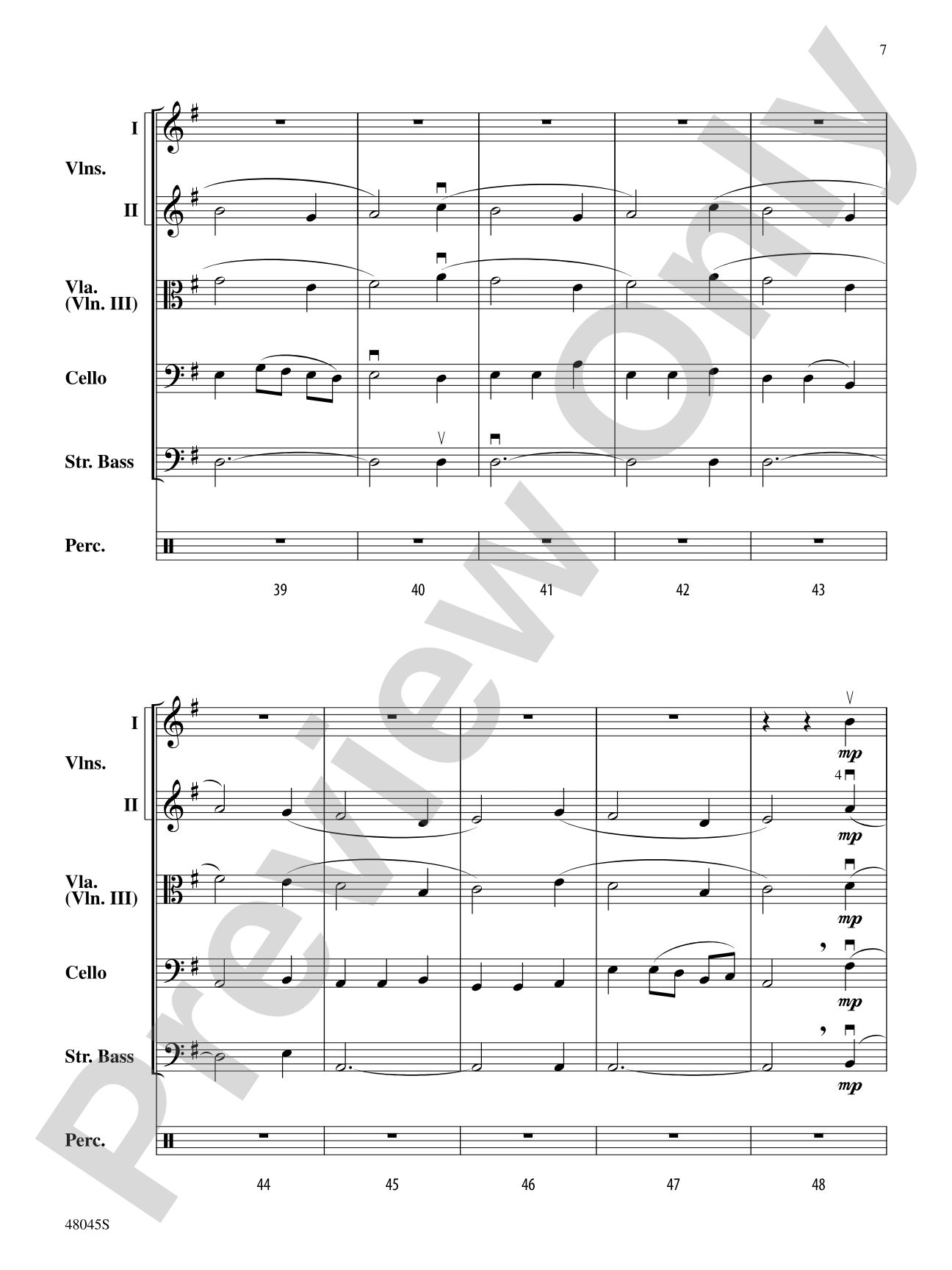
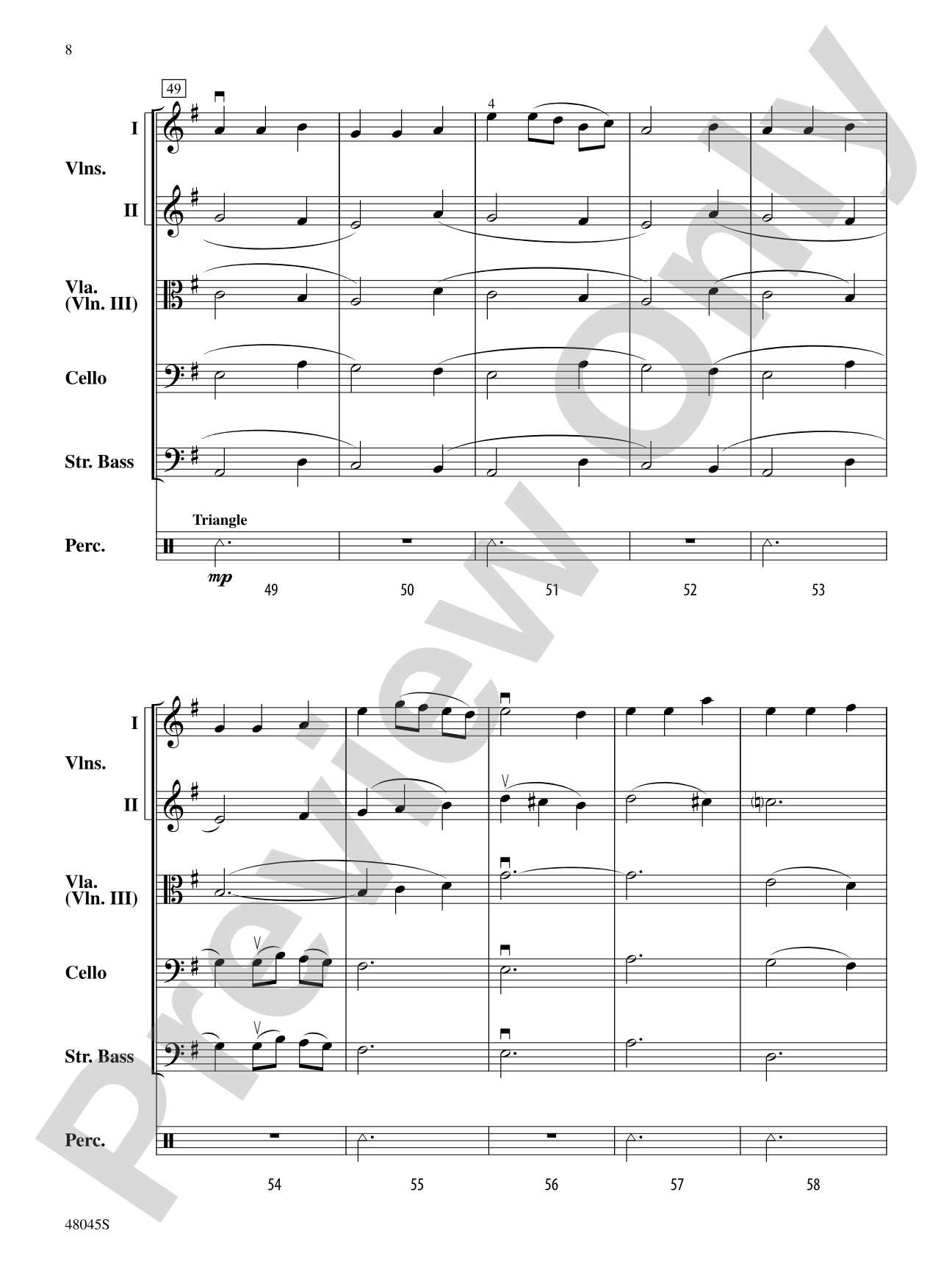
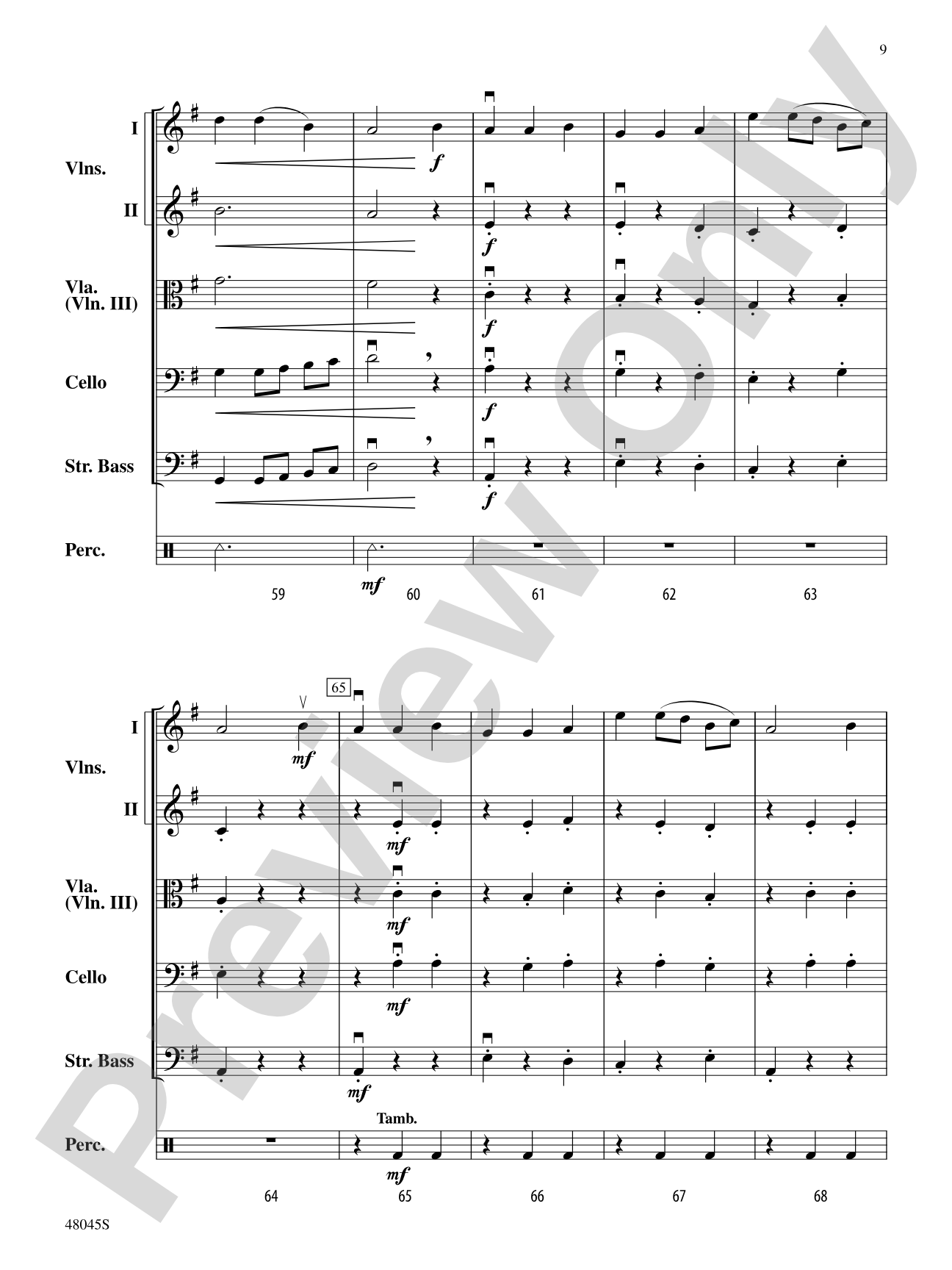
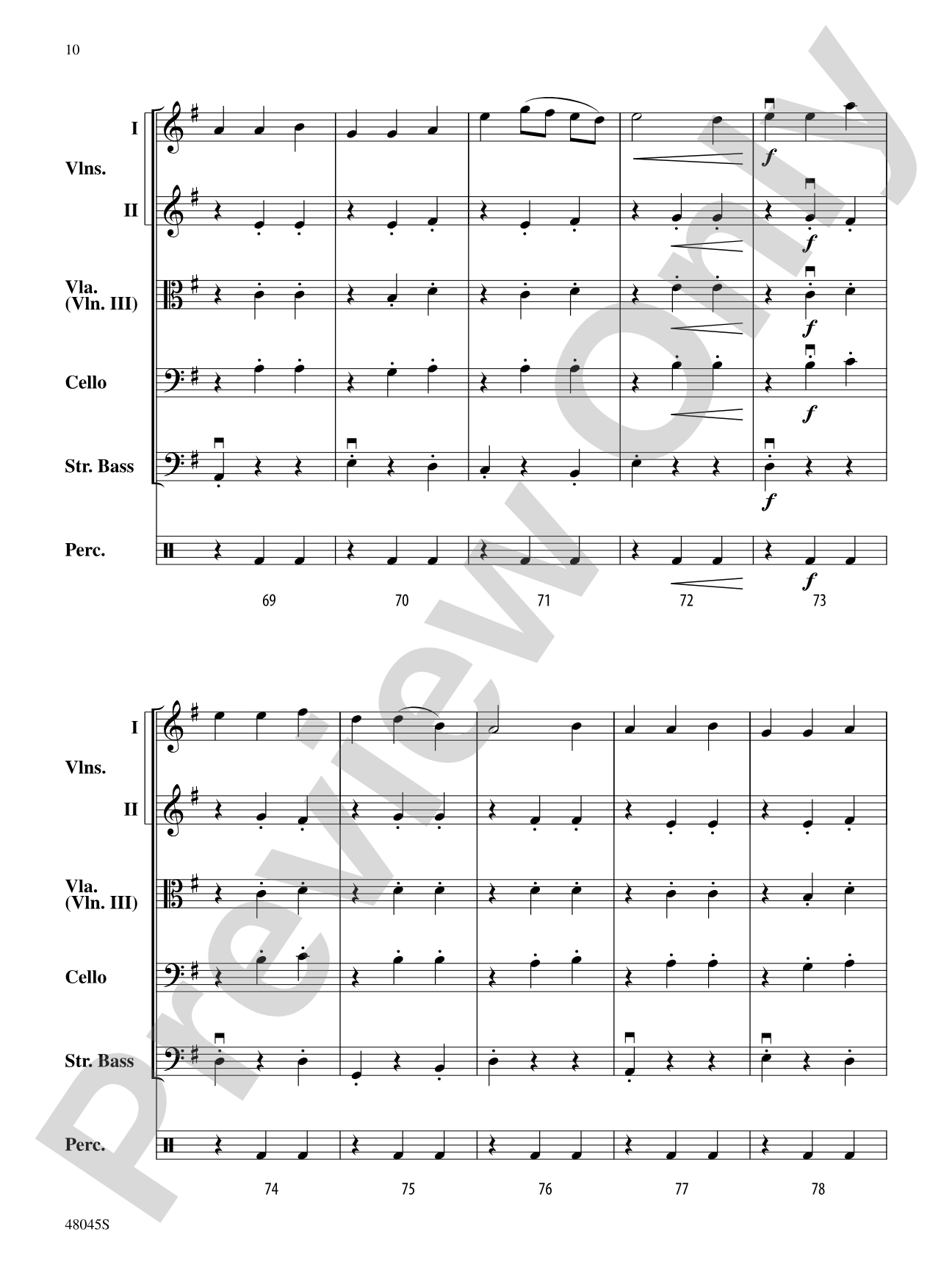
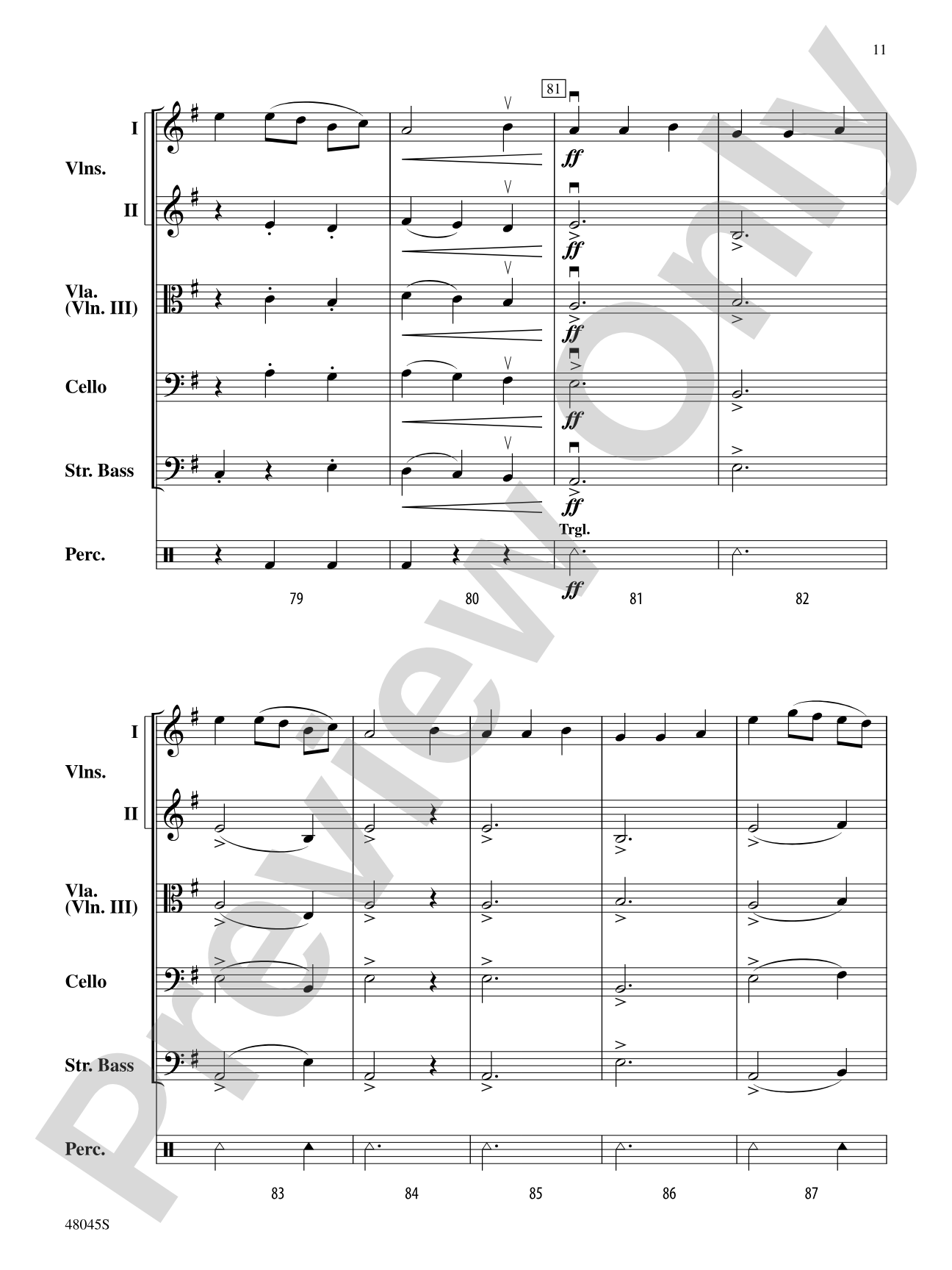
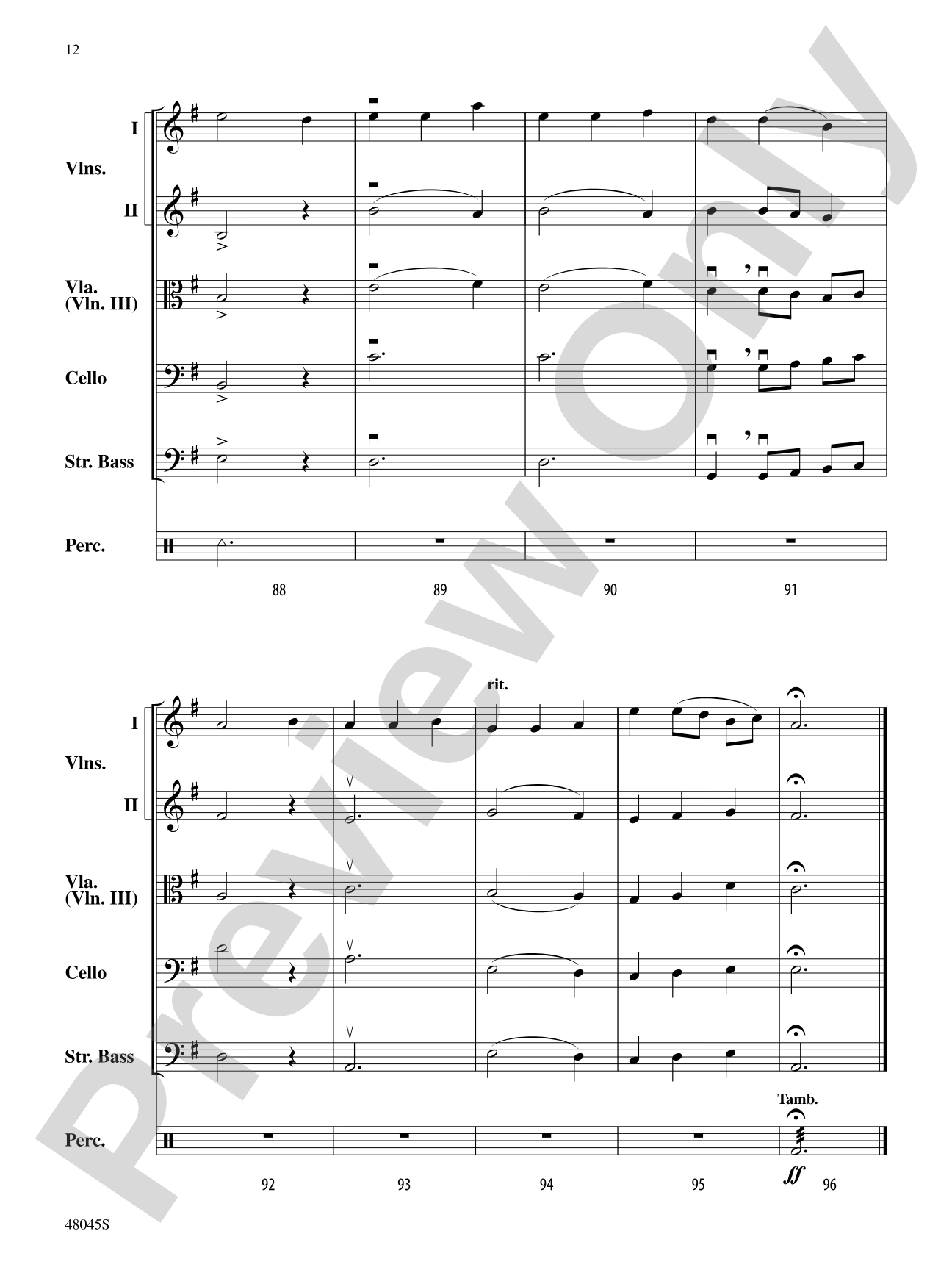

The Lost Lady Found: Score
From Lincolnshire Posy
By Percy Aldridge Grainger / arr. Michael Story
Grade: 2
Item: 00-PR-0006706
$9.00
Pickup currently not available
Description
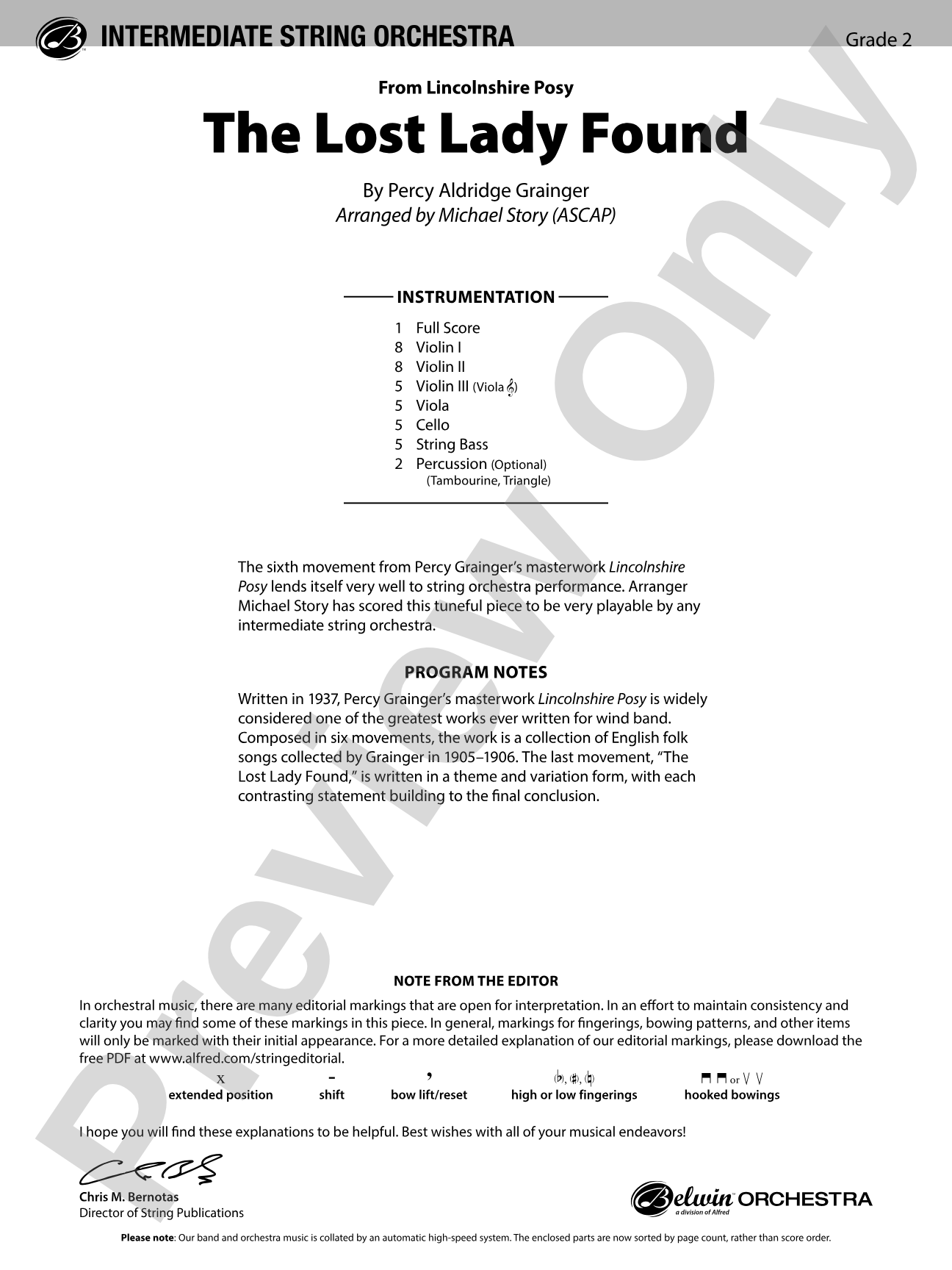
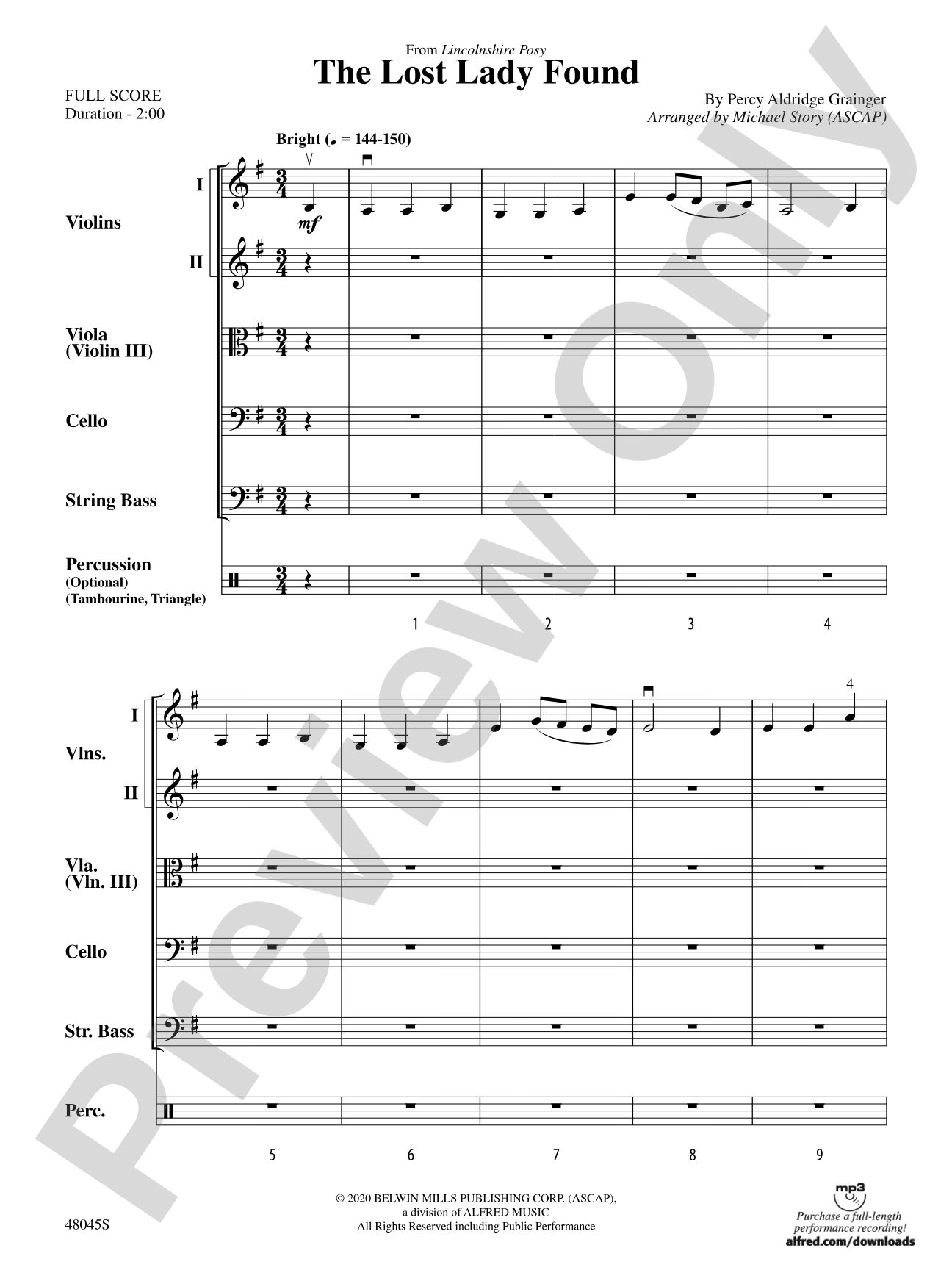
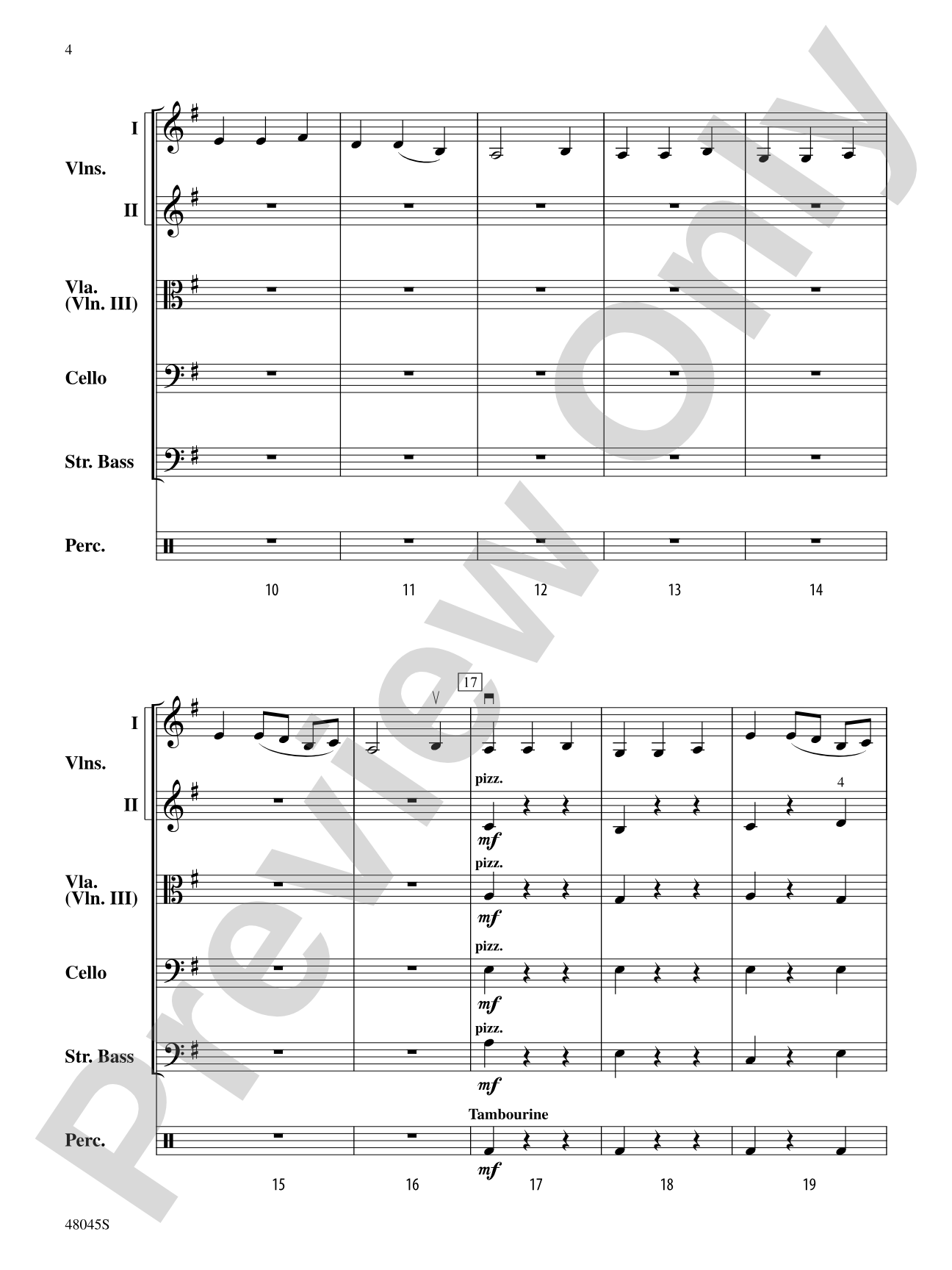
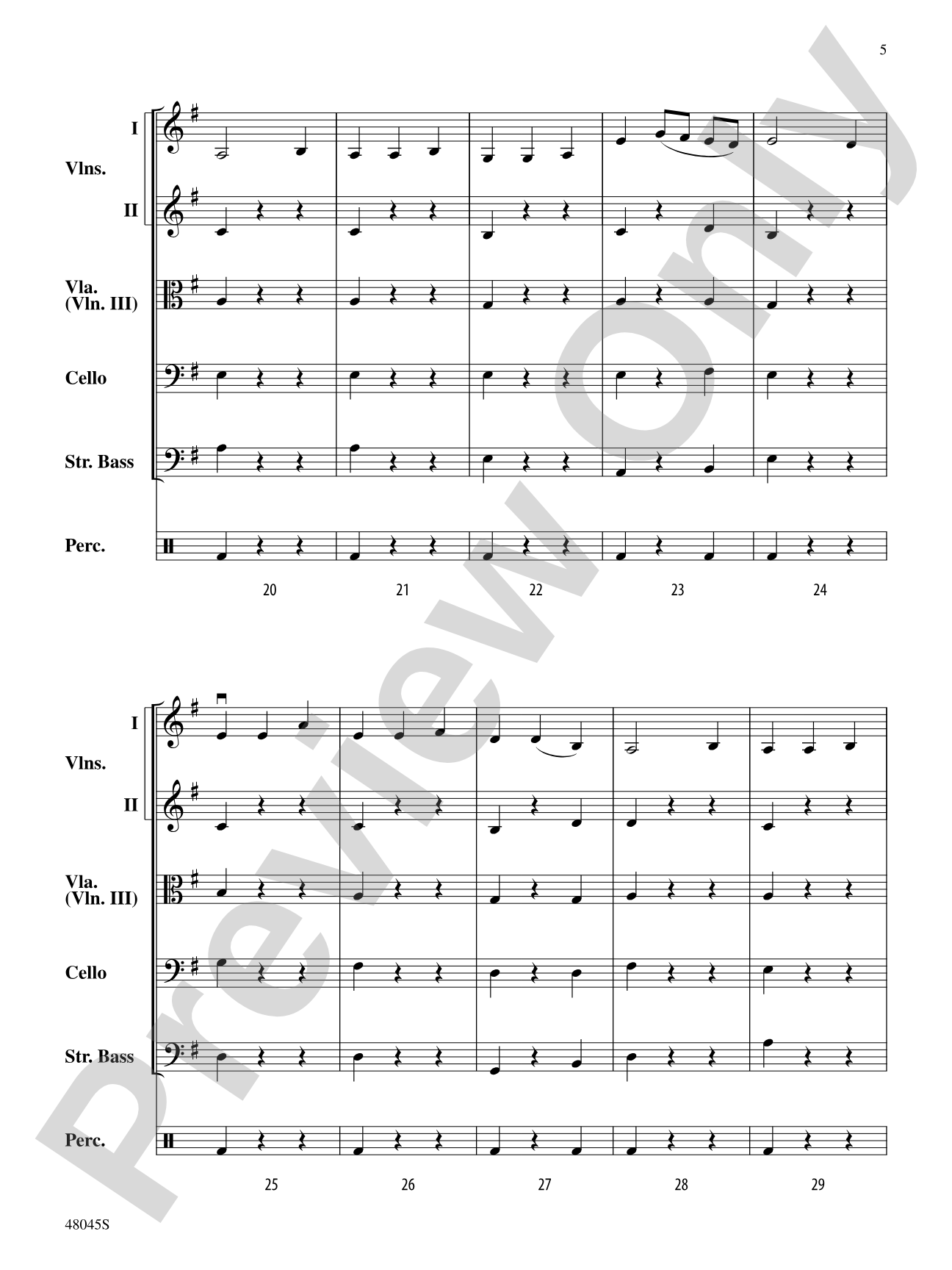
The sixth movement from Percy Grainger's masterwork Lincolnshire Posy lends itself very well to string orchestra performance. Arranger Michael Story has scored this tuneful piece to be very playable by any intermediate string orchestra. (2:00) This title is available in MakeMusic Cloud.


Don't just read it, hear it, play along with it, and watch your students grow with it. In MakeMusic Cloud, The Lost Lady Found: Score comes alive with professional accompaniment, adjustable tempo, and built-in practice tools that turn solo practice into real progress.
Open in the Player
Jump straight in and assign it today.
Start Your Free Trial
Open this title and explore the full library in minutes.
Sample Audio
1
Audio File
--:--
0:00
0:00
Sample Video
Additional Details
Series:
Belwin Intermediate String Orchestra
Publisher:
Alfred Music
Page Count:
148
SKU:
00-PR-0006706
More about this title
About the Composer: Percy Aldridge Grainger
Percy Grainger (1882-1961) was an Australian-born composer, arranger, and pianist whose curiosity about music knew few boundaries. He spent decades collecting folk melodies from across Britain and beyond, then crafted original compositions that honored those traditions while pushing into unexpected harmonic and rhythmic territory. His willingness to transcribe and adapt his own work for different ensembles made his music accessible to performers at all levels, a practice that continues to serve music education today.
Grainger's approach to composition was rooted in genuine love for the music itself rather than pretense or convention. He wrote prolifically across genres and instrumental combinations, always listening for what would serve musicians and audiences alike. This pragmatism, combined with his unmistakable melodic gift, explains why his pieces remain core repertoire in school and community orchestras nearly 70 years after his death.
Why we love this
Michael Story's arrangement opens Grainger's most celebrated suite to string orchestras that lack the full band instrumentation the original demands. The Grade 2 scoring respects both the idiom of the strings and the integrity of Grainger's melody; this isn't a diminished version but a thoughtful redistribution that lets intermediate players experience one of the finest folk-inspired melodies in American music education.
What to expect
The melody arrives with quiet dignity, evoking an English folktale unfolding under evening light. Grainger's harmony is warm and occasionally surprising, never precious, and the piece carries a sense of gentle confidence. There is no dramatics, no stridency; instead, it draws listeners in through sincerity and a tune that lingers after it ends.
Who it's for
String orchestras at the intermediate level that want to perform authentic Grainger without requiring a full wind section. Directors seeking a concert or festival piece that is genuinely musical yet approachable in three rehearsals or fewer will find this a strong choice. Students encounter real compositional craft here, not simplified padding.
How to get the most out of it
- Shape the opening melody with a warm, singing tone even at moderate tempo; Grainger's gift is for long-lined phrasing that carries the folk tune naturally forward.
- Balance the parts so that the tune remains audible across register changes; frequently the melody moves between violin sections or between violins and violas, and clarity here matters more than absolute dynamic control.
- Honor the 2:00 duration by resisting the urge to slow down; Grainger's pacing is deliberate, and the piece breathes best when you trust his time signature and articulation choices.
- Listen for moments where accompaniment figuration can lighten; Grainger often asks for underscore rather than cushion, especially in the lower strings, so avoid weight where transparency serves the tune.
How to use it
Program this as a centerpiece in a concert celebrating folk traditions or British compositional heritage, pairing it with contrasting modern arrangements or original works. It also serves as an excellent festival selection for intermediate groups seeking a musicianly piece that improves string tone and ensemble balance without extreme technical demands.
Skills your students will build
- Singing tone production across all string registers
- Sustaining phrase shapes across melodic line transfers between sections
- Balance between melody and harmonic accompaniment
- Reading multiple articulation styles within a single piece
- Maintaining ensemble tuning during slower harmonic progressions