The Longest Night (A Service of Hope And Healing) Sheet Music Preview

The Longest Night (A Service of Hope And Healing): SATB Choral Octavo

By Joseph M. Martin

Item: 35-DS01743725

Digital Download
$6.95
Description

The Longest Night (A Service of Hope And Healing): SATB Choral Octavo isn't in MakeMusic Cloud just yet...but it could be. Let us know you'd like to see it, and you'll help shape what comes next. In the meantime, start a free trial and dive into thousands of interactive titles your students can play along with today.

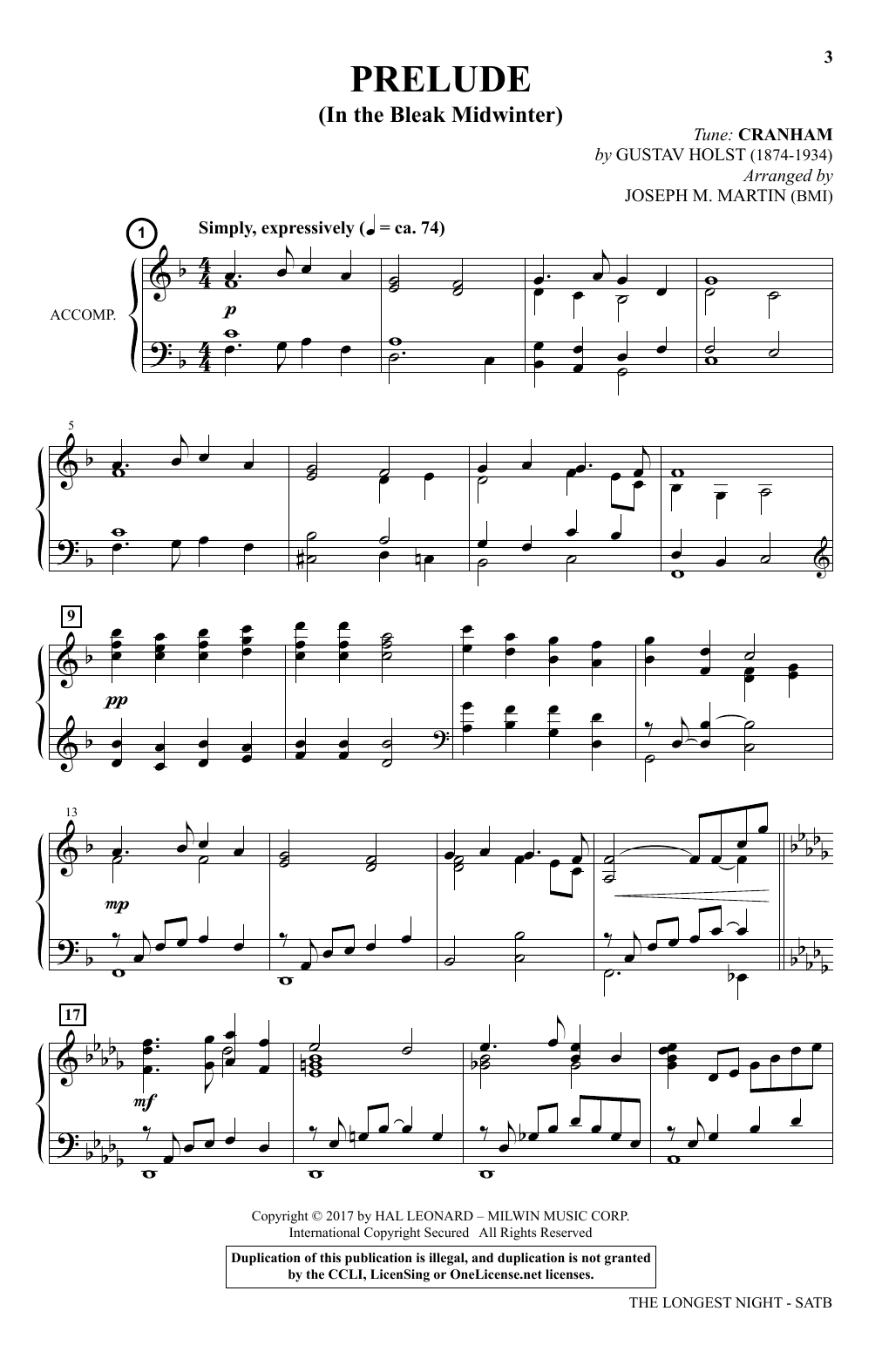
Sample Audio
No sample audio found.
Sample Video
Additional Details
Publisher: Hal Leonard
Page Count: 55
SKU: 35-DS01743725

More about this title

About the Composer: Joseph M. Martin

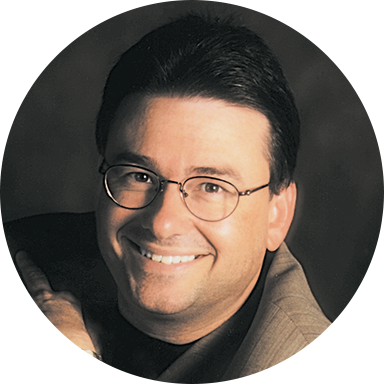
Joseph M. Martin

Joseph M. Martin studied piano performance at Furman University and earned his master's degree from the University of Texas at Austin, where he later taught in the Piano Pedagogy Department for five years. A accomplished solo recitalist and symphonic collaborator, he won the Nina Plant Wideman Competition and has performed across the United States and Mexico, including at Carnegie Hall and venues throughout North America.

Martin's compositional output spans sacred and secular works performed in concert halls, broadcast venues, and worship spaces from coast to coast. Based in Austin, Texas, he balances an active performance schedule with a prolific career as a composer and arranger, continuing to deepen his musical voice across a wide range of styles and settings.

Why we love this

Martin crafts this service with genuine theological depth while remaining accessible to volunteer choirs and smaller worship programs. The 55-page scope allows flexibility in how you present it, whether as a complete liturgical experience or by selecting individual movements for your context. His gift for blending reflective moments with expressive choral writing creates a service that genuinely moves congregations through contemplation rather than sentiment.

What to expect

The music moves between moments of profound quietness and fuller, more affirming passages, mirroring the emotional honesty of confronting darkness while holding onto hope. Harmonically warm and accessible, the work never feels simplistic; there's real musical substance beneath the directness of expression. The overall arc is contemplative and ultimately restorative, allowing congregations to sit with difficult truths before reaching toward light.

Who it's for

This service suits choirs with a mix of experienced and developing singers, particularly those serving congregations during Advent or during times when your community needs to gather for healing and reflection. Directors seeking a complete, theologically coherent choral service that doesn't demand a large ensemble will find the writing manageable and emotionally compelling.

How to get the most out of it

  • Balance the organ or piano accompaniment against the vocal lines; the harmonic language is rich enough that instrumental support can easily overshadow choir texture at softer dynamics.
  • Pay attention to the arc across movements. Pacing between sections matters as much as pacing within them; resist the impulse to rush through transitions.
  • Encourage singers to find the theological heart of each text passage. The emotional authenticity comes from singers who understand what they are communicating about hope and healing.
  • Use divisi sections strategically to expand the harmonic palette without adding singers; this allows smaller ensembles to achieve fuller voicing where the score calls for it.

How to use it

Consider programming this as a complete service for an Advent or Christmas Eve worship service, allowing it to shape the entire musical and spiritual experience. Alternatively, extract individual movements for standalone anthem performances throughout the season, or pair longer sections with other seasonal repertoire to create a thematic program around themes of hope and healing. The scope and flexibility make it workable whether you perform it in one sitting or over multiple services.

Skills your students will build

  • Singing expressive, legit phrasing in sacred music with clear text projection
  • Navigating harmonic language that uses modal and extended chords without traditional functional harmony
  • Managing sustained dynamic control, particularly in softer passages requiring vulnerability
  • Ensemble blend in divisi passages where individual voice parts carry distinct lines
  • Understanding liturgical structure and how musical moments support theological meaning

You May Also Like