

The Light In The Piazza: Choral Instrumental Pak
By Adam Guettel / Arranged by John Purifoy
Item: 35-PK00027944
$30.00
Pickup currently not available
Buy Extra Parts (Digital PDF Download)
Parts Added to Cart!
Description
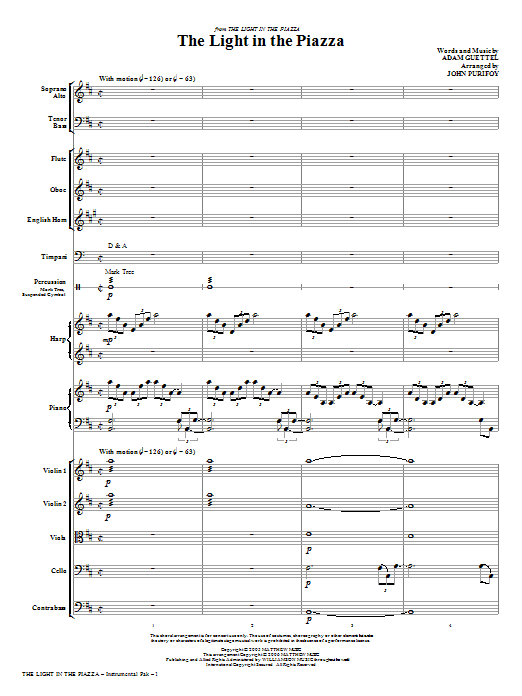
In addition to being Richard Rodgers' grandson, Adam Guettel is a gifted composer in his own right! This title song from his Tony Award-winning musical creates a magical aura of love and destiny. Instrumental ePak includes score and parts for Flute, Oboe, English Horn, Harp, Percussion, Timpani, Violin 1, 2, Viola, Cello and Contrabass. Performance Time: Approx. 3:00


The Light In The Piazza: Choral Instrumental Pak isn't in MakeMusic Cloud just yet...but it could be. Let us know you'd like to see it, and you'll help shape what comes next. In the meantime, start a free trial and dive into thousands of interactive titles your students can play along with today.
Request This Title
Tell us you want it.
Start Your Free Trial
Explore everything that's ready to play right now.
Sample Audio
No sample audio found.
Sample Video
No sample videos found.
Additional Details
Publisher:
Hal Leonard
SKU:
35-PK00027944
More about this title
About the Composer: Adam Guettel
Adam Guettel represents a new generation of musical theater composers who blend sophisticated harmonic language with emotional directness. As the grandson of Richard Rodgers, he inherited a legacy of melodic craftsmanship, yet his work pushes far beyond that foundation into complex orchestration and modernist sensibilities. His Tony Award-winning score for The Light in the Piazza demonstrates his gift for creating moments of breathtaking lyricism alongside intricate ensemble writing.
Guettel's compositions for both stage and concert settings reveal a composer deeply invested in craft and emotional authenticity. His willingness to challenge performers and audiences alike has established him as one of the most important voices in contemporary musical theater, influencing how young composers approach both melody and structural innovation.
Why we love this
The title song from Guettel's masterwork translates beautifully to the concert hall, offering chamber choirs access to a modern classic that captures genuine theatrical magic without requiring a full production. John Purifoy's orchestration for this instrumental ensemble reveals the sophistication beneath the song's lyrical surface; the interplay between the strings, winds, and harp creates layers of color that reward careful listening and attentive ensemble work.
What to expect
A moment suspended in time where love and destiny feel tangible. The piece unfolds with lush orchestral color, moving between passages of tender vulnerability and sweeping emotional generosity. Guettel's harmonic language creates an impression of timelessness while remaining thoroughly modern, evoking both romantic possibility and bittersweet awareness.
Who it's for
Concert choirs seeking sophisticated instrumental arrangements that bridge Broadway and concert music. Ensembles with capable string and woodwind sections who want to program contemporary works alongside traditional repertoire. Music directors interested in introducing students to Guettel's distinctive compositional voice.
How to get the most out of it
- Balance the sustained harp tones against the melodic line rather than letting them fade into background texture; this instrumental version emphasizes the orchestral color that defines the original score.
- Shape the piece with the kind of dynamic control you would bring to a vocal line. The three-minute arc needs a clear emotional trajectory from opening mystery to full expression of the piece's central theme.
- Attend closely to the doublings between woodwinds and strings; clarity here prevents muddiness and allows Guettel's harmonic language to register fully with your audience.
- Invest in the recorded accompaniment if available to understand Guettel's original orchestral conception and the proper character and tempo relationships between instrumental families.
How to use it
Pair this with other contemporary concert works to demonstrate how Broadway composers have shaped modern musical language. Its three-minute length makes it ideal as a concert opener that immediately establishes artistic sophistication. Programming it alongside traditional art song or instrumental chamber works creates compelling dialogue between generations of songwriting craft.
Skills your students will build
- Playing with sustained, singing tone across an entire phrase
- Balancing ensemble texture when multiple instrumental colors overlap
- Responding to subtle harmonic shifts and understanding voice leading in modern compositions
- Coordinating tempo and expression with other instrumental sections to maintain musical coherence
- Interpreting Broadway-influenced compositional language that blends conventional and contemporary harmonic structures