

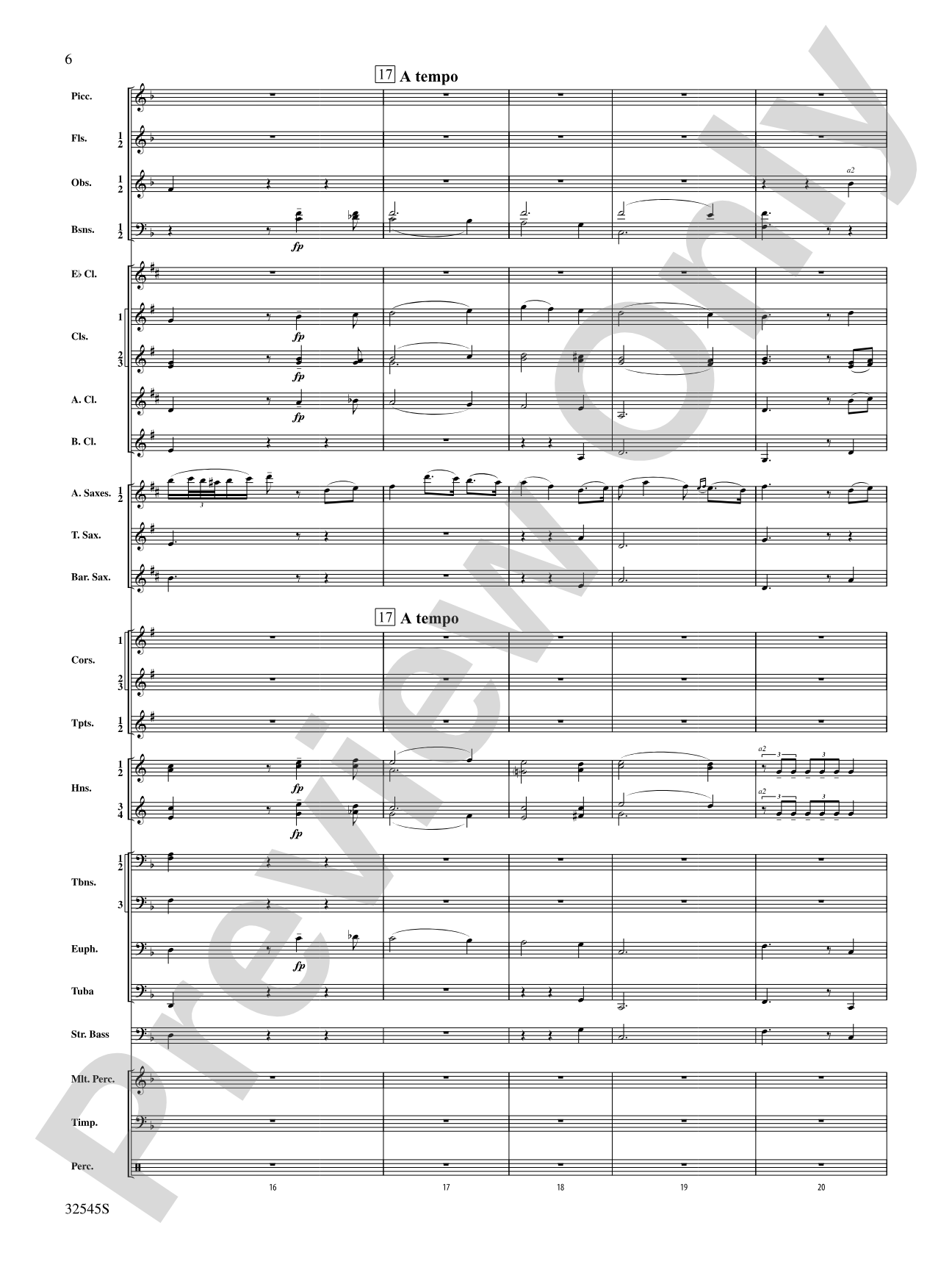
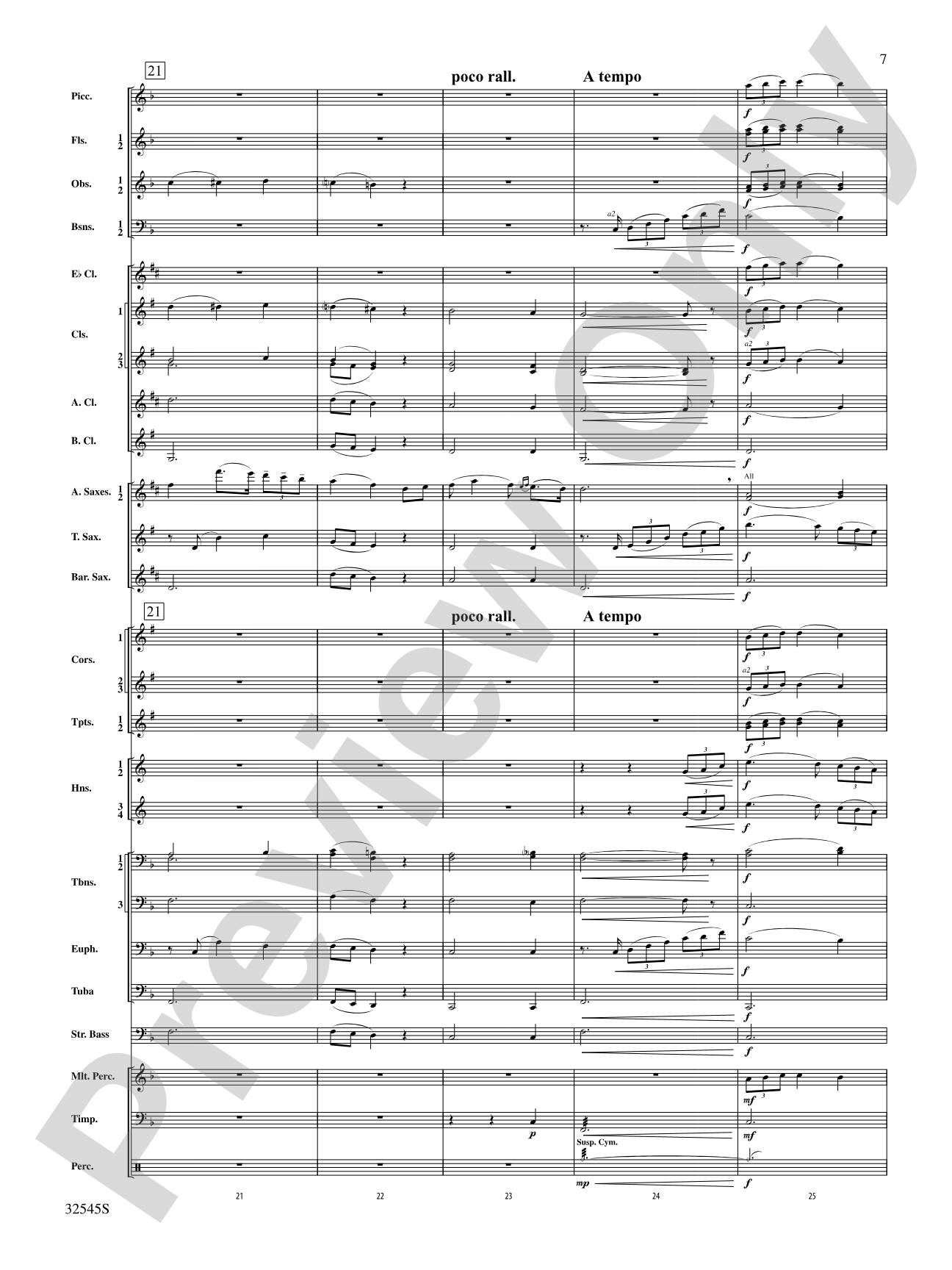
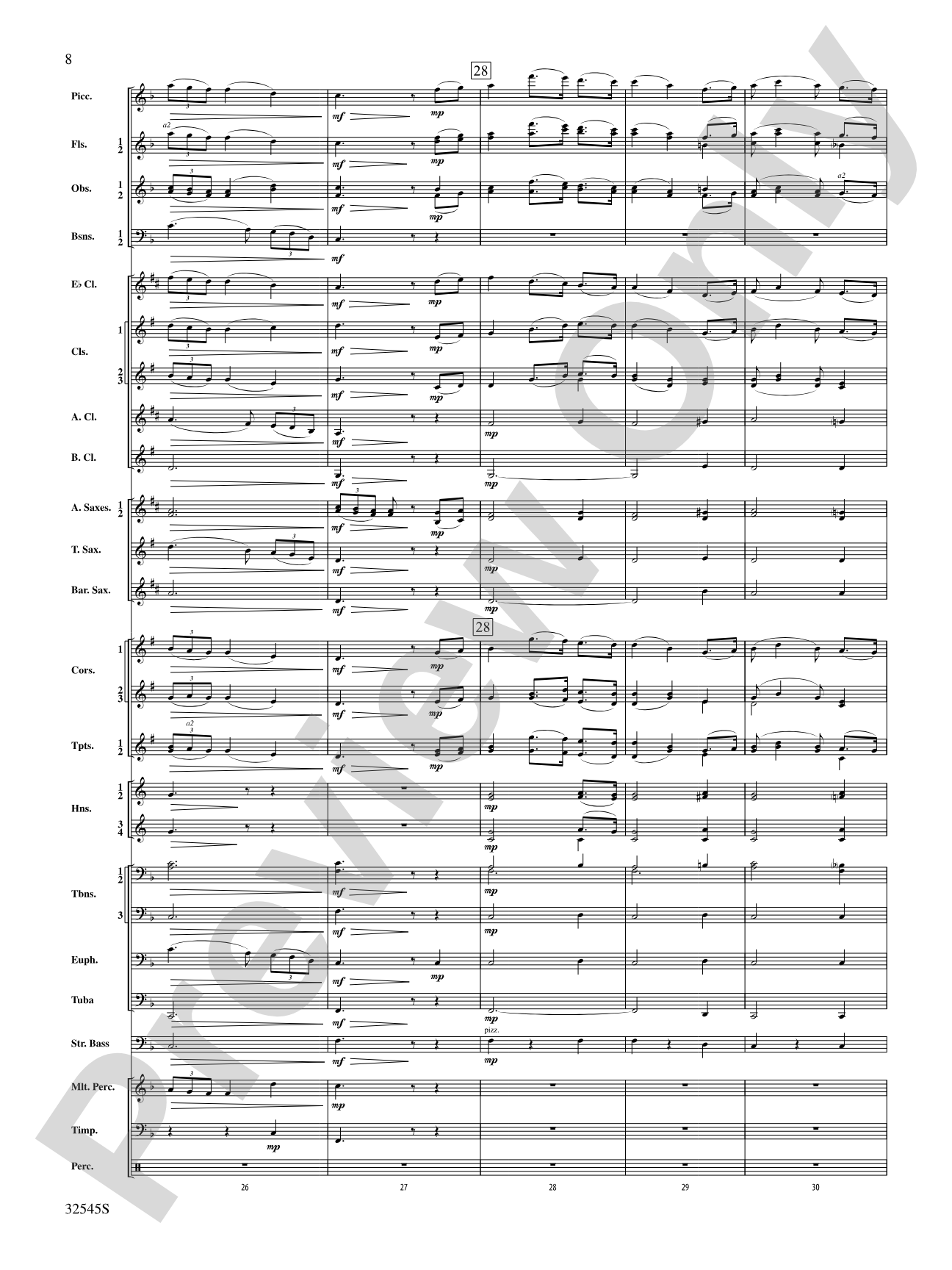
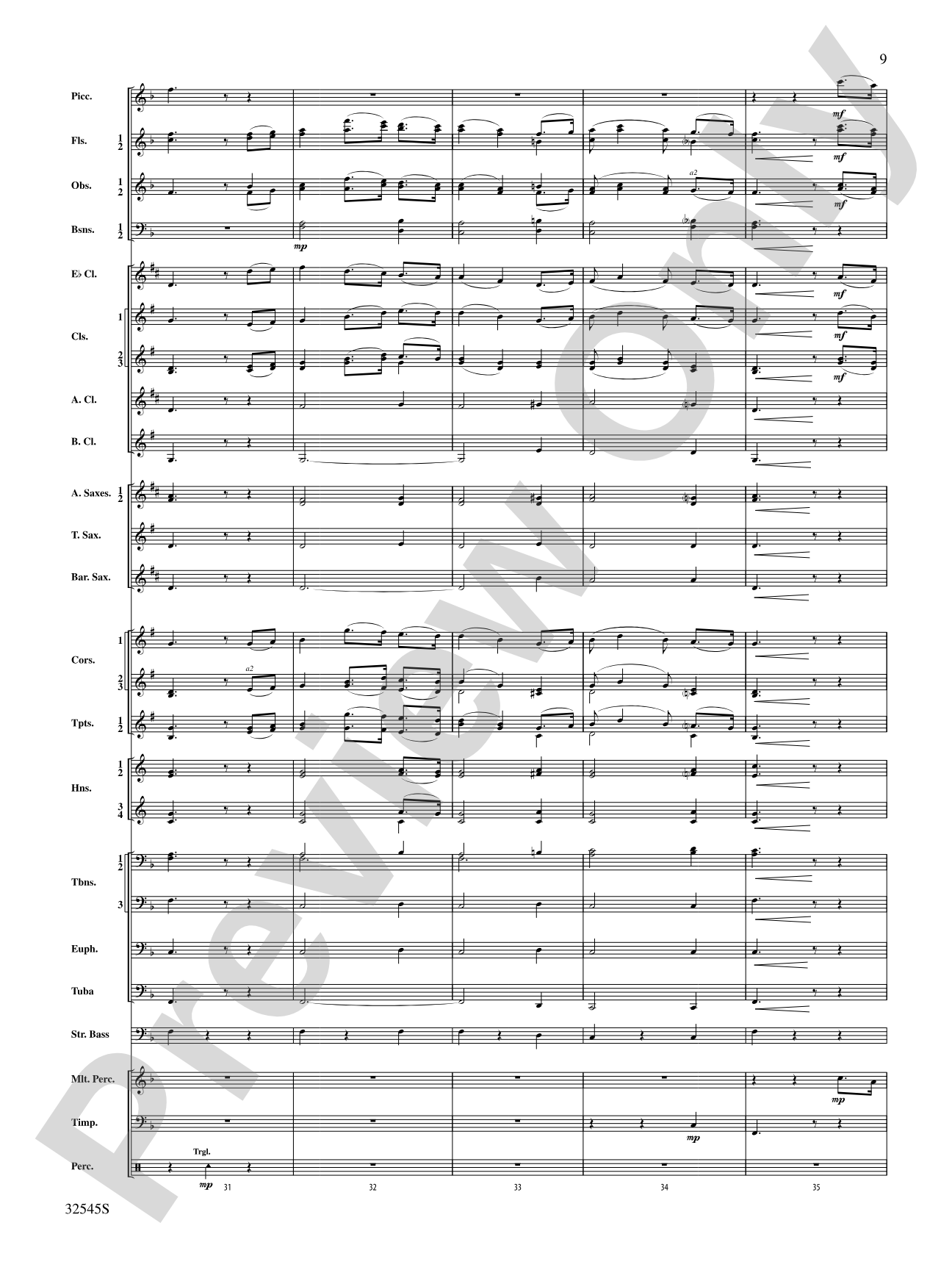
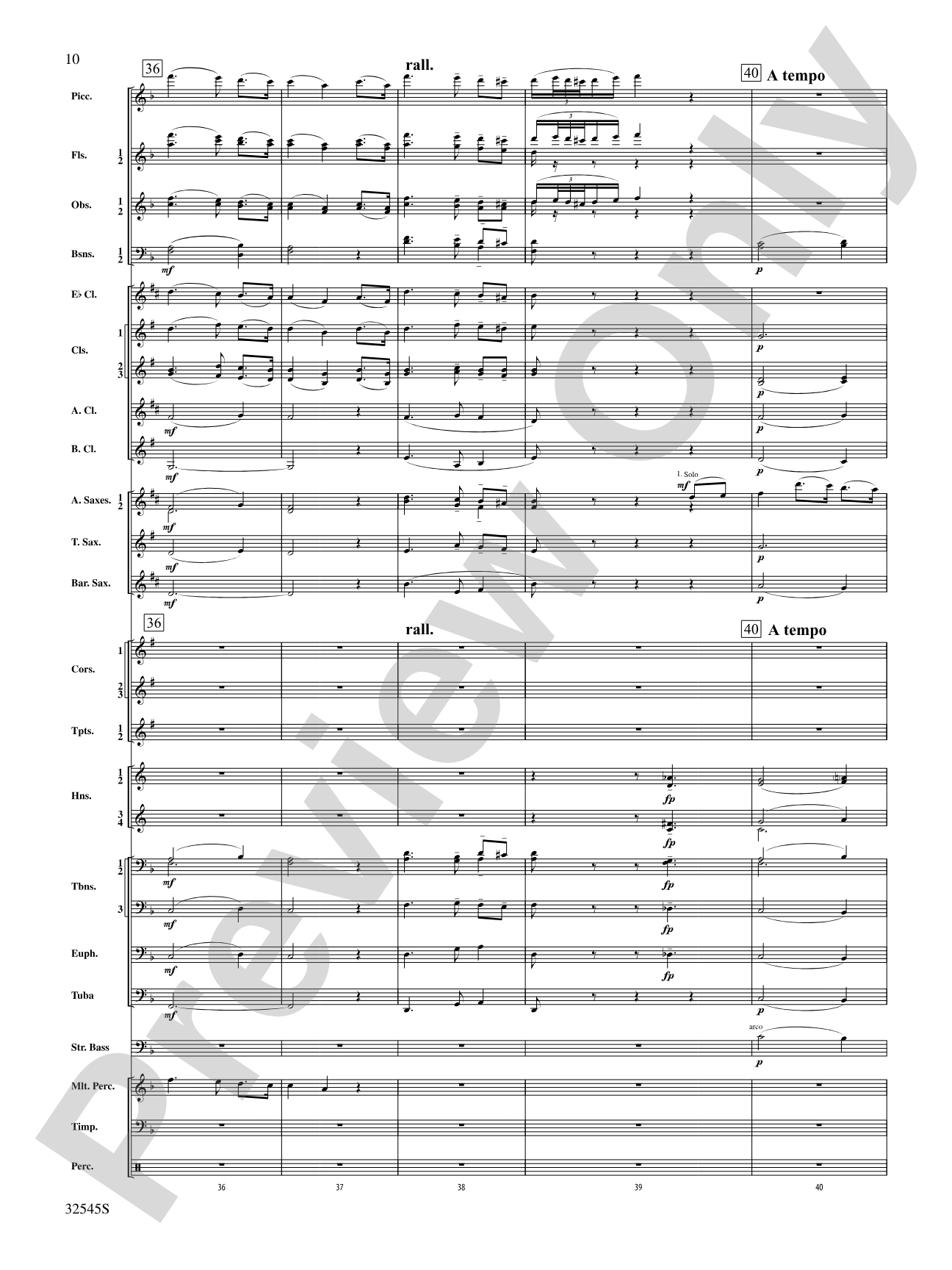
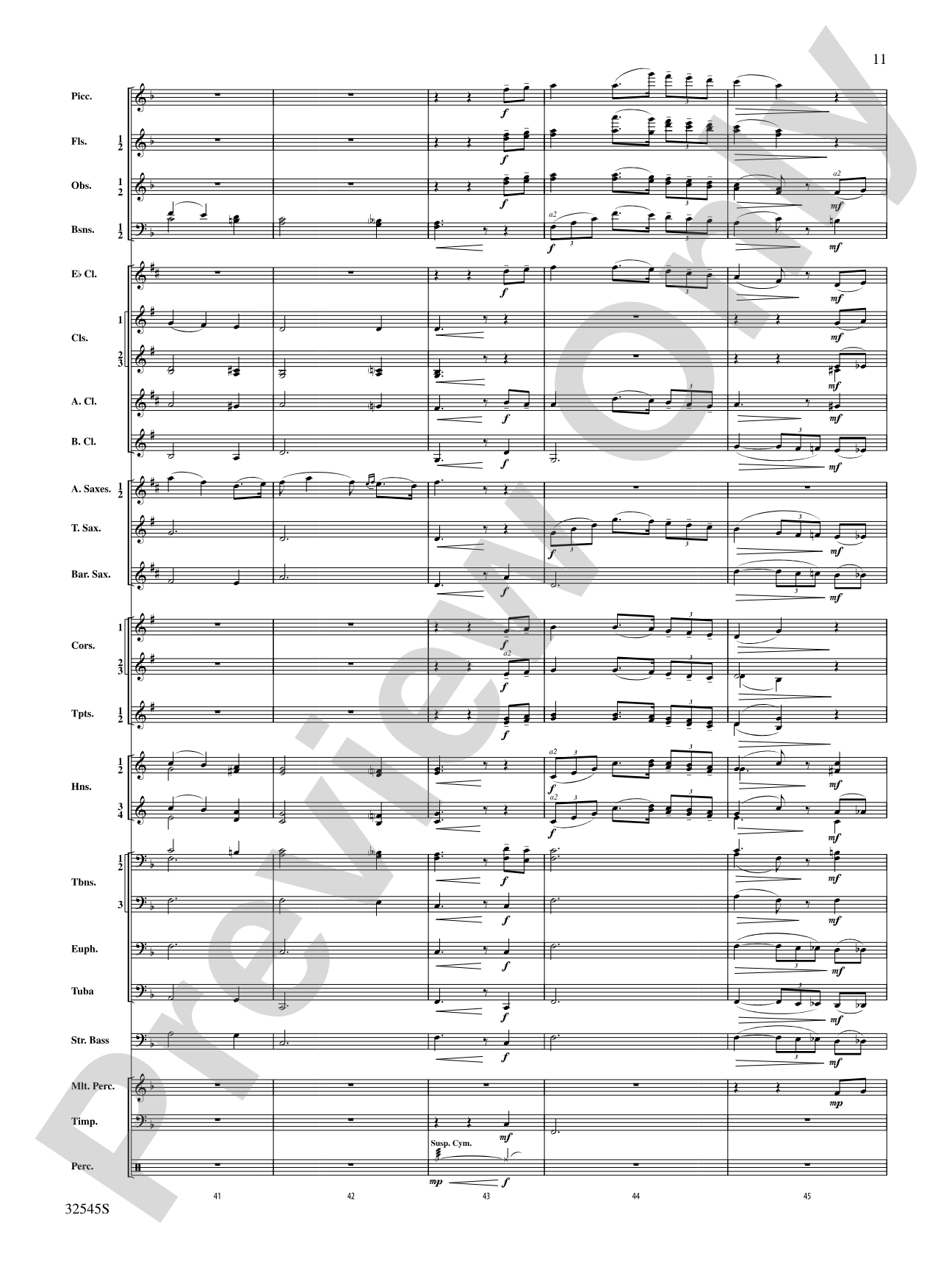
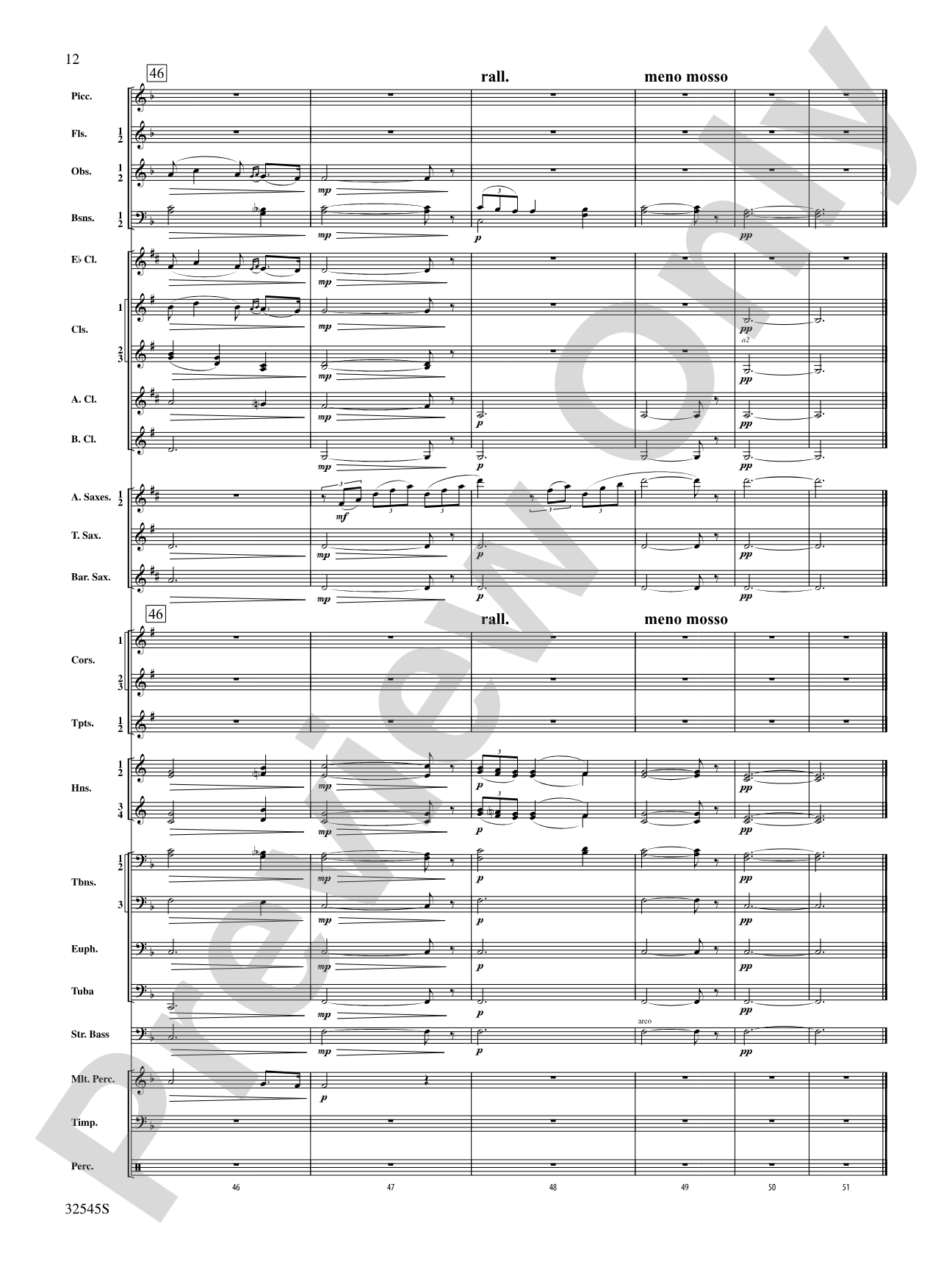

The Last Rose of Summer (from the Irish Suite): Concert Band Conductor Score & Parts
By Leroy Anderson / arr. Douglas E. Wagner
Grade: 3 (Medium Easy)
Item: 00-PK-0004111

$75.00
Pickup currently not available
Buy Extra Parts (Digital PDF Download)
Parts Added to Cart!
Description
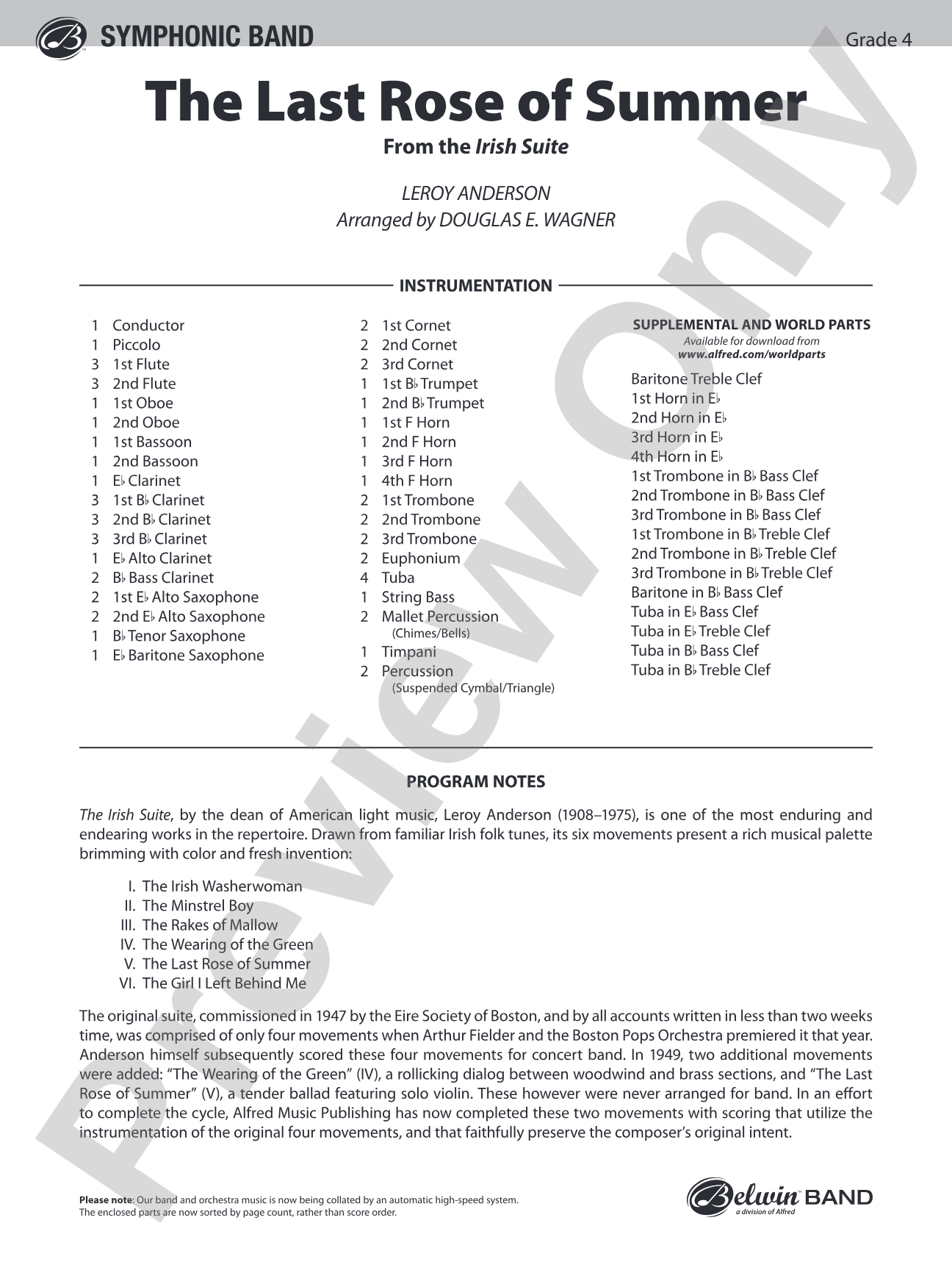
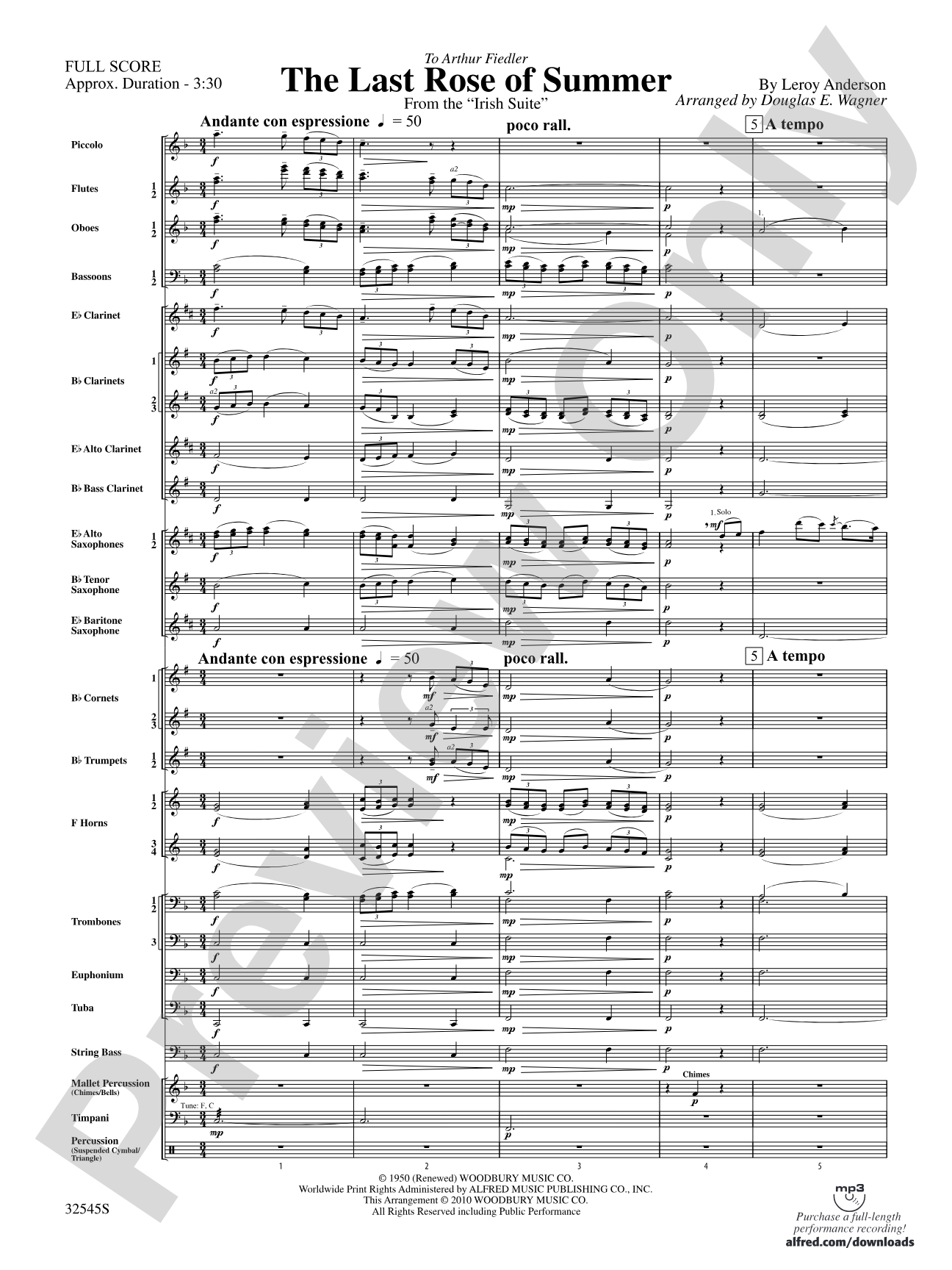
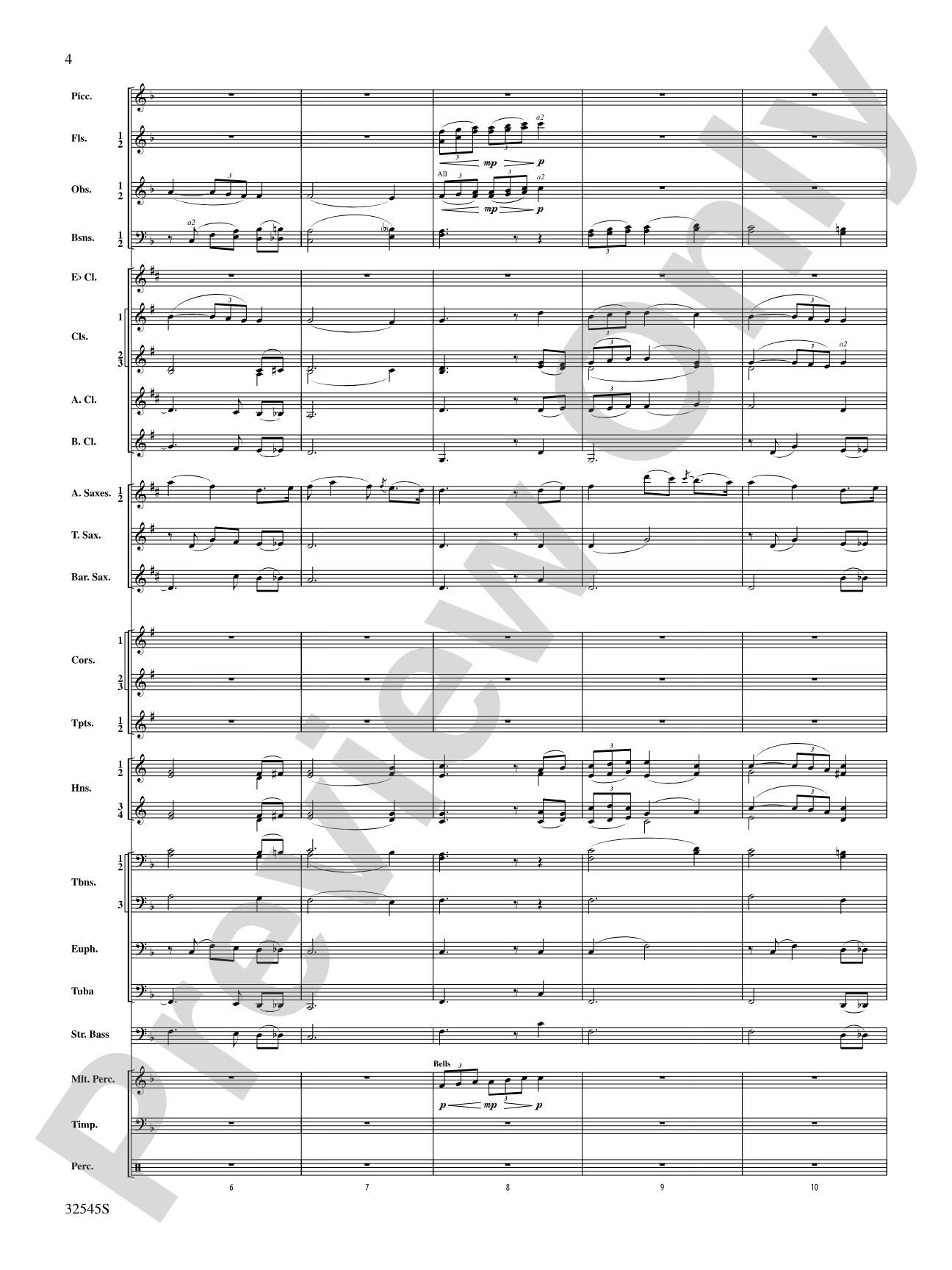
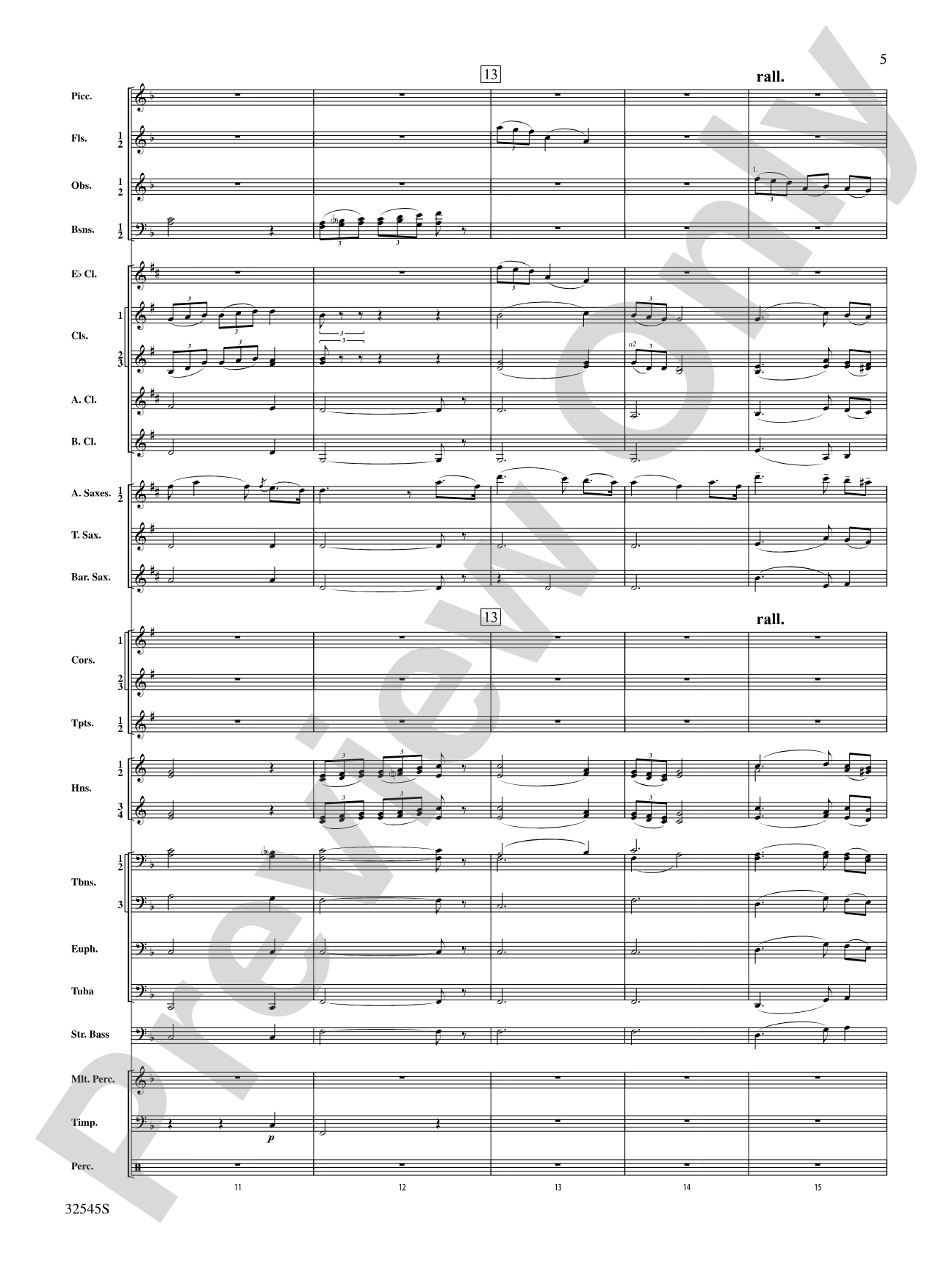
The fifth movement of Leroy Anderson's The Irish Suite, "The Last Rose of Summer," has never been transcribed for concert band. Skillfully scored by Douglas Wagner in Anderson's charismatic characteristic style, this work features an emotional alto saxophone solo in place of the orchestra version's violin solo. This dramatic work is performable as a stand-alone work or in tandem with the rest of the movements. All movements are now available: I. "The Irish Washerwoman" [00-83181], II. "The Minstrel Boy" [00-32547], III. "The Rakes of Mallow" [00-30836], IV. "The Wearing of the Green" [00-30835], V. "The Last Rose of Summer" [00-32545] and VI. "The Girl I Left Behind" [00-32546].


Don't just read it, hear it, play along with it, and watch your students grow with it. In MakeMusic Cloud, The Last Rose of Summer (from the Irish Suite): Concert Band Conductor Score & Parts comes alive with professional accompaniment, adjustable tempo, and built-in practice tools that turn solo practice into real progress.
Open in the Player
Jump straight in and assign it today.
Start Your Free Trial
Open this title and explore the full library in minutes.
Sample Audio
1
Audio File
--:--
0:00
0:00
Sample Video
No sample videos found.
Additional Details
Series:
Leroy Anderson Classics
Publisher:
Alfred Music
Page Count:
120
SKU:
00-PK-0004111
More about this title
About the Composer: Leroy Anderson
Leroy Anderson (1908, 1975) was an American composer and conductor who mastered the art of the light orchestral work. Though trained at Harvard and abroad, he became famous for compositions that sparkle with wit, clarity, and accessibility, pieces that sound deceptively simple but reveal sophisticated orchestration and harmonic writing. His catalog includes hundreds of works ranging from marches to waltzes, and his ability to craft memorable melodies made him a staple of American concert bands and orchestras for generations.
Anderson's gift was his refusal to talk down to audiences. Whether writing for symphony orchestras or bands, he maintained the highest musical standards while keeping his material genuinely enjoyable. His Irish Suite stands as testament to this approach: each movement captures a distinct character and mood while remaining firmly rooted in strong musical craftsmanship. Conductors and students continue to return to his work because it teaches fundamental musicianship through pieces that people actually want to hear.
Why we love this
Douglas Wagner's transcription finally brings one of Anderson's most lyrical movements into the concert band repertoire, and the substitution of an alto saxophone solo for the original violin part feels natural rather than compromised. Grade 3 bands can deliver genuine musicality here without struggling through technical barriers; the piece demands sensitive phrasing and control but remains within reach of advancing ensembles. Programming it alone or alongside the other Irish Suite movements gives you a repertoire choice that audiences recognize and musicians enjoy playing.
What to expect
A gentle but assured walk through an emotional landscape. The melody unfolds with the kind of inevitability and grace that only comes from a master melodist; there's a wistfulness beneath the surface, a moment of reflection before the music settles into acceptance. The alto saxophone gives it a warmth that's distinctly American concert band, neither precious nor bombastic.
Who it's for
Directors of Grade 2-4 concert bands who want to program meaningful light music without relying on marches or pop arrangements. Musicians looking for an outlet to develop stylistic sensitivity and phrase with intention rather than technical fireworks.
How to get the most out of it
- Feature your best alto saxophonist for the central solo; this is a chance to showcase individual artistry within ensemble context, so allow space for genuine lyricism rather than rushing the rubato.
- Balance the accompaniment so it supports rather than obscures the melody; woodwind doublings can easily overwhelm the lyrical character if not carefully voiced during rehearsal.
- Shape the opening and closing sections with subtle dynamic gradations to convey the emotional arc; this isn't a march, so resist the urge to drive the tempo forward mechanically.
- Use the score to identify which instrumental colors carry each phrase, then ensure those sections know they're responsible for the tune; Anderson's orchestration logic works just as well in the concert band setting.
How to use it
This works as either a centerpiece in a light concert or as a sophisticated palate cleanser between heavier works. If your ensemble has performed other movements from the Irish Suite, programming this fifth movement alongside one or two others creates a mini-suite that audiences find cohesive and refreshing. It also pairs well with other Anderson works or with American pops repertoire from the same era.
Skills your students will build
- Shaping lyrical phrases with dynamic subtlety
- Supporting solo lines with transparent accompaniment
- Balancing ensemble parts in a texture where melody isn't always in the highest voice
- Responding to interpretive cues and rubato in light concert style
- Reading and executing Anderson's characteristic articulation and ornamentation