The Last Rose of Summer Cover Image

The Last Rose of Summer: Concert Band Conductor Score & Parts

$60.00 USD
Sale price  $60.00 USD Regular price 
Skip to product information
The Last Rose of Summer Cover Image

The Last Rose of Summer: Concert Band Conductor Score & Parts

Alto Saxophone, Flute, and Trumpet Solos

Arr. Mark Williams

Grade: 2 (Medium Easy)

Item: 00-24643

makemusic Cloud badge

Need it now?

Buy Digital Version
$60.00
Shipped

One moment…

Description
This beautiful arrangement of a favorite Irish folk song utilizes colorful scoring and features solos for alto saxophone, flute and trumpet. This gorgeous melody is also known (with a different set of words) as "The Groves of Blarney", and was featured in a popular 19th-century opera, "Martha", by German composer Friedrick von Flotow. Great for developing tone quality, blend, balance and independence, this work will be a treasured addition to your young band library for years to come. This title is available in MakeMusic Cloud.

Don't just read it, hear it, play along with it, and watch your students grow with it. In MakeMusic Cloud, The Last Rose of Summer: Concert Band Conductor Score & Parts comes alive with professional accompaniment, adjustable tempo, and built-in practice tools that turn solo practice into real progress.

Sample Pages

Sample Audio
0:00
0:00
Sample Video
Additional Details
Series: Challenger Band Series
Publisher: Alfred Music
Page Count: 124
UPC: 038081276168
SKU: 00-24643

More about this title

About the Arranger: Mark Williams
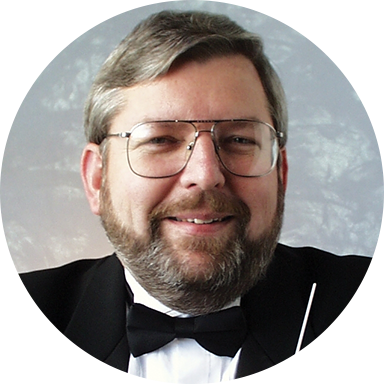
Mark Williams

Mark Williams shaped generations of young musicians through his prolific output as a composer and educator. With over 200 published works and a decades-long career teaching elementary band in Washington state, he understood exactly what developing musicians needed to succeed. His co-authorship of the Accent on Achievement Band Method reflects his deep knowledge of pedagogy across all levels.

Beyond the classroom, Williams was an accomplished performer on bassoon and arranger for the 560th Air Force Band, bringing real orchestration experience to his writing. His travel as a clinician and guest conductor took him across the United States, five Canadian provinces, and Australia, where he shared his approach to band sound and musicianship. Eastern Washington University awarded him both his Bachelor of Arts in Education and Master of Education, degrees that anchored his work in educational philosophy.

Why we love this

Williams gives you a melody with serious legs: the solos for alto saxophone, flute, and trumpet create real performance moments without overshadowing the ensemble work. The harmonic scoring is transparent enough for a Grade 2 band to balance without drowning, yet colorful enough that sectional blend becomes a genuine teaching tool rather than an afterthought.

What to expect

Gentle and nostalgic, with a warmth that comes from a melody steeped in folk tradition. The solo moments feel like individual voices telling their part of the same story, while the ensemble provides a supportive harmonic landscape that's both rich and accessible.

Who it's for

Grade 2 concert bands ready to move beyond simple unison melodies into parts-based scoring. It works especially well for groups developing tone production and blend across sections, since the arrangement asks all players to listen carefully and adjust their sound.

How to get the most out of it

  • Balance the alto saxophone solo against the supporting harmonies by having the ensemble play at a dynamic level that allows the soloist's tone to cut without forcing.
  • Shape the melody across phrases rather than treating each measure equally; this Irish tune rewards a lyrical, singing approach in all three solo voices.
  • Use rehearsal time to isolate the flute and trumpet solos in sections, building independence so non-soloists can support without overshadowing.
  • Let the band breathe where the arrangement naturally pauses; rushing through transitions erases the tune's lyrical character.

How to use it

This fits naturally on a concert featuring folk-inspired or light classical repertoire, or as a spring program piece when audiences appreciate lyrical writing over virtuosity. It also serves as an excellent teaching tool mid-year when your ensemble has enough maturity to handle scored parts but still needs accessible material to reinforce fundamentals.

Skills your students will build

  • Blending uniform tone quality across sections
  • Balancing solo voices against ensemble accompaniment
  • Sustaining lyrical phrasing across extended melodic lines
  • Independence within ensemble texture
  • Dynamic control and breath management in legato passages

You May Also Like
