

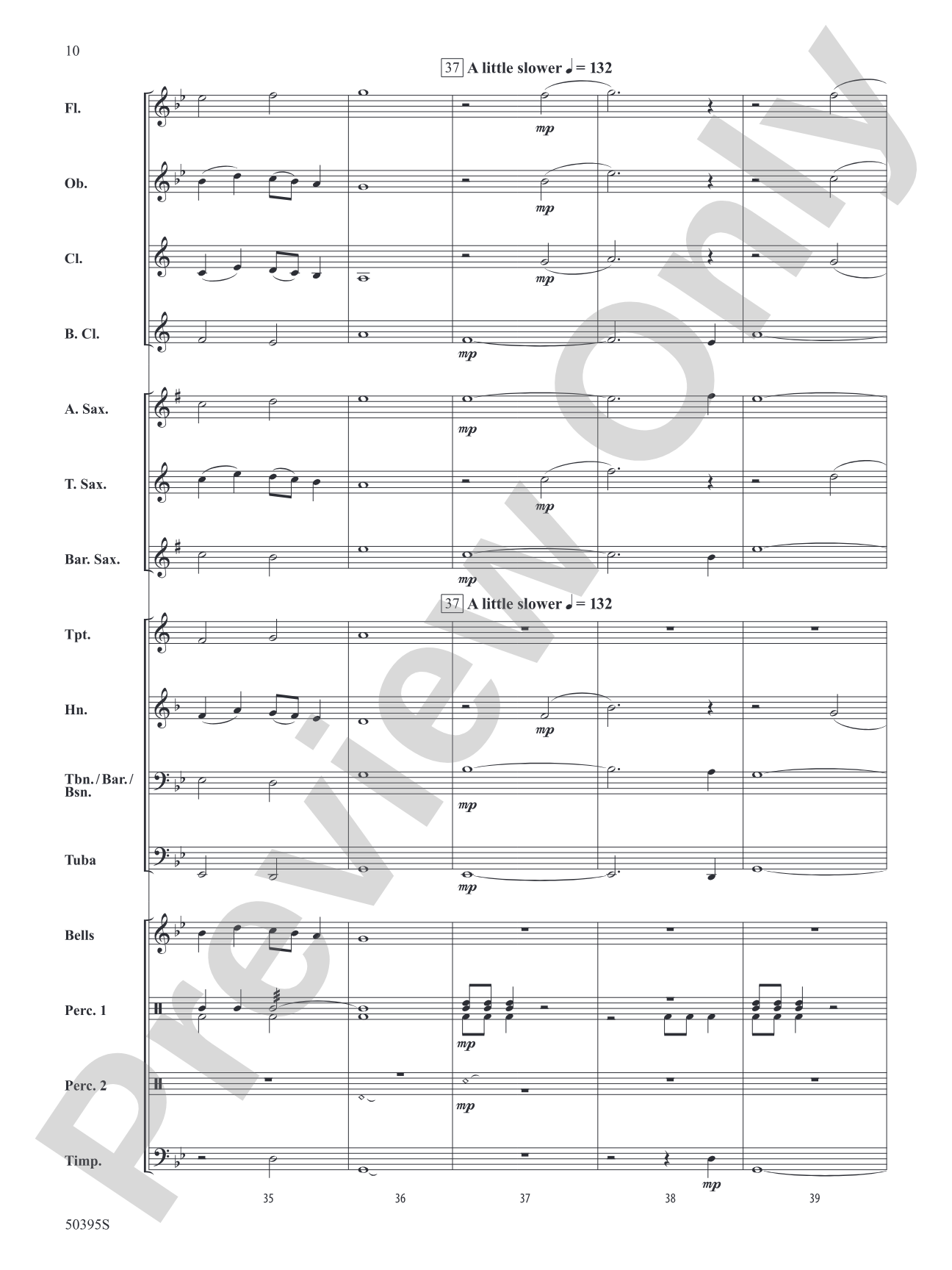
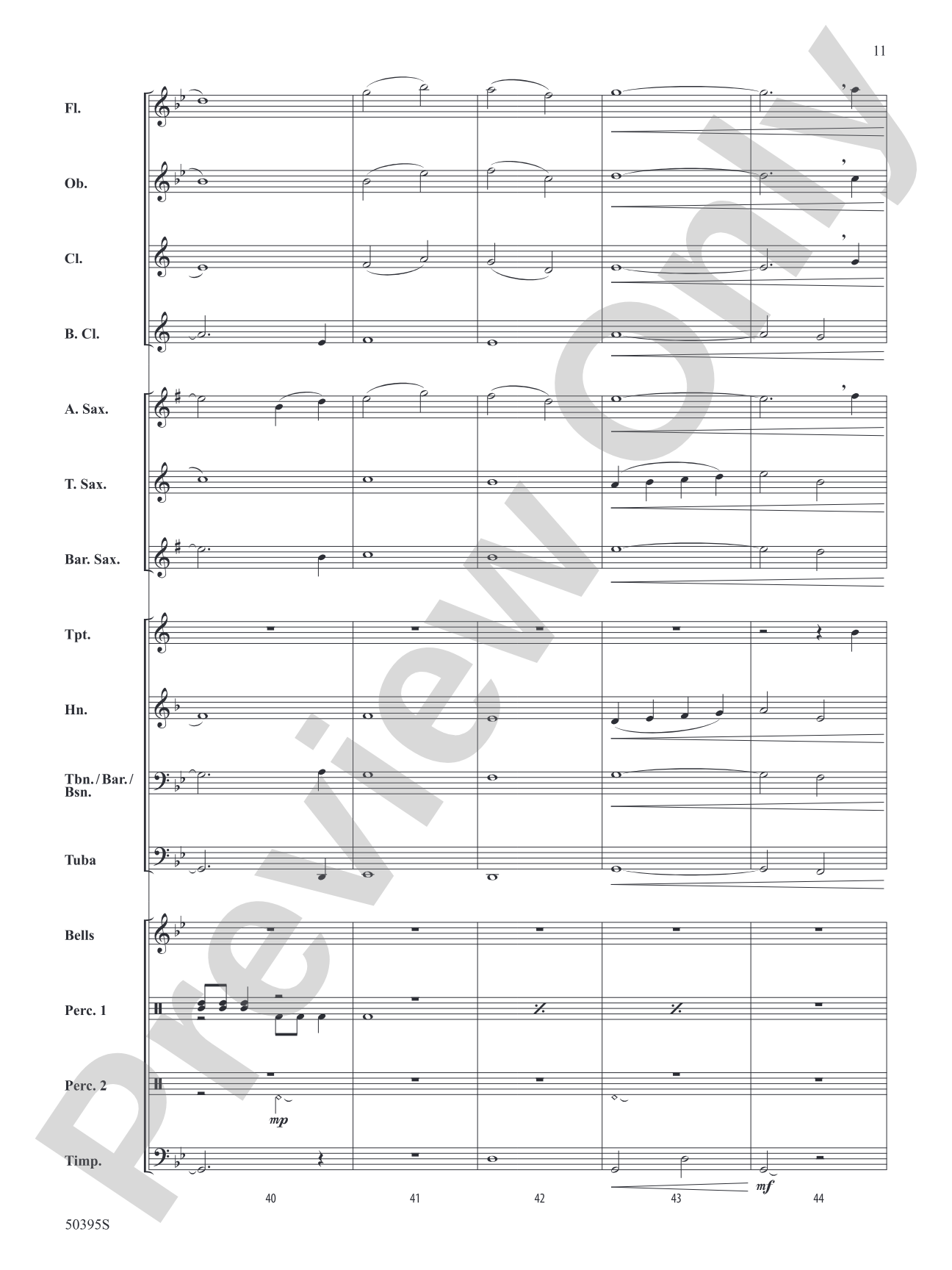
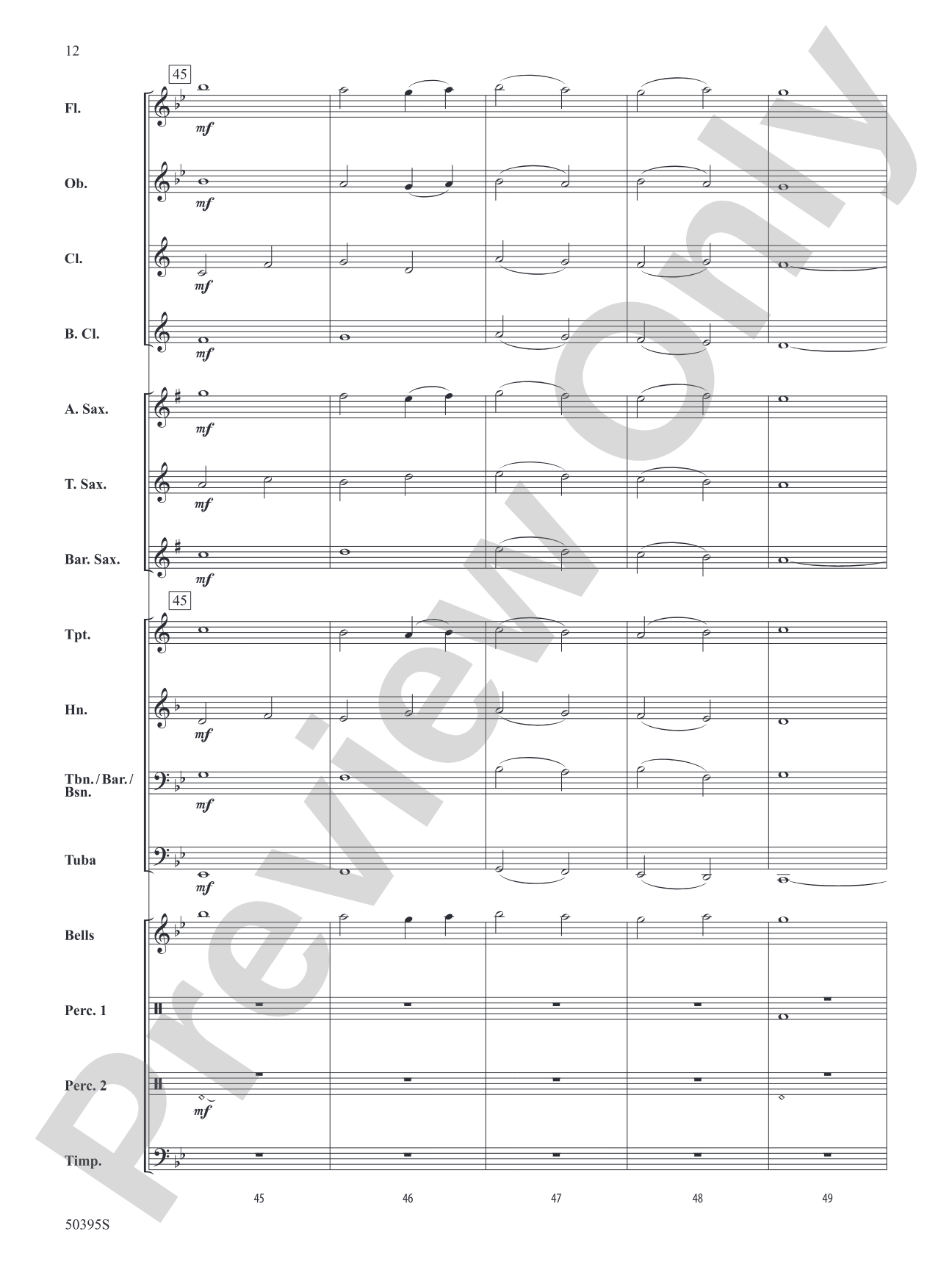
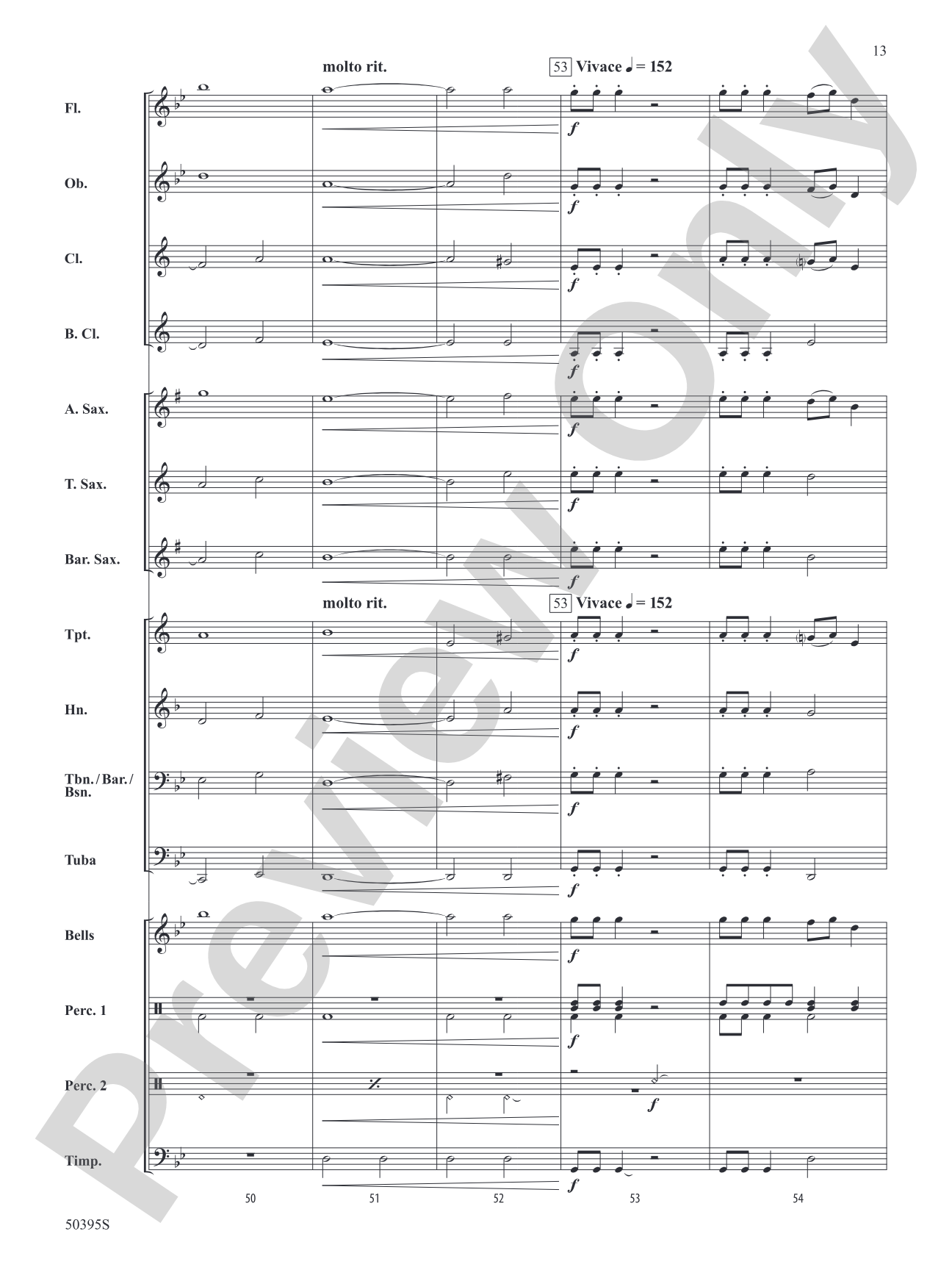
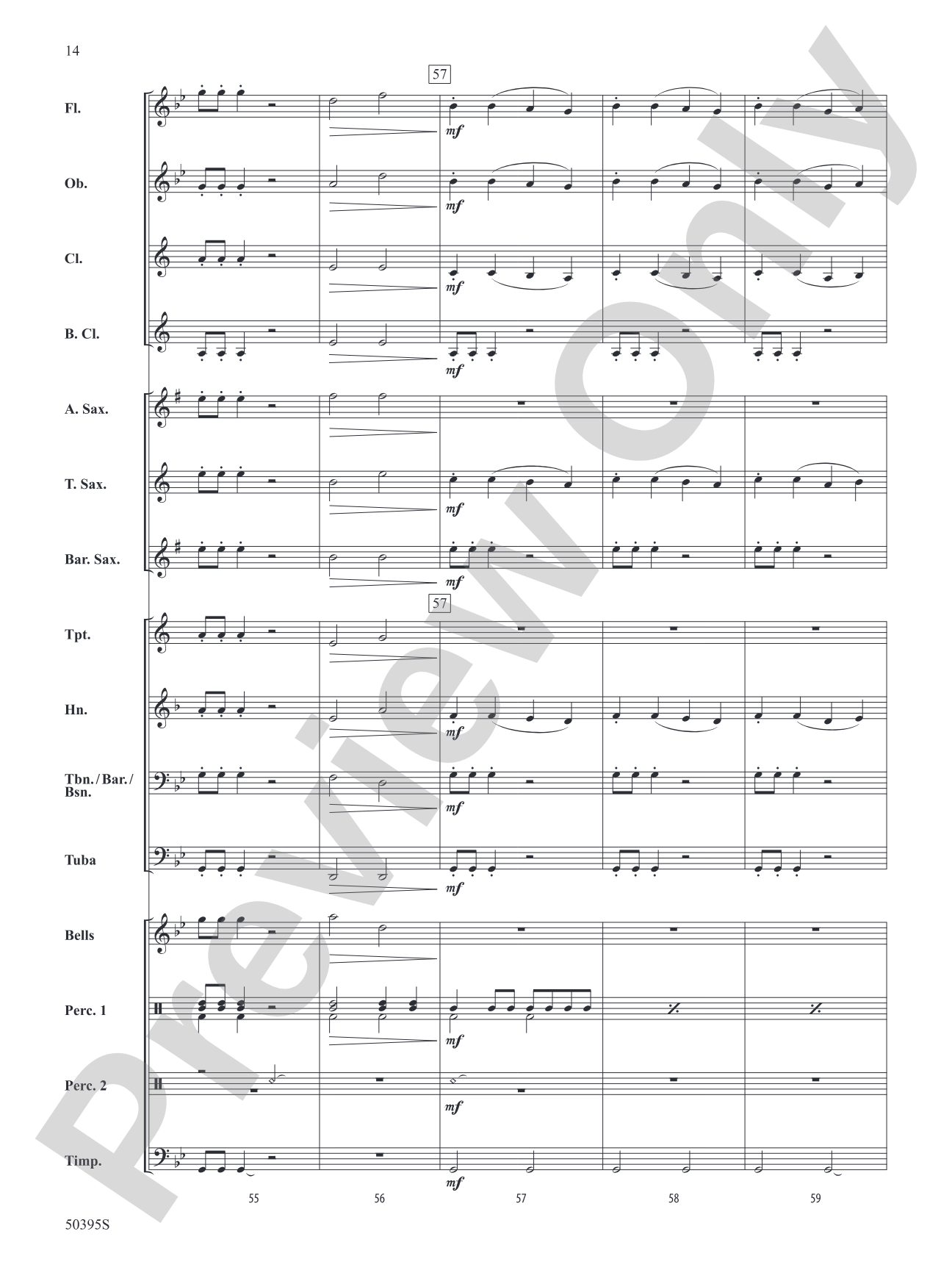
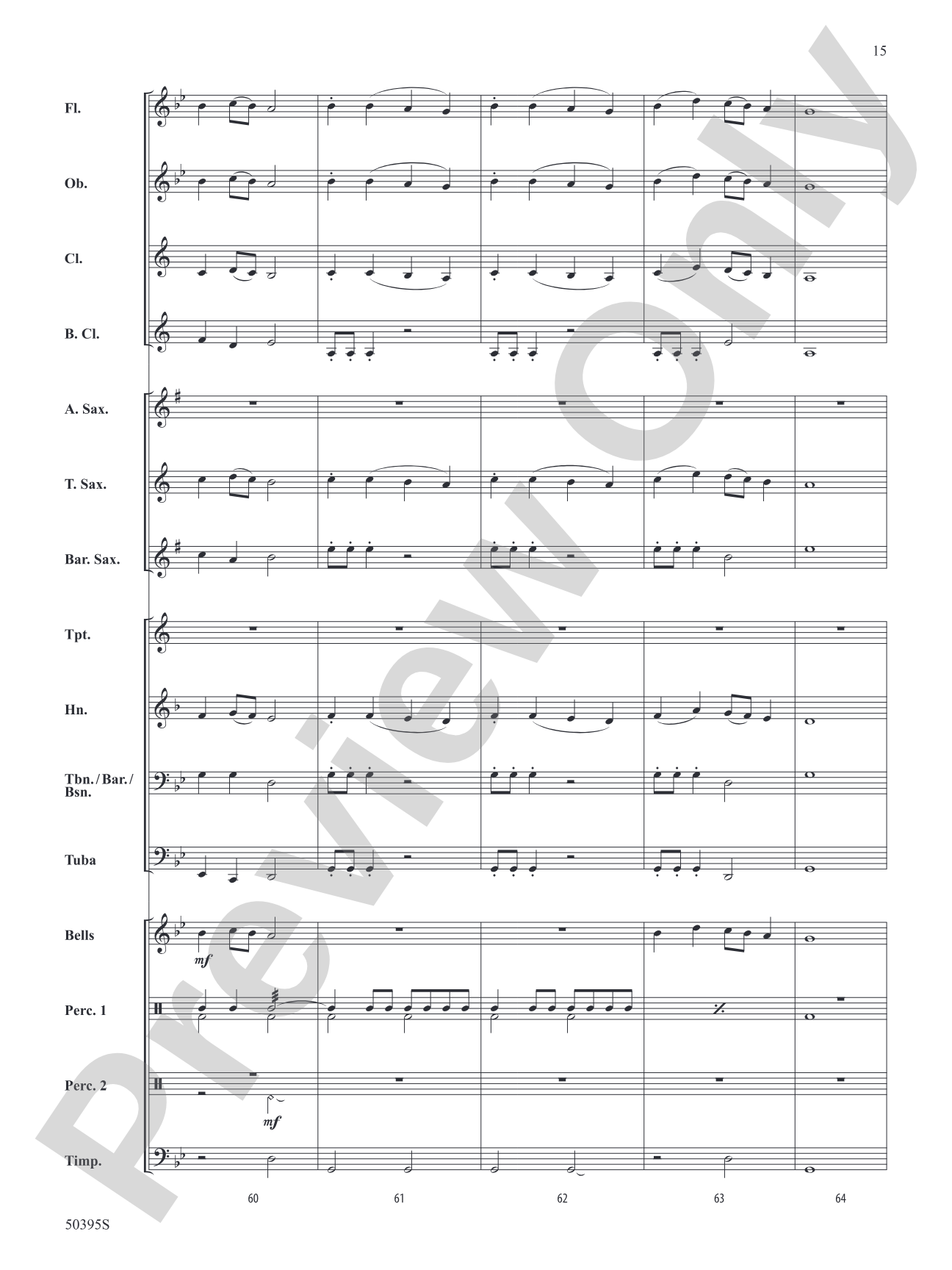
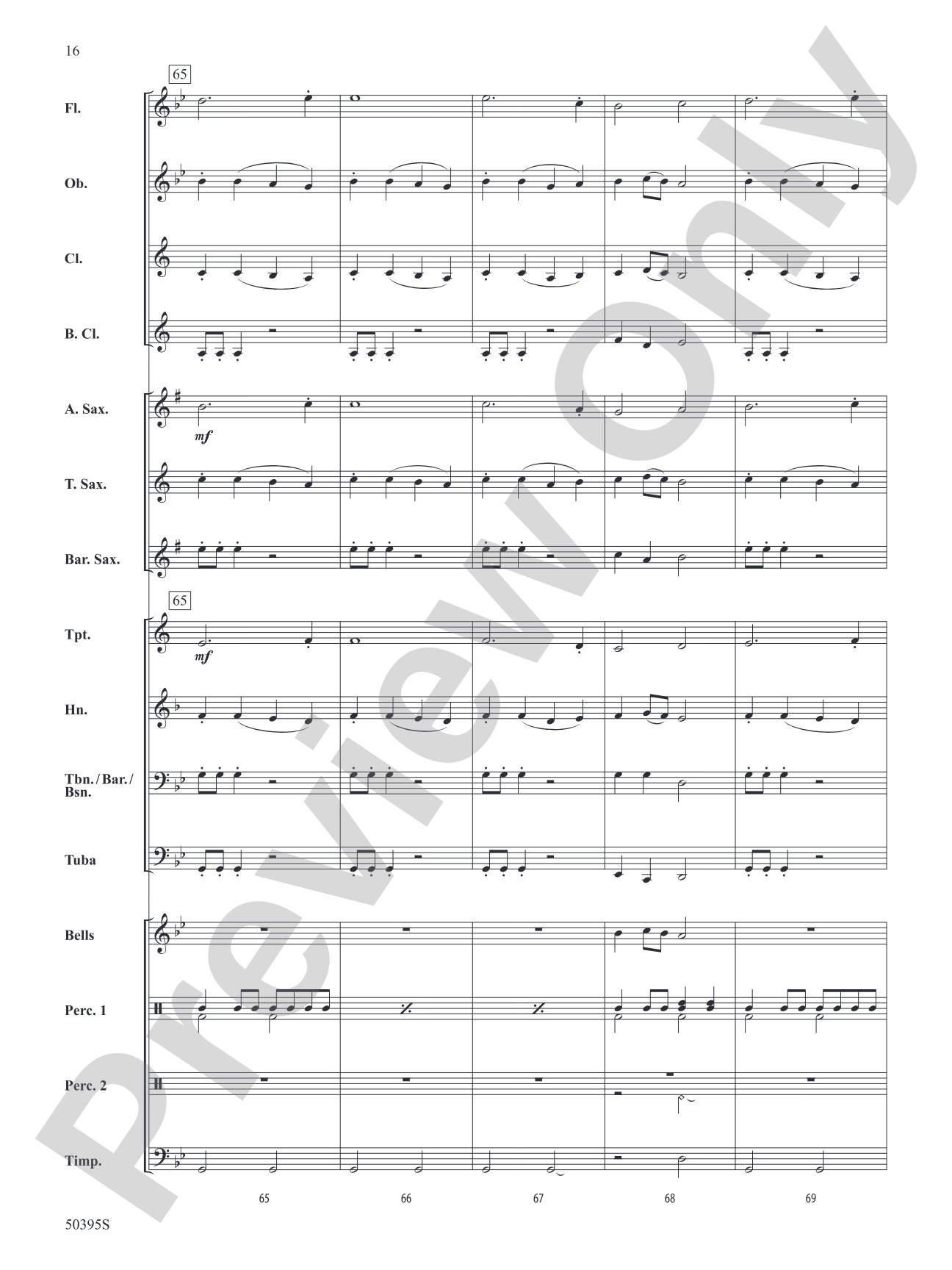
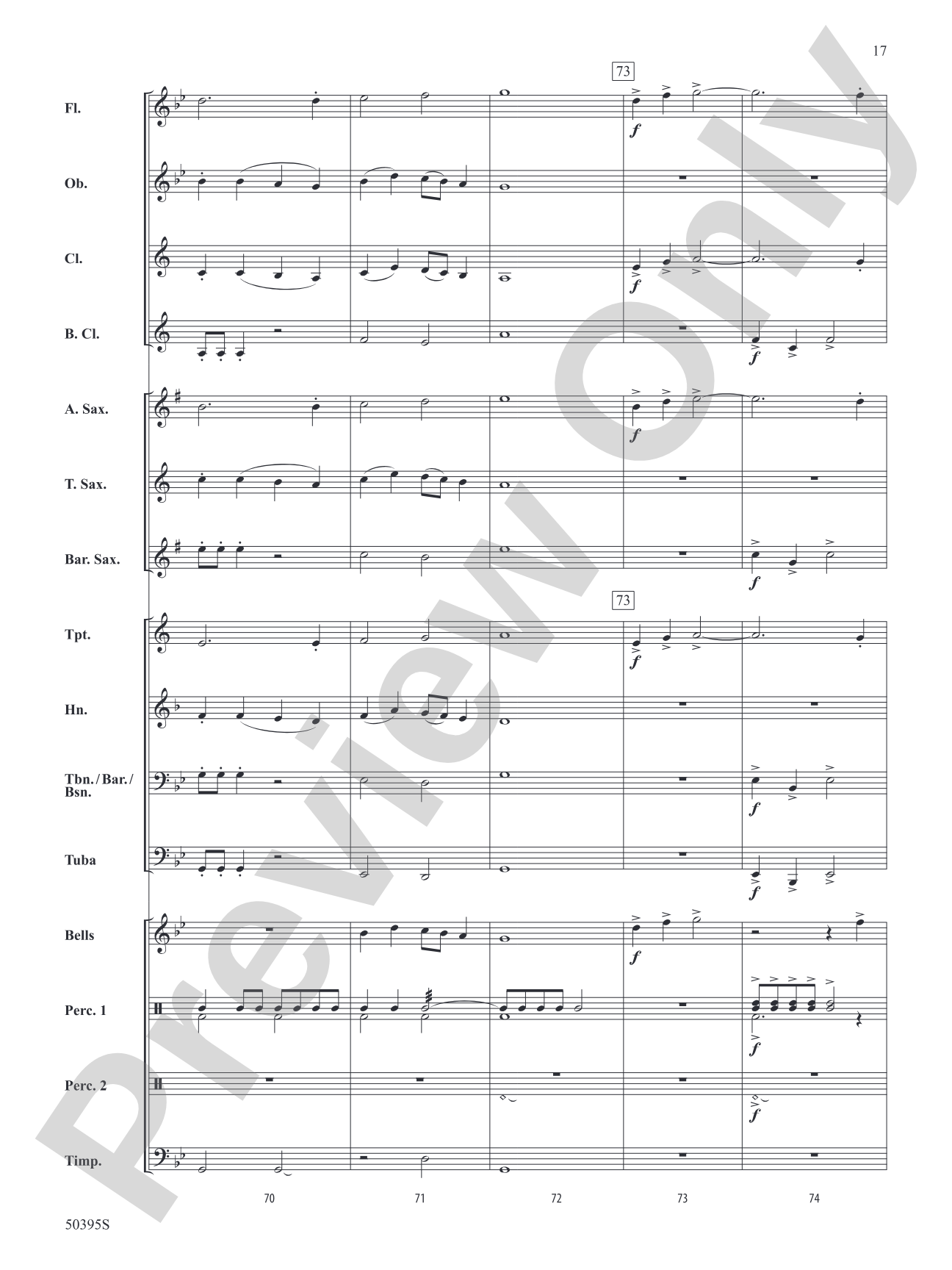
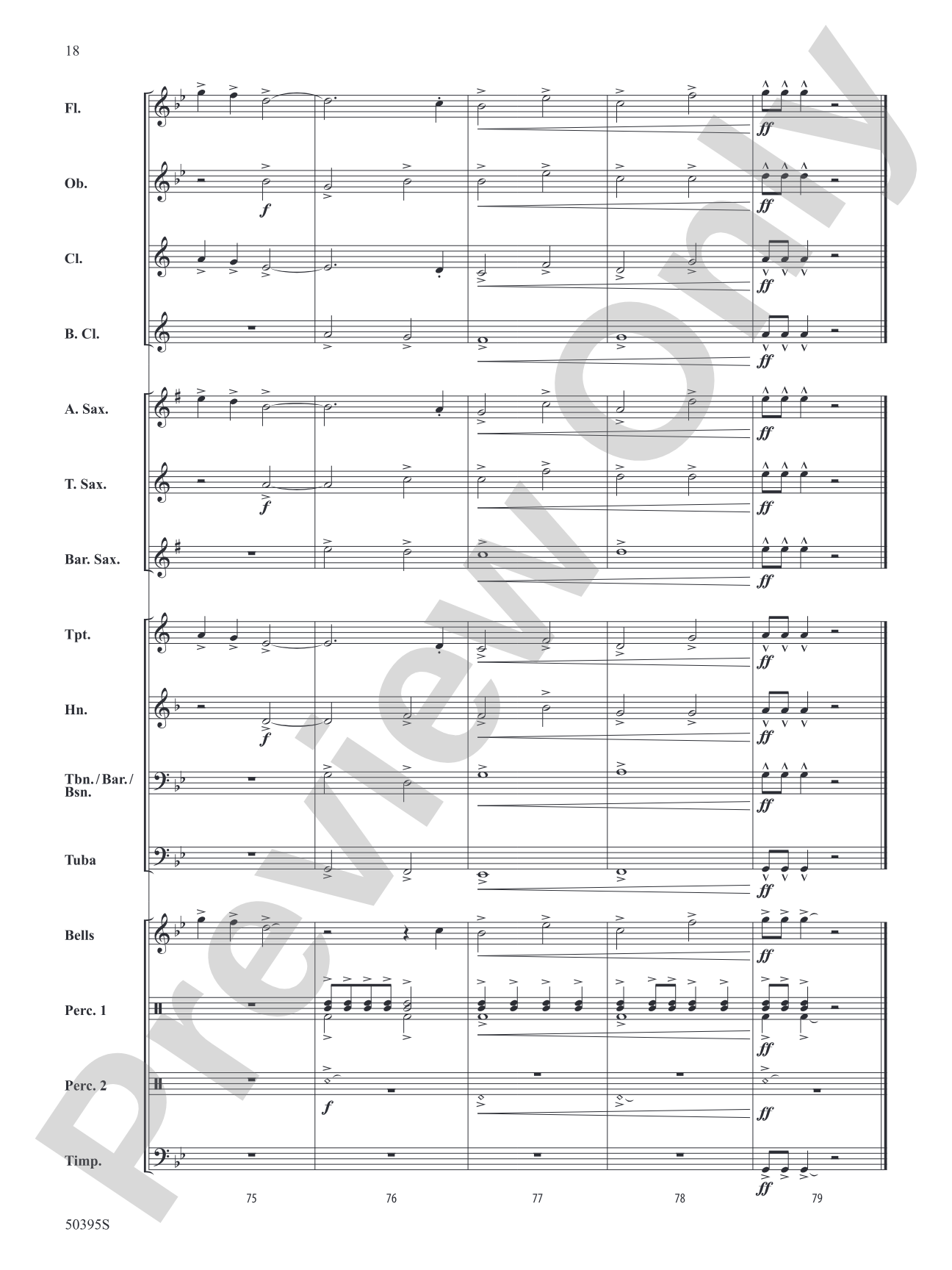

The Last Duel: Score
By Amy Webb
Grade: 1
Item: 00-PR-0007938
$12.00
Pickup currently not available
Description
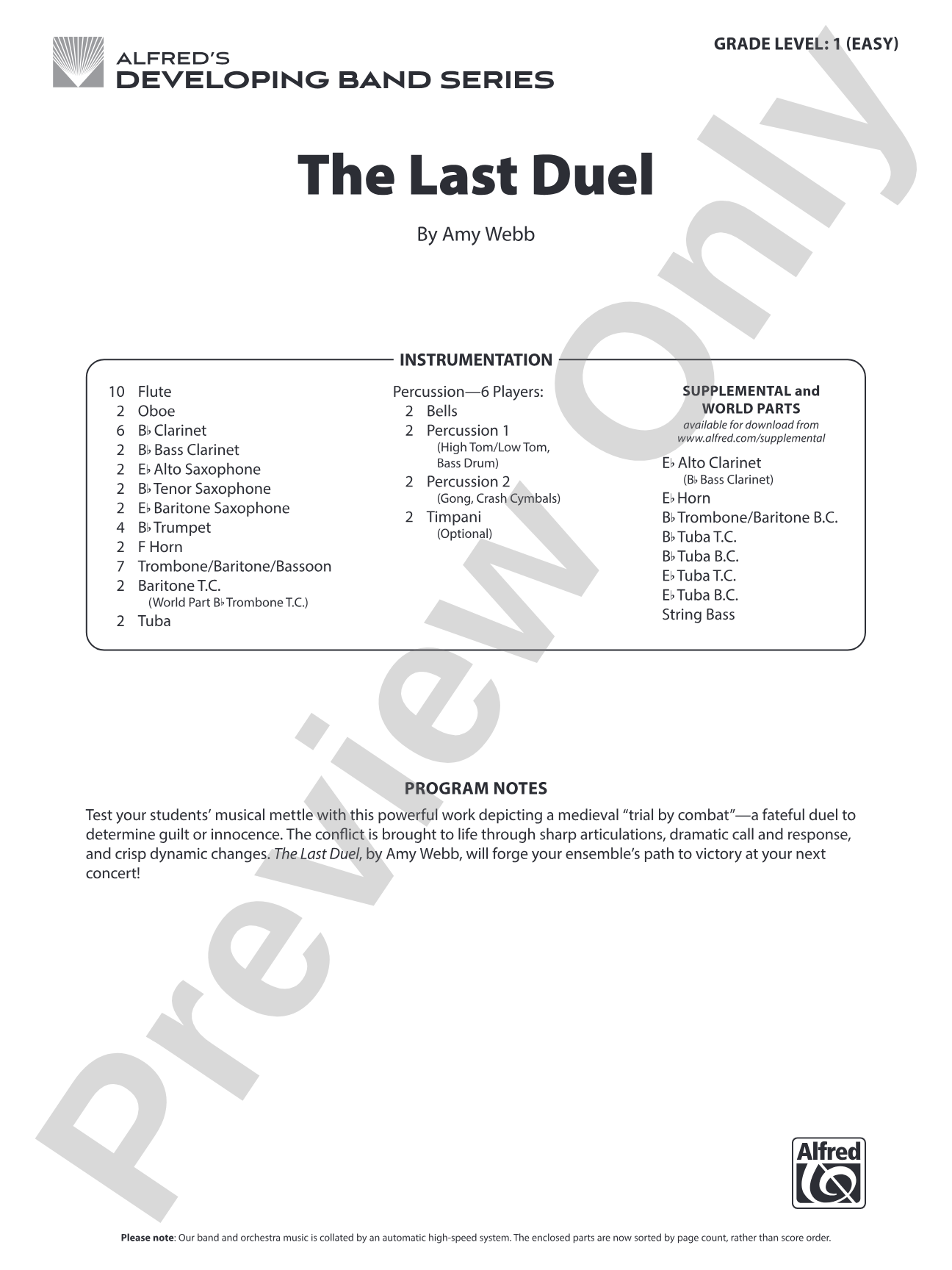
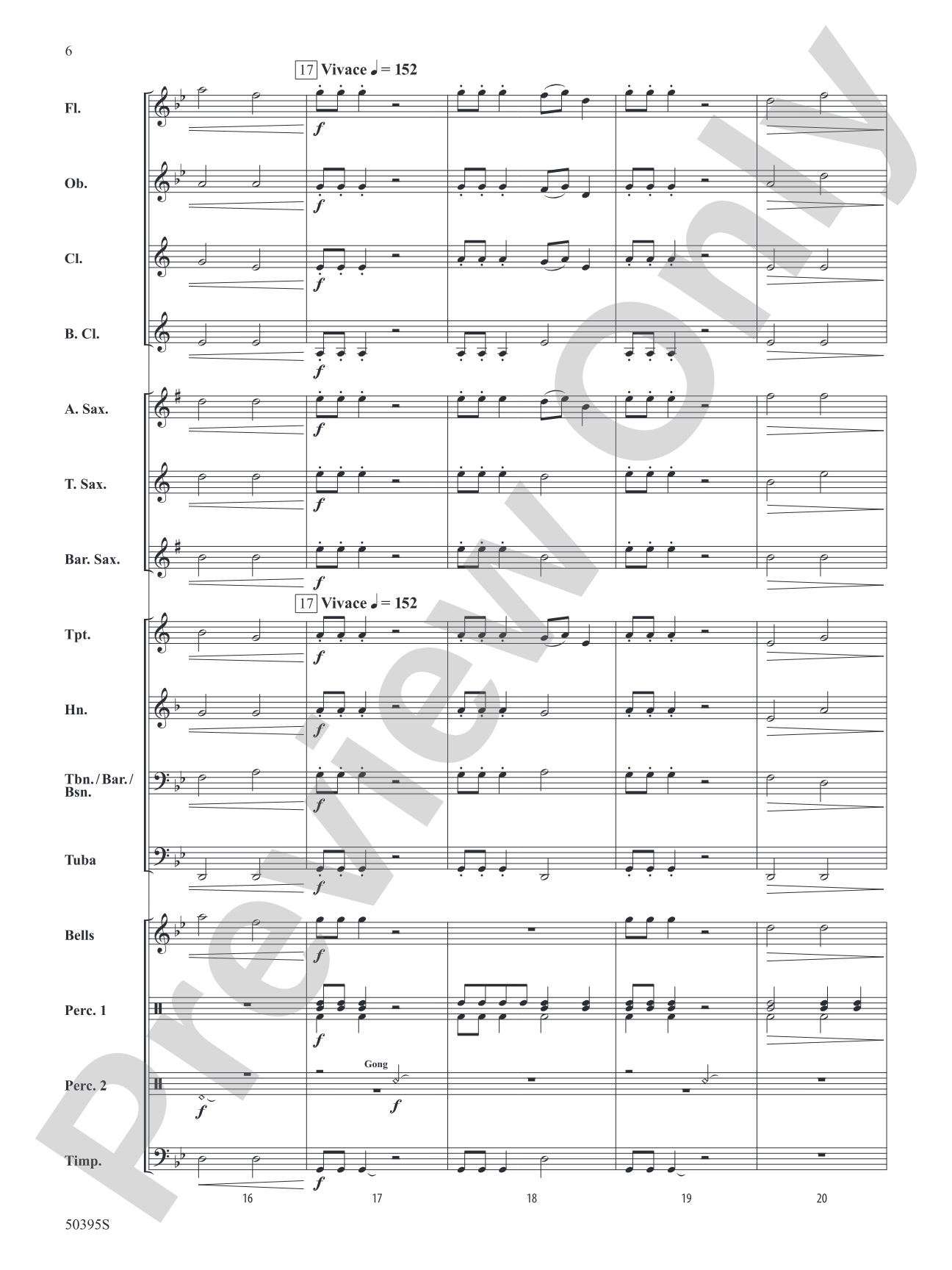
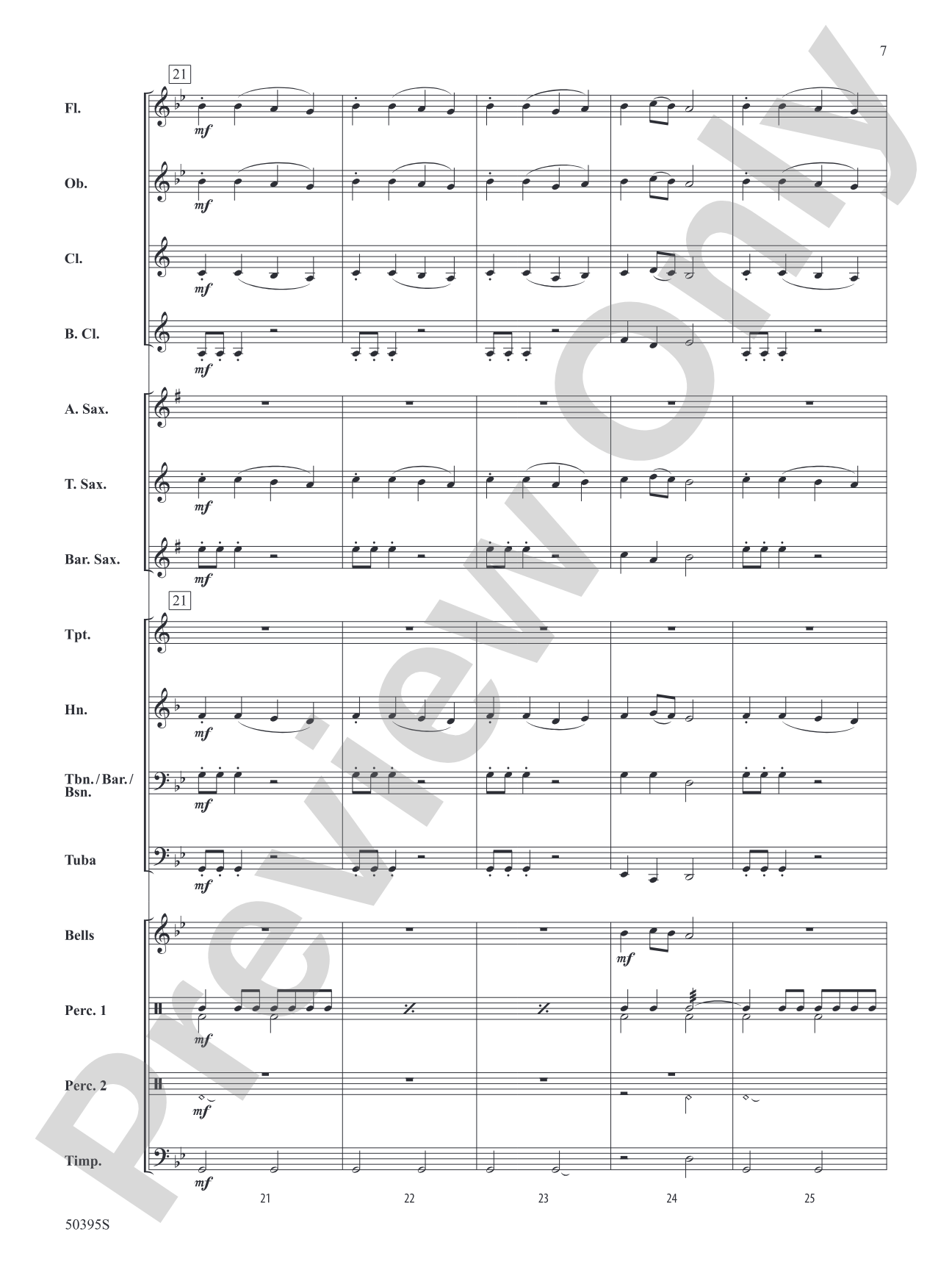
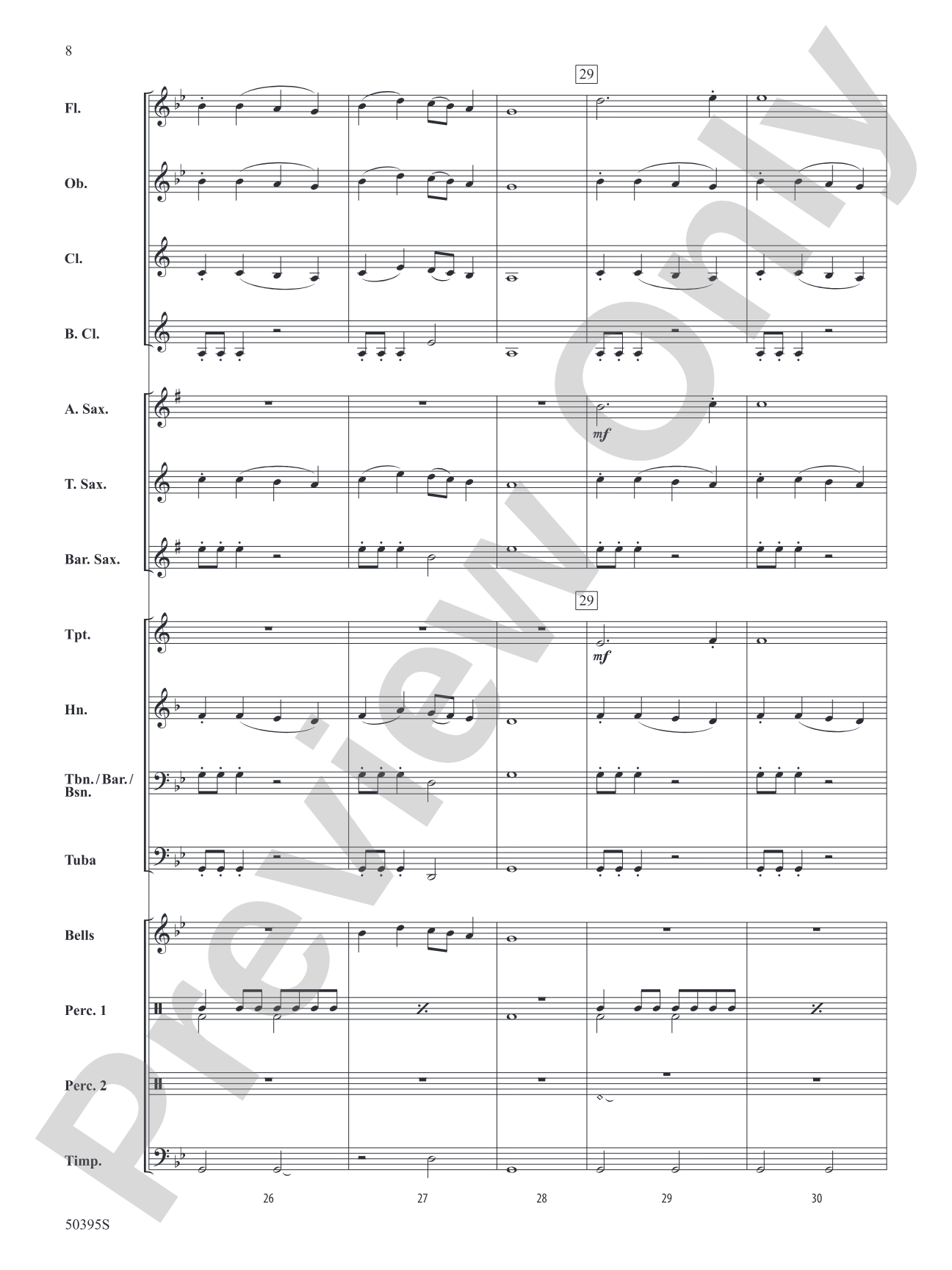
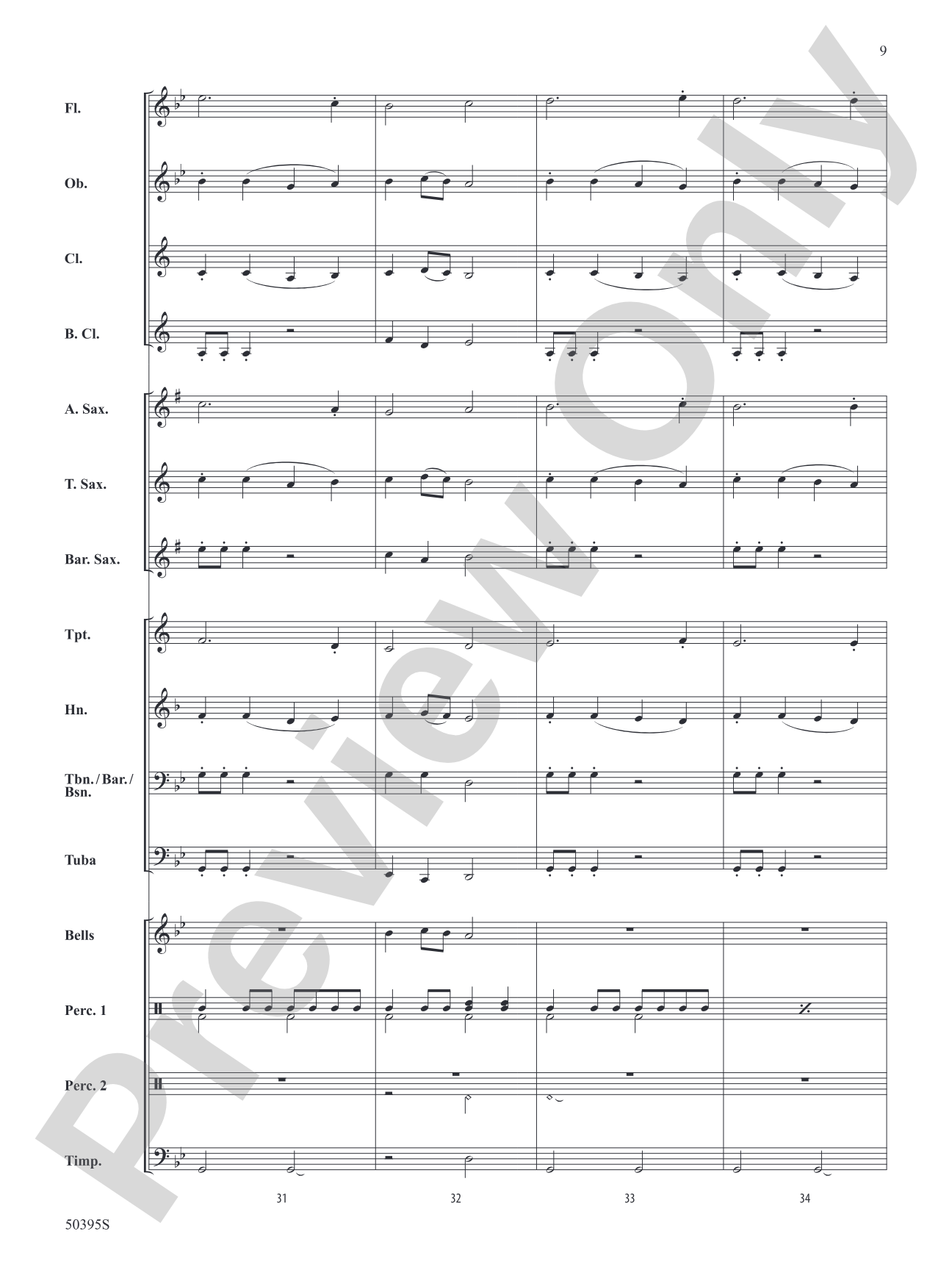
Test your students' musical mettle with this powerful work depicting a medieval "trial by combat" — fateful duel to determine guilt or innocence. The conflict is brought to life through sharp articulations, dramatic call and response, and crisp dynamic changes. The Last Duel, by Amy Webb, will forge your ensemble's path to victory at your next concert!


Don't just read it, hear it, play along with it, and watch your students grow with it. In MakeMusic Cloud, The Last Duel: Score comes alive with professional accompaniment, adjustable tempo, and built-in practice tools that turn solo practice into real progress.
Open in the Player
Jump straight in and assign it today.
Start Your Free Trial
Open this title and explore the full library in minutes.
Sample Audio
1
Audio File
--:--
0:00
0:00
Sample Video
Additional Details
Series:
Developing Band
Publisher:
Alfred Music
SKU:
00-PR-0007938
More about this title
Why we love this
Amy Webb writes for developing ensembles with real orchestral intelligence. The Last Duel proves that Grade 1 scoring doesn't require sacrificing dramatic tension or musical substance. Directors get a piece that sounds impressive in performance while remaining entirely manageable for young musicians.
What to expect
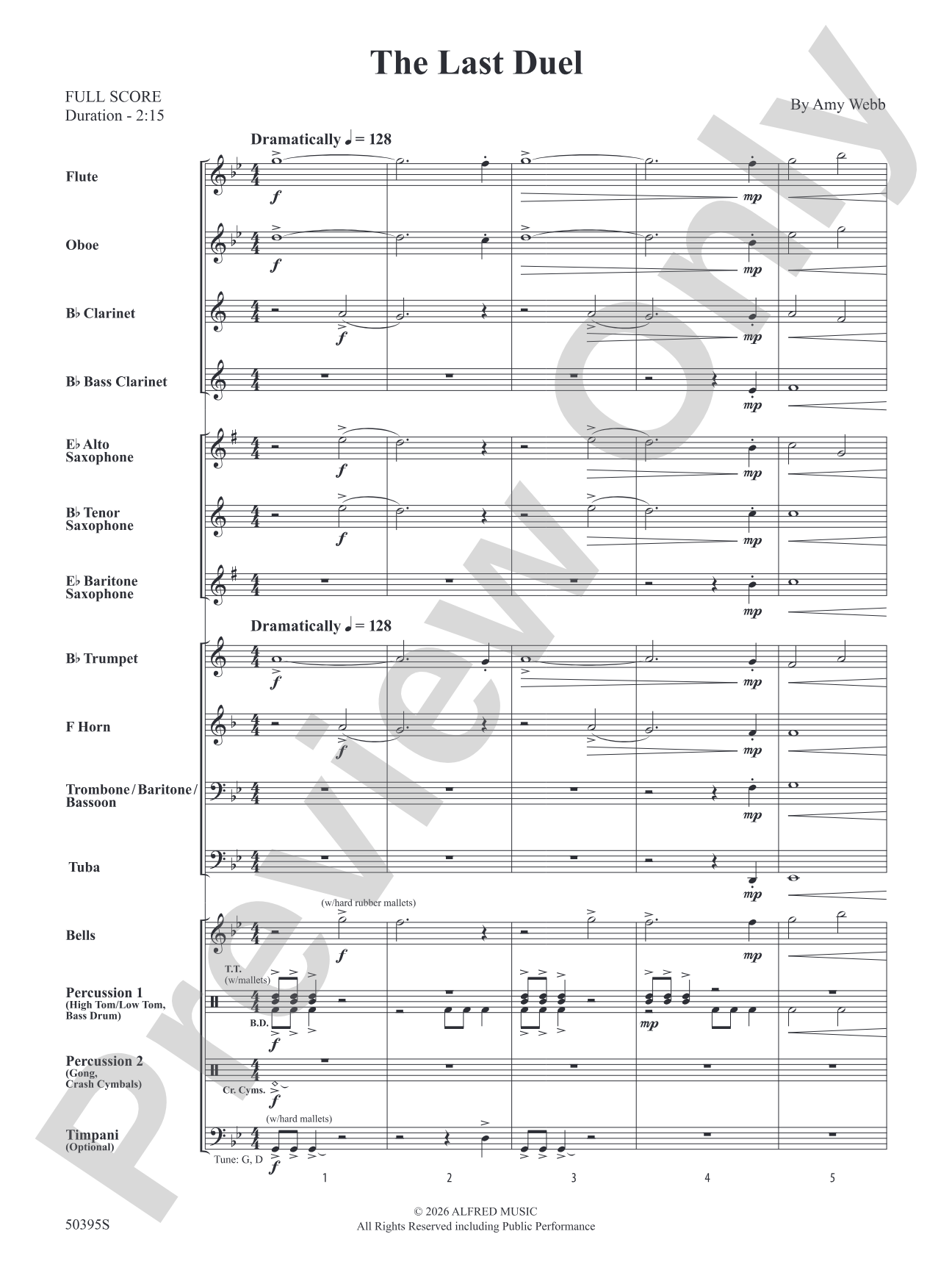
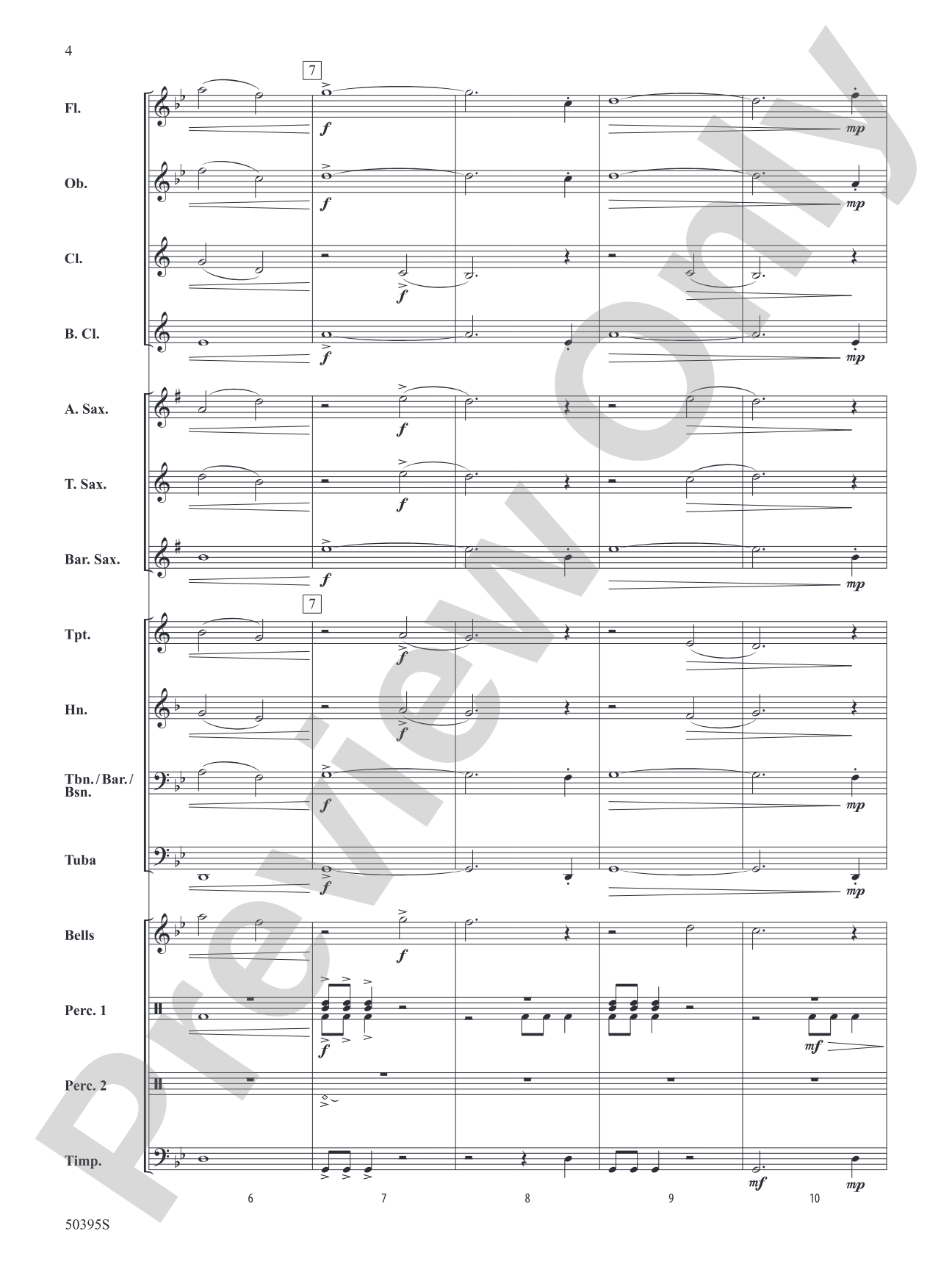
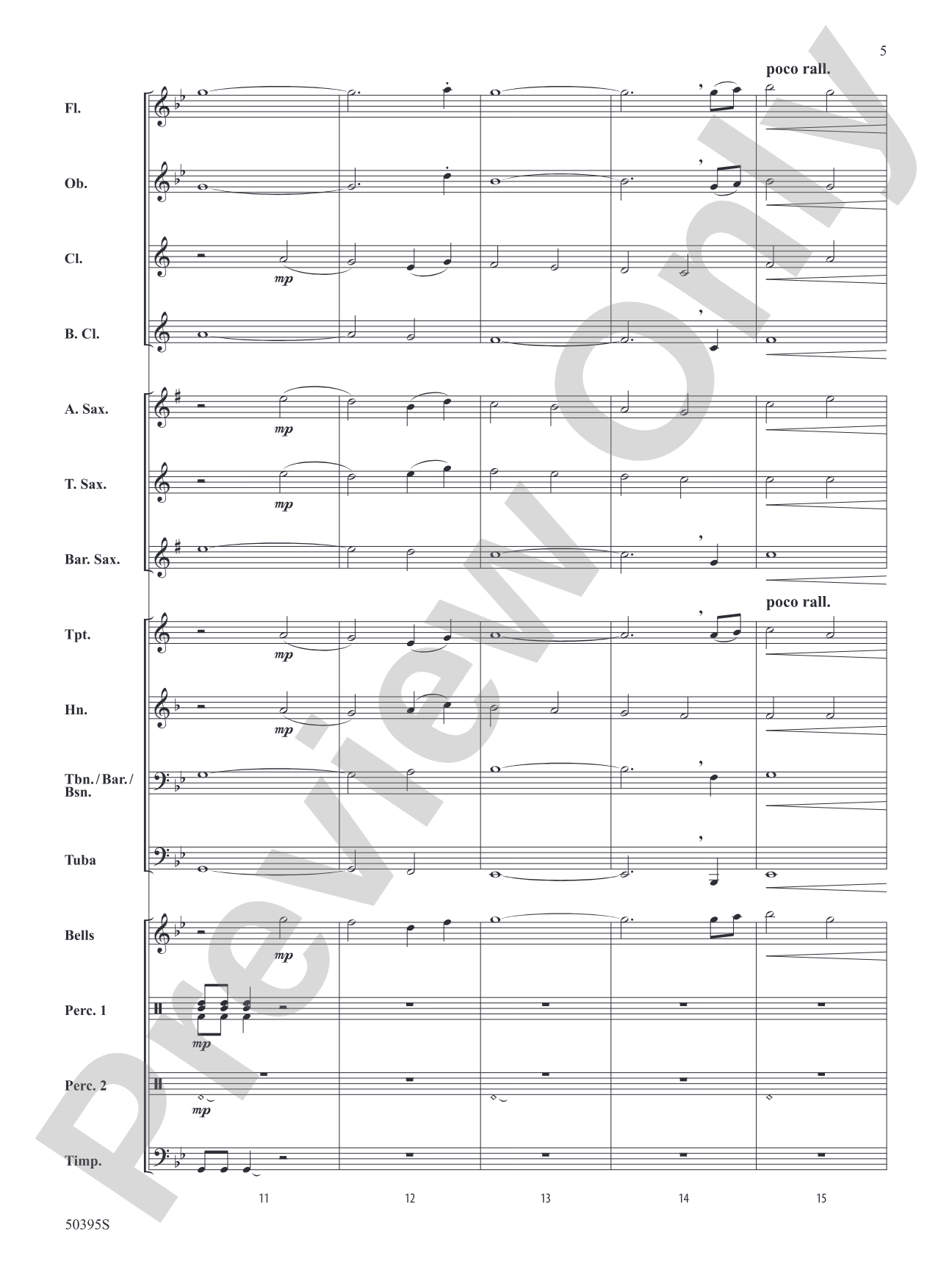
The music evokes the tension and finality of medieval combat: sharp, declarative, with moments of stark silence that mirror the weight of a fateful decision. Dynamic contrast and articulation drive the narrative forward, creating a sense of inevitable conflict and resolution.
Who it's for
This score and parts set works for concert bands at the Grade 1 level seeking repertoire that sounds mature without excessive technical demands. Directors preparing for festival or contest seasons will find a piece that showcases ensemble musicianship through clarity and control rather than speed.
How to get the most out of it
- Shape the call-and-response passages with clear sectional entrances. The drama lives in precision, so mark cues in parts and drill these moments separately before full ensemble run-throughs.
- Attack the sharp articulations with unified tonguing across the woodwind and brass sections. Differentiate between marcato and staccato by listening for clarity without harshness.
- Balance the dynamic changes by establishing a baseline volume in rehearsal. When moving from soft to loud, ensure inner voices stay audible rather than disappearing into the dynamic shift.
- Allow the conductor's gestures to breathe during the dramatic pauses. These moments of silence carry as much weight as the scored notes.
How to use it
Position this as a concert opener to grab immediate attention, or use it as a standalone contest piece where its compact length and high impact work to your advantage. The medieval theme also pairs well with concert programming that explores historical narratives in music.
Skills your students will build
- Unified articulation across woodwind and brass sections
- Balanced execution of dynamic contrasts
- Precision in call-and-response passages
- Responsive ensemble listening during sudden dynamic changes
- Interpretation of silence and pacing within dramatic structure