



The Last Days of Winter (Keyboard Percussion Quartet): Percussion Ensemble Conductor Score & Parts
For Keyboard Percussion Quartet
By Anthony Di Sanza
Grade: 2 (Medium Easy)
Item: 00-PK-0001046

$12.99
Pickup currently not available
Buy Extra Parts (Digital PDF Download)
Parts Added to Cart!
Description
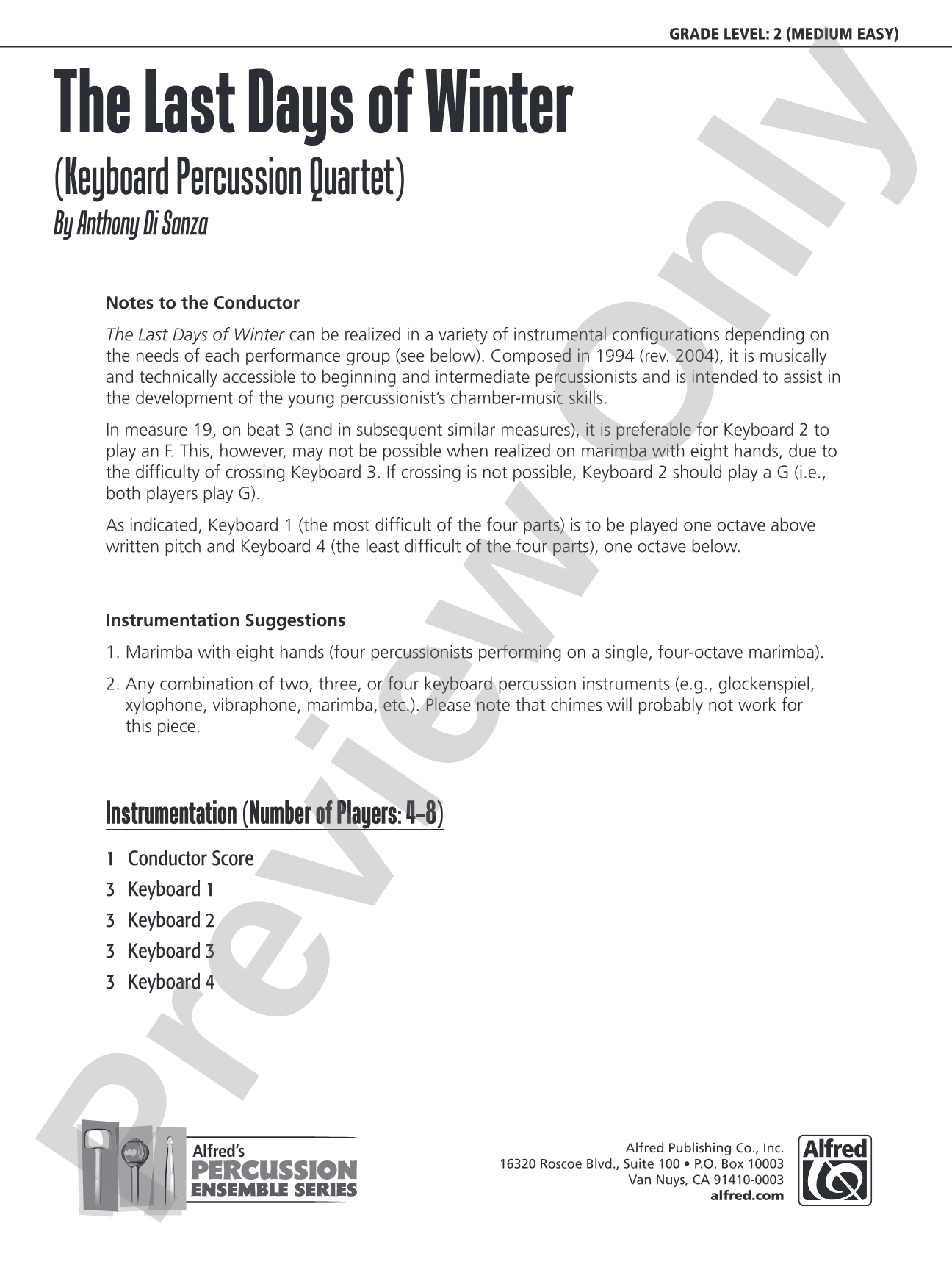
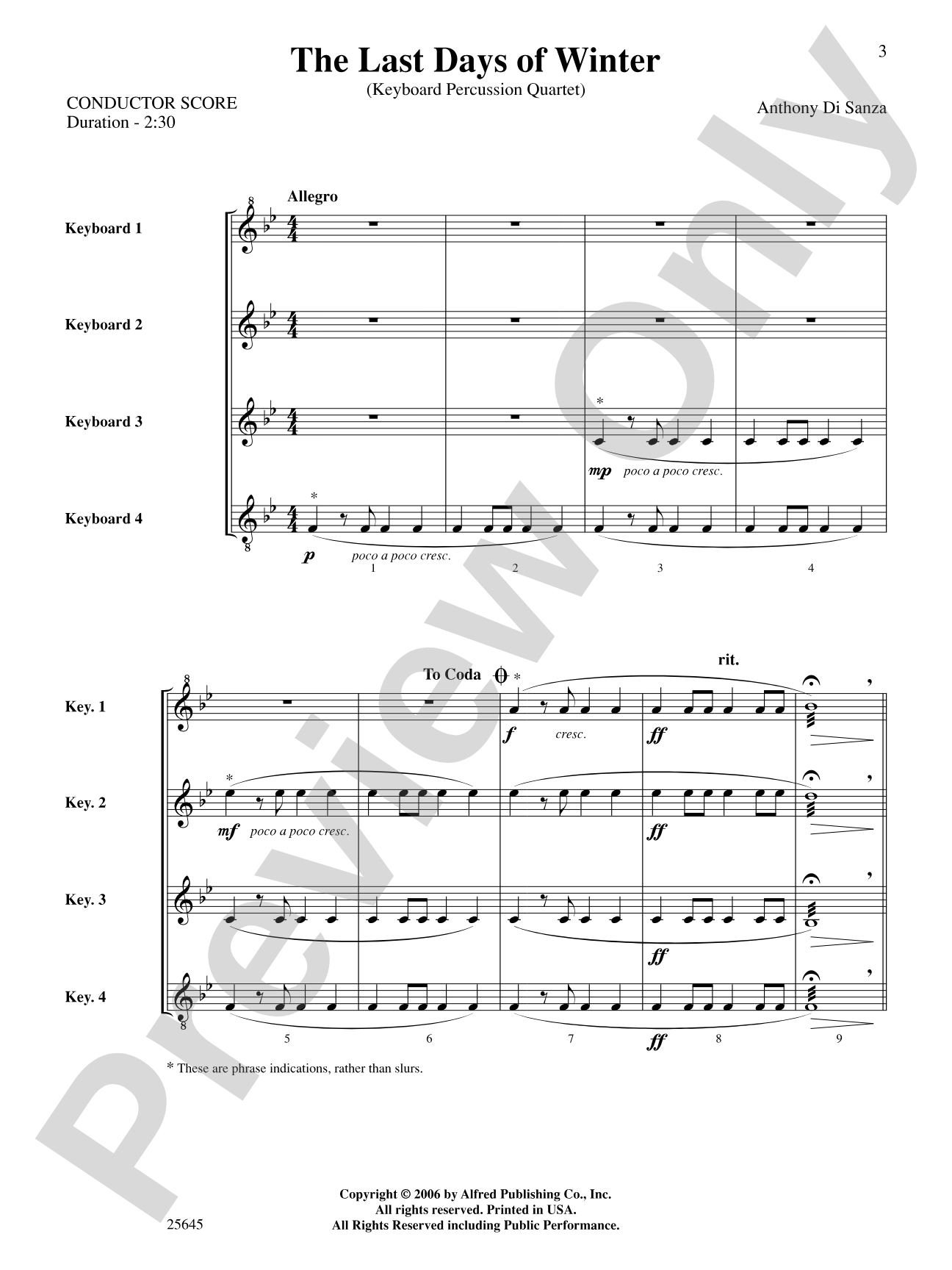
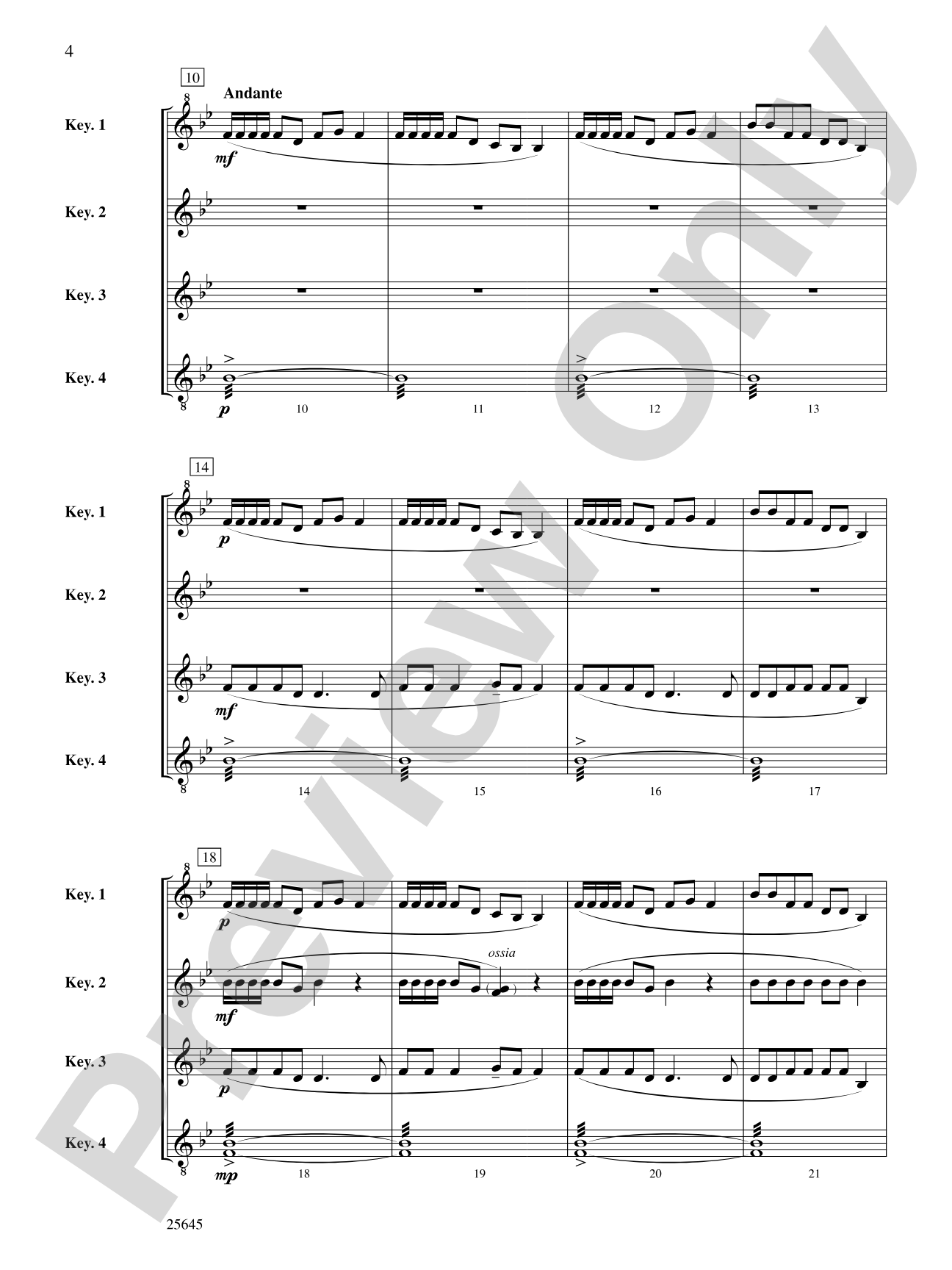
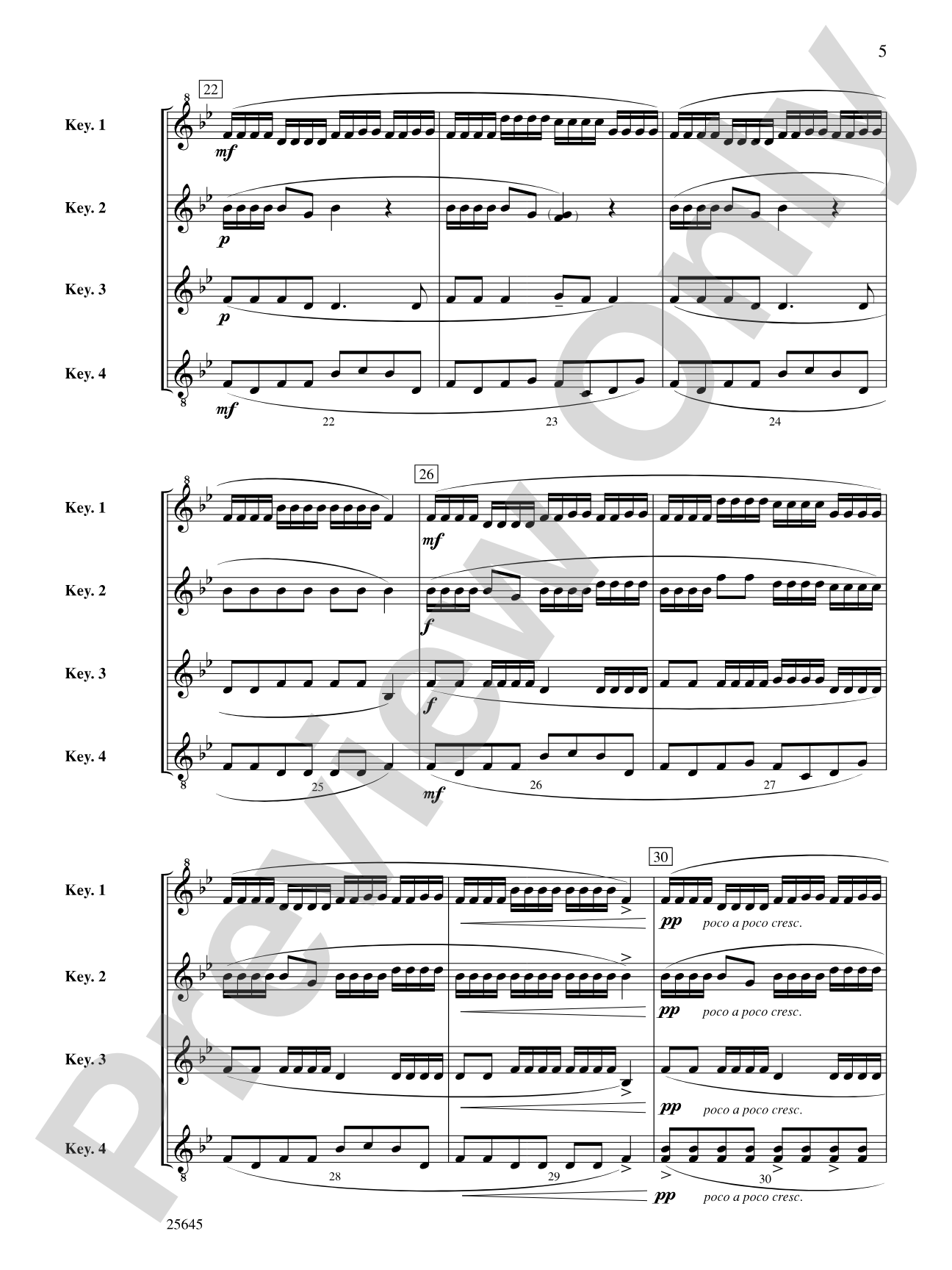
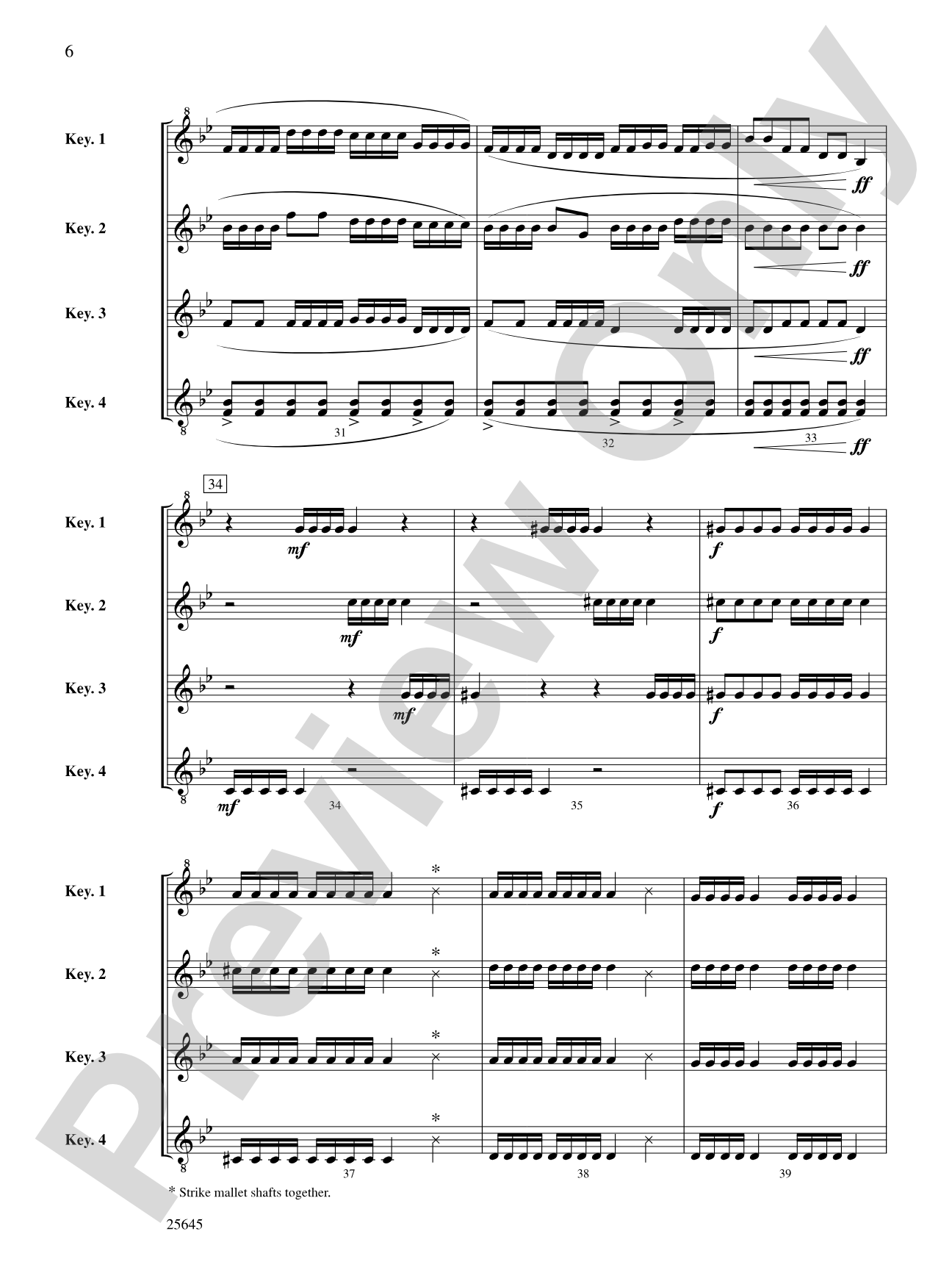
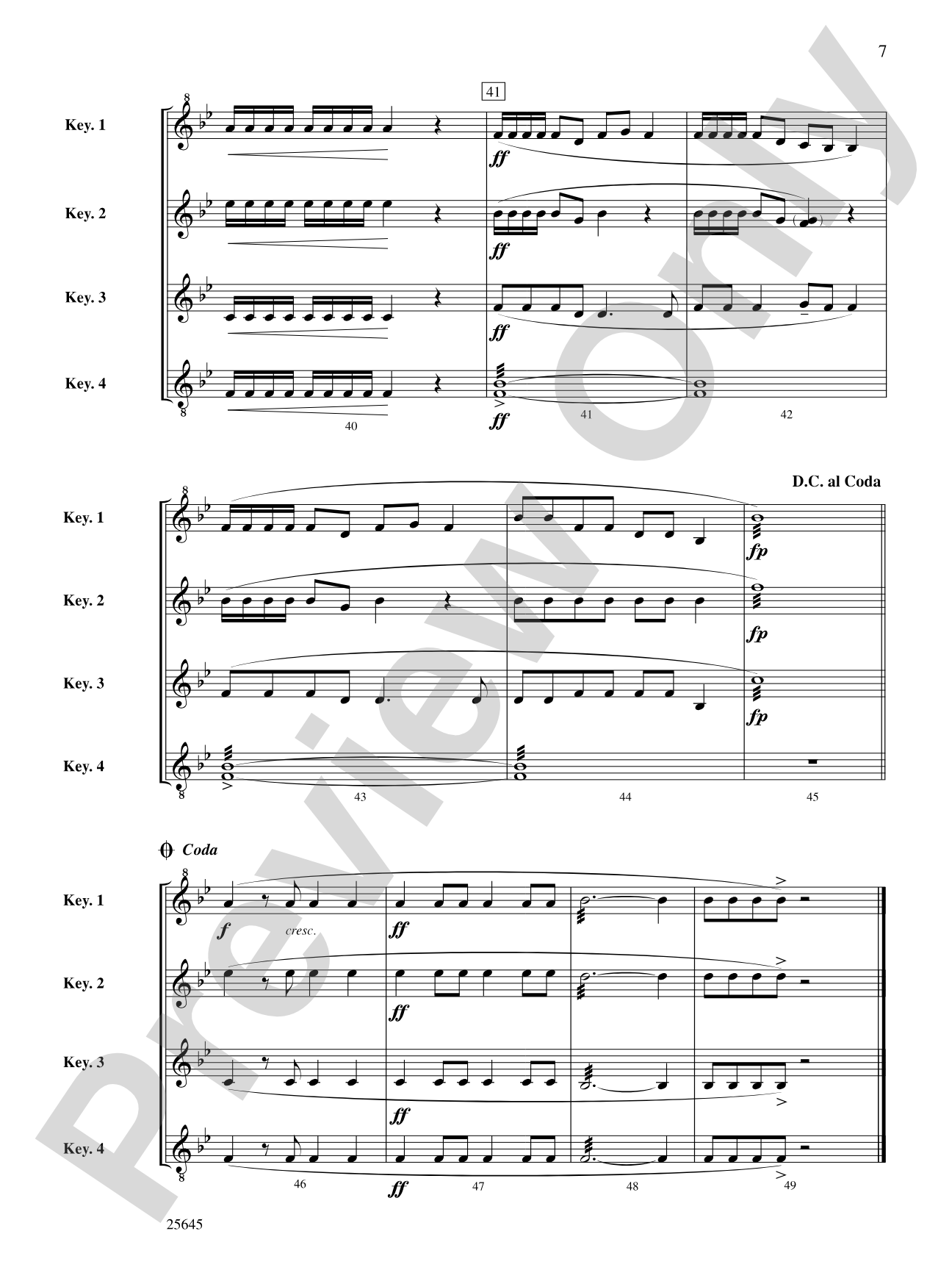
Set includes conductor score and three of each part for four keyboards.


Don't just read it, hear it, play along with it, and watch your students grow with it. In MakeMusic Cloud, The Last Days of Winter (Keyboard Percussion Quartet): Percussion Ensemble Conductor Score & Parts comes alive with professional accompaniment, adjustable tempo, and built-in practice tools that turn solo practice into real progress.
Open in the Player
Jump straight in and assign it today.
Start Your Free Trial
Open this title and explore the full library in minutes.
Sample Audio
No sample audio found.
Sample Video
No sample videos found.
Additional Details
Series:
Alfred's Percussion Ensemble Series
Publisher:
Alfred Music
Page Count:
24
SKU:
00-PK-0001046
More about this title
About the Composer: Anthony Di Sanza

Anthony Di Sanza brings decades of performance experience across multiple continents to his role as composer and educator. A Doctor of Musical Arts in percussion performance from the University of Michigan, he has premiered works by leading composers on three continents and performed at the Percussive Arts Society International Convention multiple times. His chamber and solo work spans Western and non-Western percussion traditions, and he maintains an active schedule as principal percussionist with the Madison Symphony Orchestra.
At the University of Wisconsin-Madison, where he serves as Associate Professor of Percussion, Di Sanza continues to champion new percussion music while mentoring the next generation of performers. His commissioning relationships and deep study of global percussion traditions inform his compositional voice, making his educational works both musically substantive and pedagogically sound.
Why we love this
Di Sanza writes keyboard percussion music that respects young ensembles without talking down to them. At Grade 2, this quartet balances accessibility with genuine musical content, giving your students material that sounds thoughtful on stage rather than merely functional.
What to expect
Winter's gradual retreat unfolds through keyboard textures that are transparent yet warm. The piece captures a quiet stillness punctuated by moments of gentle motion, evoking the subtle shifts in light and rhythm as one season yields to the next.
Who it's for
Percussion ensembles at the middle school level or early high school looking for accessible quartet literature that doesn't sacrifice musicality. Conductors building confidence in young percussionists will appreciate writing that gives each player a meaningful role without overwhelming technical demands.
How to get the most out of it
- Establish clear mallet choices before rehearsal begins. A consistent grip and striking zone among all four players creates blend and unified articulation across the ensemble.
- Work the conductor score to track which keyboard carries the primary line at each moment. Precise cueing prevents one player from overshadowing the others.
- Pay attention to the spatial arrangement of your four players. Seating them where they can hear each other's parts in balance strengthens rhythmic cohesion without heavy-handed conducting.
- Use the title as an interpretive touchstone. Subtle shifts in dynamics and articulation can suggest the gradual transition from one season to another.
How to use it
Program this as part of a percussion-focused concert or mixed chamber ensemble series. Its four-part texture and medium-easy demands make it an ideal pairing with student composers' works or other keyboard ensemble pieces, offering variety without requiring unusual instrumentation.
Skills your students will build
- Four-part independence and listening across a balanced ensemble
- Mallet control and consistent strike zones on pitched percussion instruments
- Dynamic shaping and phrasing across multiple players
- Reading a conductor score and responding to directional cues
- Rhythmic precision in unison and divisi textures