

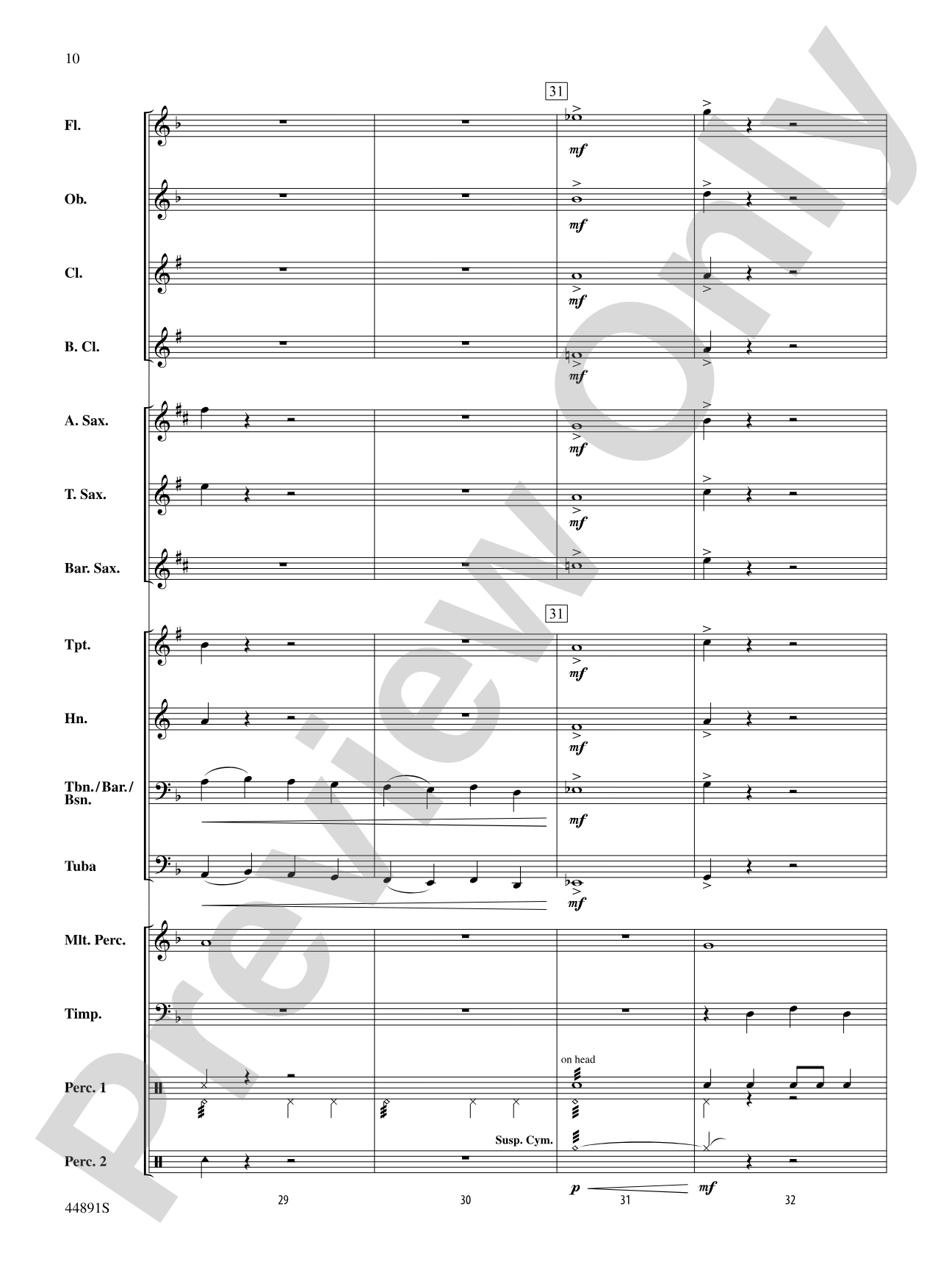
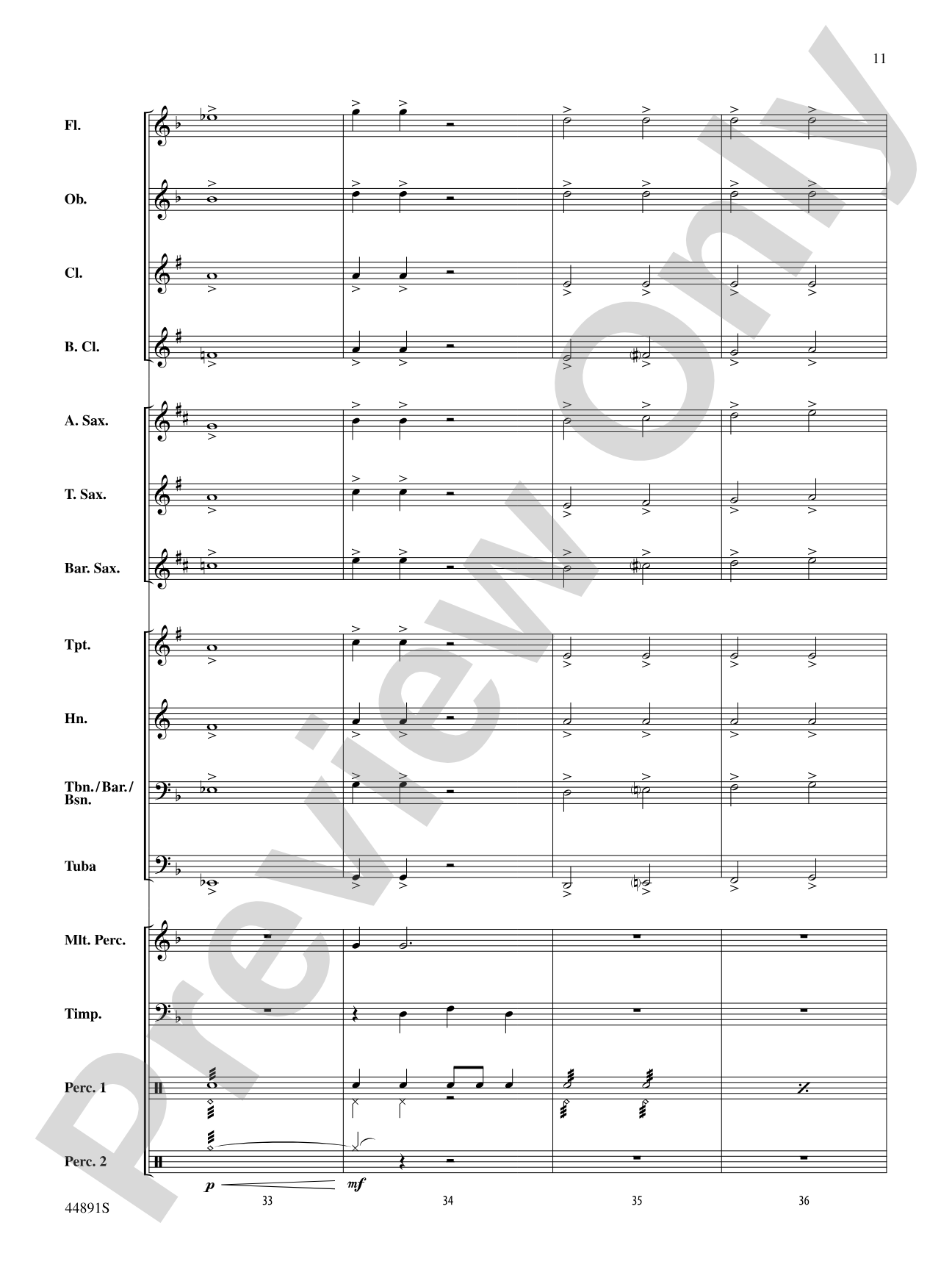
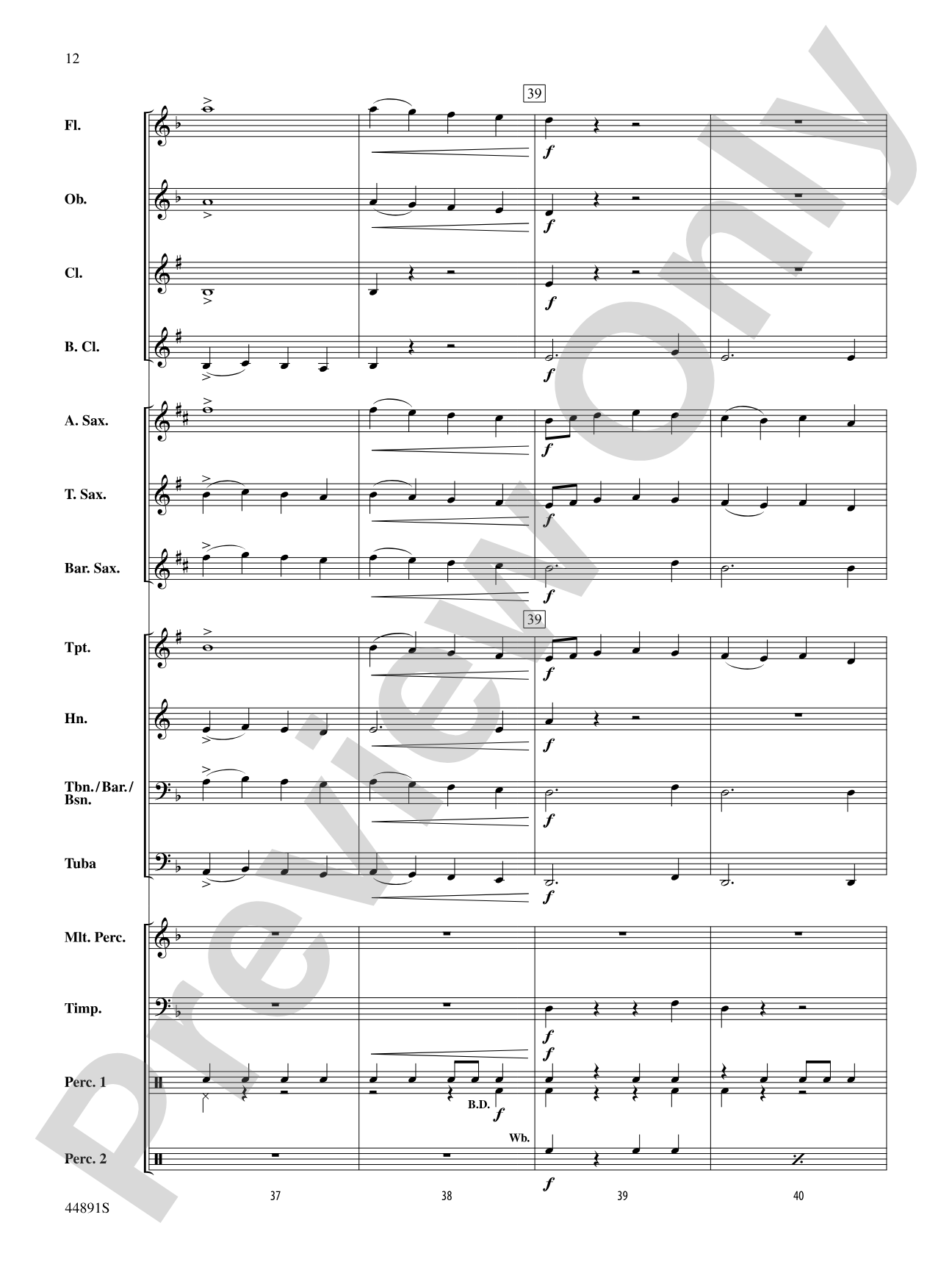
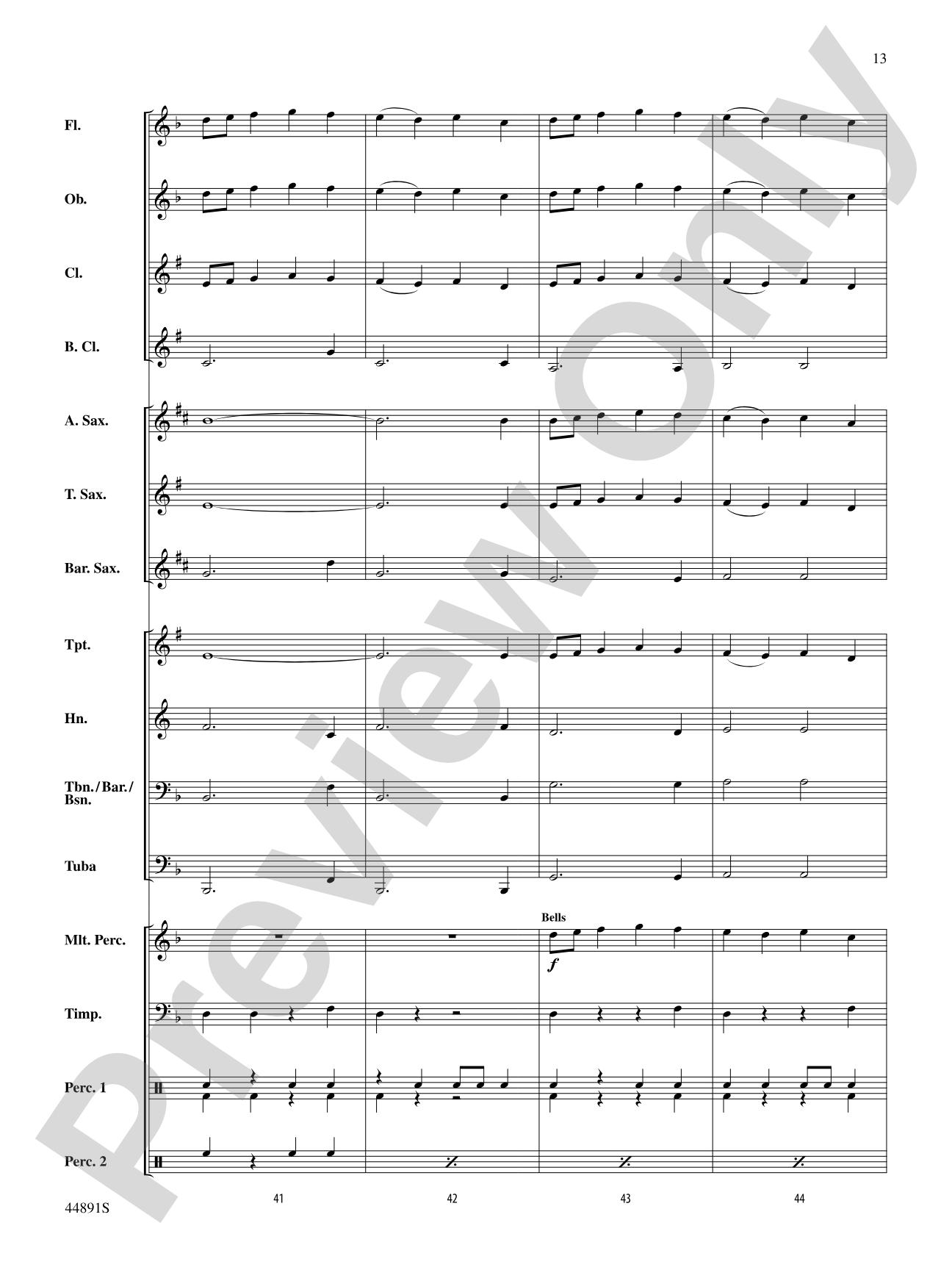
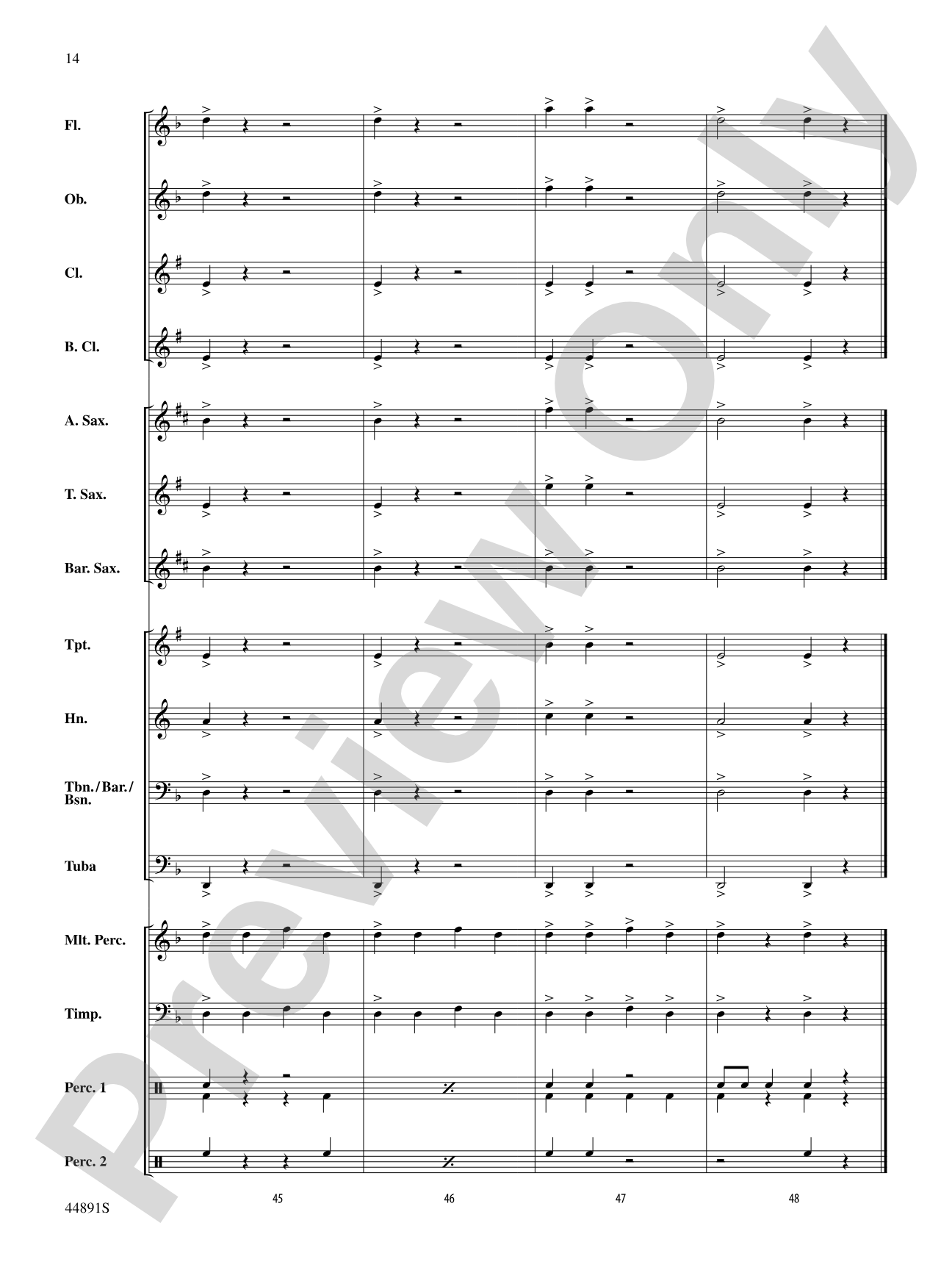

The Jaws of Fenris: Score
By Roland Barrett
Grade: 1 (Very Easy)
Item: 00-PR-0005666
$9.00
Pickup currently not available
Description
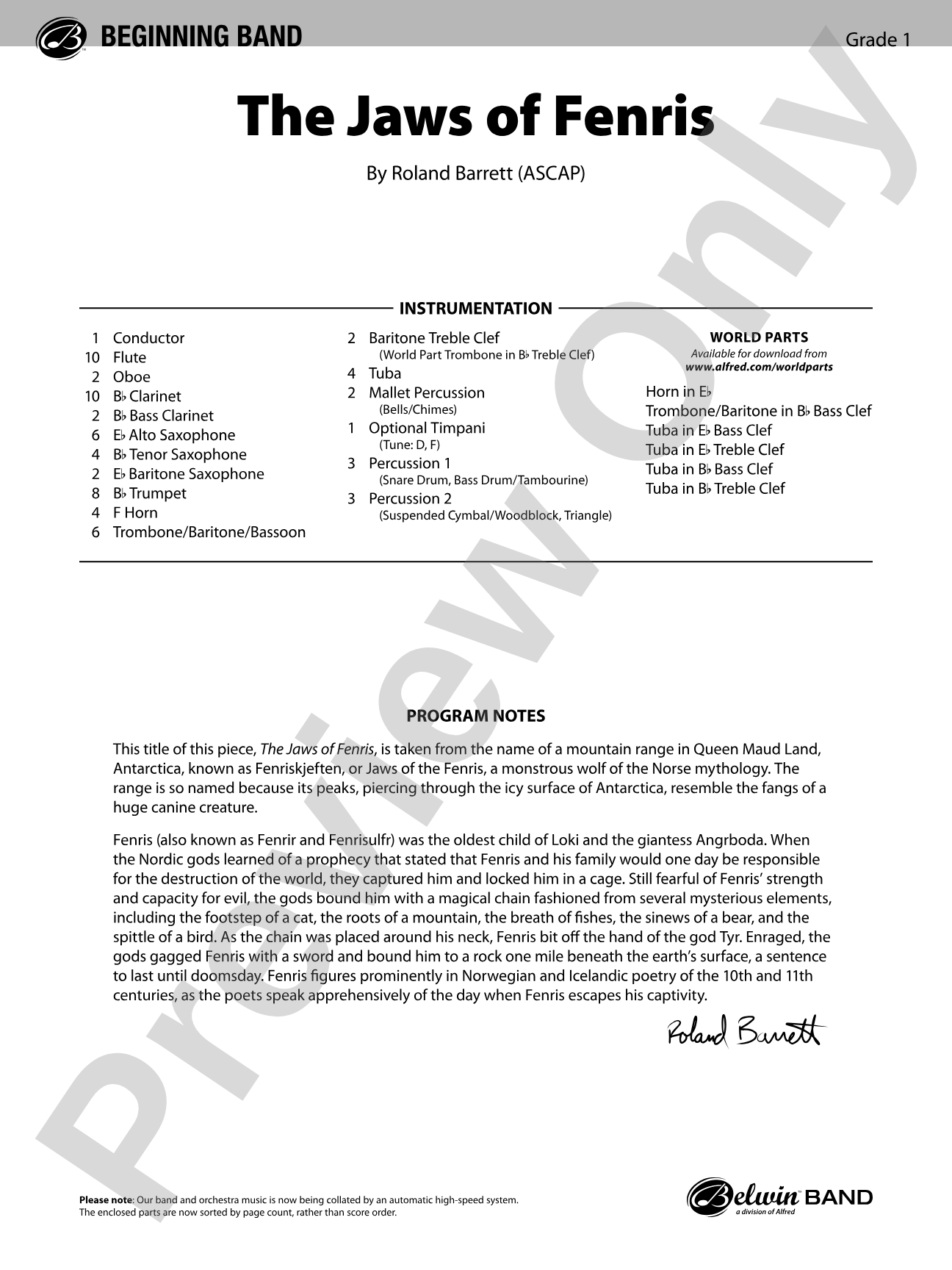
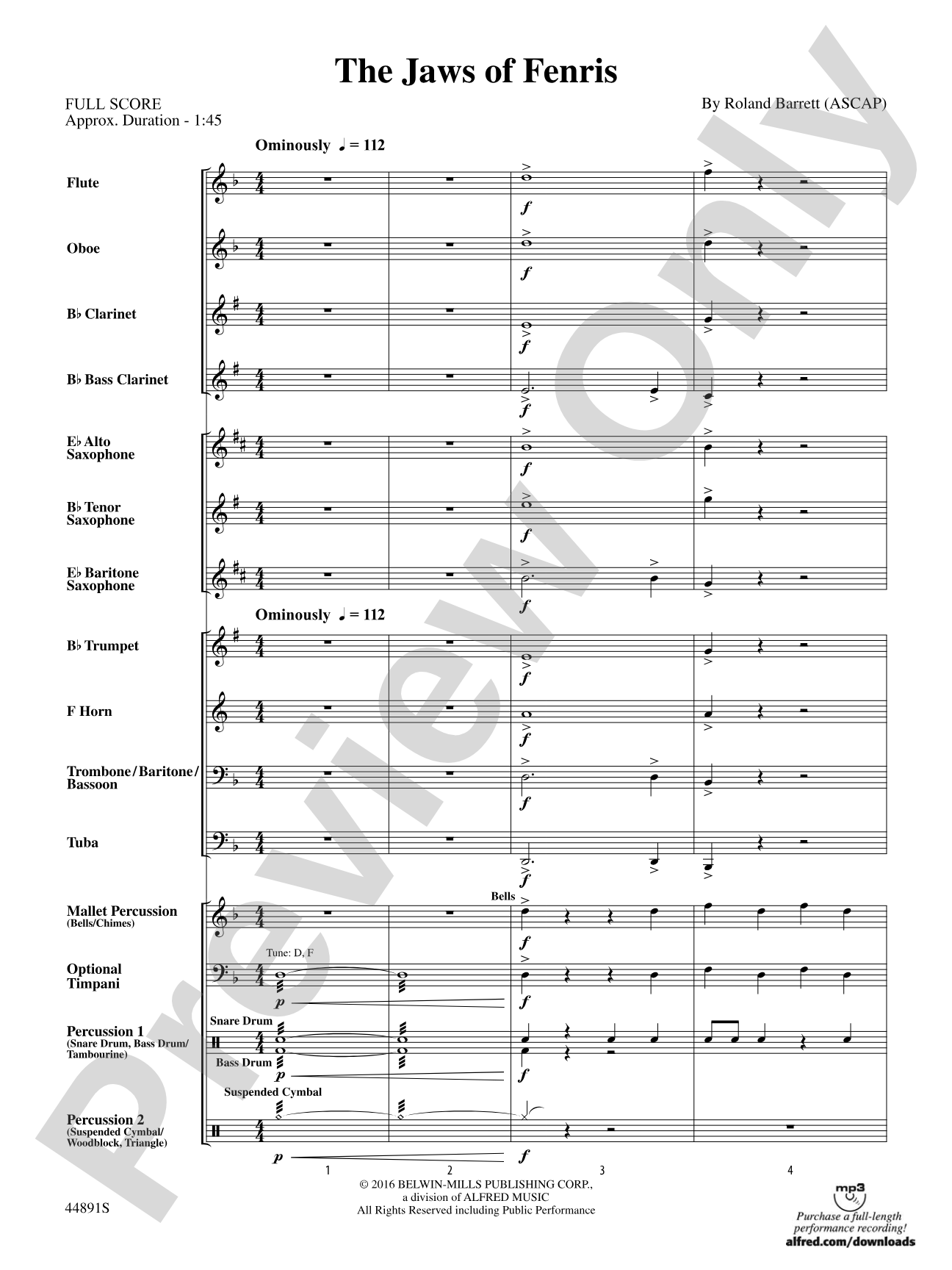
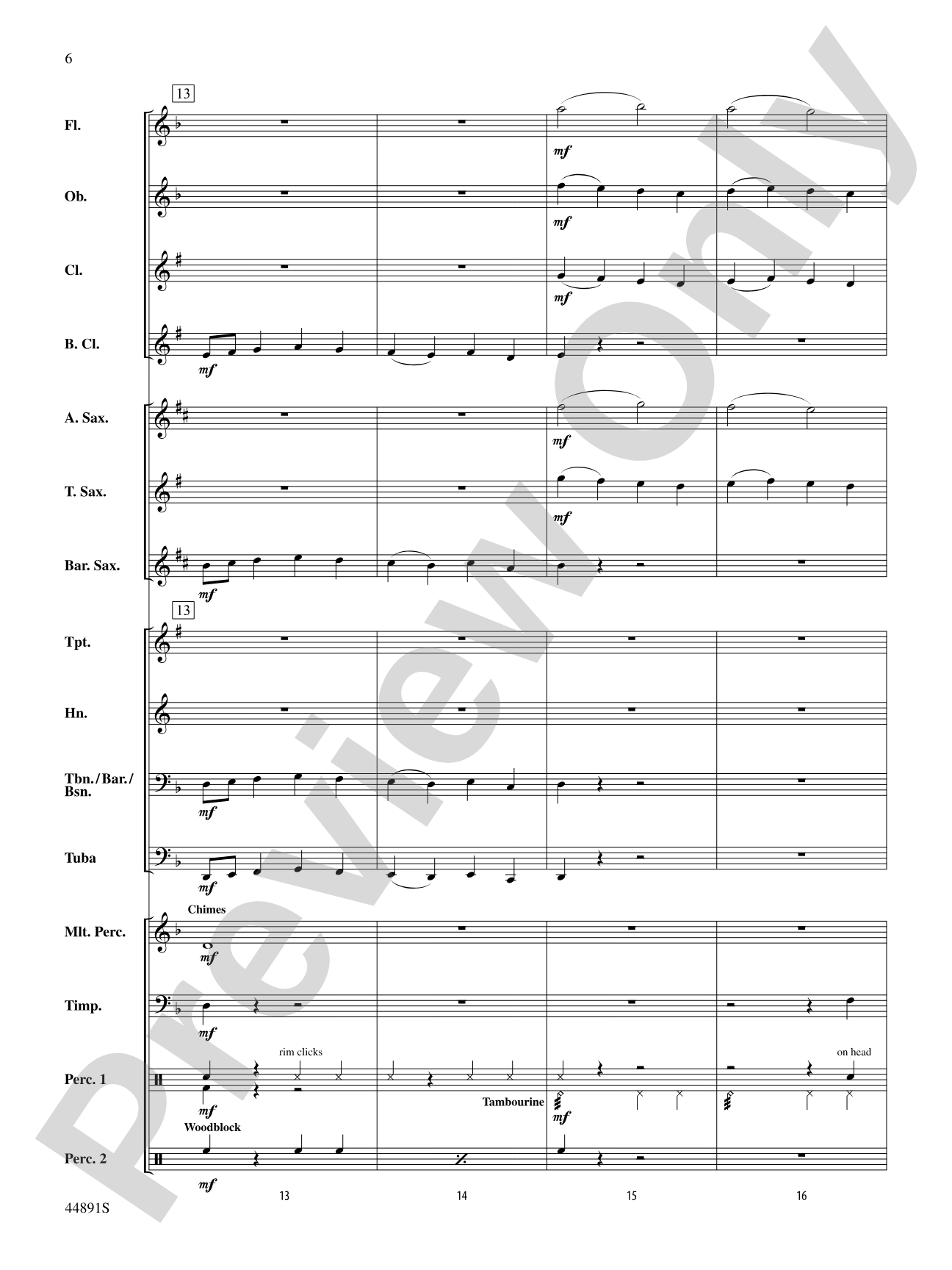
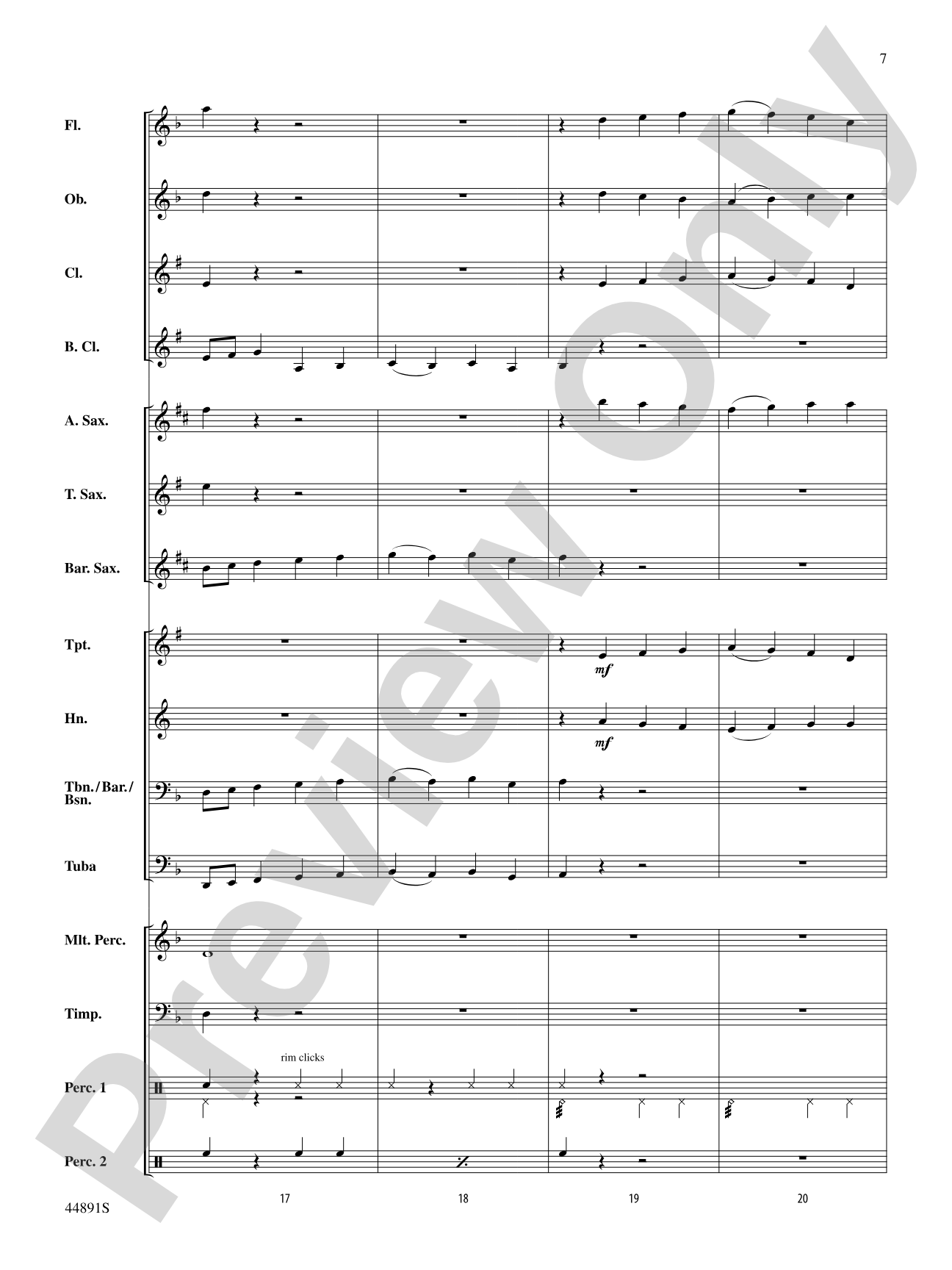
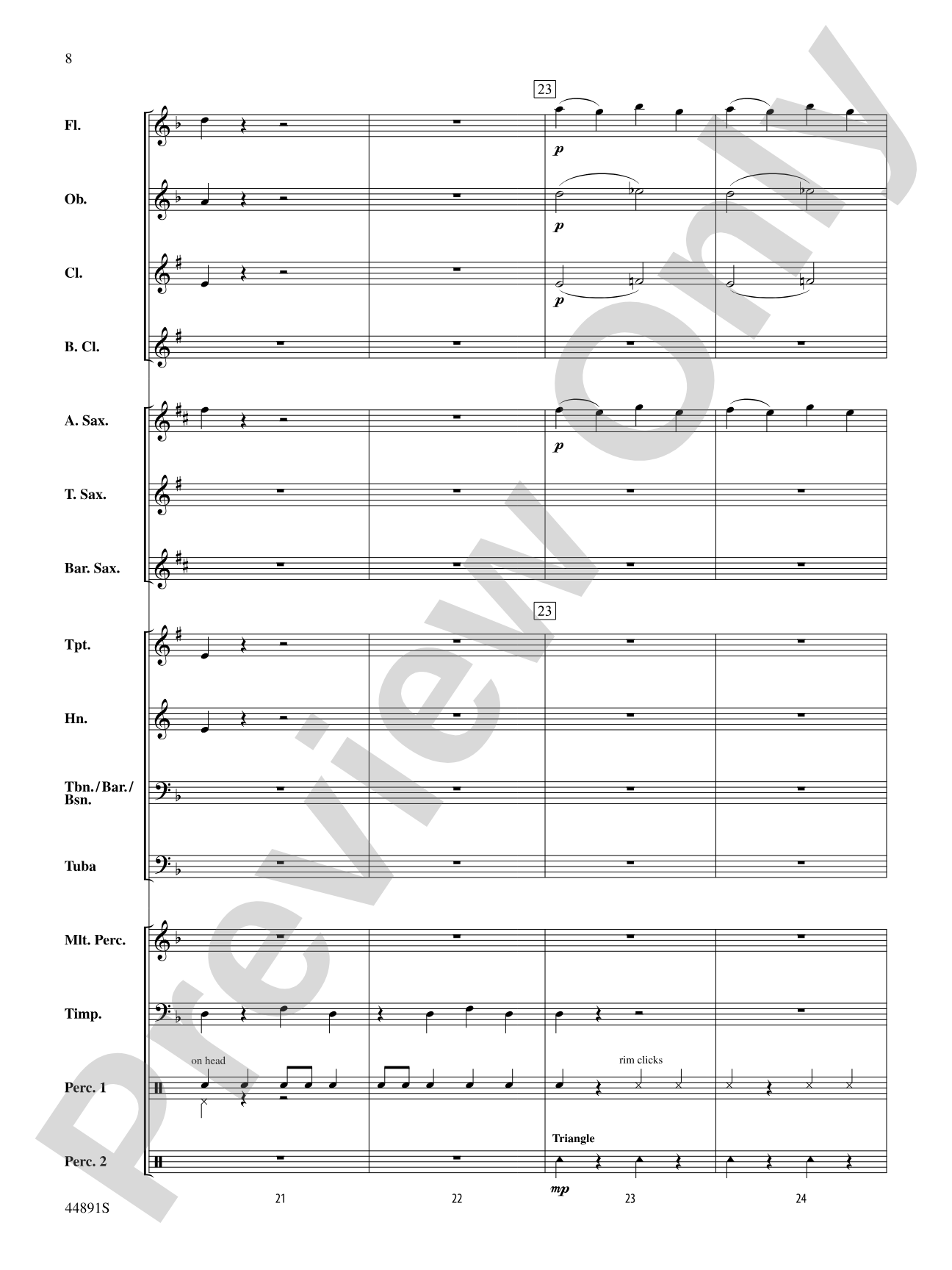
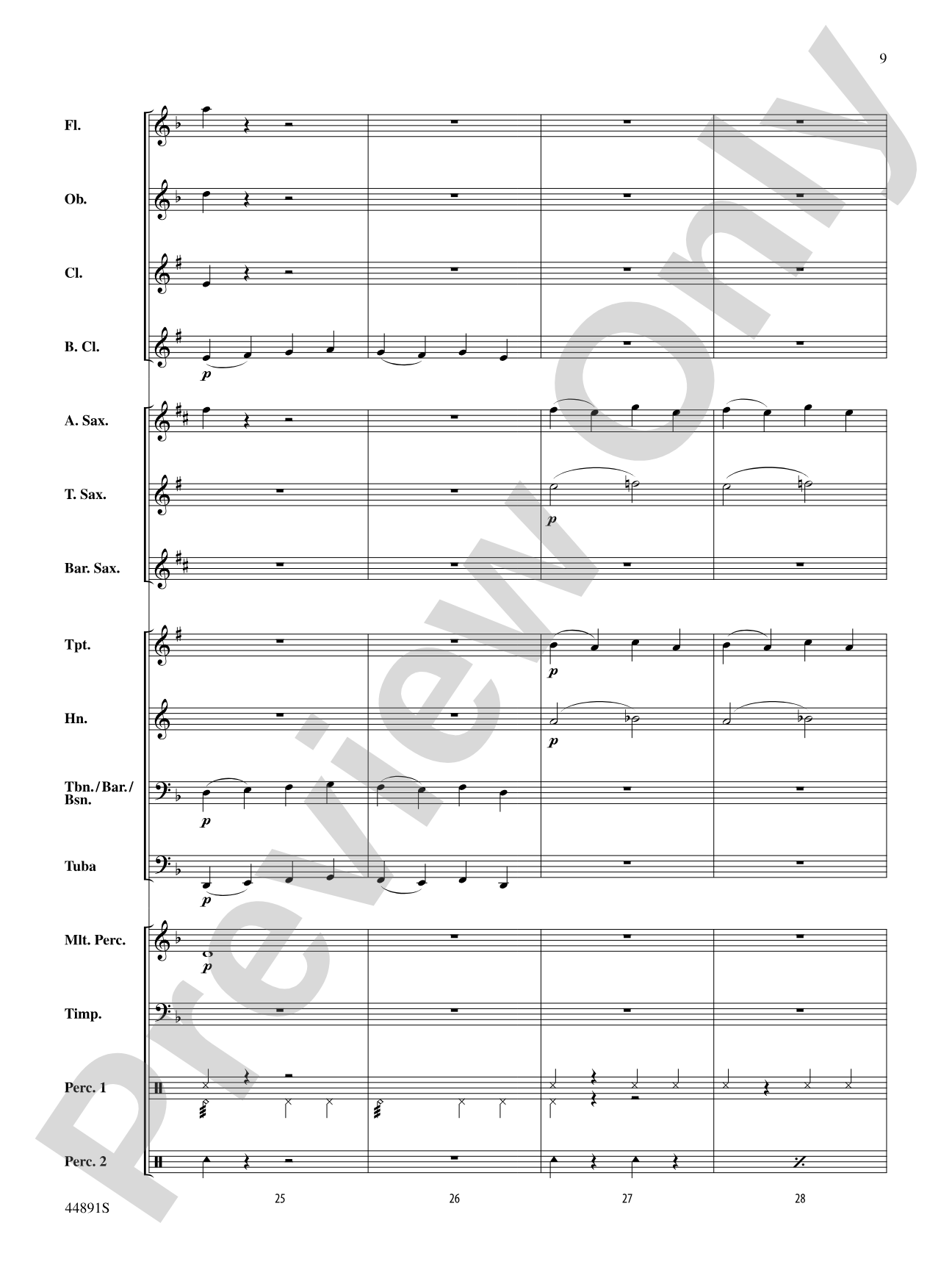
As the title implies, this stunning overture opens with an ominous initial statement and erupts to a driving musical force to the end. Inspired by an Antarctic mountain, the story is based on the Norse mythology story about a monstrous wolf. Engaging and charismatic, this composition sounds more difficult than it plays and will serve equally well on concerts or contest programs. (1:45)


Don't just read it, hear it, play along with it, and watch your students grow with it. In MakeMusic Cloud, The Jaws of Fenris: Score comes alive with professional accompaniment, adjustable tempo, and built-in practice tools that turn solo practice into real progress.
Open in the Player
Jump straight in and assign it today.
Start Your Free Trial
Open this title and explore the full library in minutes.
Sample Audio
No sample audio found.
Sample Video
Additional Details
Series:
Belwin Beginning Band
Publisher:
Alfred Music
Page Count:
138
SKU:
00-PR-0005666
More about this title
About the Composer: Roland Barrett

Roland Barrett has shaped music education and composition for over two decades. He joined the University of Oklahoma's composition and music theory faculty in 2001, where he teaches undergraduate and graduate courses with emphasis on 20th century techniques. Beyond his academic role, he arranges annually for the Pride of Oklahoma marching band and has maintained steady creative output across multiple ensembles and performance contexts.
Barrett's catalog includes more than two hundred published works for symphonic band, chamber groups, and marching ensembles. His music has reached national audiences through performances by the Dallas Wind Symphony, All-State and All-Region Honor Bands, and broadcasts on NPR and specialty networks. He is a multiple recipient of the ASCAPlus award and holds previous recognition from the University of Oklahoma's composition scholarship program.
Why we love this
Barrett wrote this overture to sound more imposing than its Grade 1 level suggests, meaning your students experience genuine musical impact without wrestling with technical complexity. The piece builds naturally from ominous introduction to powerful climax, giving young players a satisfying arc and concert-ready material that impresses audiences without requiring advanced reading or independence. It fits equally into concert and festival programs, making it a smart choice when programming flexibility matters.
What to expect
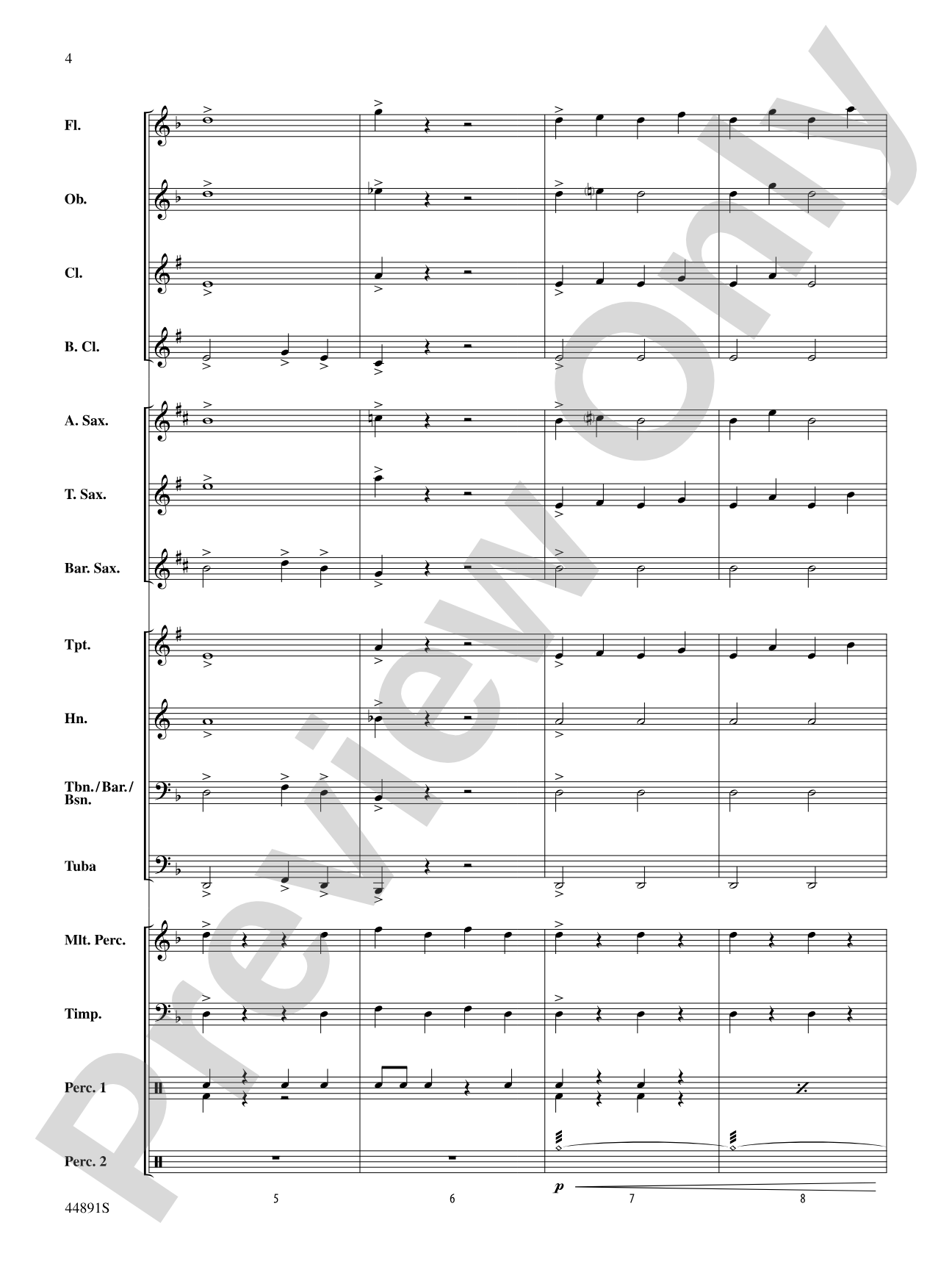
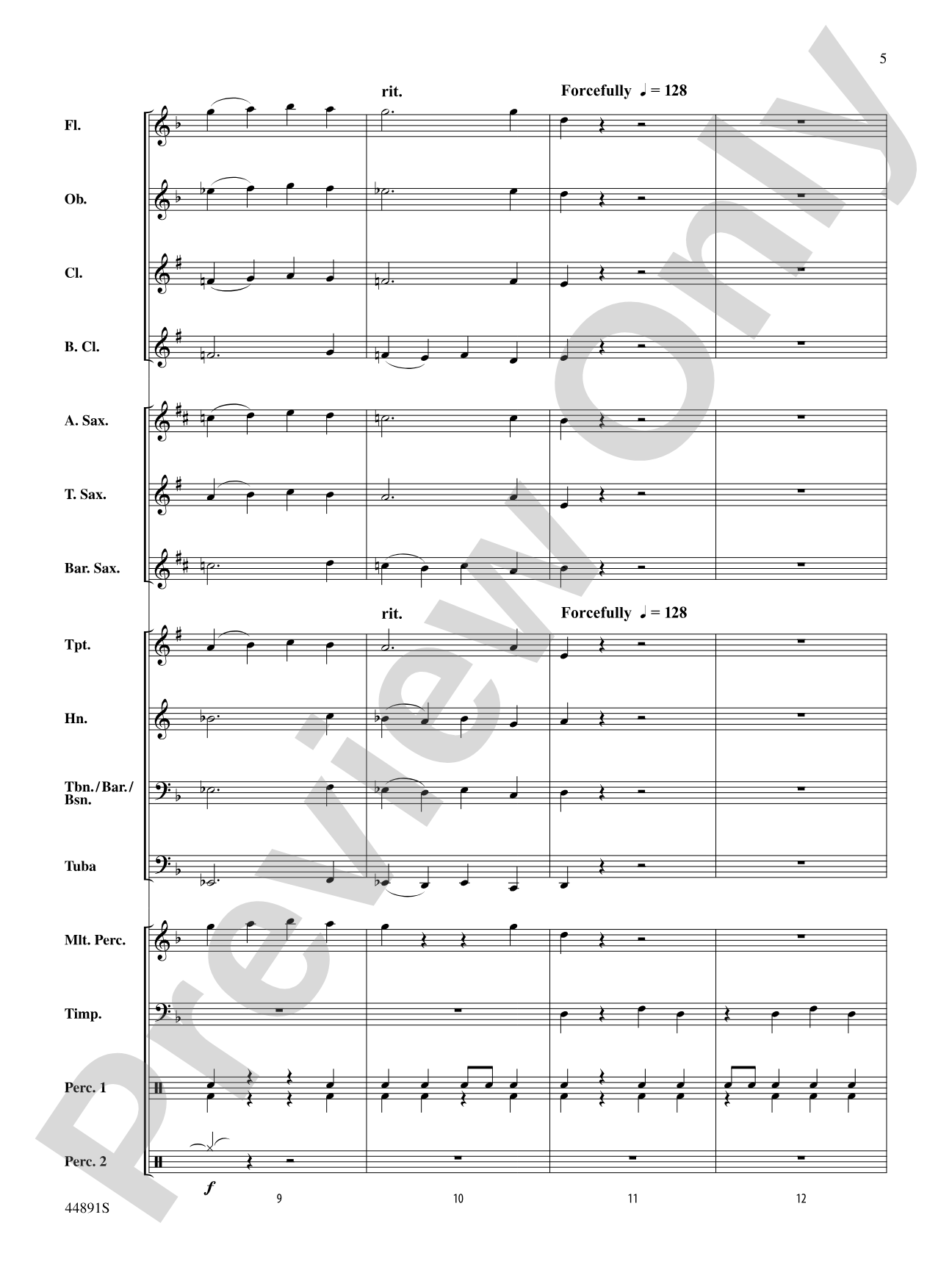
The opening unfolds with brooding tension as low voices carry a menacing theme through a sparse landscape. Energy builds steadily until the piece releases into a muscular, propulsive section that sweeps forward with driving purpose and genuine momentum.
Who it's for
Beginning concert bands and Grade 1 ensembles ready to move beyond simple marches into genuinely dramatic literature. Directors seeking material that challenges students musically and narratively without overwhelming inexperienced readers will find this overture rewarding for both learning and performance.
How to get the most out of it
- Balance the ominous opening with clarity rather than murkiness; younger ensembles often underestimate how effective a clean, supported low register can be.
- Shape the eruption to the driving section as a gradual intensification rather than an abrupt shift, letting the forward momentum build naturally across the transition.
- Anchor the percussion parts with precision; even simple rhythmic figures become the glue holding the ensemble together when articulation is clean and consistent.
How to use it
Program this as an opening concert selection to signal that your ensemble takes artistic intent seriously, or use it as a festival entry when you need Grade 1 material with competitive appeal. The Norse mythology connection also makes it ideal for thematic programming around literature, mythology, or world cultures.
Skills your students will build
- Sustaining tone quality and intonation across dynamic changes from soft to loud
- Reading extended passages in unison and simple harmonic textures
- Executing a clear crescendo that transitions from one musical section to another
- Balancing ensemble sound when melody and accompaniment functions are distributed across the band