The Invitation Sheet Music Preview

The Invitation: SATB Choral Octavo

By Ethan McGrath

Item: 35-DS00449804

Digital Download
$2.99
Description

The Invitation: SATB Choral Octavo isn't in MakeMusic Cloud just yet...but it could be. Let us know you'd like to see it, and you'll help shape what comes next. In the meantime, start a free trial and dive into thousands of interactive titles your students can play along with today.

Sample Audio
No sample audio found.
Sample Video
Additional Details
Publisher: Hal Leonard
Page Count: 11
SKU: 35-DS00449804

More about this title

About the Composer: Ethan McGrath

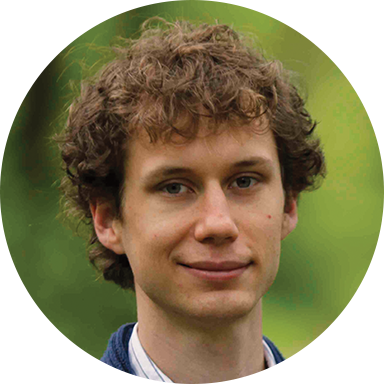
Ethan McGrath

Ethan McGrath draws inspiration from the rich tradition of English sacred music, particularly the works of Ralph Vaughan Williams and Herbert Howells, while remaining deeply engaged with American composers like Aaron Copland and Samuel Barber. Based in Chattanooga, Tennessee, McGrath studied composition at the University of Tennessee at Chattanooga under Jonathan McNair, Roland Carter, and Mario Abril, and has also developed significant organ skills through study with Judy Glass at Southern Adventist University.

McGrath's artistic voice centers on setting poetry to music with particular attention to American literary voices. His setting of Walt Whitman's "When lilacs last in the dooryard bloom'd" established his reputation among choral musicians and has been championed by prominent clinicians including Rodney Eichenberger, who featured the work at the 2013 ACDA National Conference. His choral catalog reflects both his academic training and his experience as an organist in Chattanooga's faith communities.

Why we love this

McGrath's sacred writing speaks directly to SATB choirs without pretension or unnecessary technical hurdles, making room for singers to inhabit the text with genuine spiritual weight. The piece draws from his deep study of Vaughan Williams and Howells but maintains a distinctly American sensibility, giving your choir music that feels both grounded in tradition and fresh in voice.

What to expect

The piece inhabits a space of quiet conviction, built from harmonies that resonate with hymnic tradition yet unfold with contemporary harmonic sophistication. There is generosity in McGrath's voice leading, a sense that he has written generously for singers rather than at them, creating music that feels both contemplative and genuinely moving in performance.

Who it's for

Sacred choirs at intermediate to advanced levels looking for repertoire grounded in the English choral tradition but written by a composer with genuine ties to American musical language. This works particularly well for community choirs, church choirs, and collegiate ensembles seeking music that rewards careful rehearsal without requiring virtuosic technical demands.

How to get the most out of it

  • Treat the text as an active conversation rather than declaration; singers should explore the specific meaning of each phrase before locking in interpretive choices.
  • Balance the harmonic language carefully across all four voices so that McGrath's voice leading (influenced by his English compositional models) becomes audible rather than muddled.
  • Consider the overall arc of the work; identify moments of textual and harmonic intensity so you can shape dynamics with intention rather than habit.
  • Pay close attention to any divisi passages to ensure both sections are equally prepared and confident, preventing tonal imbalance.

How to use it

Use this as a centerpiece for a service of sacred music, or position it alongside other works that engage spiritual questioning and invitation. Its moderate length and emotional directness also make it a compelling closing piece on concert programs where you want the final memory to be one of genuine human connection rather than technical display.

Skills your students will build

  • Harmonic awareness in four-part writing with English choral influence
  • Text-music relationships and expressive phrasing within formal structures
  • Independent voice lines with secure blend and balance across full harmony
  • Sustained legit singing through passages requiring control and breath management
  • Interpretive depth in sacred repertoire drawn from literary sources

You May Also Like