
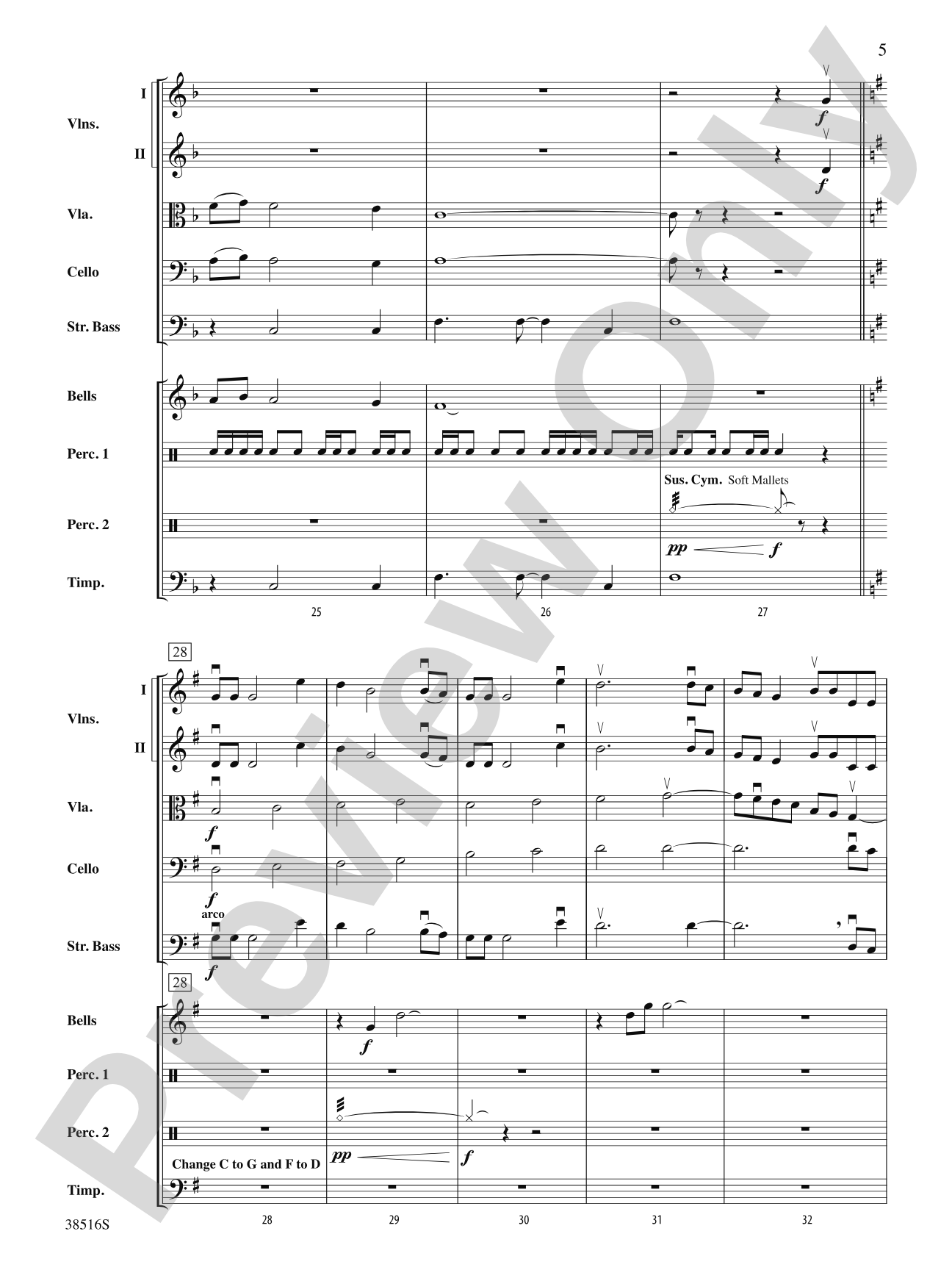
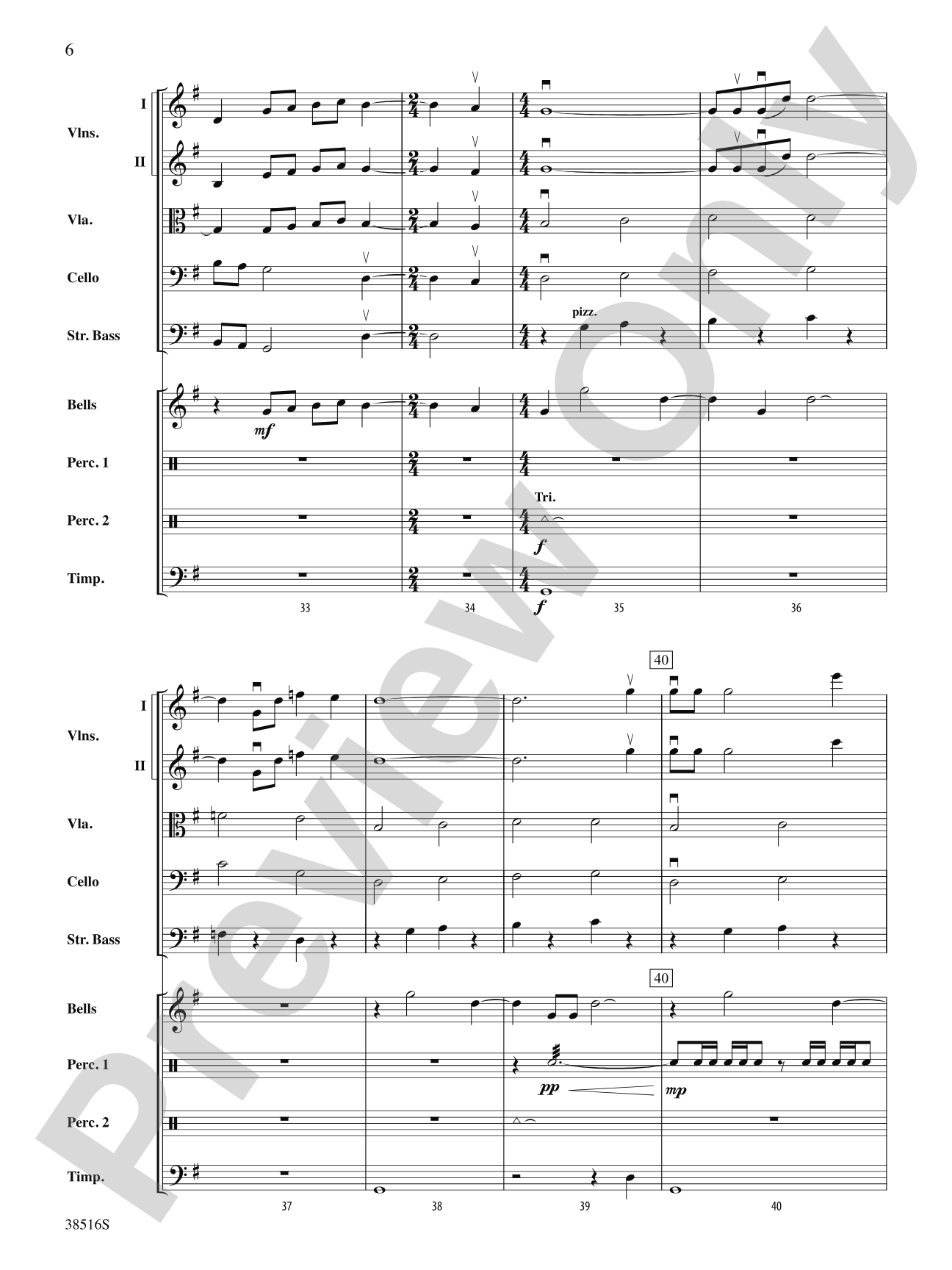
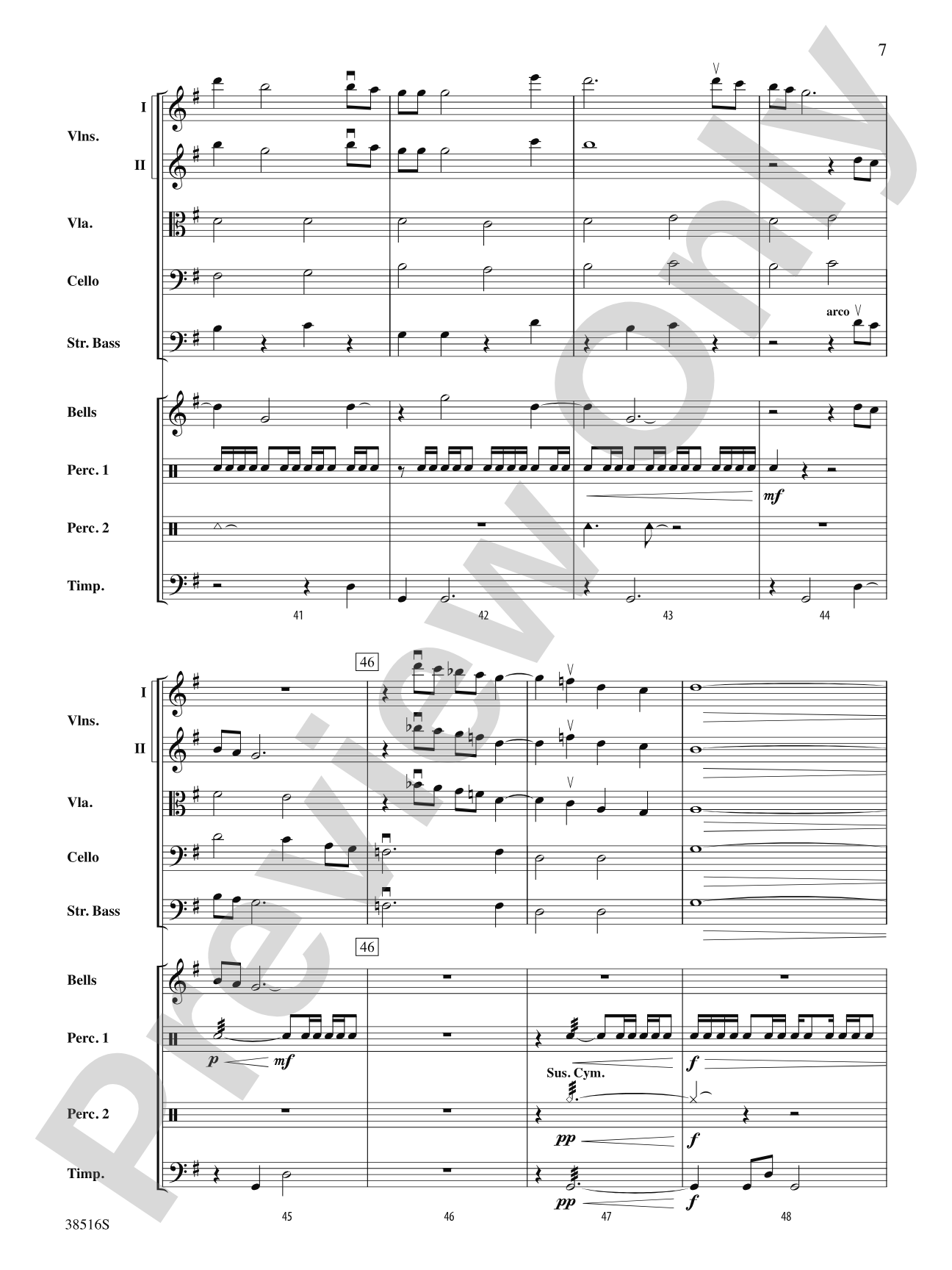
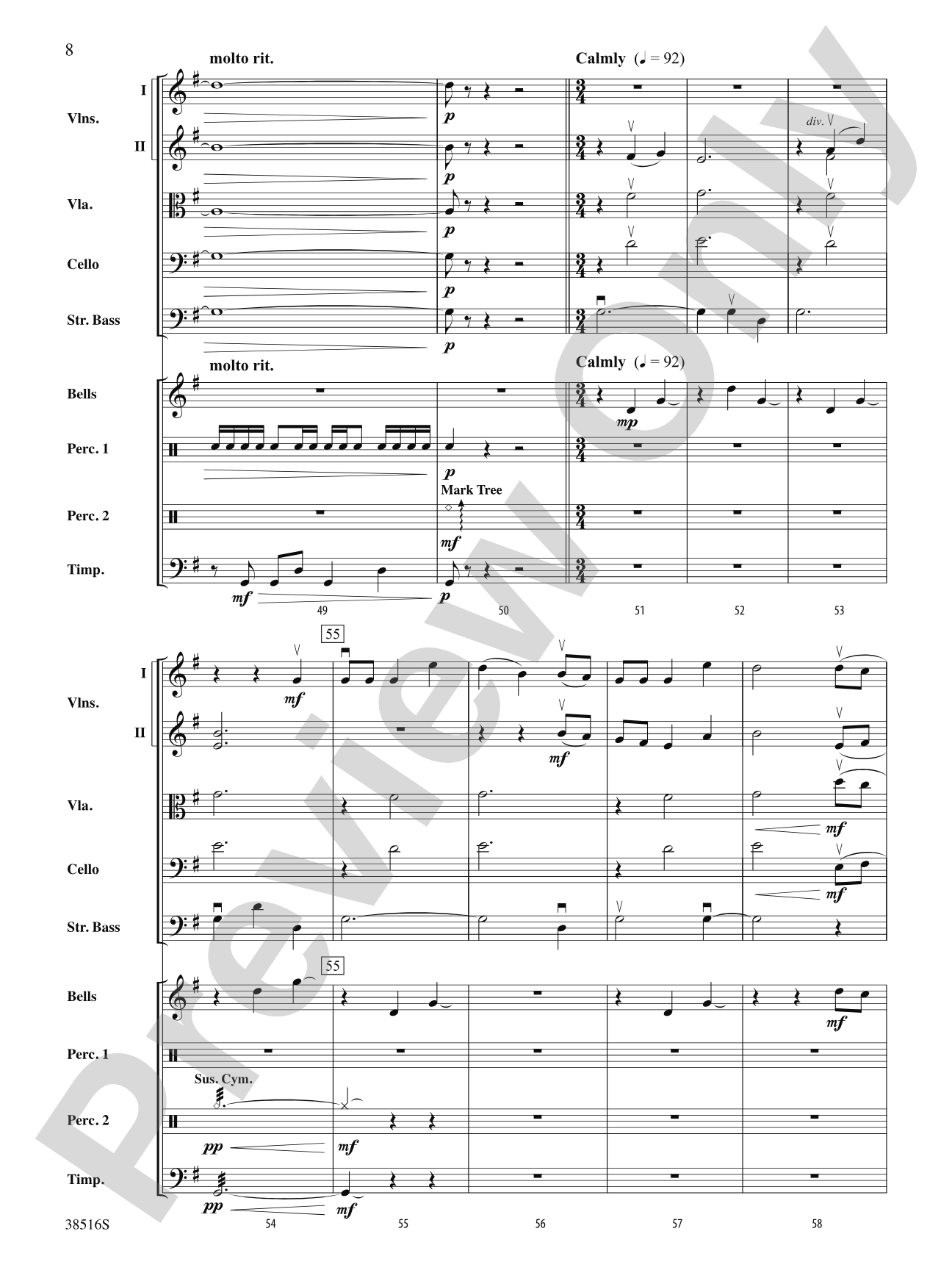
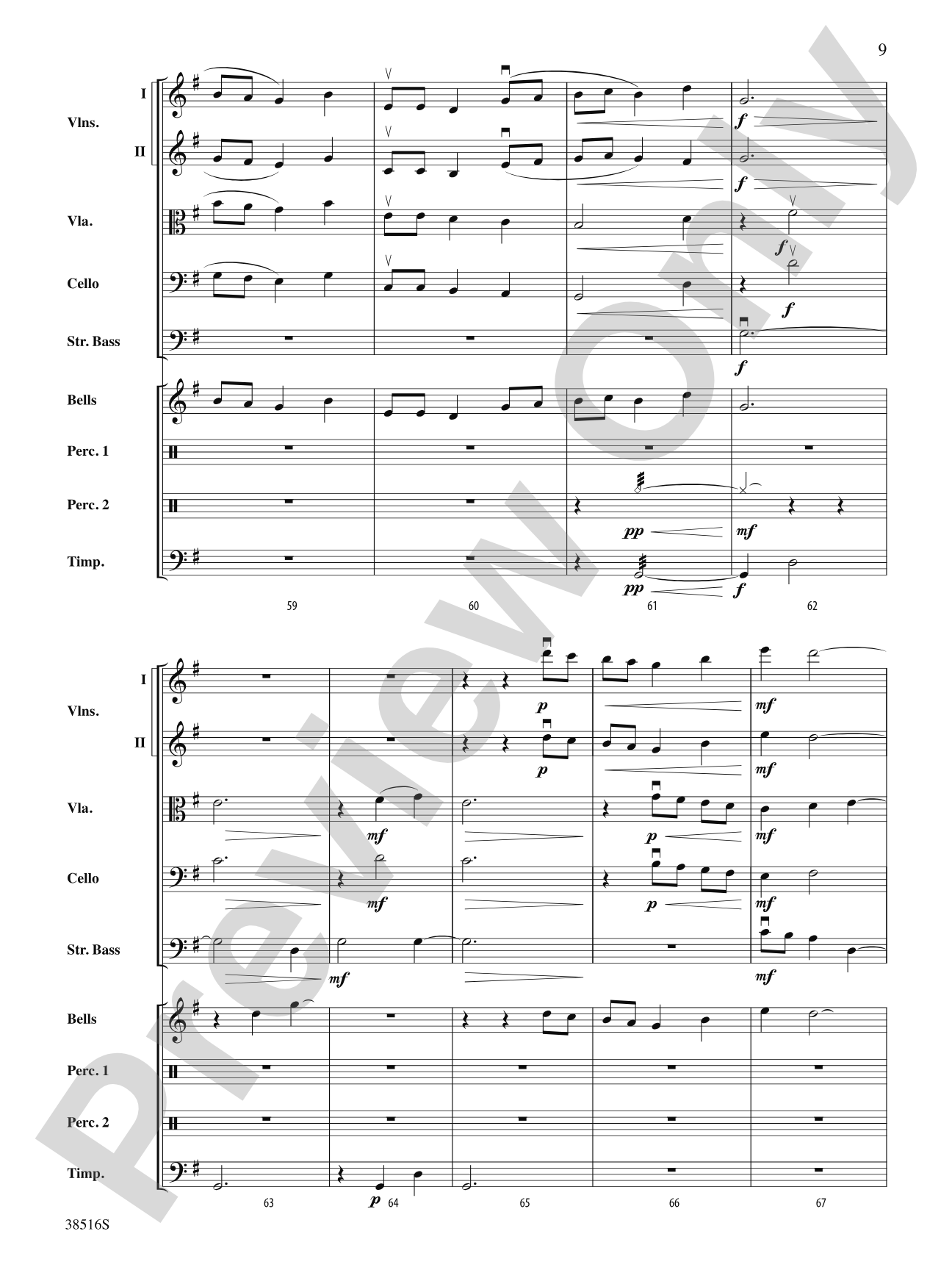
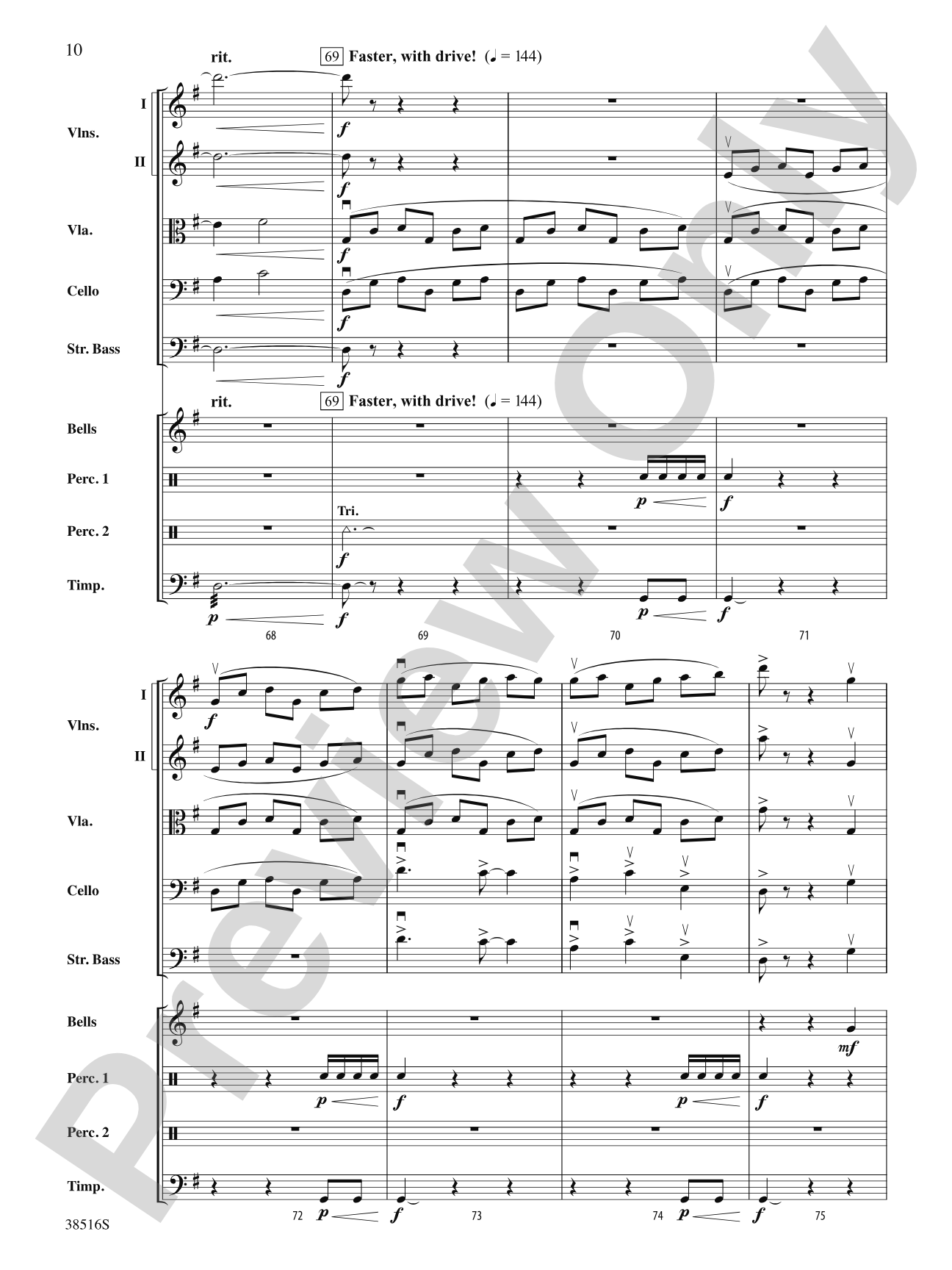
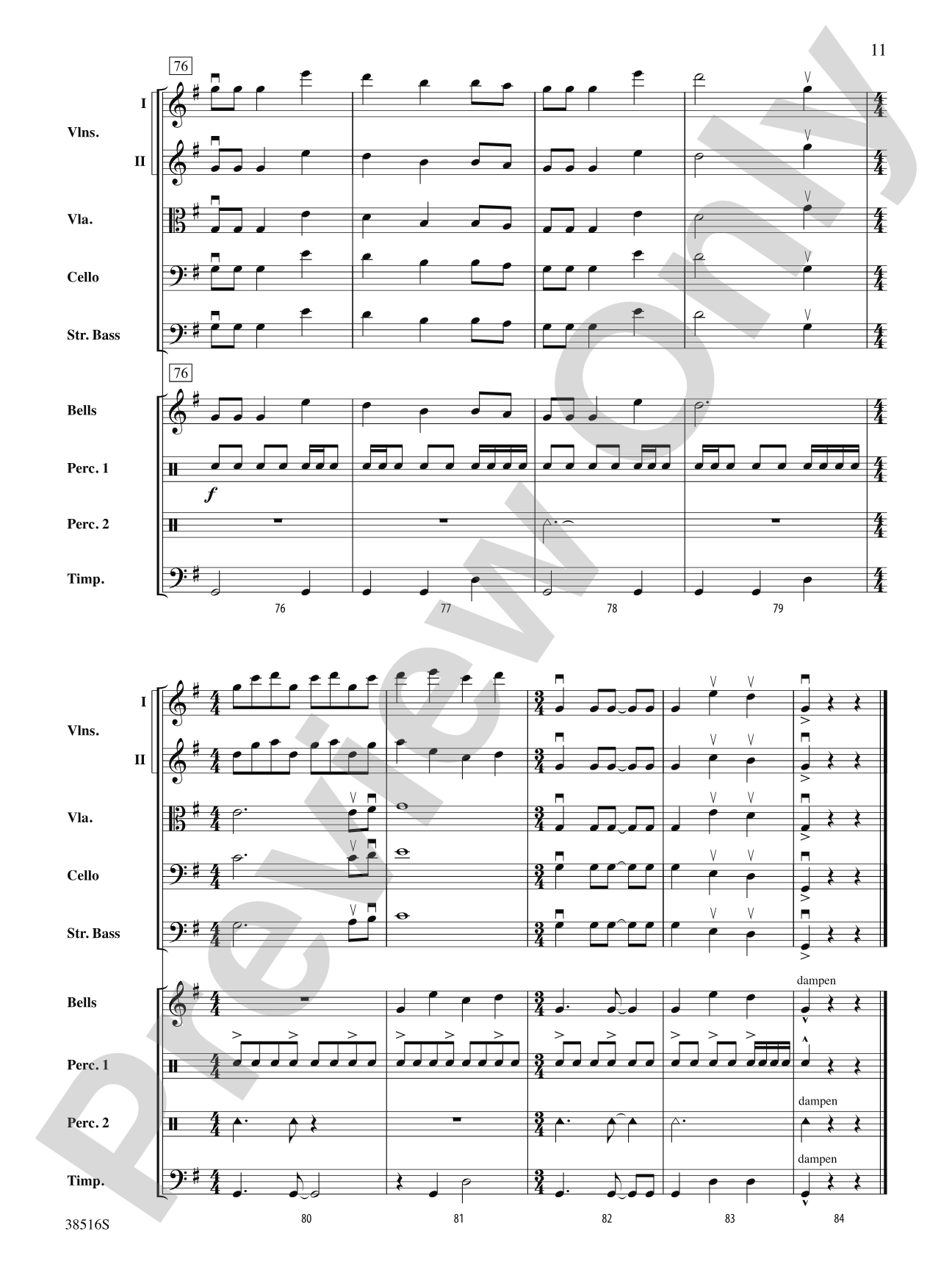

The Holly and the Ivy: Score
Traditional / arr. Vince Gassi
Grade: 3
Item: 00-PR-0003870
$7.00
Pickup currently not available
Description
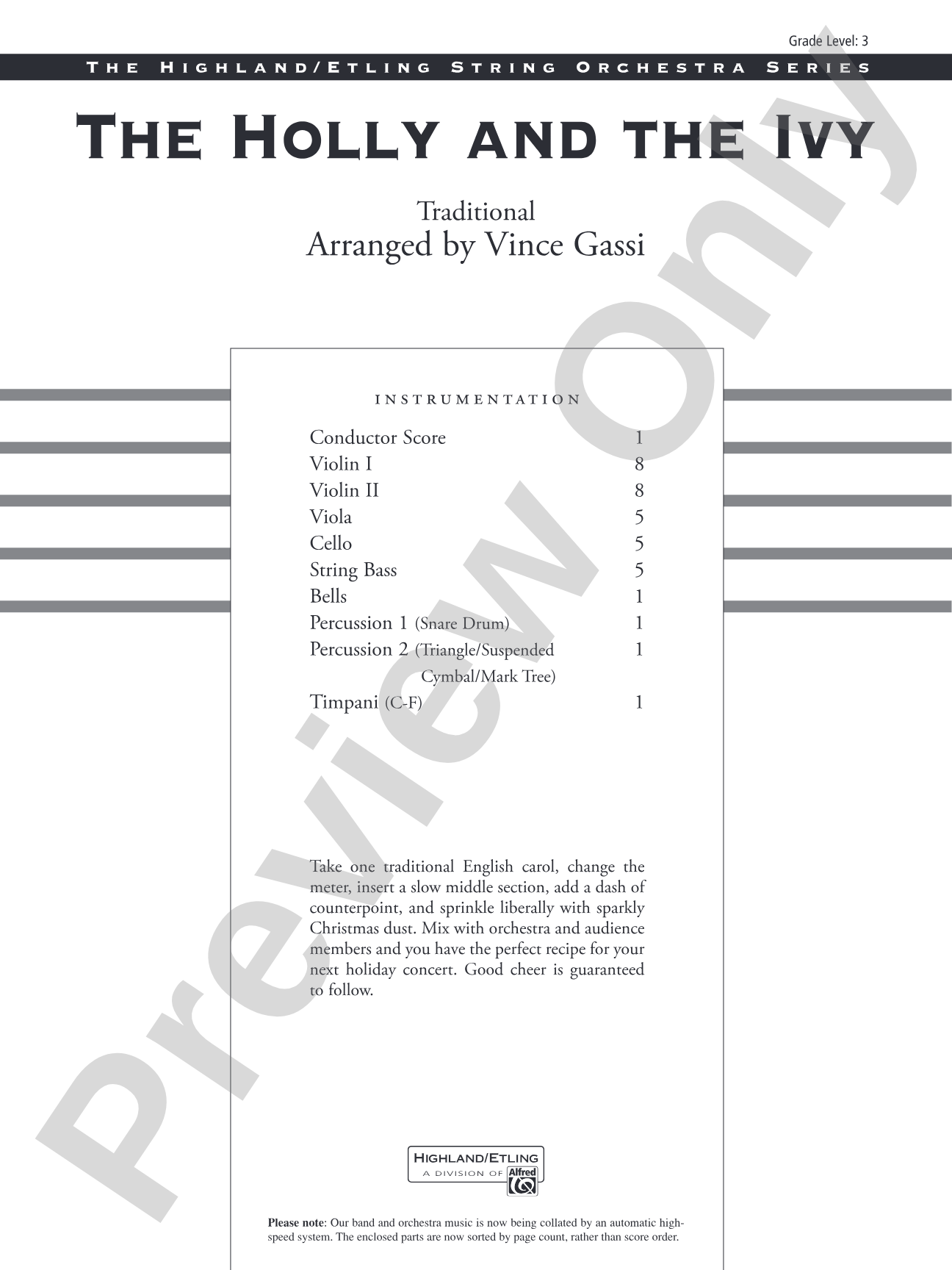
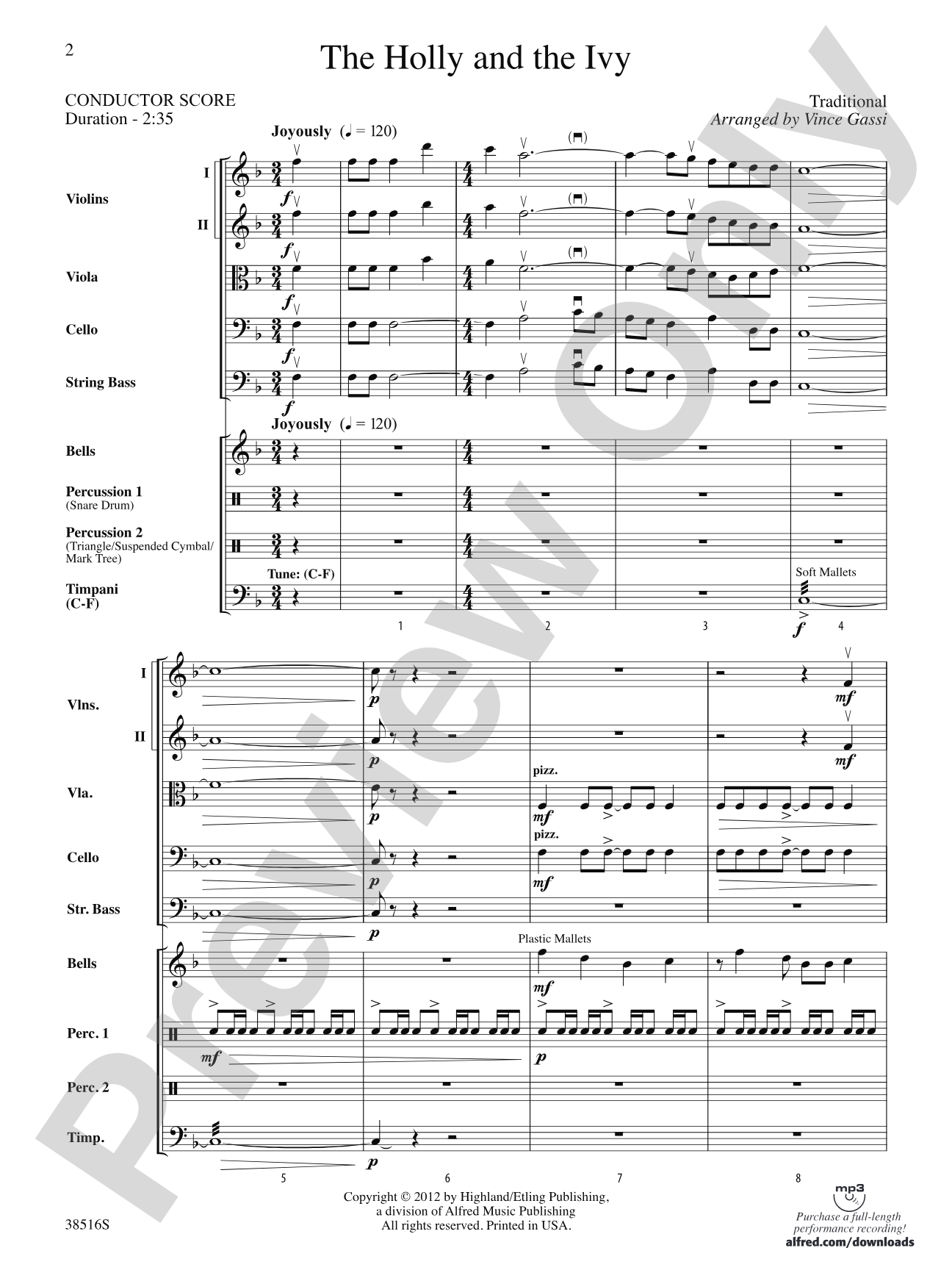
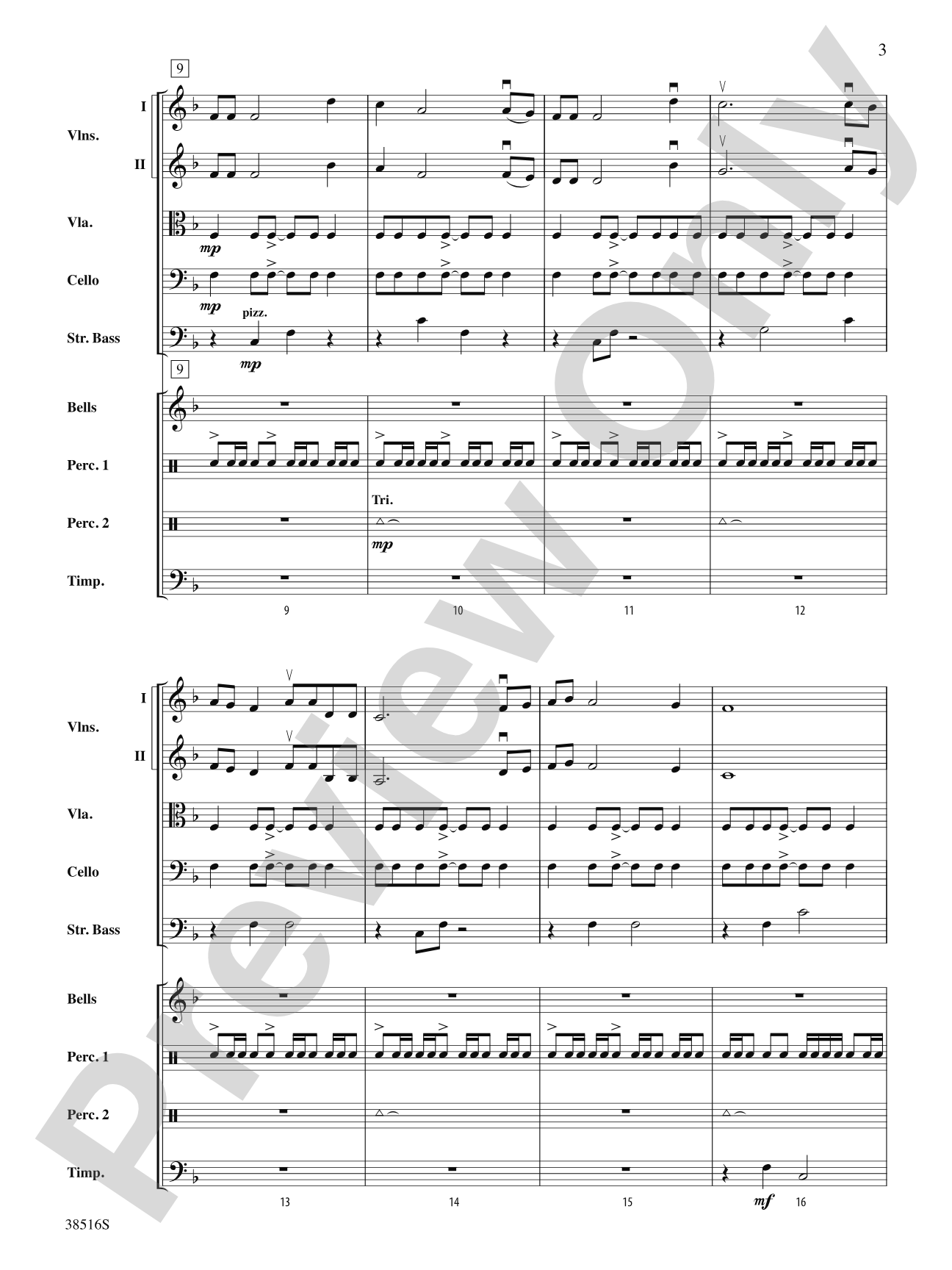
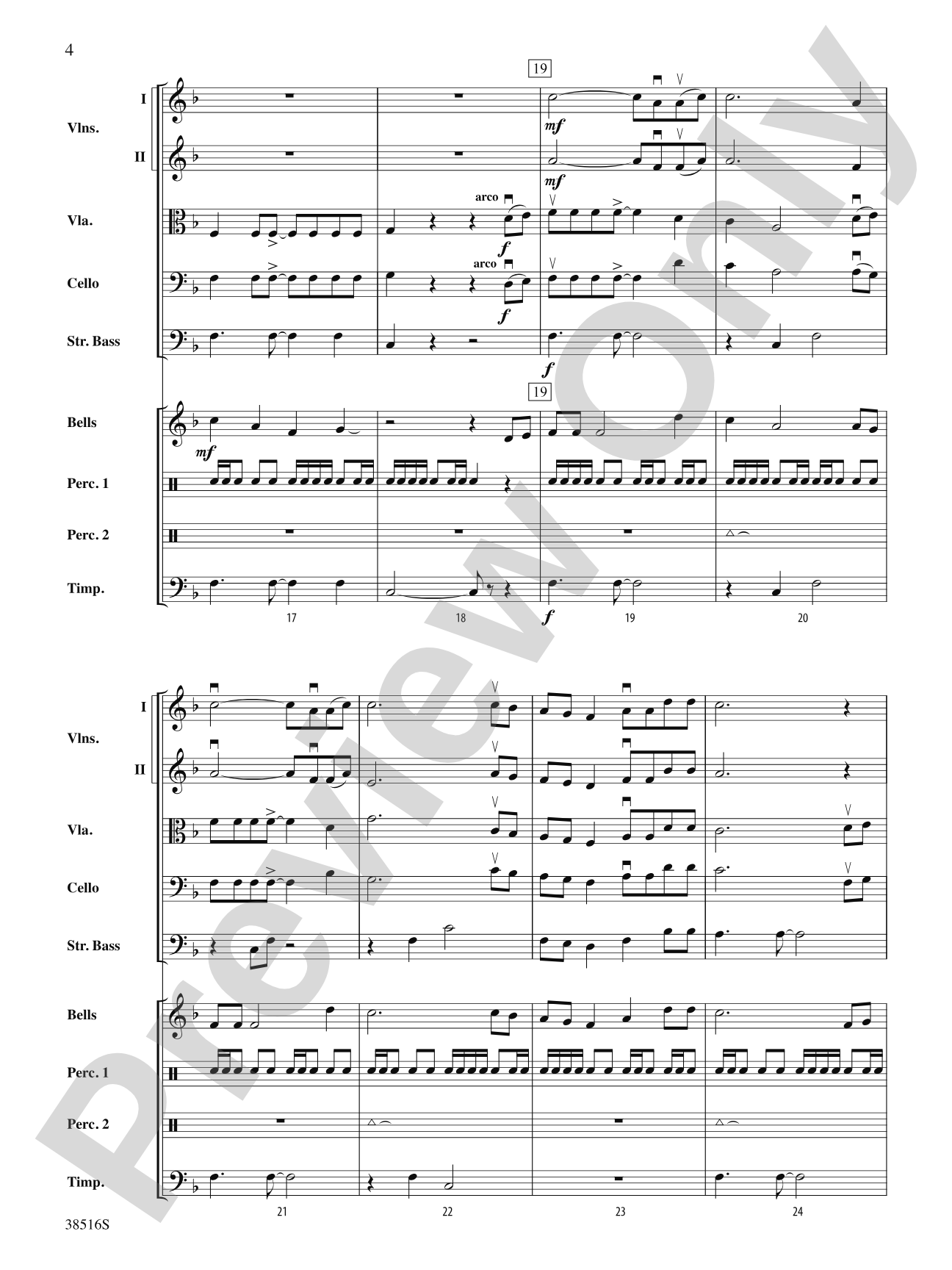
Take one traditional English carol, change the meter, insert a slow middle section, add a dash of counterpoint, and sprinkle liberally with sparkly Christmas dust. Mix with orchestra and audience members and you have the perfect recipe for your next holiday concert. Good cheer is guaranteed to follow.


Don't just read it, hear it, play along with it, and watch your students grow with it. In MakeMusic Cloud, The Holly and the Ivy: Score comes alive with professional accompaniment, adjustable tempo, and built-in practice tools that turn solo practice into real progress.
Open in the Player
Jump straight in and assign it today.
Start Your Free Trial
Open this title and explore the full library in minutes.
Sample Audio
1
Audio File
--:--
0:00
0:00
Sample Video
No sample videos found.
Additional Details
Series:
Highland/Etling String Orchestra
Publisher:
Alfred Music
Page Count:
134
SKU:
00-PR-0003870
More about this title
About the Arranger: Vince Gassi
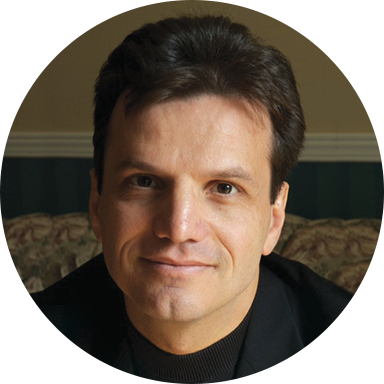
Vince Gassi has built a reputation as a prolific arranger and composer whose work consistently appears on concert and contest programs across North America, Europe, and Japan. A faculty member at York University in Toronto where he completed his Ph.D., Gassi brings over two decades of experience teaching instrumental music at the elementary and secondary levels, combined with credentials from the University of Western Ontario and advanced study at the Dick Grove School of Music in Los Angeles.
With more than 100 published titles in circulation since joining Alfred Music in 2006, Gassi has become known for arrangements that balance musical substance with student engagement. He regularly conducts clinics and adjudicates festivals throughout the United States and Canada, and his work is frequently heard at the Midwest Clinic in Chicago. His seminars on creative arranging concepts and digital workflows for music directors reflect his commitment to helping educators and students think musically about the scores they perform.
Why we love this
Gassi takes a familiar carol and rewrites it with genuine compositional craft: the meter shift keeps players attentive, the slower middle section deepens the emotional arc, and the contrapuntal writing gives each section of the orchestra something interesting to do. This is not a straightforward carol reduction; it's an arrangement that respects both the source material and your students' musical intelligence.
What to expect
Festive yet refined, this arrangement captures the warmth of a traditional carol while adding unexpected turns that keep the ear engaged. The shift in meter and the introspective middle section create contrast without losing the piece's essential cheer and accessibility.
Who it's for
String orchestras at the intermediate level looking for a fresh holiday arrangement that does more than play it straight. Directors who want their students to engage with a recognizable tune while learning how a skilled arranger deepens musical interest through form, texture, and meter.
How to get the most out of it
- Balance the counterpoint in the middle section by having your inner voices (violas and second violins) play with clarity and independence; the melody should never disappear, but it should share the spotlight.
- The meter changes require crisp conducting and strong ensemble awareness. Mark the transitions clearly in rehearsal and consider a brief pause or breath at the modulation point to reset the feel.
- Bring out the 'sparkly' orchestration moments with precise articulation and dynamic control. Light bow strokes on the rhythmic figures will prevent the texture from becoming thick.
- Let the slow section breathe. Resist the urge to rush the sustained passages, and shape each phrase as if it were a vocal melody unfolding across the ensemble.
How to use it
Slot this into the second half of a holiday concert as a palate-cleansing contrast to faster or more complex pieces. It works equally well as a centerpiece for a family audience concert where you want something the community knows but presented with enough musical sophistication to satisfy serious listeners.
Skills your students will build
- Reading and executing meter changes (shifting between time signatures within a single piece)
- Balancing independent lines in contrapuntal textures while maintaining ensemble cohesion
- Sustaining tone and shaping long phrases in slower sections
- Articulation control and rhythmic precision in brighter, dance-like passages
- Listening across the ensemble to identify and voice secondary melodic material