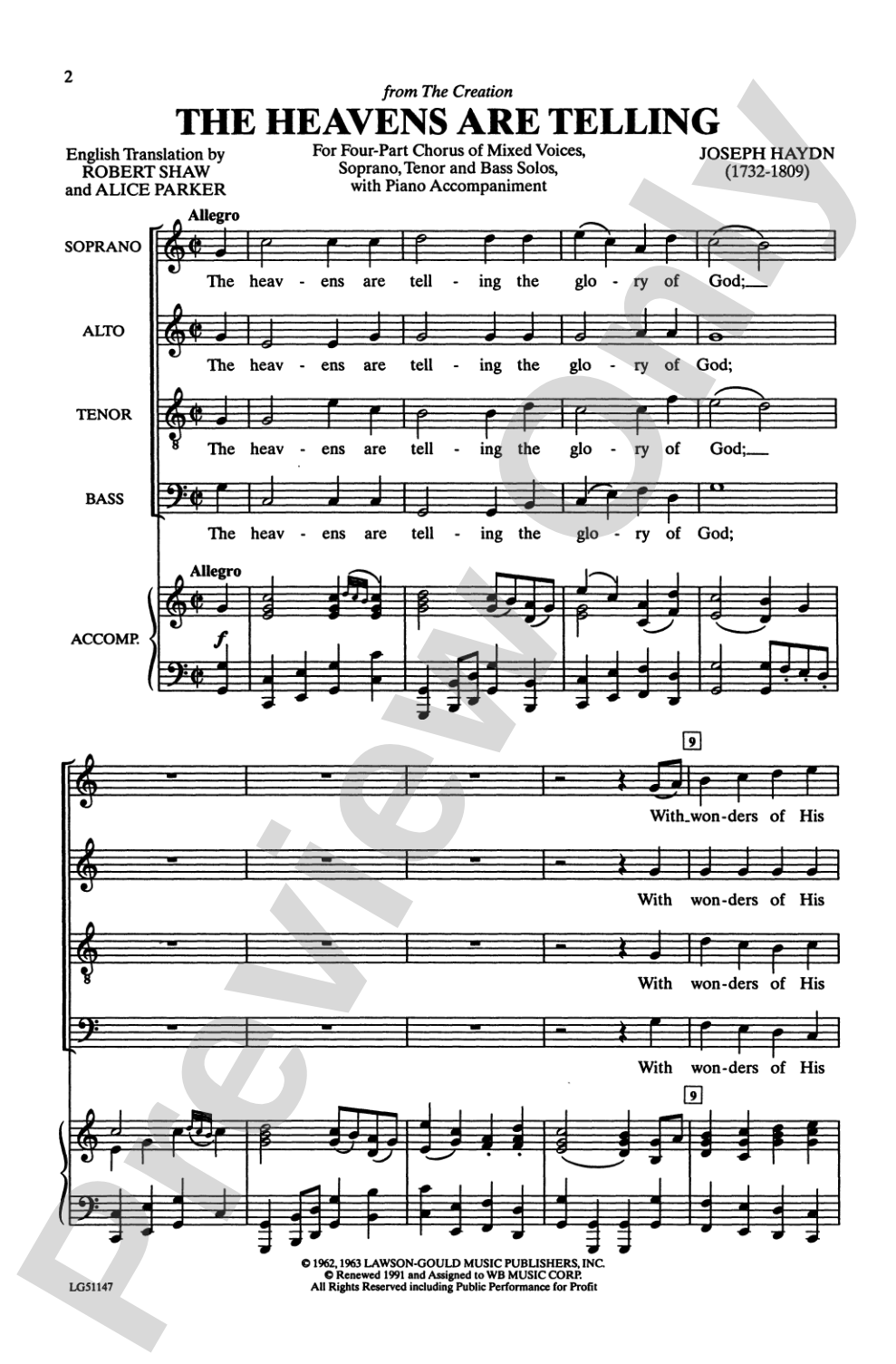
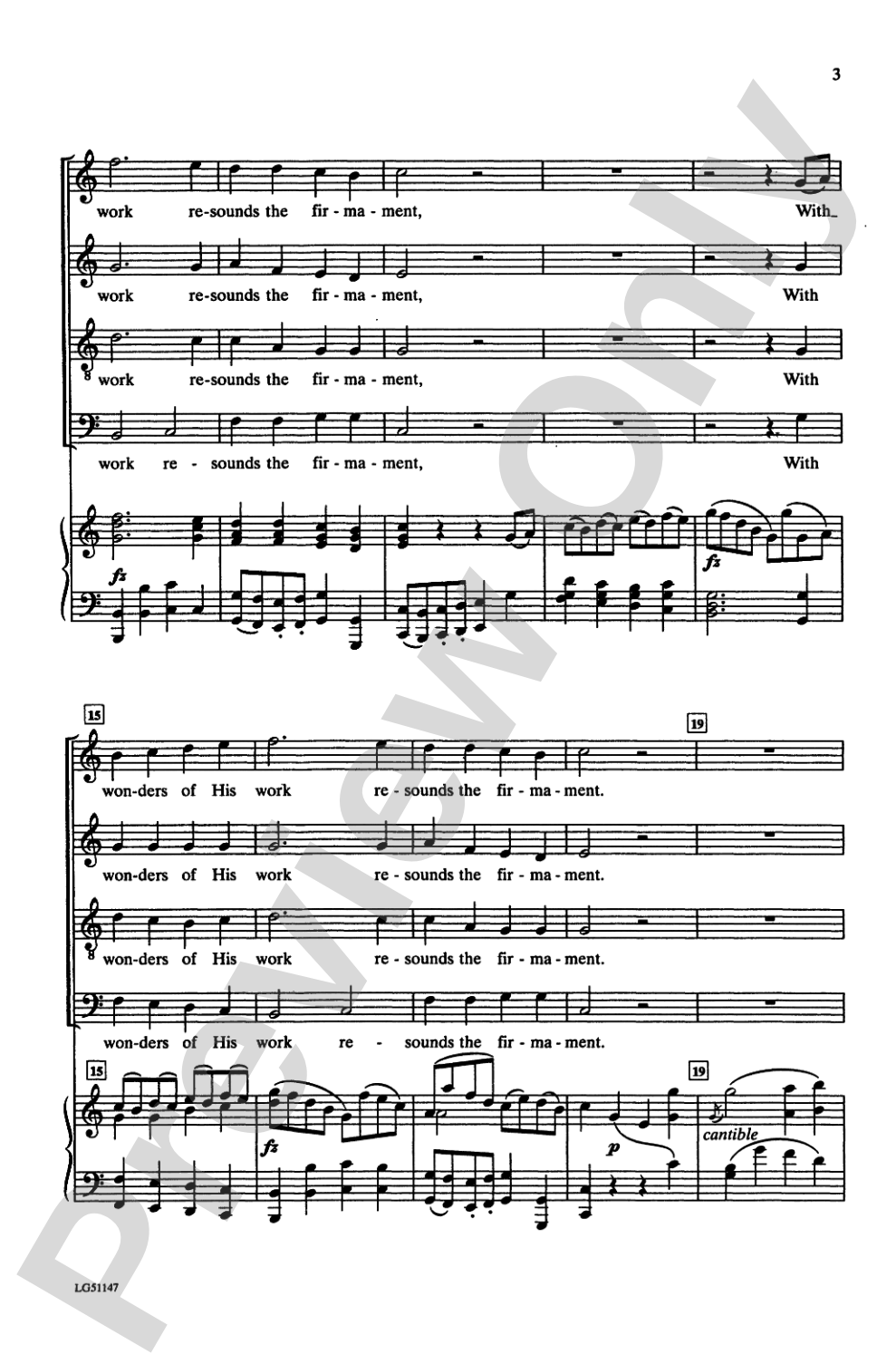
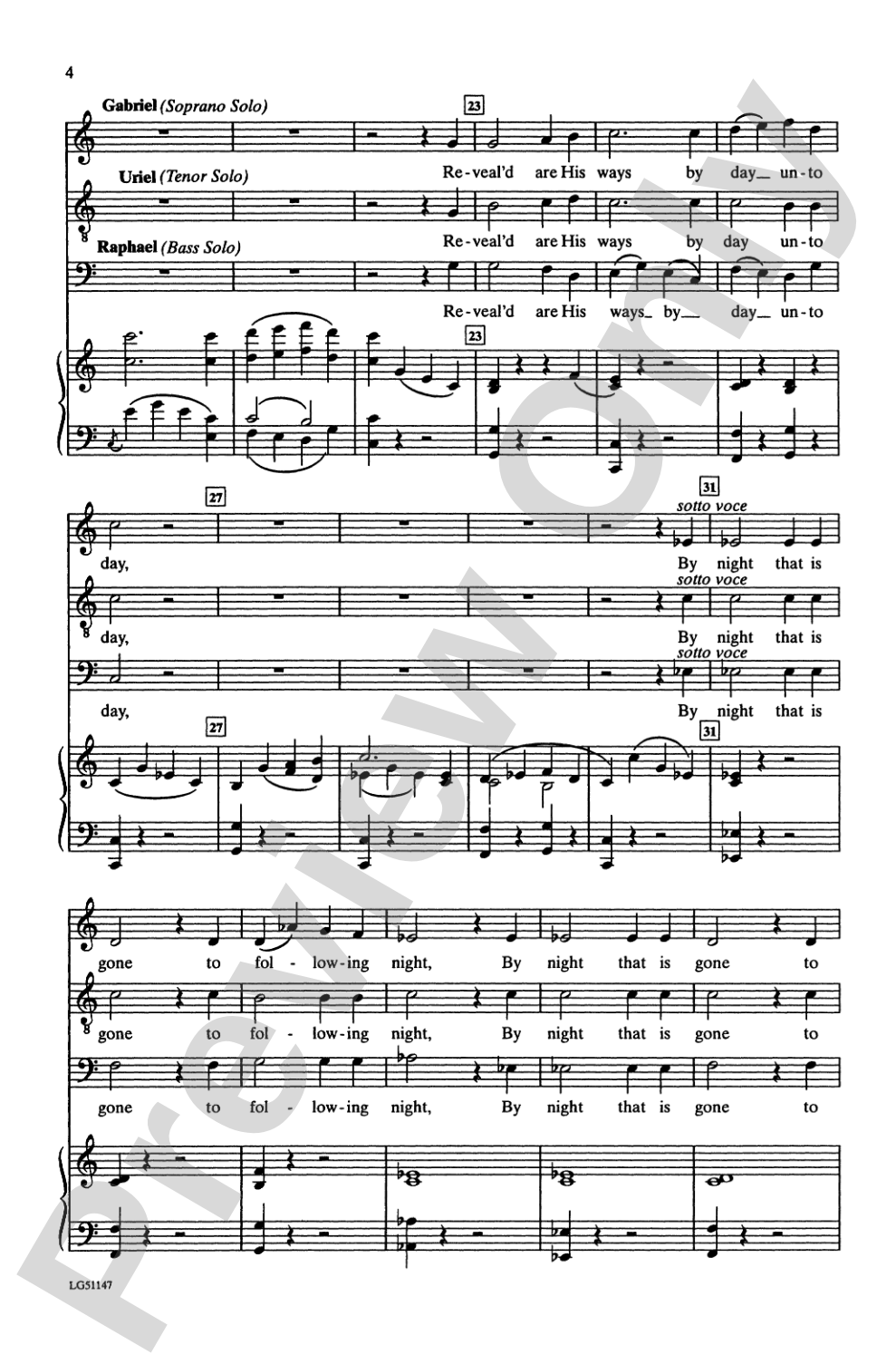
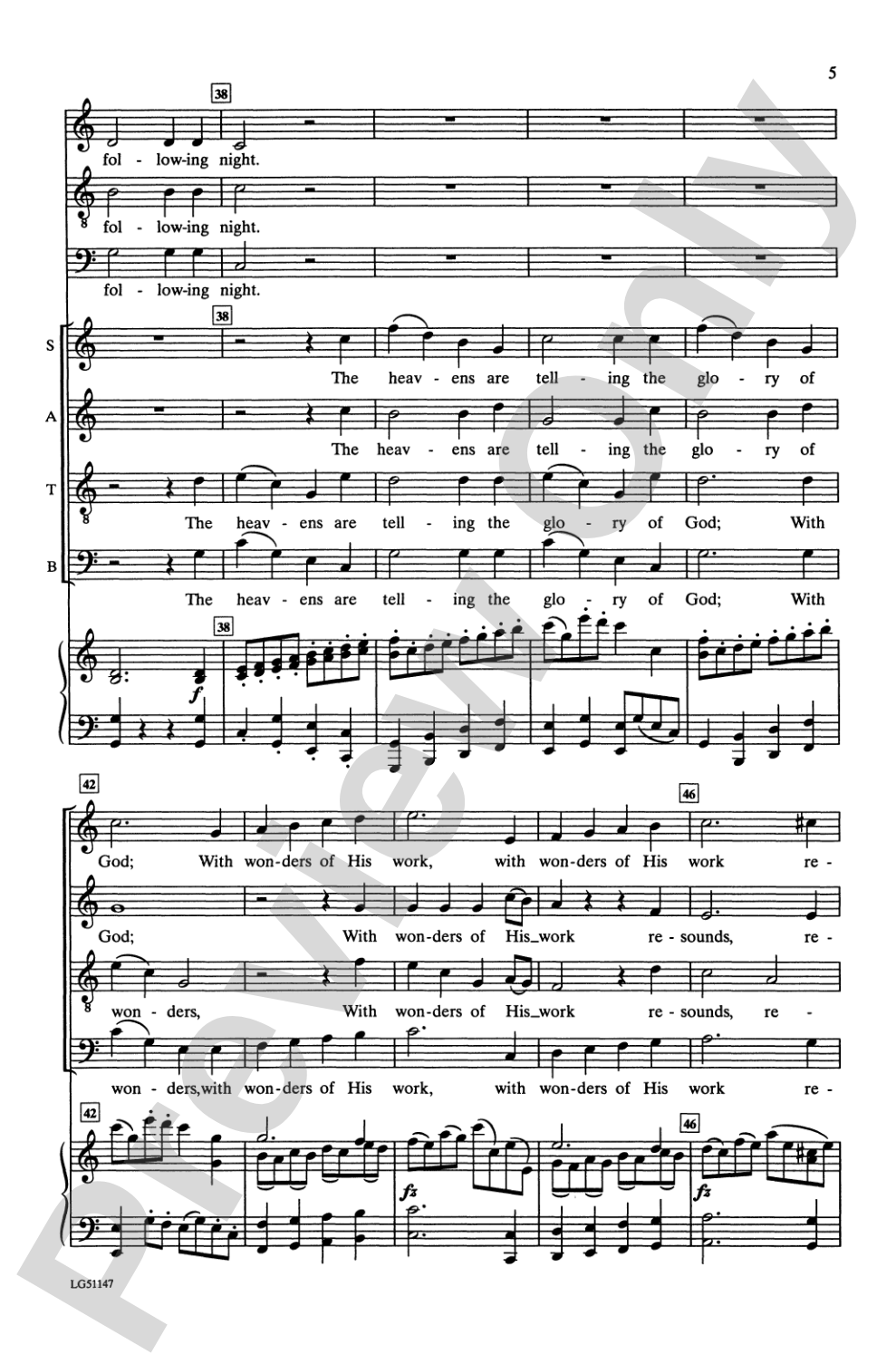
Franz Joseph Haydn (1732–1809) shaped the symphony, string quartet, and oratorio into the foundational forms of Classical music. His prolific output—over 100 symphonies, 68 string quartets, and numerous sacred vocal works—established the harmonic language and structural clarity that defined the era. Haydn's gift for memorable melody combined with sophisticated counterpoint made him a master of both intimate chamber music and grand choral works.
As a longtime kapellmeister at the Esterházy court and later a celebrated symphonist in London, Haydn influenced virtually every major composer who followed him. His sacred music, including The Creation and The Seasons, brought the same wit, formal precision, and emotional depth found in his instrumental work. For music students, Haydn remains essential: his clarity of voice-leading, harmonic progressions, and architectural sense continue to teach composers and performers how to build musical meaning from simple materials.