
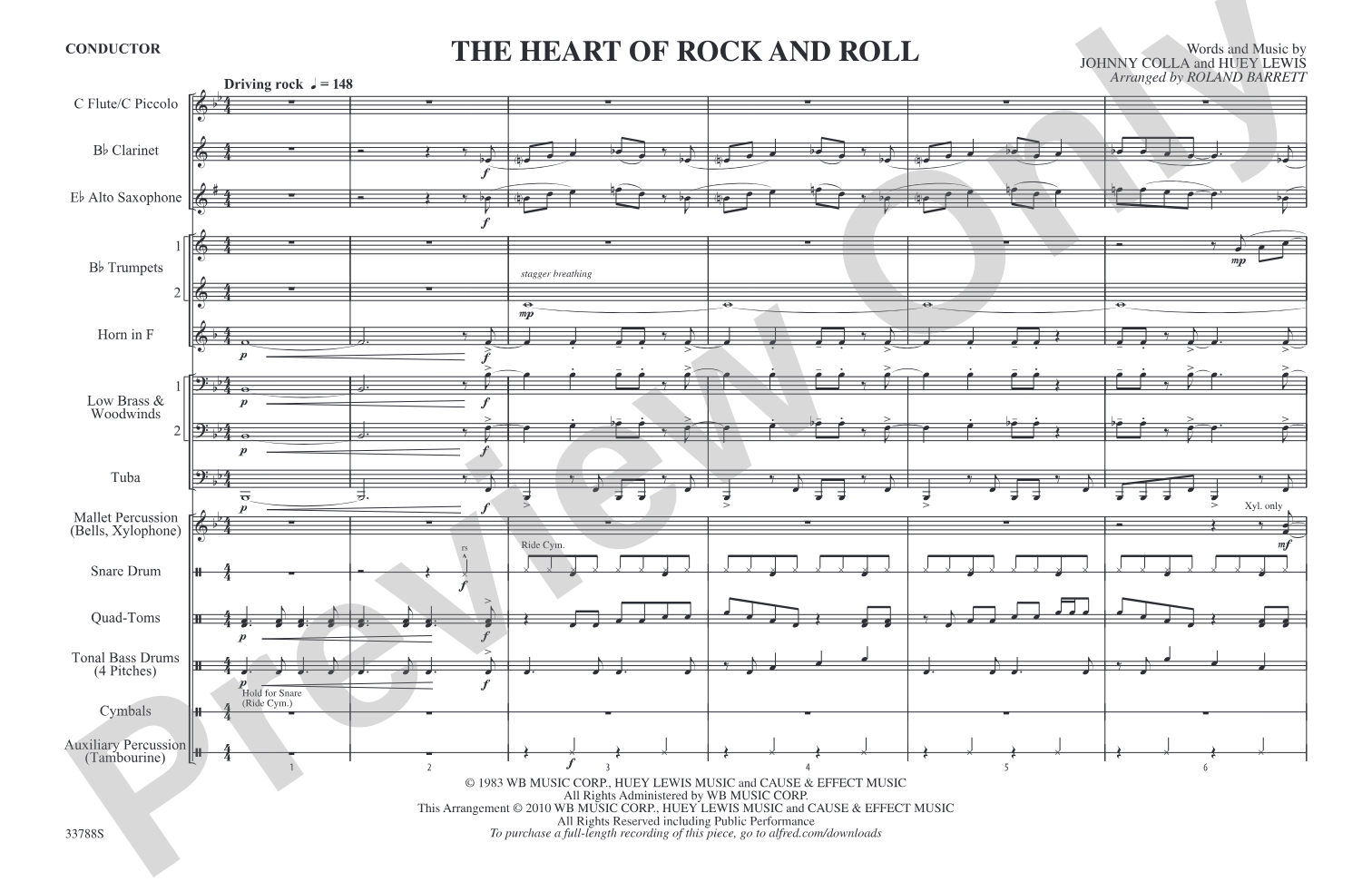
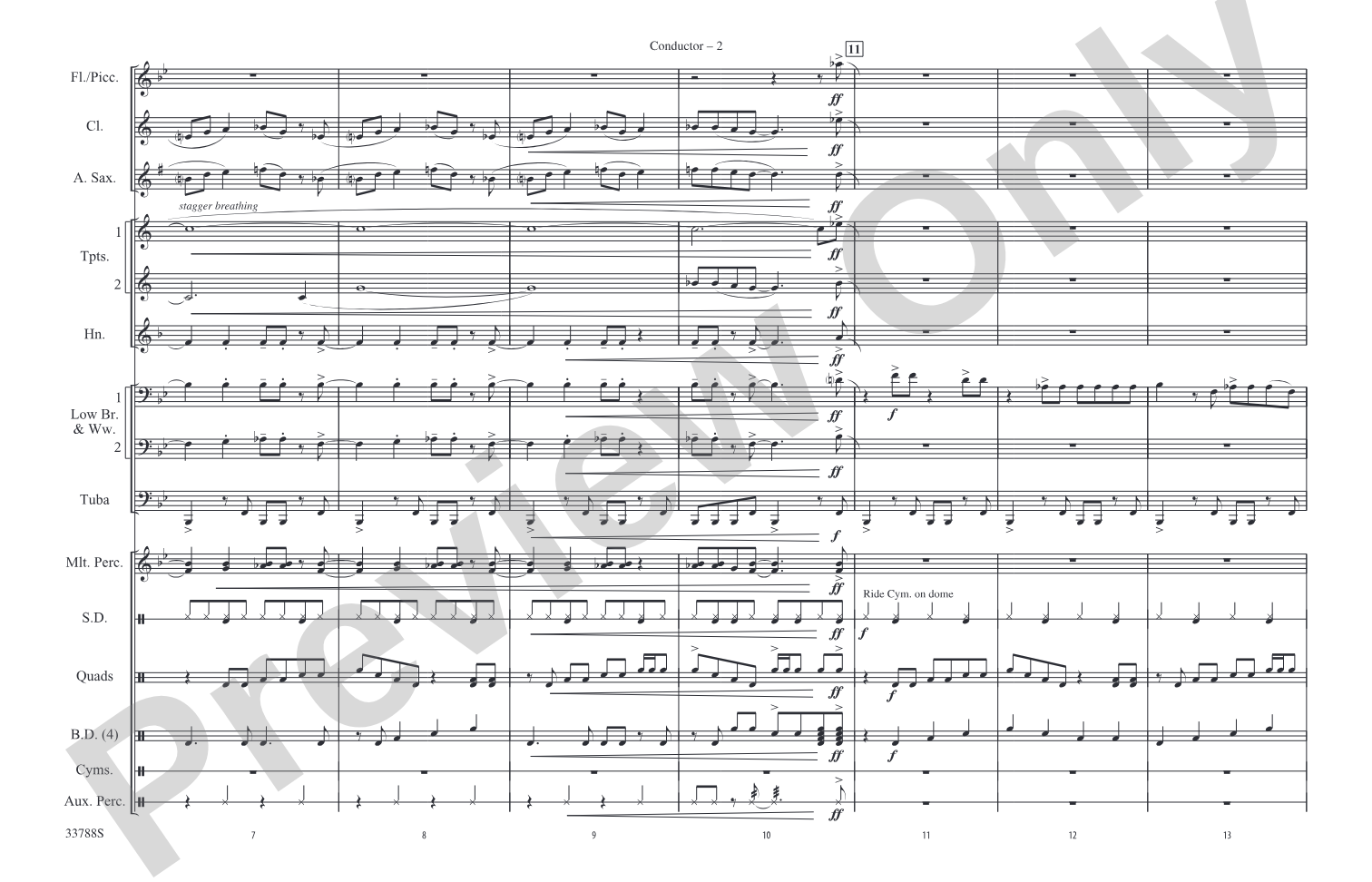
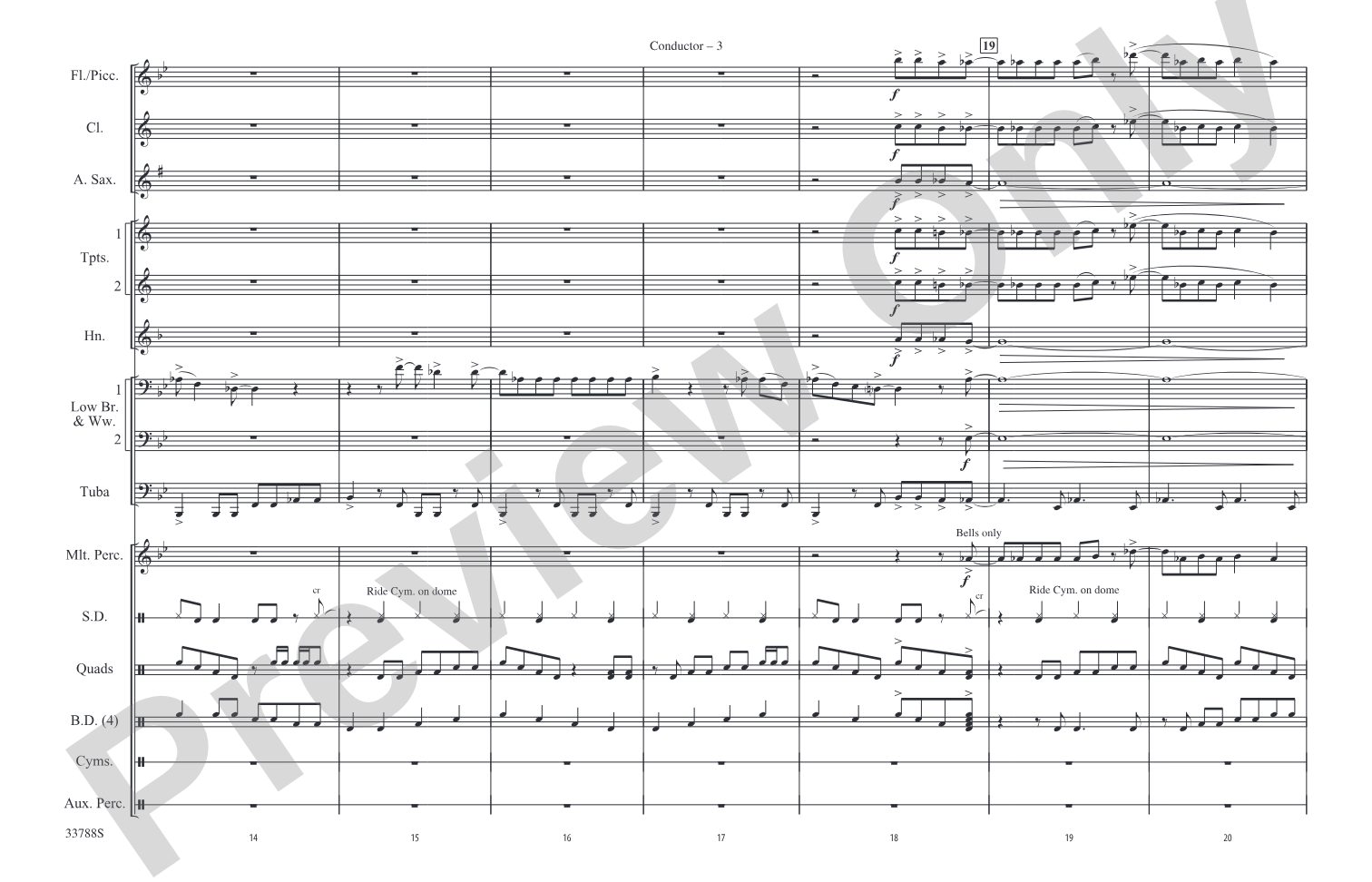
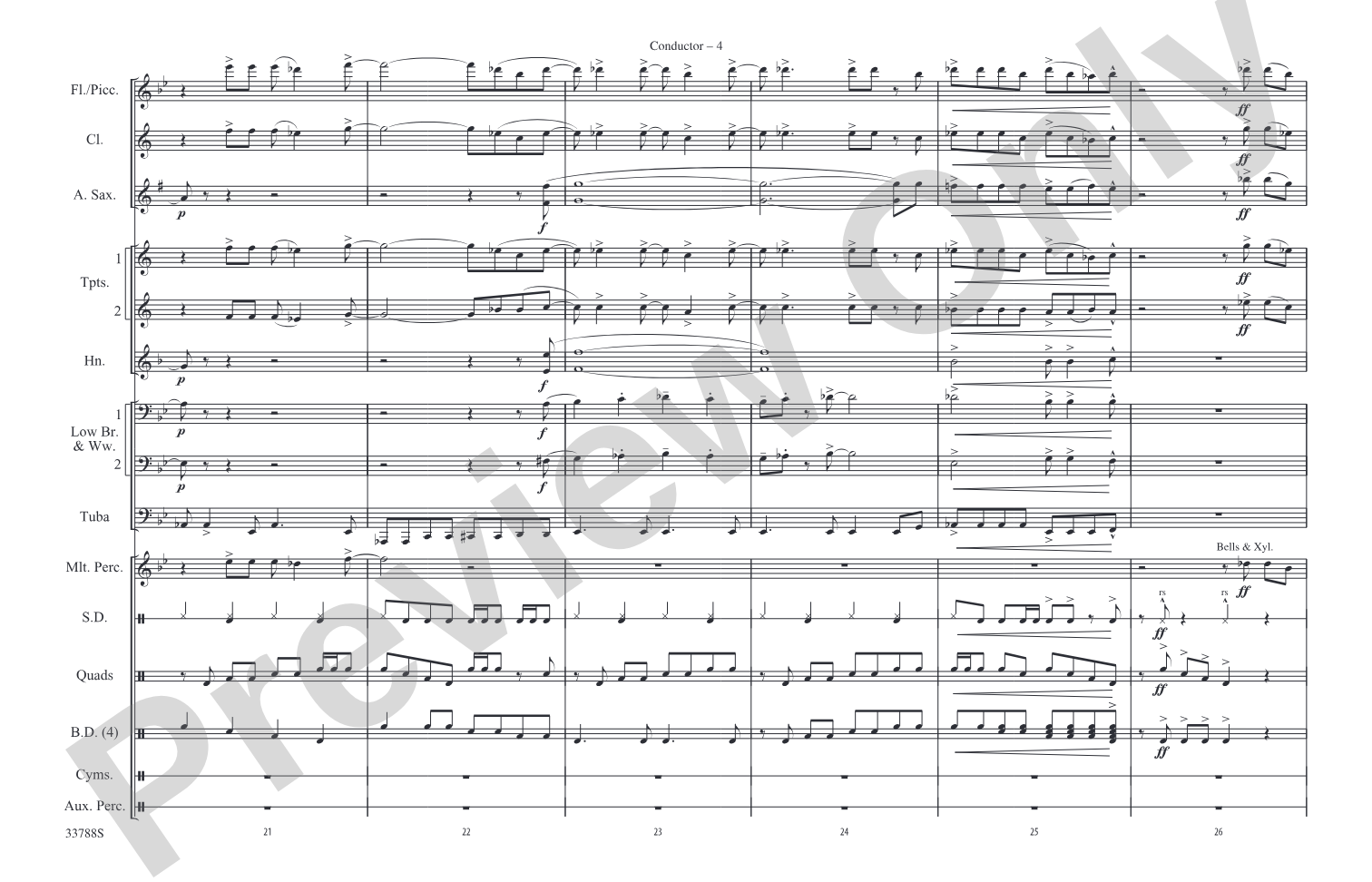
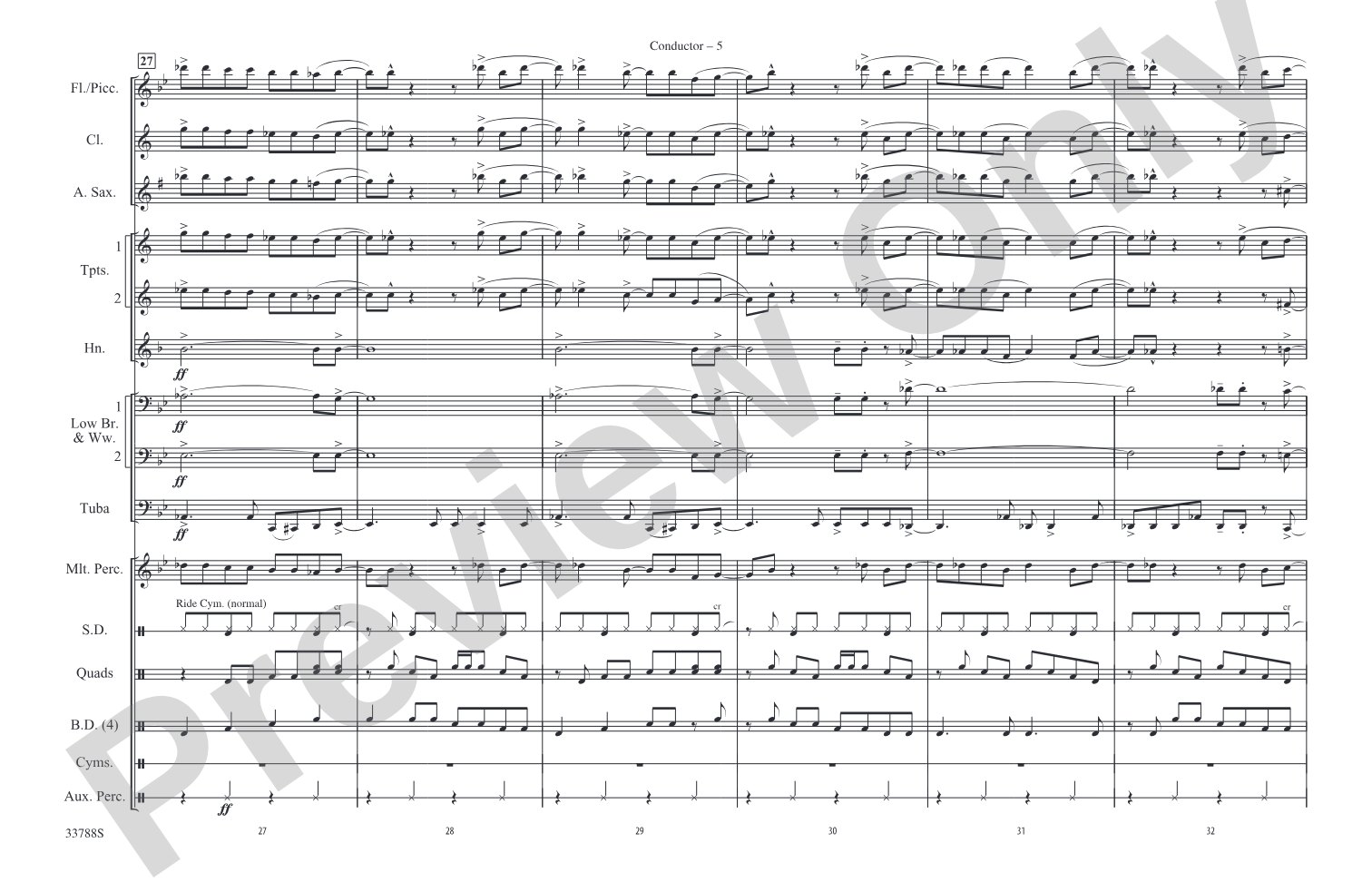
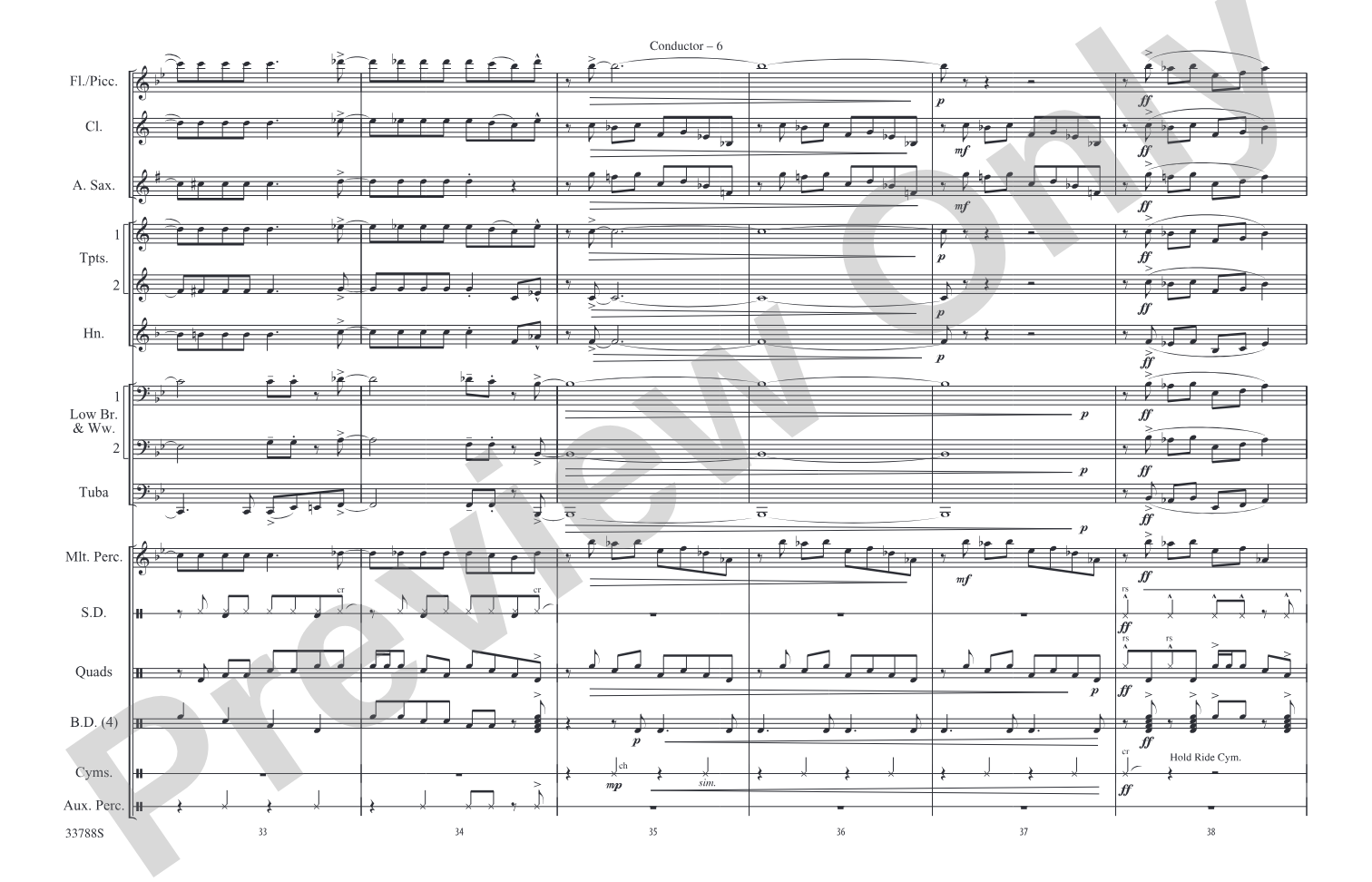
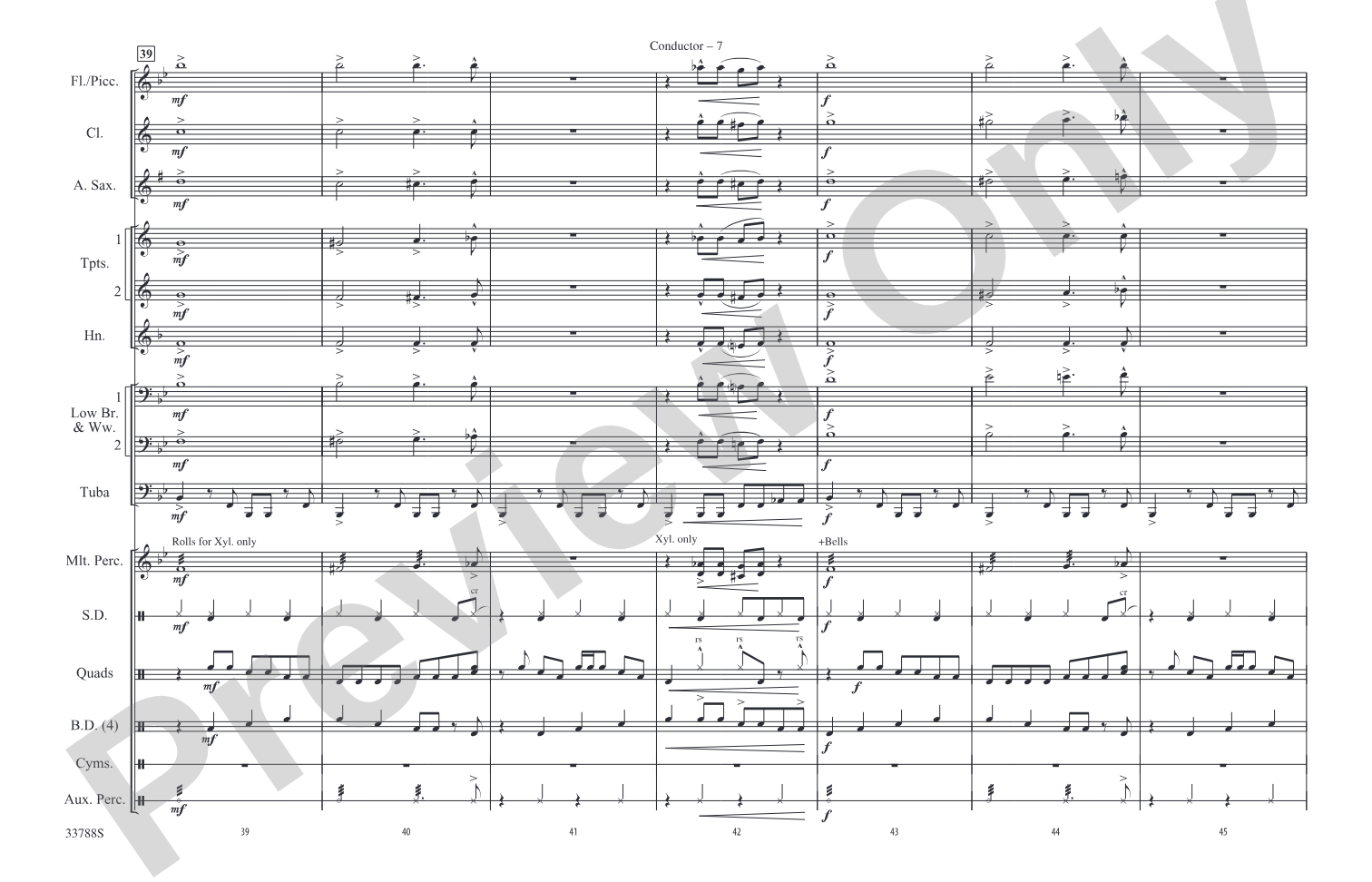
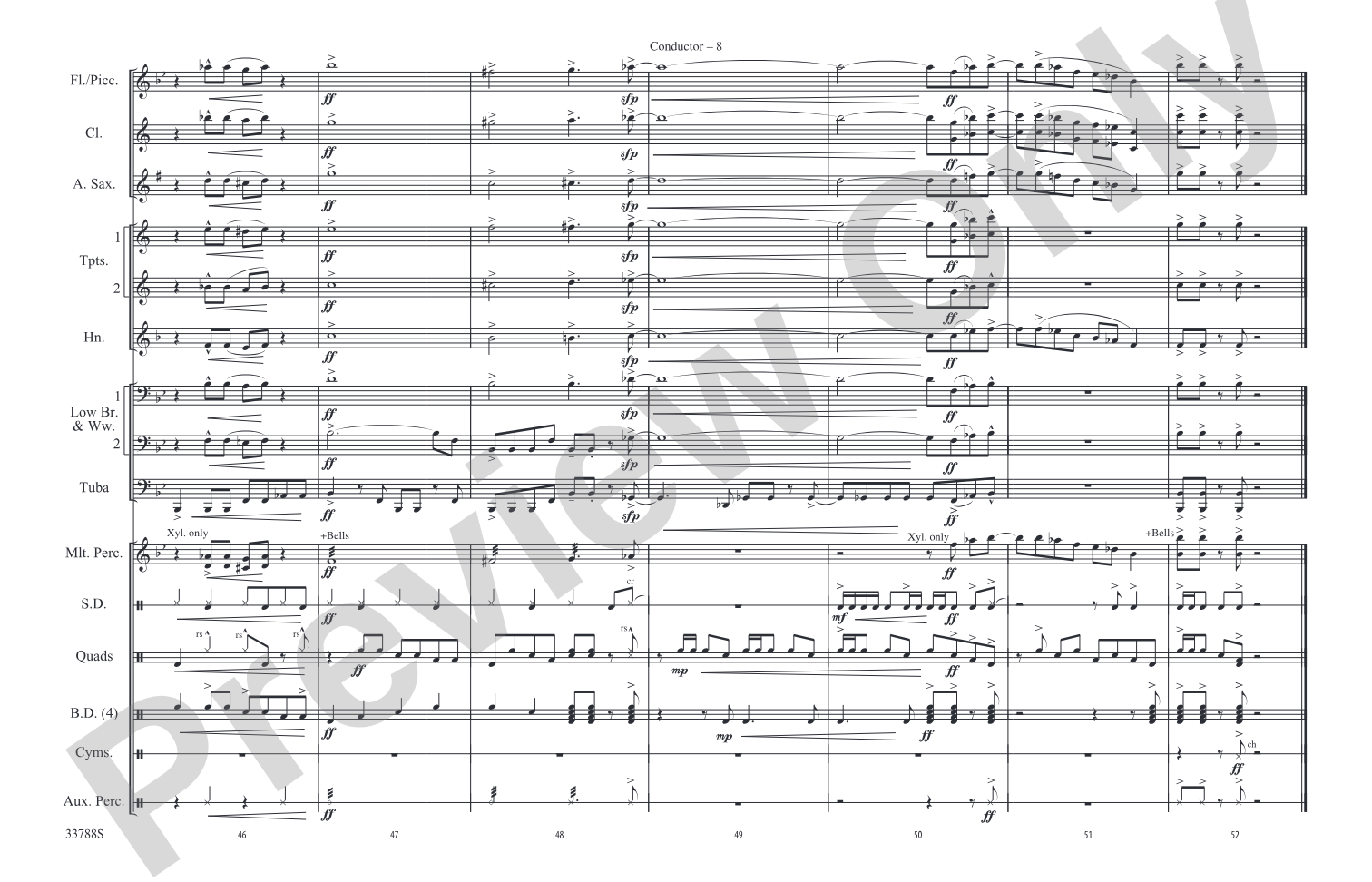

The Heart of Rock and Roll: Marching Band Conductor Score & Parts
Words and music by Johnny Colla and Huey Lewis [Huey Lewis and the News] / arr. Roland Barrett
Grade: 3 (Medium)
Item: 00-PK-0007927

$50.00
One moment…
Description
Here is the hard-driving hit from Huey Lewis and the News in a stellar new arrangement by Roland Barrett. This will be a great stands and pep band tune for years to come. Rock on!


Don't just read it, hear it, play along with it, and watch your students grow with it. In MakeMusic Cloud, The Heart of Rock and Roll: Marching Band Conductor Score & Parts comes alive with professional accompaniment, adjustable tempo, and built-in practice tools that turn solo practice into real progress.
Open in the Player
Jump straight in and assign it today.
Start Your Free Trial
Open this title and explore the full library in minutes.
Sample Audio
1
Audio File
--:--
0:00
0:00
Sample Video
No sample videos found.
Additional Details
Series:
Mega Sounds for Marching Band
Publisher:
Alfred Music
Page Count:
110
SKU:
00-PK-0007927
More about this title
About the Composer: Johnny Colla
Johnny Colla is a saxophonist, keyboardist, and songwriter best known for his work with Huey Lewis and the News, the massively successful rock band that dominated the 1980s and early 1990s. As a core member and primary composer, Colla helped shape the band's energetic, horn-driven sound that made hits like 'The Heart of Rock and Roll' instant classics. His ability to craft infectious melodies and arrange them for full ensemble translates naturally to the marching arts.
Why we love this
A well-known hit that students actually recognize keeps energy high and engagement genuine. Roland Barrett's Grade 3 arrangement opens this tune to bands at every competitive level while preserving the driving groove and punchy horn riffs that made the original unforgettable. The scoring gives you flexibility for stands play, sideline performance, and competitive field work.
What to expect
Pure kinetic energy. The arrangement captures the propulsive, feel-good momentum of the original while translating its horn-section drive to the marching idiom. This is music that makes audiences smile and gets sections moving together in lock-step precision.
Who it's for
Marching bands at the Grade 3 level who want a contemporary, energetic staple that works for both competitive and stand-play contexts. This arrangement appeals to students who grew up hearing the song on oldies radio and to younger players discovering the tune for the first time. The instrumentation works well for typical marching band instrumentation without special doubling or unusual requirements.
How to get the most out of it
- Lock the kick drum and bass line together from day one; the shuffle-inflected rhythm is the backbone of the entire arrangement, and precision here lets the horns sit cleanly on top.
- Balance the horn sections so the saxes don't overwhelm the brass. The original recording features prominent sax work, but in a marching setting you want clarity across all parts.
- Lean into the articulation markings in the brass. This style lives and dies on crisp, unified tonguing that captures the funk-inflected attack of the original.
- Use the unison figures (when they occur) to build momentum and dynamic contrast; resist the urge to push tempo during high-energy passages, letting the groove do the heavy lifting instead.
How to use it
Reserve this for moments when you want to shift the emotional tone of a program and remind the crowd why rock and roll still matters. It pairs well alongside classical or contemporary concert pieces as a pacing change and works equally well as a stands tune or field show opener. The recognizable melody means instant crowd connection, making it a smart choice for pre-game performances or community events.
Skills your students will build
- Executing shuffle-inflected rhythms with precision
- Balancing mixed instrumentation in a funk-influenced rock setting
- Sustaining articulation consistency across horn sections
- Reading and interpreting dynamic markings in a groove-based context
- Coordinating syncopated rhythms between percussion and melodic lines