
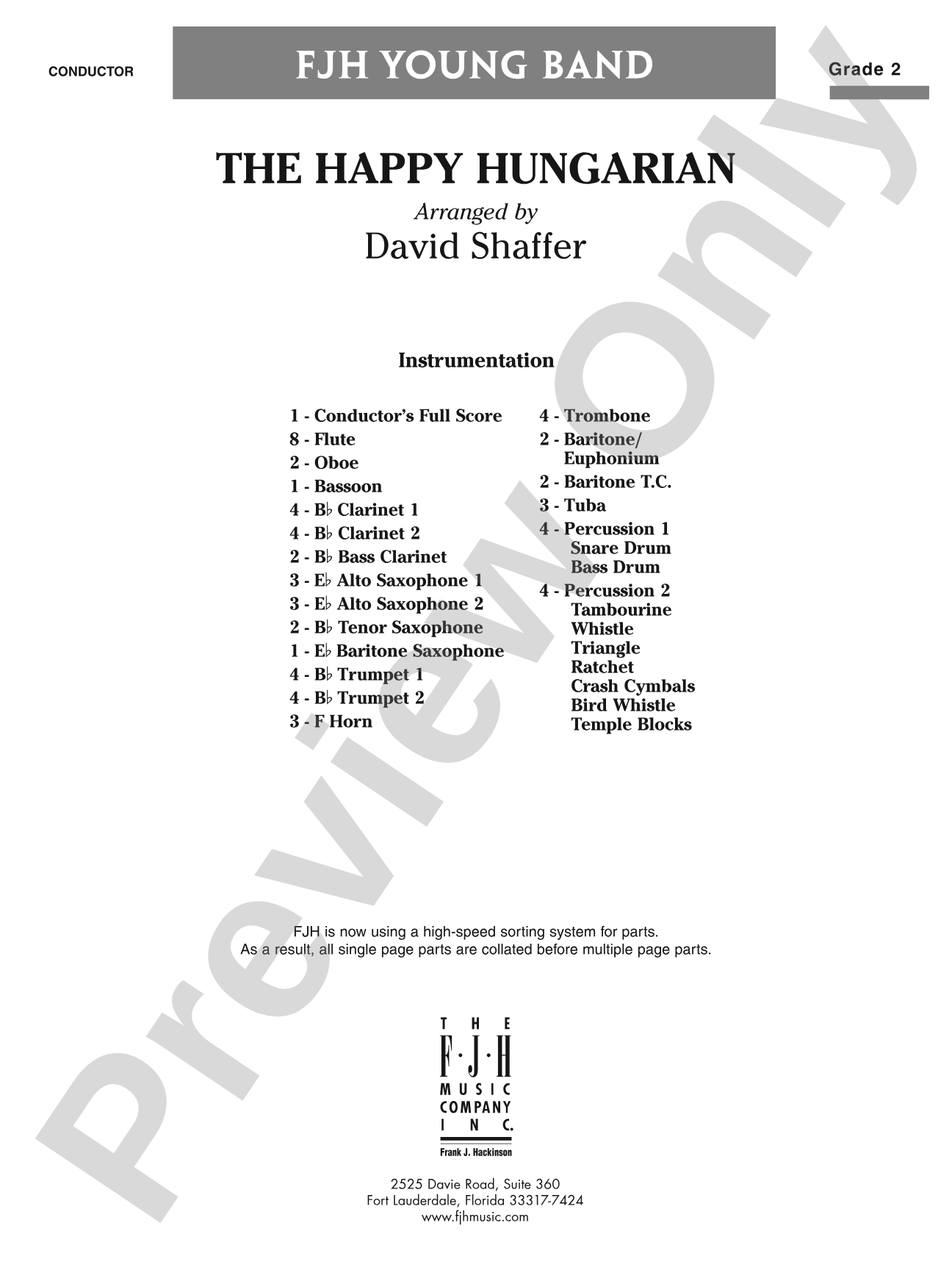
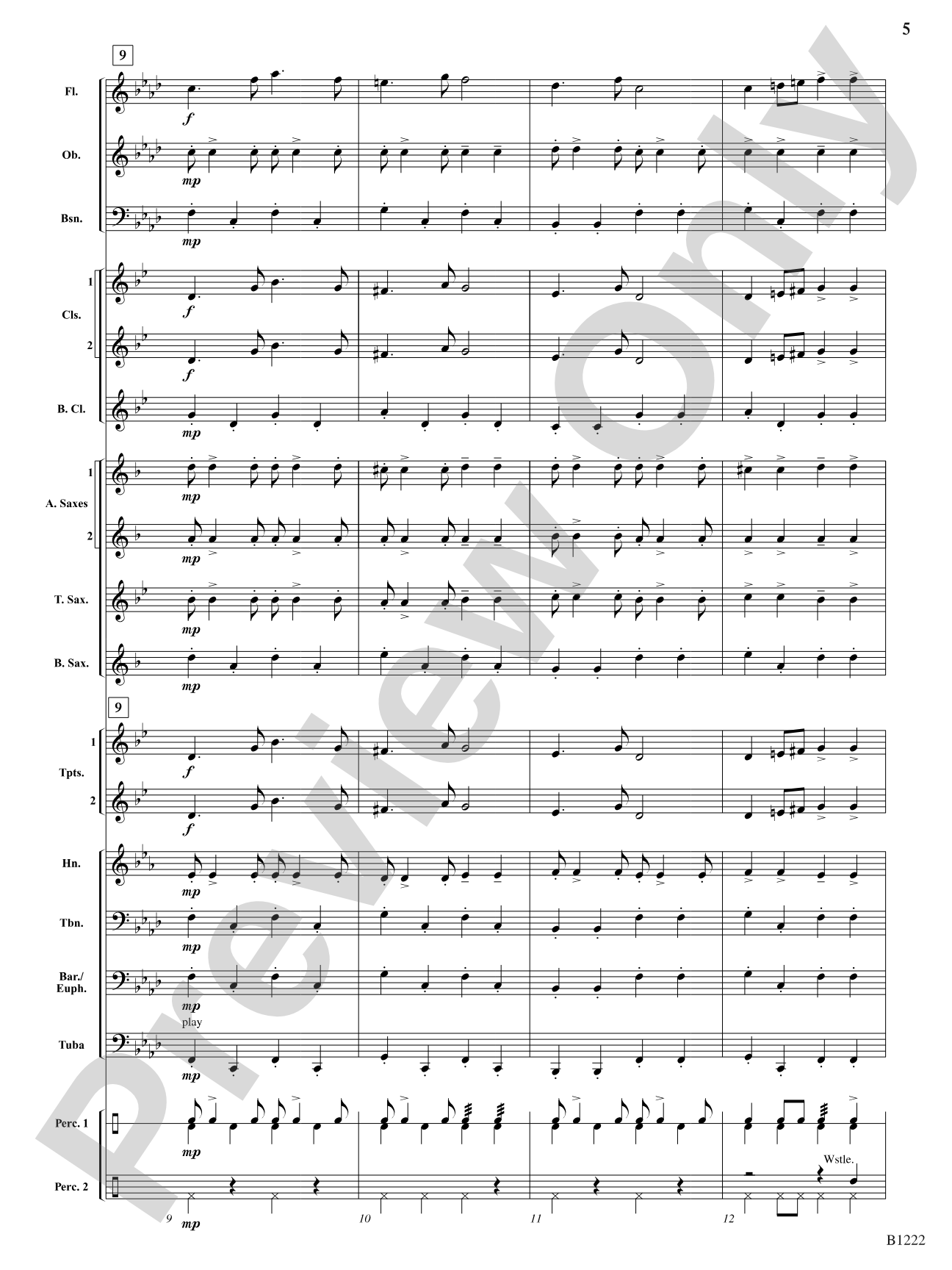
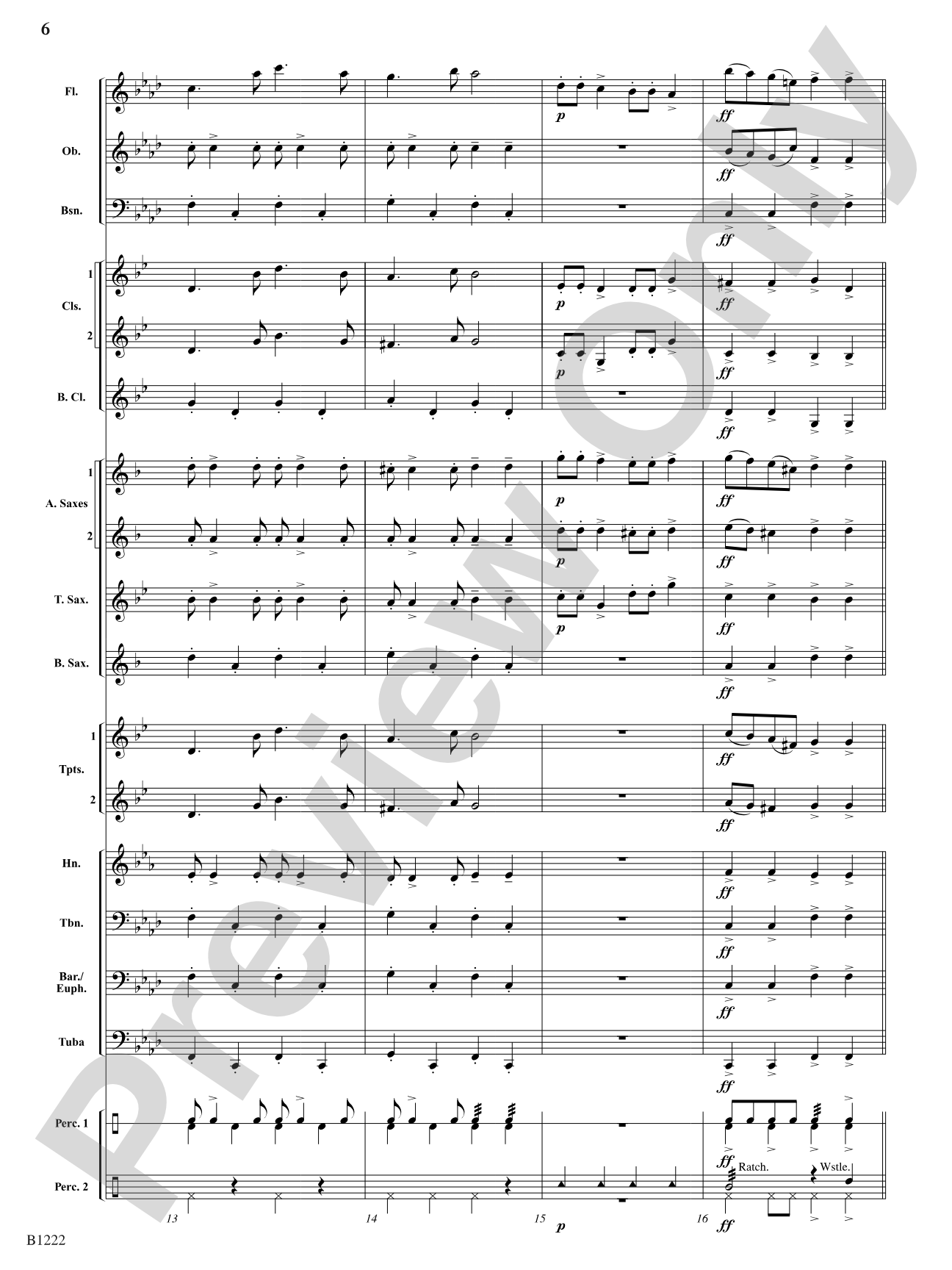
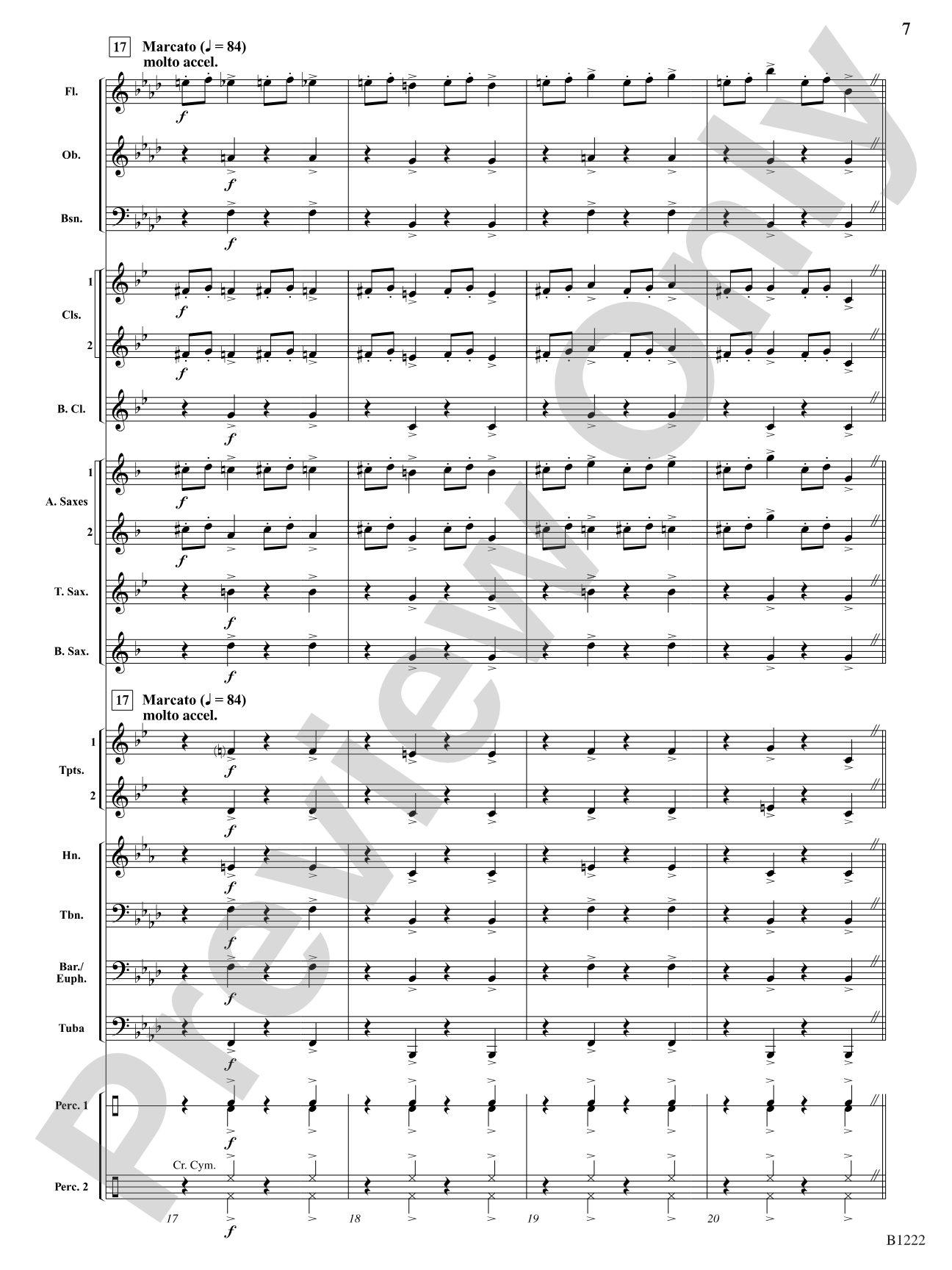
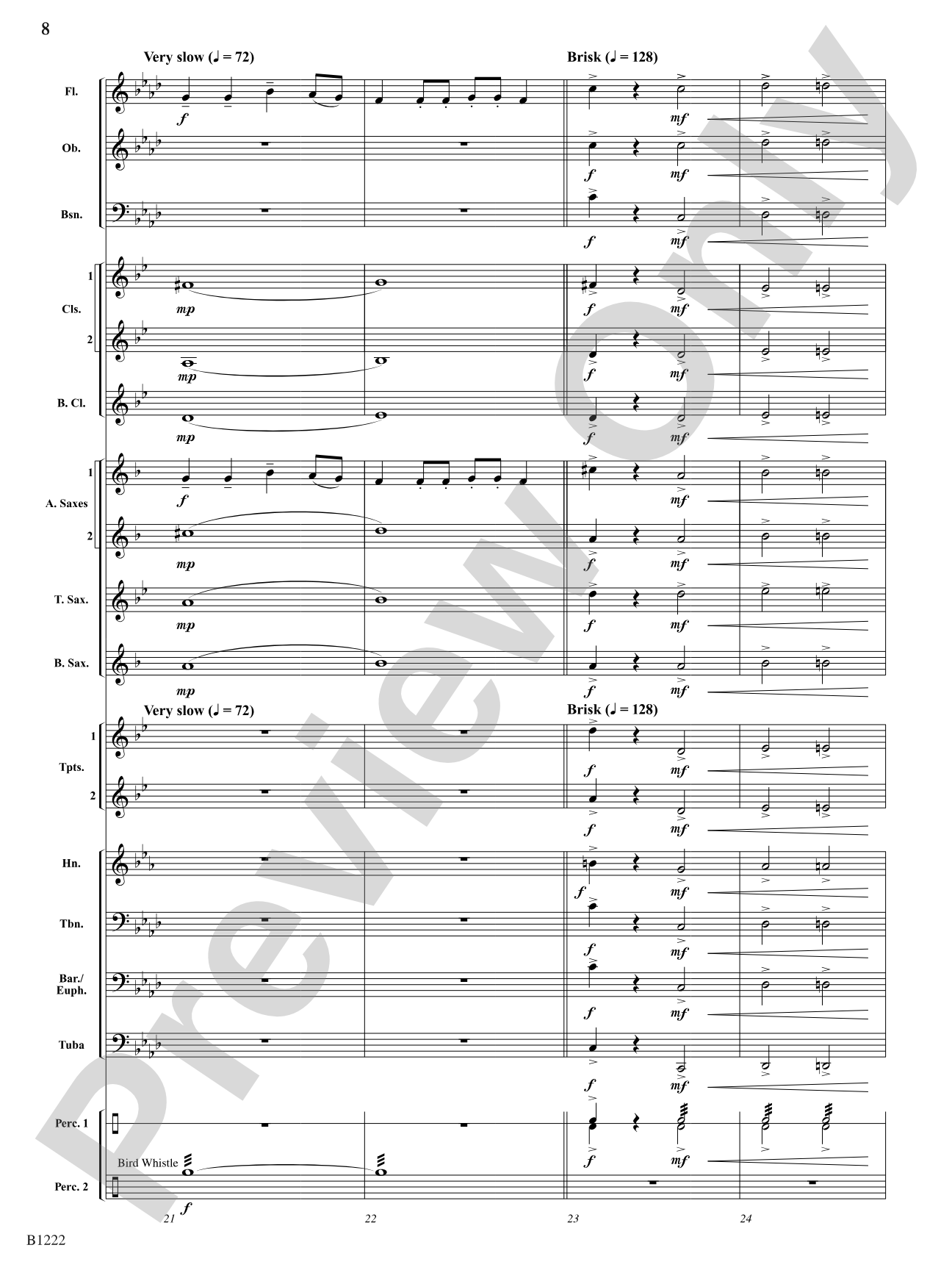
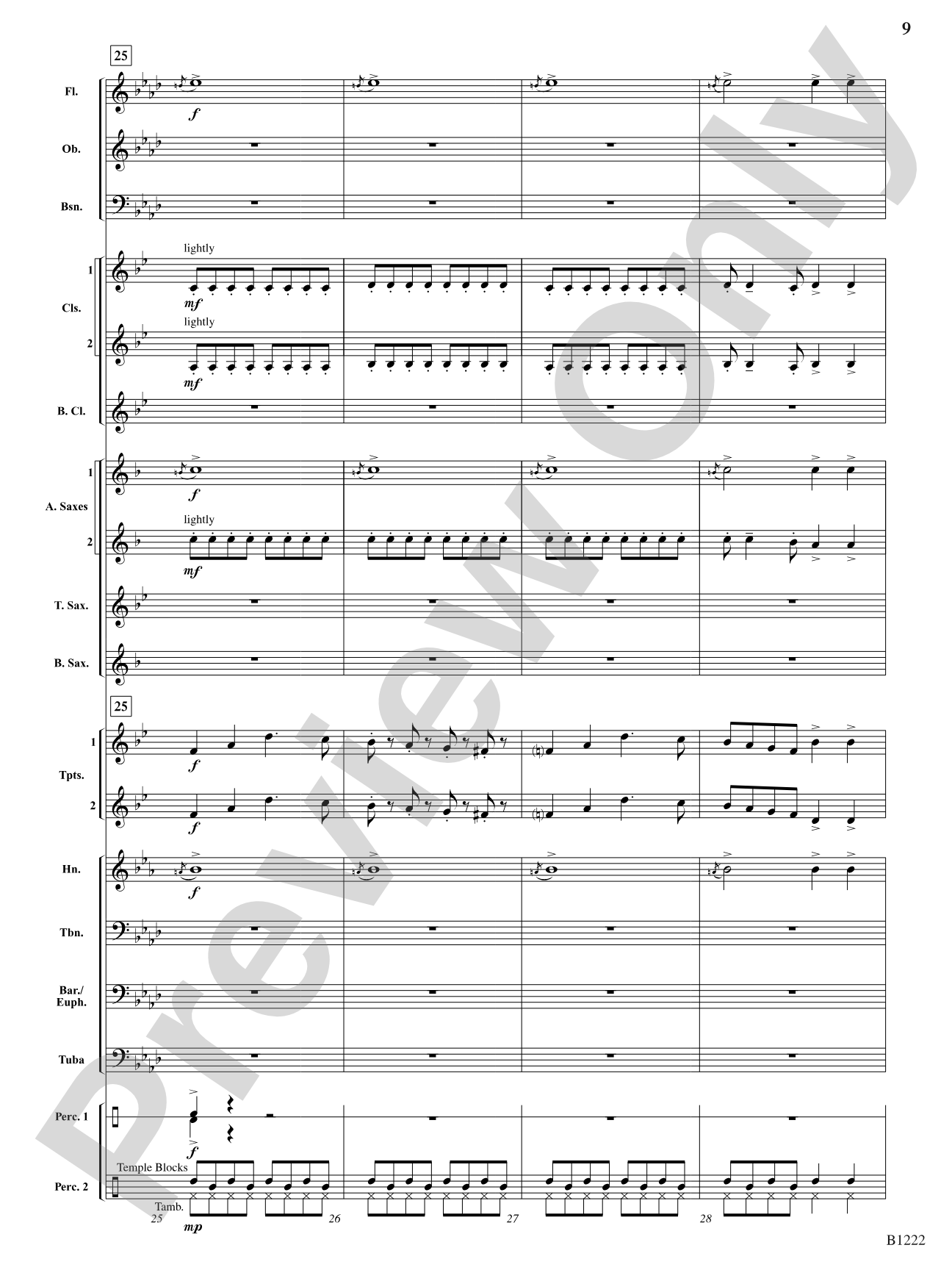
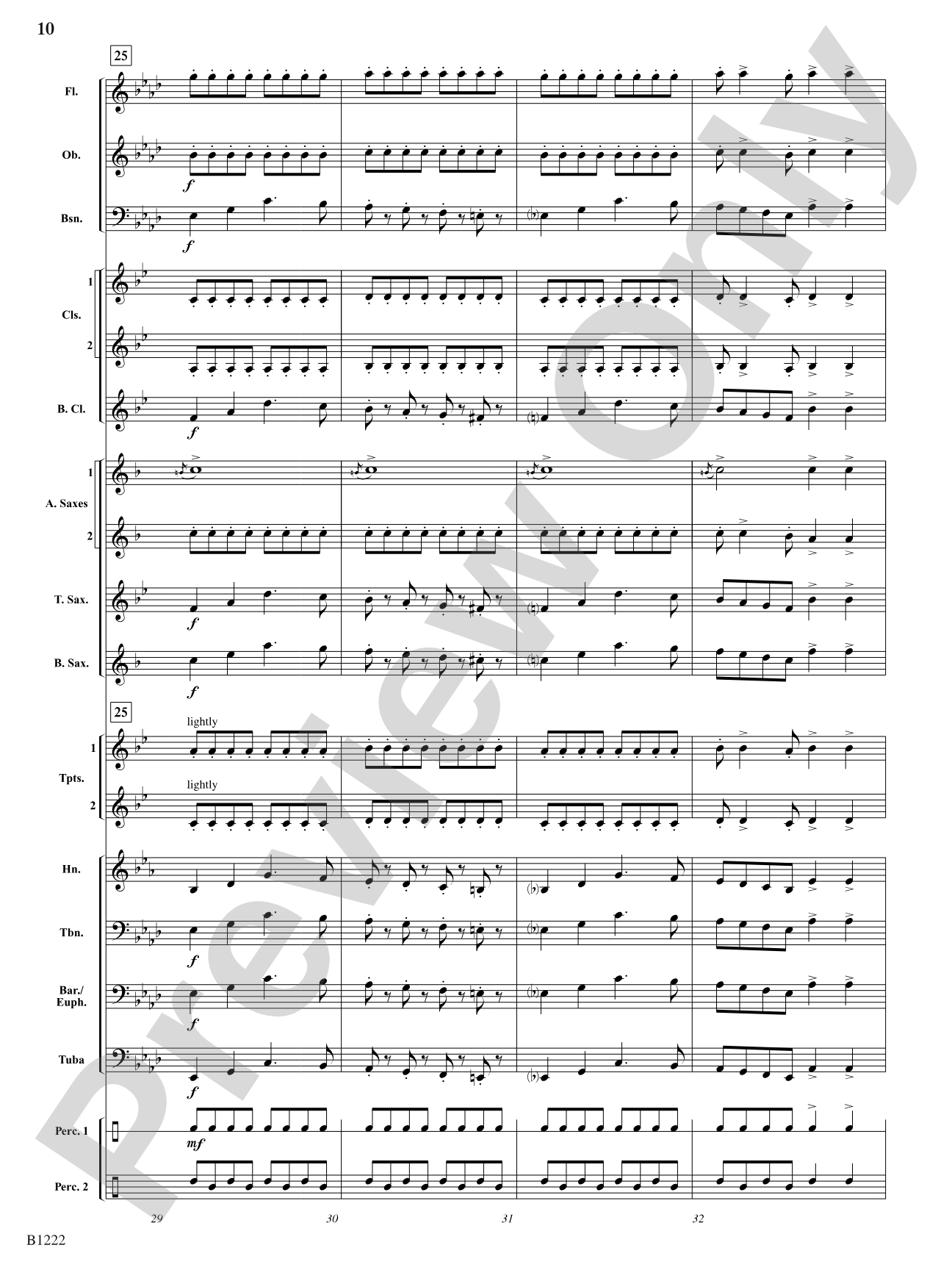
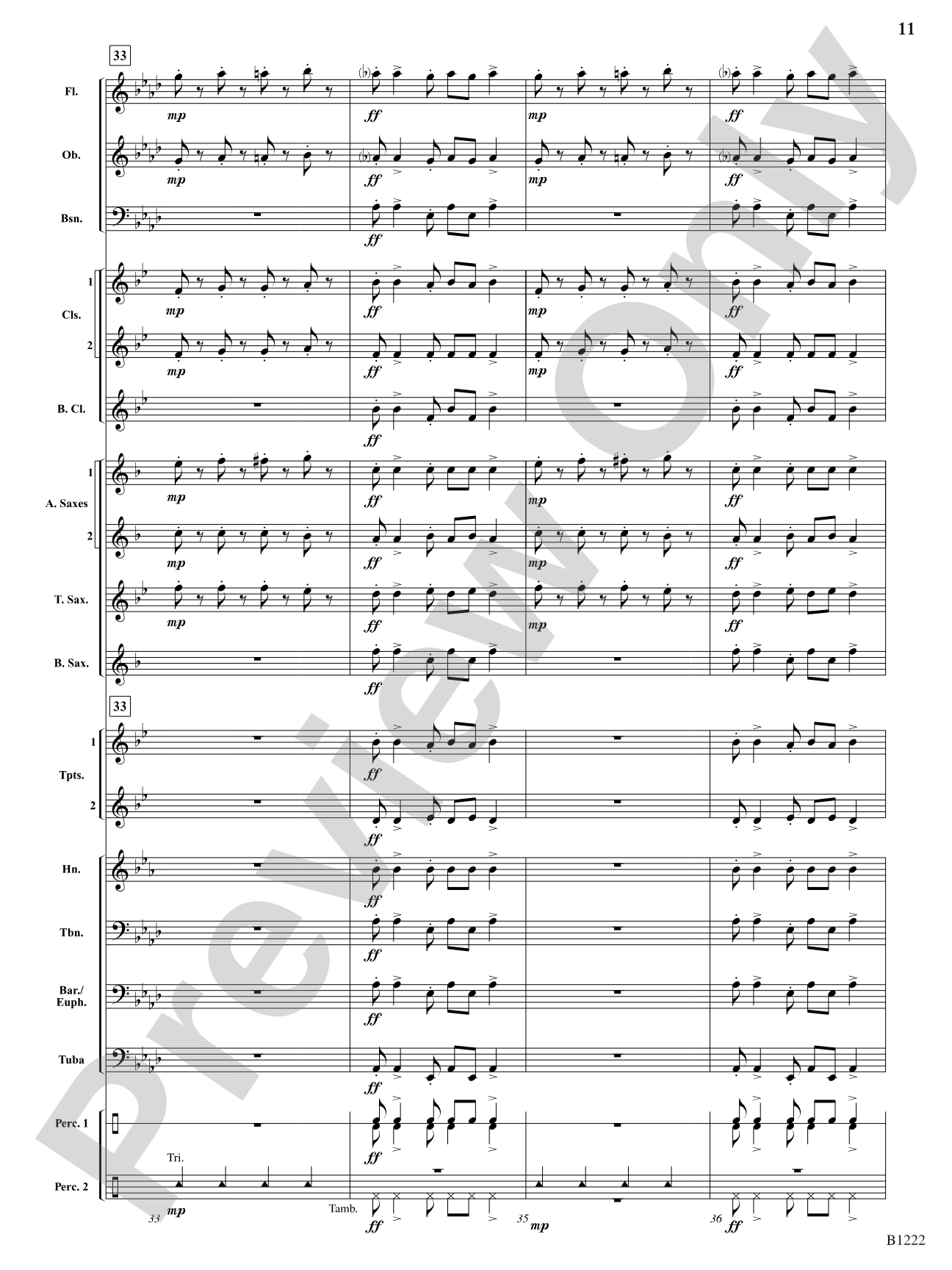
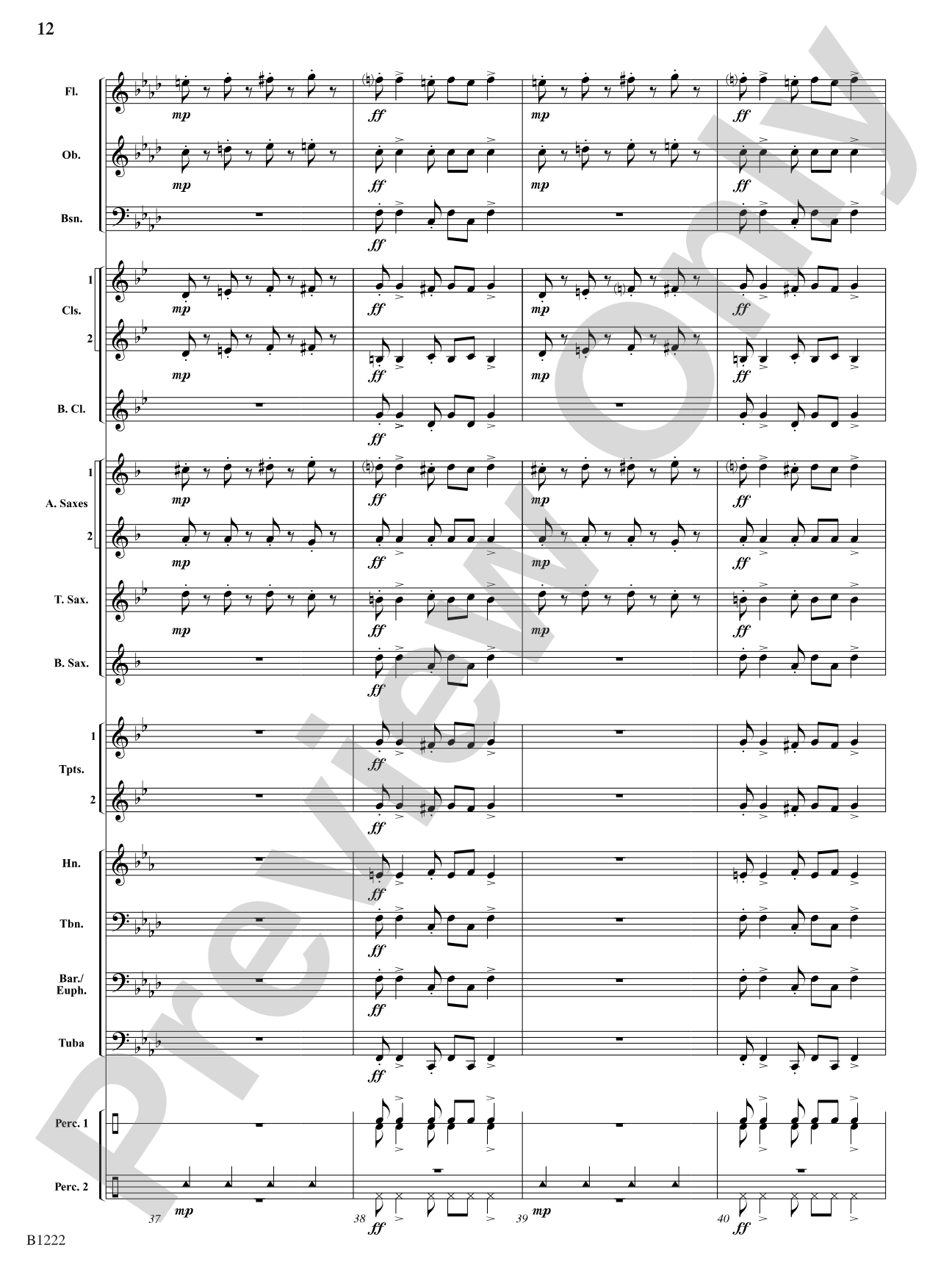
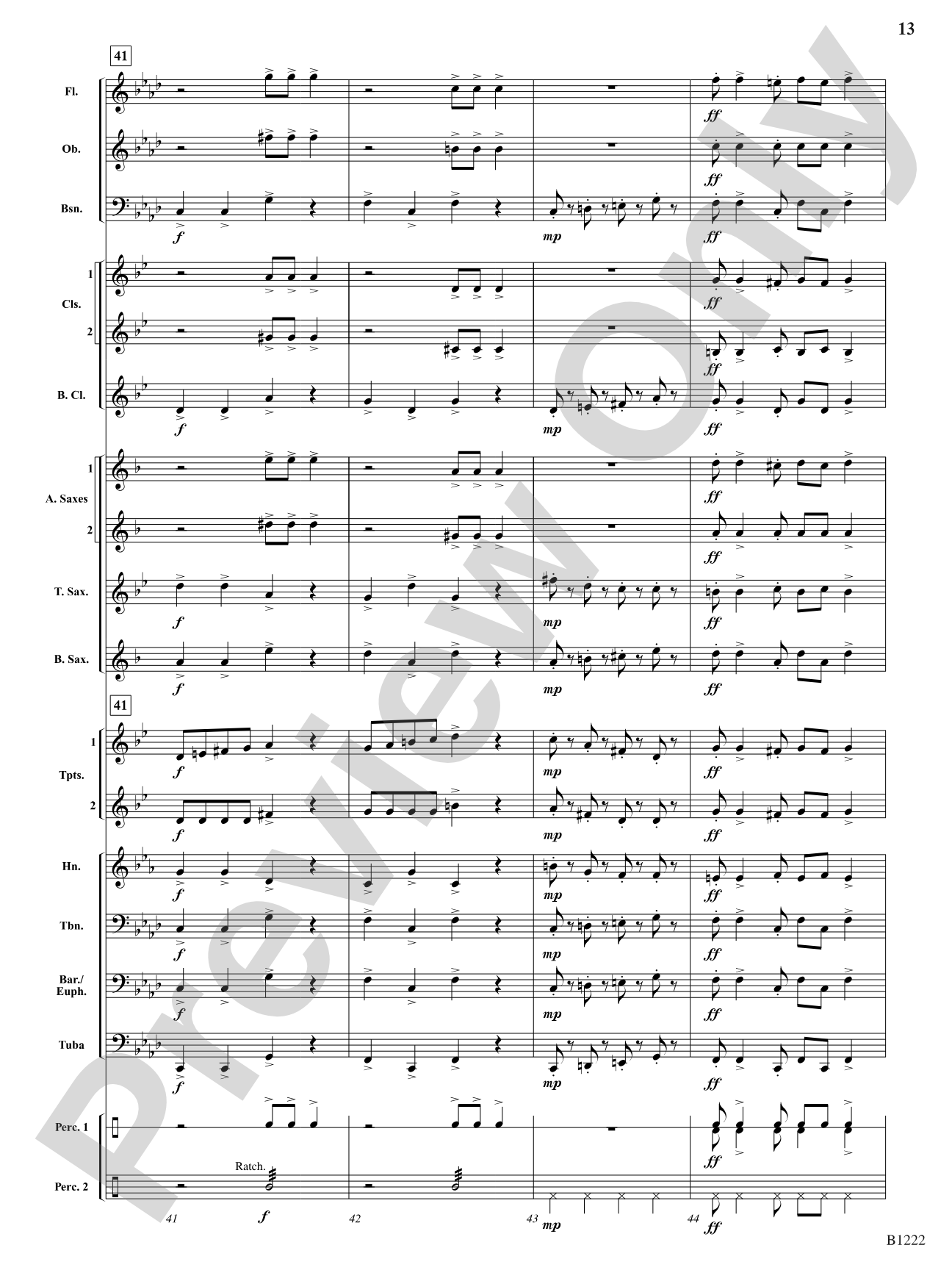
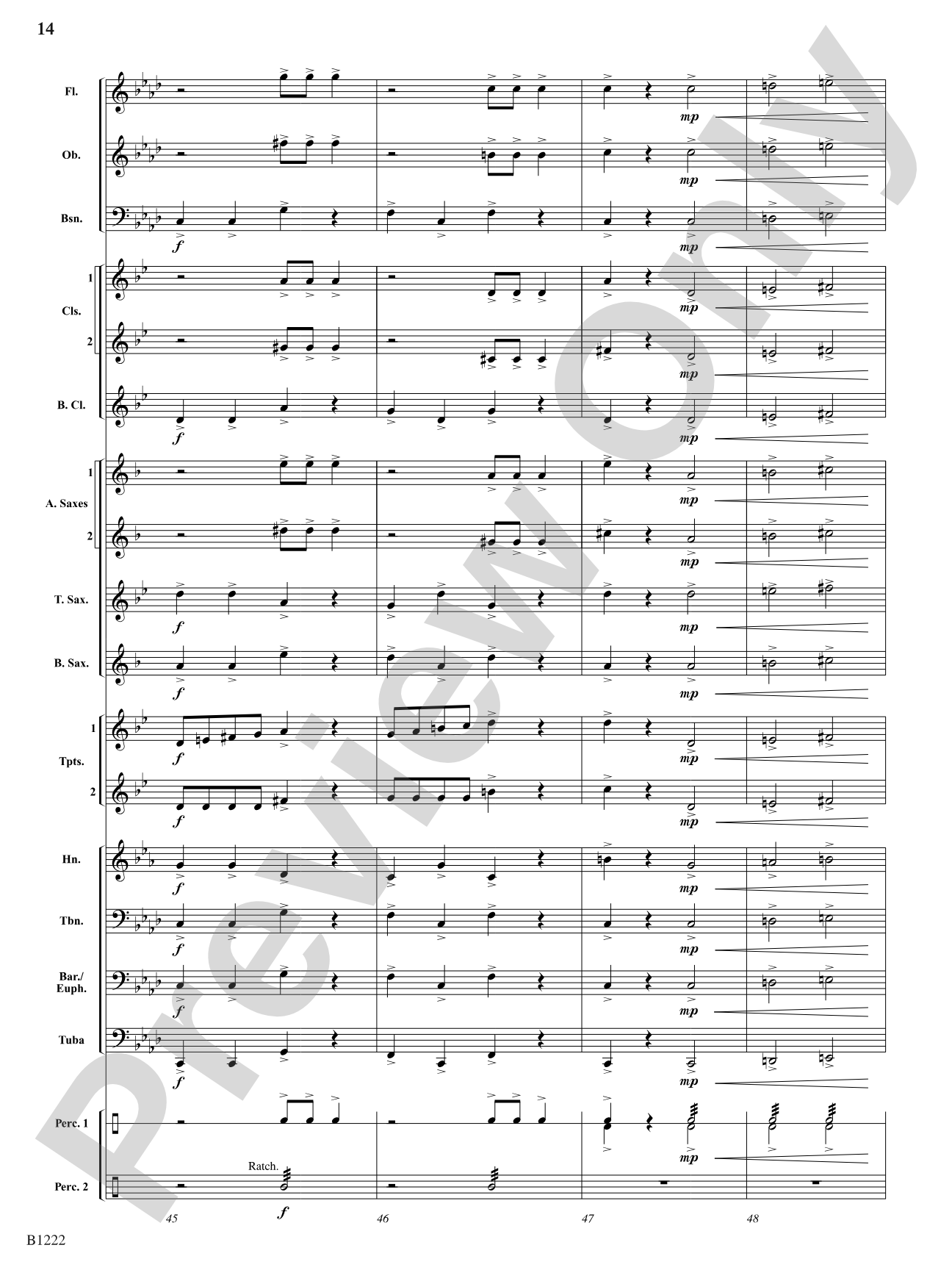
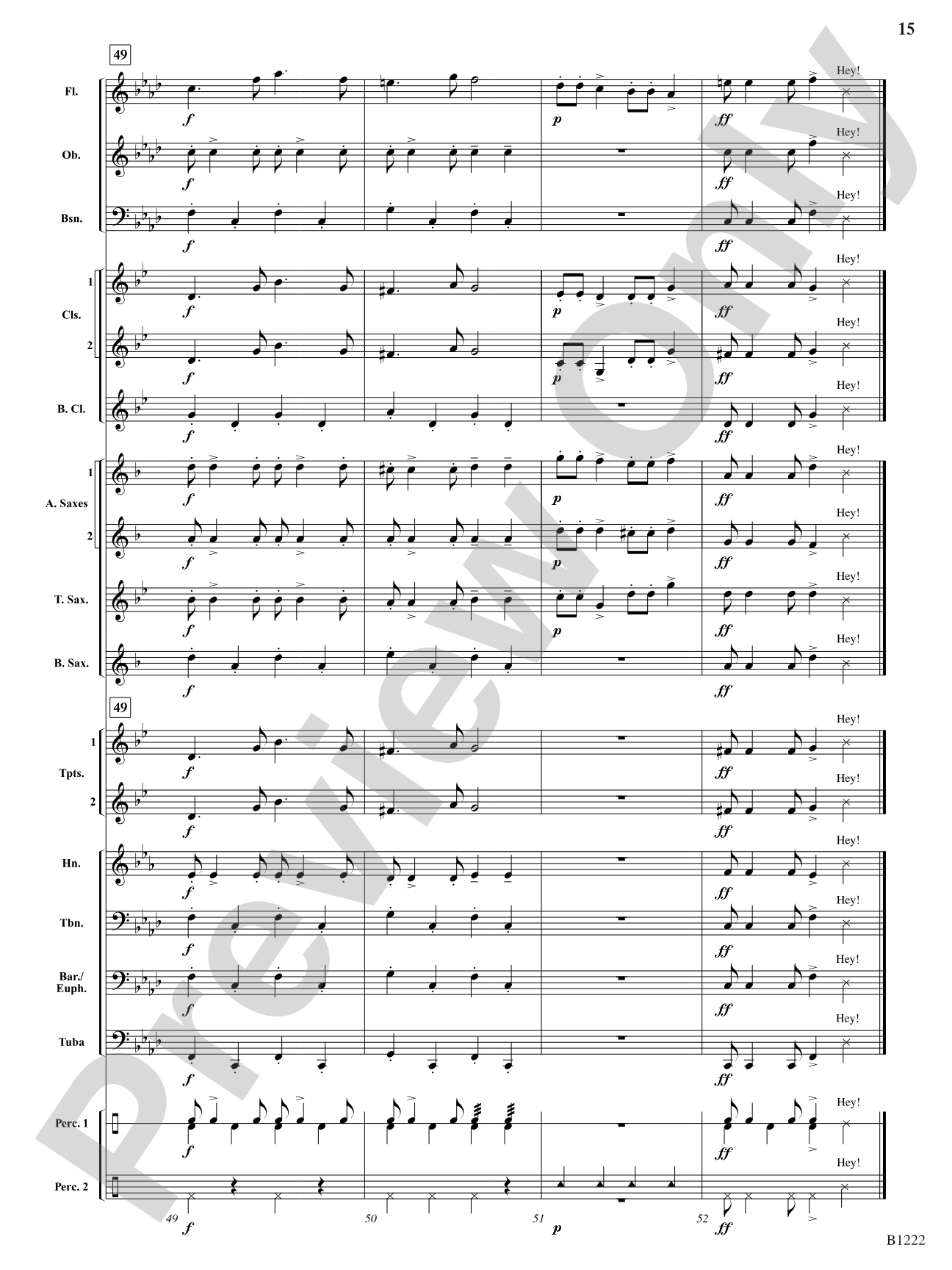

The Happy Hungarian: Score
By David Shaffer
Grade: 2
Item: 98-DB1222S
$5.00
Pickup currently not available
Description
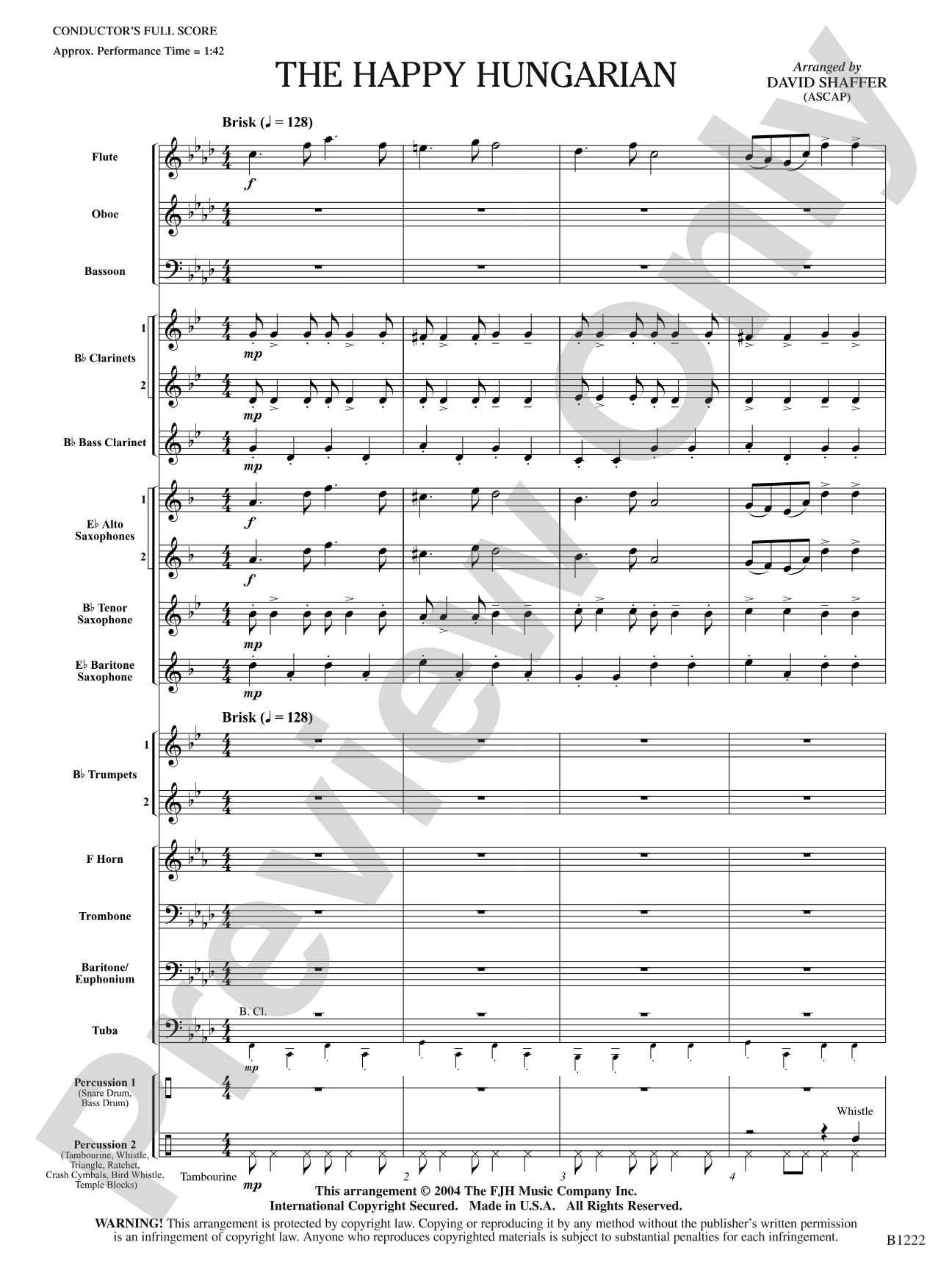
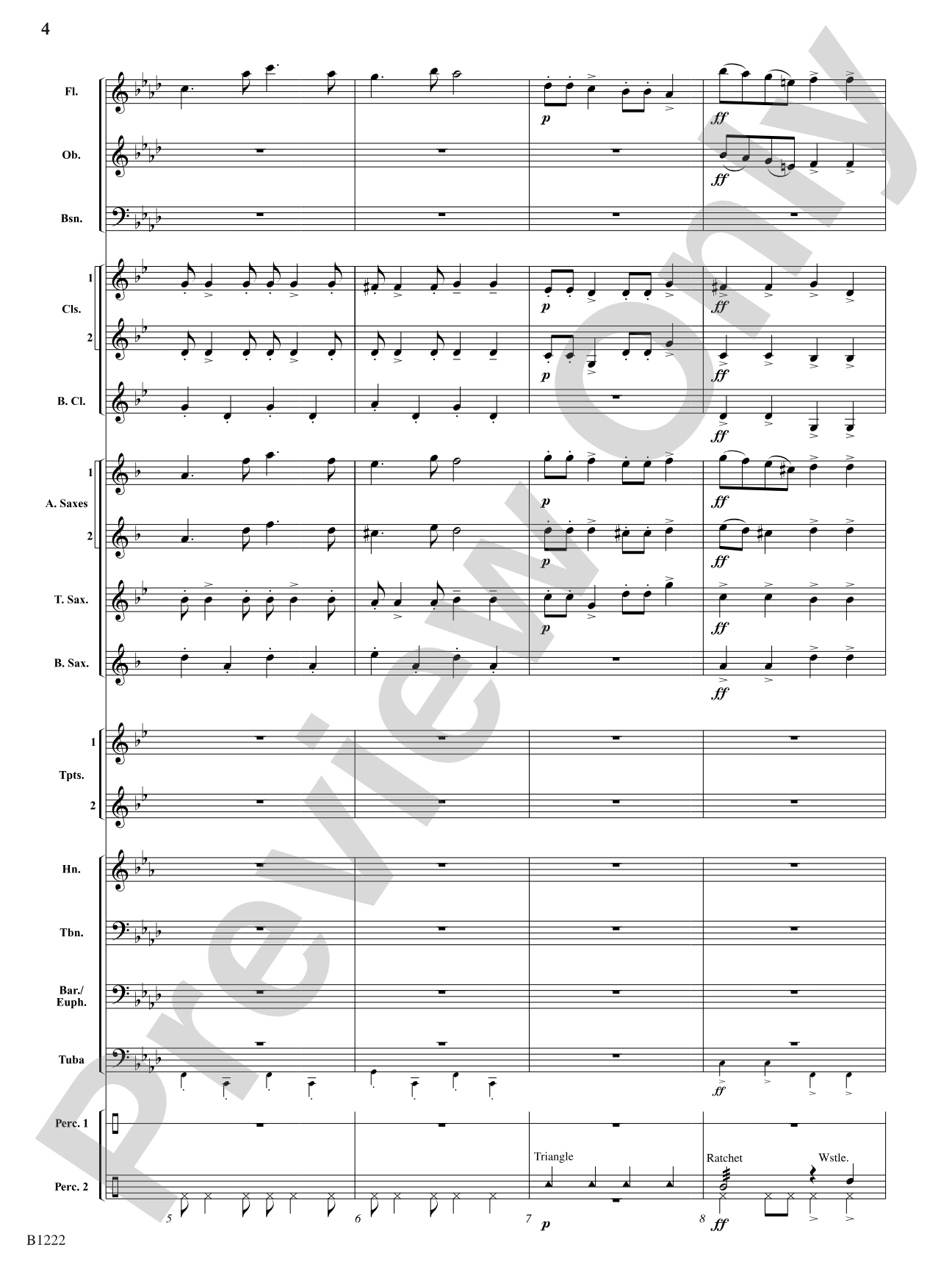
Popular cartoons have made Franz Liszt's Hungarian Rhapsody #2 and Johannes Brahms's Hungarian Rhapsody #5 instantly recognizable. This arrangement cleverly combines several themes from both compositions into one fun-filled frolic through classical cartoon capers. Whistles, bird whistles, and ratchets all add to the charm of this novel tune. This is one "Happy Hungarian" that will keep you smiling for a long time!


The Happy Hungarian: Score isn't in MakeMusic Cloud just yet...but it could be. Let us know you'd like to see it, and you'll help shape what comes next. In the meantime, start a free trial and dive into thousands of interactive titles your students can play along with today.
Request This Title
Tell us you want it.
Start Your Free Trial
Explore everything that's ready to play right now.
Sample Audio
1
Audio File
--:--
0:00
0:00
Sample Video
No sample videos found.
Additional Details
Series:
FJH Young Band
Publisher:
The FJH Music Company, Inc.
SKU:
98-DB1222S
More about this title
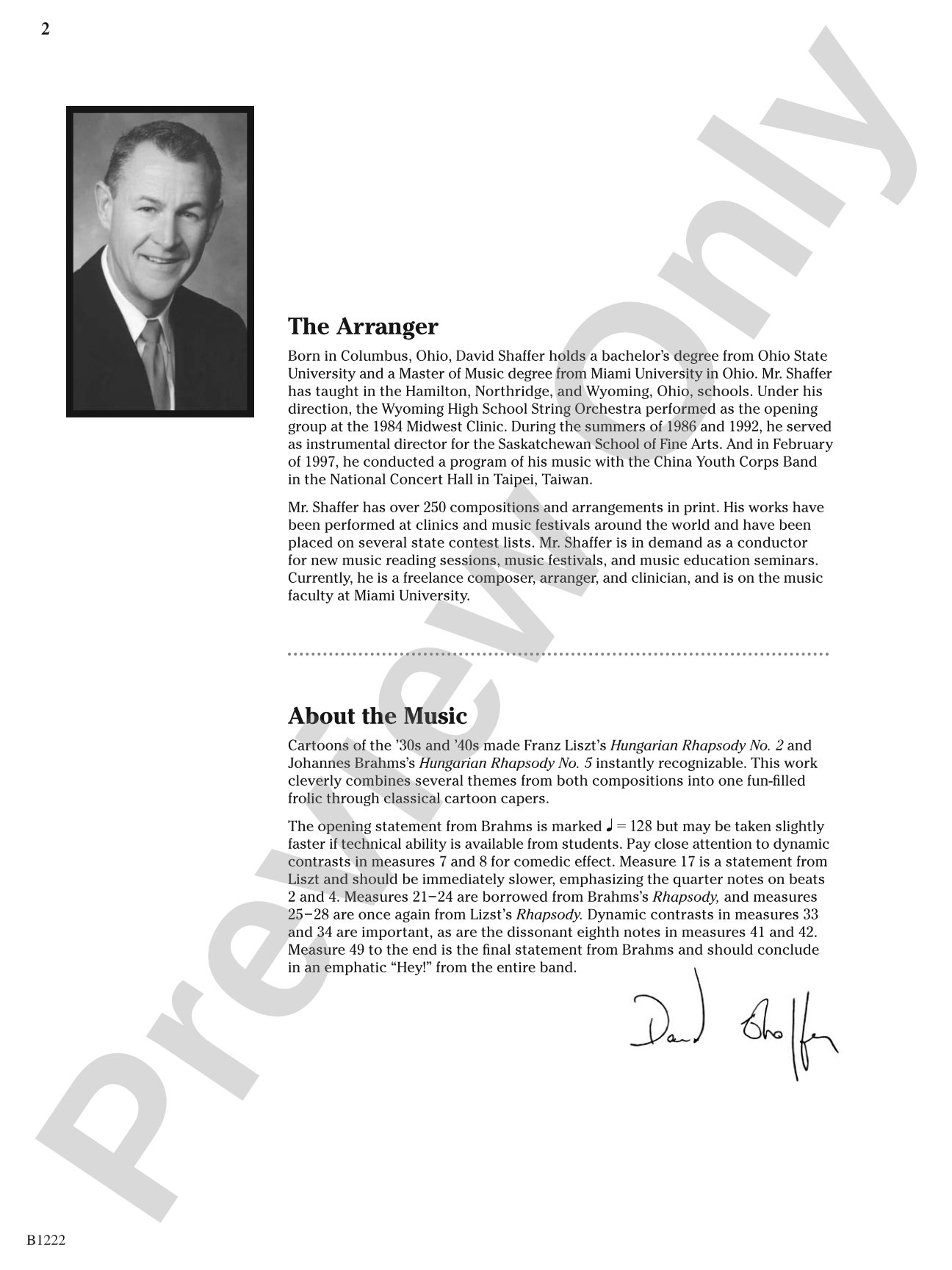
About the Composer: David Shaffer
David Shaffer is a prolific composer and arranger whose work for young and developing bands has shaped music curricula across the country. His approach balances accessibility with genuine musical substance, creating pieces that engage students while respecting their growing technical abilities.
Why we love this
This arrangement strips away the intimidation factor of two iconic romantic-era rhapsodies and replaces it with pure, infectious joy. The addition of percussion novelties (whistles, bird calls, ratchets) transforms what could feel like a dry classical mashup into a moment that gets genuine laughs from both performers and audiences.
What to expect
A vaudeville romp through a concert hall. Moments of genuine melodic beauty (borrowed from Liszt and Brahms) collide with theatrical sound effects and playful orchestration. It's sophisticated enough to sound impressive and irreverent enough to sound fun.
Who it's for
Grade 2 bands ready to program something that delivers concert appeal without overwhelming players still building foundational skills. This works equally well for directors seeking an opener that settles audience energy or a closer that leaves people in a good mood.
How to get the most out of it
- Balance the melodic themes so that when they appear in different sections, each statement feels like a fresh spotlight rather than a repeat. The cartoon clarity of this piece depends on clarity of line.
- Treat the percussion effects (bird whistles and ratchets especially) as comedic punctuation marks. They land best when they surprise, so resist the urge to over-rehearse them into predictability.
- Shape phrases with character and bounce rather than mechanical precision. Hungarian Rhapsody DNA runs through this piece; lean into the rhythmic lift and dramatic shifts in tempo that make the original themes memorable.
How to use it
Pair this with a more serious classical selection on the same concert to showcase your band's range and musicality. It also makes an excellent opening number for a spring pops concert or a family-friendly matinee where you want audiences to relax and enjoy themselves immediately.
Skills your students will build
- Articulation clarity in fast-moving melodic passages
- Sectional independence while maintaining ensemble balance
- Rhythmic precision in syncopated accompaniment figures
- Responding to sudden tempo and dynamic changes
- Doubling and balance awareness across different instrumental combinations