
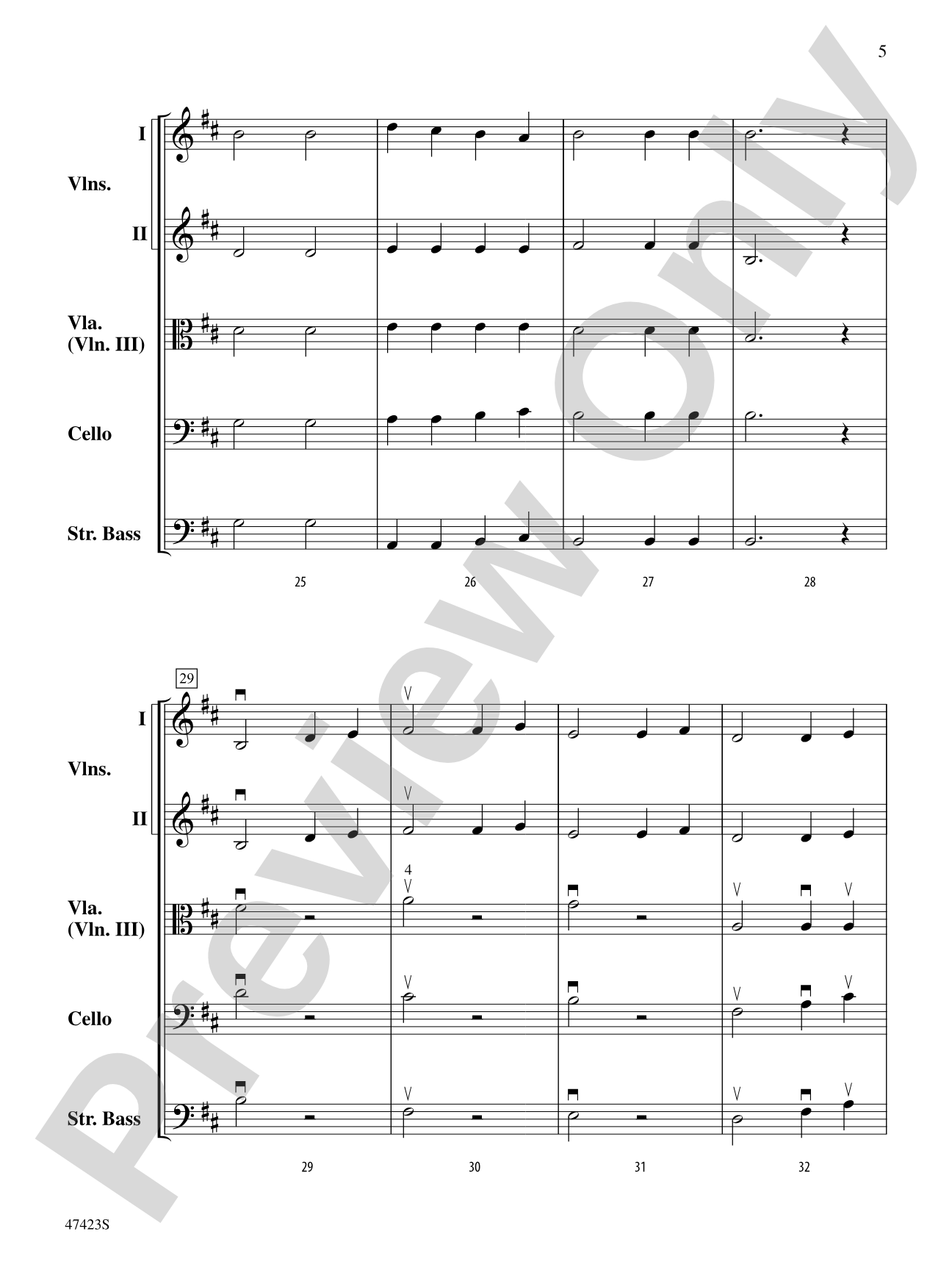
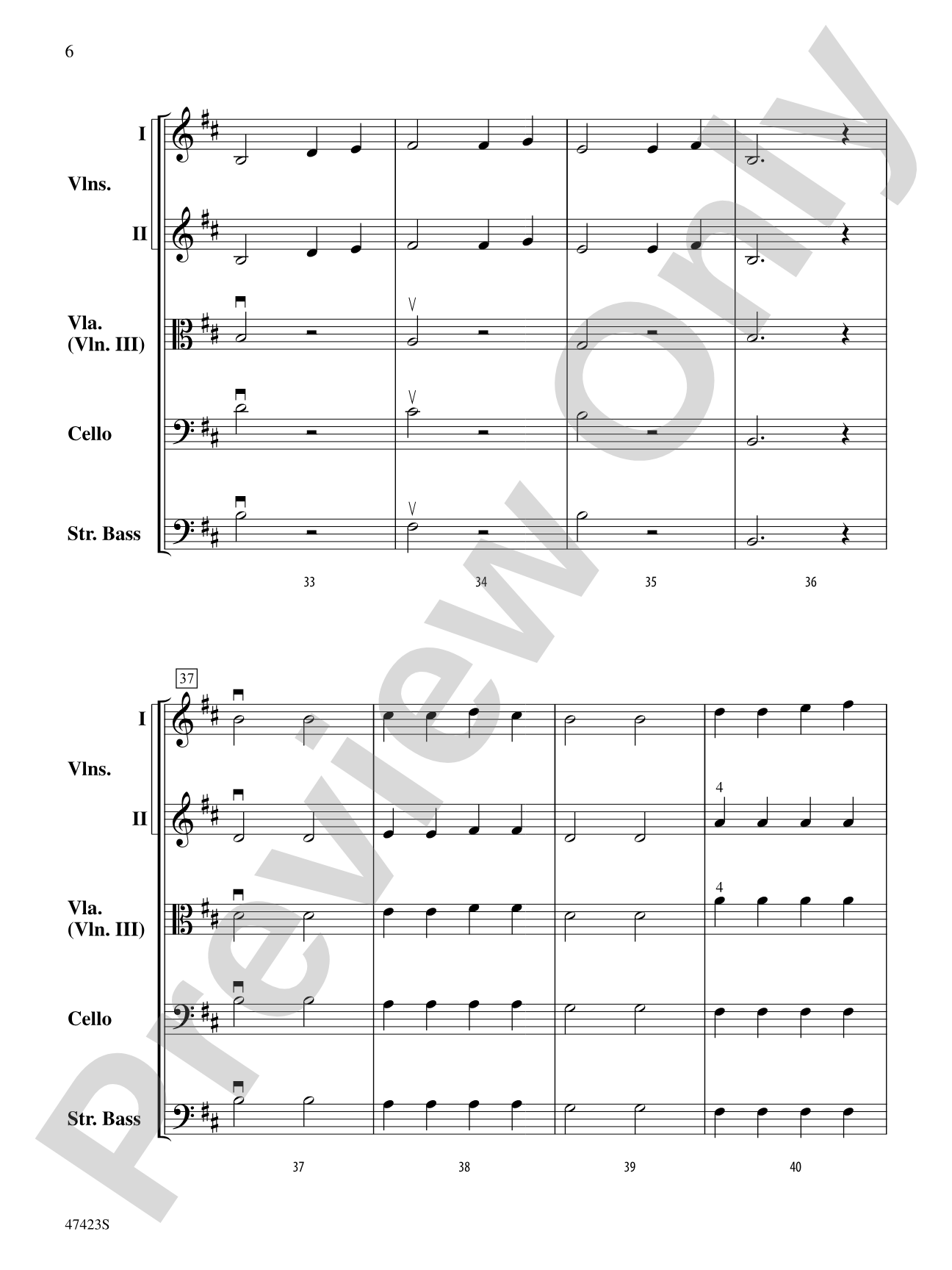
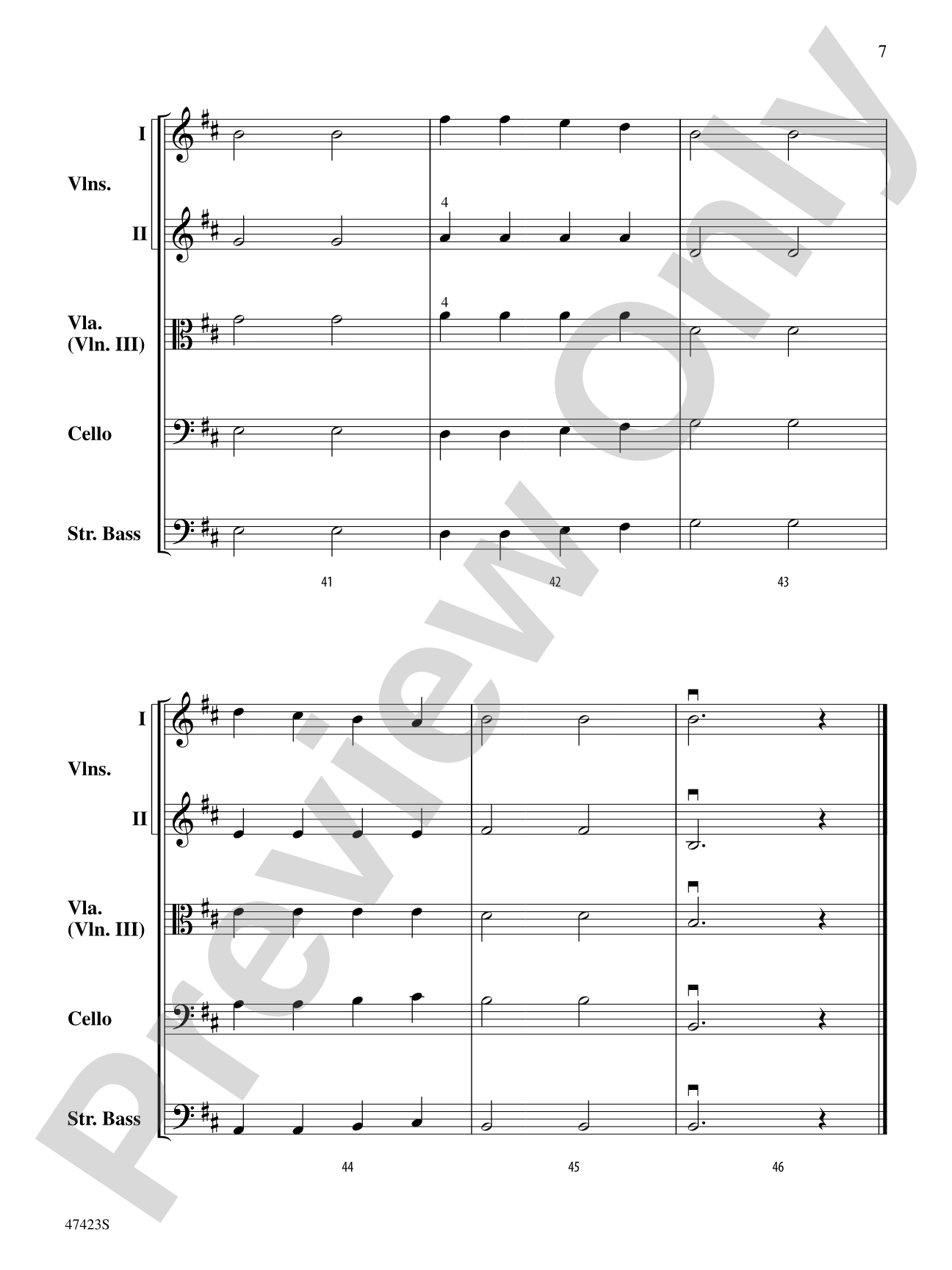

The Grotto: String Orchestra Conductor Score & Parts
By Todd Parrish
Grade: 1
Item: 00-PK-0007661

$50.00
Pickup currently not available
Buy Extra Parts (Digital PDF Download)
| Product | Price | Quantity |
|---|---|---|
| The Grotto: Score | $8.00 | |
| The Grotto: 1st Violin | $5.99 | |
| The Grotto: 2nd Violin | $5.99 | |
| The Grotto: 3rd Violin (Viola [TC]) | $5.99 | |
| The Grotto: Viola | $5.99 | |
| The Grotto: Cello | $5.99 | |
| The Grotto: String Bass | $5.99 |
Parts Added to Cart!
Description
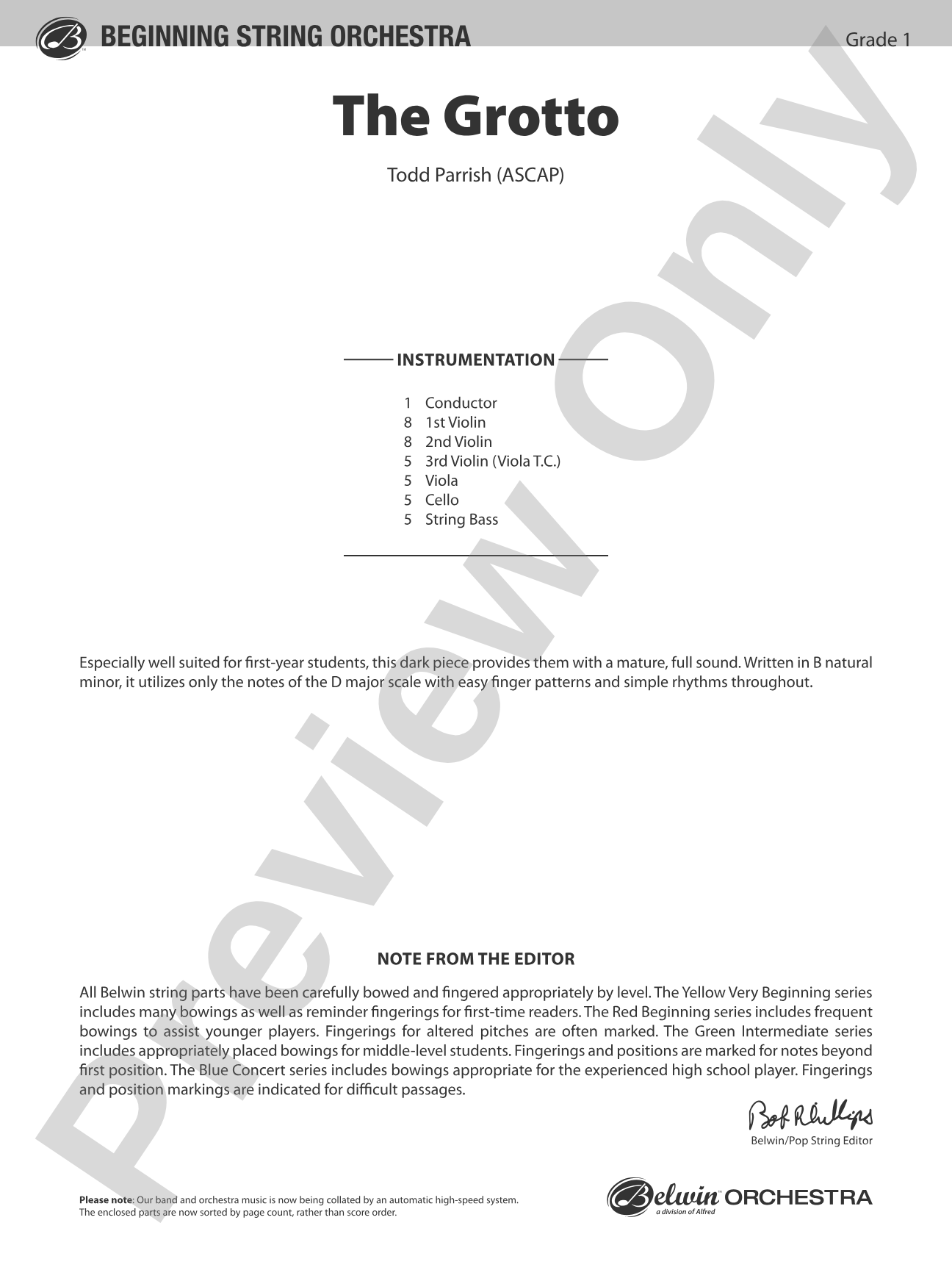
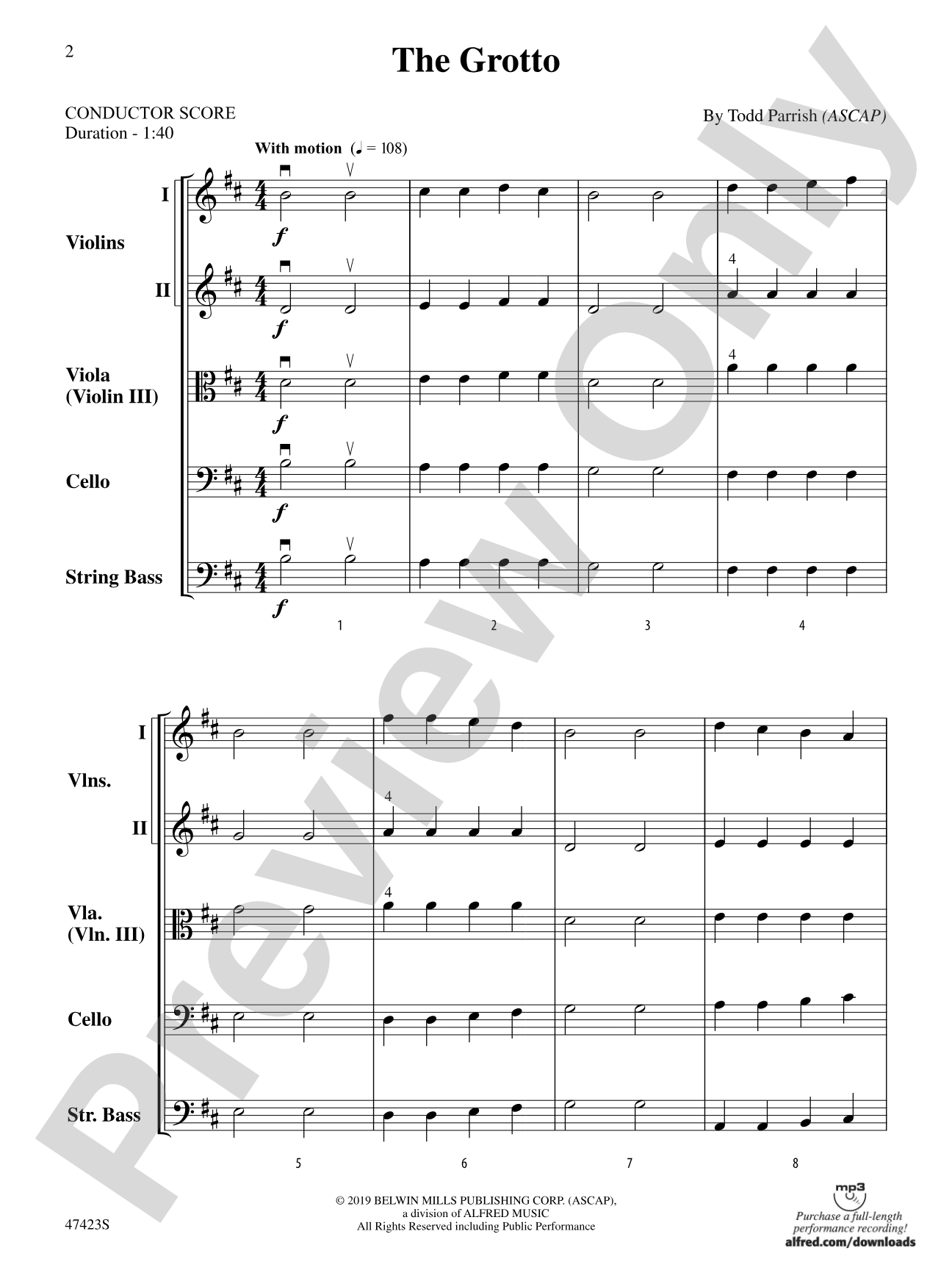
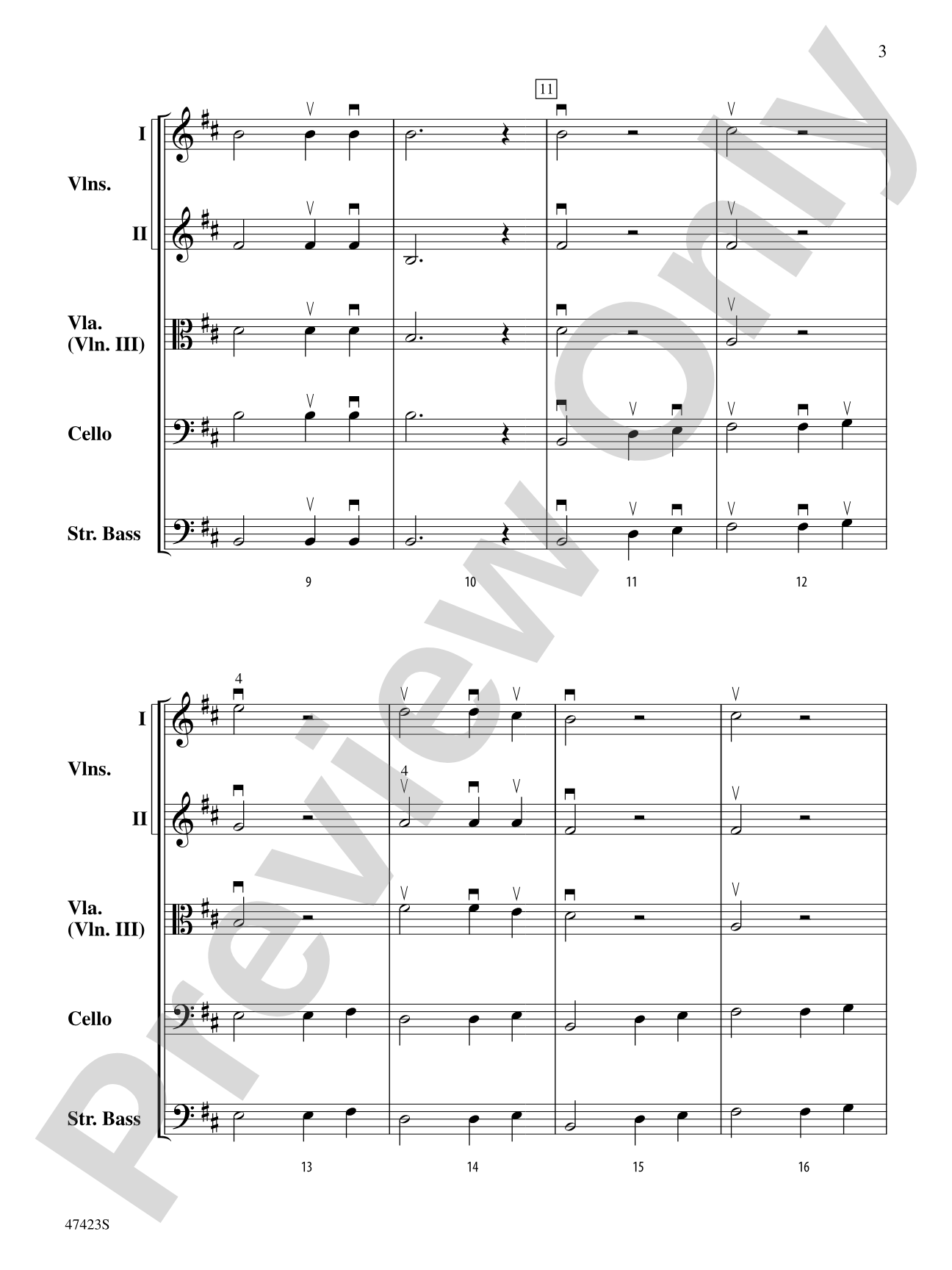
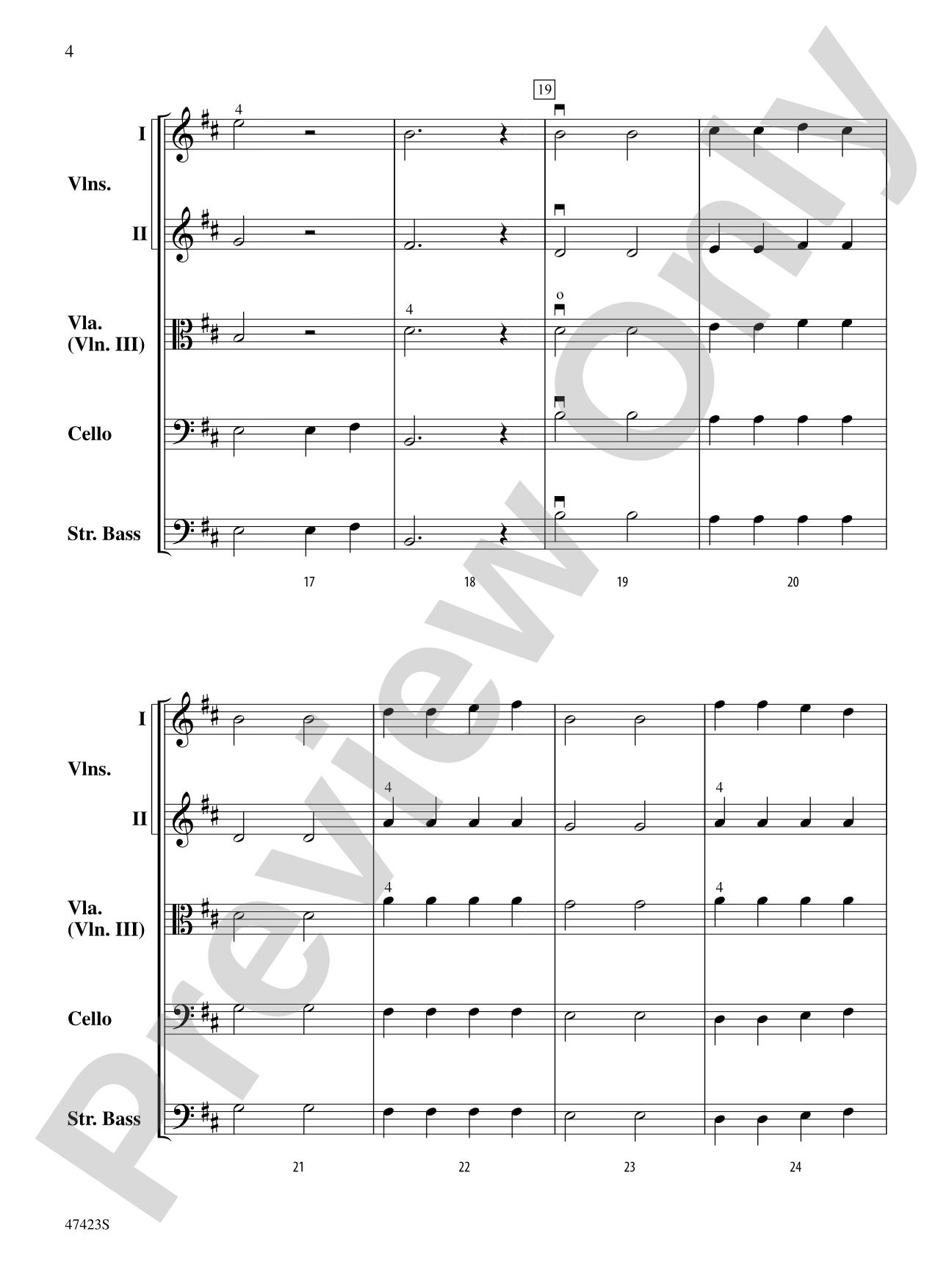
Especially well suited for first-year students, this dark-sounding piece gives students a mature, full sound. Written in B natural minor, it utilizes only the notes of the D major scale with easy finger patterns and simple rhythms throughout. (1:45)


Don't just read it, hear it, play along with it, and watch your students grow with it. In MakeMusic Cloud, The Grotto: String Orchestra Conductor Score & Parts comes alive with professional accompaniment, adjustable tempo, and built-in practice tools that turn solo practice into real progress.
Open in the Player
Jump straight in and assign it today.
Start Your Free Trial
Open this title and explore the full library in minutes.
Sample Audio
1
Audio File
--:--
0:00
0:00
Sample Video
Additional Details
Series:
Belwin Beginning String Orchestra
Publisher:
Alfred Music
Page Count:
72
SKU:
00-PK-0007661
More about this title
About the Composer: Todd Parrish
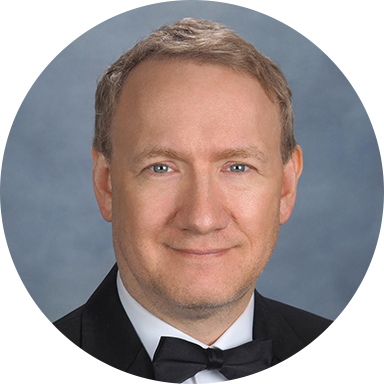
Todd Parrish brings two decades of orchestra classroom experience to his compositions and arrangements. He has conducted student orchestras across Illinois, Virginia, and Florida, and holds degrees in music education from Oklahoma City University and a master's in orchestral conducting from the University of Arizona, where he studied with Jindong Cai. His training includes additional conducting workshops throughout the United States and France, as well as private instruction in violin, piano, and string quartet.
Parrish serves as orchestra editor for Carl Fischer Music and has held editorial roles at J.W. Pepper and Wingert-Jones Publications. His catalog of over forty published works spans original compositions and classical arrangements written specifically for school orchestras. He continues to guest conduct and lives in Orlando, Florida.
Why we love this
Parrish understands exactly what first-year string orchestras need: rewarding sound without technical roadblocks. The constraint of using only D major scale tones over a B natural minor harmonic foundation creates something musically sophisticated that students can actually execute, and the programmatic title gives young players narrative context for the darker character they're creating together.
What to expect
Dark and atmospheric, like exploring a mysterious underground cavern. The minor key and careful harmonic choices create a sense of intrigue and depth that feels far more advanced than the technical demands suggest, drawing listeners into a complete musical environment.
Who it's for
First-year string orchestra students who are ready for something sonically mature but still mastering fundamental technique. Directors programming concert or festival events want a piece that sounds polished and intentional while remaining firmly within Grade 1 reach.
How to get the most out of it
- Shape the phrasing within each simple rhythmic unit rather than playing mechanically; even straightforward rhythms benefit from slight dynamic shaping and breath points.
- Balance the sections so that the viola and cello lines project clearly; in Grade 1 pieces, the lower voices often carry harmonic interest that shouldn't disappear.
- Establish a confident tempo at the start of rehearsal so students hear the full piece in one sitting; at just under two minutes, momentum carries the narrative forward.
- Encourage players to visualize the grotto itself as they perform, which helps younger students invest emotionally in tone production rather than just reading notes.
How to use it
Open a concert with this piece to establish an art-music sensibility from the first selection, or pair it with lighter programmatic works to create a cohesive thematic set. Its short length and mature sound make it ideal for festival programming where you want strong impact in minimal rehearsal time.
Skills your students will build
- Reading and playing in B natural minor with diatonic D major scale patterns
- Sustaining tone quality and phrase direction across simple rhythmic structures
- Balancing sectional voices in a minor-key harmonic context
- Executing synchronized rhythms across all orchestral voices
- Responding to programmatic intent and musical character