
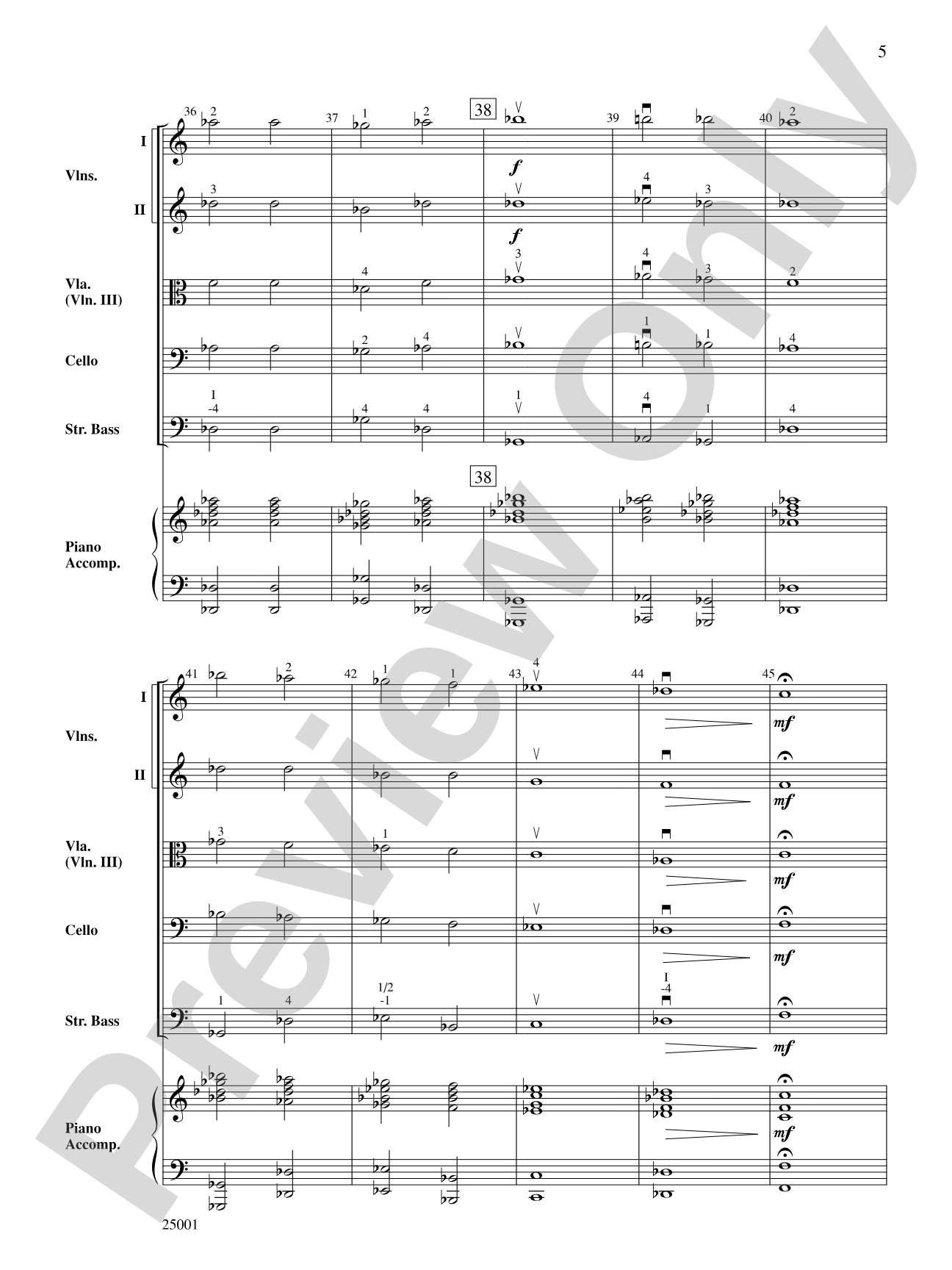
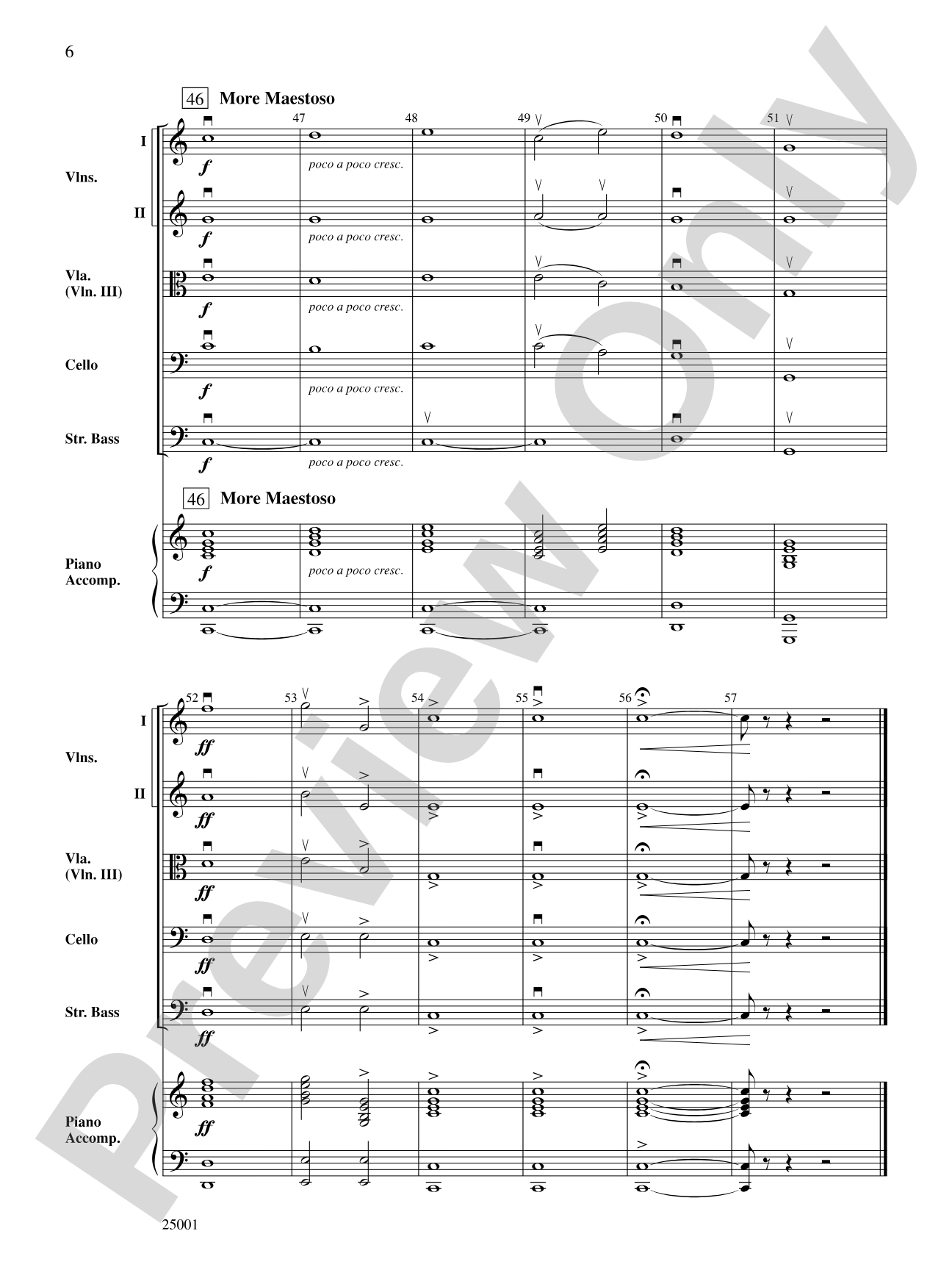



The Great Gate of Kiev: String Orchestra Conductor Score & Parts
By Modest Mussorgsky / arr. Roy Phillippe
Grade: 2.5
Item: 00-PK-0000991

$49.00
Pickup currently not available
Buy Extra Parts (Digital PDF Download)
| Product | Price | Quantity |
|---|---|---|
| The Great Gate of Kiev: Score | $8.00 | |
| The Great Gate of Kiev: 1st Violin | $5.99 | |
| The Great Gate of Kiev: 2nd Violin | $5.99 | |
| The Great Gate of Kiev: 3rd Violin (Viola [TC]) | $5.99 | |
| The Great Gate of Kiev: Viola | $5.99 | |
| The Great Gate of Kiev: Cello | $5.99 | |
| The Great Gate of Kiev: String Bass | $5.99 | |
| The Great Gate of Kiev: Piano Accompaniment | $5.99 |
Parts Added to Cart!
Related Items
The Great Gate of Kiev: String Orchestra Conductor Score & Parts |
$48.00
|
View |
Description
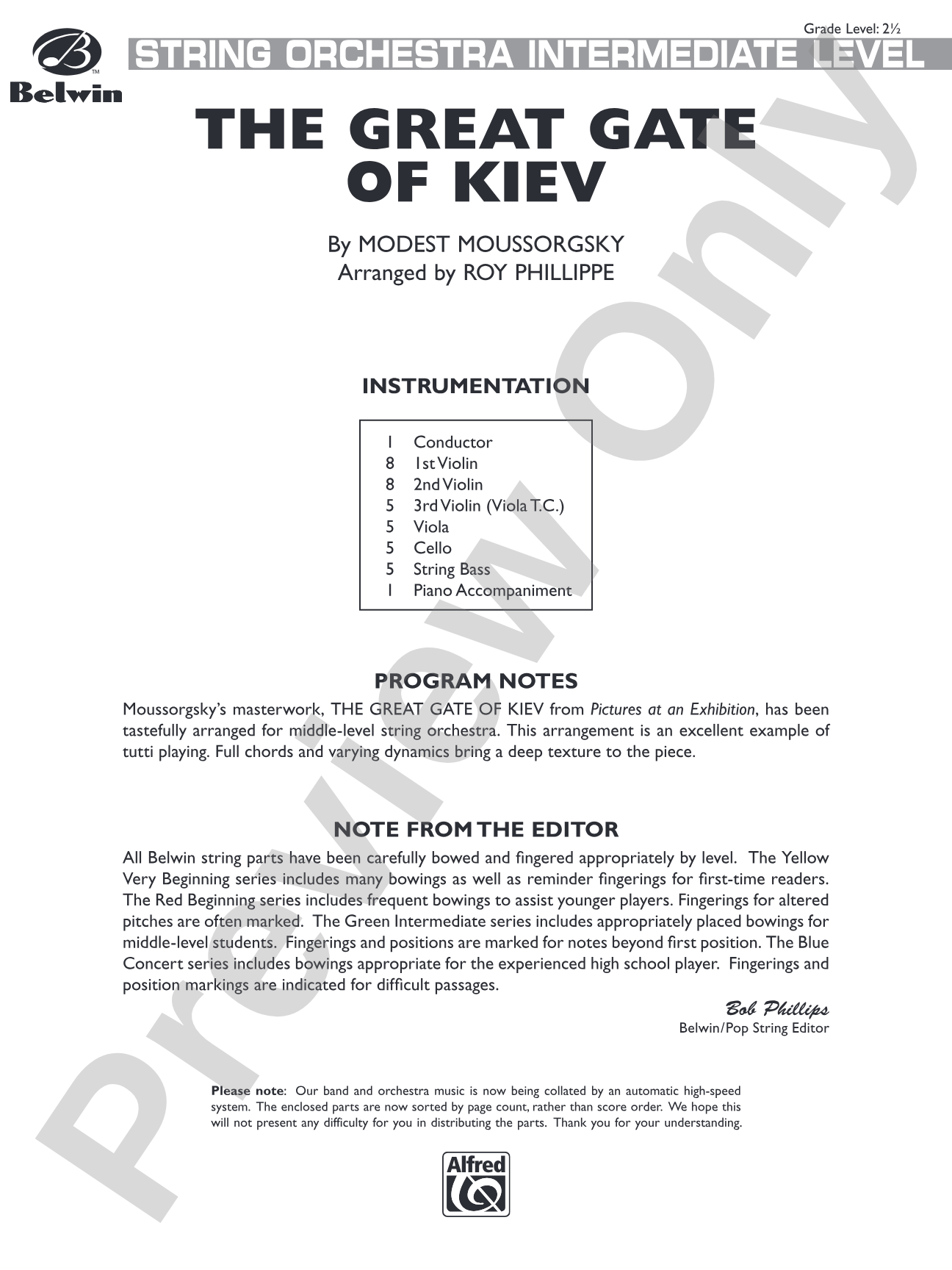
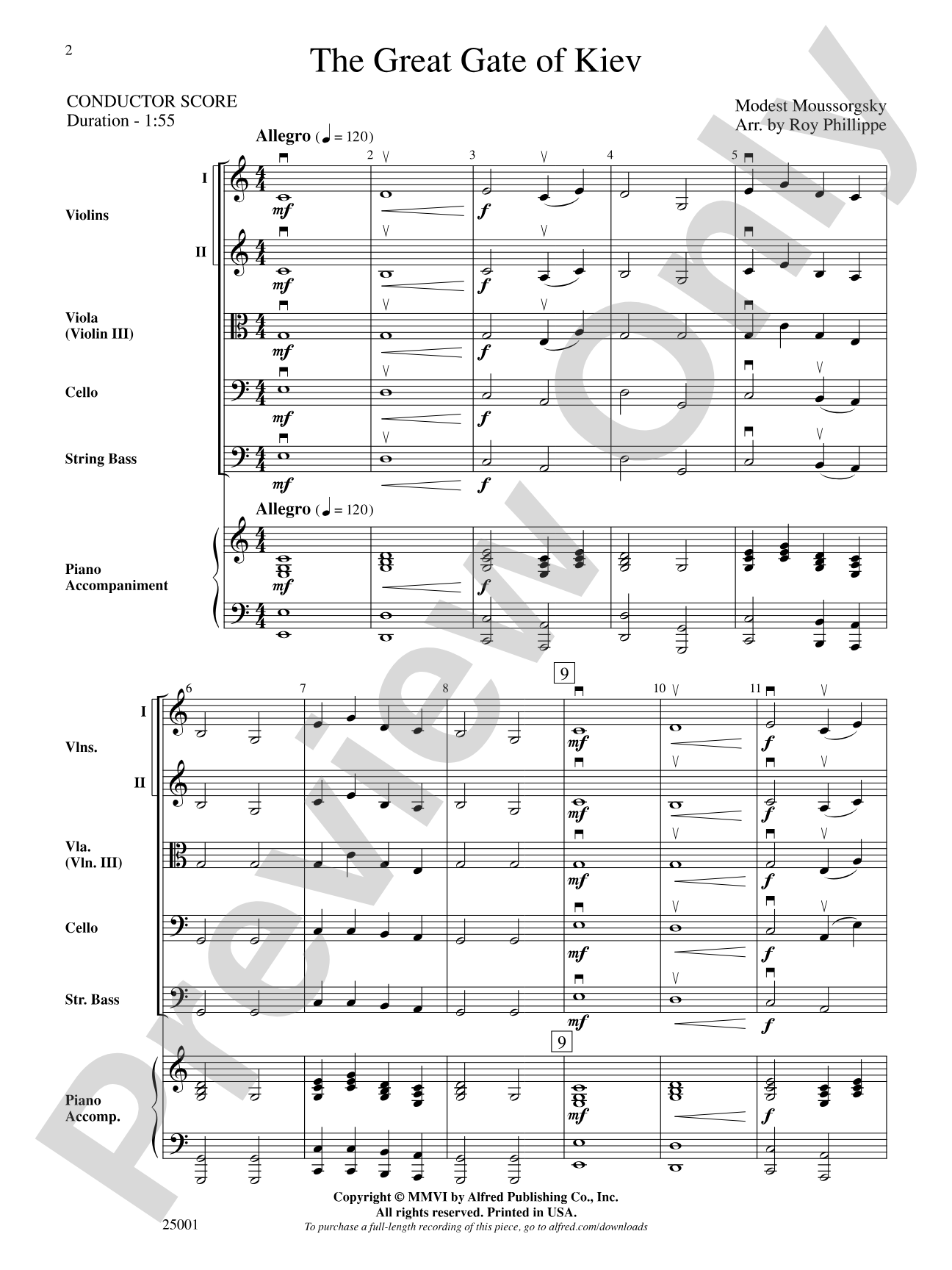
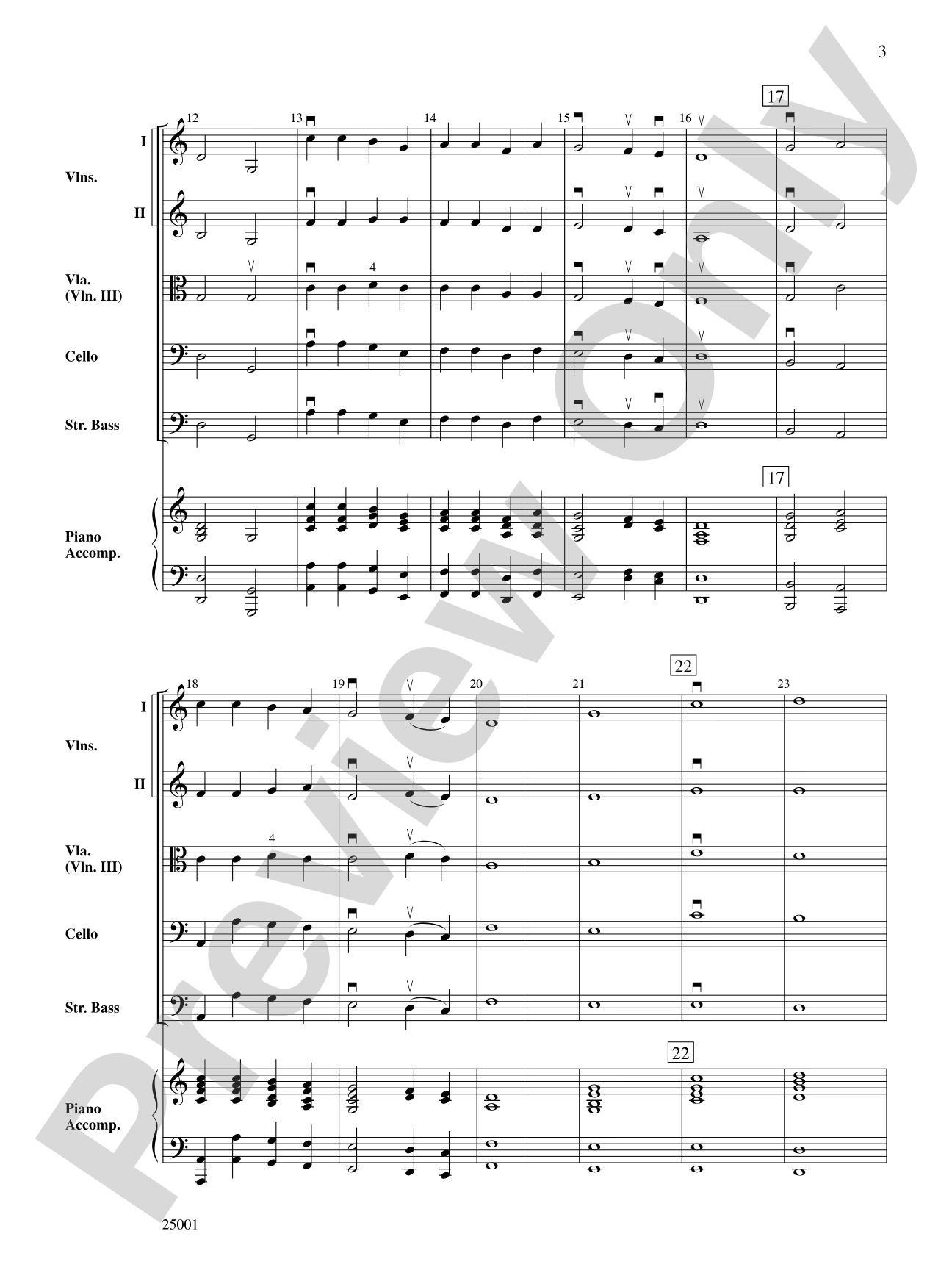
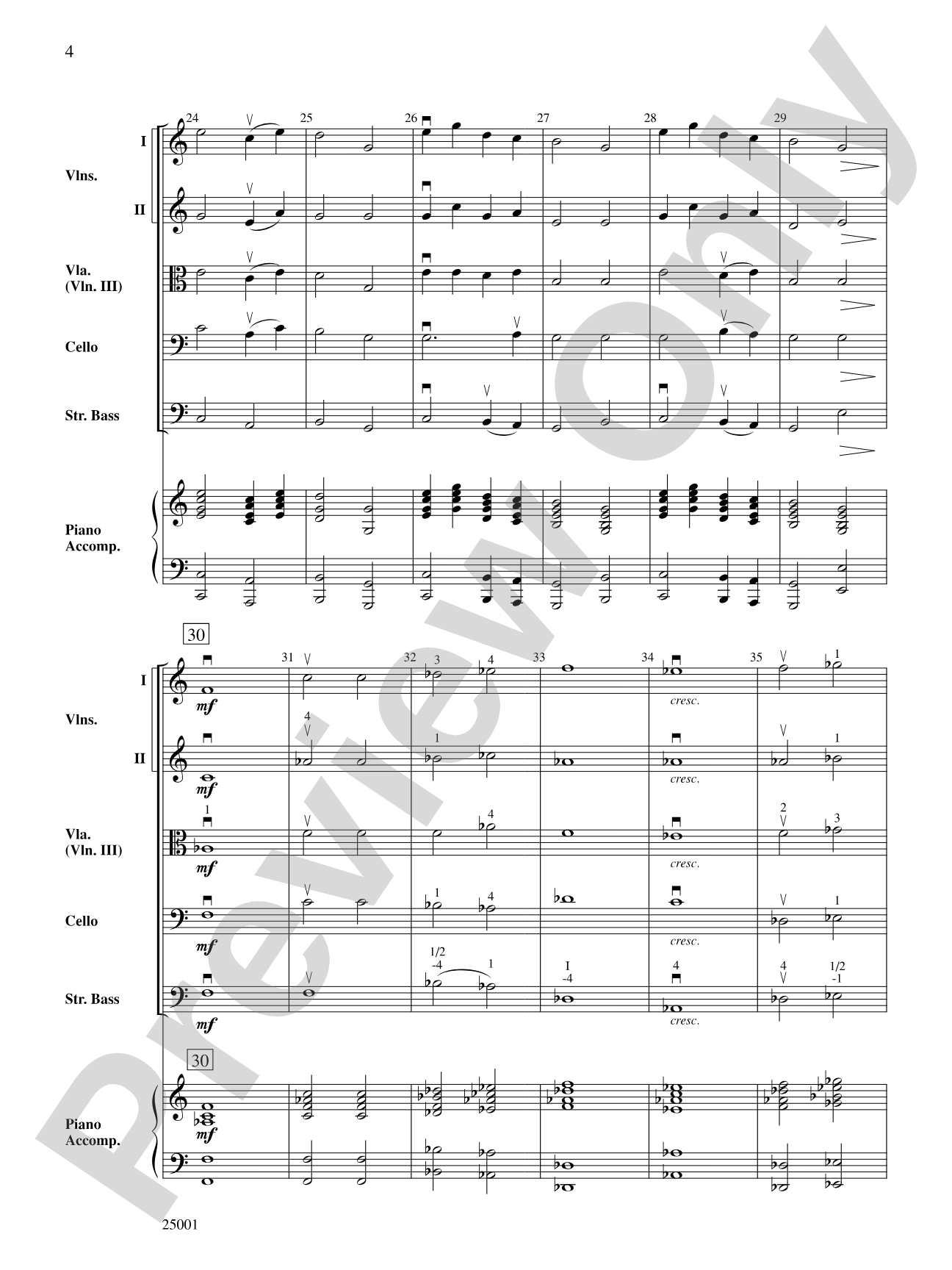
An architectural design for a gate in massive Russian style was Modest Moussorgsky's inspiration for this wonderful piece from Pictures from An Exhibition. This arrangement for beginning string orchestra is an excellent example of tutti playing. Full chords and varying dynamics bring a deep texture to the piece. This title is available in MakeMusic Cloud.


Don't just read it, hear it, play along with it, and watch your students grow with it. In MakeMusic Cloud, The Great Gate of Kiev: String Orchestra Conductor Score & Parts comes alive with professional accompaniment, adjustable tempo, and built-in practice tools that turn solo practice into real progress.
Open in the Player
Jump straight in and assign it today.
Start Your Free Trial
Open this title and explore the full library in minutes.
Sample Audio
1
Audio File
--:--
0:00
0:00
Sample Video
No sample videos found.
Additional Details
Series:
Belwin Intermediate String Orchestra
Publisher:
Alfred Music
Page Count:
76
SKU:
00-PK-0000991
More about this title
About the Composer: Modest Mussorgsky
Modest Mussorgsky (1839-1881) was a Russian composer whose bold orchestrations and nationalist musical voice shaped the sound of 19th-century Russian classical music. His masterpiece Pictures from an Exhibition emerged from his deep interest in visual art and architecture, translating the visual world into vivid musical landscapes with remarkable originality.
Mussorgsky's compositional style rejected European academic conventions in favor of direct emotional expression and Russian folk elements. His harmonies and rhythmic choices were considered unconventional in his time, but they have proven enduringly powerful in education and concert settings, making his works ideal vehicles for teaching orchestration, color, and musical storytelling.
Why we love this
Roy Phillippe's arrangement captures the monumental character of the original while remaining genuinely playable for developing string orchestras. The full chord writing teaches ensemble balance and dynamic control without overwhelming younger players, and the piece delivers genuine impact in concert, making your students feel the weight of what they're performing.
What to expect
Stately, monumental, and deliberate. The piece unfolds like approaching a towering structure, with full sonorities and measured pacing that convey weight and grandeur. Despite the Grade 2.5 technical level, the music radiates the authority and presence of Mussorgsky's original vision.
Who it's for
Beginning string orchestras ready to tackle a recognized masterwork with confidence. This arrangement works for orchestras in grades 6-9 or high school ensembles still building repertoire depth and are seeking repertoire that sounds more substantial than its technical demands suggest.
How to get the most out of it
- Shape the full chords by bringing out the melody line while maintaining transparent inner voices; this prevents the texture from becoming muddy even when playing tutti passages with full dynamics.
- Establish a secure, confident tempo before the first rehearsal; this piece gains its architectural power from structural clarity, so conductor and ensemble must move together with purpose.
- Explore the dynamic markings as architectural elements themselves; each shift in volume should feel intentional and connected to the harmonic color, not simply loud or soft.
- Balance the lower strings carefully during tuttis; they provide the foundation for the chord, but the ensemble sound depends on not letting them overshadow the upper voices.
How to use it
Include this as a centerpiece in a concert celebrating Russian music or a program exploring nationalism in the Romantic era. It pairs naturally with lighter character pieces or dances, offering a substantial anchor that demonstrates how a young orchestra can tackle canonical works.
Skills your students will build
- Balance and blend in full chord writing
- Dynamic shaping across the entire ensemble
- Ensemble intonation under sustained full sonority
- Conductor-ensemble synchronization in measured tempos
- Vibrato control to maintain clarity in thick textures