
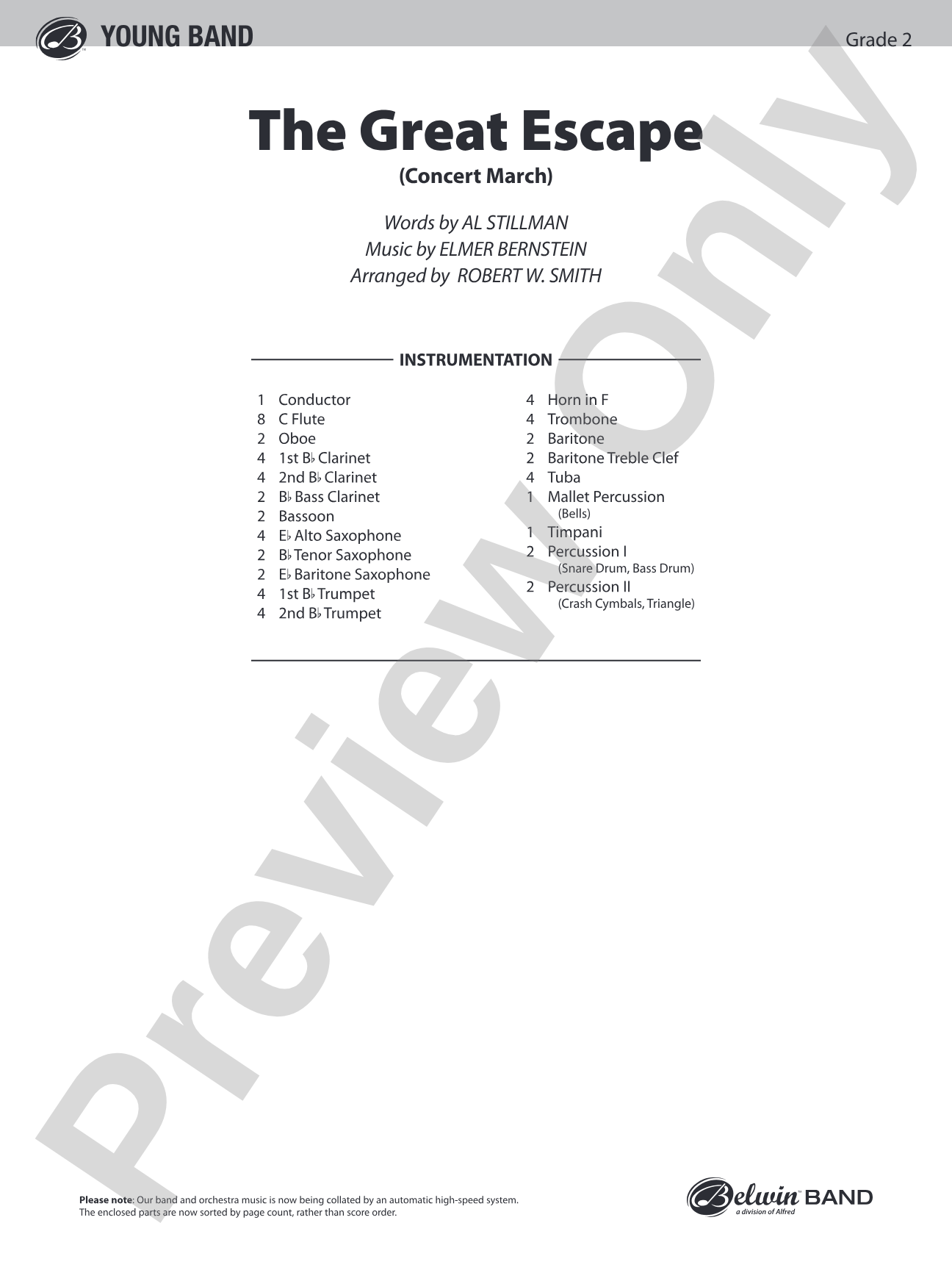
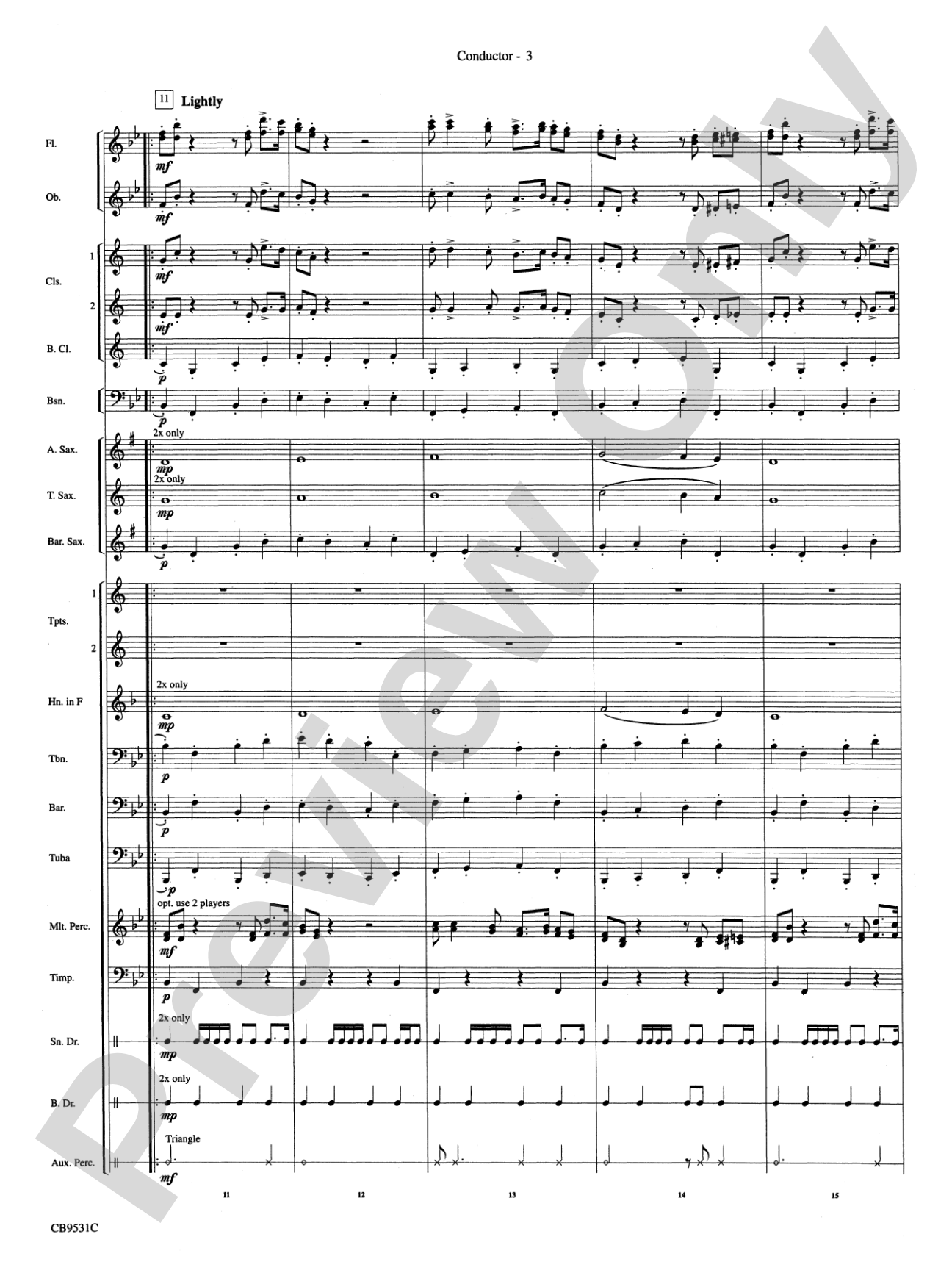
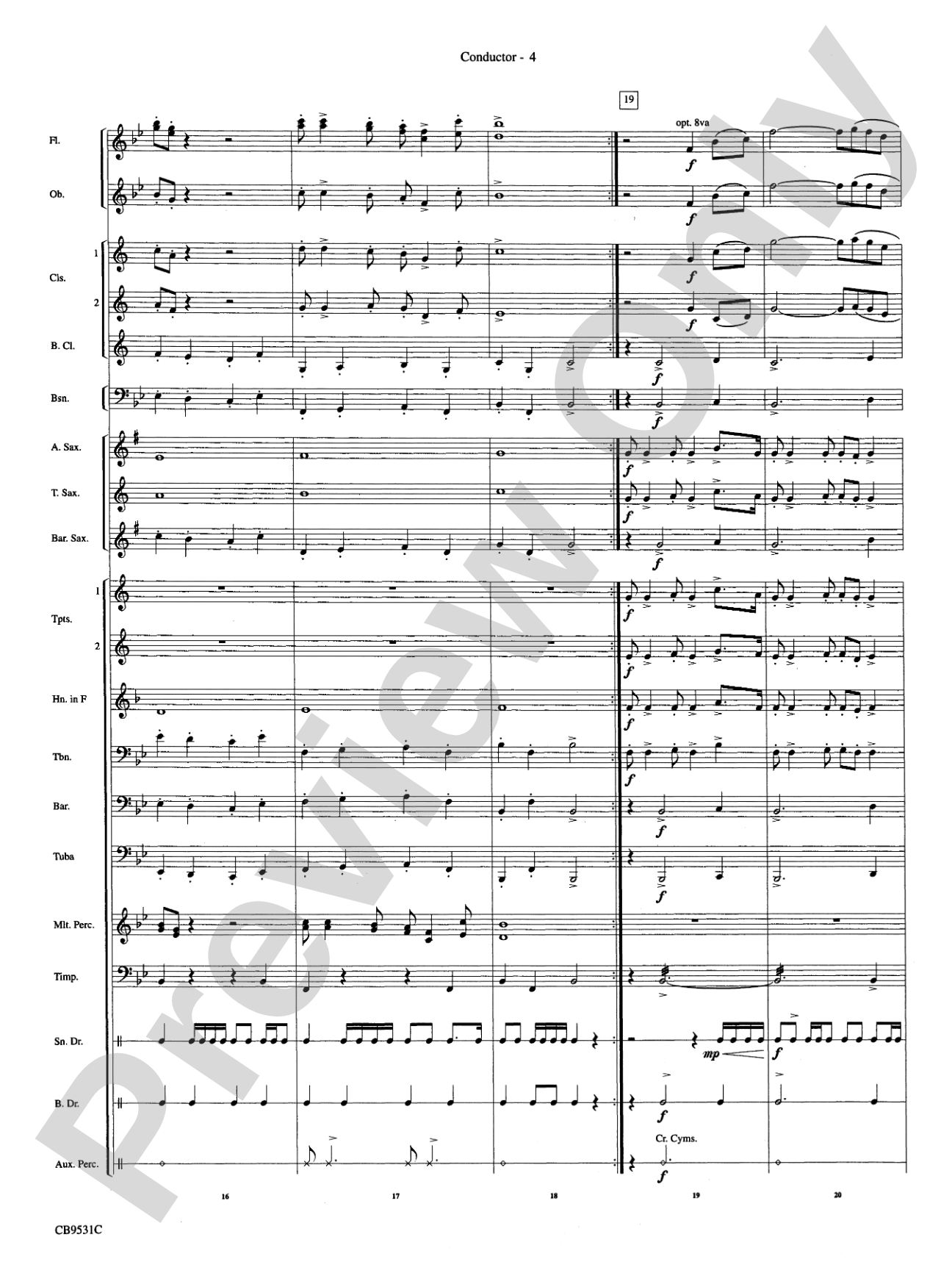
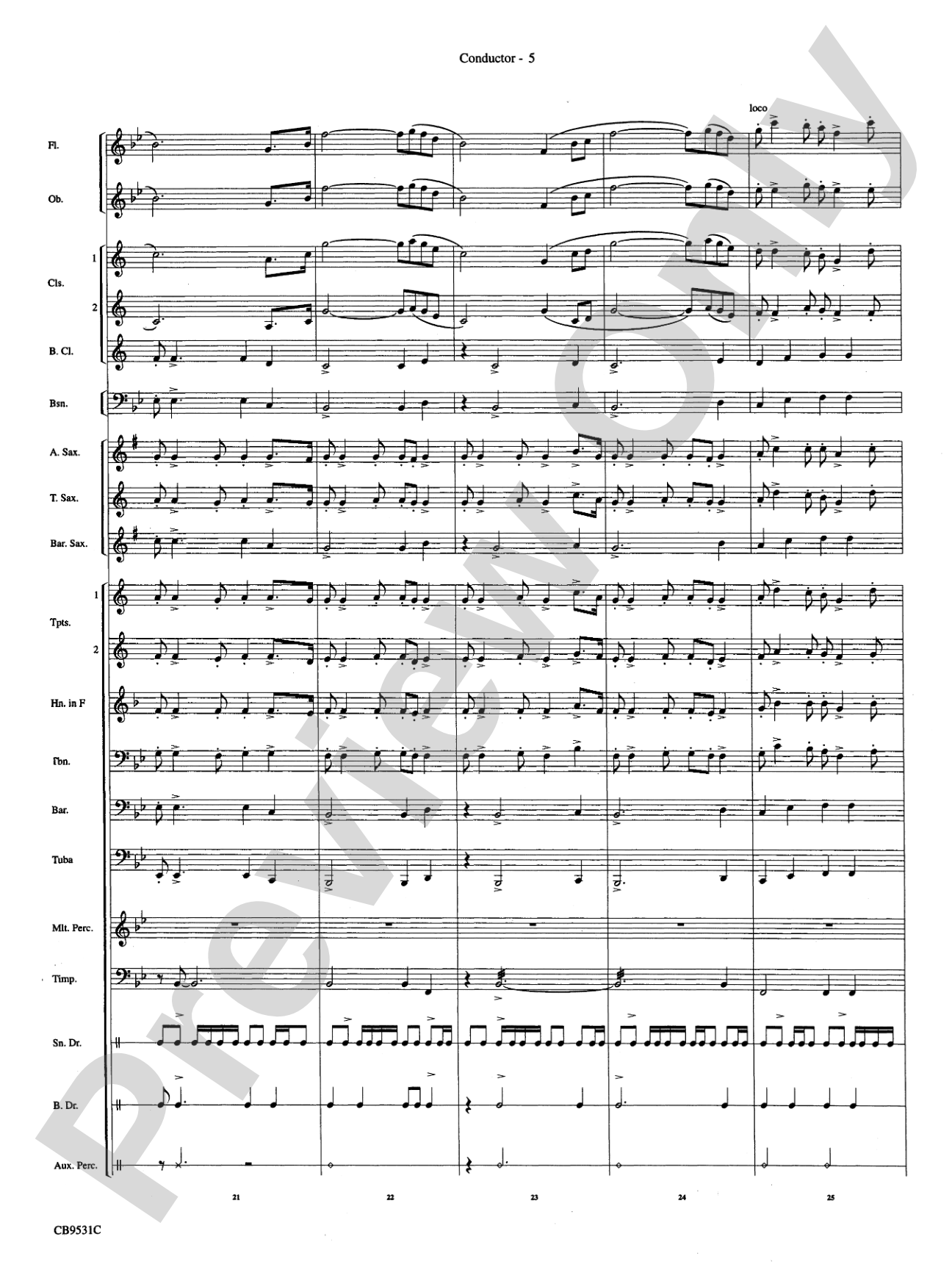
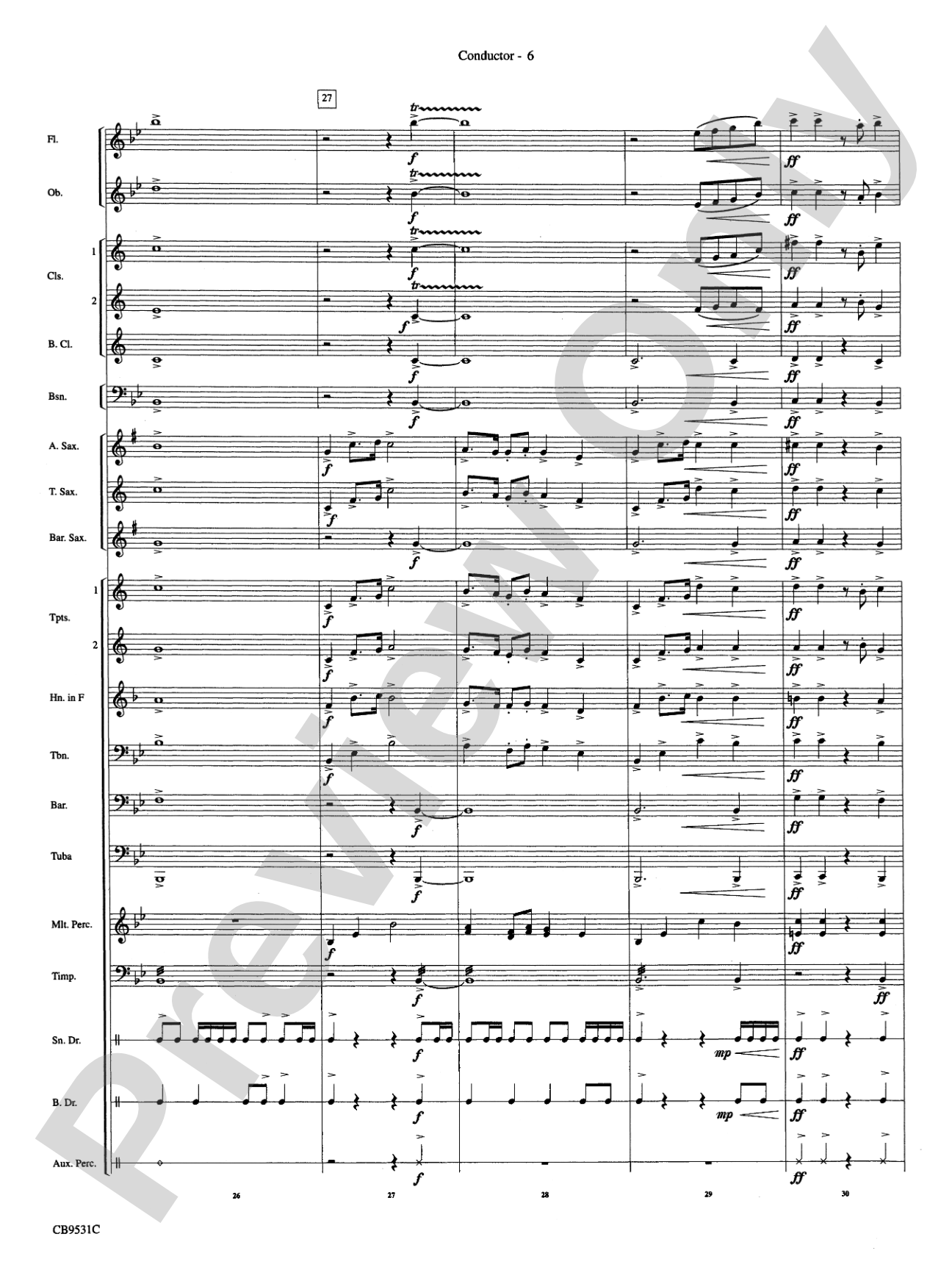
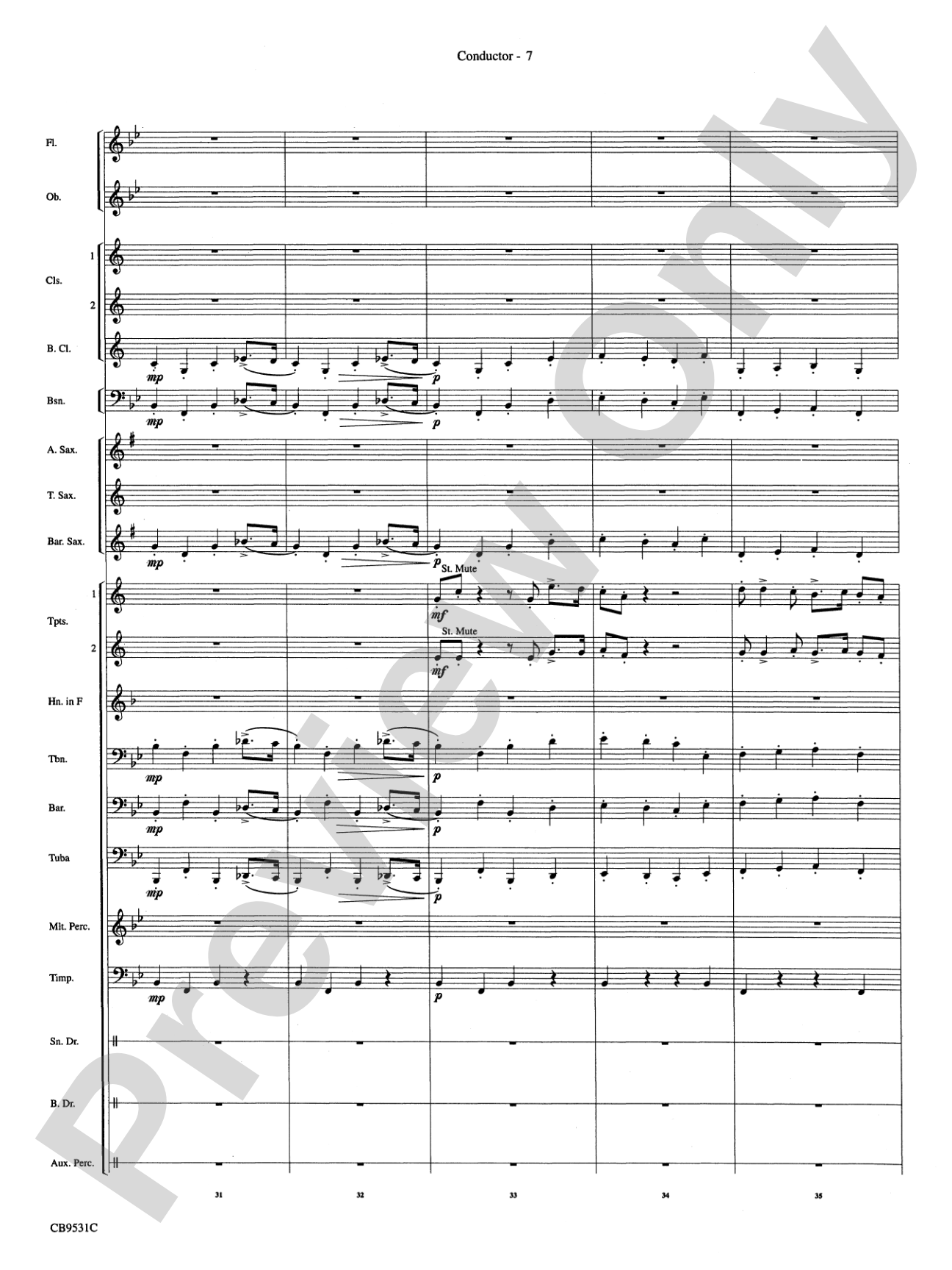
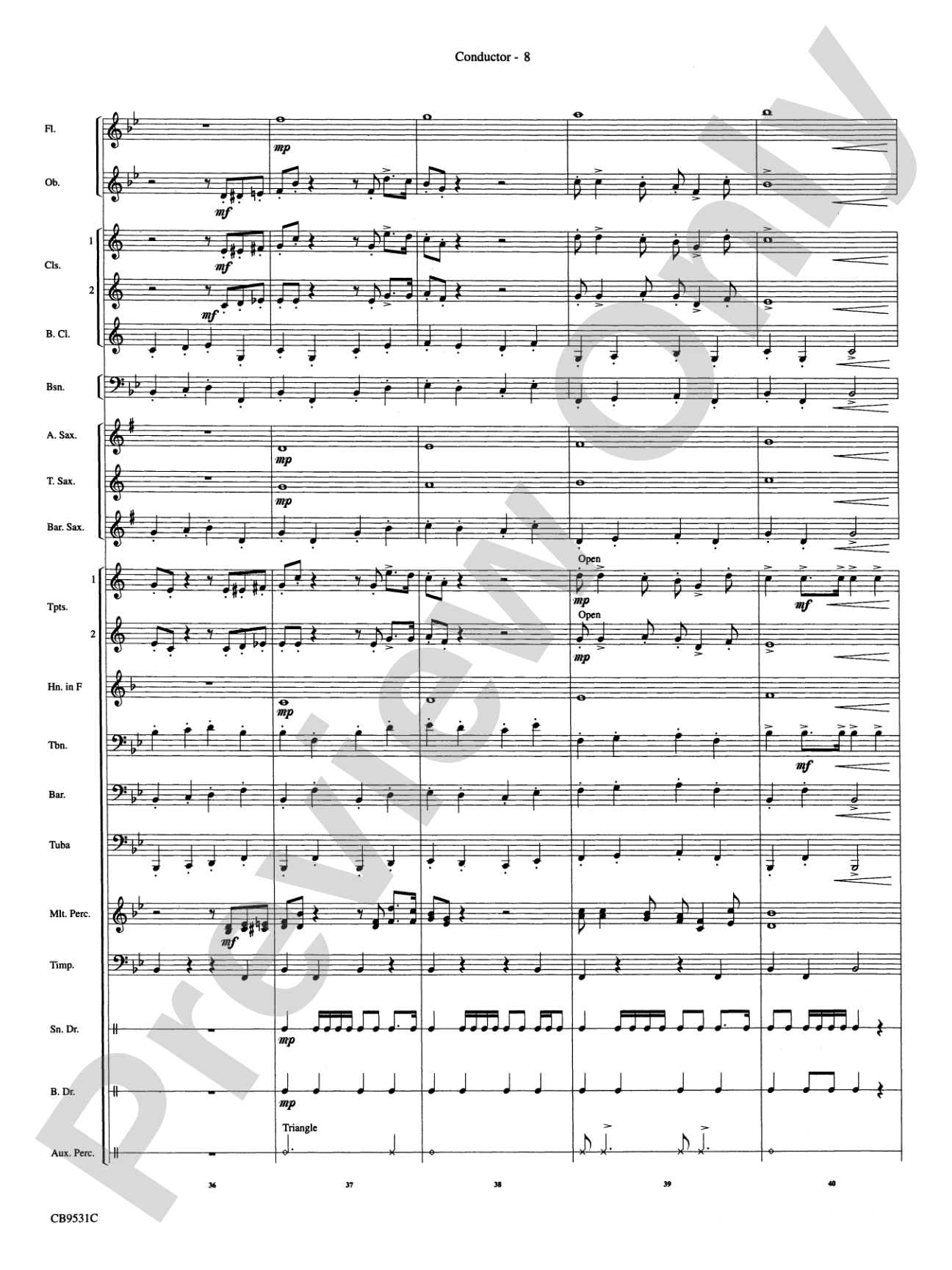
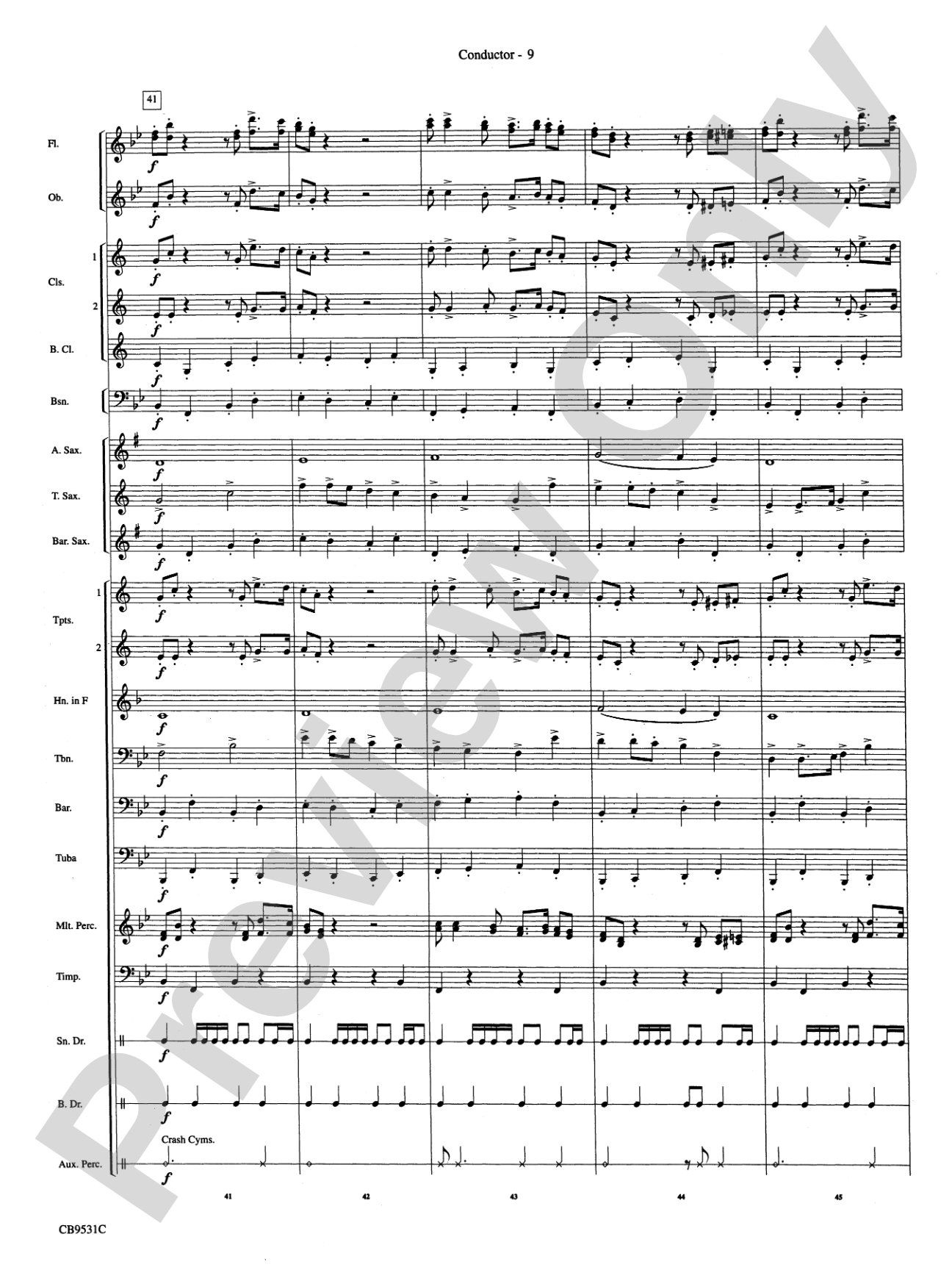
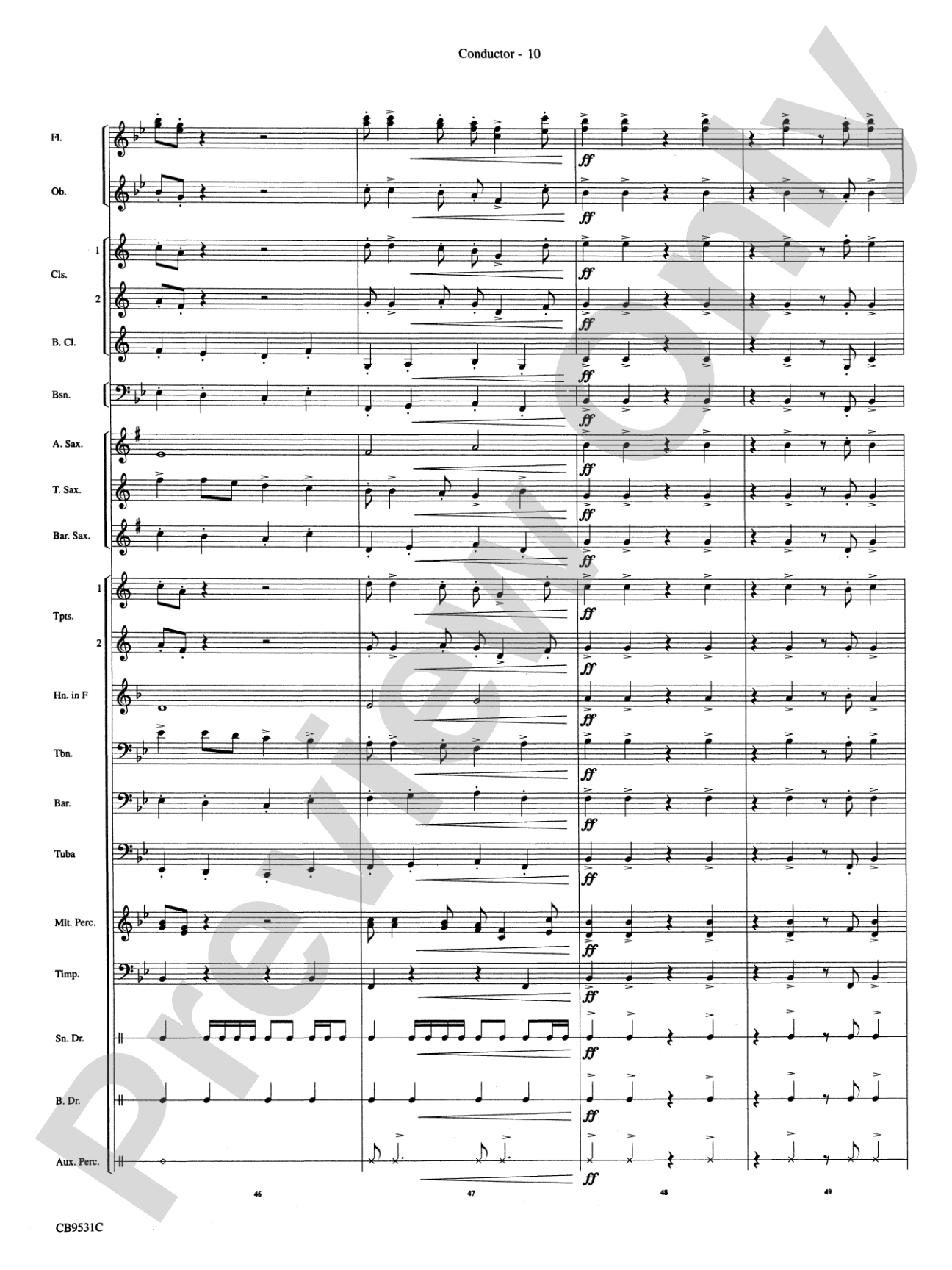
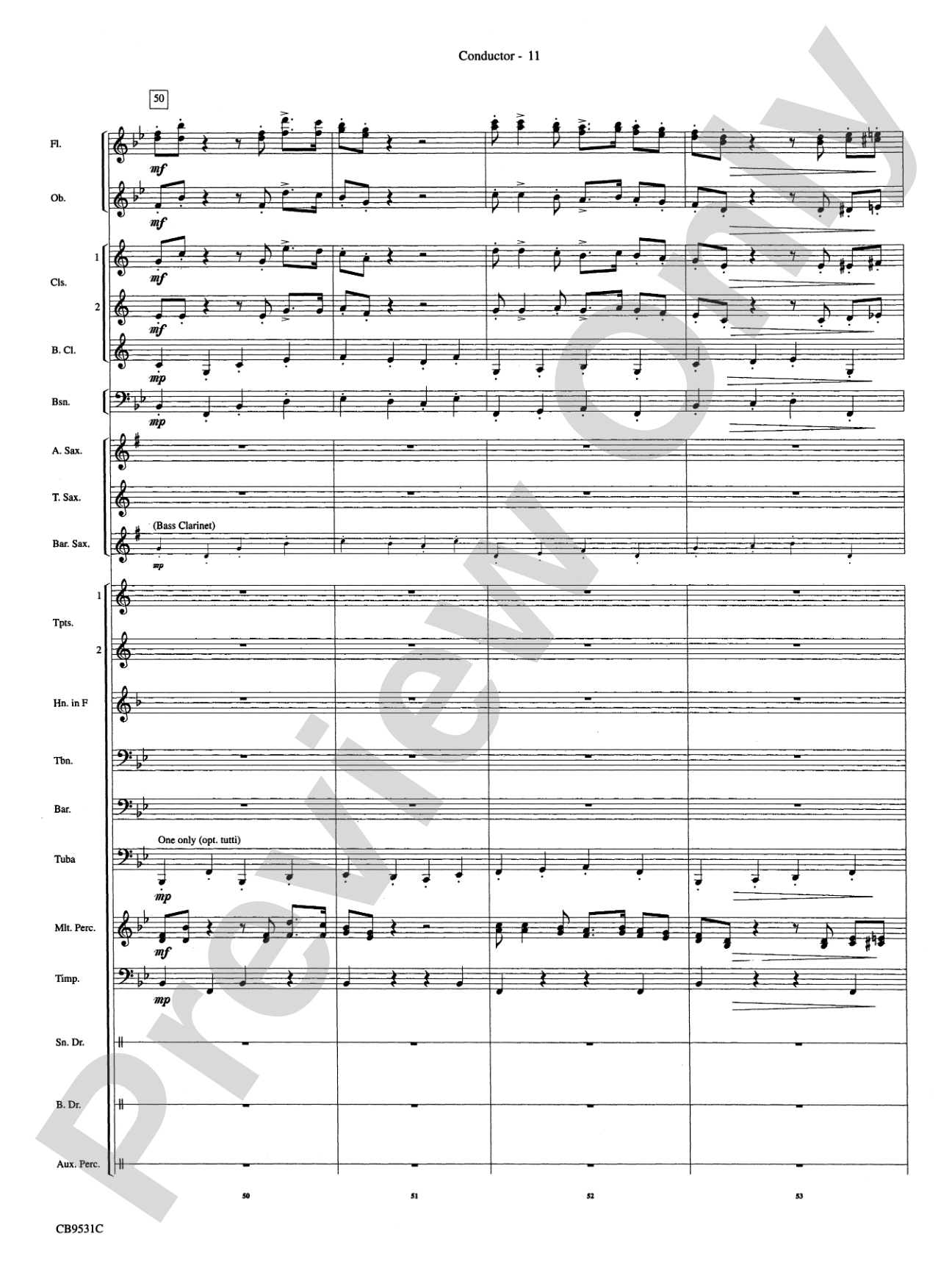
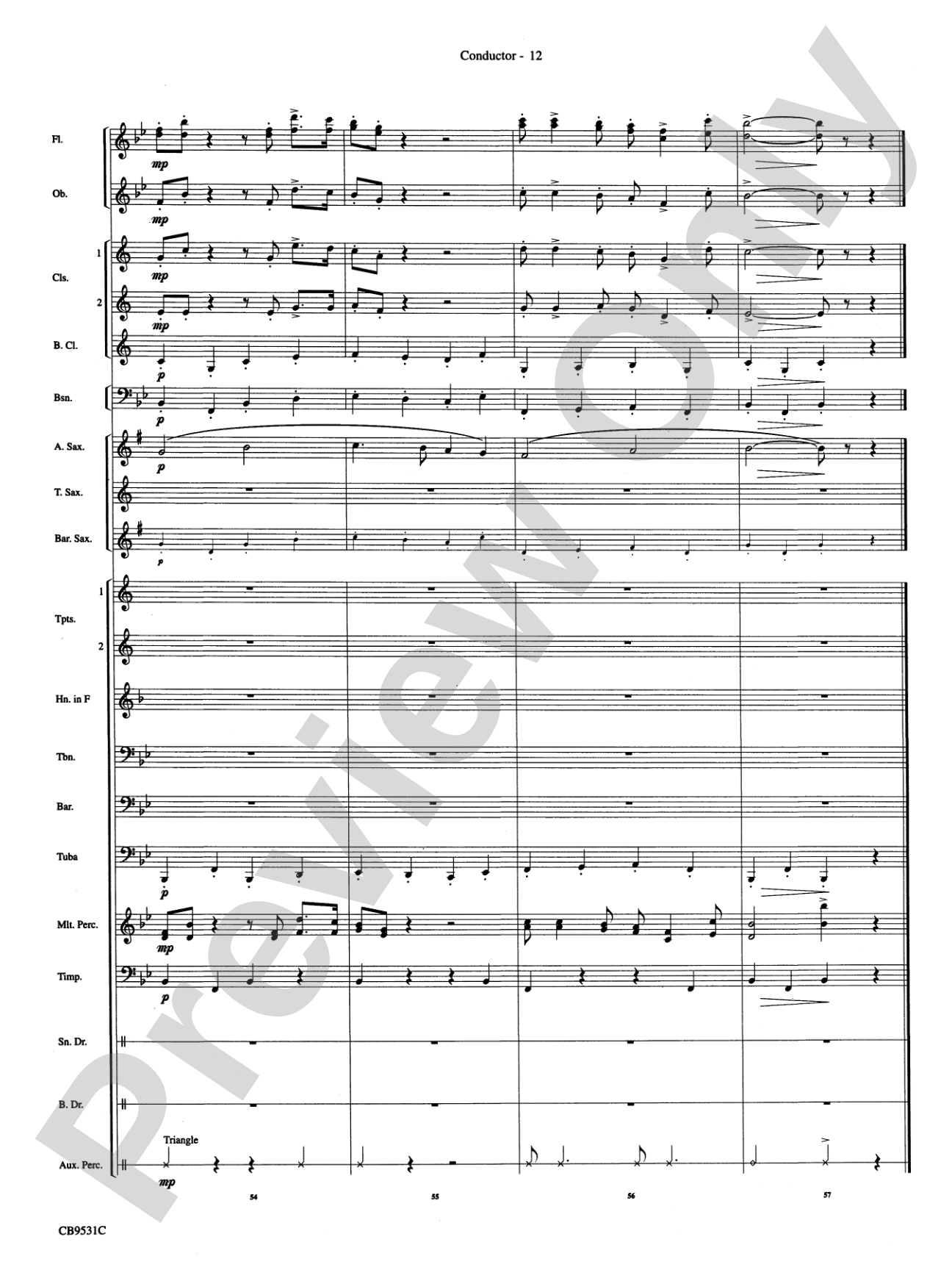



The Great Escape March: Concert Band Conductor Score & Parts
By Elmer Bernstein / arr. Robert W. Smith
Grade: 2 (Easy)
Item: 00-PK-0004401

$62.00
One moment…
Description
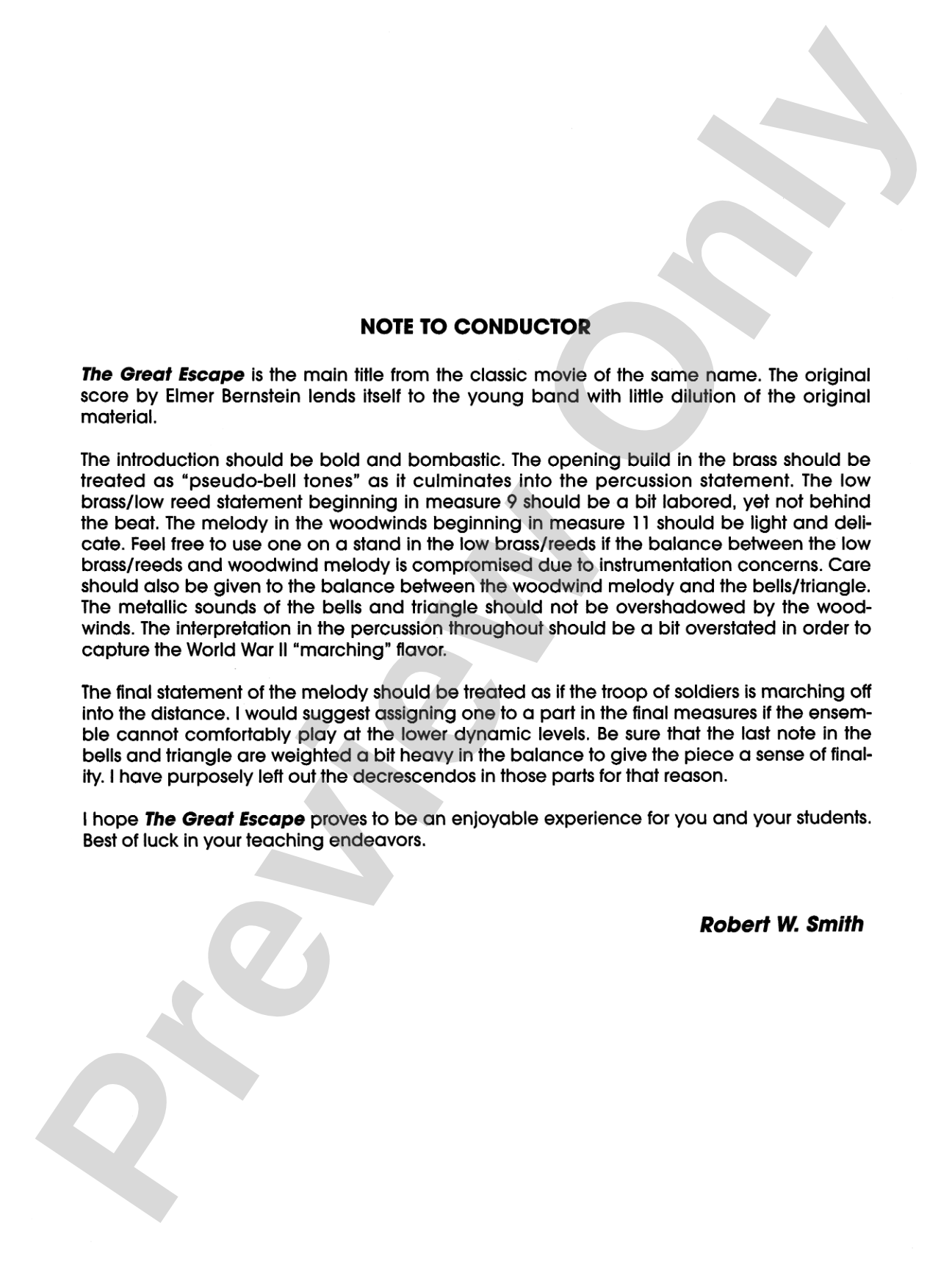
The Great Escape March is the title theme from the classic motion picture of the same name. In the style of a true concert march, the opening is bold and bombastic, with the following segments a blend and balance of melodies flowing throughout the woodwinds and brasses. The final statement is the sound of a troop of soldiers marching off into the distance. Captivating! (2:19)


Don't just read it, hear it, play along with it, and watch your students grow with it. In MakeMusic Cloud, The Great Escape March: Concert Band Conductor Score & Parts comes alive with professional accompaniment, adjustable tempo, and built-in practice tools that turn solo practice into real progress.
Open in the Player
Jump straight in and assign it today.
Start Your Free Trial
Open this title and explore the full library in minutes.
Sample Audio
No sample audio found.
Sample Video
No sample videos found.
Additional Details
Series:
Pop Young Band
Publisher:
Alfred Music
Page Count:
120
SKU:
00-PK-0004401
More about this title
About the Composer: Elmer Bernstein
Elmer Bernstein (1919-2004) was a towering film composer whose mastery of orchestration shaped the sound of American cinema for over fifty years. His ability to write memorable, structurally sound themes made him equally comfortable scoring westerns, dramas, comedies, and action films. Bernstein's concert works and film scores have become standard teaching repertoire because they demonstrate how to build and sustain musical drama without complexity.
His themes are instantly recognizable and built on principles that student musicians can understand and execute: clear melodic ideas, logical harmonic progressions, and orchestration that serves the music rather than obscuring it. For young bands, Bernstein's work offers the rare combination of immediate appeal and genuine musical substance.
Why we love this
Robert W. Smith's arrangement captures the essential architecture of Bernstein's iconic march without reducing it to a stock concert opener. The score balances the bombast you need for dramatic impact with the melodic clarity that keeps young musicians engaged and listening to each other. This is a piece that sounds impressive and feels achievable, which builds genuine confidence in developing bands.
What to expect
Heroic and purposeful from the downbeat. The opening charge gives way to lyrical moments where the band breathes together, then builds into a magnificent final statement as an imagined regiment disappears over the horizon. There's theatrical grandeur here, but it never tips into caricature; the music earns its drama through solid composition.
Who it's for
Grade 2 bands ready to program something that sounds mature and cinematic without requiring advanced technique. This works beautifully for spring concerts, community events, or any program that needs an opener with immediate character. Directors building ensembles that play with clarity and clean attacks will find this especially rewarding.
How to get the most out of it
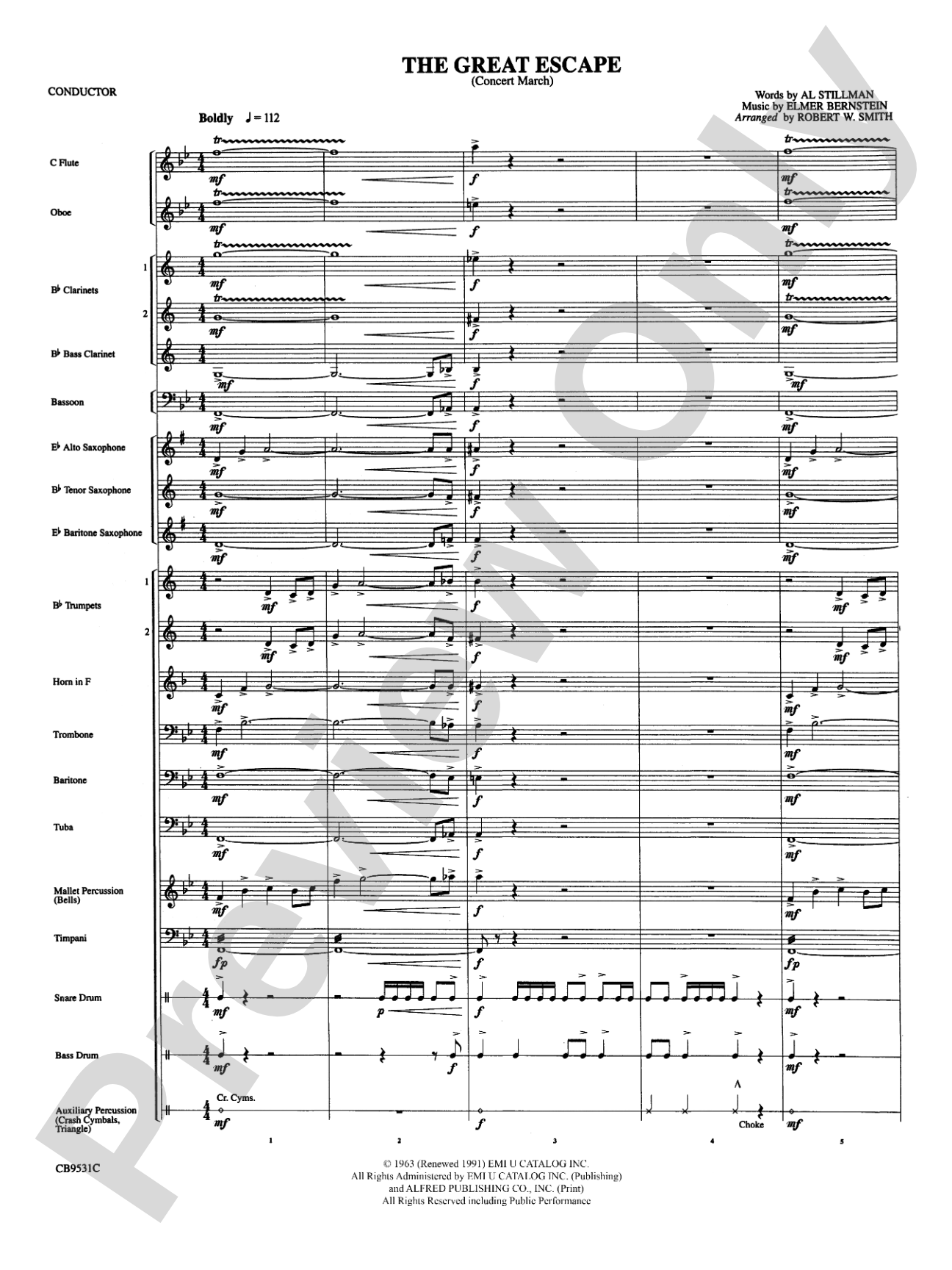
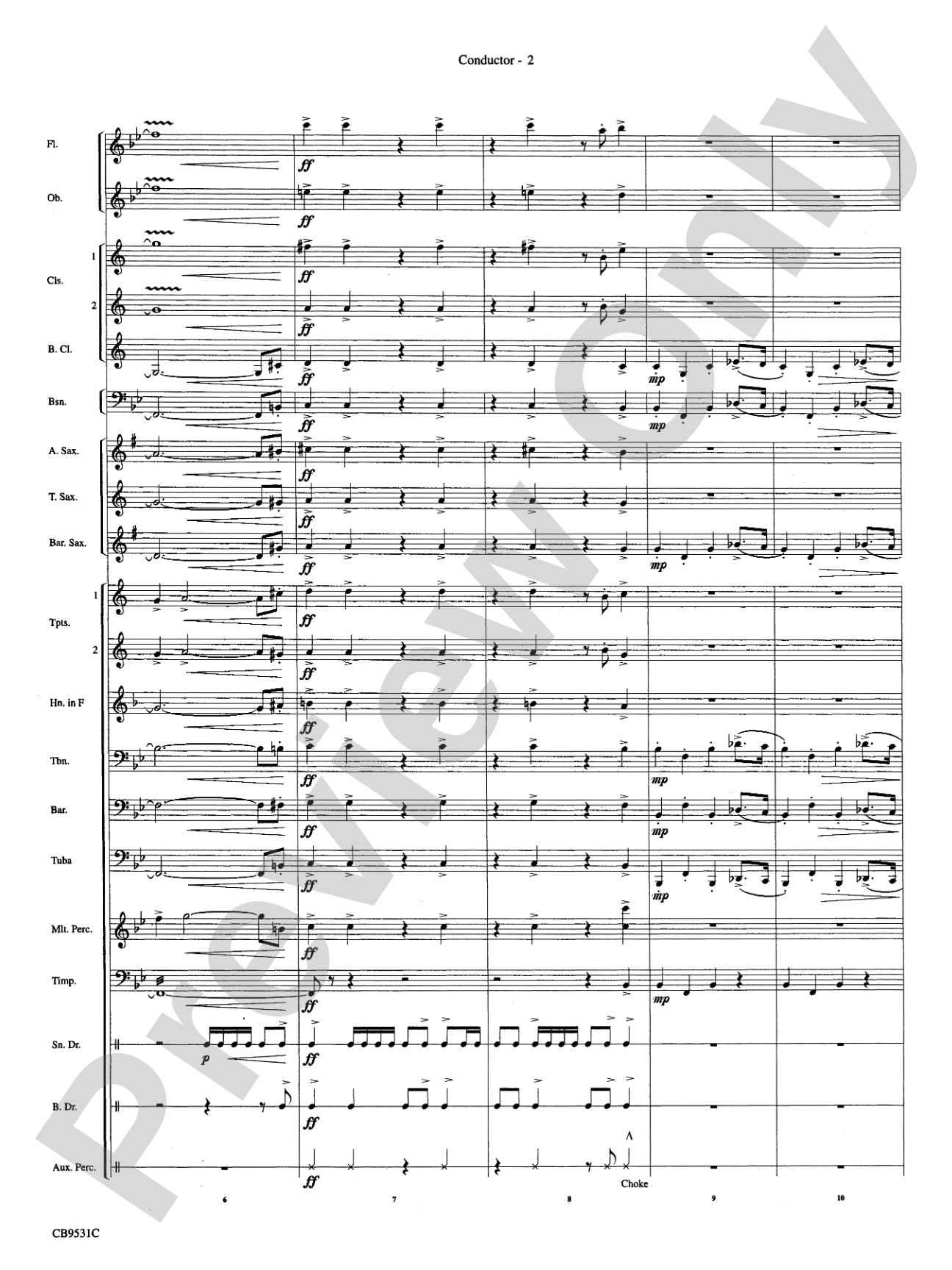
- Nail the opening statement in the first eight measures. This march lives or dies on a unified, powerful attack from the full band. Mark the attacks in rehearsal, conduct it cleanly, and make sure the section attacks are together before worrying about finesse.
- Shape the melodic segments that follow as conversations between sections rather than trading solo lines. The woodwinds and brasses weave in and out; listen for when the melody shifts and adjust the balance in real time during rehearsals.
- Build the final march-off gradually. Don't rush it. The effect comes from the steady crescendo and the sense that the sound is physically moving away. Let the tempo sit steady and let dynamics do the work.
- Use the recorded accompaniment to lock the rhythm section and get the feel of the march's swagger. Once your students hear it at tempo with proper energy, they'll catch the style immediately.
How to use it
Open a concert with this and you've set an energetic, confident tone before anything else happens. It pairs naturally with other film scores or light concert fare. It also works as a standalone encore if your band needs a quick, satisfying closer that leaves the audience wanting more.
Skills your students will build
- Unified ensemble attacks and releases in a full-band context
- Balance and blend between woodwind and brass sections
- Shaping long phrases while maintaining forward momentum
- Articulation clarity and consistency across the ensemble
- Listening for melodic lines that pass between sections